France · Metz · 46 pictures
Cimetière de l'Est
-
-
-
-
-
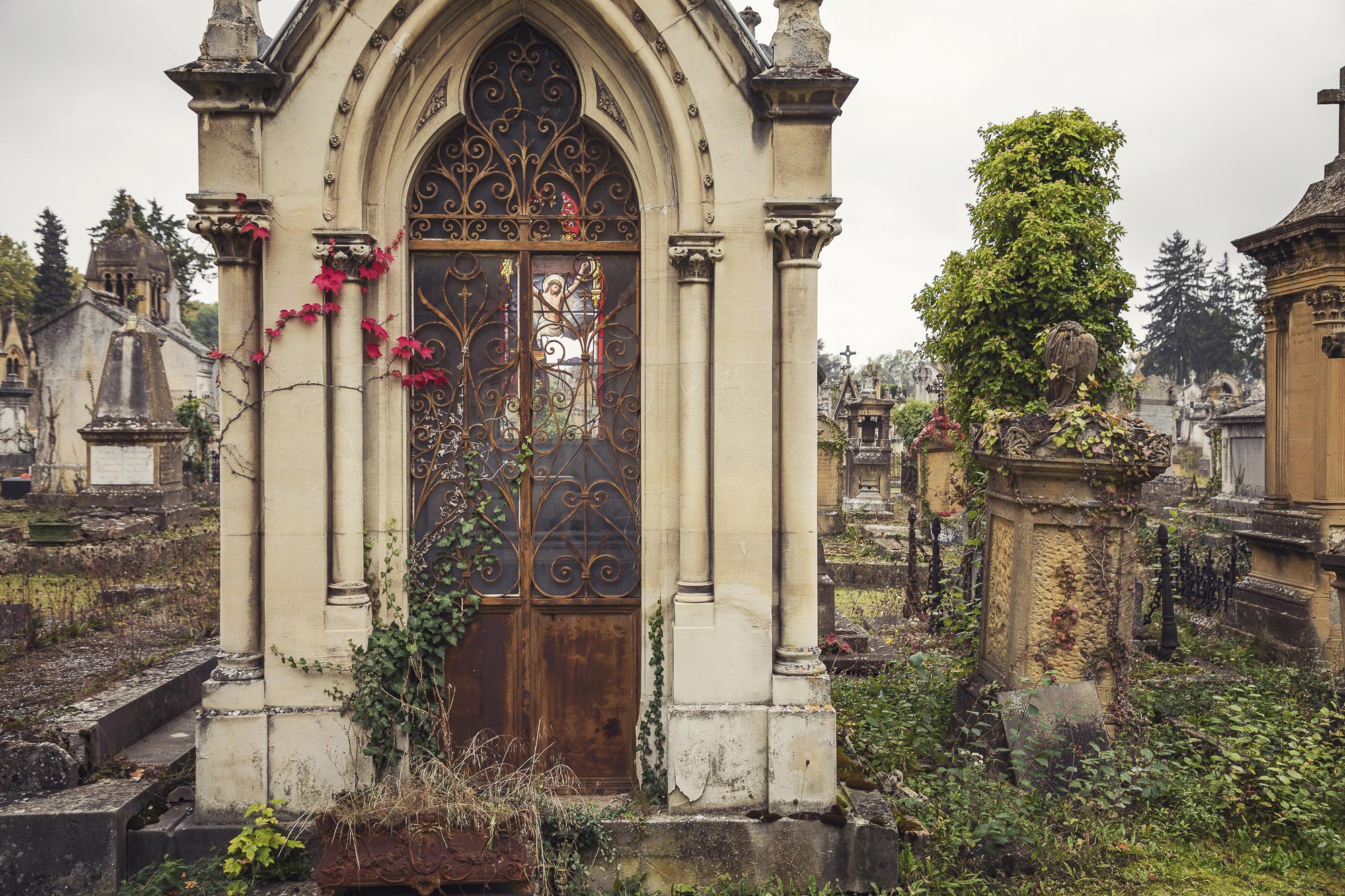
-
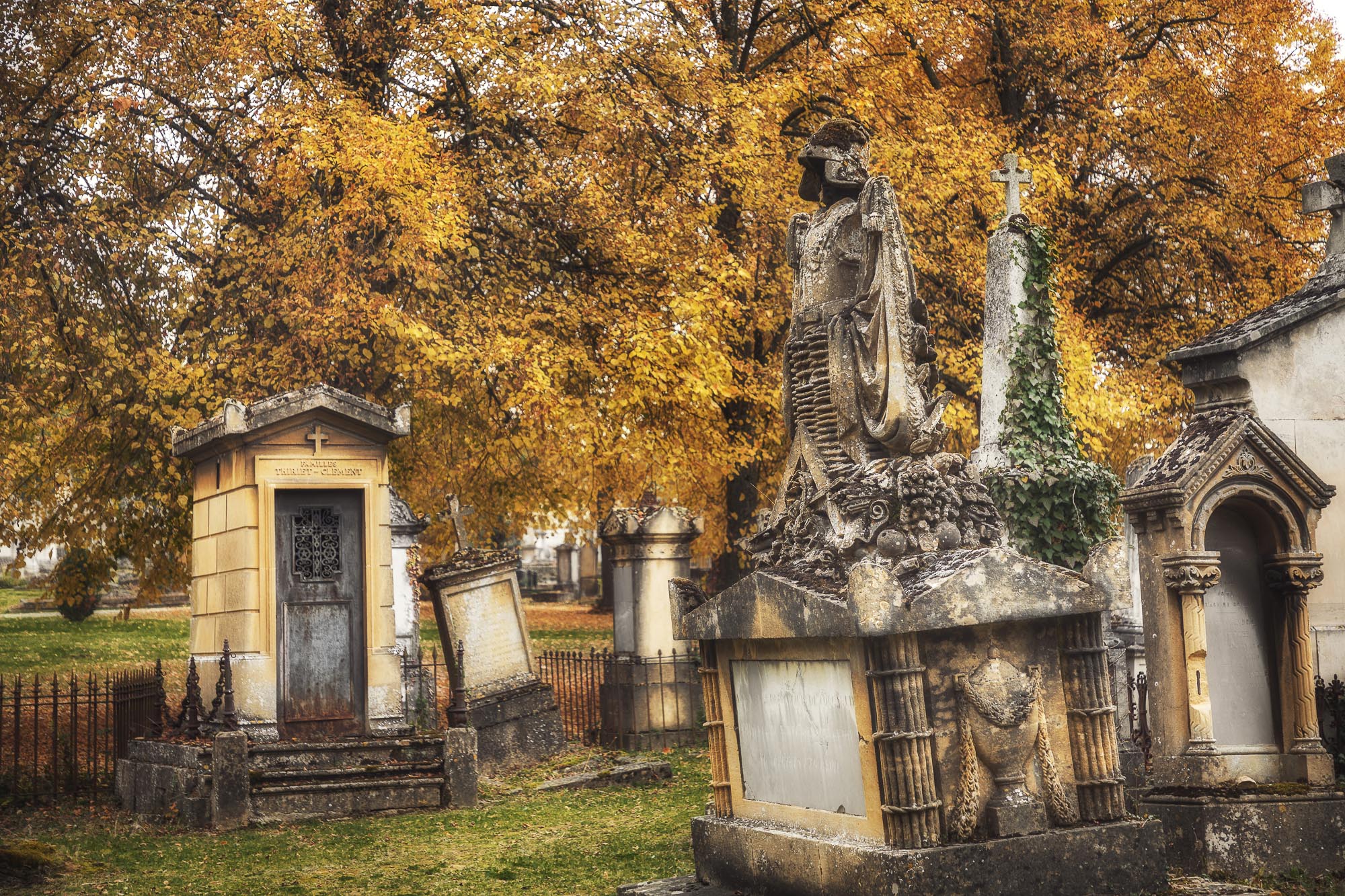
-
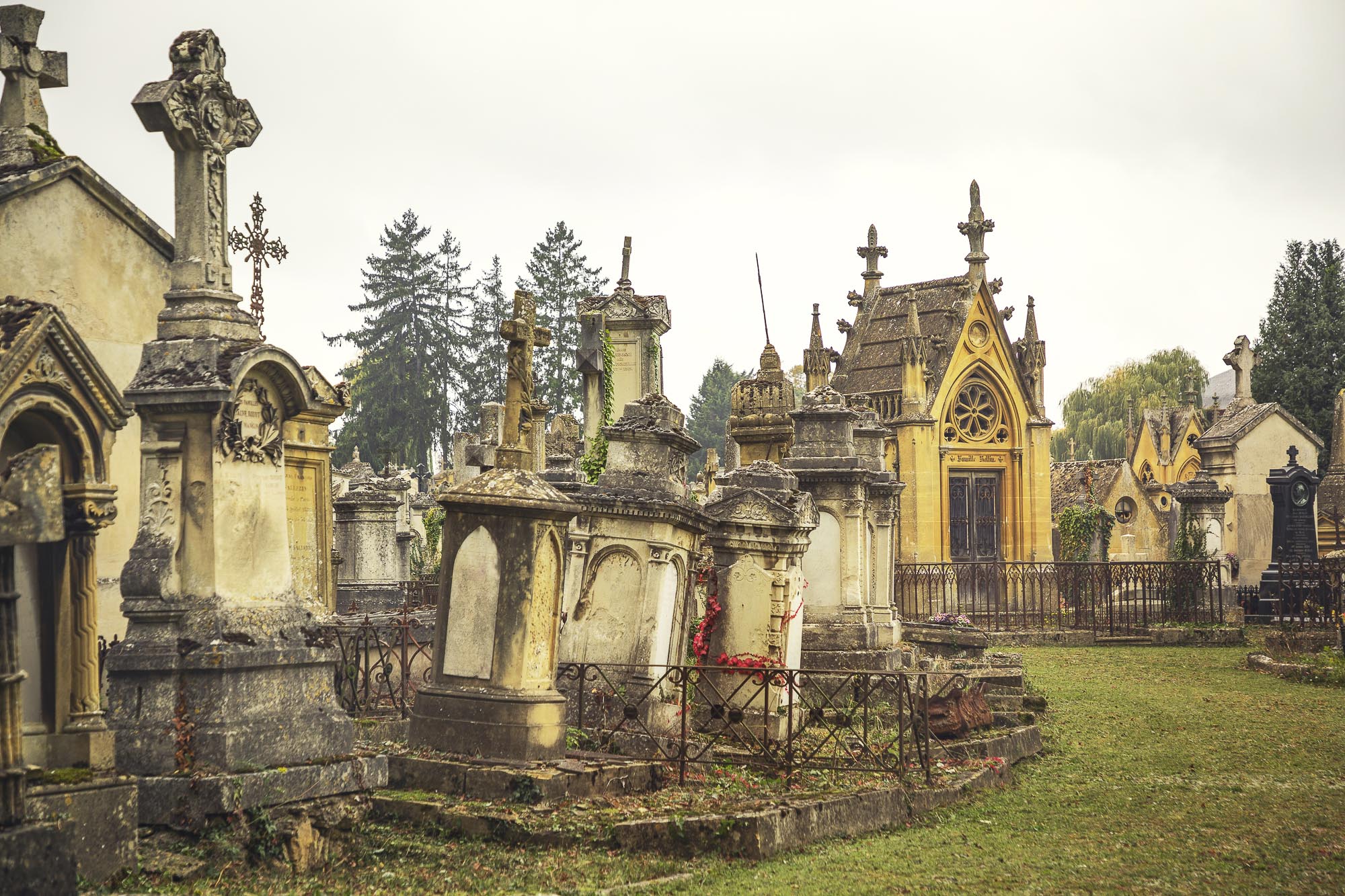
-
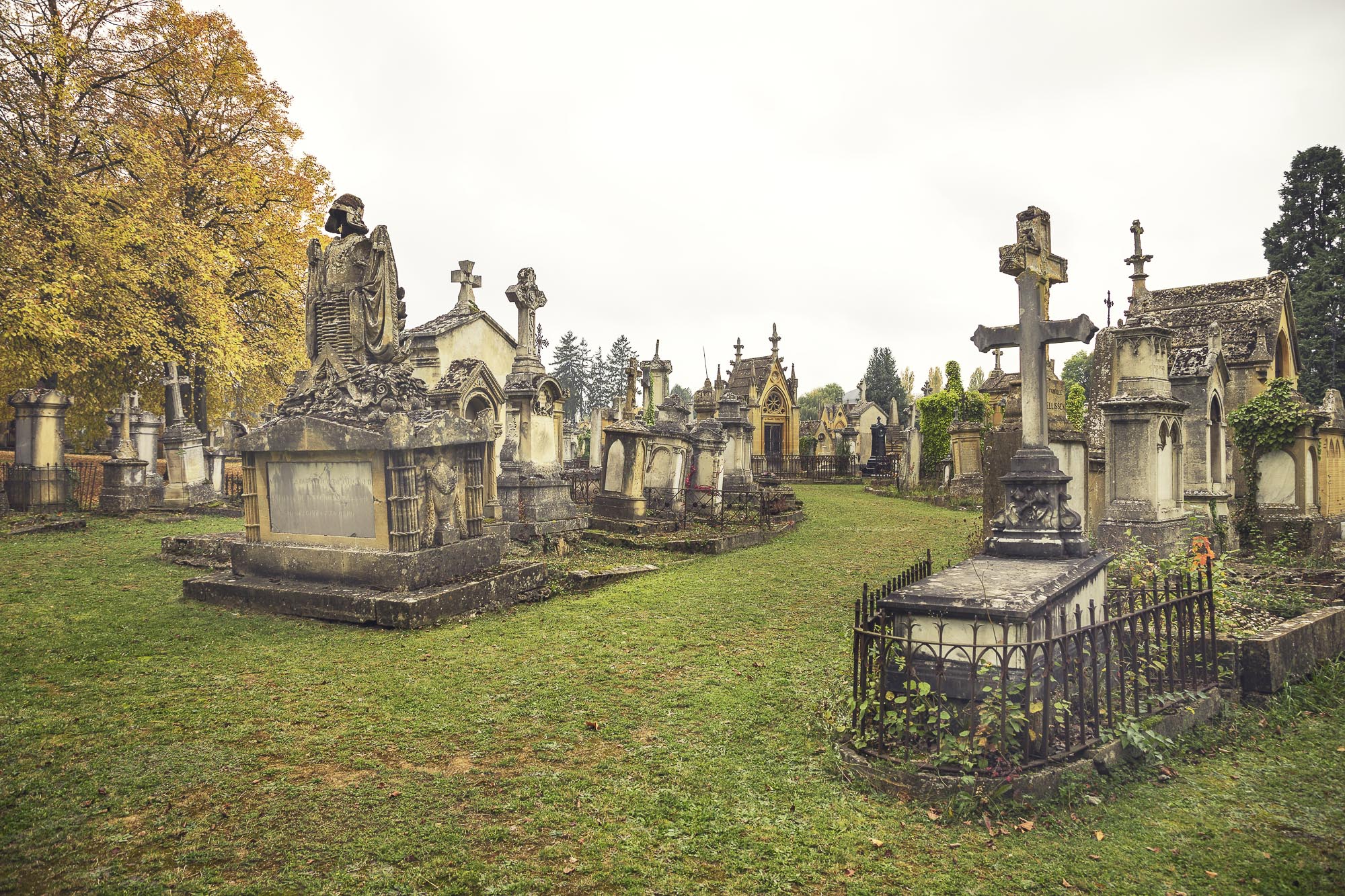
-

-
-
-
-
-
-

-
-

-
-
-
-
-
-
-
-
-
-
-
-
-
-
-

-
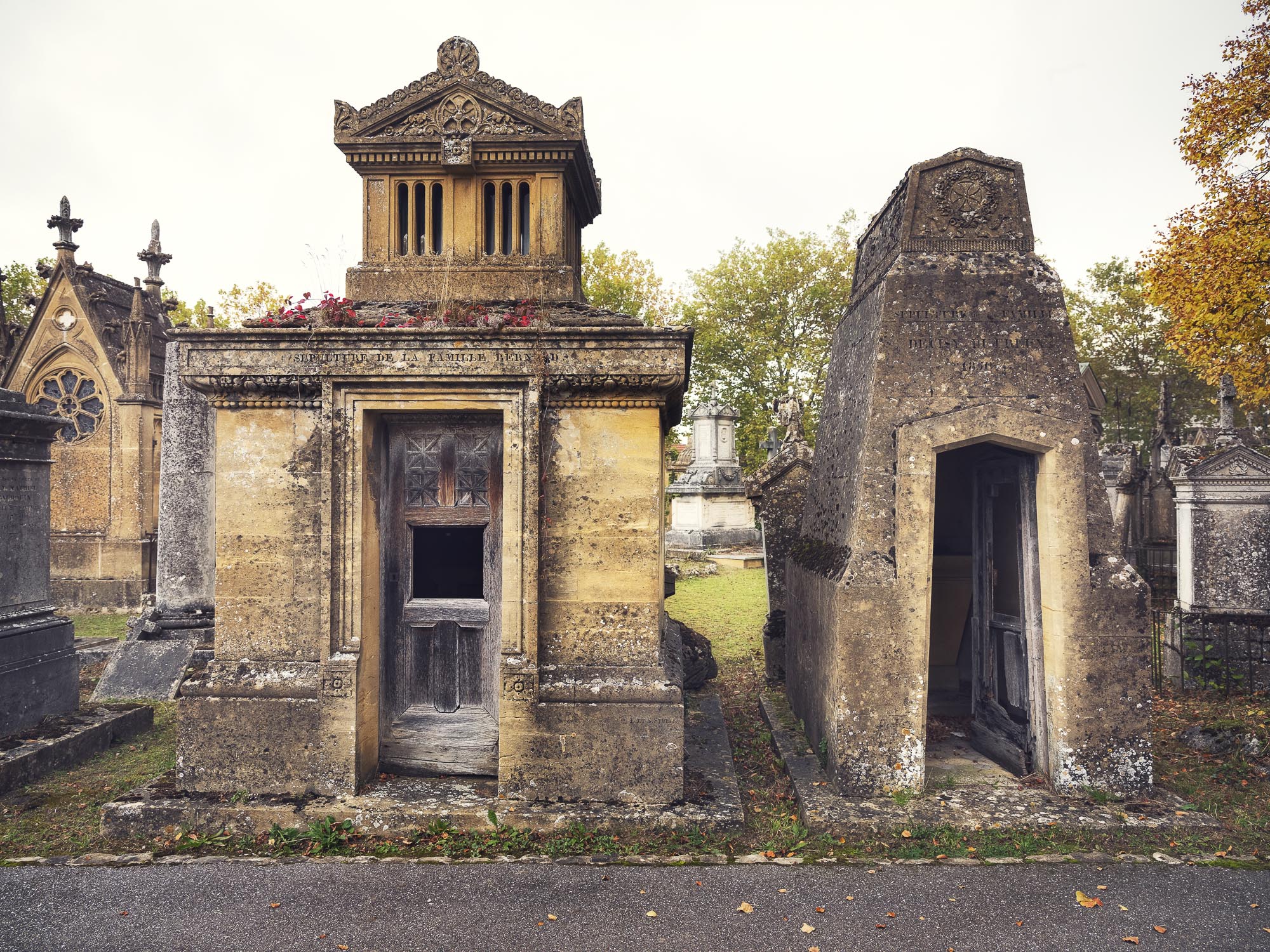
-
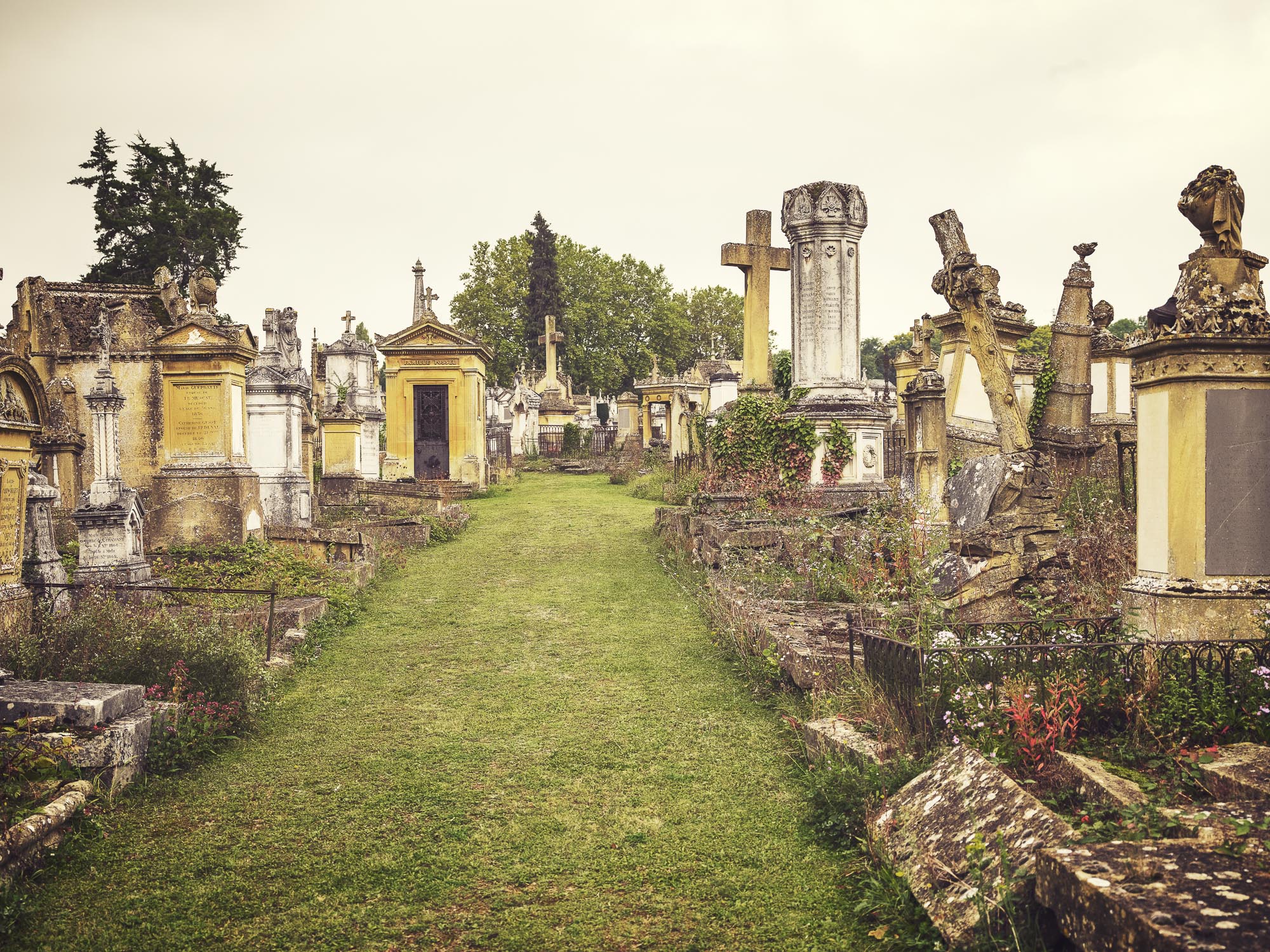
-
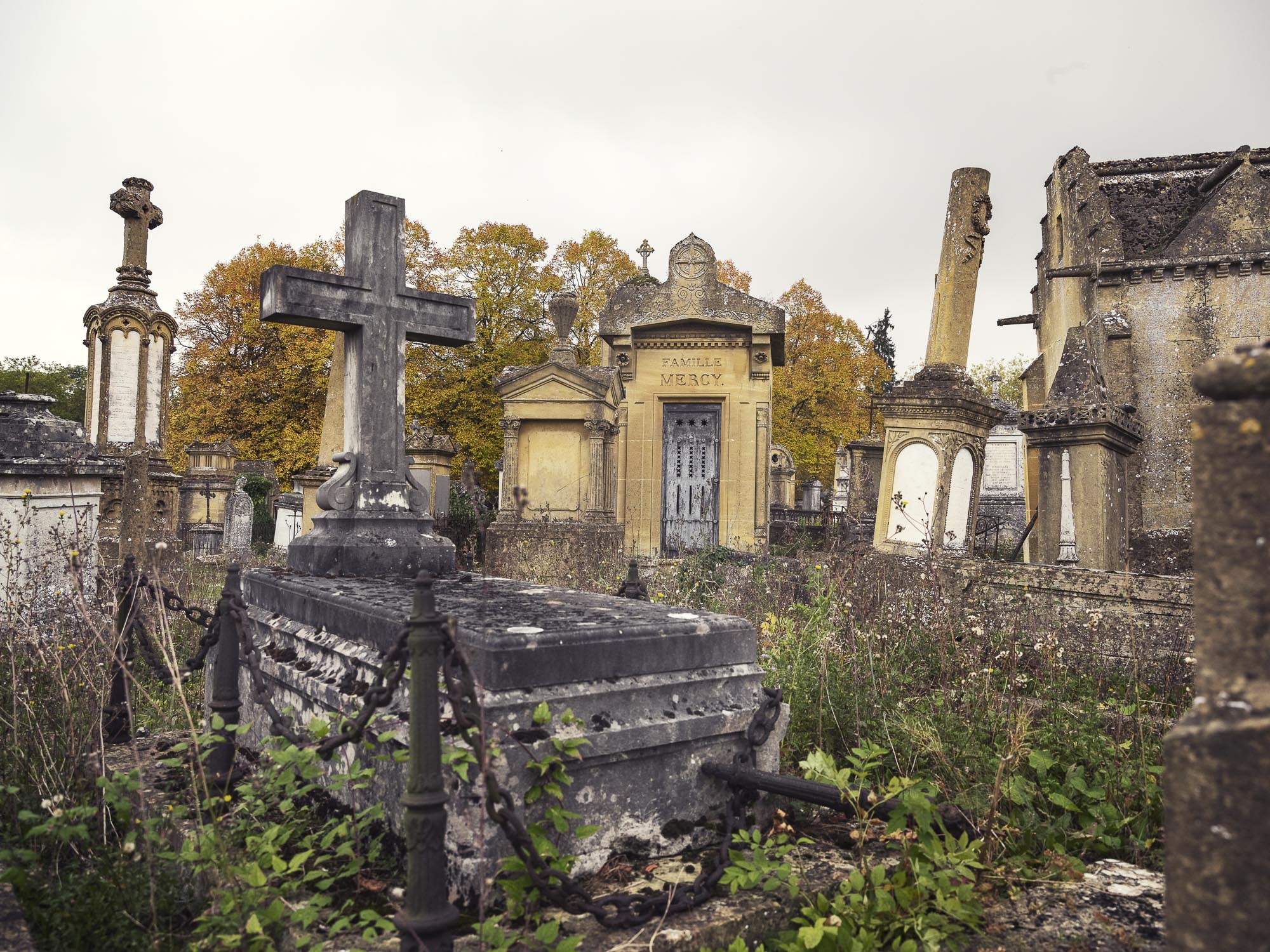
-
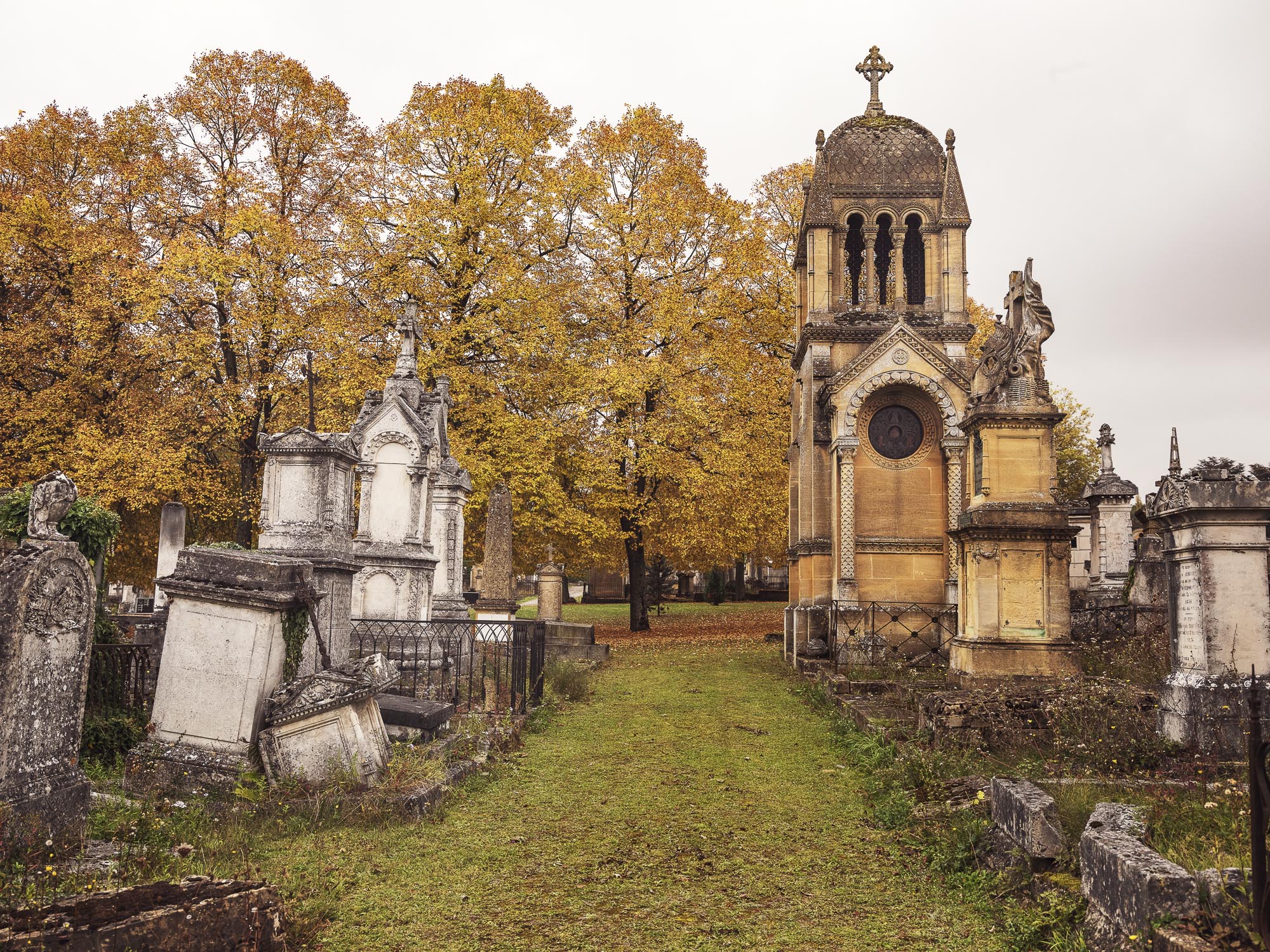
-
-
-
-
-
-

-
-

-
-
About this place
By around 1830 the churchyards of Metz had become cramped and unhygienic. A cholera epidemic made a new cemetery urgent; it was decided in 1833, and the landowner Marie-Lucien Silly sold the ground to the city. The first entrance bears the date 1834, and a second, on the Avenue de Strasbourg, followed in 1864 and served the Protestant section. Drainage and sanitation works ran from 1839 to 1870.
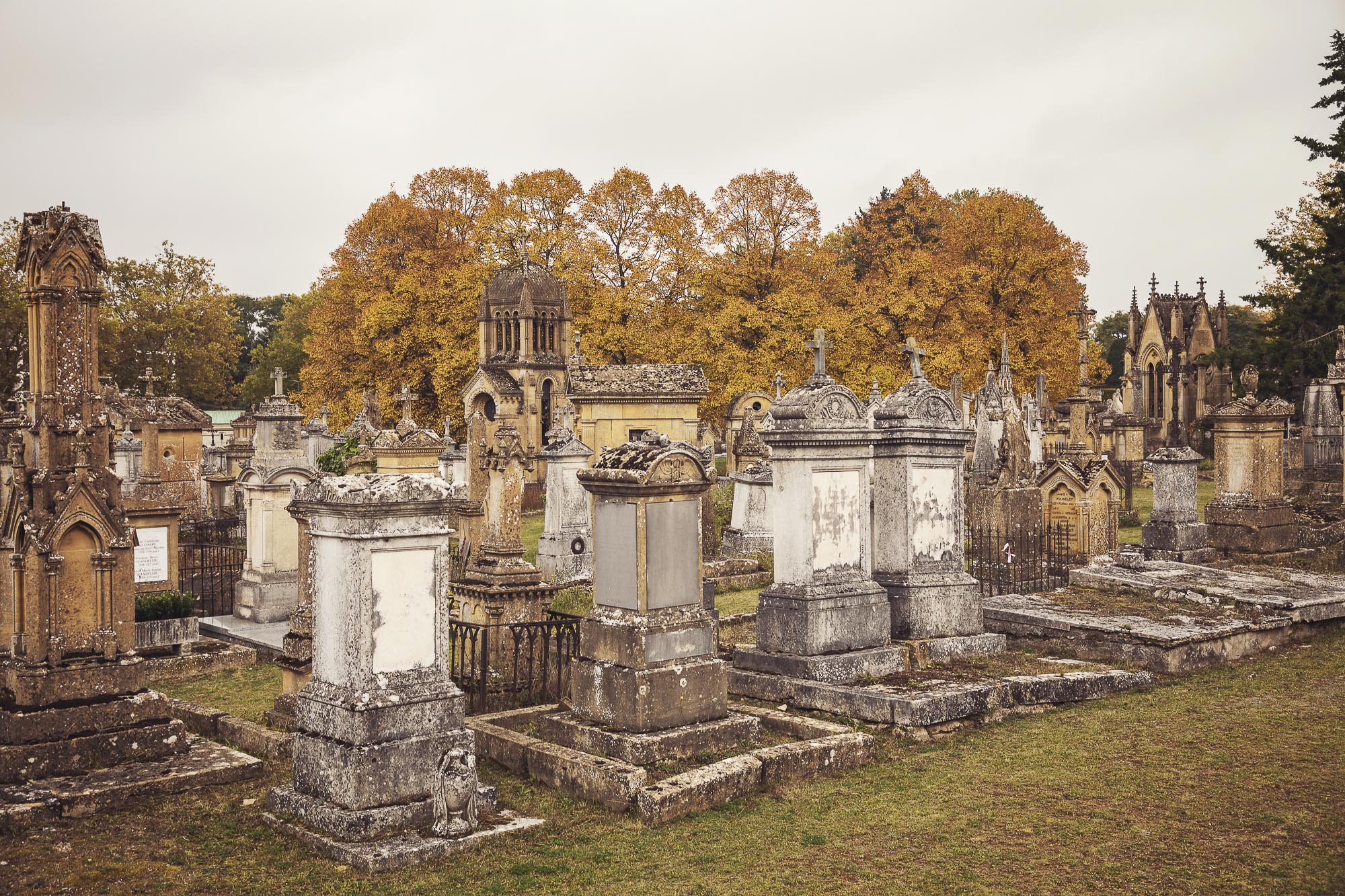
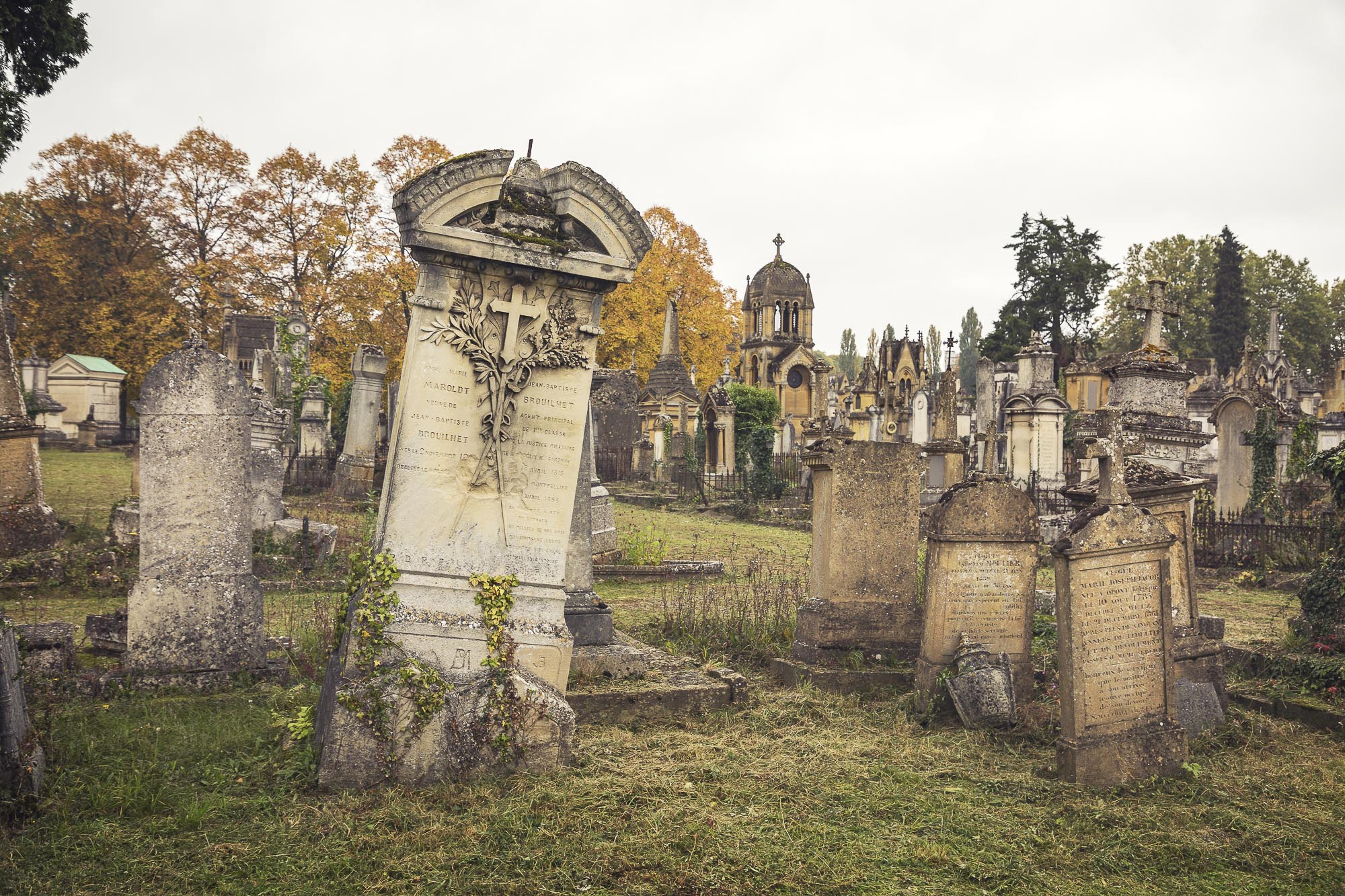
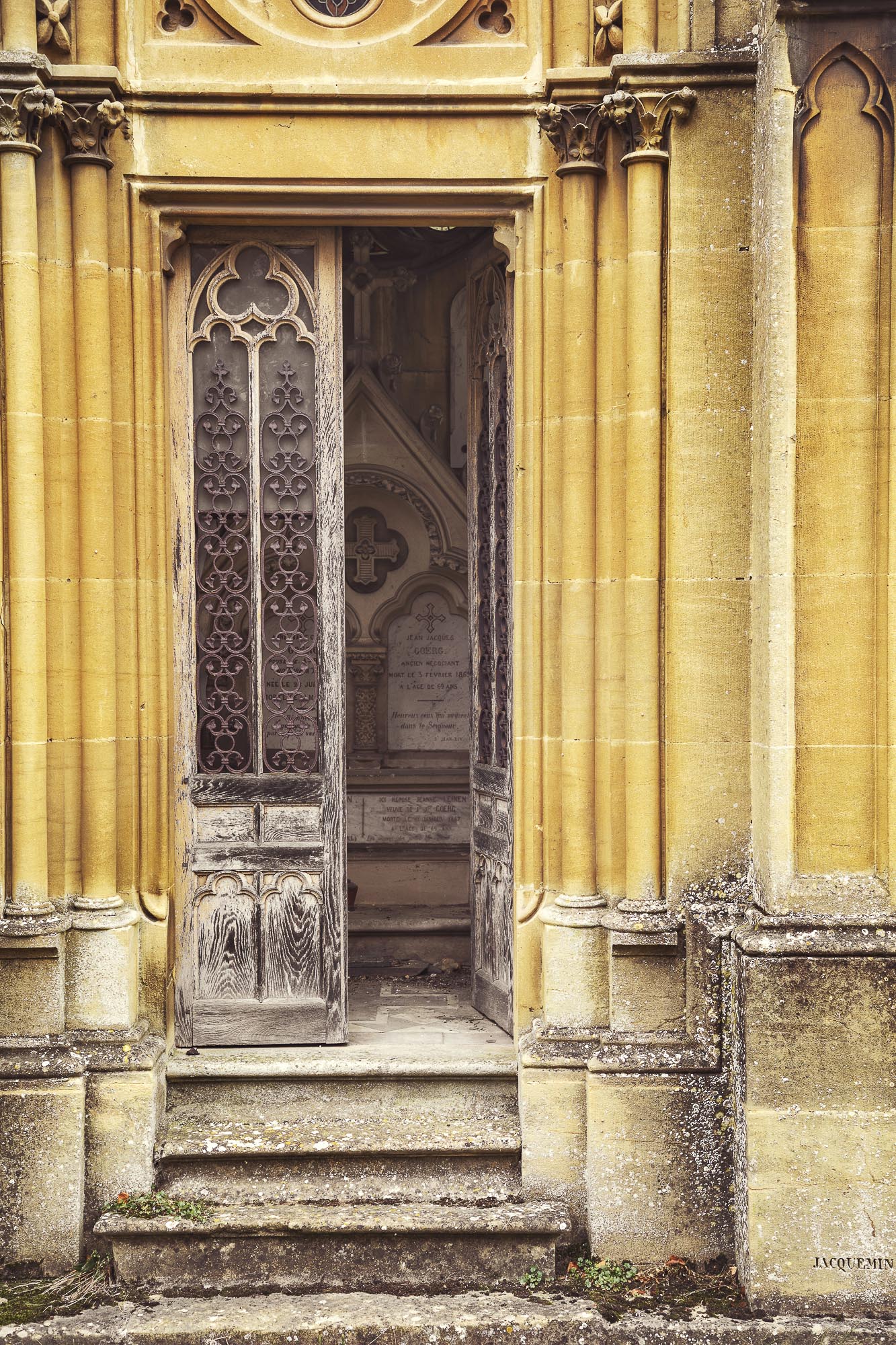
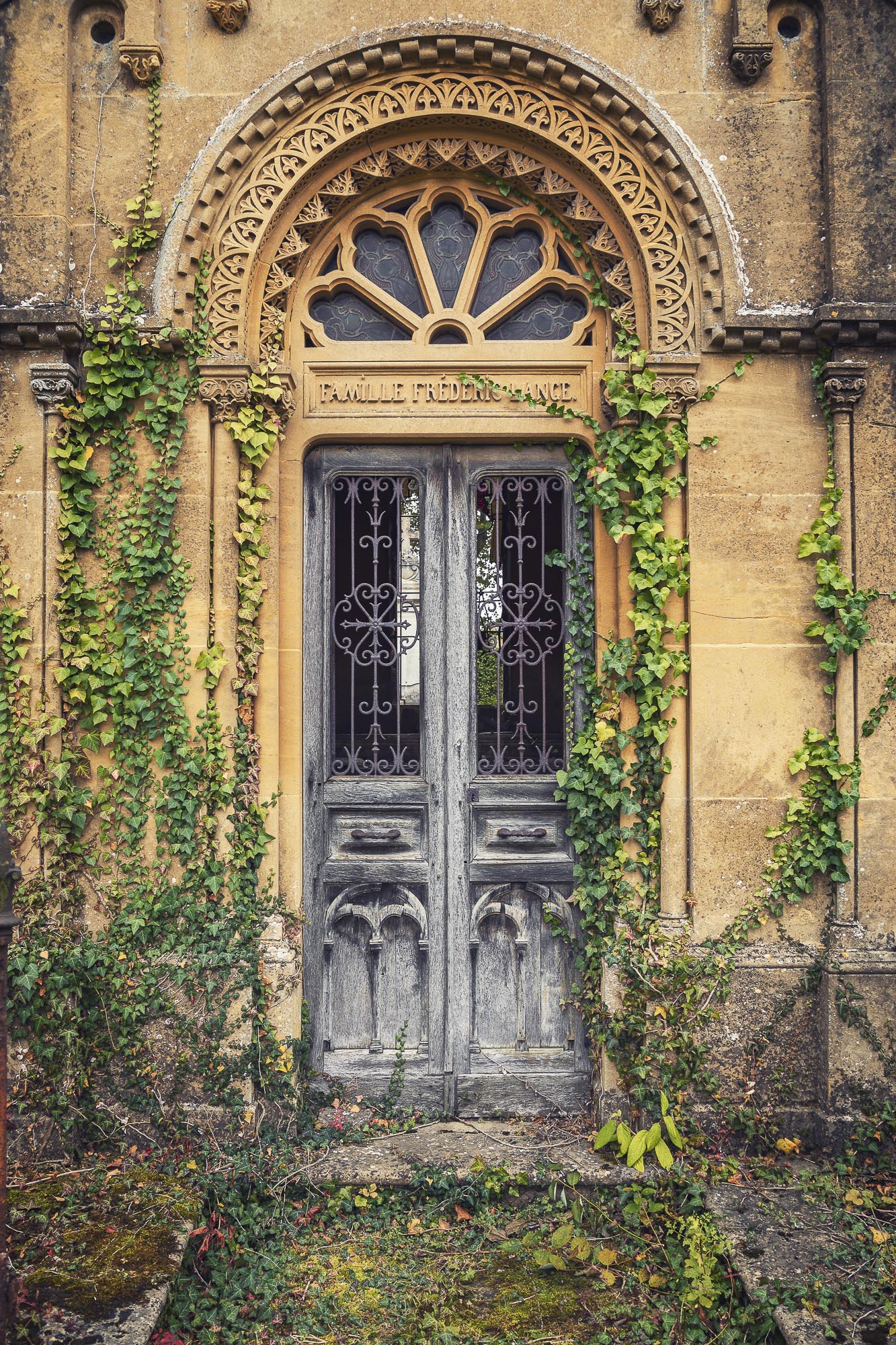
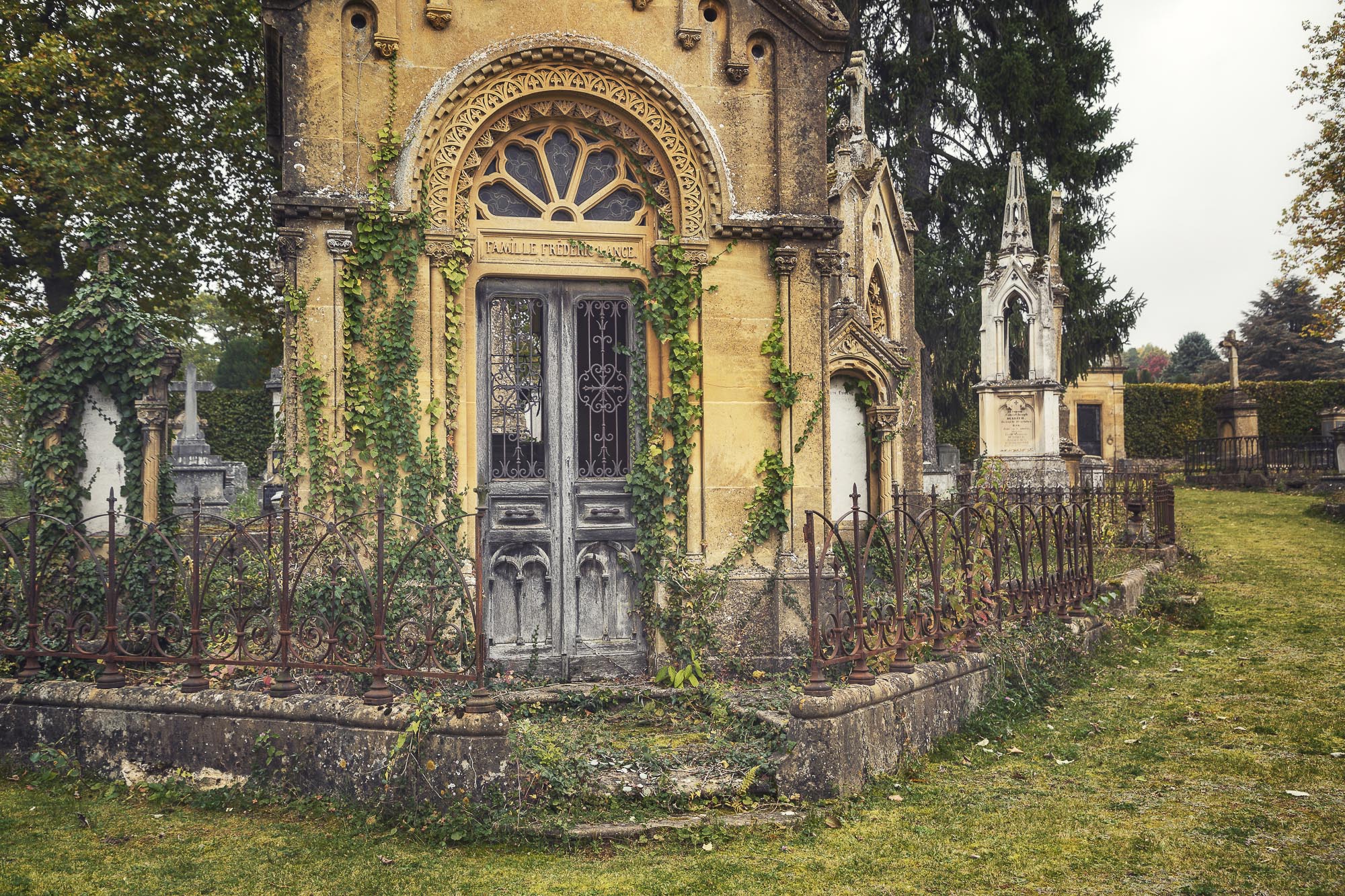
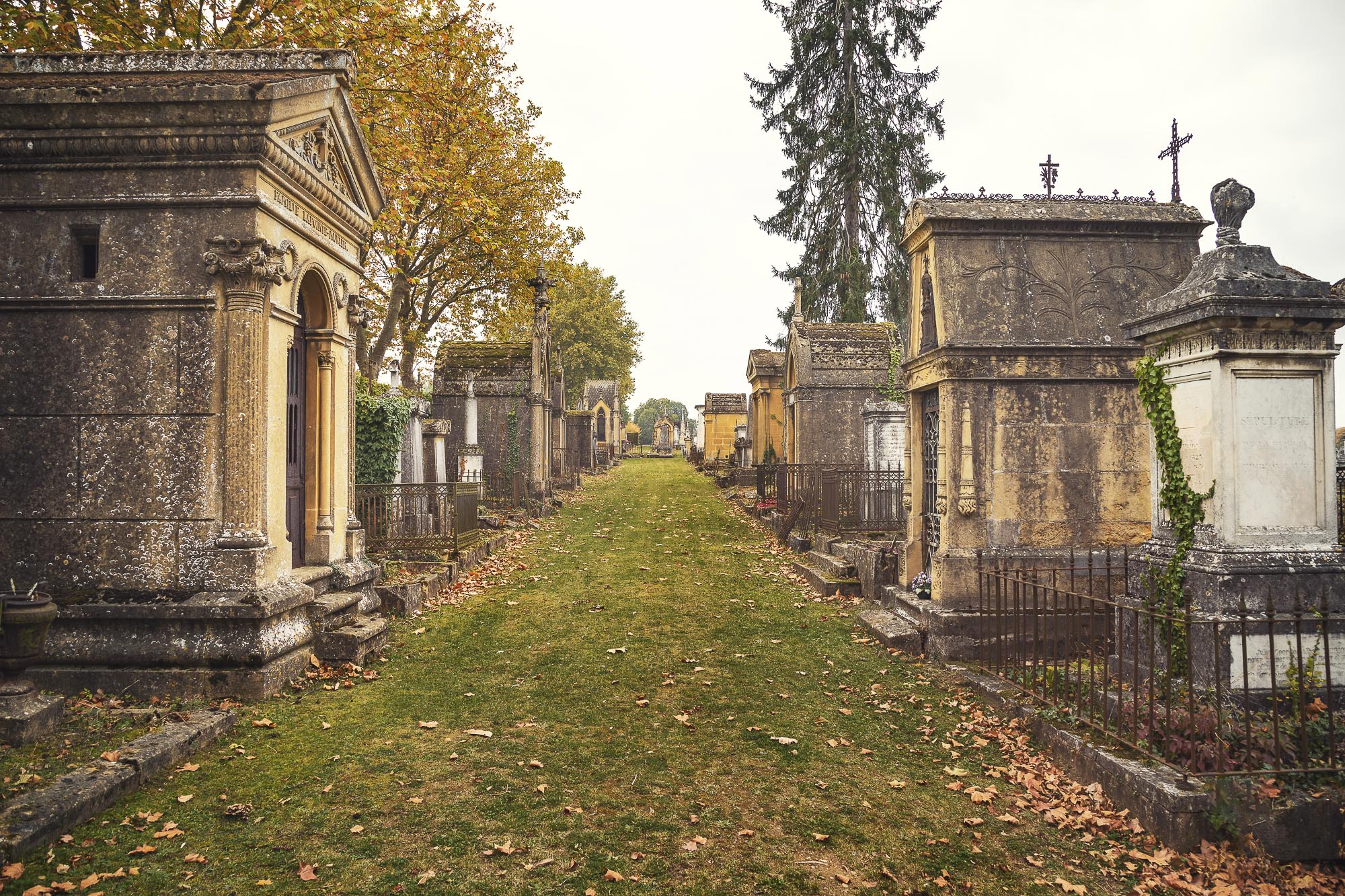
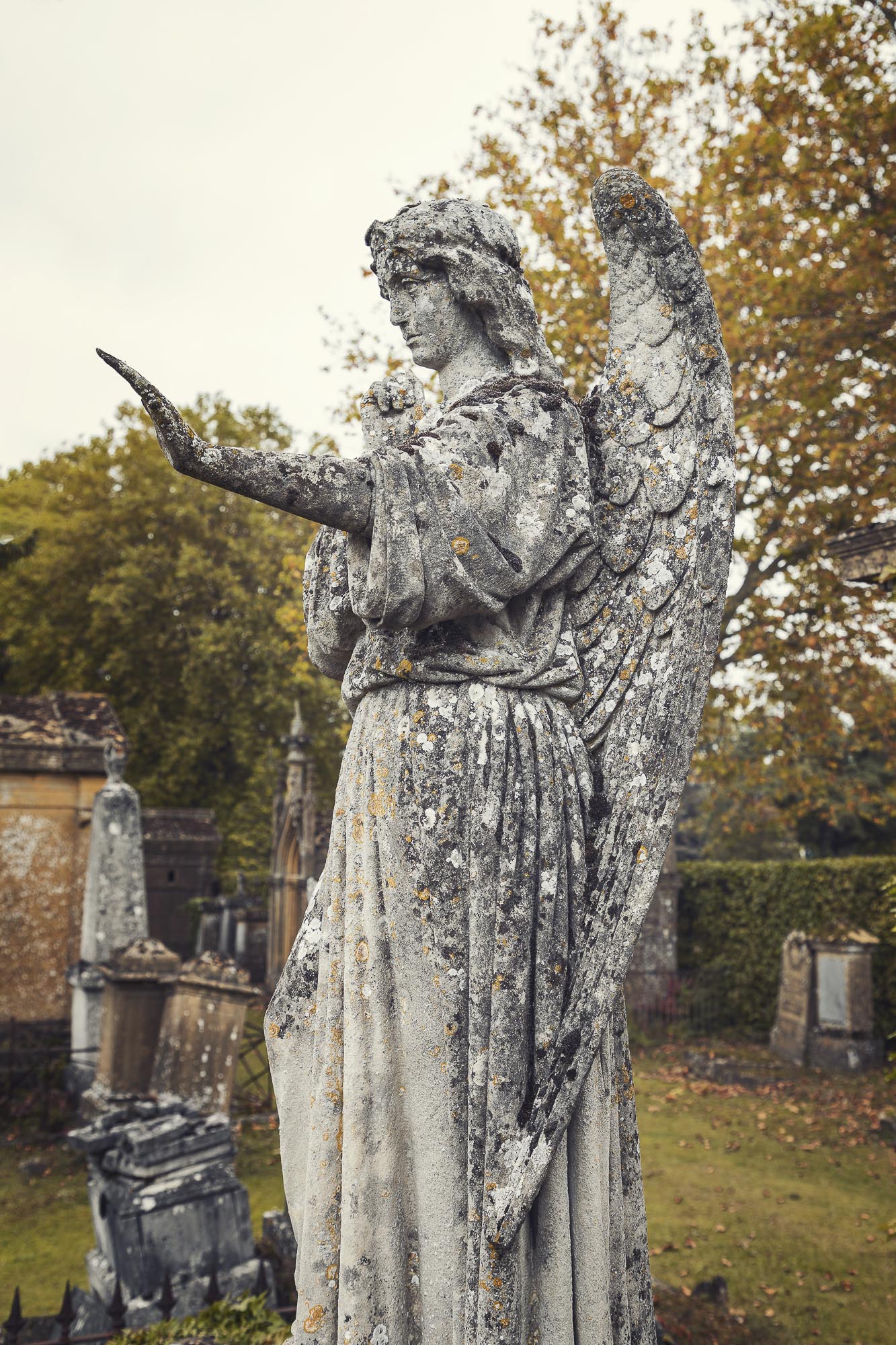
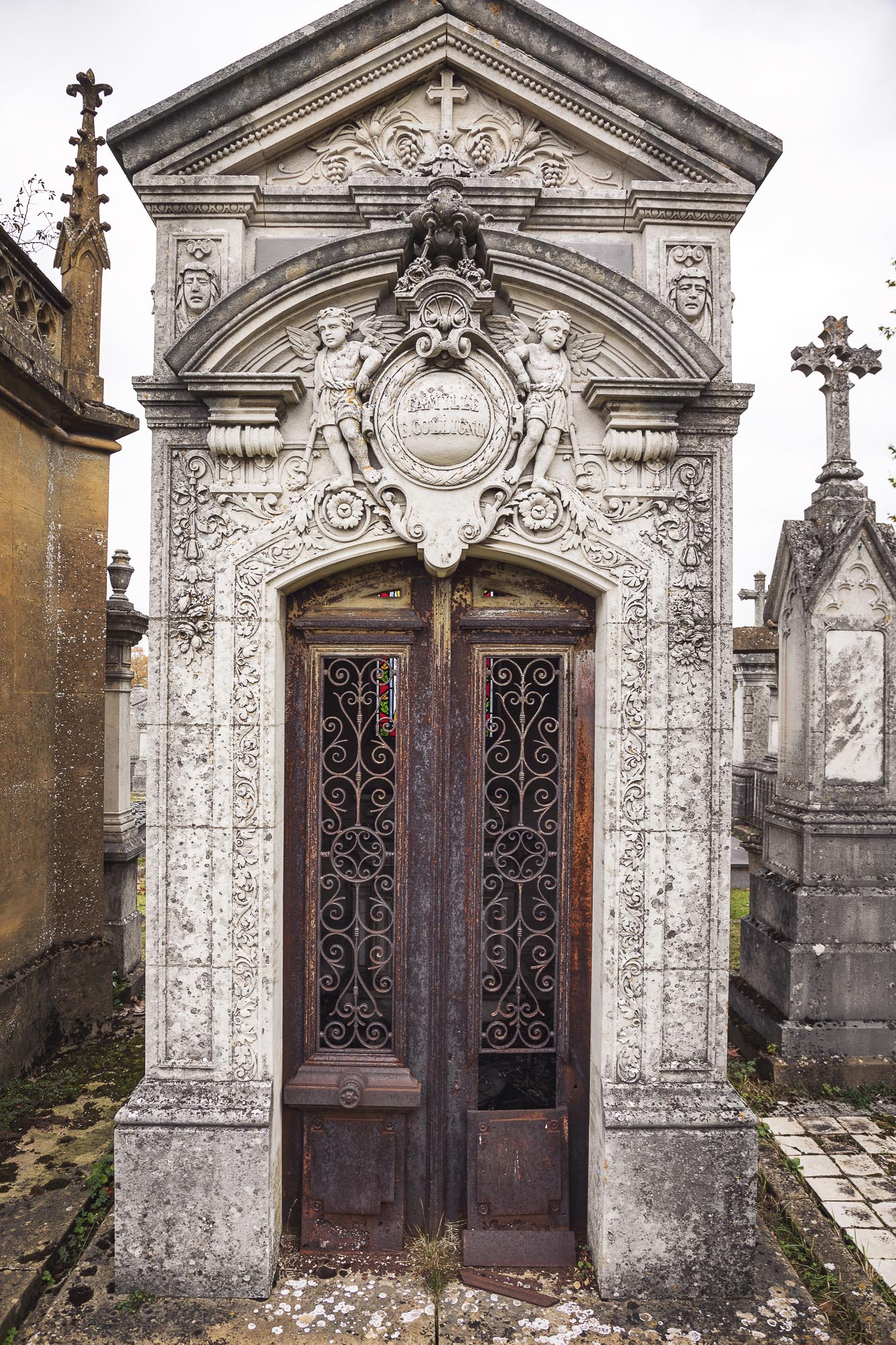
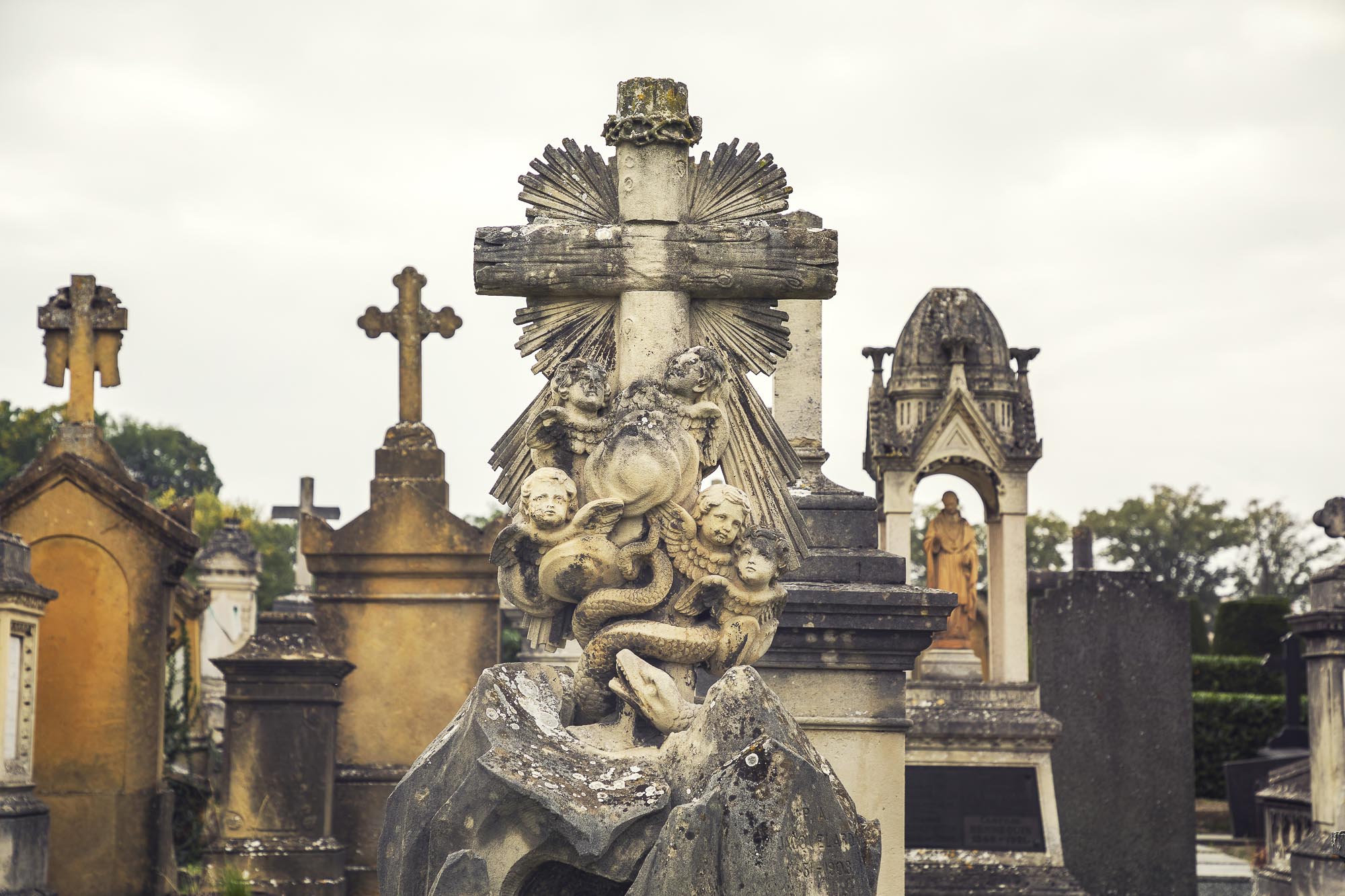
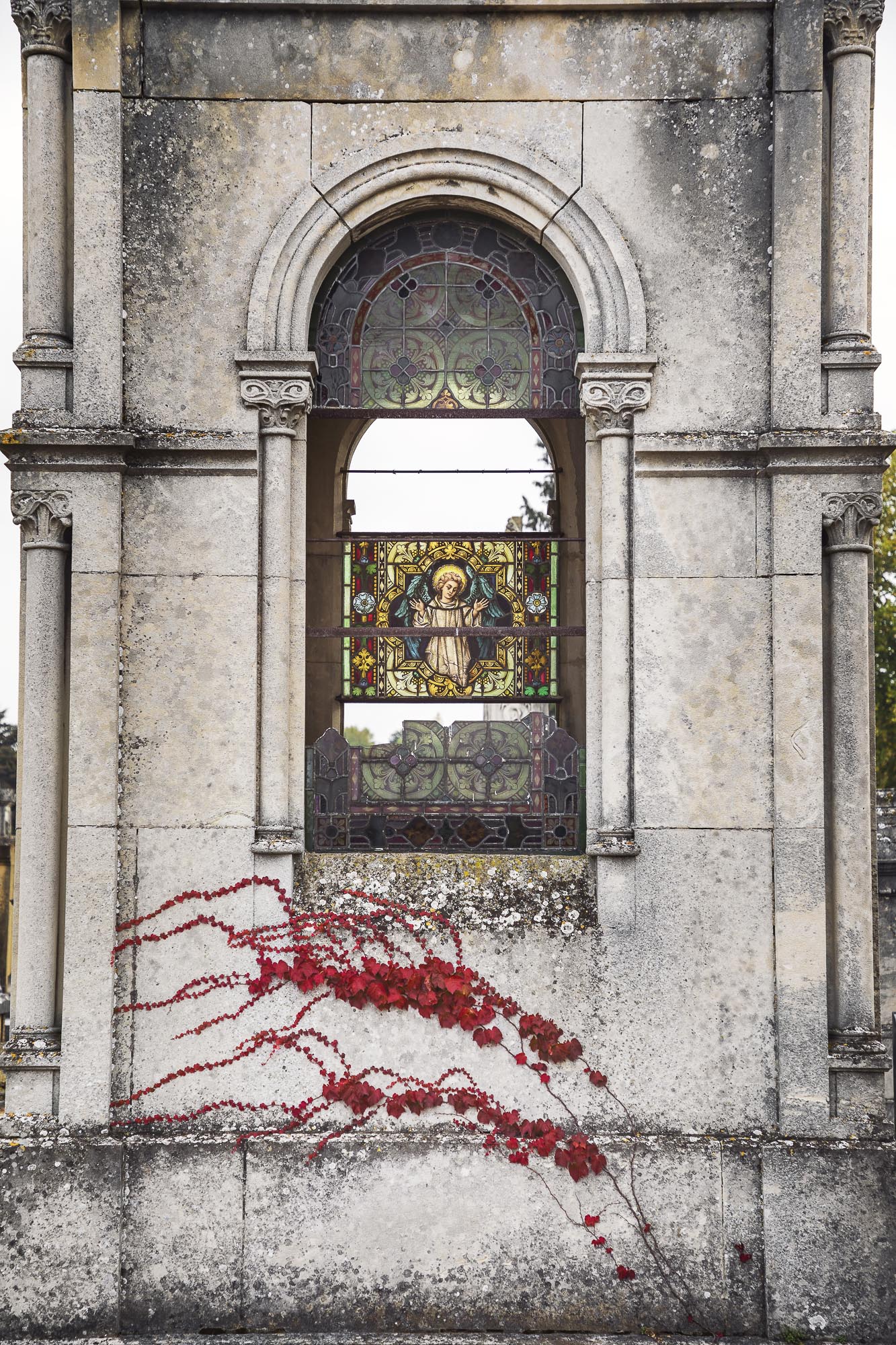
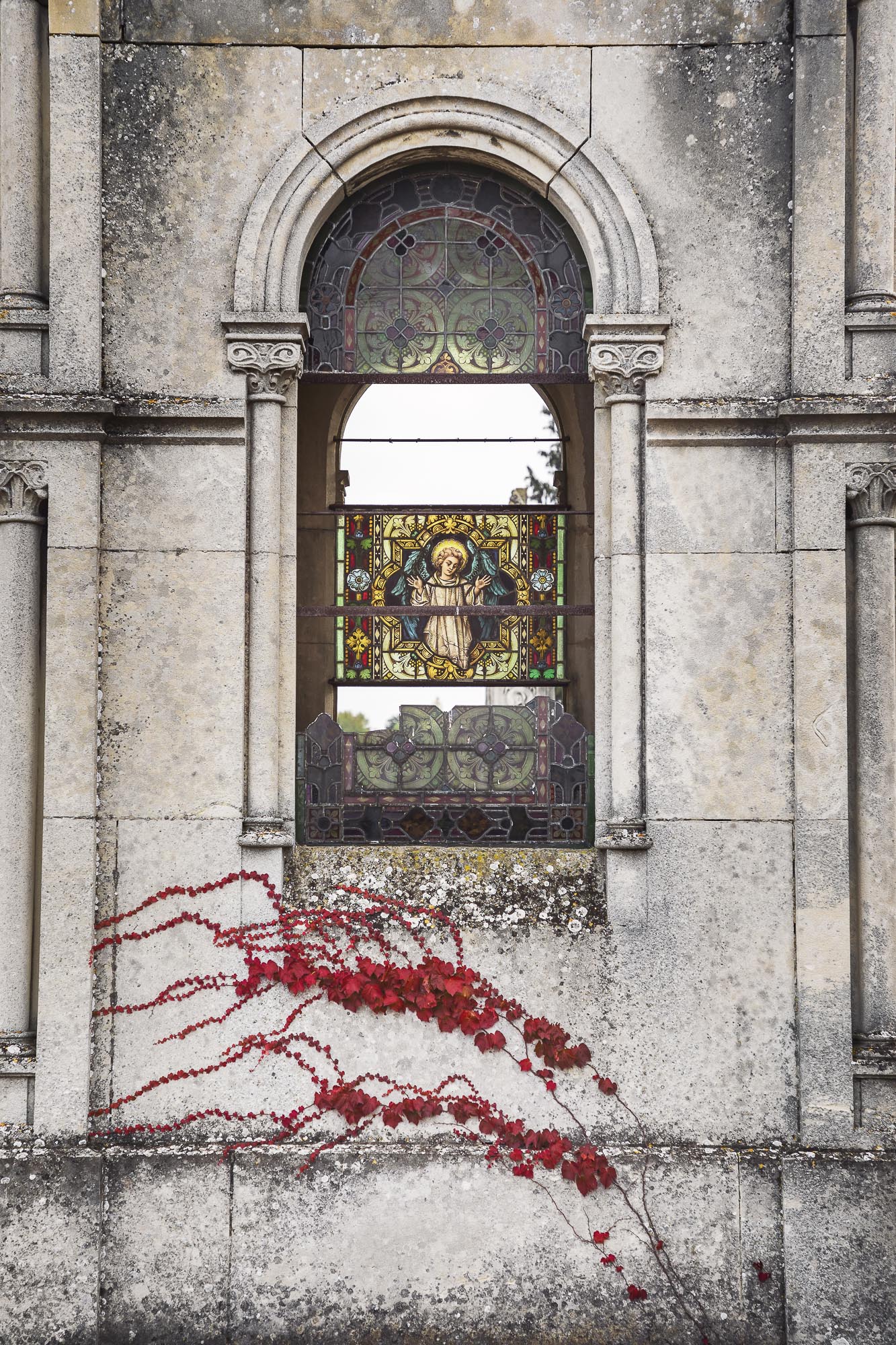
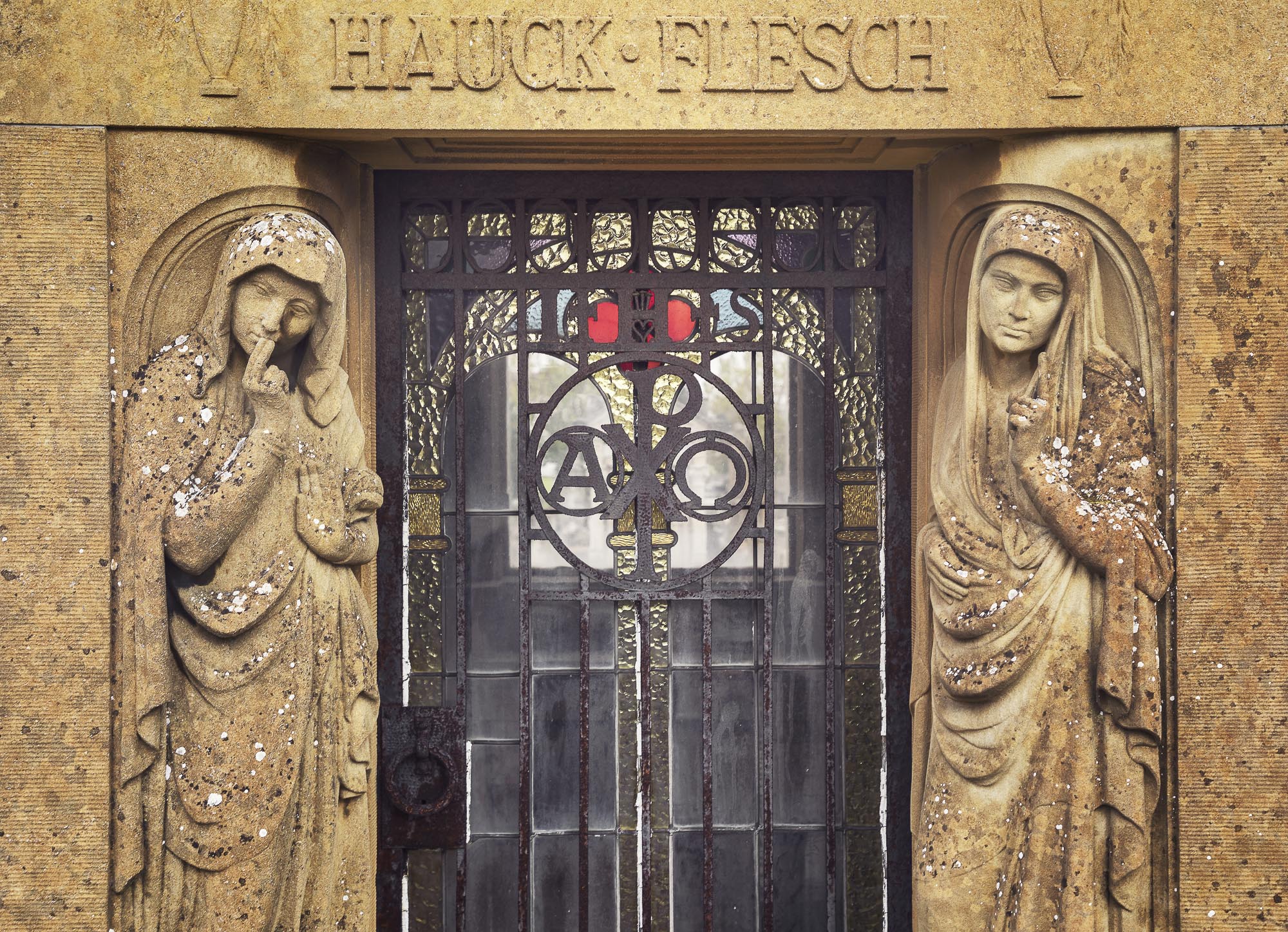
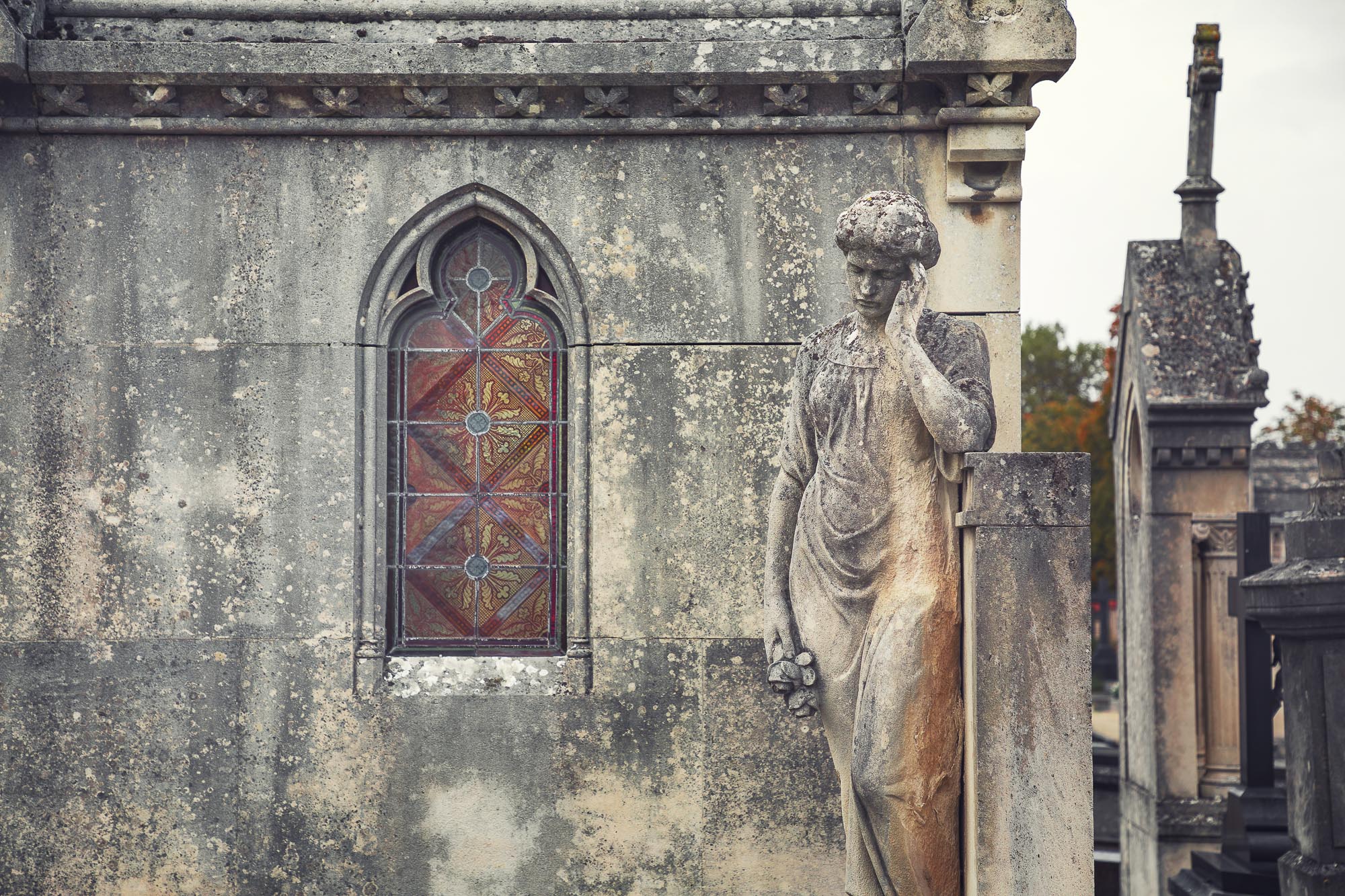
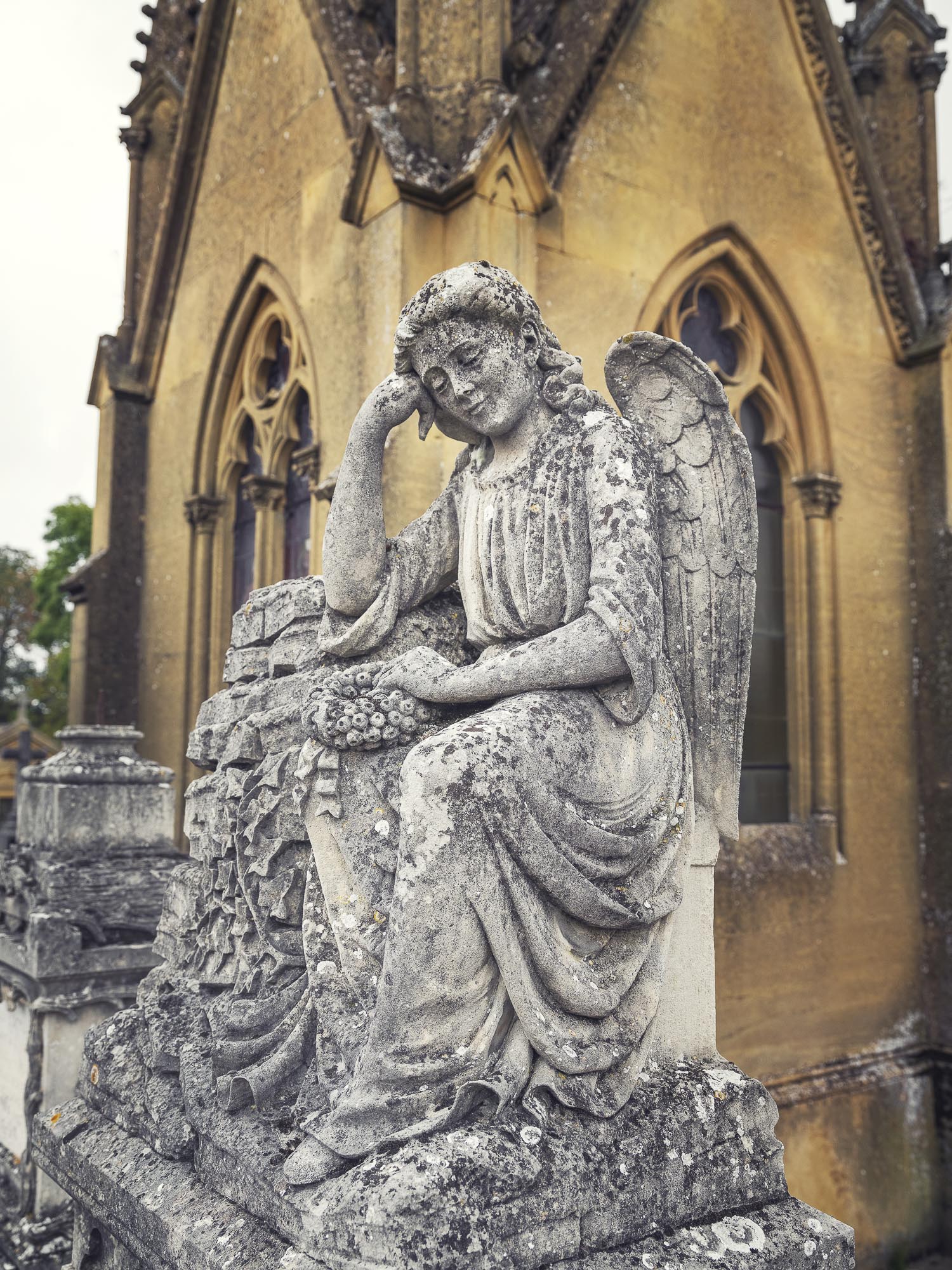
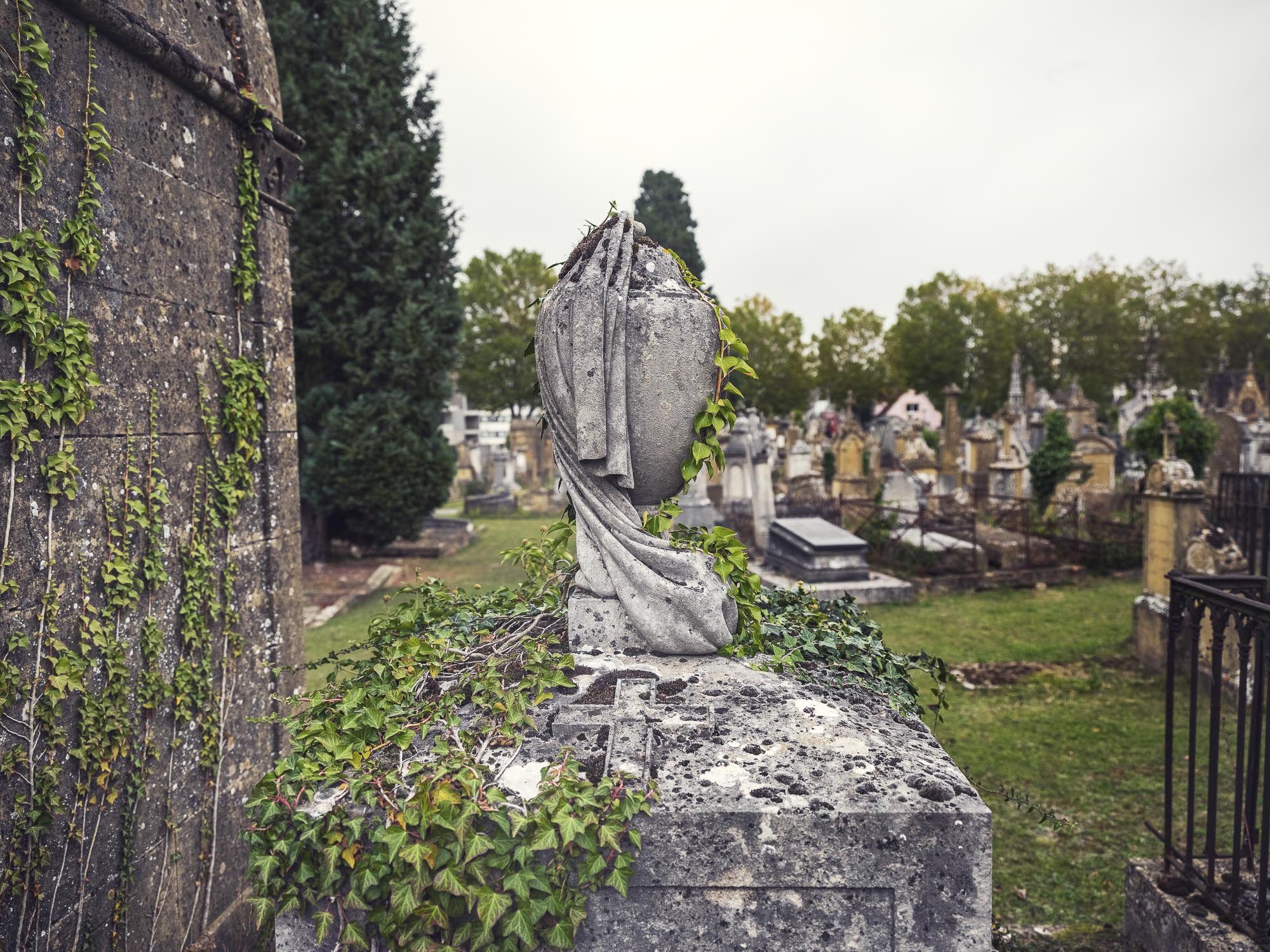
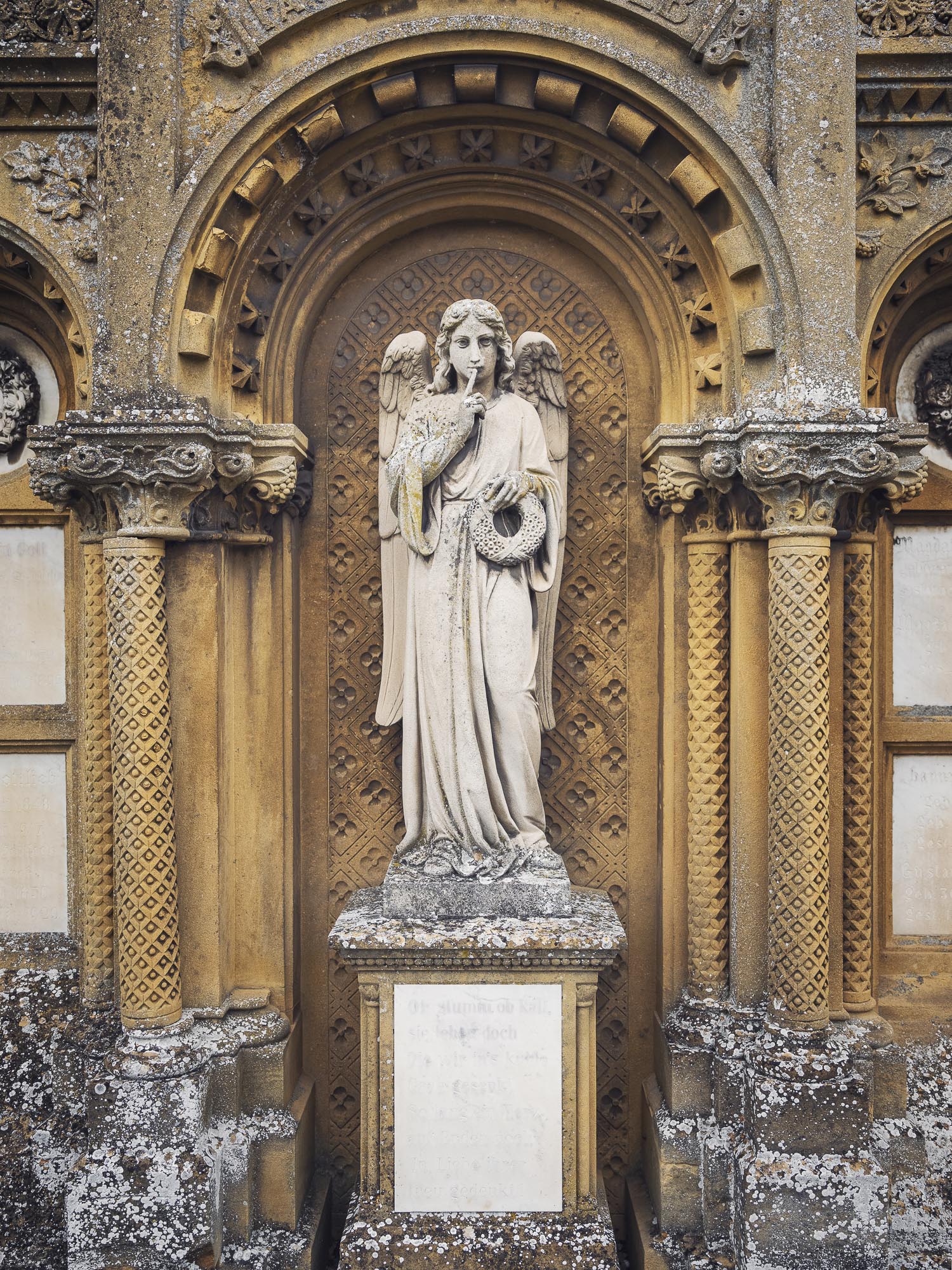
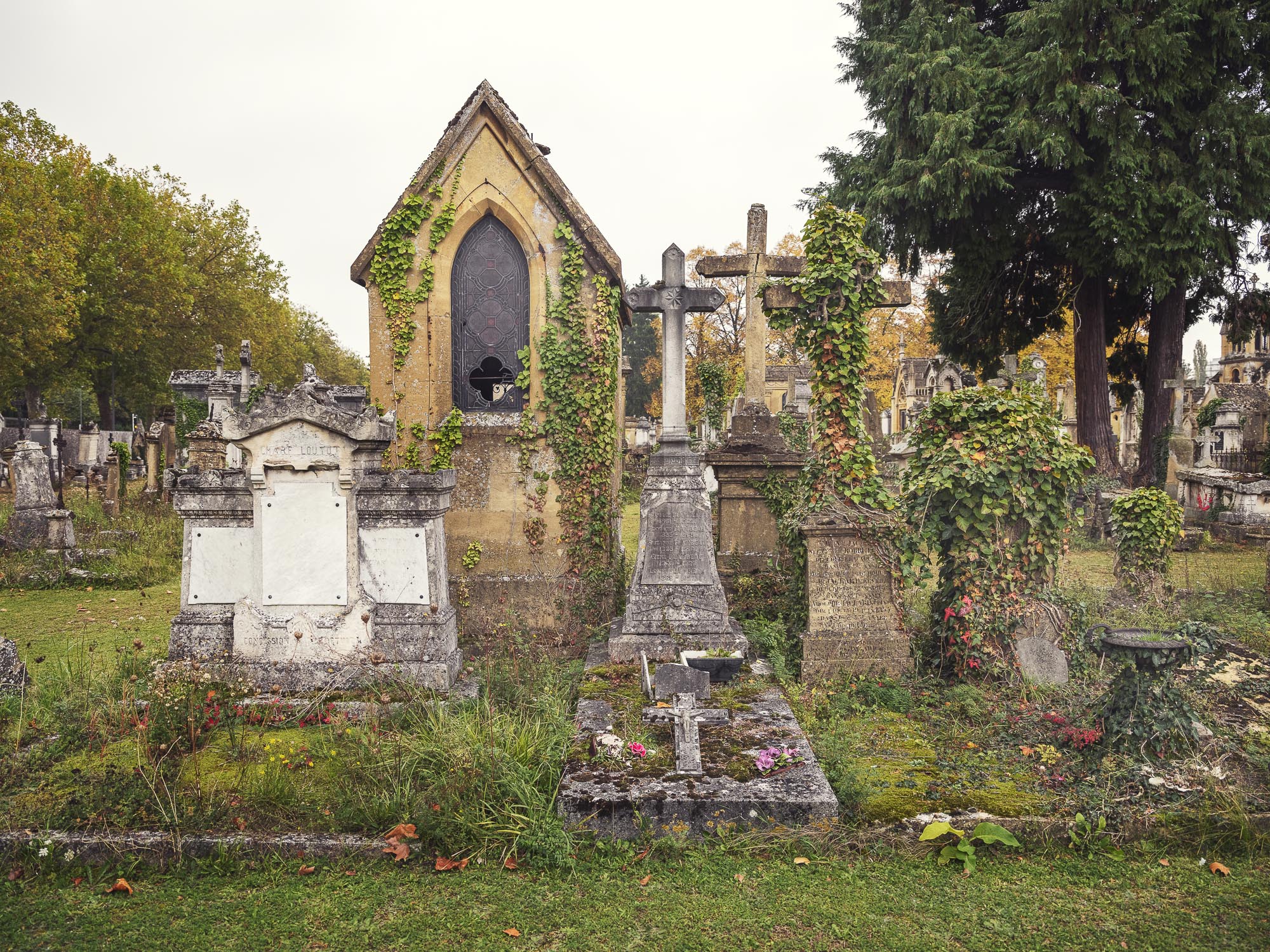
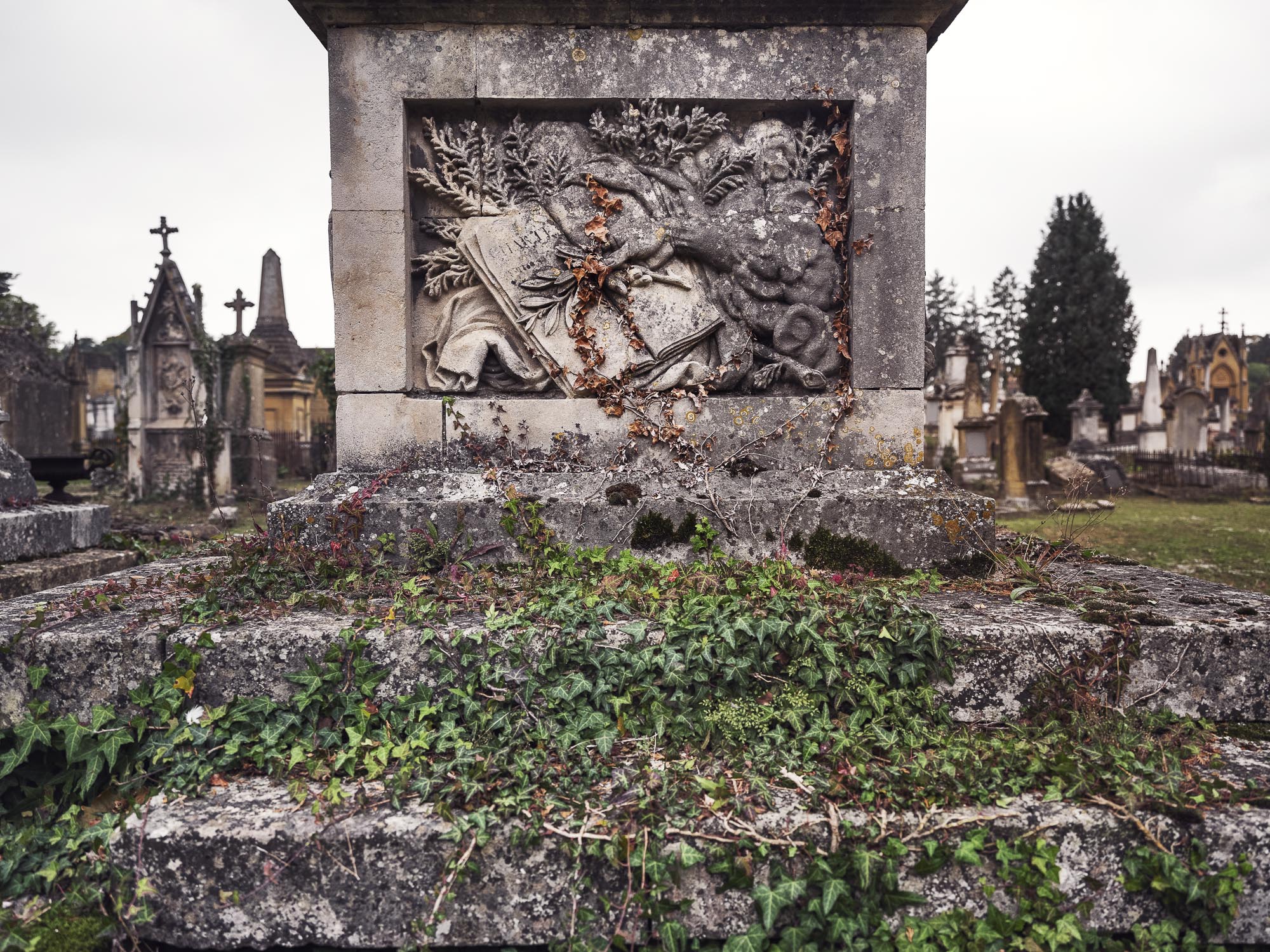
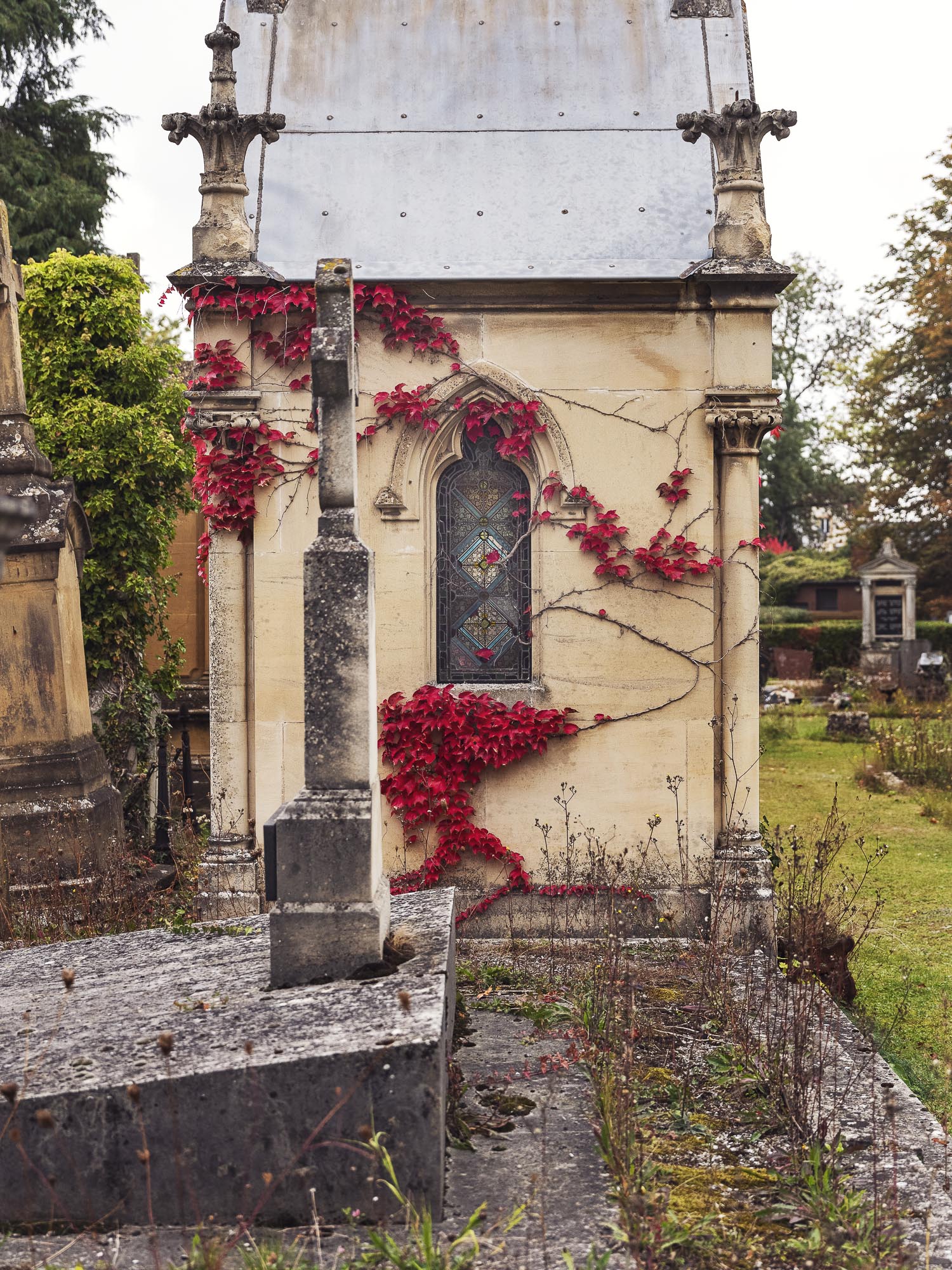
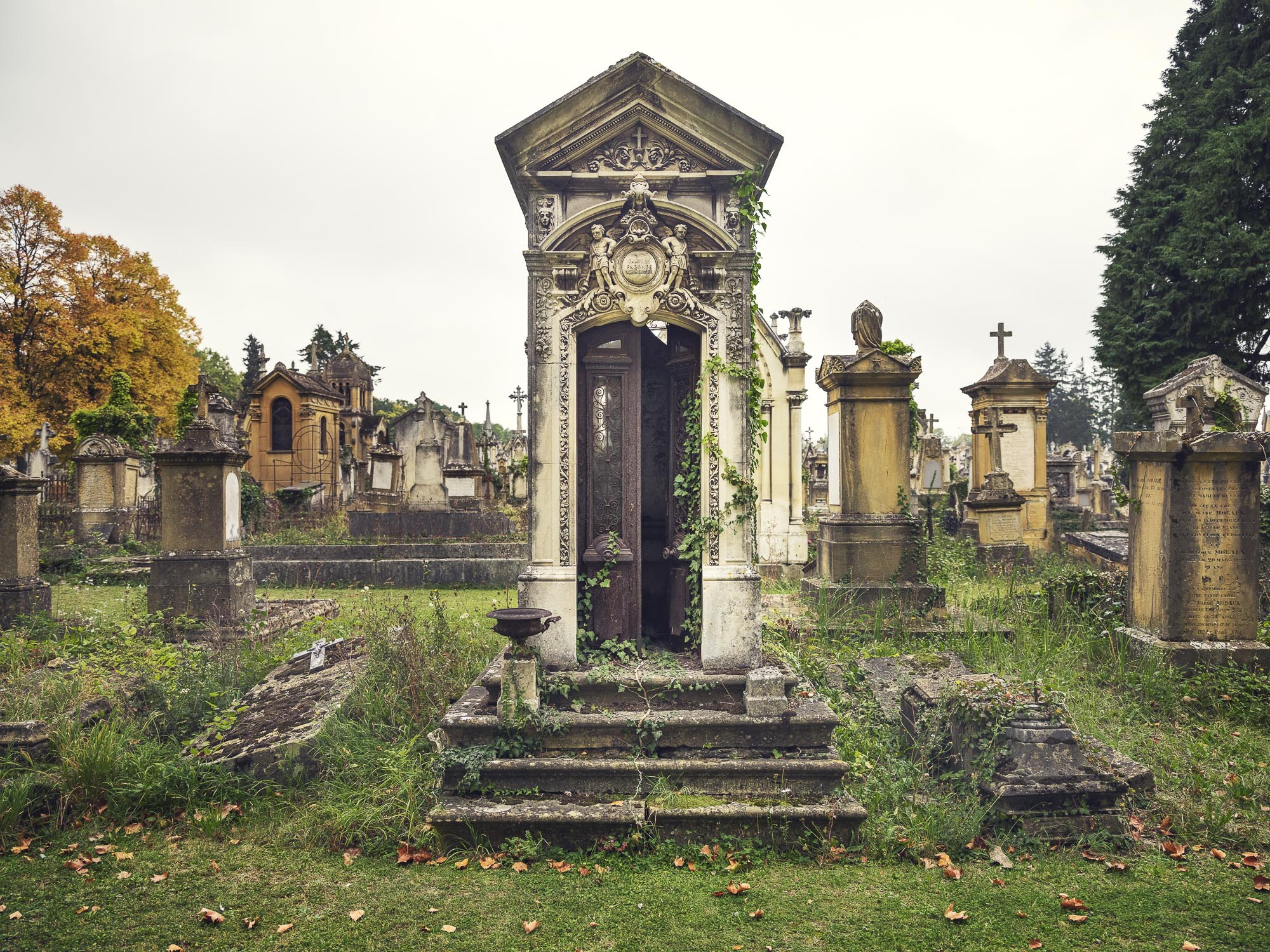
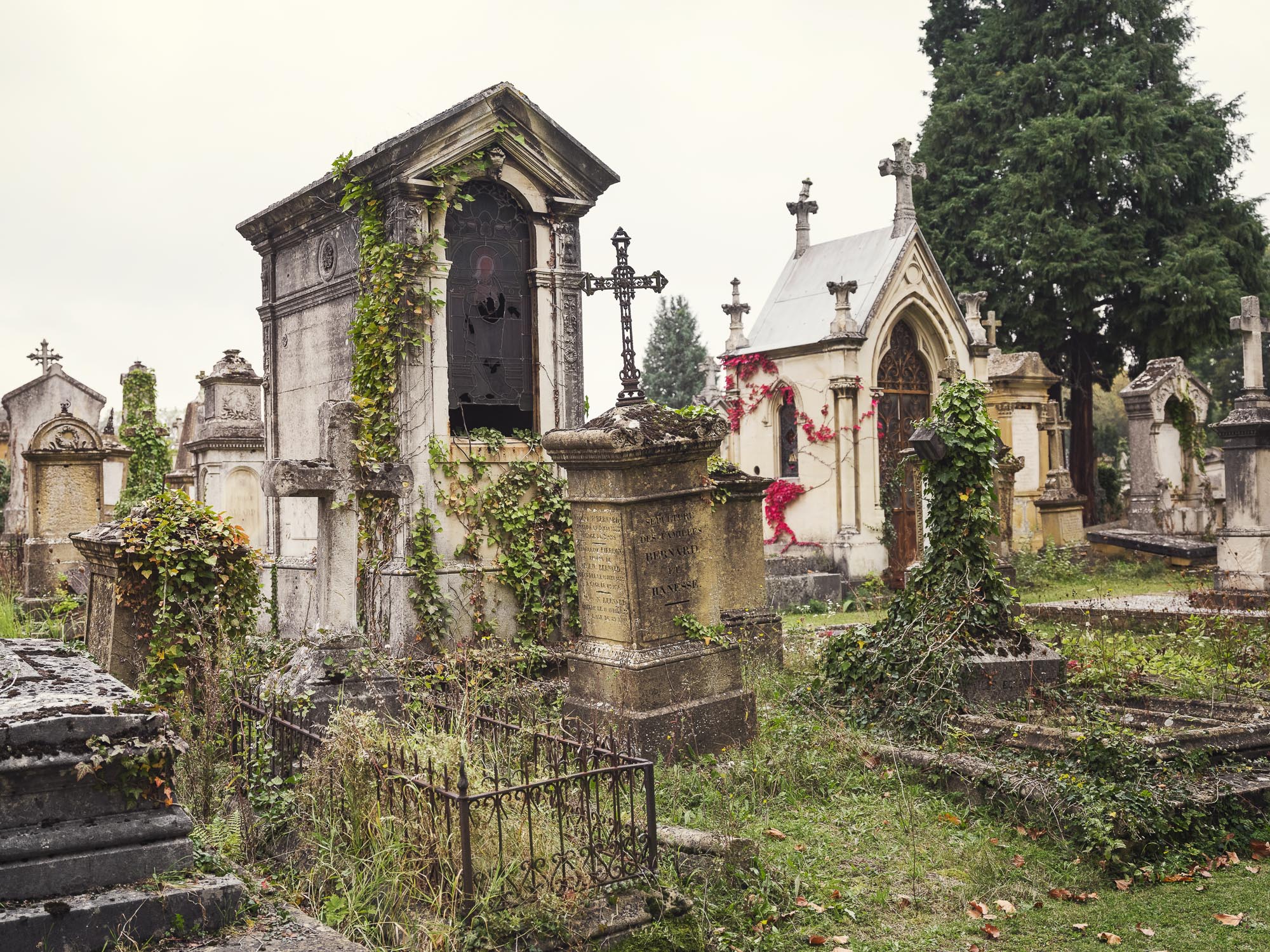
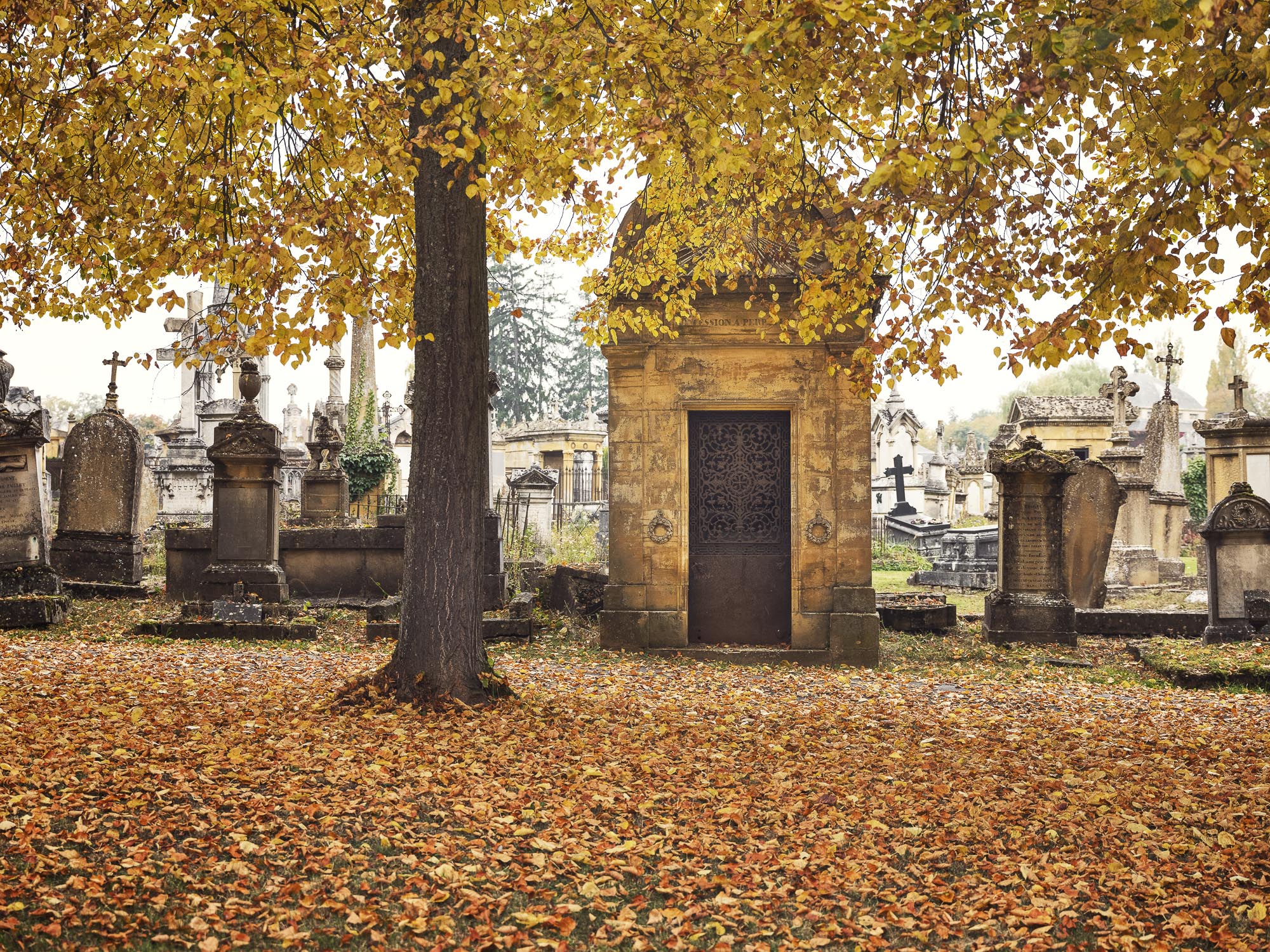
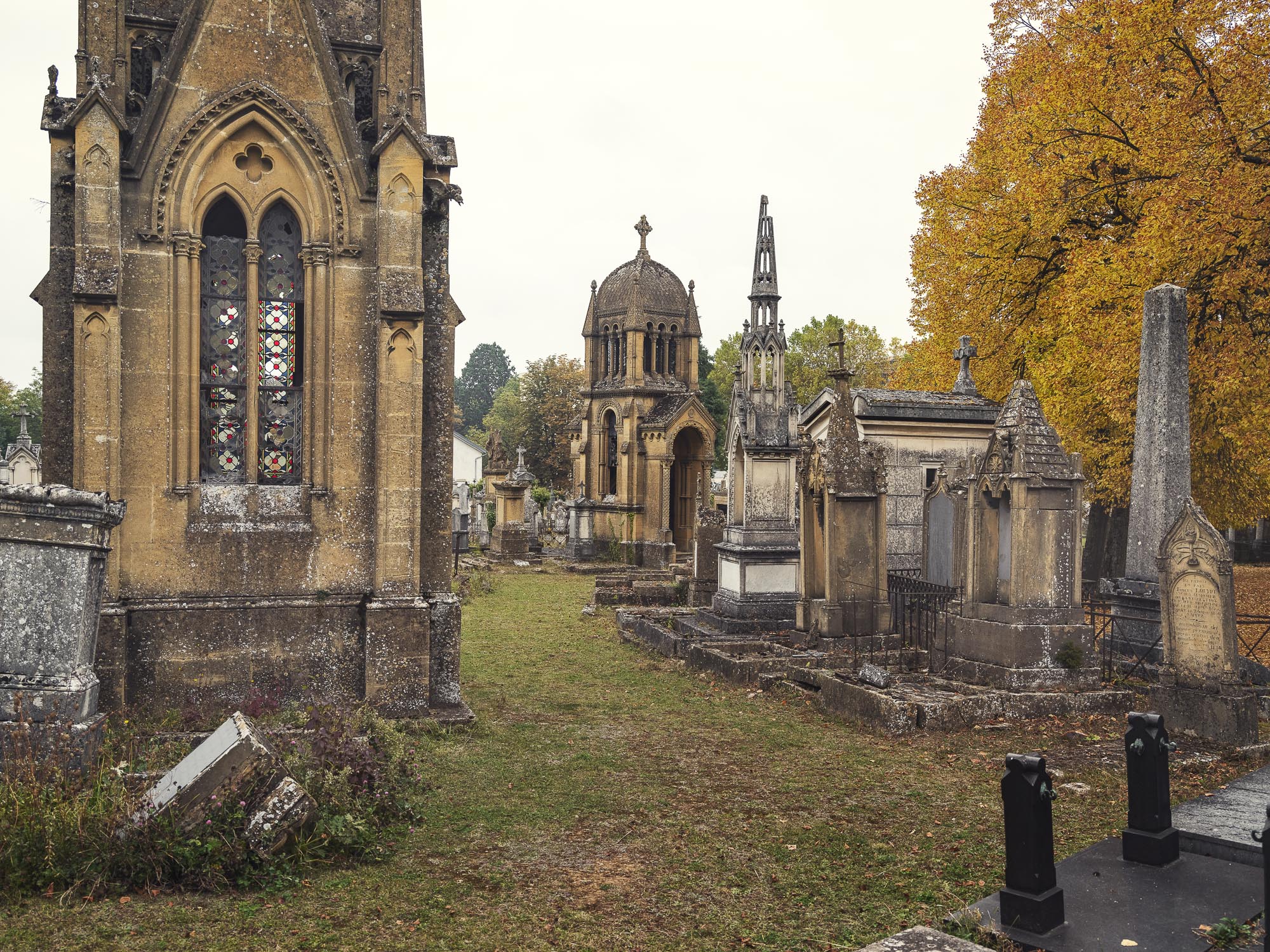
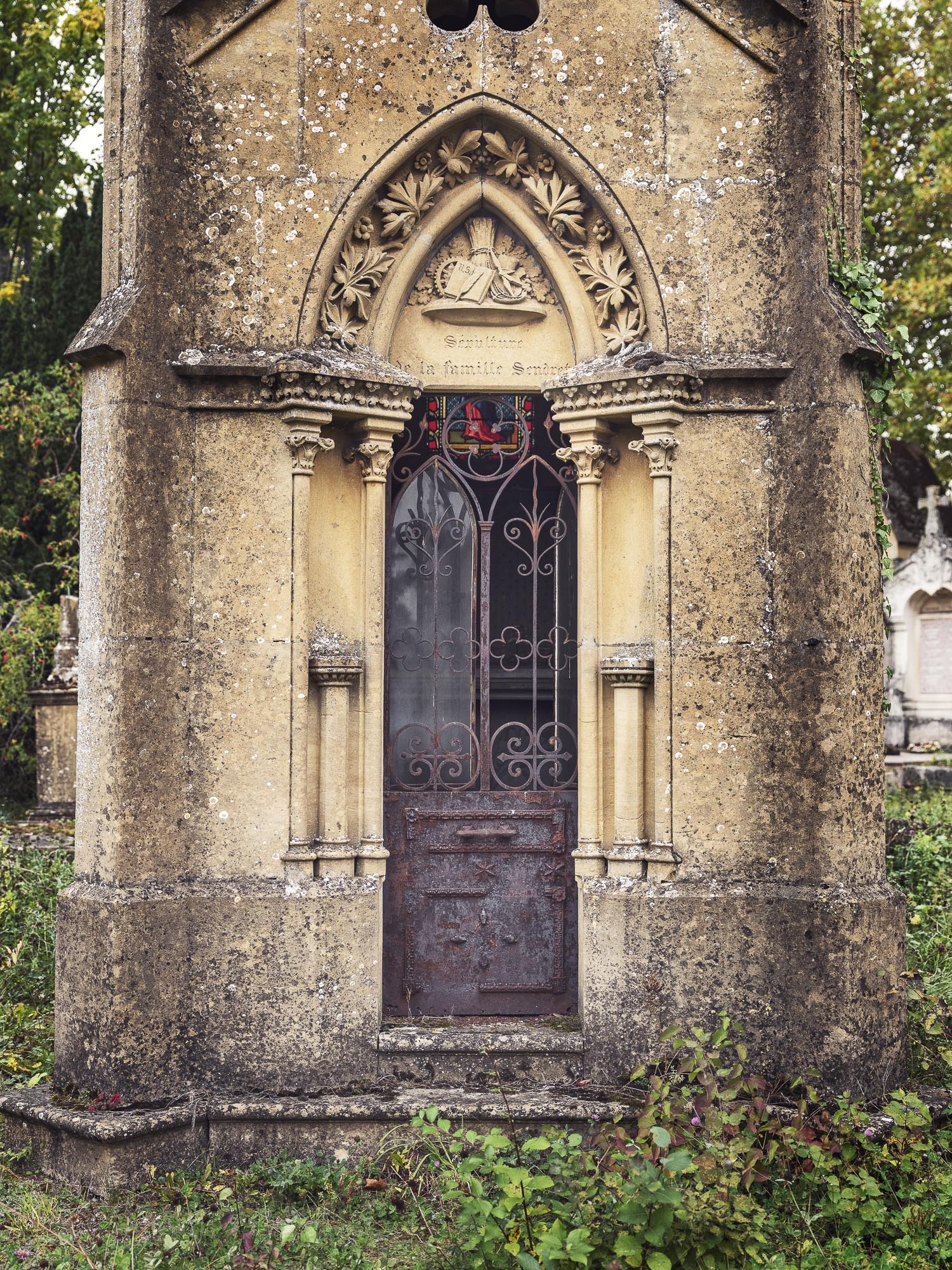
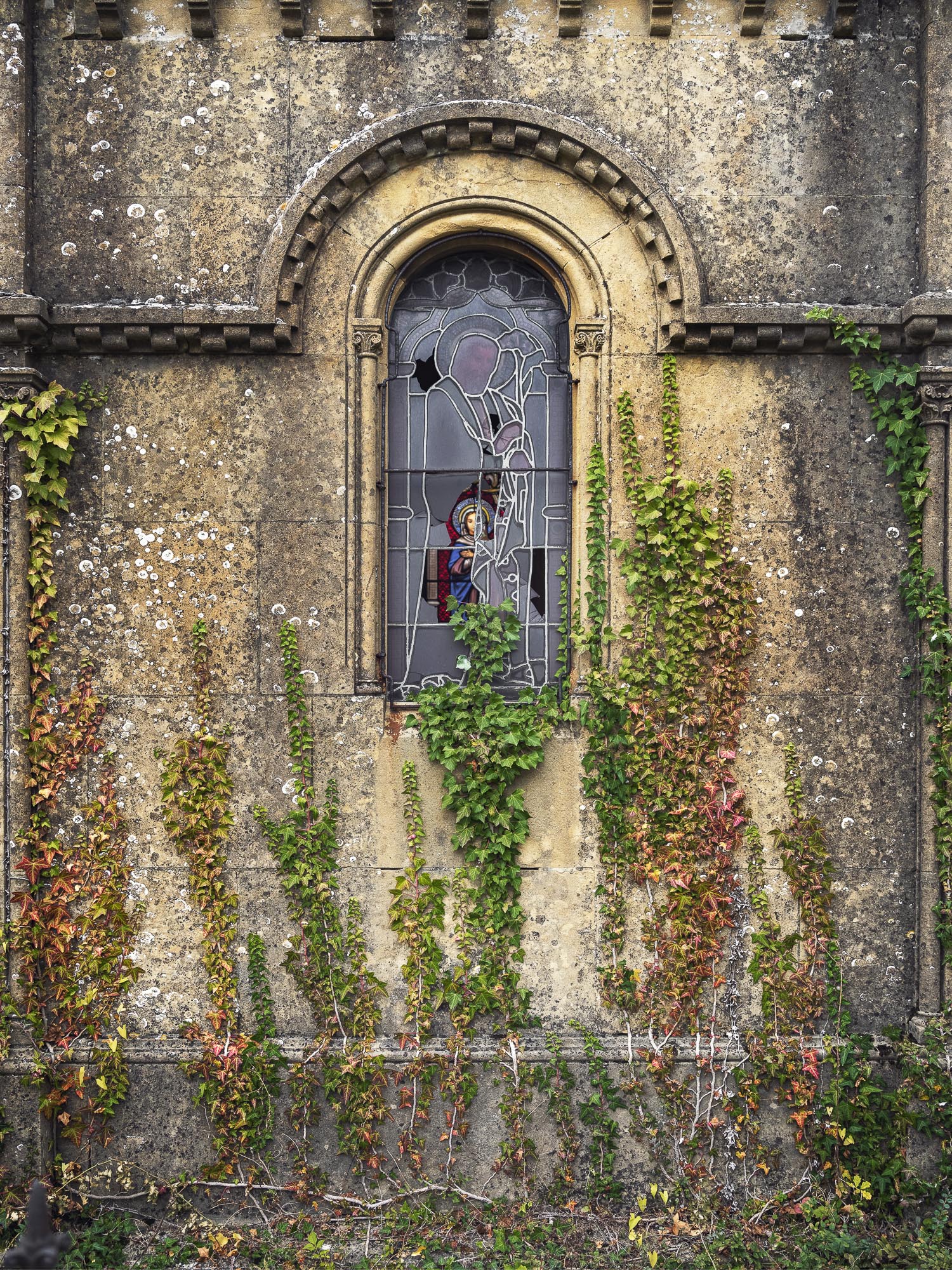
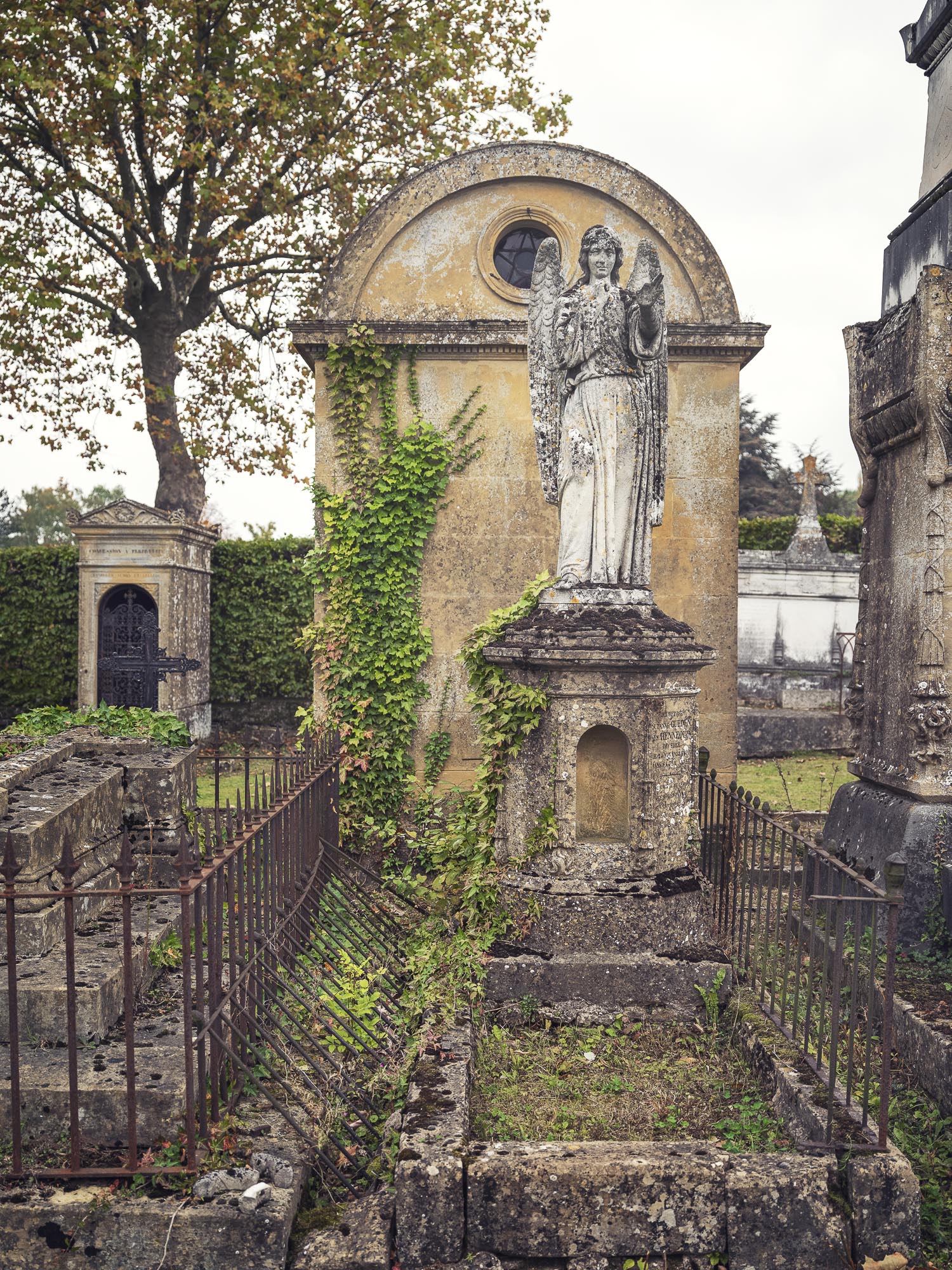
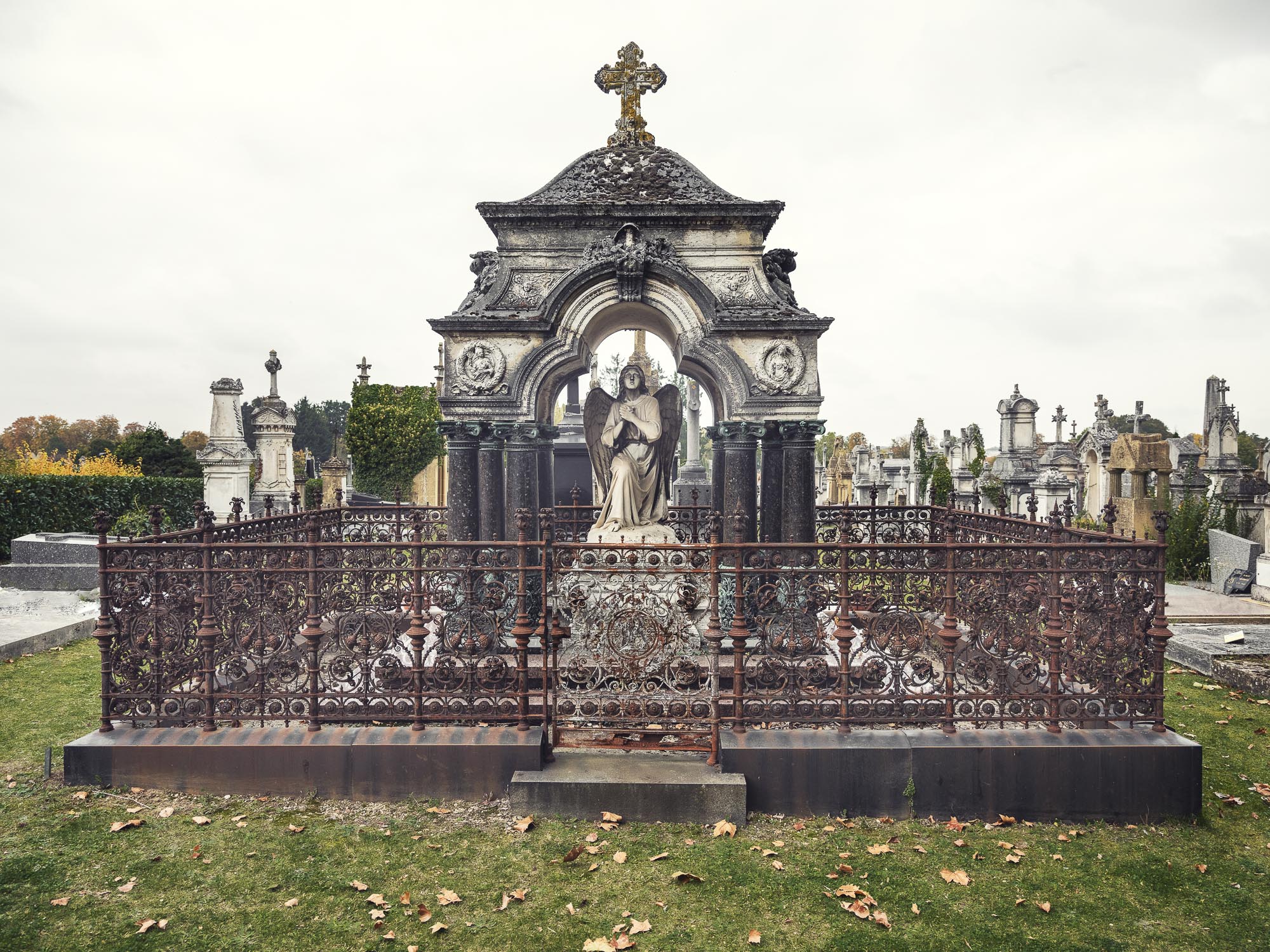
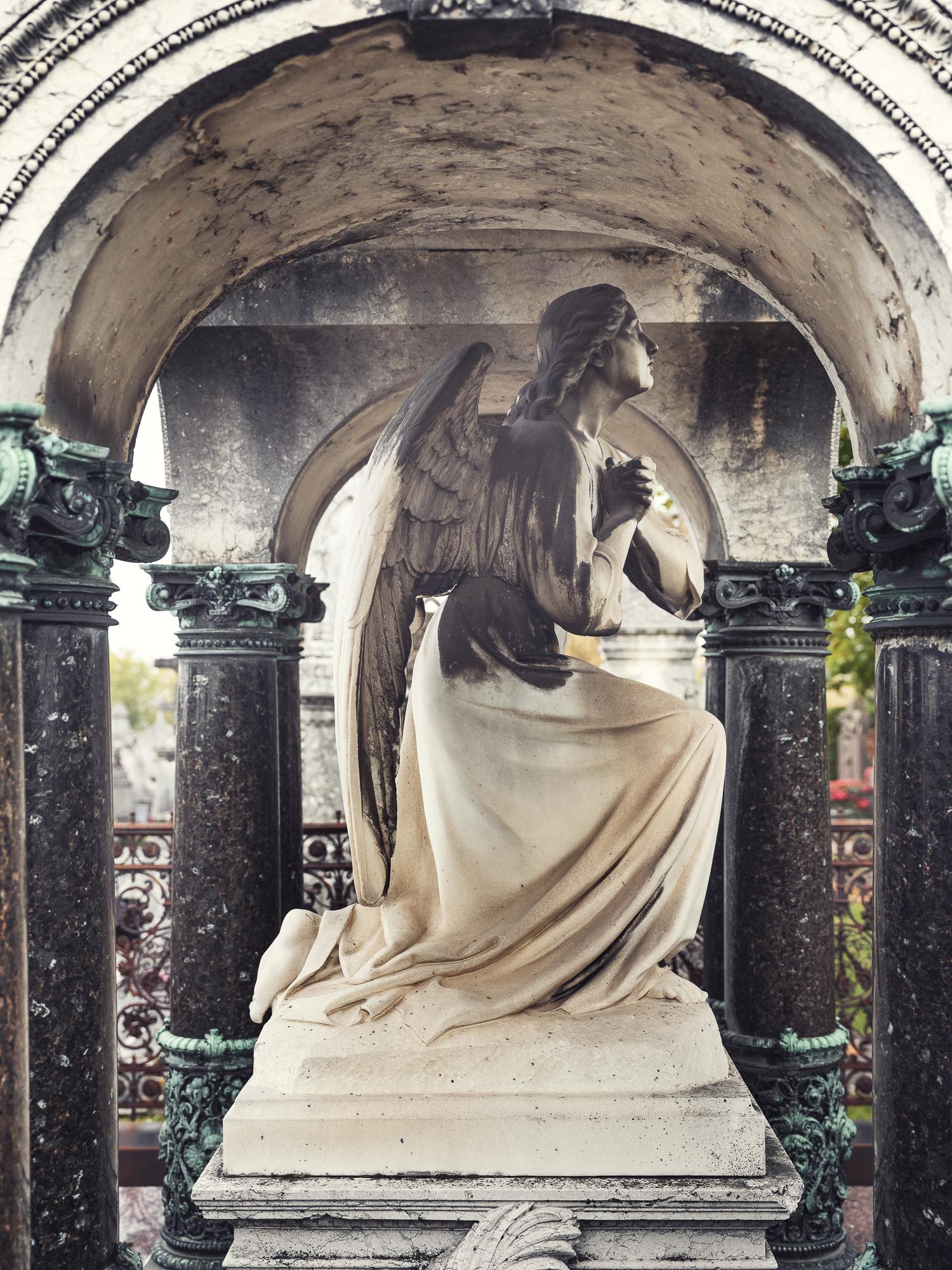
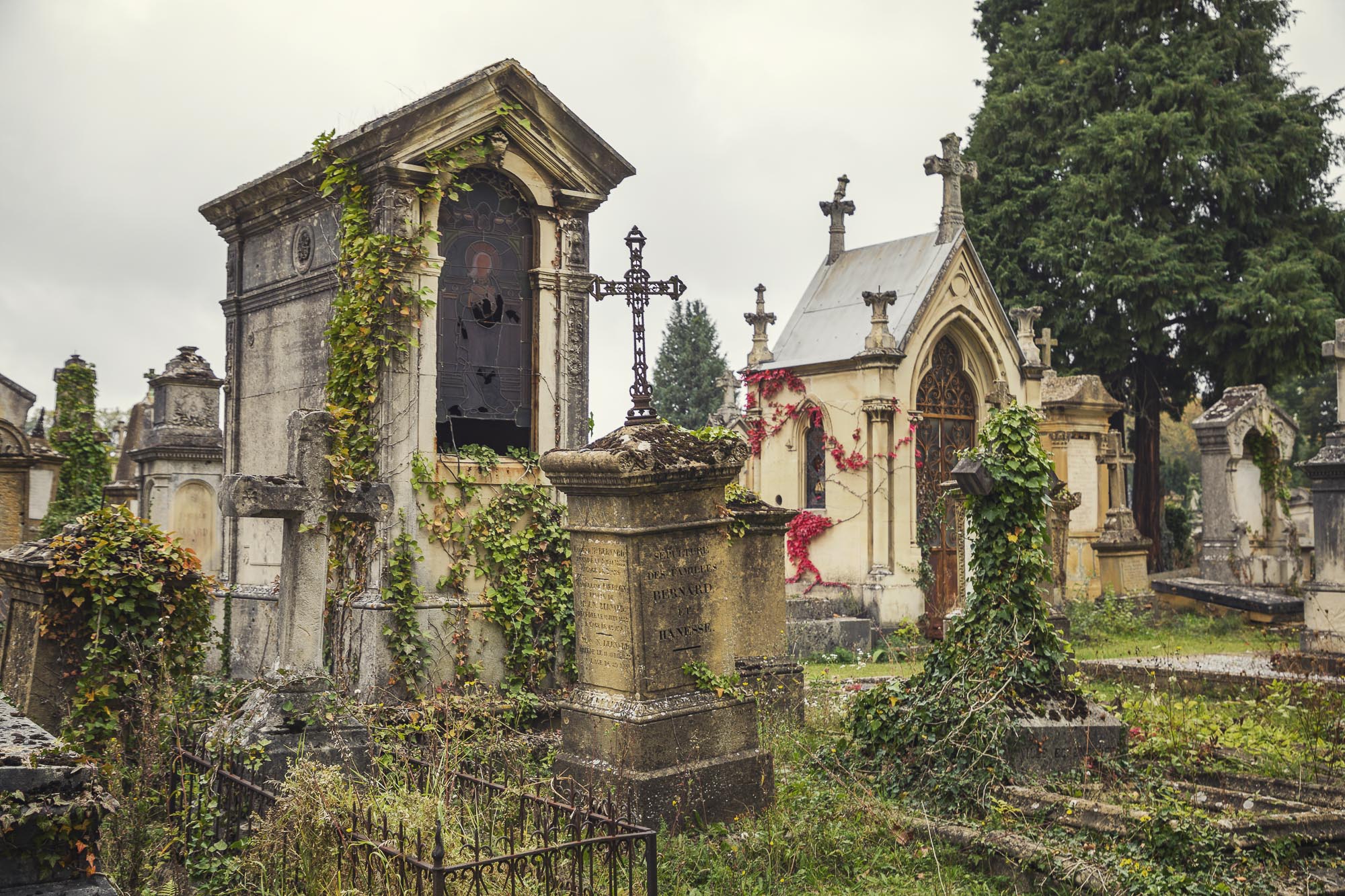
The old part is divided into four sections around a roundabout. Well over a hundred funerary monuments are considered of historical or artistic interest. They are mostly neo-Antique, in Egyptian, Greek and Roman forms, or neo-medieval, with Romanesque, Gothic and Flamboyant elements. Builders used limestone and Jaumont stone. One of the tombs is a mausoleum in the Egyptian style.
The old sections, the monuments and the two dated entrances were partly listed as a historic monument in 2003. Those buried here include mayors, officers and artists of the city. The Metz tourist office provides information on guided visits.
Frequently asked questions
Where is the Cimetière de l'Est in Metz?
It is in the Plantières-Queuleu district on the Avenue de Strasbourg in Metz, in Lorraine.
Since when has the Cimetière de l'Est been protected?
The old sections, their monuments and the two entrances of 1834 and 1864 were partly listed as a monument historique by an order of 29 July 2003.
What is worth seeing at the Cimetière de l'Est?
Around a hundred monuments are regarded as historically or artistically significant, including neo-Antique forms in Egyptian, Greek and Roman style and neo-medieval works.