Italy · Brescia · 25 pictures
Vantiniano Cemetery
Cimitero Monumentale di Brescia (Vantiniano)
-
-
-
-
-

-
-
-
-
-
-

-
-
-
-

-
-

-
-
-
-
-

-
-
-
About this place
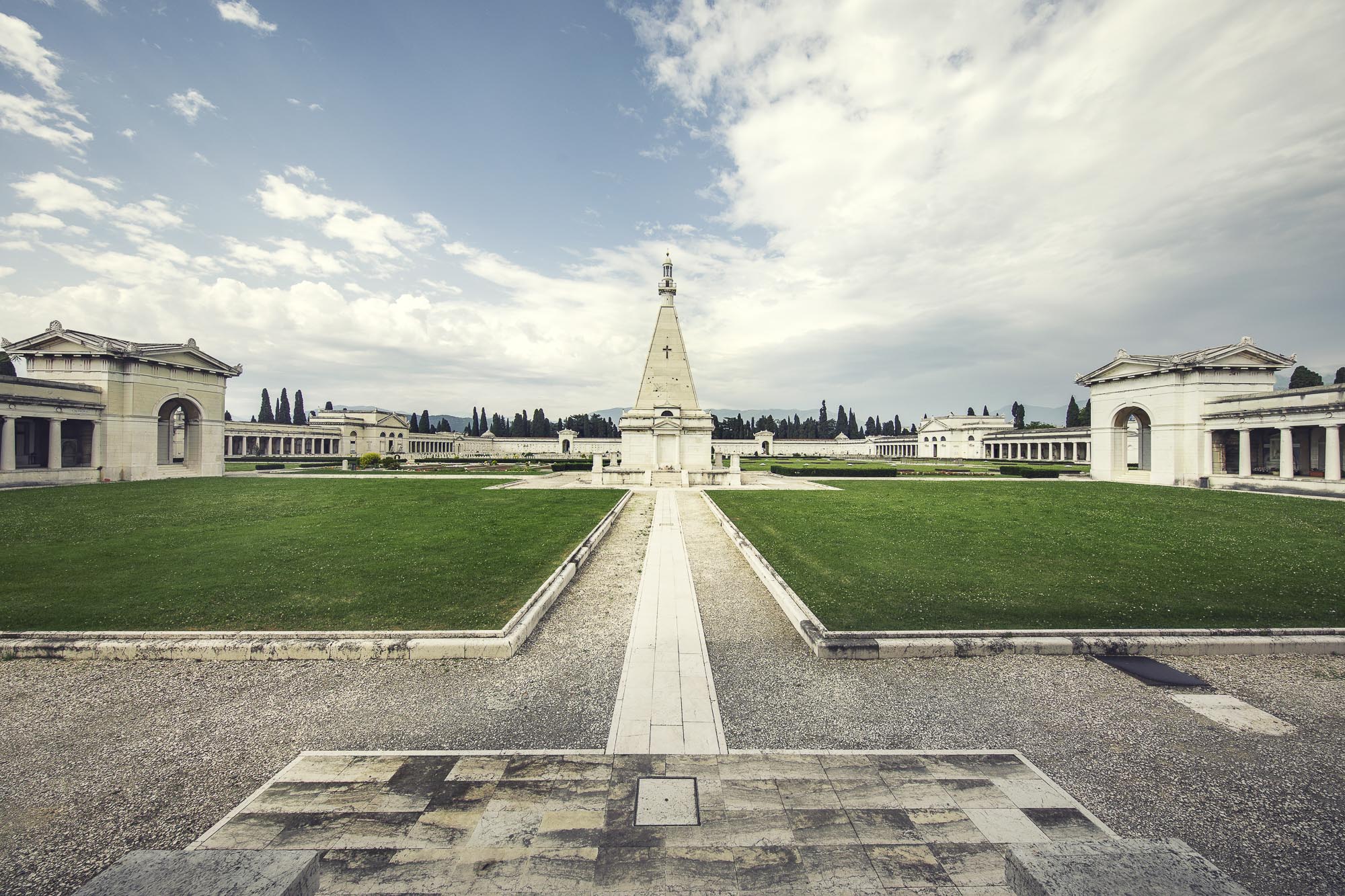
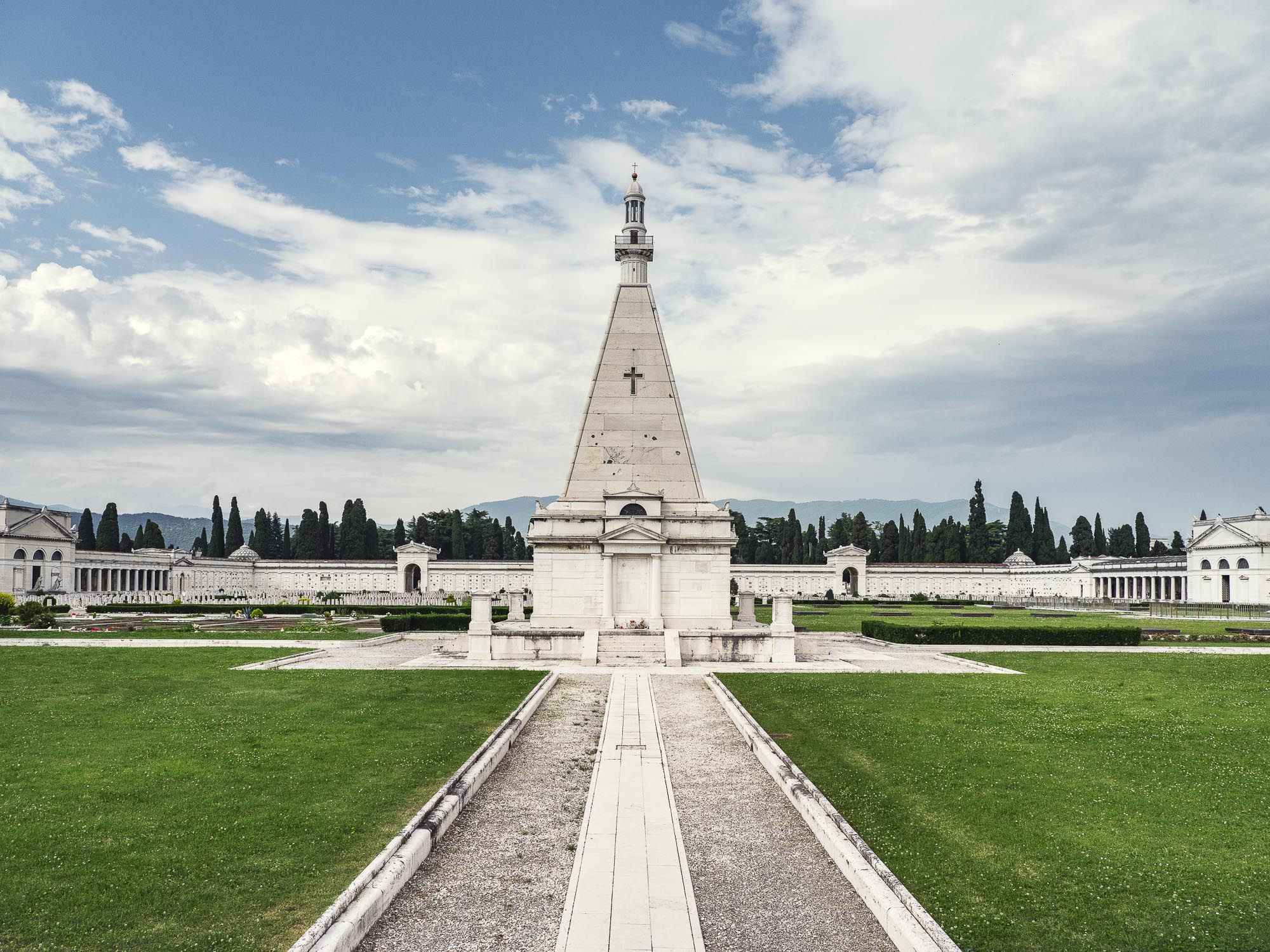
The background is the Napoleonic Edict of Saint-Cloud of 1804, which banned burials inside built-up areas. Brescia adopted it in 1806 and bought land outside the Porta San Giovanni in 1808. Rodolfo Vantini (1792–1856), for whom this was the first major commission, began the monumental work around 1813 or 1814. It occupied him for the rest of his life, and the complex was only finished after his death.
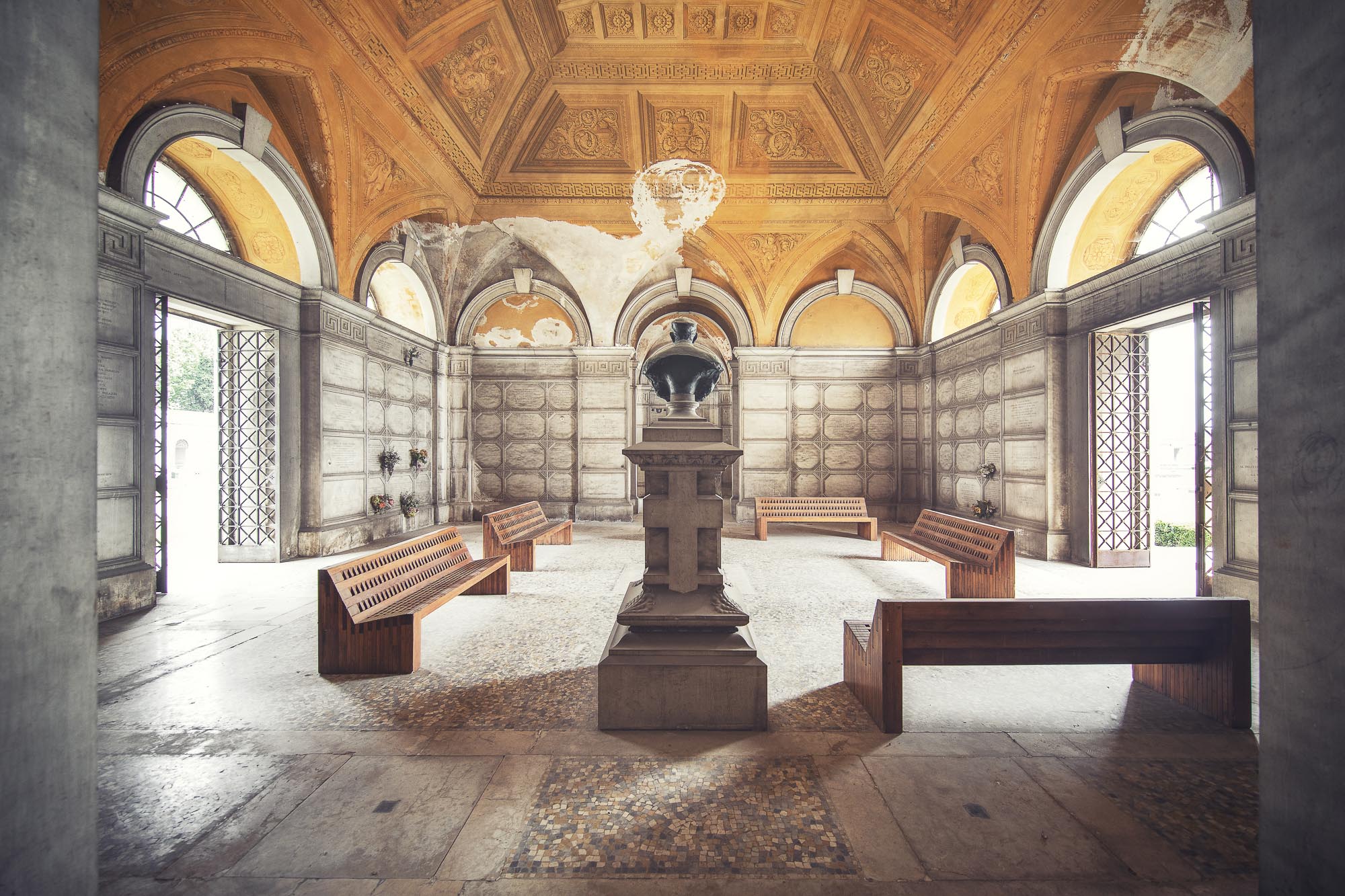
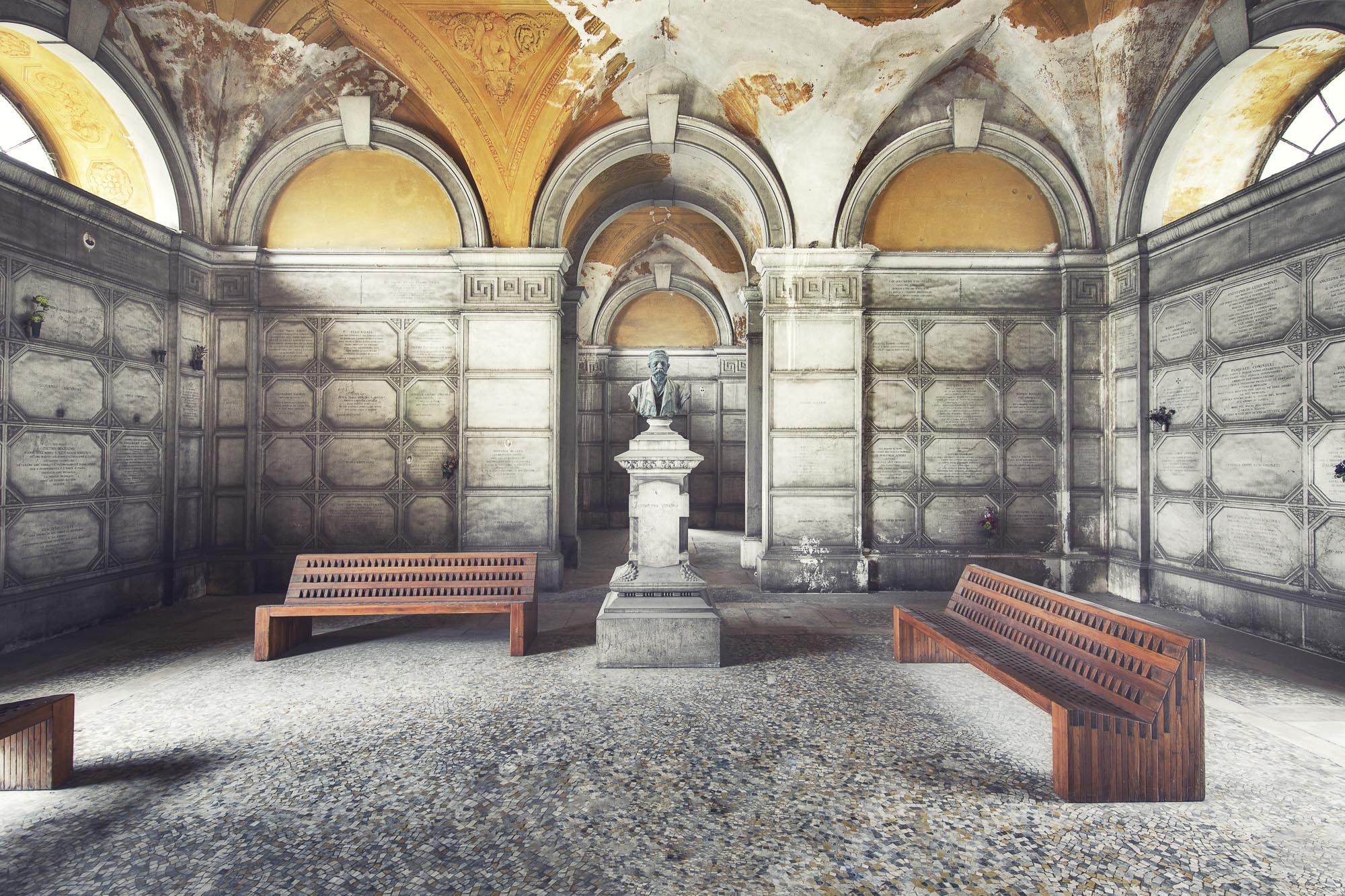
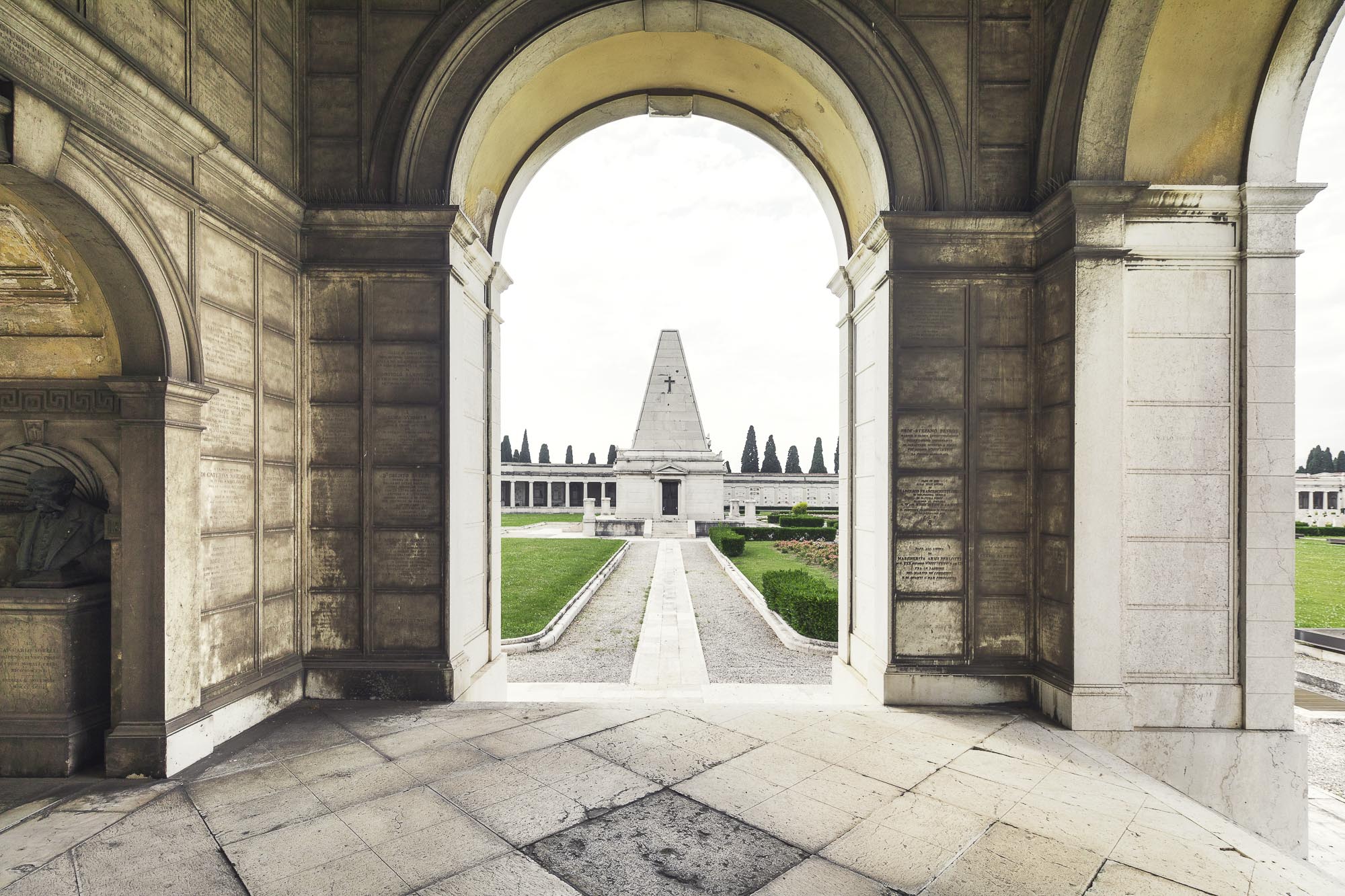
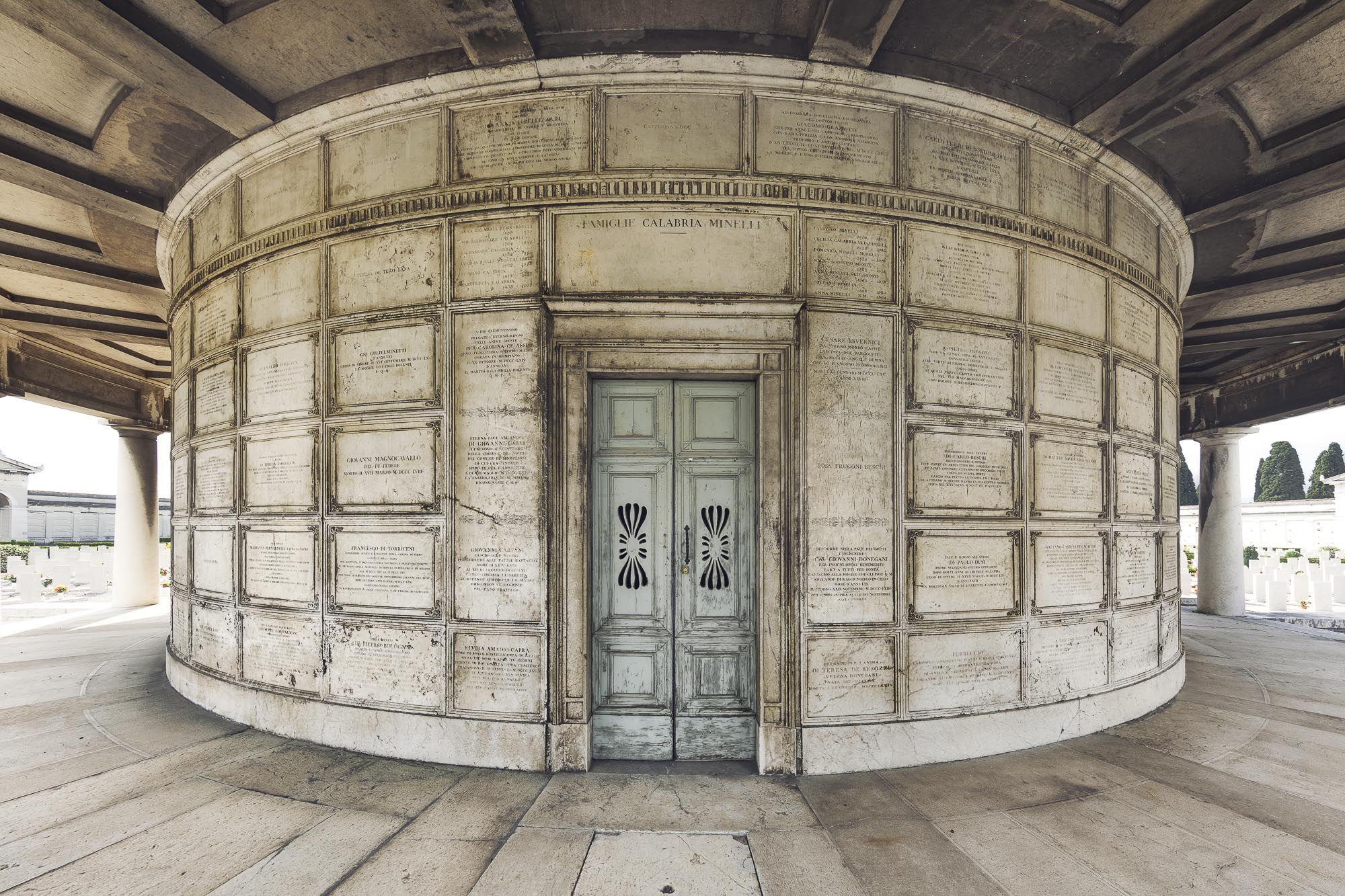
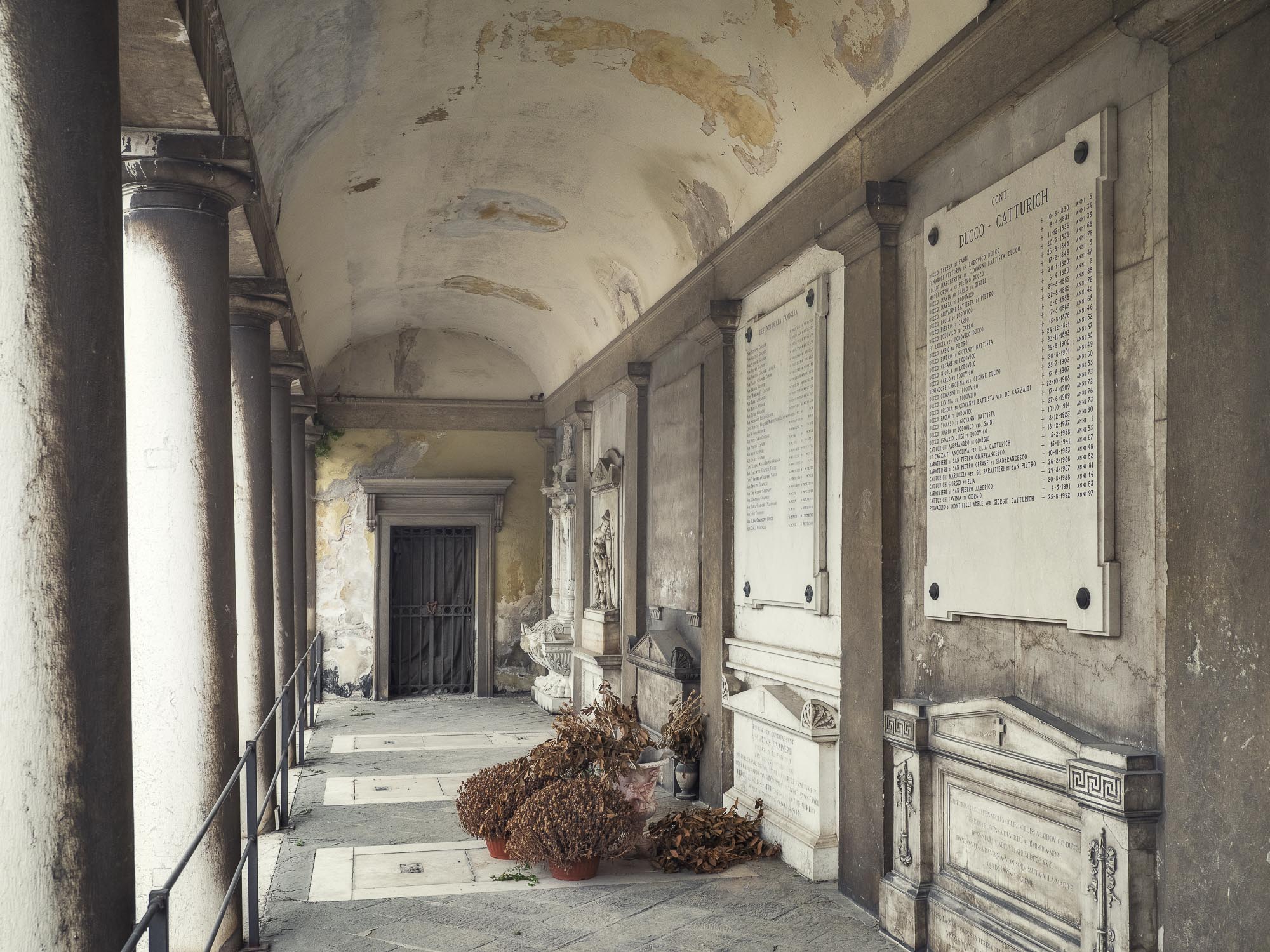
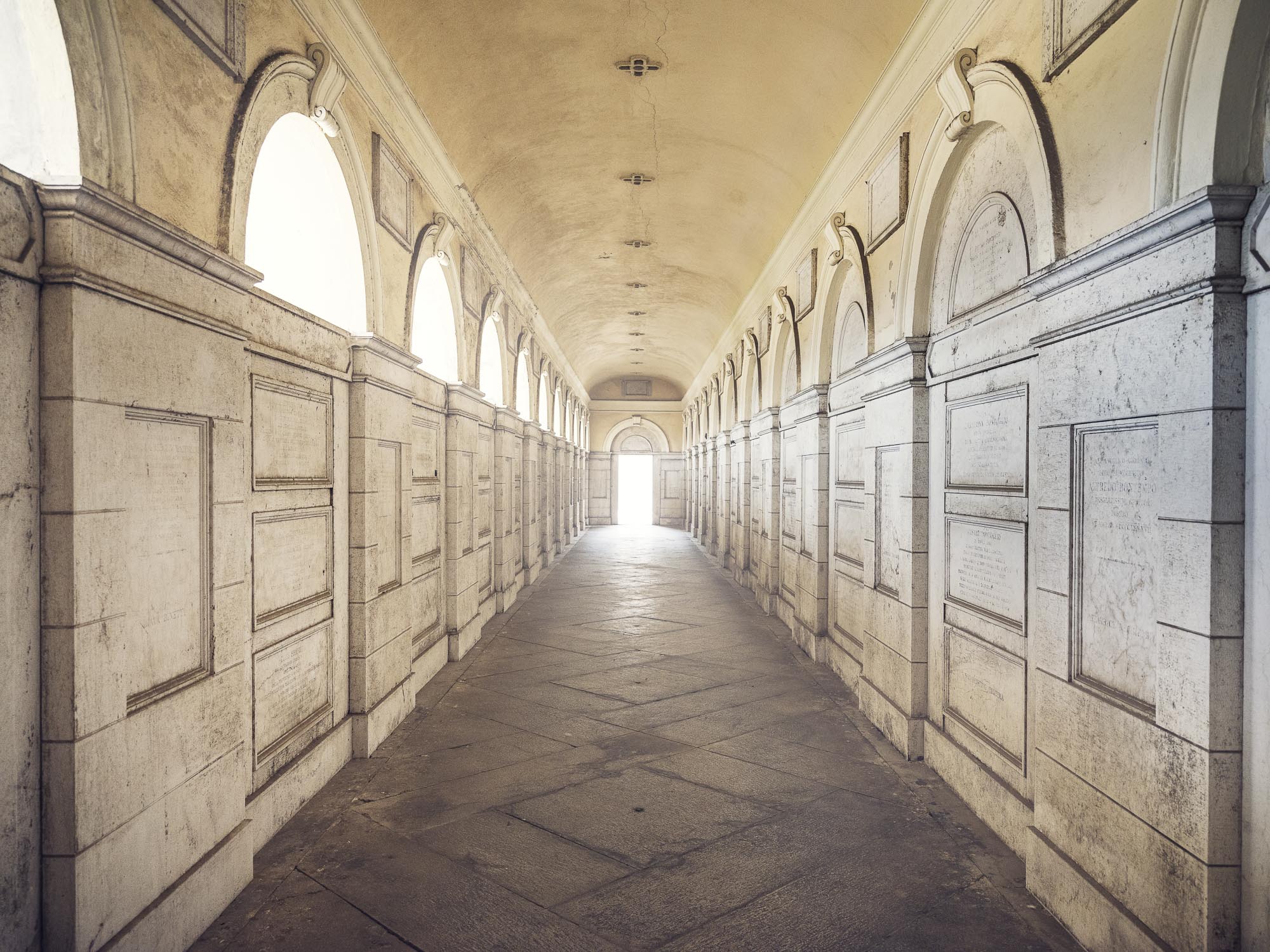
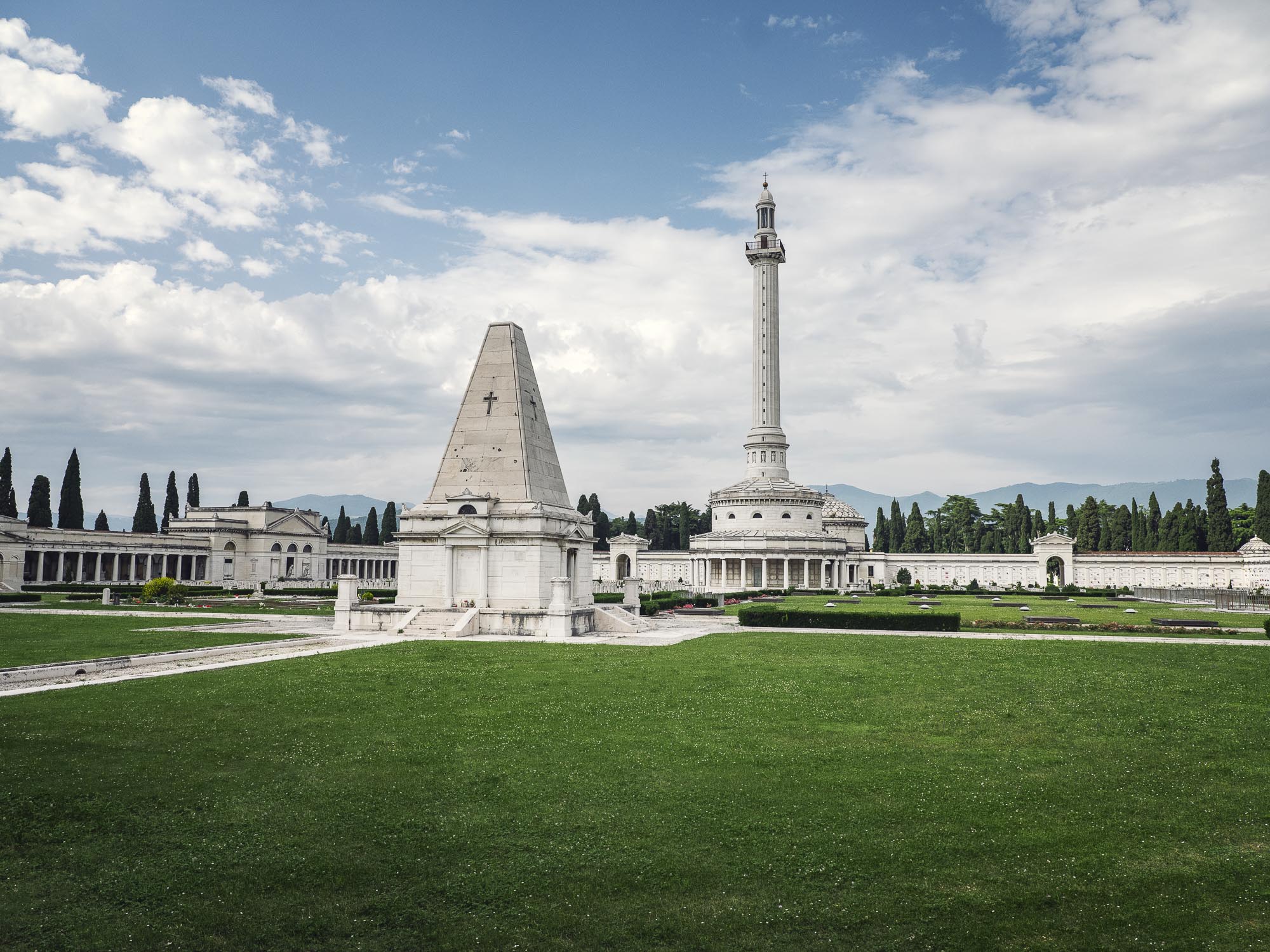
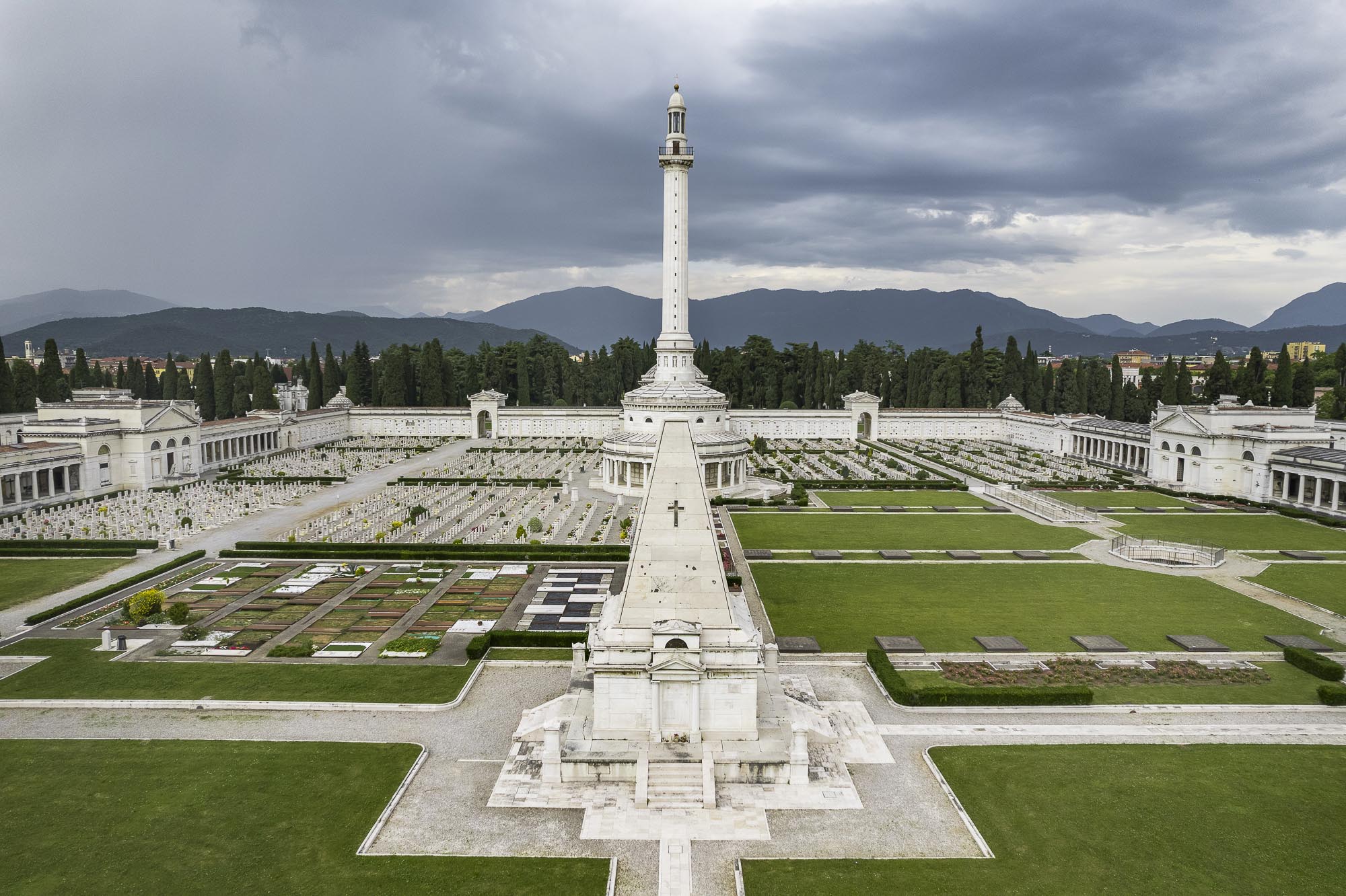
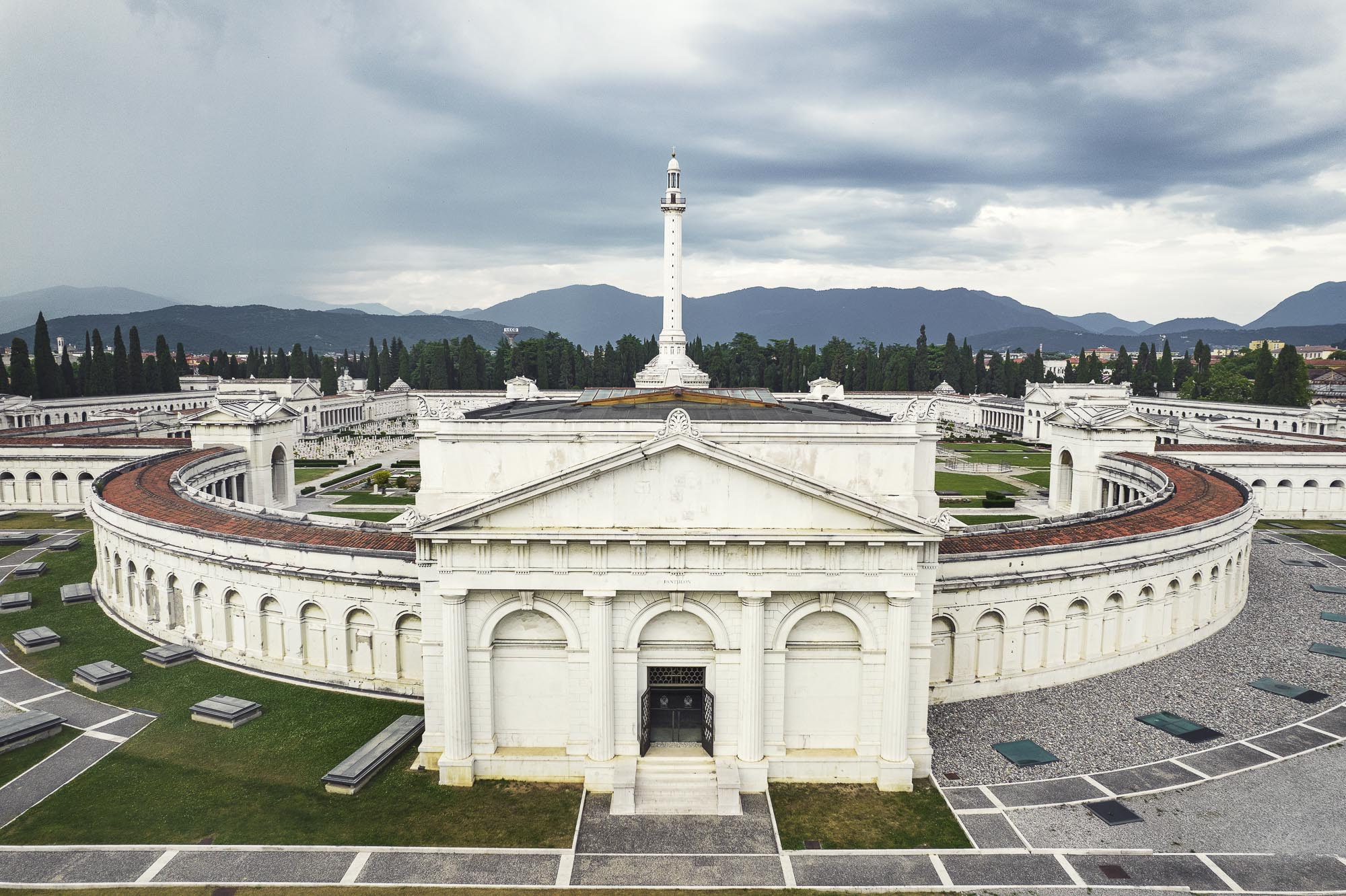
The style is Neoclassical, drawing on Greek and Hellenistic models. The cemetery includes the central chapel of San Michele, the Famedio, a pantheon for distinguished citizens, a green hemicycle of cenotaphs, a tower in the form of a lighthouse and a military ossuary from the 1920s.
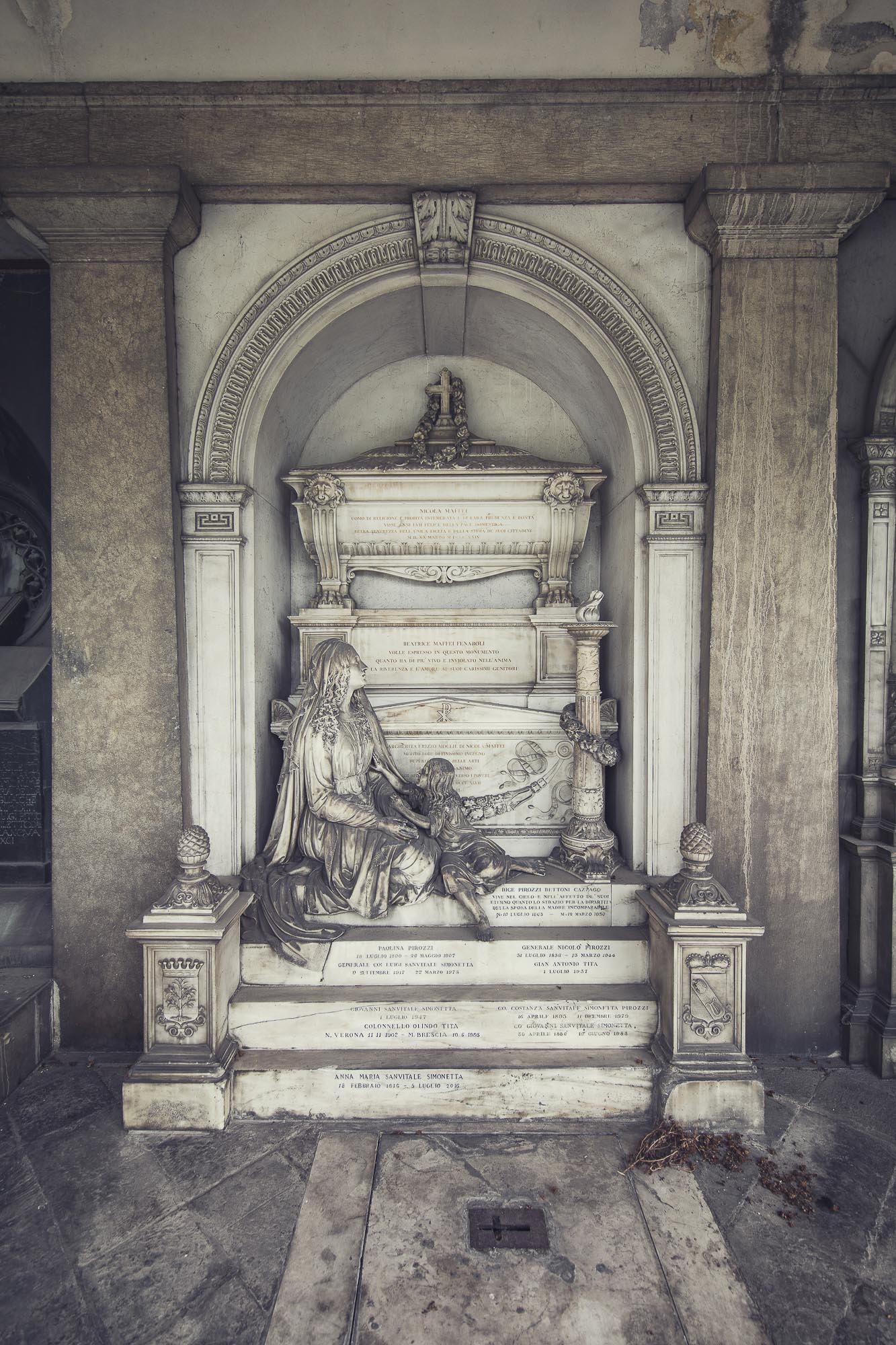
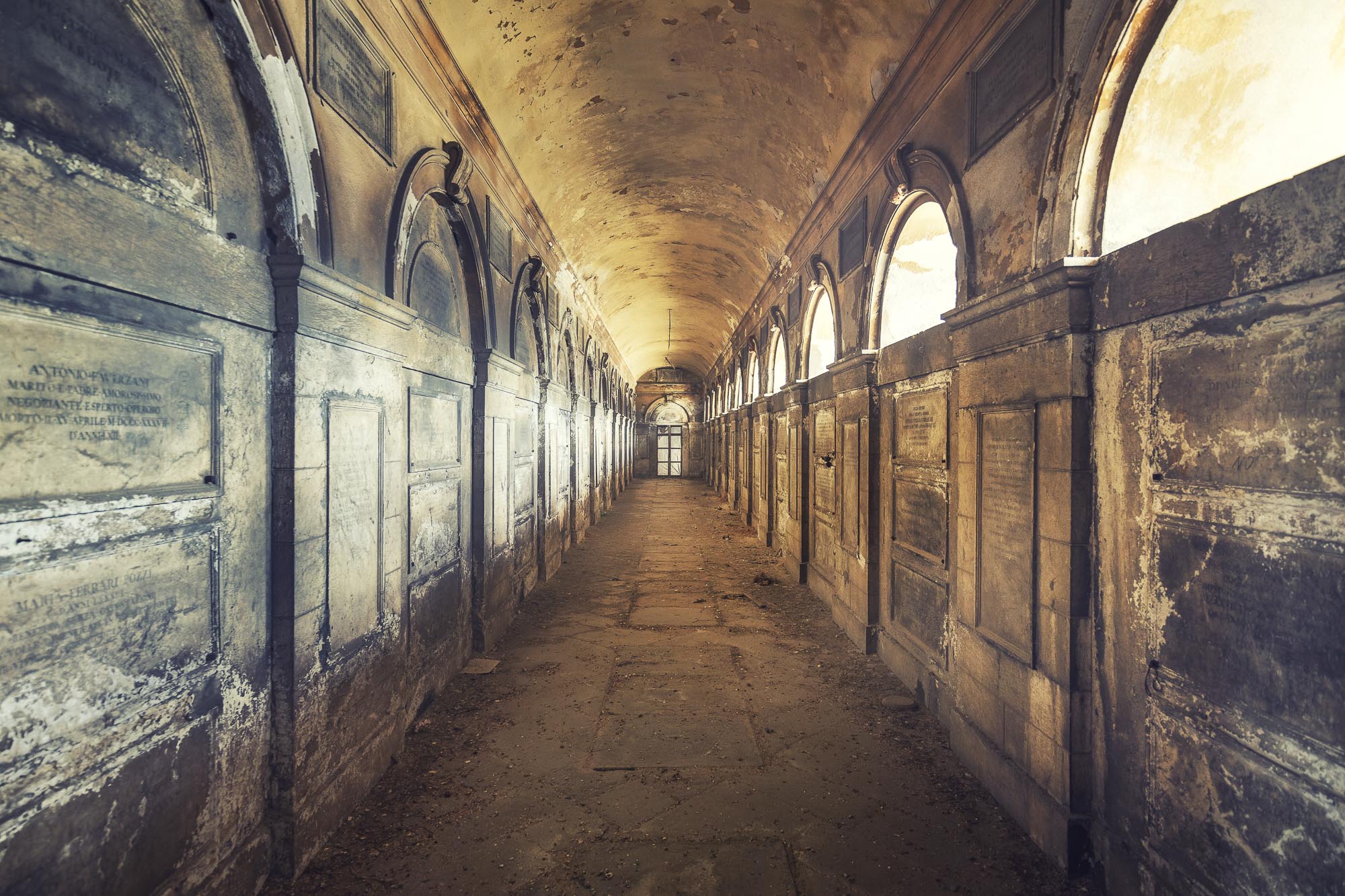
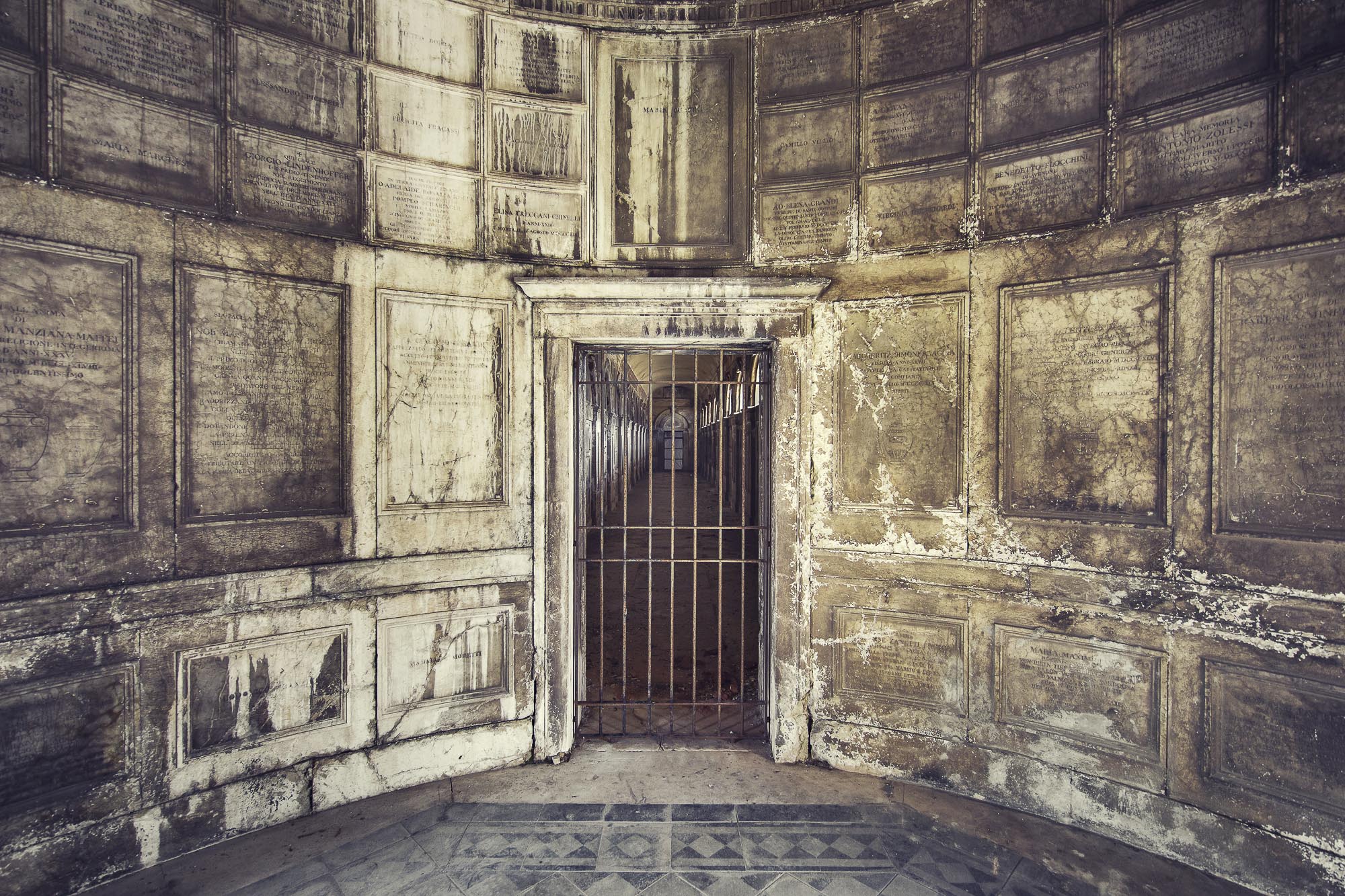
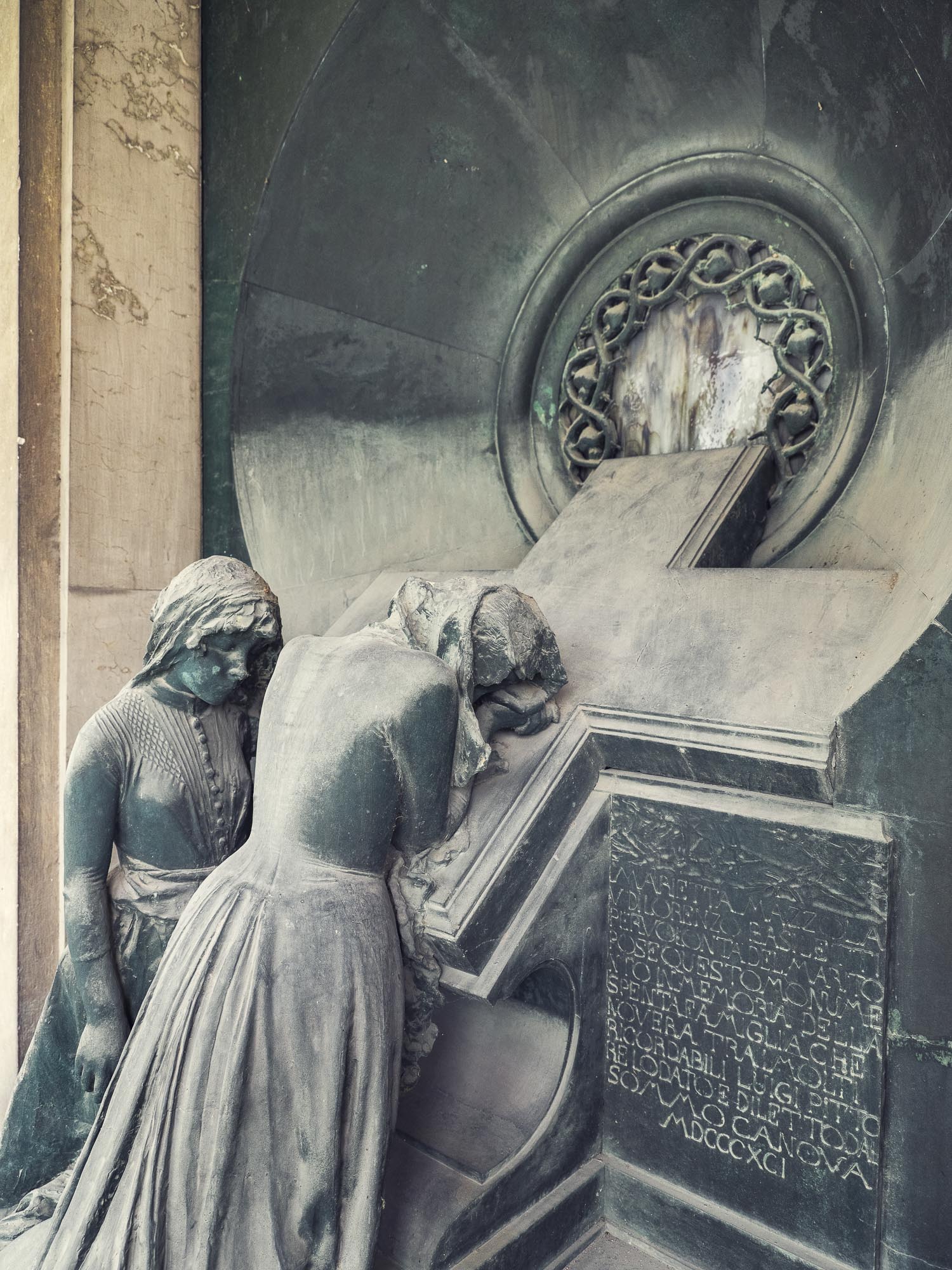
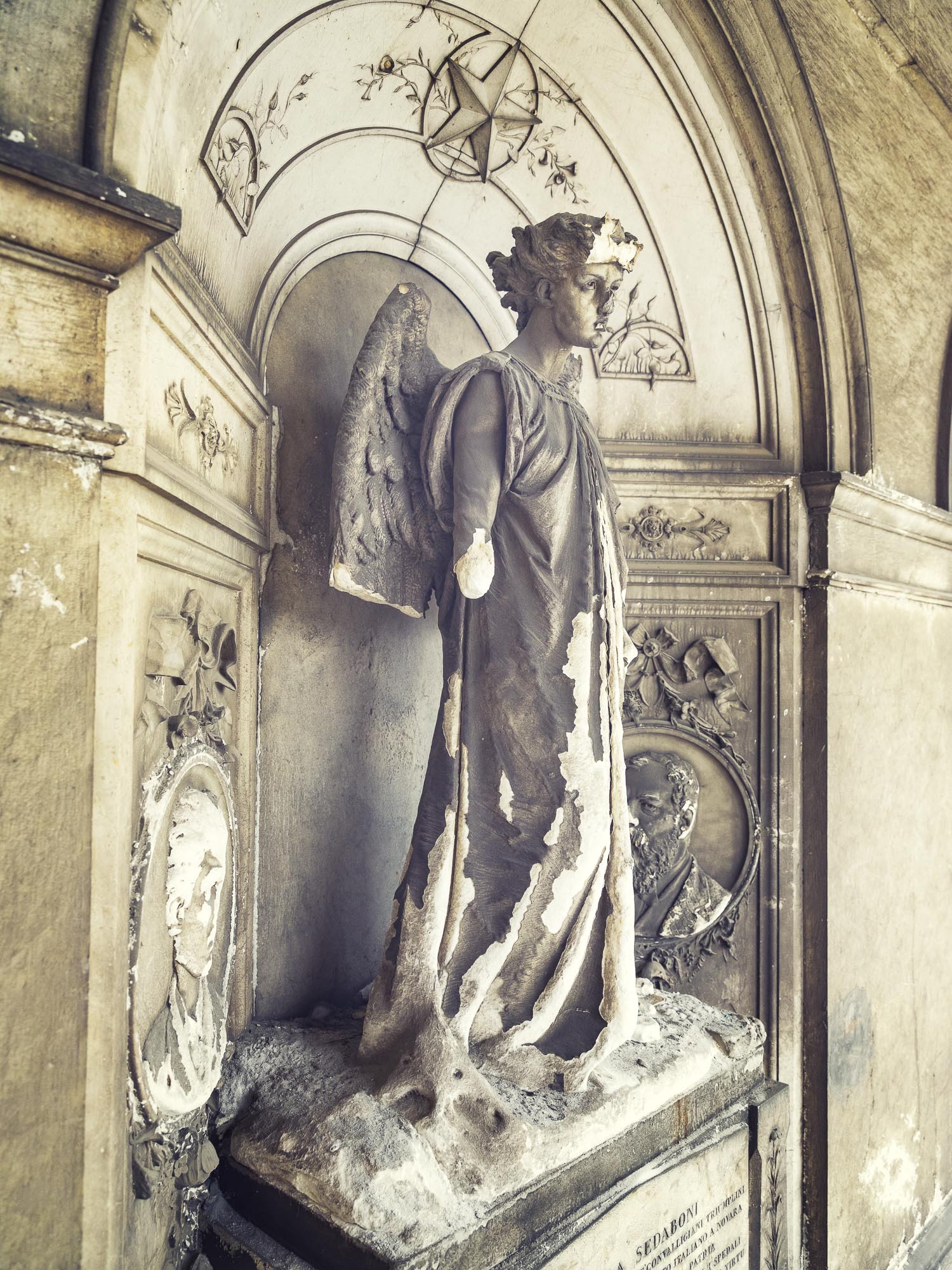
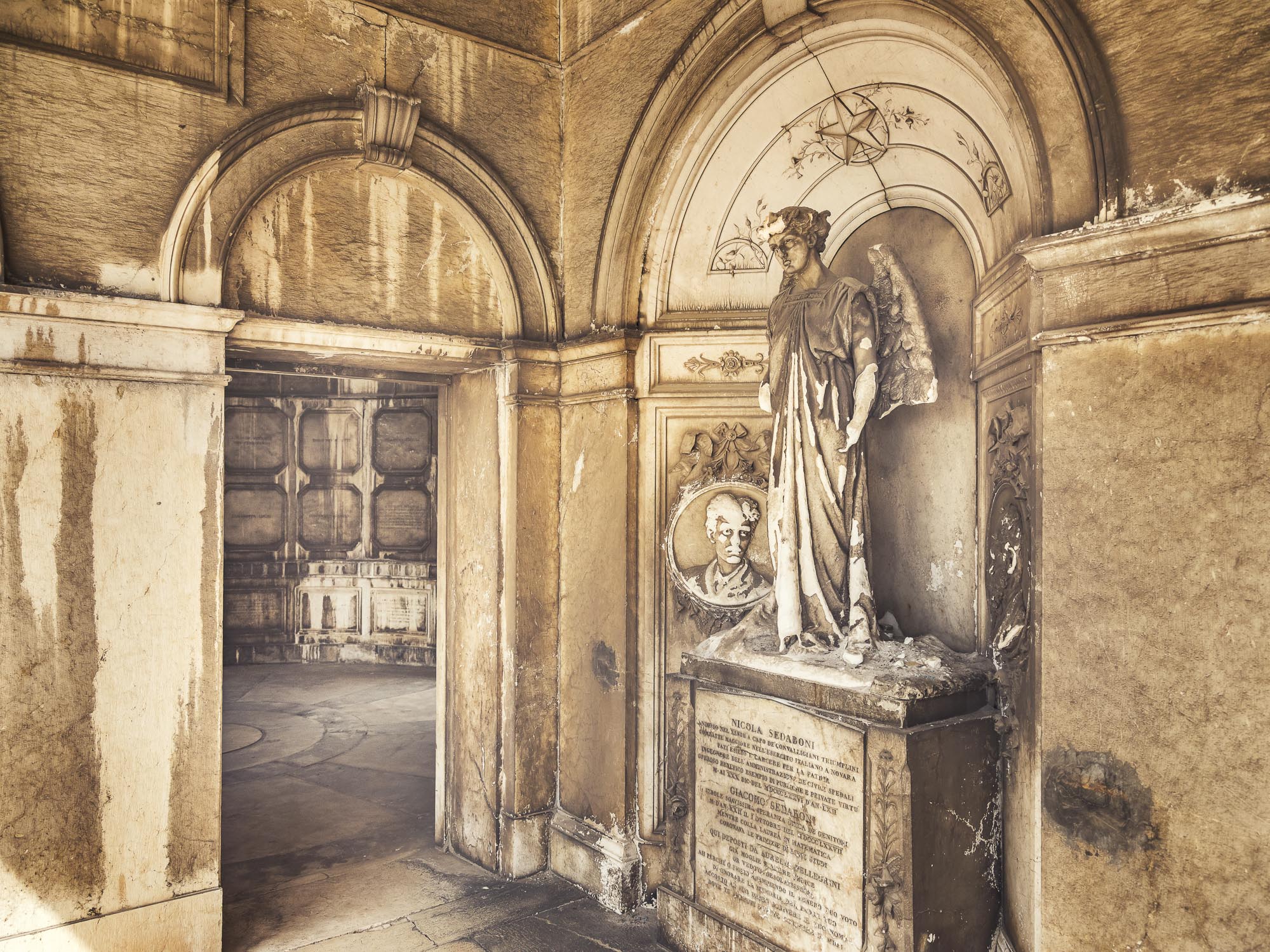
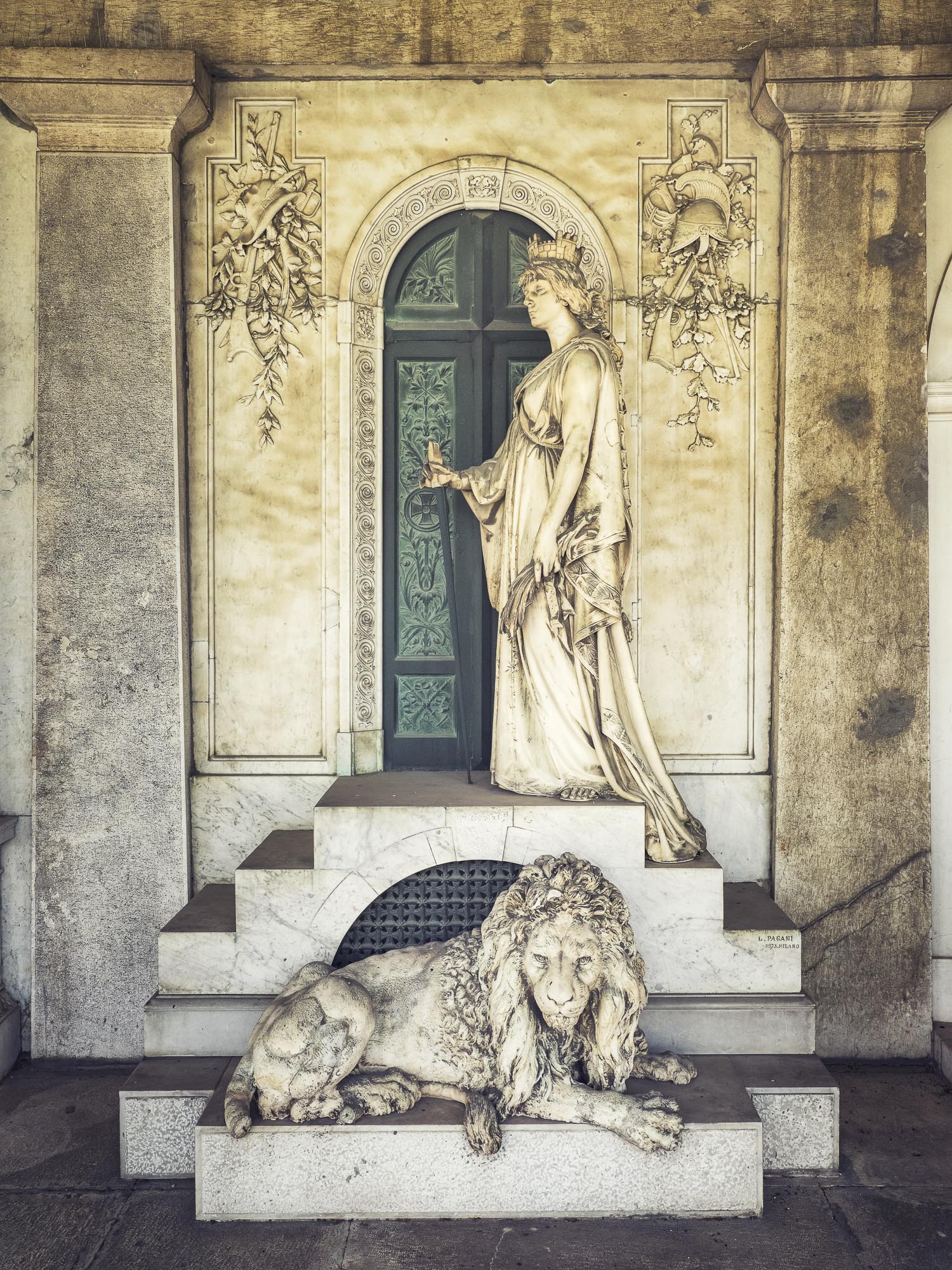
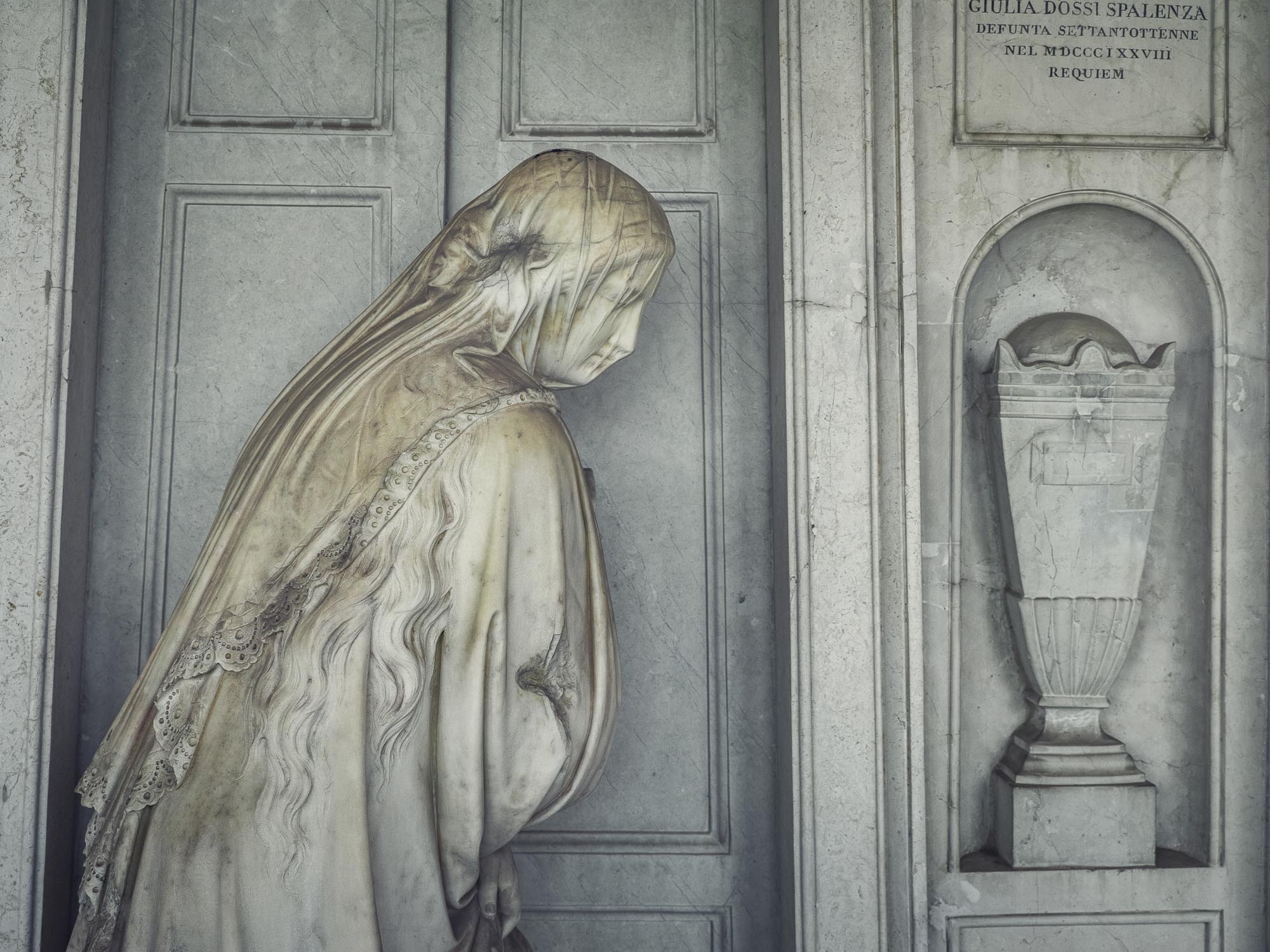
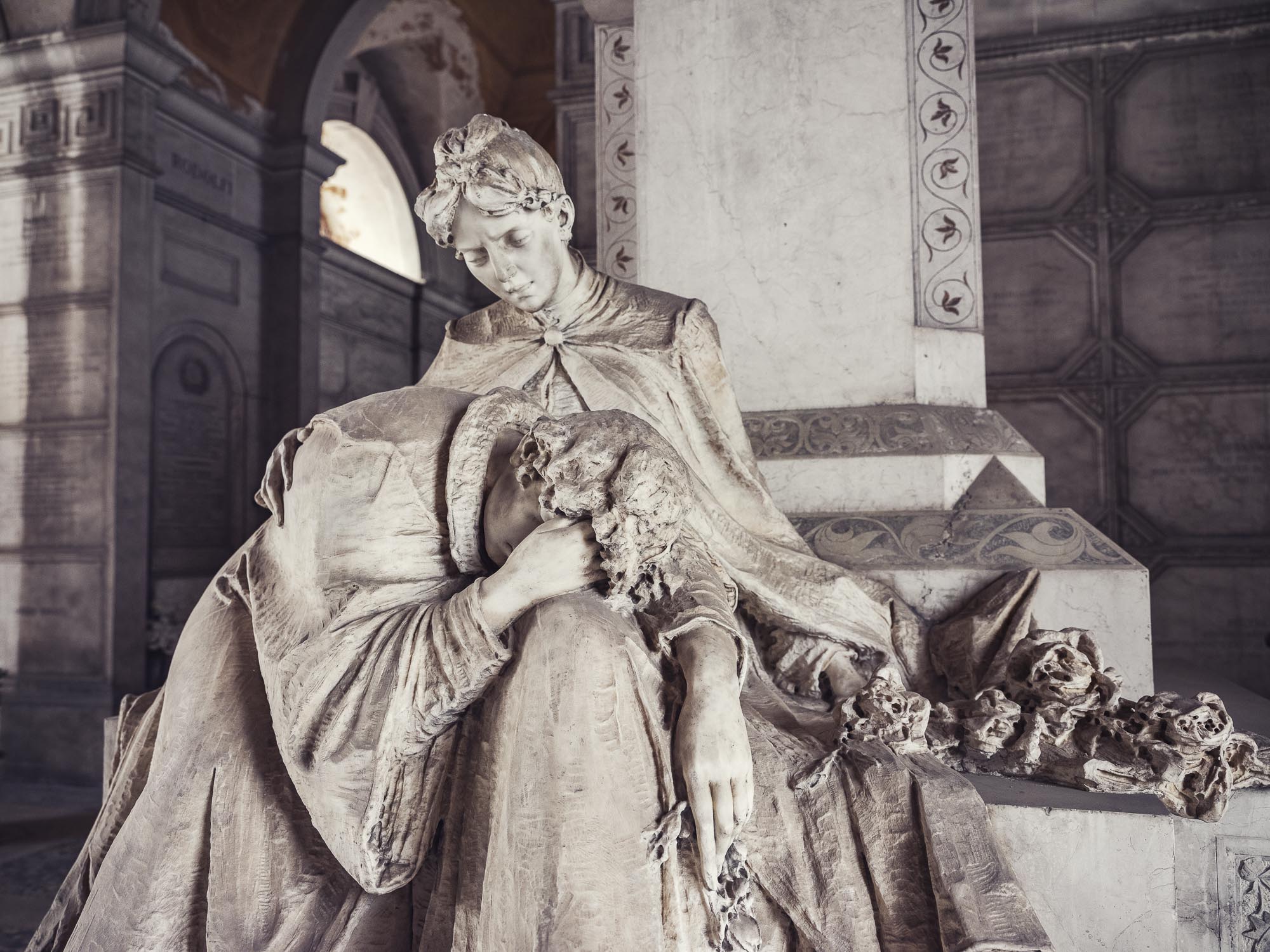
The long galleries contain sculpture by artists from Brescia and elsewhere in Italy, among them Giovanni Battista Lombardi, Ettore Ximenes and Odoardo Tabacchi. Those buried here include Giuseppe Zanardelli, Prime Minister of Italy from 1901 to 1903, the patriot Tito Speri and Vantini himself.
Frequently asked questions
Where is the Cimitero Vantiniano?
It stands on Via Milano in Brescia, historically outside the Porta San Giovanni.
Who is buried in the Cimitero Vantiniano?
Among others Giuseppe Zanardelli (1826–1903), Prime Minister of Italy from 1901 to 1903, the patriot Tito Speri (1825–1853) and the architect Rodolfo Vantini.
Why is the Cimitero Vantiniano considered special?
Several sources describe it as the first monumental cemetery in the history of art. Vantini created a Neoclassical complex with arcades, a pantheon and a tower.