Germany · Berlin · 24 pictures
Trinity Cemetery II
Dreifaltigkeitsfriedhof II
-
-
-
-
-
-
-
-
-
-
-

-
-
-
-
-
-
-
-

-
-
-
-
-
About this place
The Trinity parish bought the land between 1823 and 1825, and Friedrich Schleiermacher performed the consecration. A cross-shaped system of paths, modelled on Renaissance and Baroque examples and mostly lined with lime trees, structures the grounds. The site is unusual for Berlin because it lies on the slope of the former vineyard.
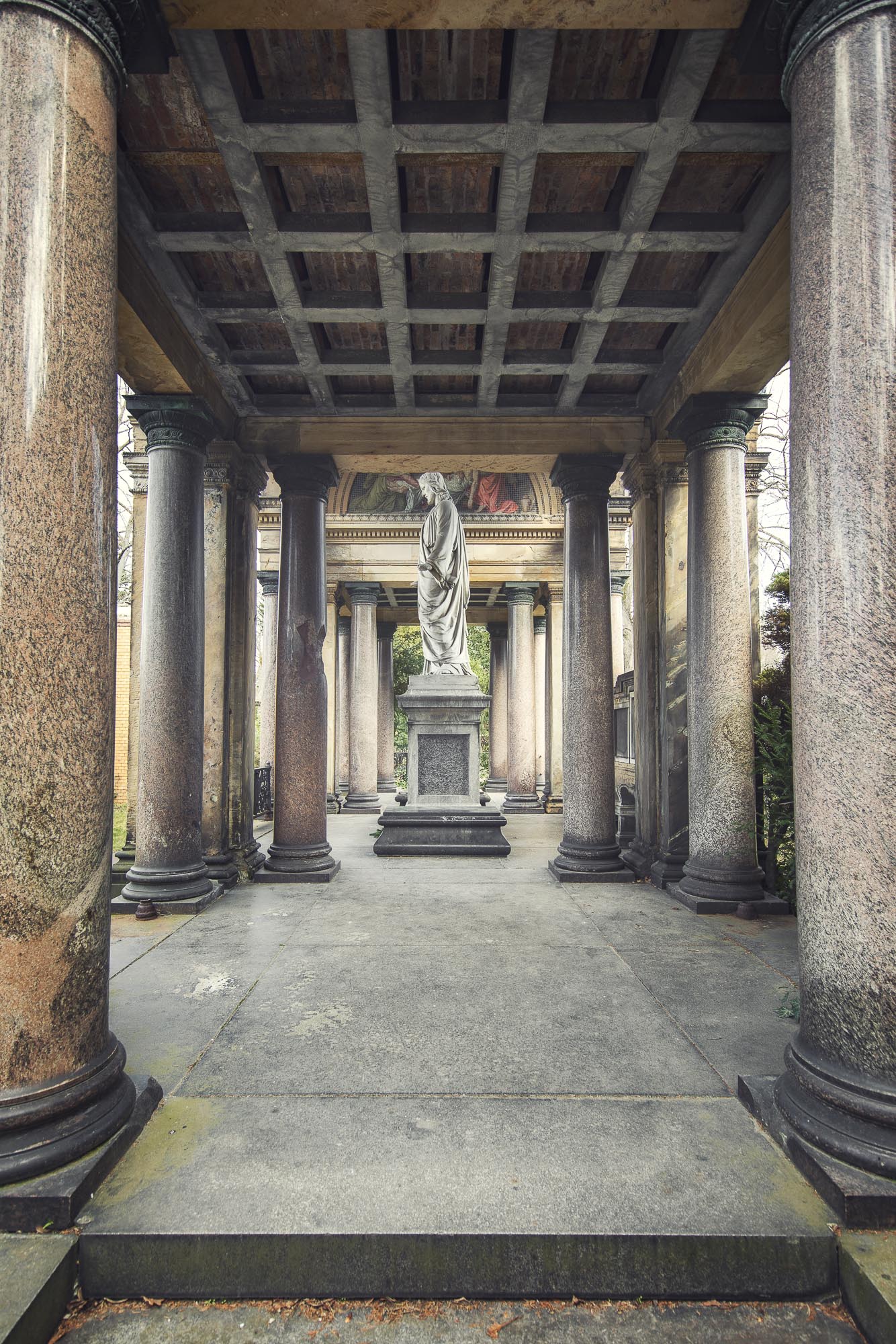
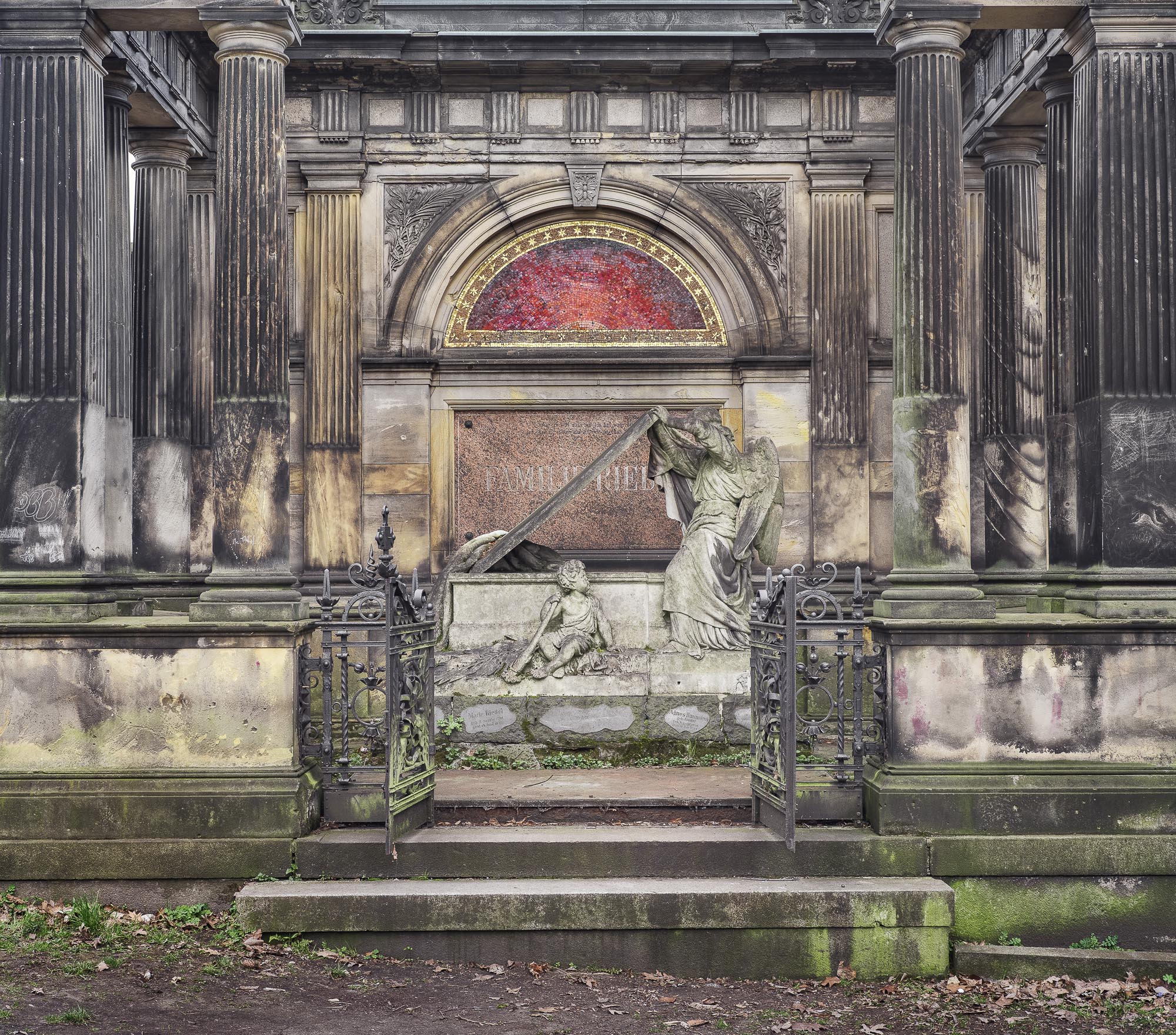
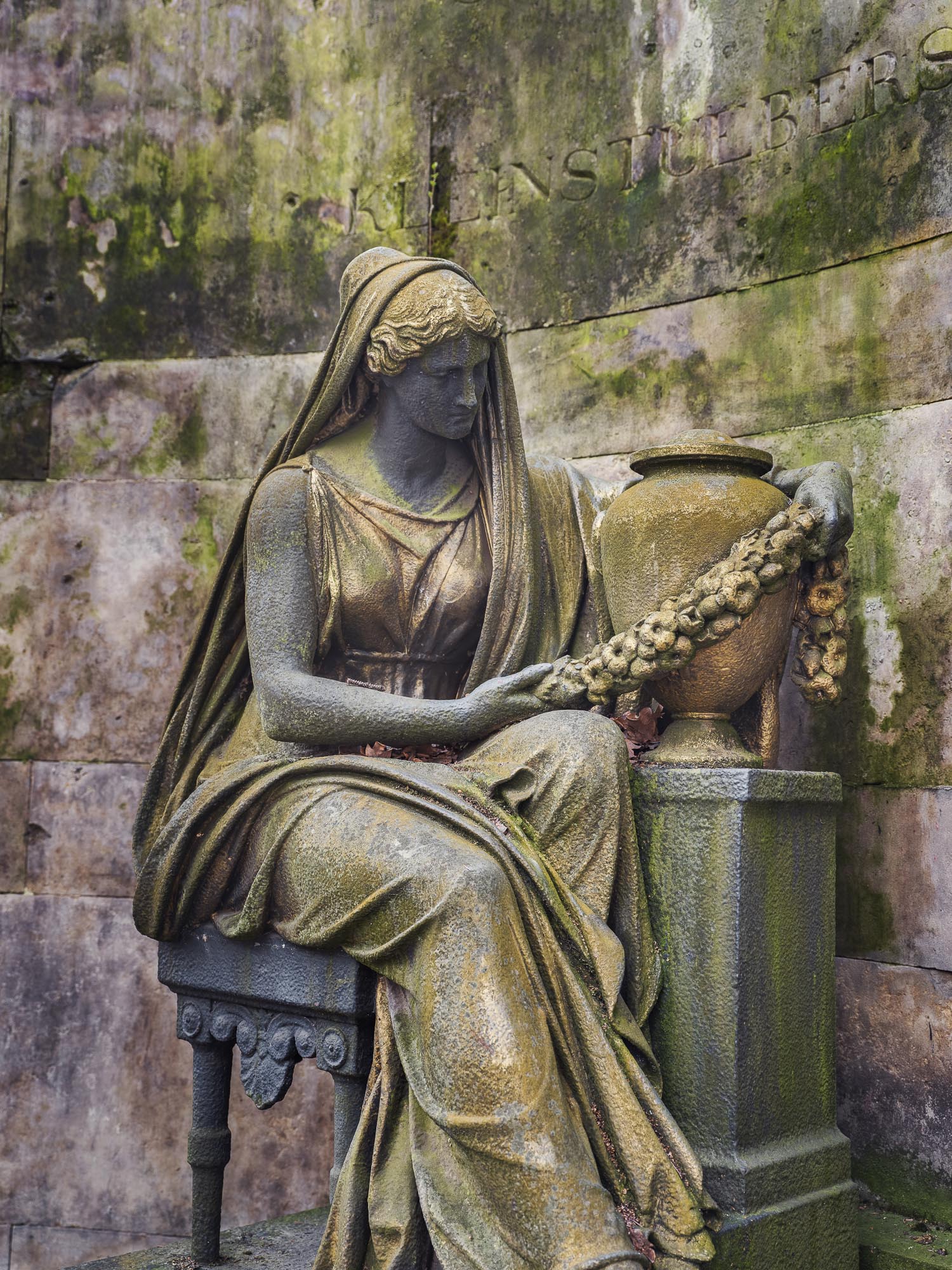
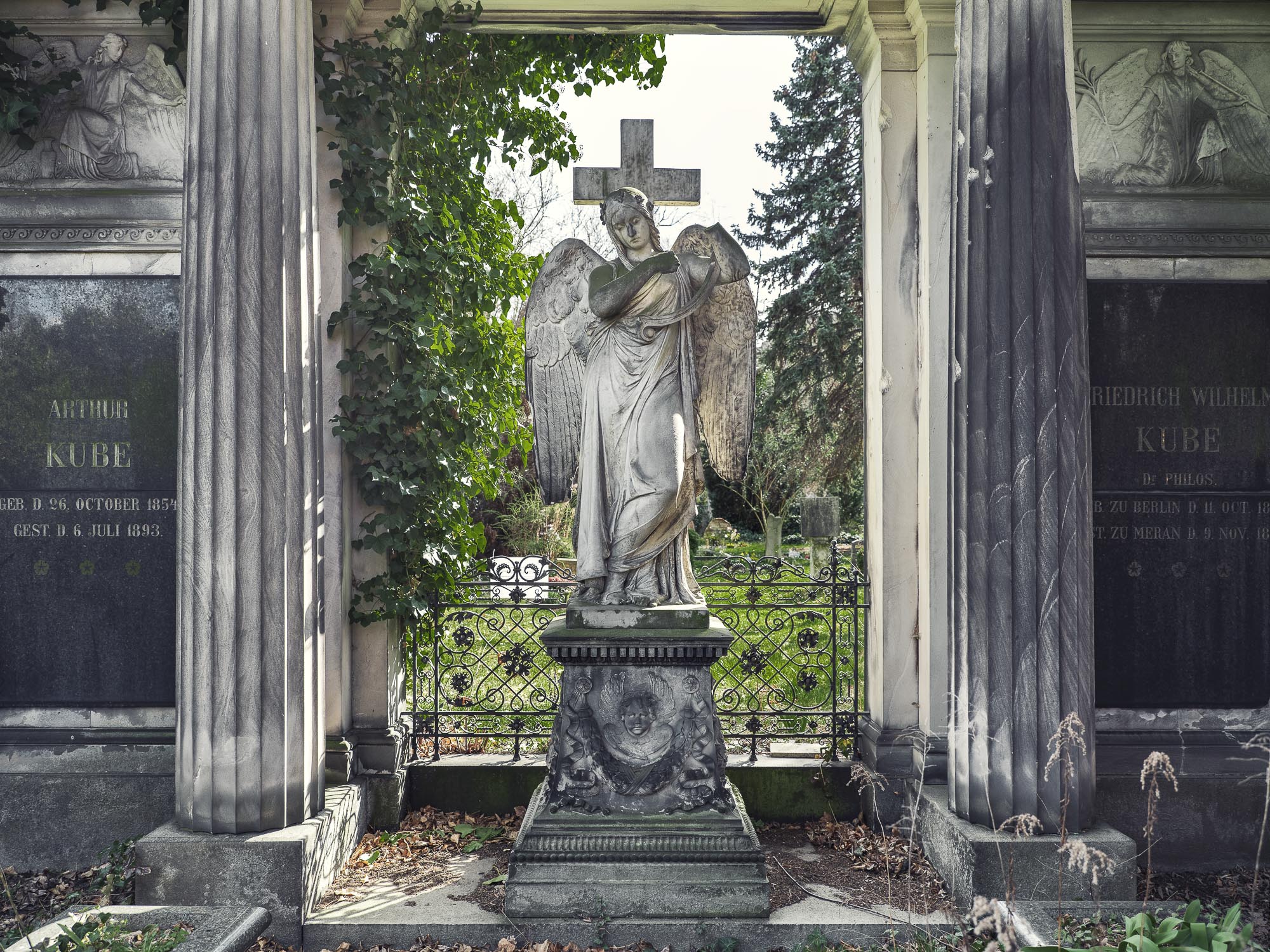
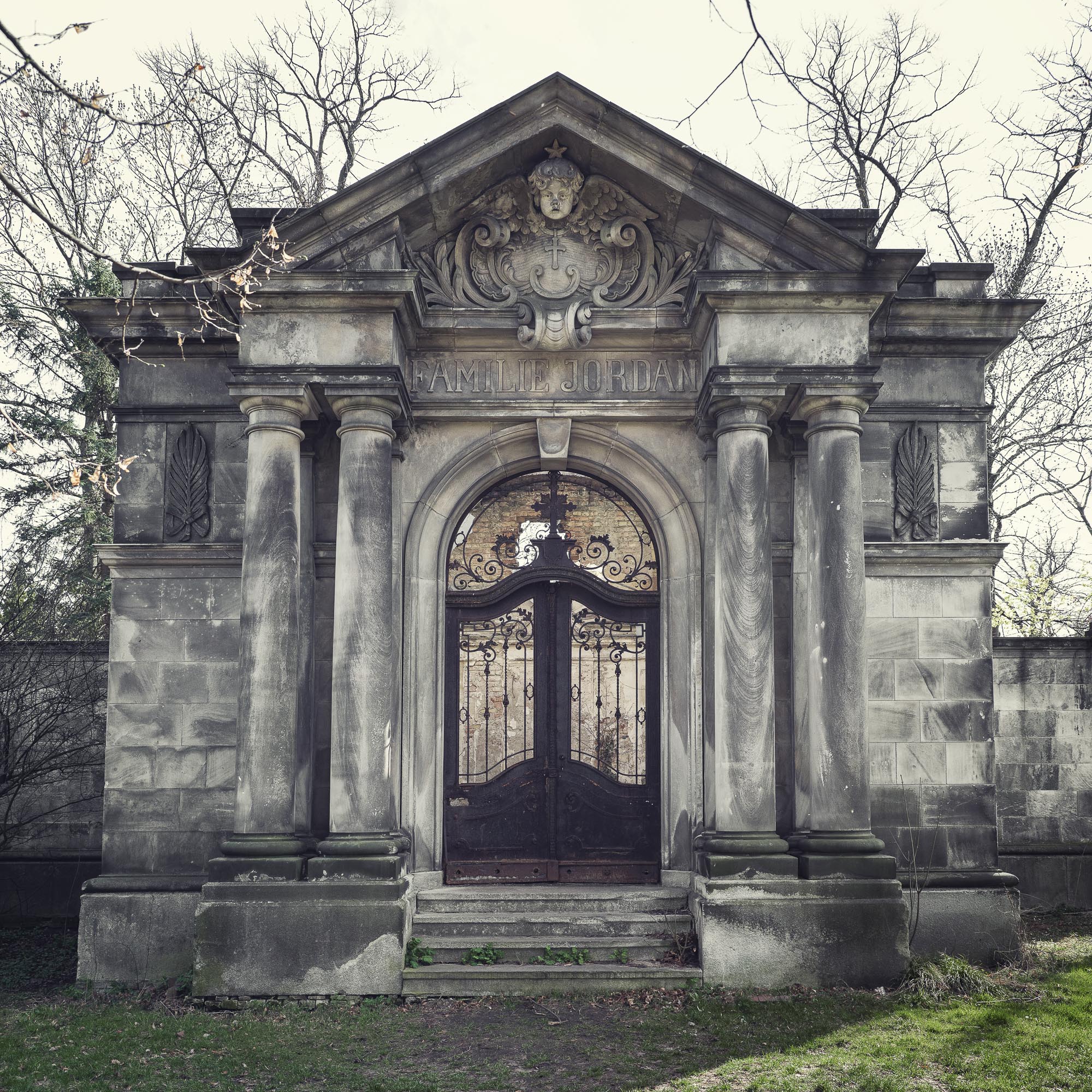
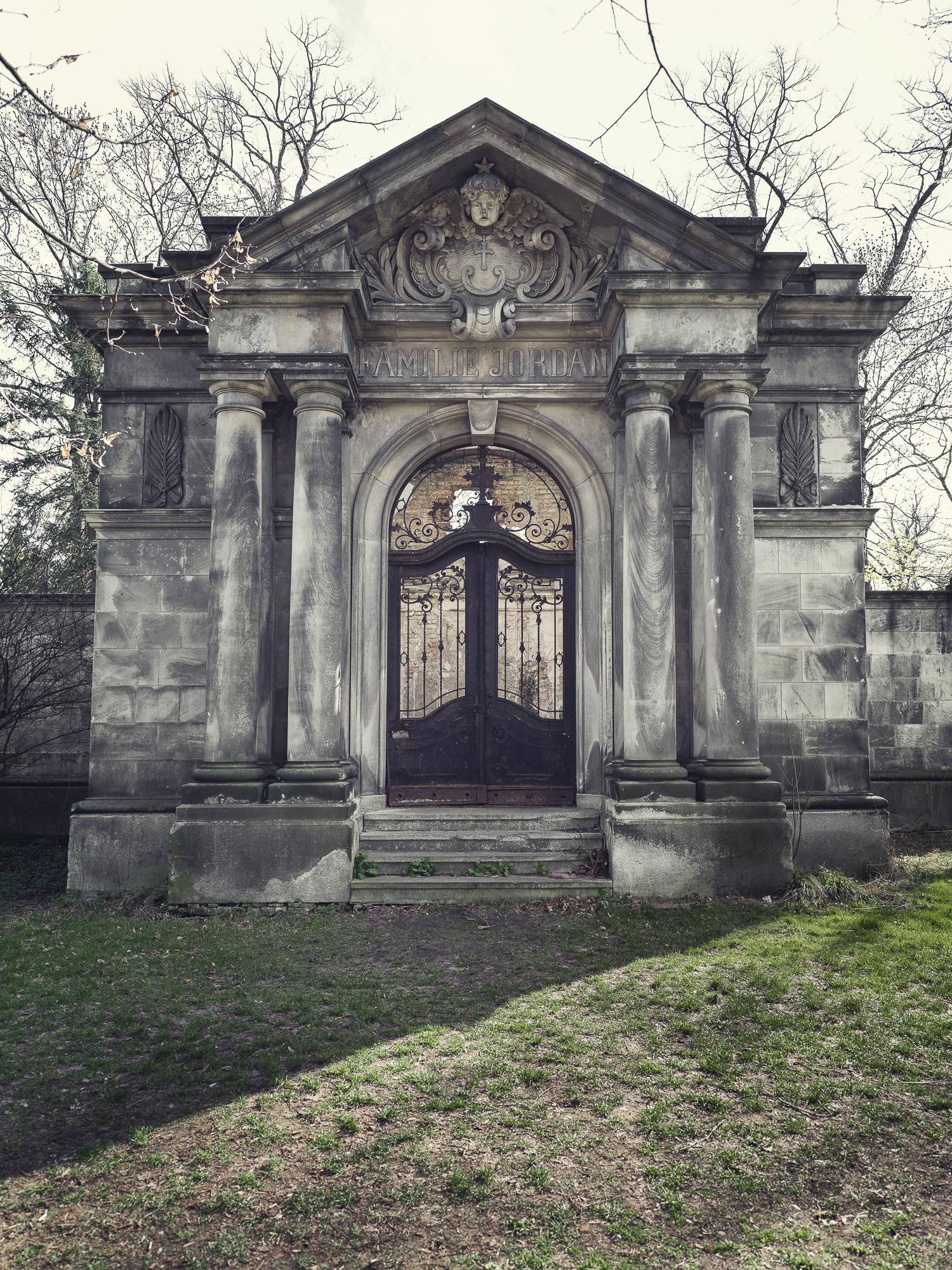
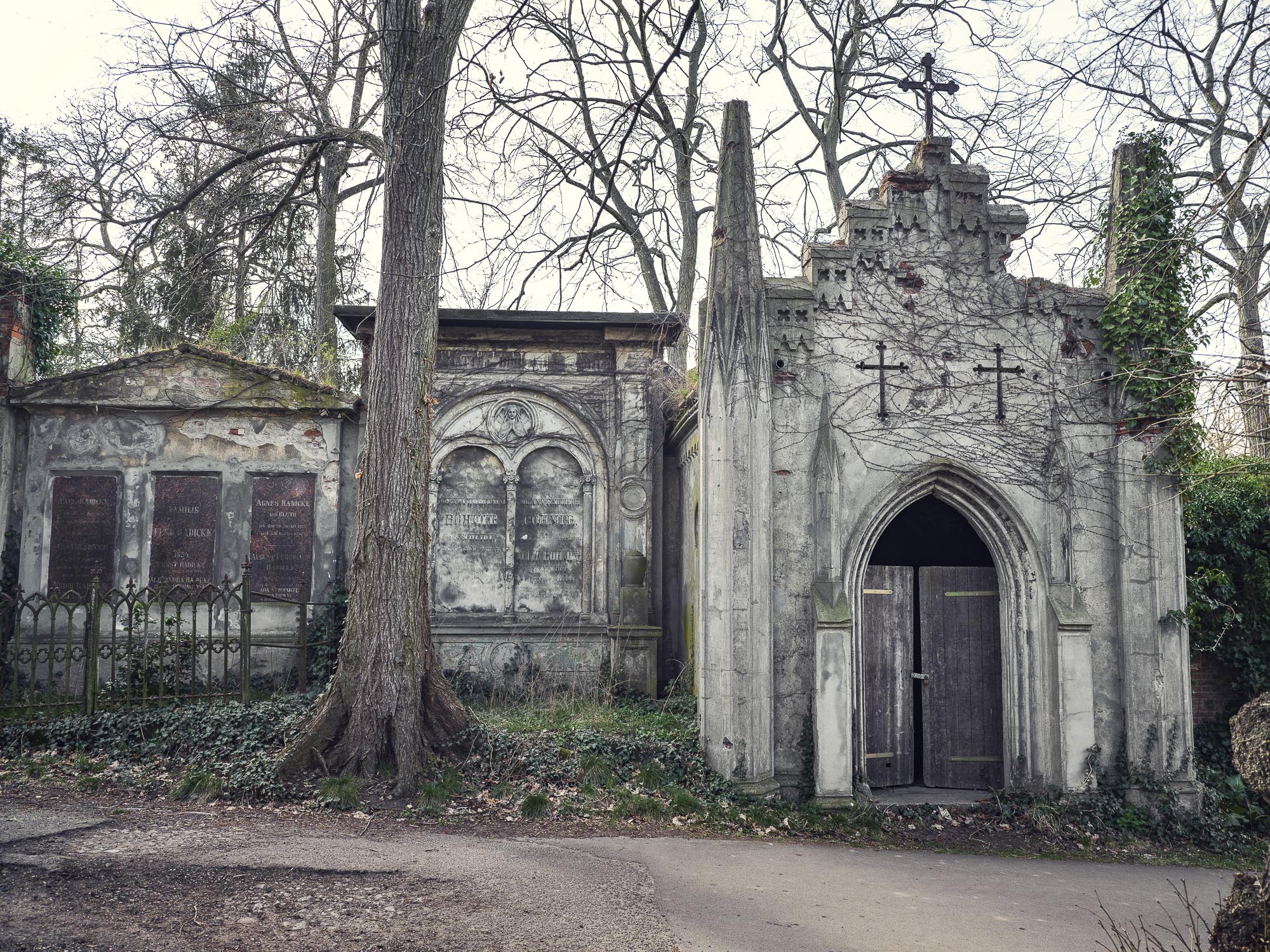
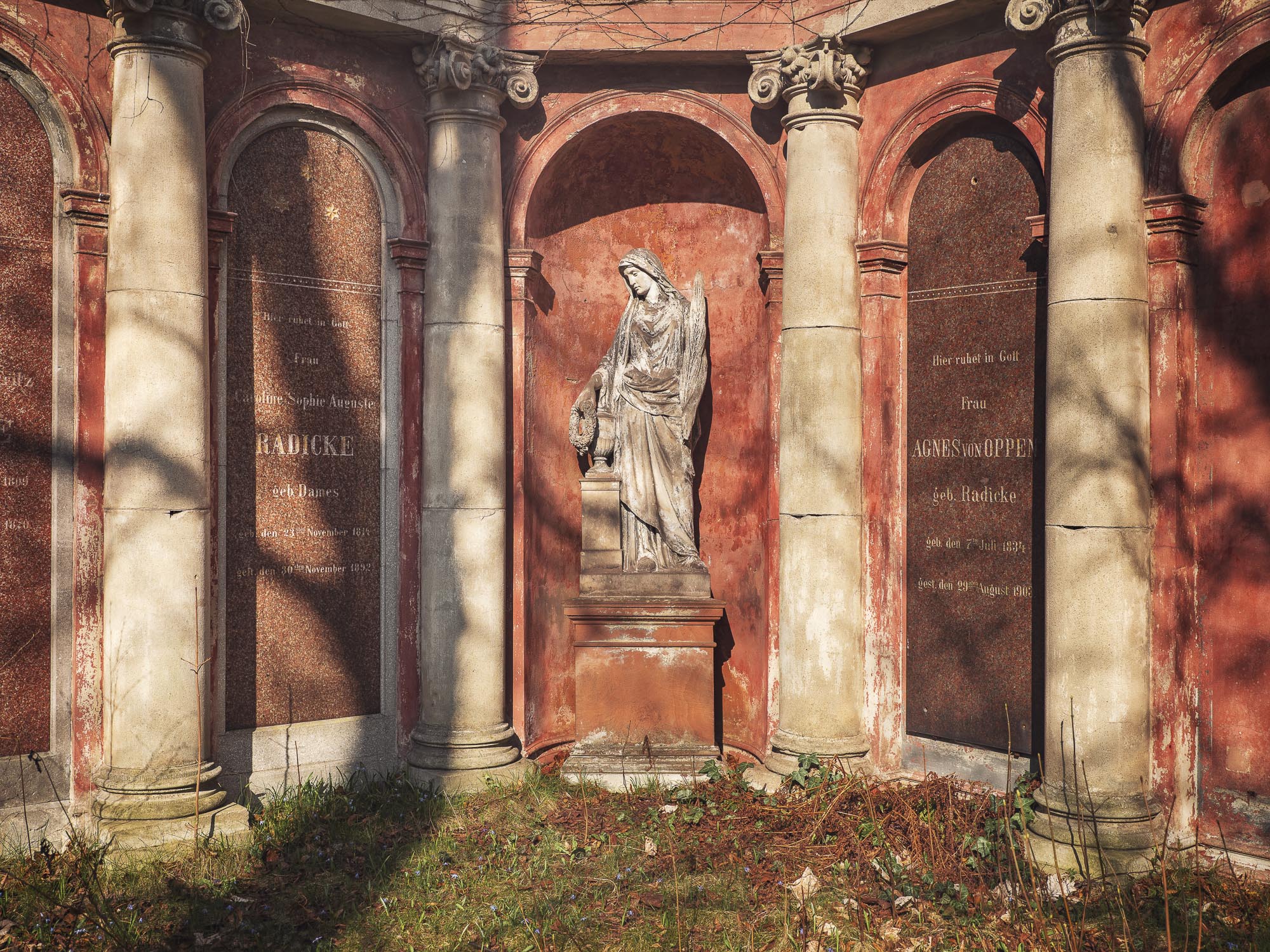
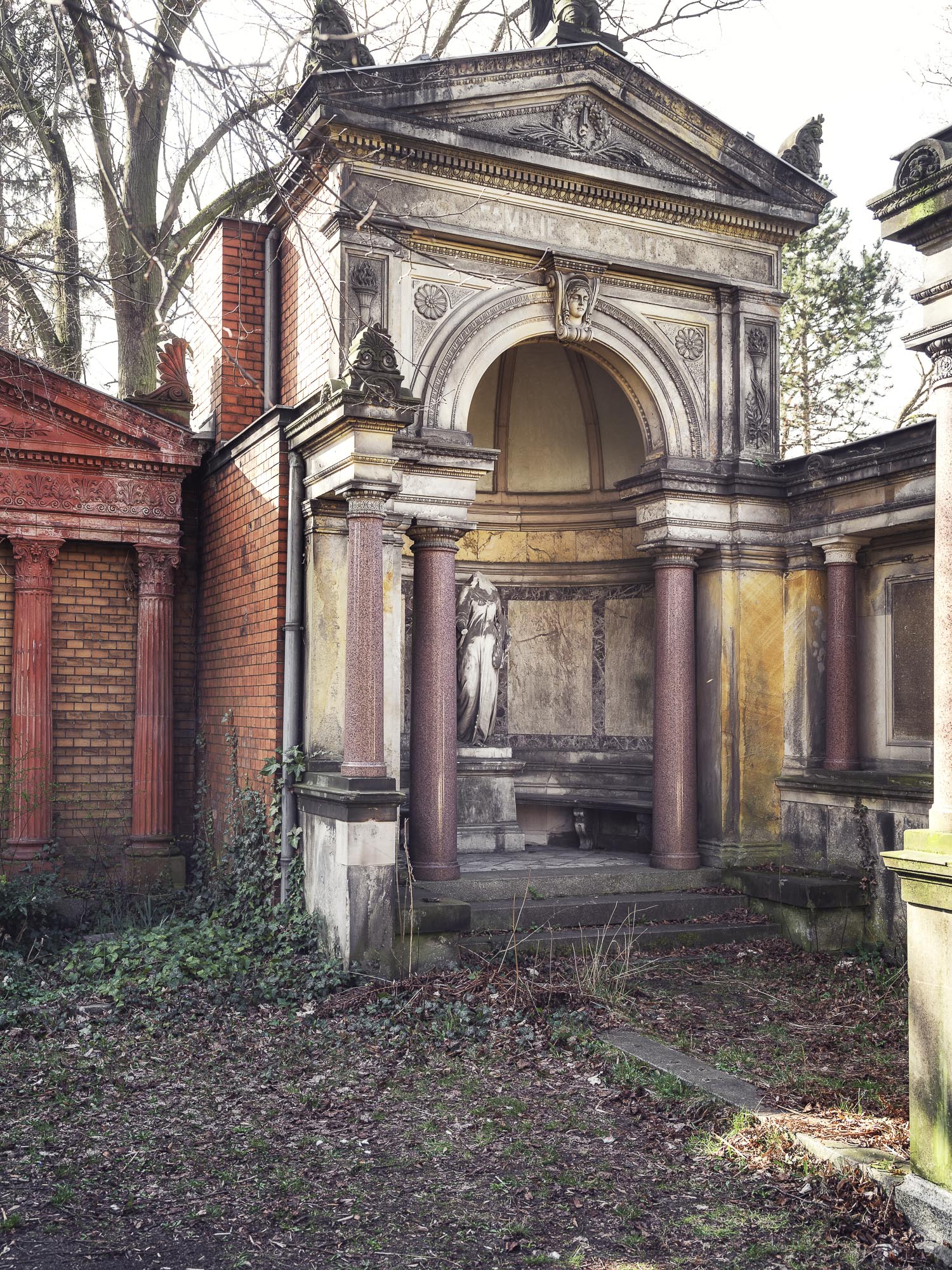
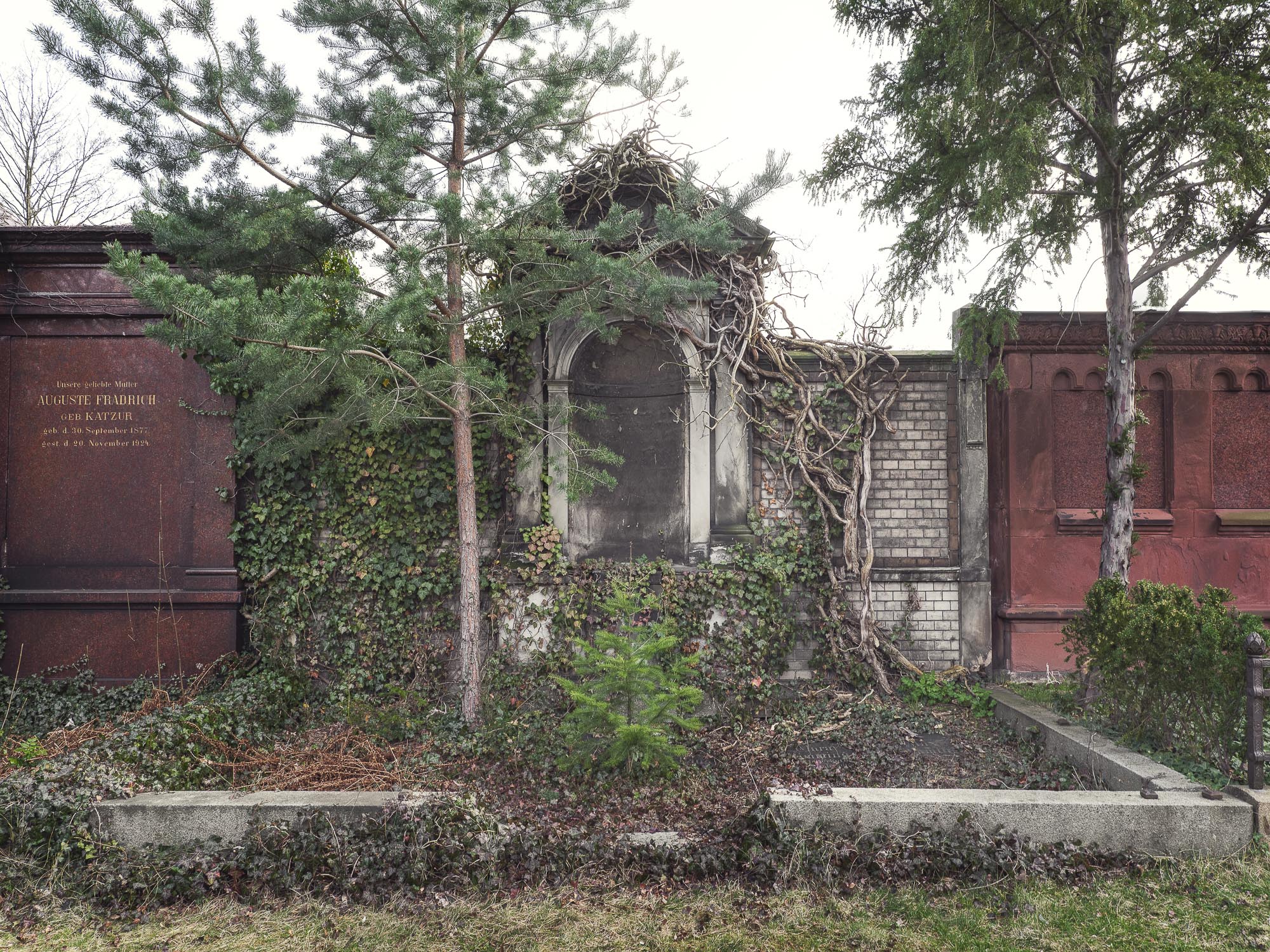
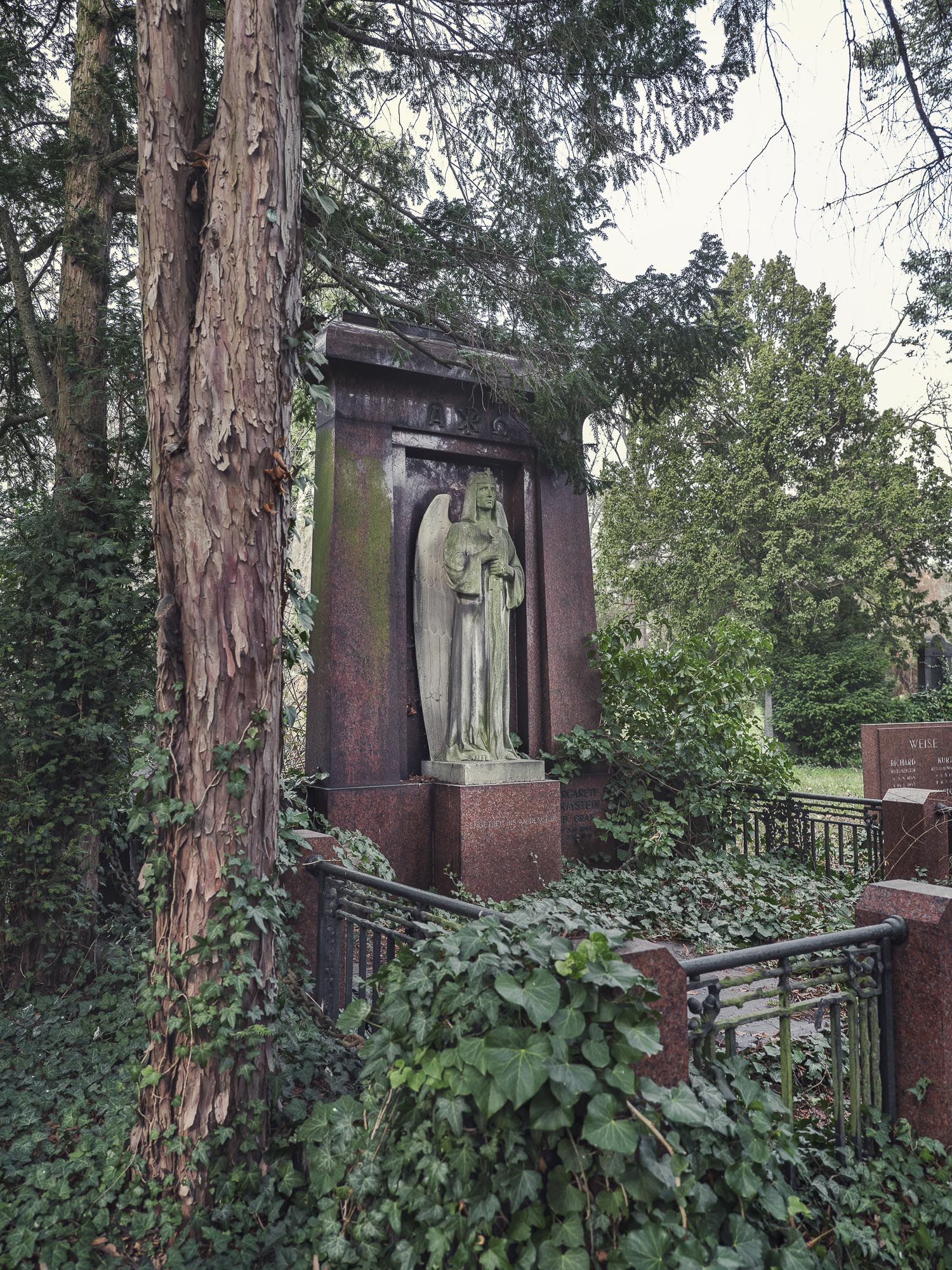
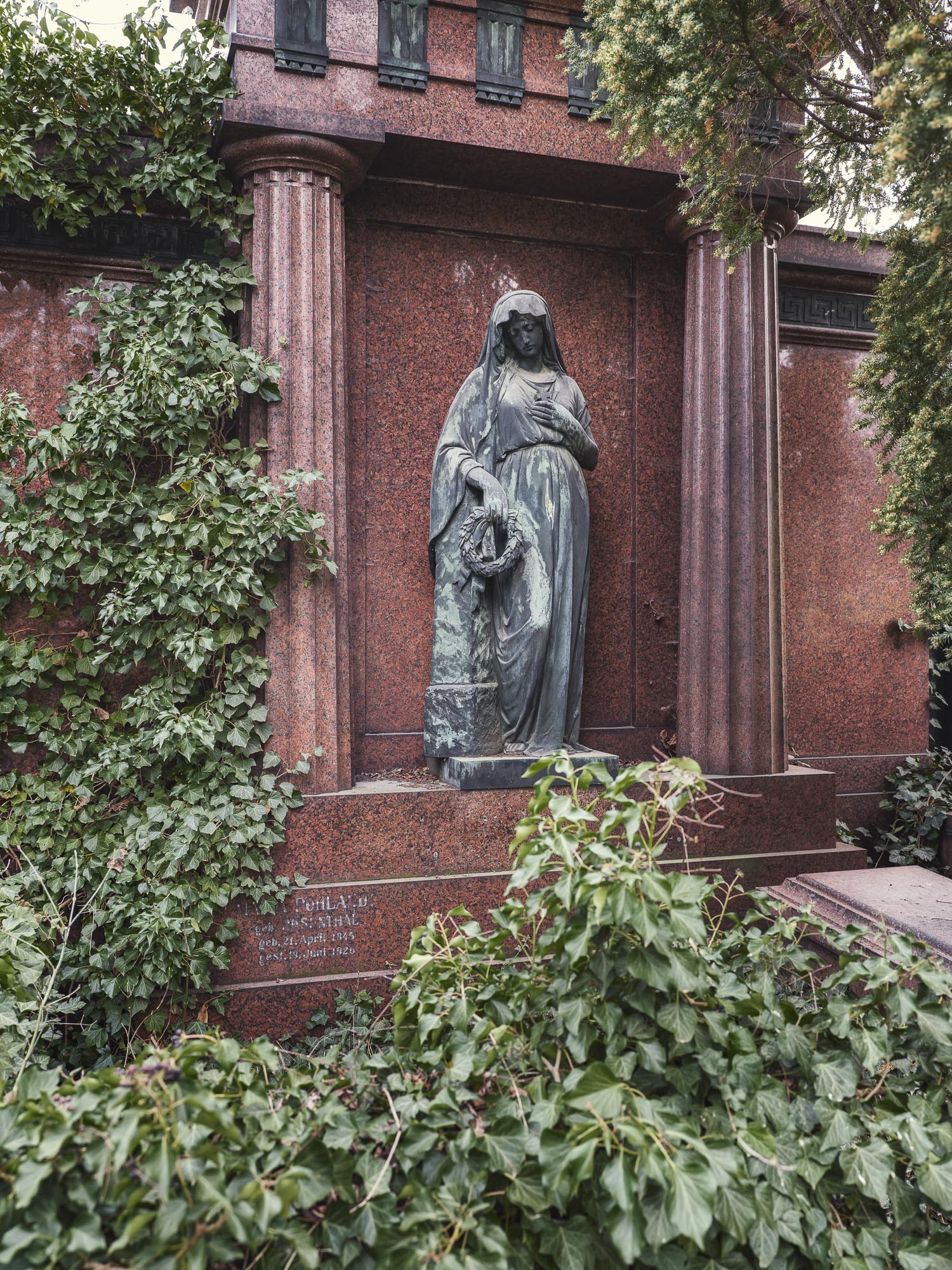
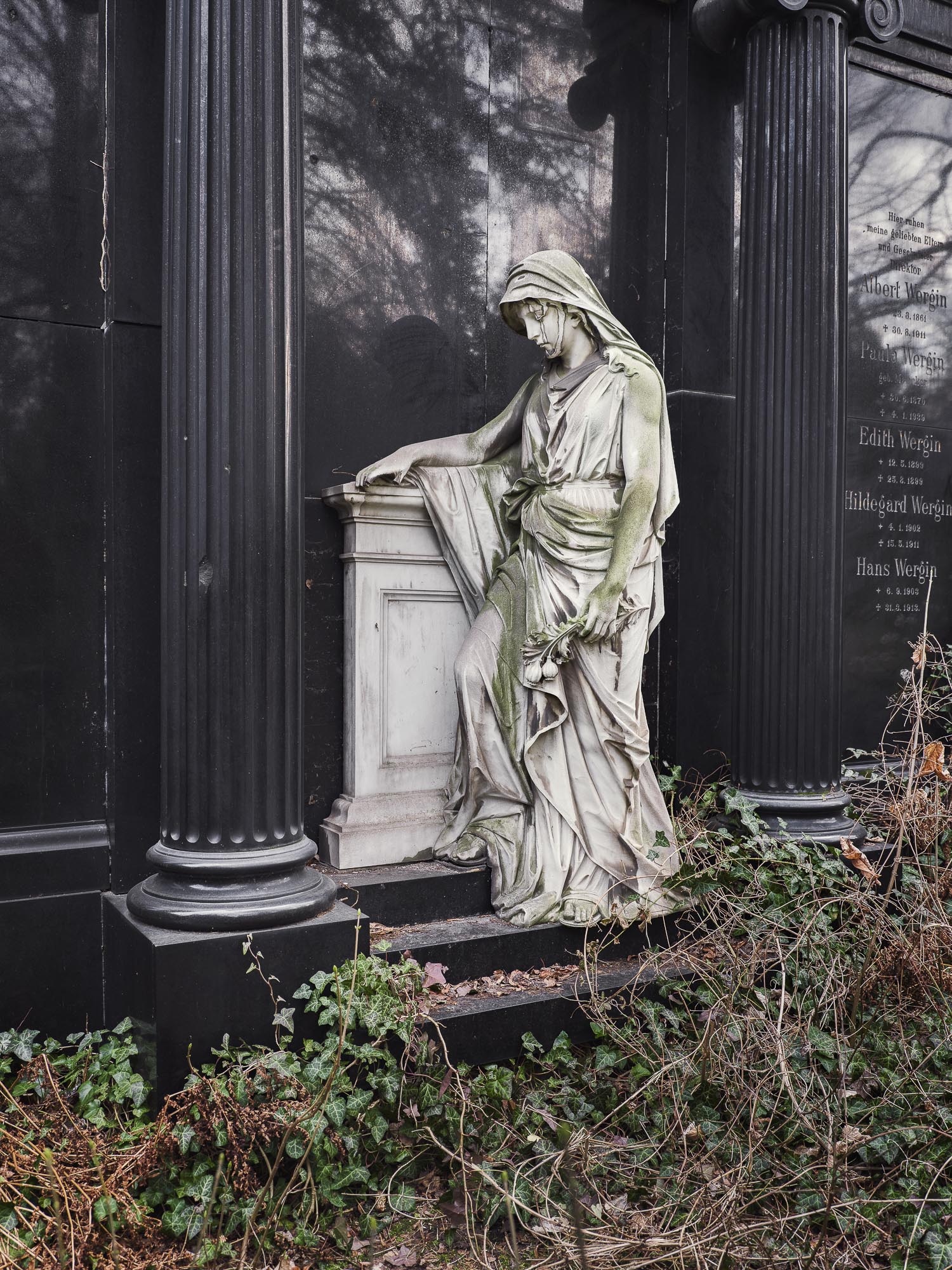
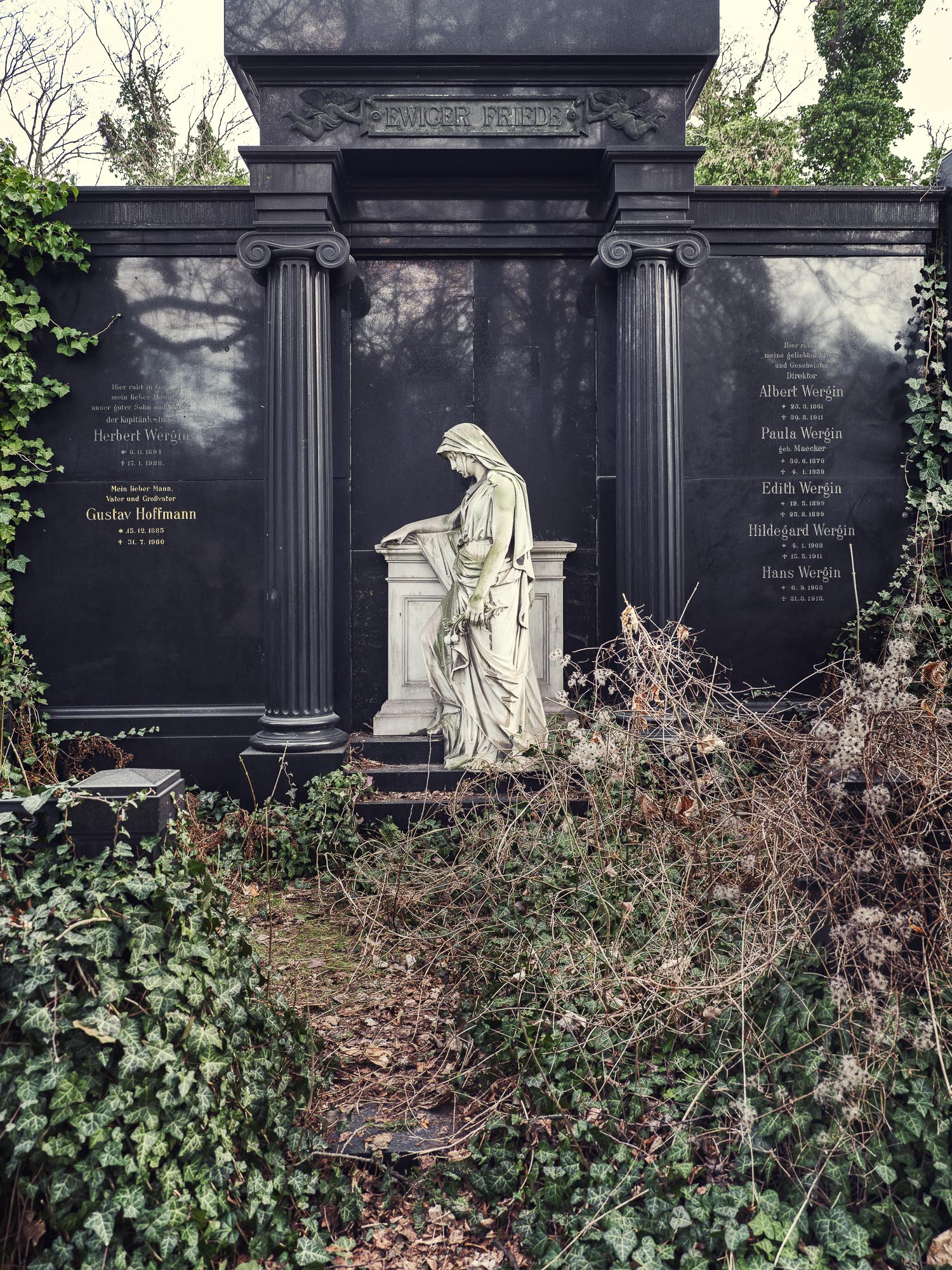
As early as 1826 the von der Osten-Sacken family built its hereditary vault at the southern end of the main axis, and in 1828 the mausoleum of the Oppenfeld banking family followed in Egyptian Revival style. Many old plots are enclosed by cast-iron railings. Restored monuments include the grave of Friedrich Schleiermacher and the Gropius family tomb, which is flanked by a neo-Gothic Kneipp mausoleum of 1899.
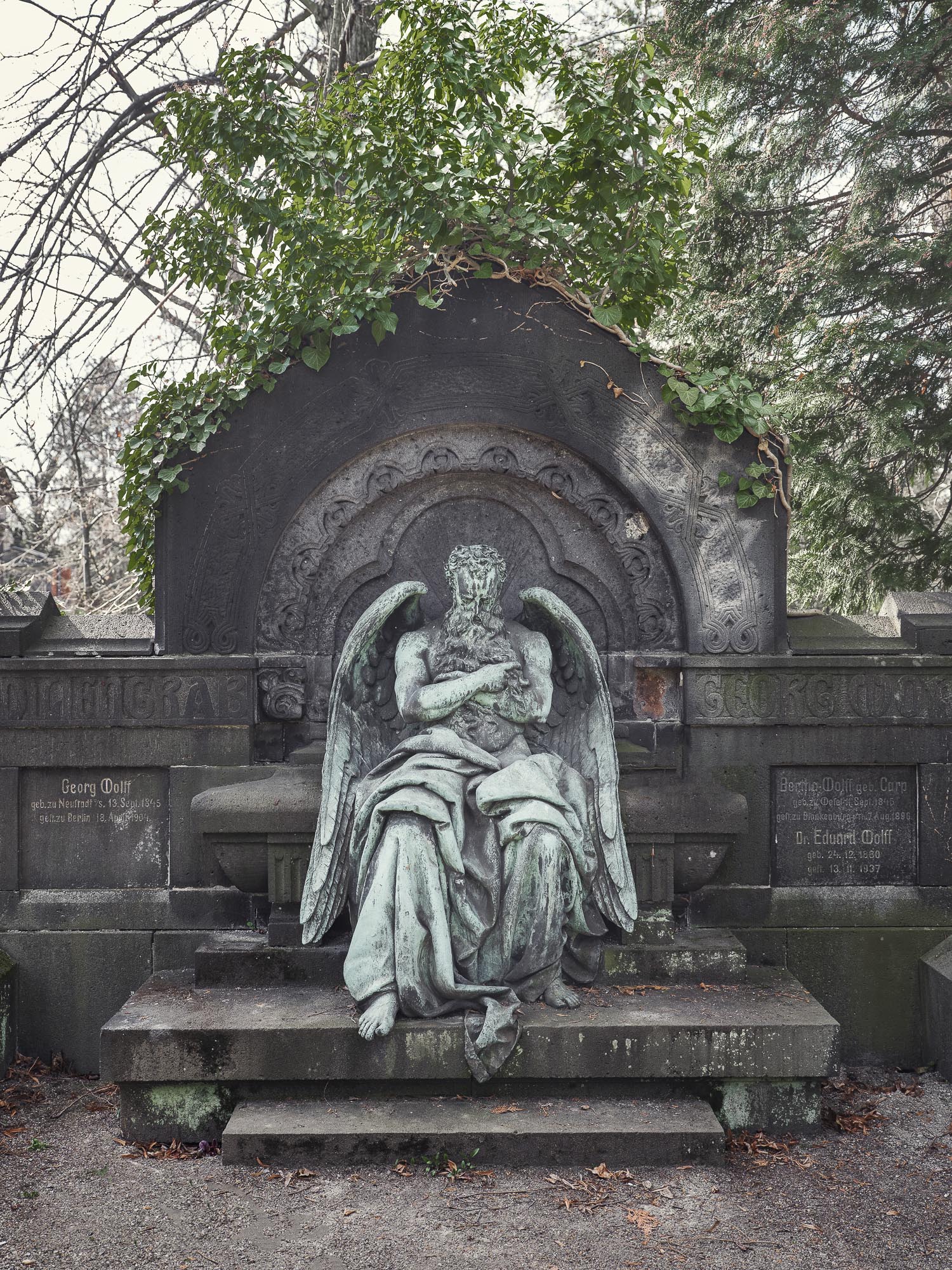
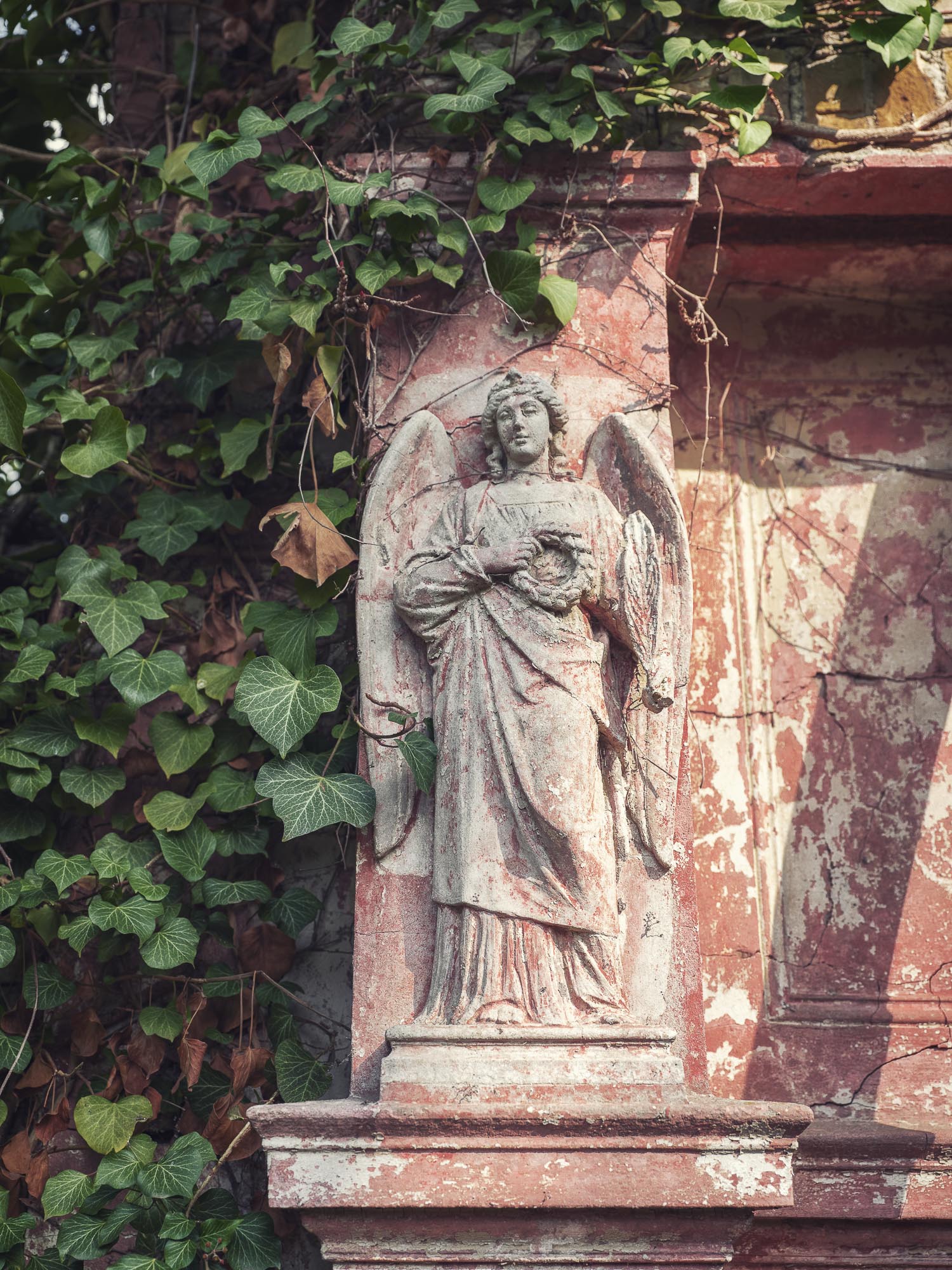
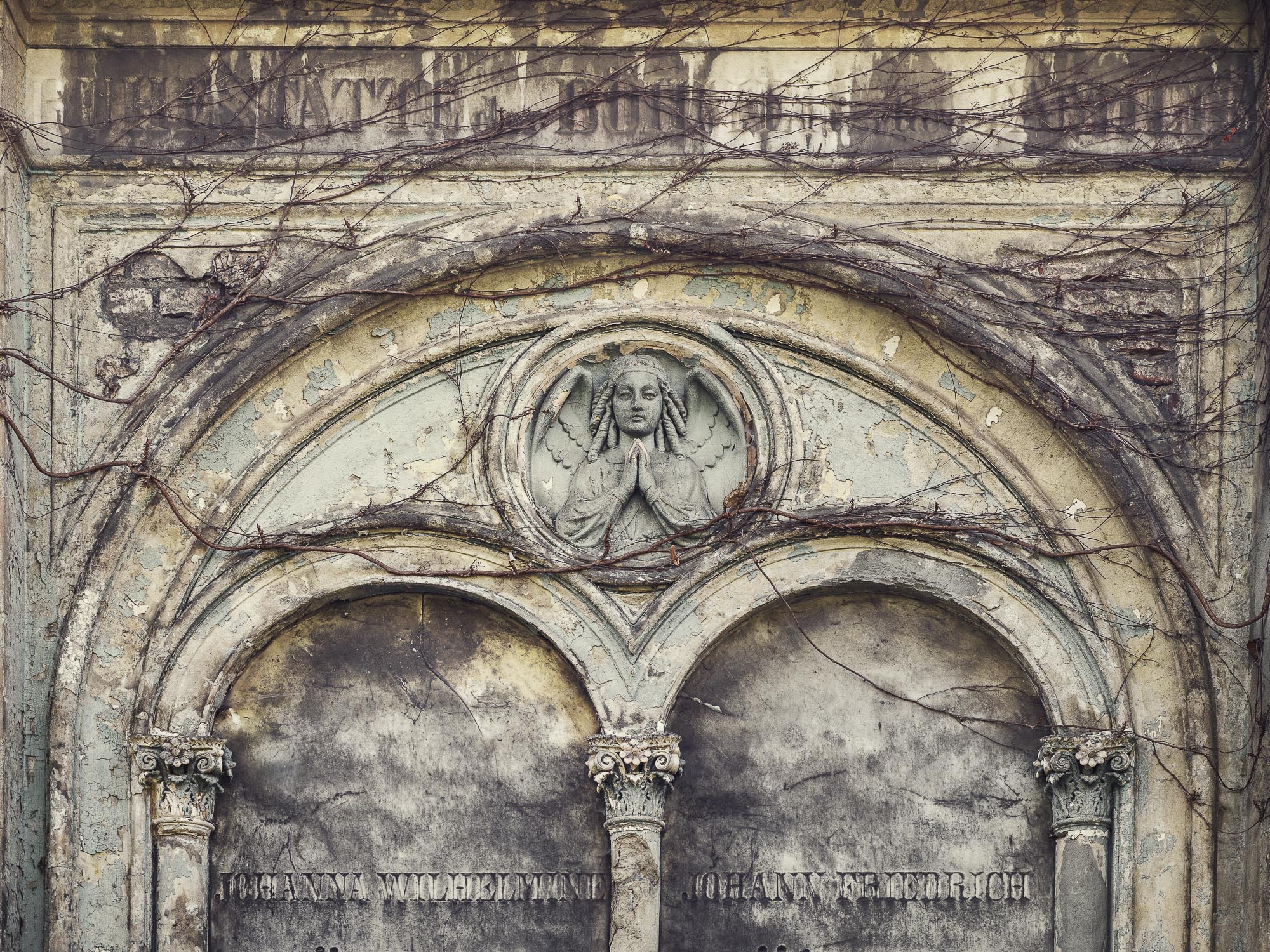
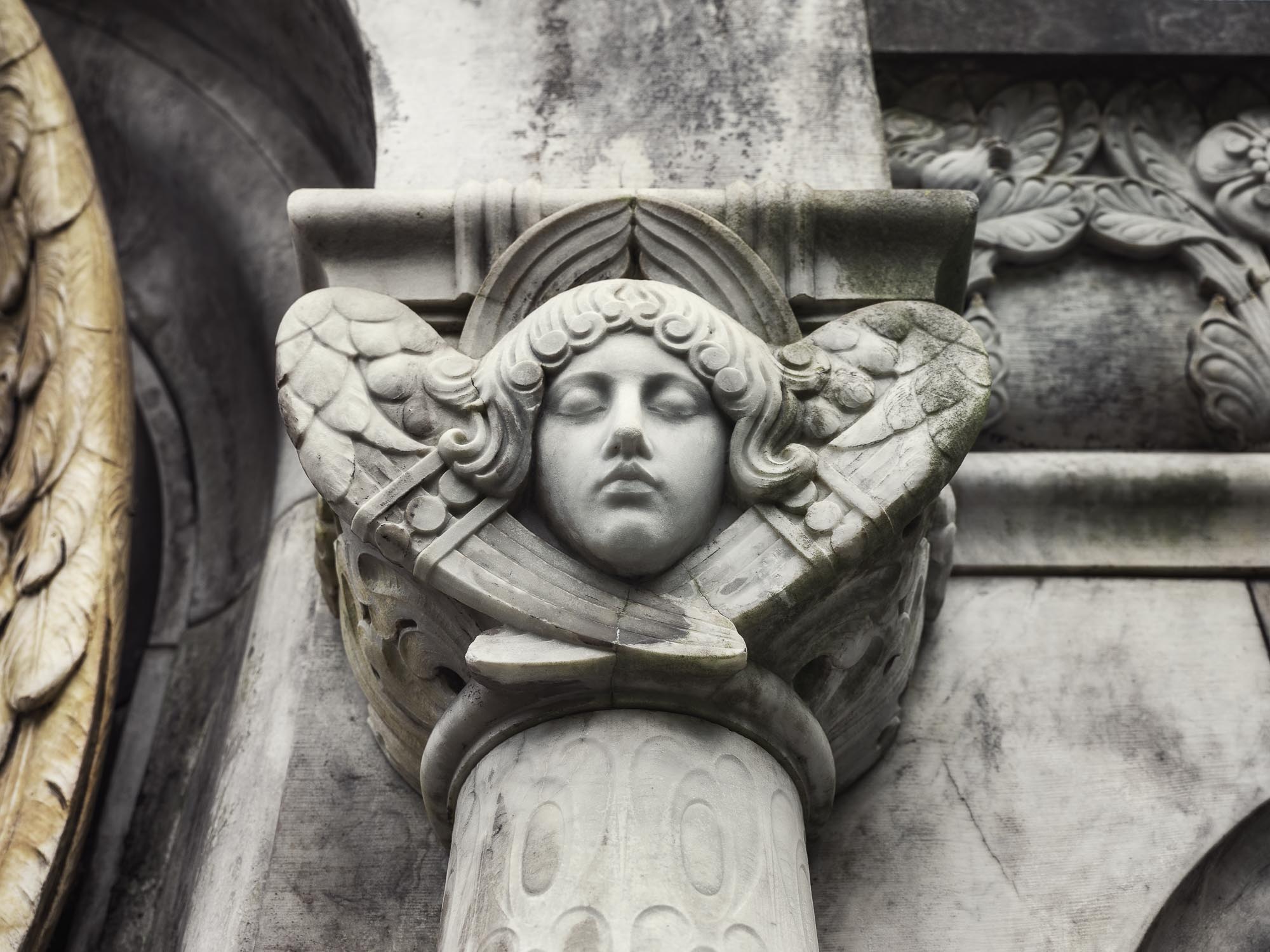
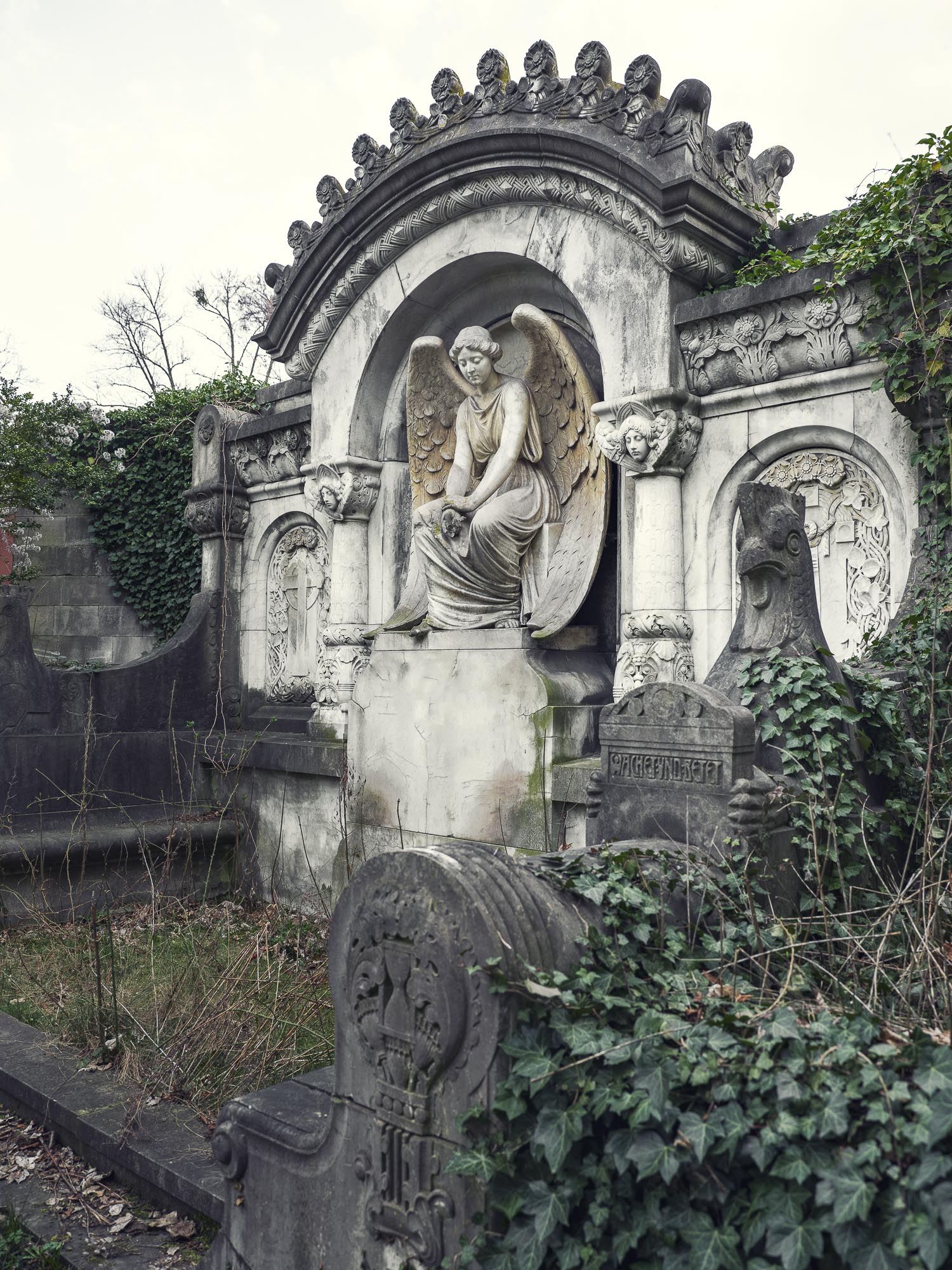
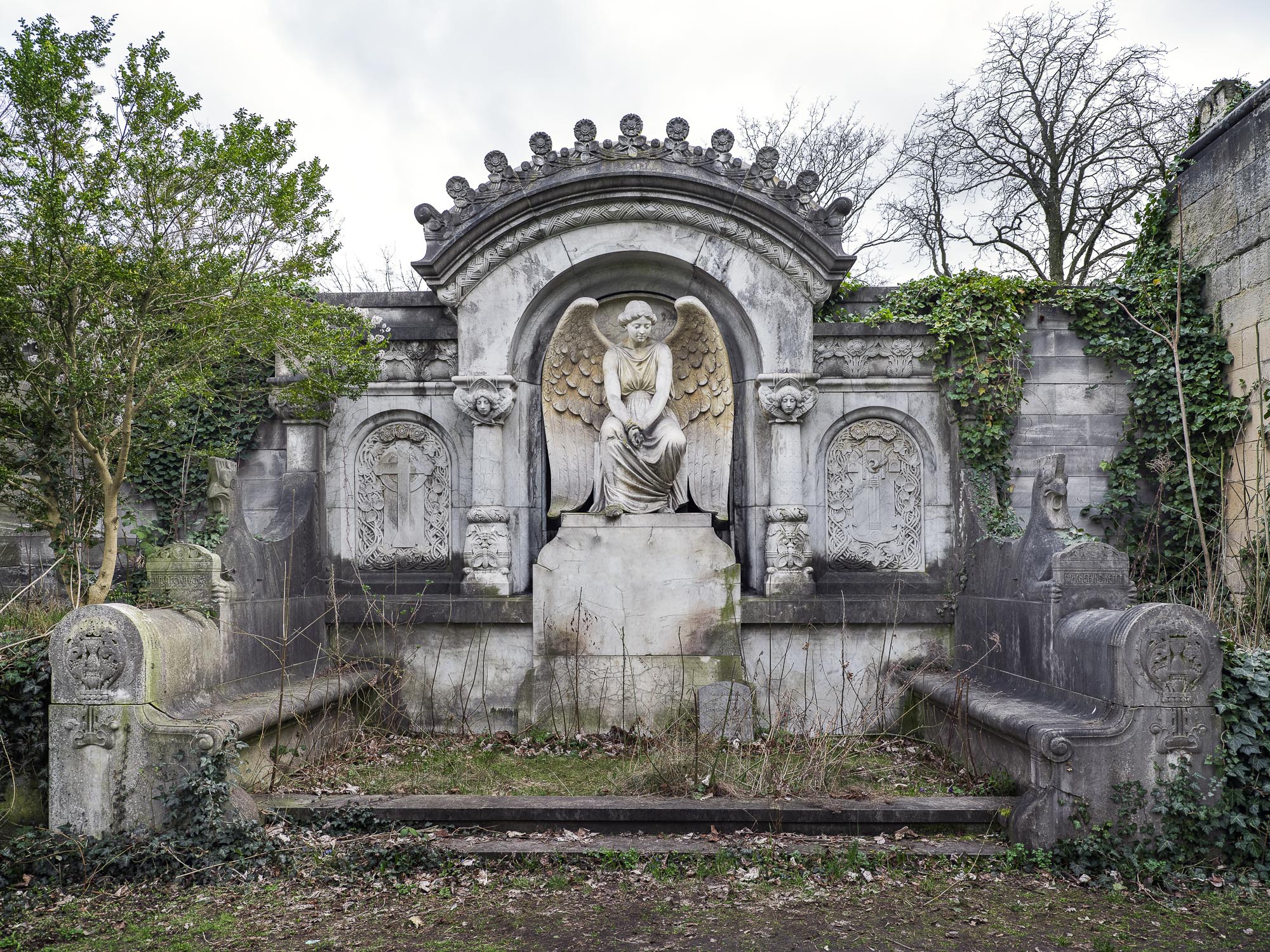
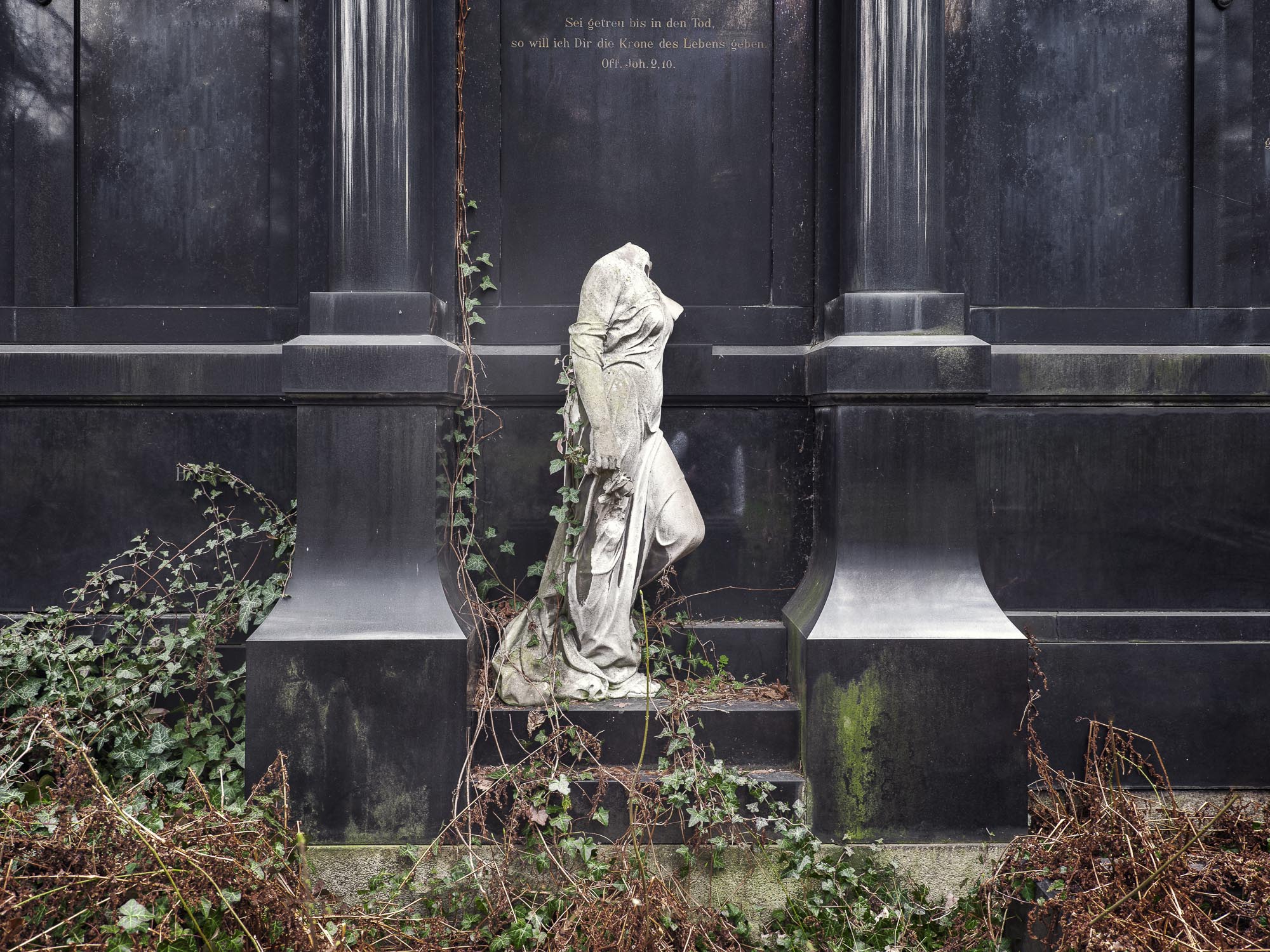
Those buried here include Ludwig Tieck, Adolph Menzel, Theodor Mommsen, Charlotte von Kalb and the architect Martin Gropius. A war graves field commemorates 399 war dead, mostly civilians killed in air raids at the end of the Second World War. A walk here is rewarding for its density of nineteenth-century tomb architecture and for the contrast between the lively Bergmannstraße neighbourhood and the quiet grounds.
Frequently asked questions
Where is Trinity Cemetery II in Berlin?
The cemetery is at Bergmannstraße 39-41 in Berlin-Kreuzberg, between Marheinekeplatz and Südstern. It belongs to the Trinity parish and is looked after by the Evangelischer Friedhofsverband Berlin Stadtmitte.
Who is buried at Trinity Cemetery II?
The graves include those of Friedrich Schleiermacher, Ludwig Tieck, Adolph Menzel, Theodor Mommsen, Charlotte von Kalb and Martin Gropius. Several of these tombs have been restored in recent years.
Why is Trinity Cemetery II well known?
It is the oldest and culturally most important of the four Protestant cemeteries on Bergmannstraße. It is known for its nineteenth-century family vaults and mausoleums and for the graves of significant figures.