Germany · Waibstadt · 22 pictures
Waibstadt Jewish Cemetery
-
-
-
-
-
-
-
-
-
-
-
-
-
-
-
-
-
-
-
-
-
-
About this place
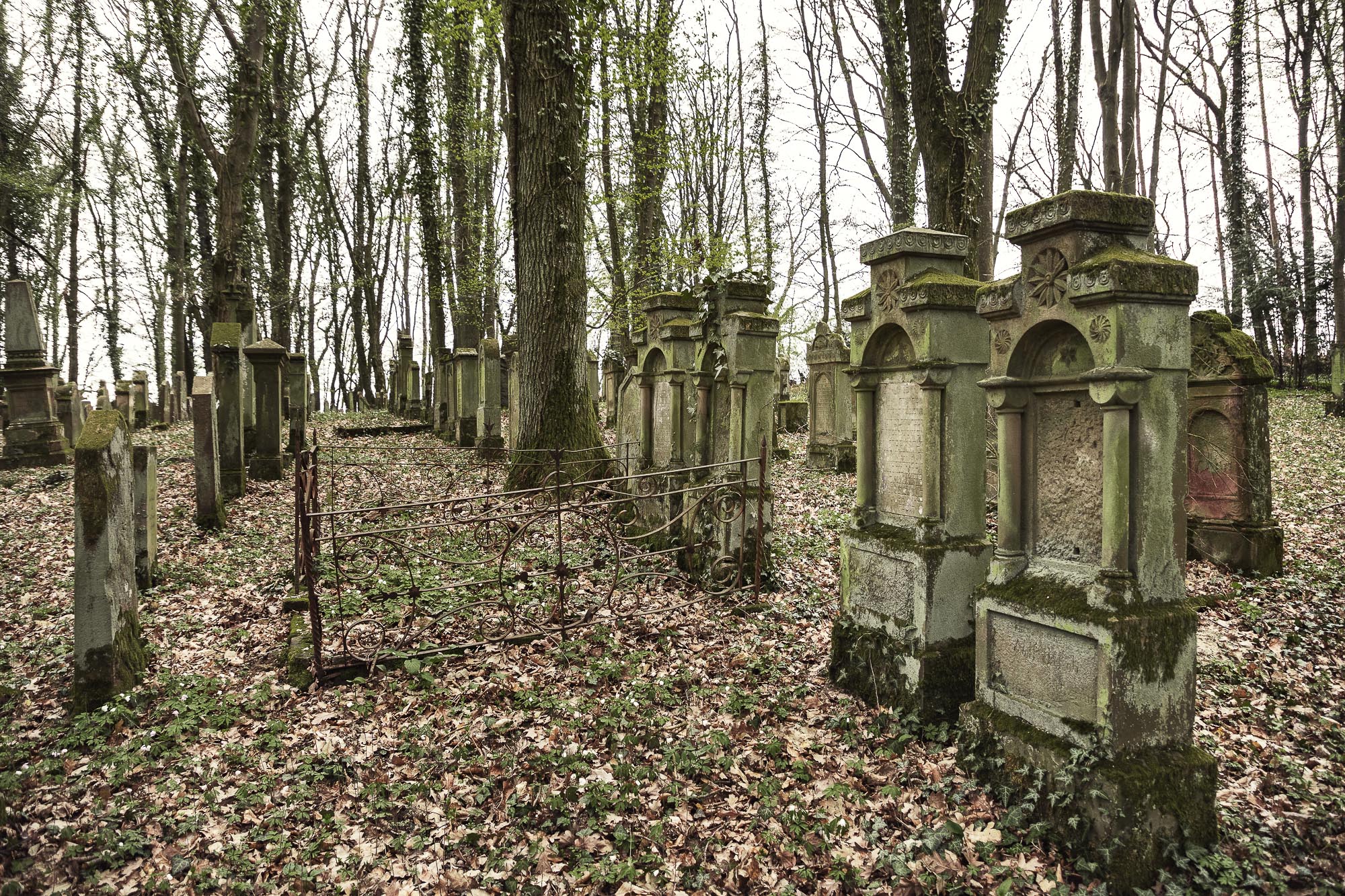
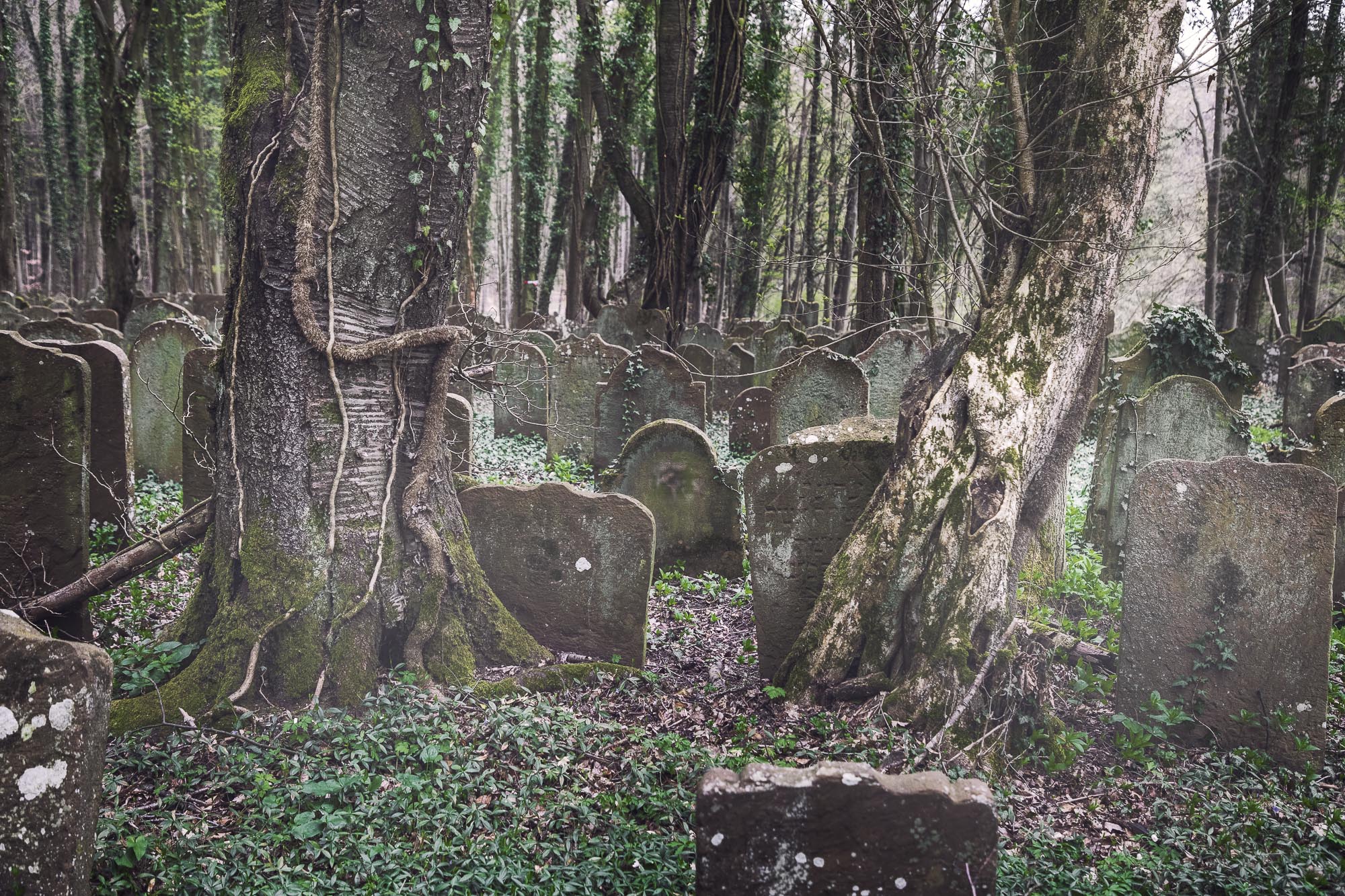
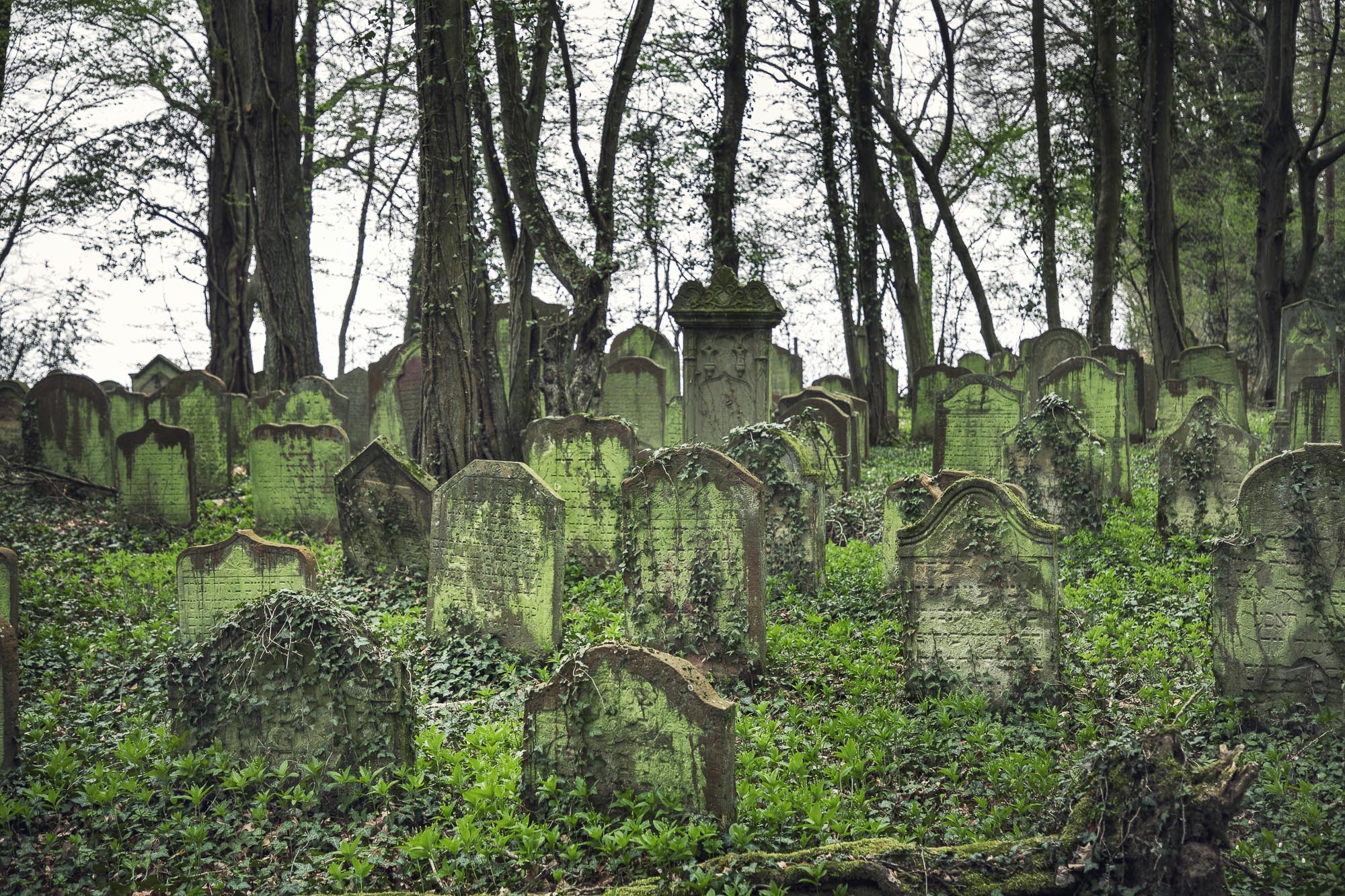
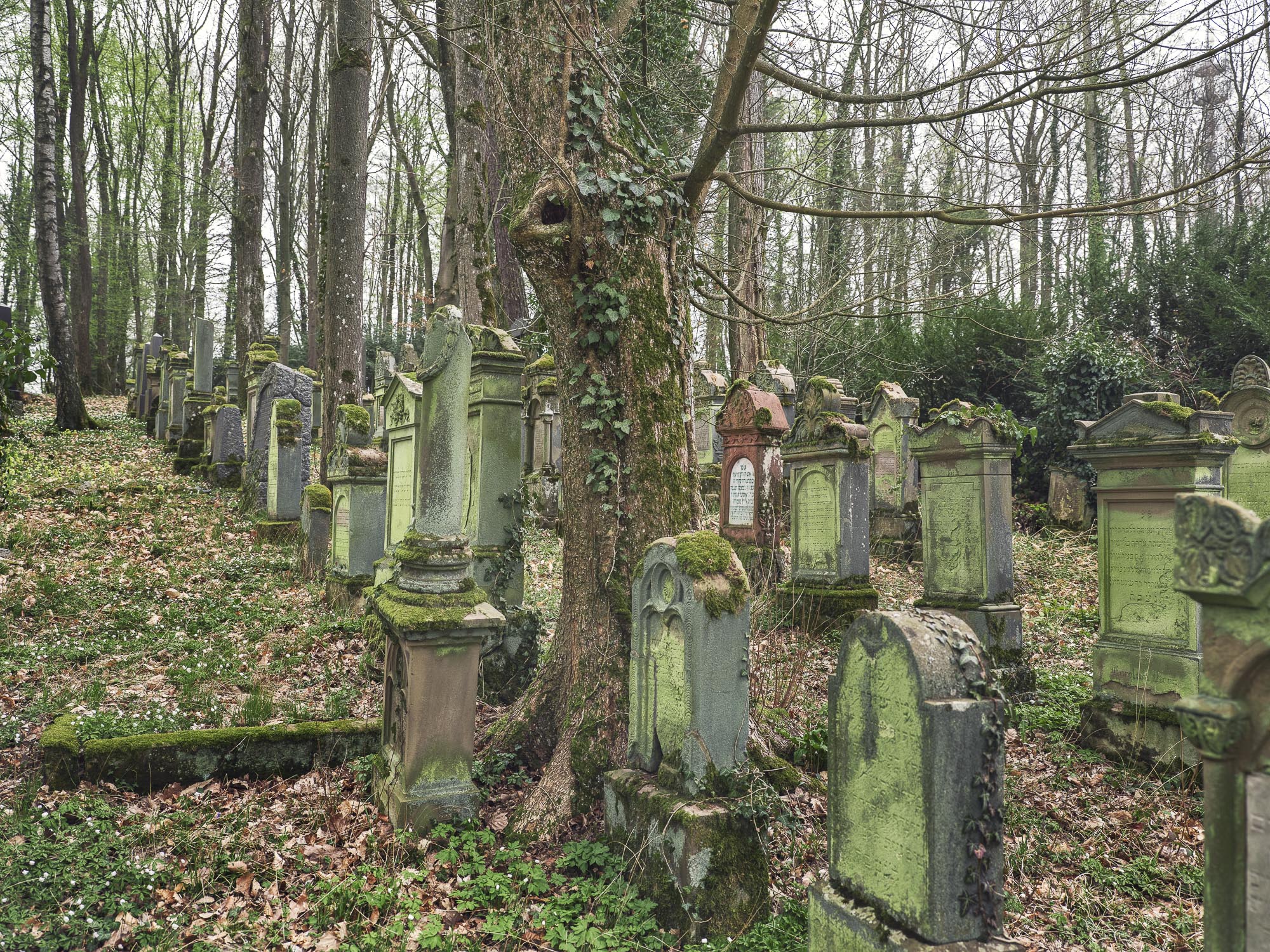
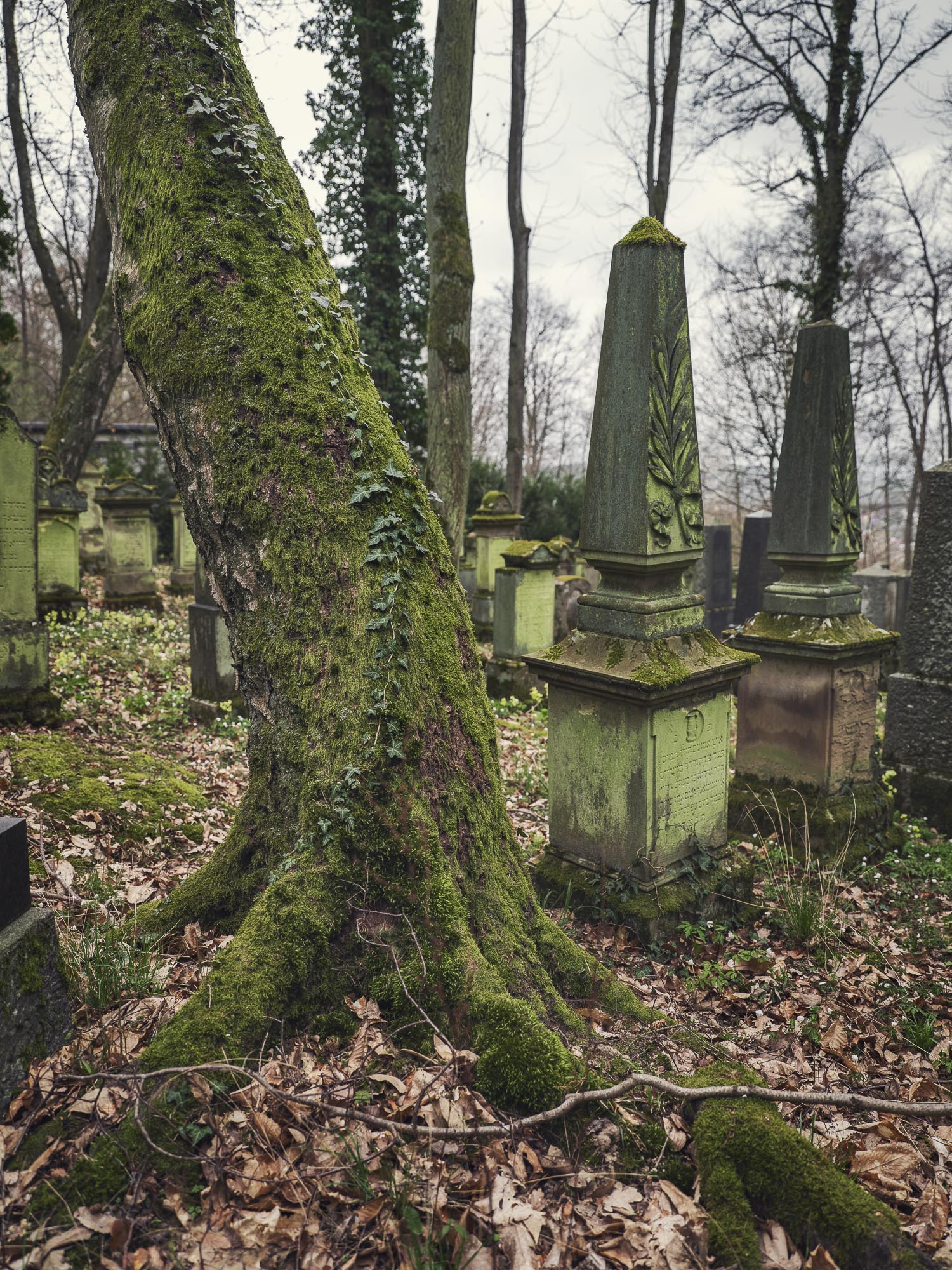
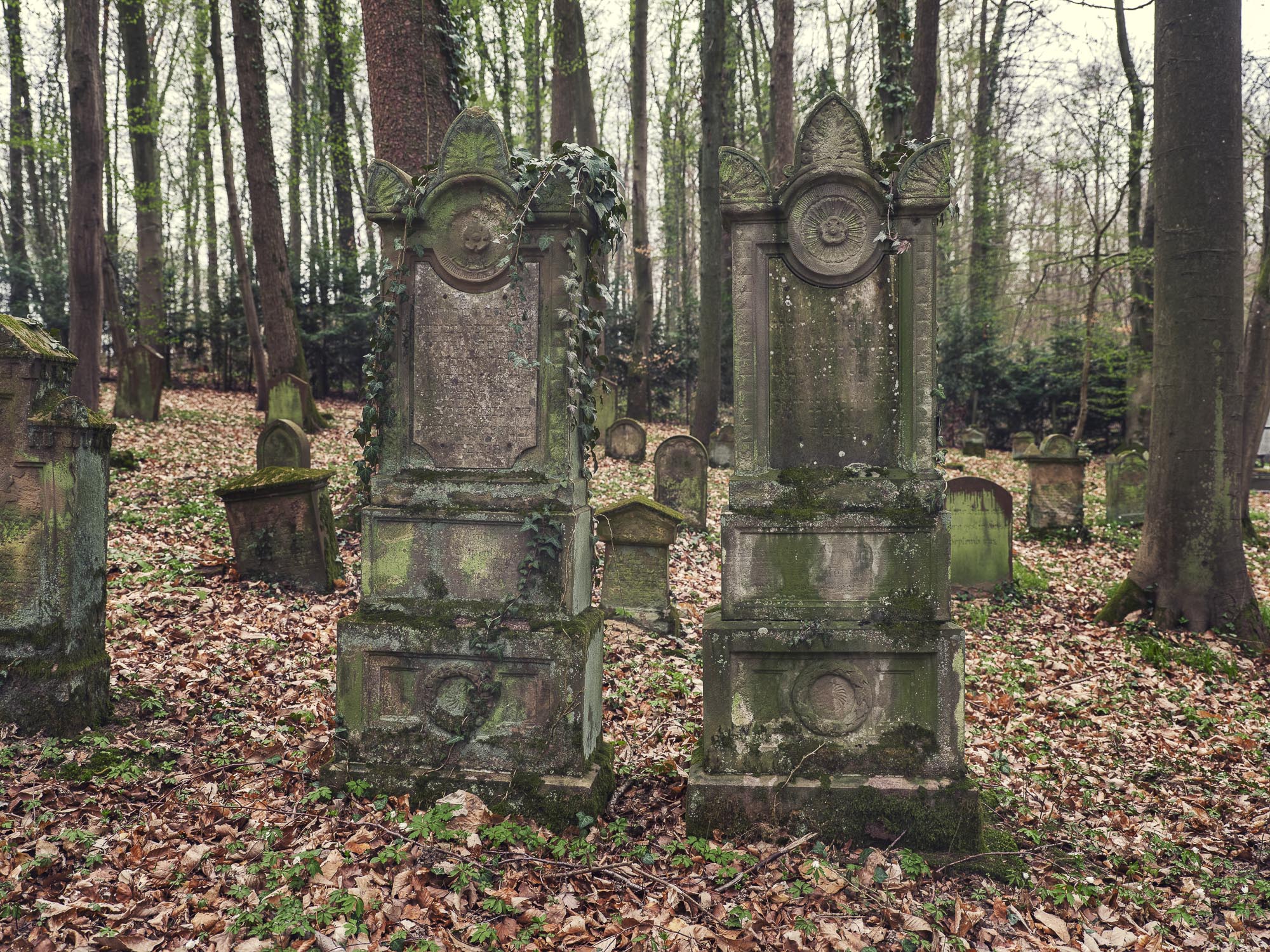
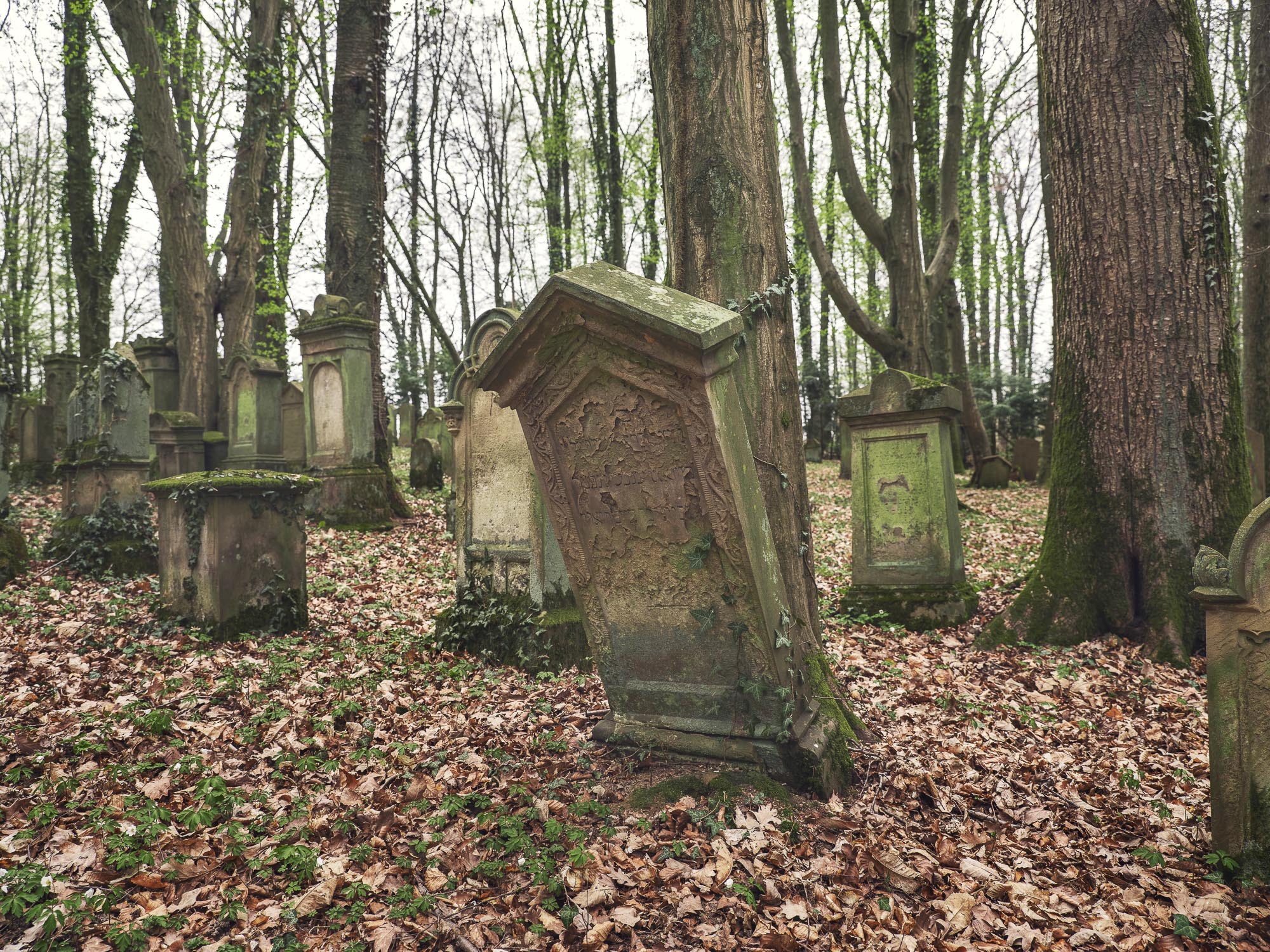
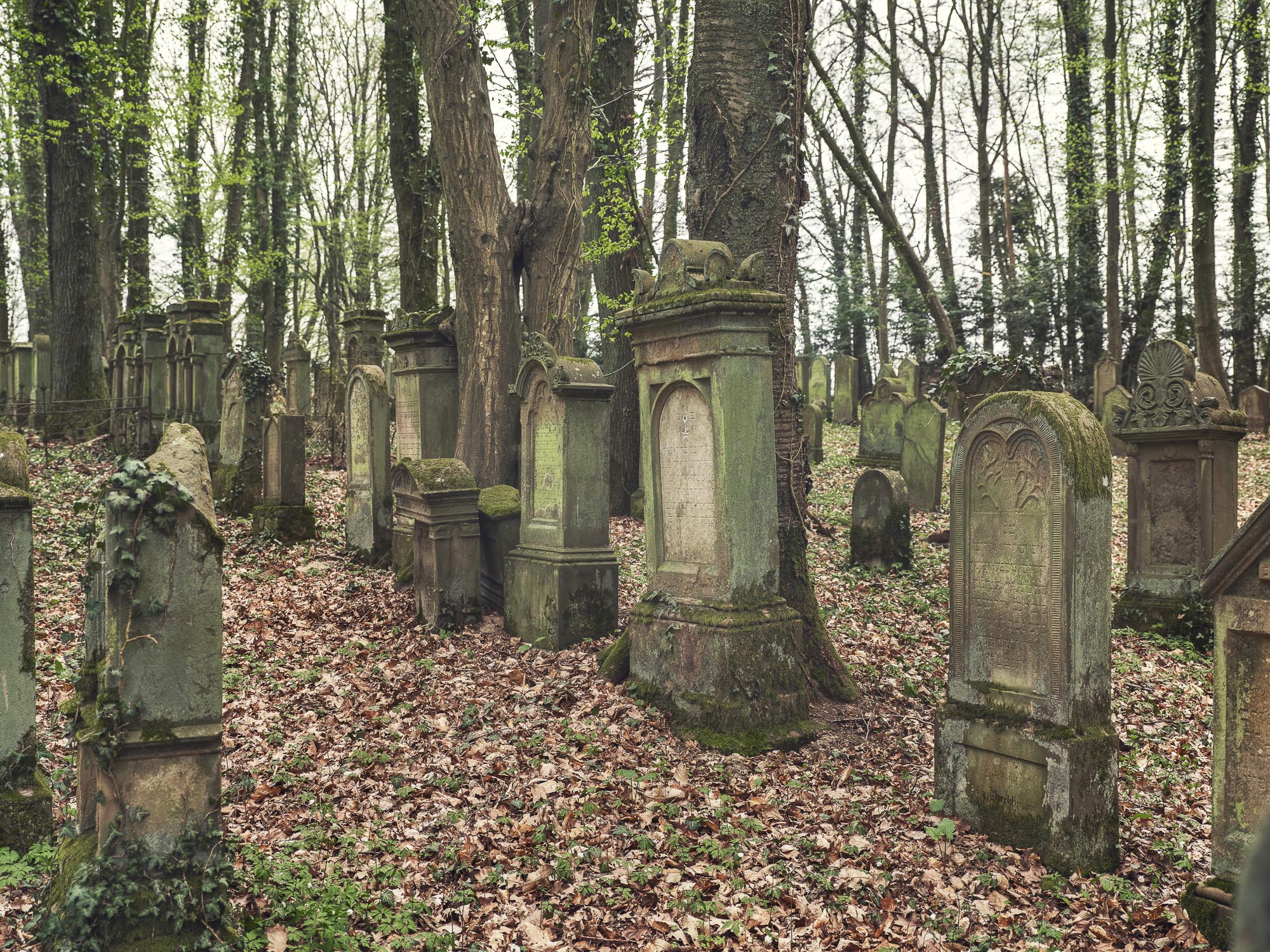
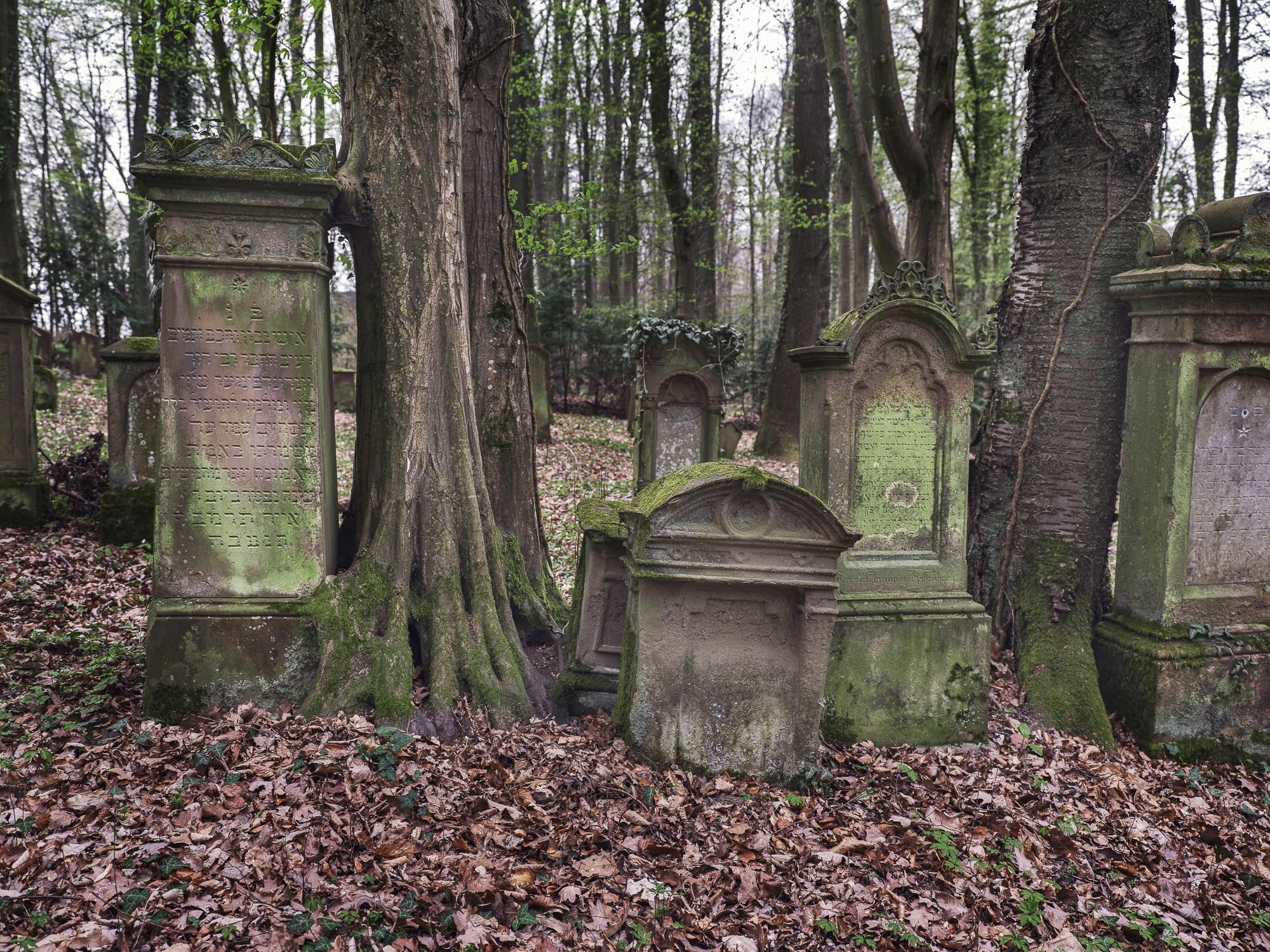
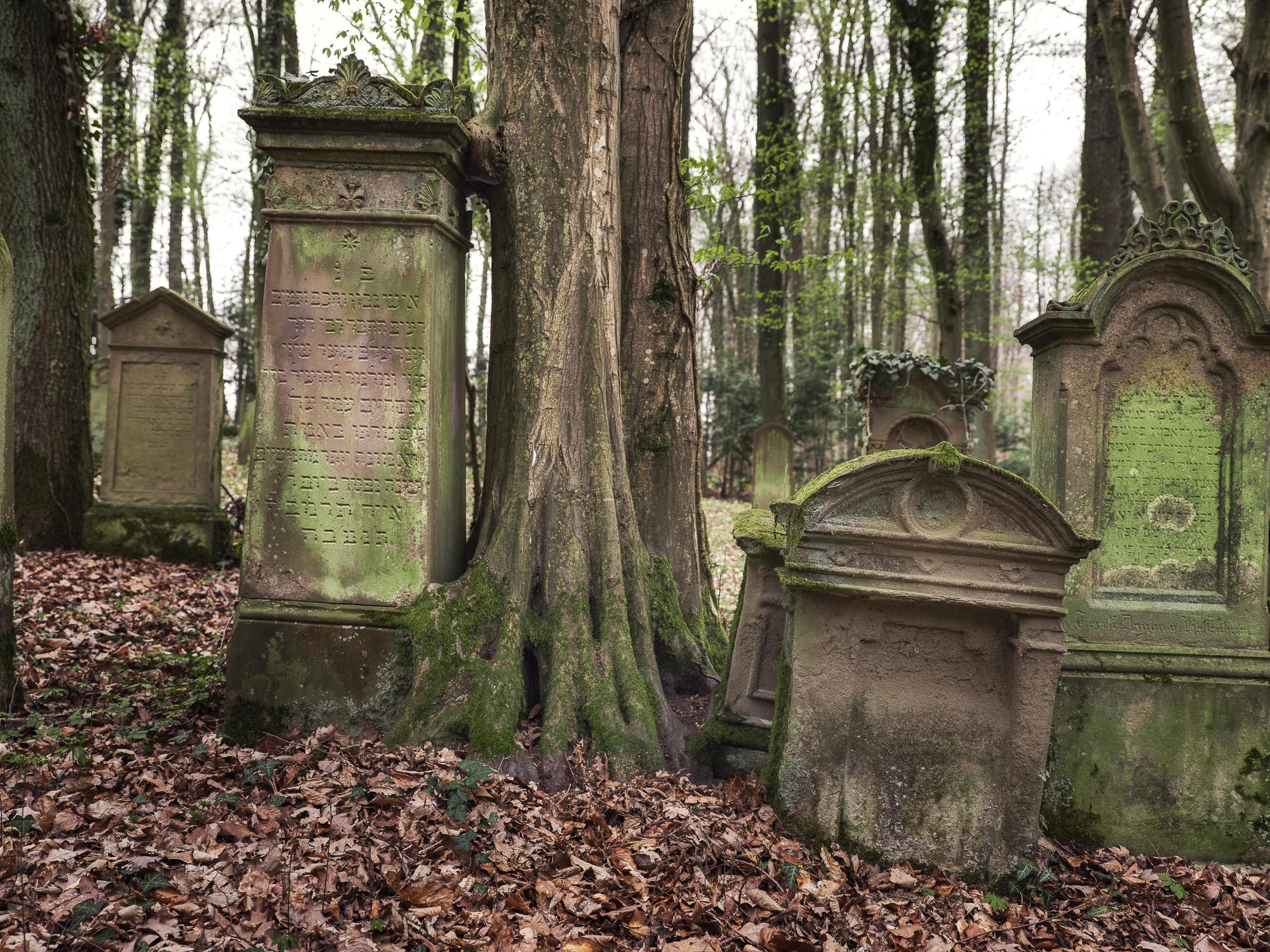
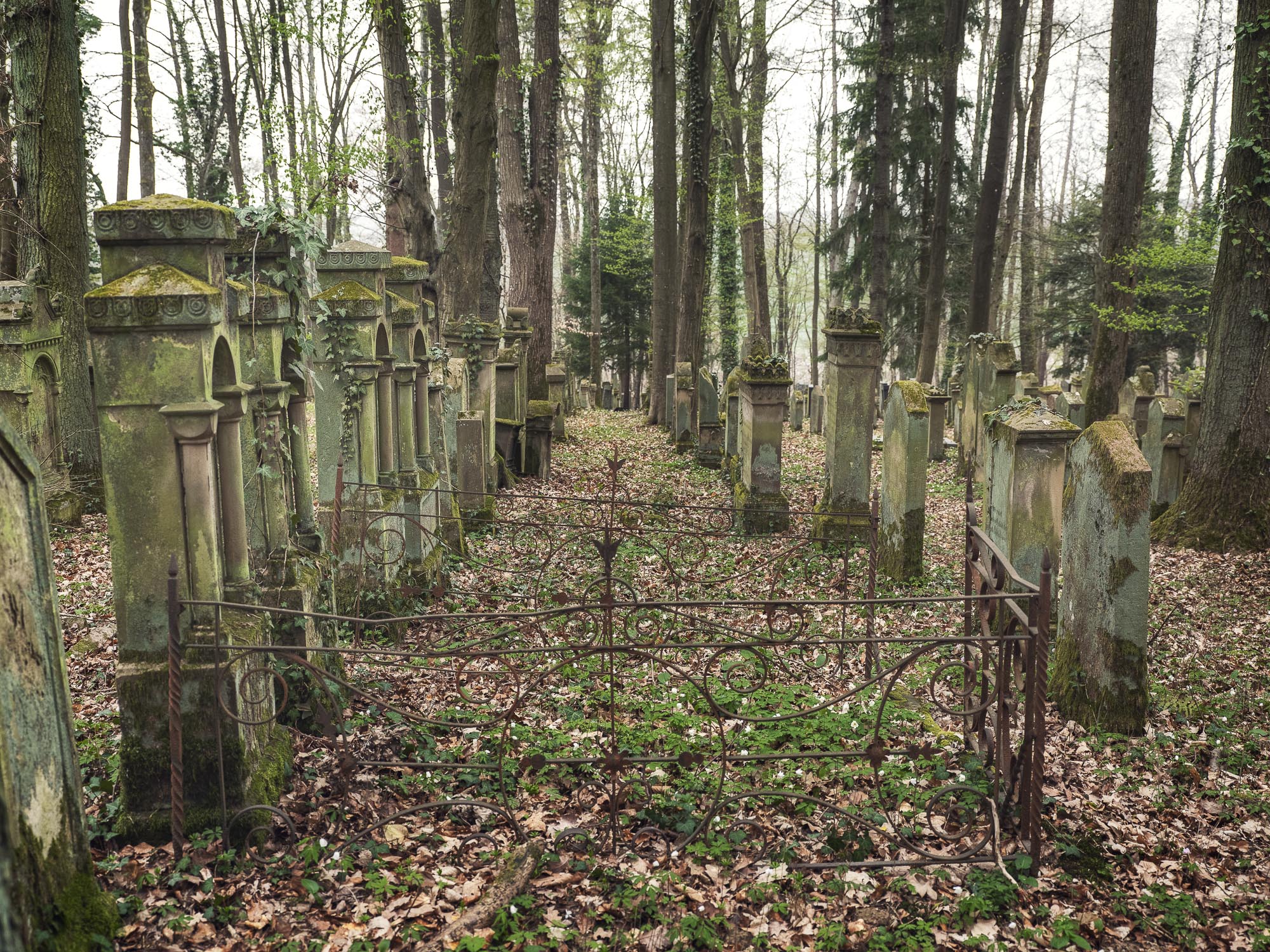
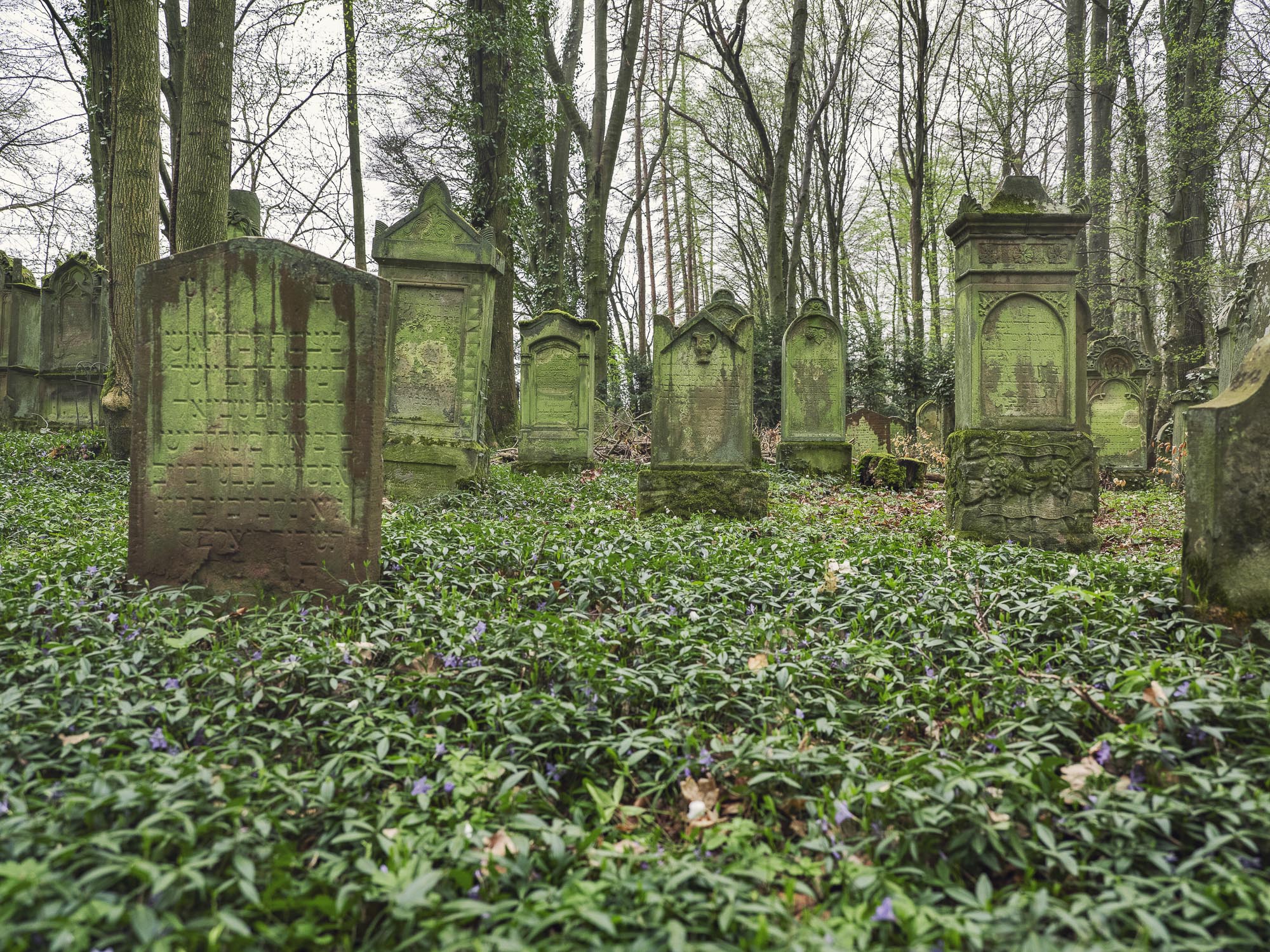
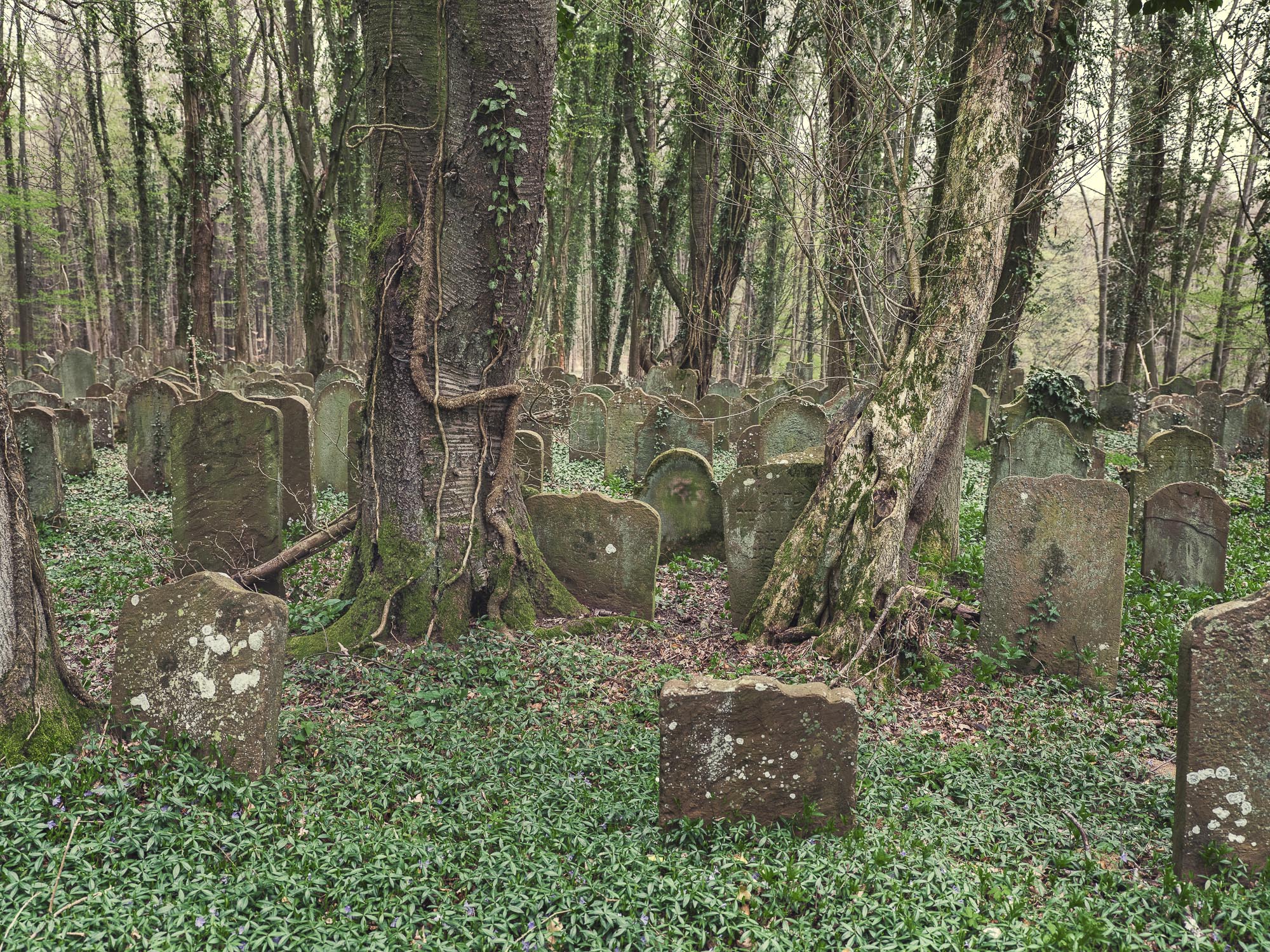
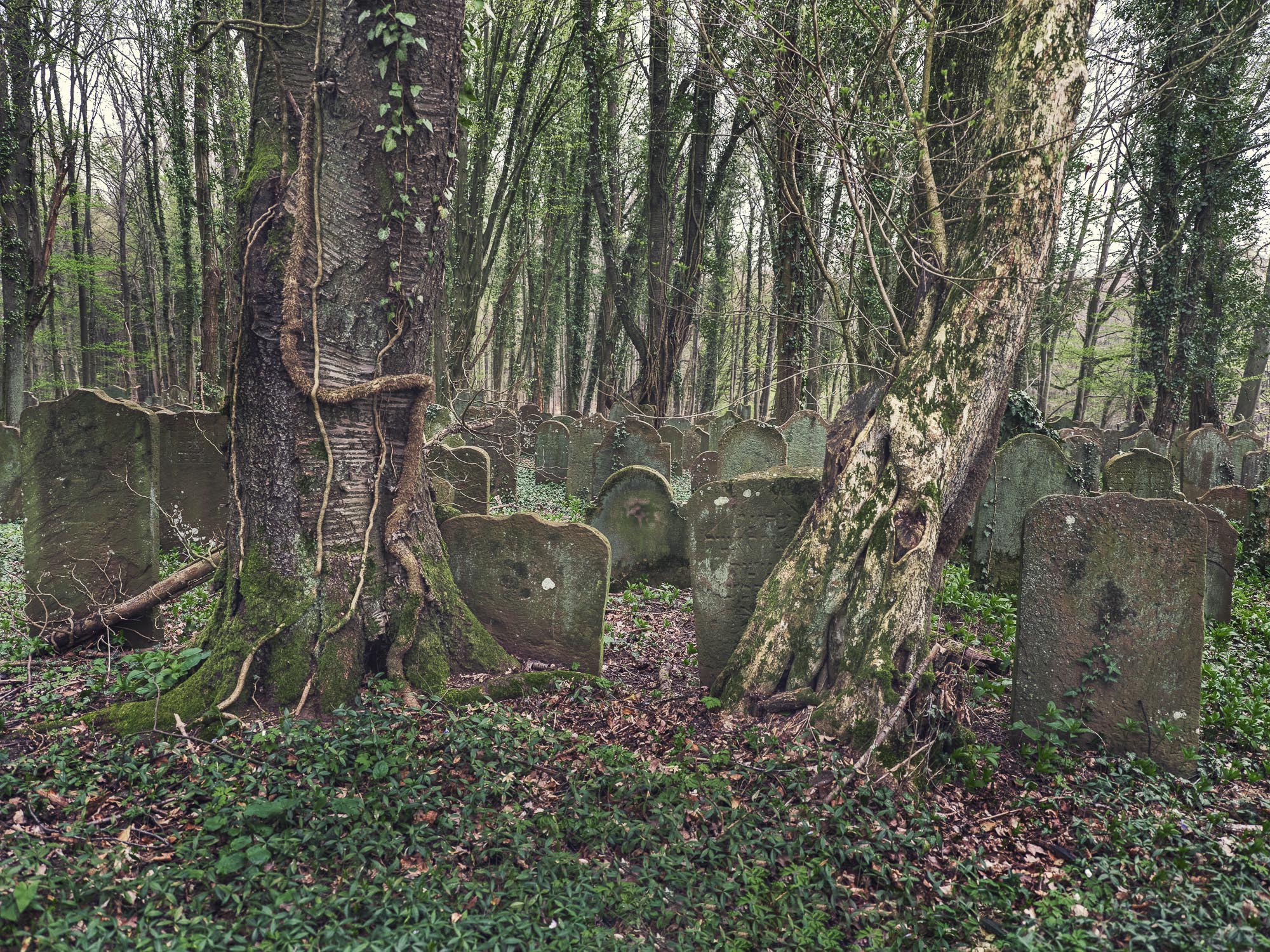
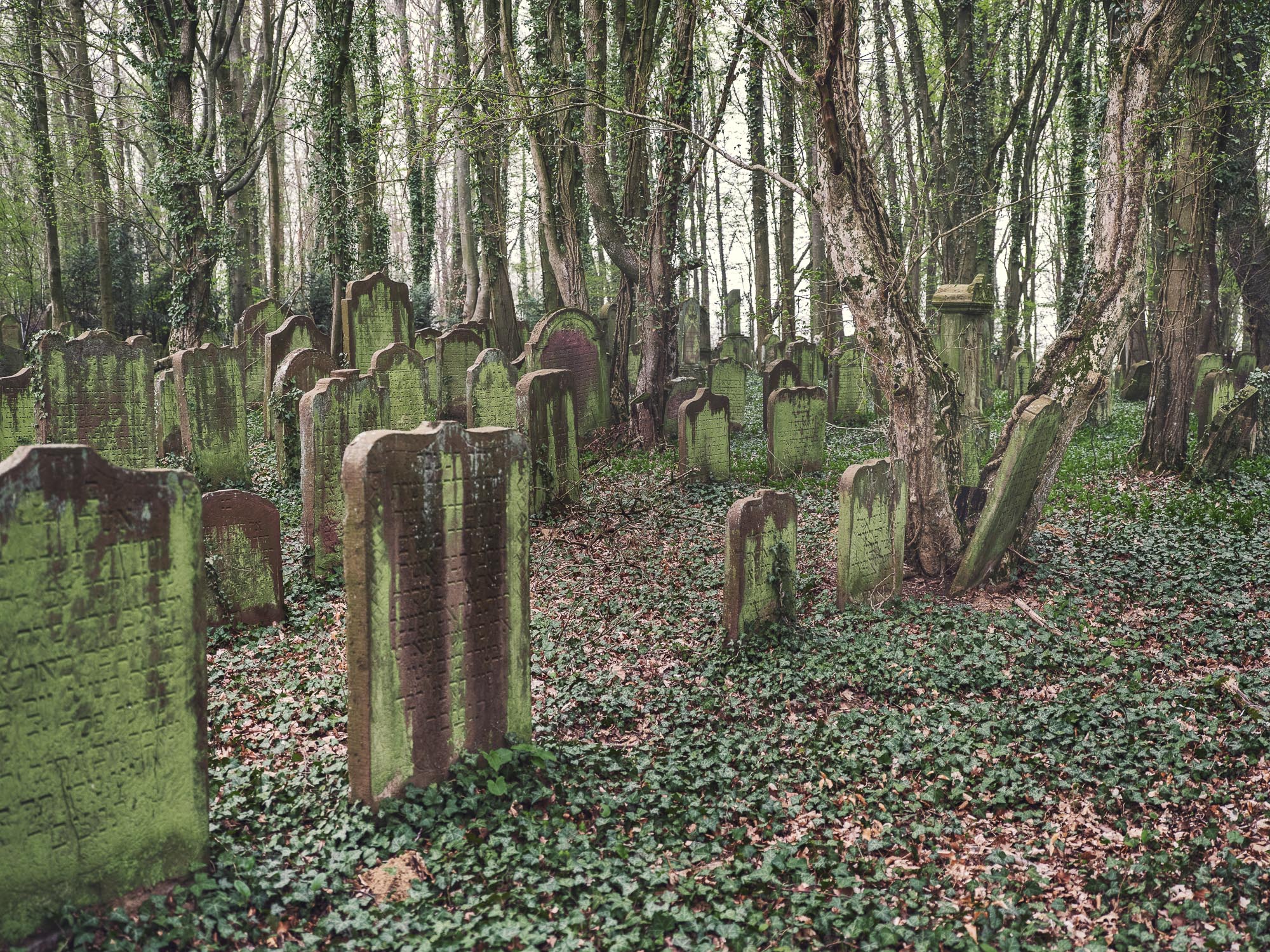
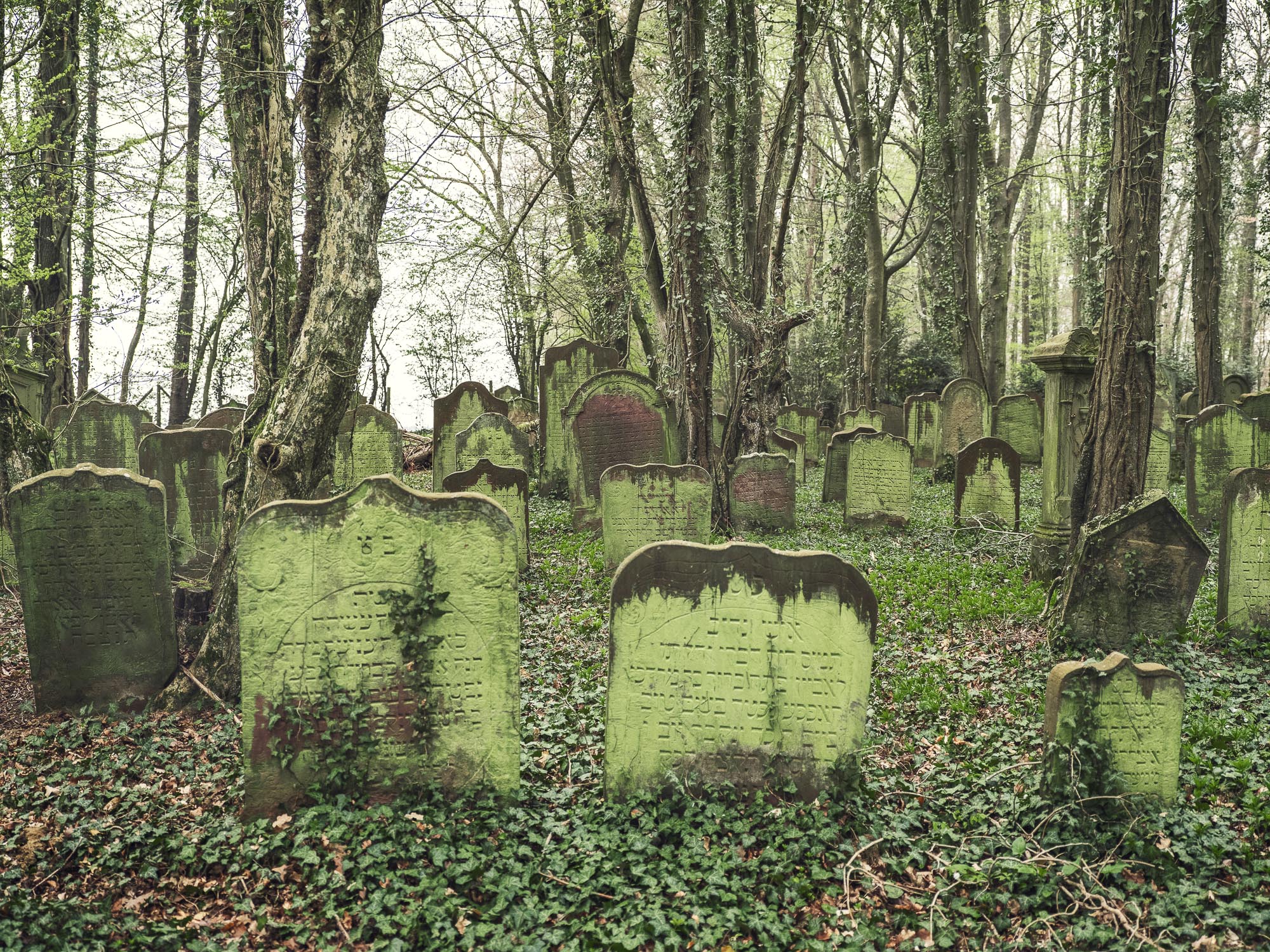
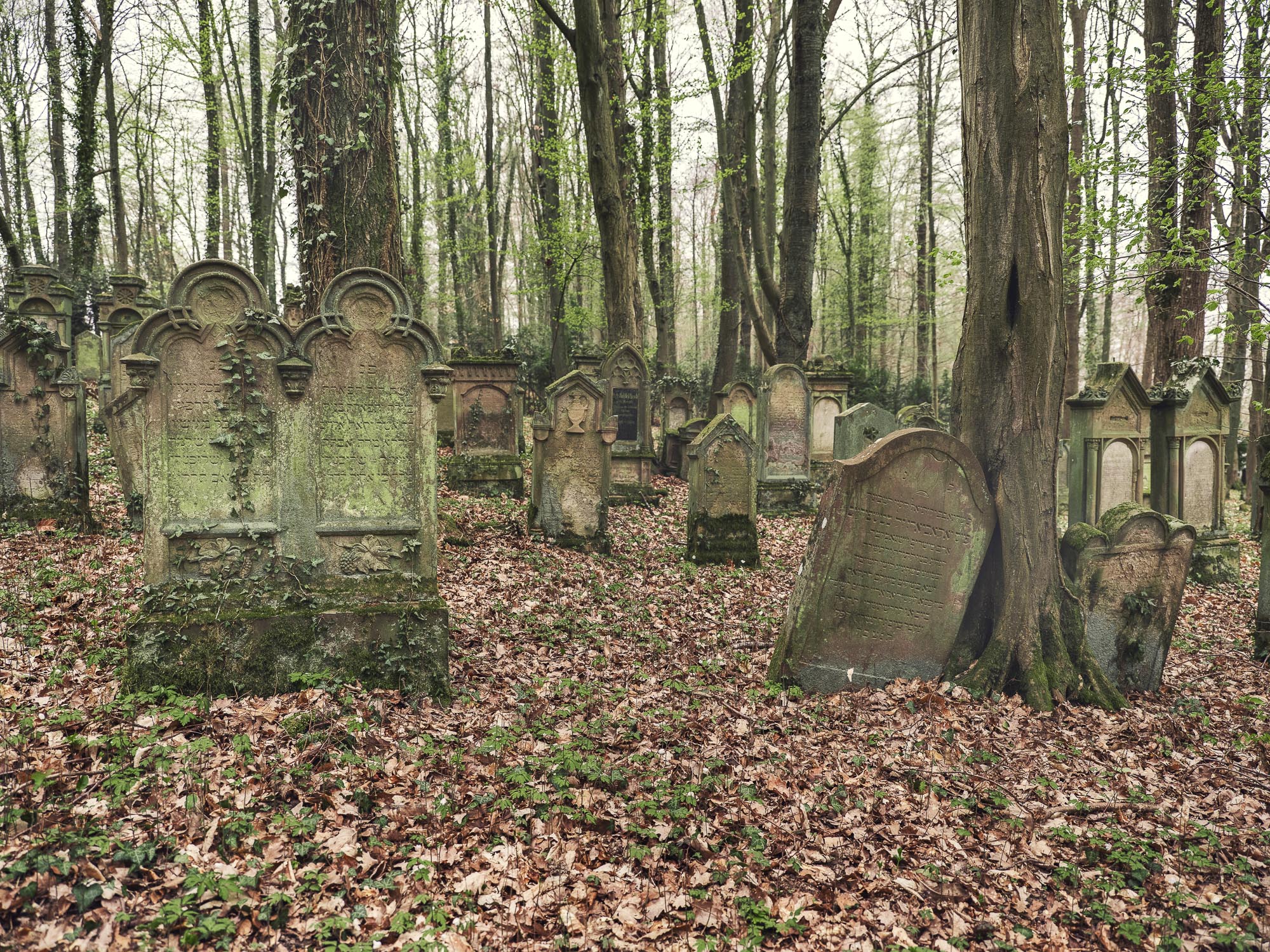
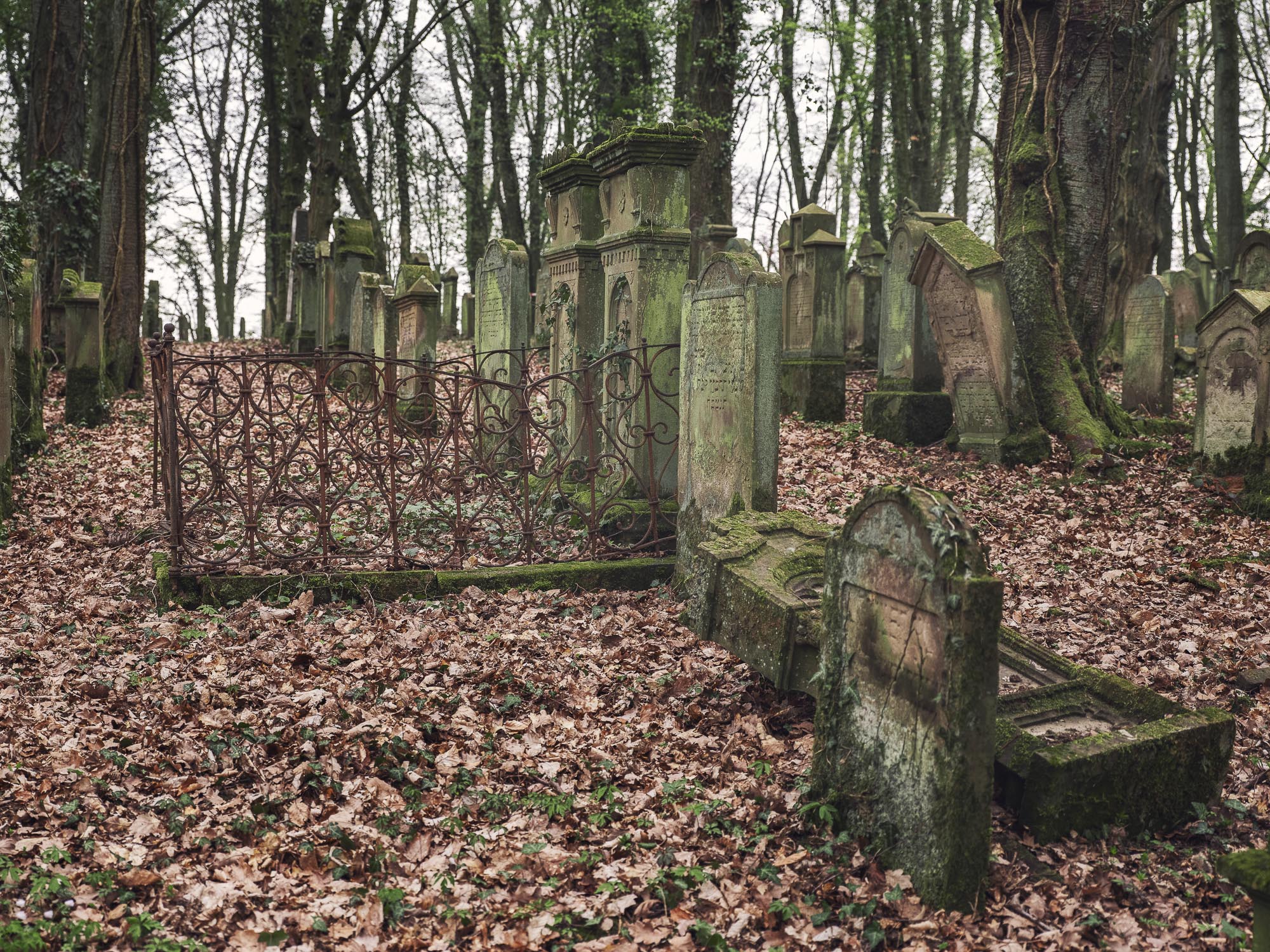
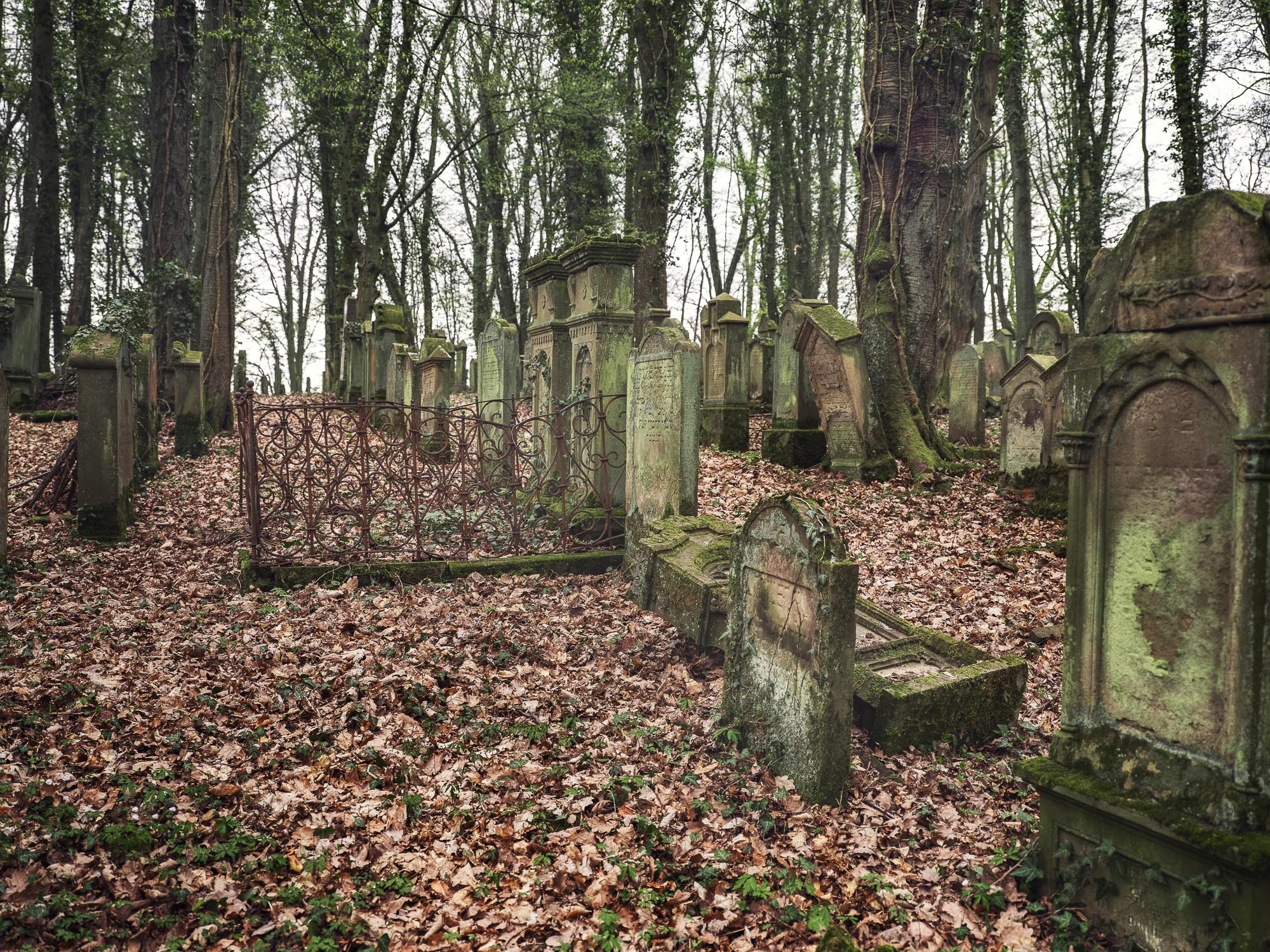
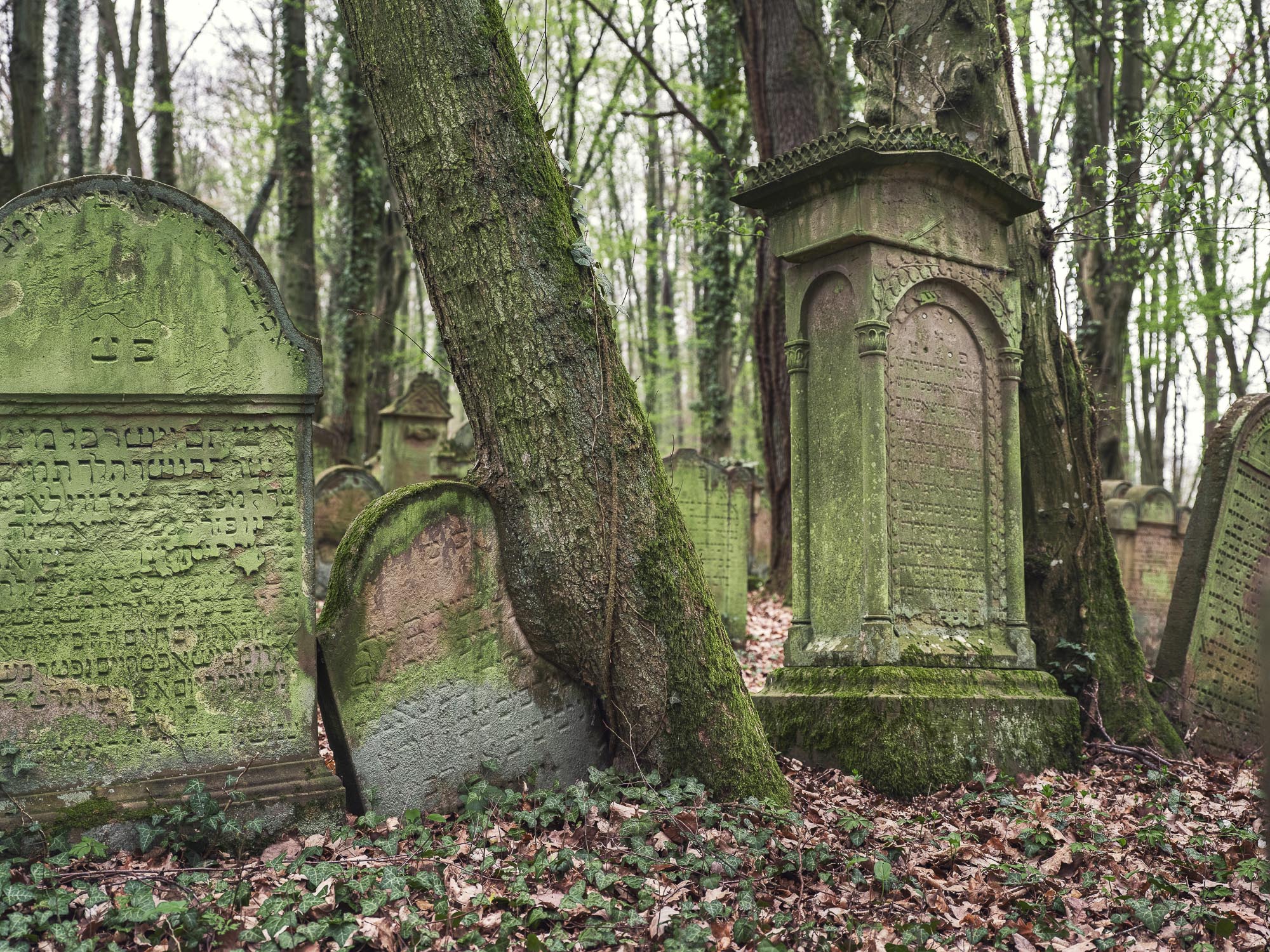
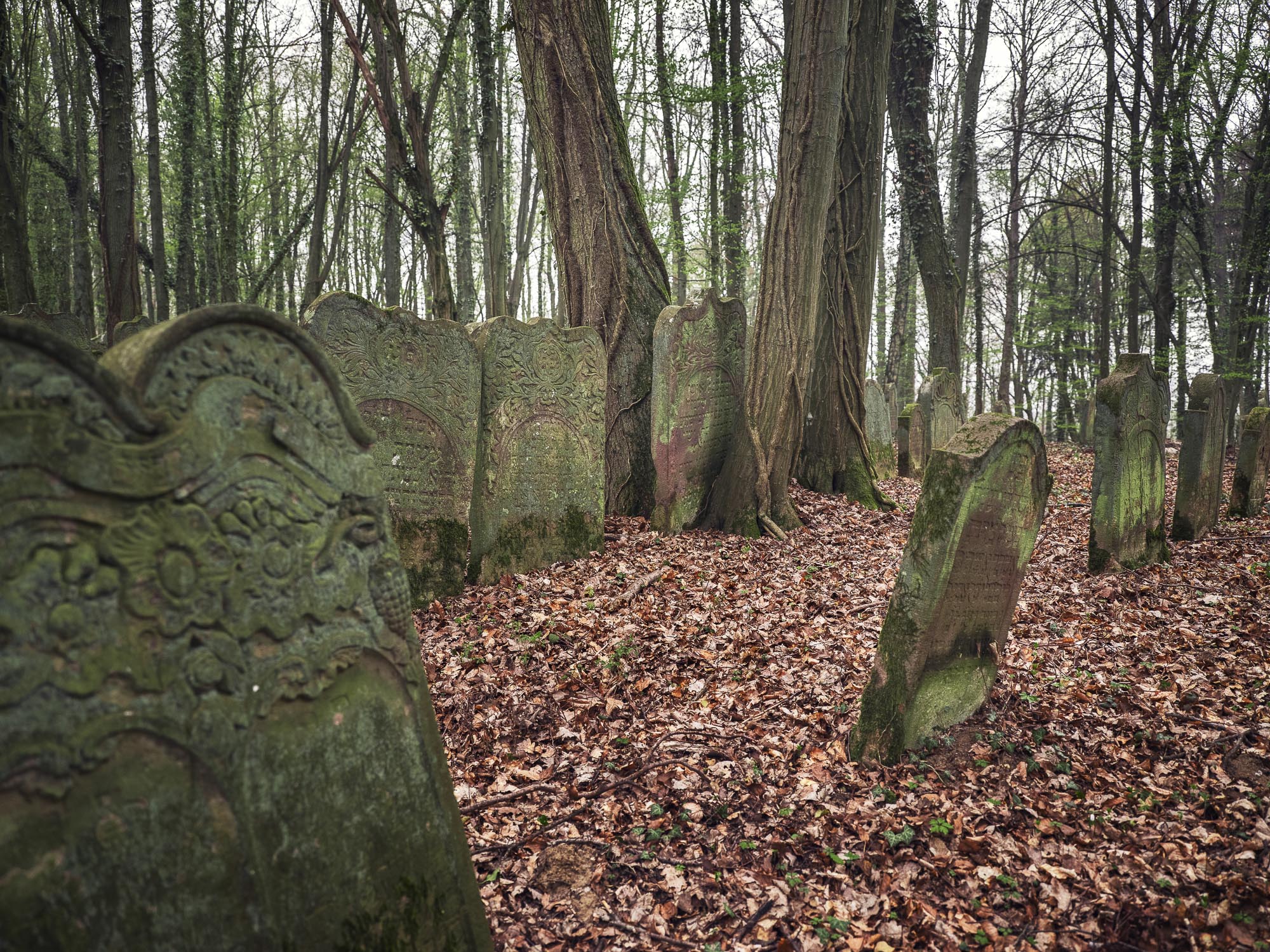
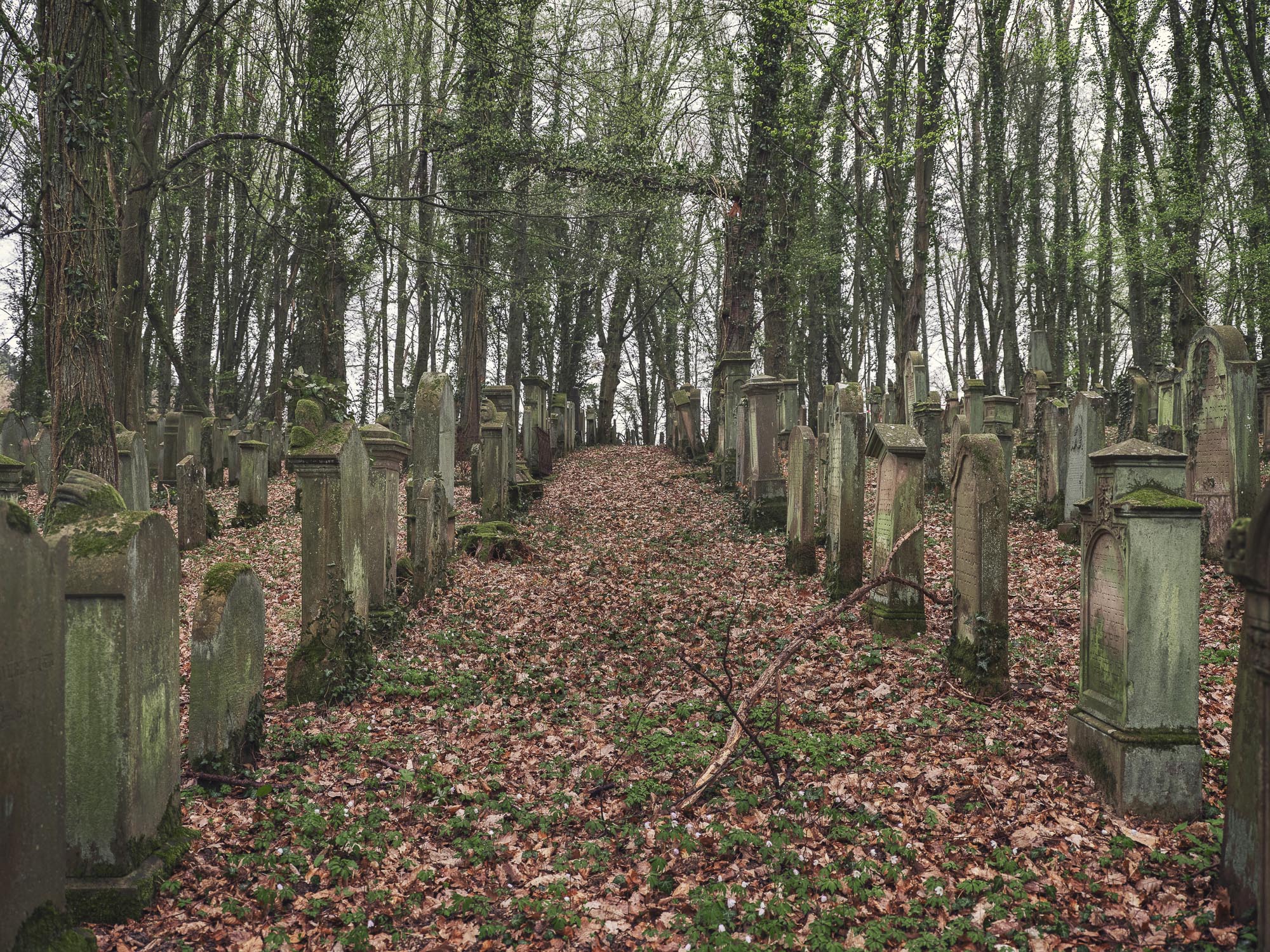
Jews in the Kraichgau were not allowed to bury their dead in Christian cemeteries. At first they buried in Speyer, then after 1435 in Worms, and from 1629 in Oberöwisheim. After the Thirty Years' War the shared cemetery was created on land belonging to Waibstadt. Its founding year can no longer be established, but it lies before 1690, the date of the oldest surviving gravestone.
Eighteen communities joined to form a cemetery association, and by 1913 ten remained, among them Bonfeld, Hoffenheim, Neckarbischofsheim and Steinsfurt. The cemetery has well over 1,700 graves, and Julius Frank of Neckarbischofsheim was the last person buried here, in 1940. A taharah house of 1856 was demolished in 1958, and a number of gravestones were restored between 1987 and 1993. The cemetery is a protected cultural monument.
At its edge stands the mausoleum of Hermann Weil (1868 to 1927), a merchant and patron from Steinsfurt. The octagonal domed building has a marble floor and a mosaic ceiling. It was damaged during the November pogrom of 1938, and the urns have been missing ever since. The mausoleum was restored in the 1980s and again between 2010 and 2012.
The place is a resting place and calls for restraint. According to Jewish custom, visitors lay small stones on graves rather than flowers.
Frequently asked questions
Where is the Jewish cemetery in Waibstadt?
The cemetery lies in the Mühlbergwald near Waibstadt in the Rhein-Neckar district of Baden-Württemberg. Information on visiting is available from the town of Waibstadt.
Why is the Jewish cemetery in Waibstadt well known?
It is the largest Jewish cemetery in Baden and served 18 communities as a shared burial ground. The oldest surviving gravestone dates from 1690.
What is the Weil mausoleum in Waibstadt?
It is the mausoleum of the merchant and patron Hermann Weil (1868 to 1927), an octagonal domed building beside the cemetery. It was damaged in 1938 and restored several times later.