Motifs · 8 pictures
Mortuaries and crematoria
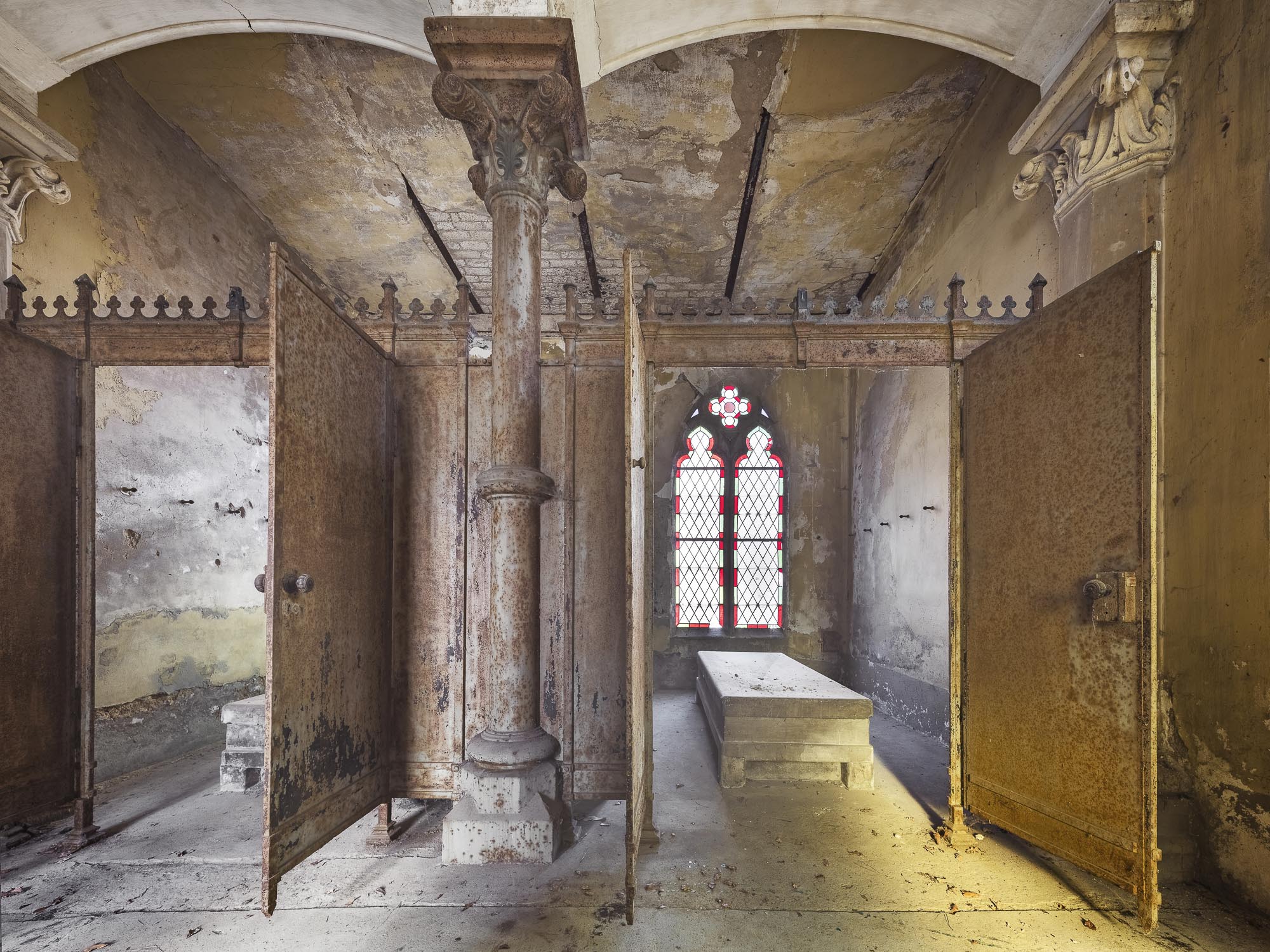
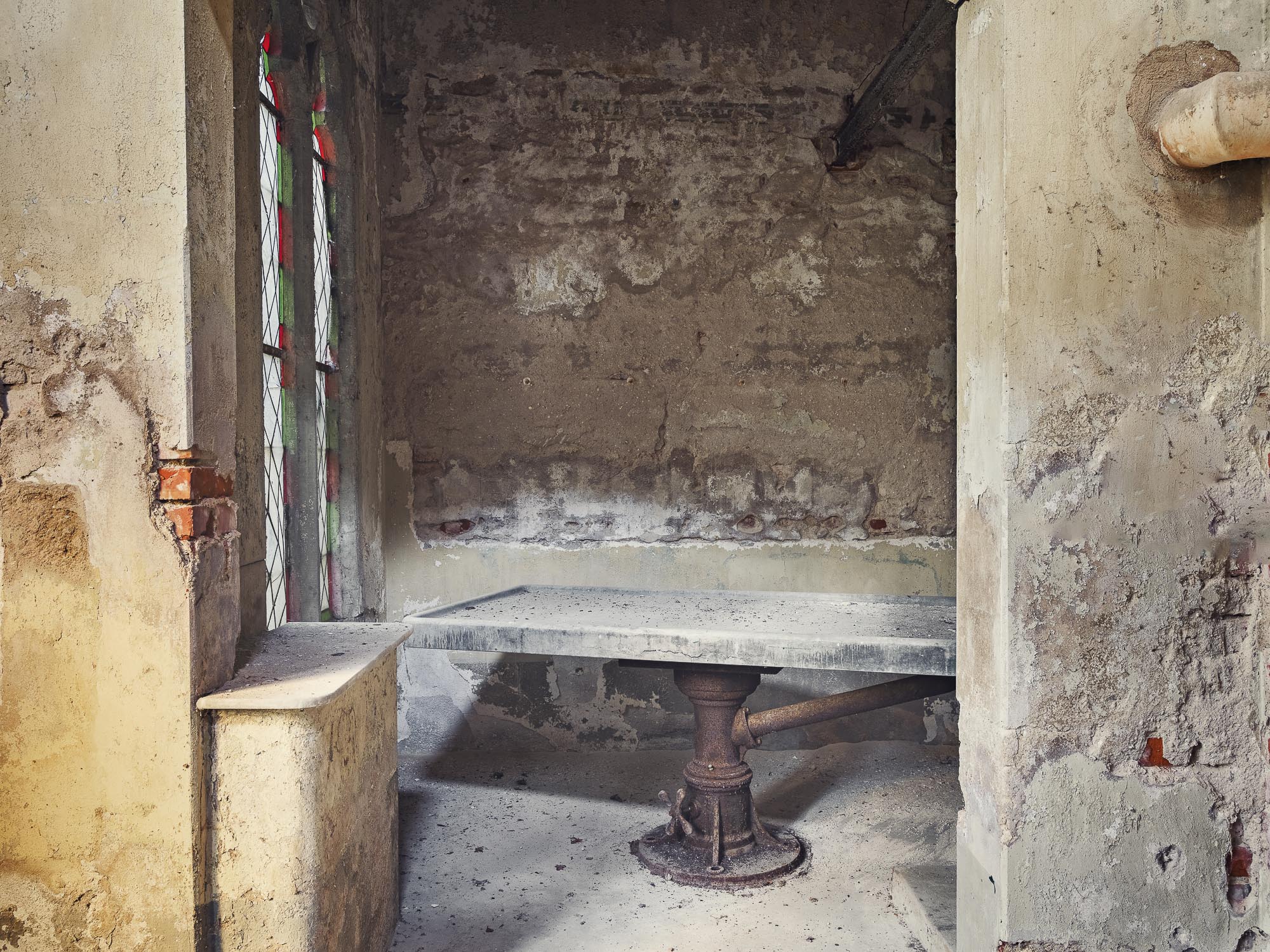

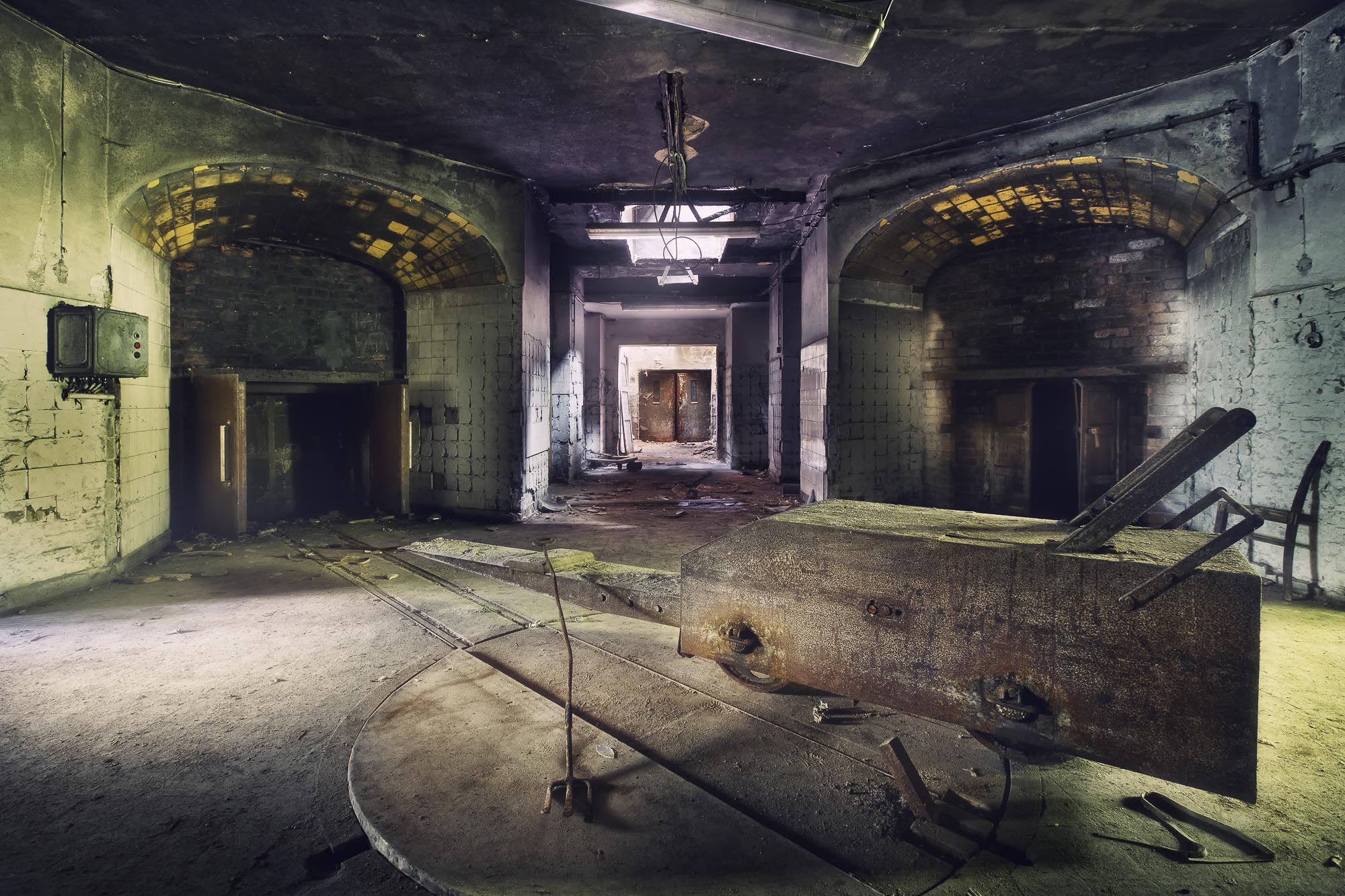
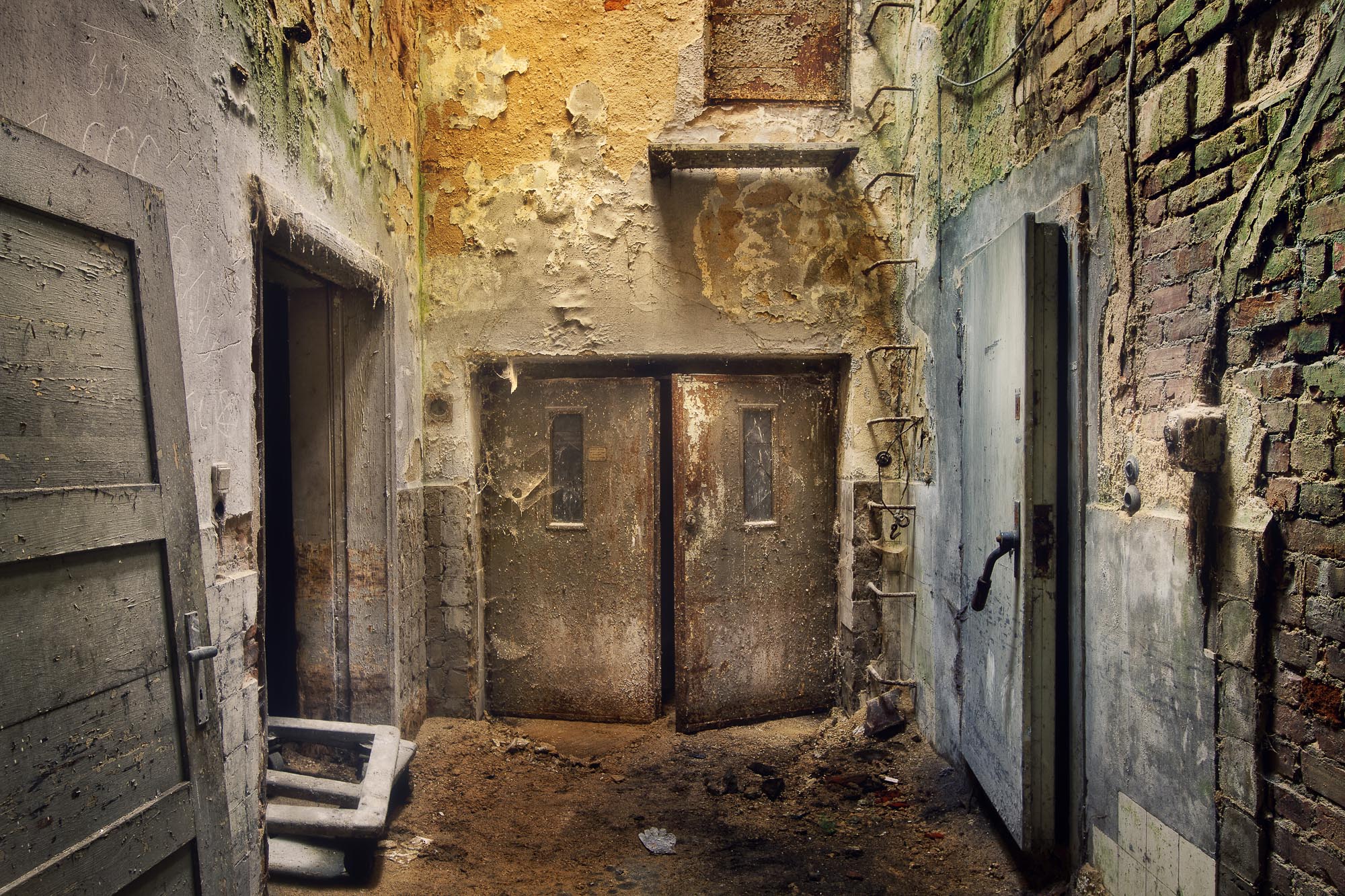
About this motif
Mortuaries appeared in Germany in the late eighteenth century. A mortuary was built in Weimar in 1791, prompted by Christoph Wilhelm Hufeland, and Berlin followed in 1795. The reasons were a growing fear of apparent death and hygiene concerns about laying out the dead in private homes. As towns grew in the nineteenth century the way to the cemetery became long, and homes often had no room left for a lying in state.
Cremation had to overcome resistance. In 1874 the first cremation on the territory of present-day Germany took place in Dresden, and on 10 December 1878 the first in Germany's first crematorium, at Gotha. It is neoclassical in design, and its colonnade, about 50 metres long, recalls an ancient temple. Heidelberg followed in 1891 and Hamburg in 1892.
Because of church reservations, which led to a ban on cremation for Catholics in 1886 that was lifted only in 1963, later buildings were often designed in an oriental style. In 1903 Karlsruhe received a crematorium that looks like a church building. The chapel complex of the Südfriedhof in Leipzig, completed in 1910, combines chapel, crematorium and columbarium.
Today cremation is more common than burial in Germany. Those who look at these buildings see architecture that tries to mediate between sobriety and dignity.
Frequently asked questions
When did the first crematorium in Germany open?
The first German crematorium opened at Gotha in 1878, and the first cremation there took place on 10 December 1878.
What were the first mortuaries for?
They received the dead until burial. The reasons were fear of apparent death and hygiene concerns about laying out the dead in living rooms. The first mortuary in Weimar was built in 1791.
Why did early crematoria often look like temples or churches?
Because of church reservations about cremation, architects chose dignified, often sacred or ancient forms. Gotha is neoclassical with a colonnade, and Karlsruhe received a church-like building in 1903.