Motifs · 7 pictures
Churches and chapels
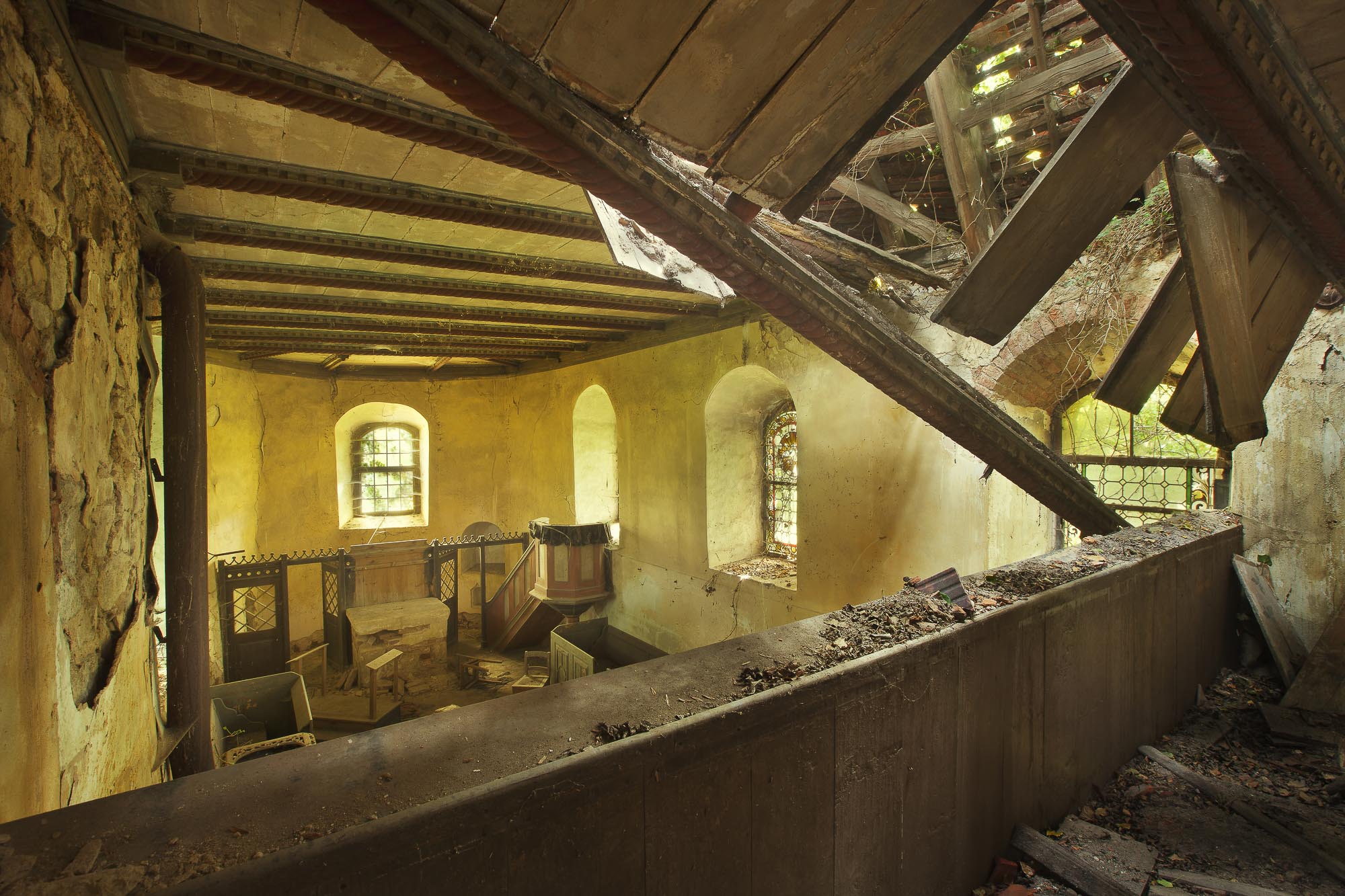
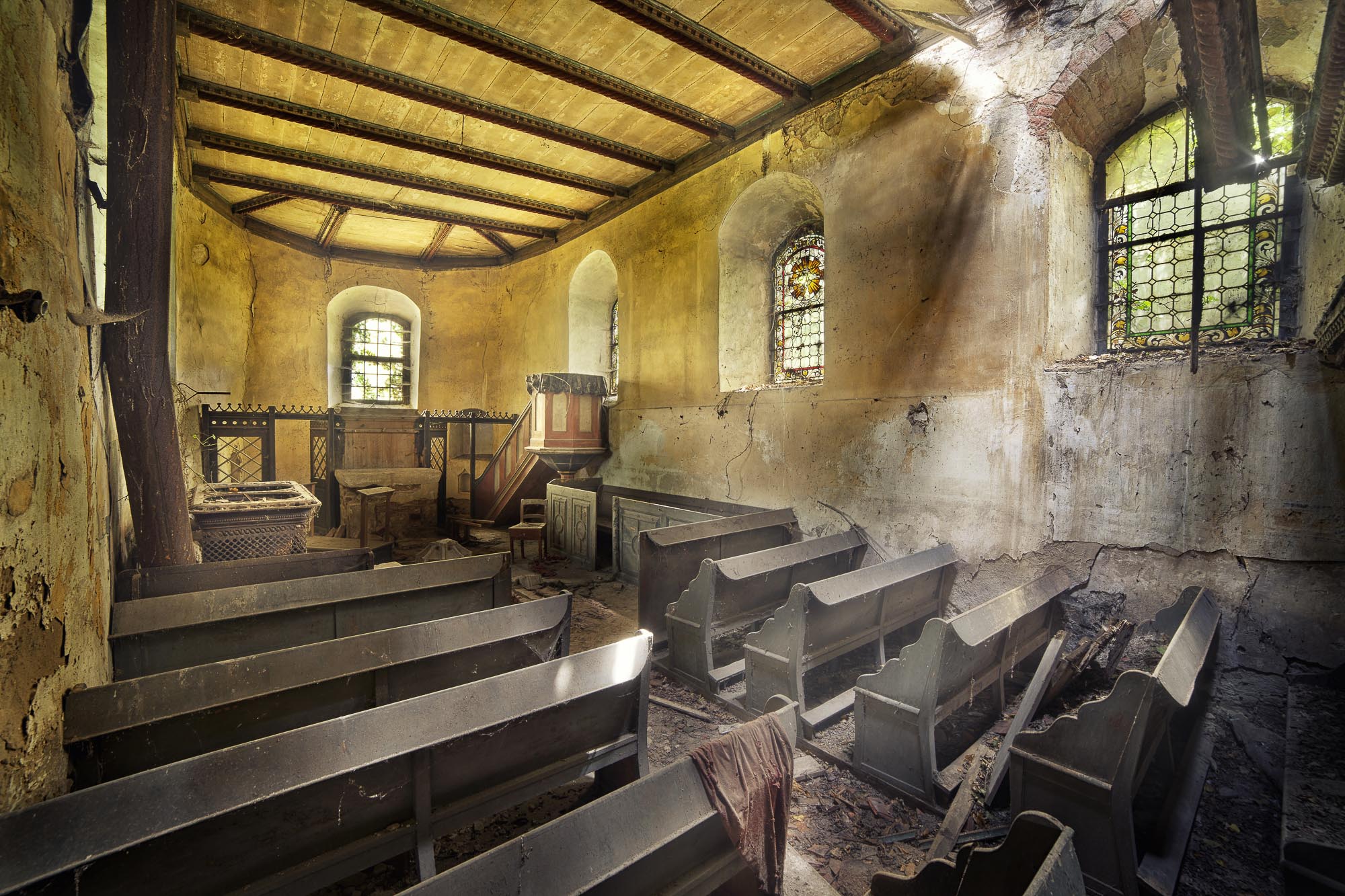
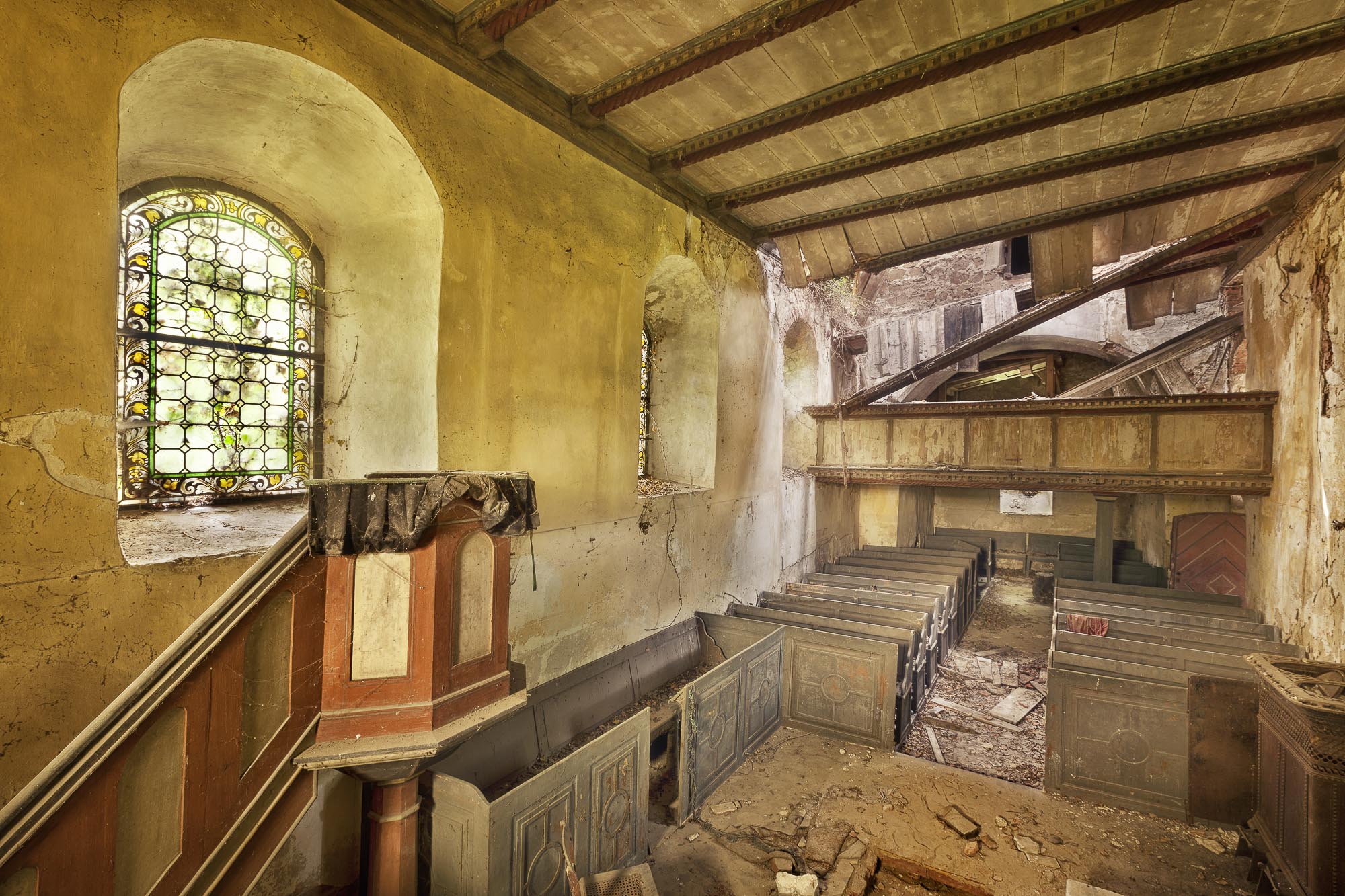
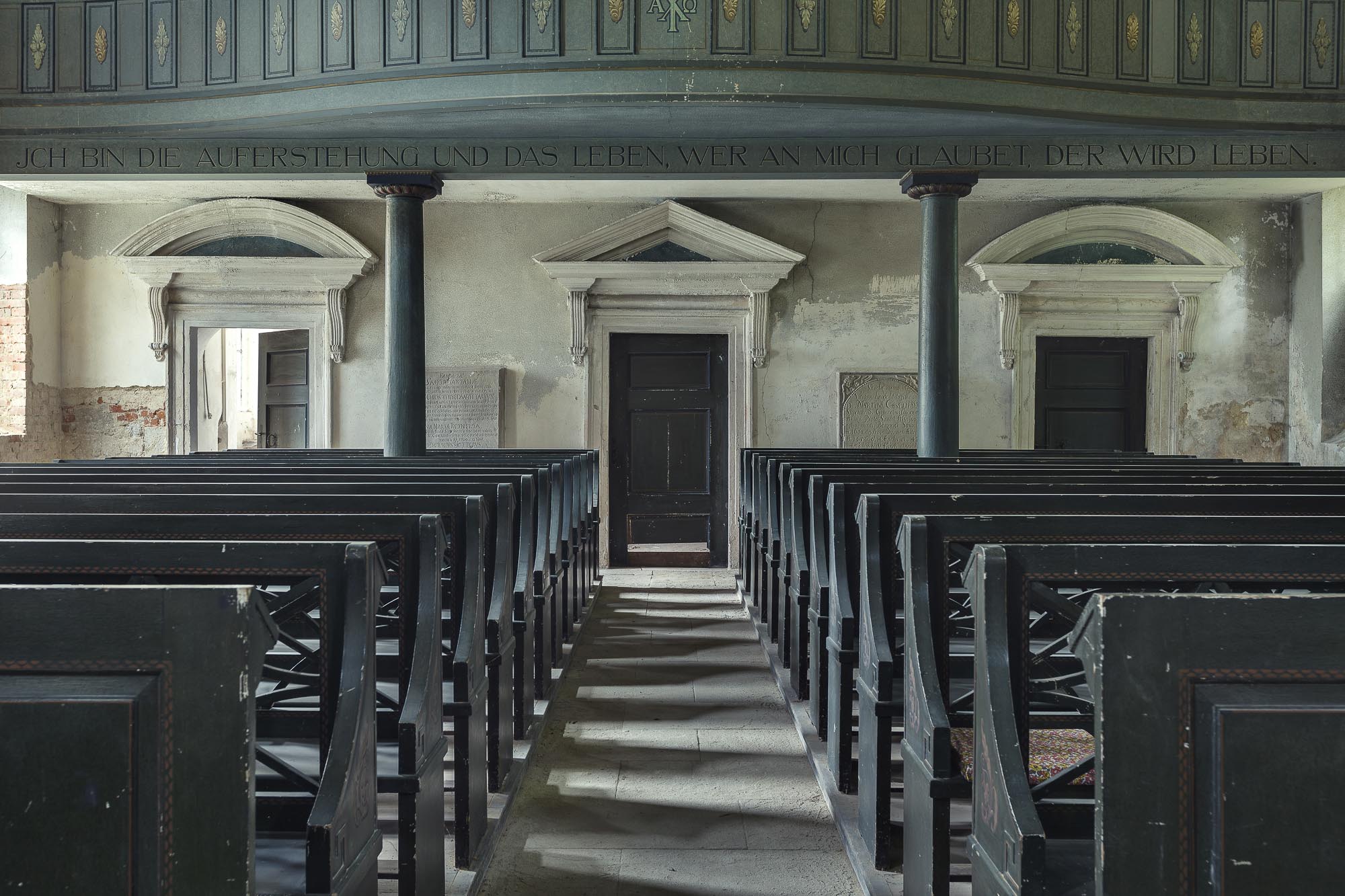
About this motif
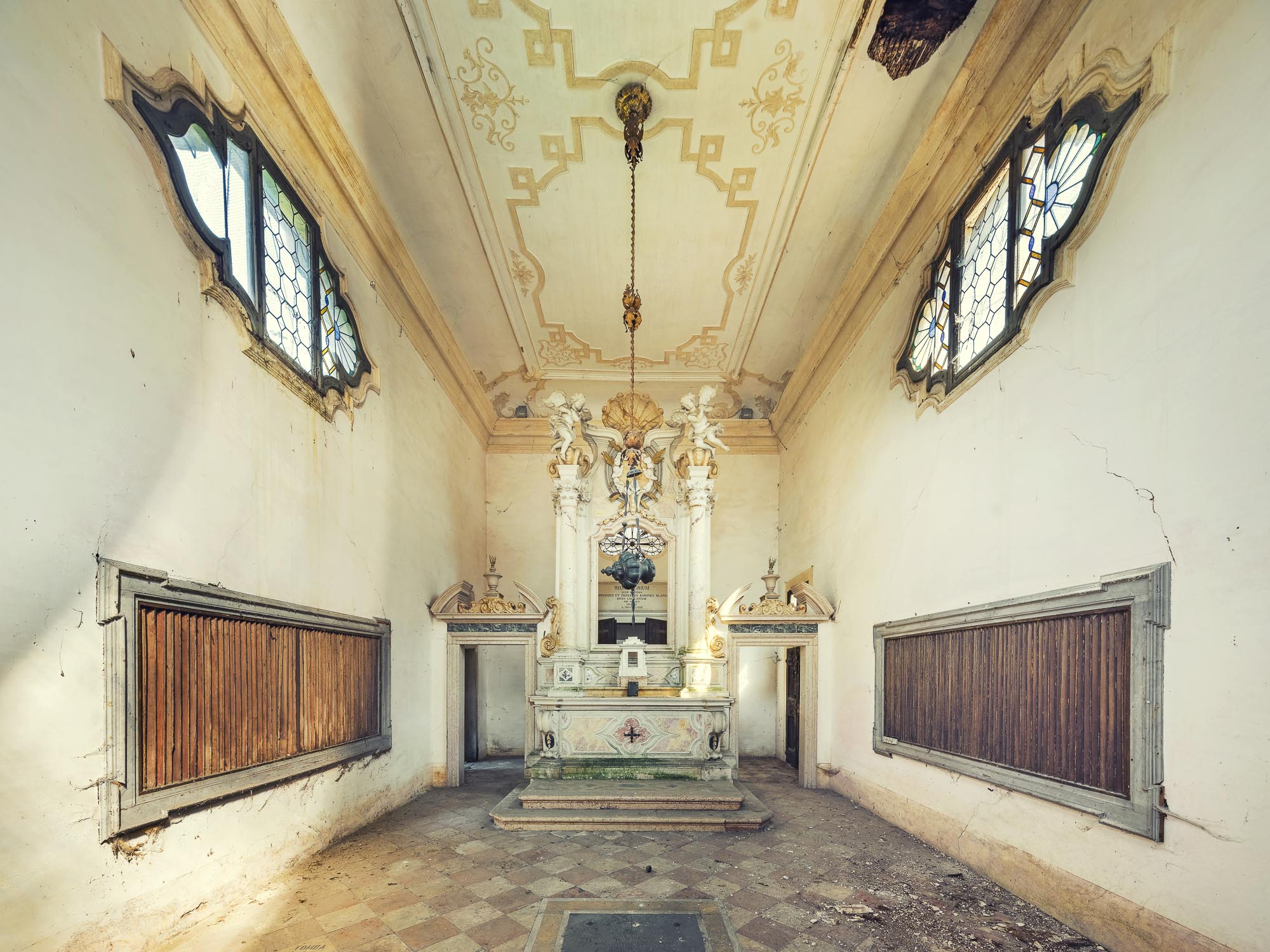
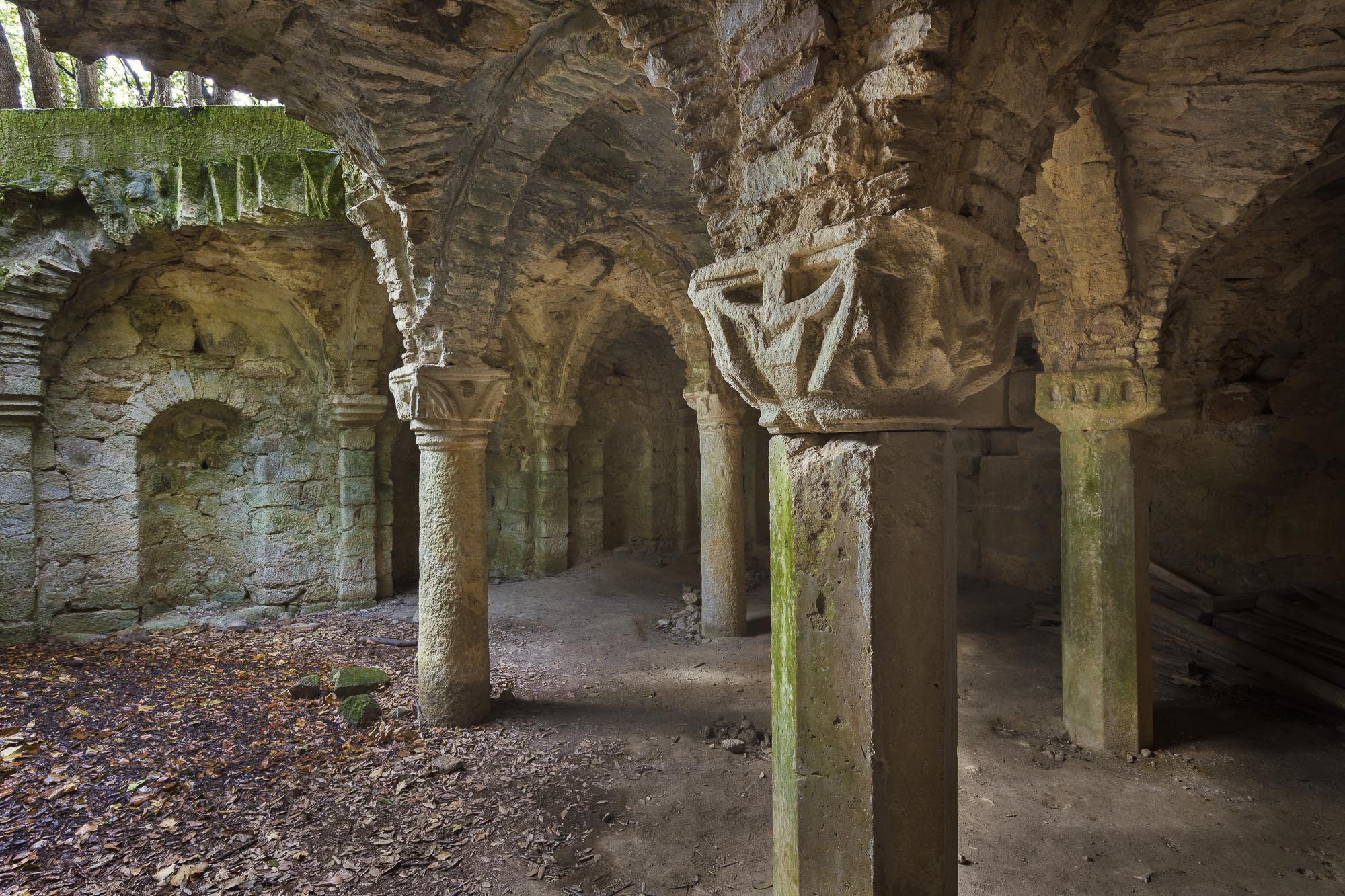
The precursors north of the Alps date from the Romanesque period. Charnel chapels were two-storey buildings: exhumed bones were kept below, and above lay an altar room for requiem masses. From the sixteenth century, especially in Protestant territories, cemeteries outside settlements were created with a church or blessing chapel.
The modern cemetery chapel developed from the eighteenth century. Churchyards around parish churches were abandoned and burials moved to the edges of towns; the Prussian General Land Law of 1794 forbade burials in inhabited areas. As funeral processions from the home declined, separate rooms for the ceremony were needed.
The buildings reflect the styles of their time. At Melaten in Cologne a chapel was consecrated as early as 1245, and at the Alter Südfriedhof in Munich St Stephen's church has stood since 1674. In Leipzig a neo-Romanesque chapel complex modelled on Maria Laach Abbey was completed in 1910. At the Südwestkirchhof in Stahnsdorf Gustav Werner designed a wooden chapel after Norwegian stave churches between 1908 and 1911, with an organ by Wilhelm Sauer.
They are places of farewell and many are still in use. When you visit, please bear in mind that funeral services may be taking place.
Frequently asked questions
What is a charnel chapel?
A charnel chapel (Karner) is a two-storey building in a cemetery: exhumed bones are stored below and an altar room for requiem masses lies above. They date from the Romanesque period and are found mainly in the Alpine region.
Why do cemeteries have chapels?
When burials moved from churchyards to the edges of towns in the eighteenth and nineteenth centuries, rooms were needed on site for the blessing and the funeral service.
Which cemetery chapel is modelled on a stave church?
The wooden cemetery chapel at the Südwestkirchhof in Stahnsdorf, designed by Gustav Werner and built from 1908 to 1911, follows the model of Norwegian stave churches.