Germany · Aachen · 36 pictures
Cemeteries of Aachen
-
-
-
-
-
-
-
-
-
-
-
-
-
-
-

-
-
-
-
-
-

-
-
-
-
-

-
-
-

-

-
-
-
-
-
-
About this place
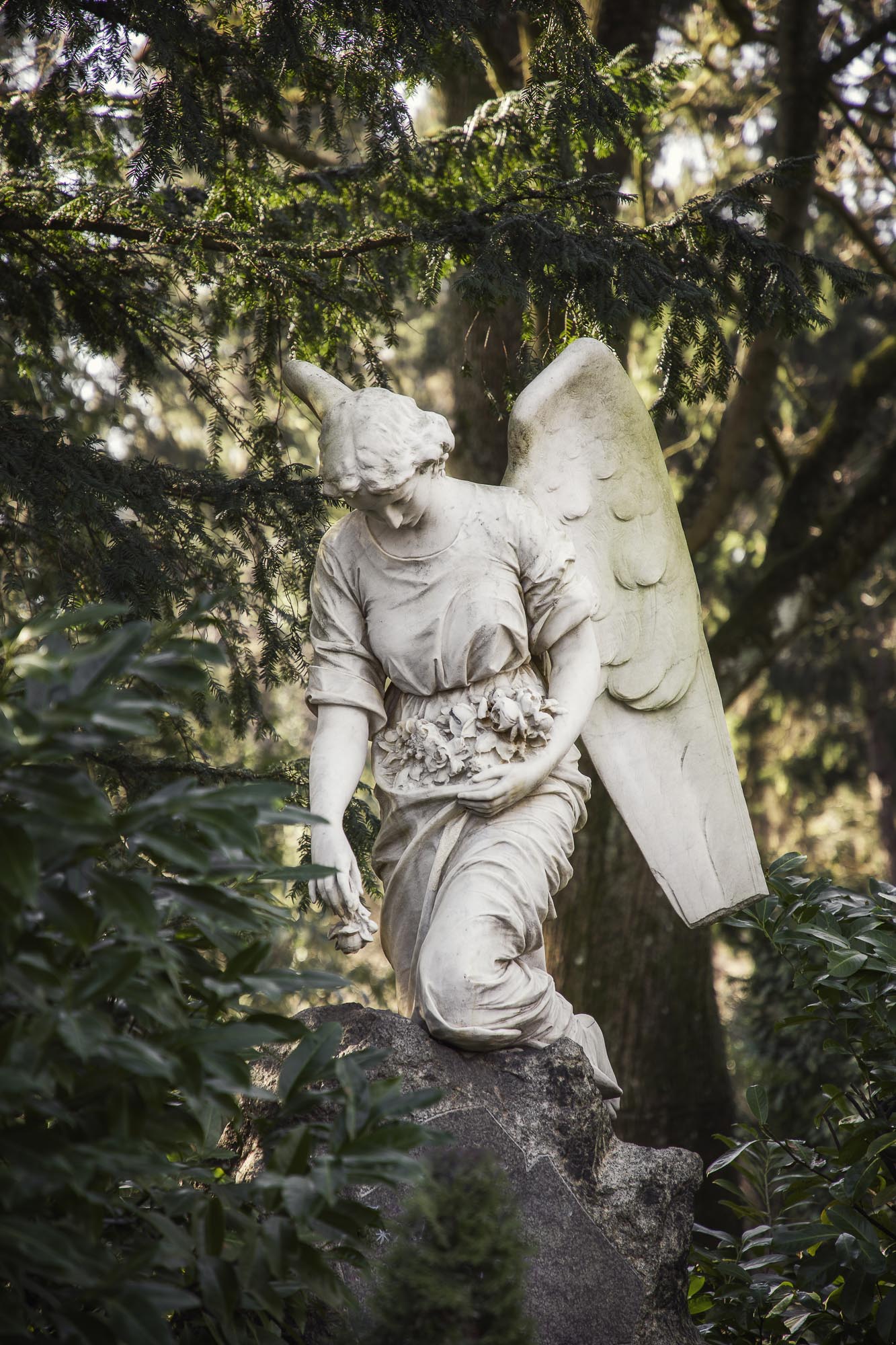
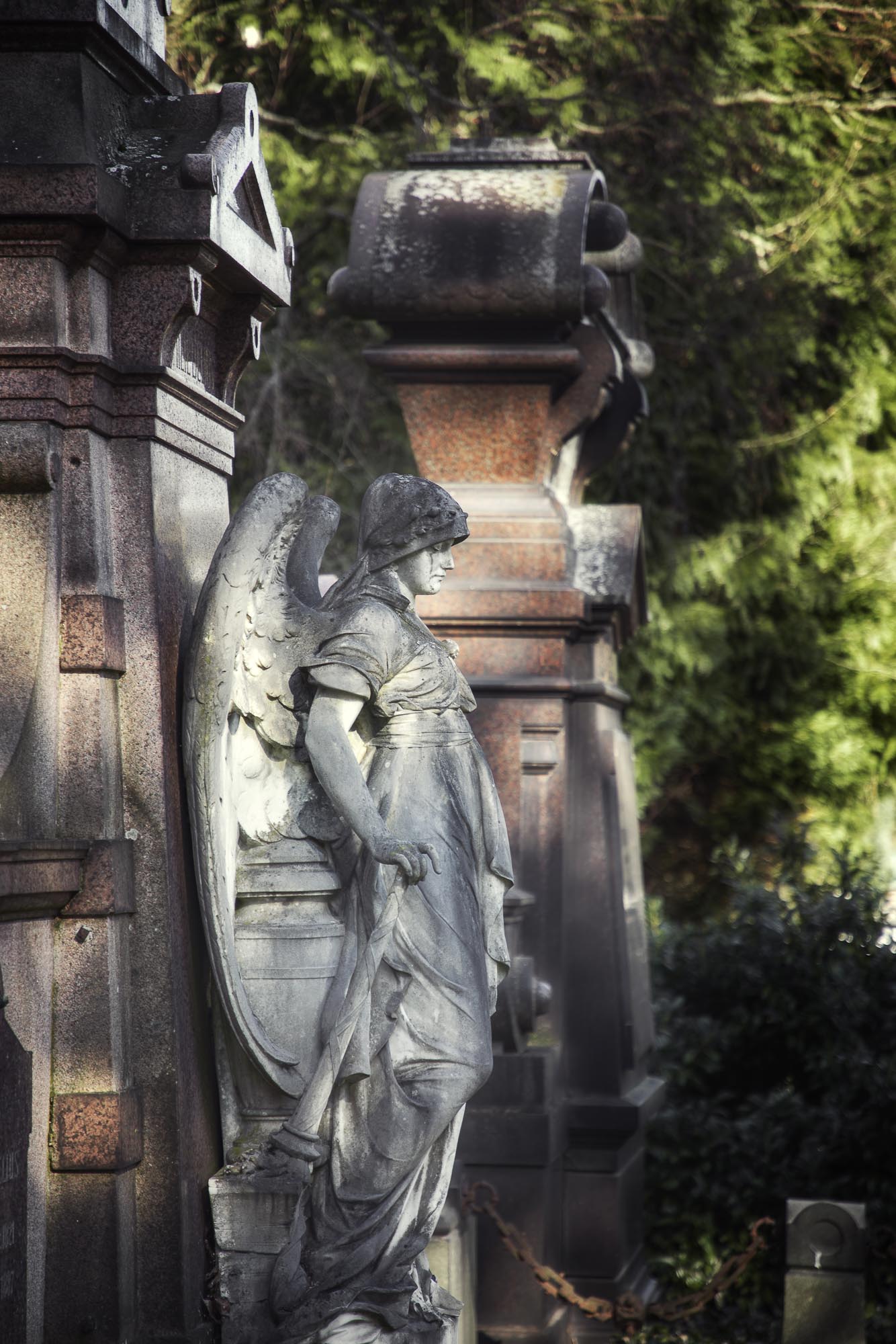
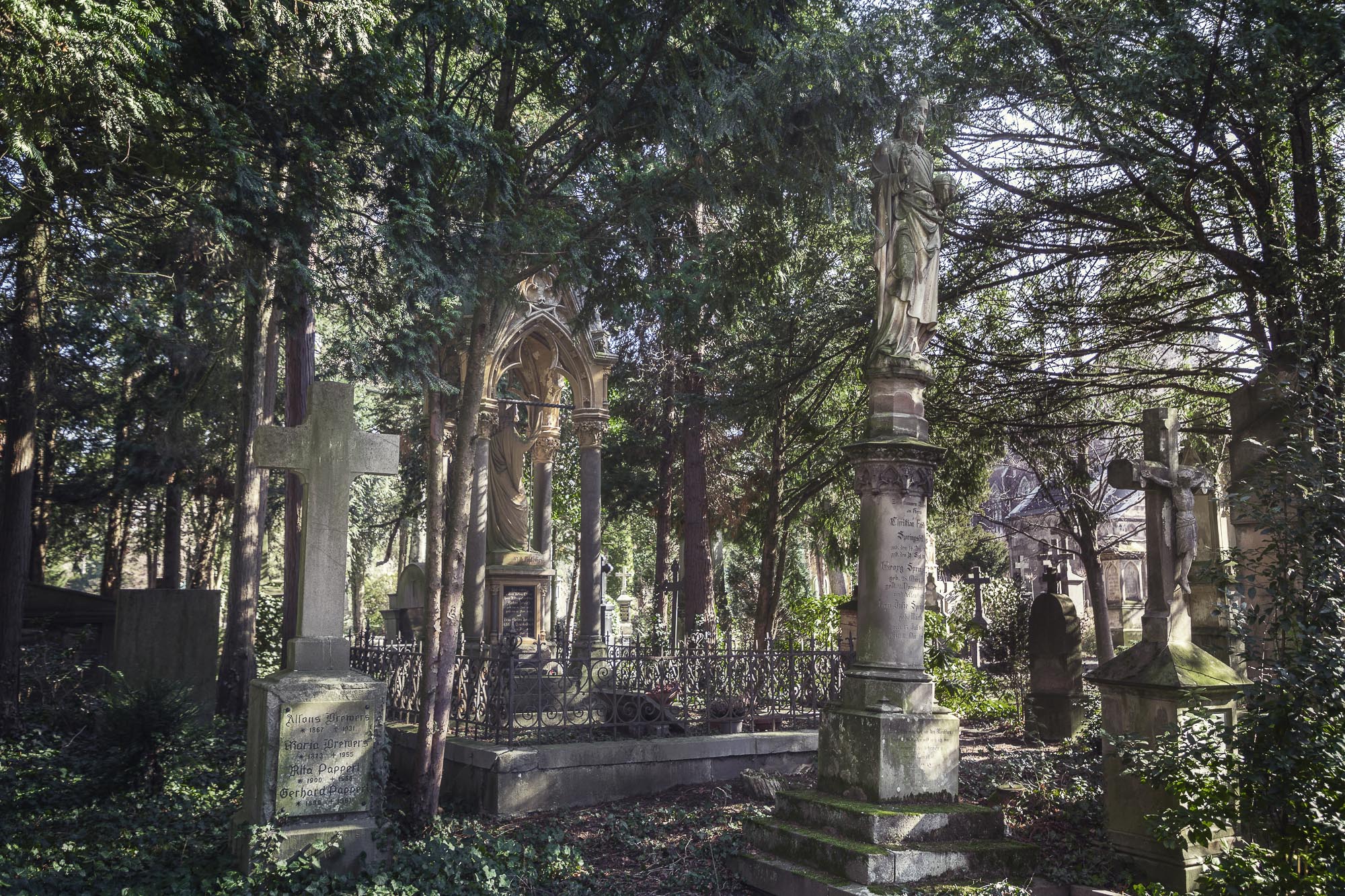
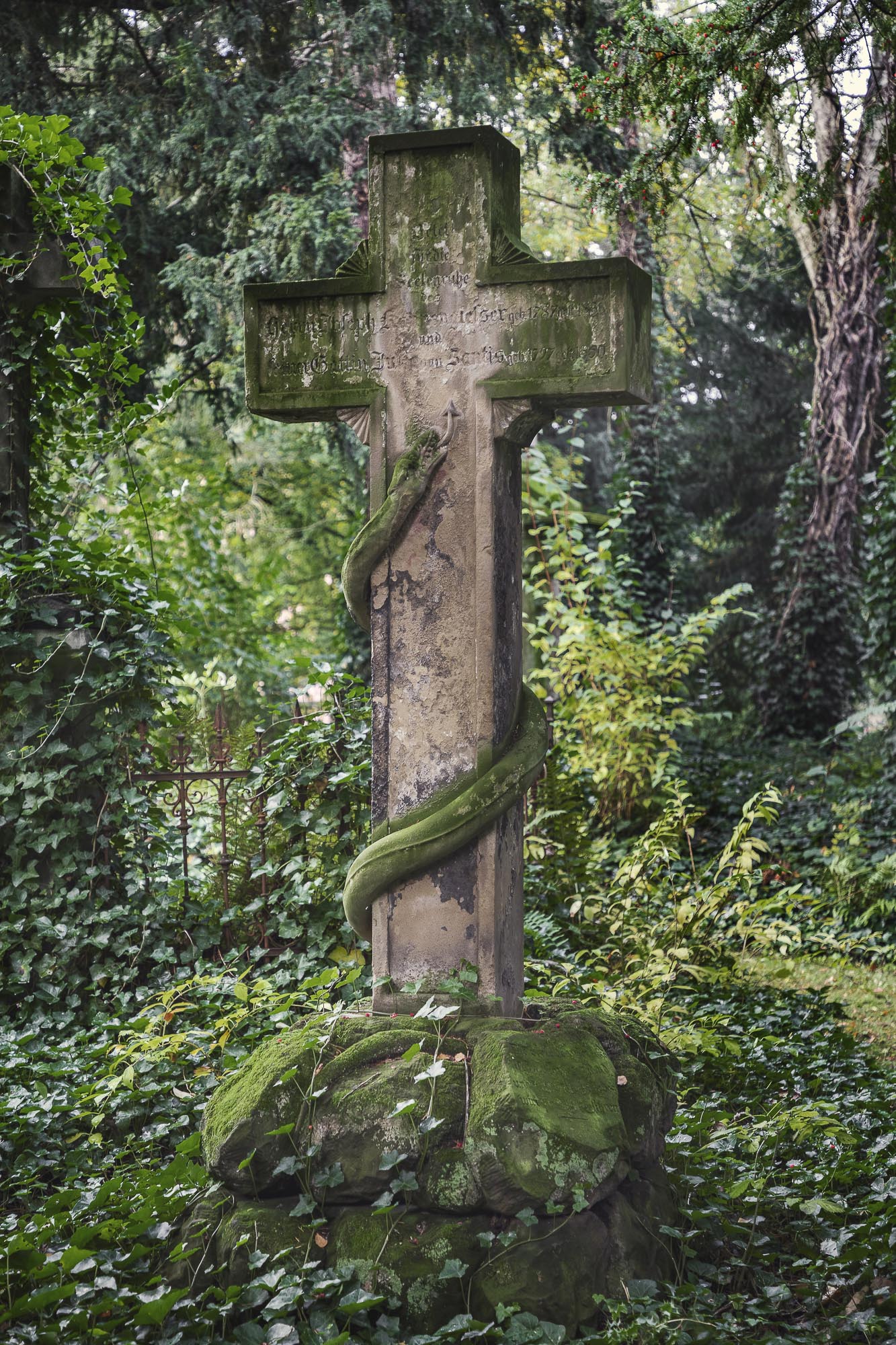
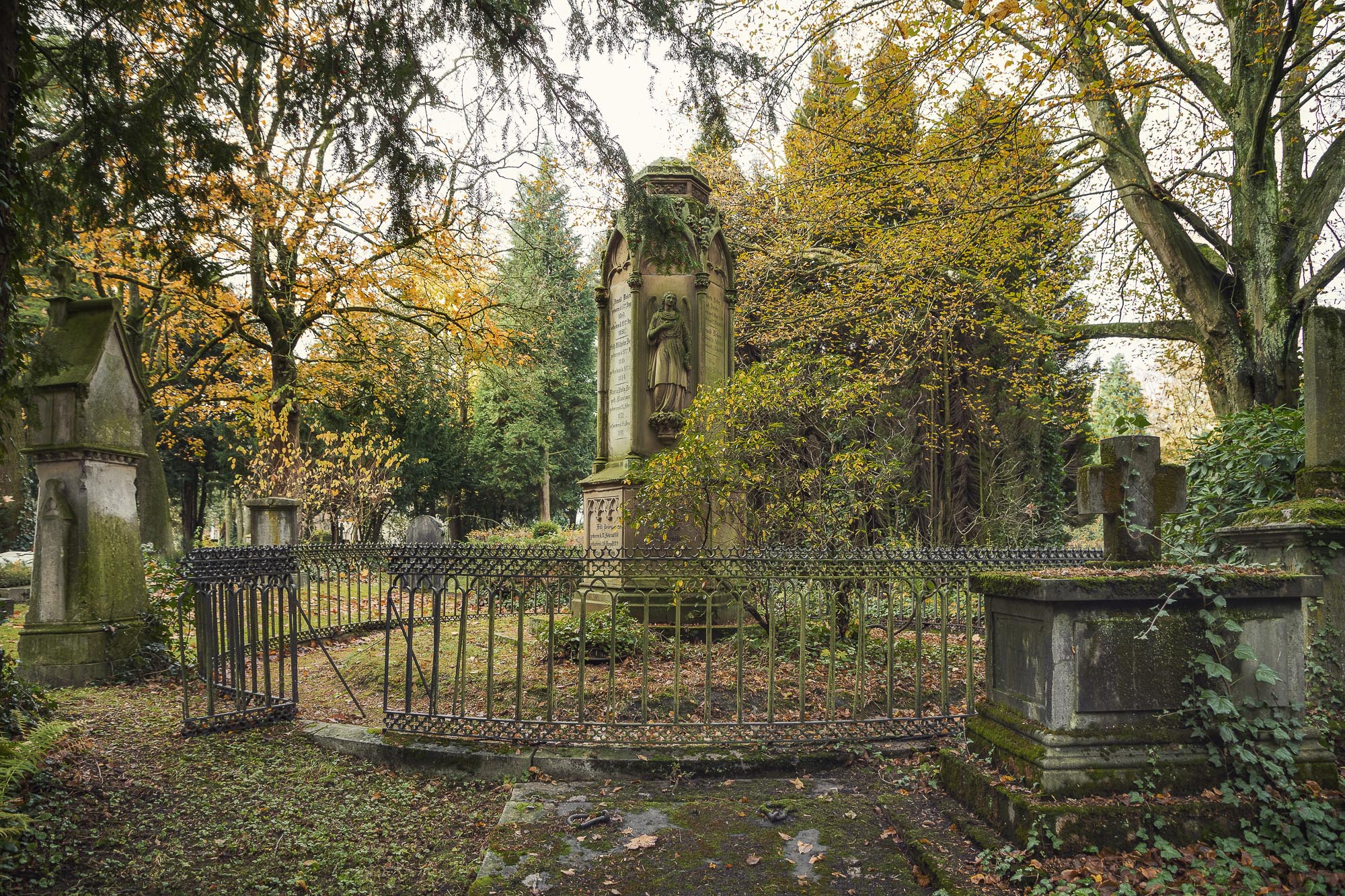
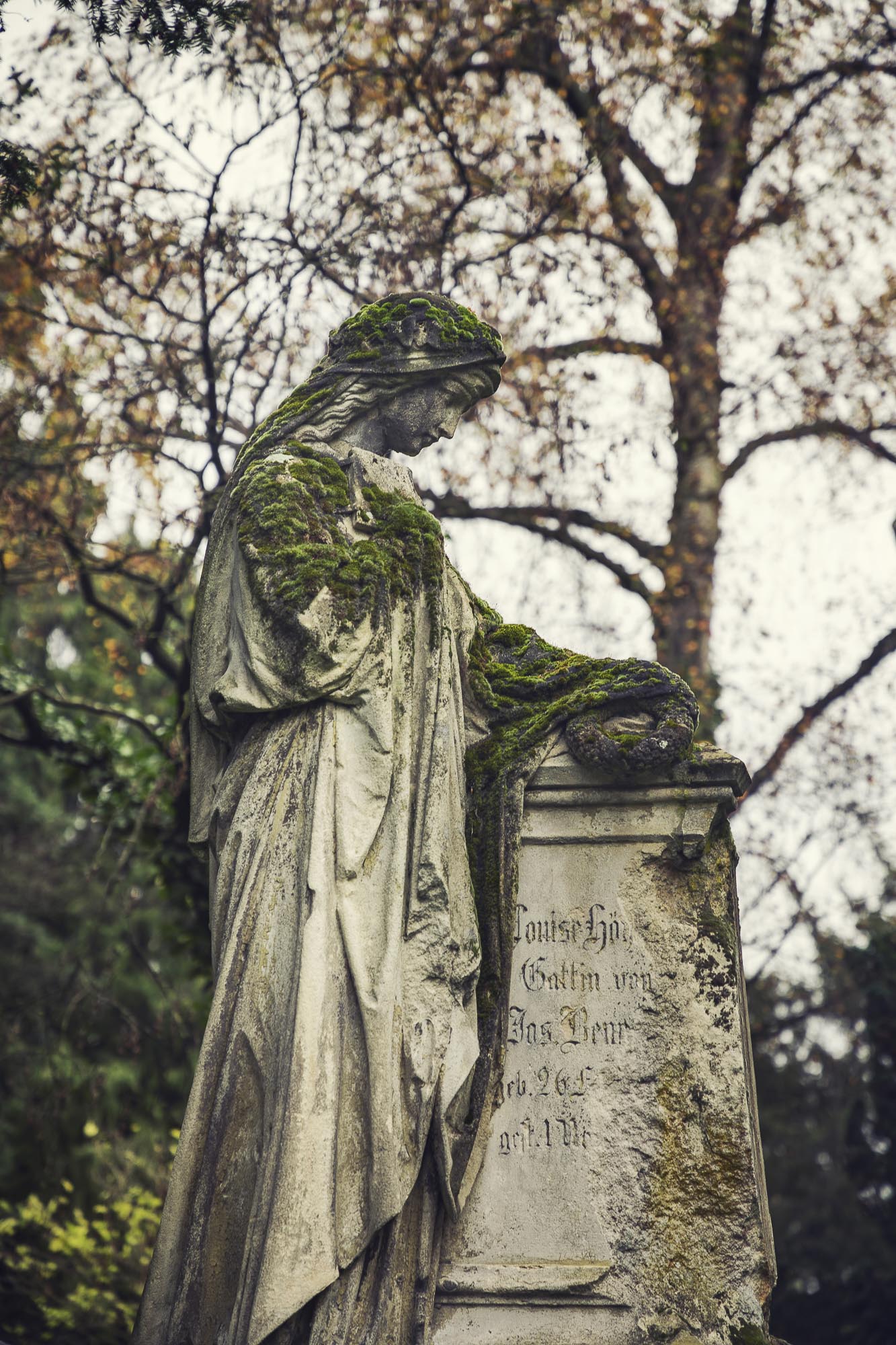
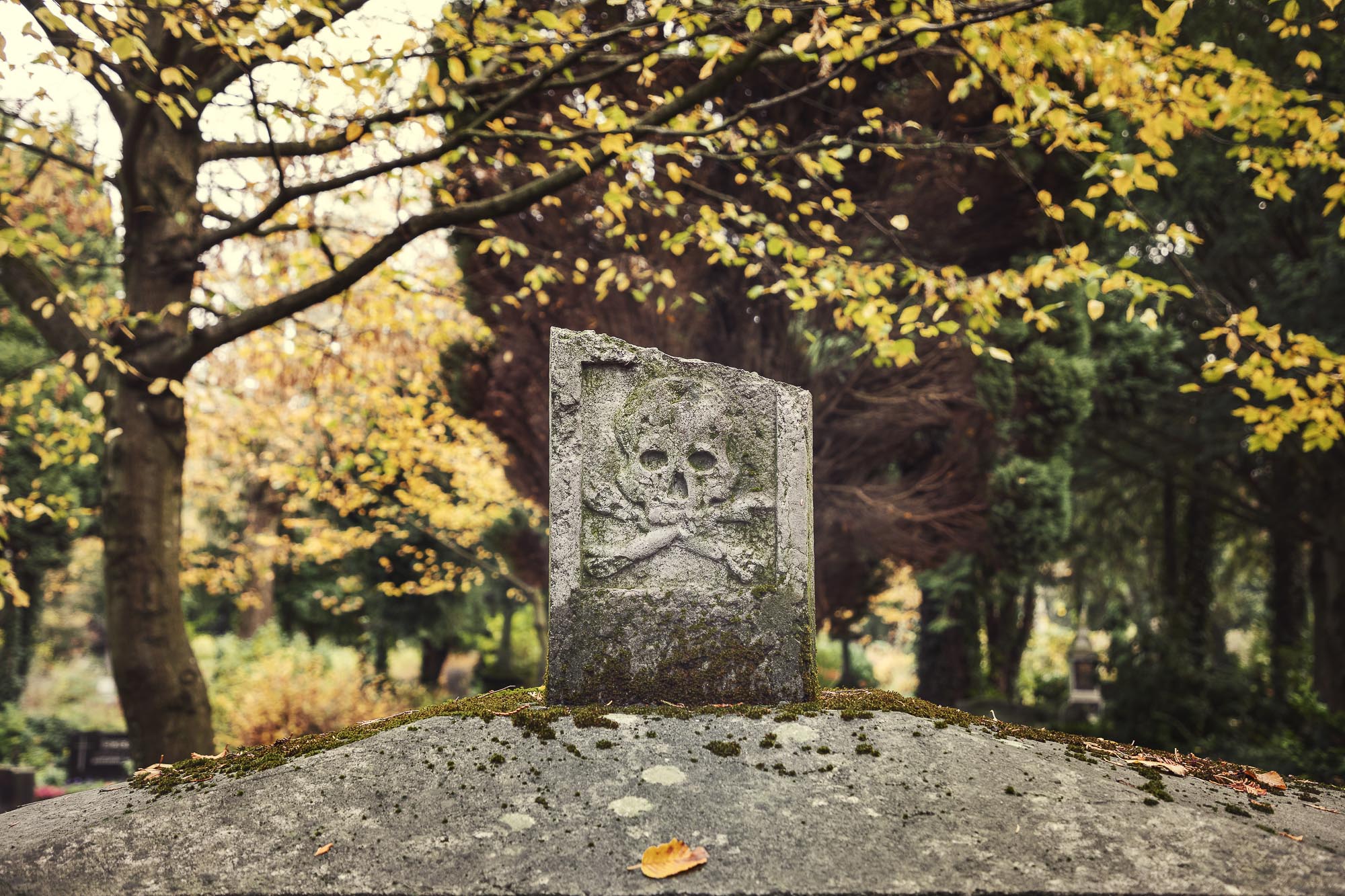
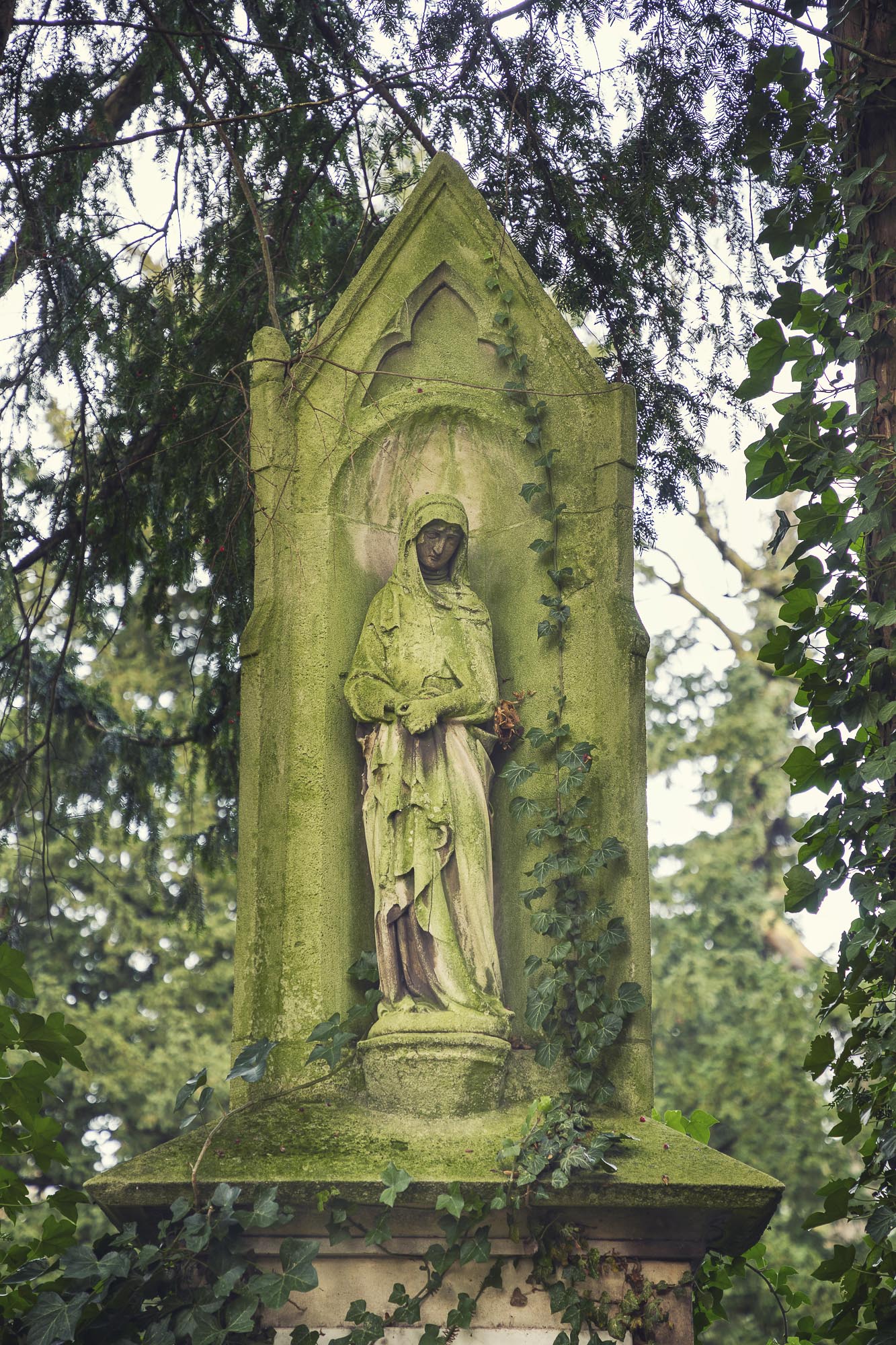
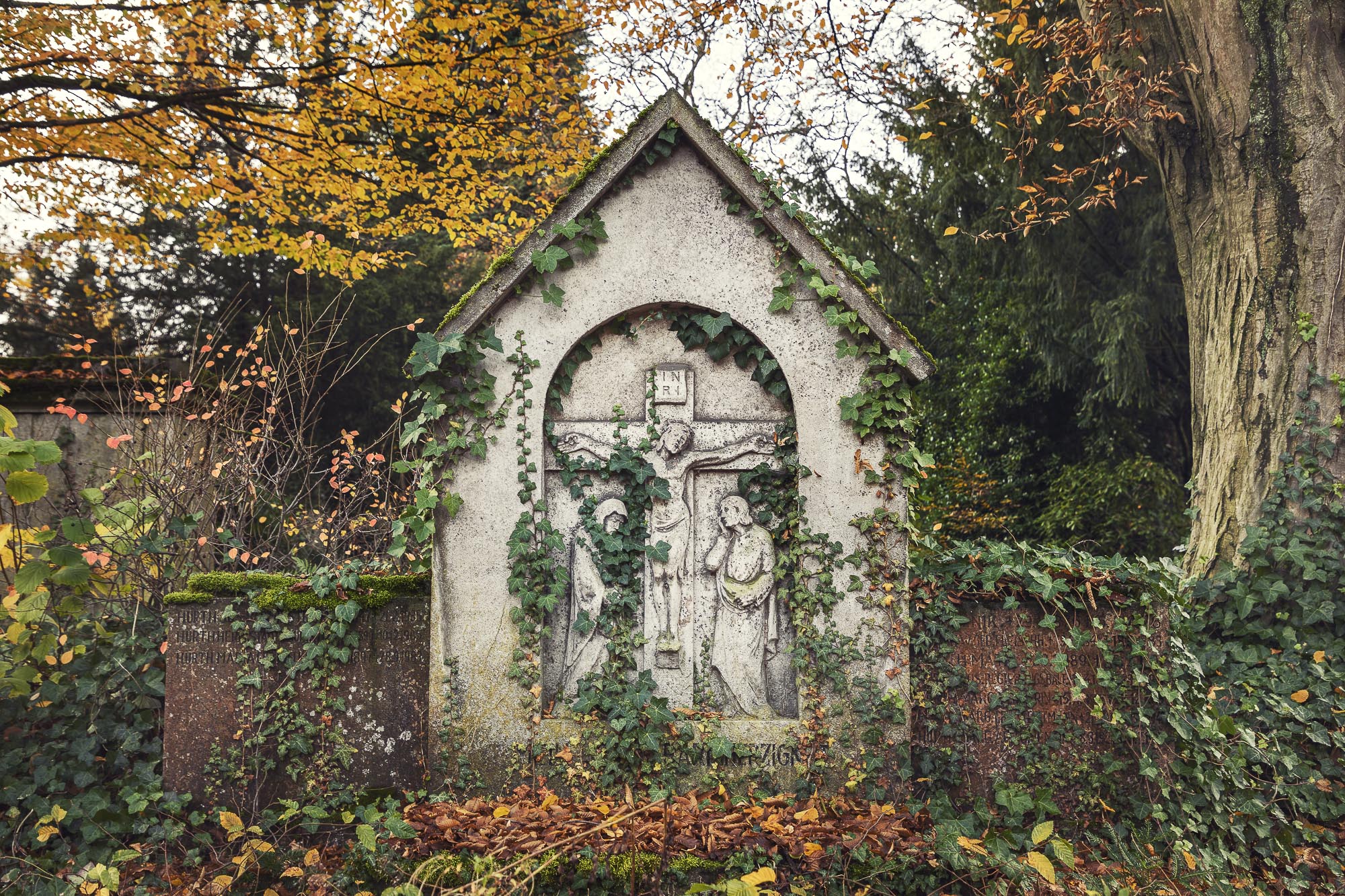
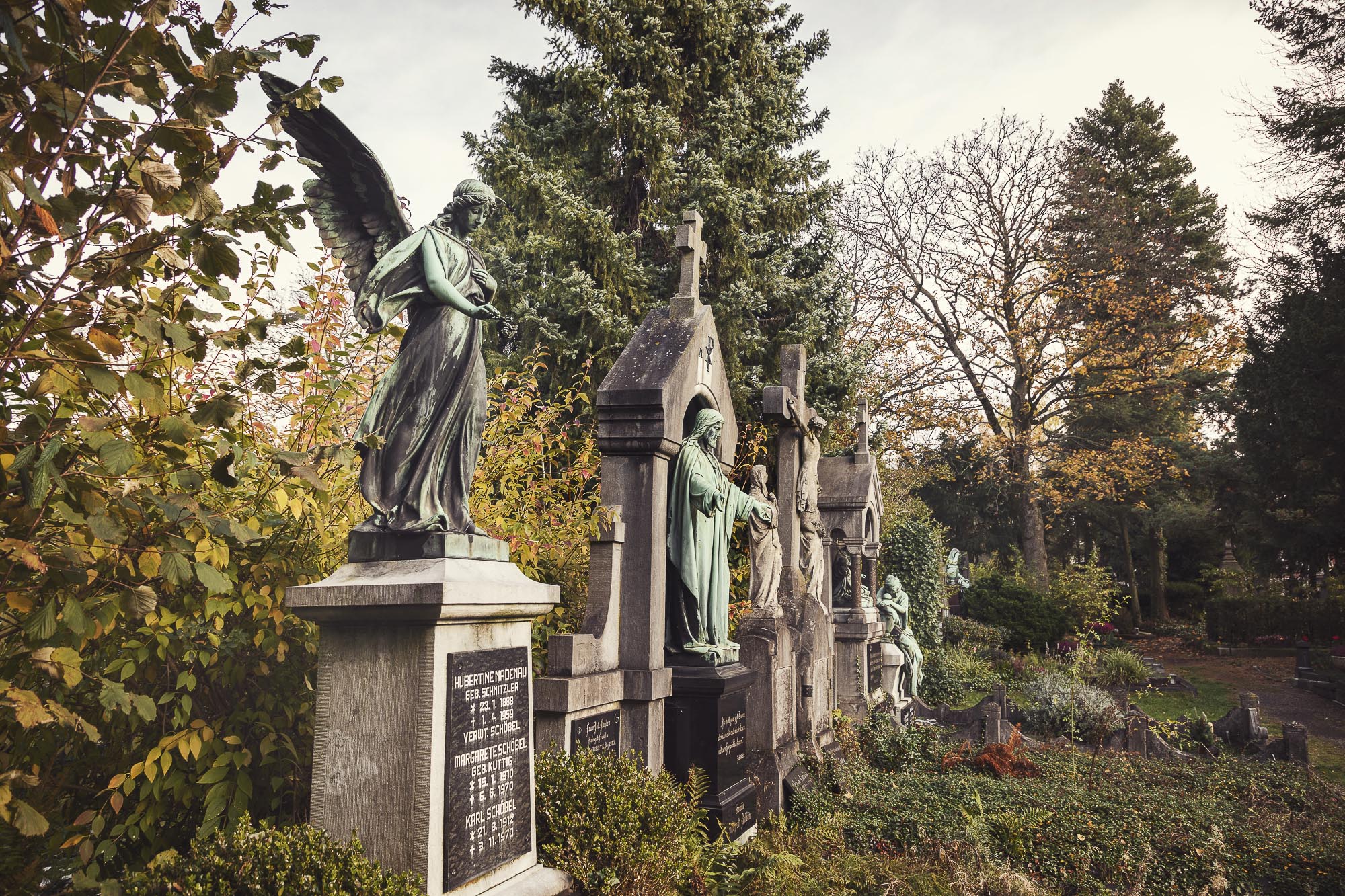
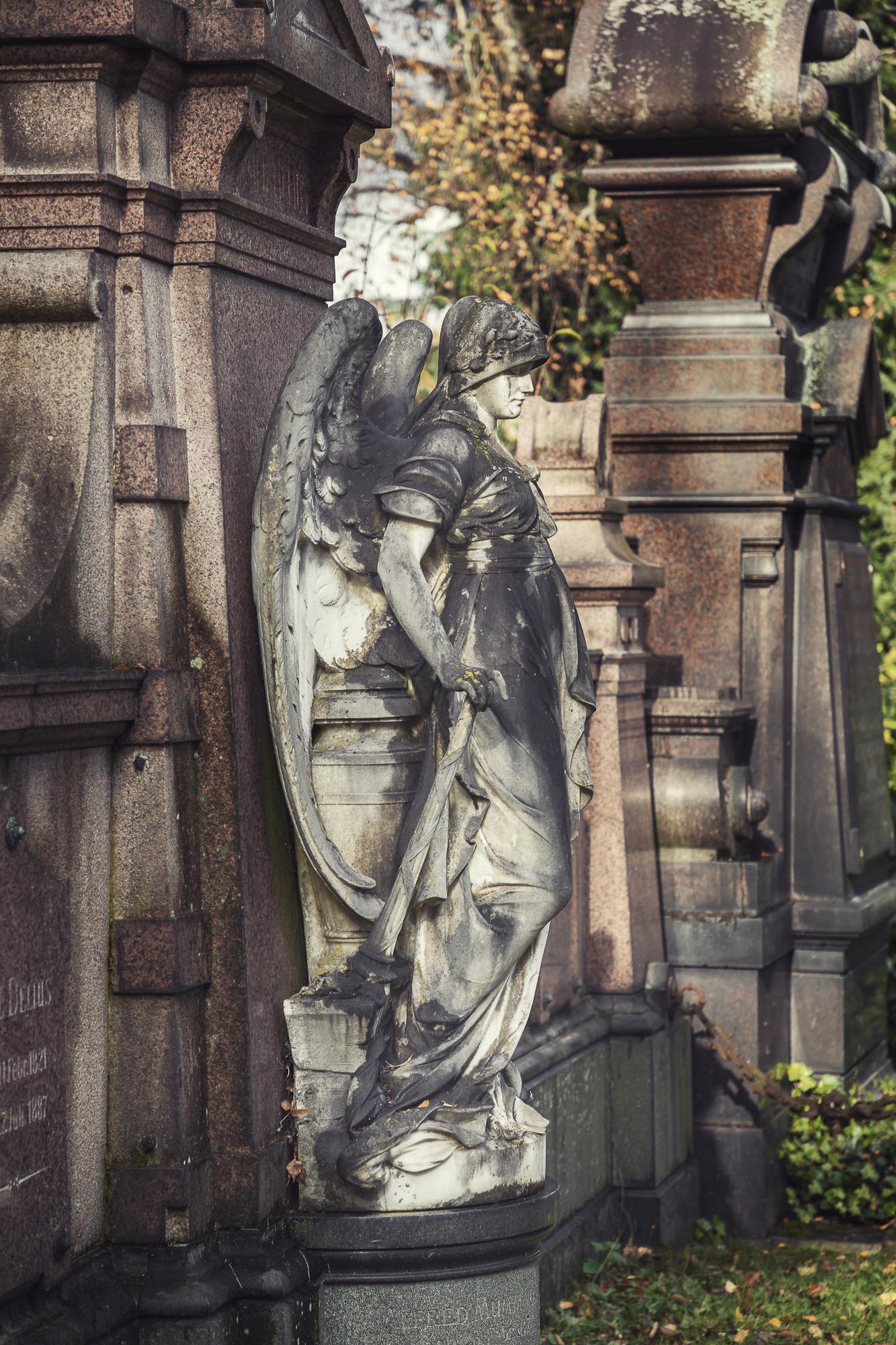
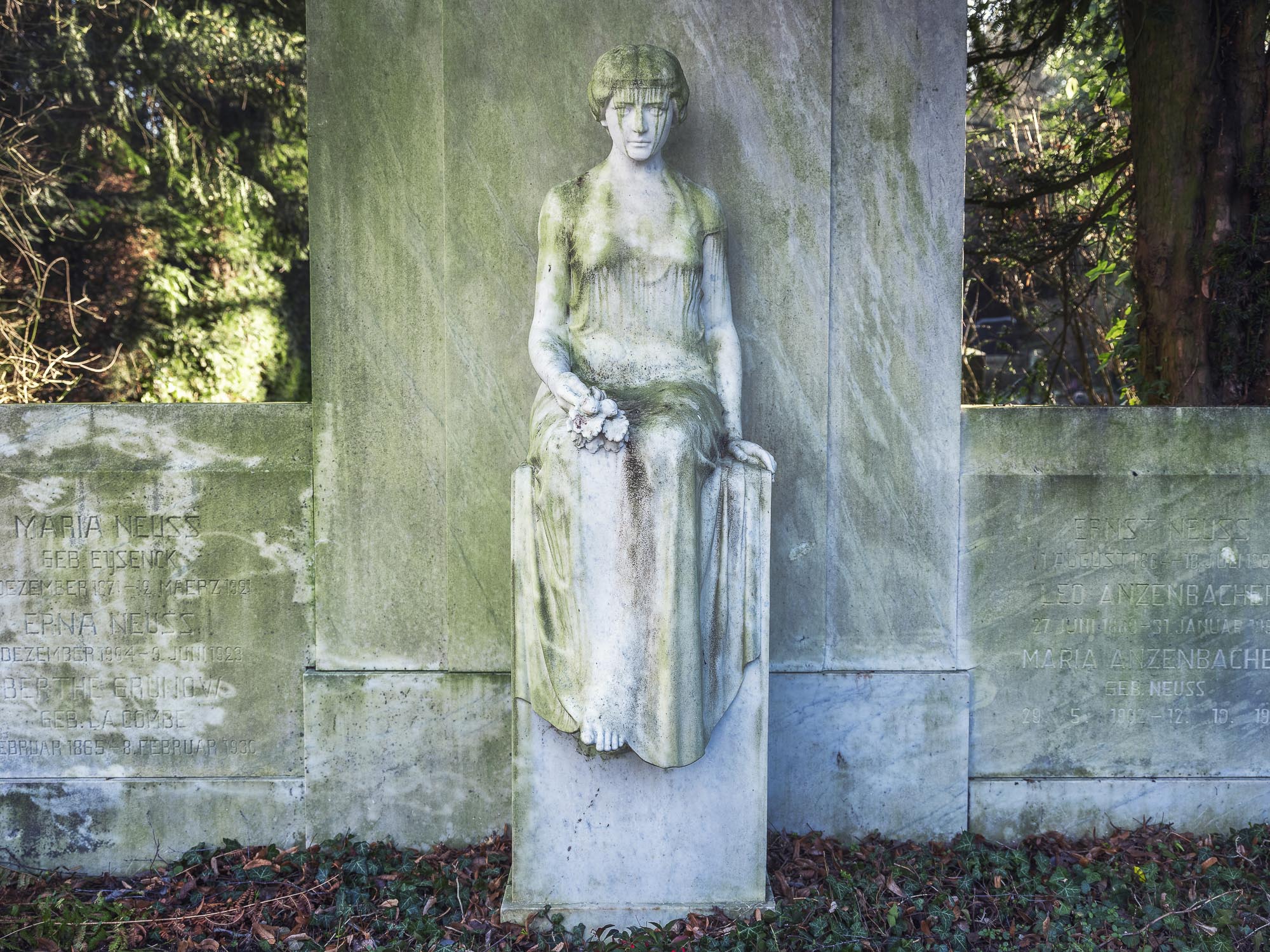
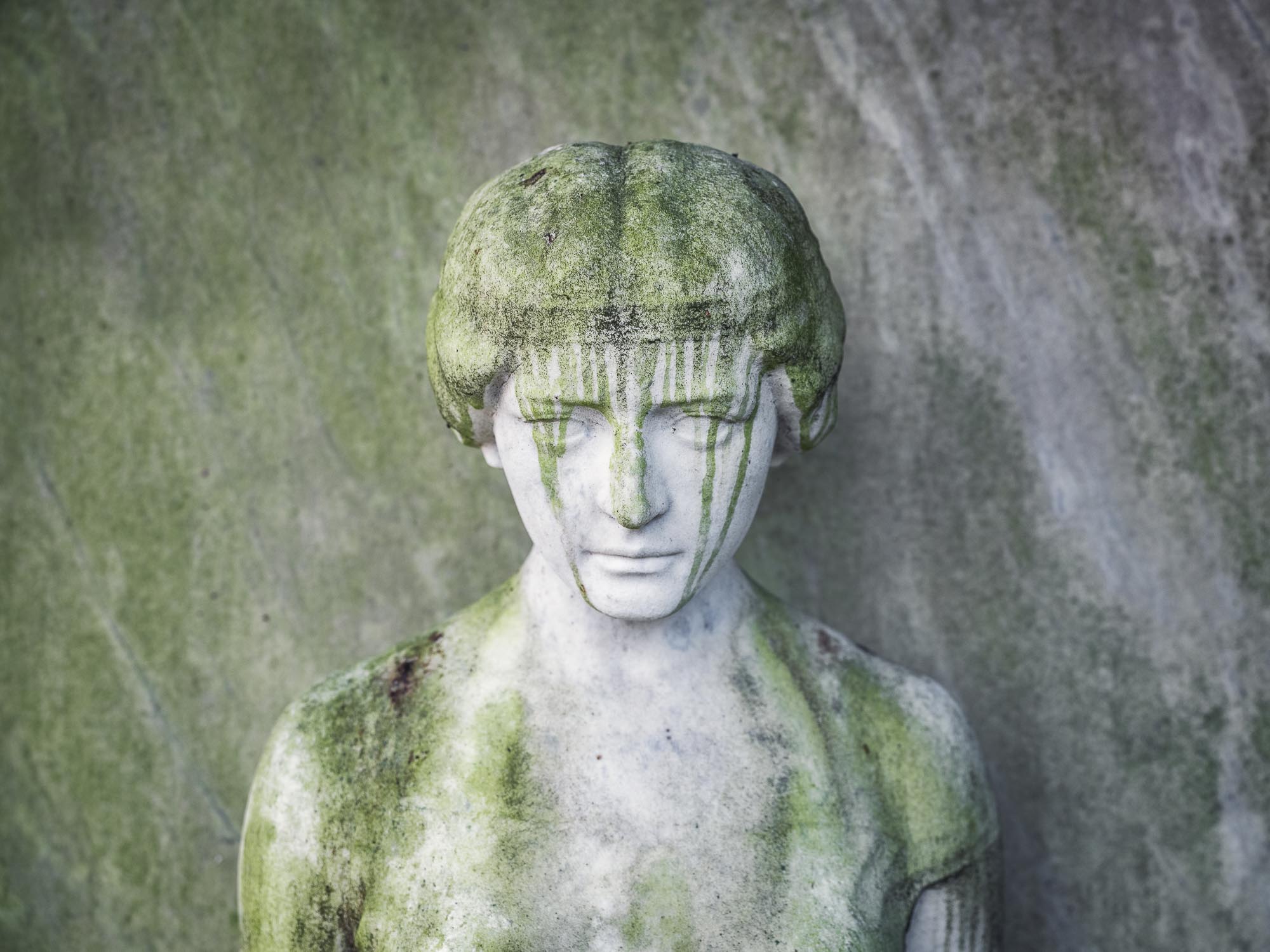
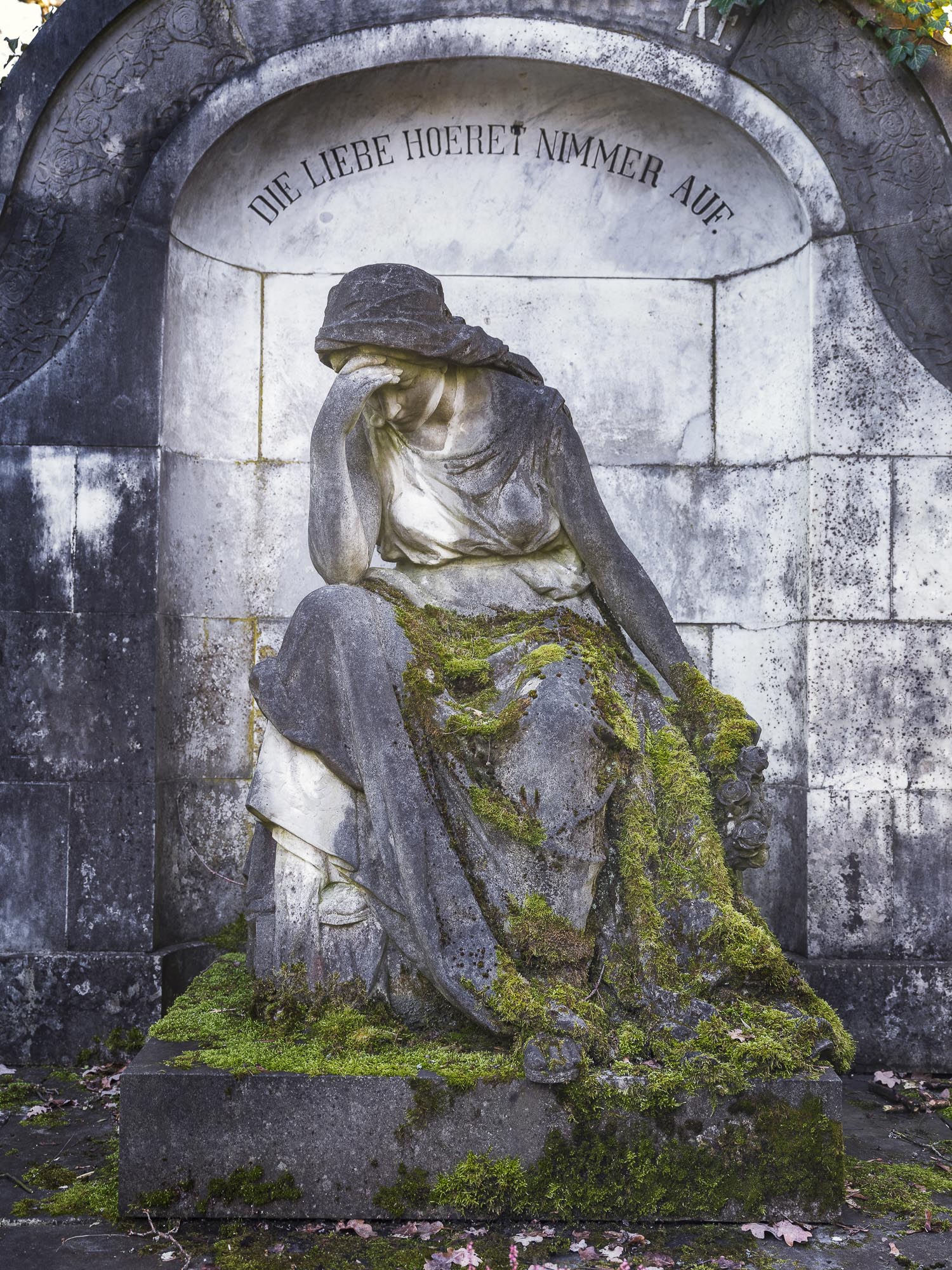
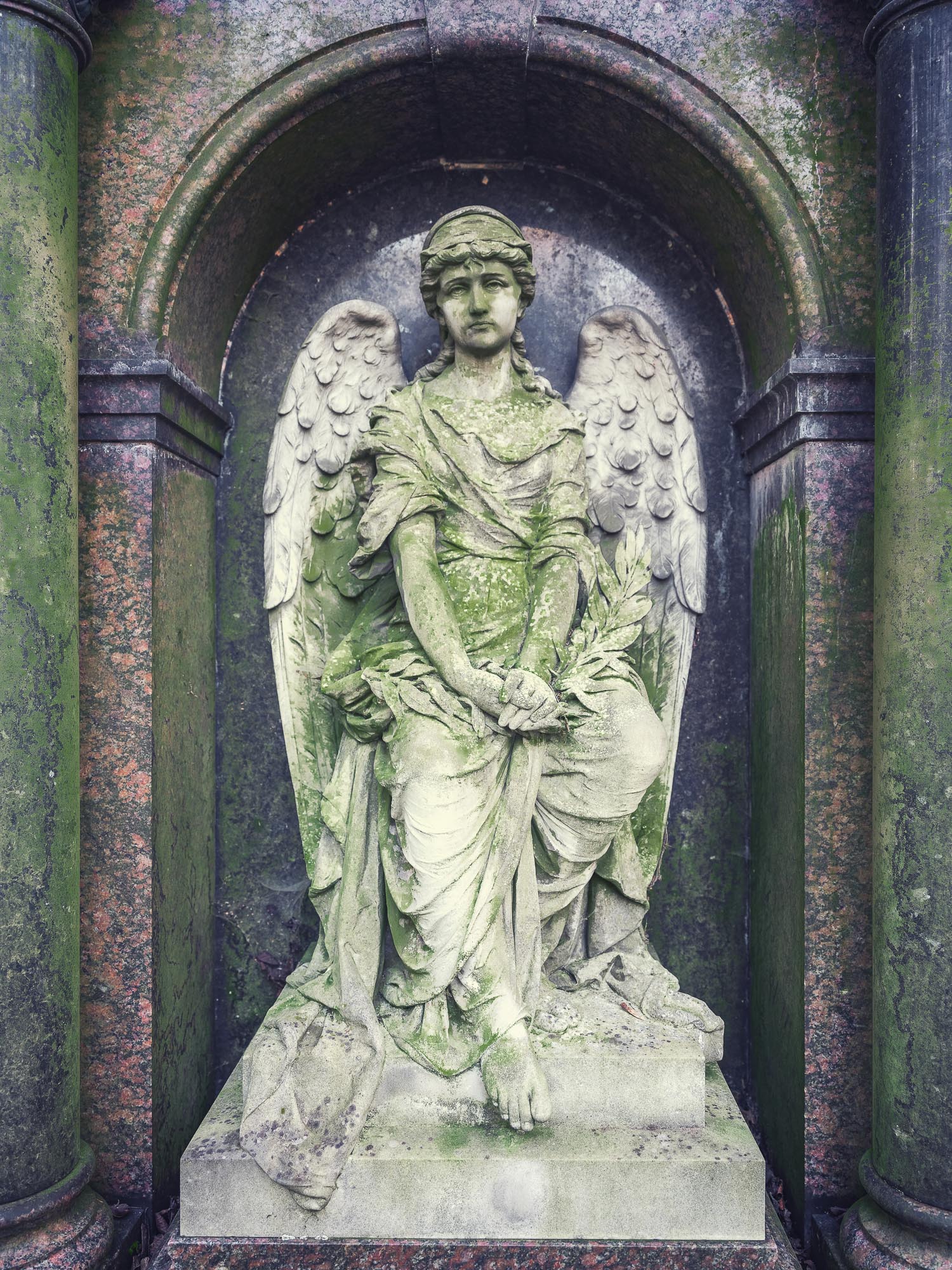
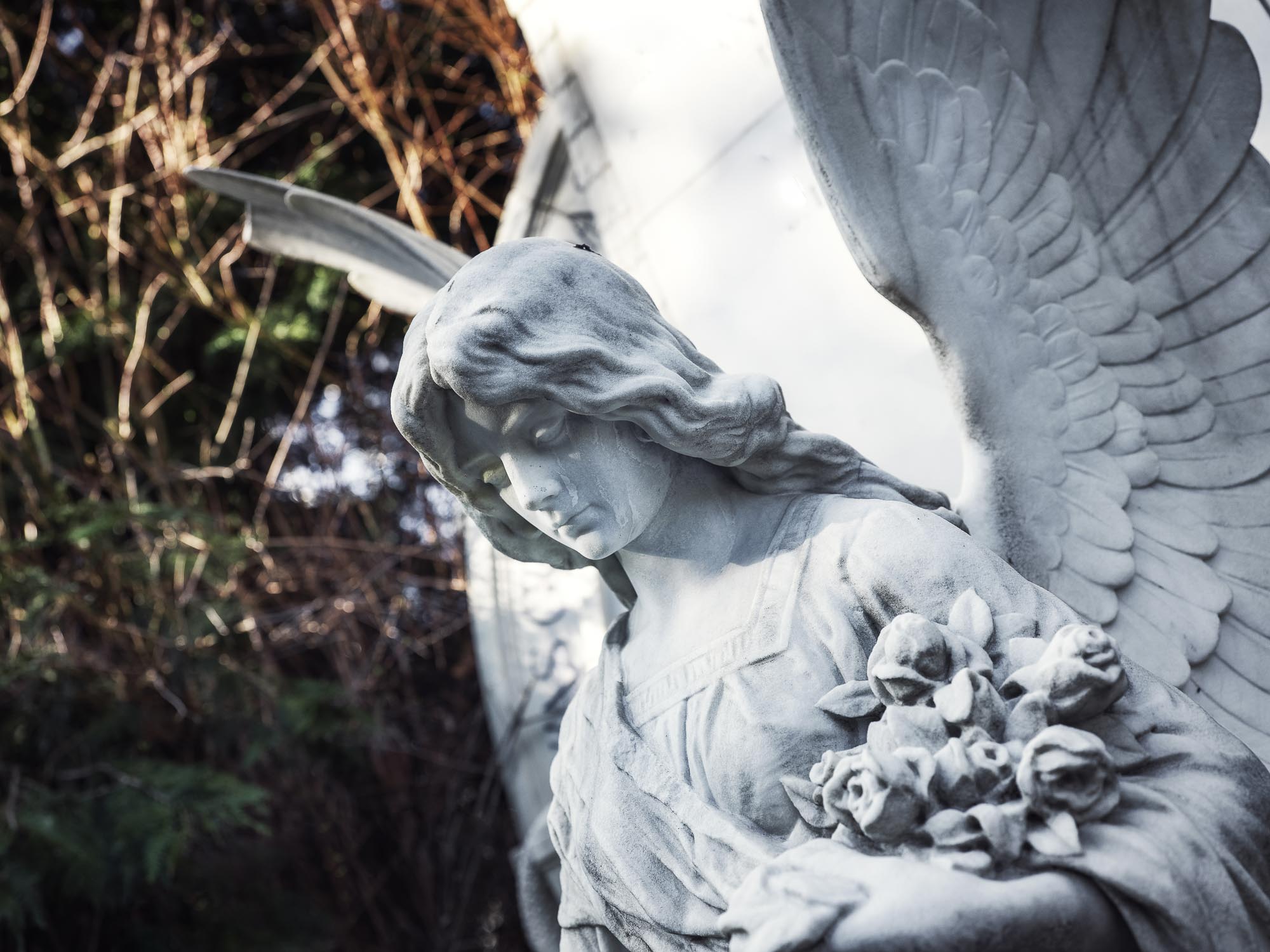
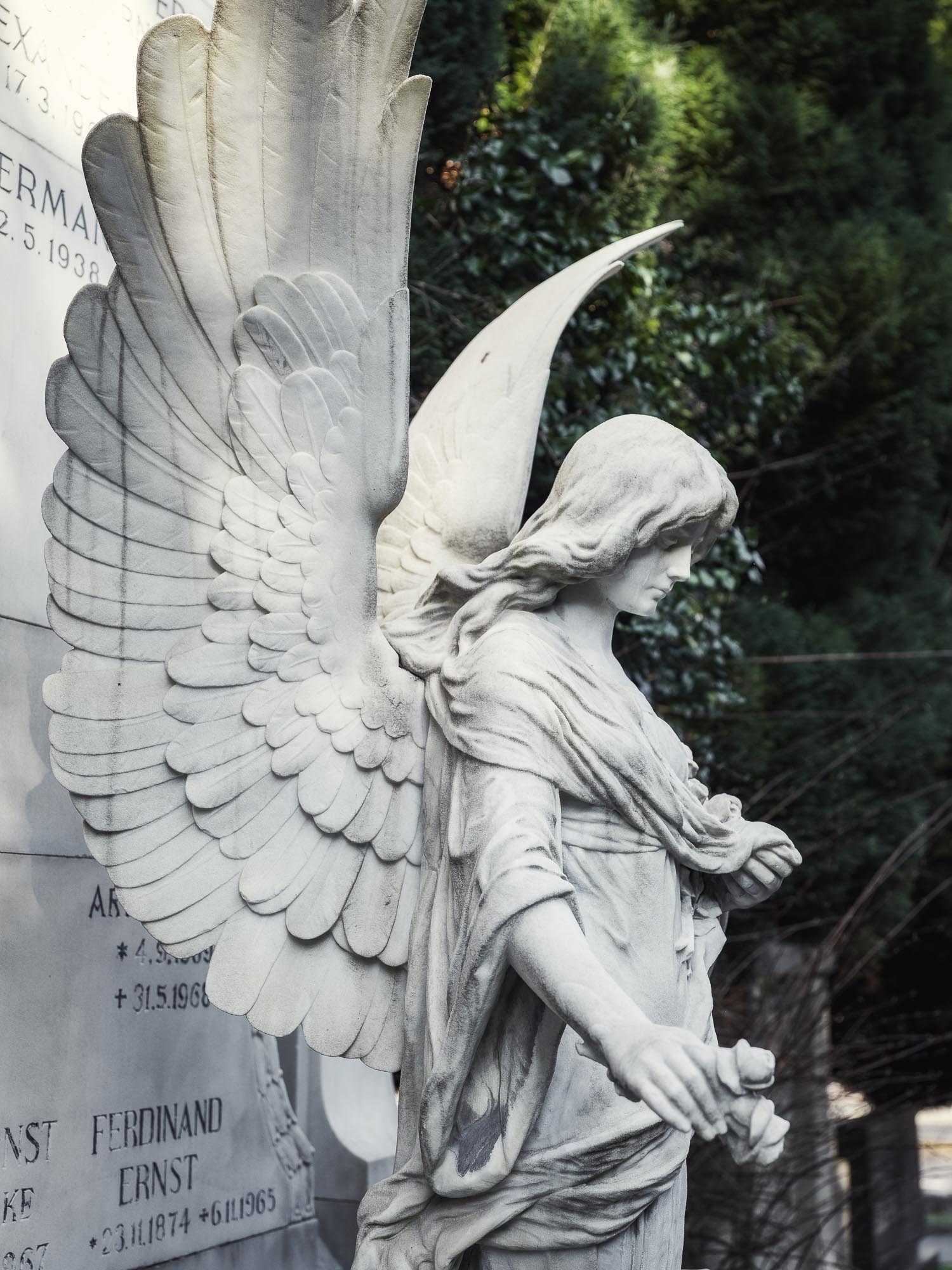
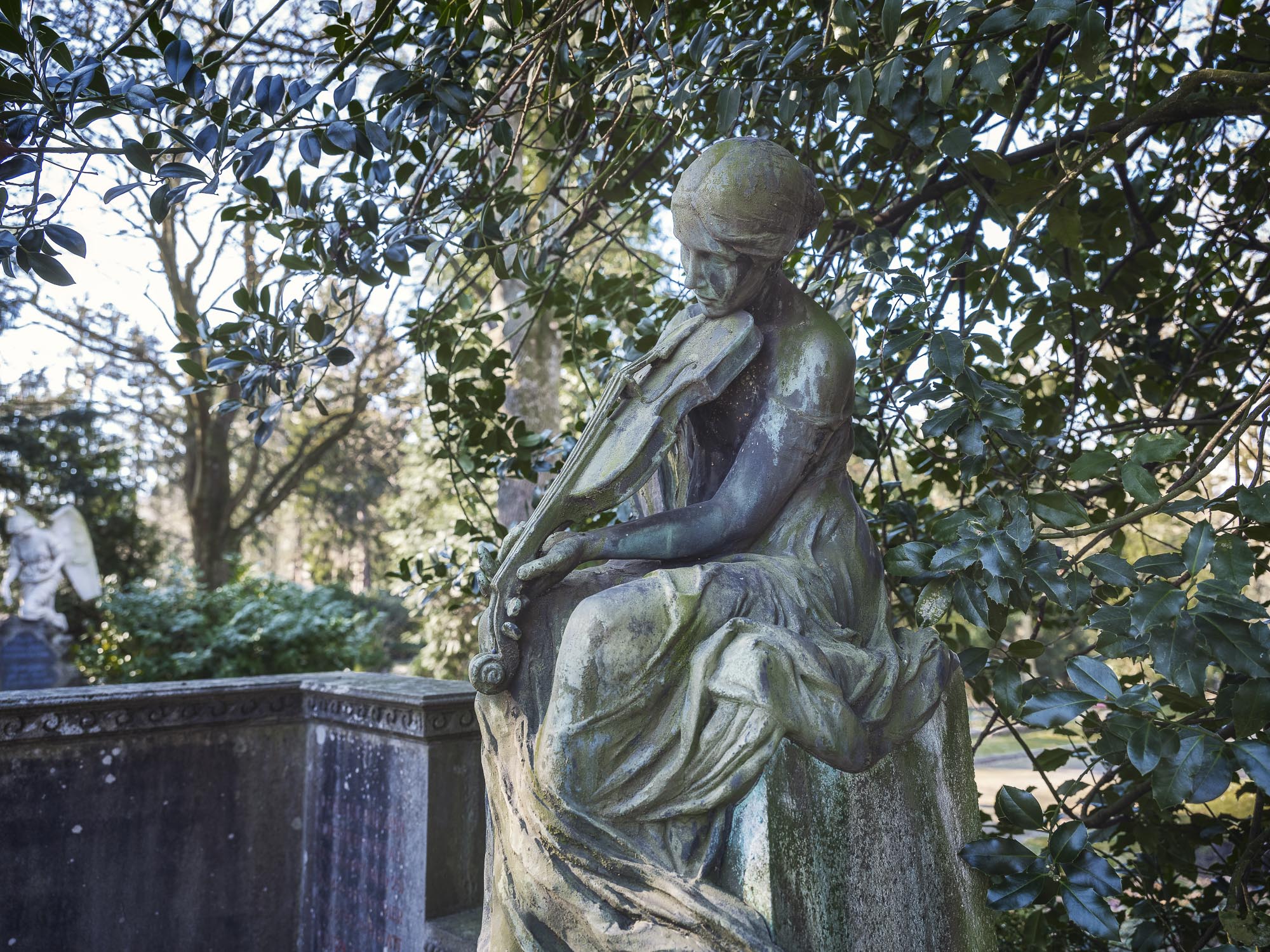
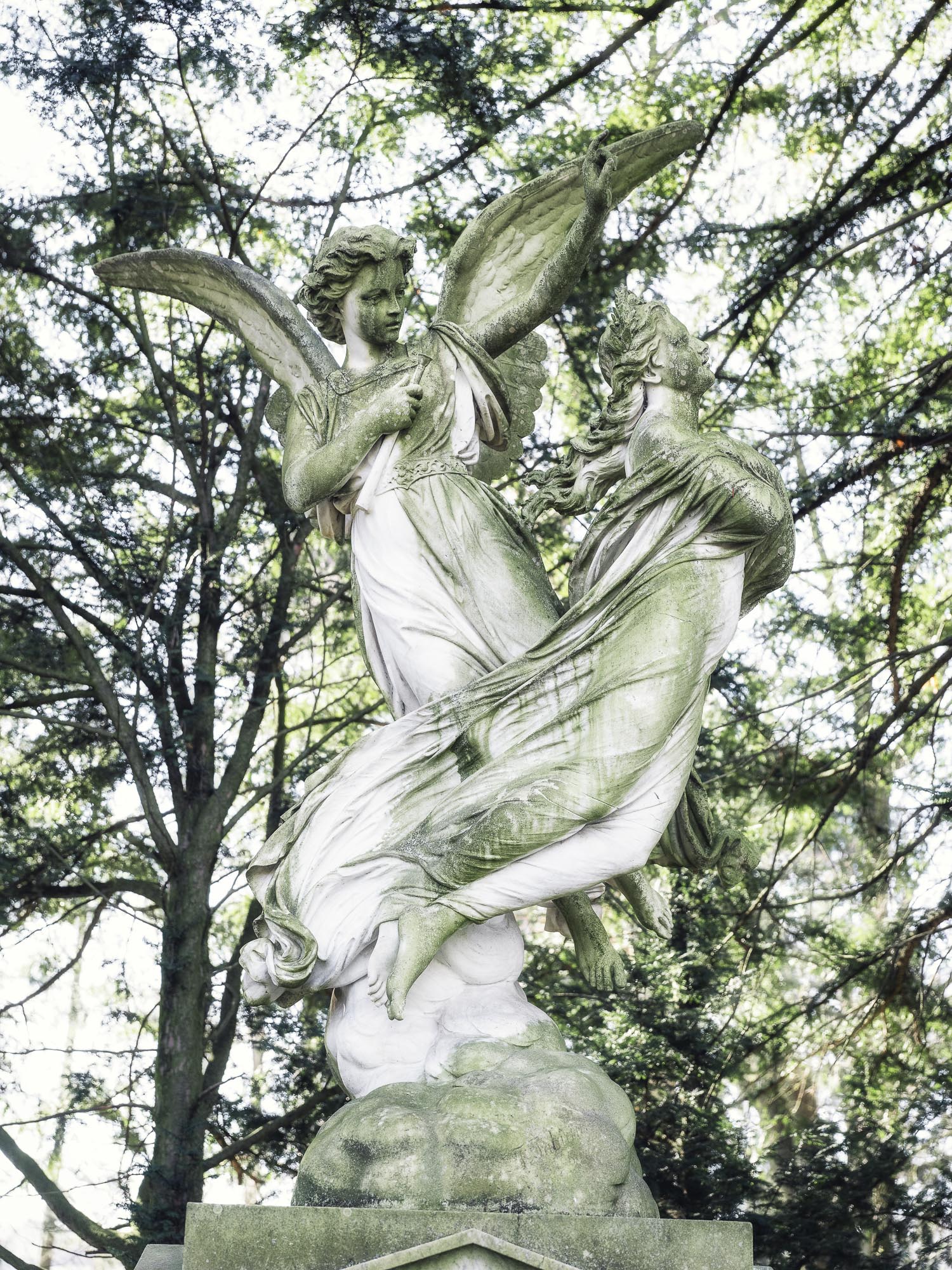
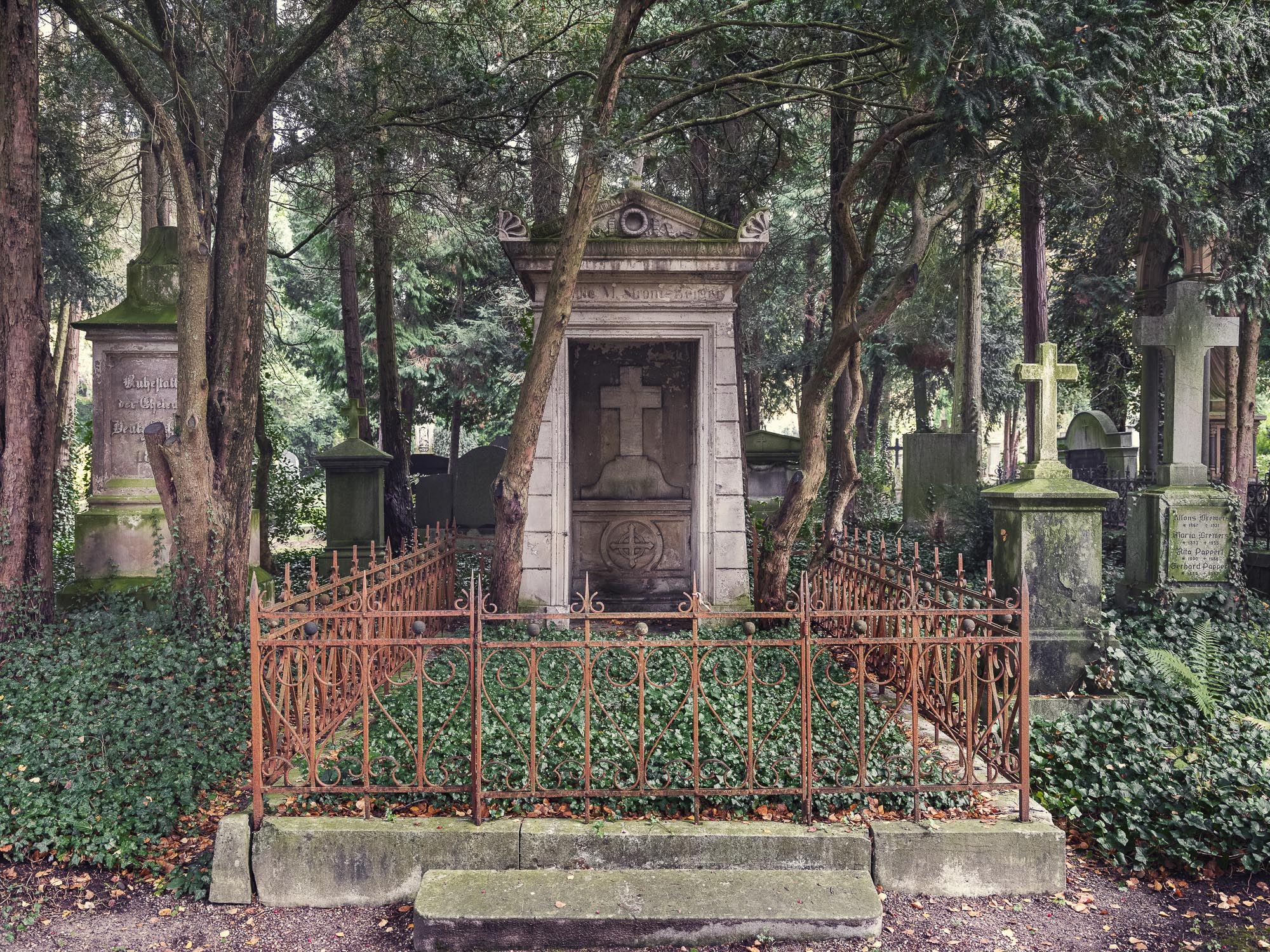
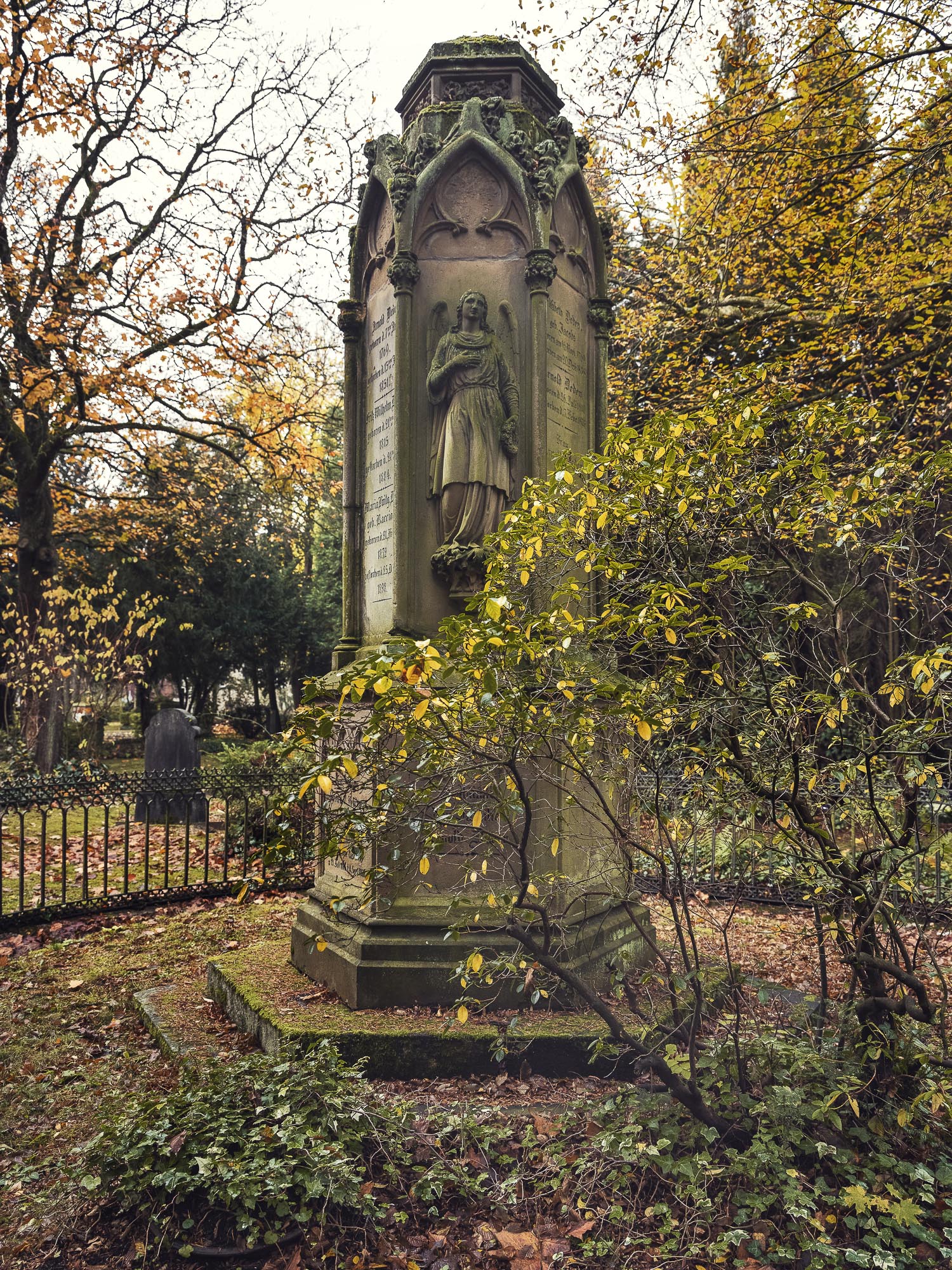
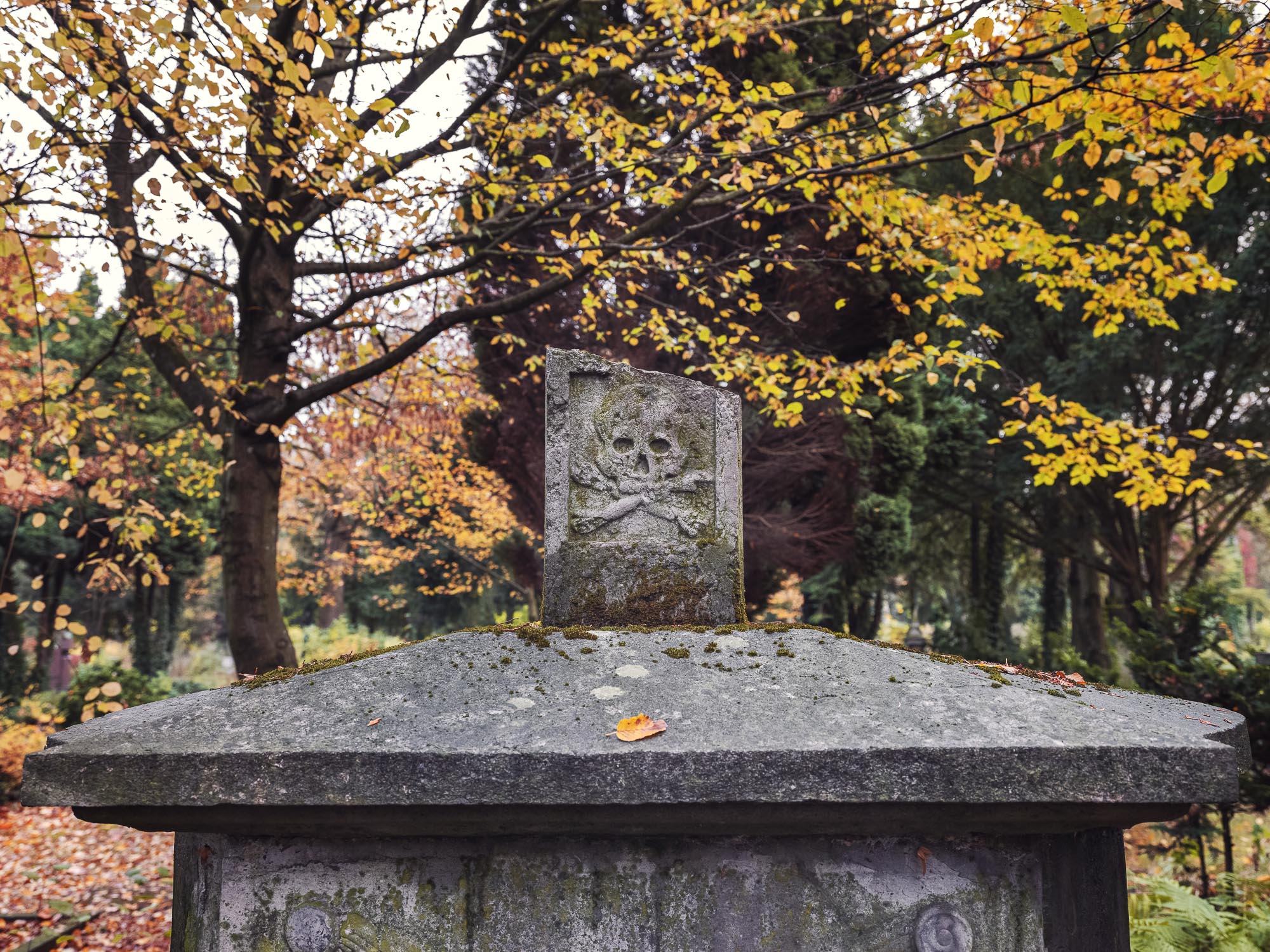
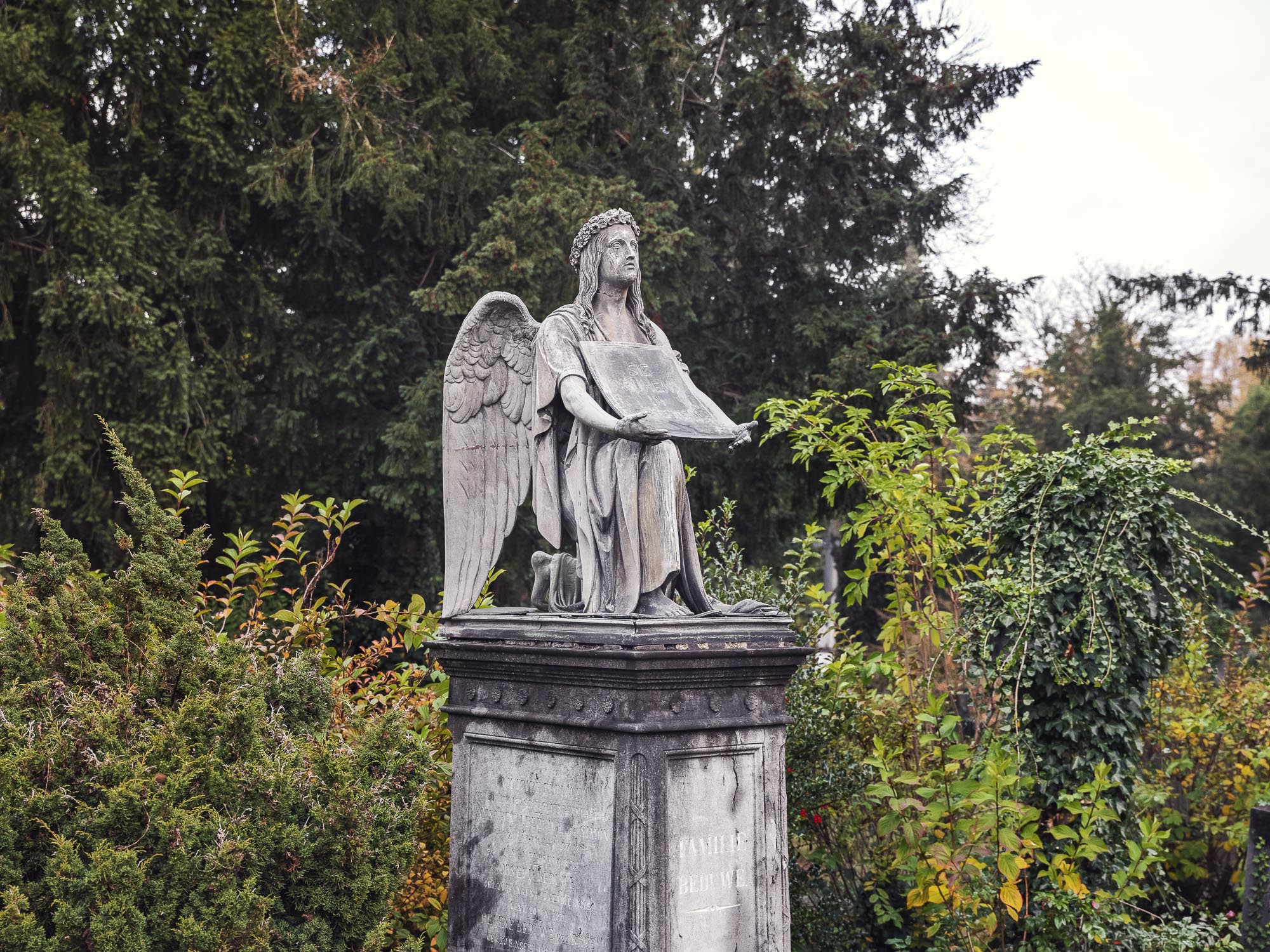
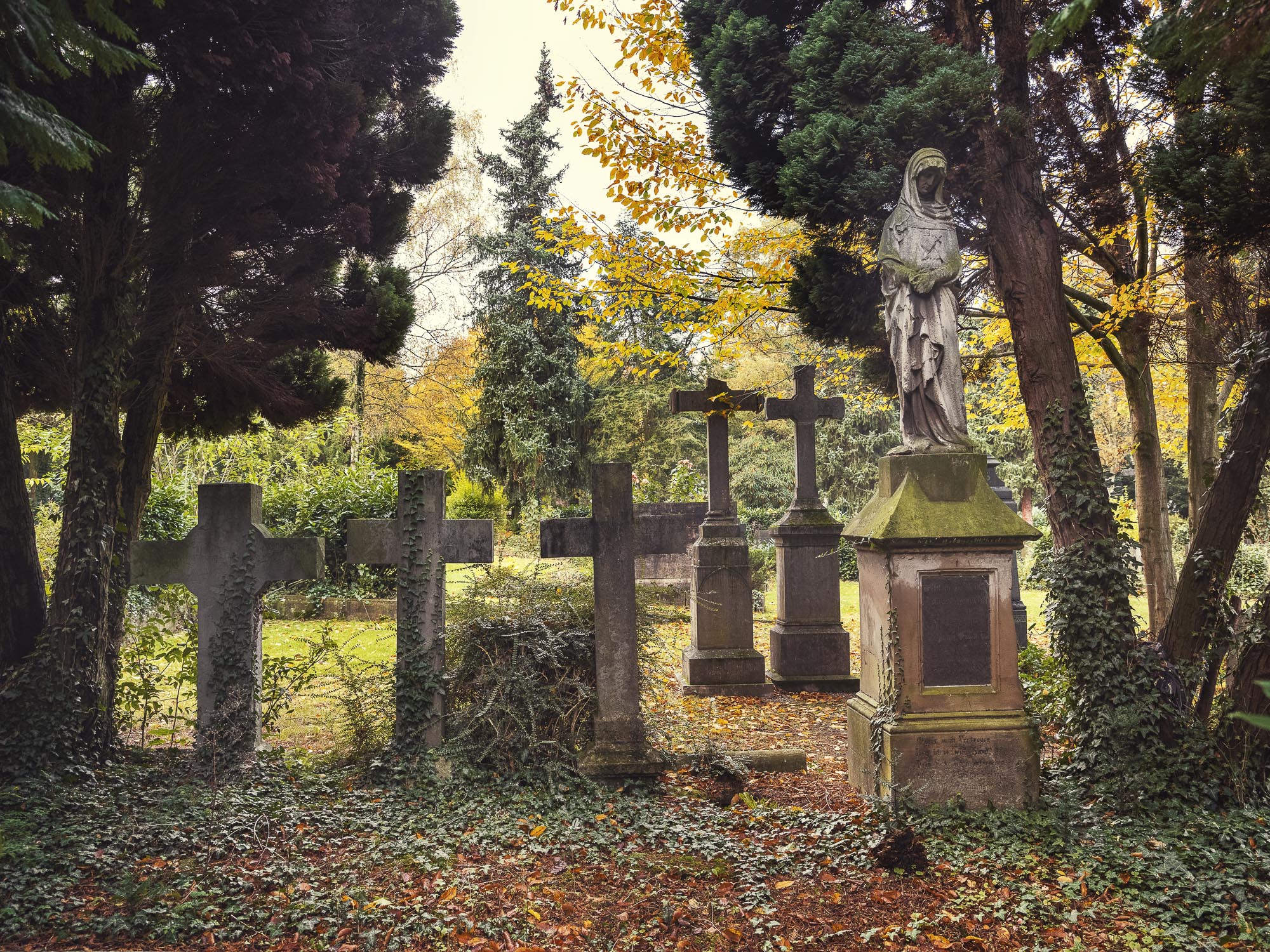
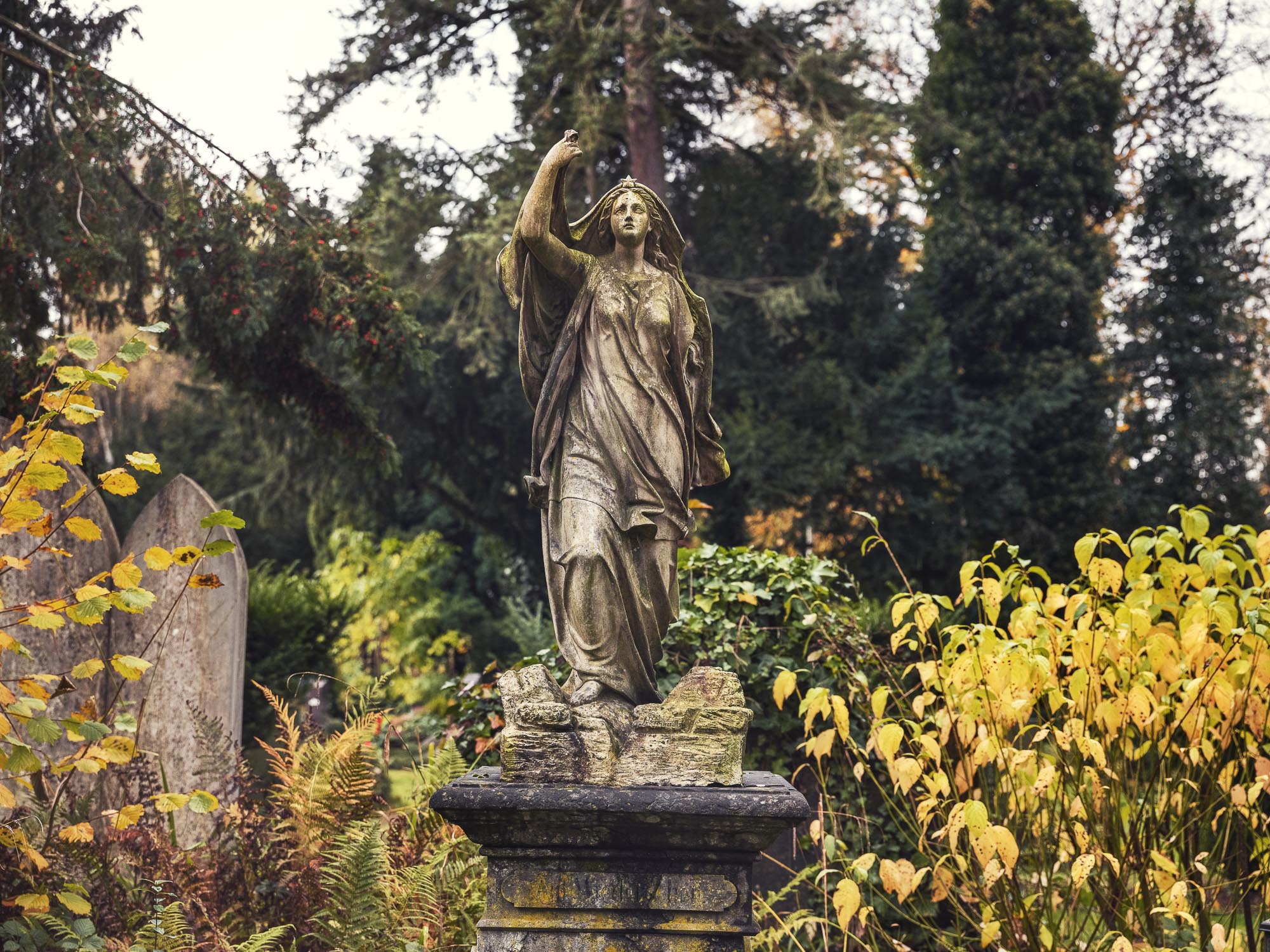
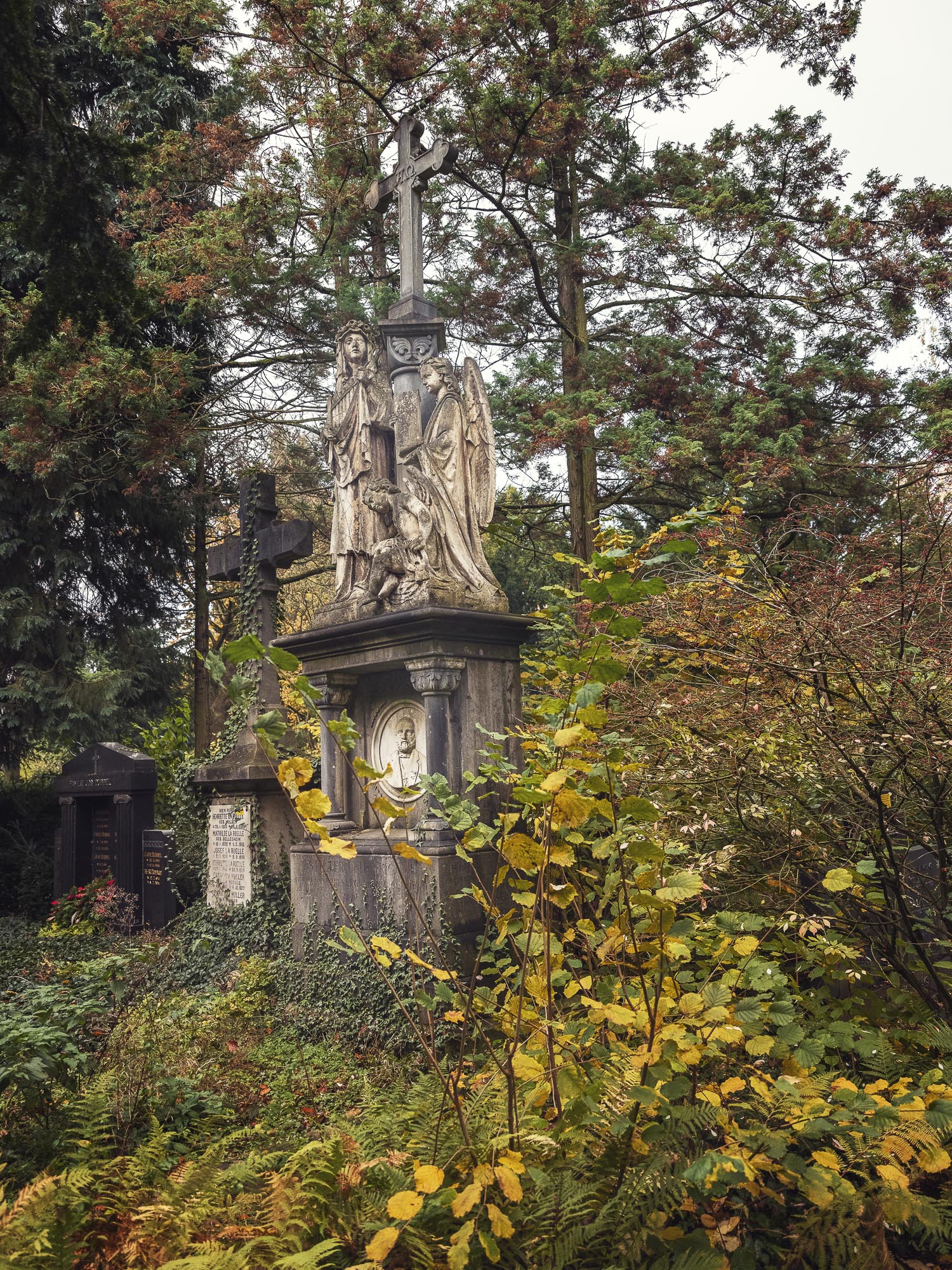
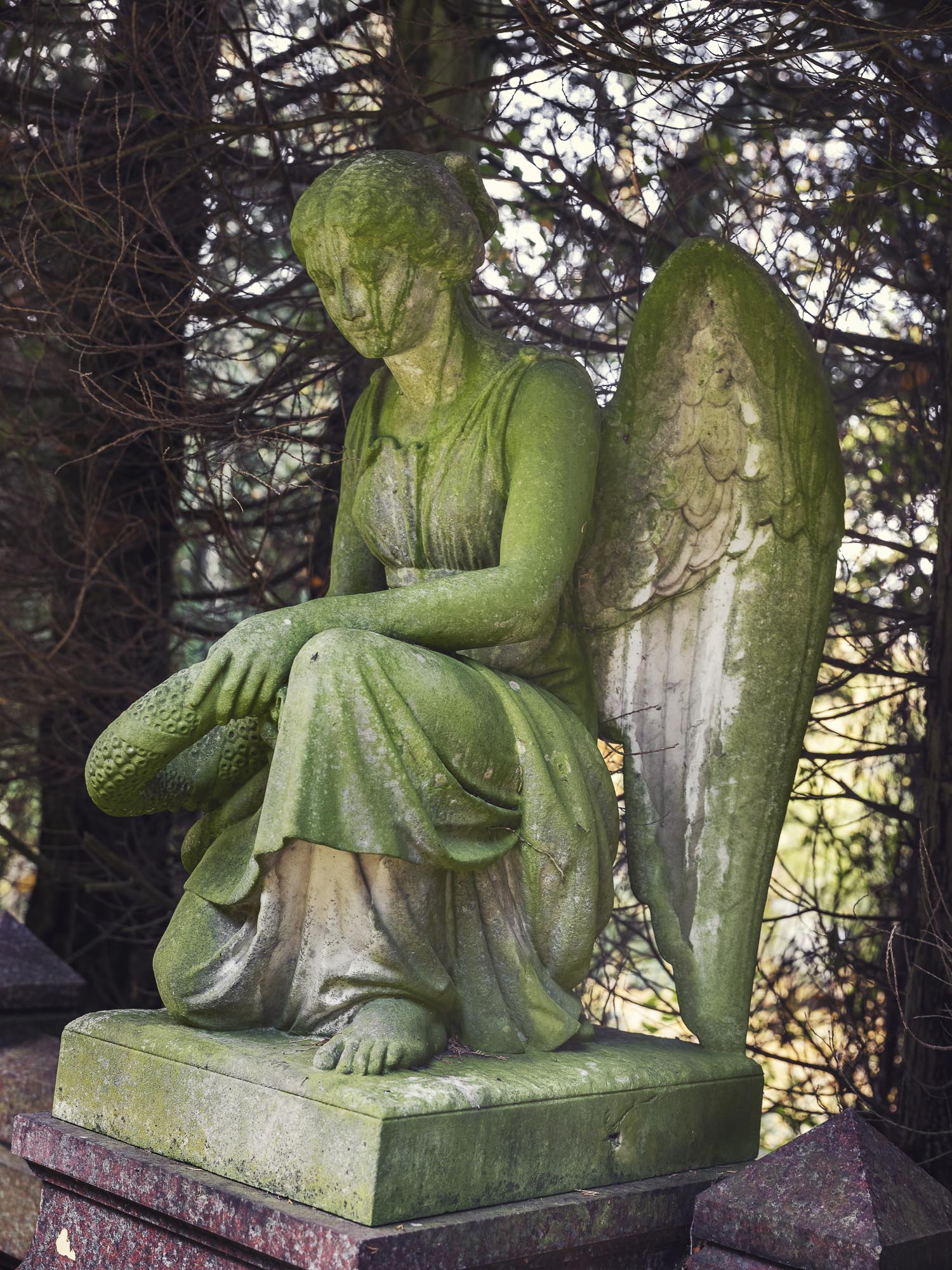
The Ostfriedhof opened in 1803 on the initiative of the French municipal government and is the oldest cemetery in Aachen still in use. Because of the clay soil, only urn burials have been allowed there since 1989. The neo-Gothic service building of 1898 was designed by the city architect Joseph Laurent, and the chapel is a copy of the demolished Quirinus chapel at Gut Melaten. Those buried here include several mayors, the gingerbread maker Henry Joseph Napoléon Lambertz and the railway entrepreneurs Richard and Georg Talbot.
The Westfriedhof was laid out in 1889 and 1890 on Vaalser Straße in two denominational halves: Westfriedhof I for Protestants and Westfriedhof II for Catholics. Together they cover almost 28 hectares. The highlight is the Campo Santo, a neo-Gothic crypt hall built between 1899 and 1905 to plans by Joseph Laurent. Four wings containing 38 crypts surround a central tower 24 metres high, and the interior is decorated in Art Nouveau style. The cathedral architect Joseph Buchkremer and the actor Hannes Messemer are among those buried at the Westfriedhof.
The small Heißberg cemetery has been in use since 1862 and covers just under two hectares. The grounds and their graves are listed. Visiting all three in turn shows how building styles and gravestones changed between the Napoleonic era and the German Empire.
Frequently asked questions
Which cemeteries does the Aachen gallery show?
The gallery shows the Ostfriedhof on Adalbertsteinweg, the Westfriedhof on Vaalser Straße and the Heißberg cemetery at the junction of Heißbergstraße and Robert-Schuman-Straße. All three are managed by the City of Aachen.
What is the Campo Santo at the Westfriedhof in Aachen?
The Campo Santo is a neo-Gothic crypt hall at Westfriedhof II, built between 1899 and 1905 to plans by Joseph Laurent. The City of Aachen describes it as a rare structure and lists it as a protected building.
Who is buried at the Ostfriedhof in Aachen?
The Ostfriedhof holds, among others, the gingerbread maker Henry Joseph Napoléon Lambertz, the railway entrepreneurs Richard and Georg Talbot and several mayors of Aachen. It opened in 1803 and is the oldest cemetery in the city still in use.