Germany · Dresden · 22 pictures
St. Pauli Cemetery
St.-Pauli-Friedhof
-
-
-
-
-

-
-
-
-
-

-
-
-
-
-

-
-
-
-
-
-
-
About this place
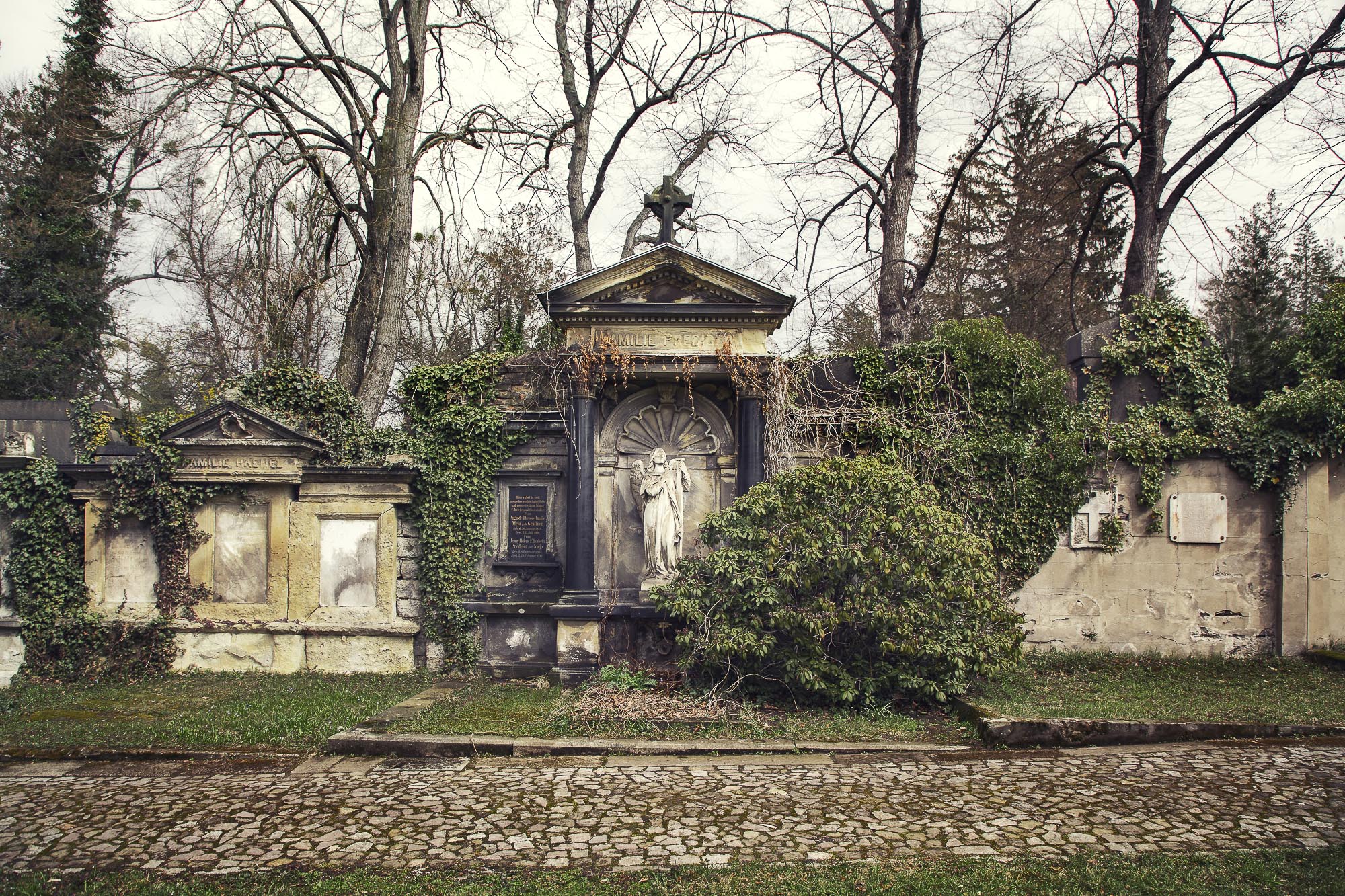
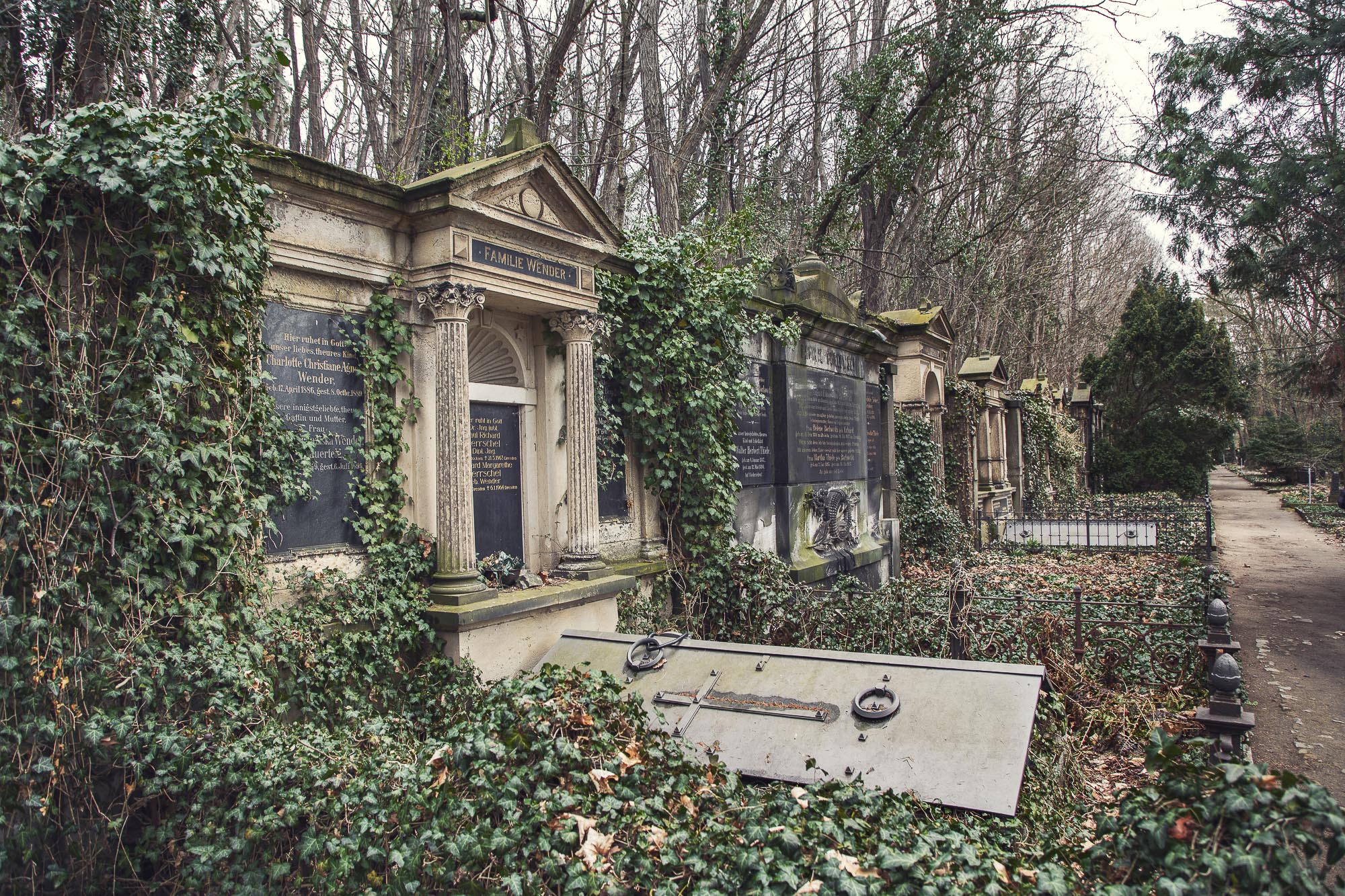
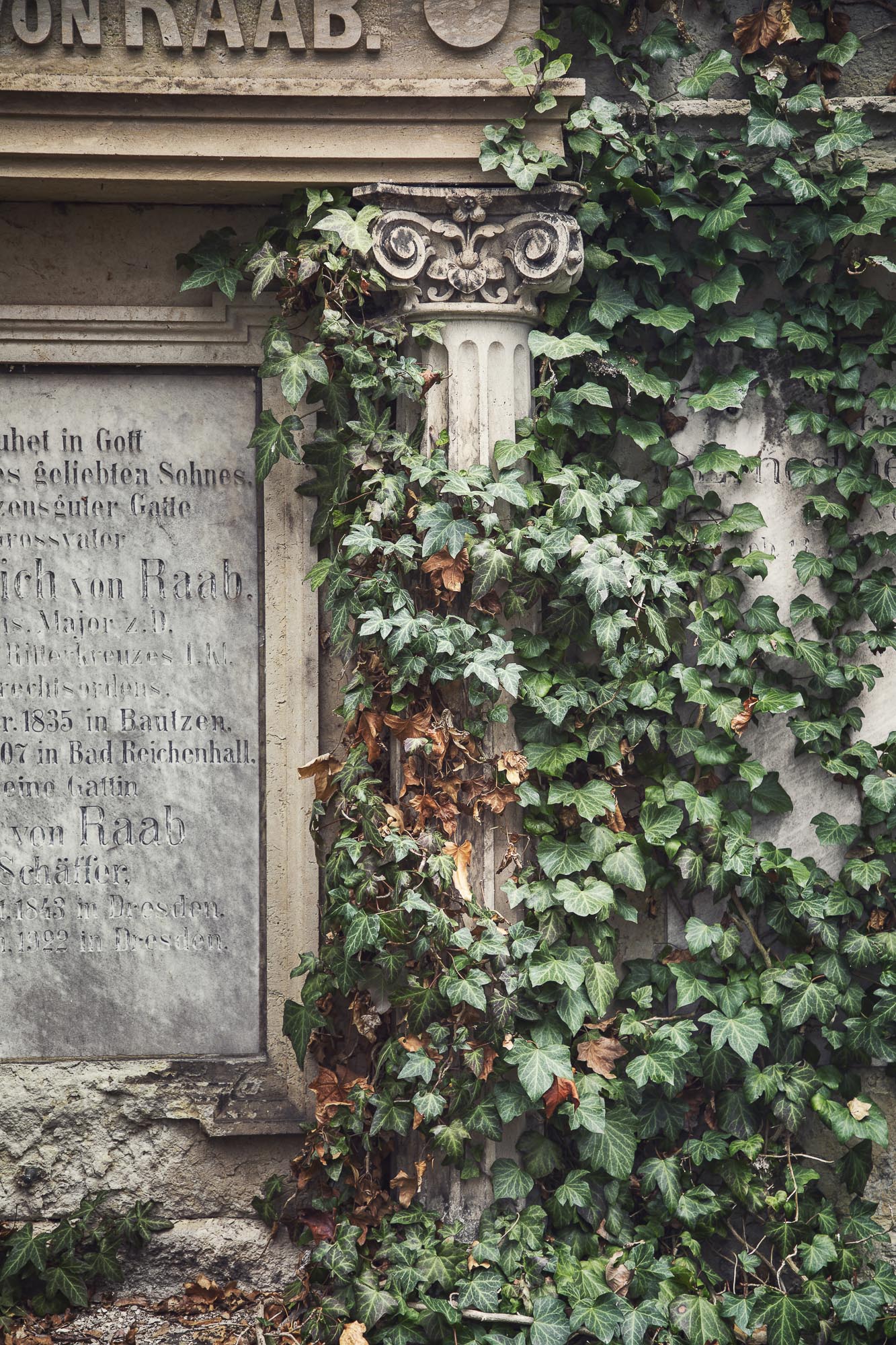
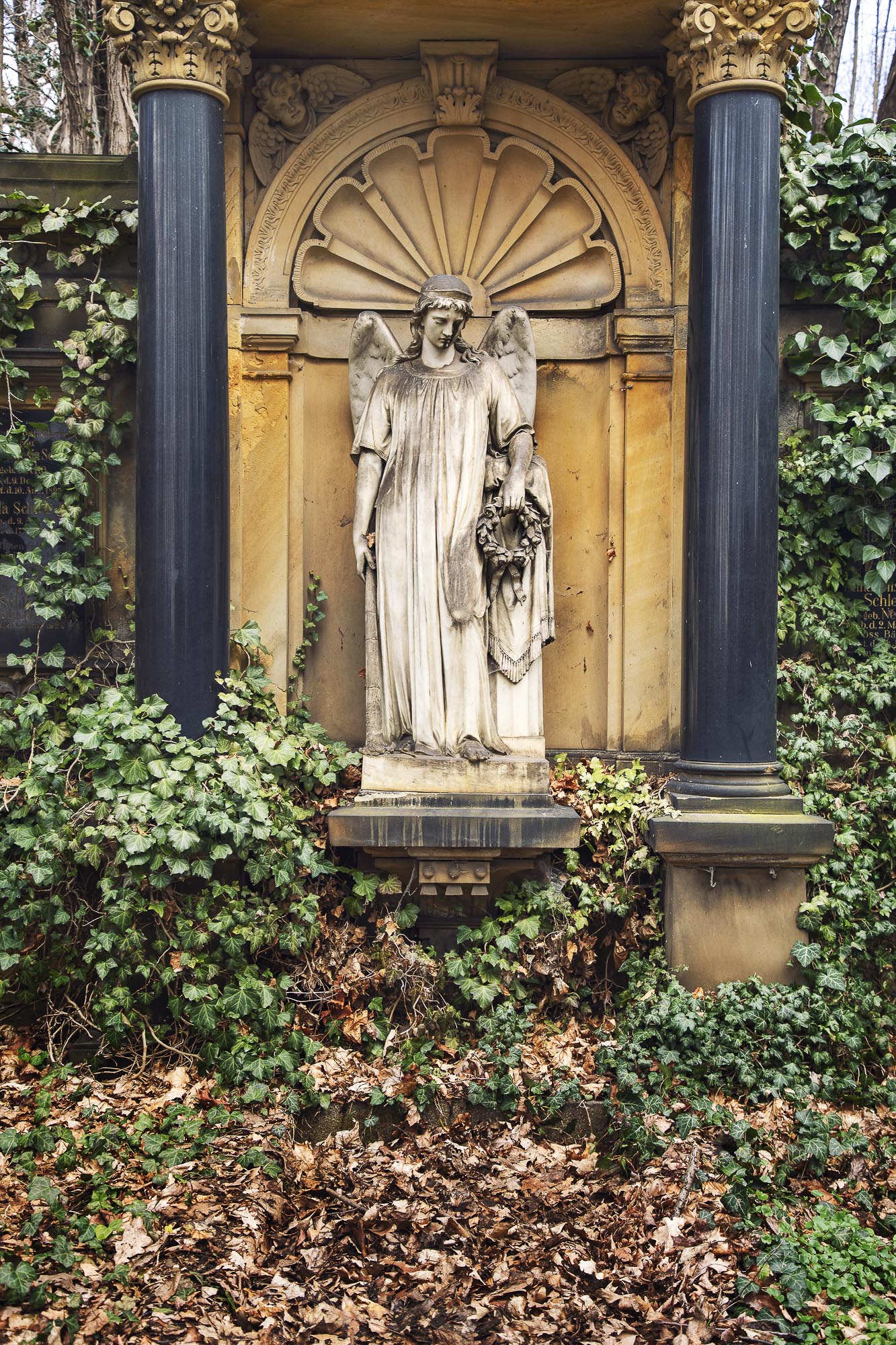
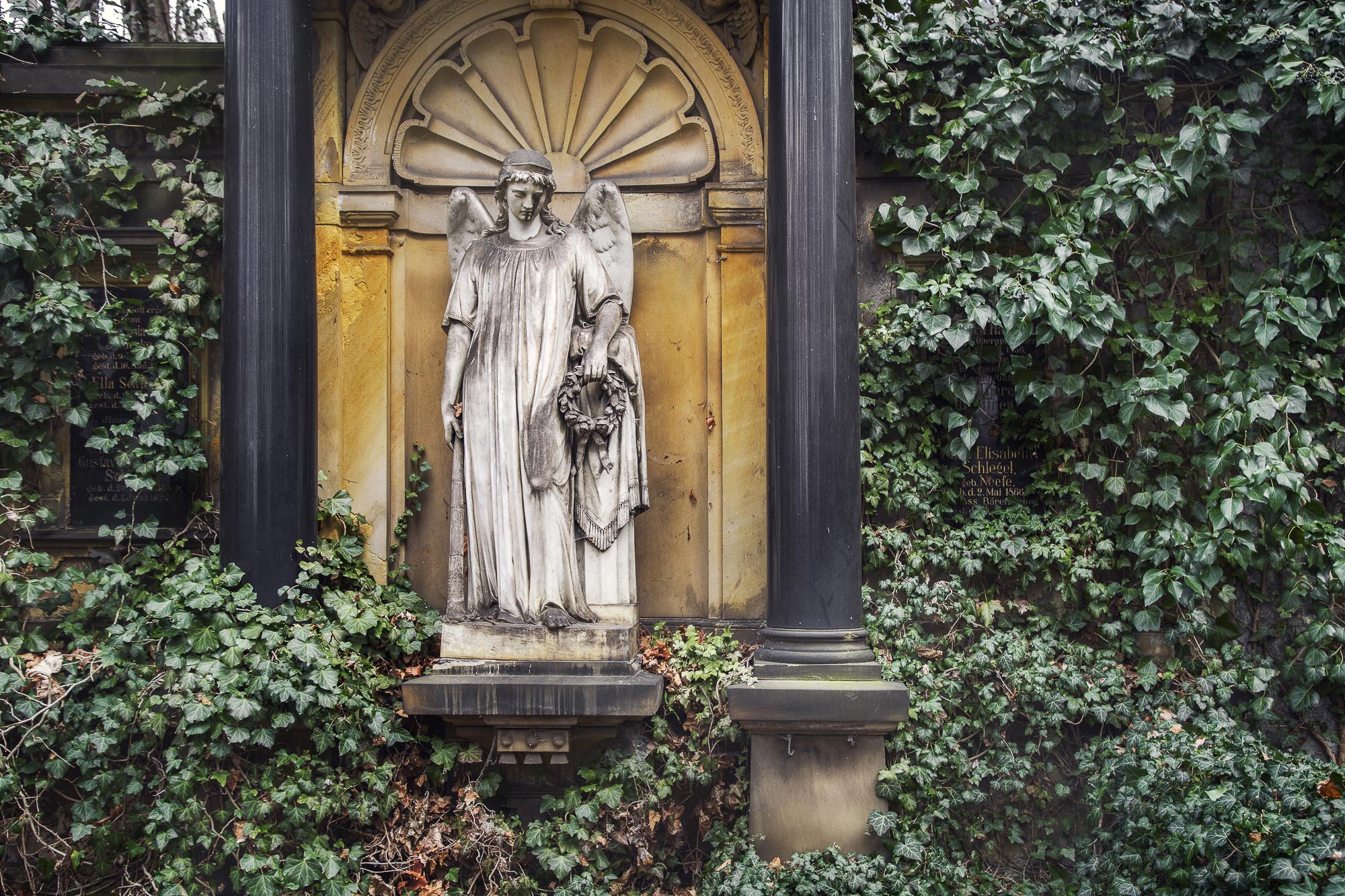
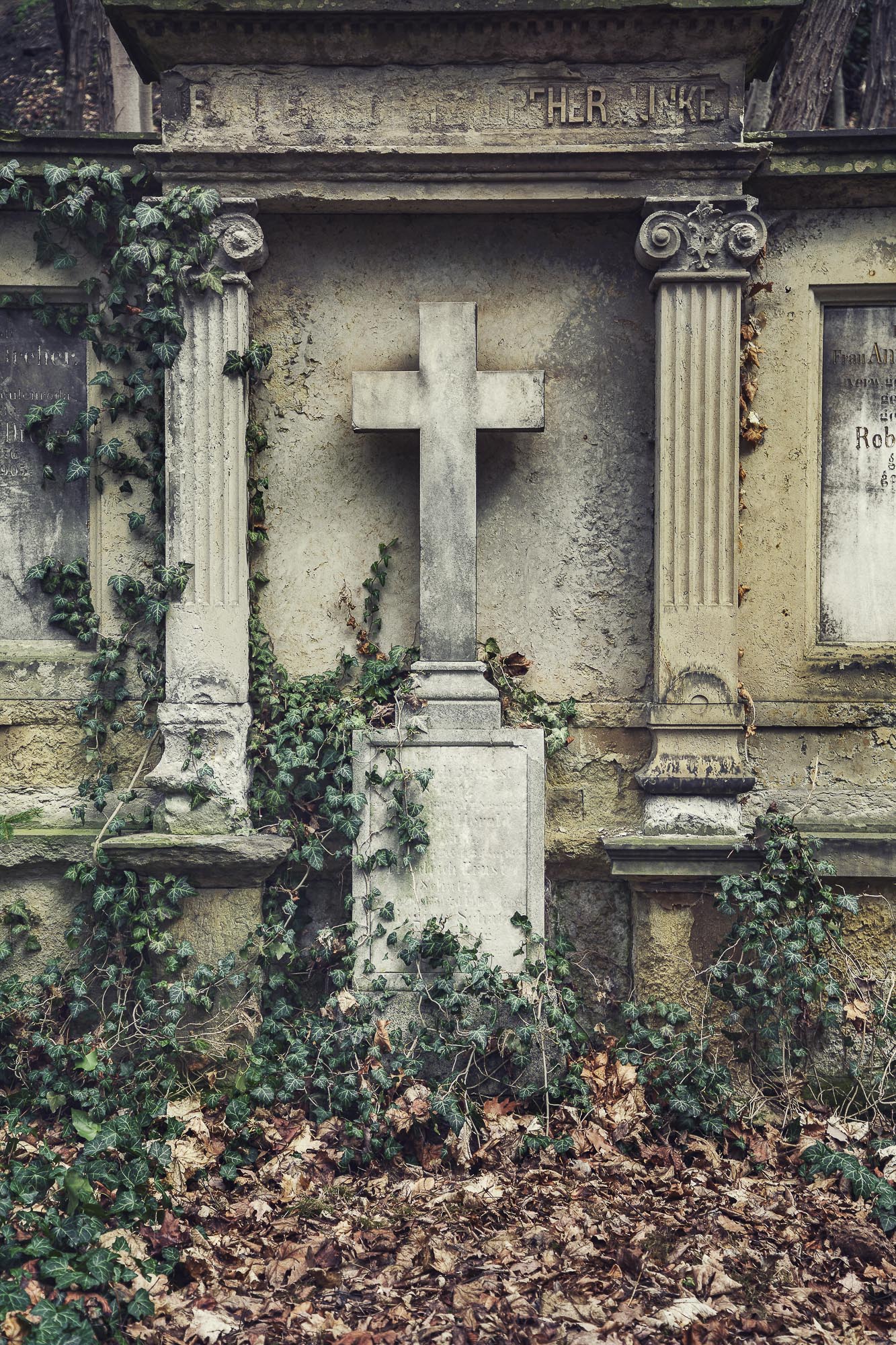
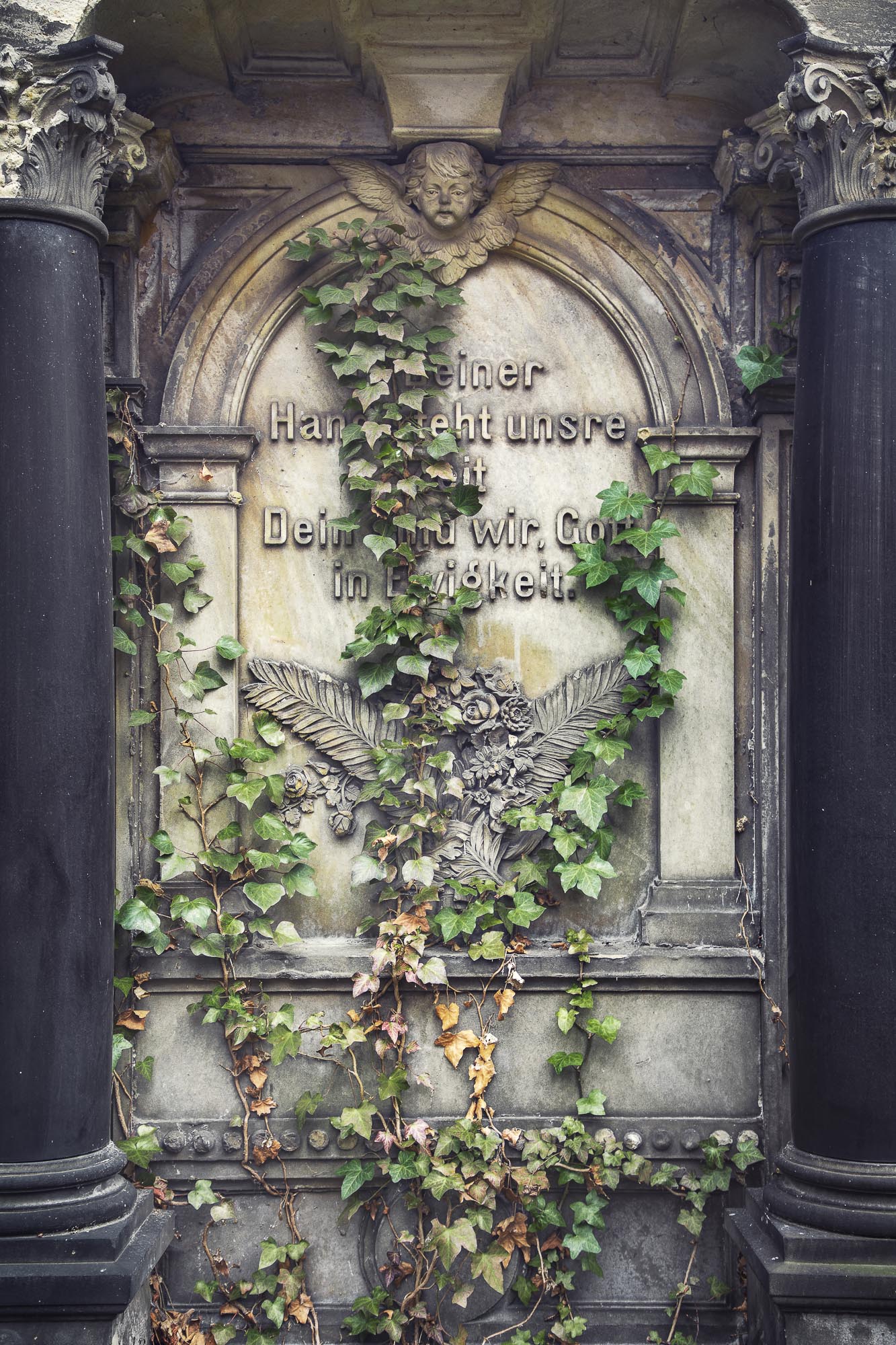
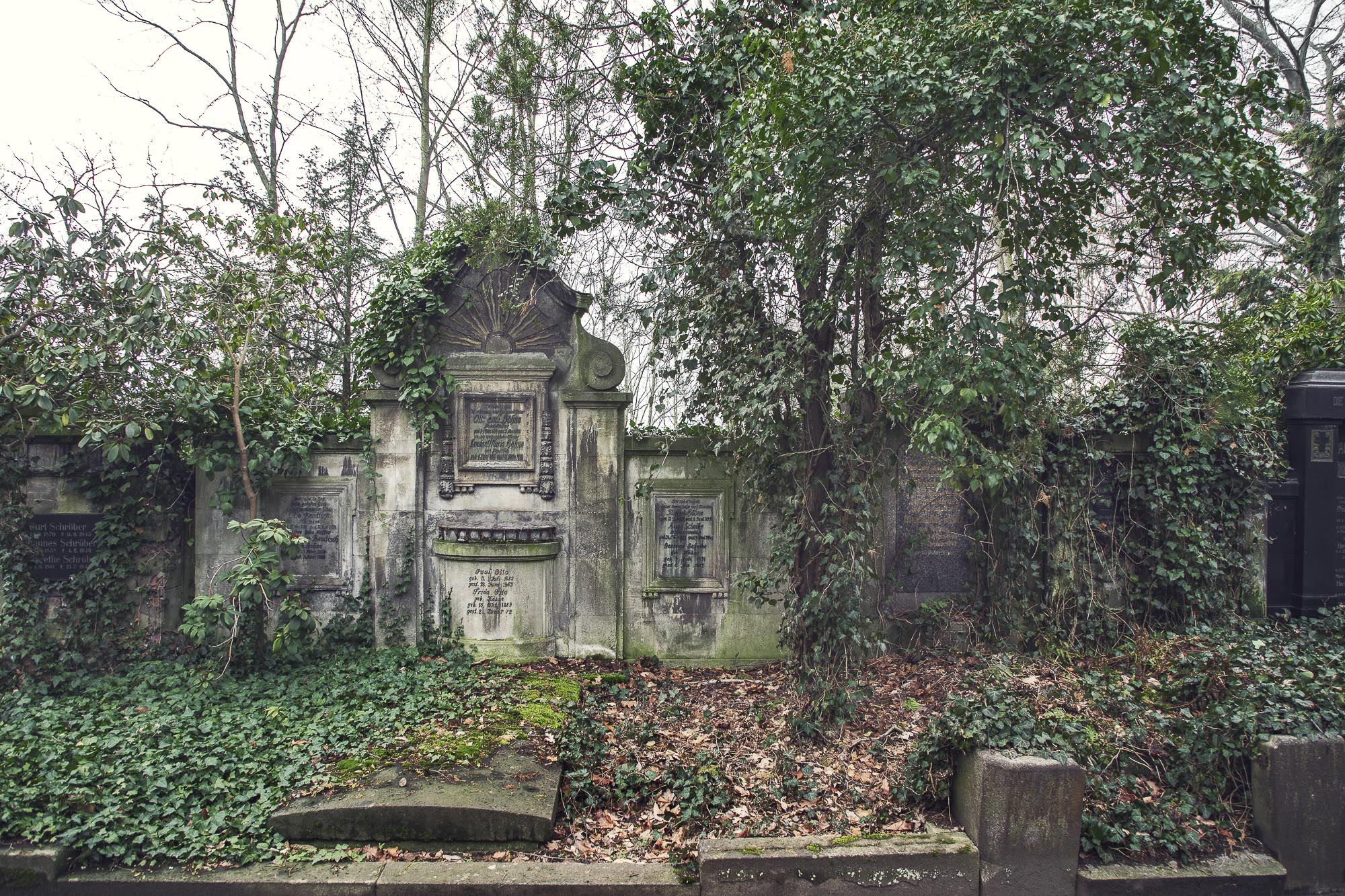
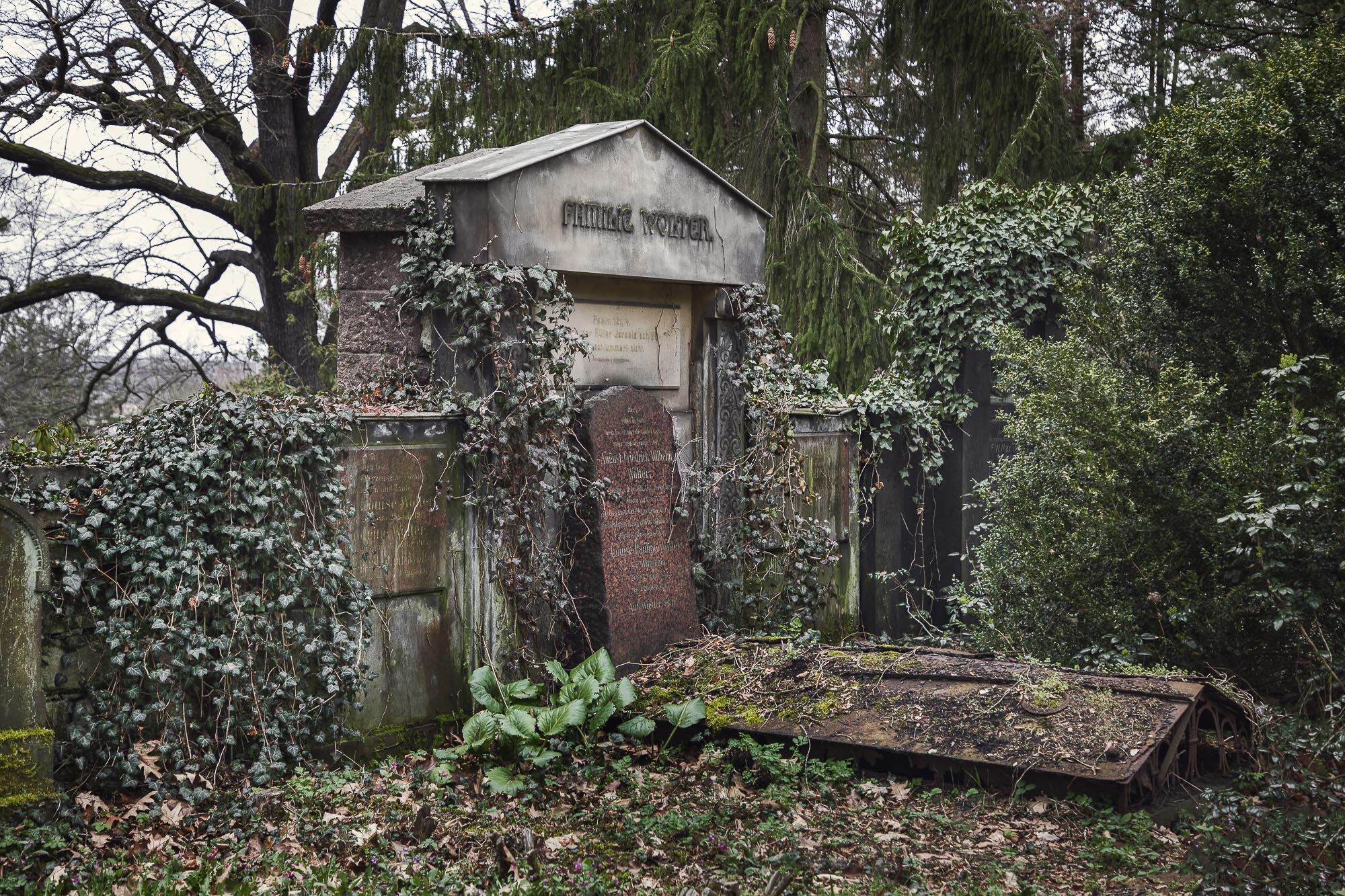
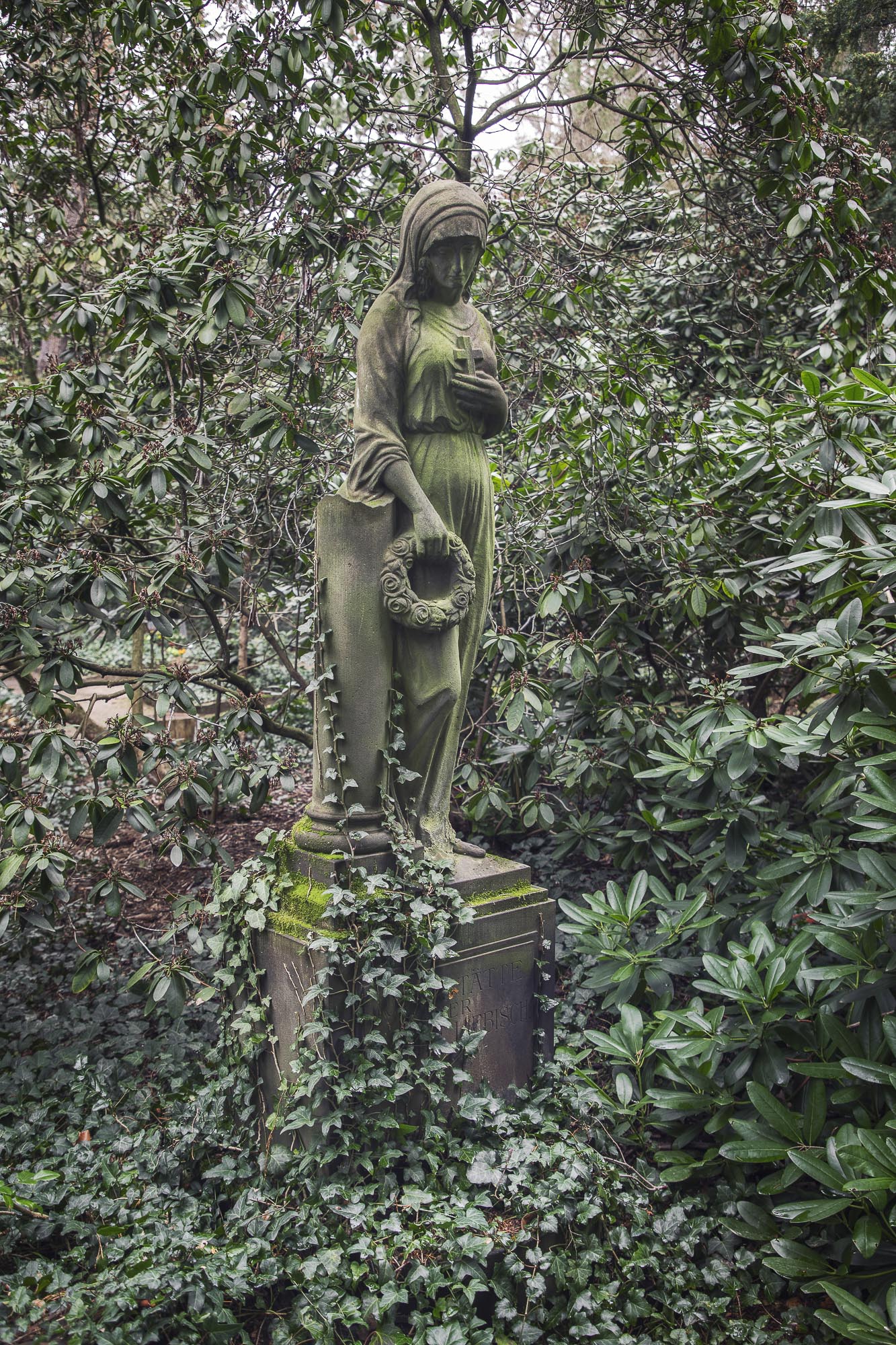
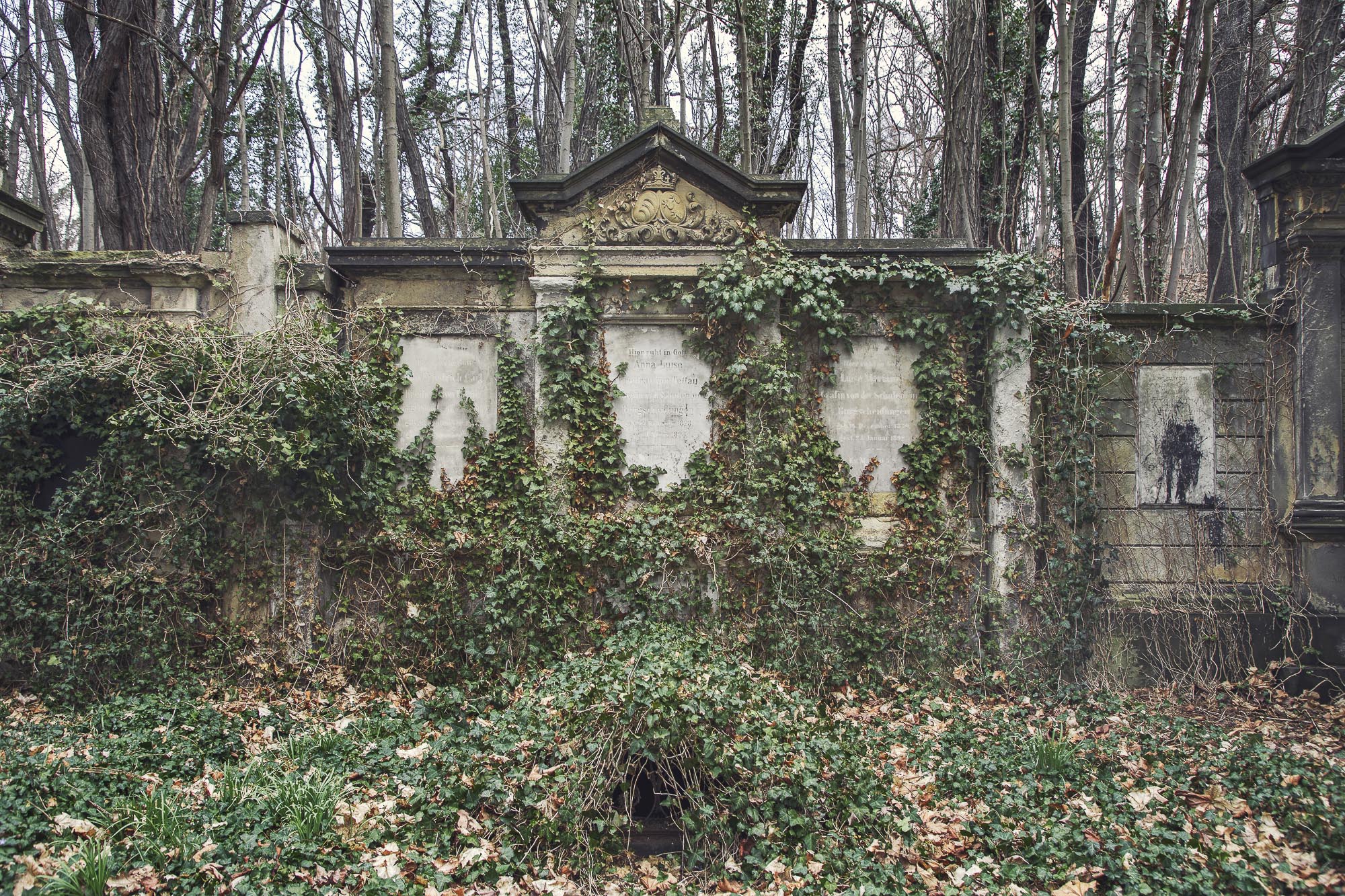
The cemetery replaced the Inner Neustadt cemetery, which had become too small, and was originally called the Outer Neustadt cemetery. Around 1900 it was extended eastward to Stauffenbergallee. By 1911 the firm Schilling & Graebner had built a new ceremony hall and a mortuary, both of them listed, and the ceremony hall contains a Jehmlich organ. From 1914 wooded, ivy-covered burial plots were laid out, and urn burials were added from the 1920s.
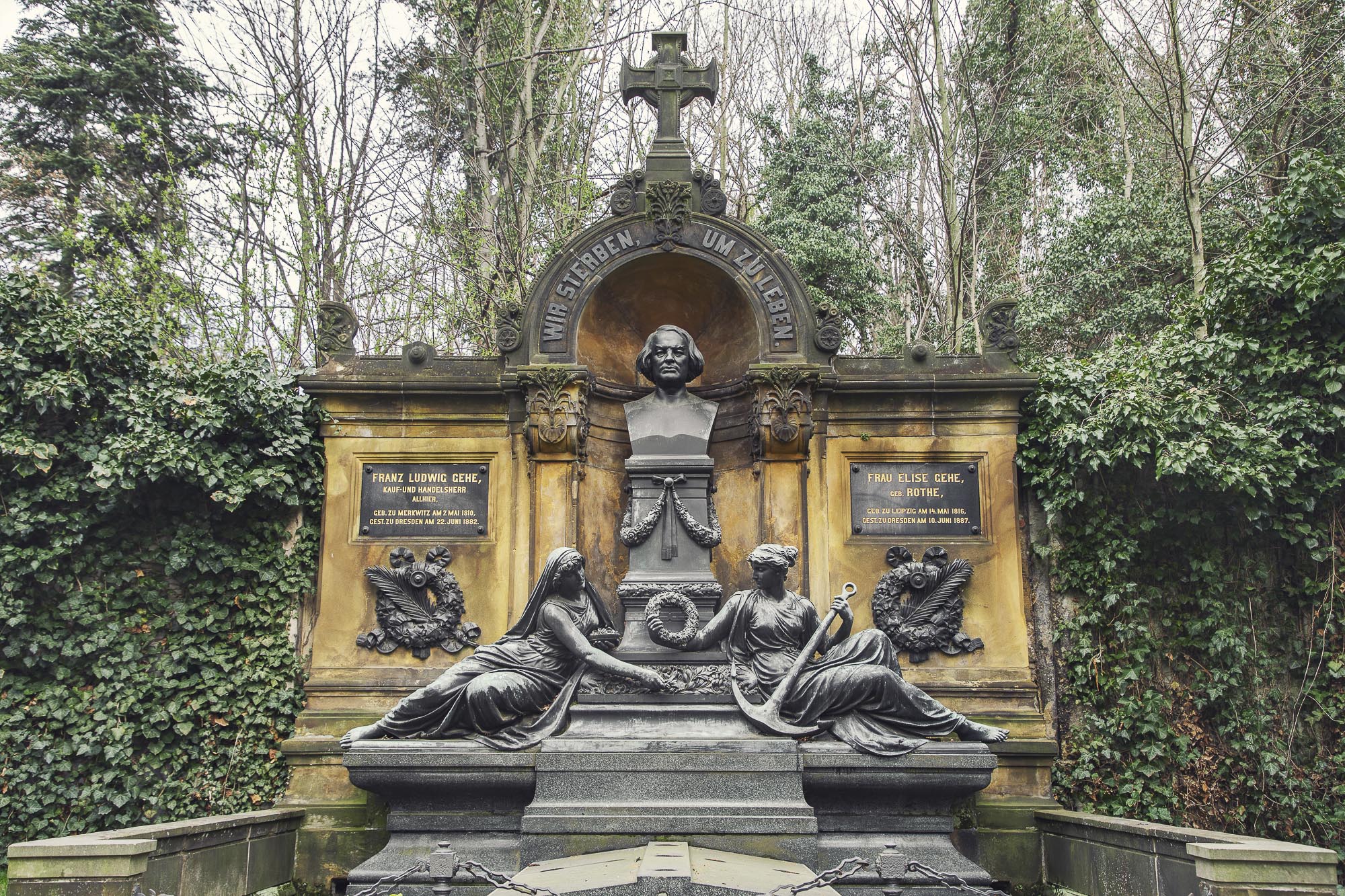
The grounds contain several memorials: a memorial grove for those who fell in 1866, a monument to the soldiers of the 1870/71 war, and a memorial inaugurated in 1999 for the victims of war and tyranny. In 2014 and 2015 the graves of 225 children of forced labourers were redesigned, with an individual stone for each child. Those buried here include the Saxon minister of war Georg Friedrich Alfred Count von Fabrice, the industrialist Franz Ludwig Gehe, members of the Jehmlich organ-building family and relatives of Erich Kästner.
The Marschall oak of 1868 and the Meschwitz oak, the largest shingle oak in Germany, are memorial trees. Since 1 January 2016 the cemetery has been closed to new burial rights, though it remains accessible as long as existing rights last.
Frequently asked questions
Where is St. Pauli Cemetery in Dresden?
St. Pauli Cemetery is in the northern Leipziger Vorstadt between Hechtstraße, Hammerweg and Stauffenbergallee, at Hechtstraße 78. It is run by the Evangelical Lutheran Church of Saxony.
Who is buried at St. Pauli Cemetery?
Those buried there include the Saxon minister of war Count von Fabrice, the industrialist Franz Ludwig Gehe and members of the Jehmlich organ-building family. Relatives of Erich Kästner are also buried there.
Is St. Pauli Cemetery in Dresden still used for burials?
Since 1 January 2016 the cemetery has not issued new burial rights. Only spouses and life partners may be buried, in existing family graves, and the cemetery remains accessible.