Italy · Lavagna · 9 pictures
Monumental Cemetery of Lavagna
Cimitero Monumentale di Lavagna
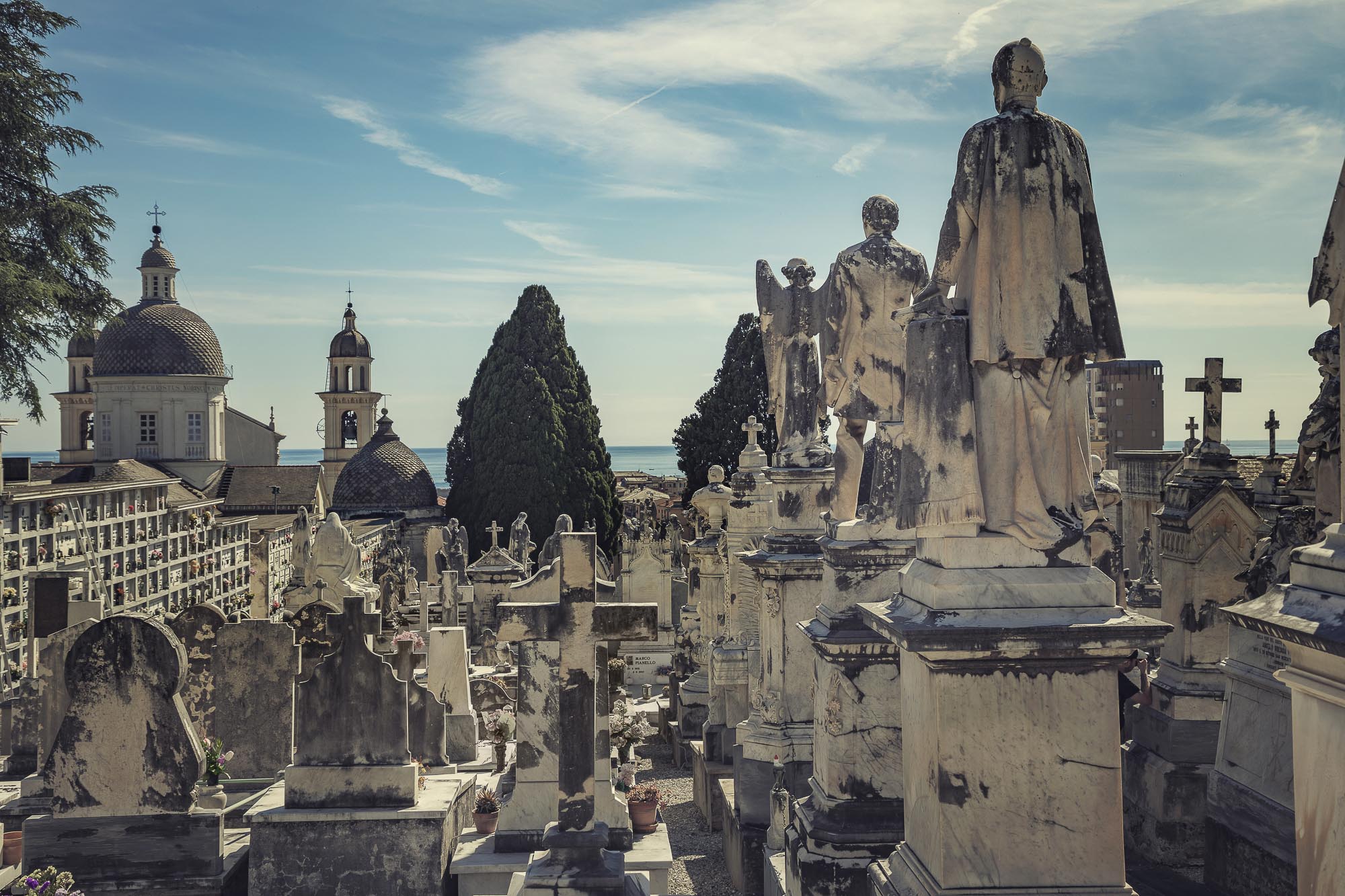
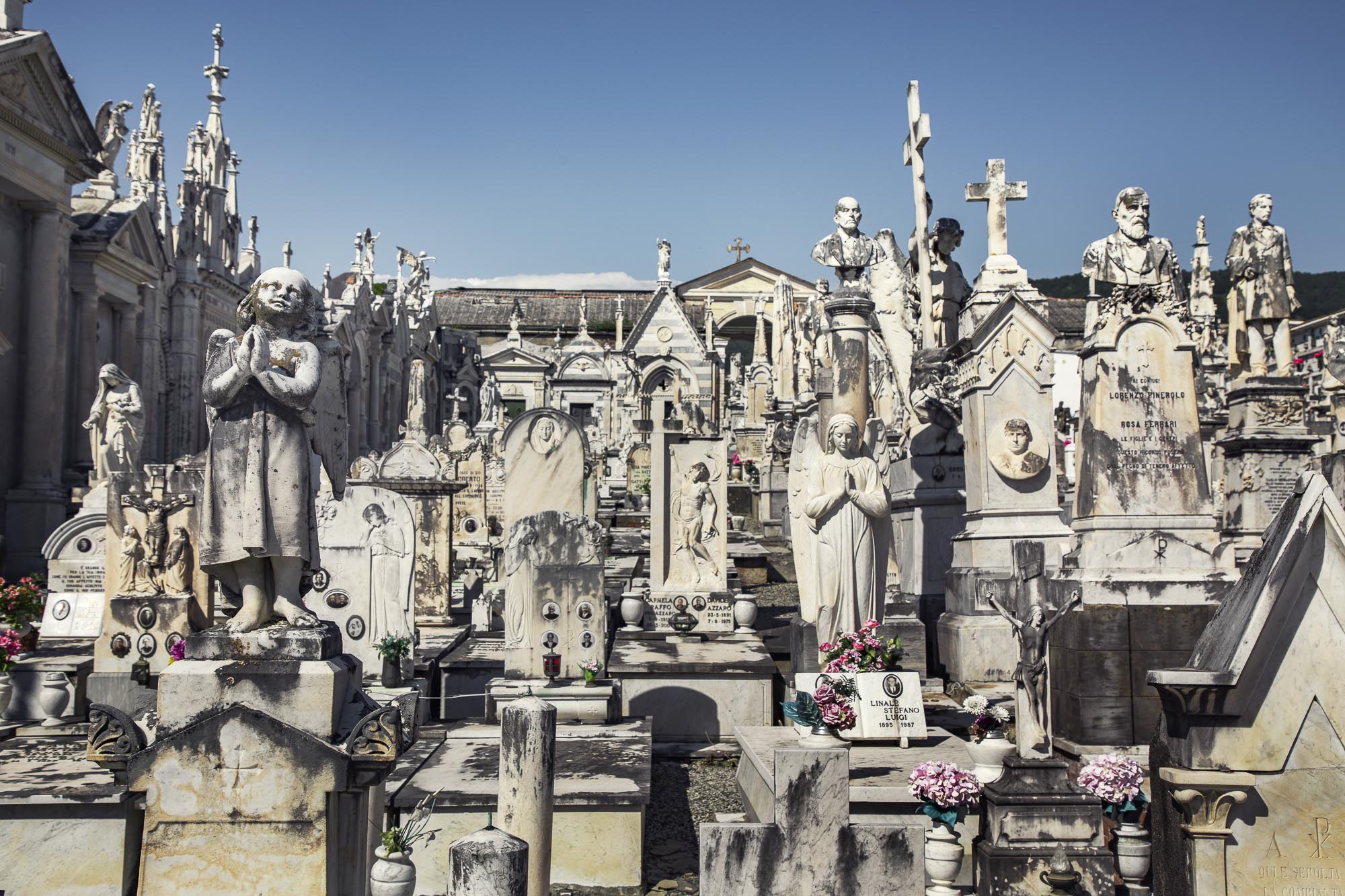
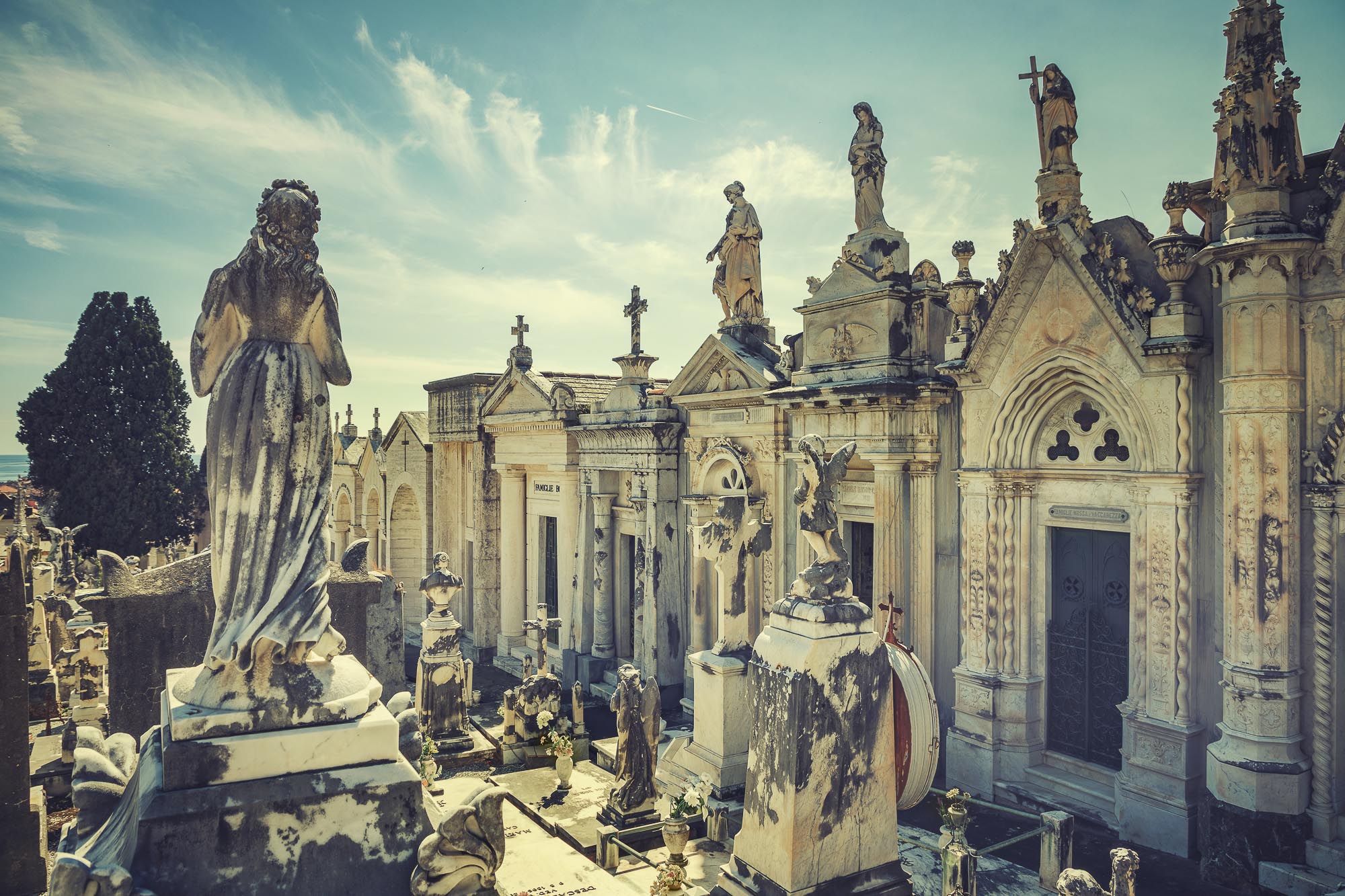
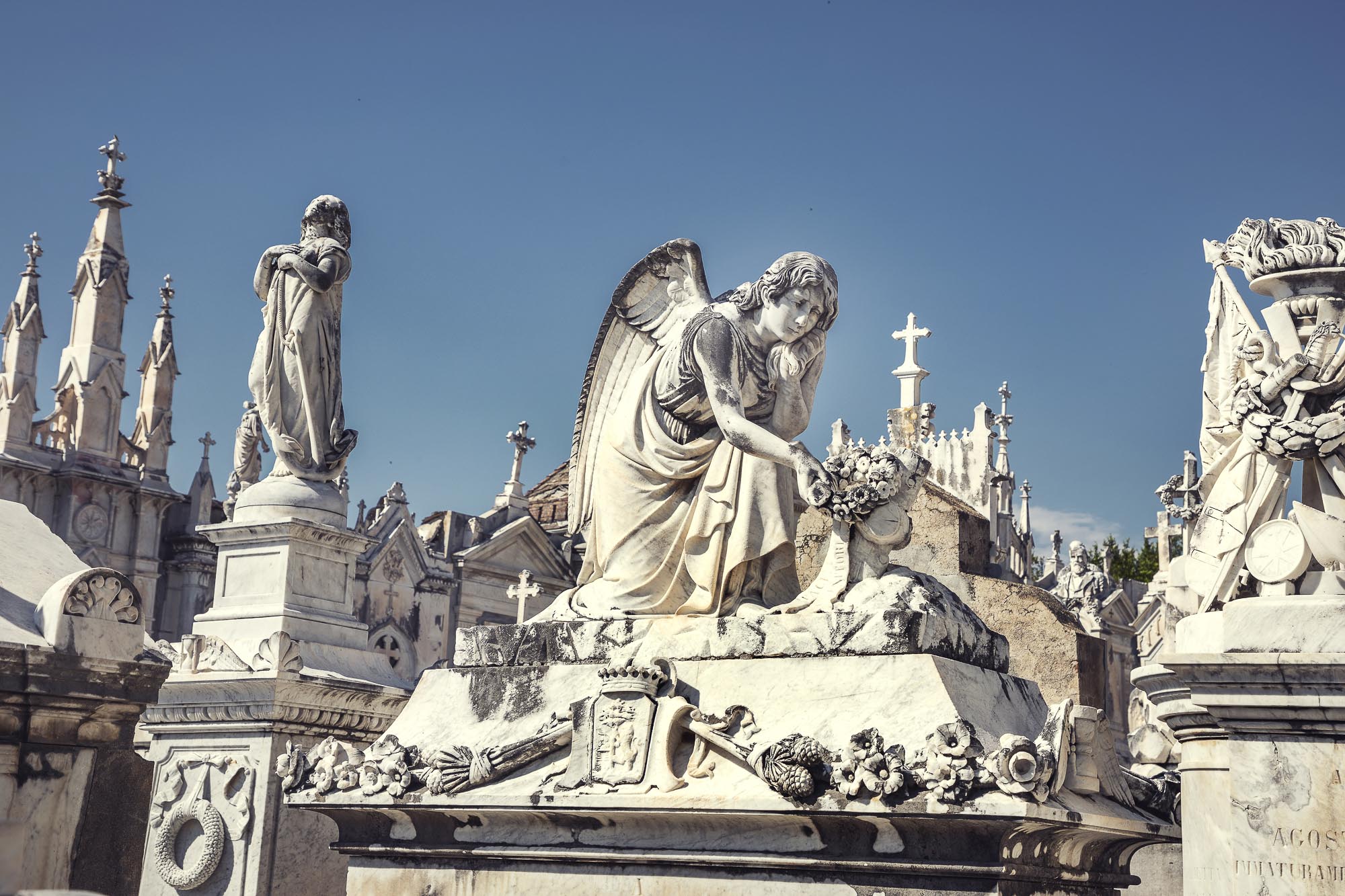
About this place
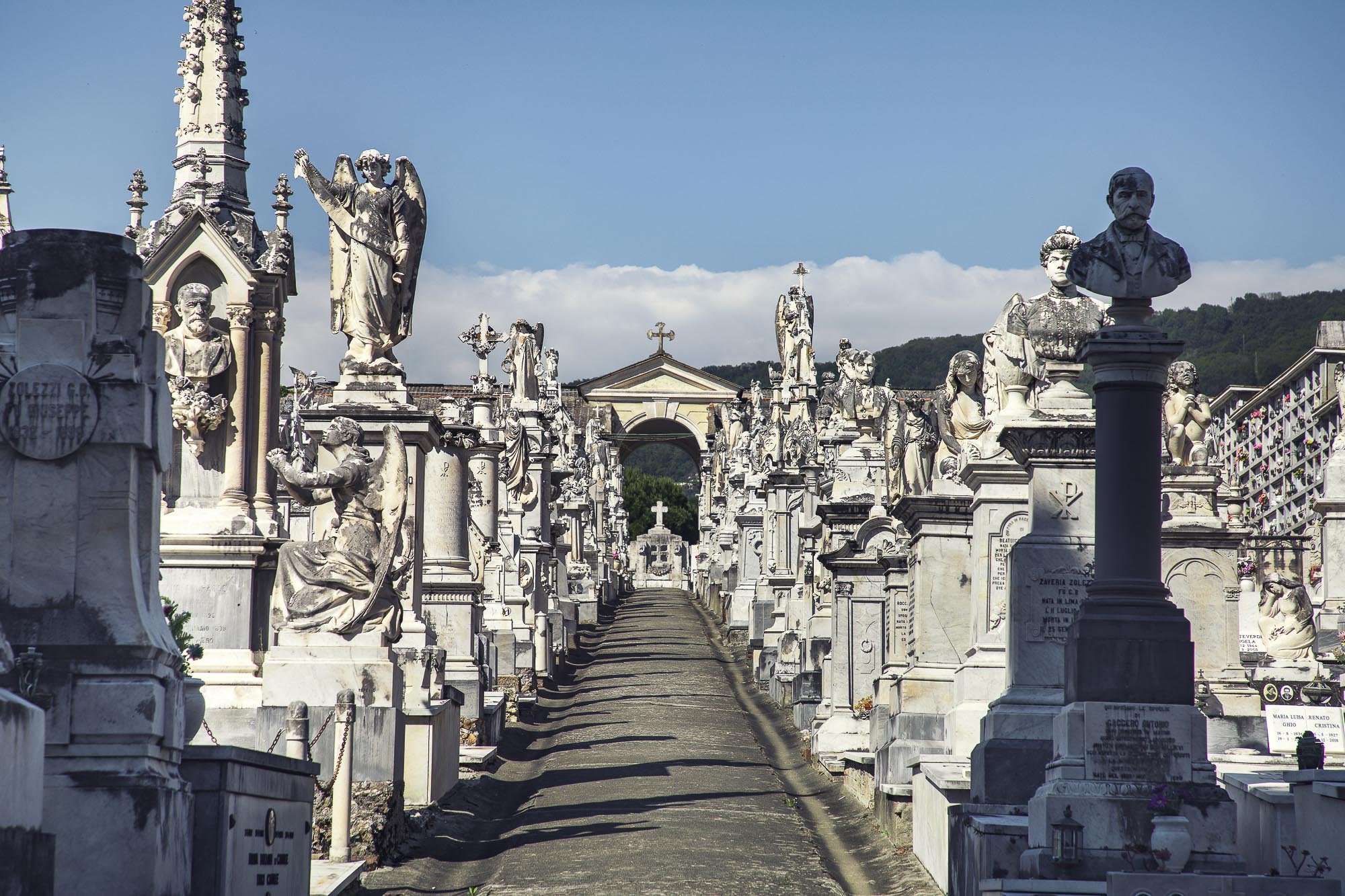
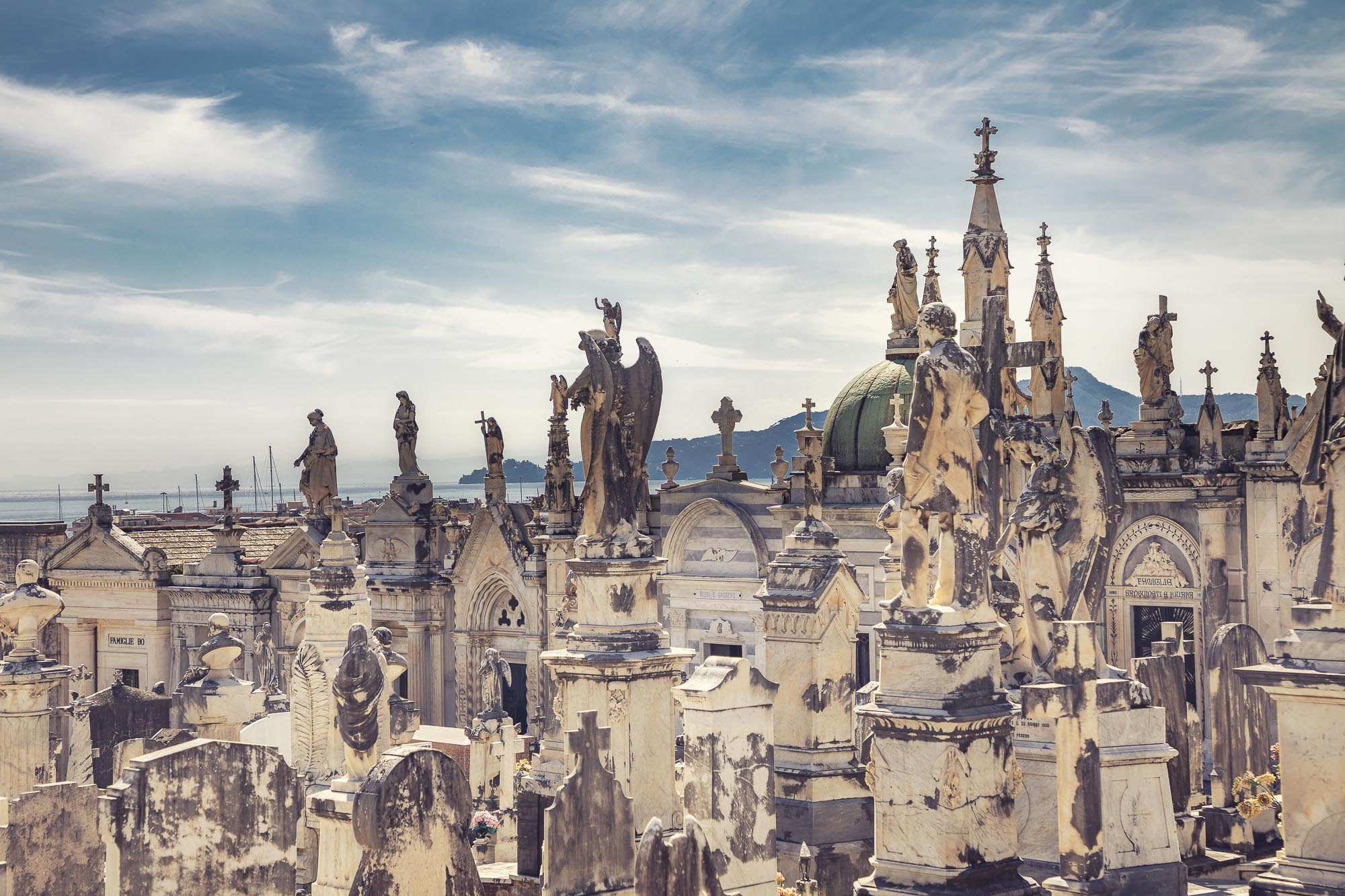
Work began in 1810 on a former chestnut grove belonging to the Franzoni family, near the Via Carcara. The cemetery was later enlarged, so that a newer section sits beside the old one, where the style turns to Liberty and Art Deco.
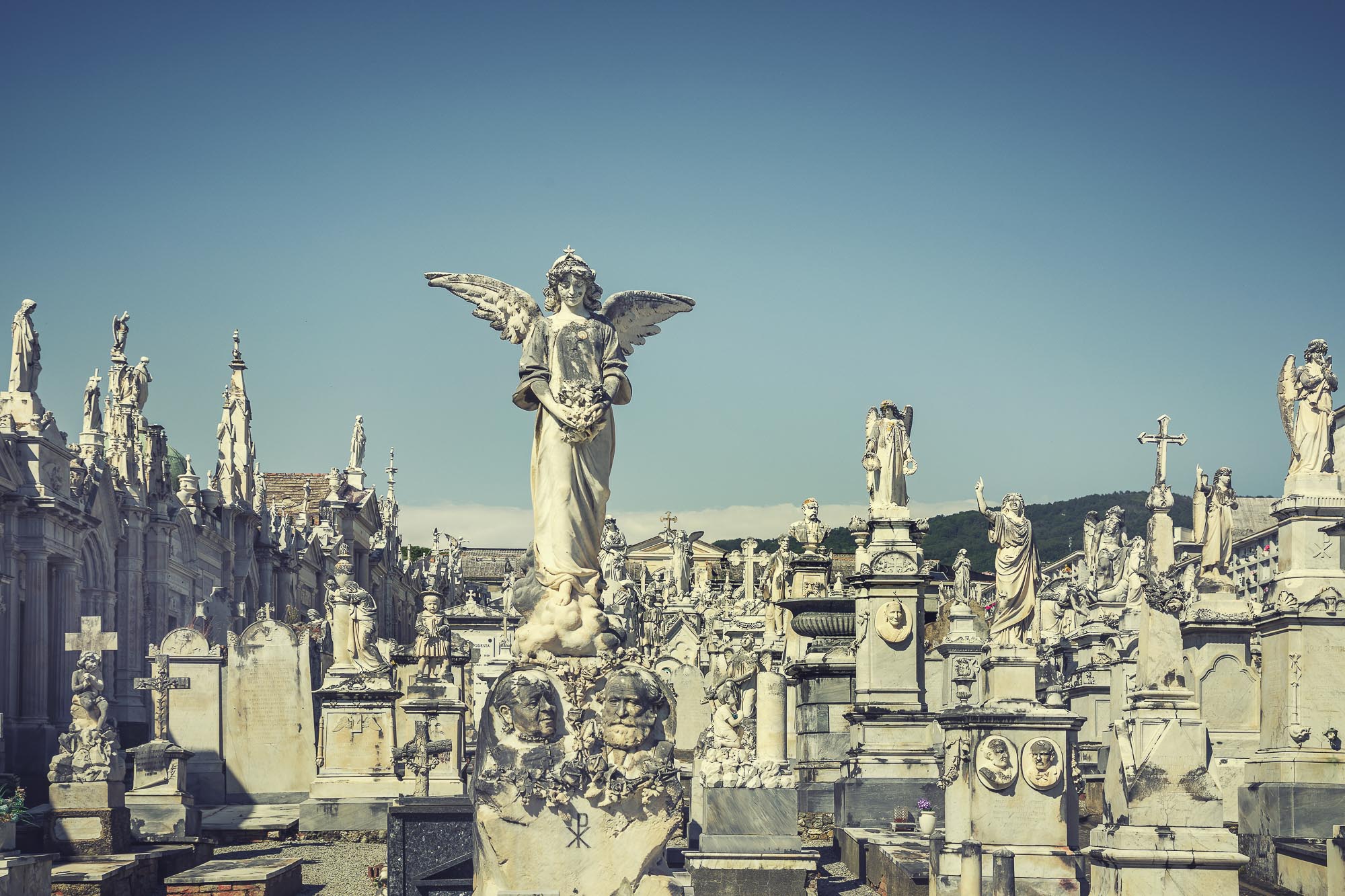
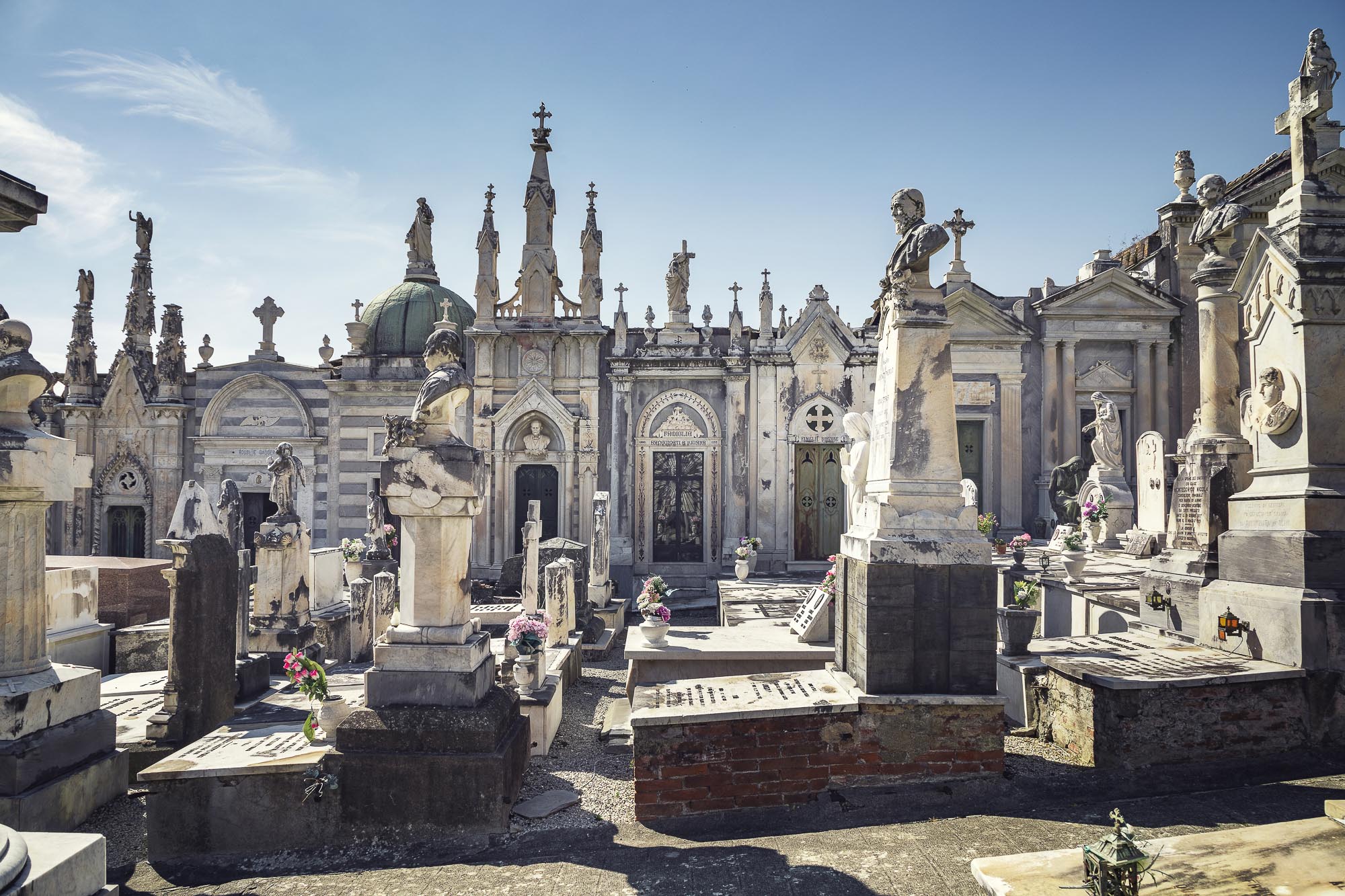
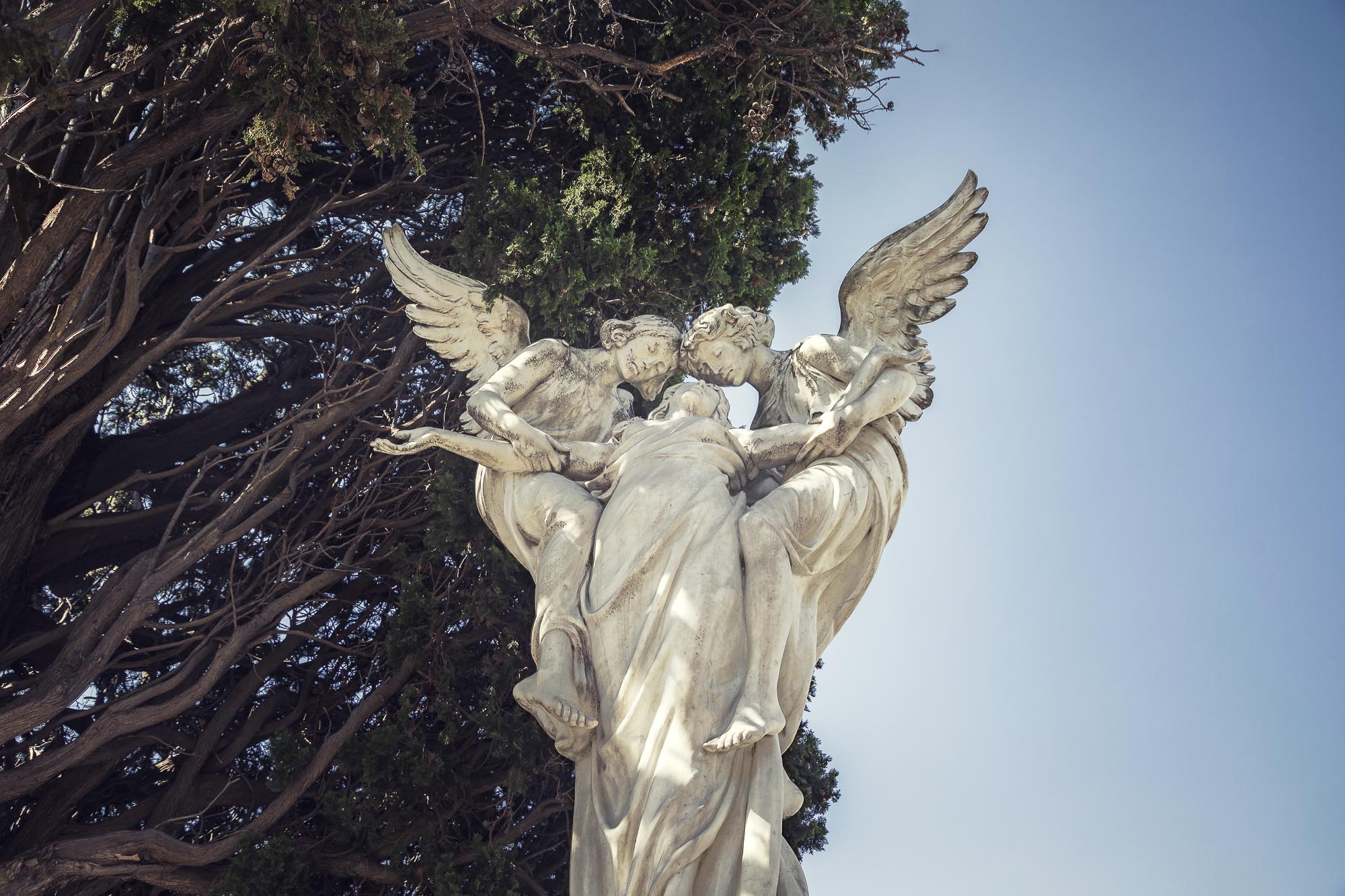
The monumental marble tombs follow the curve of the hill. Many derive from the Opificio Repetto, a sculpture workshop in Lavagna that was later continued by the Bianchi-Sanguineti studio, alongside local craftsmen. Sculptors named include Ersanilli, Brizzolara, Zucchi, Sanguineti and Dallorso. A chapel in the newer section was built in 1922 by the Bianchi-Sanguineti company. The material is mostly marble, with some bronze. The Berisso Chapel of 1905 in the old section shows three marble figures rising in a pyramid; its author is unknown.
The sculpture often turns on the passage from death to the afterlife. Visitors will find processions of young women and references to Dante's Divine Comedy. The cemetery belongs to the municipality of Lavagna, which gives information on access and visiting rules.
Frequently asked questions
Where is the Cimitero Monumentale di Lavagna?
It is in Lavagna, in the province of Genoa in Liguria, on a hillside facing the sea. Access is by the Via dei Cogorno.
Who made the tombs in Lavagna?
Many works come from the Opificio Repetto in Lavagna and from the Bianchi-Sanguineti studio that continued it. The sculptors Ersanilli, Brizzolara, Zucchi and Dallorso are also named.
Why is the cemetery of Lavagna well known?
It is regarded as an open-air museum and as the second most important cemetery in Liguria for works of art, after Staglieno in Genoa.