Germany · Leipzig · 32 pictures
Leipzig South Cemetery
Südfriedhof
-
-
-
-
-
-
-

-
-
-
-

-
-
-
-

-
-
-
-
-
-
-
-
-
-
-
-
-

-
-
-
-
About this place
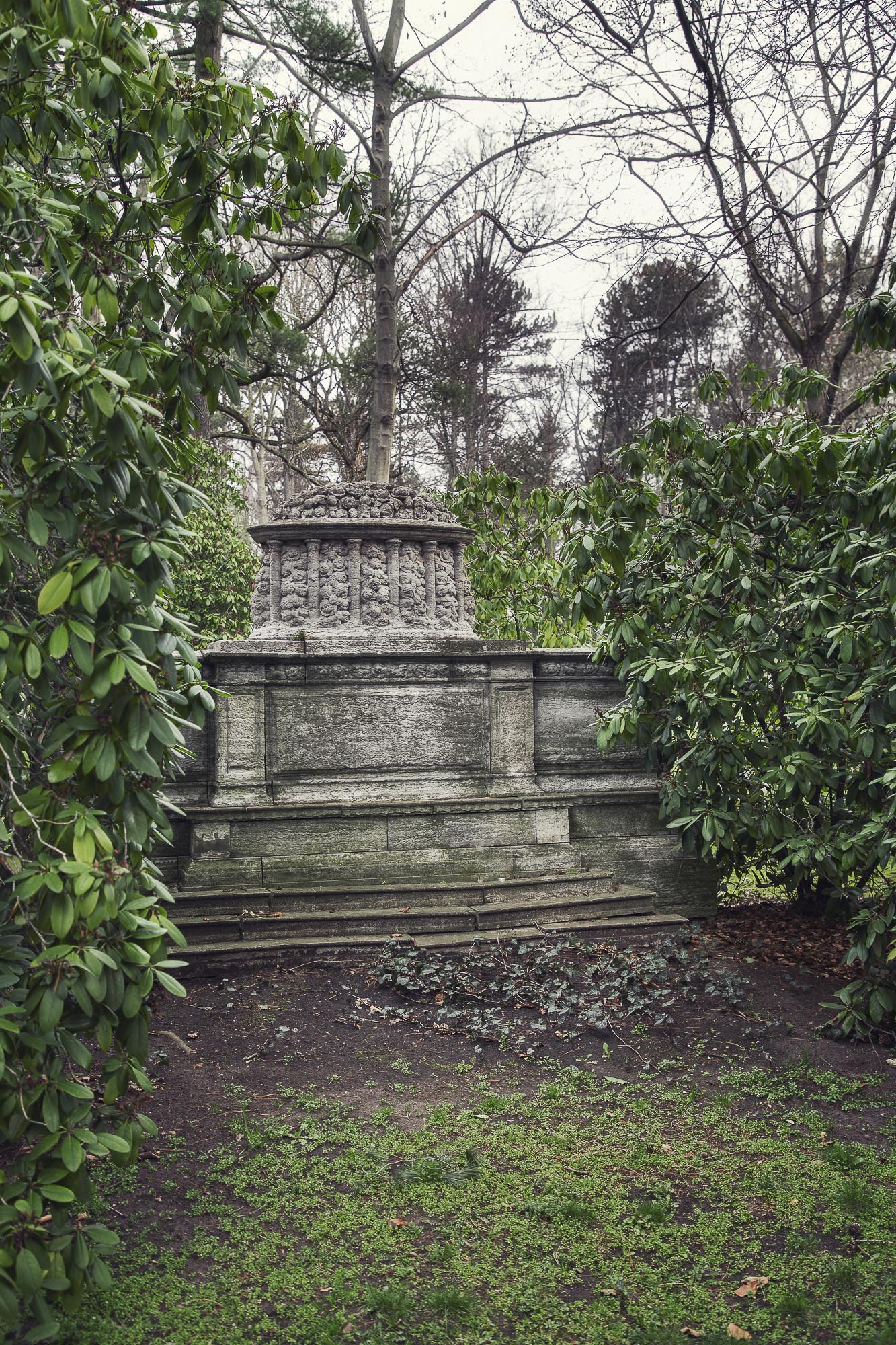
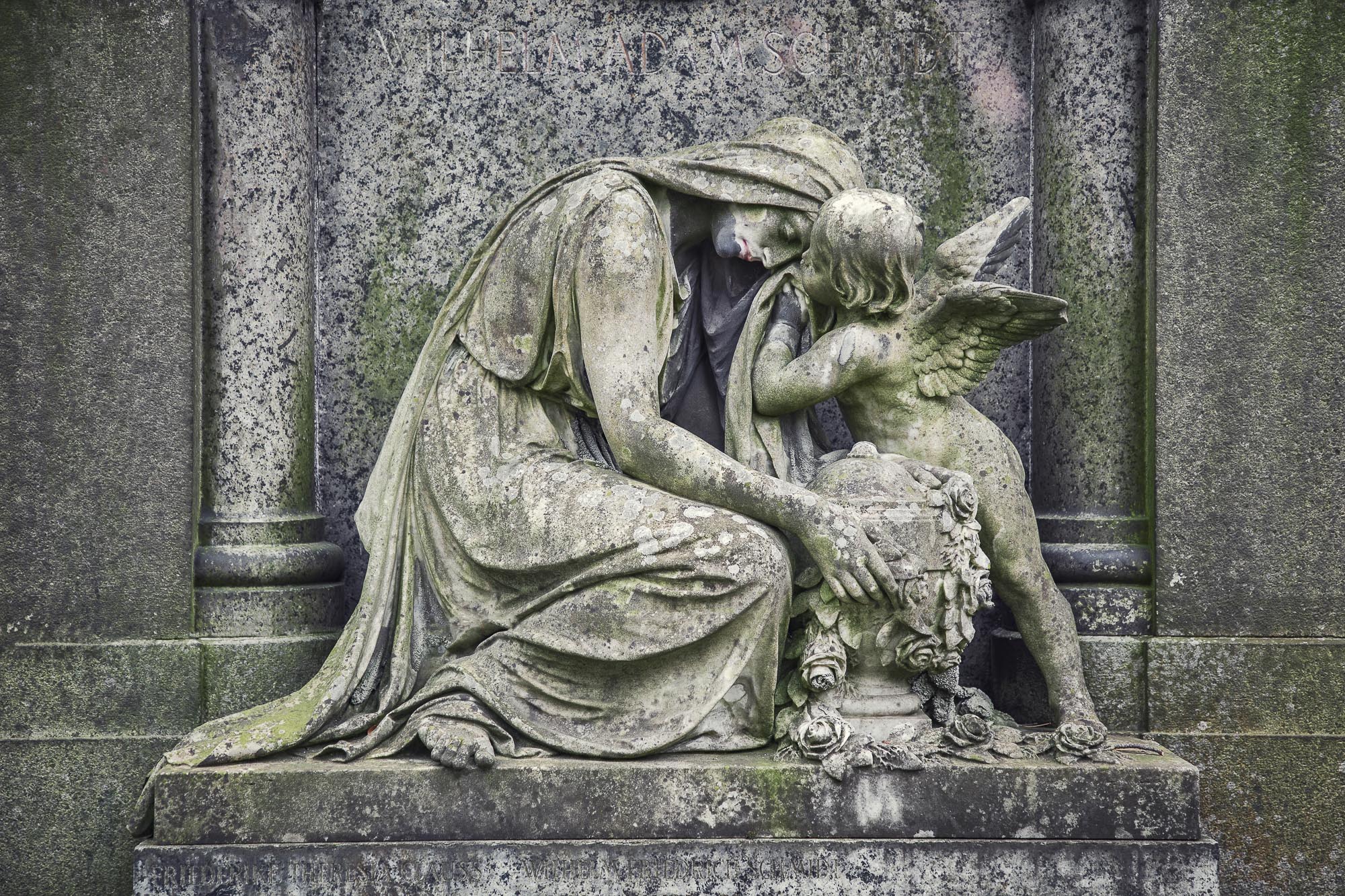
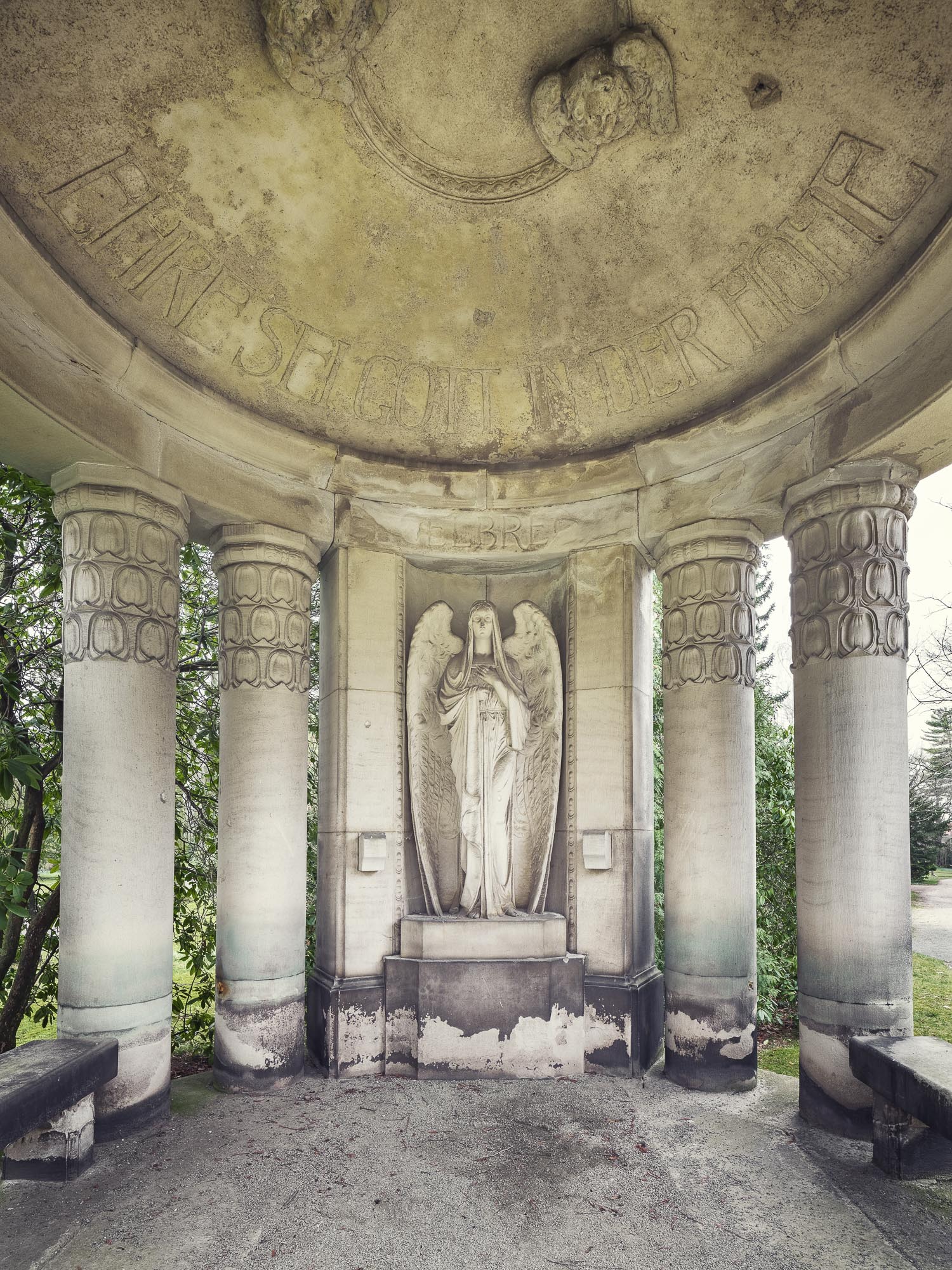
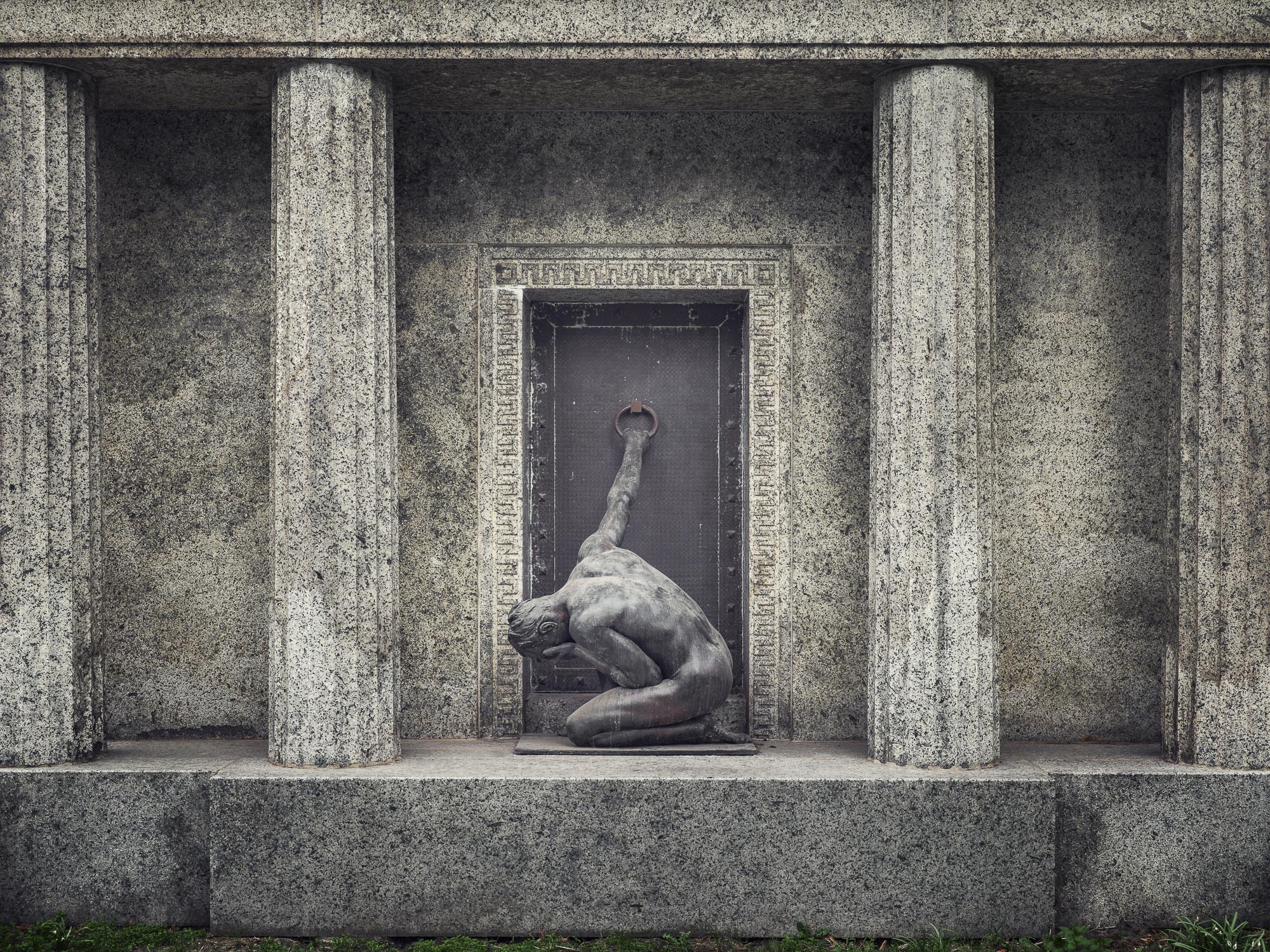
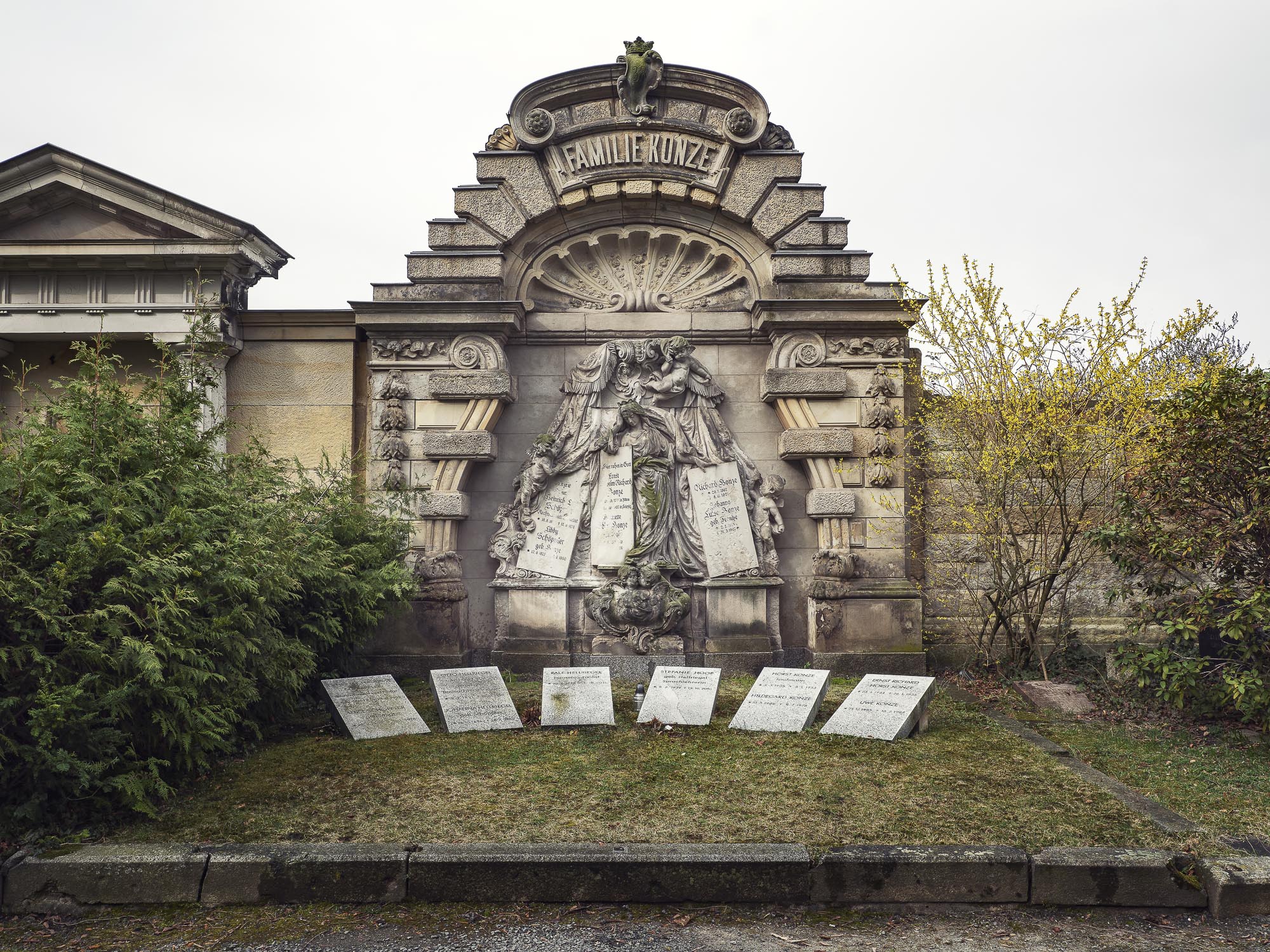
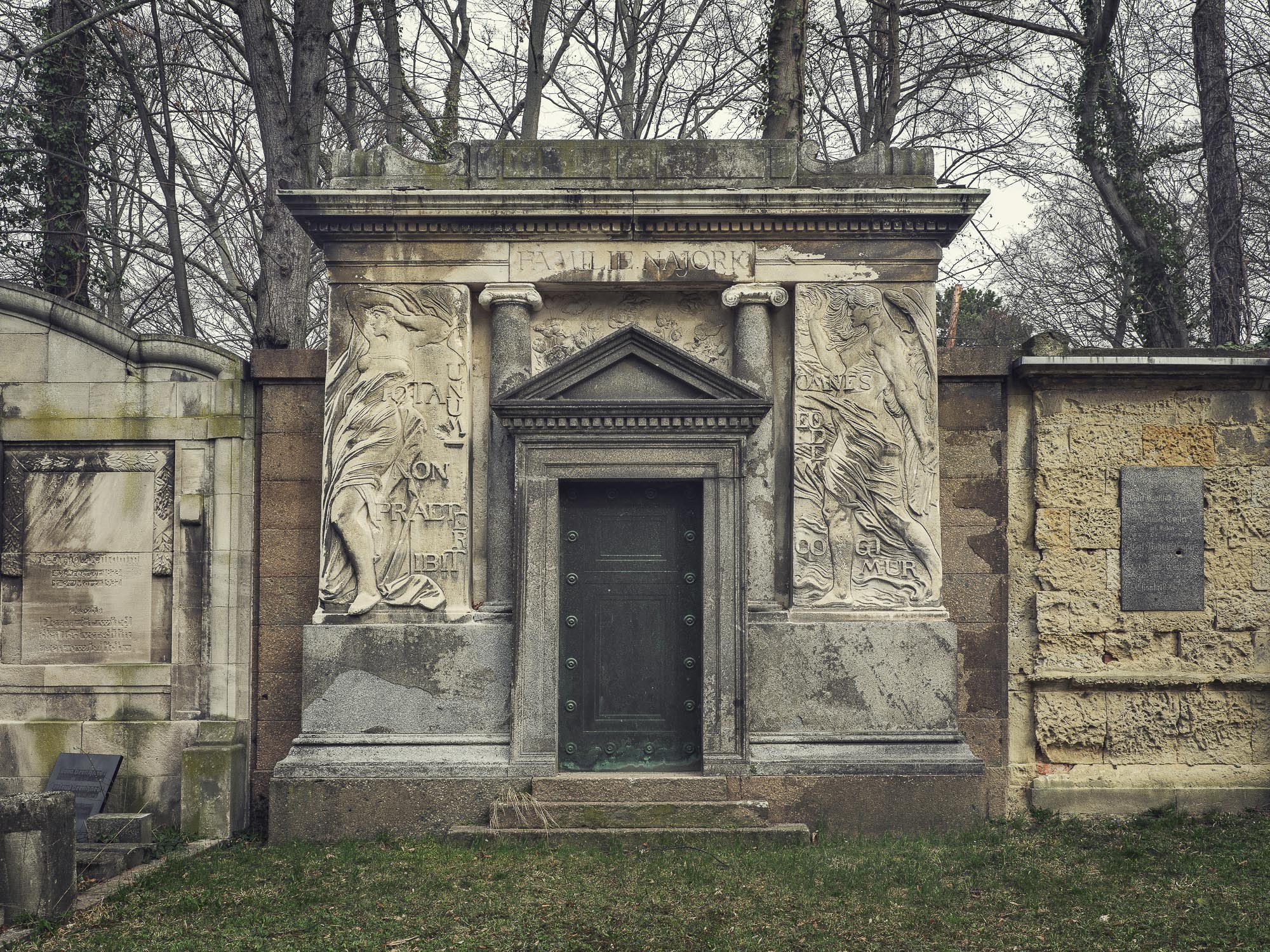
The rapid growth of the city prompted its construction. Planning began in 1879, and the main planners are considered to be the director of horticulture Otto Wittenberg and the architect Hugo Licht. The main paths are laid out in the shape of a lime leaf, a reference to the name of Leipzig, which means the place of the lime trees. At first Leipzigers were slow to accept the new cemetery.
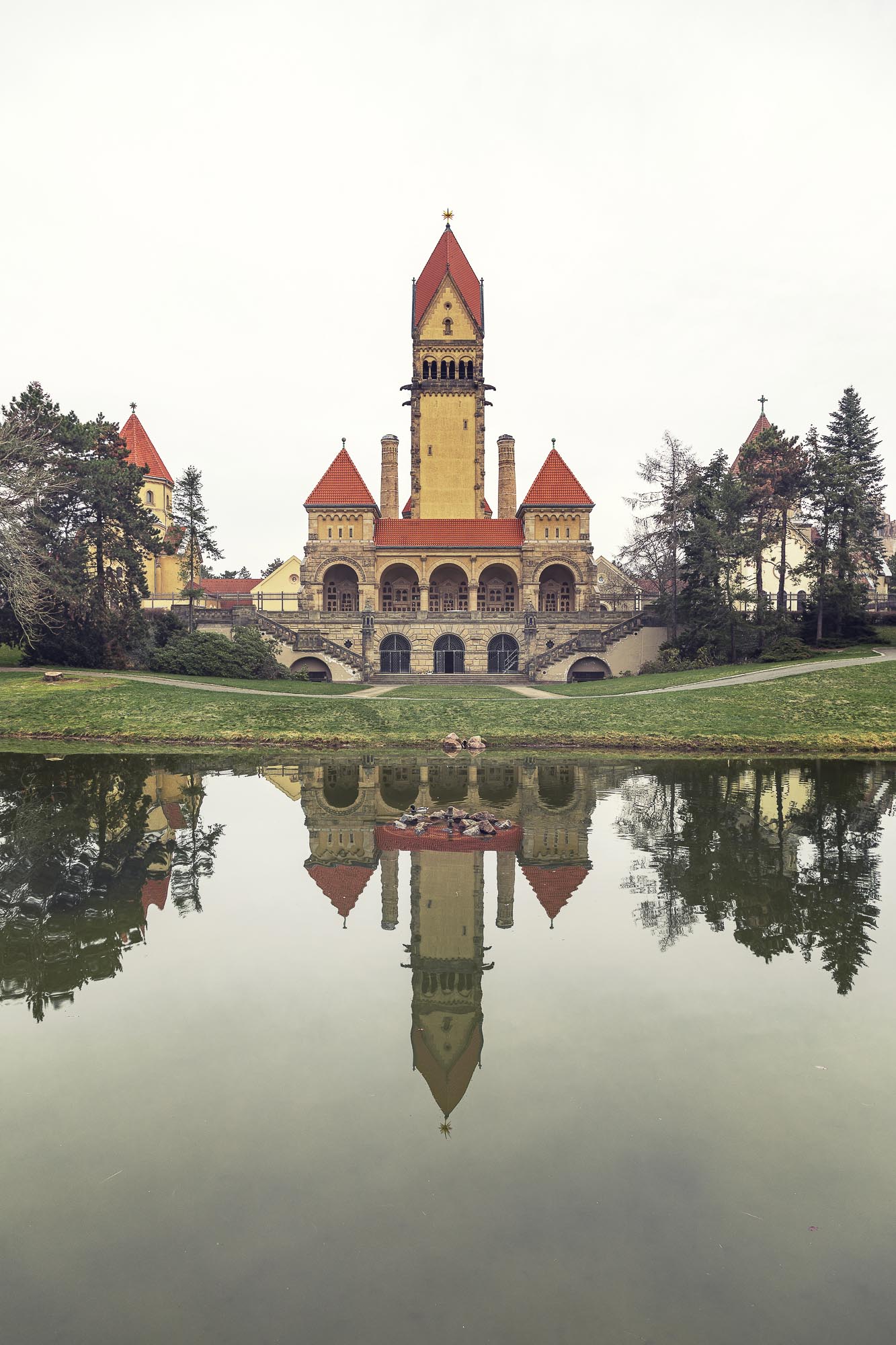
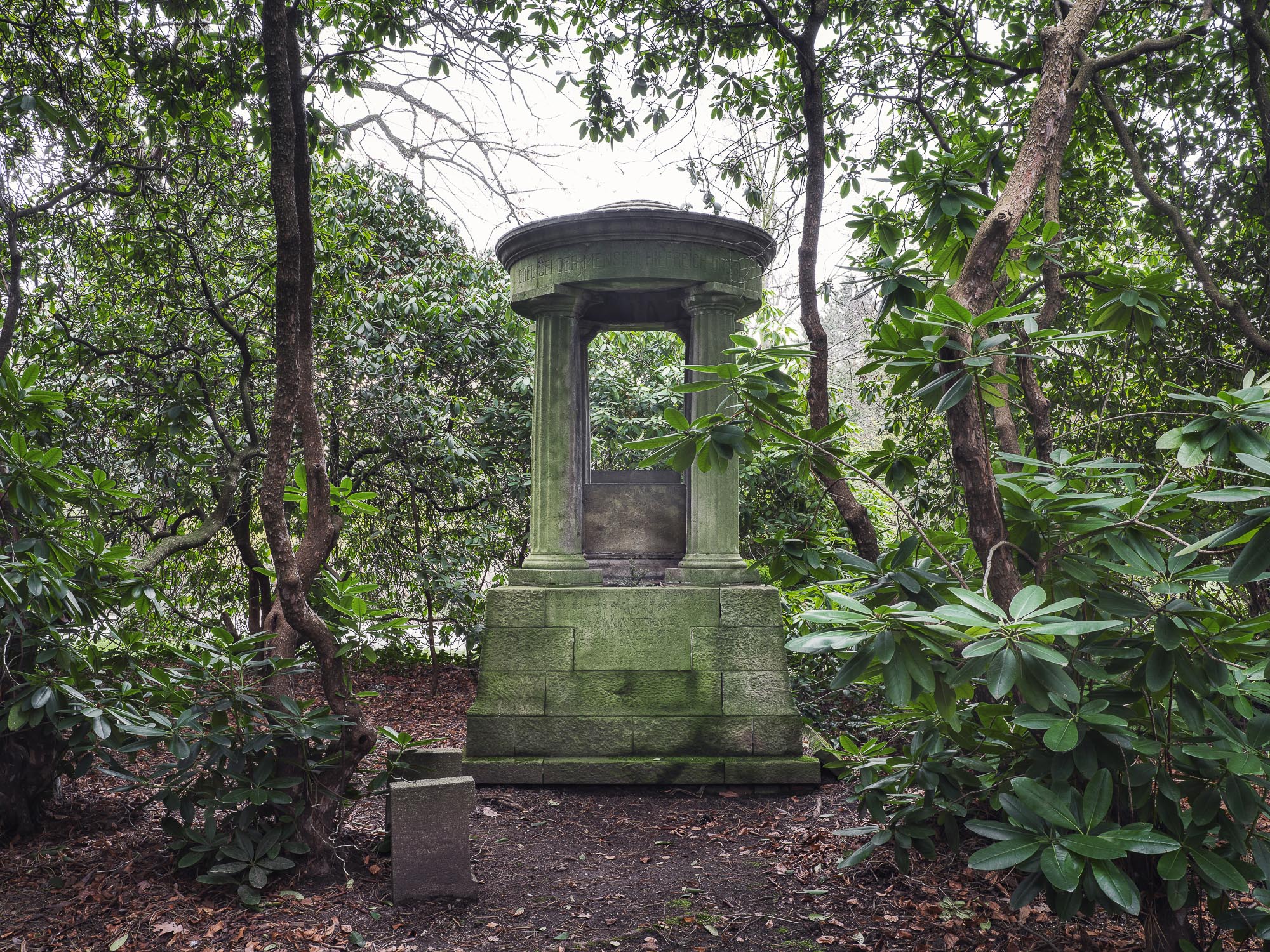
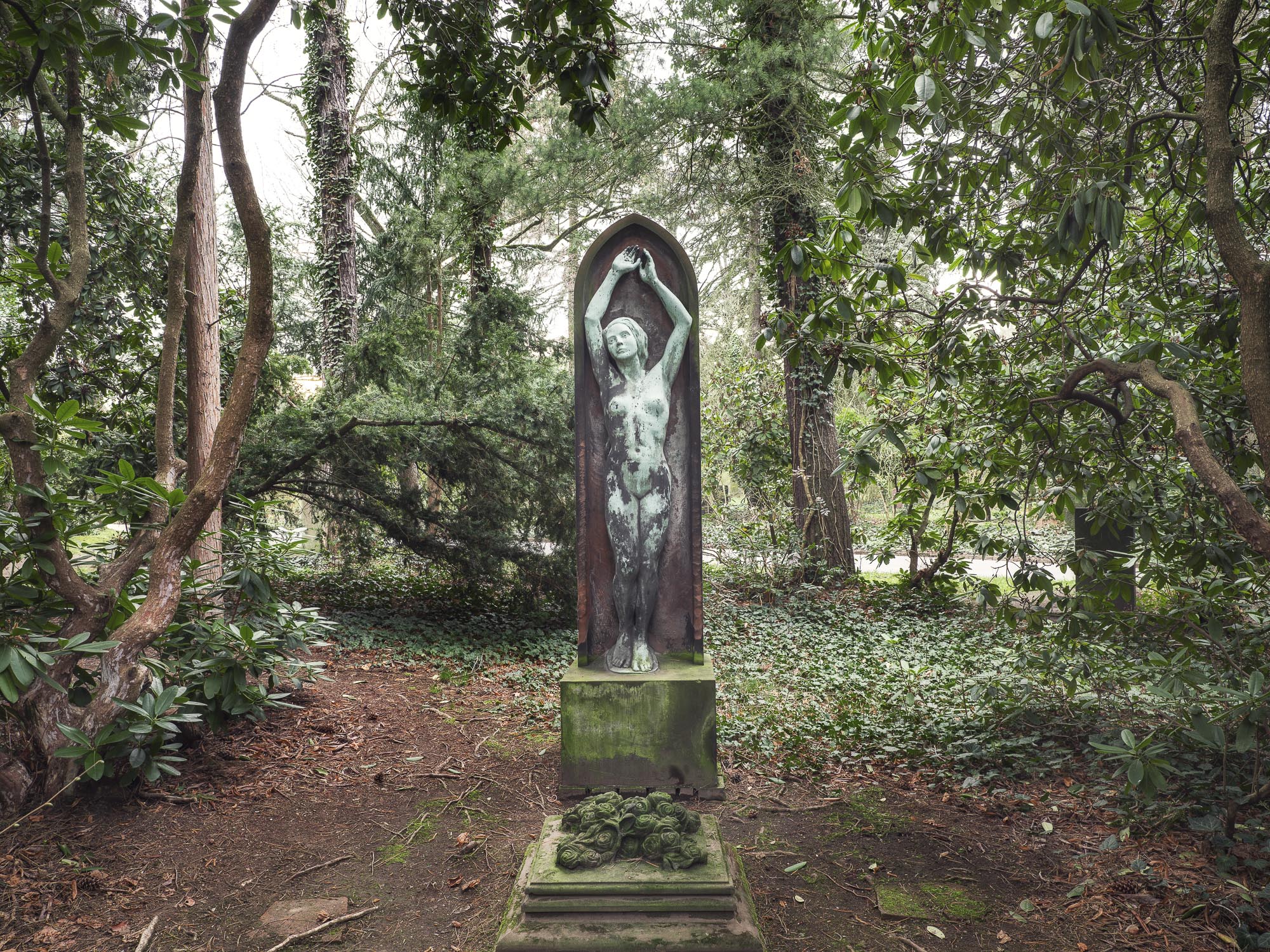
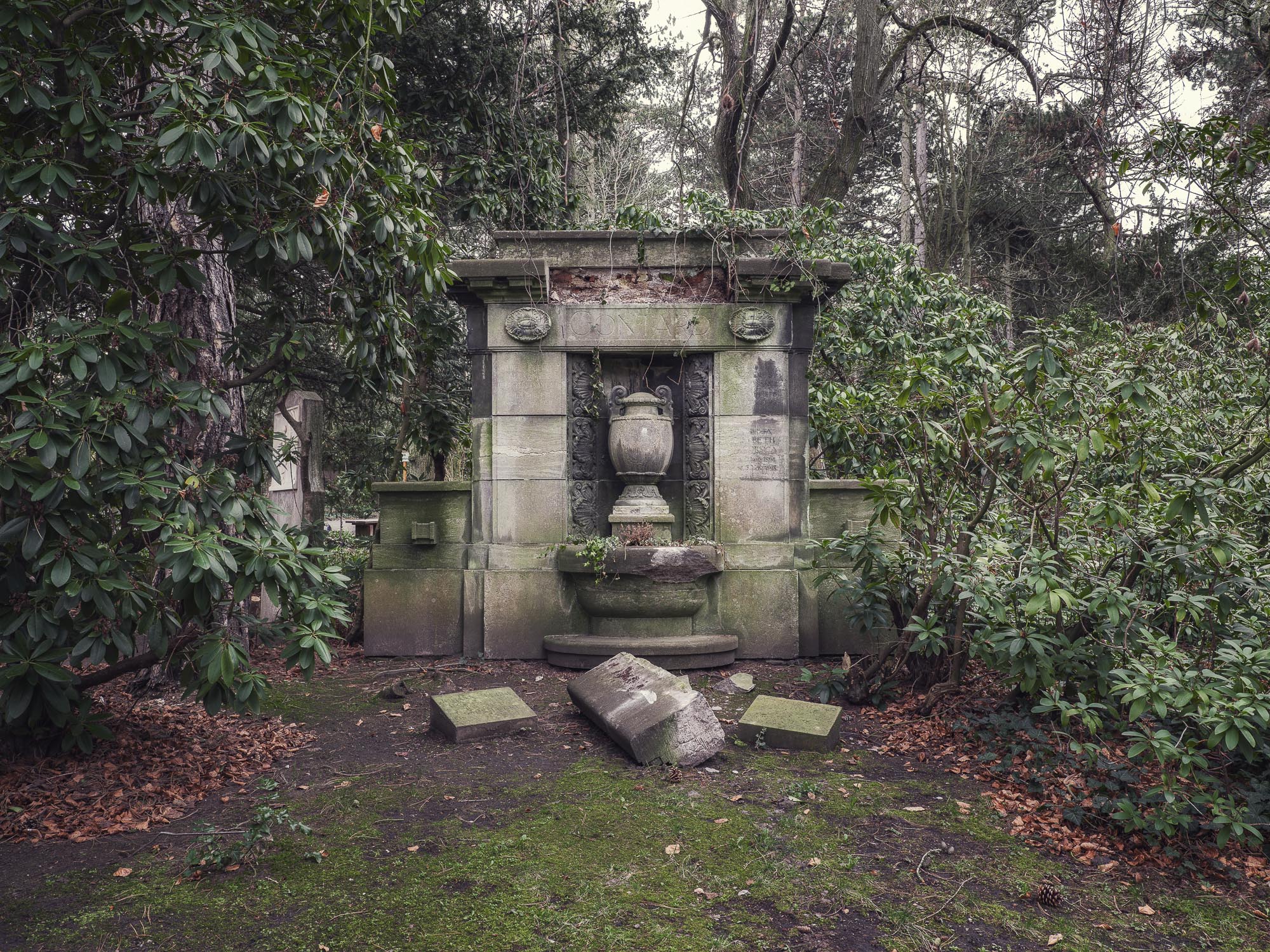
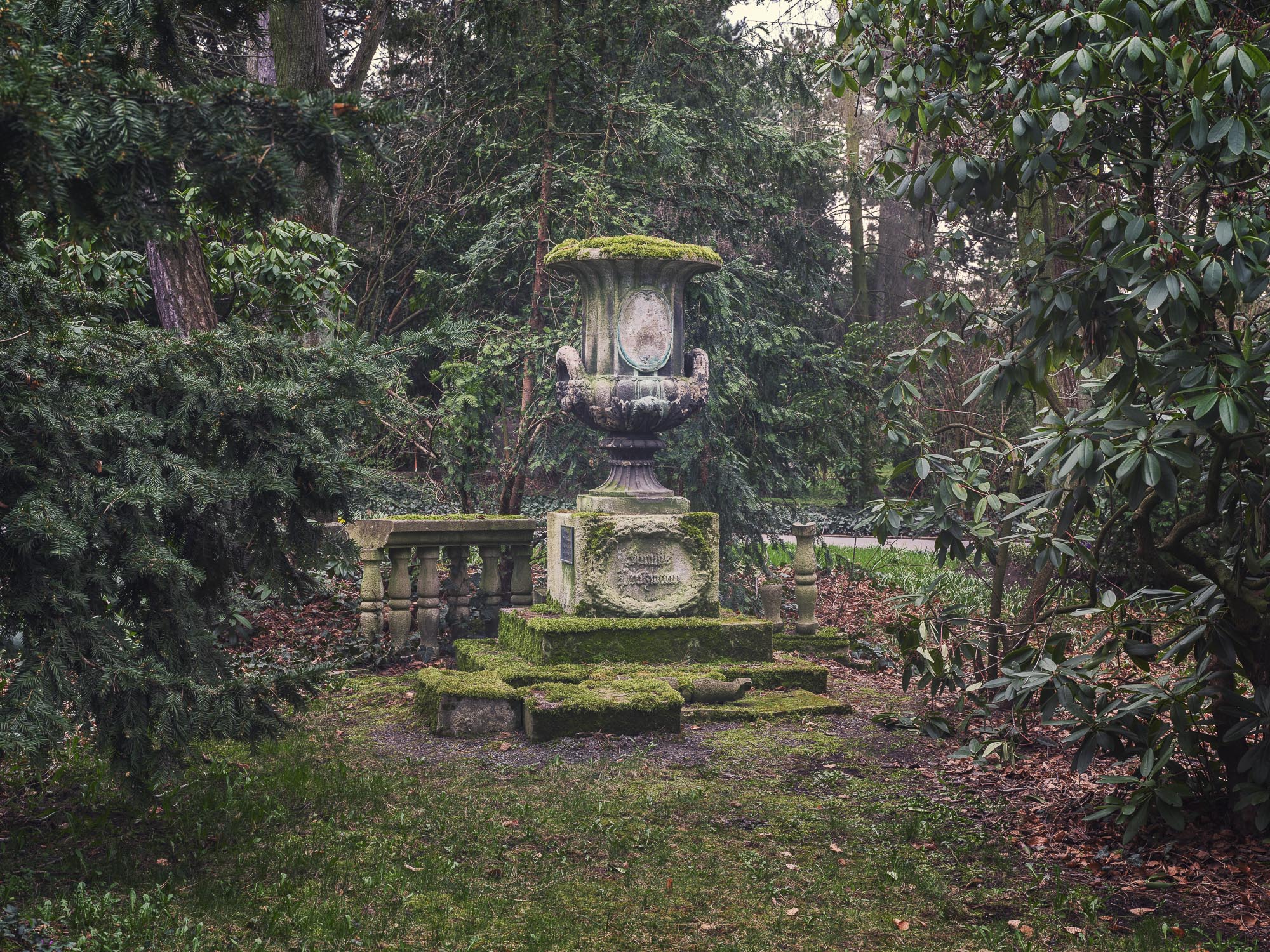
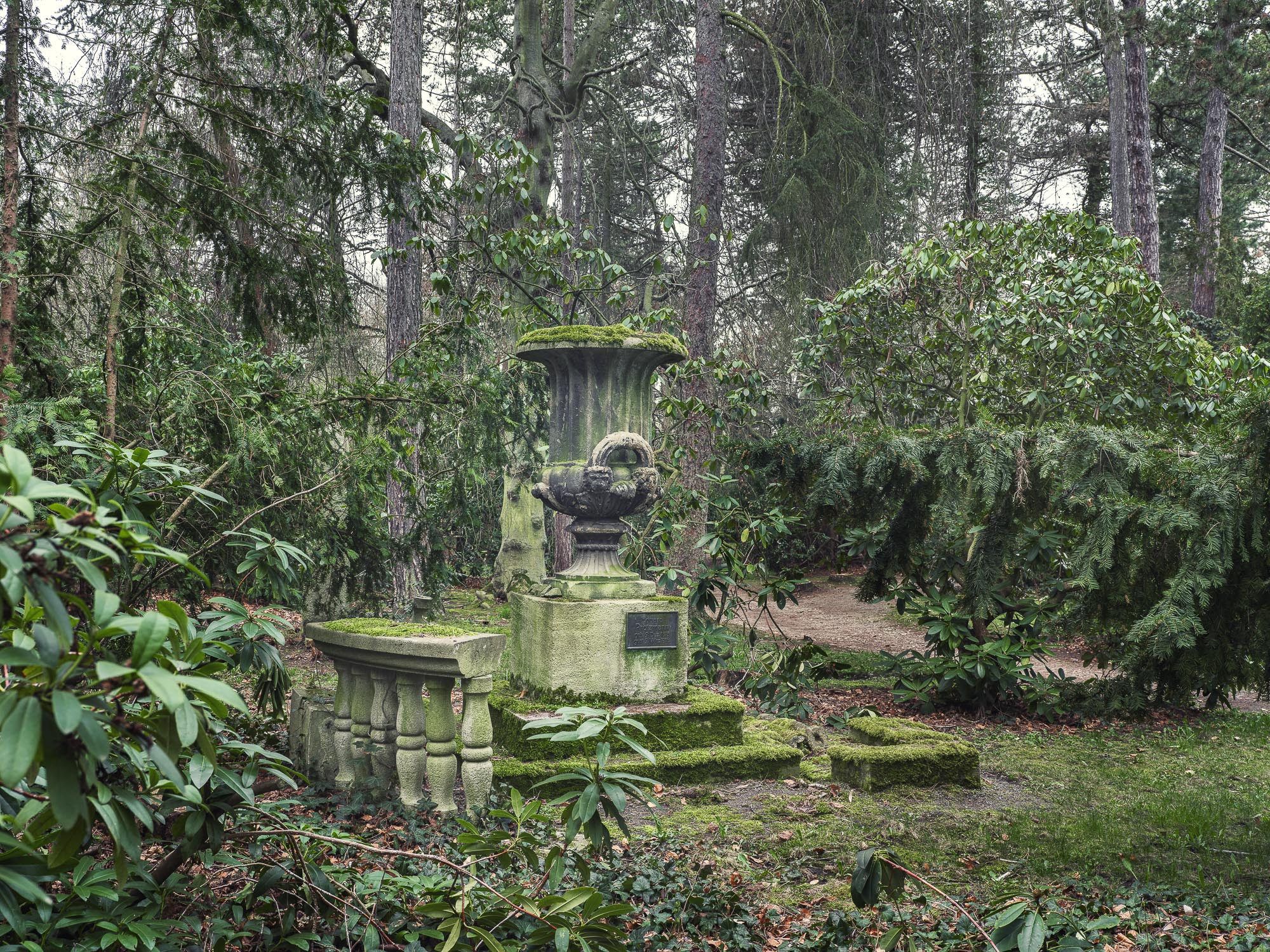
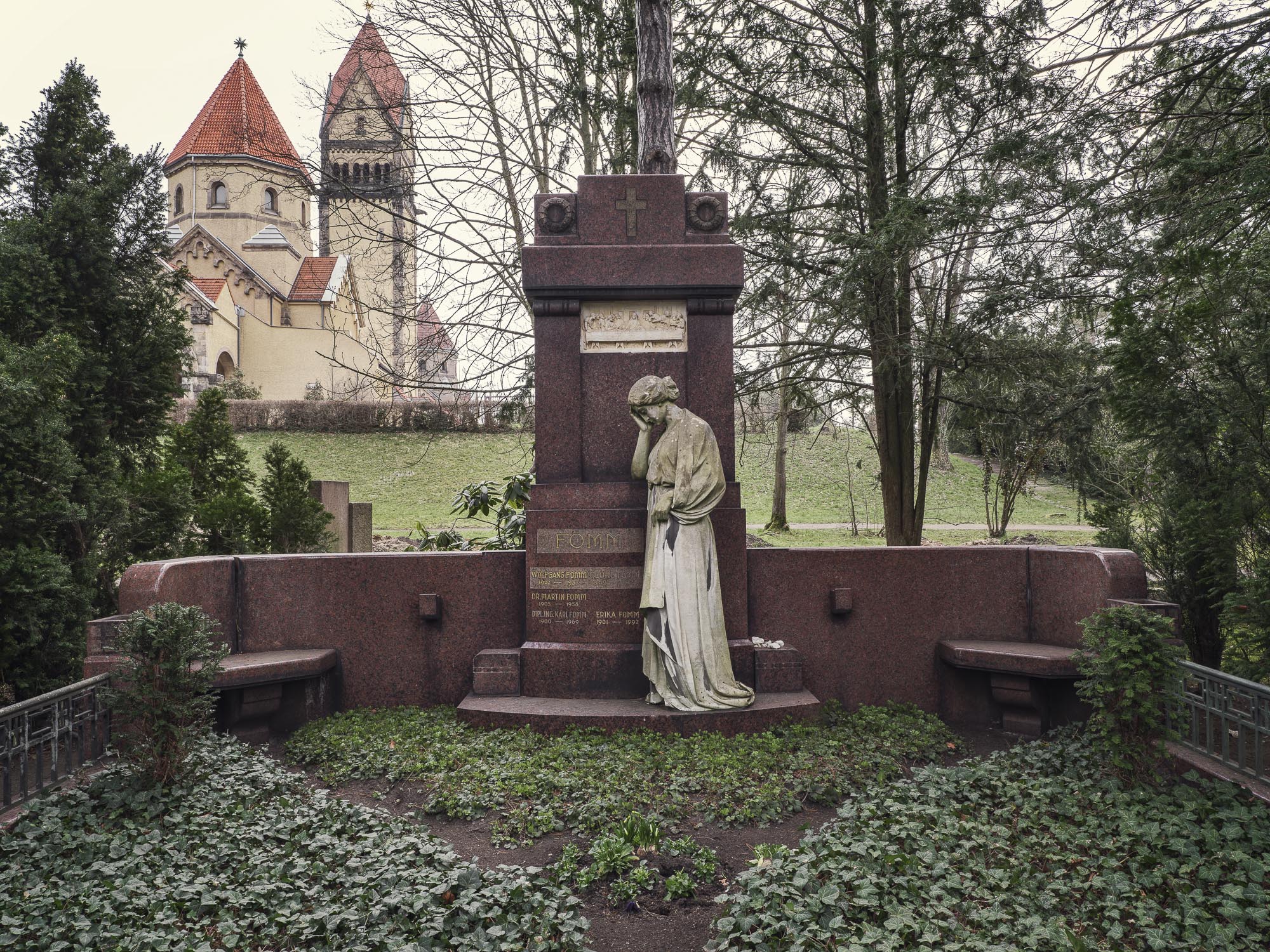
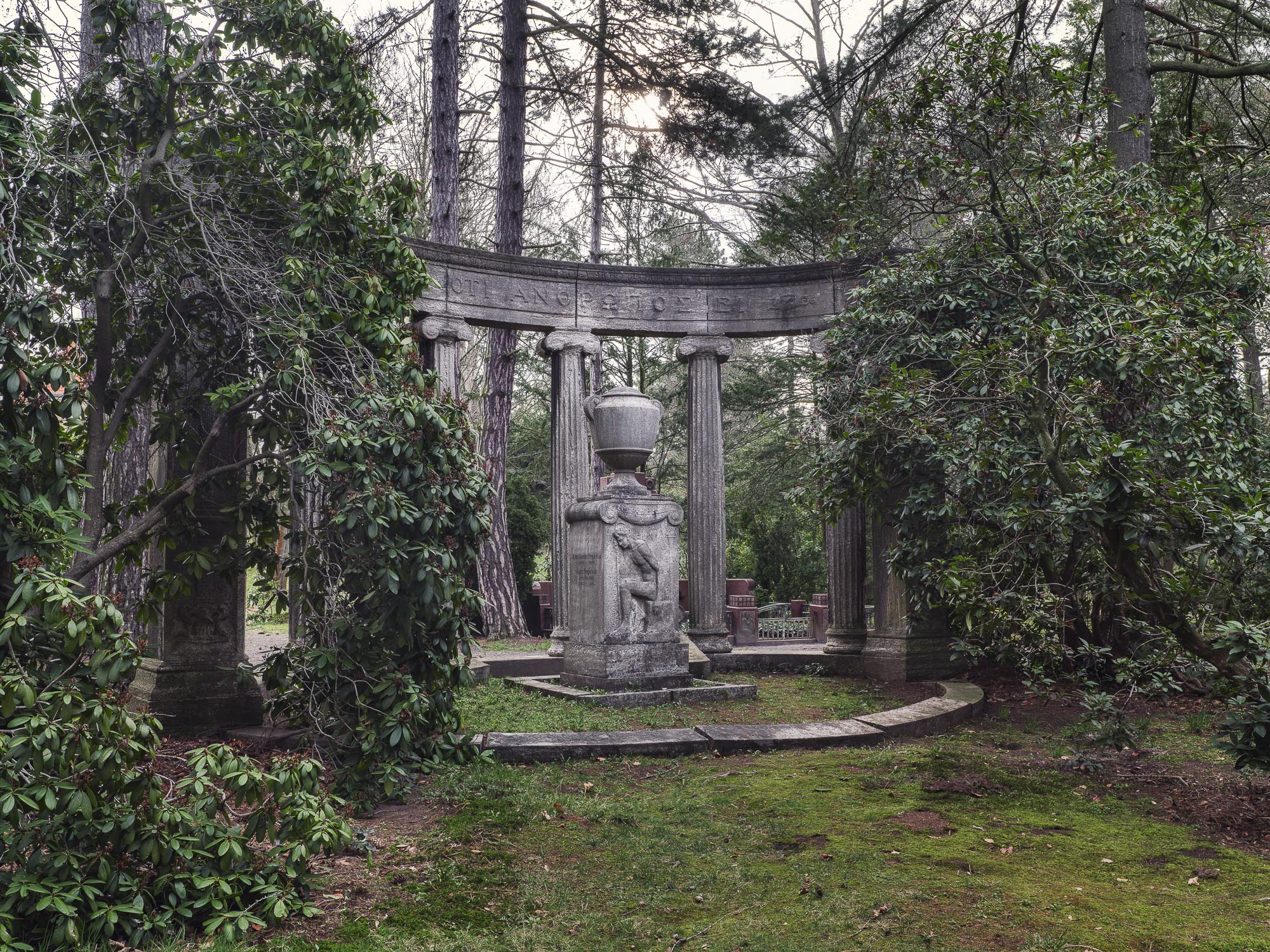
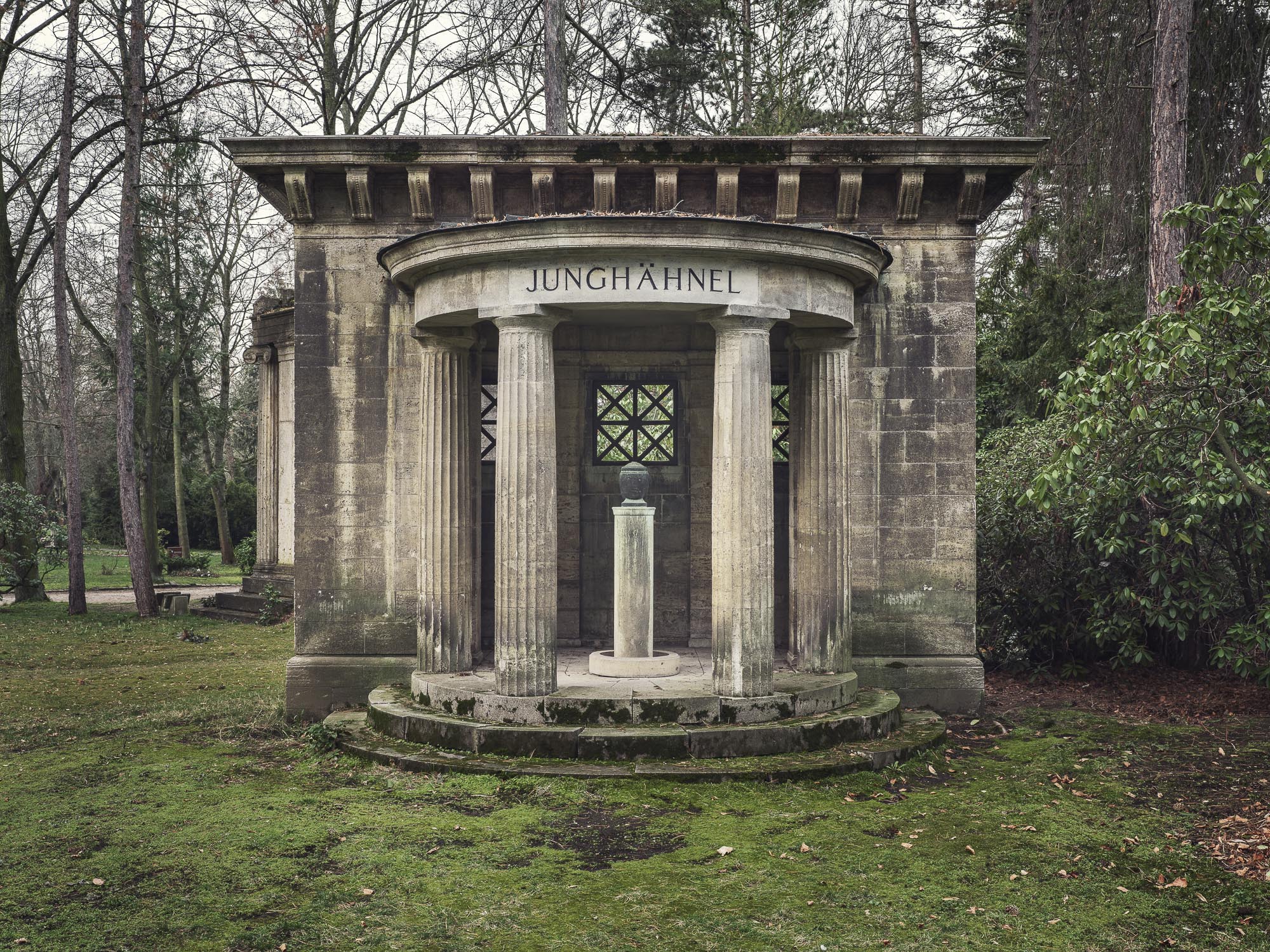
The chapel complex, completed in 1910 to designs by Otto Wilhelm Scharenberg, dominates the grounds. This neo-Romanesque building with a 60-metre bell tower takes Maria Laach Abbey as its model and includes a crematorium and a columbarium. Thousands of rhododendrons, old lime trees and avenues turn the grounds into a park.
The conductor Kurt Masur, the poet Christian Fürchtegott Gellert and the architect Hugo Licht are buried here, and one section holds 3,474 victims of the Second World War bombing raids on Leipzig.
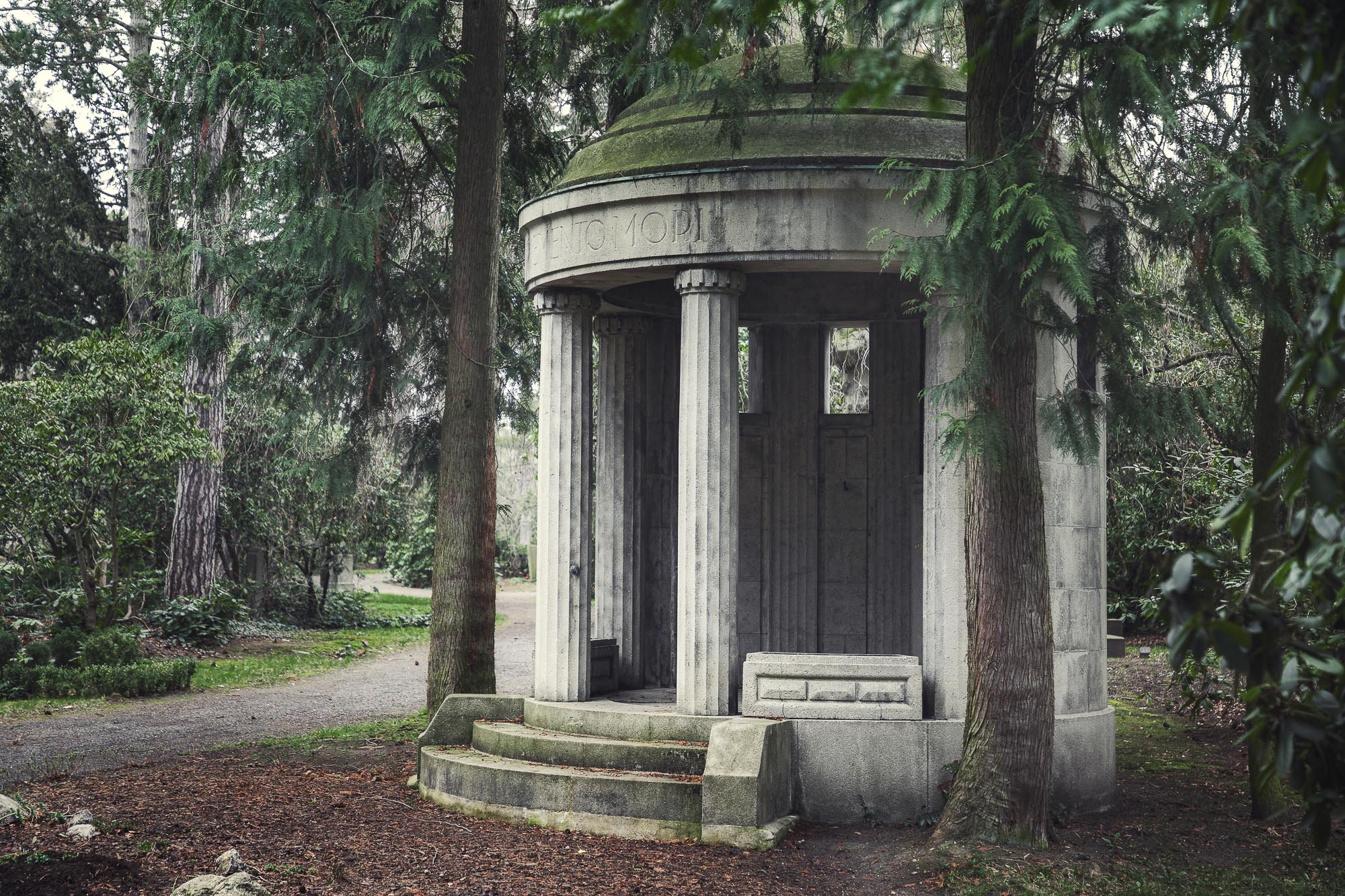
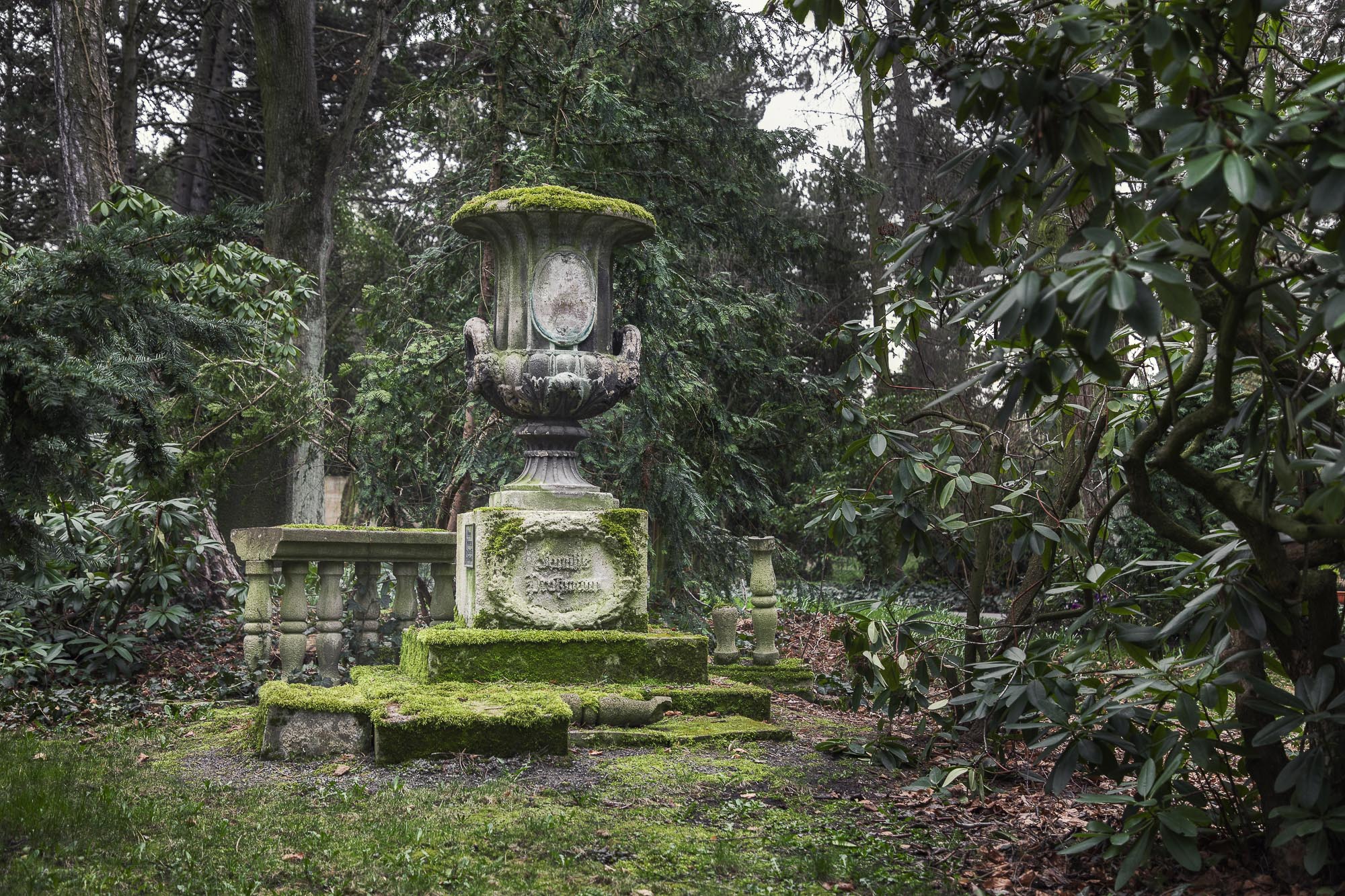
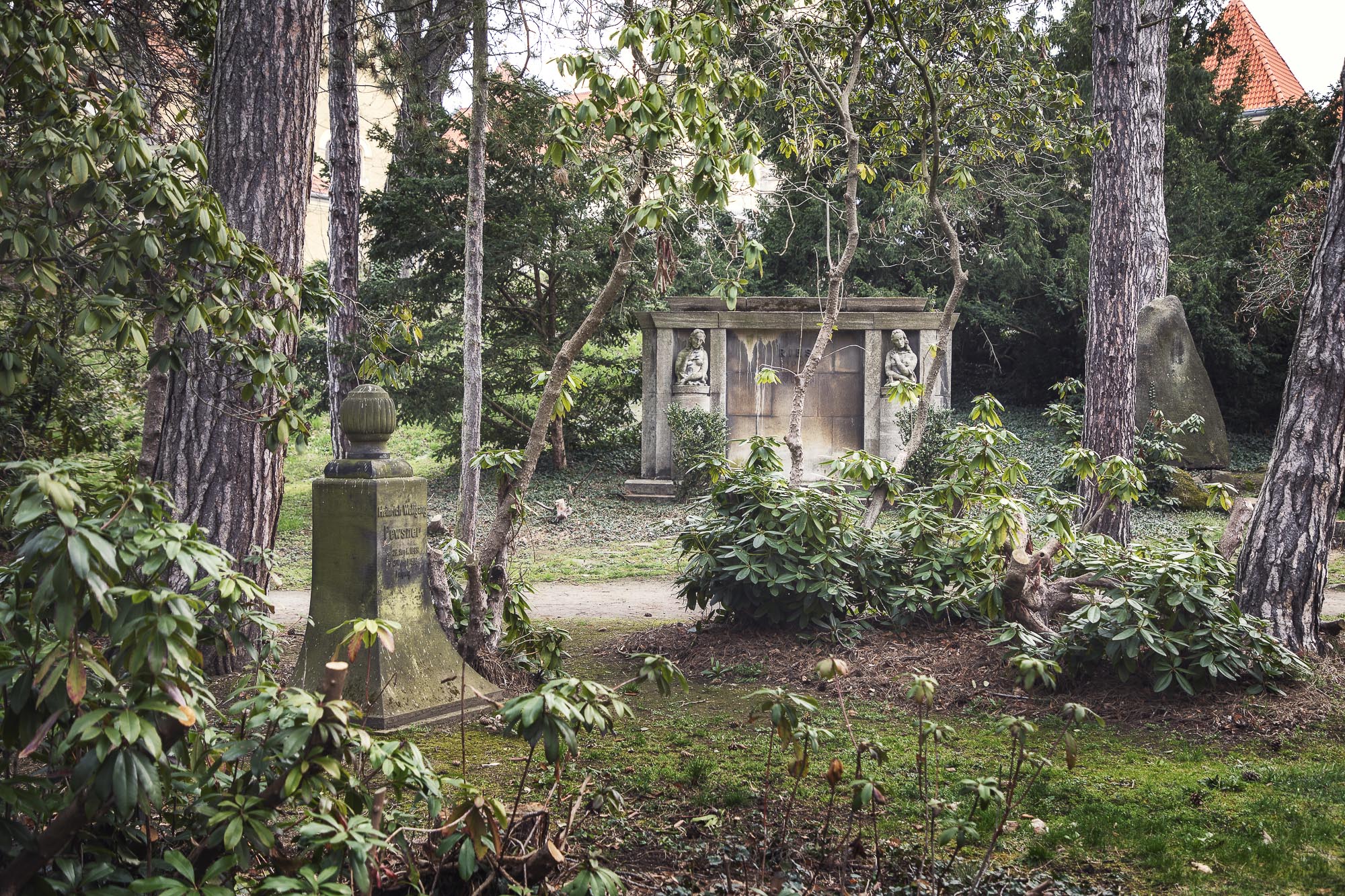
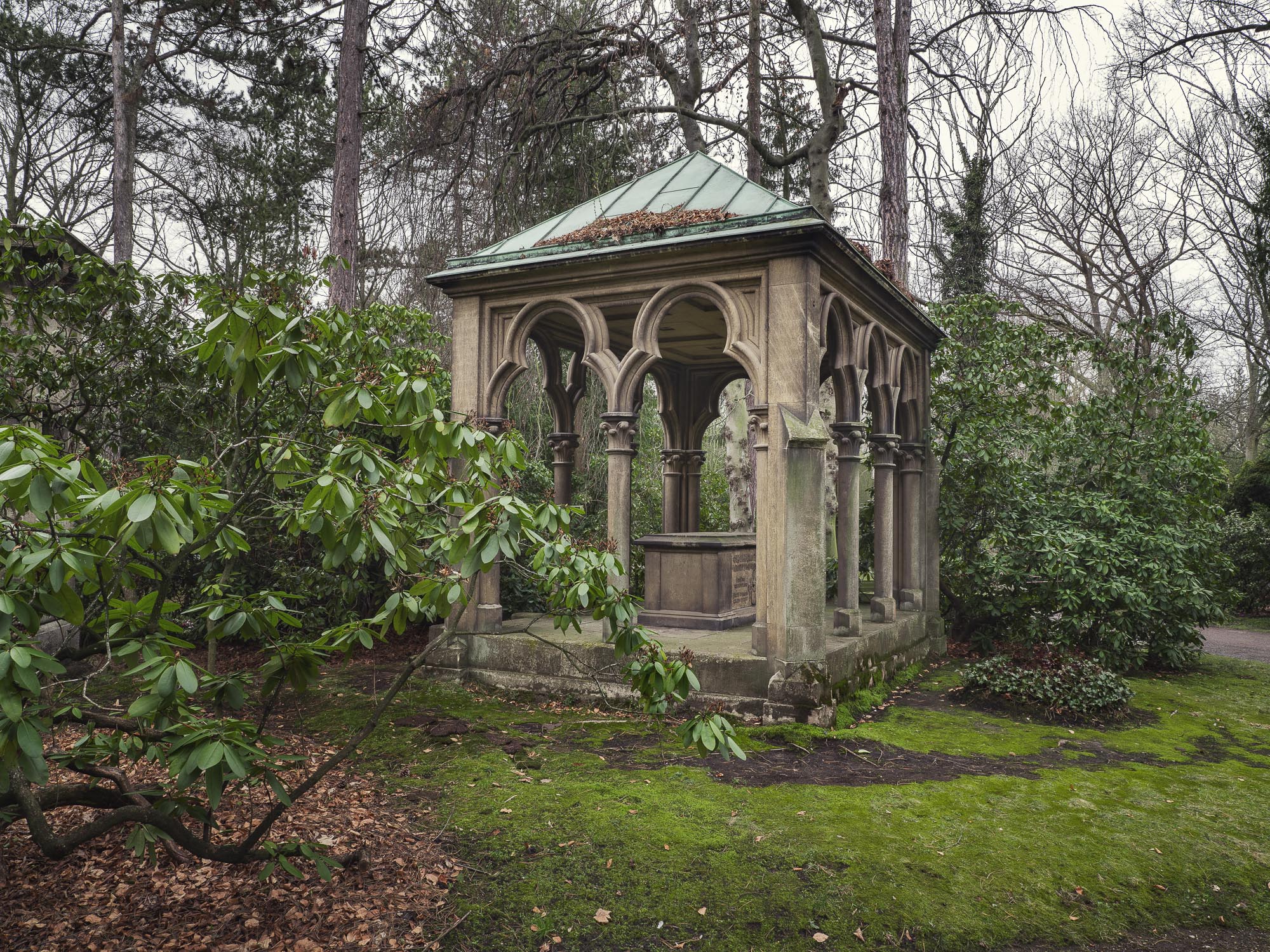
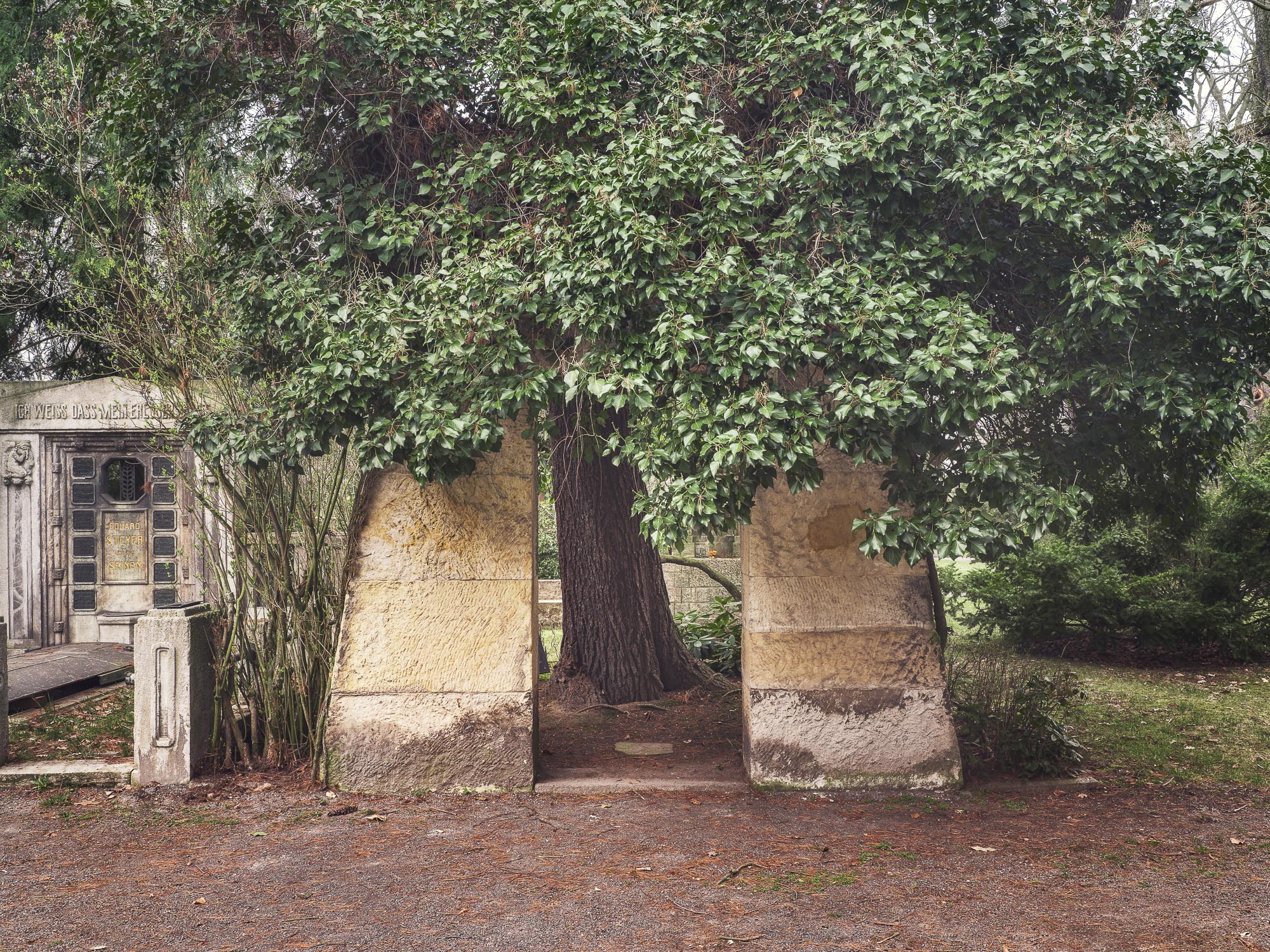
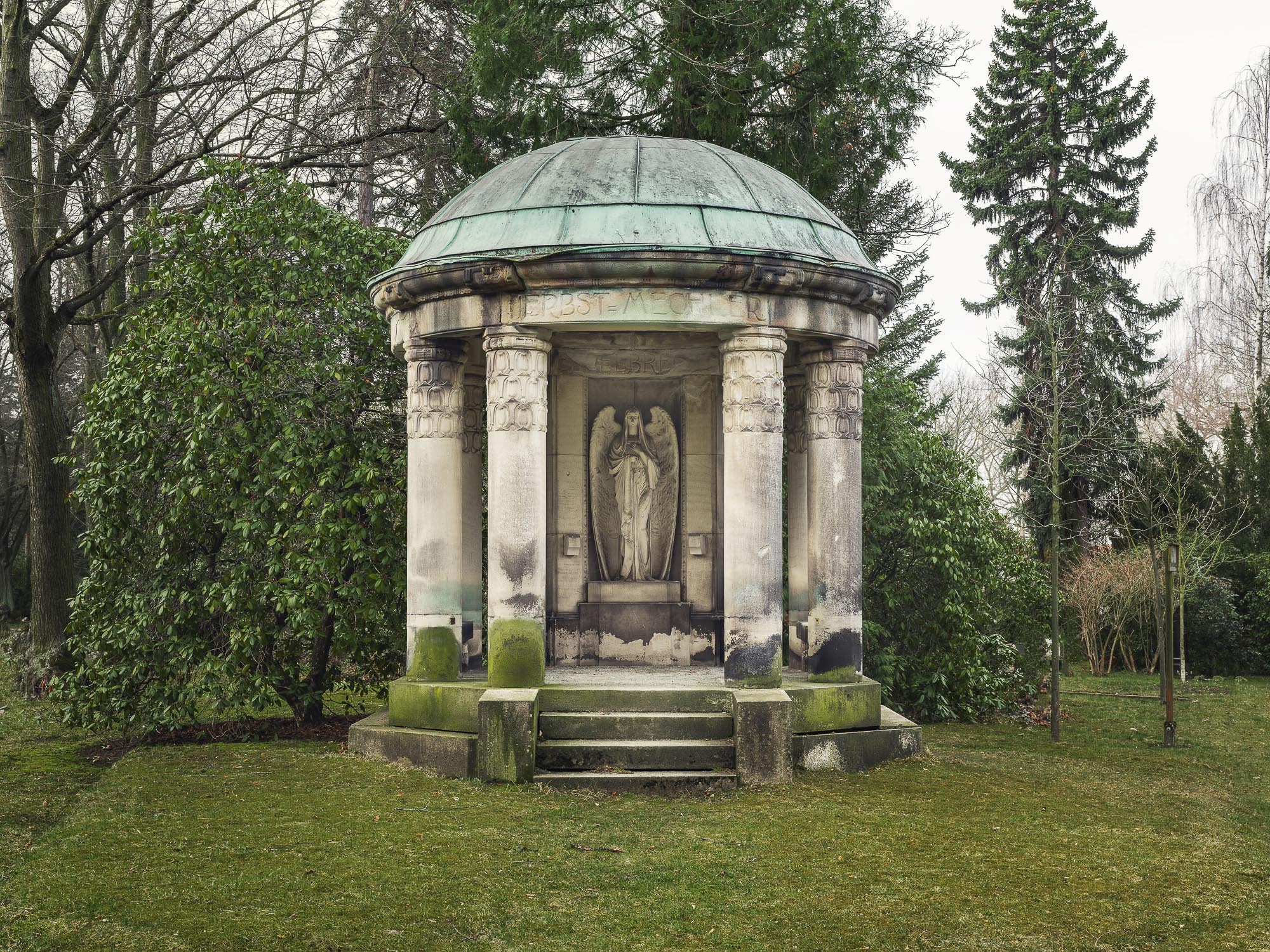
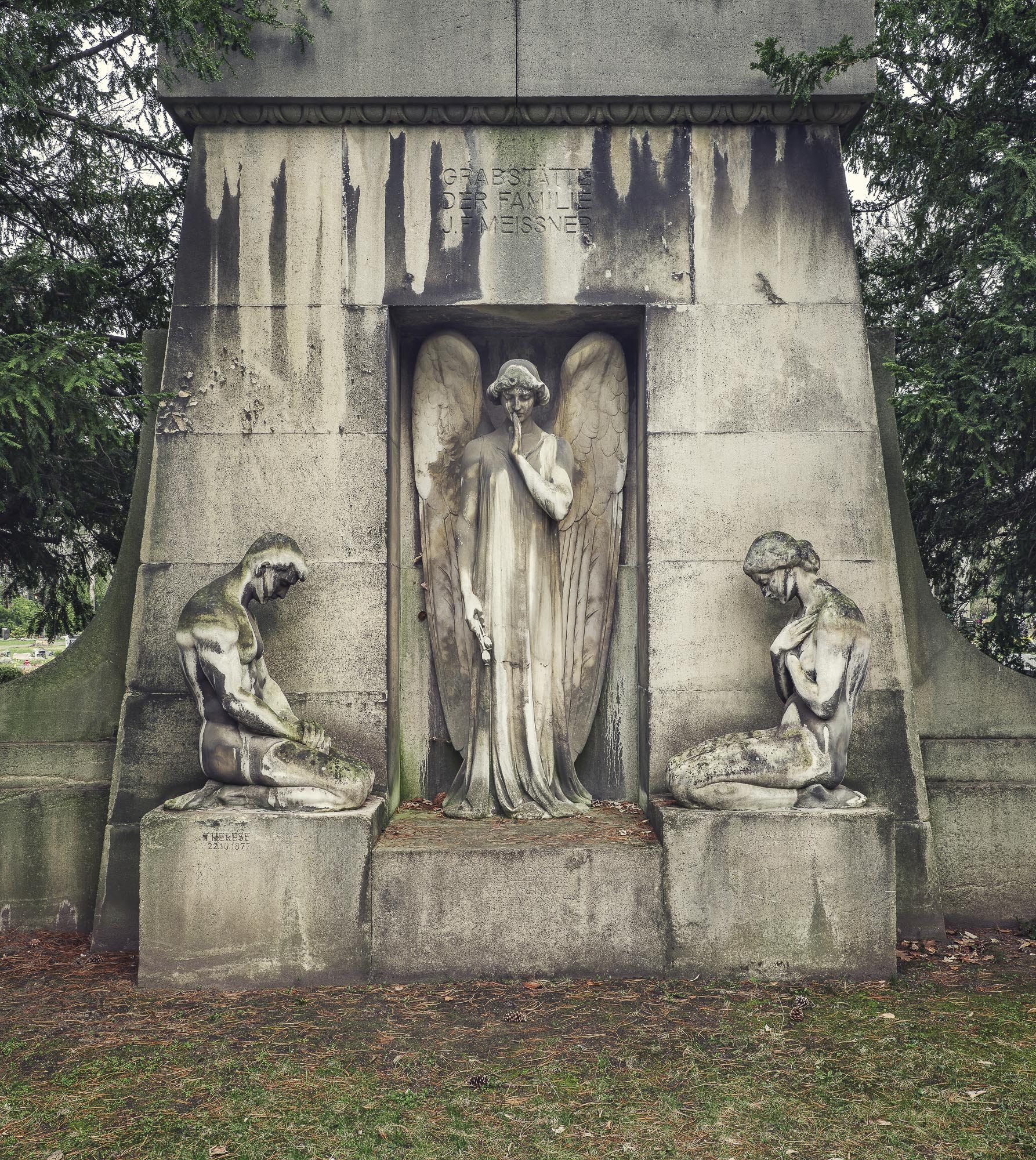
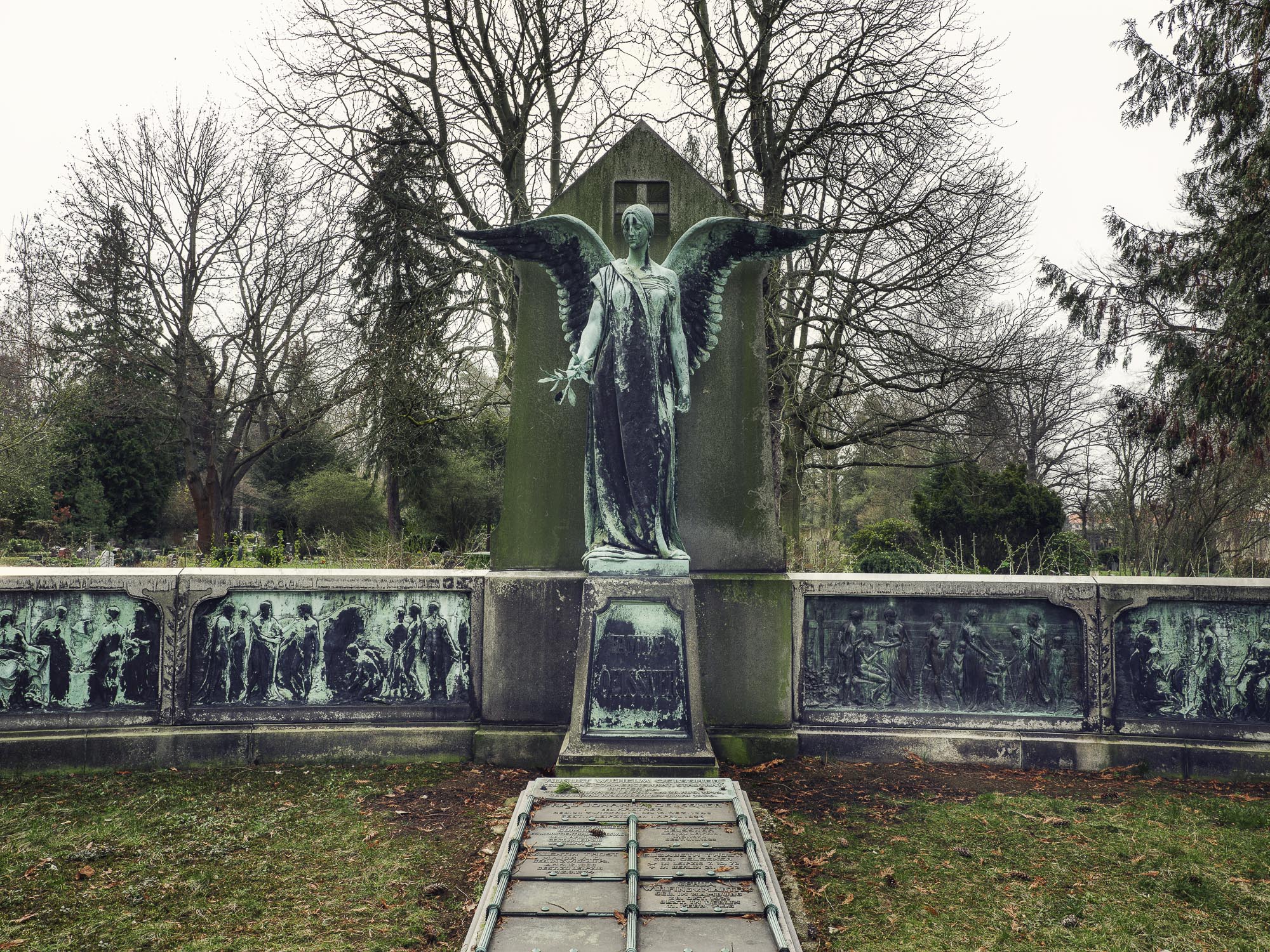
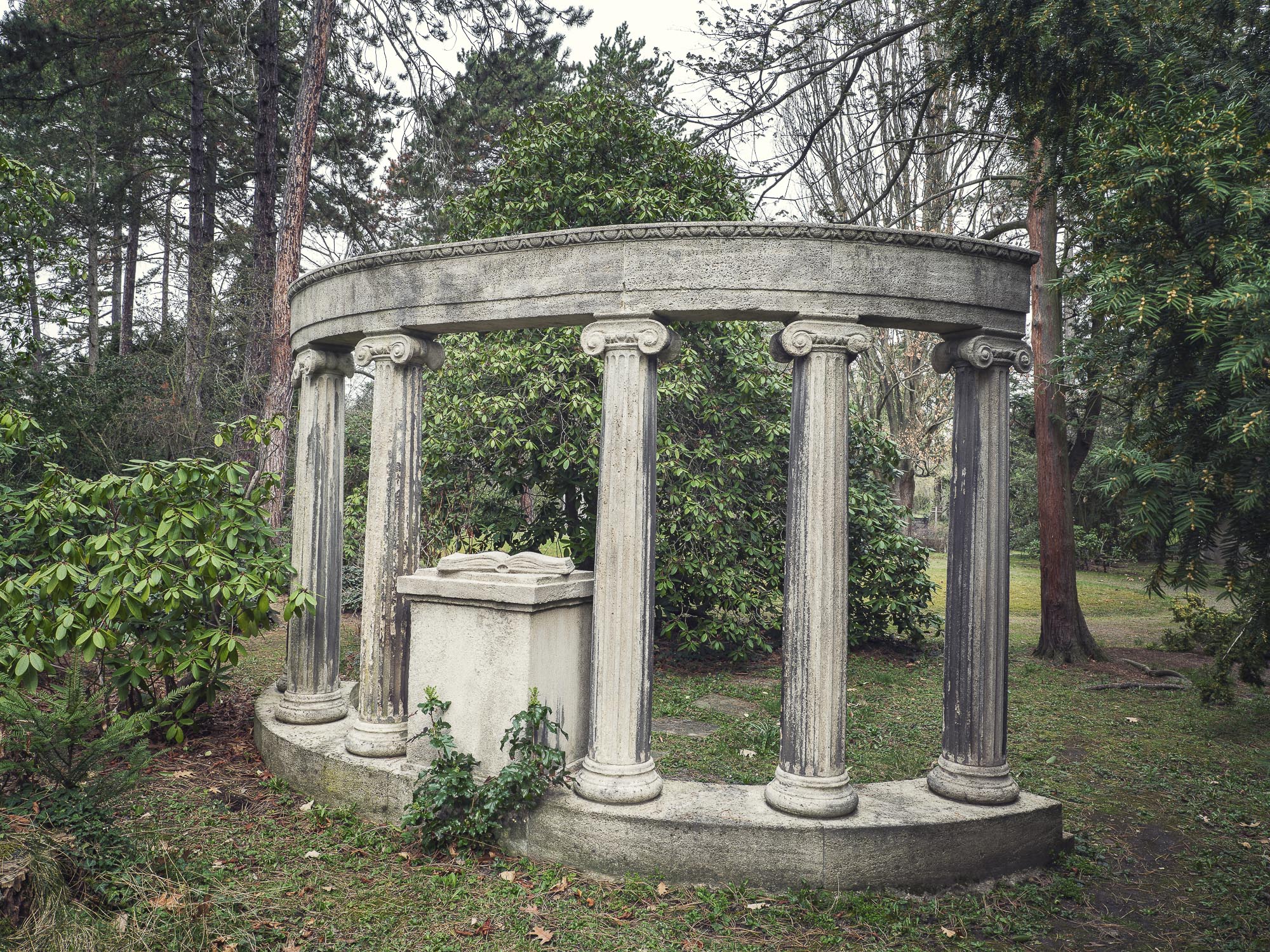
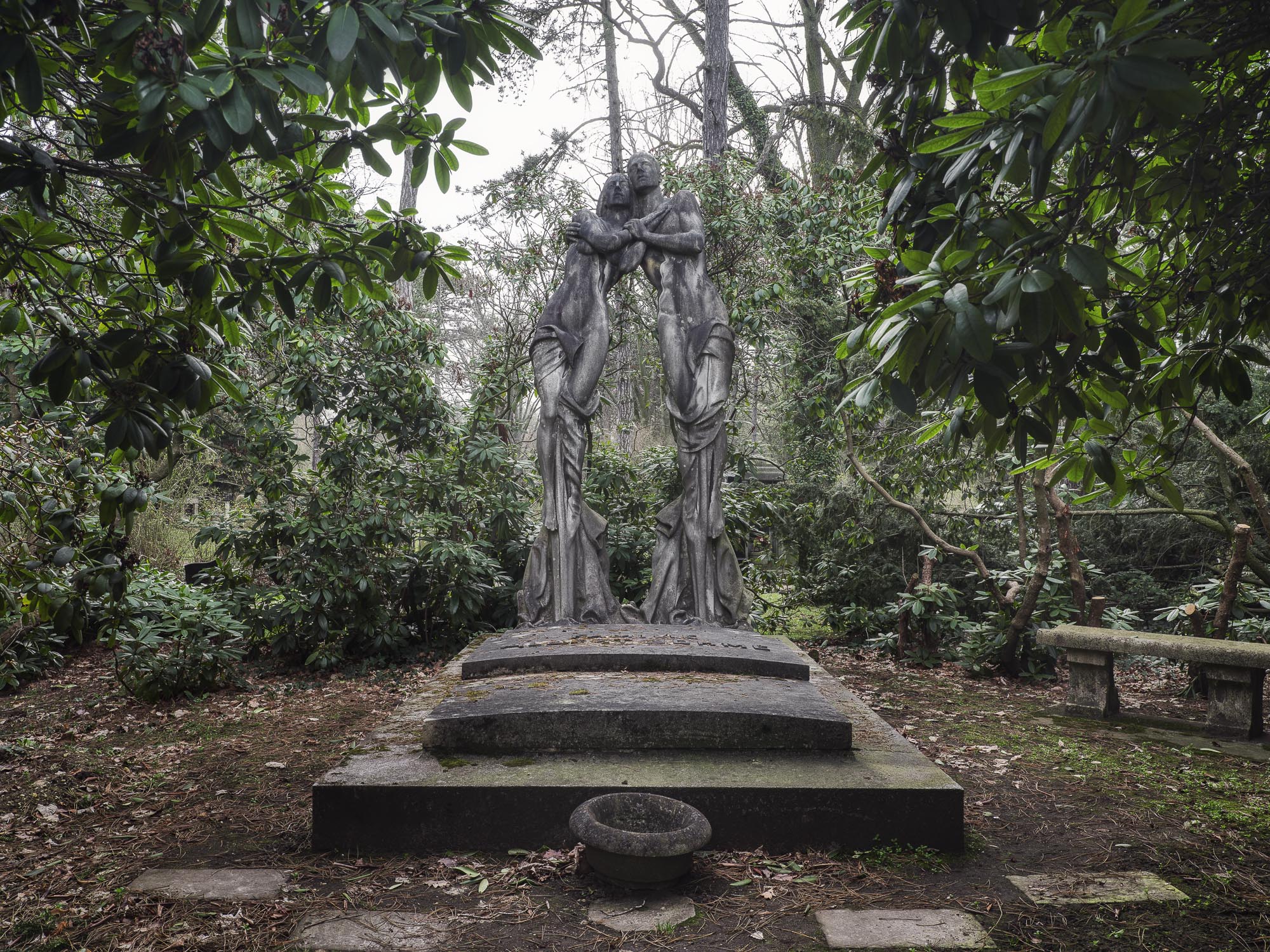
A visit is worthwhile for walks among nineteenth- and early twentieth-century sculpture, old trees and bird song. The cemetery is still in use.
Frequently asked questions
Where is the Südfriedhof in Leipzig?
The Südfriedhof lies in the south of Leipzig, right next to the Monument to the Battle of the Nations, at Friedhofsweg 3, 04299 Leipzig.
Who is buried at the Südfriedhof in Leipzig?
Burials include the conductor Kurt Masur, the poet Christian Fürchtegott Gellert and the architect Hugo Licht. Seven honorary citizens of the city are also buried here.
What is the chapel complex at the Südfriedhof known for?
It was completed in 1910 in a neo-Romanesque style, with a 60-metre bell tower modelled on Maria Laach Abbey. The complex includes a crematorium and a columbarium.