Belgium · Uccle (Brussels) · 44 pictures
Dieweg Cemetery
Cimetière du Dieweg
-
-
-
-
-
-
-
-
-
-

-
-

-

-
-
-
-
-
-
-
-
-

-
-
-
-
-
-
-
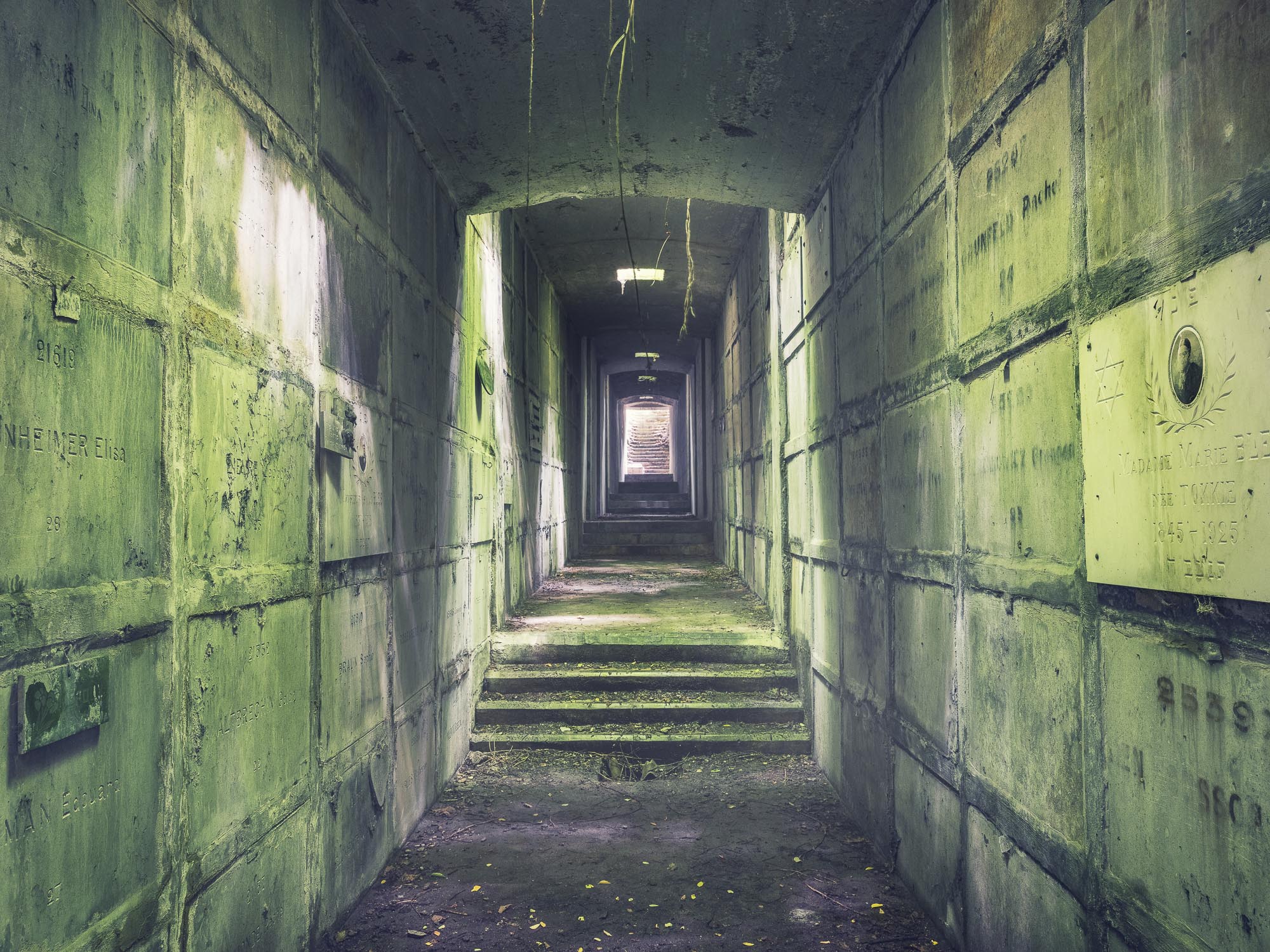
-

-
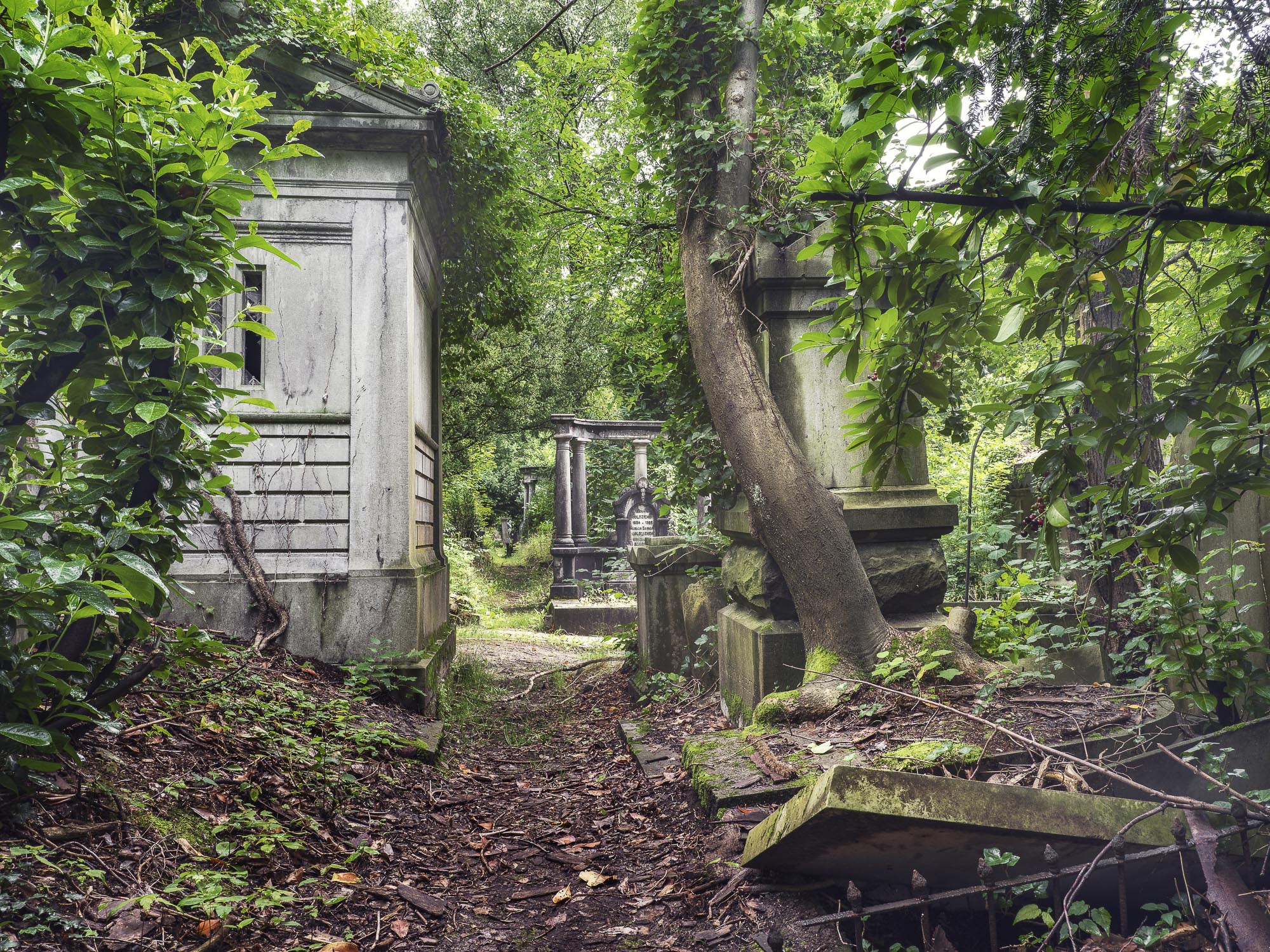
-
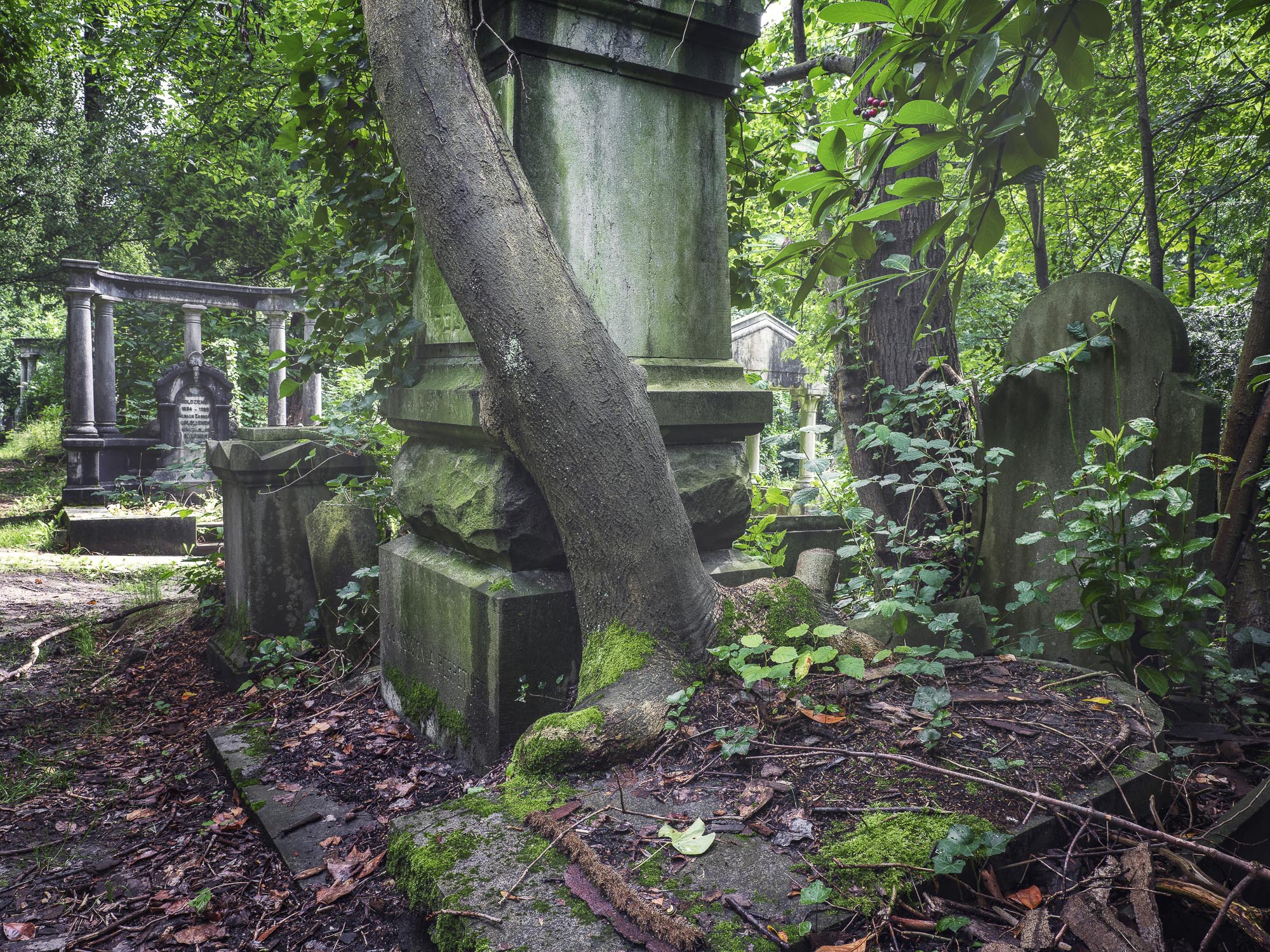
-
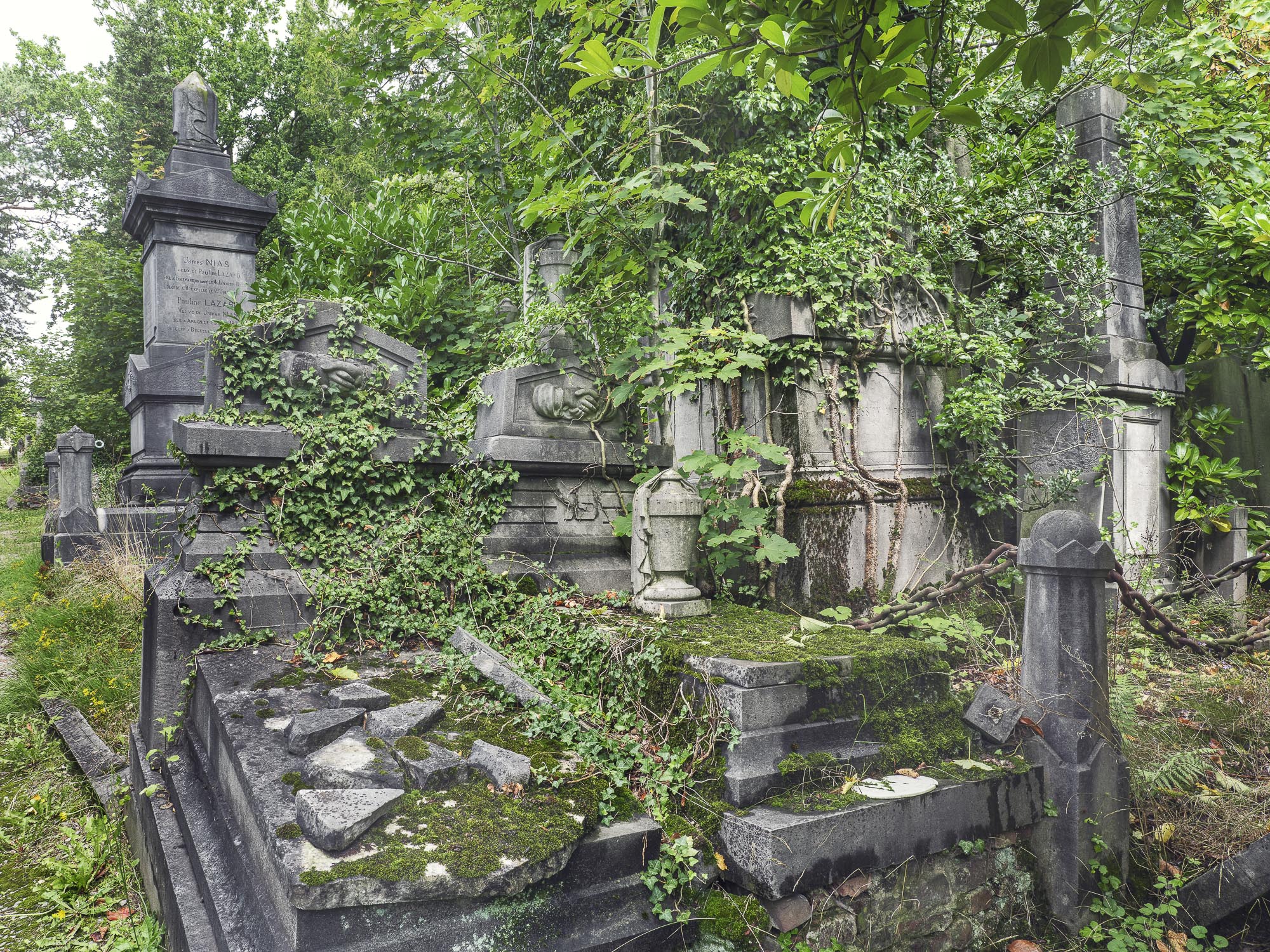
-
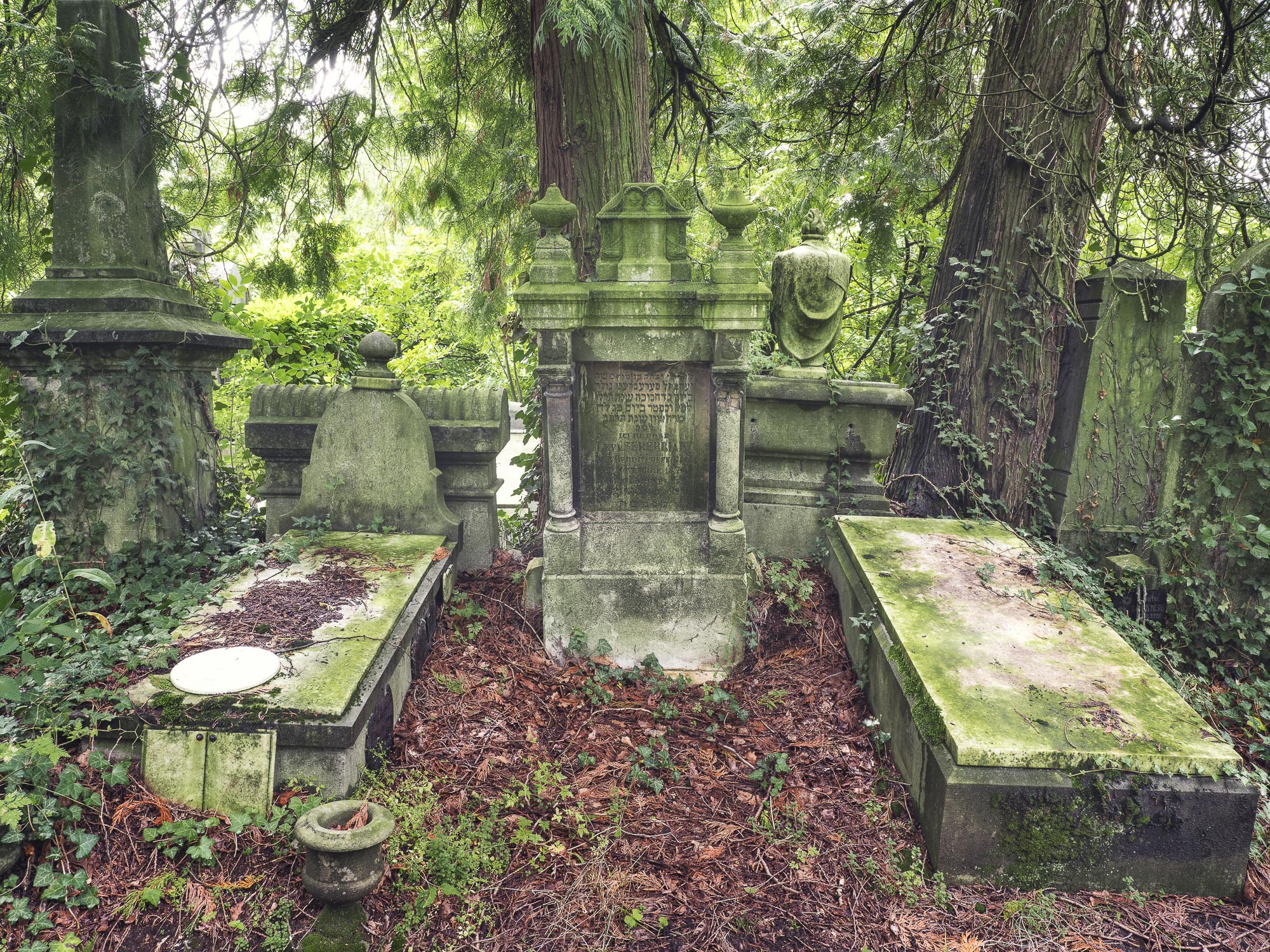
-

-
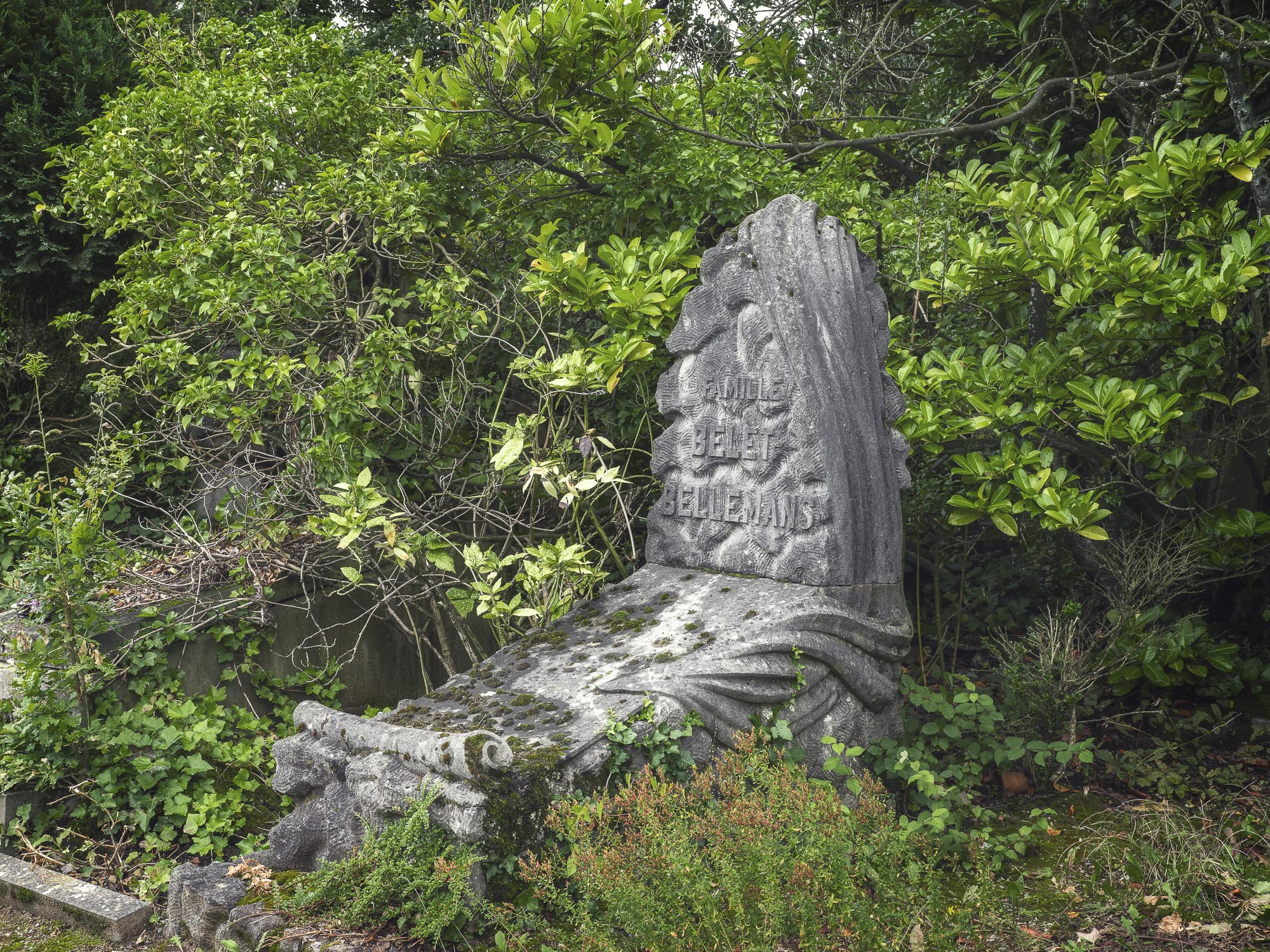
-
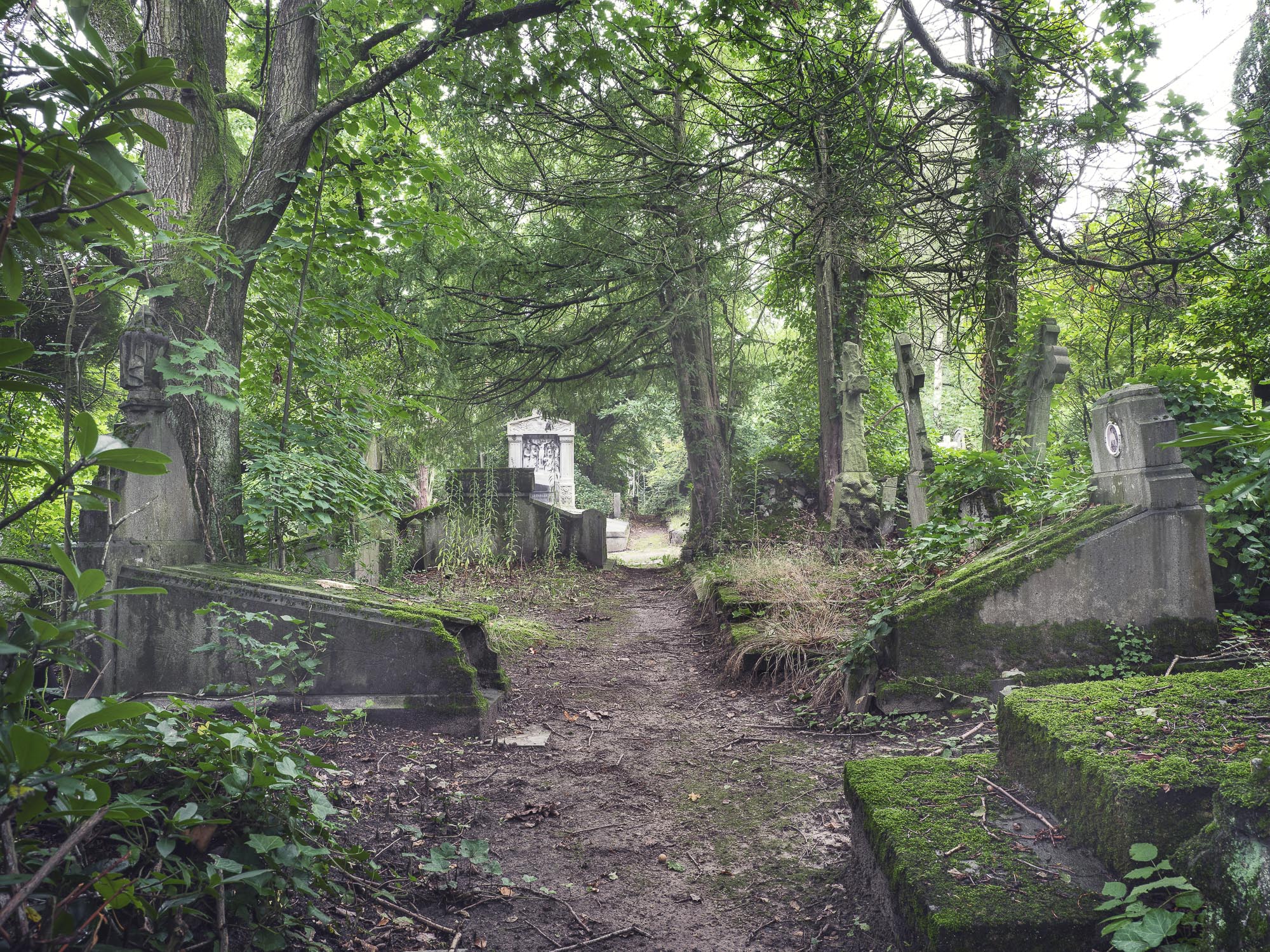
-
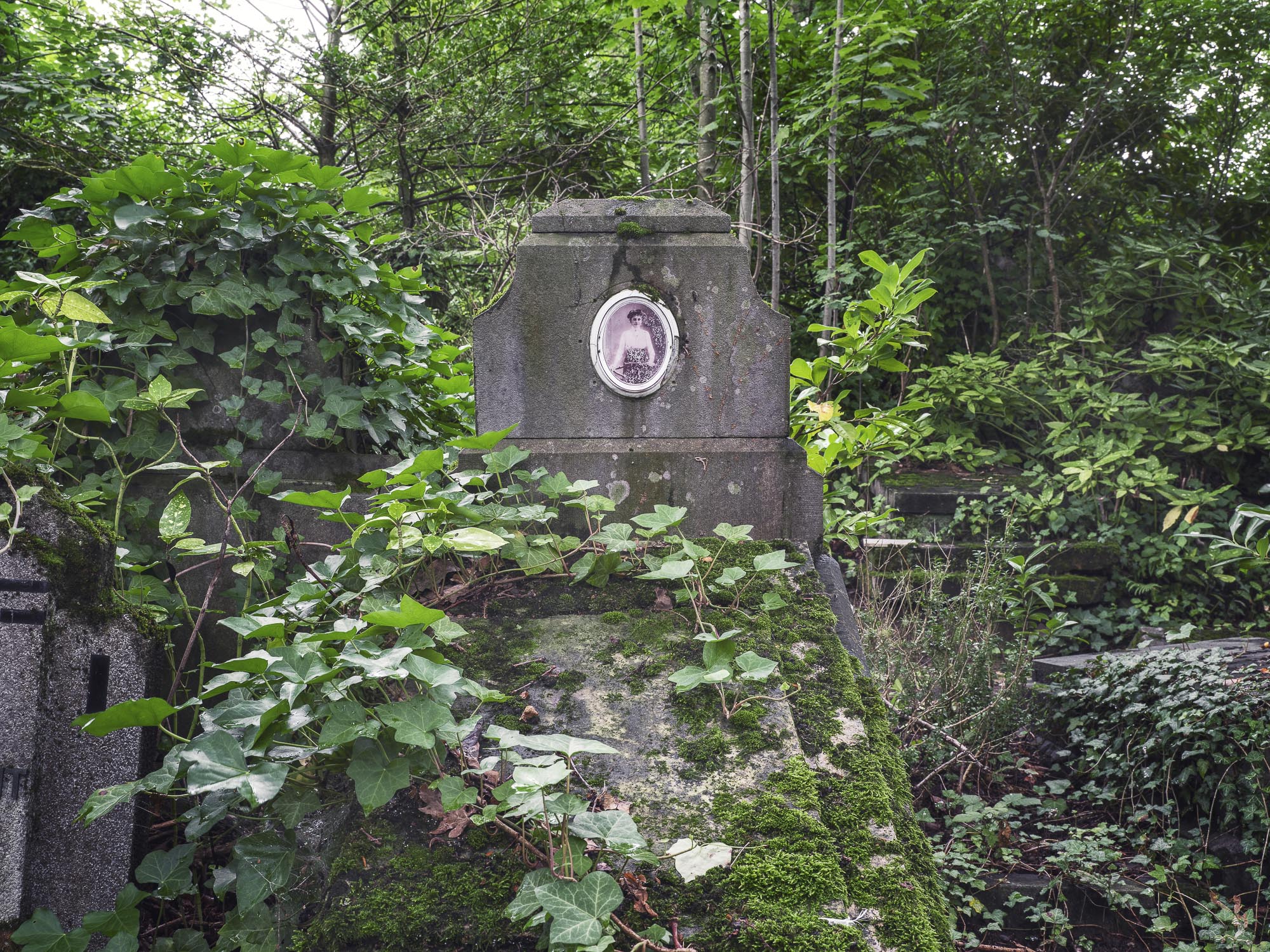
-
-
-
-
-
-
About this place
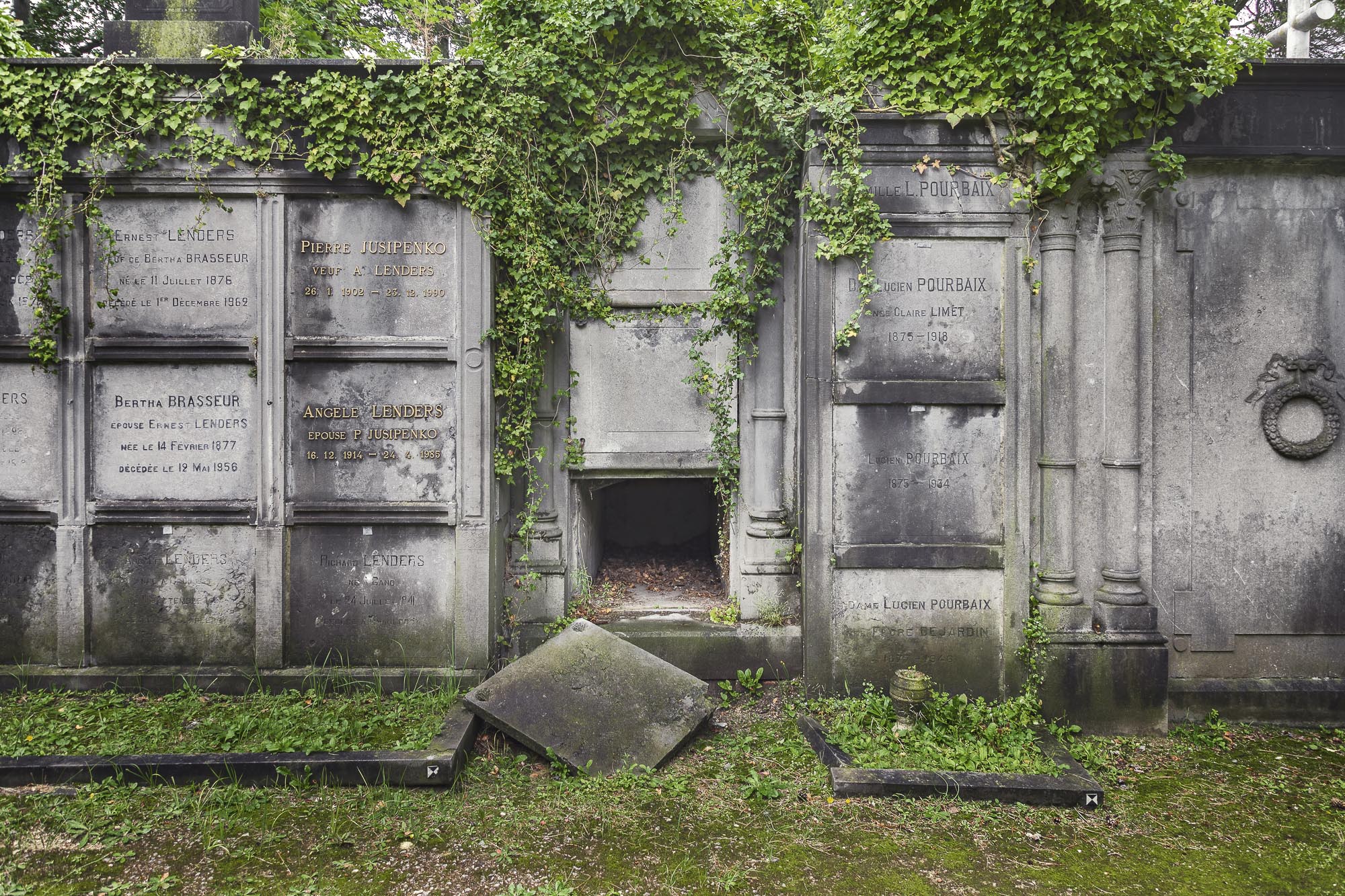
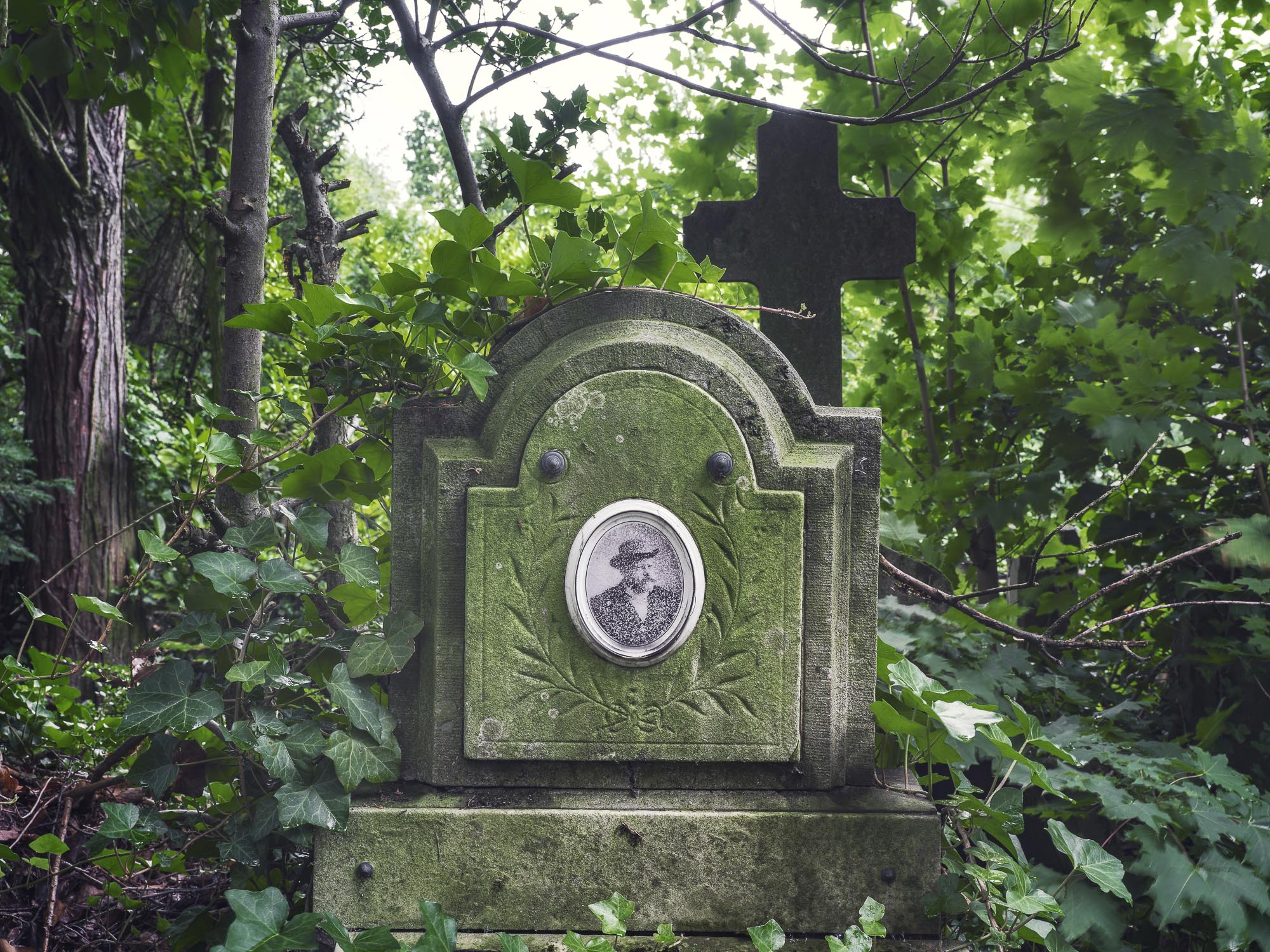
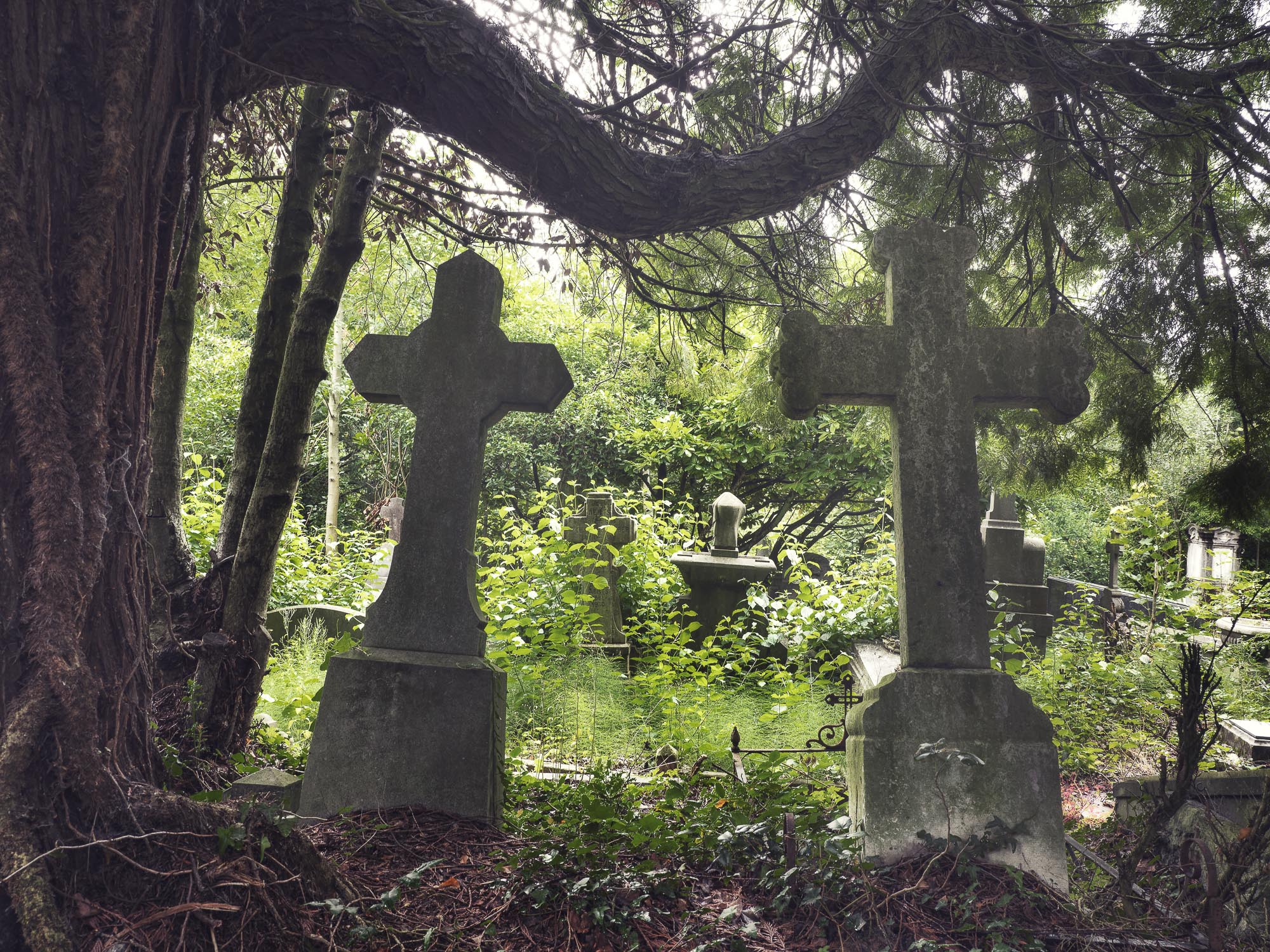
The municipality of Uccle bought the site at the Dieweg in 1866, when a cholera epidemic claimed many lives; the first burial followed in 1867. Here the Brussels middle class gave spatial form to its views of death, status and remembrance. Because of overcrowding, Verrewinkel Cemetery opened in 1945, and the Dieweg closed to new burials in 1958.
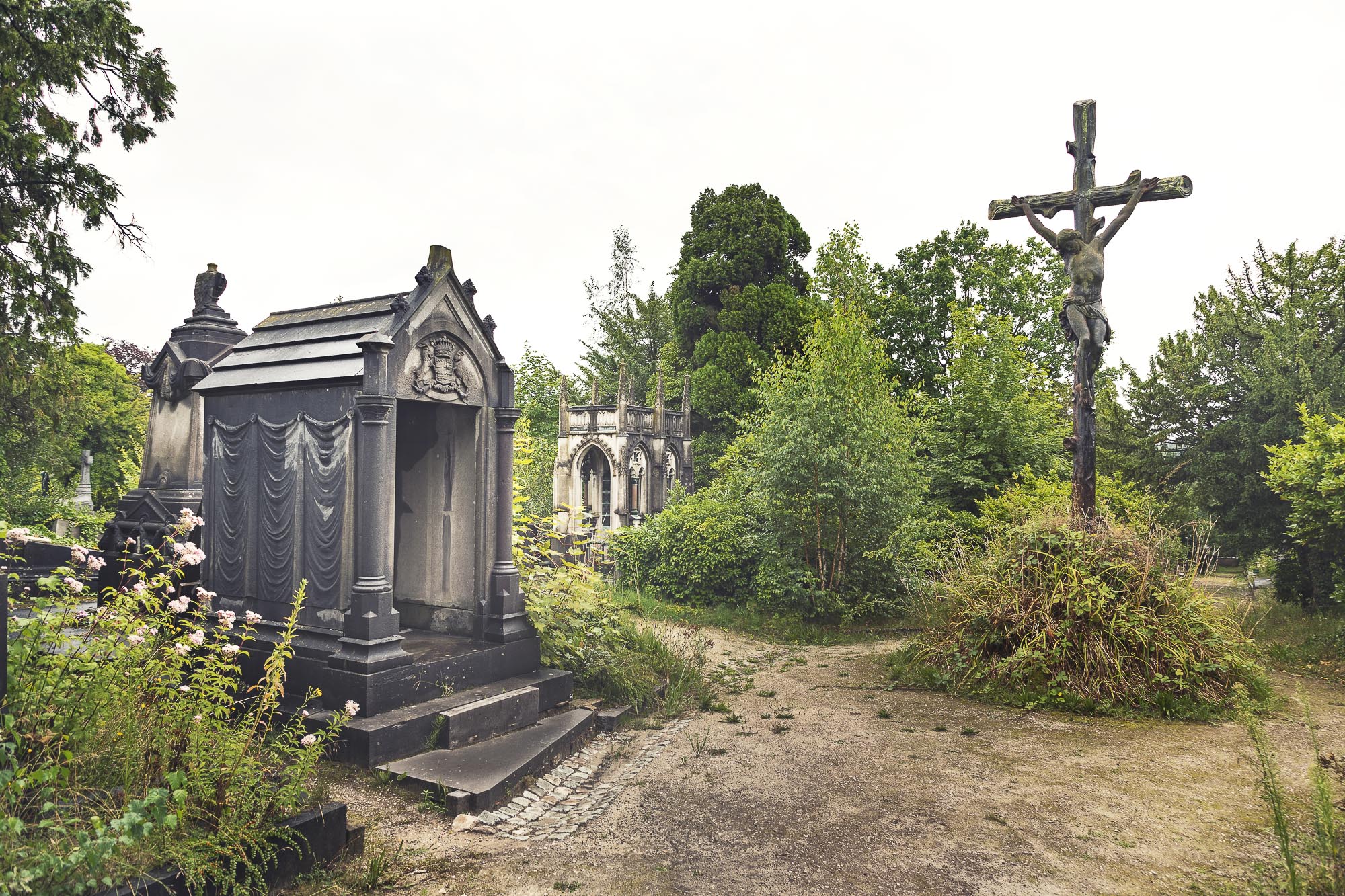
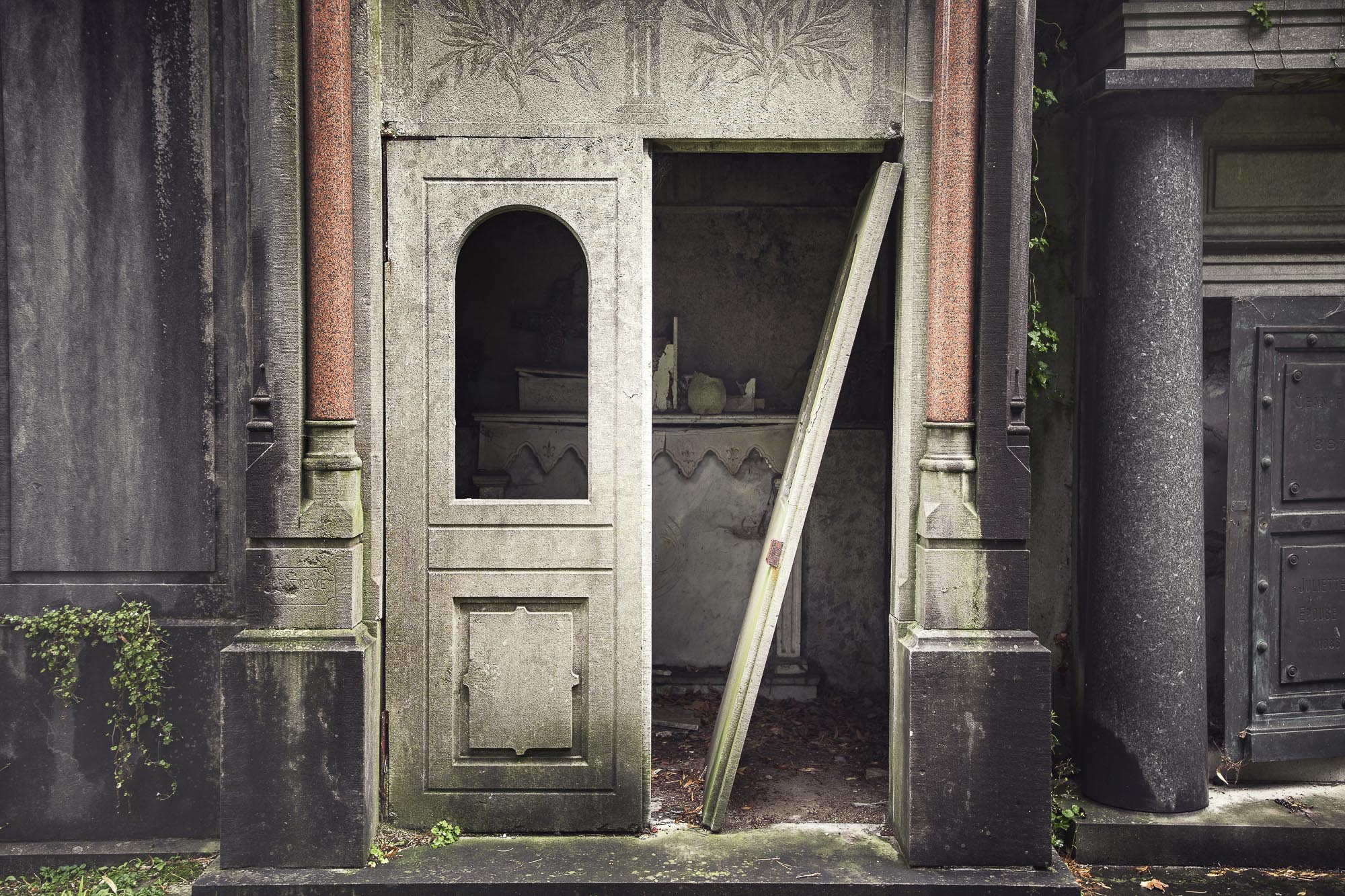
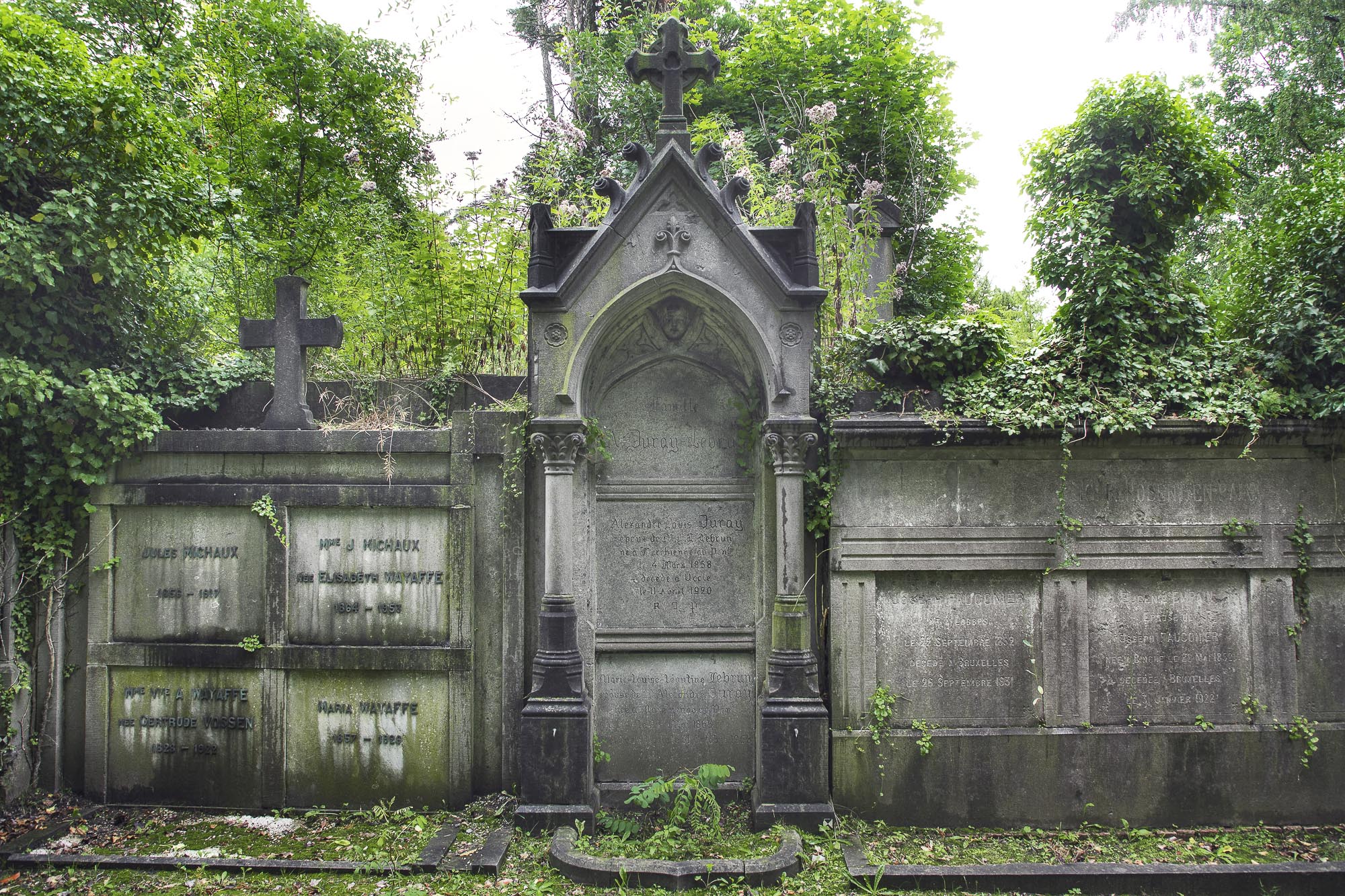
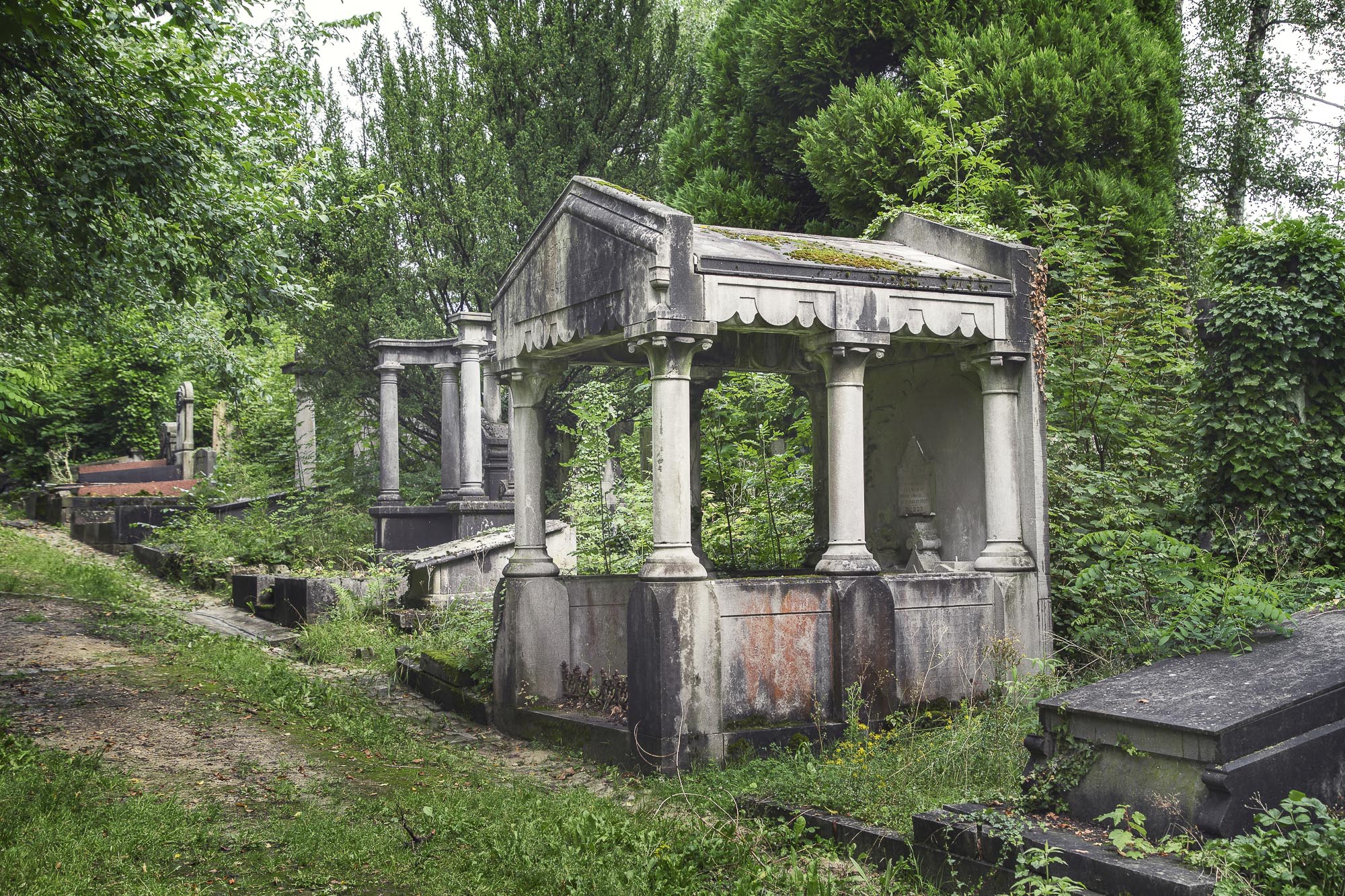
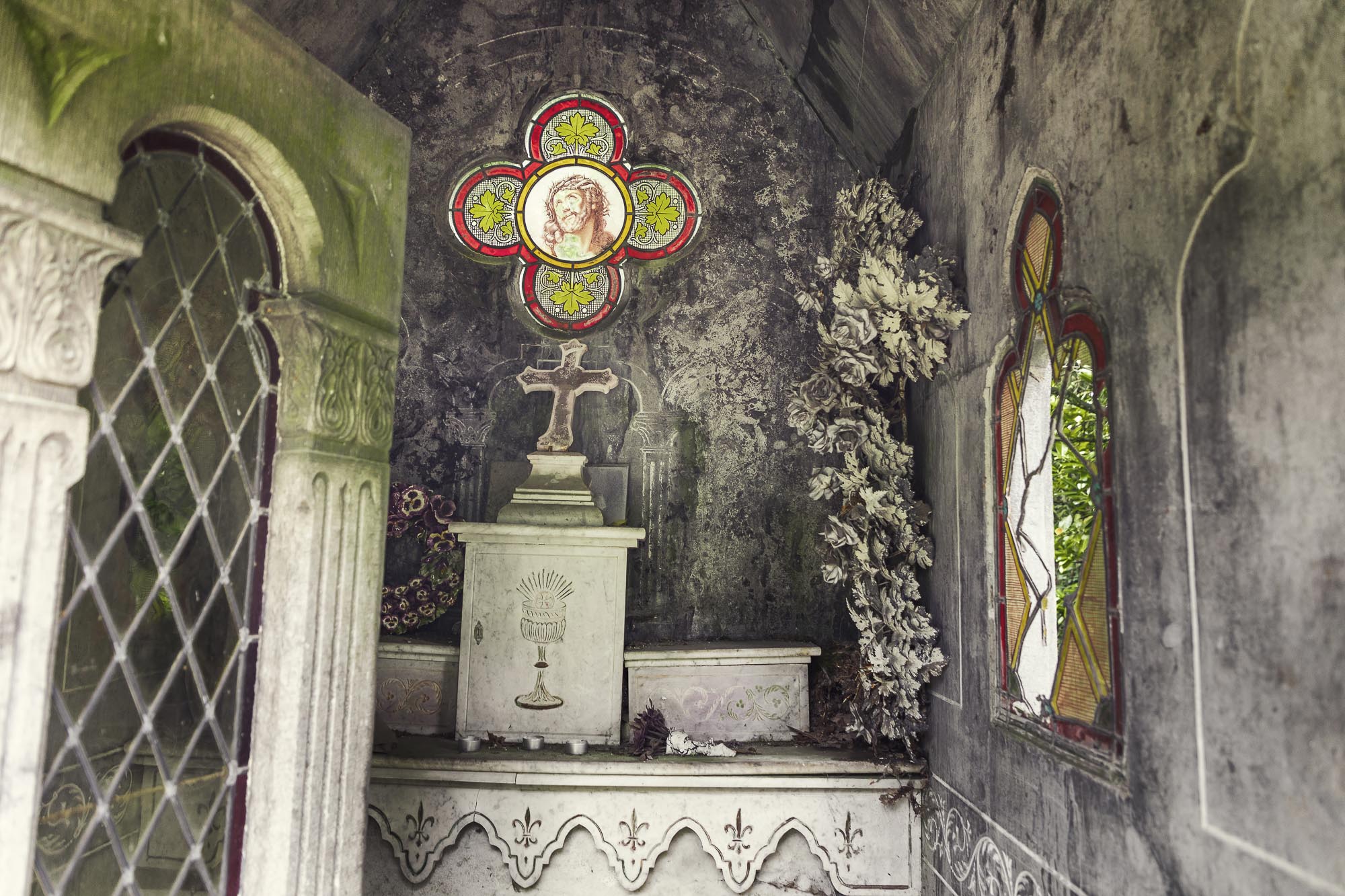
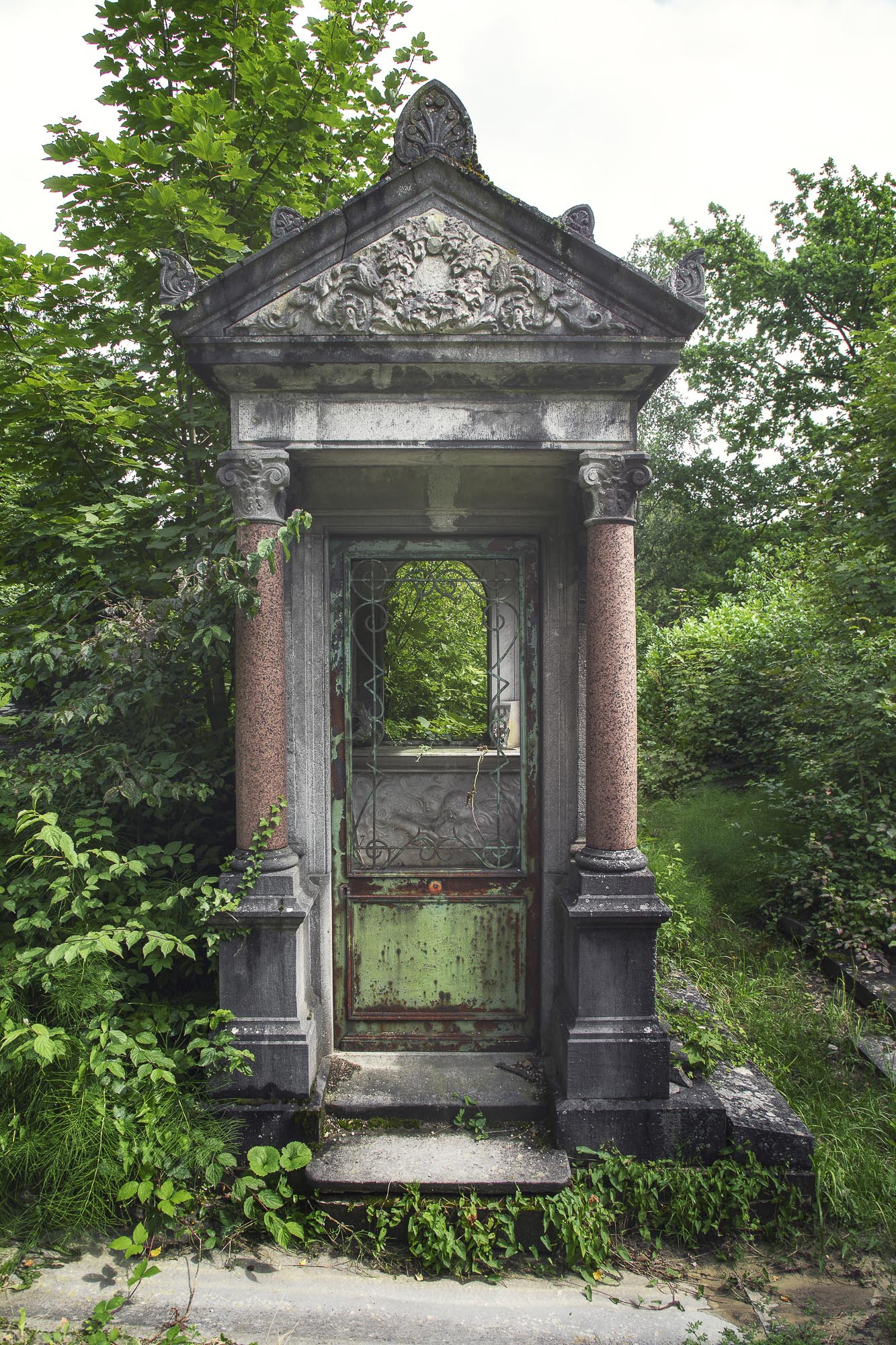
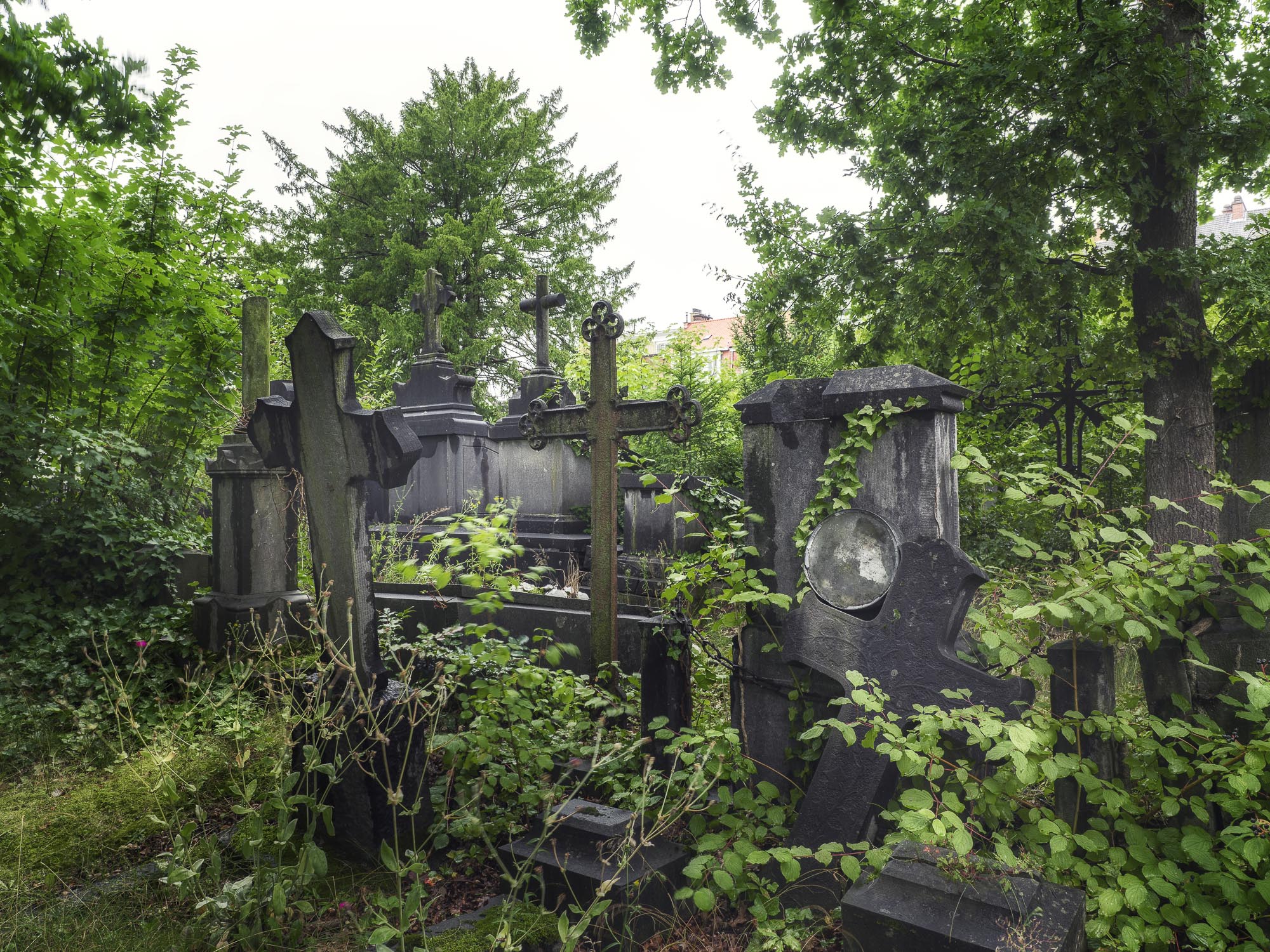
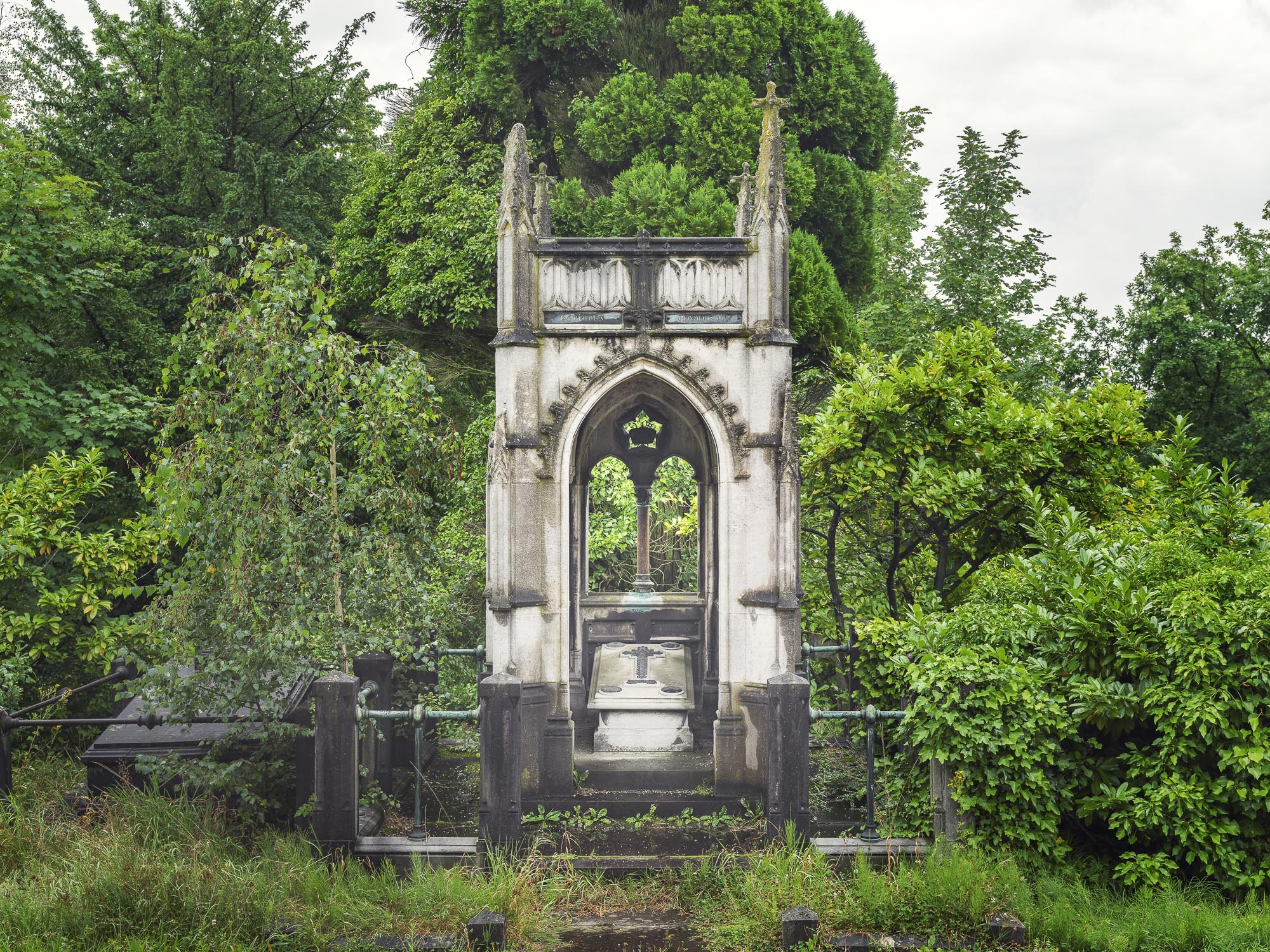
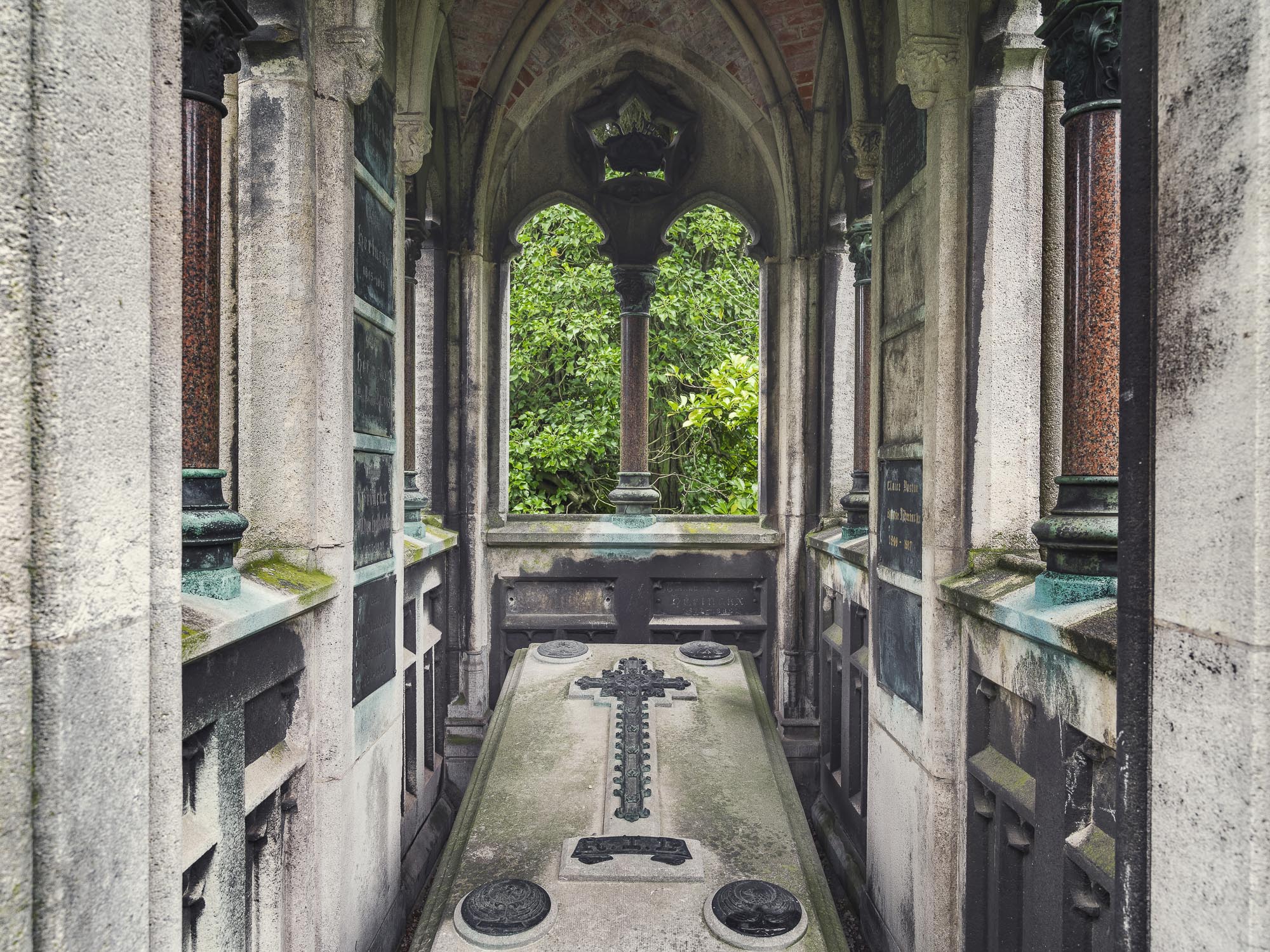
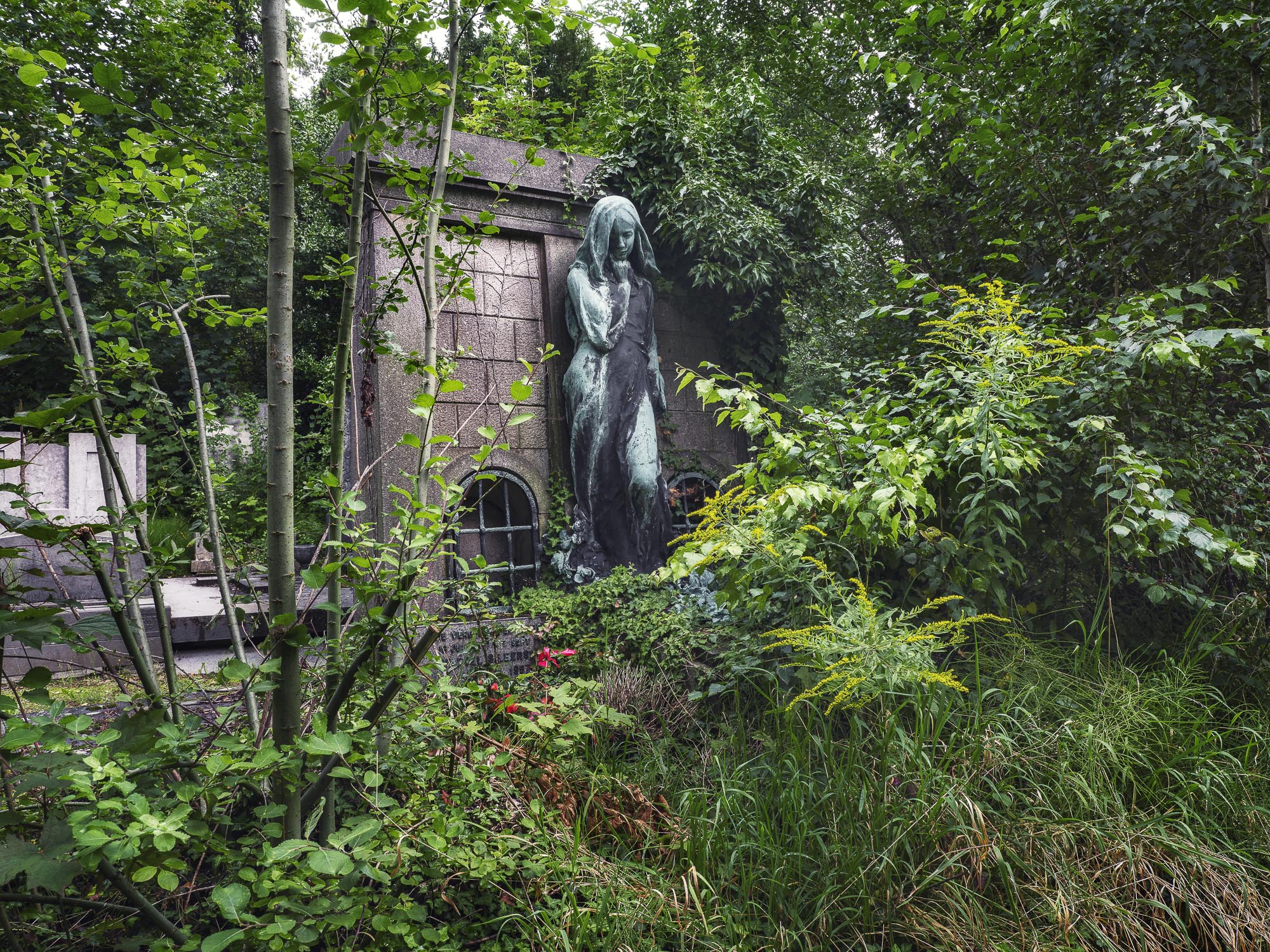
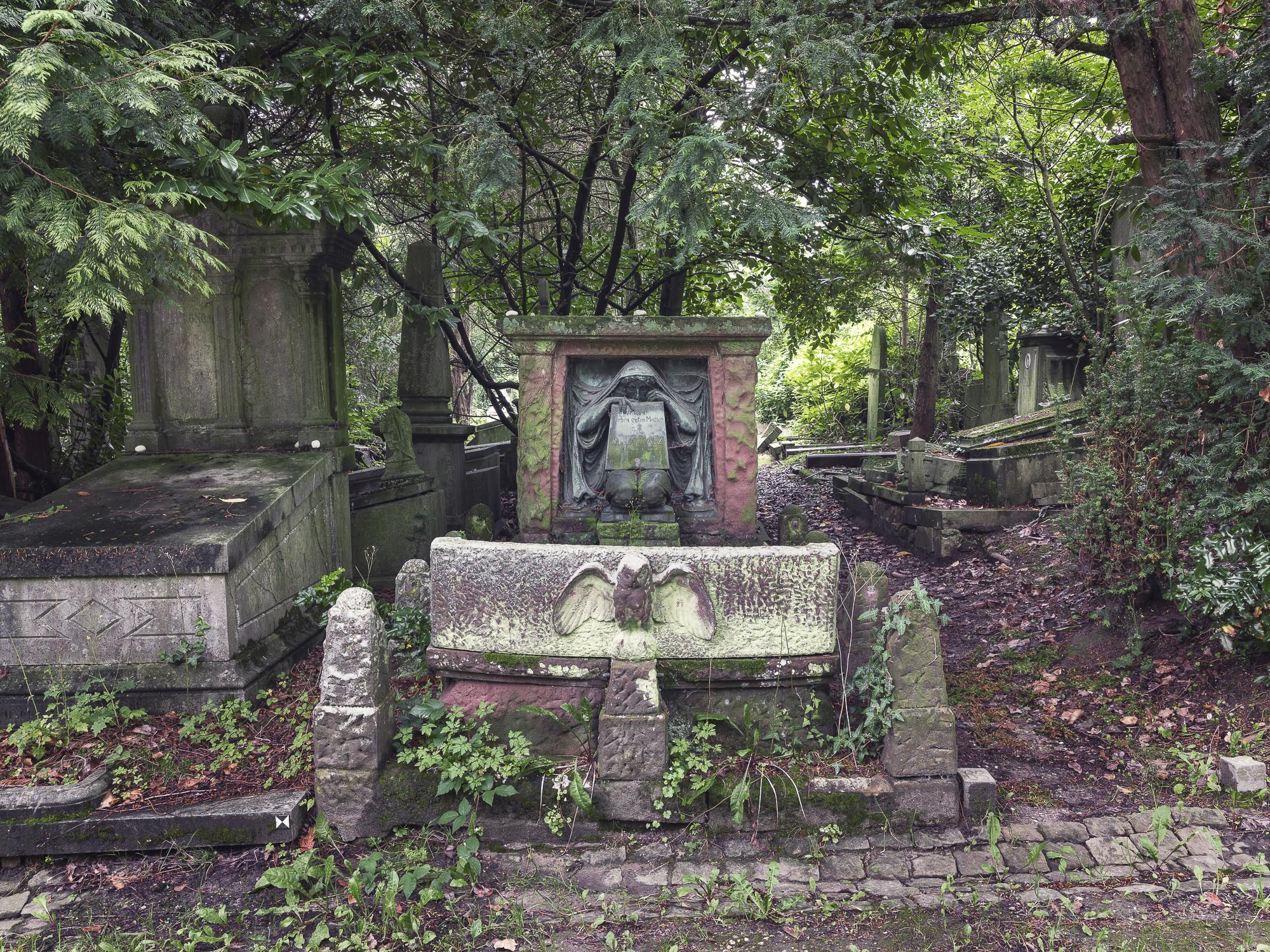
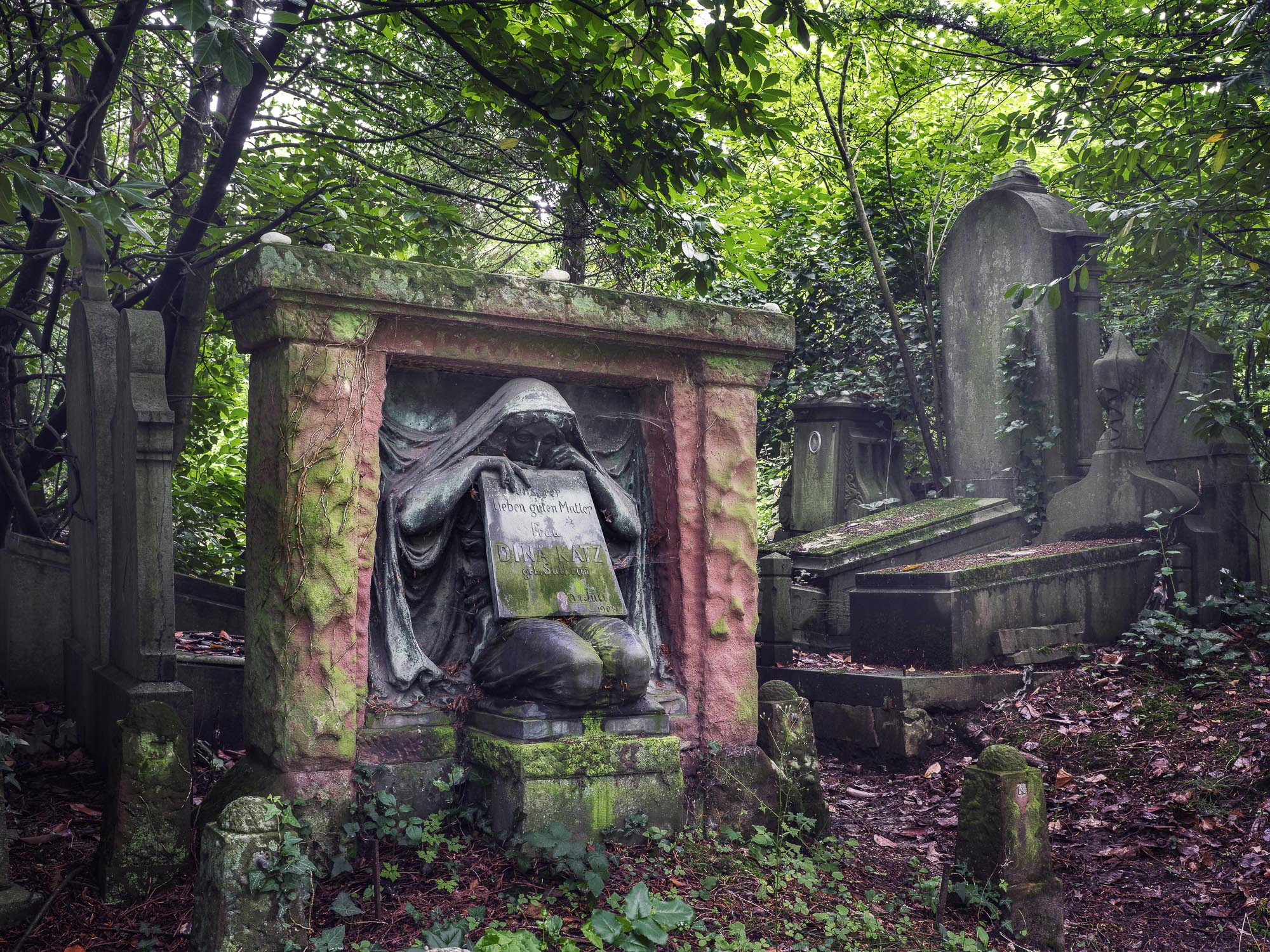
On less than three hectares stand Neo-Gothic chapels, Neoclassical tombs and mausoleums with Art Nouveau elements. Victor Horta designed the tomb of the Stern couple, and the monument to the physicians Clerx is by Paul Du Bois. The architects Paul Hankar and Jean-Pierre Cluysenaar, the banking family Lambert and the cartoonist Hergé are also buried here. Hergé, who died in 1983, is one of very few people interred after the closure.
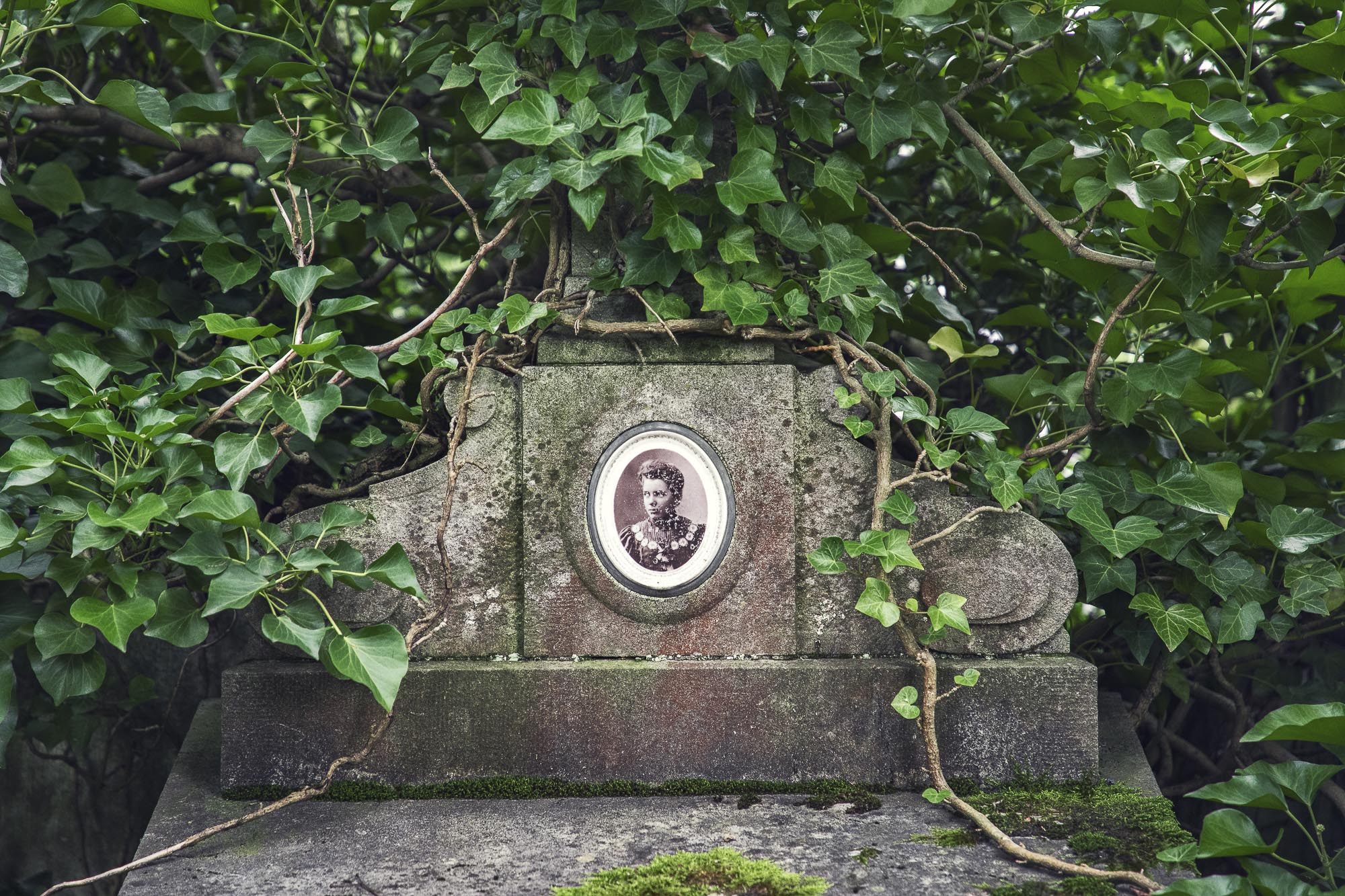
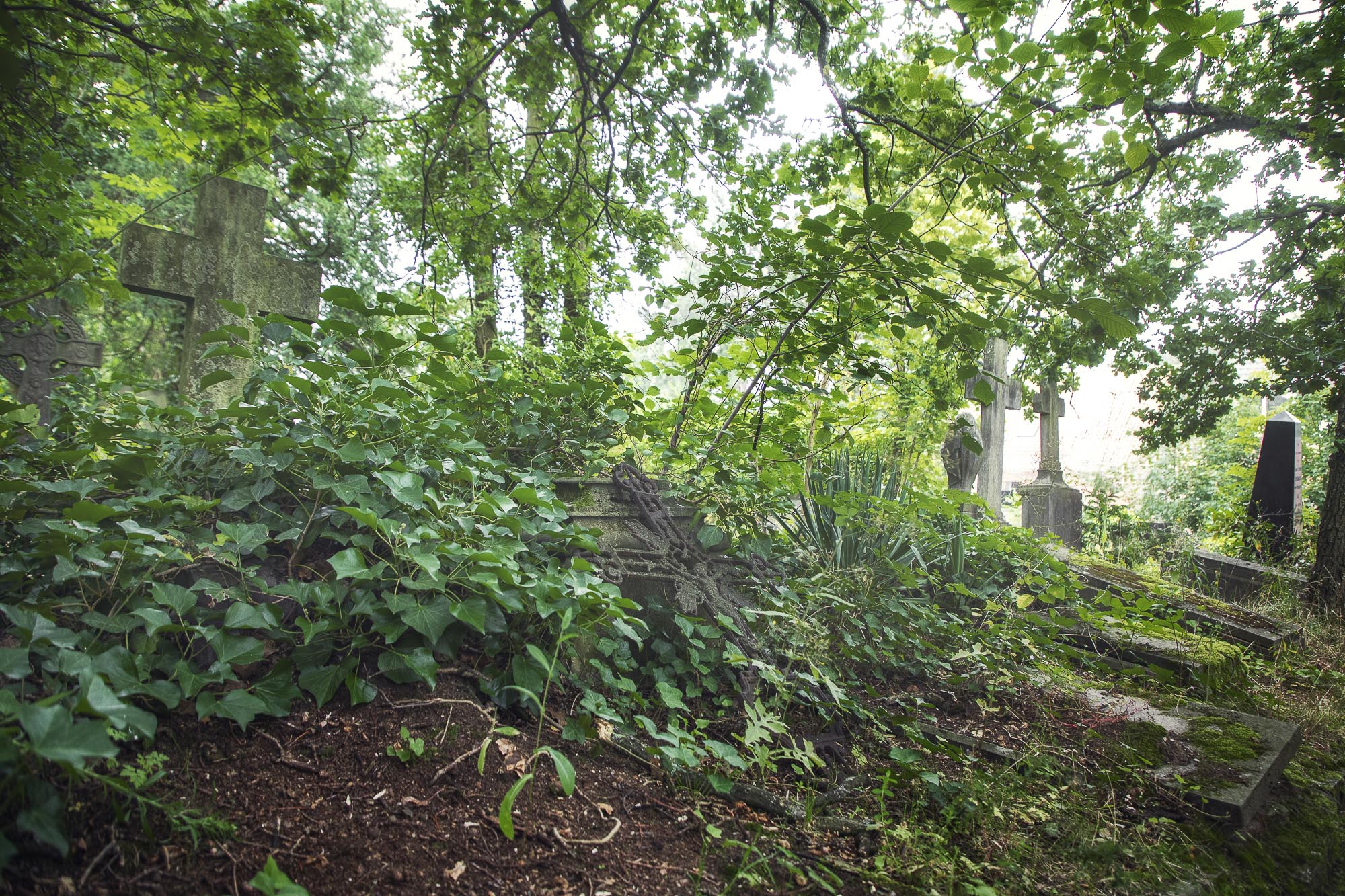
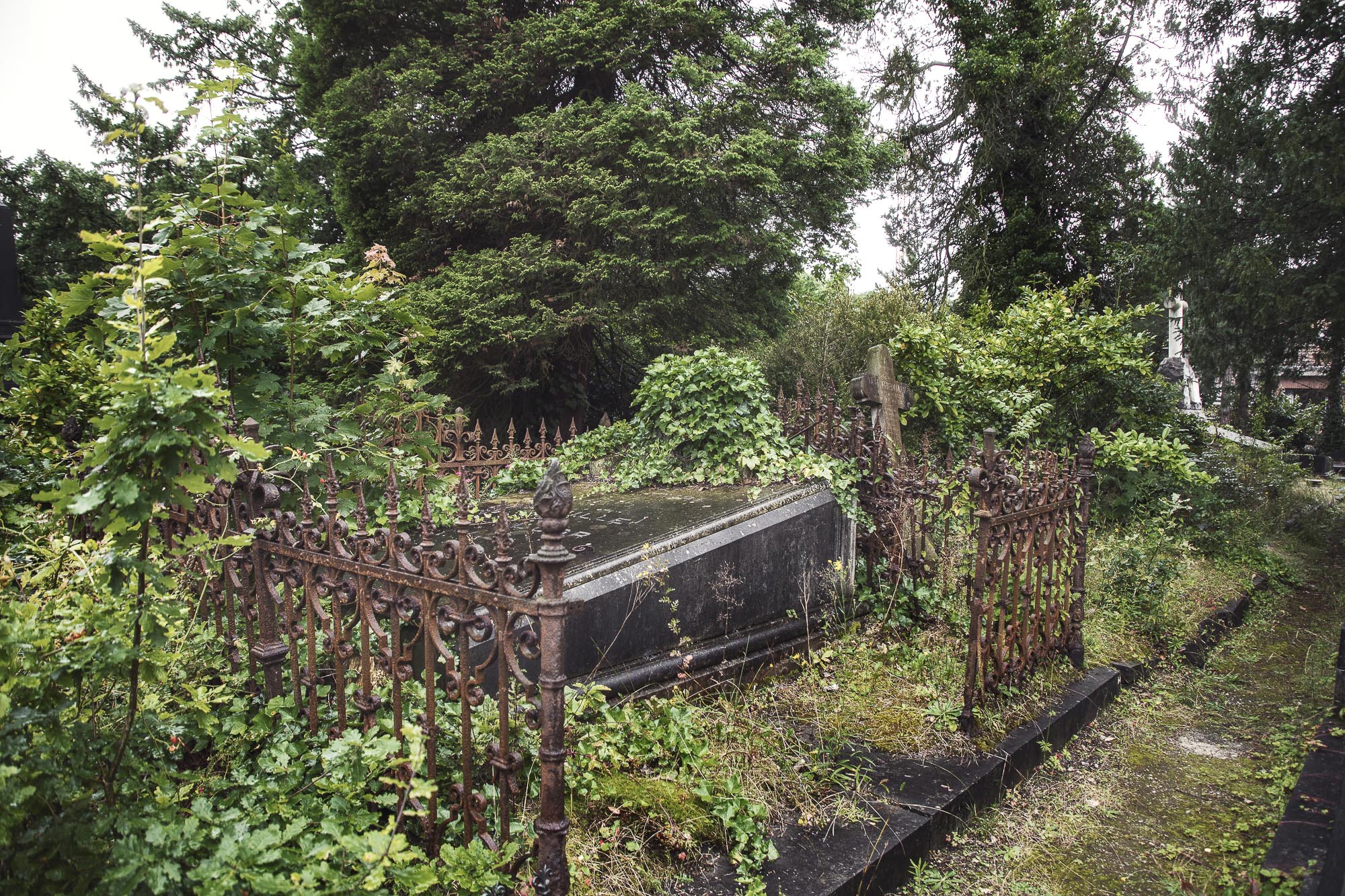
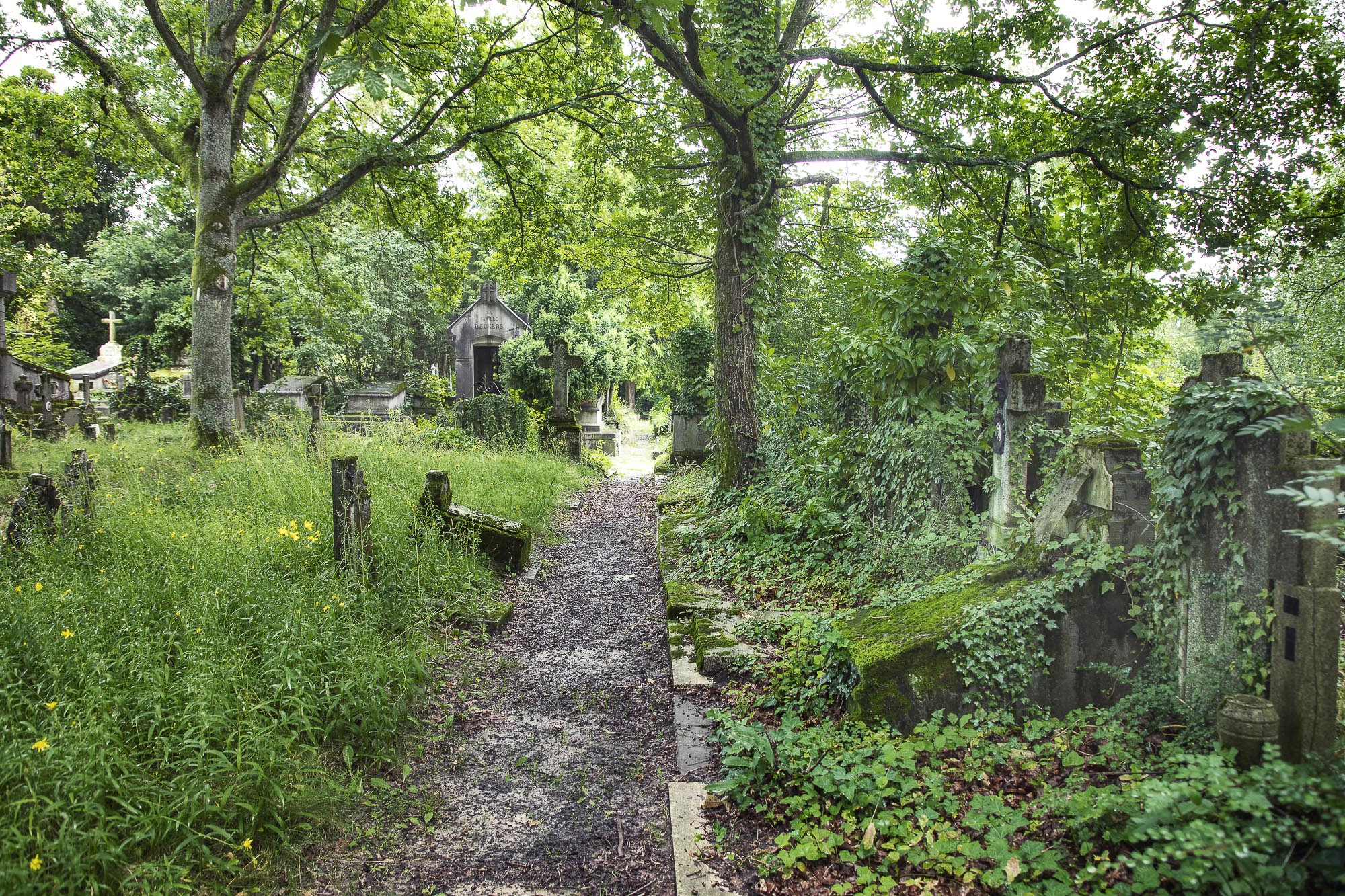
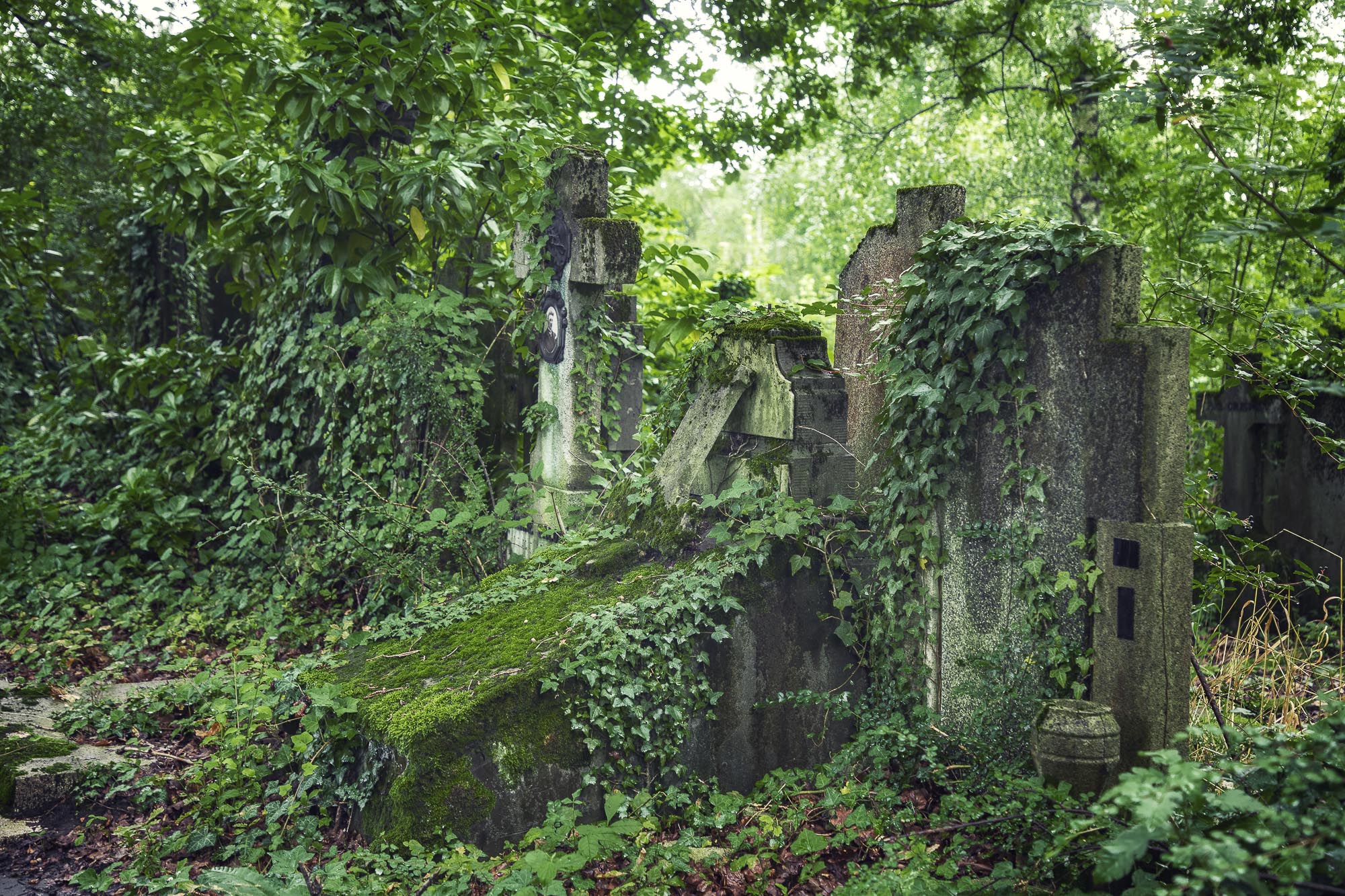
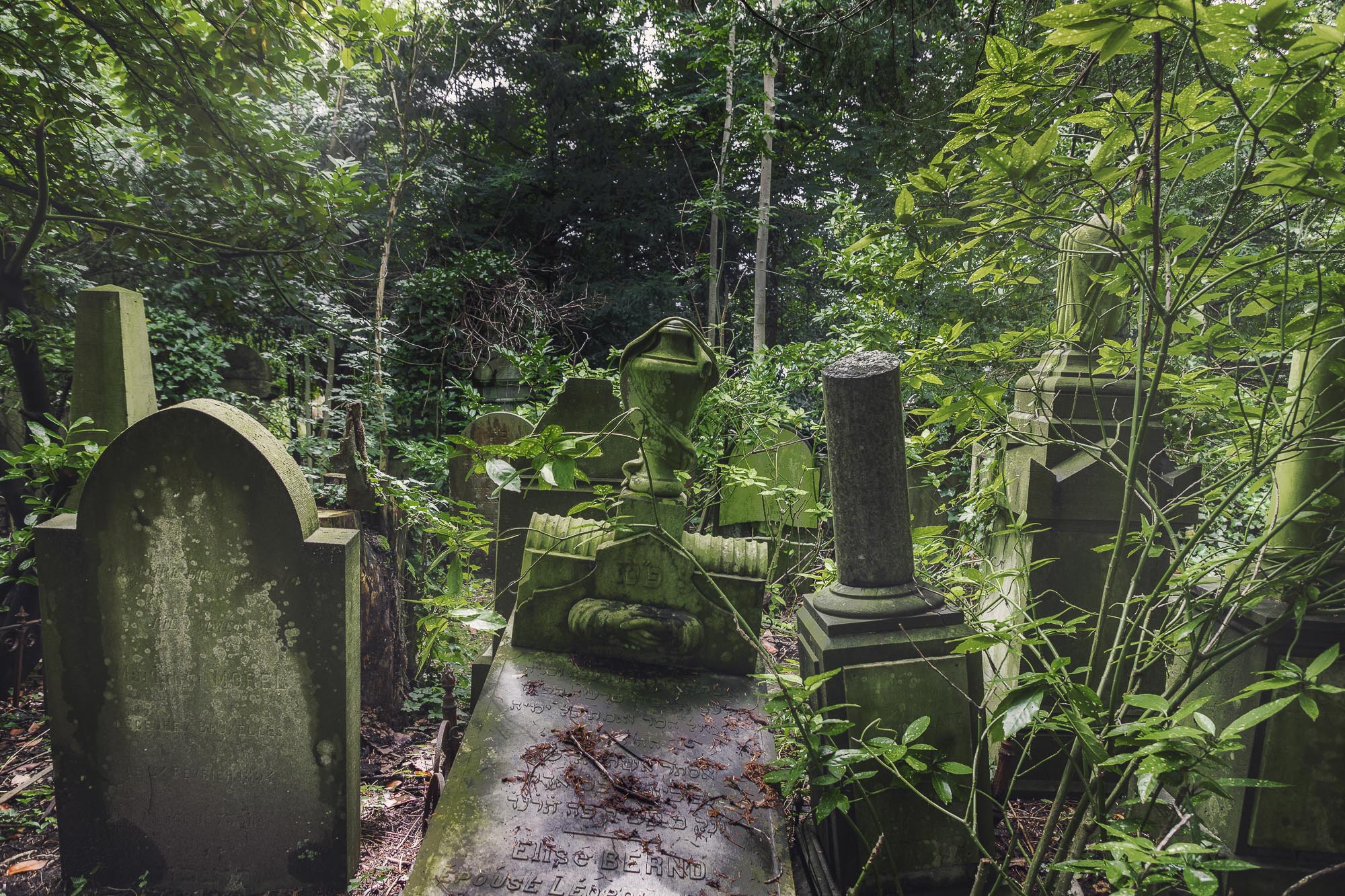
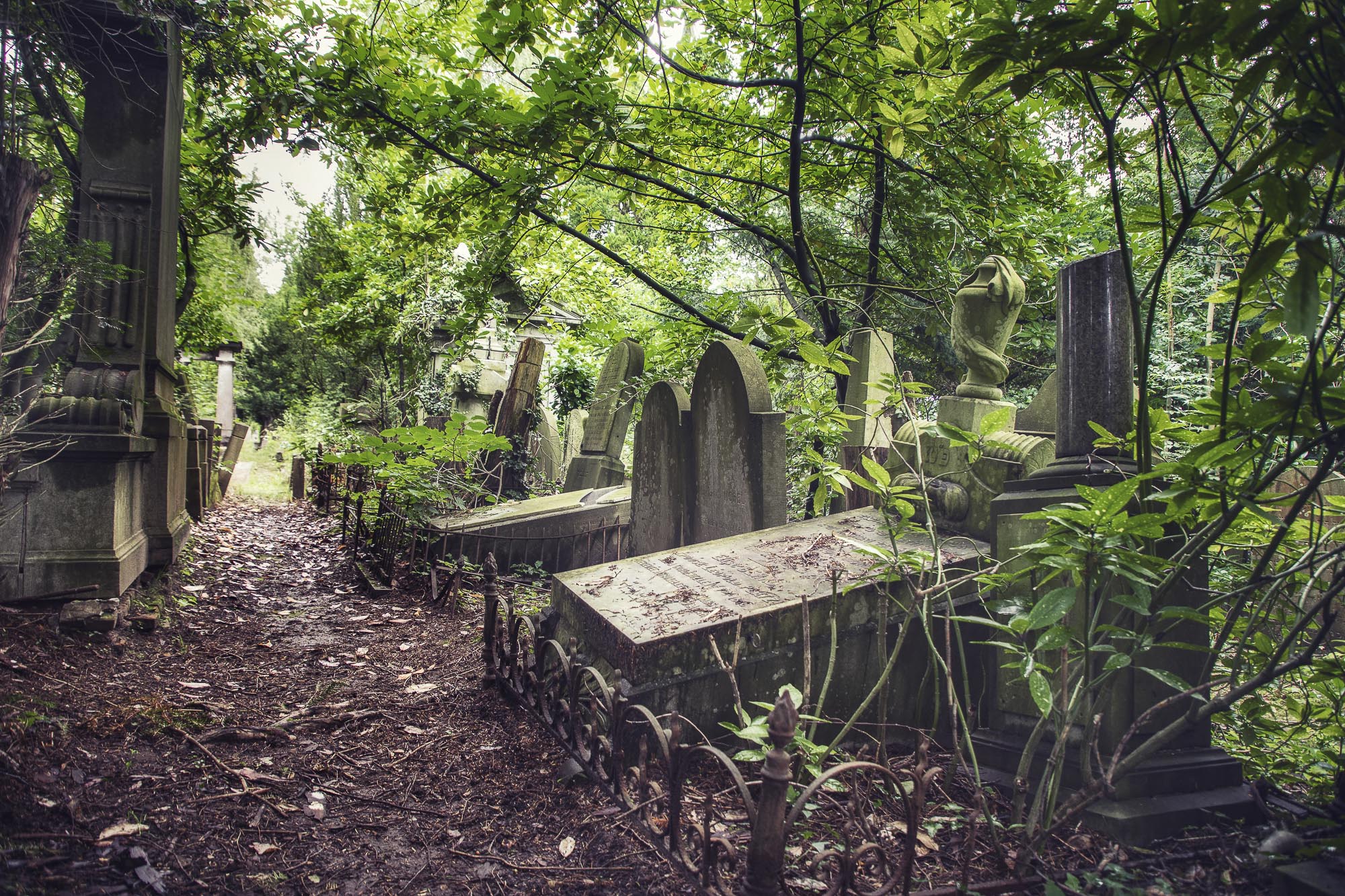
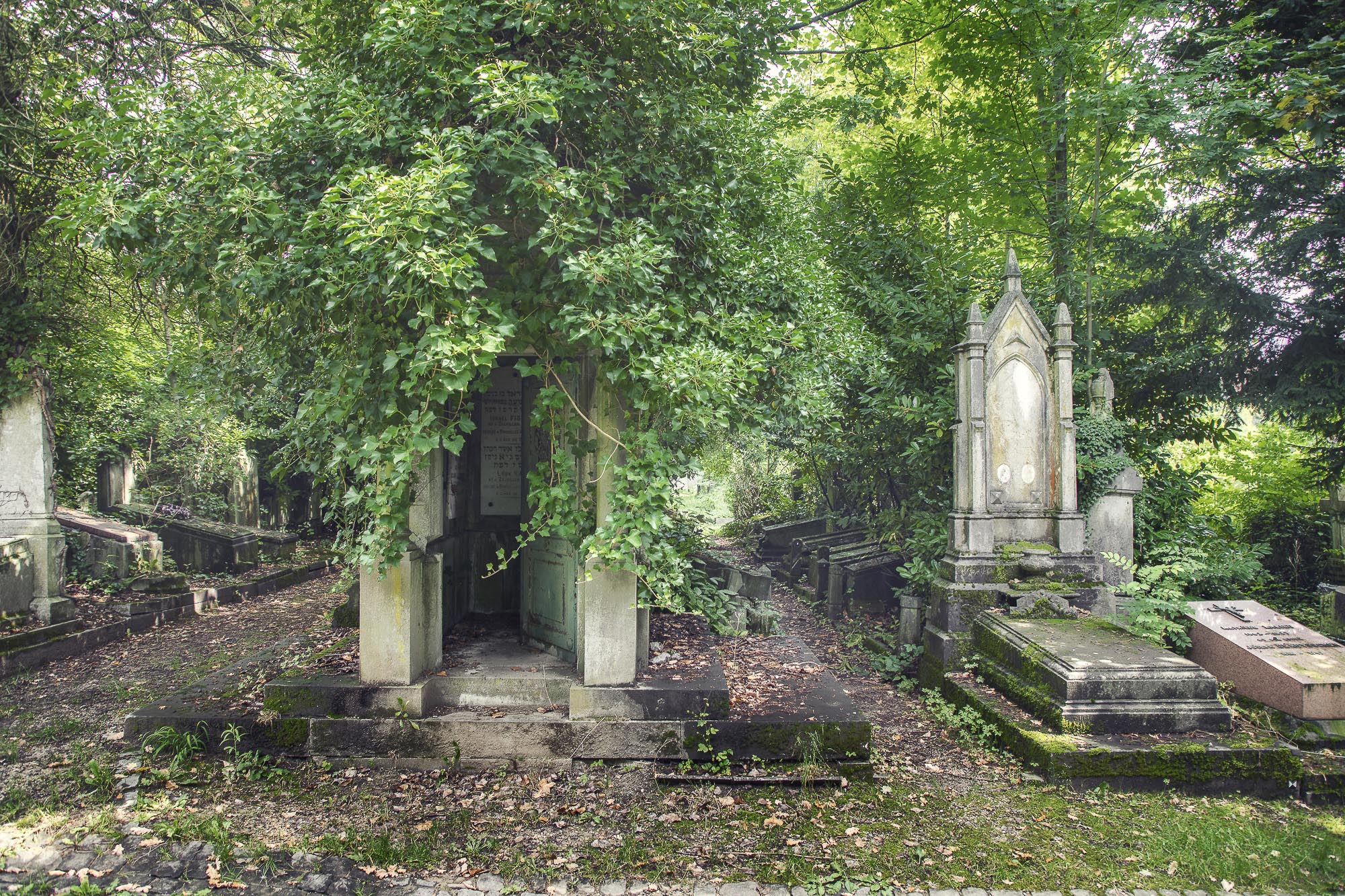
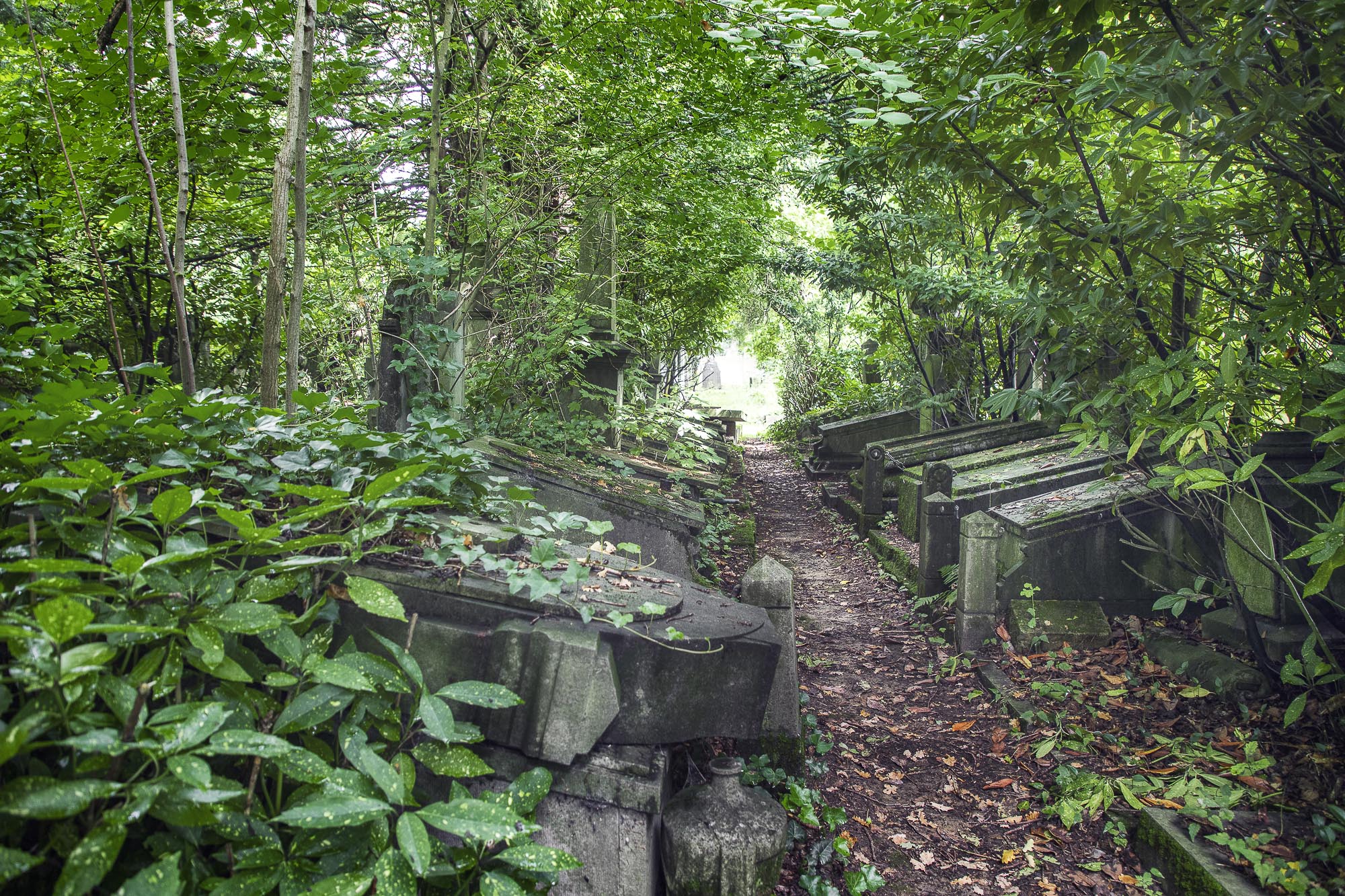
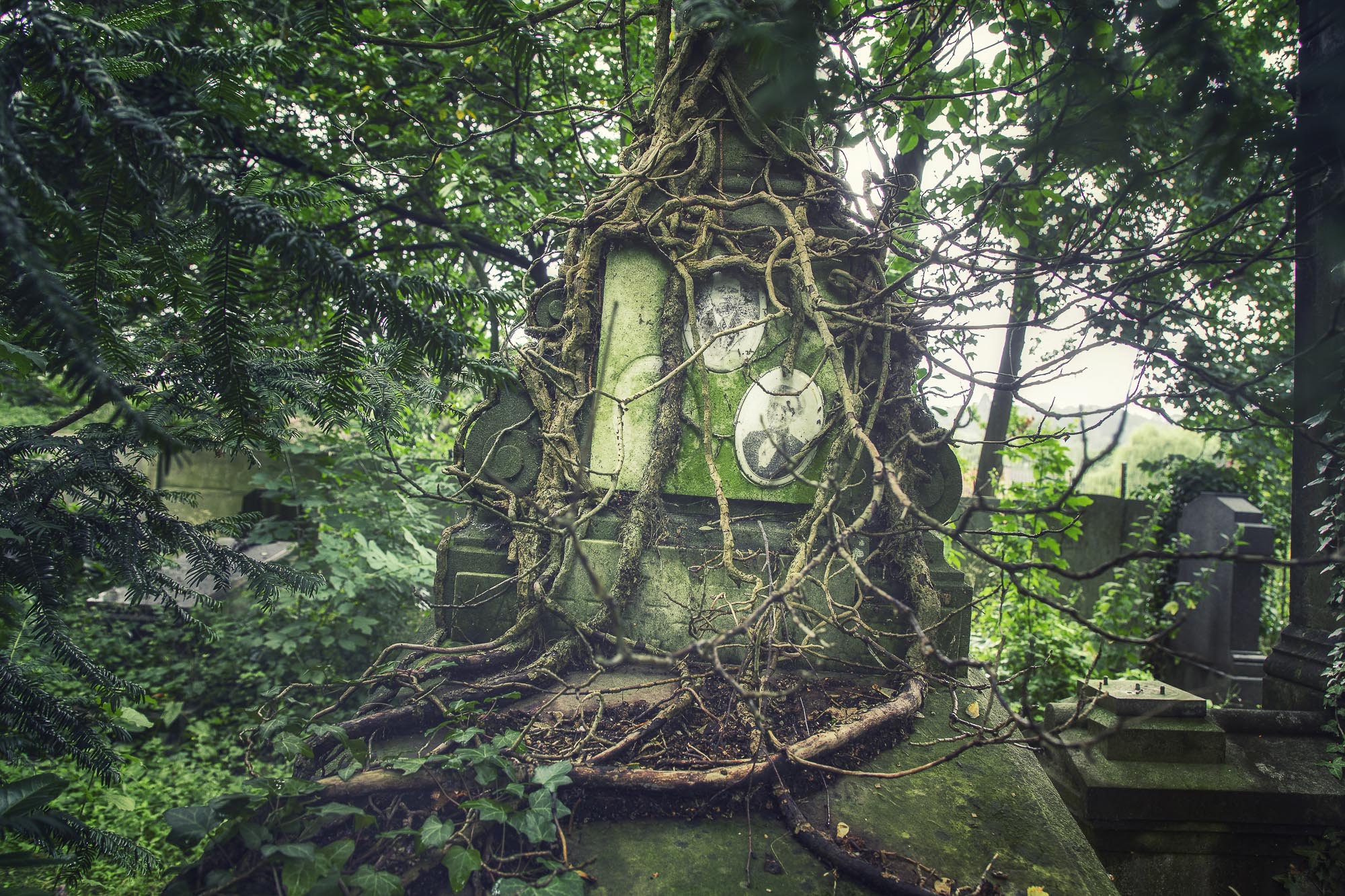
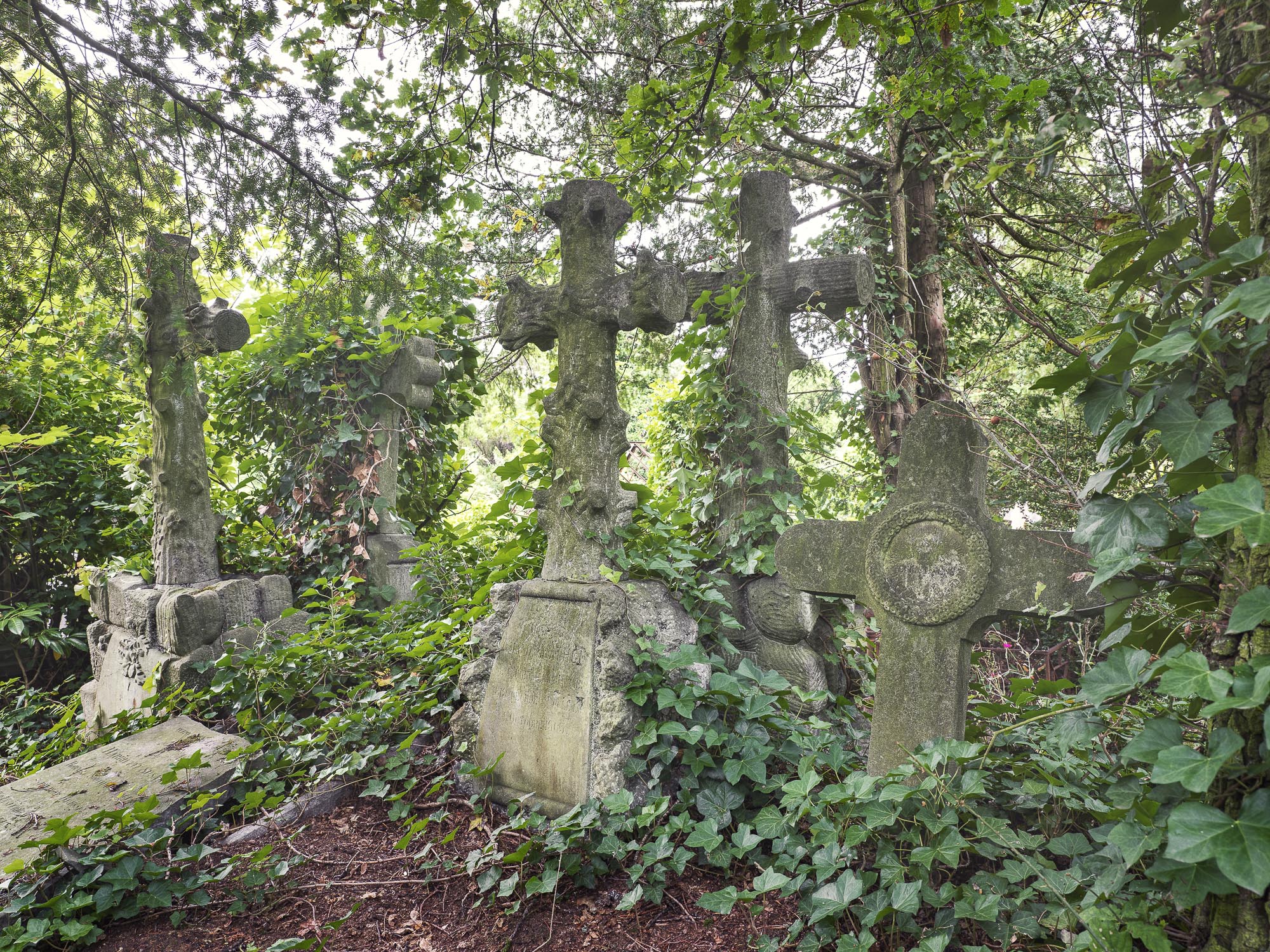
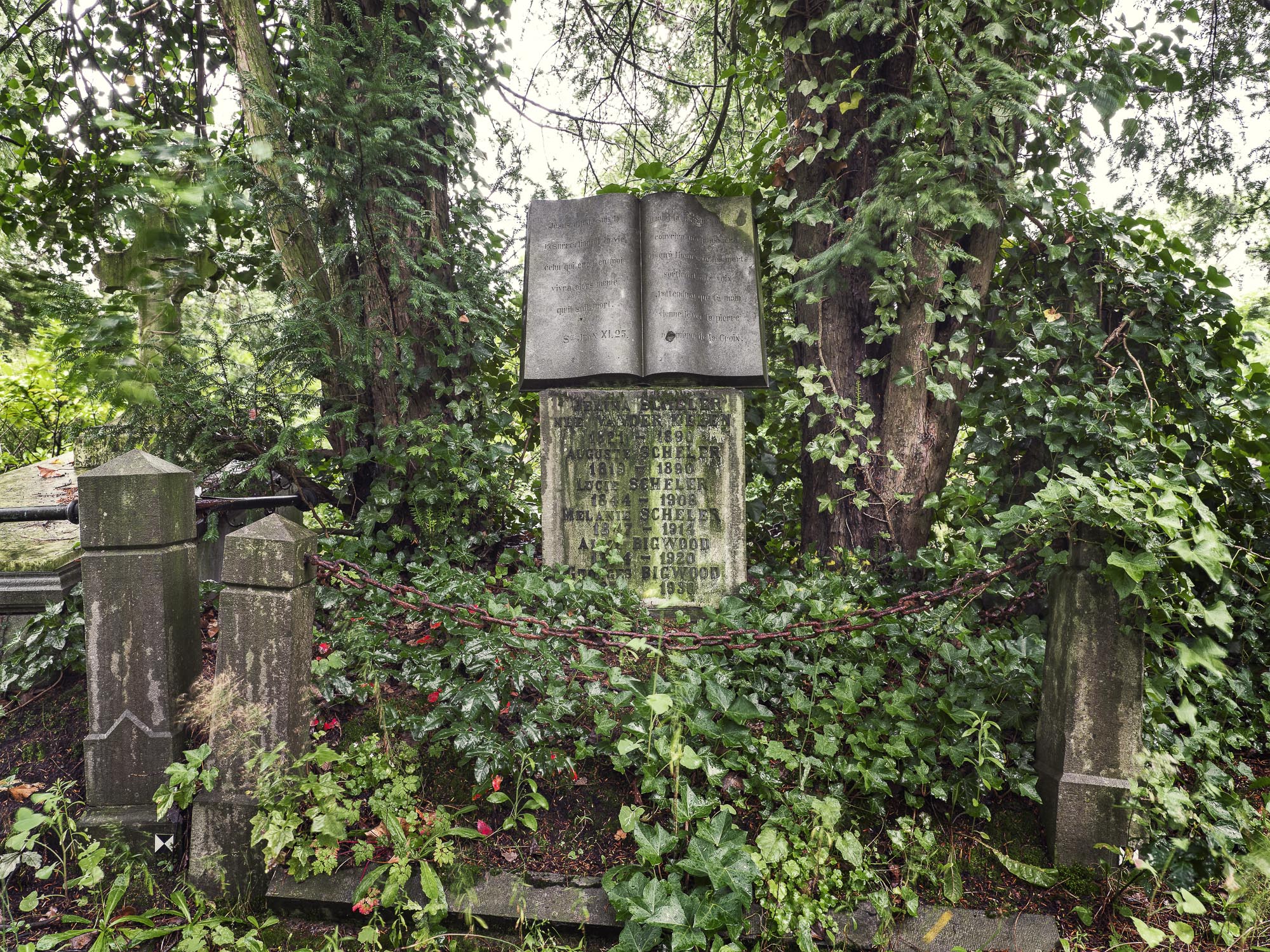
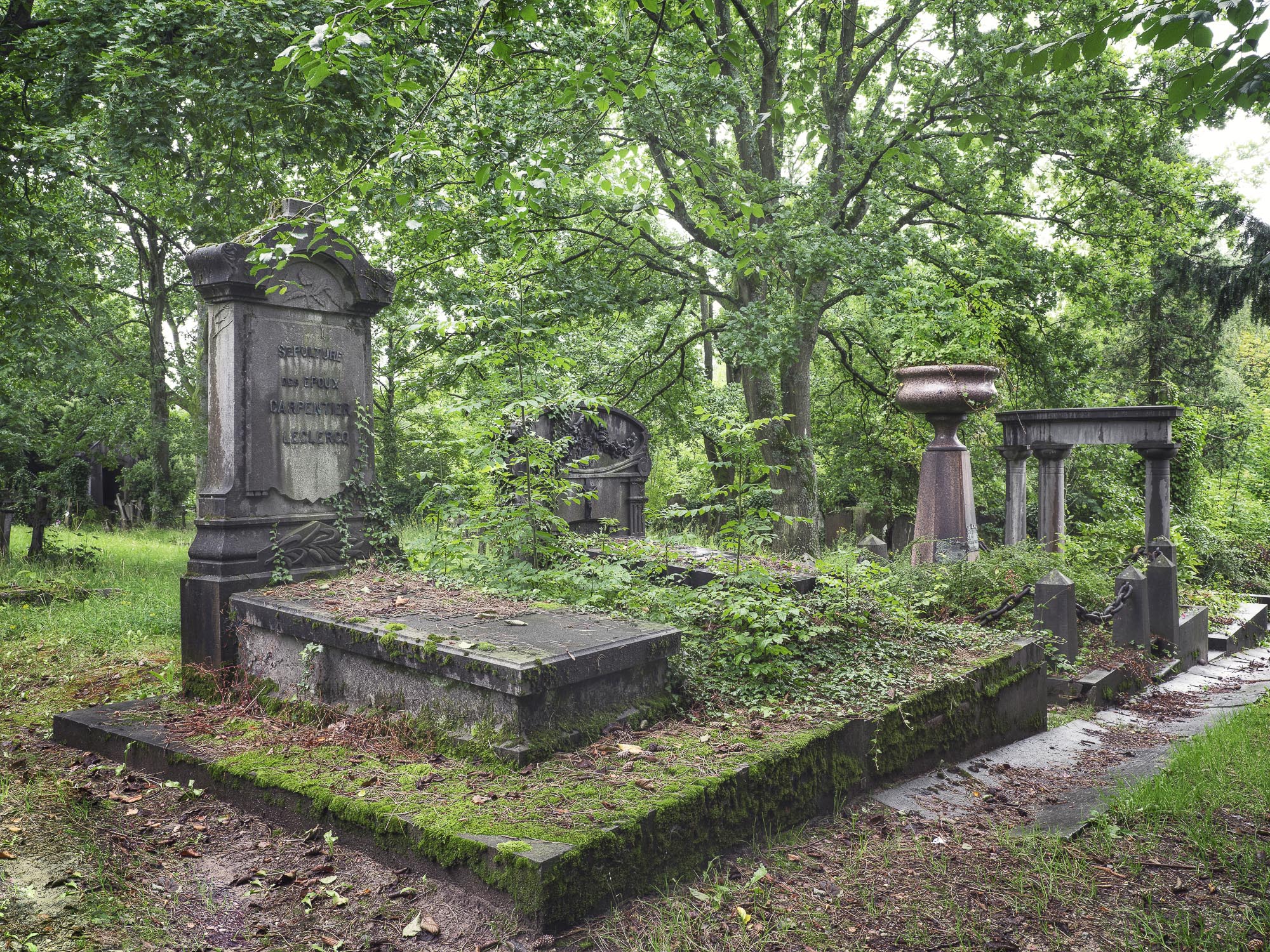
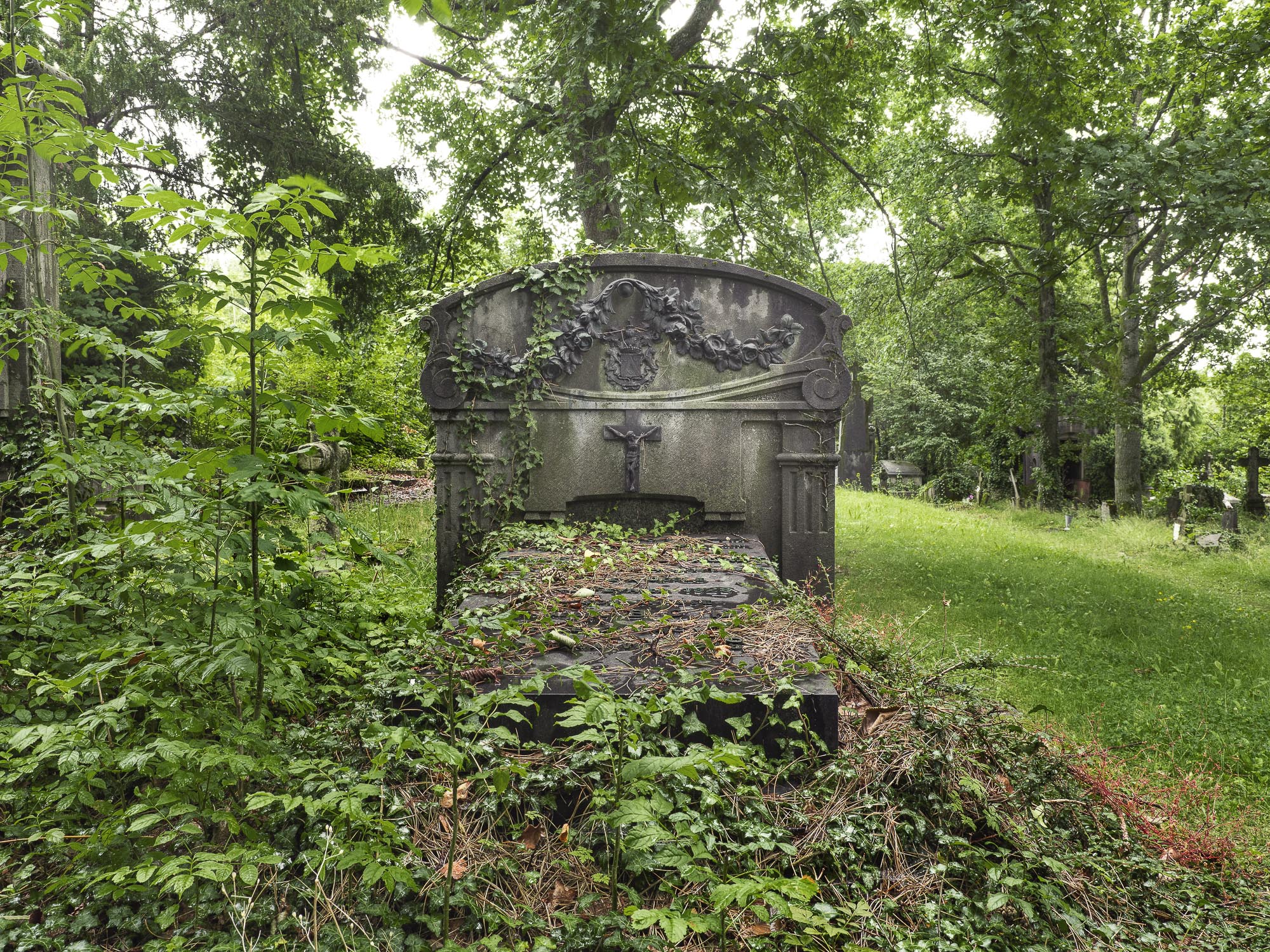
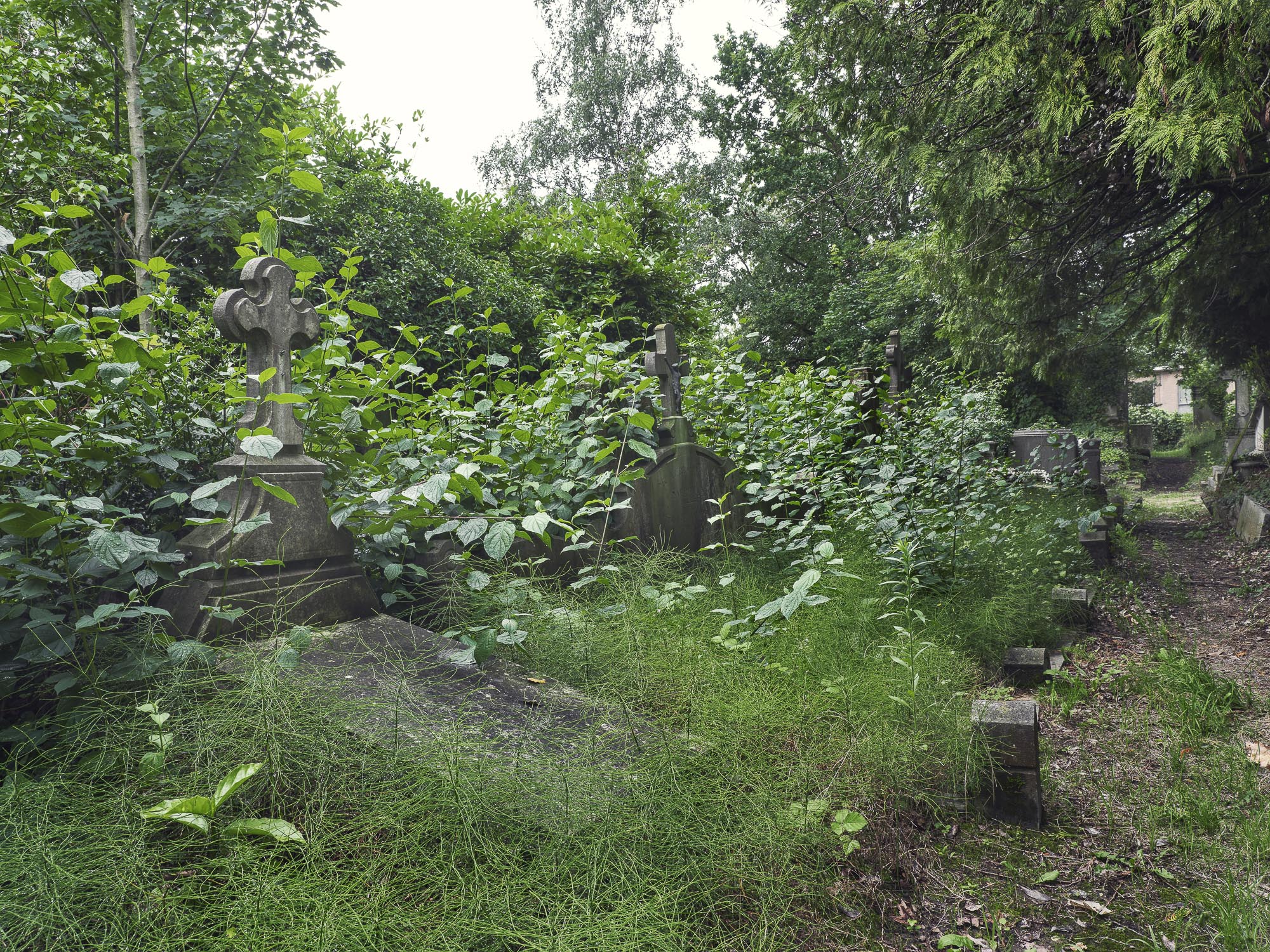
The whole cemetery has been a listed site since 1997. More than 200 plant species have been recorded, and the grounds shelter insects and birds. Rusting ironwork and ivy show the decay, and some tombs are being restored. Anyone wishing to see the cemetery should ask the municipality of Uccle and urban.brussels about guided visits, as access is regulated.
Frequently asked questions
Where is Dieweg Cemetery?
The cemetery is at Dieweg 95 in Uccle (Ukkel), a municipality in the south of the Brussels-Capital Region. Access is regulated, and the municipality of Uccle and urban.brussels provide information.
Who is buried in Dieweg Cemetery?
Those buried here include the cartoonist Hergé, the architects Paul Hankar and Jean-Pierre Cluysenaar and members of the Lambert banking family. The Stern family tomb was designed by Victor Horta.
Why is Dieweg Cemetery overgrown?
The cemetery closed to new burials in 1958, and nature has spread over paths and monuments since. The whole site has been a listed monument since 1997.