Italy · Genoa · 111 pictures
Monumental Cemetery of Staglieno
Cimitero Monumentale di Staglieno
-
-
-
-

-
-
-
-
-
-
-
-
-
-
-
-

-
-
-
-
-
-
-
-
-
-
-
-
-
-
-
-
-
-
-

-
-
-
-
-
-
-
-
-
-
-
-
-
-
-
-
-
-
-
-

-
-
-
-
-
-

-
-
-
-
-
-
-
-
-
-
-
-
-
-
-
-
-
-
-
-
-
-
-
-
-
-
-
-
-
-
-

-
-
-
-
-
-
-
-
-
-
-
-
-
-
-

-
-

-
-
About this place
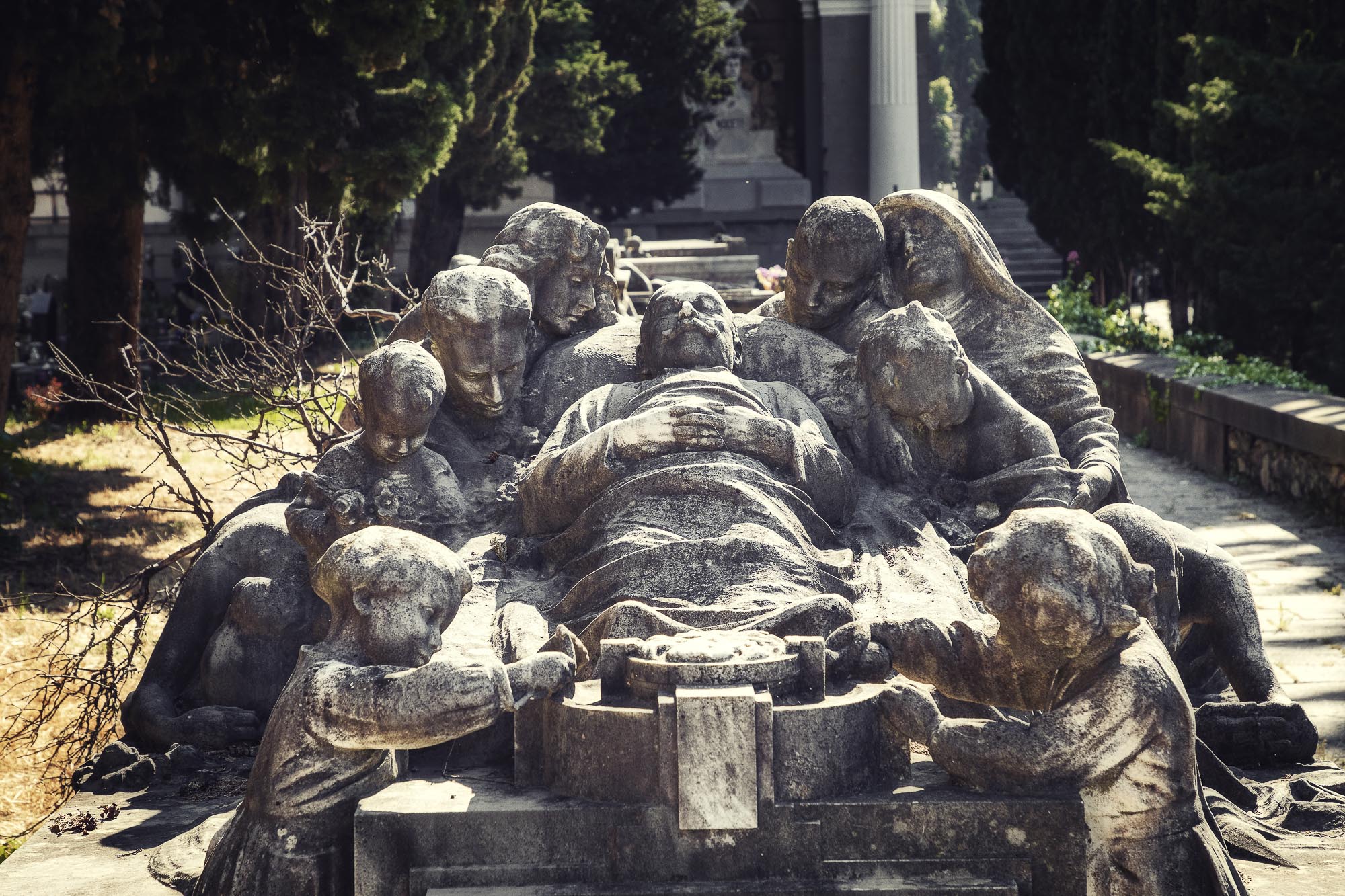
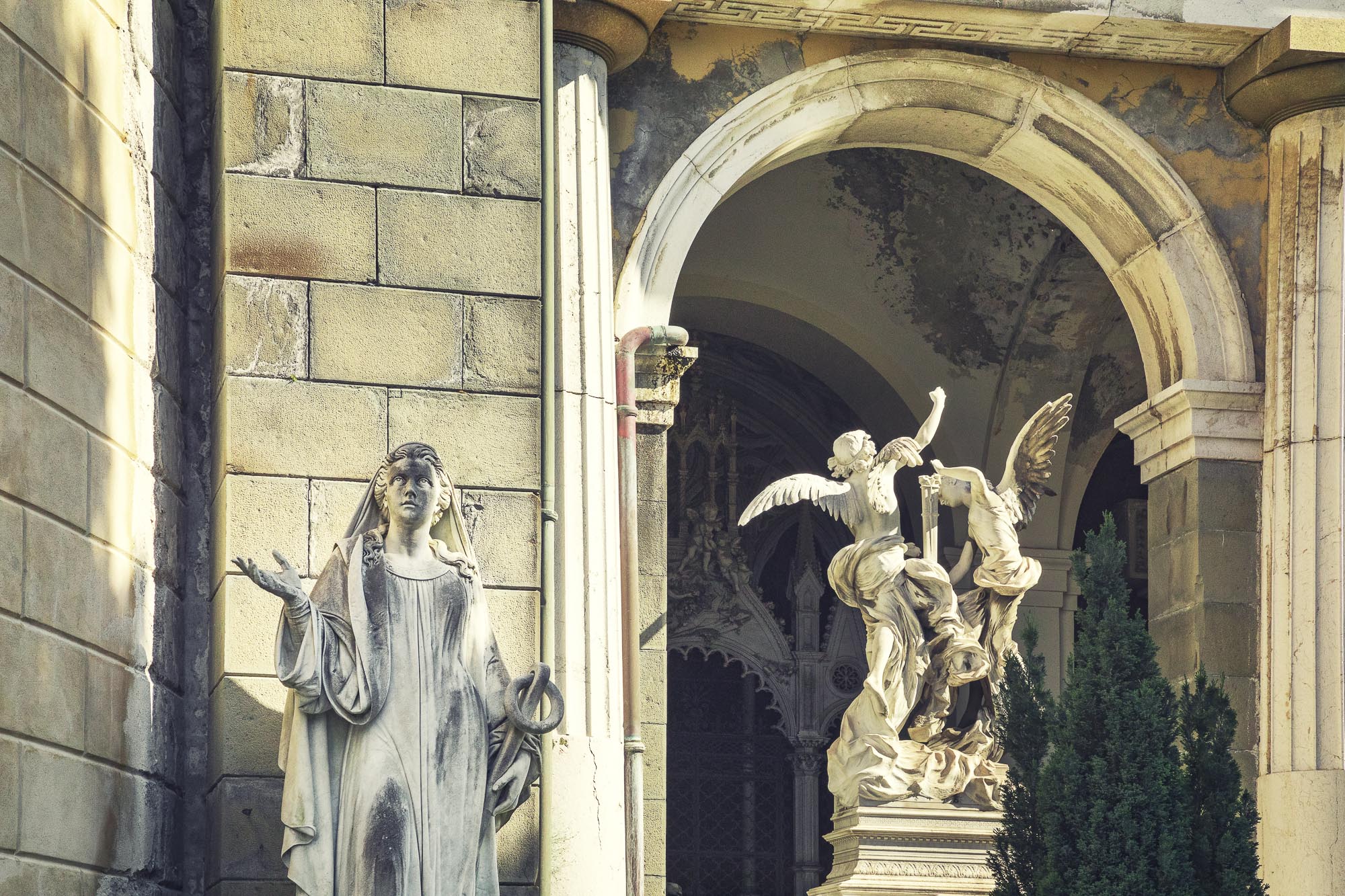
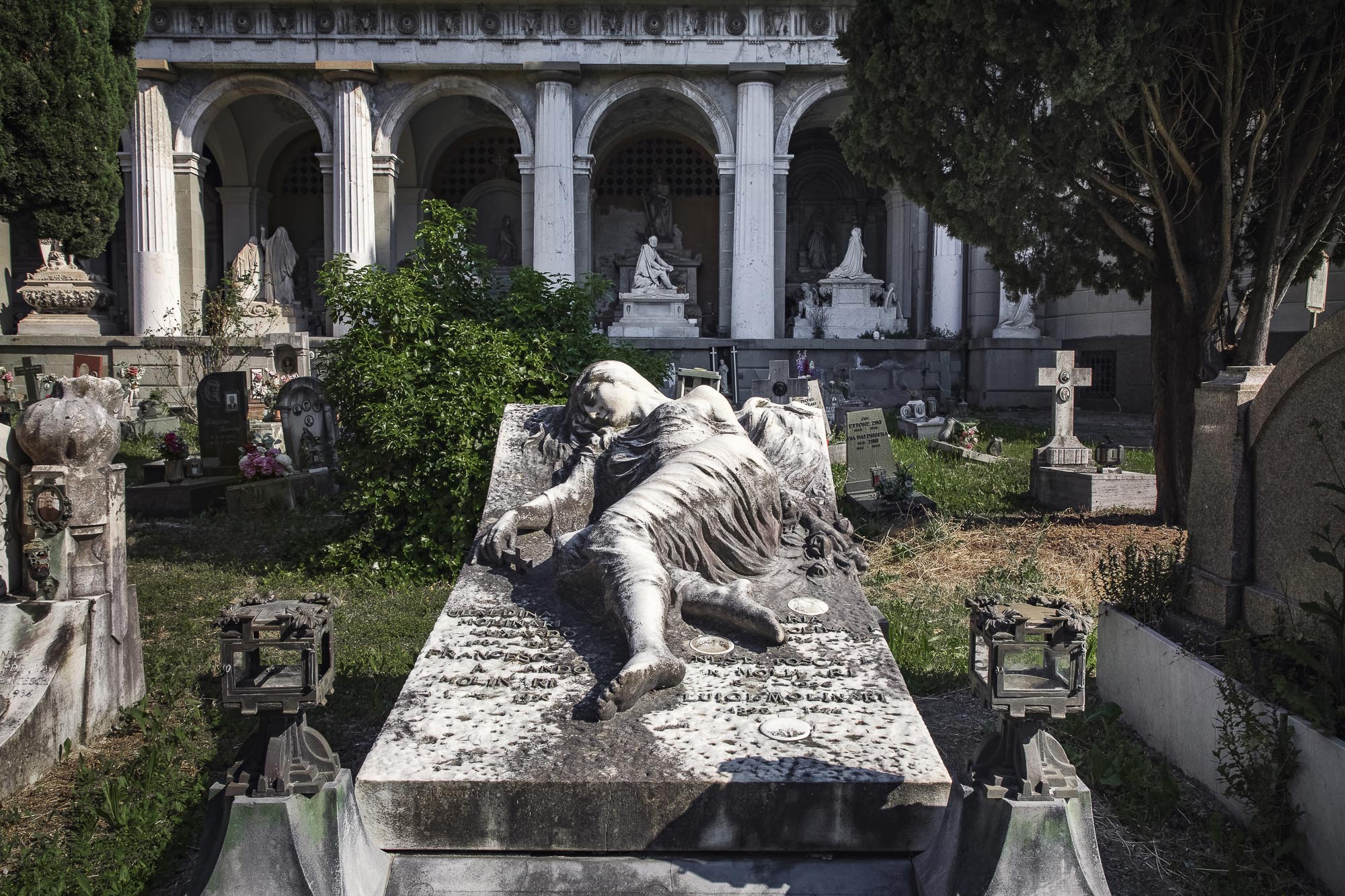
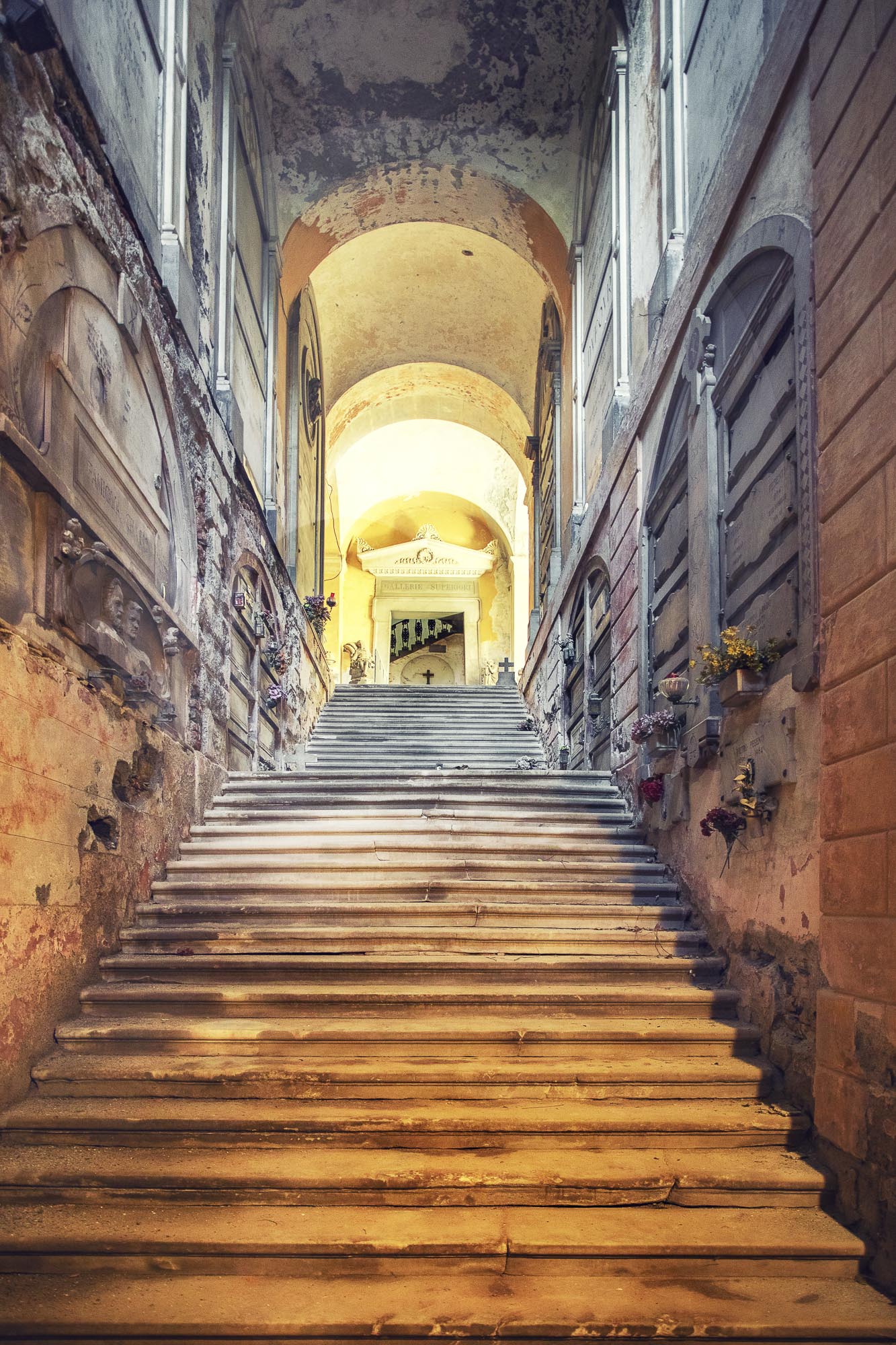
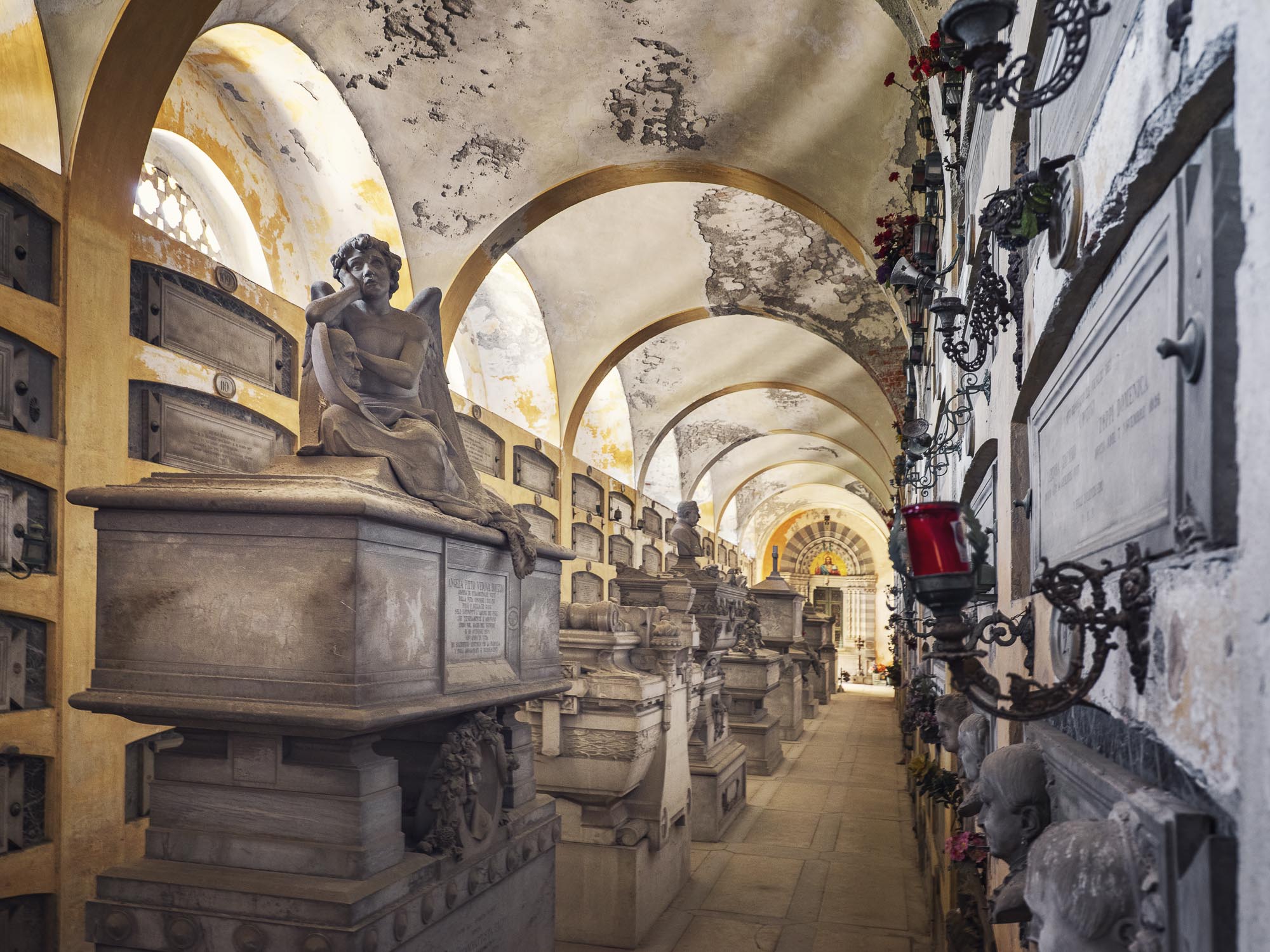
The architect Carlo Barabino of Genoa drew up the original plan, which was approved in 1835. He died of cholera that same year, and his pupil Giovanni Battista Resasco took the project forward. Building began in 1844 and the cemetery opened in early January 1851, although much of it was still unfinished.
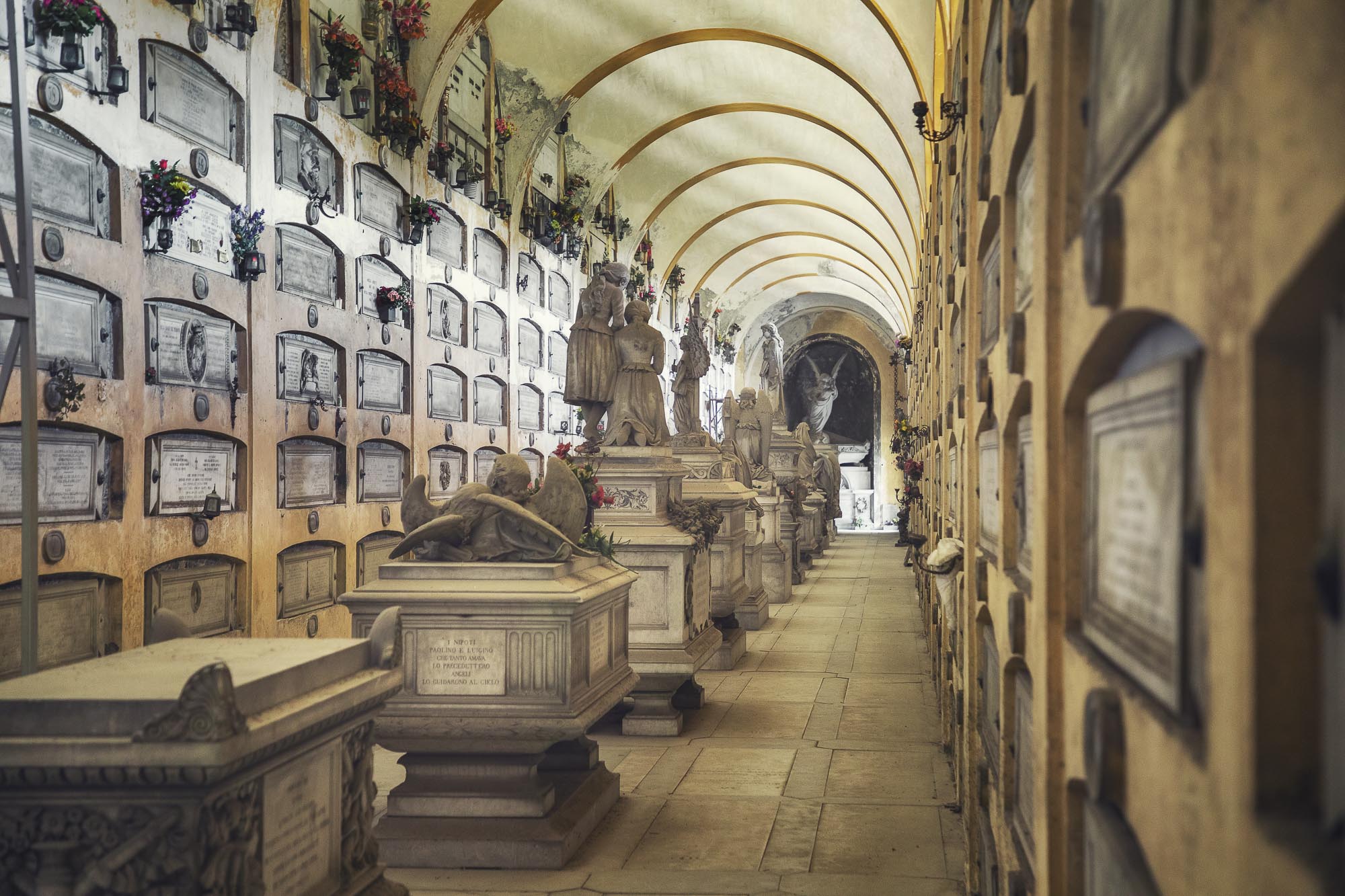
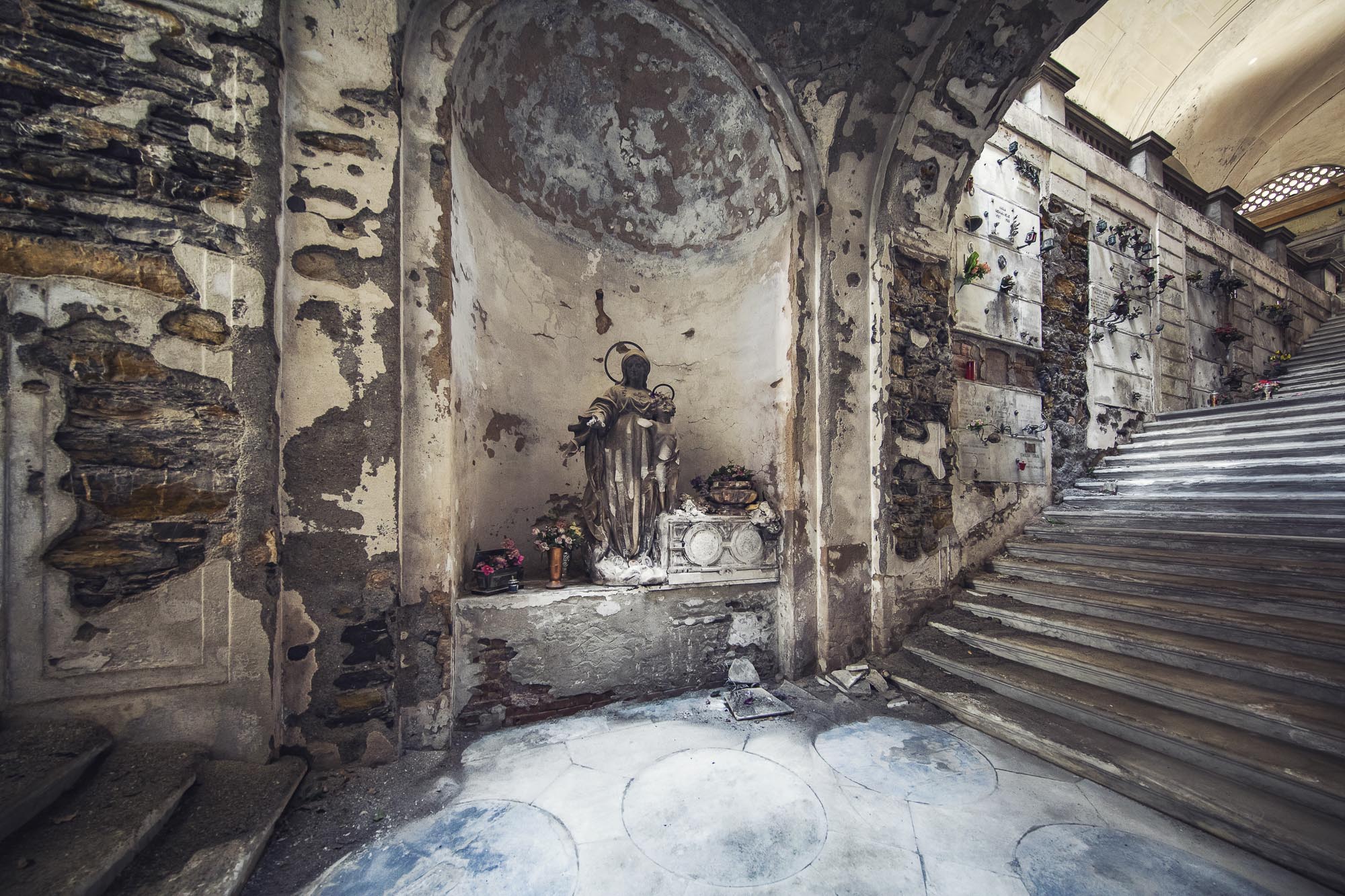
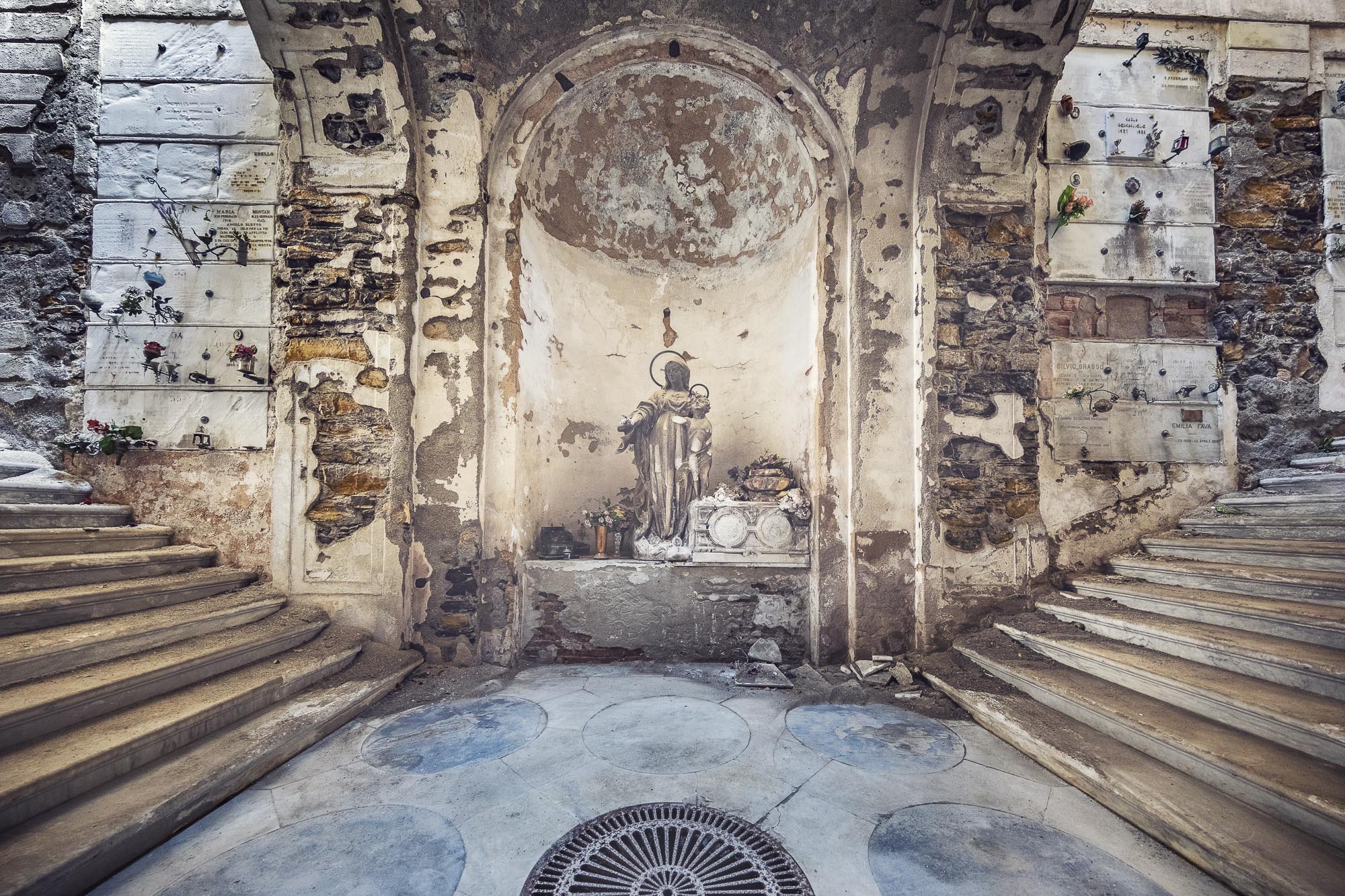
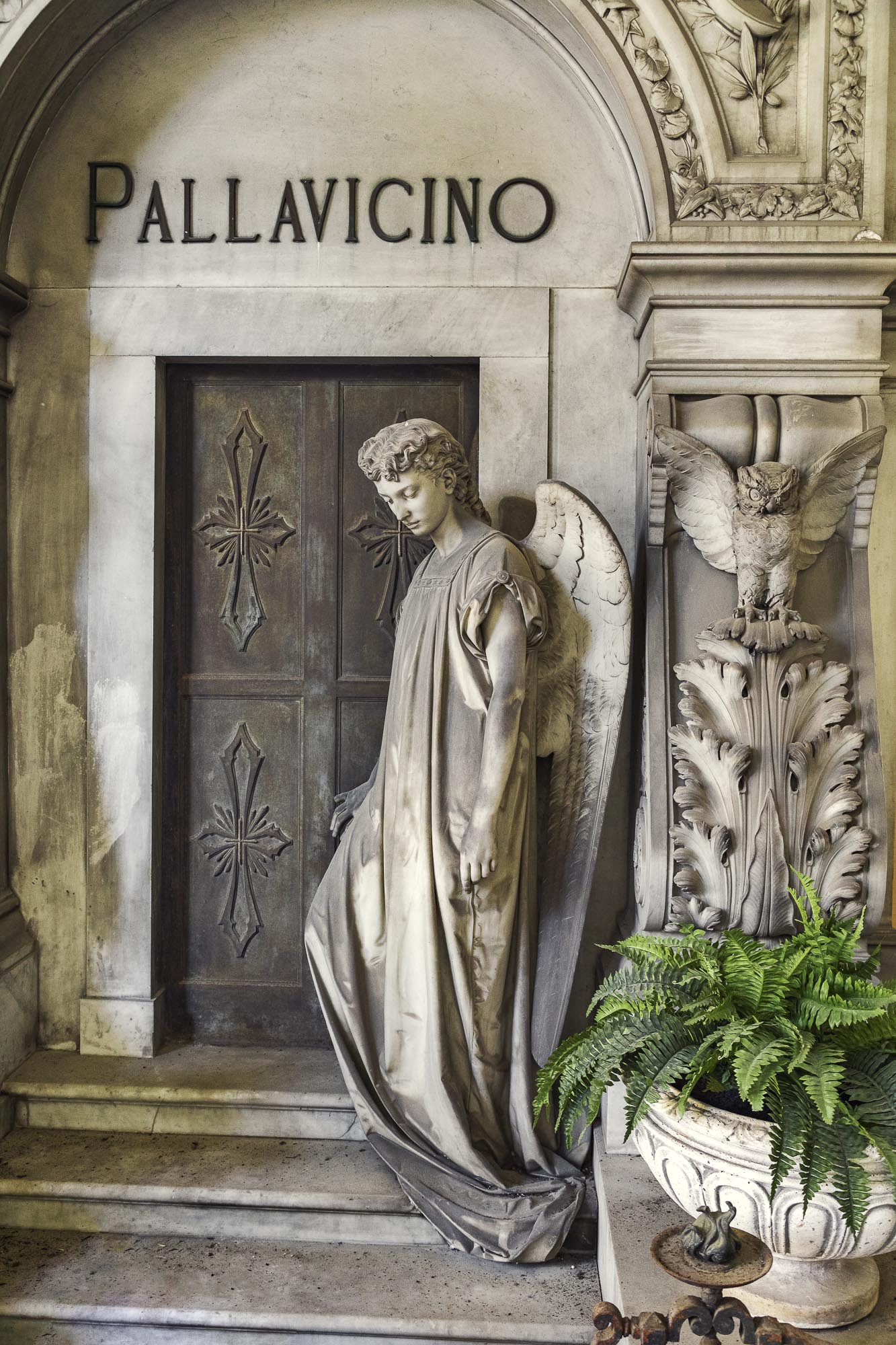
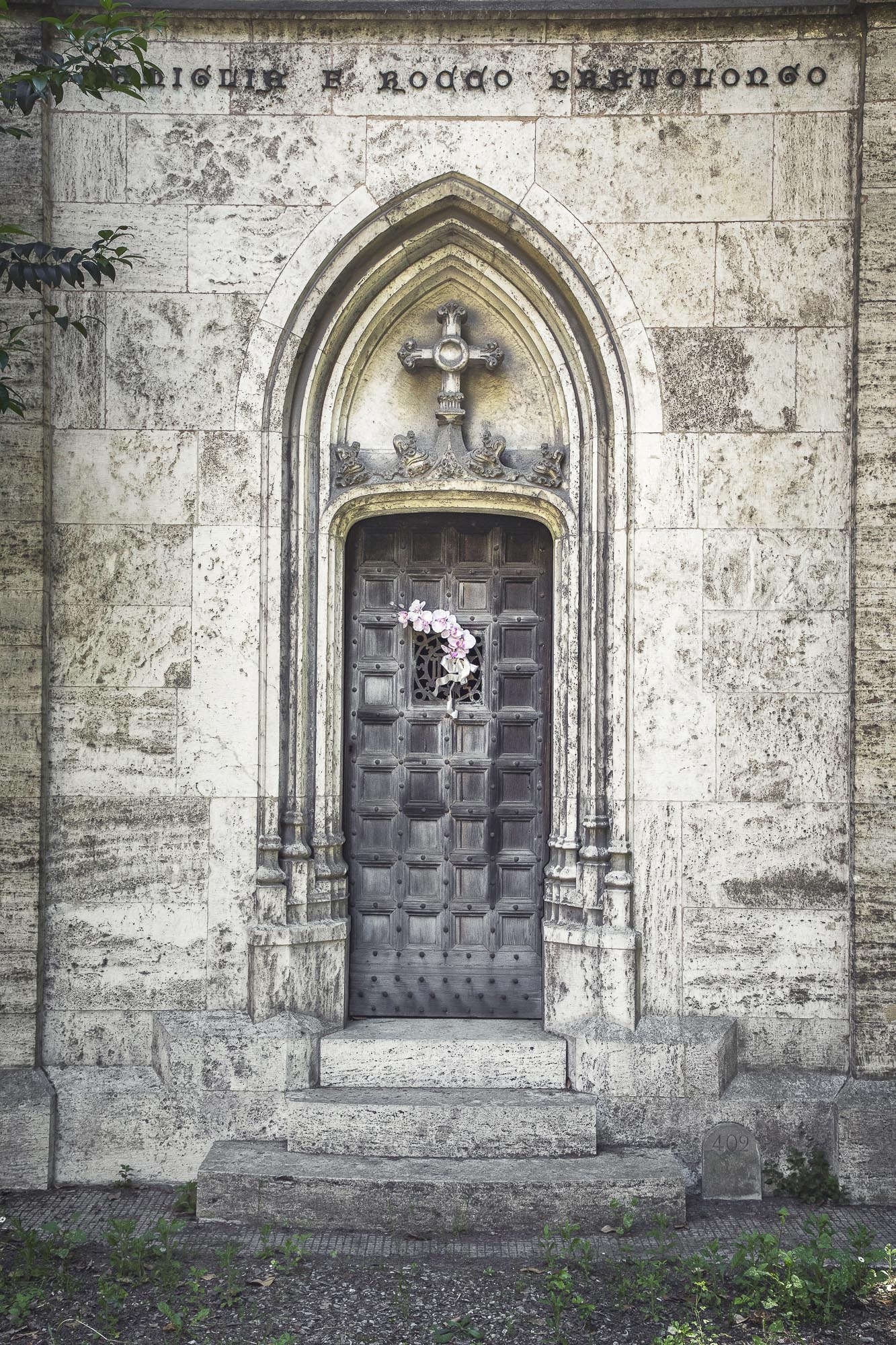
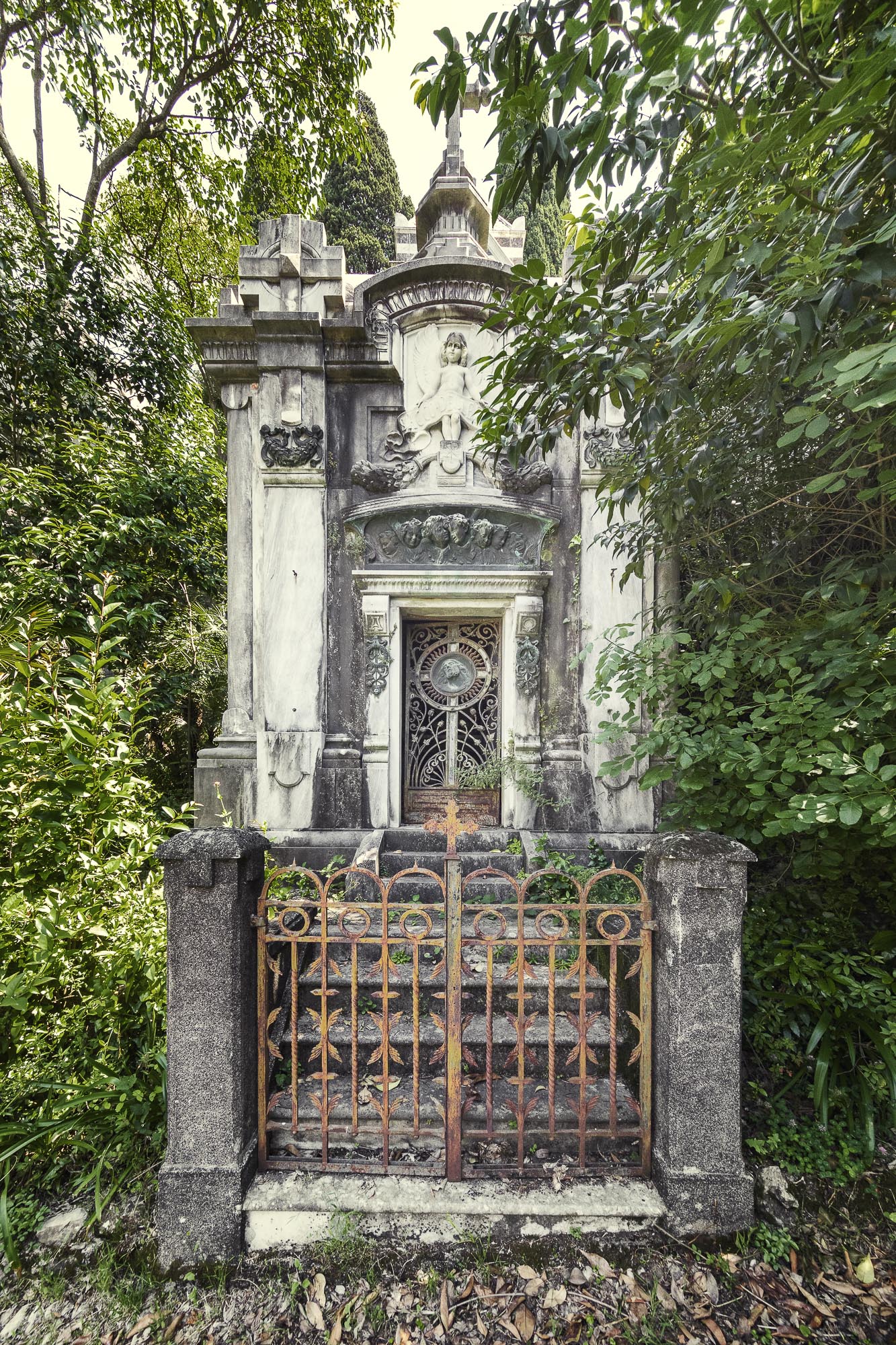
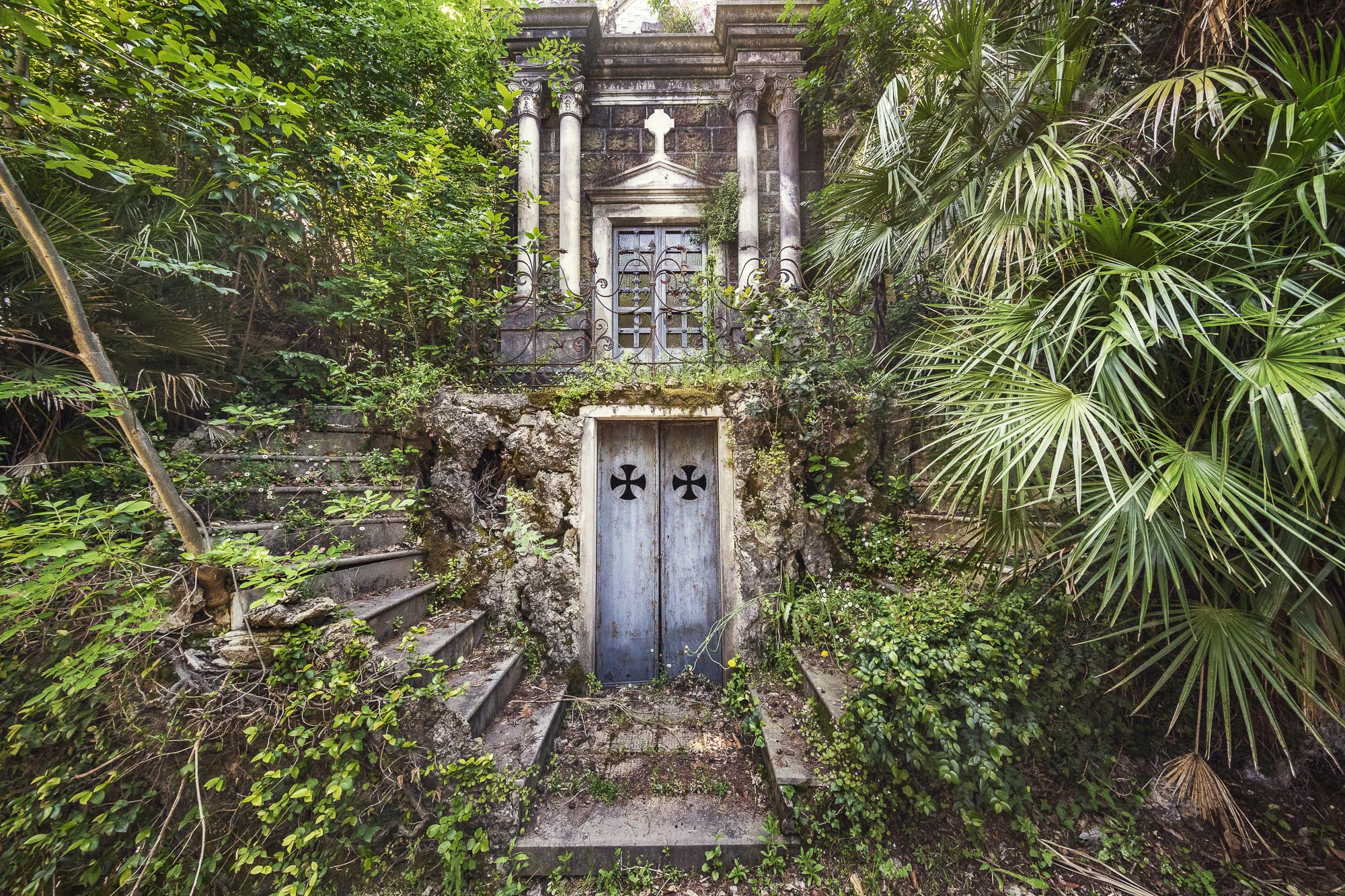
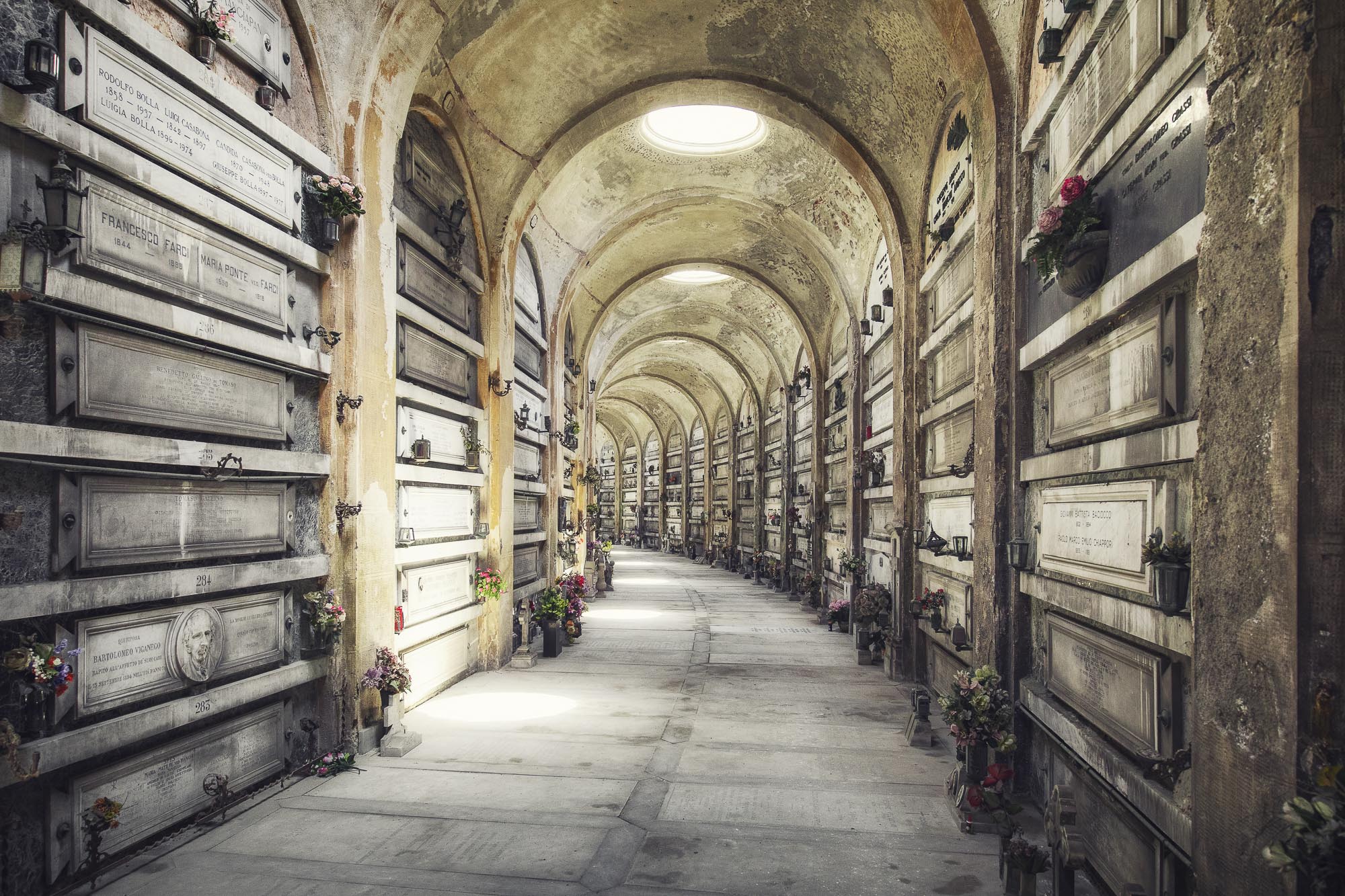
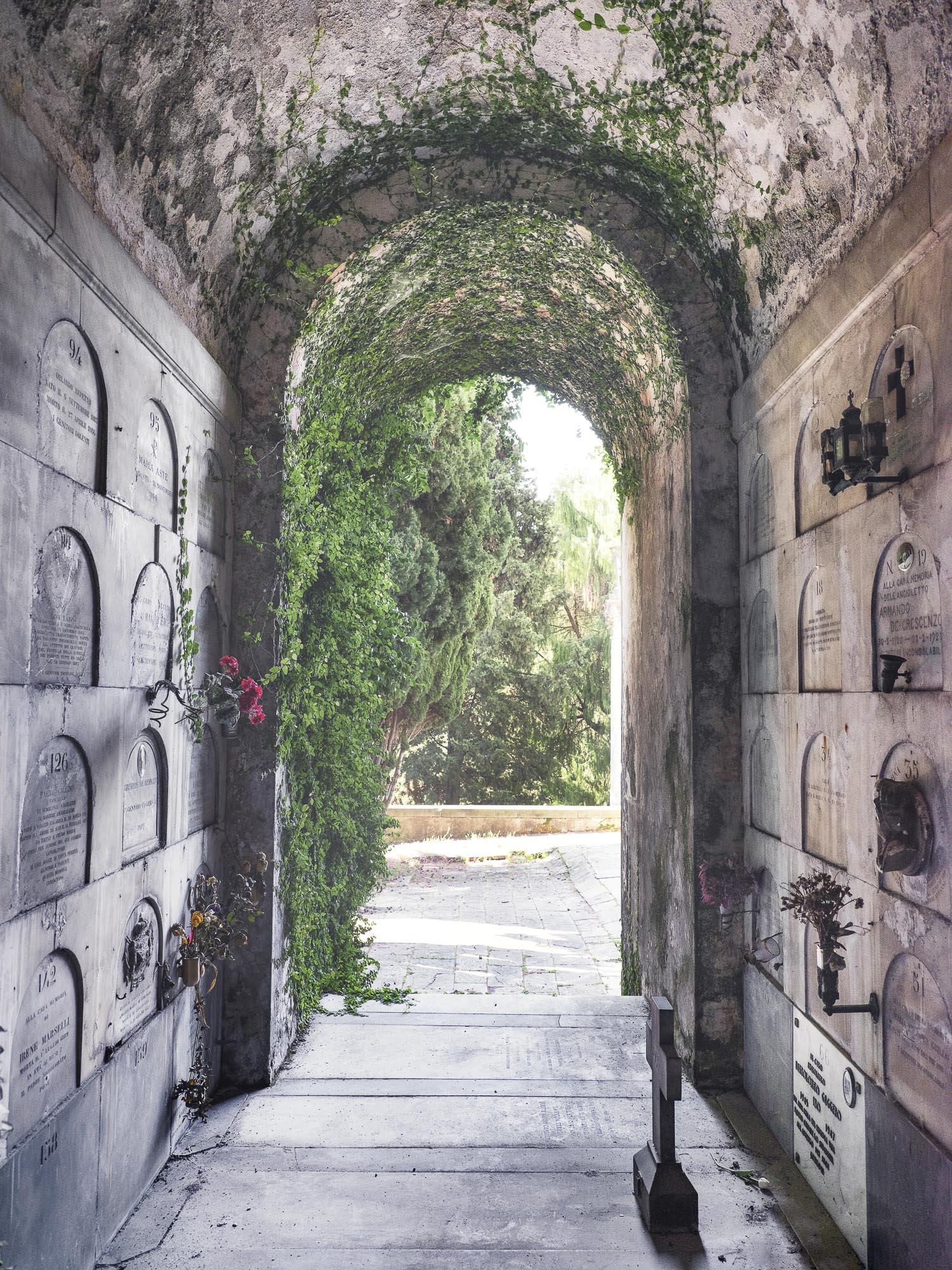
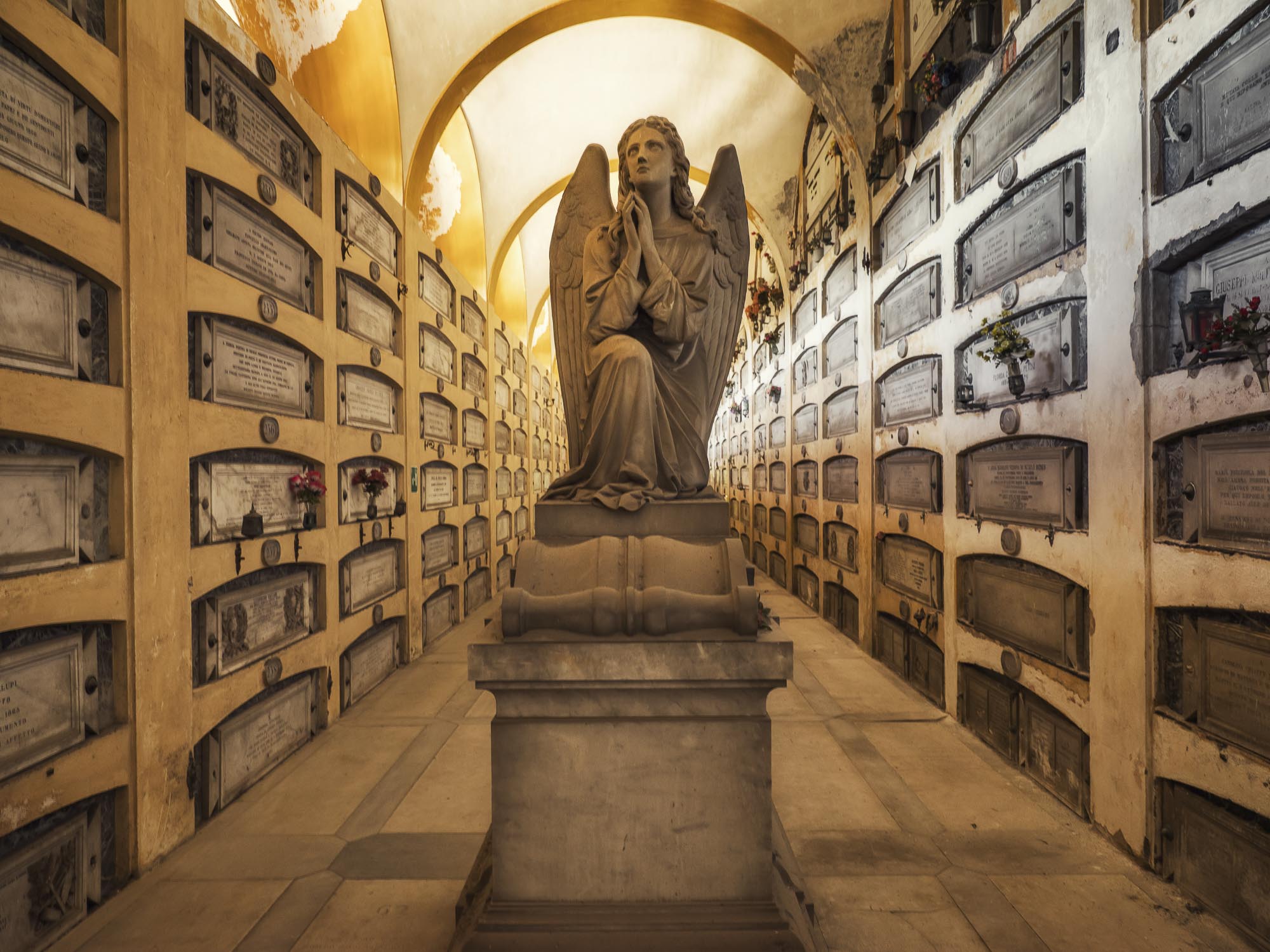
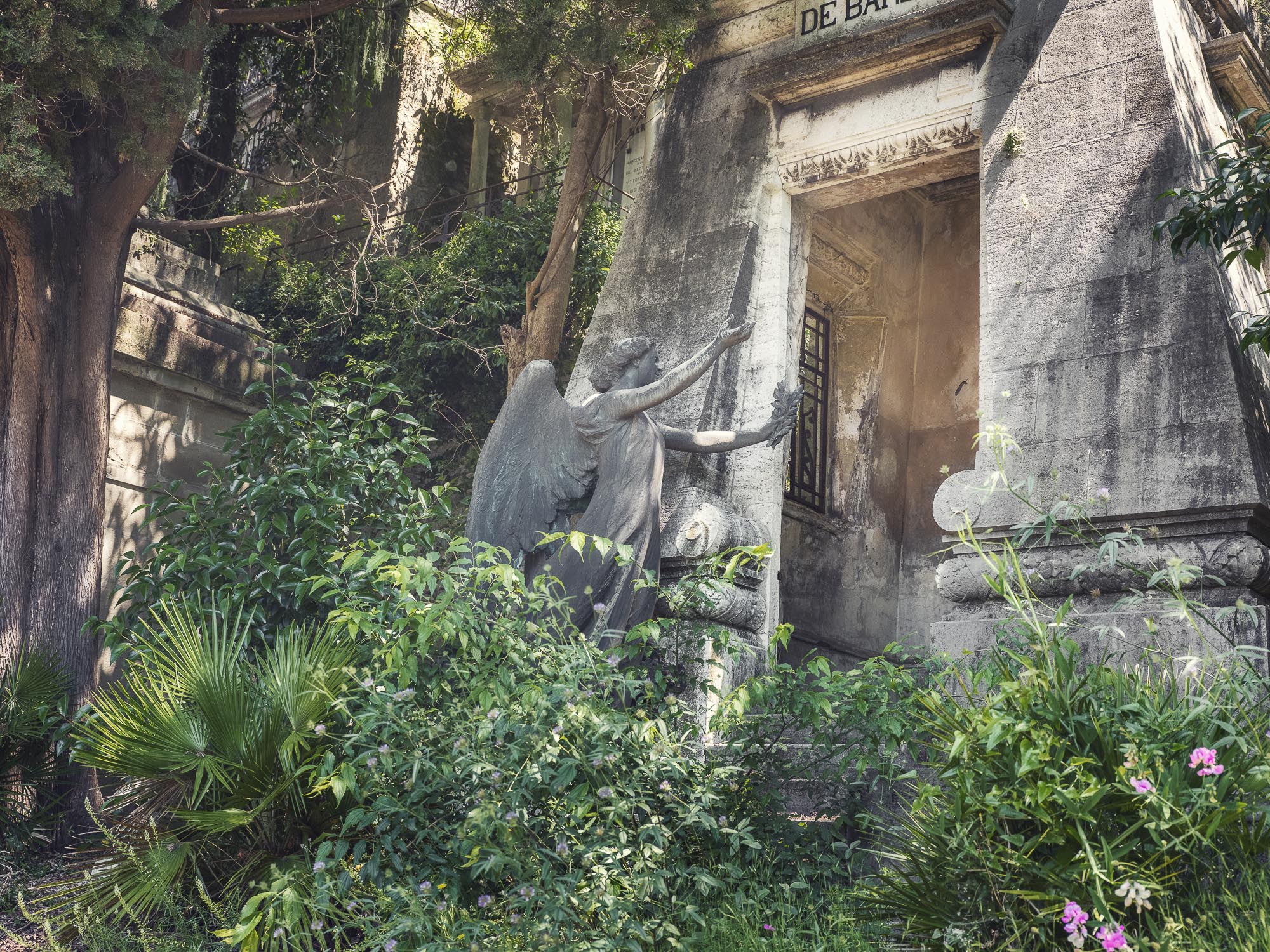
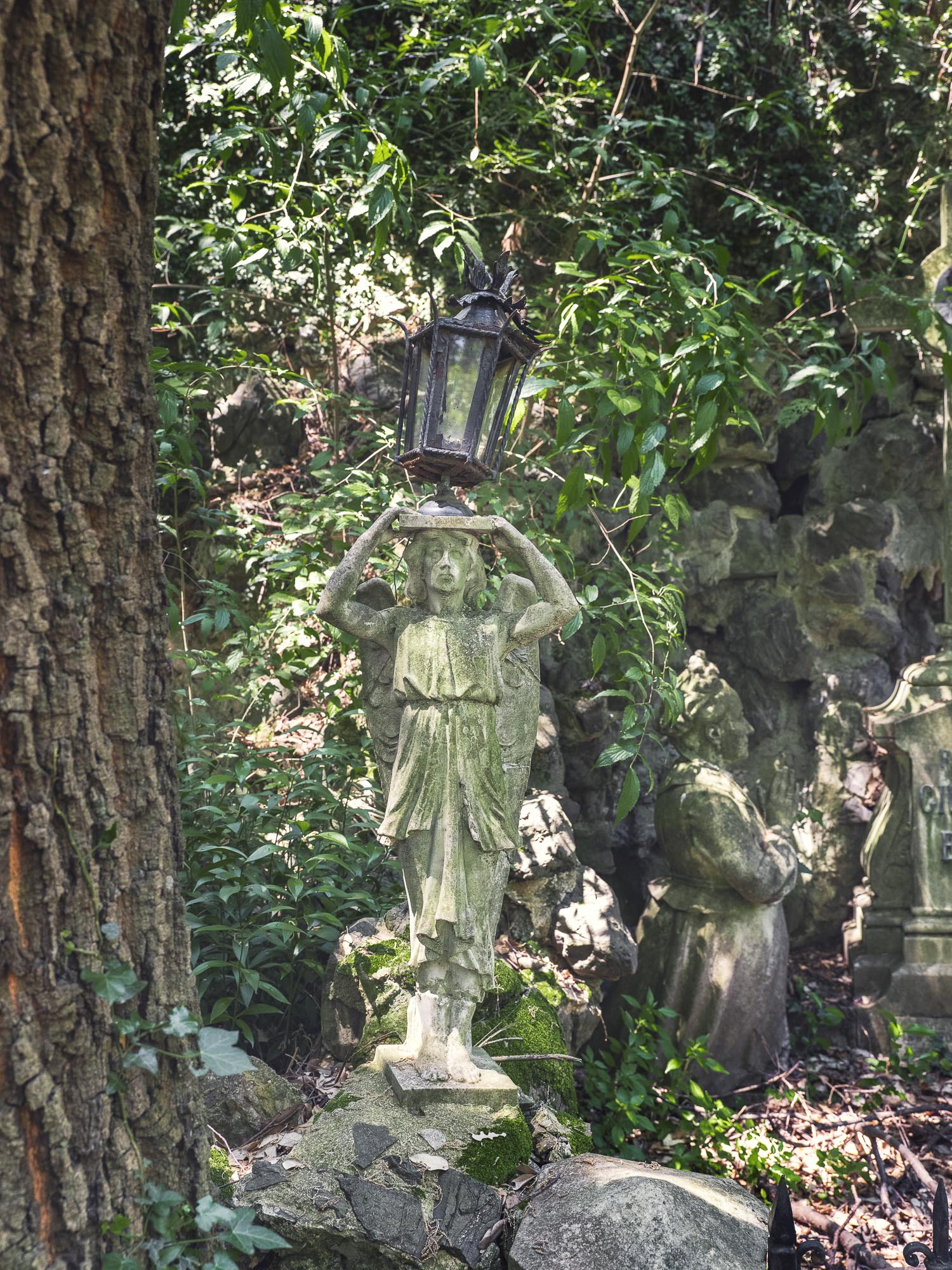
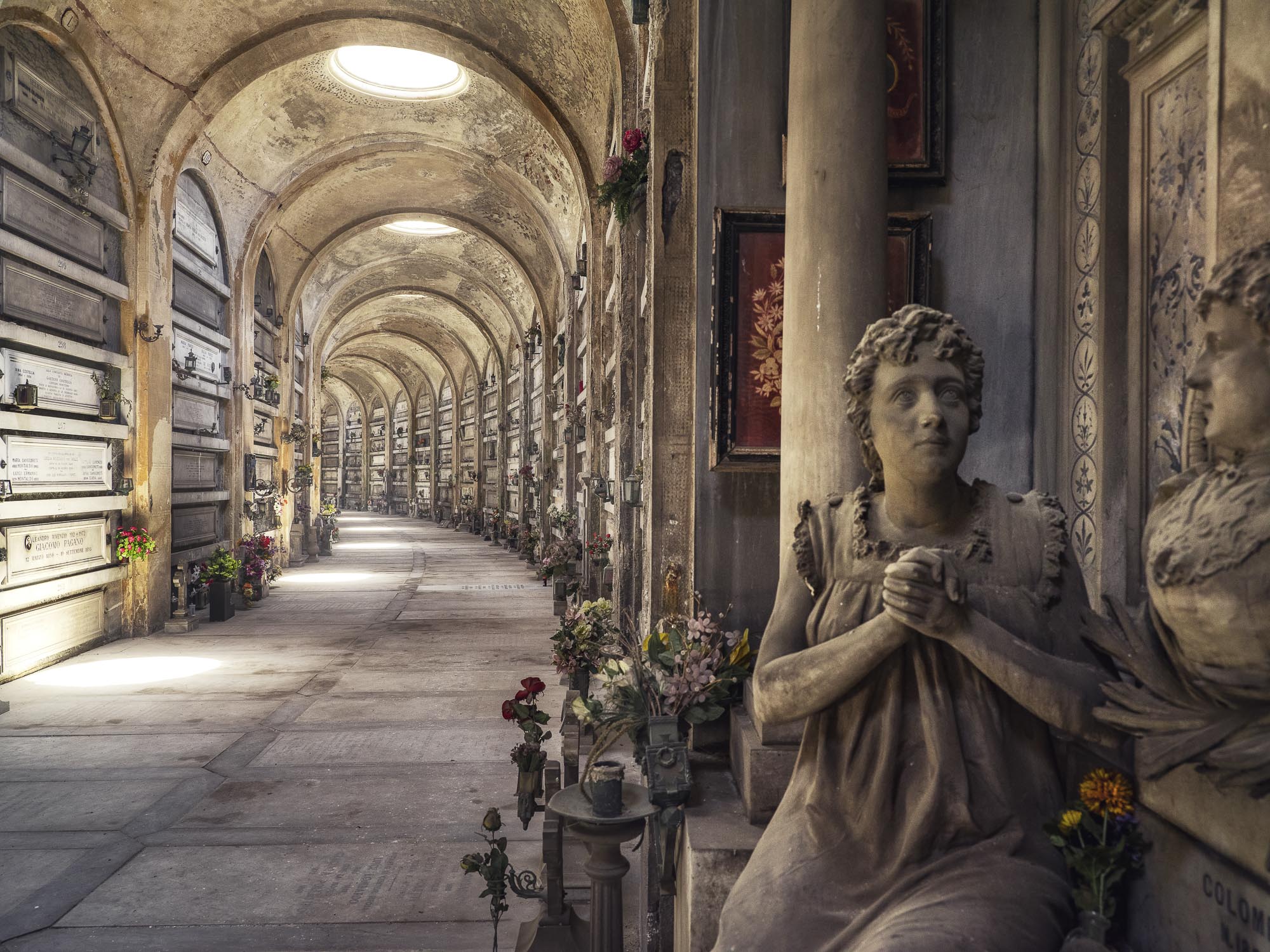
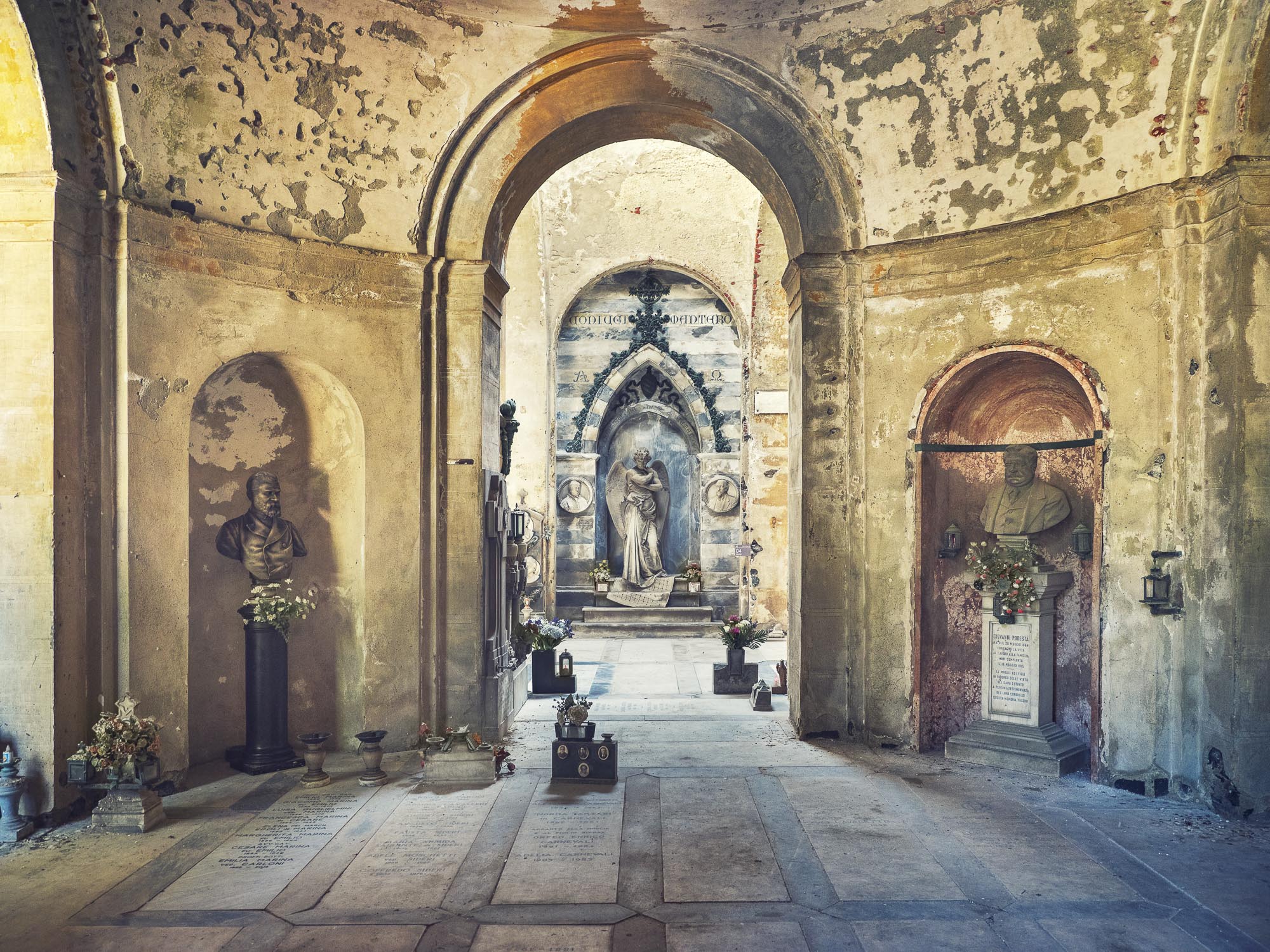
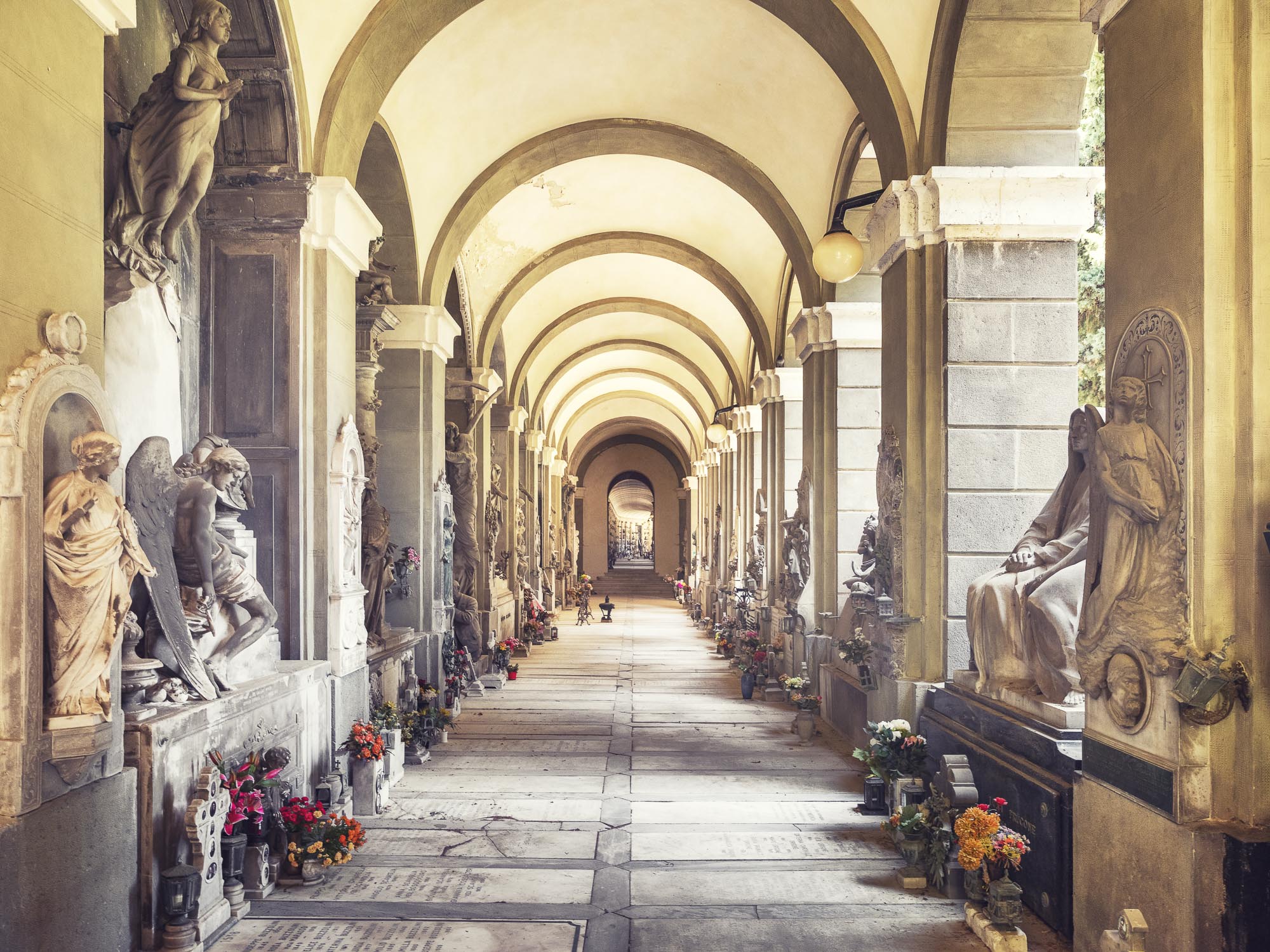
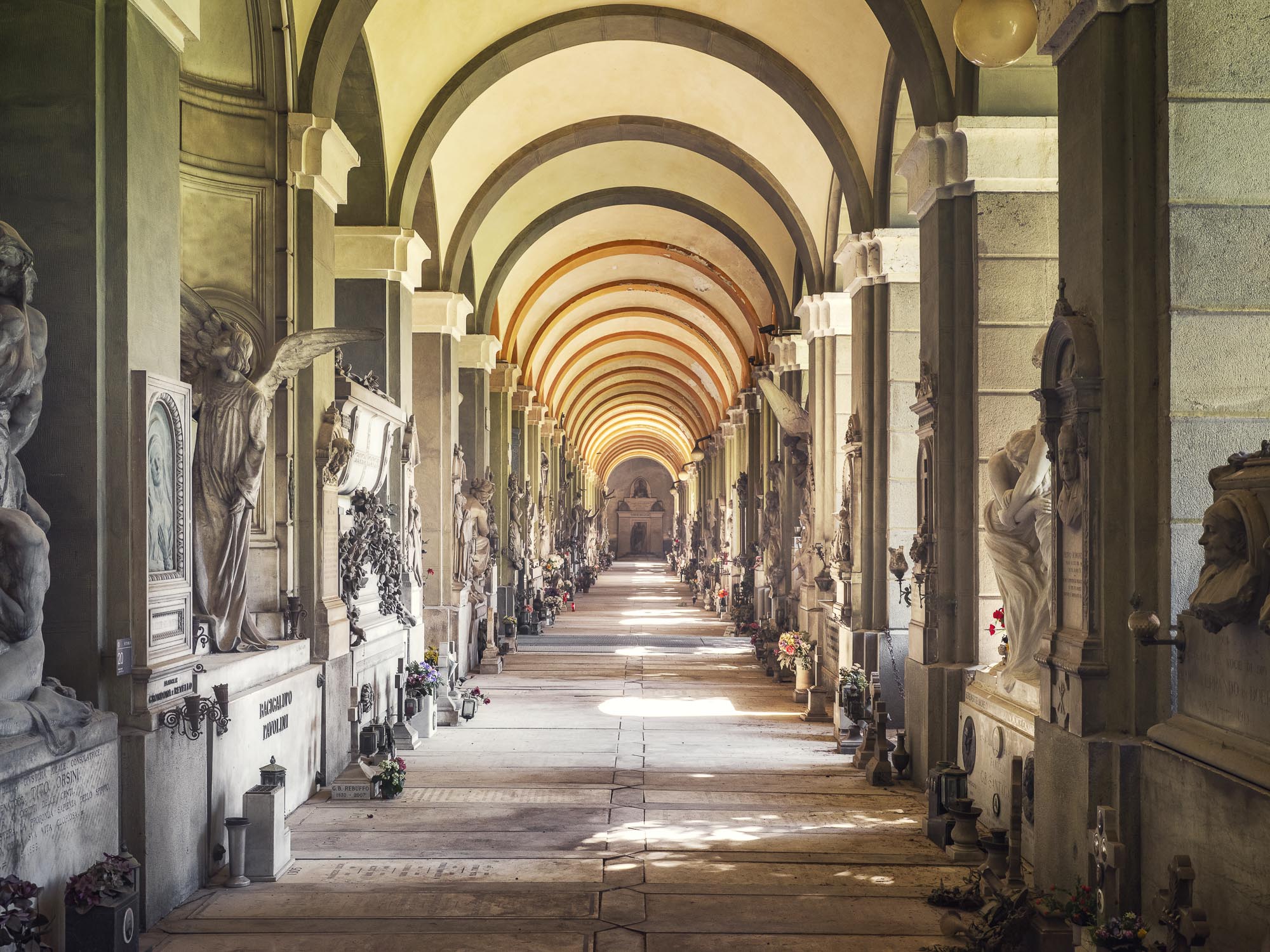
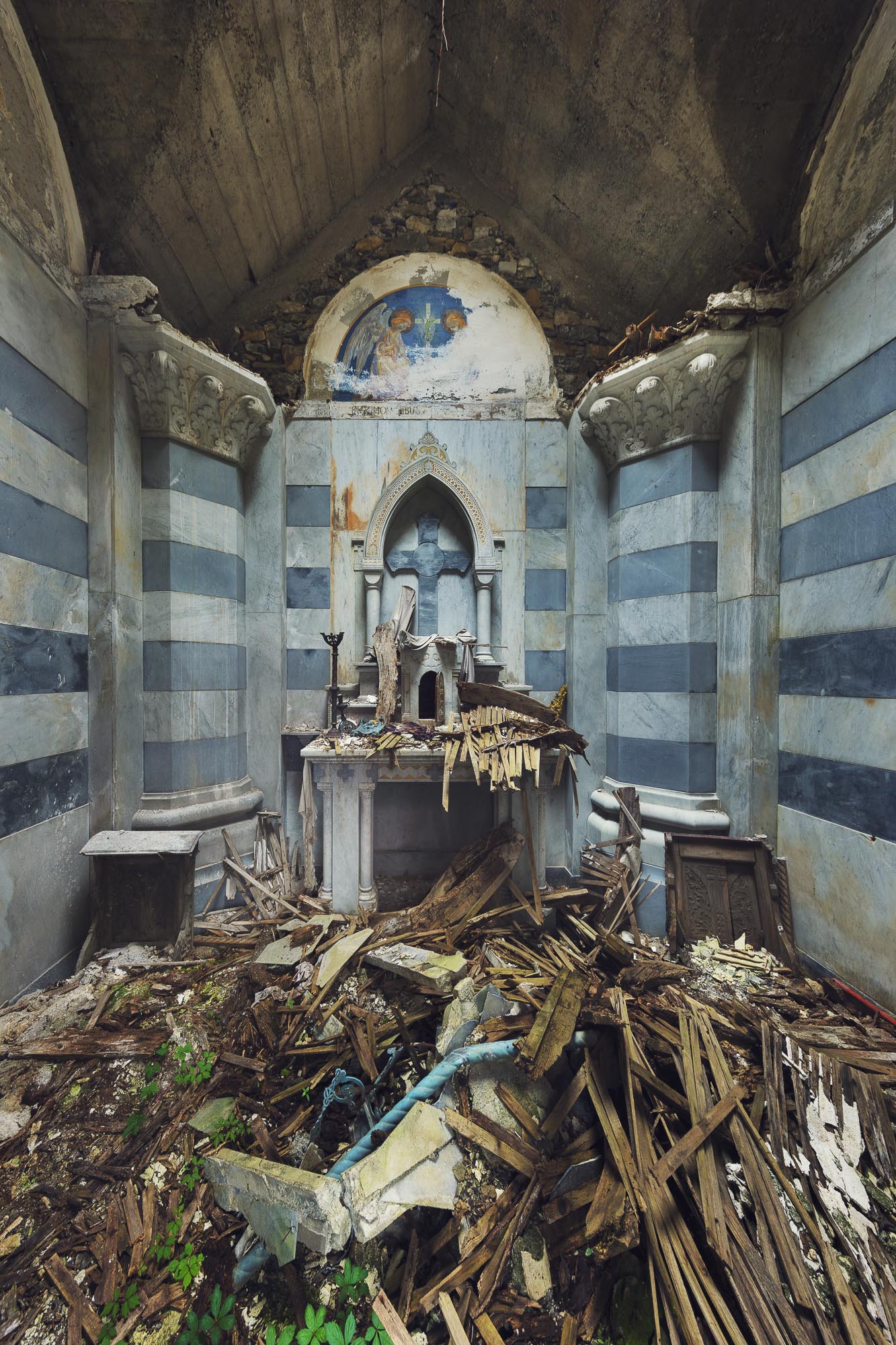
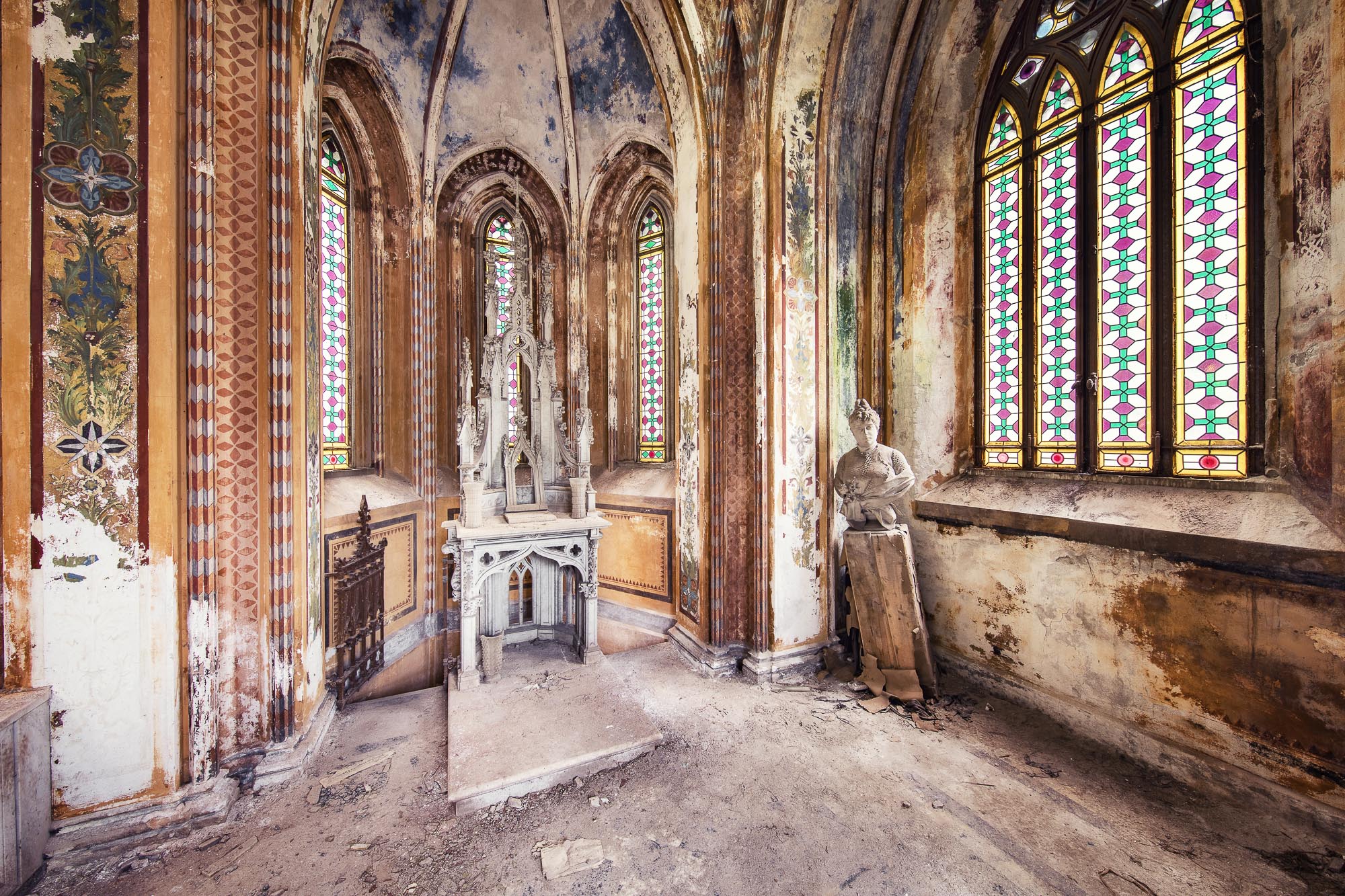
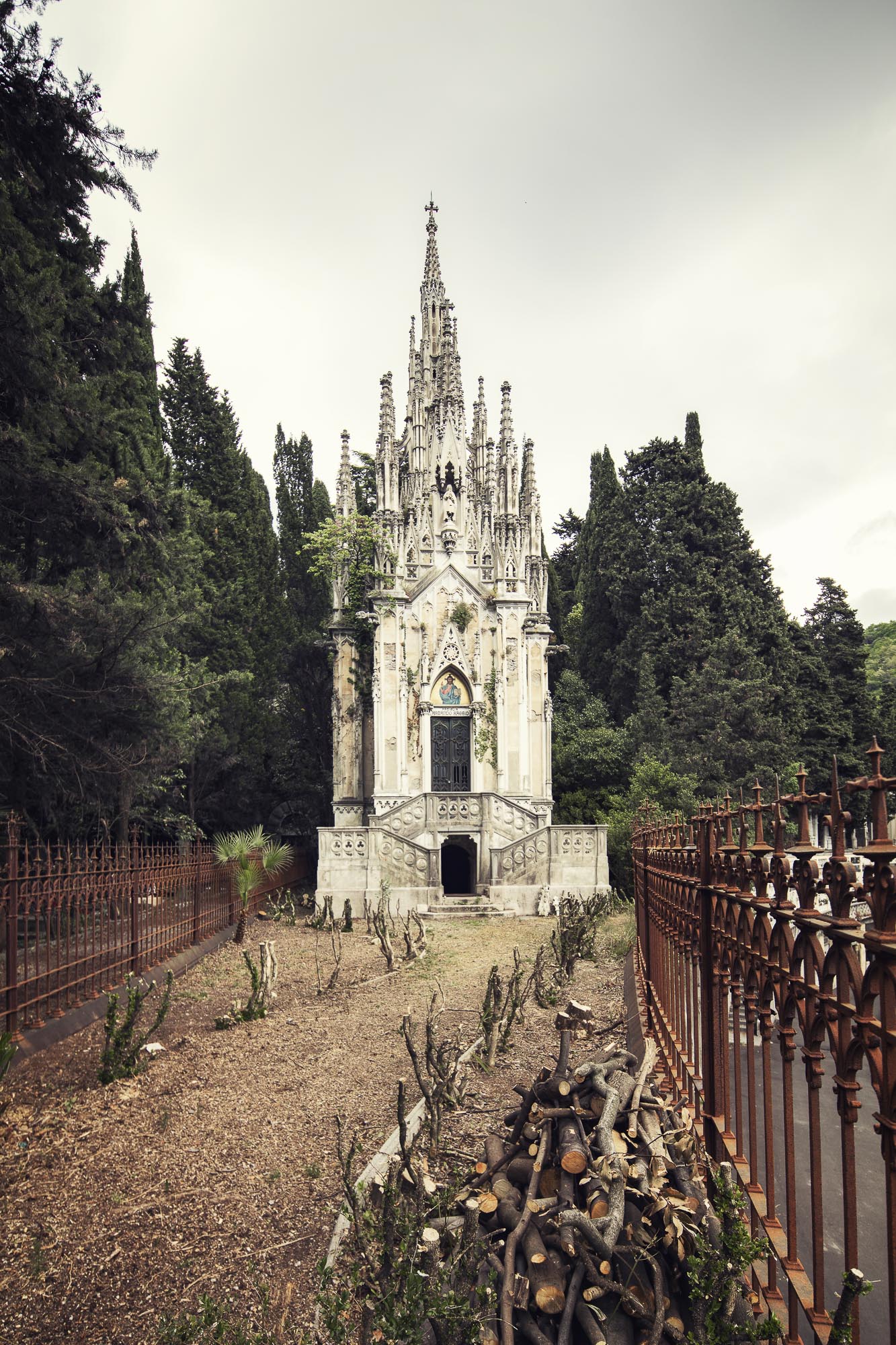
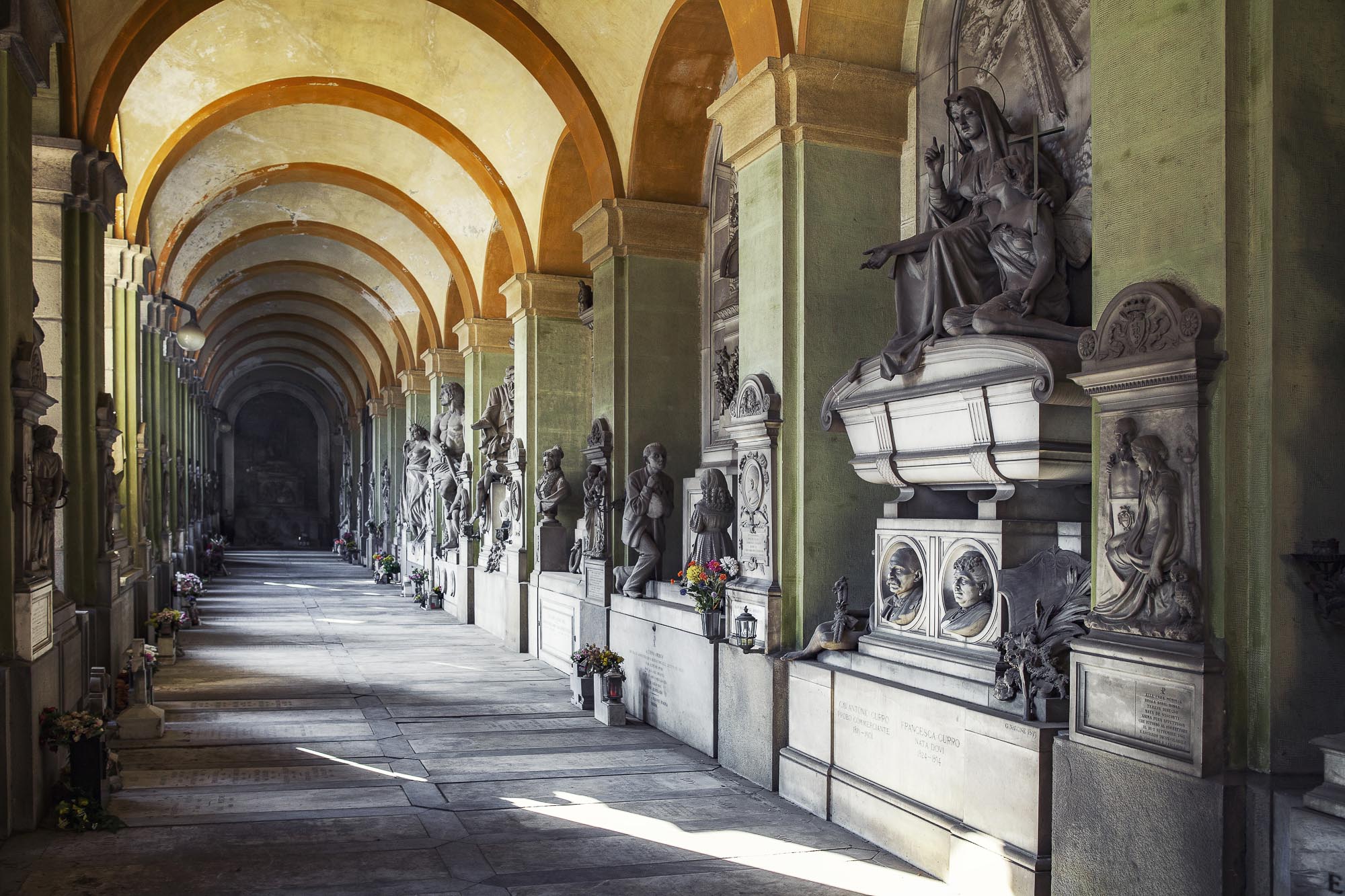
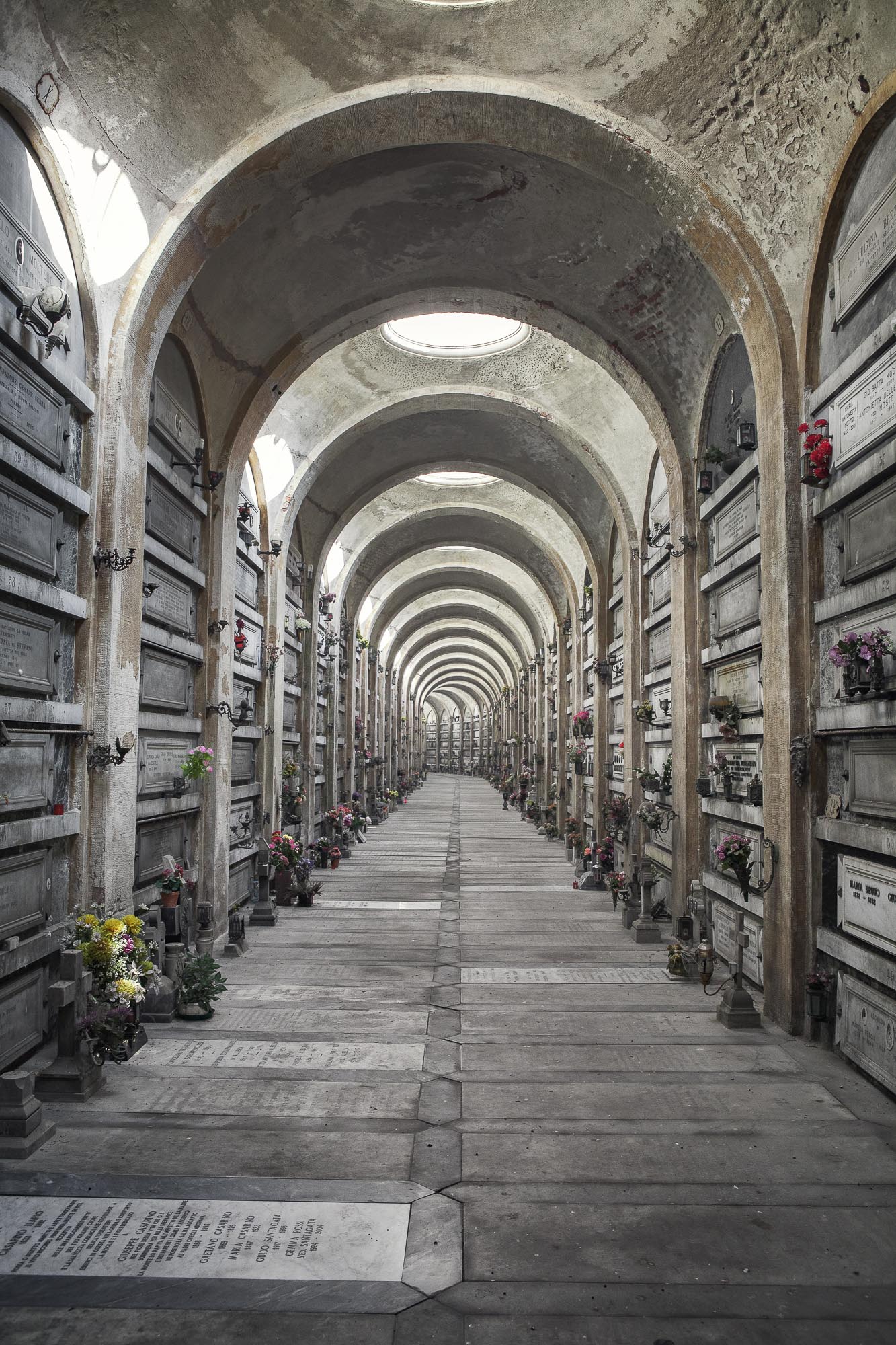
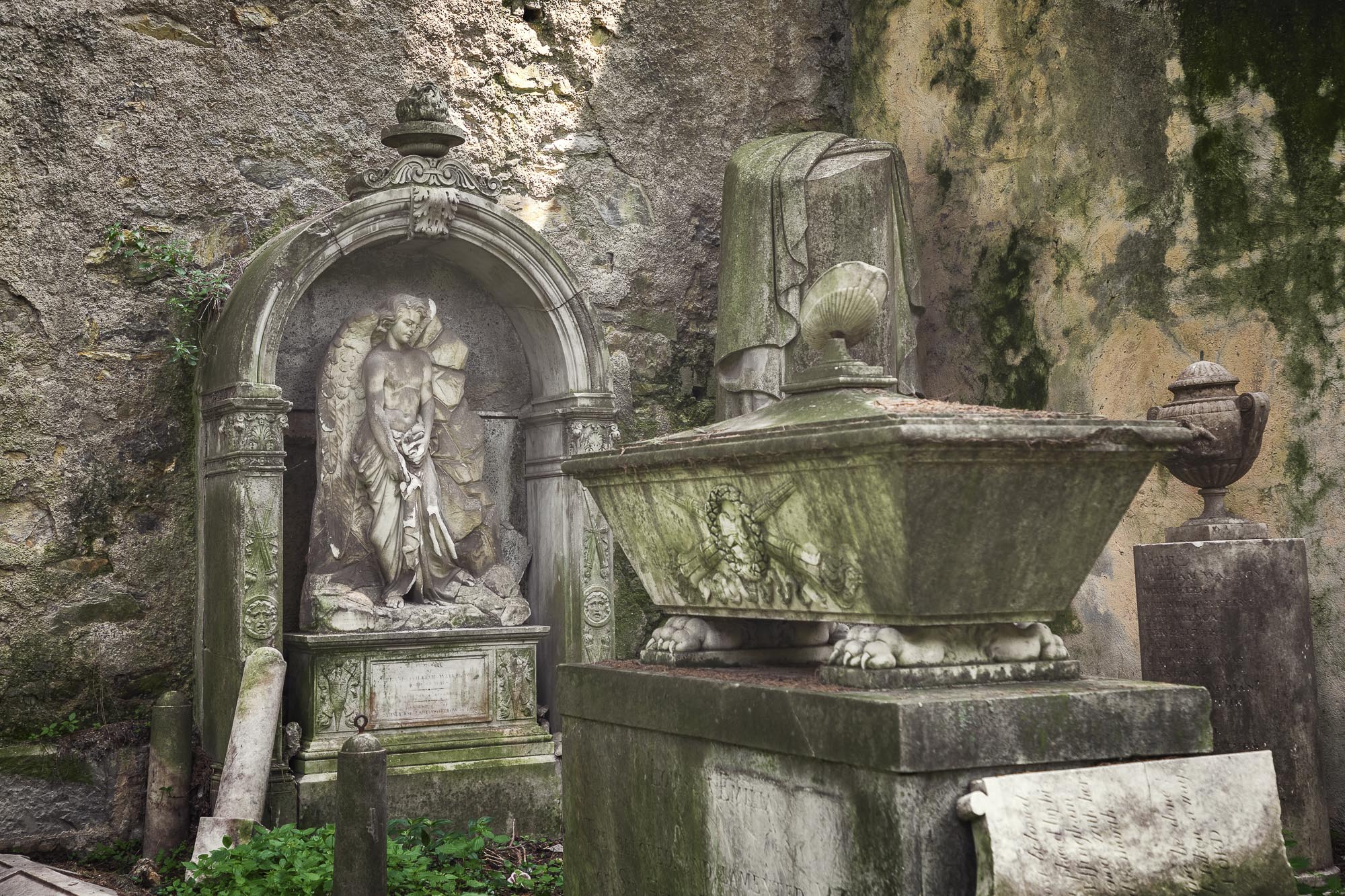
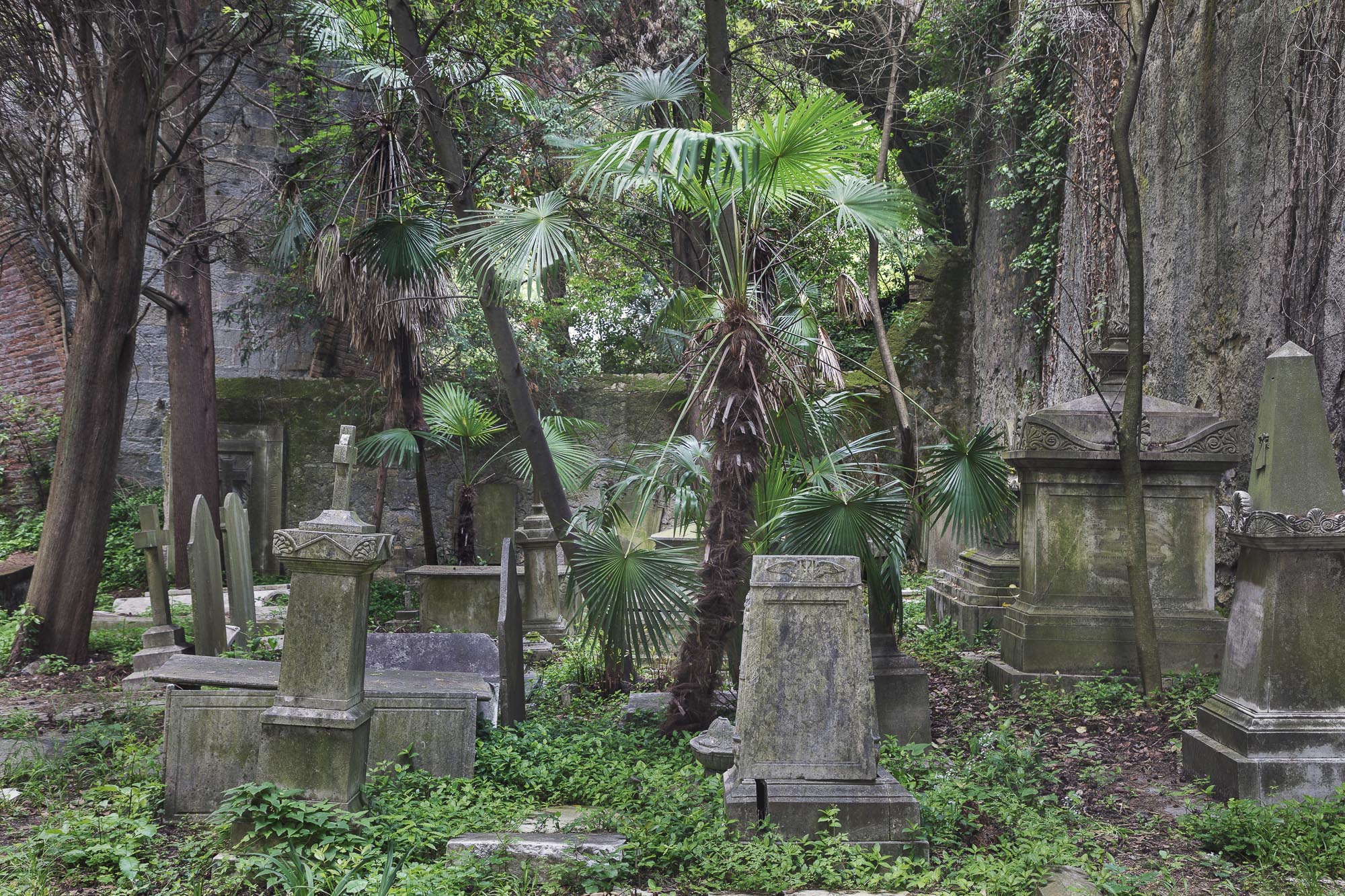
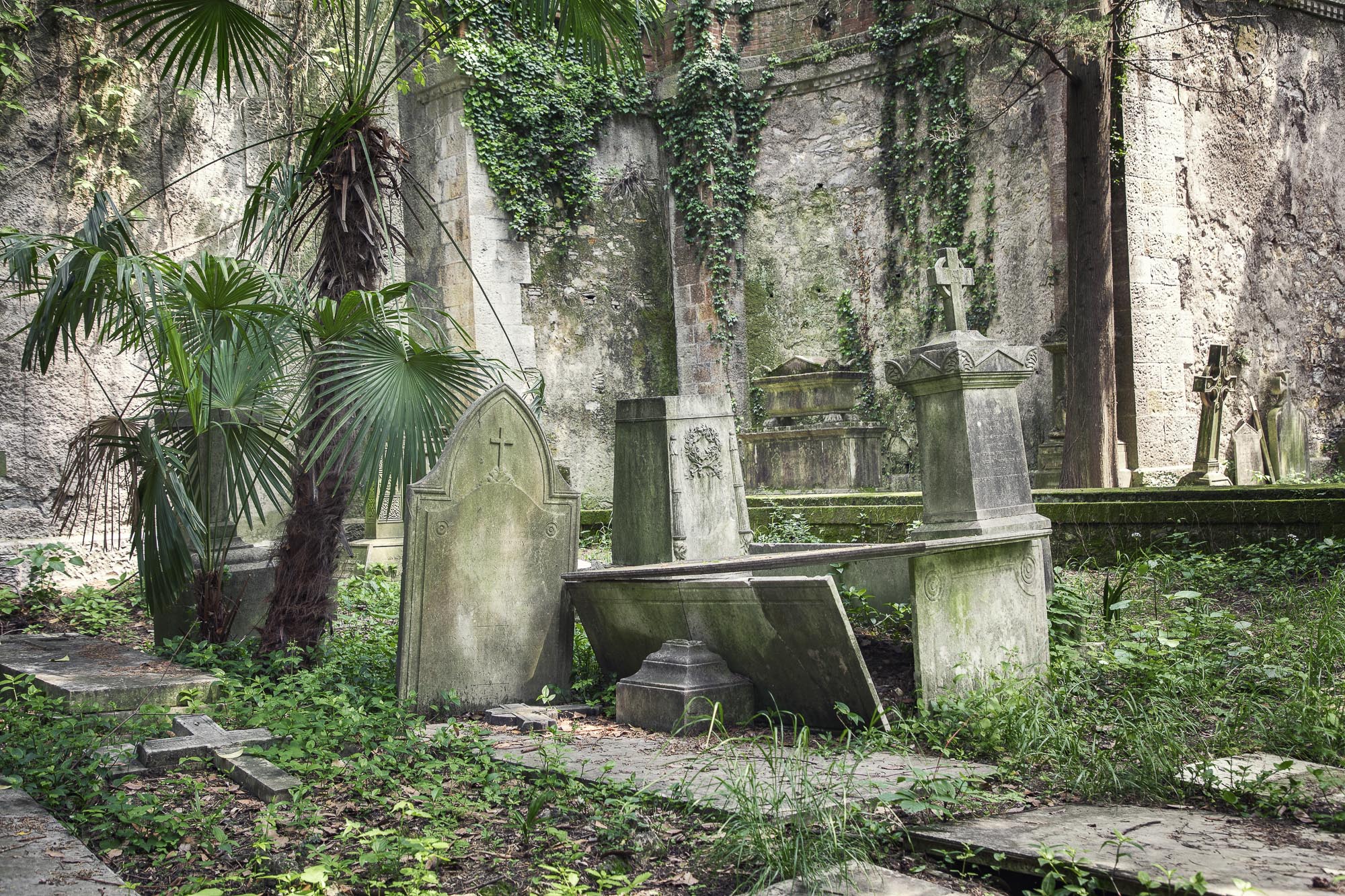
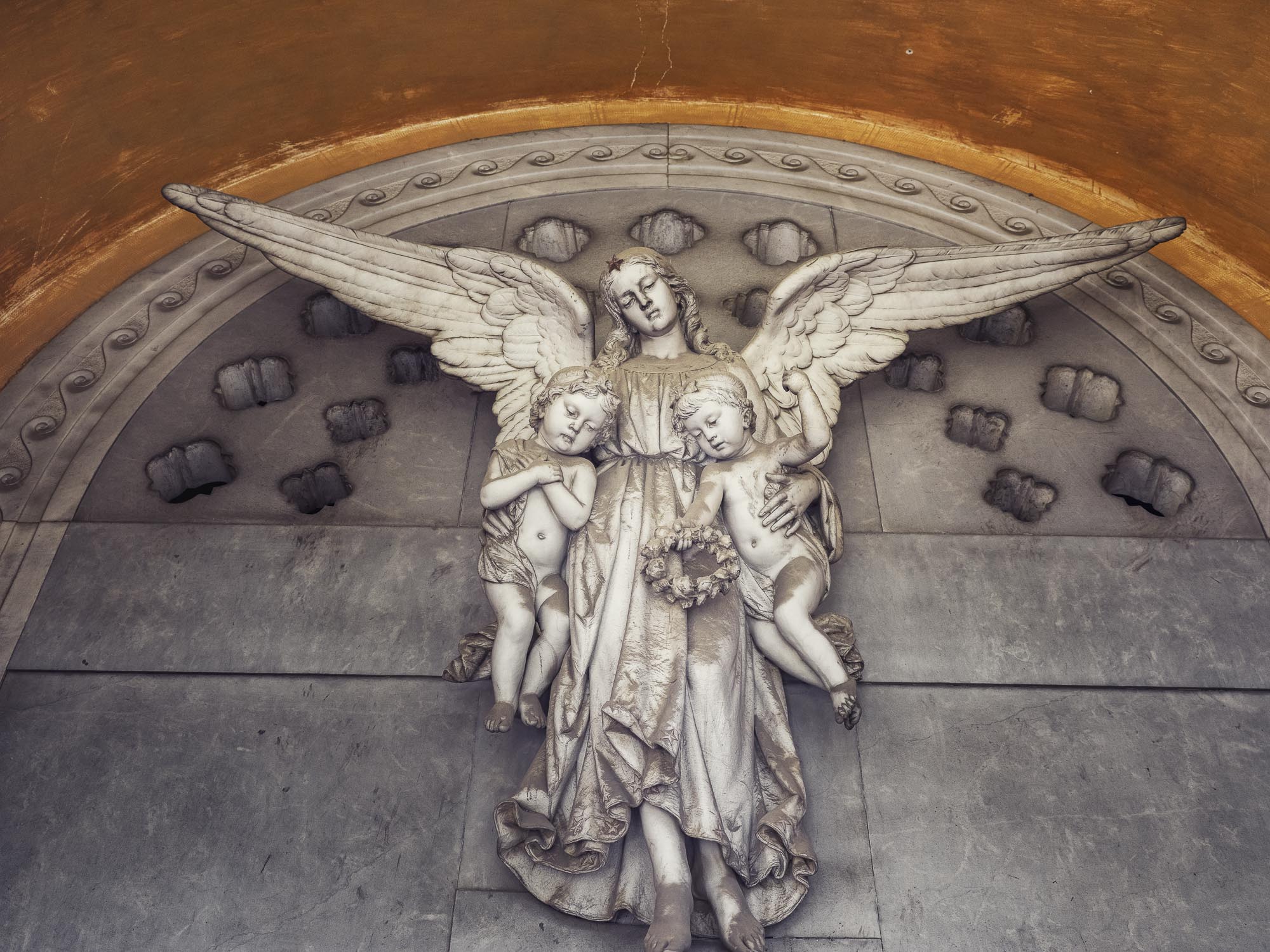
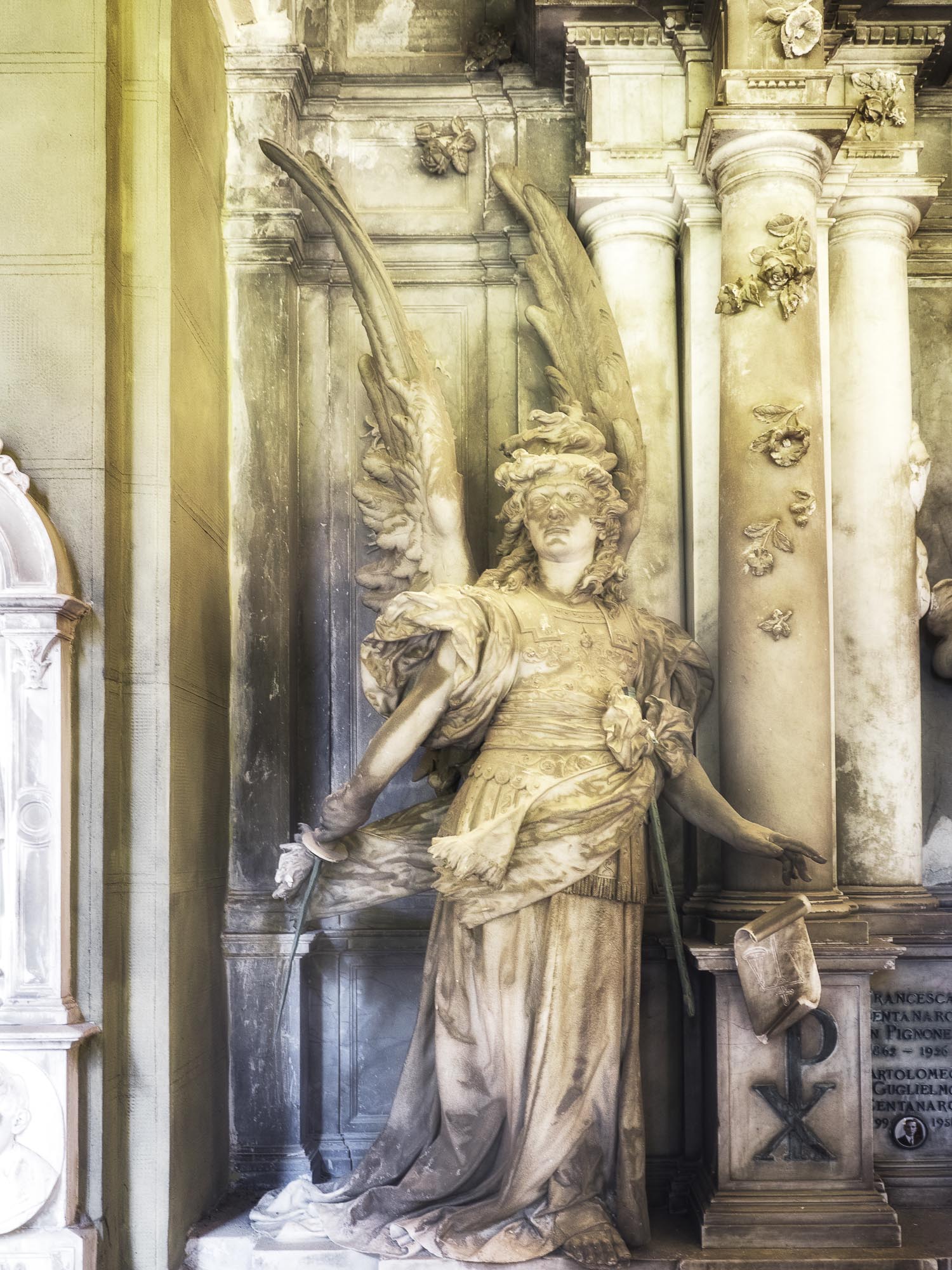
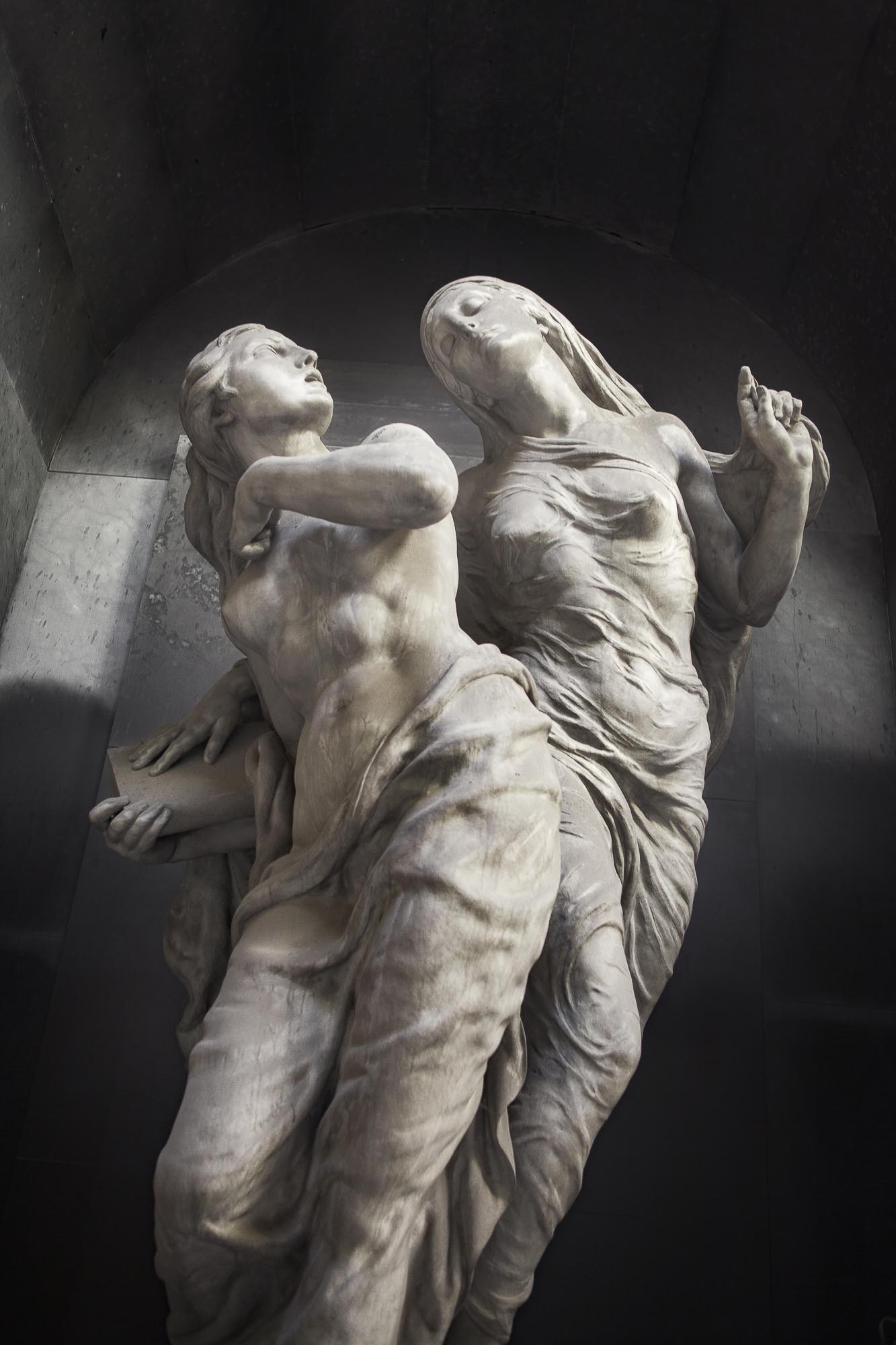
The layout is a square with arcaded galleries, crowned by the Pantheon. A semicircular portico, a section for non-Catholics and an English cemetery were added later. On the slopes lie the Boschetti, where the graves of figures from the Risorgimento stand among the trees.
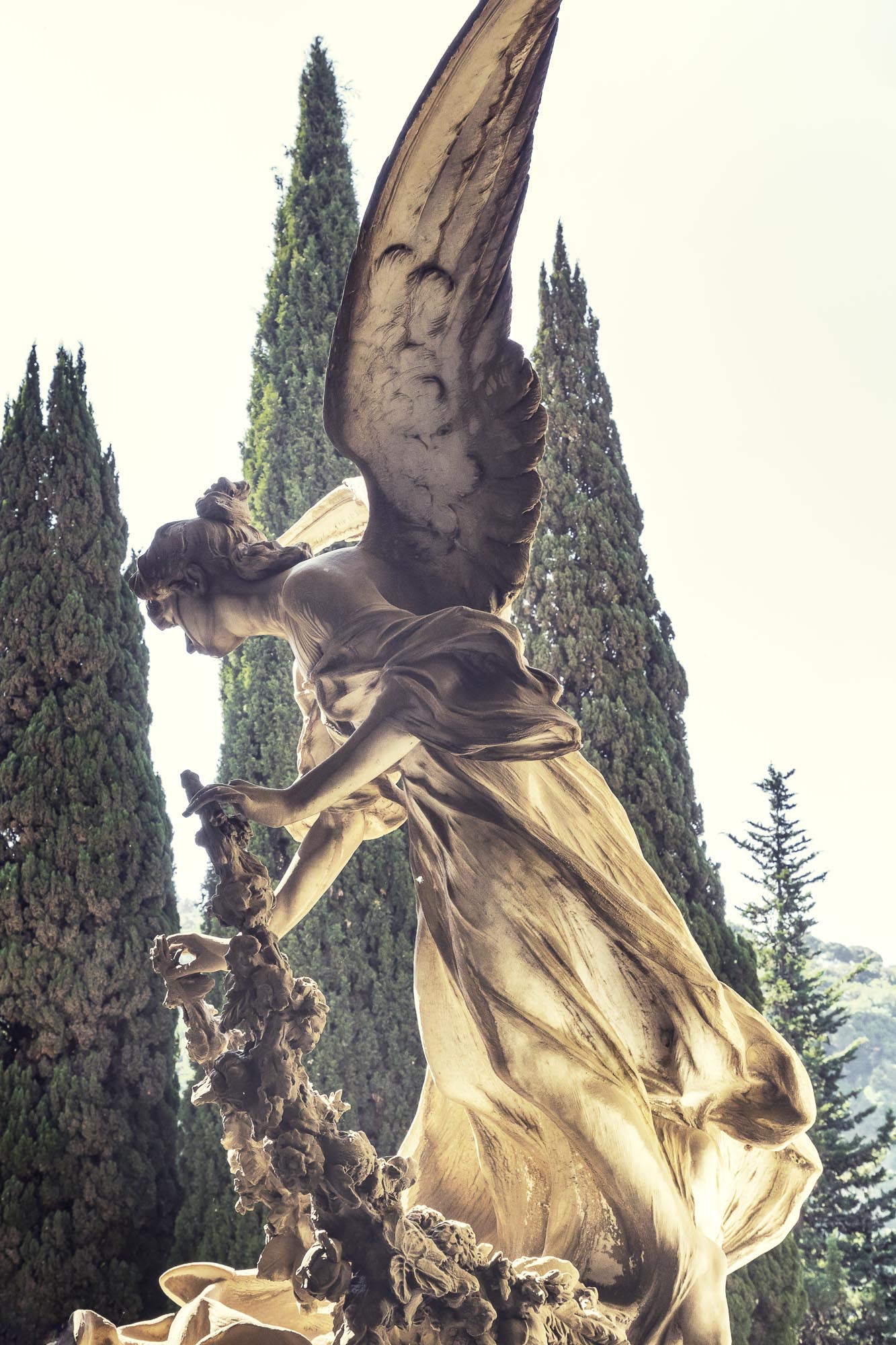
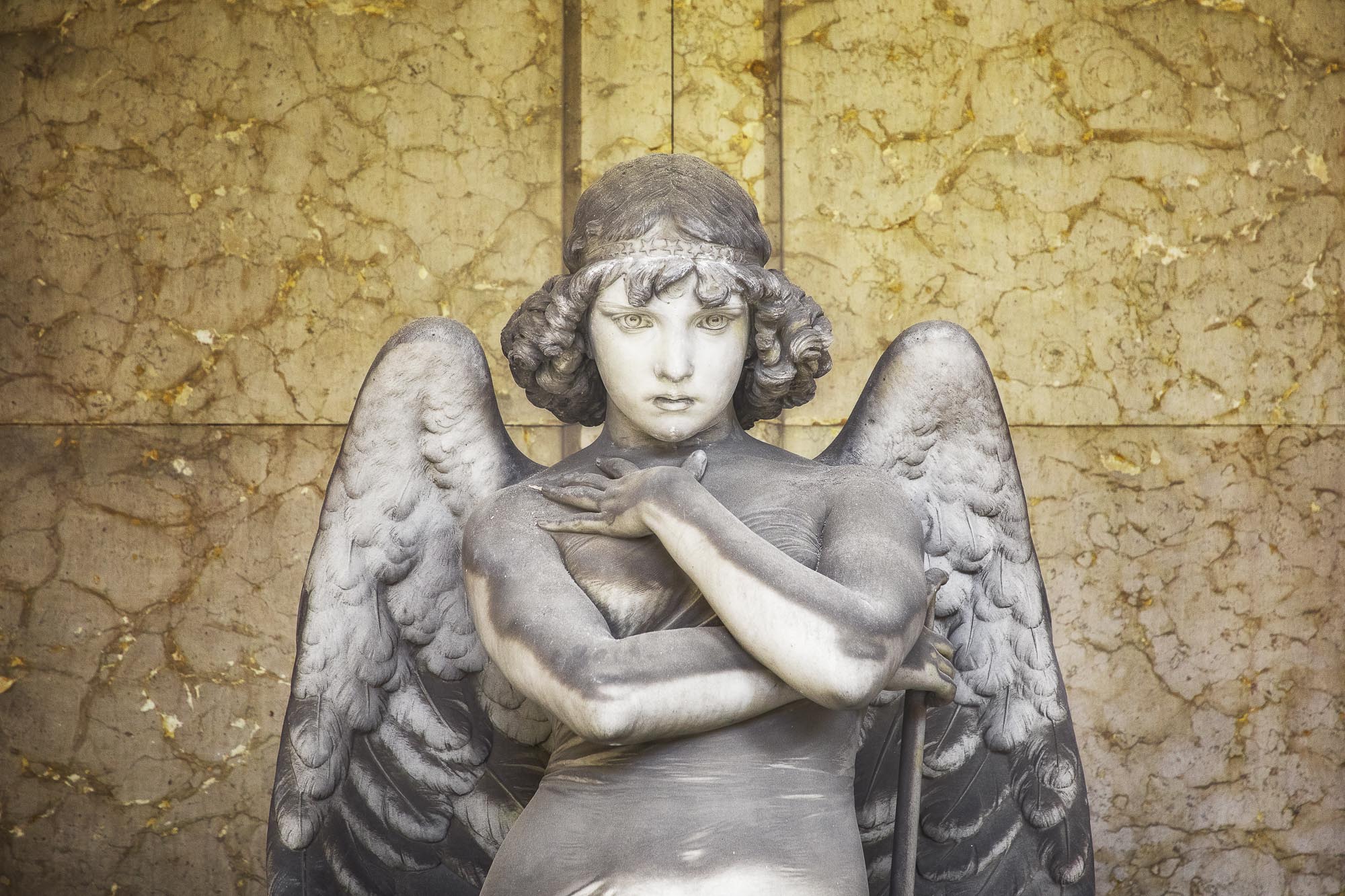
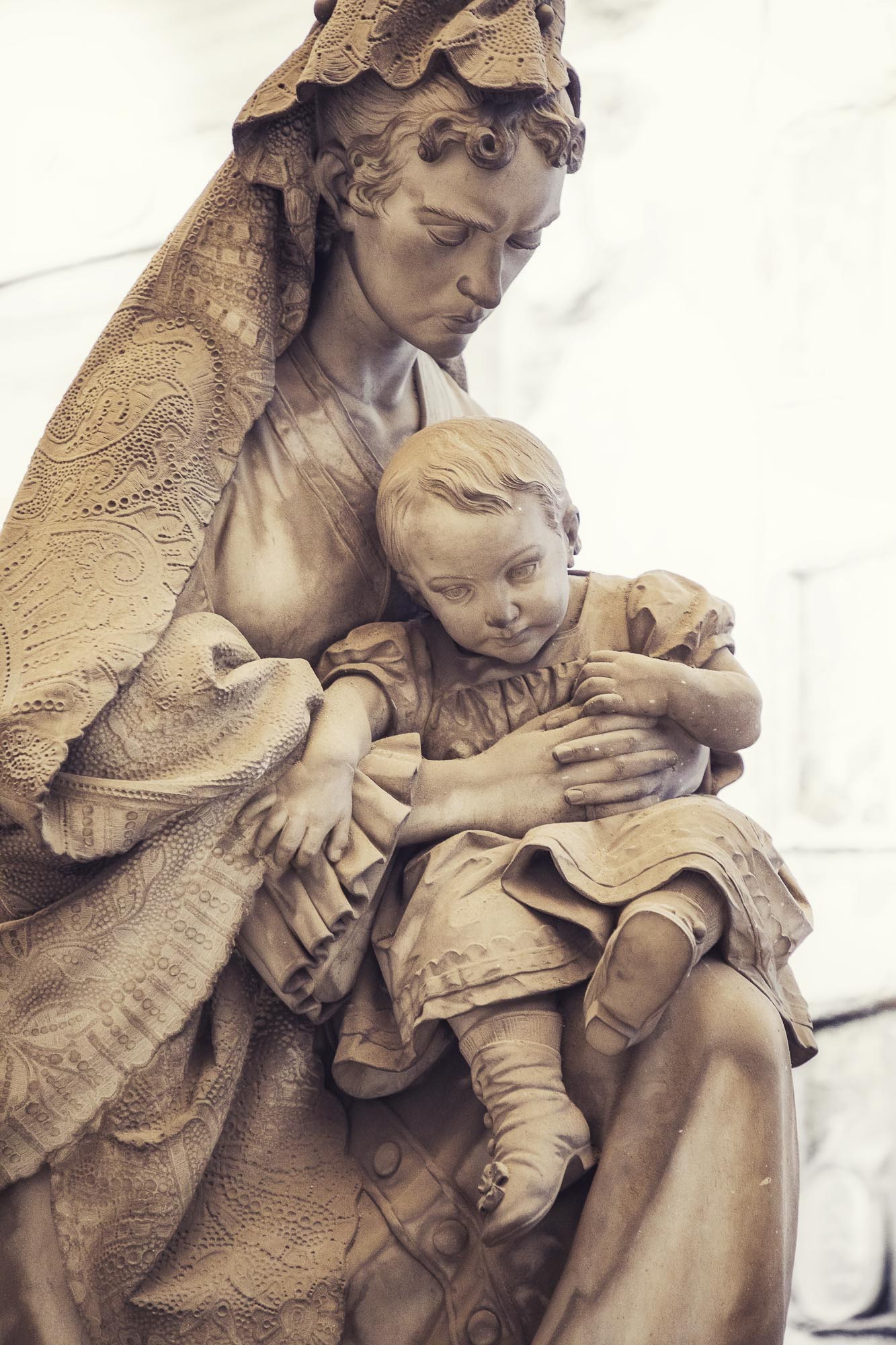
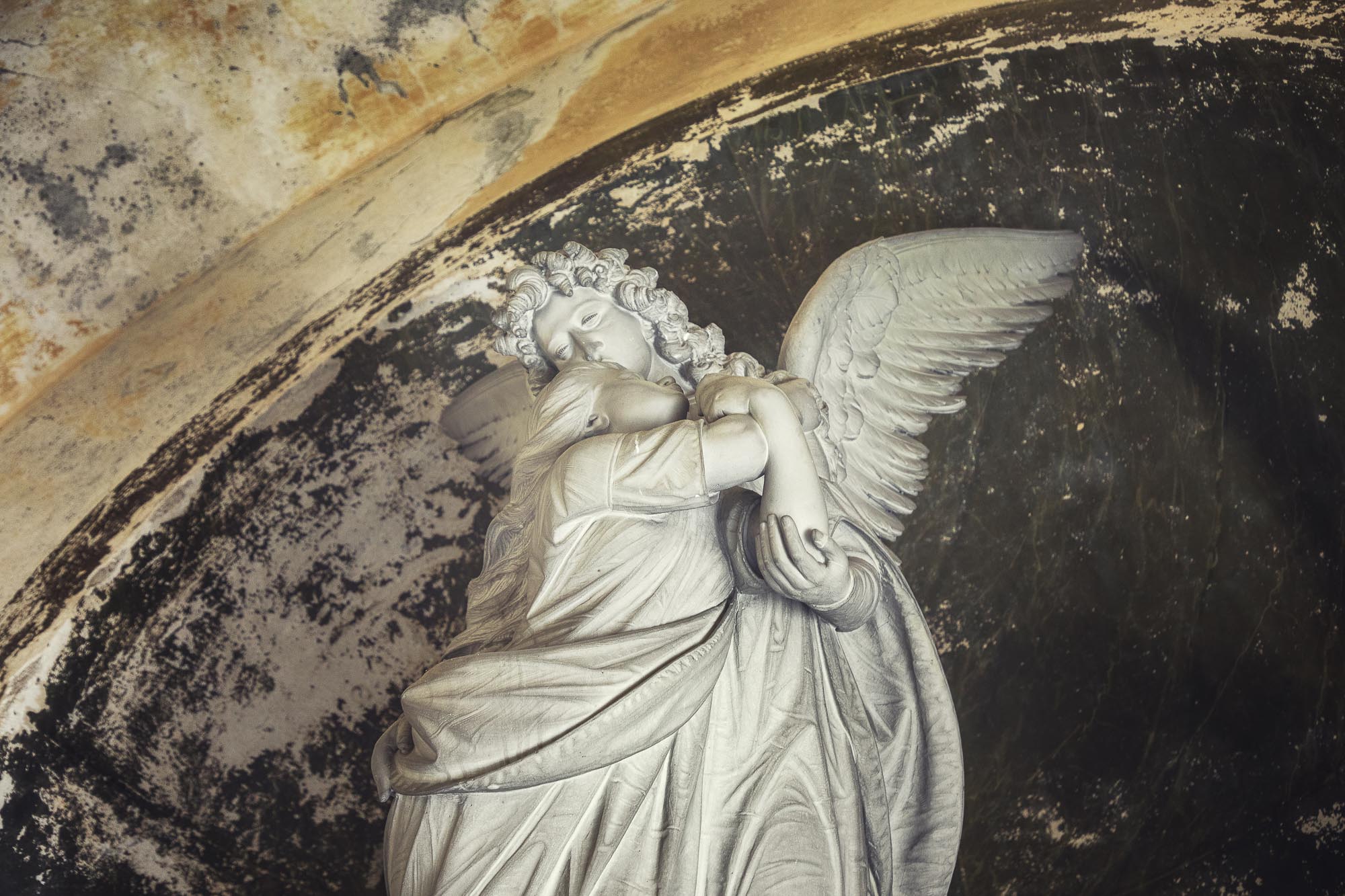
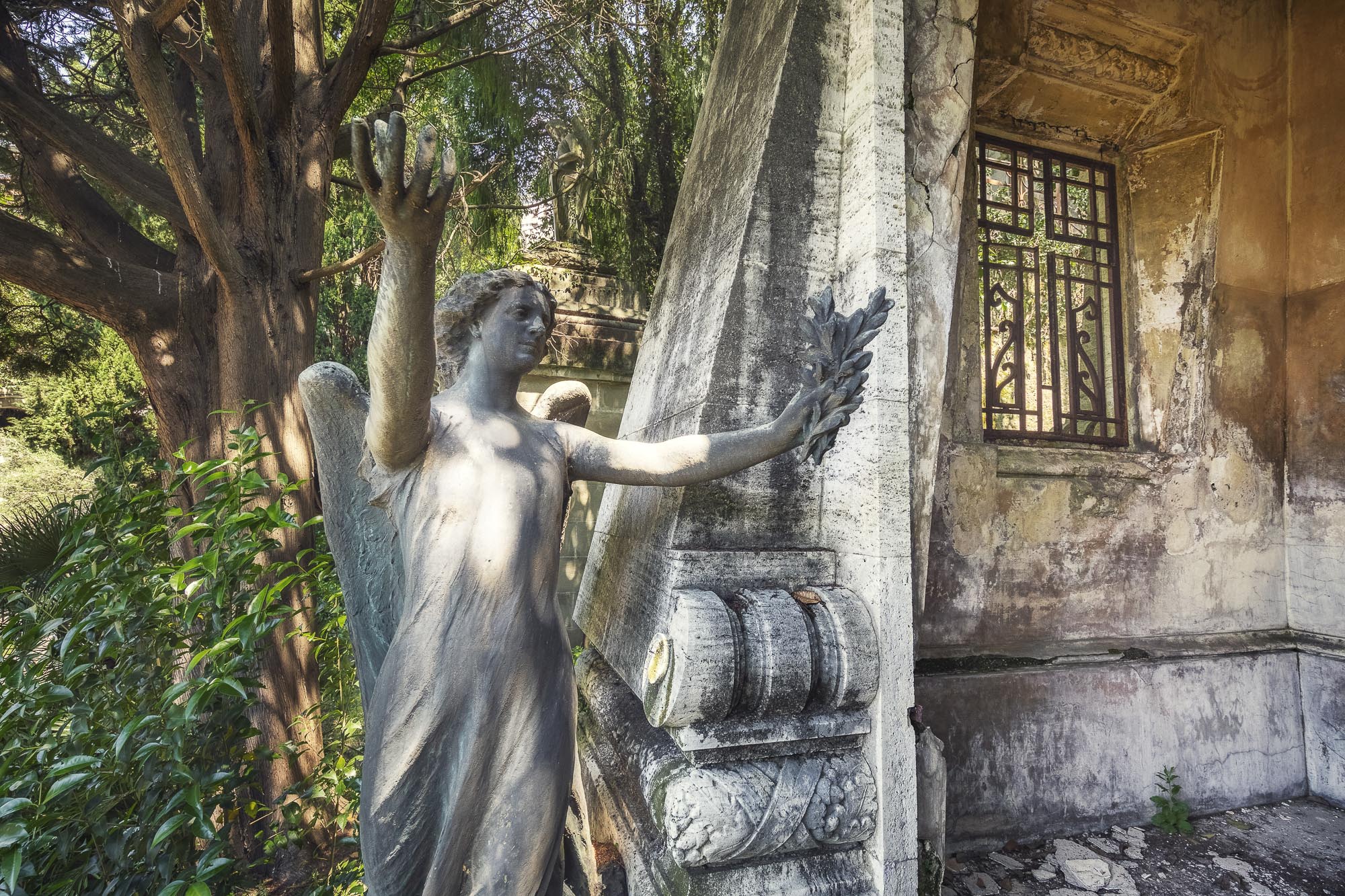
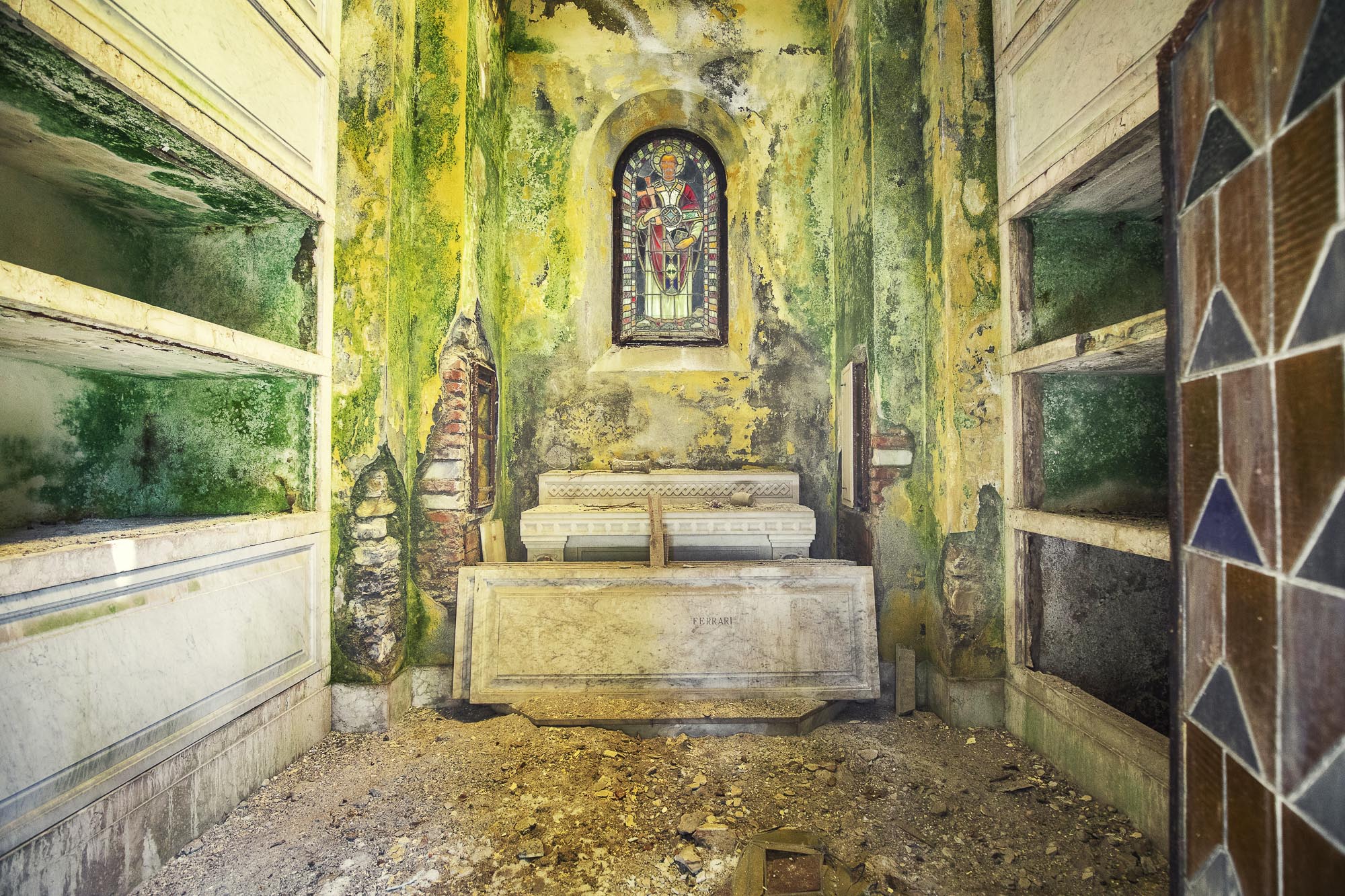
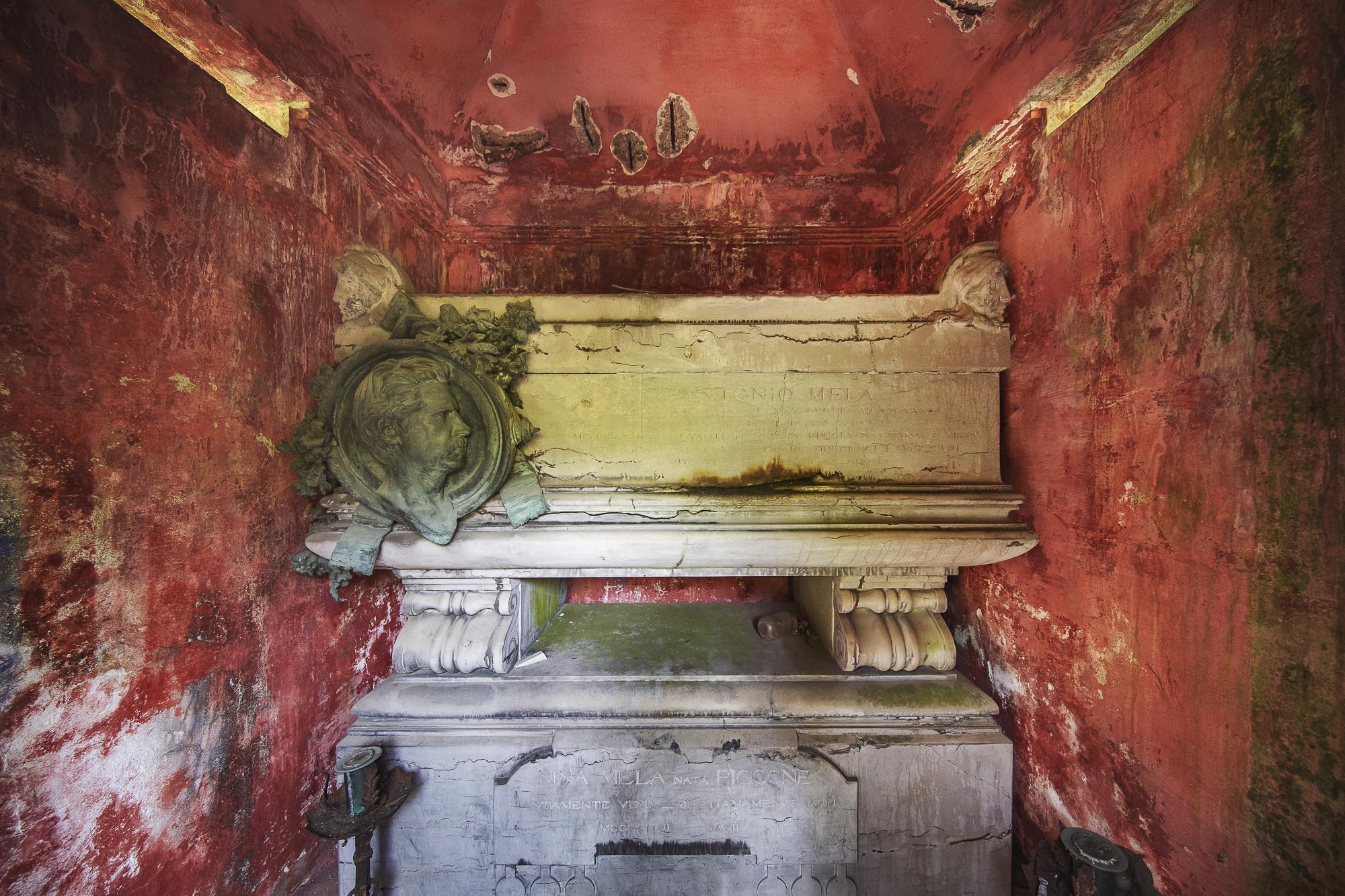
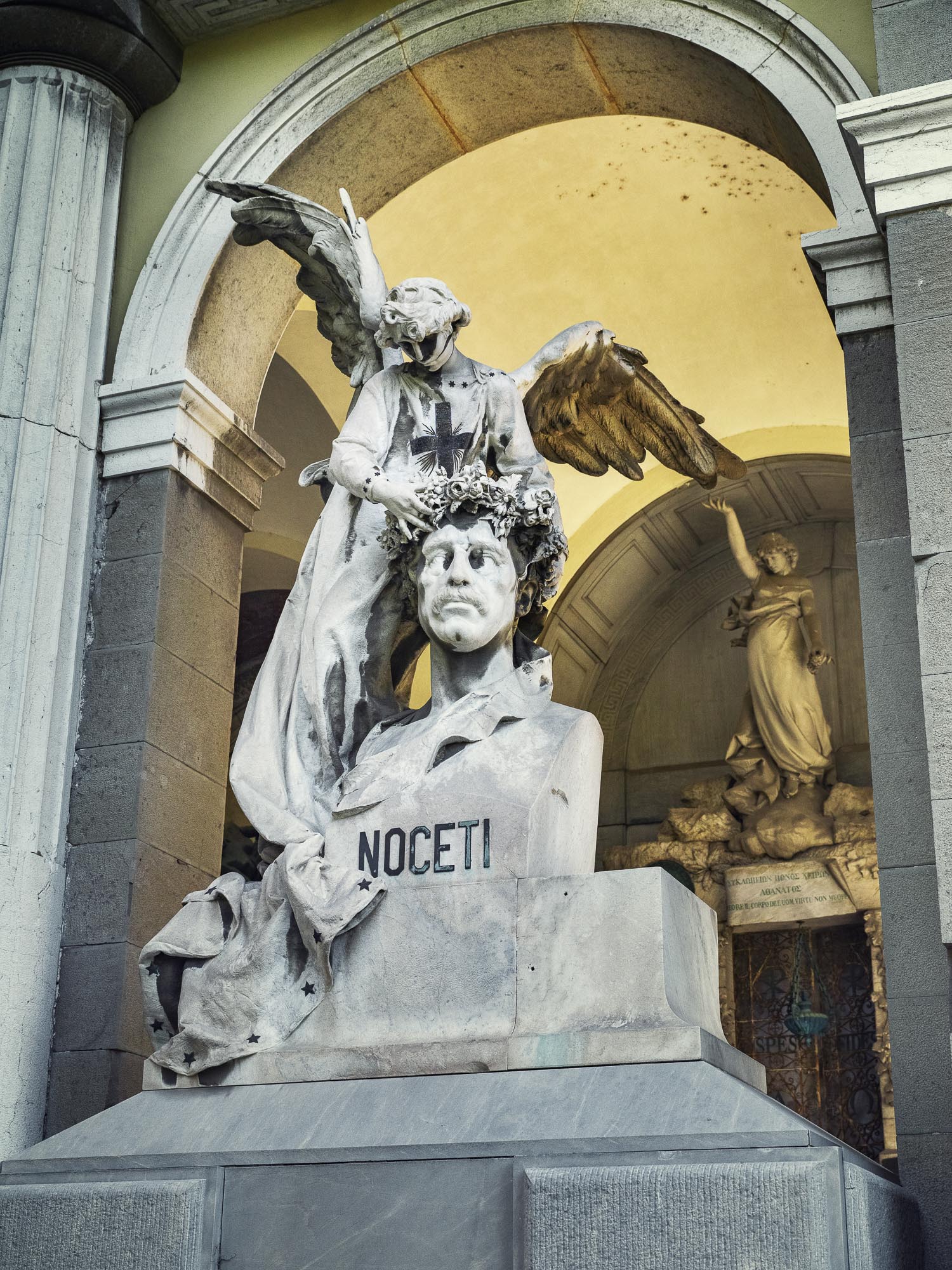
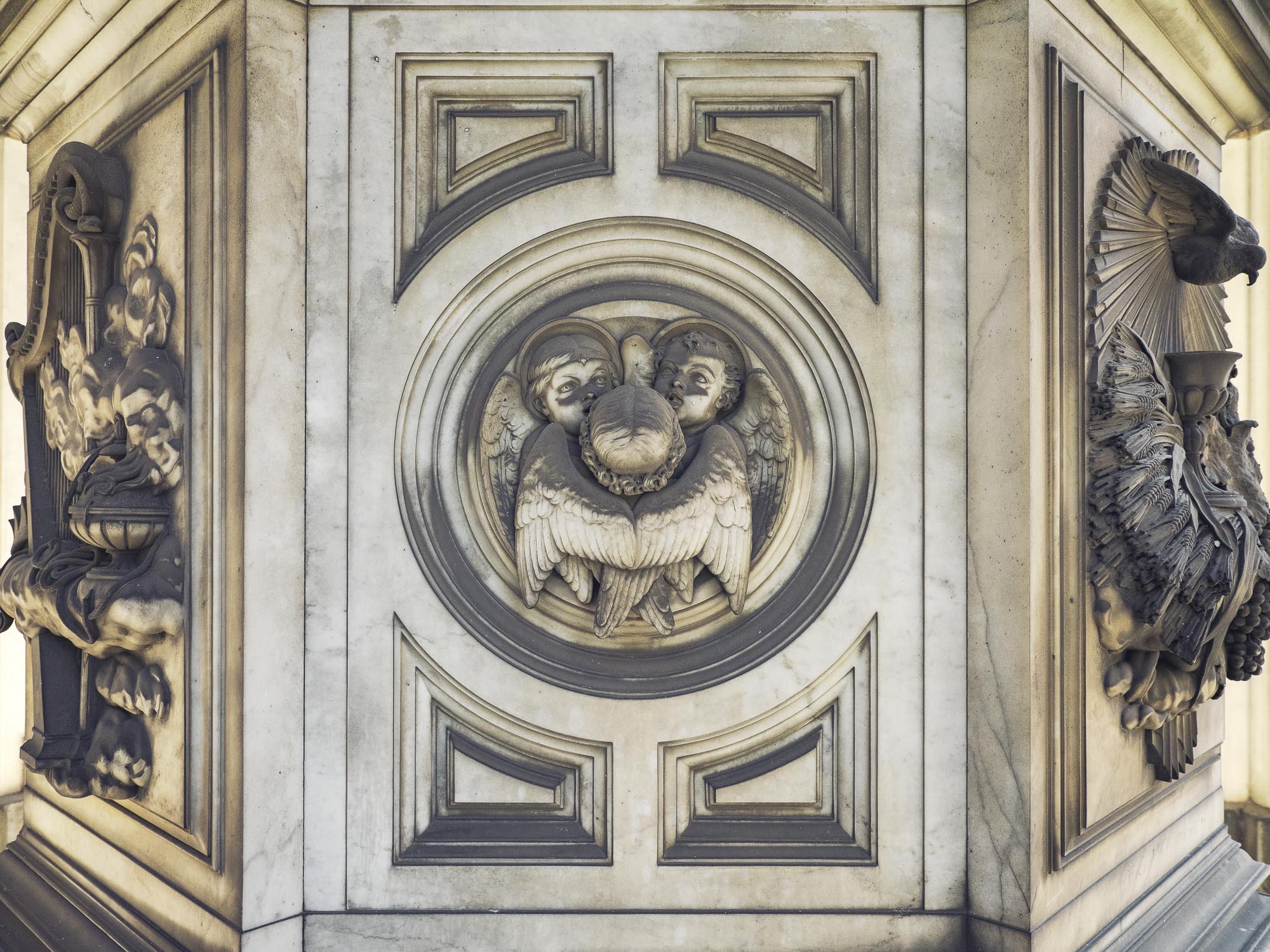
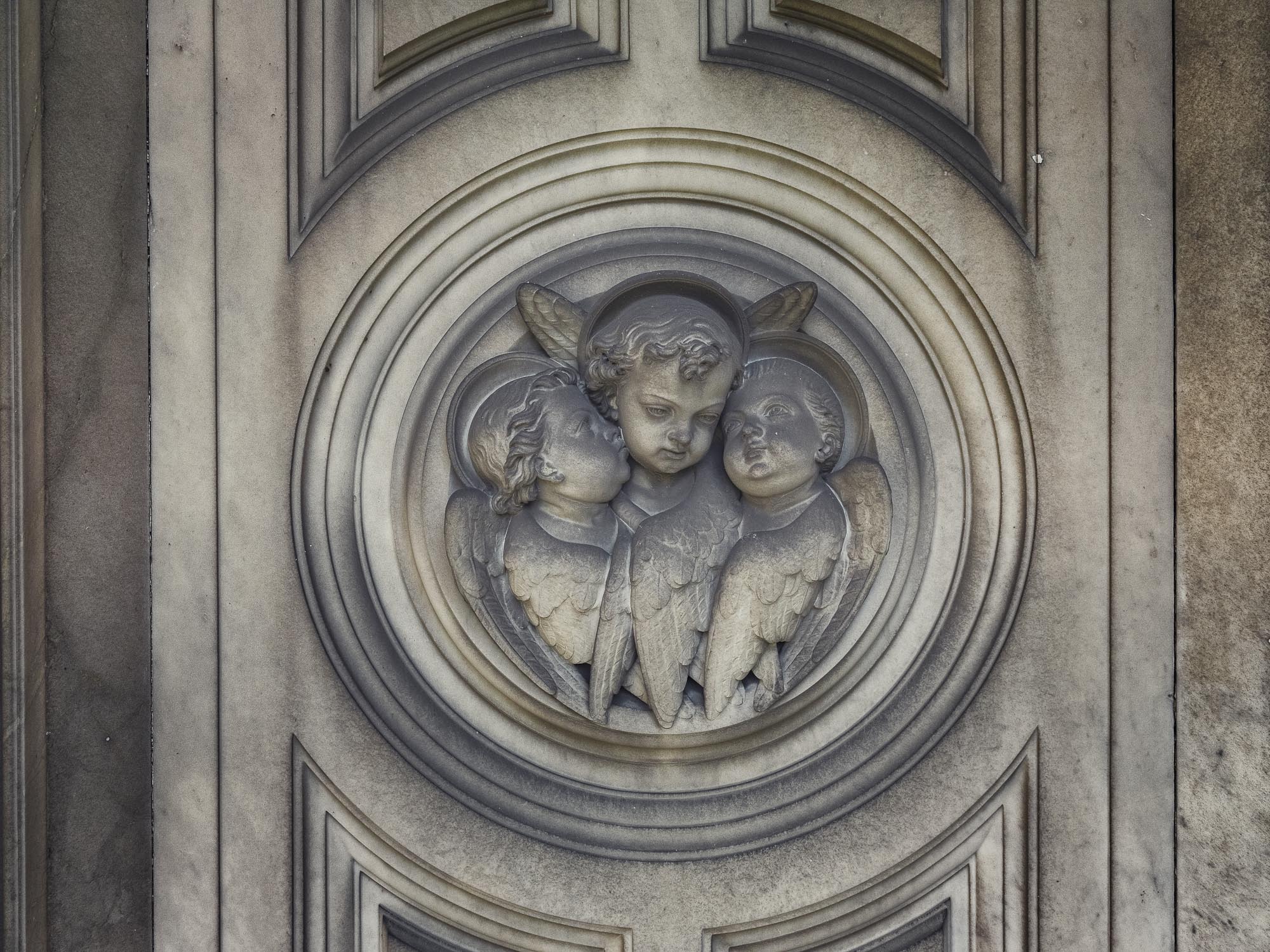
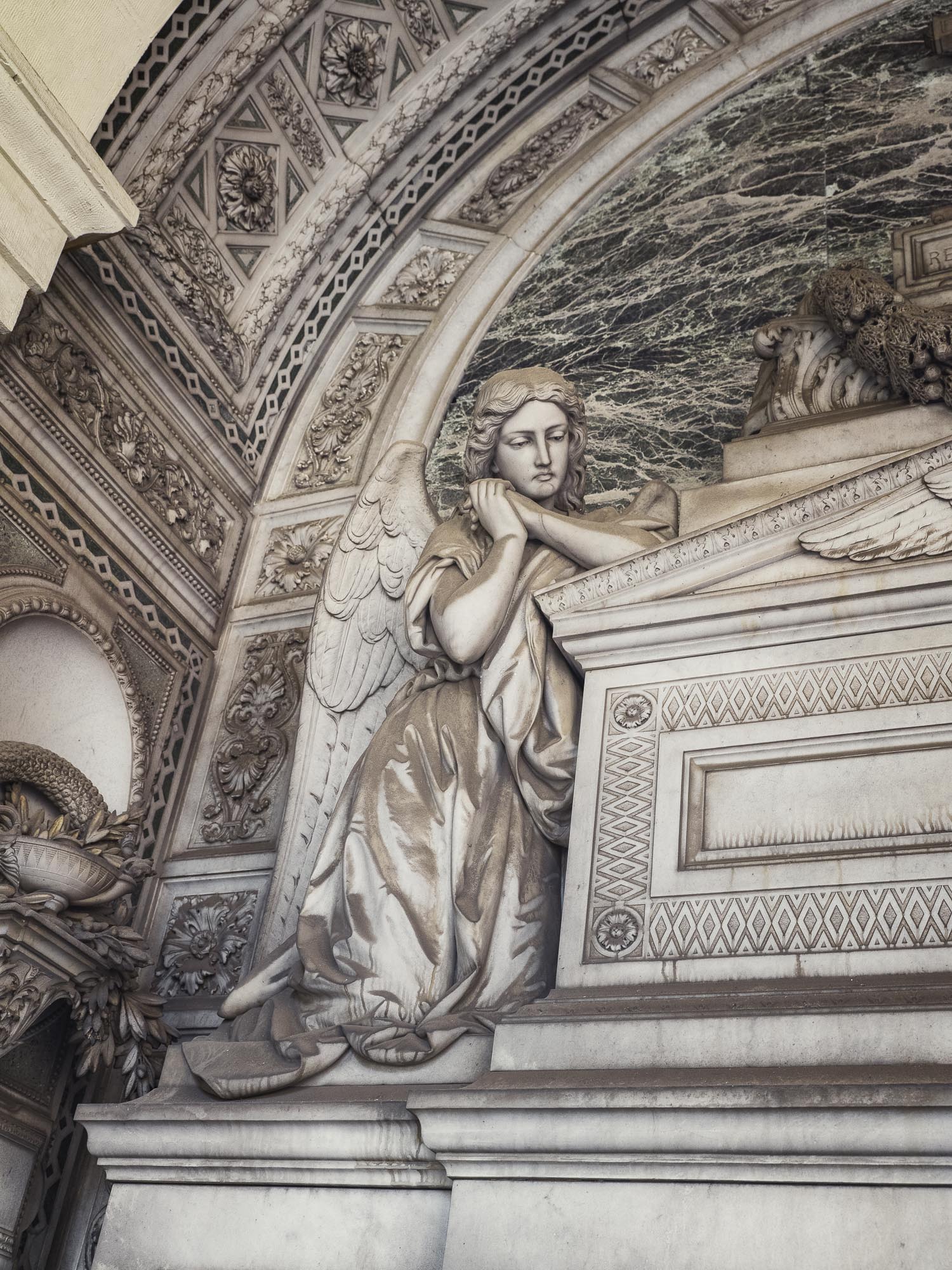
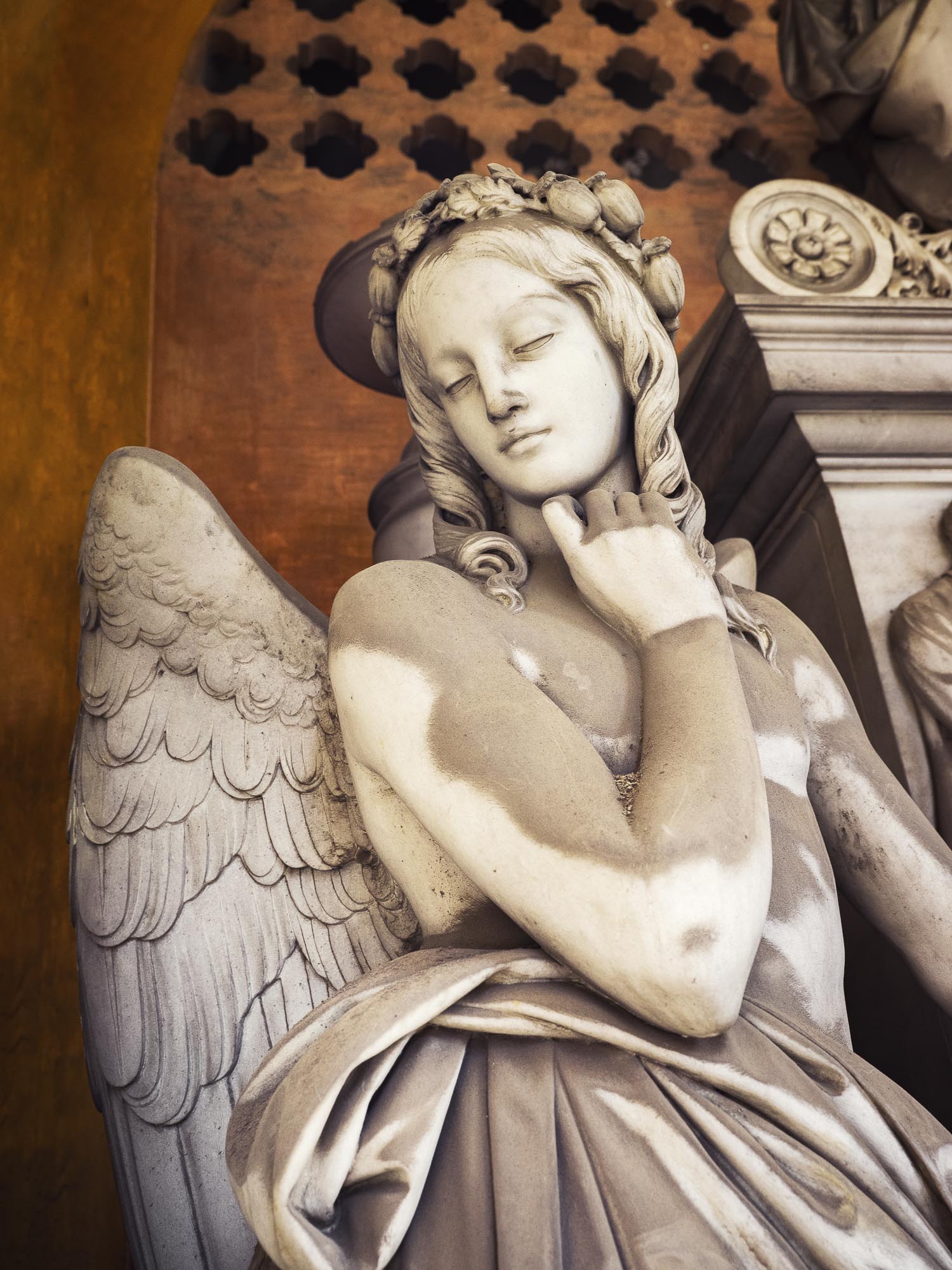
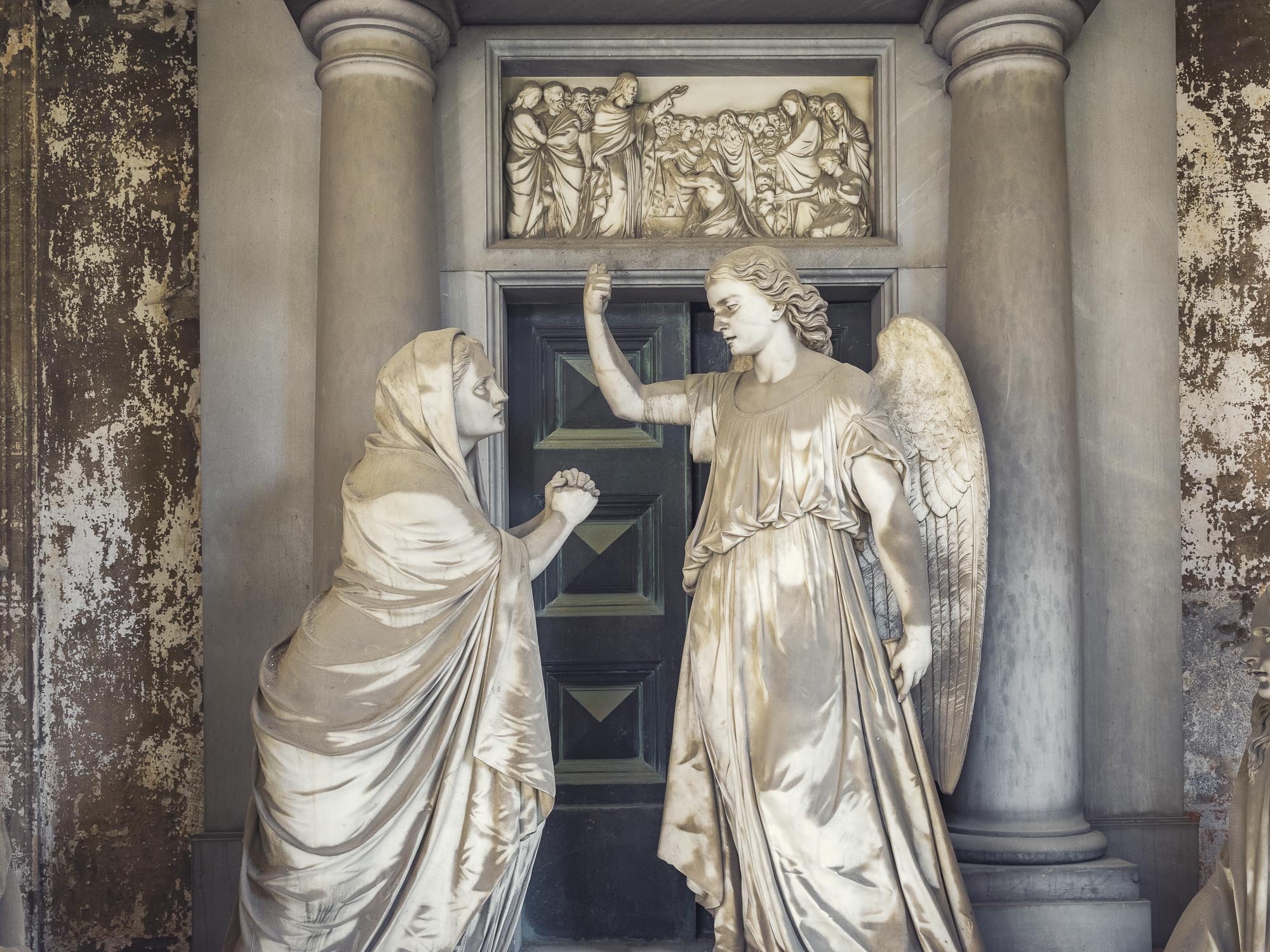
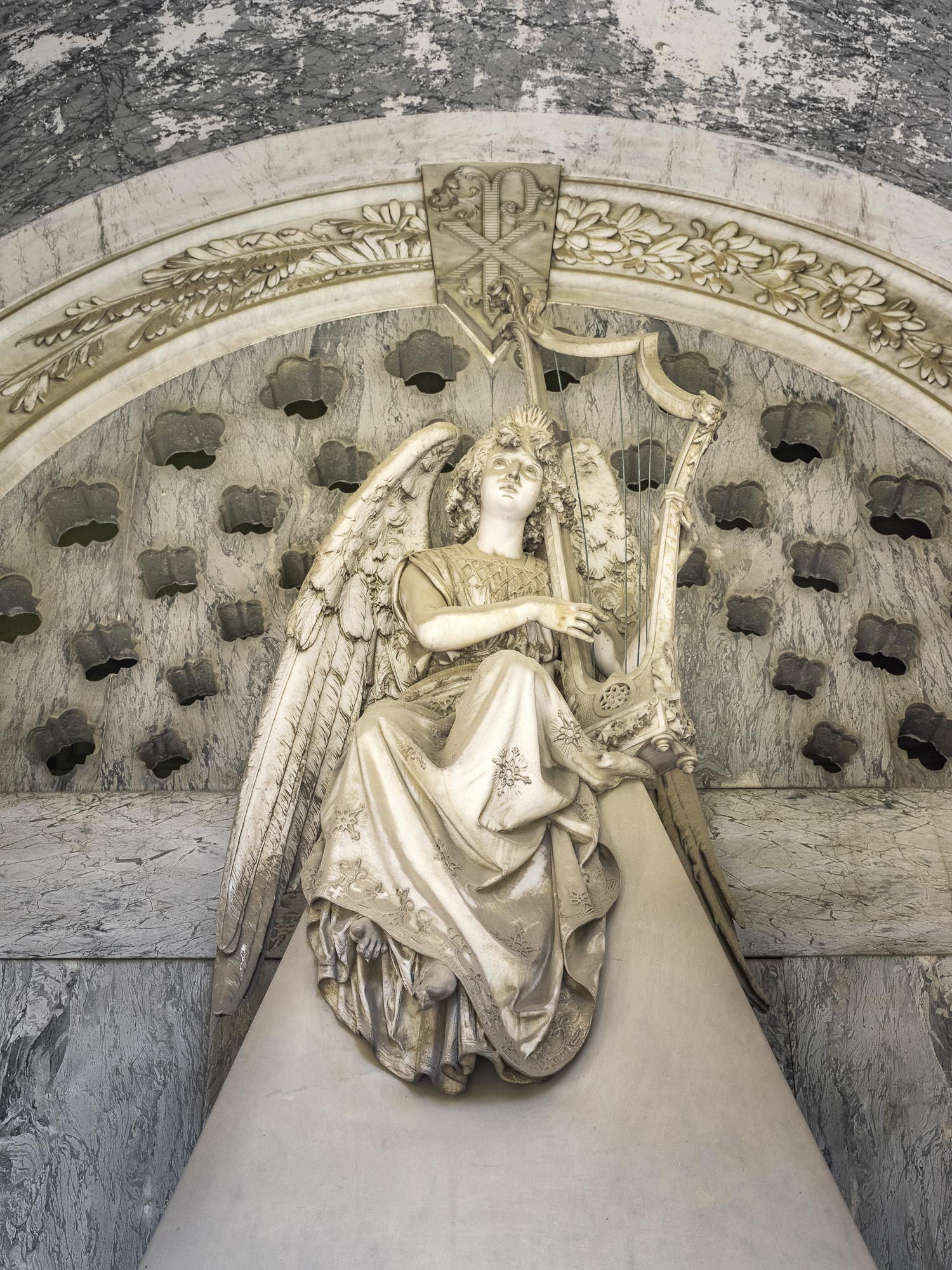
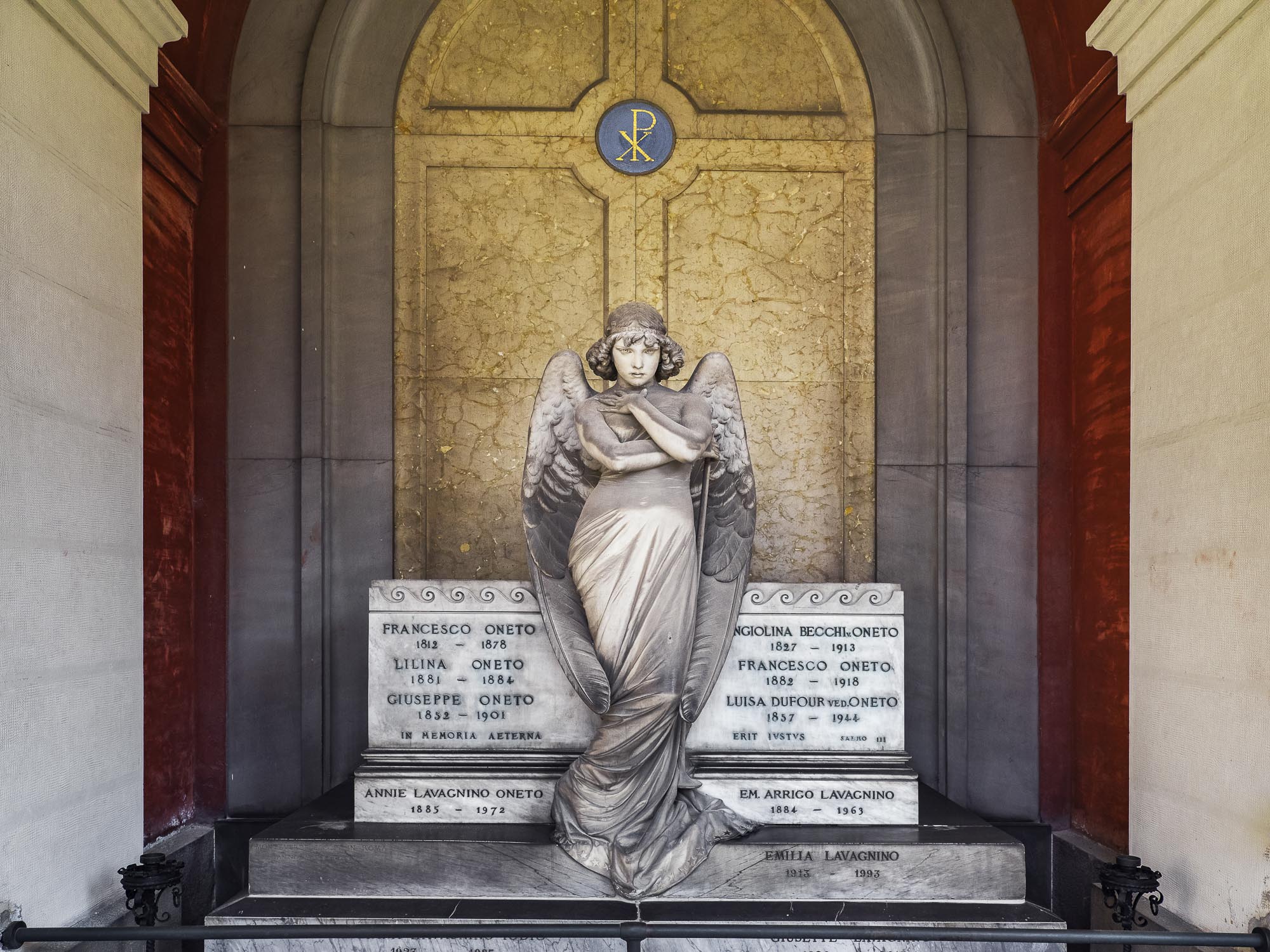
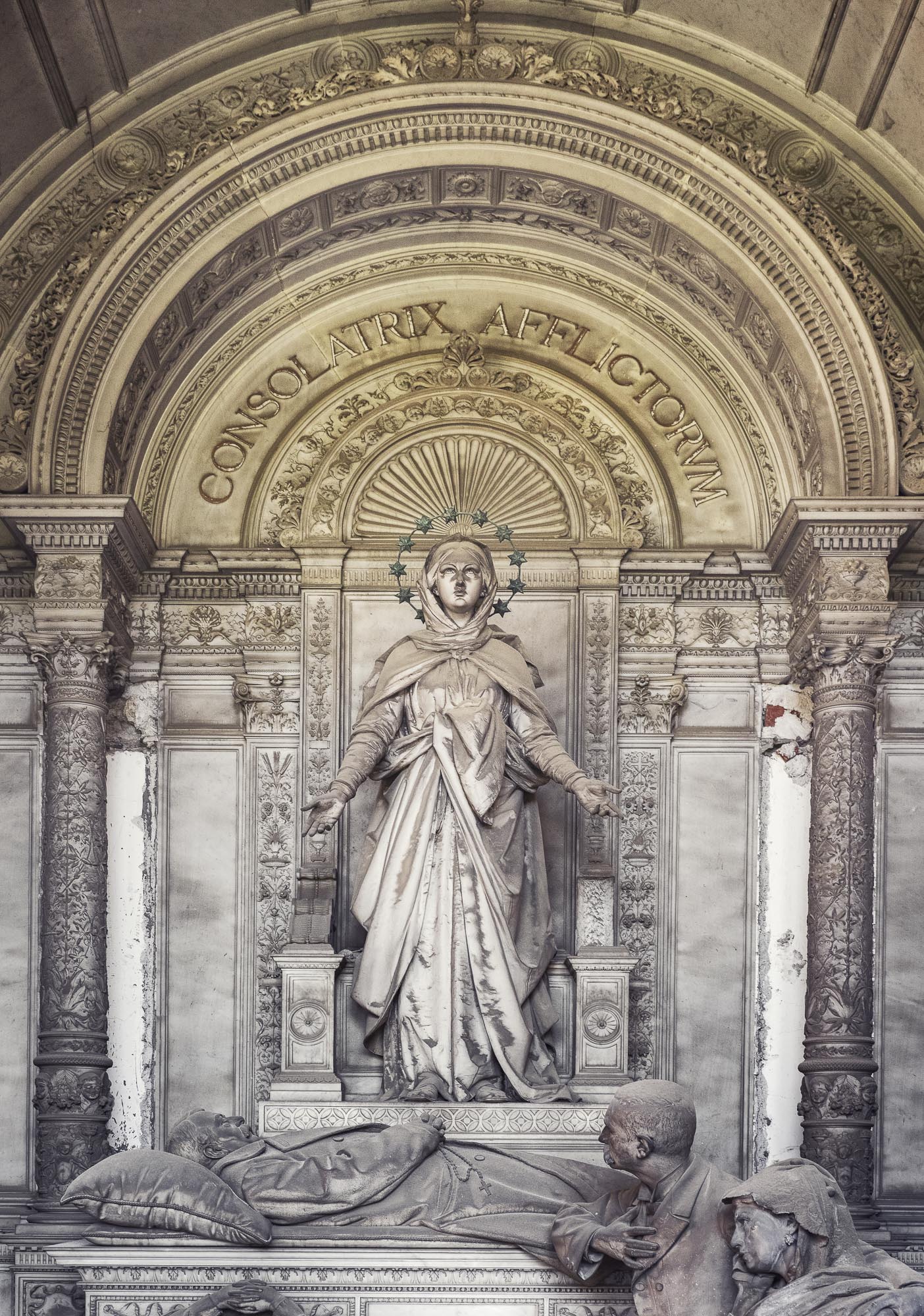
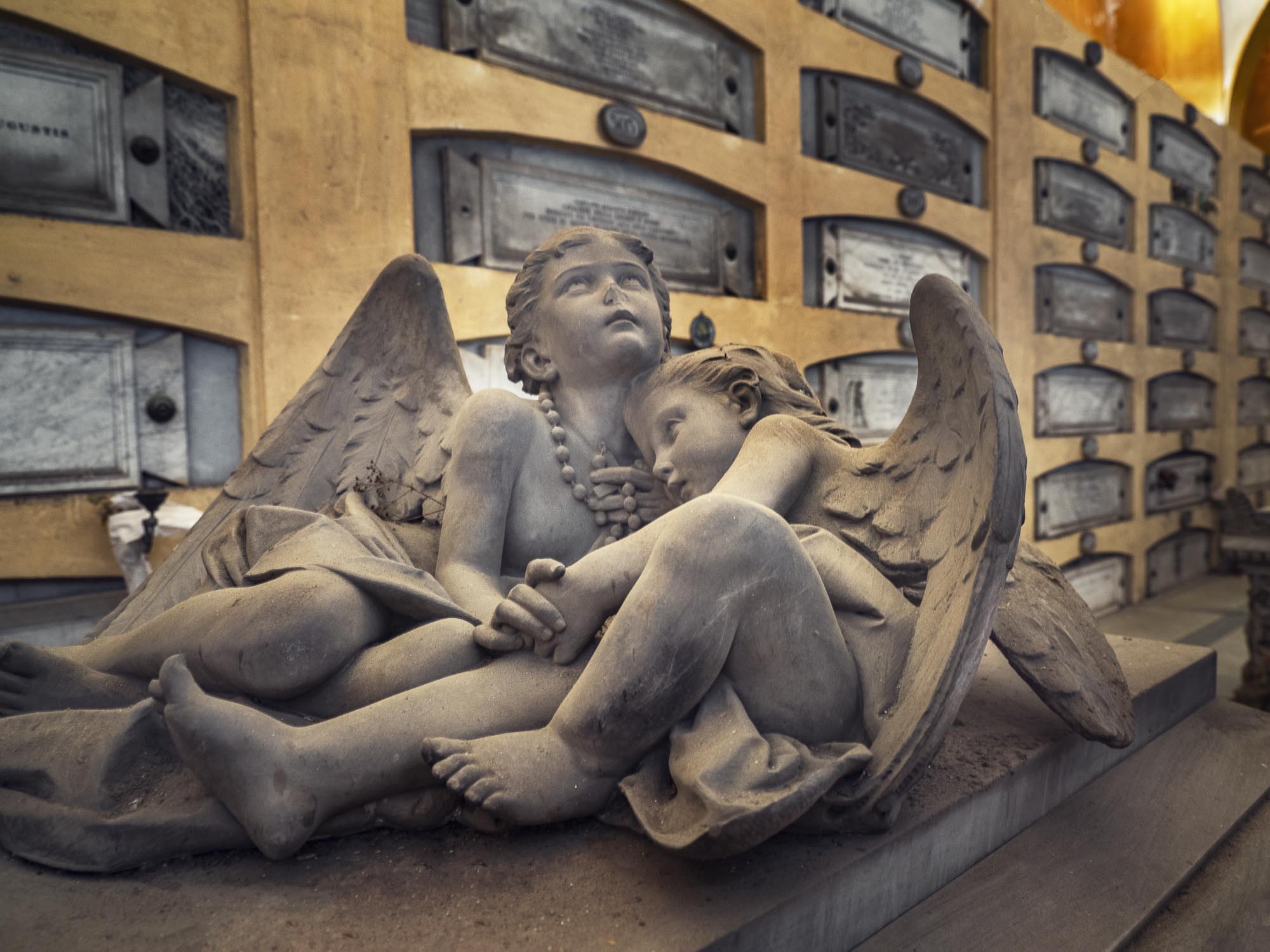
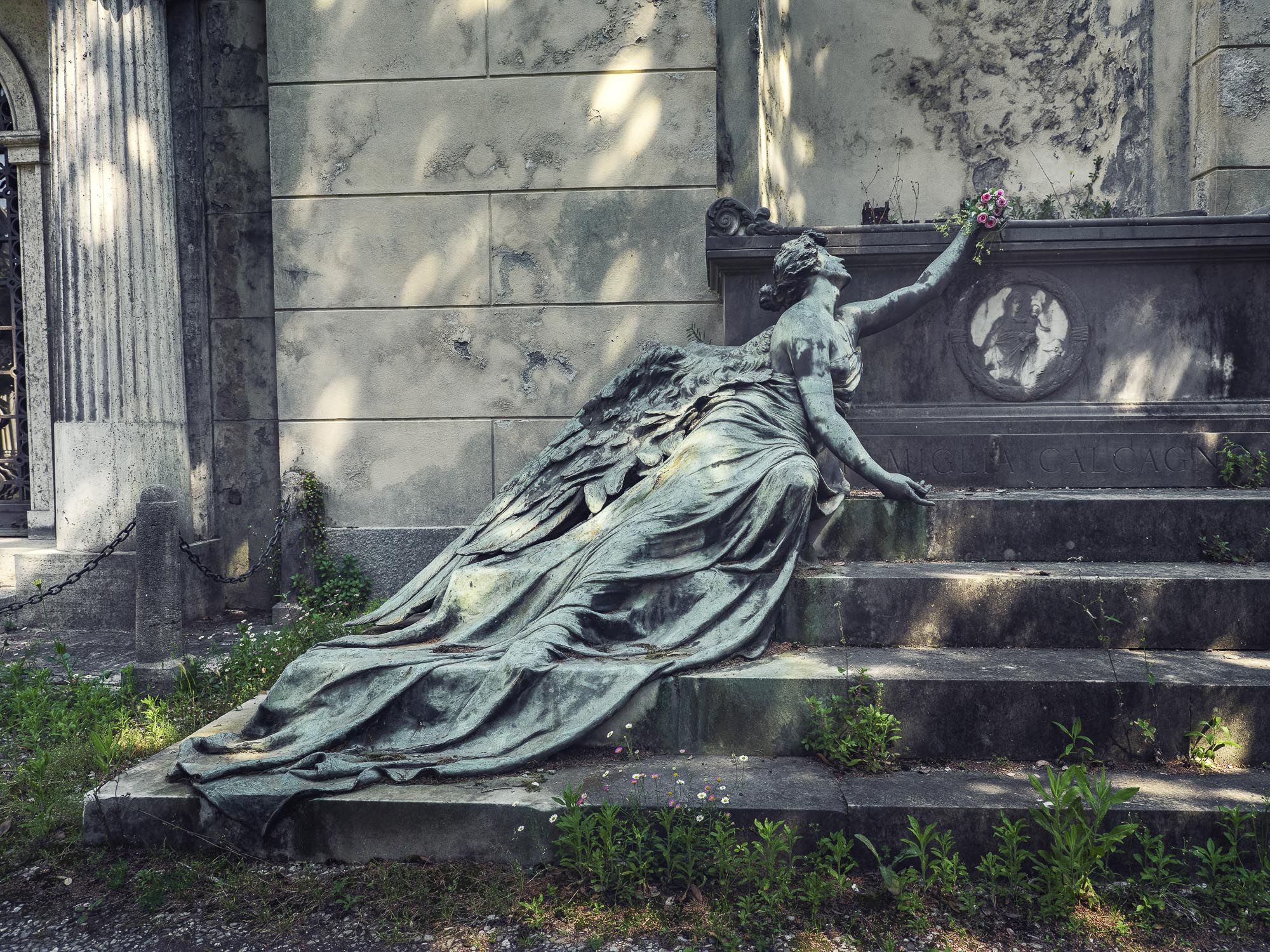
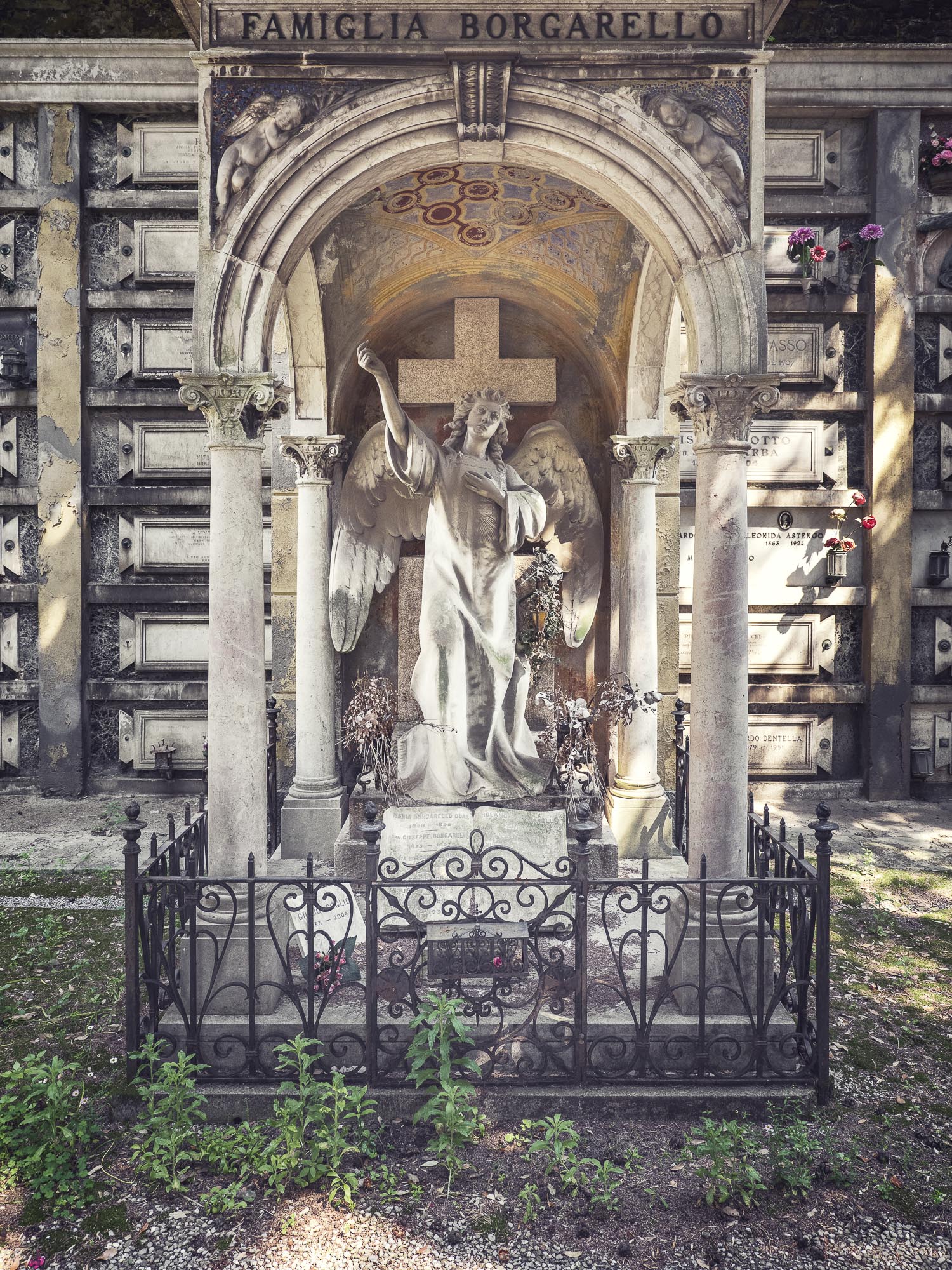
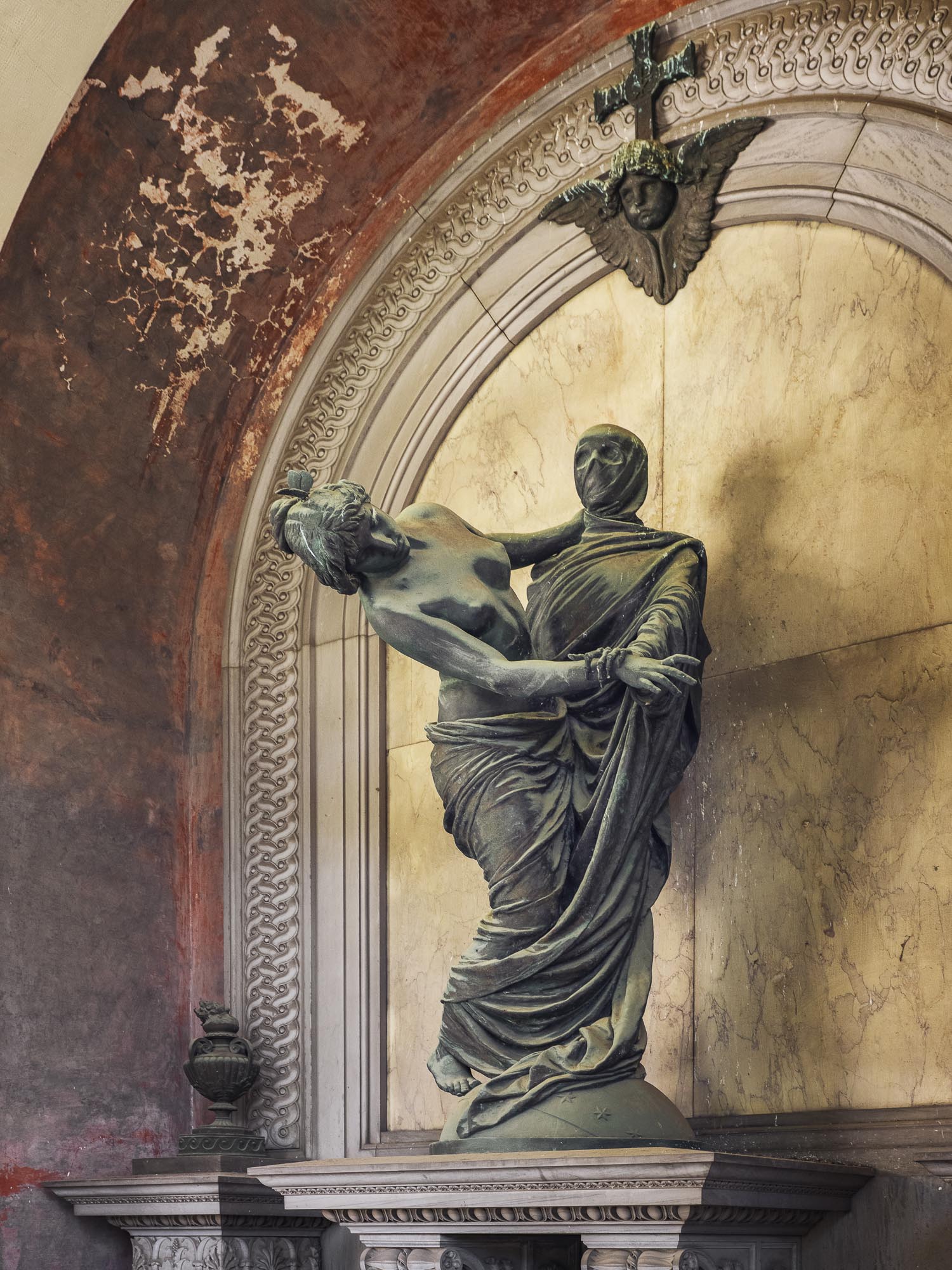
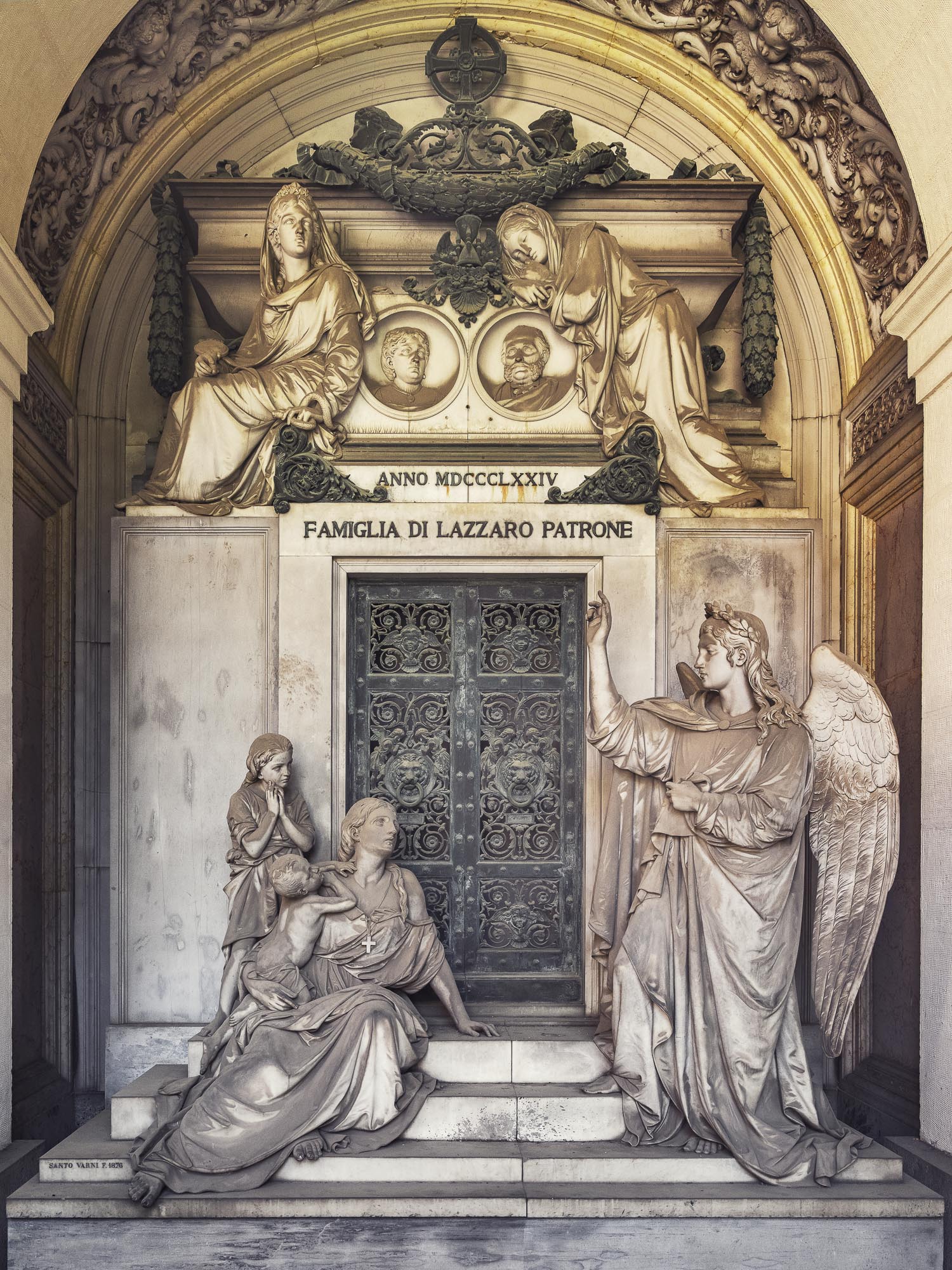
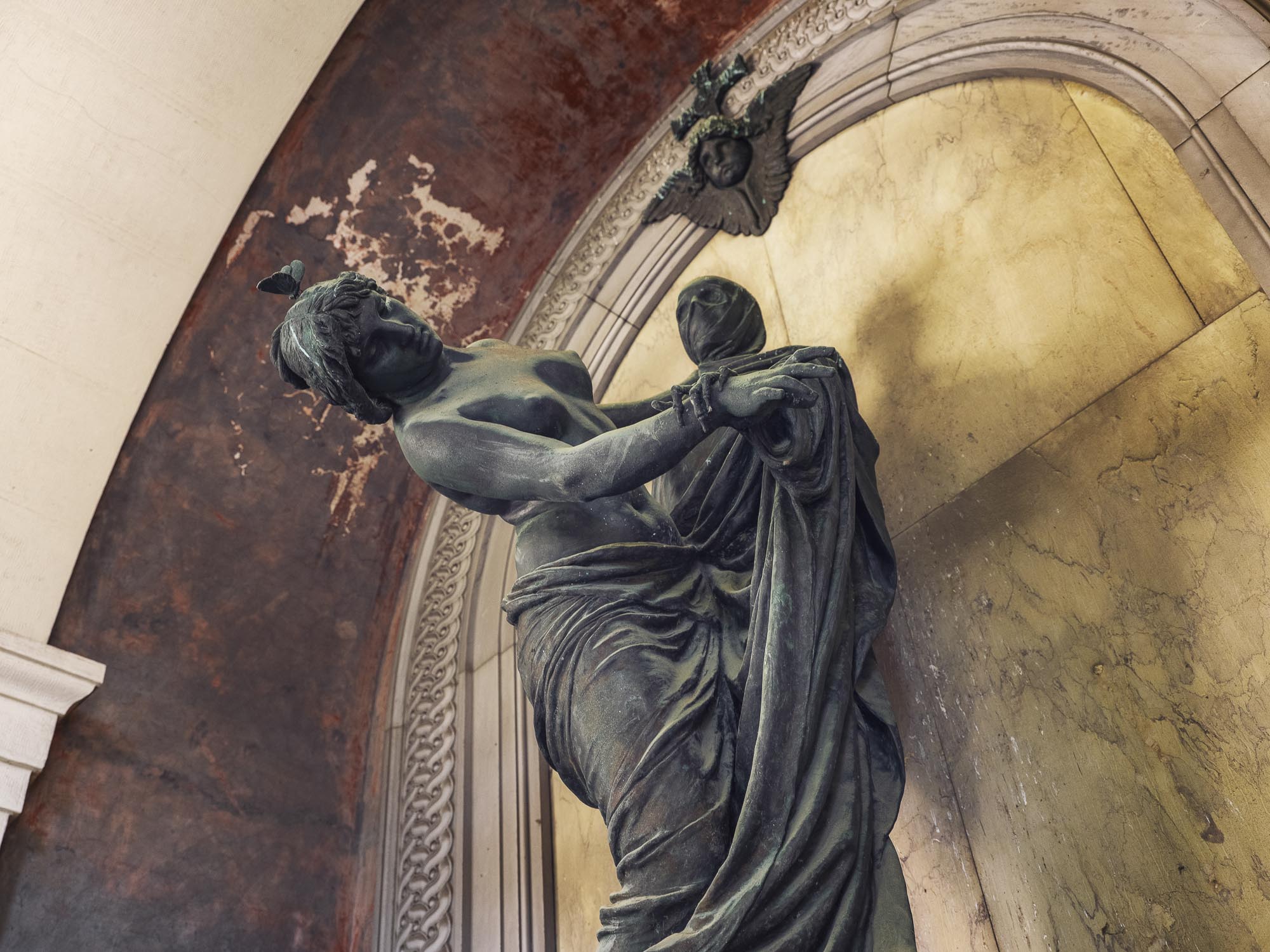
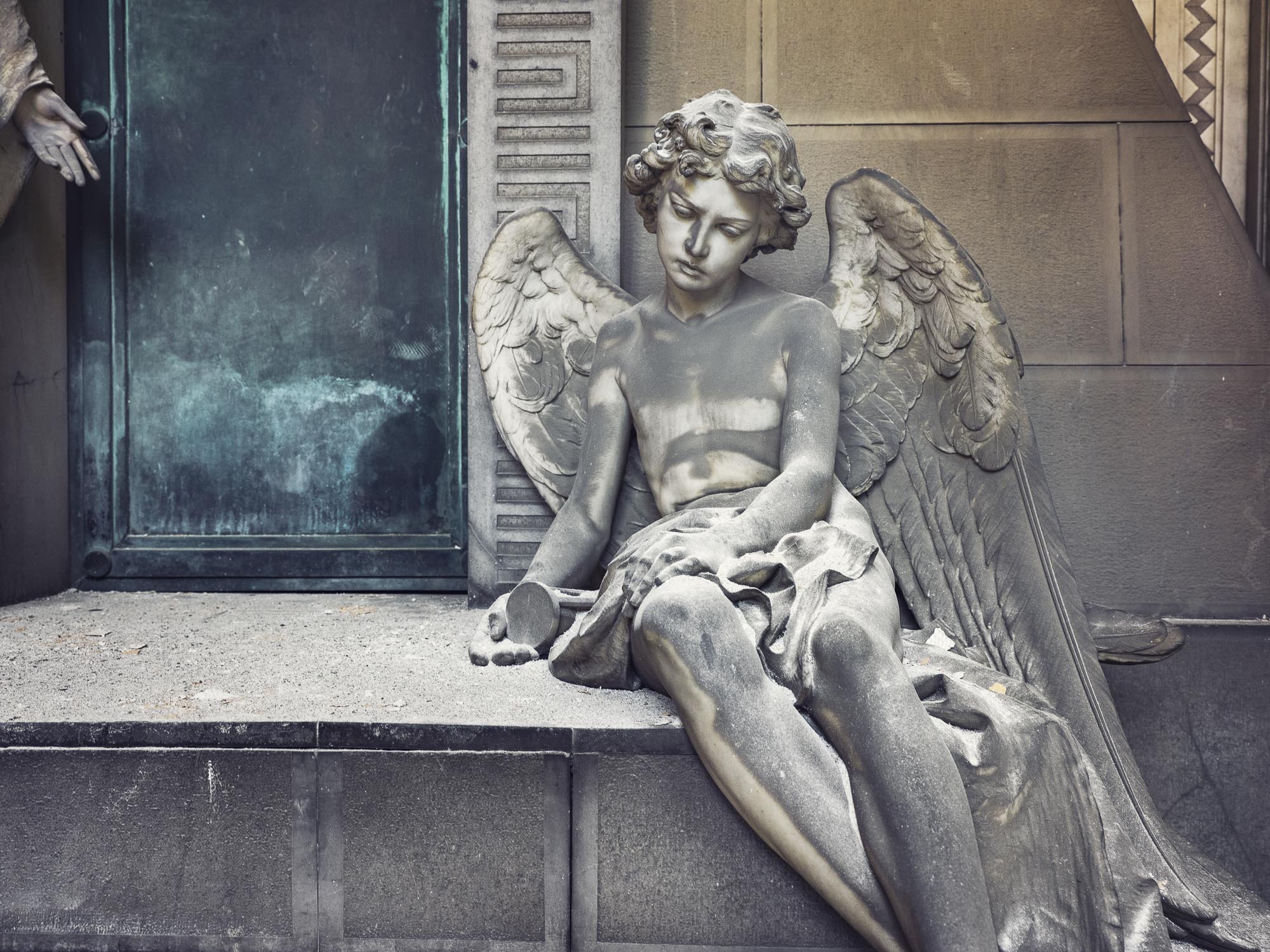
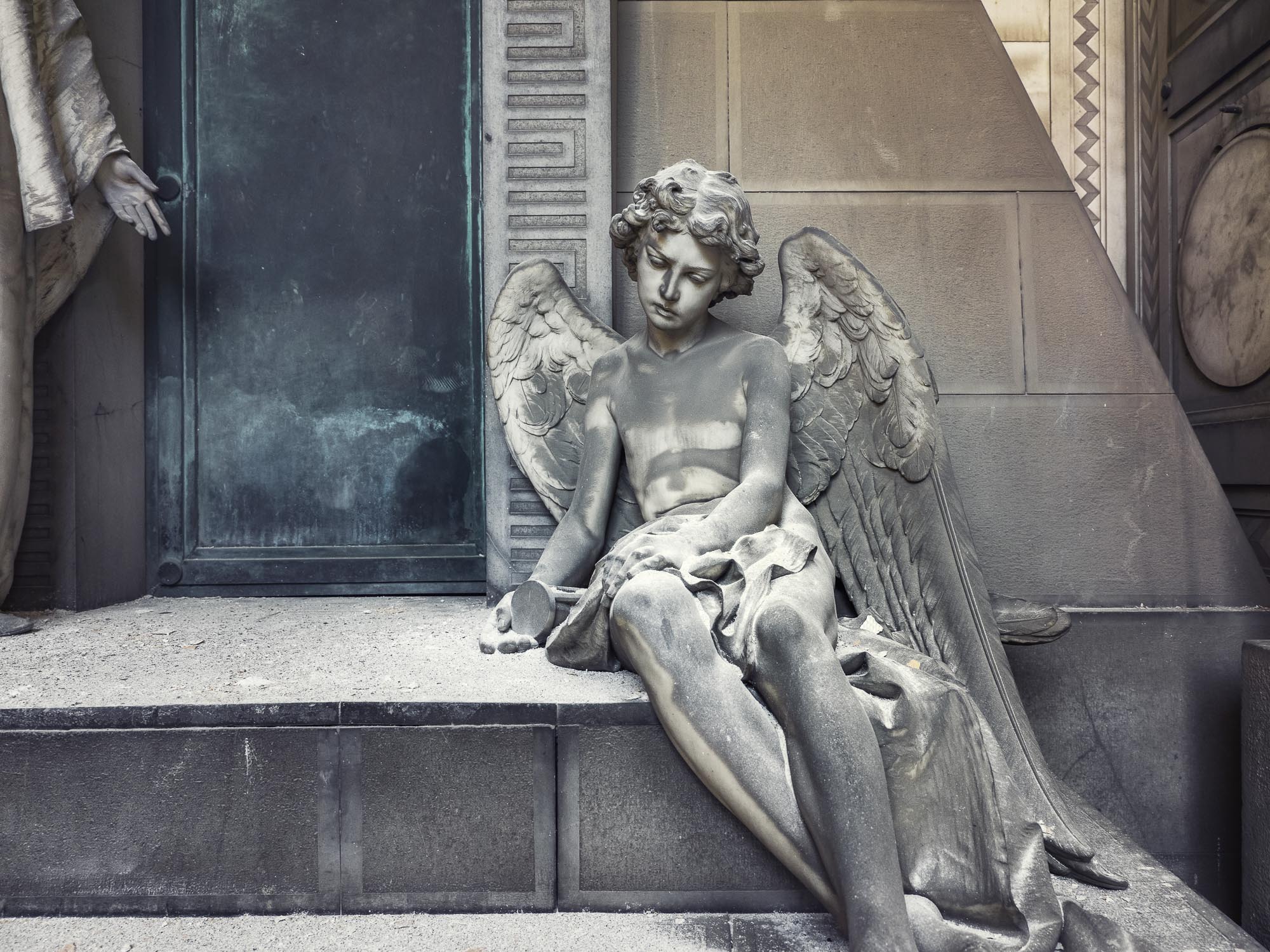
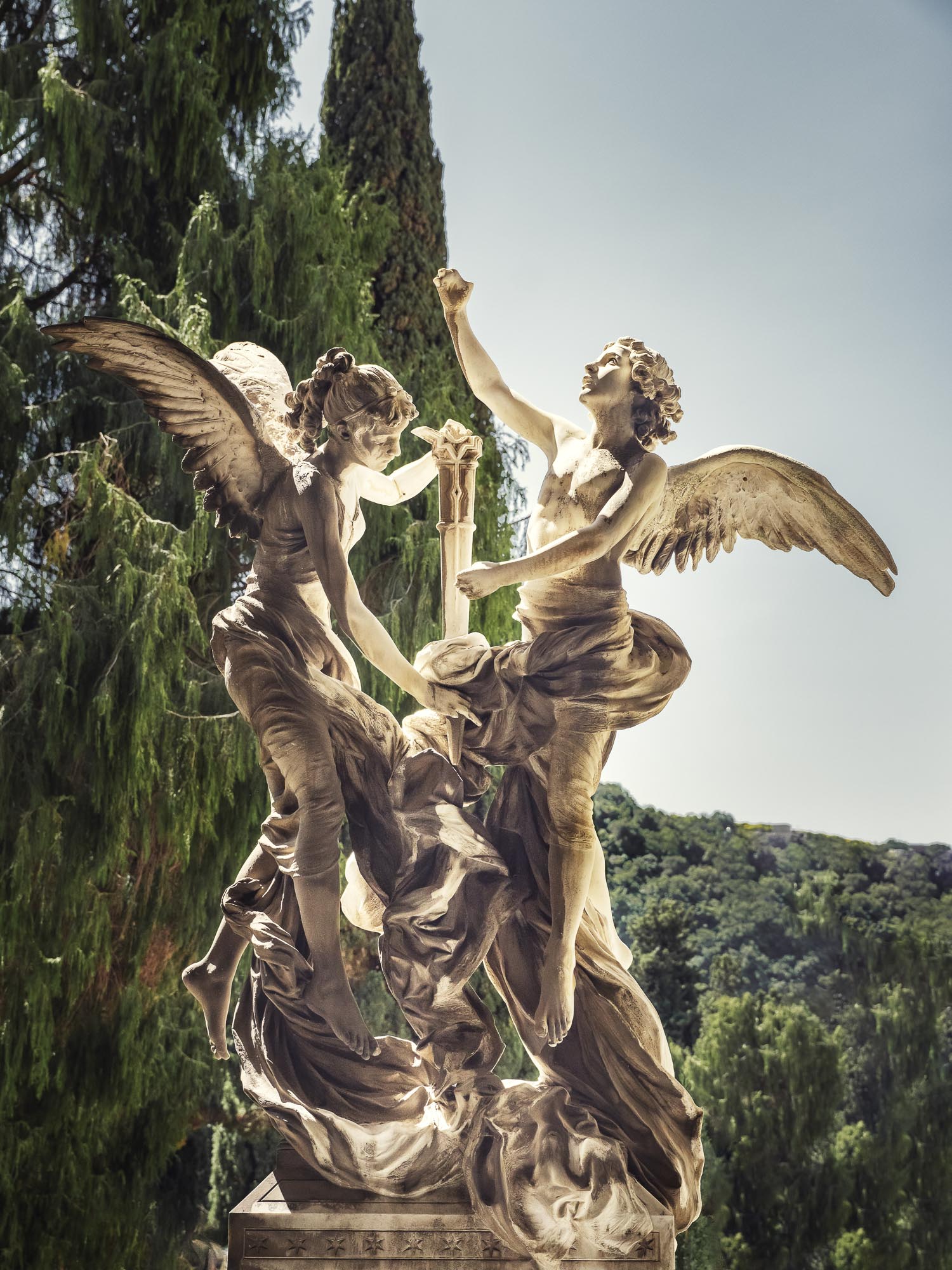
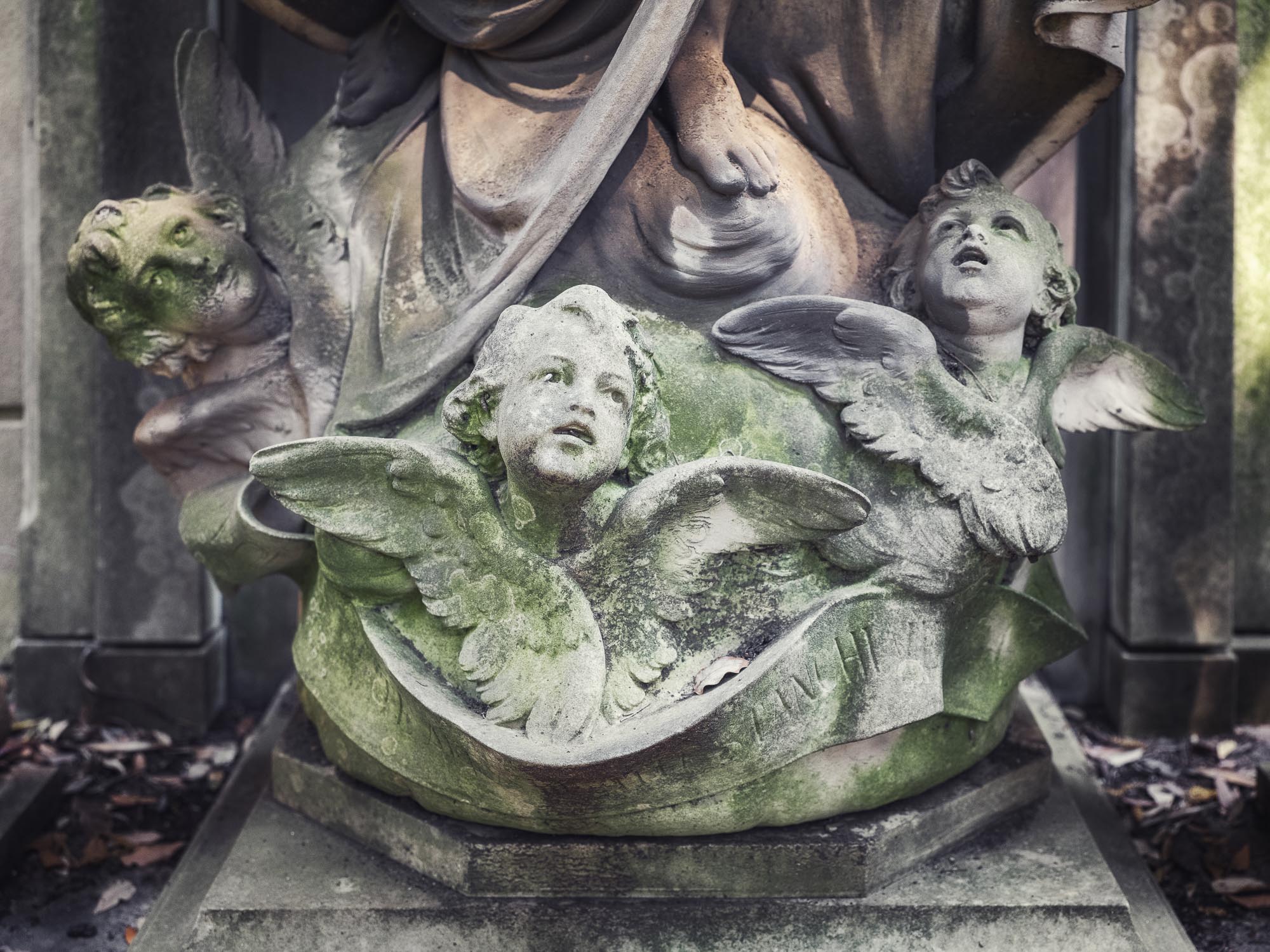
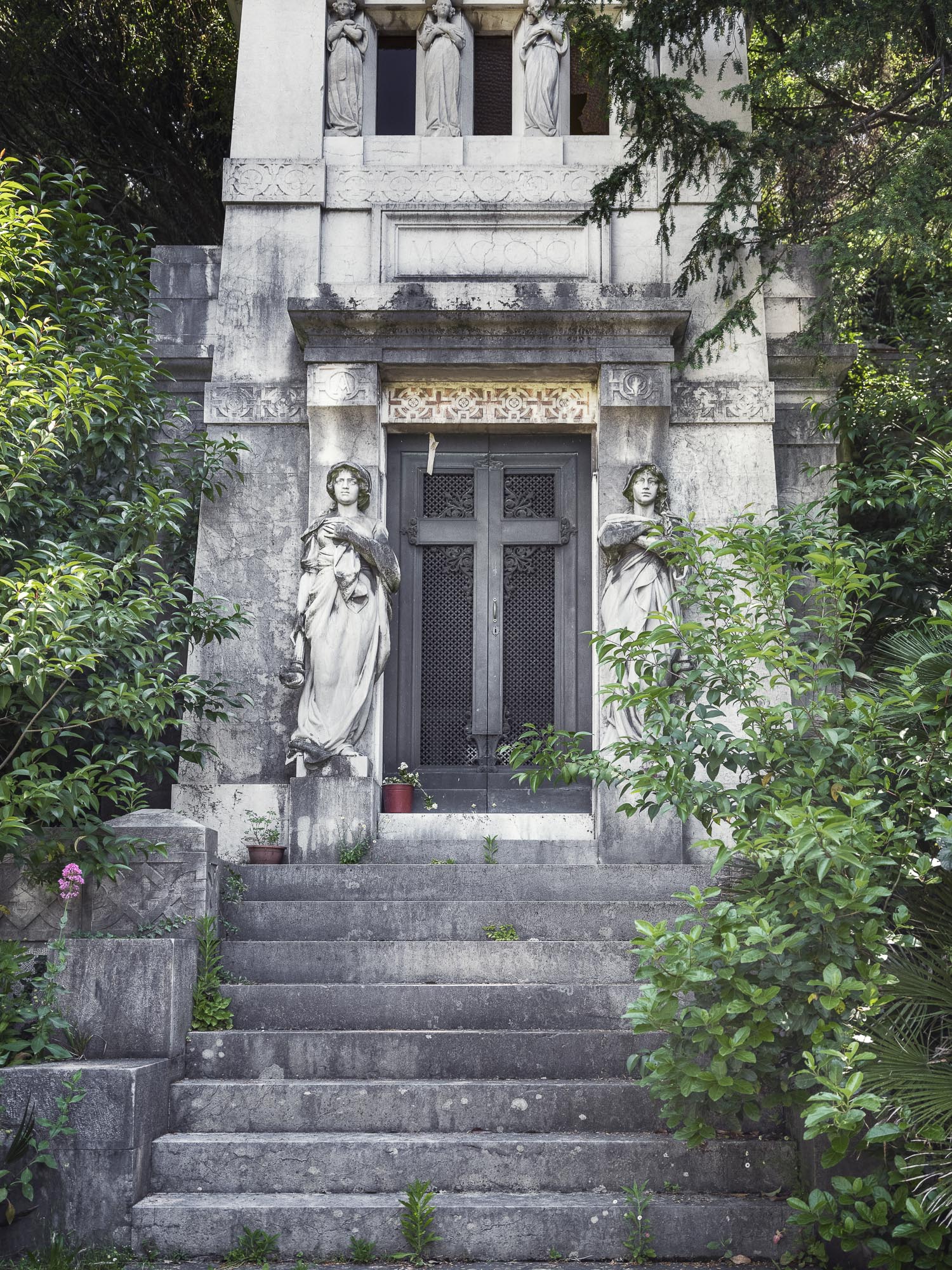
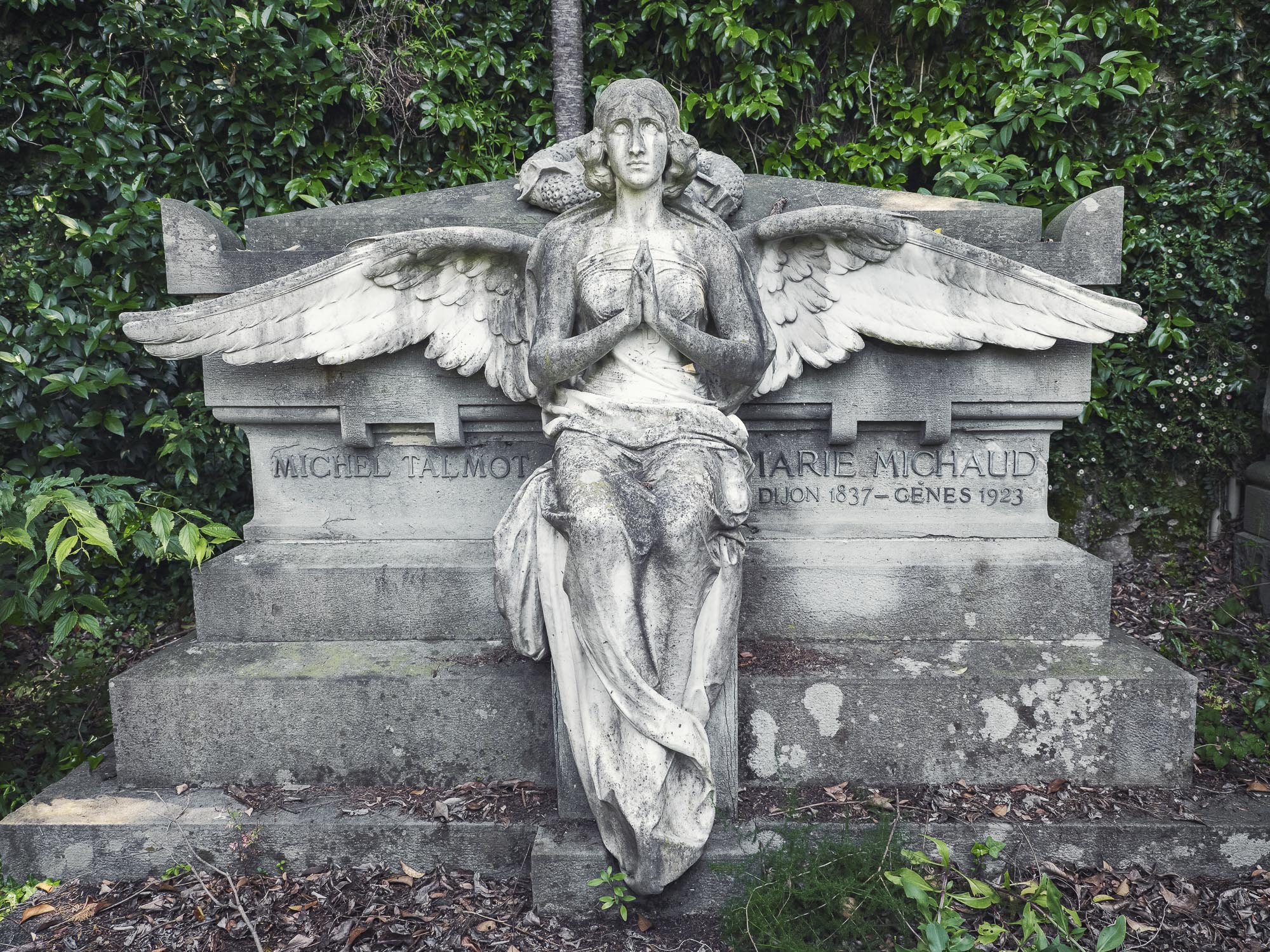
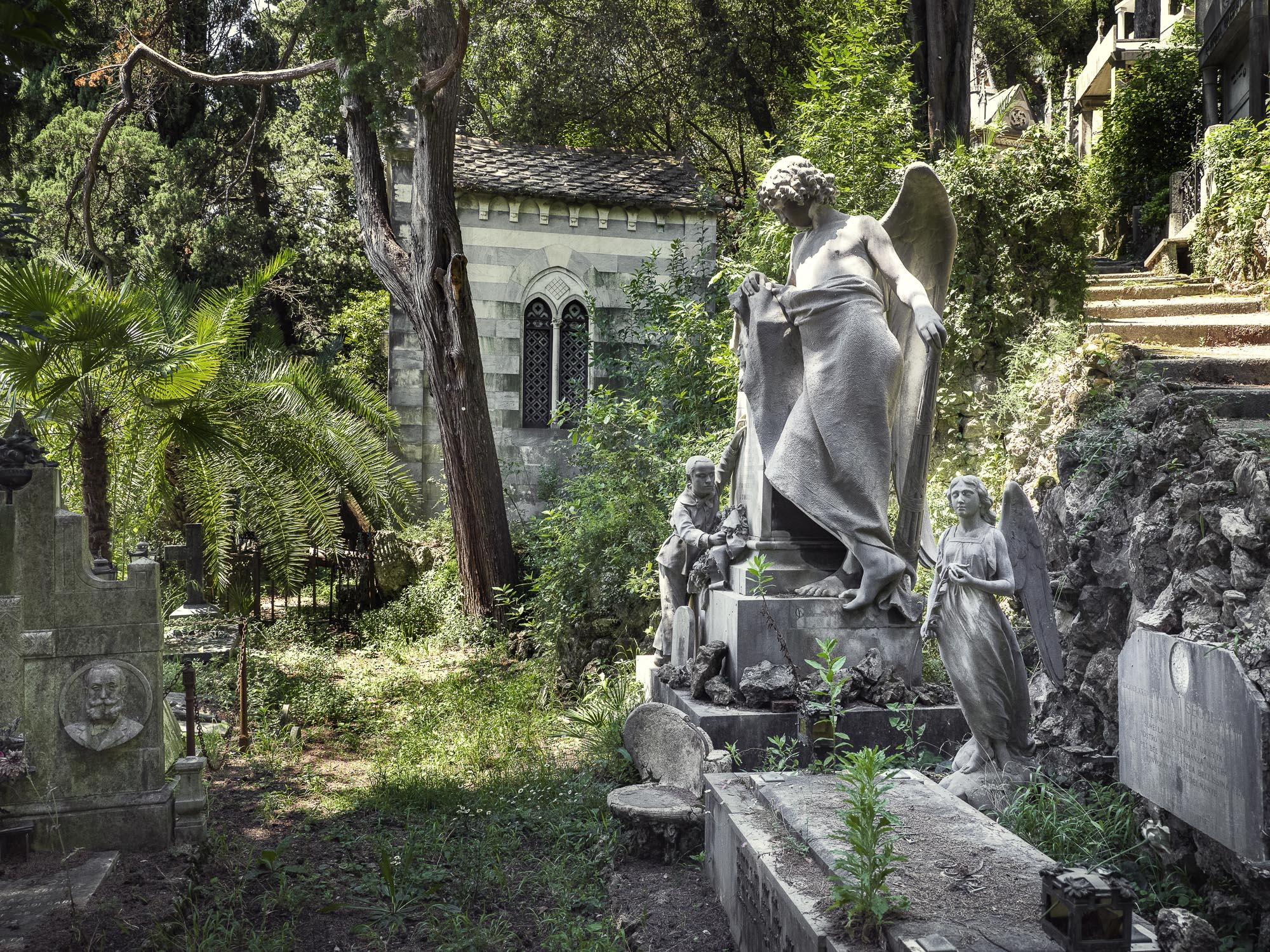
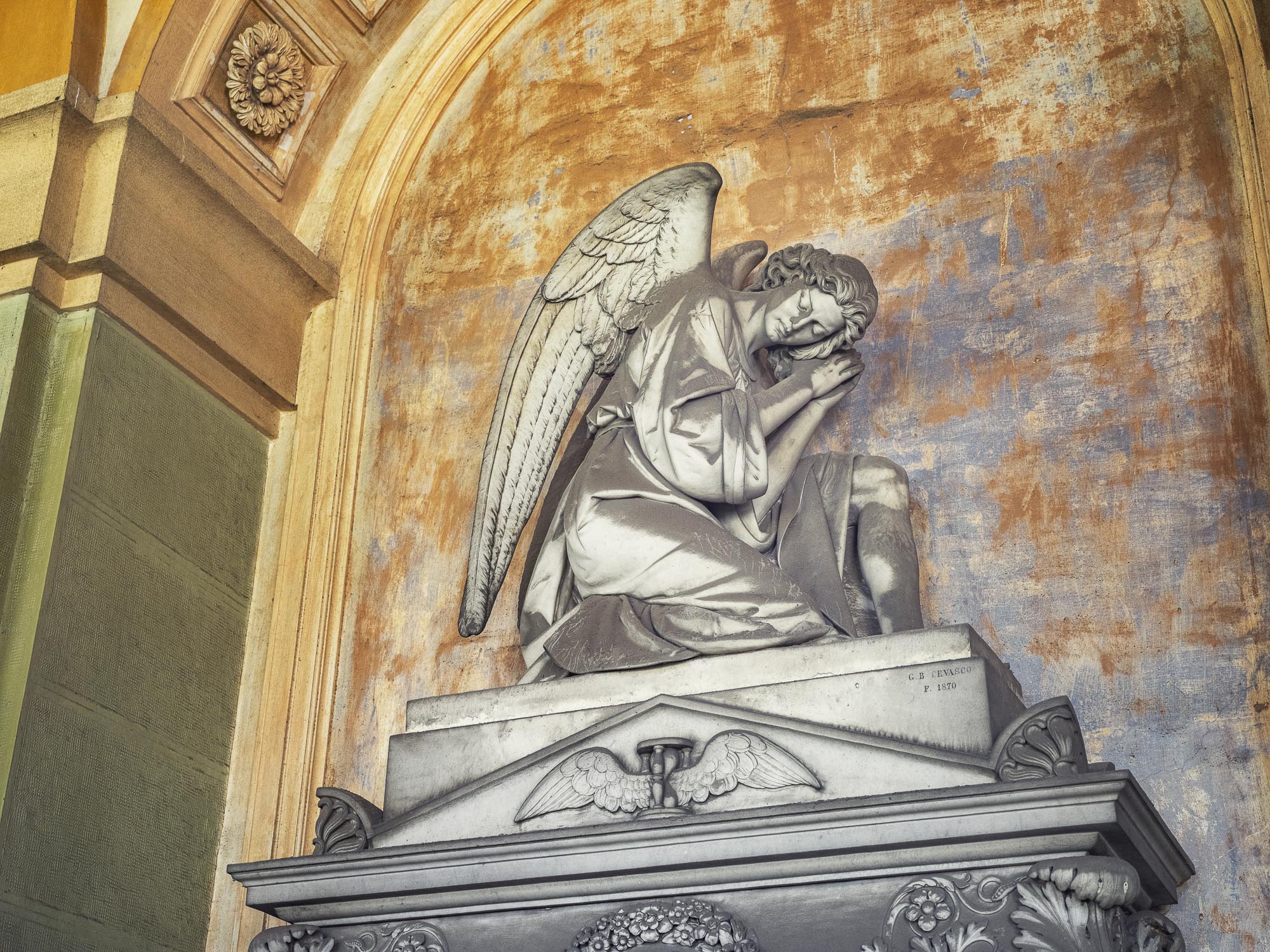
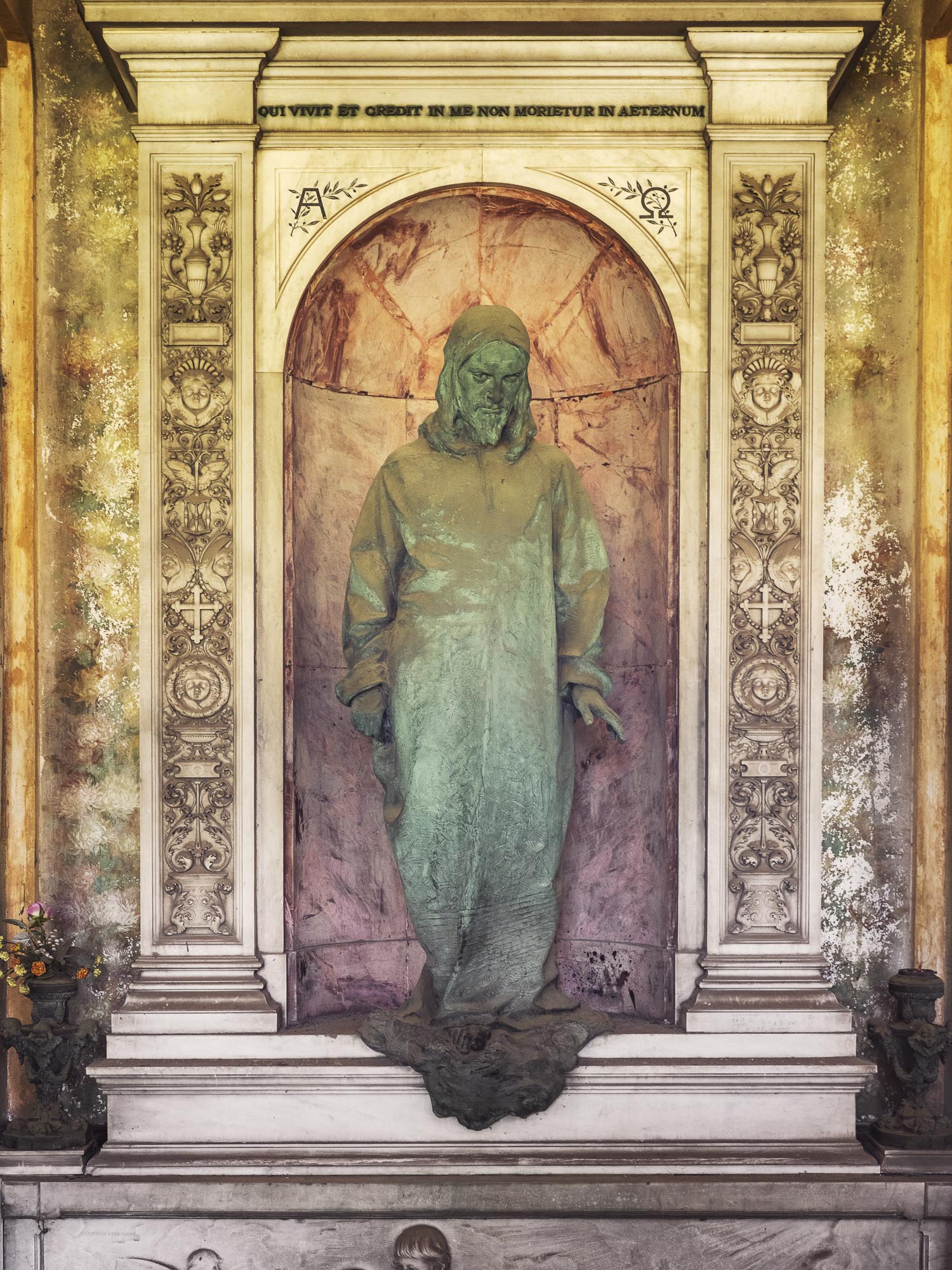
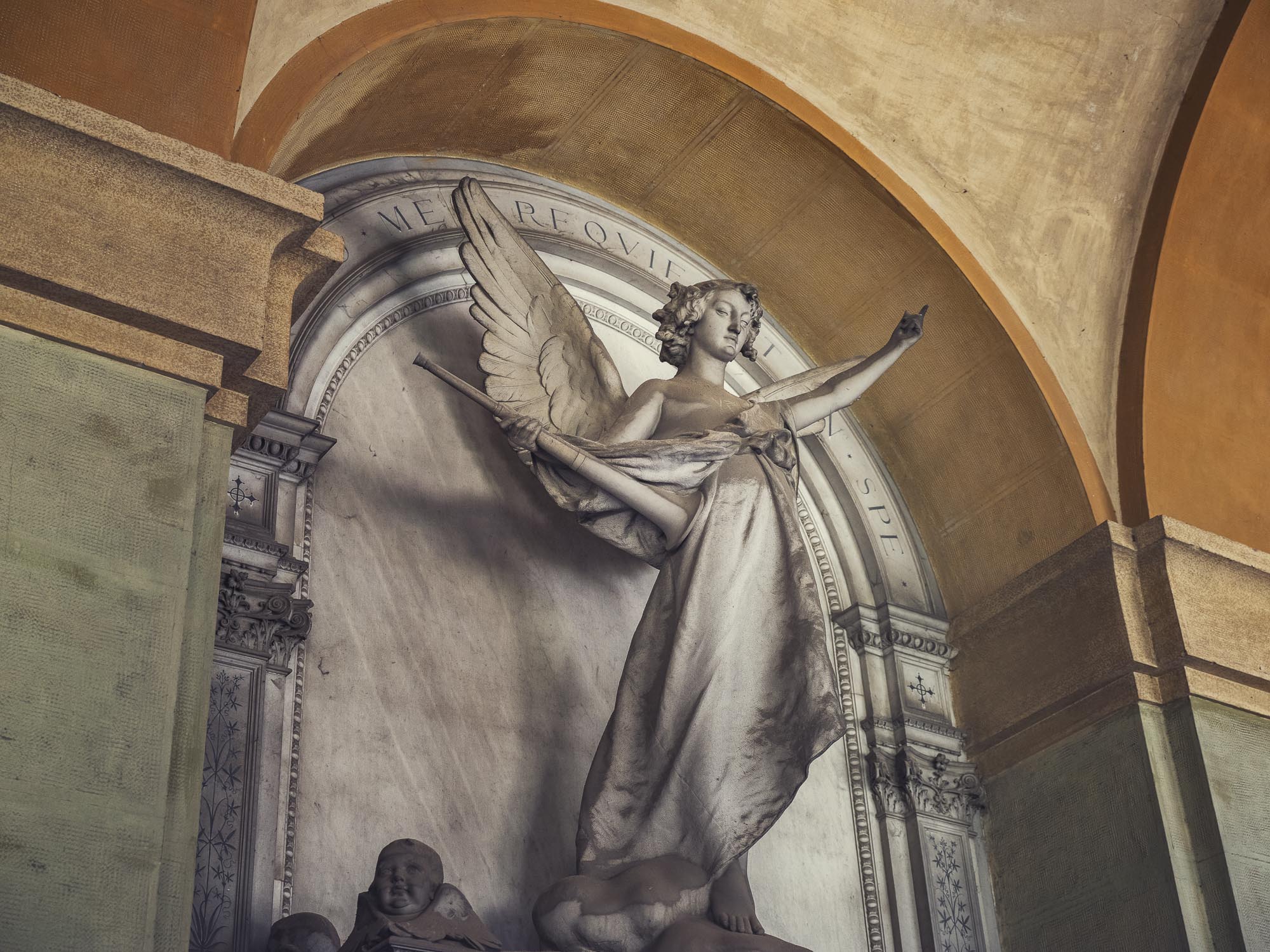
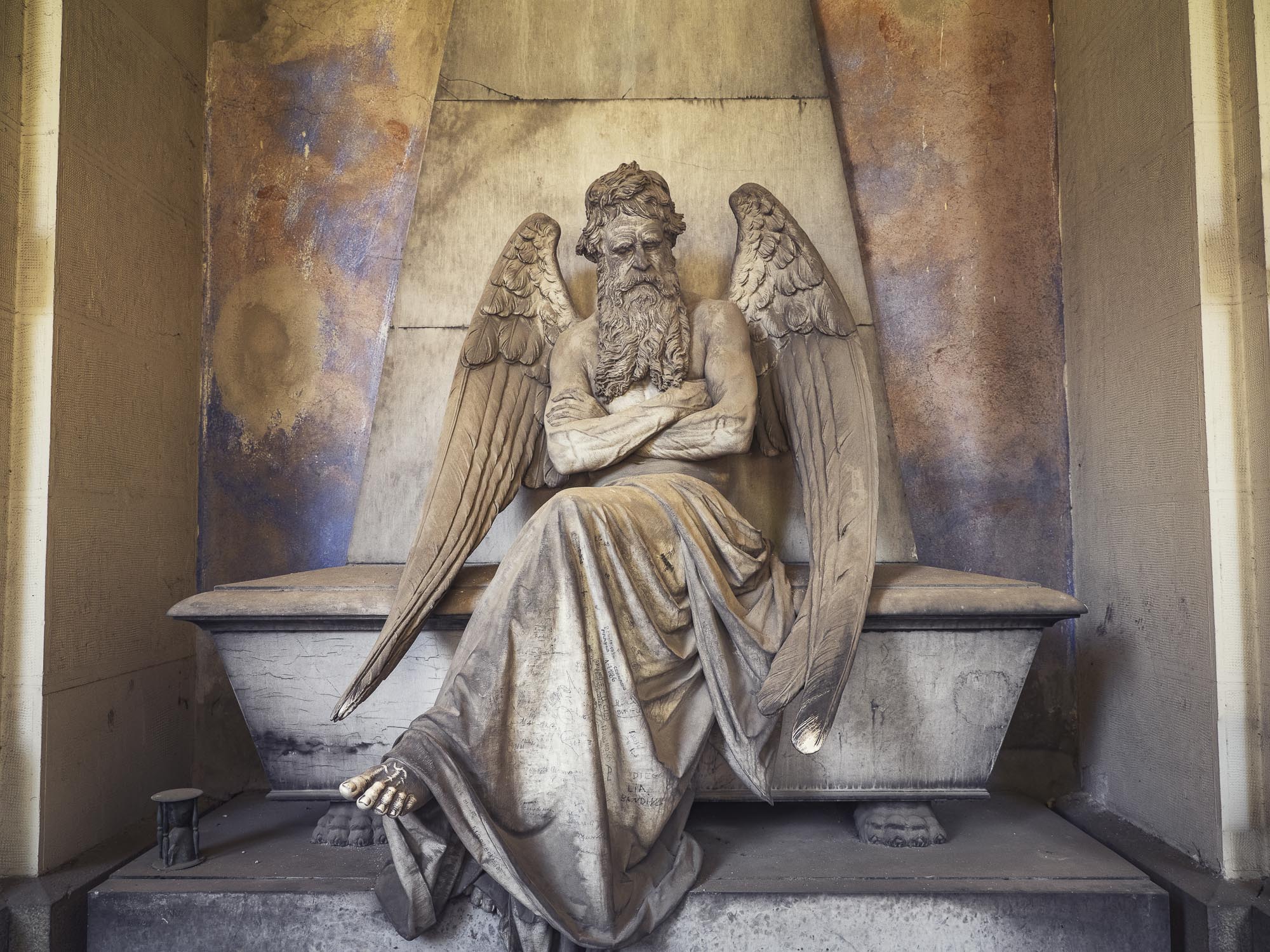
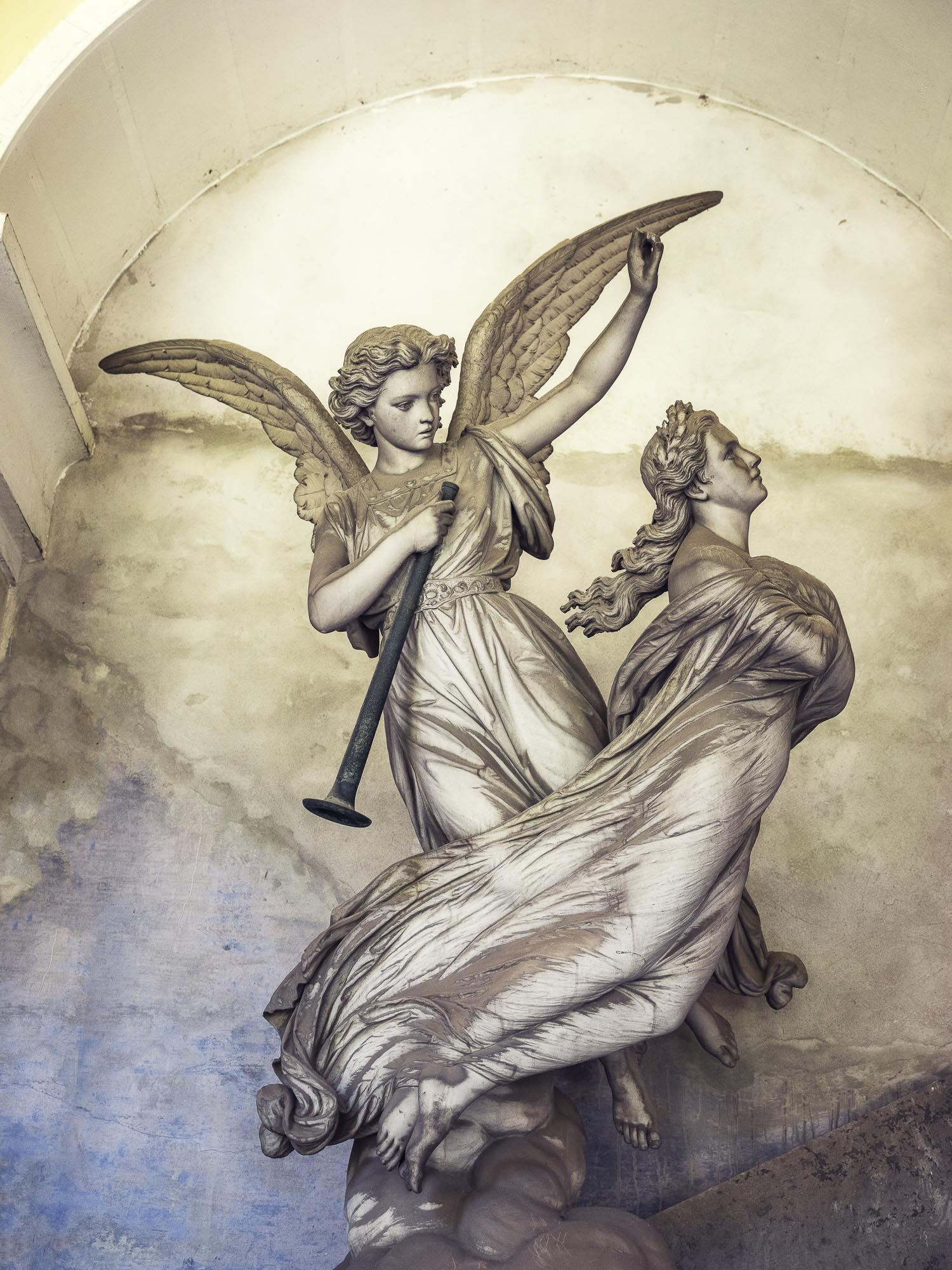
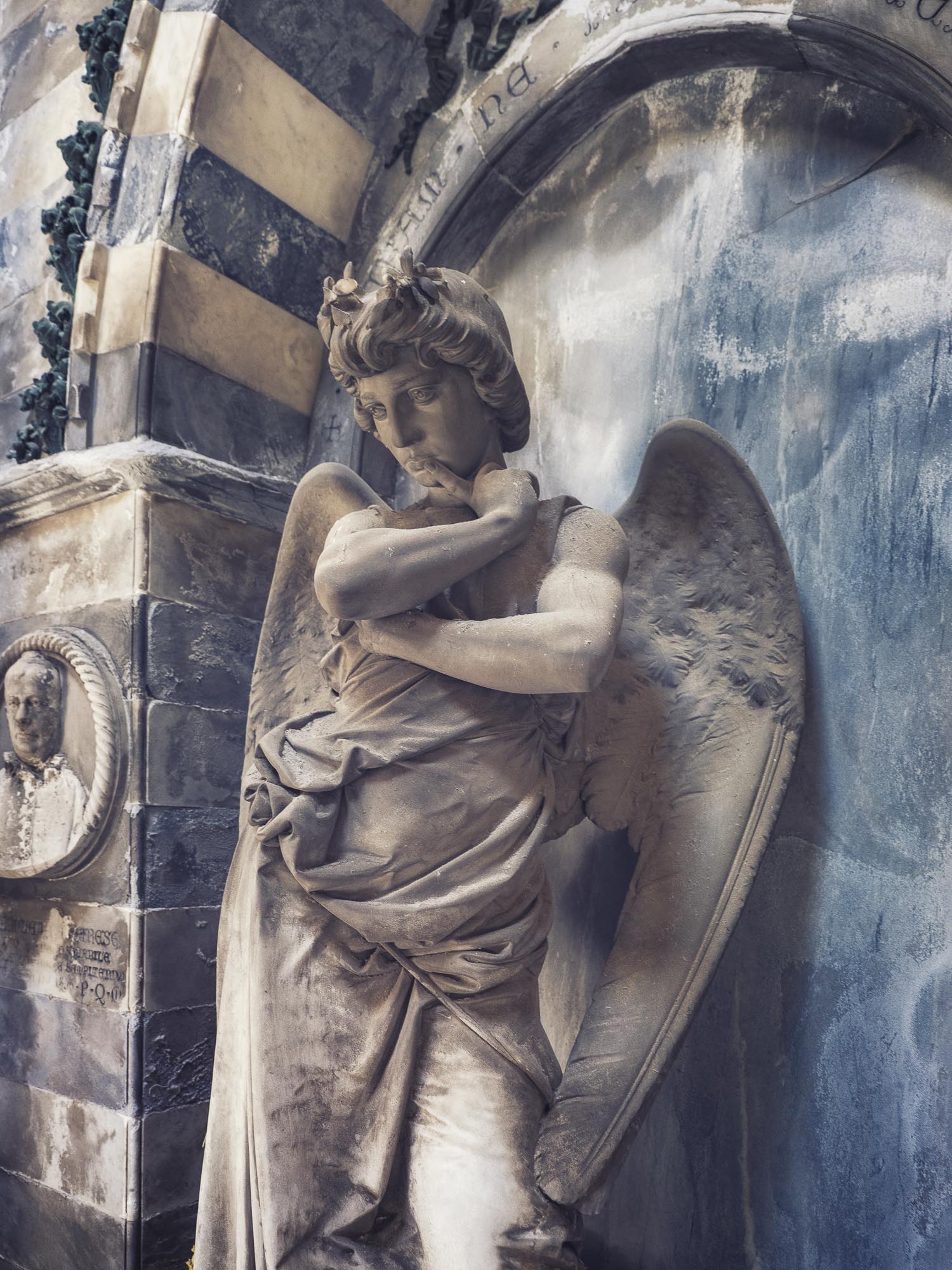
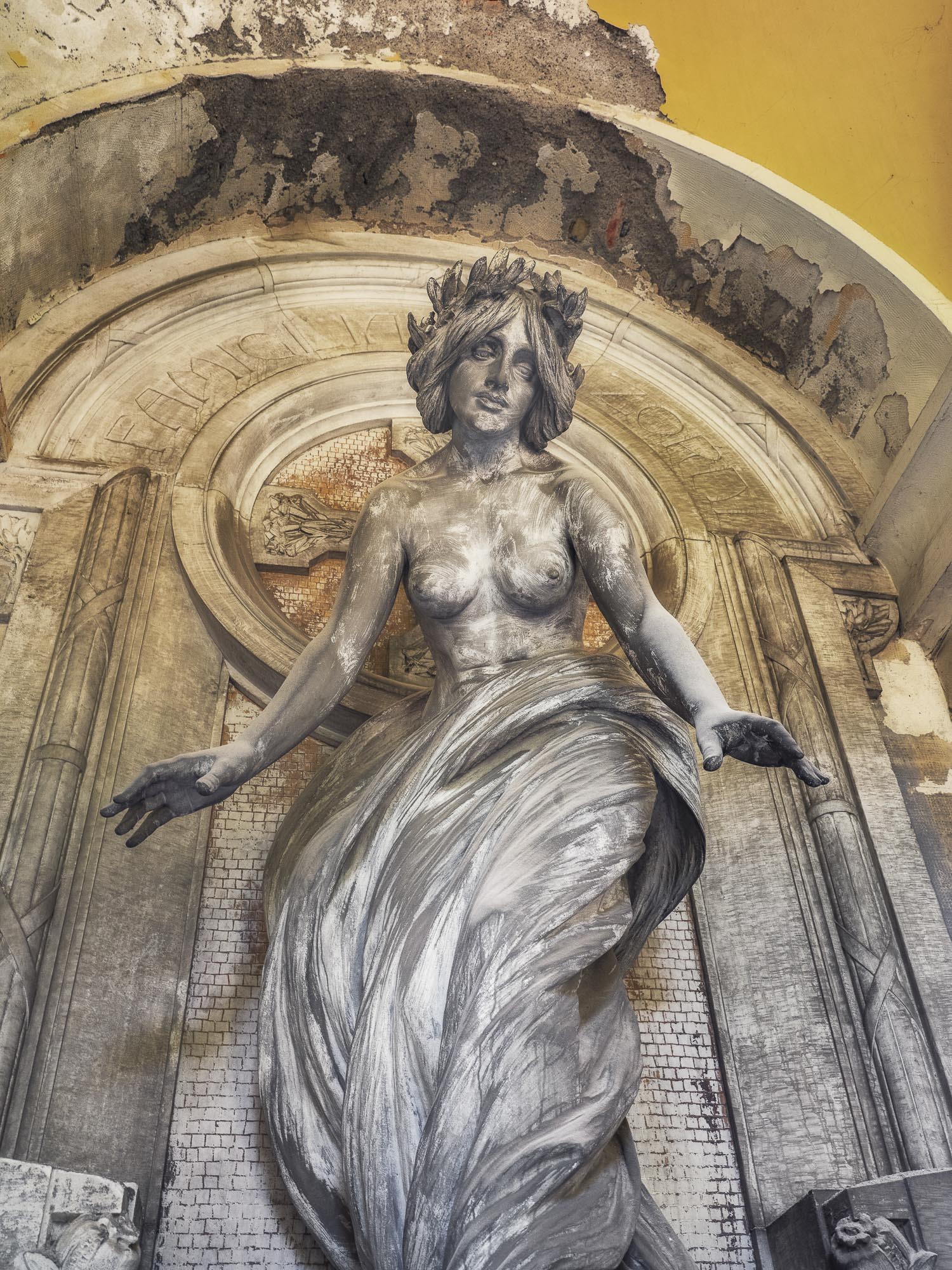
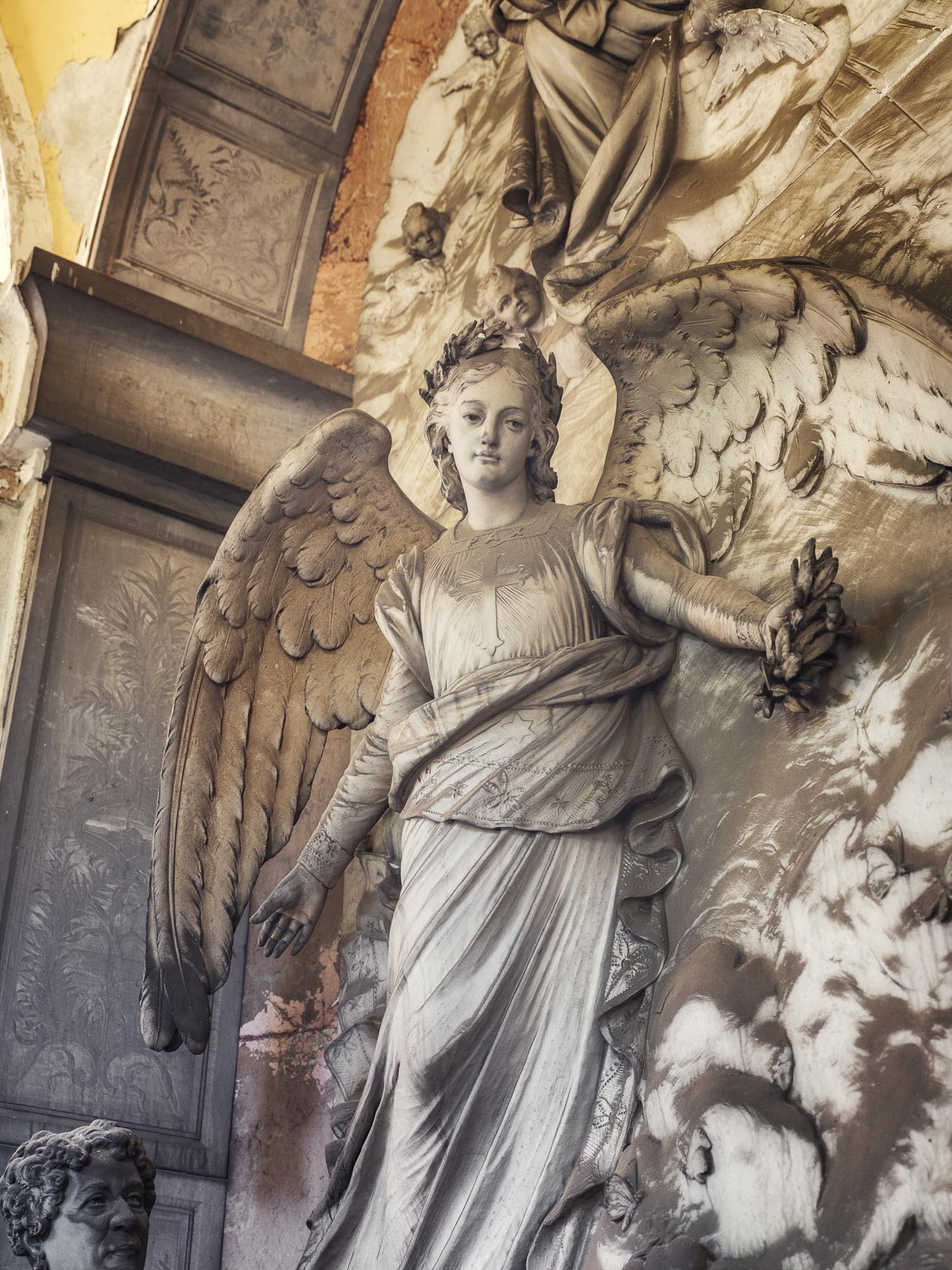
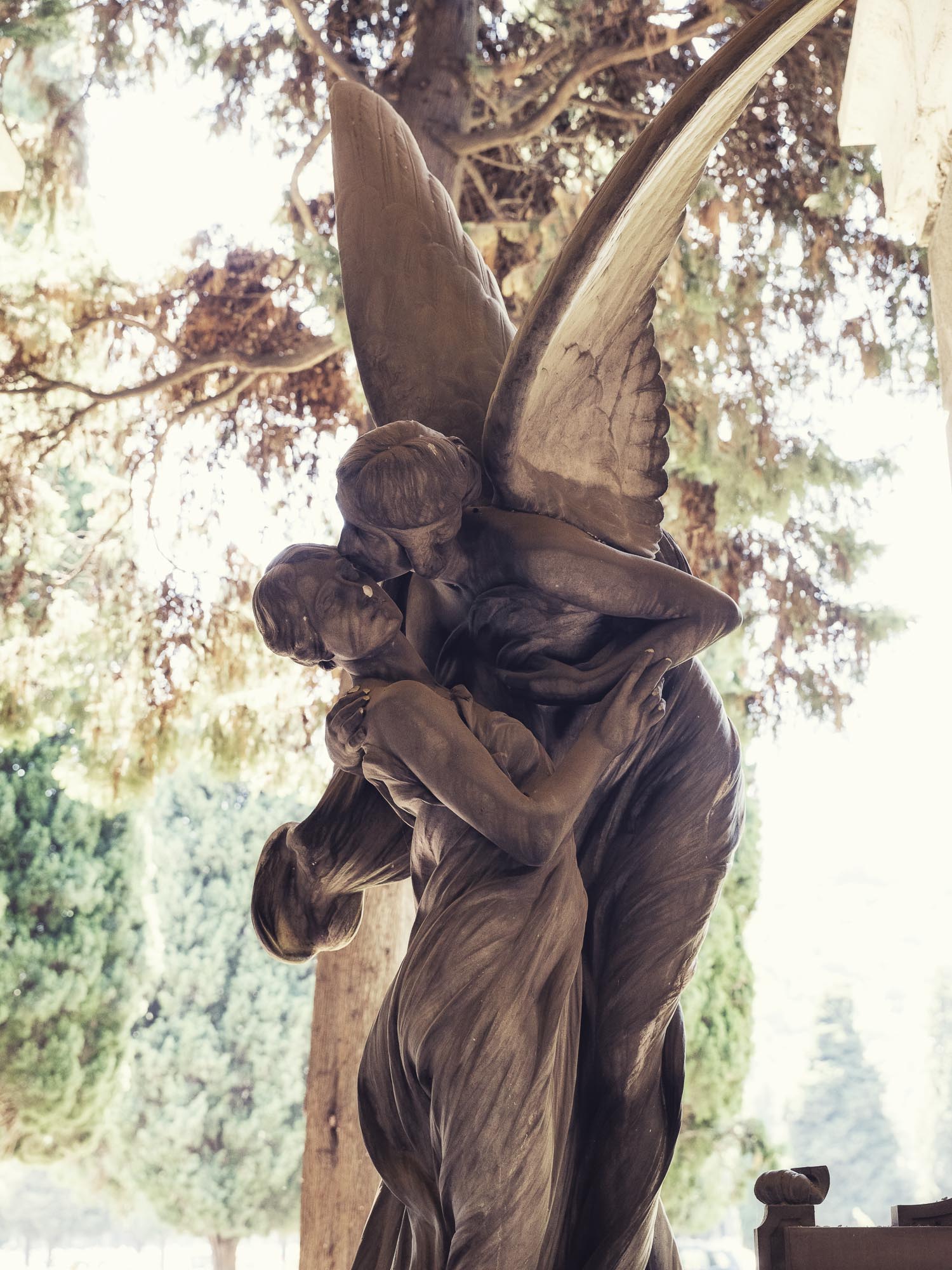
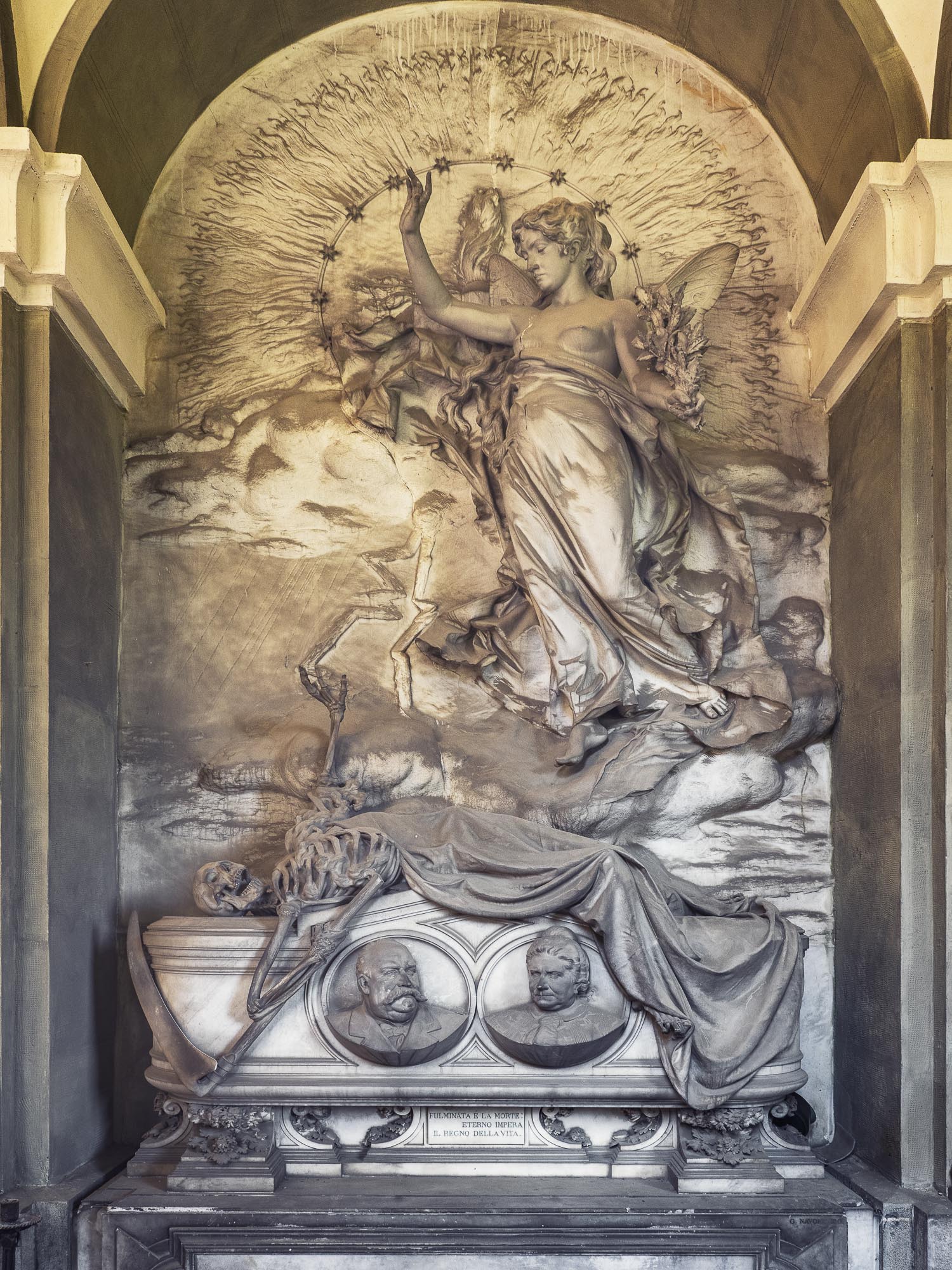
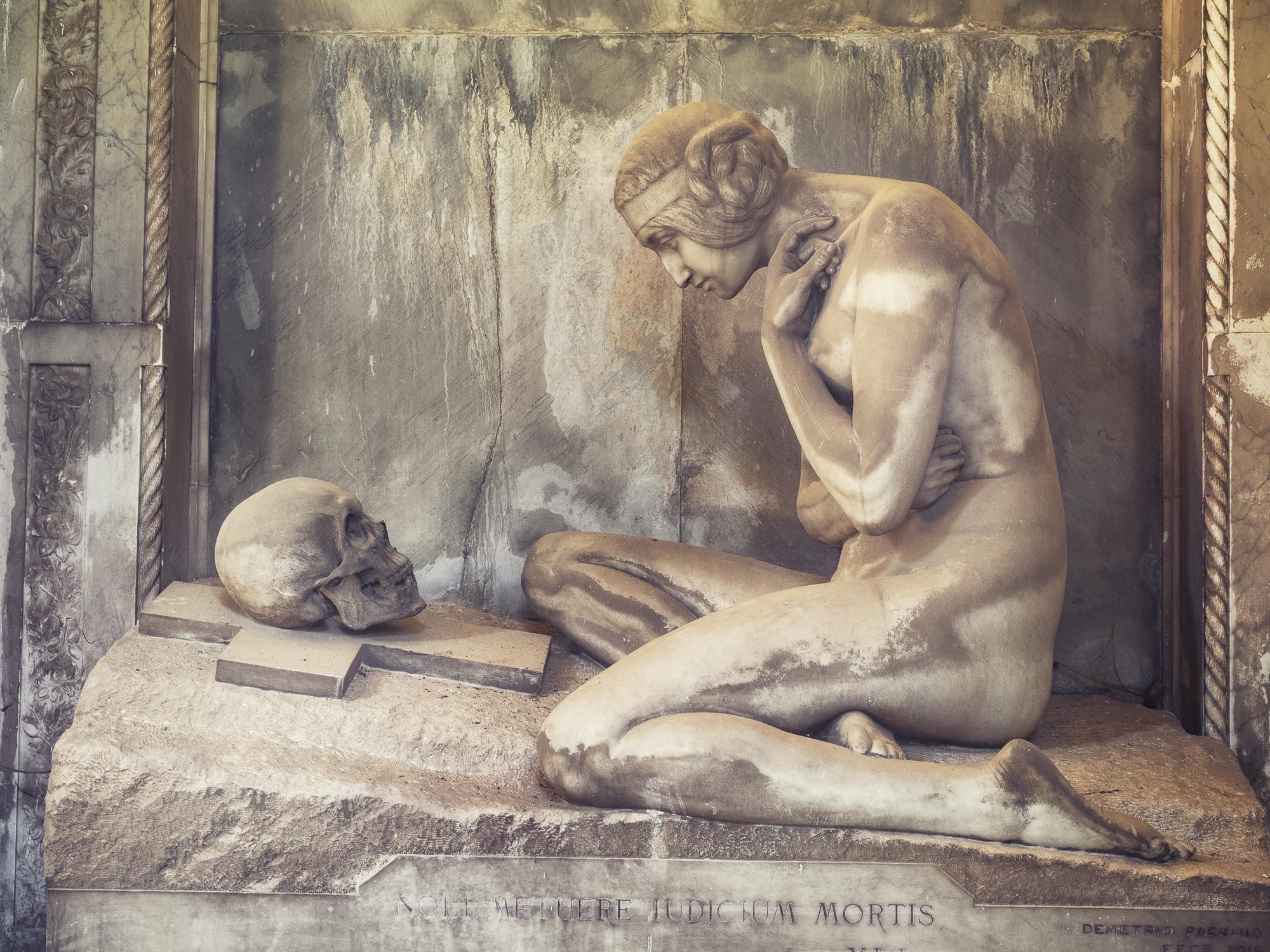
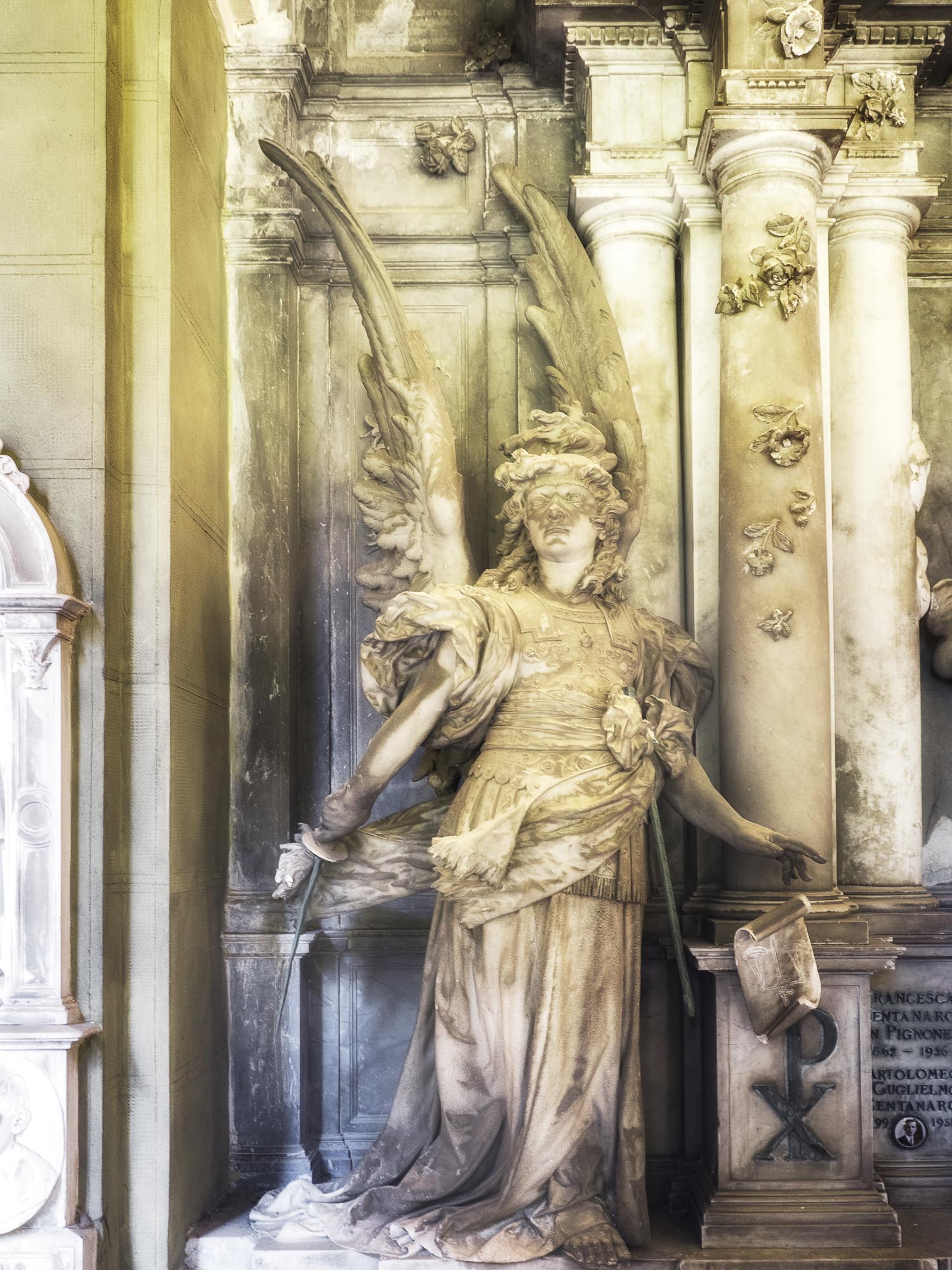
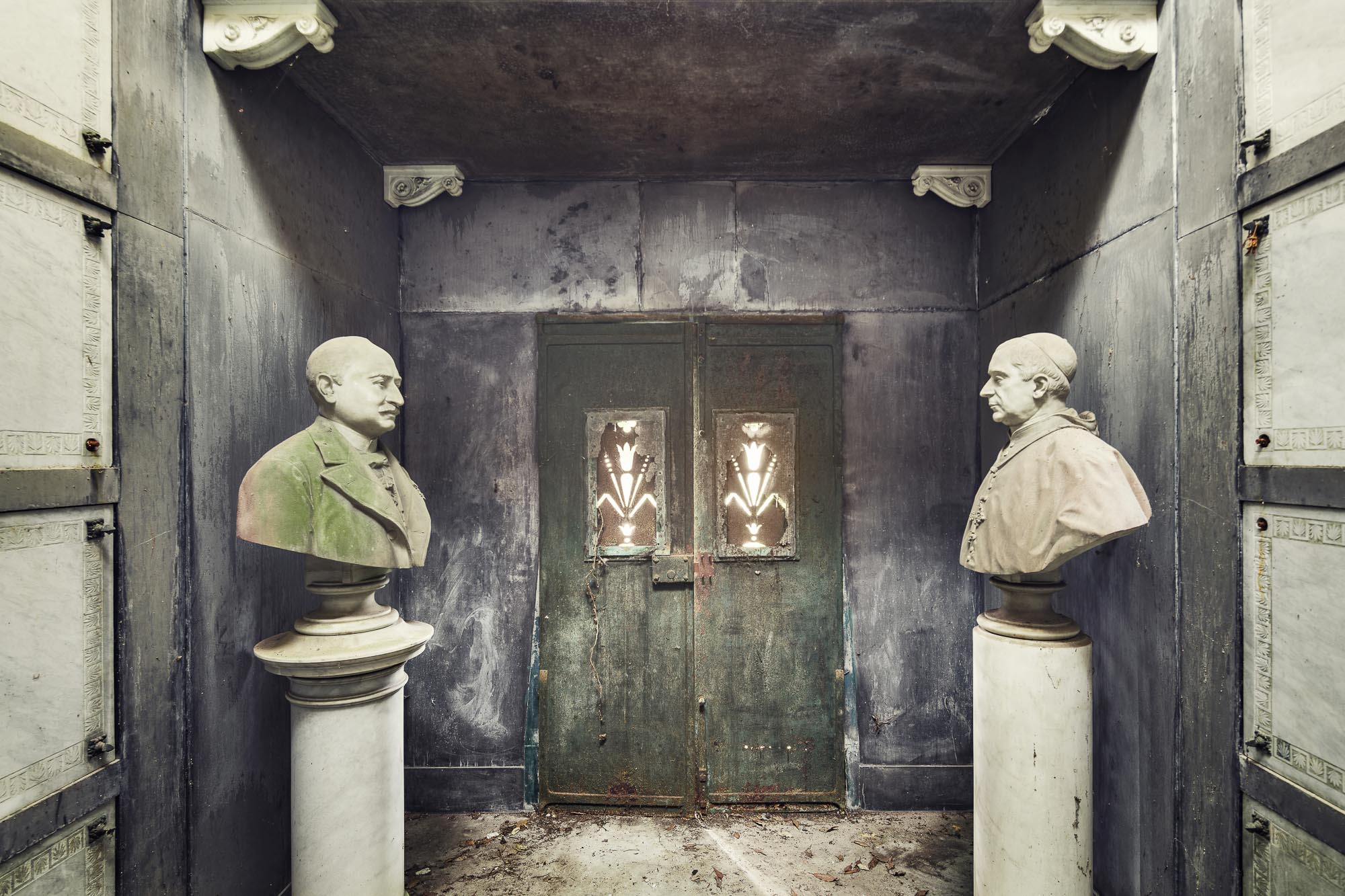
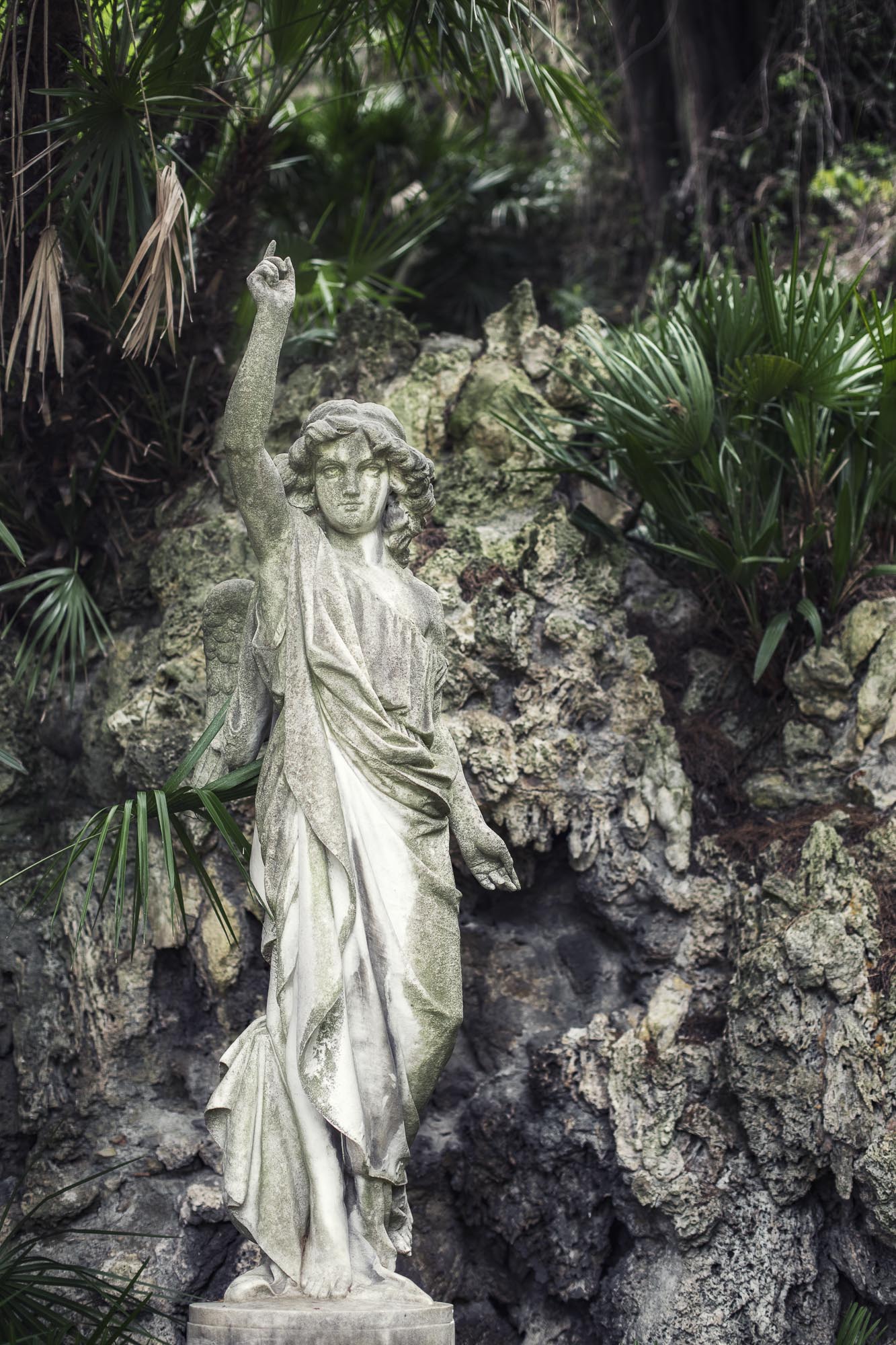
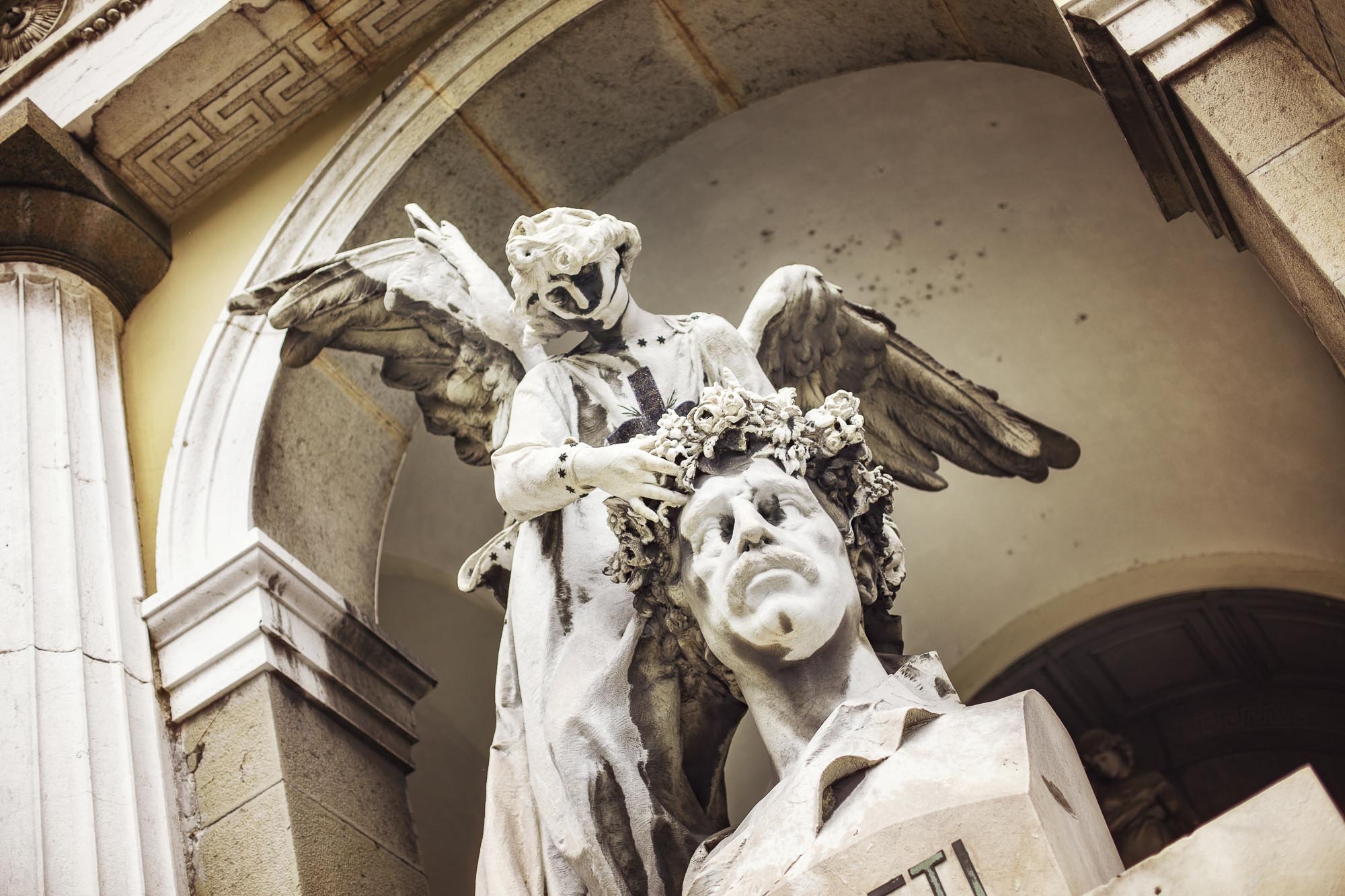
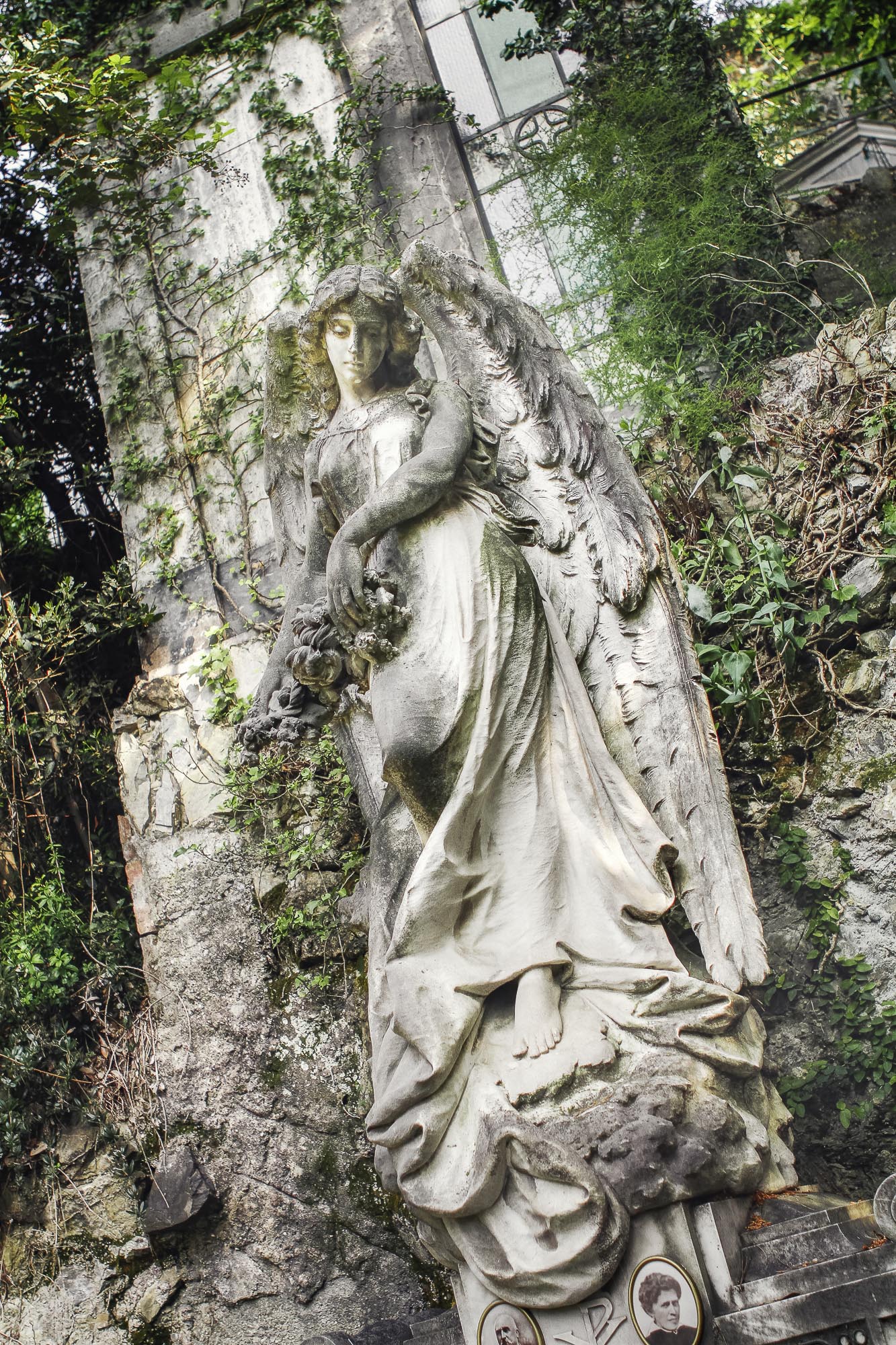
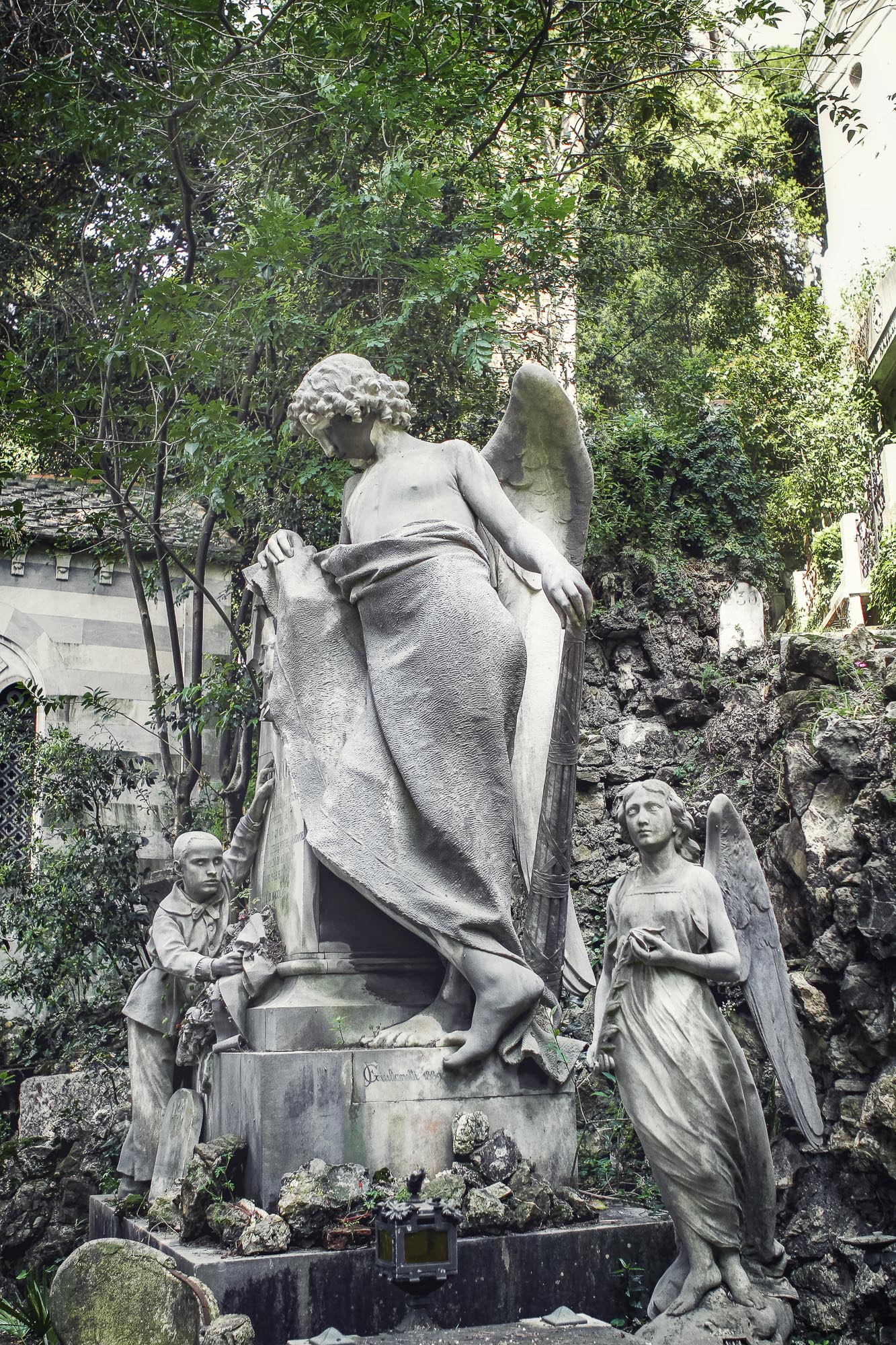
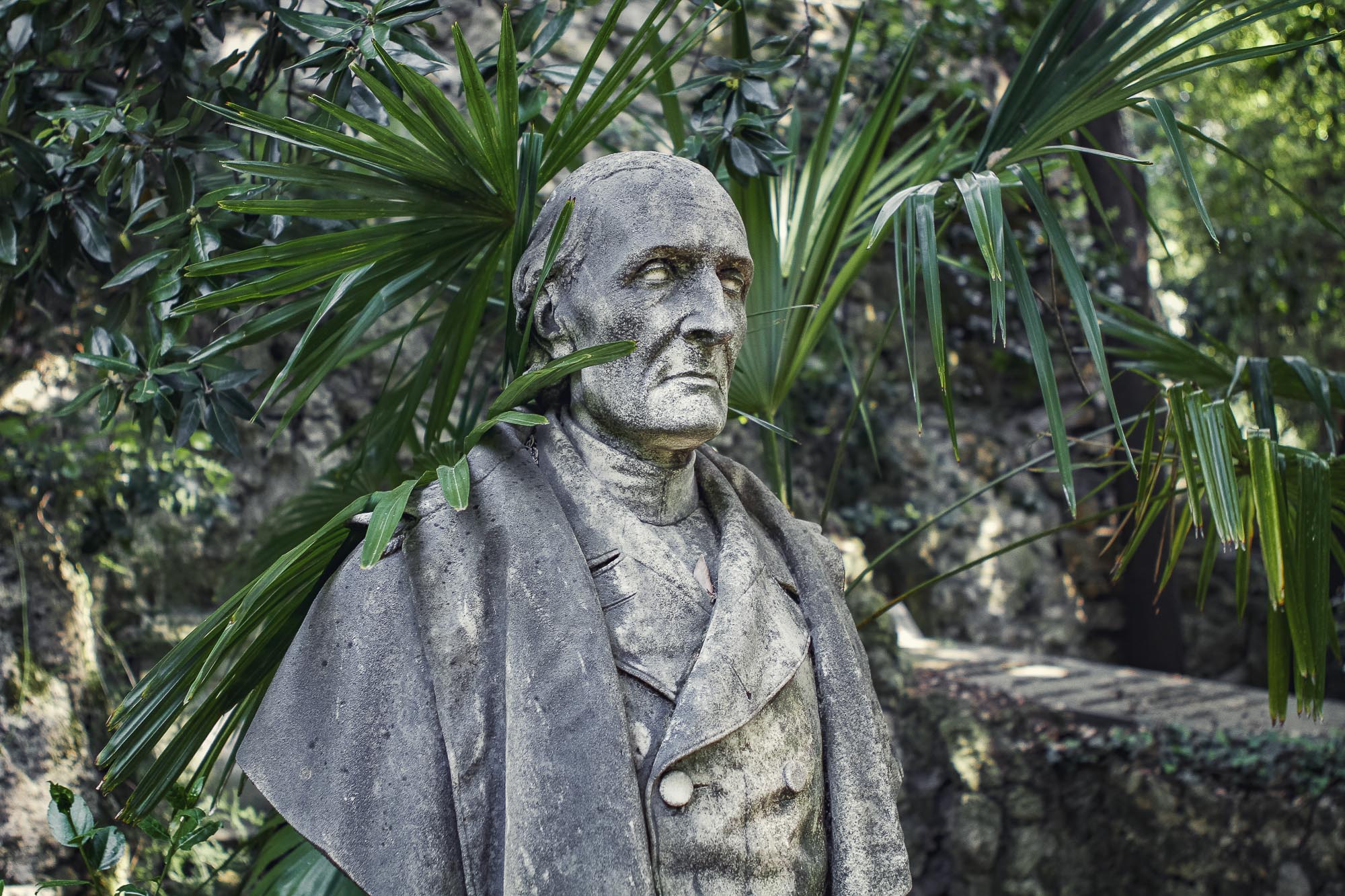
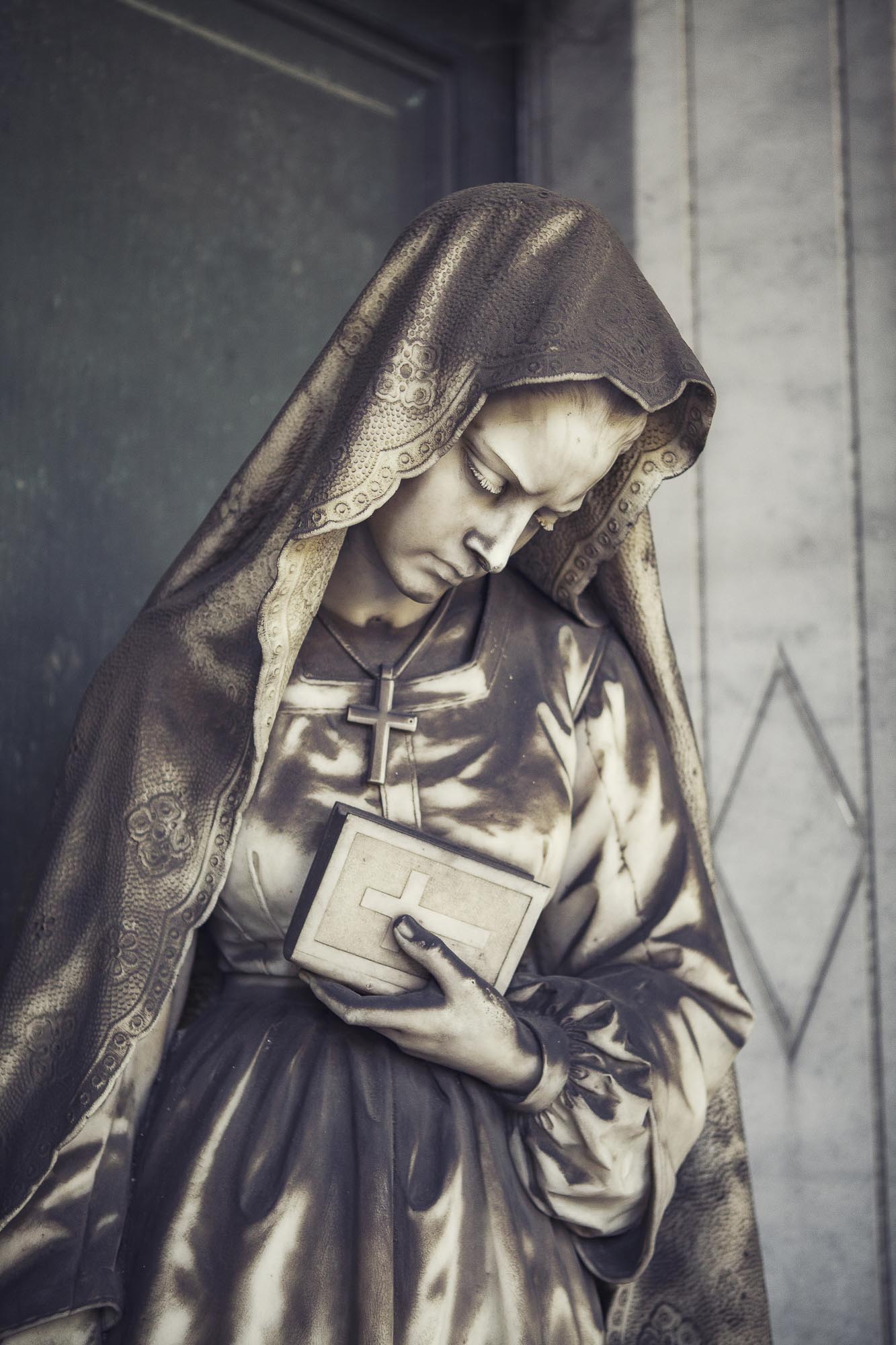
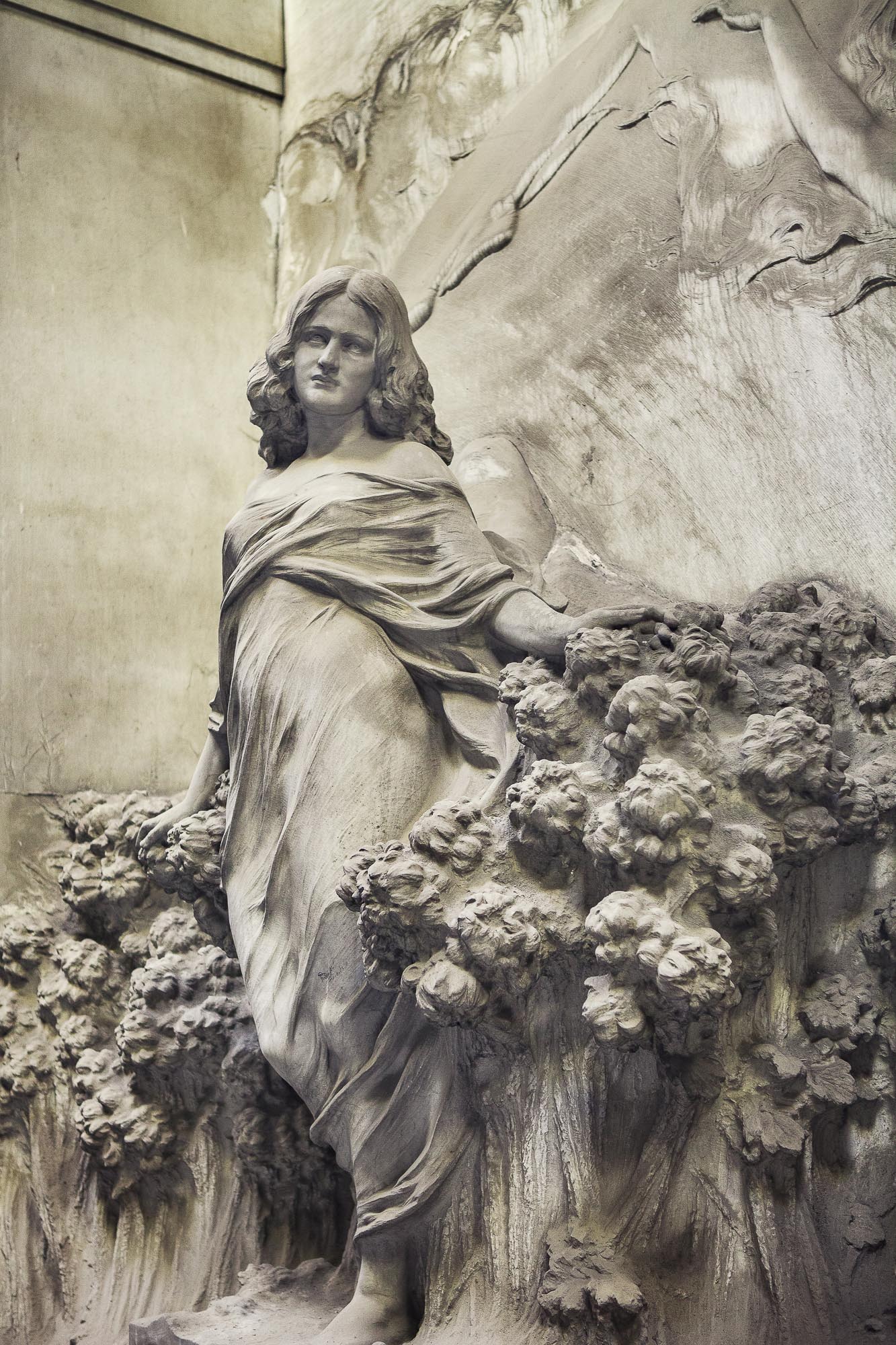
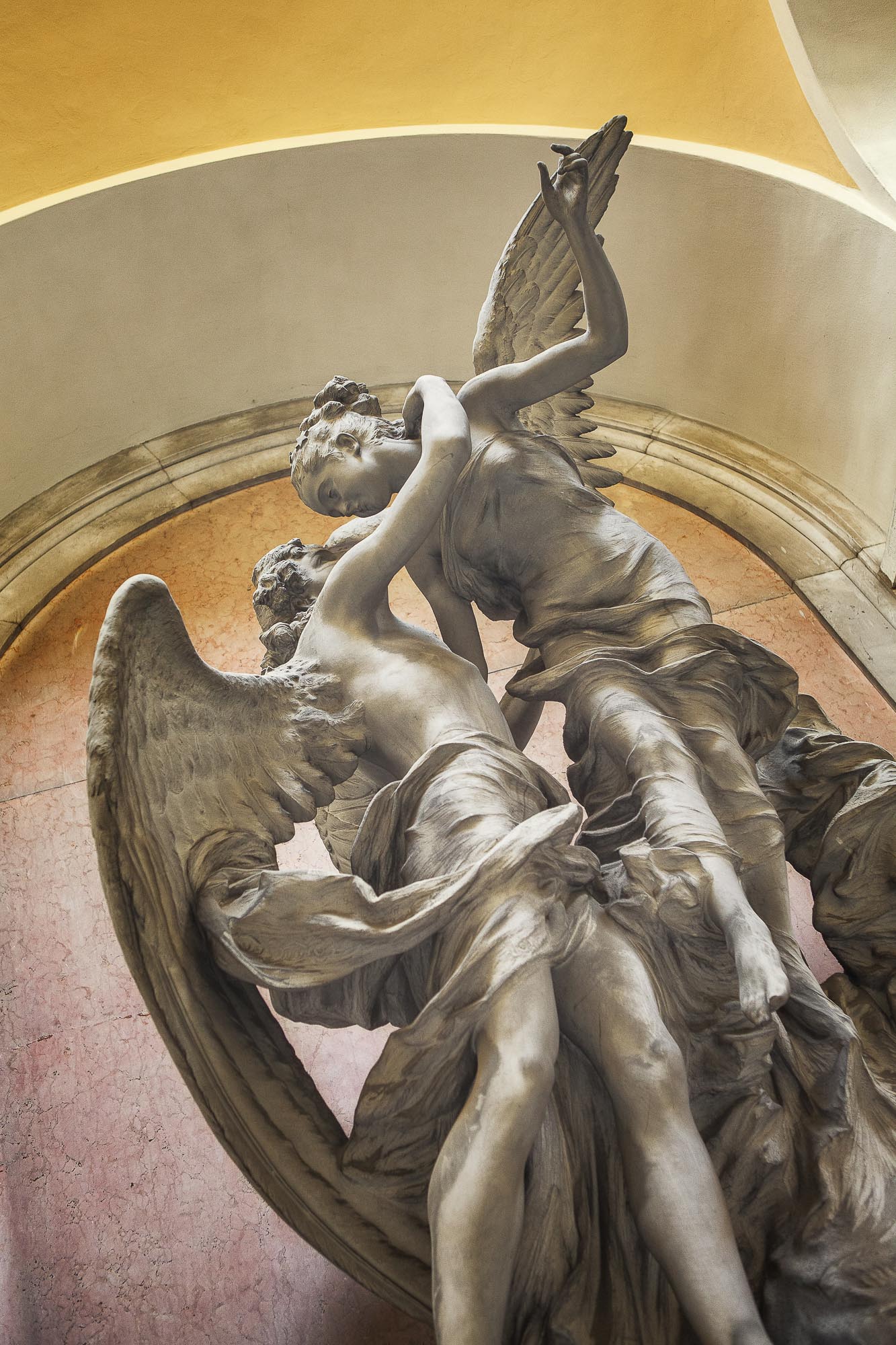
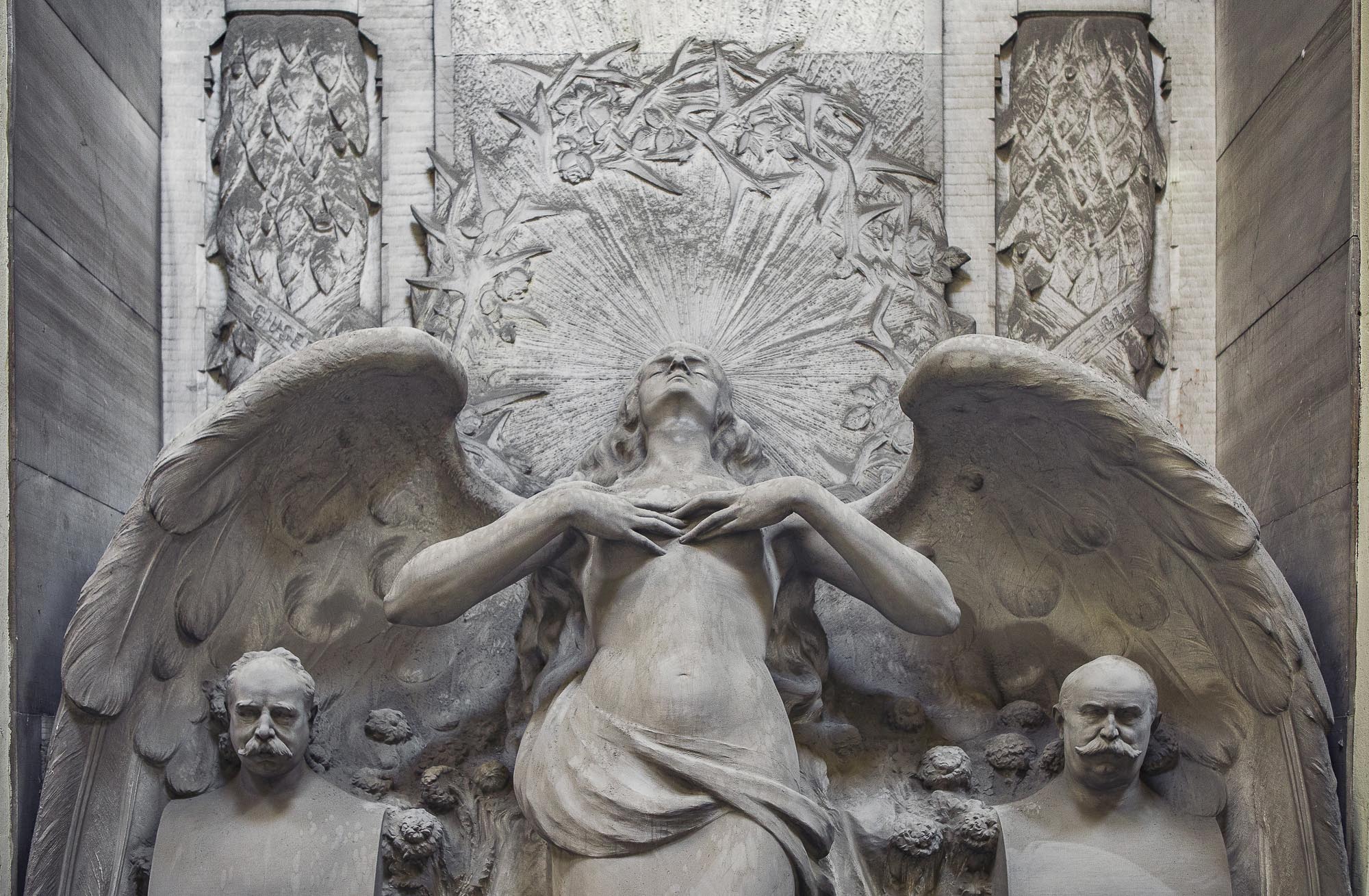
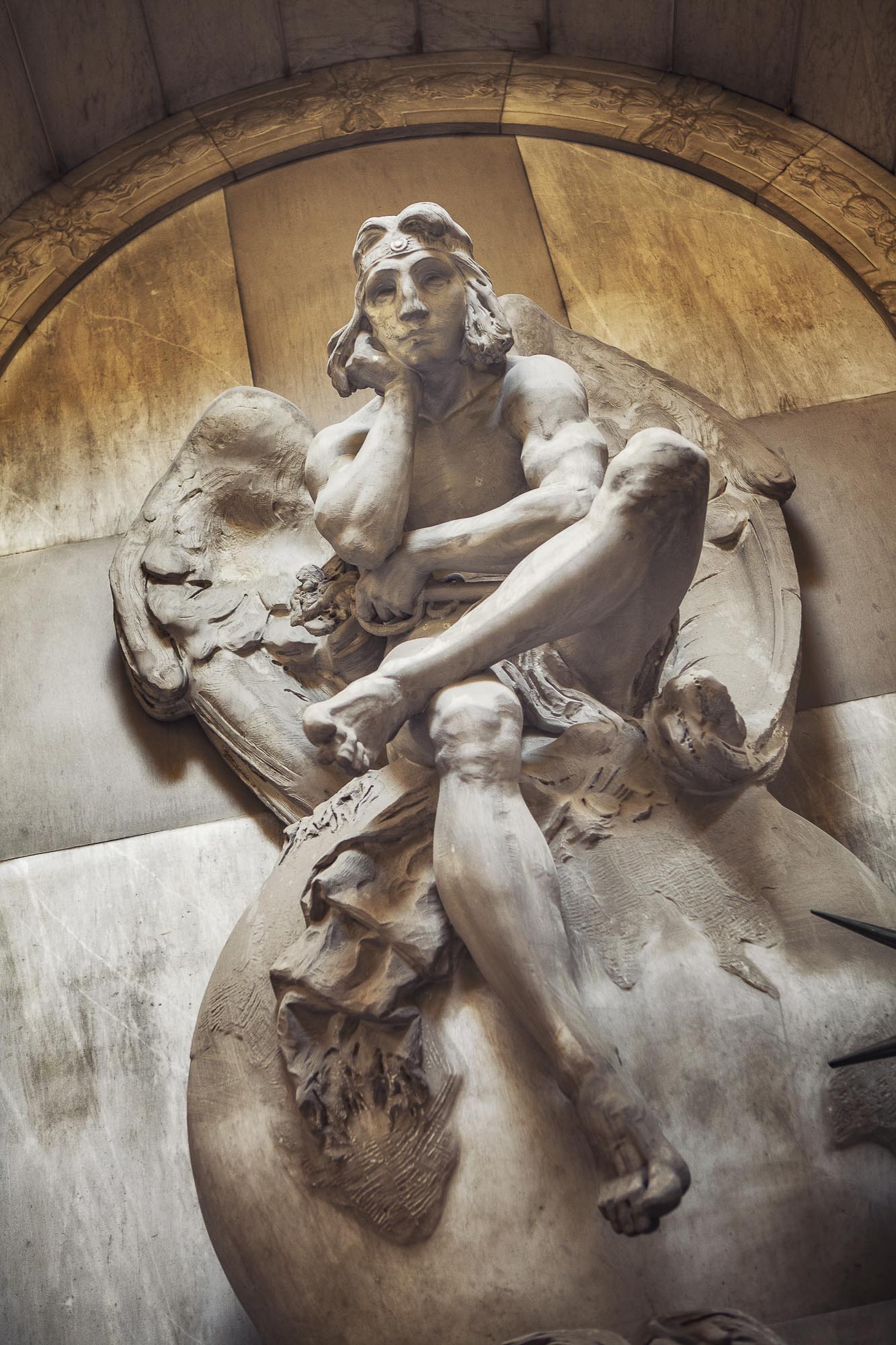
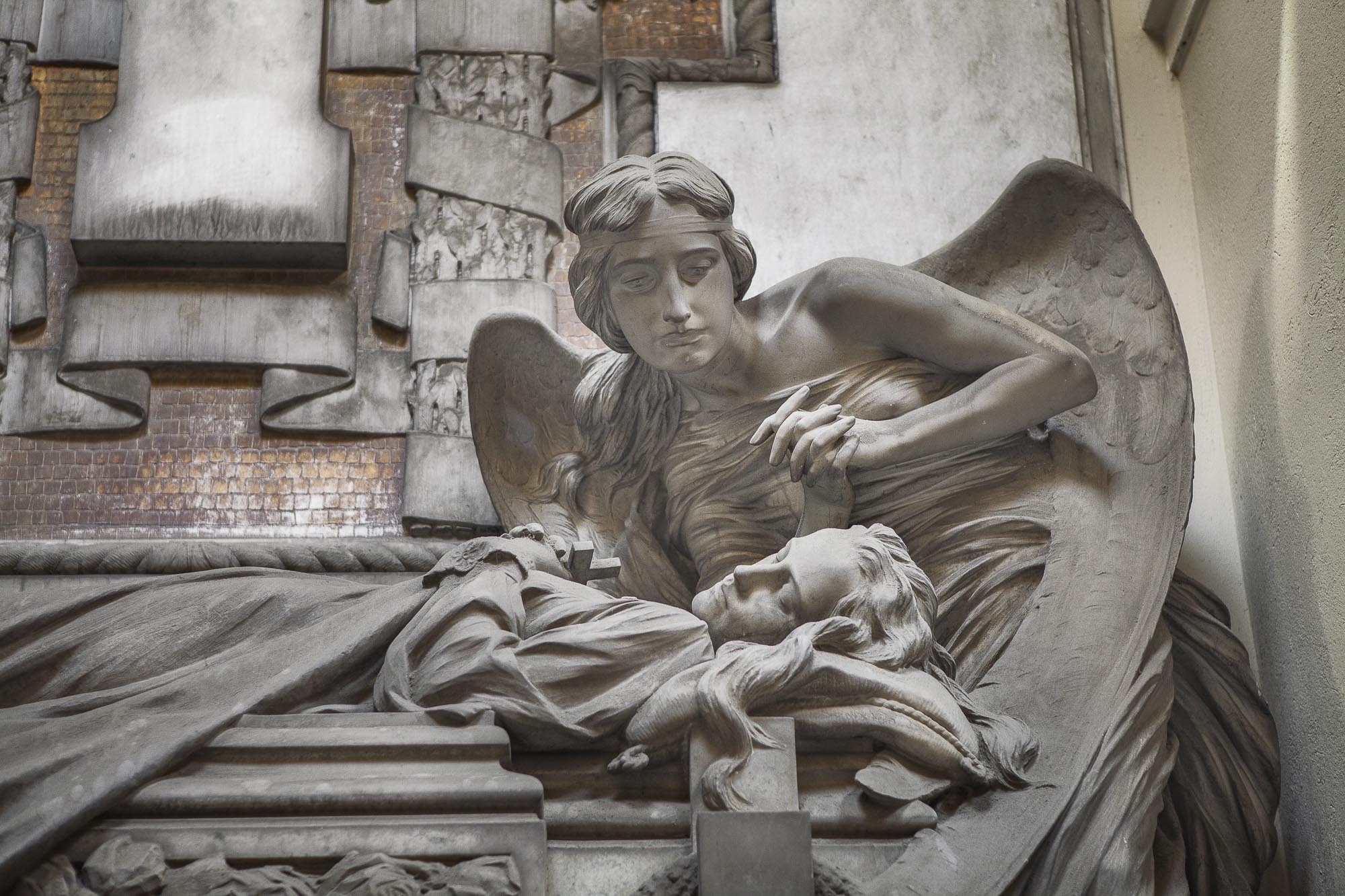
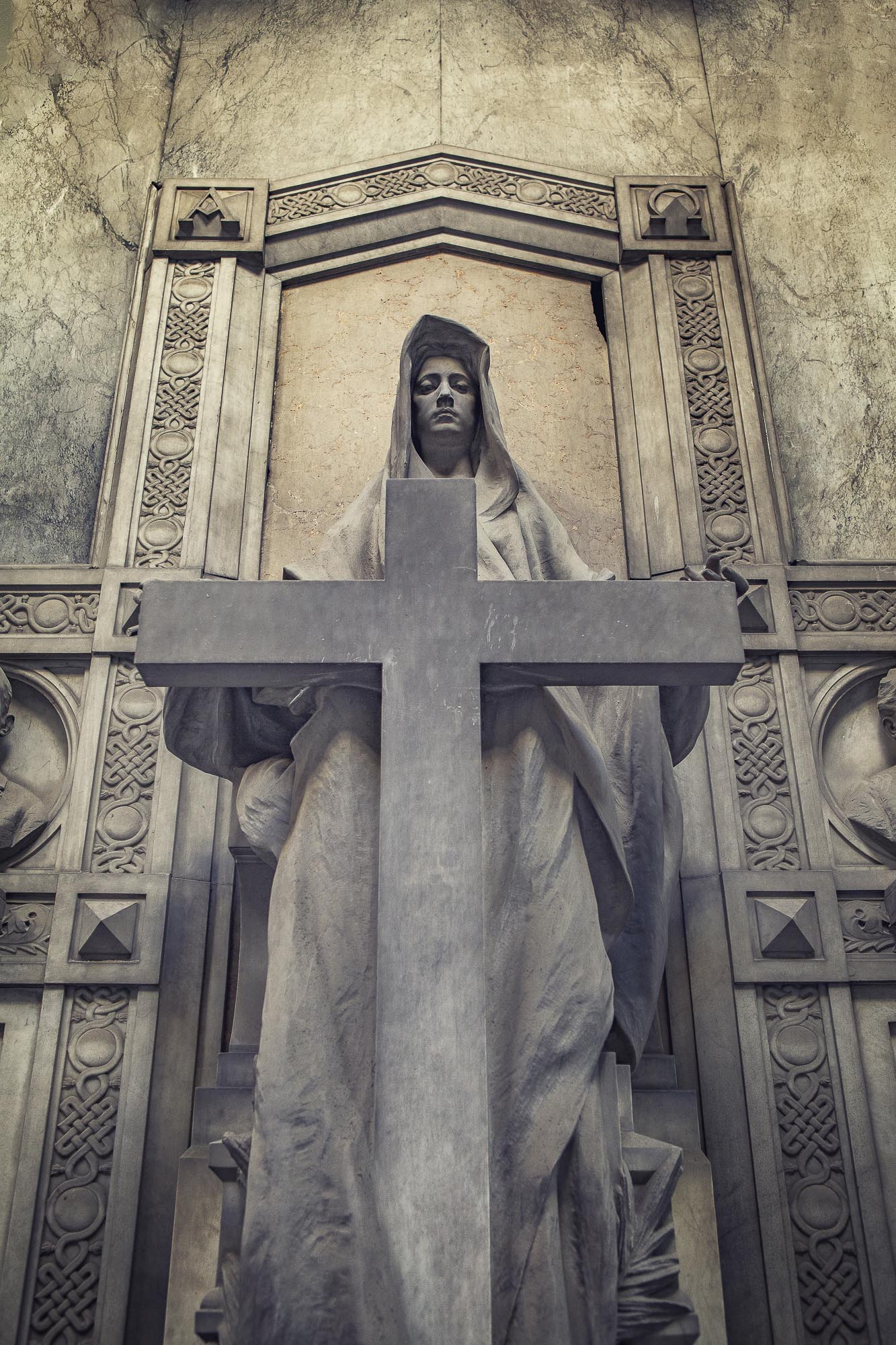
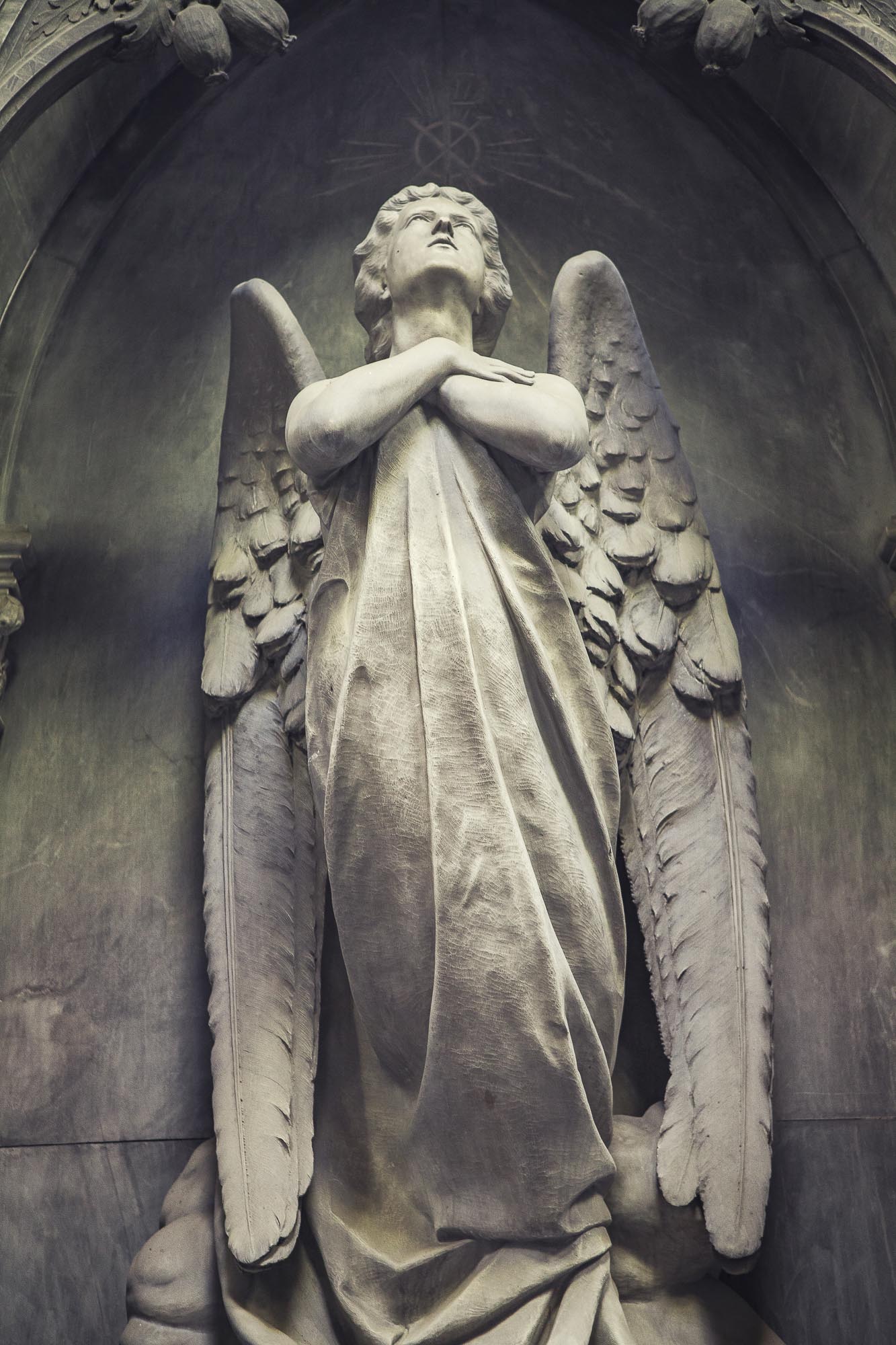
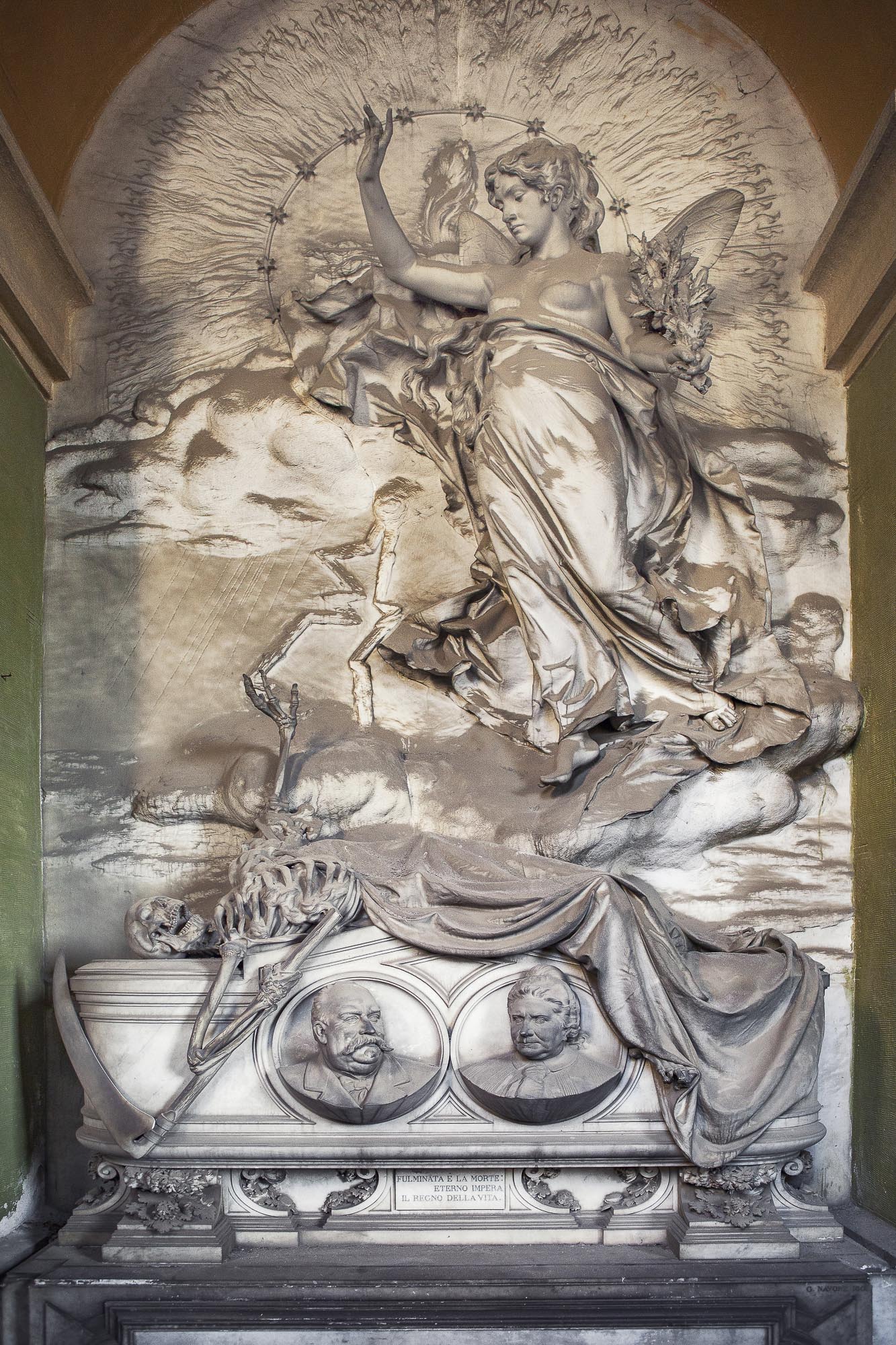
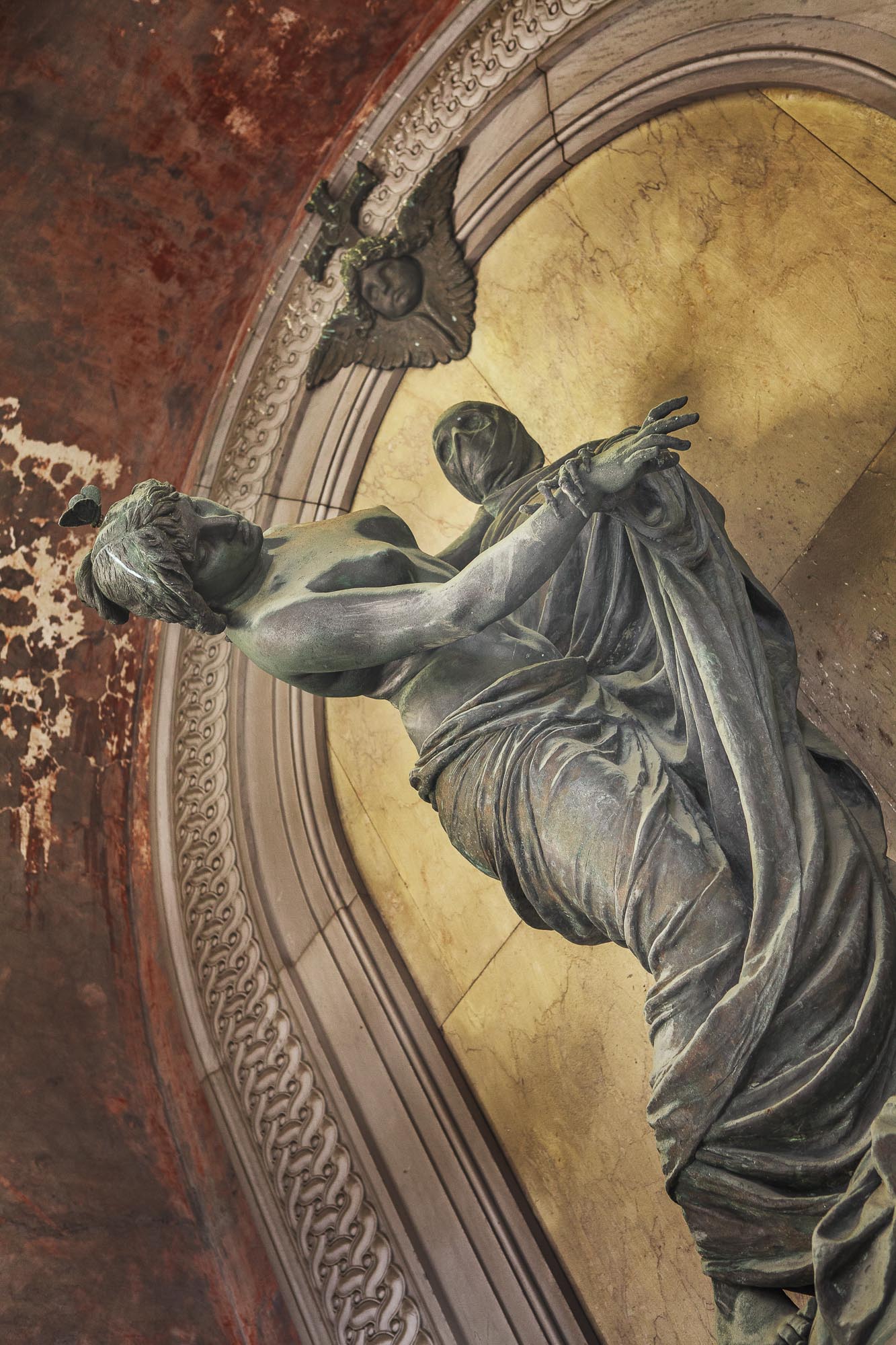
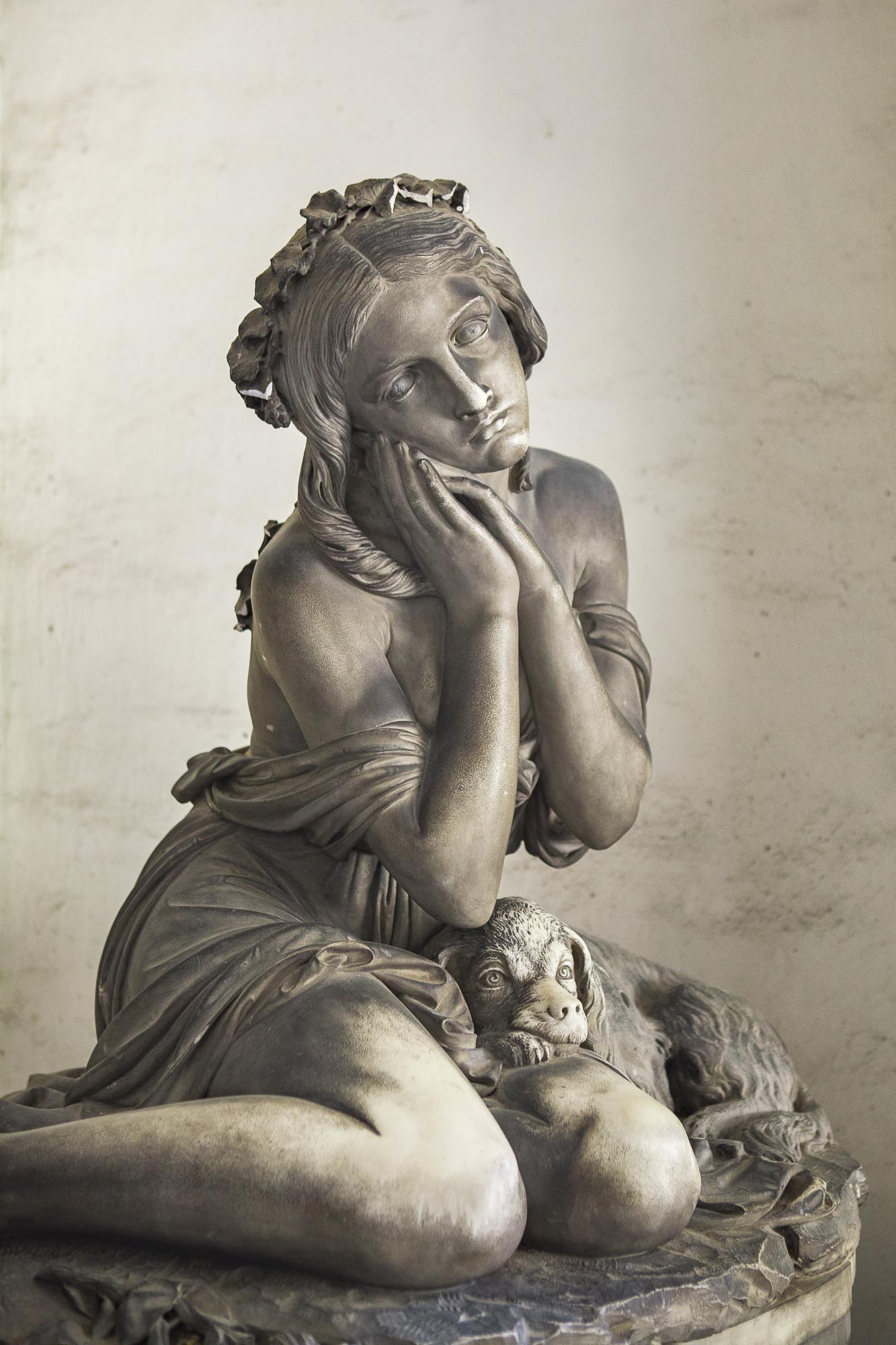
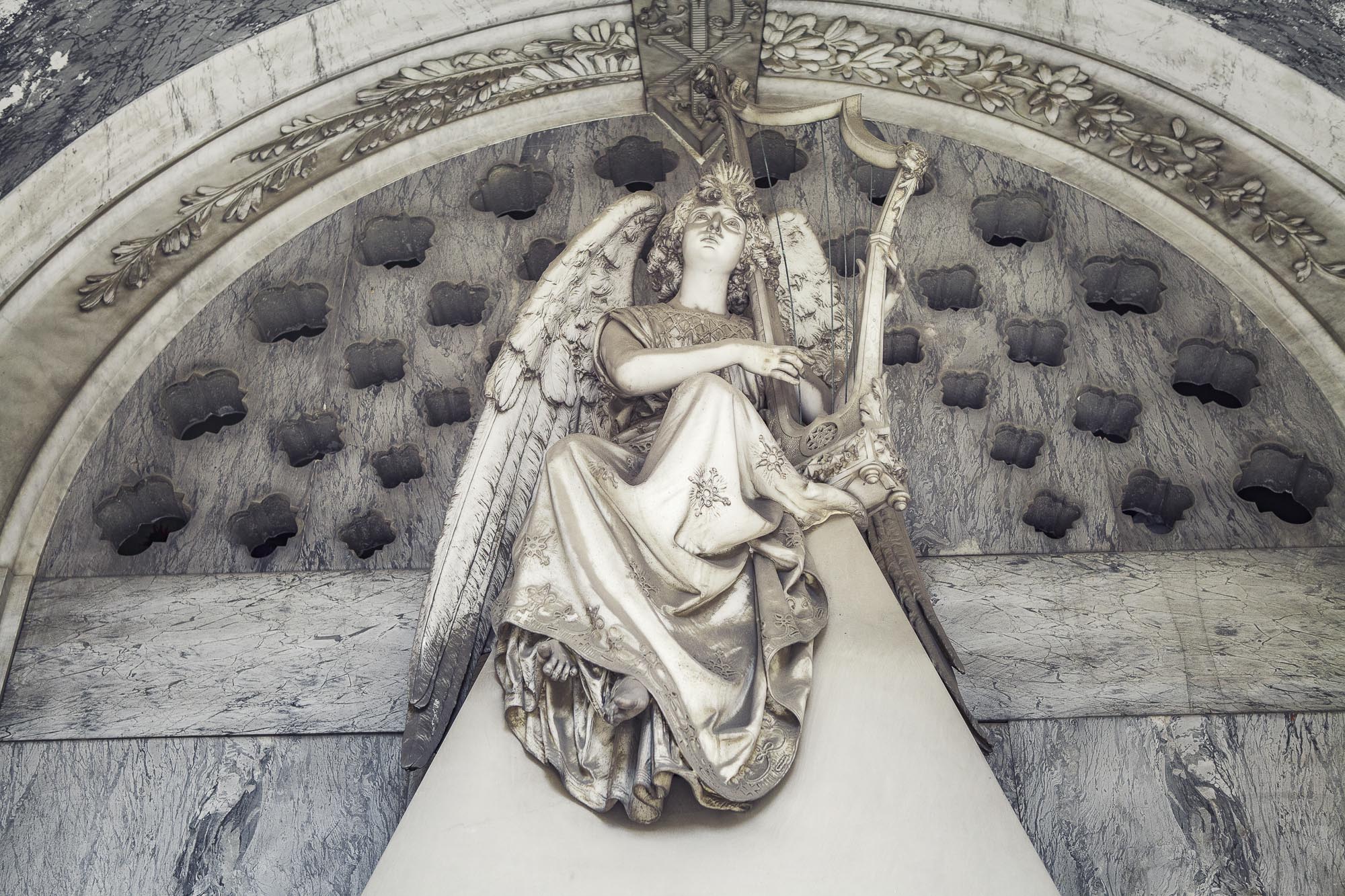
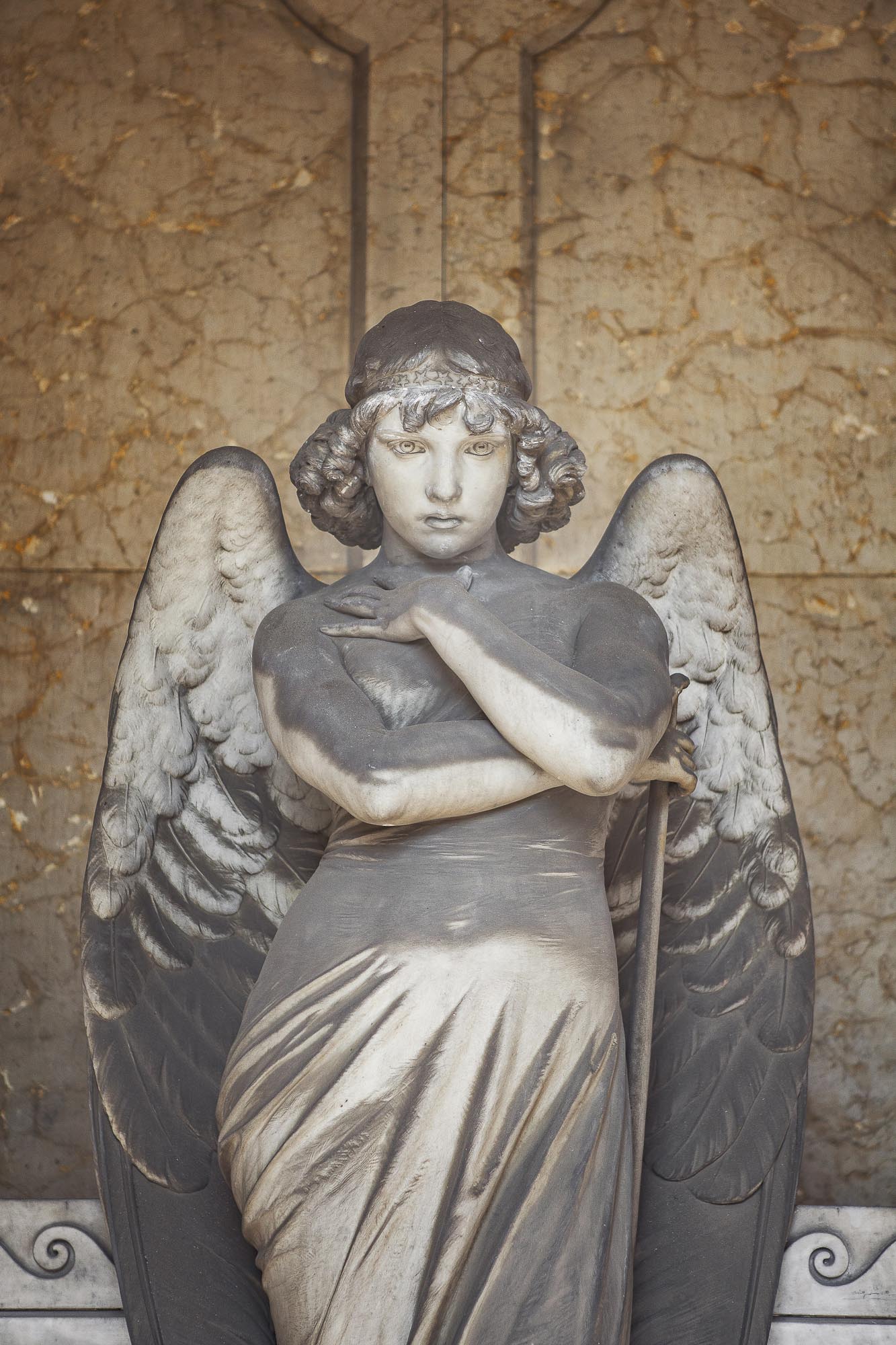
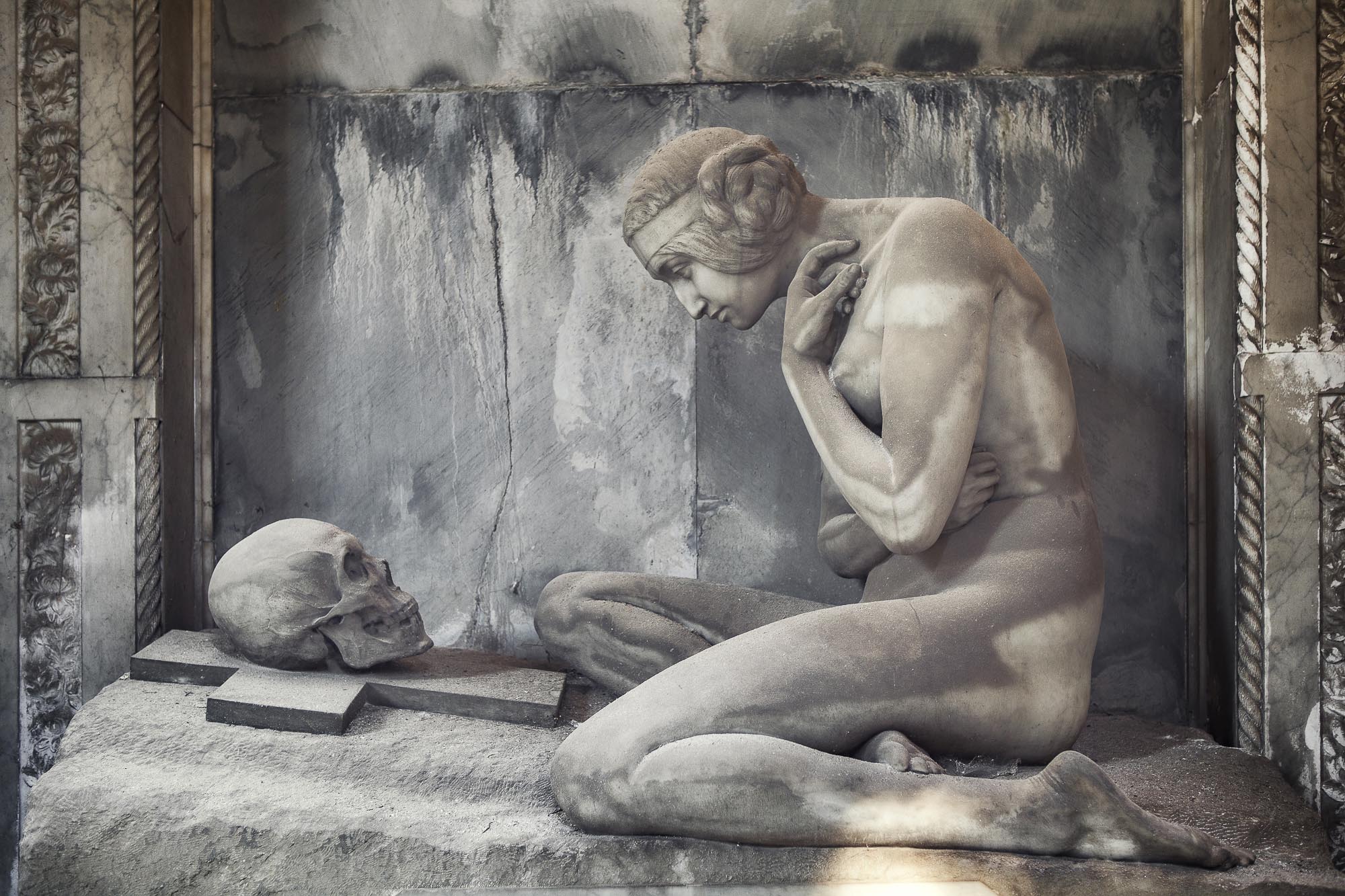
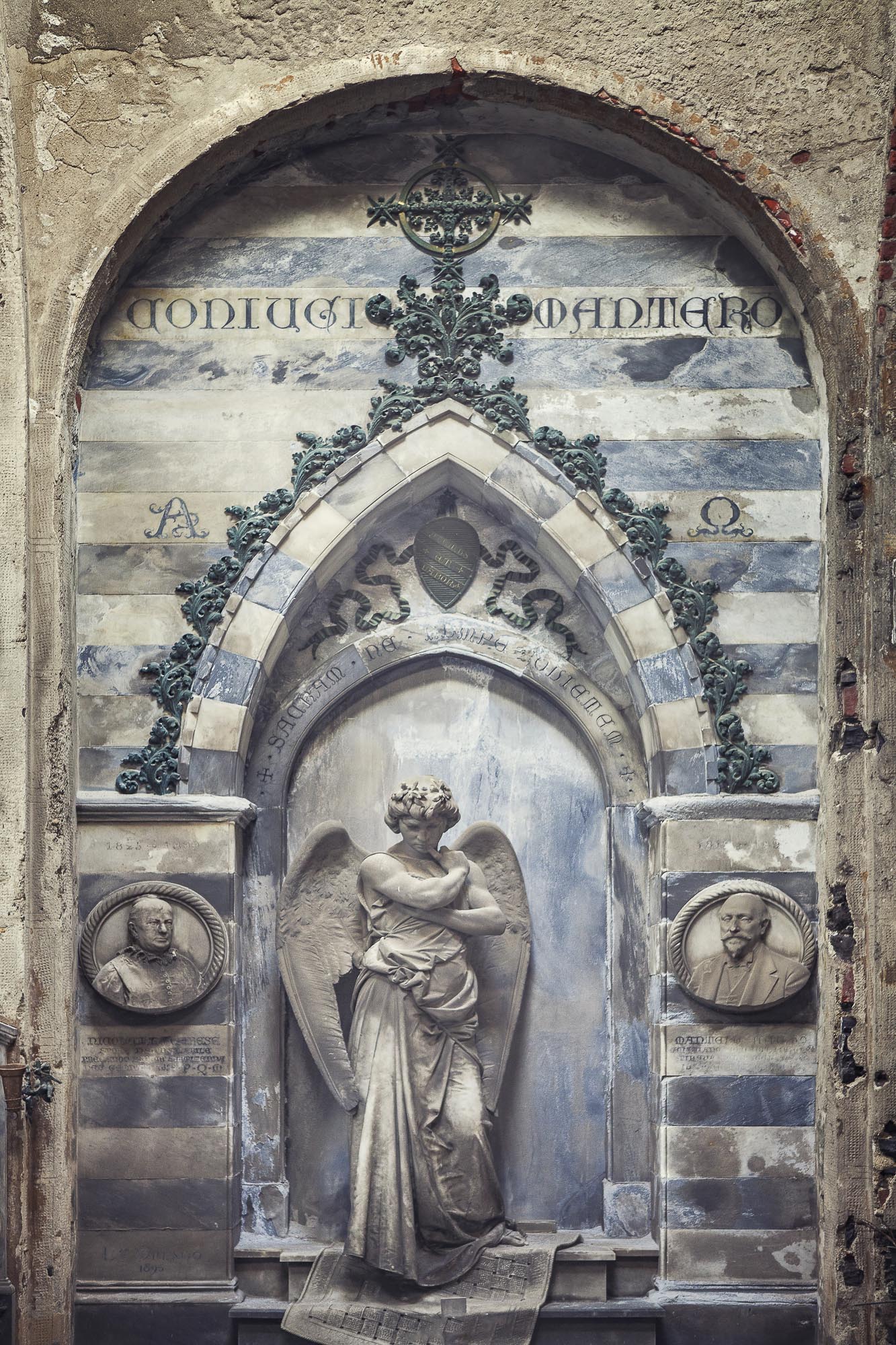
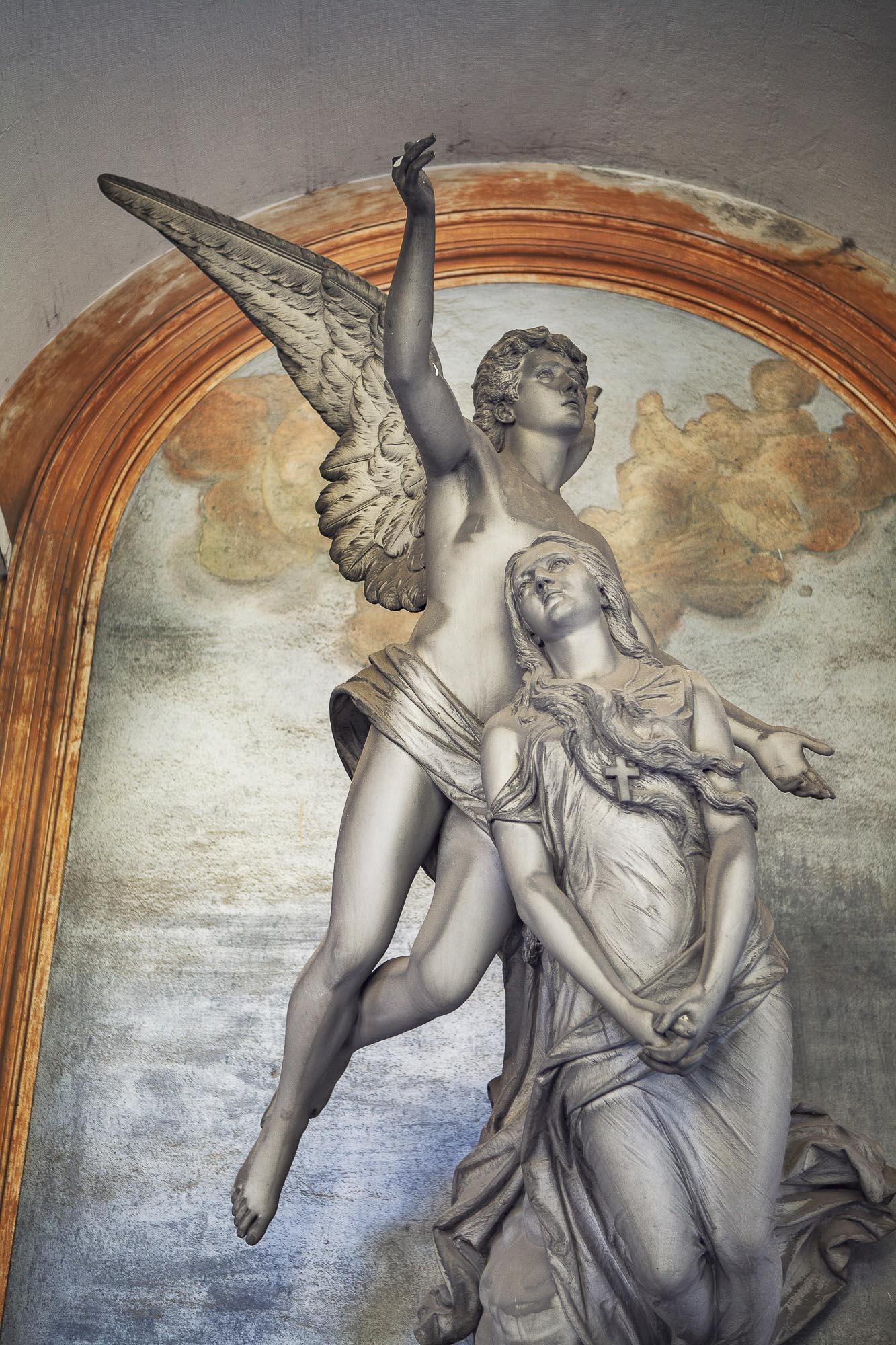
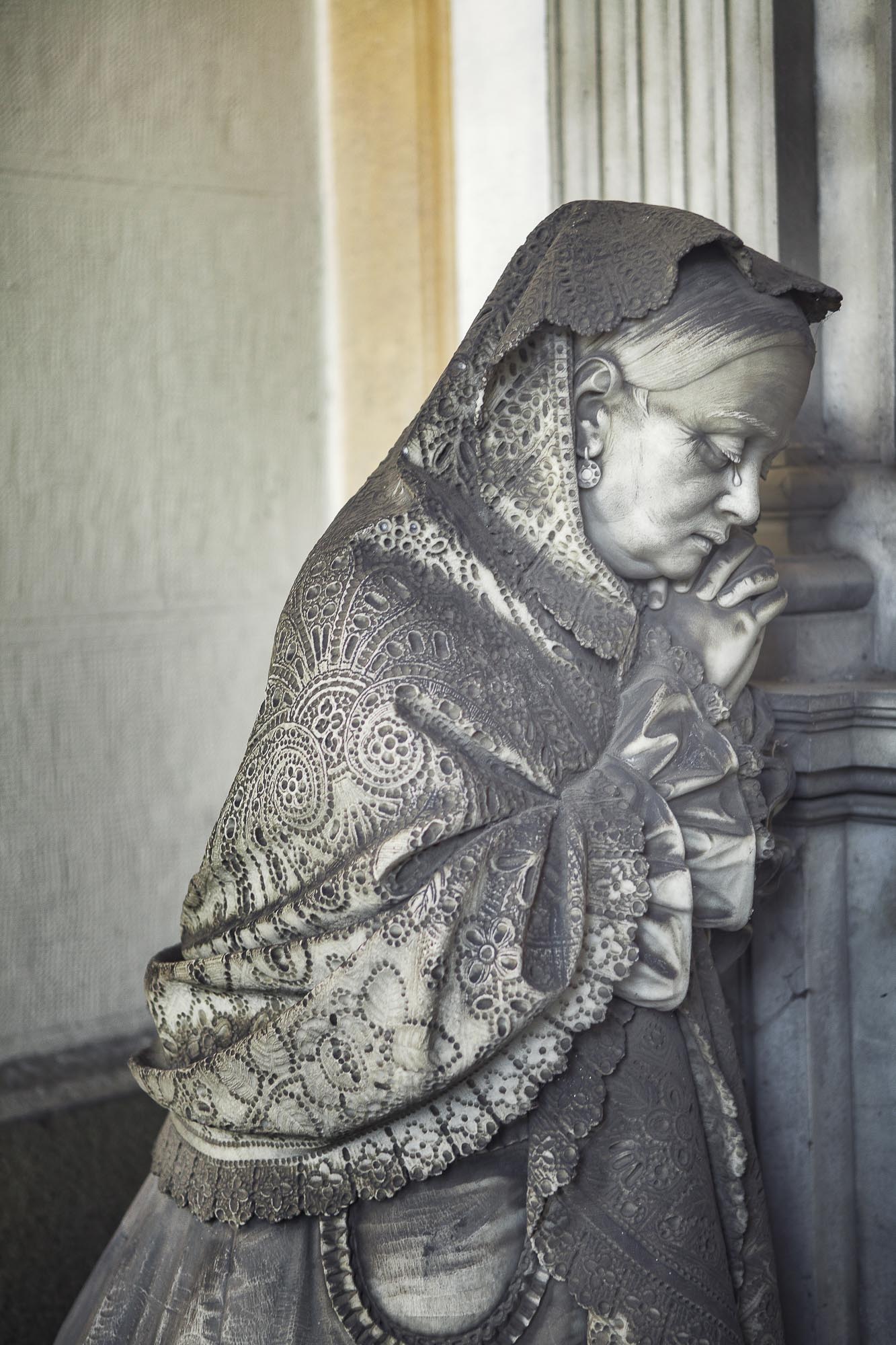
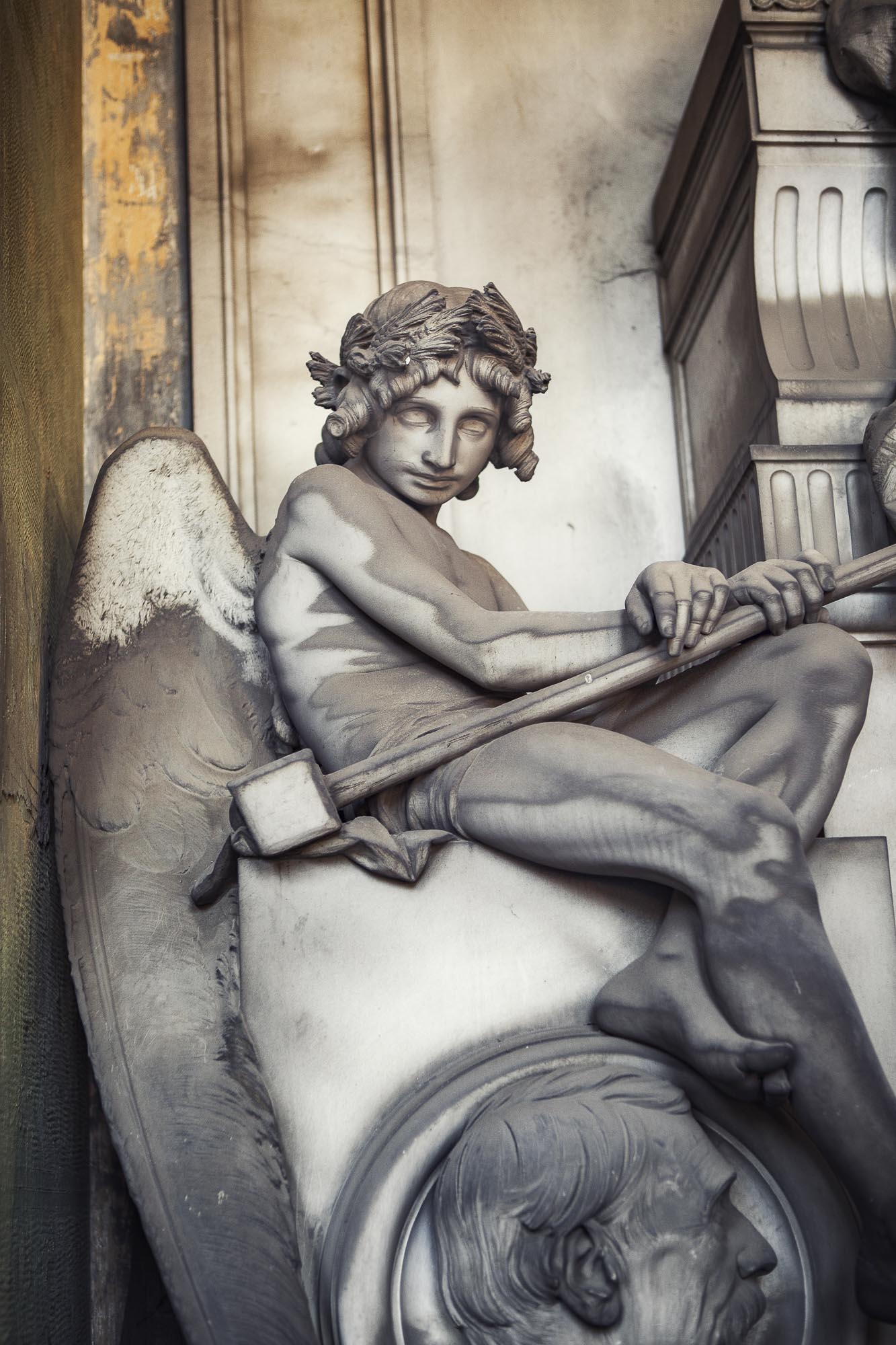
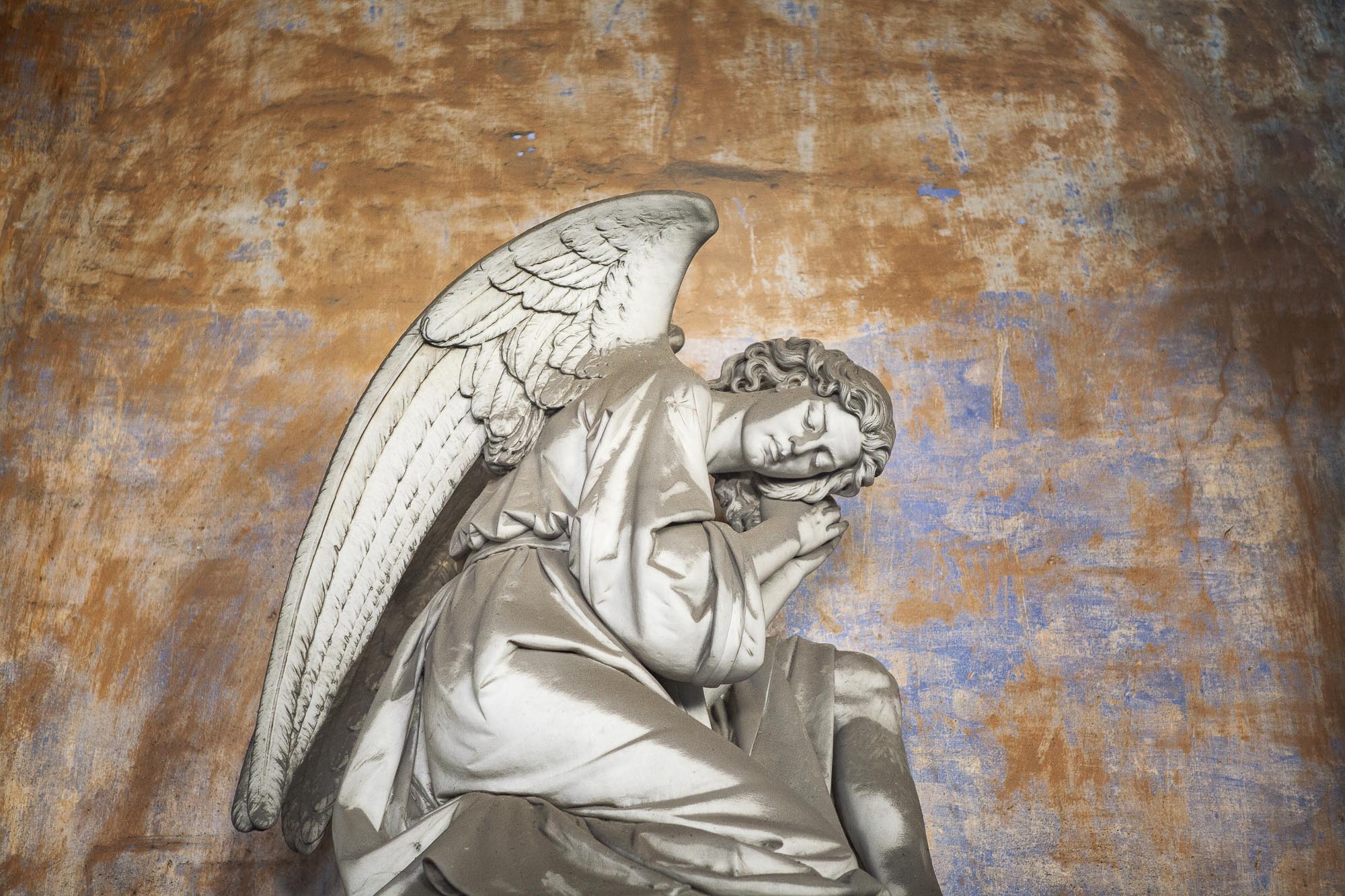
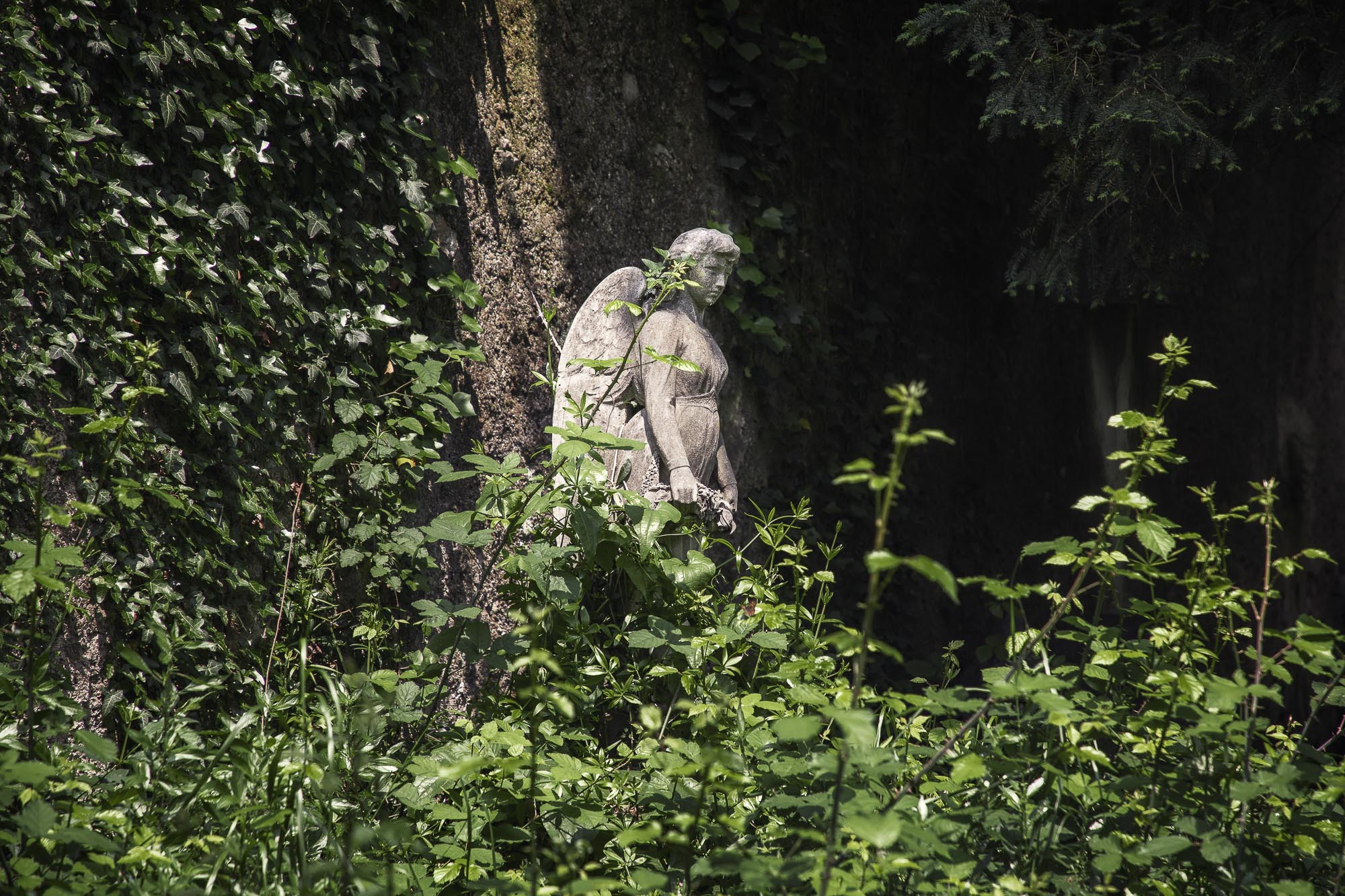
The funerary sculpture is the work of artists such as Santo Varni, Giulio Monteverde, Augusto Rivalta and Lorenzo Orengo. Monteverde's Angel of the Resurrection on the Oneto family tomb is counted among the most famous sculptures here. Giuseppe Mazzini is buried at Staglieno, and the English section holds Constance Lloyd, the wife of Oscar Wilde. Writers including Mark Twain have described the cemetery. The City of Genoa's website gives opening times and information on guided routes.
Frequently asked questions
Where is the Cimitero Monumentale di Staglieno?
It lies in the Staglieno district of Genoa, in the Val Bisagno valley in Liguria. The address is Piazzale Resasco, 16137 Genoa.
Who is buried at Staglieno?
Among others, the patriot and politician Giuseppe Mazzini (1805–1872). The English section holds Constance Lloyd, wife of Oscar Wilde, who died in 1898.
Why is Staglieno famous?
It is known for its galleries and tombs with marble sculpture from the 19th and early 20th centuries. The City of Genoa describes it as an open-air museum.