Germany · Cologne · 37 pictures
Melaten Cemetery
Melaten-Friedhof
-
-
-
-
-

-
-
-

-
-
-
-
-
-

-

-
-
-
-

-
-
-
-
-
-
-
-
-
-
-
-
-
-
-
-

-
-
About this place
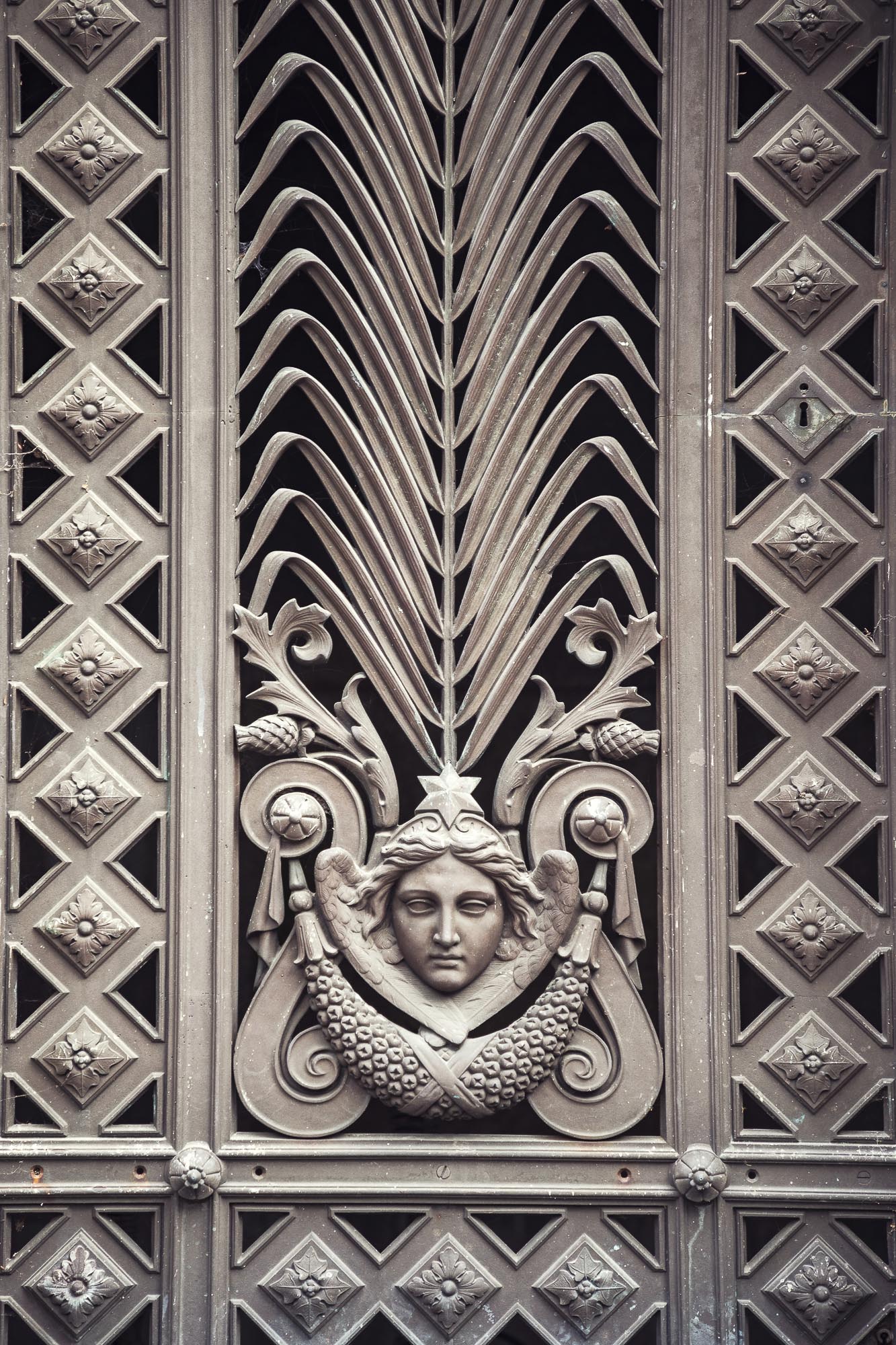
The cemetery was created under the French burial decree of 1804, which banned interments inside the city. The Cologne scholar Ferdinand Franz Wallraf helped to choose the site and took the Père Lachaise in Paris as his model. Melaten was consecrated on 29 June 1810.
The land has an older history. Hof Melaten was a care home for the sick and for people with leprosy, documented from the twelfth century, and its chapel of St Mary Magdalene and Lazarus was consecrated as early as 1245.
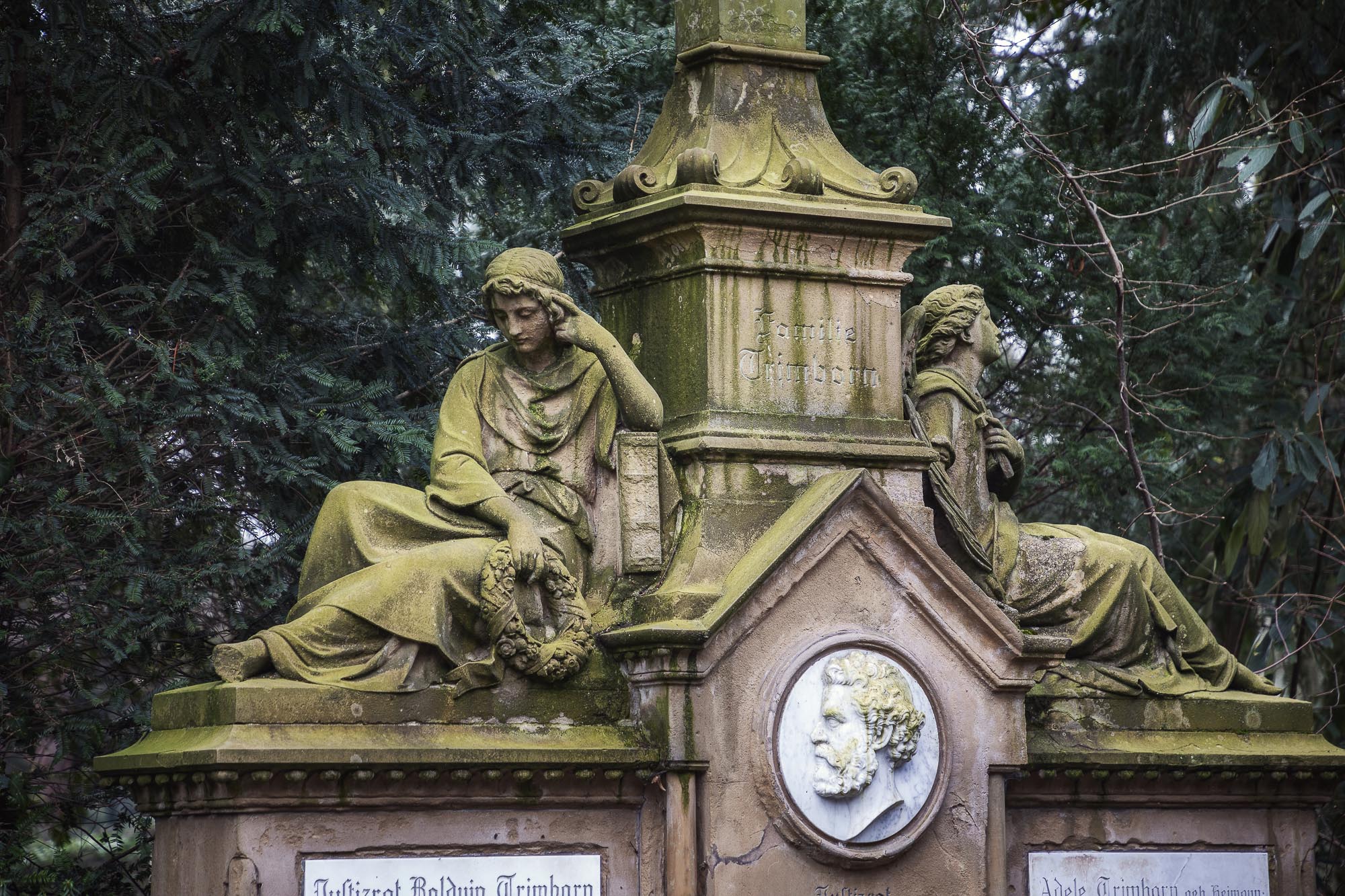
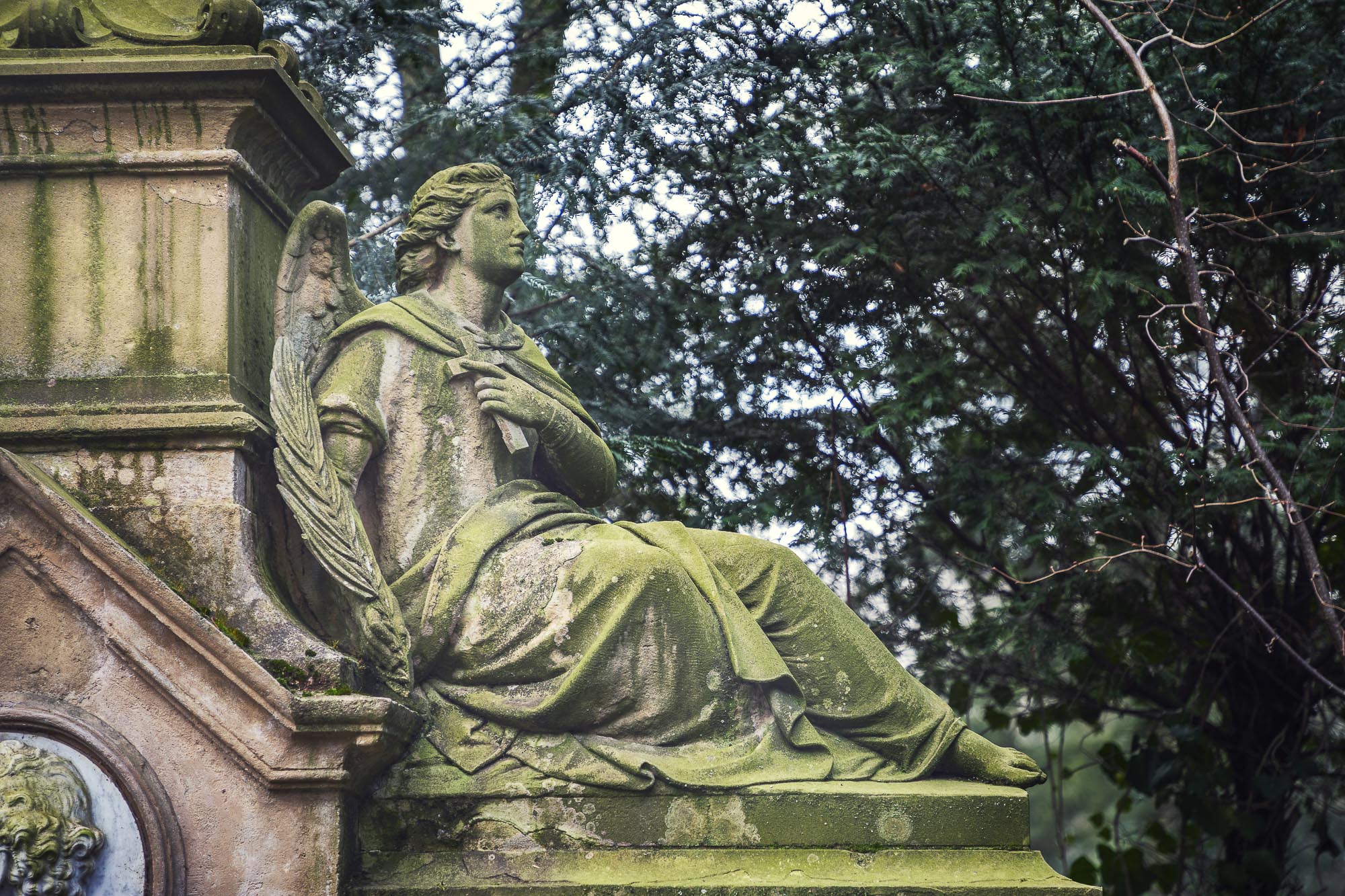
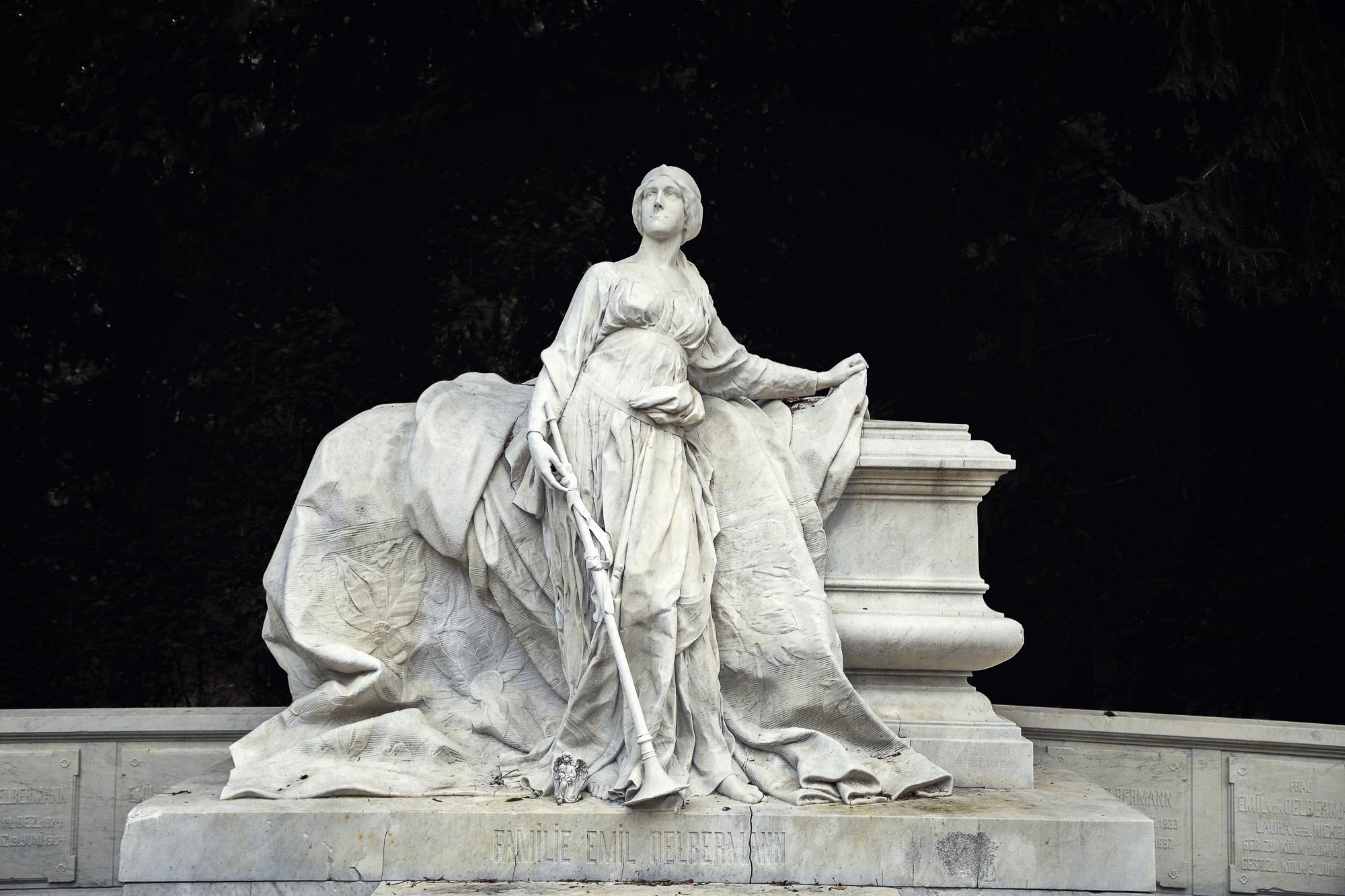
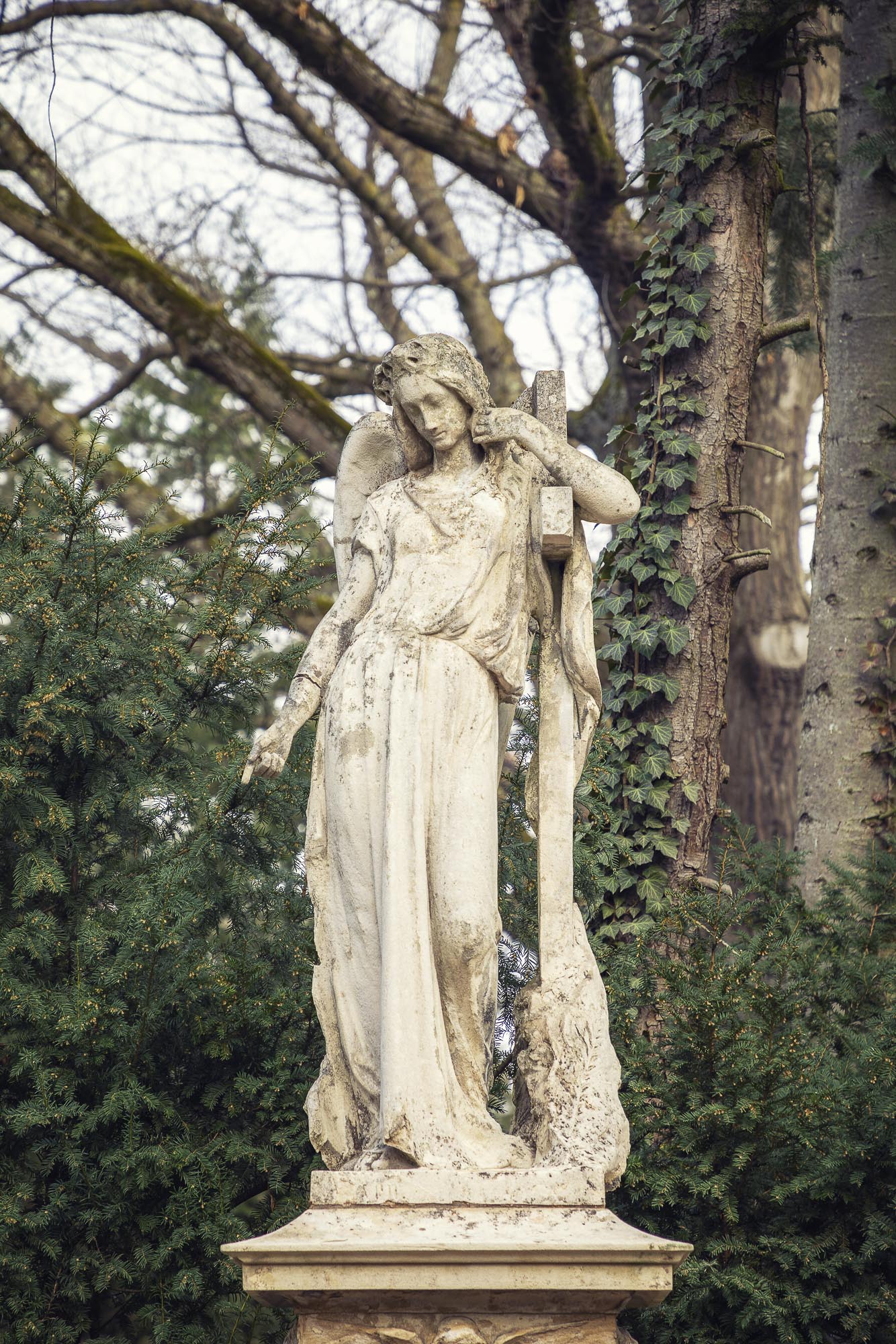
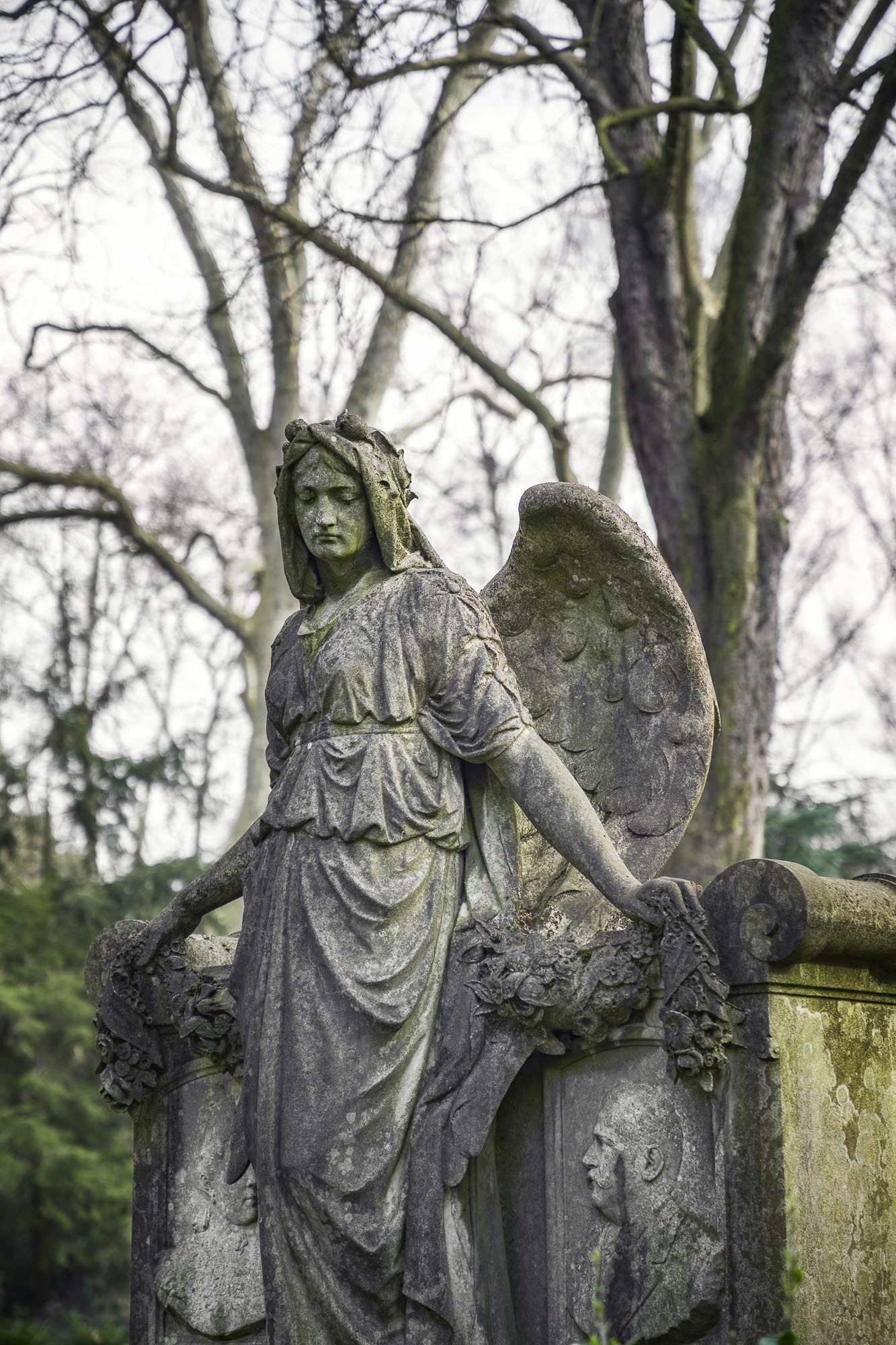
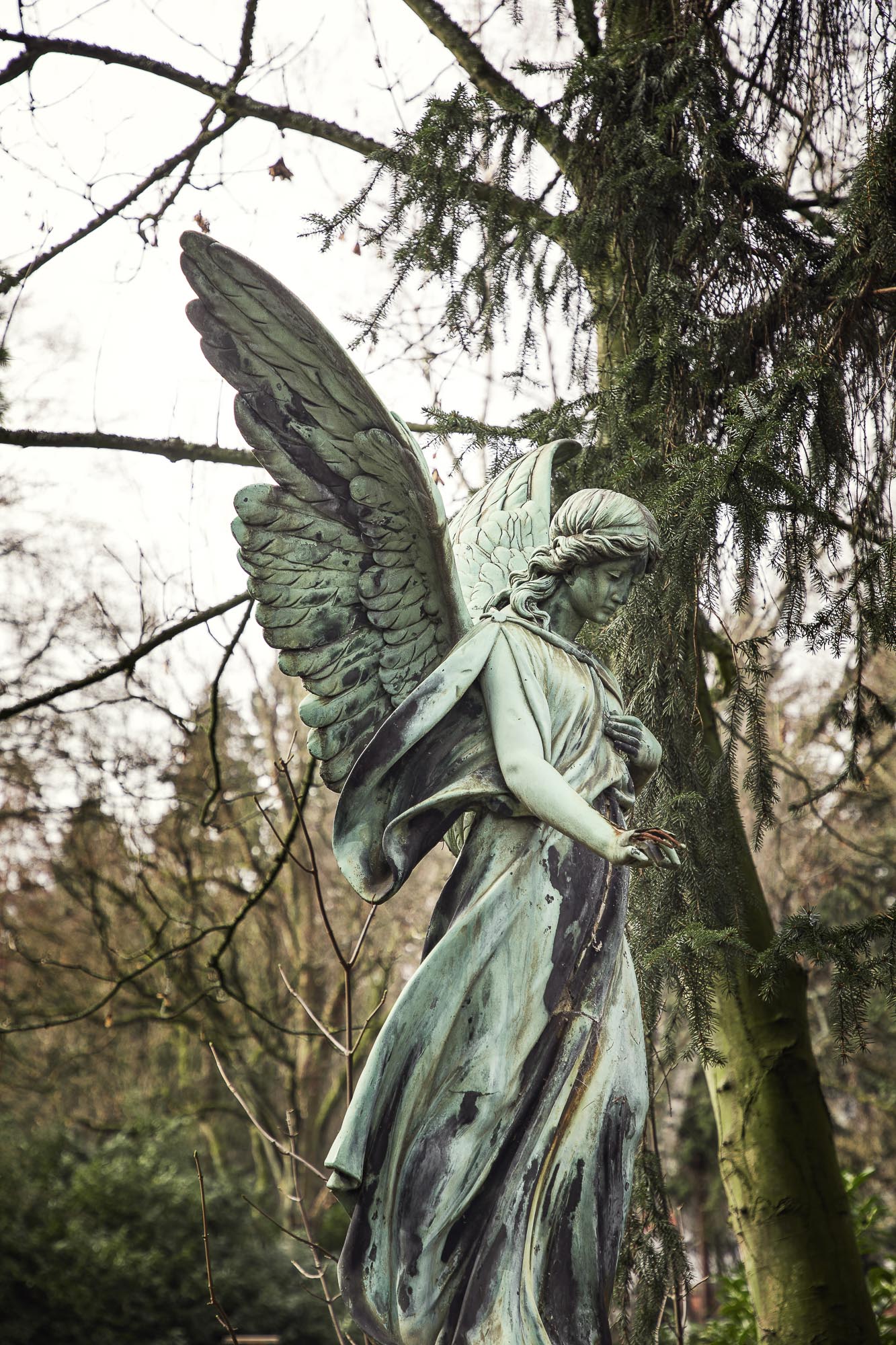
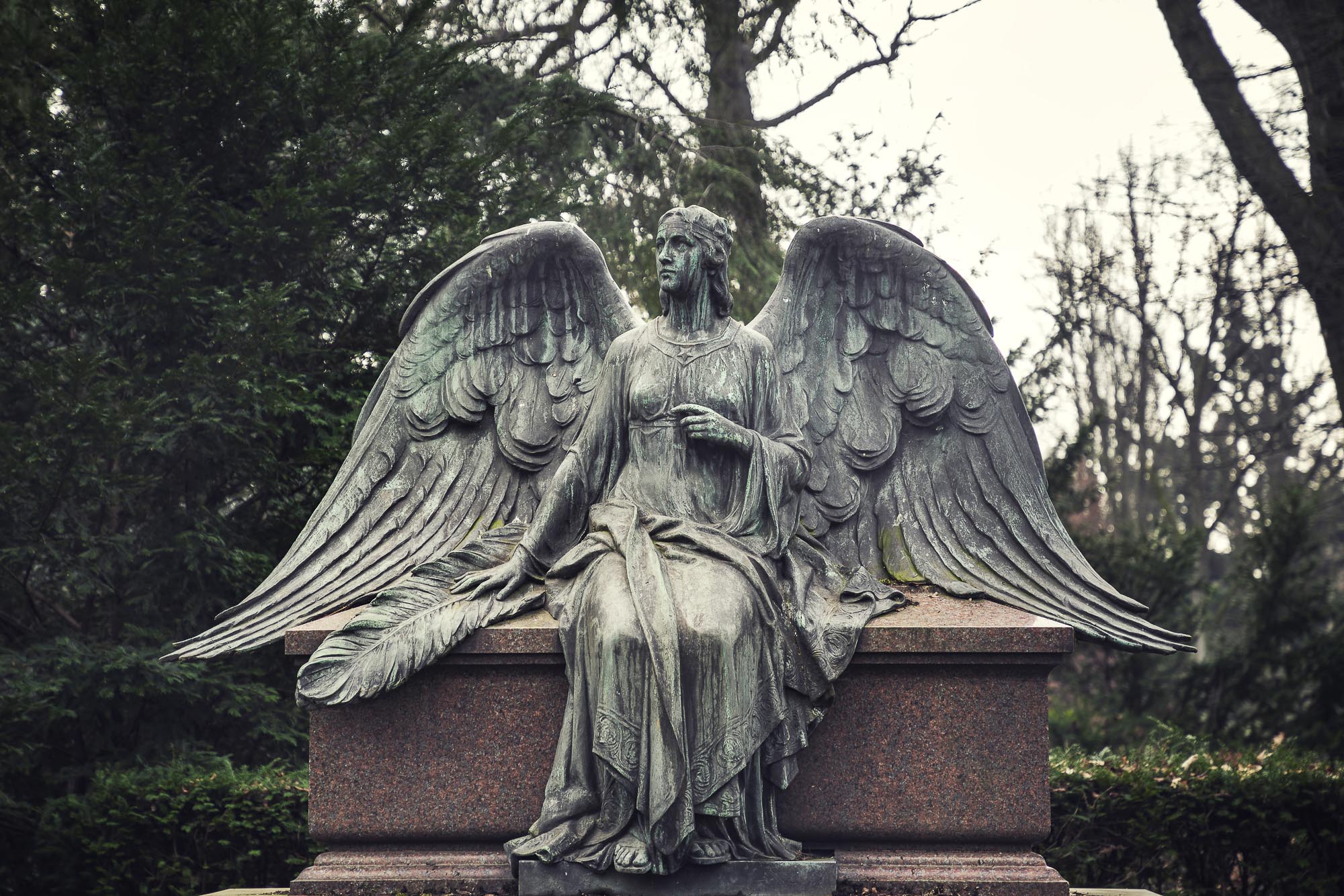
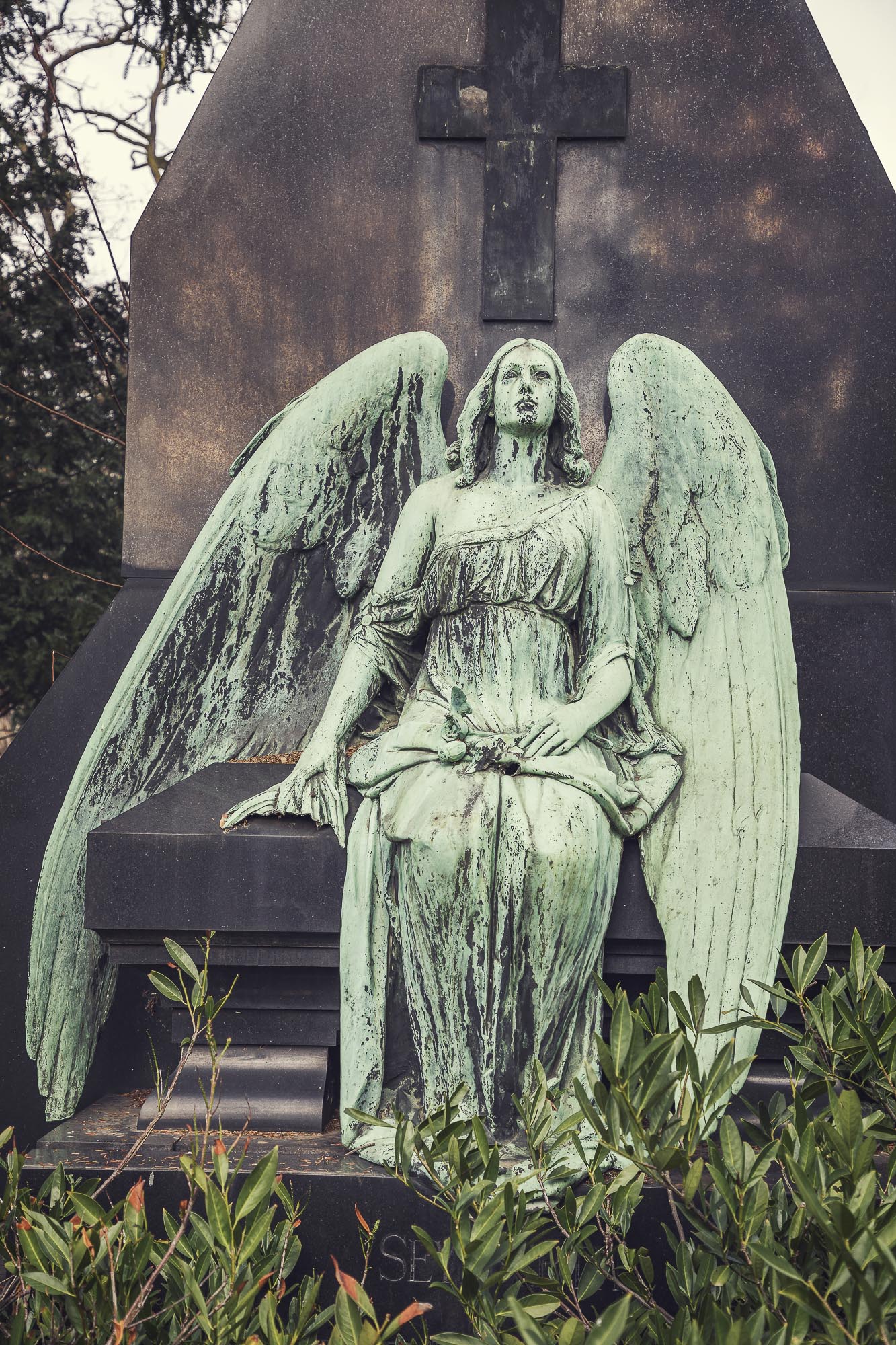
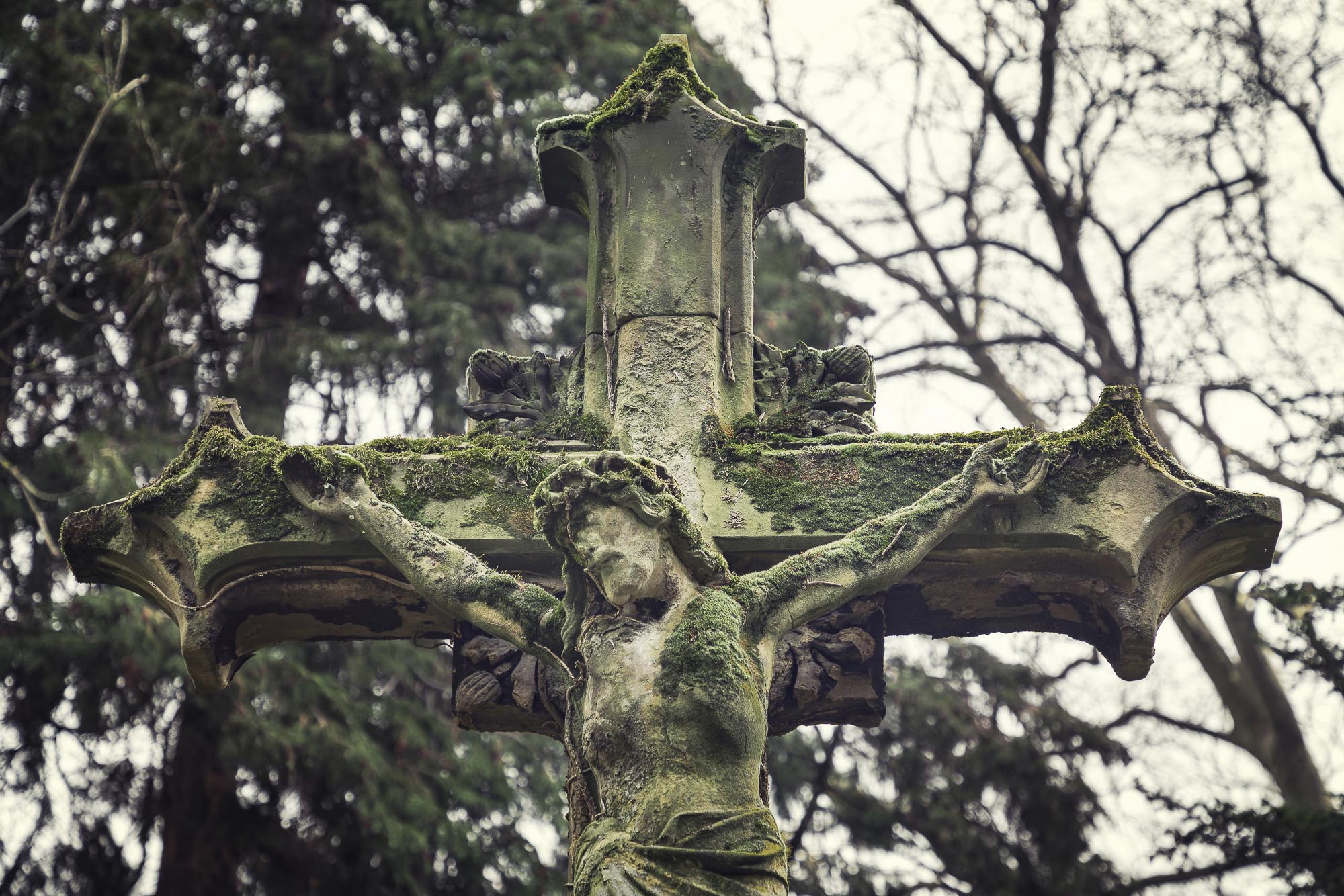
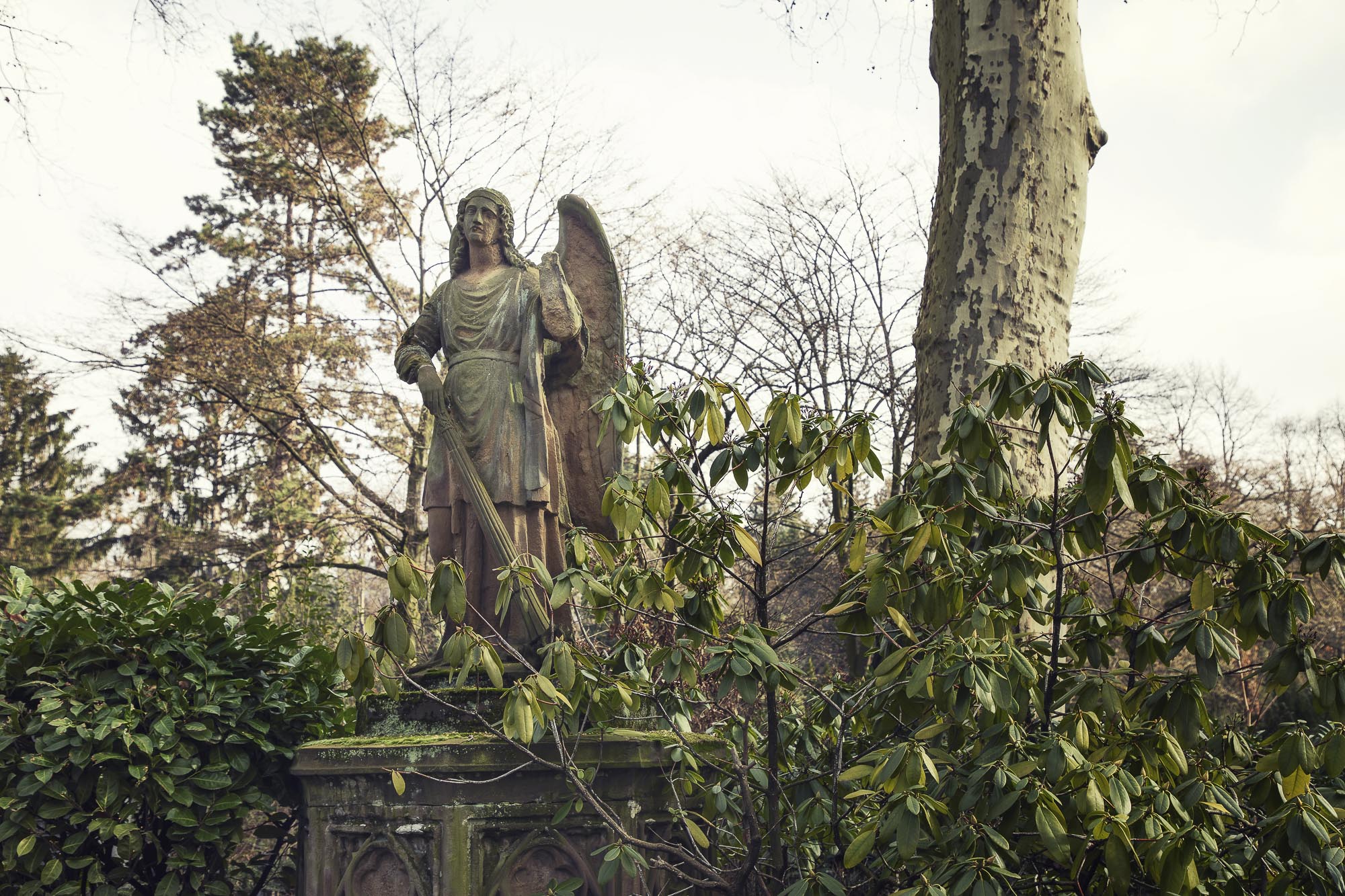
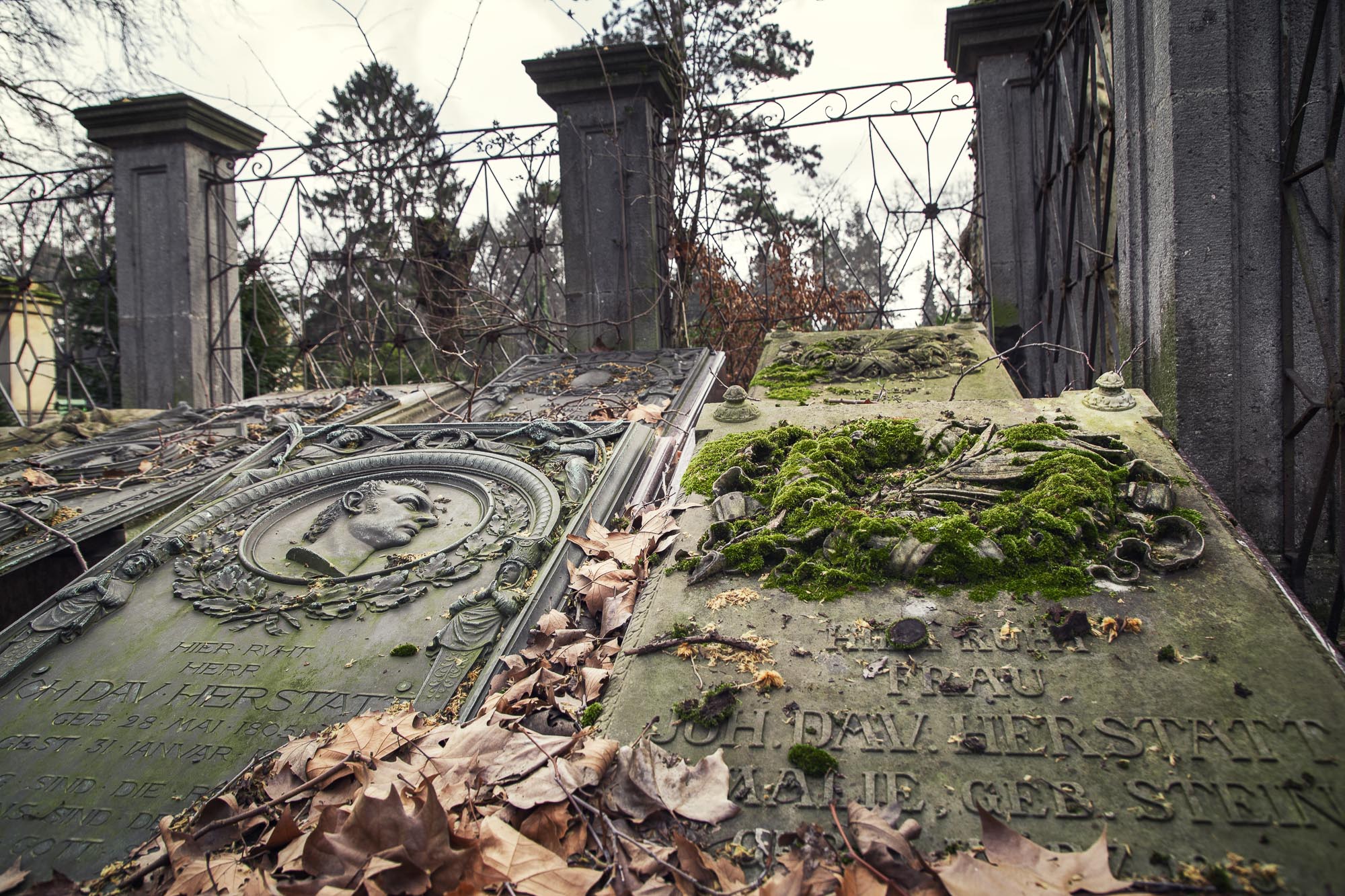
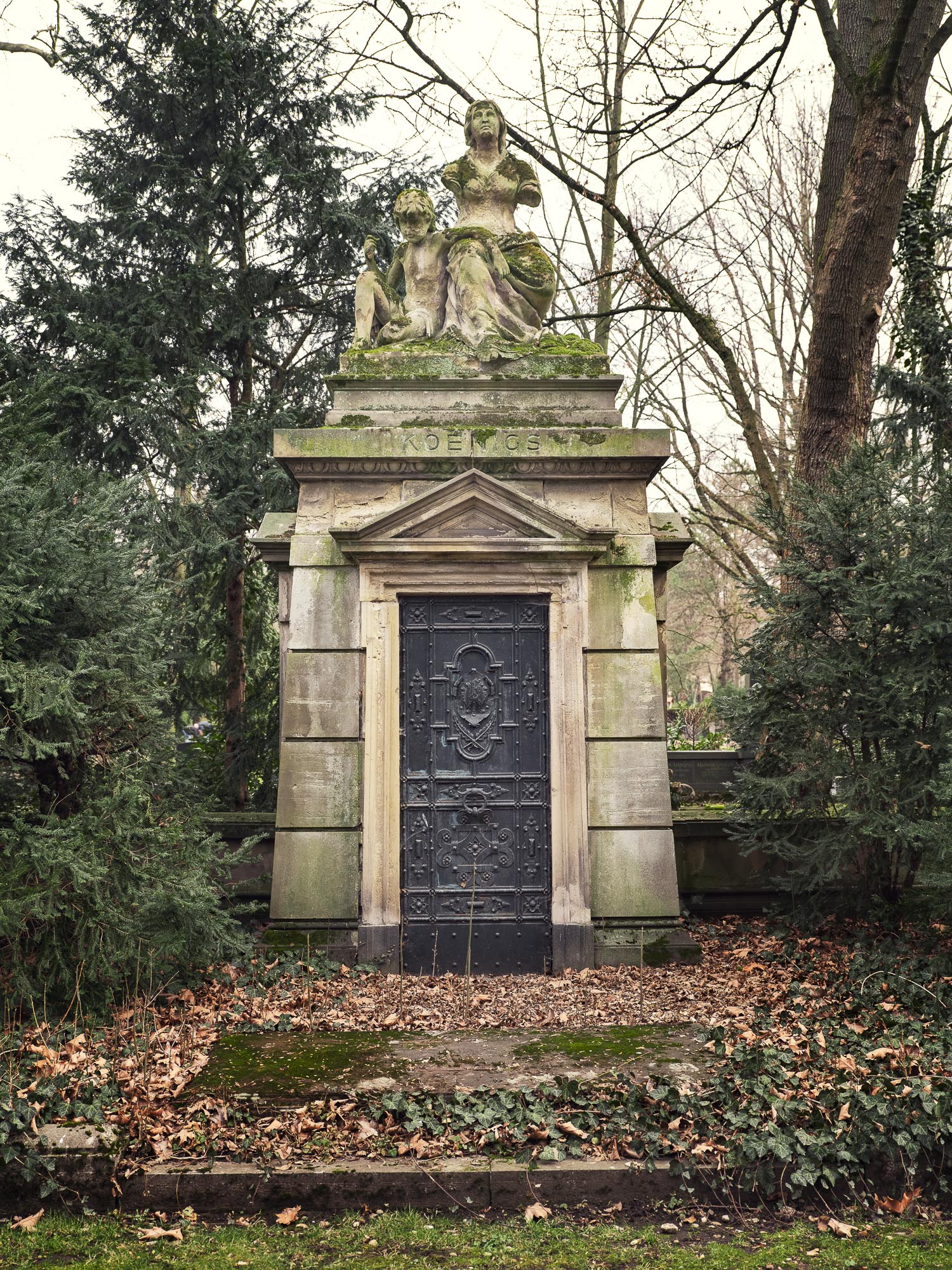
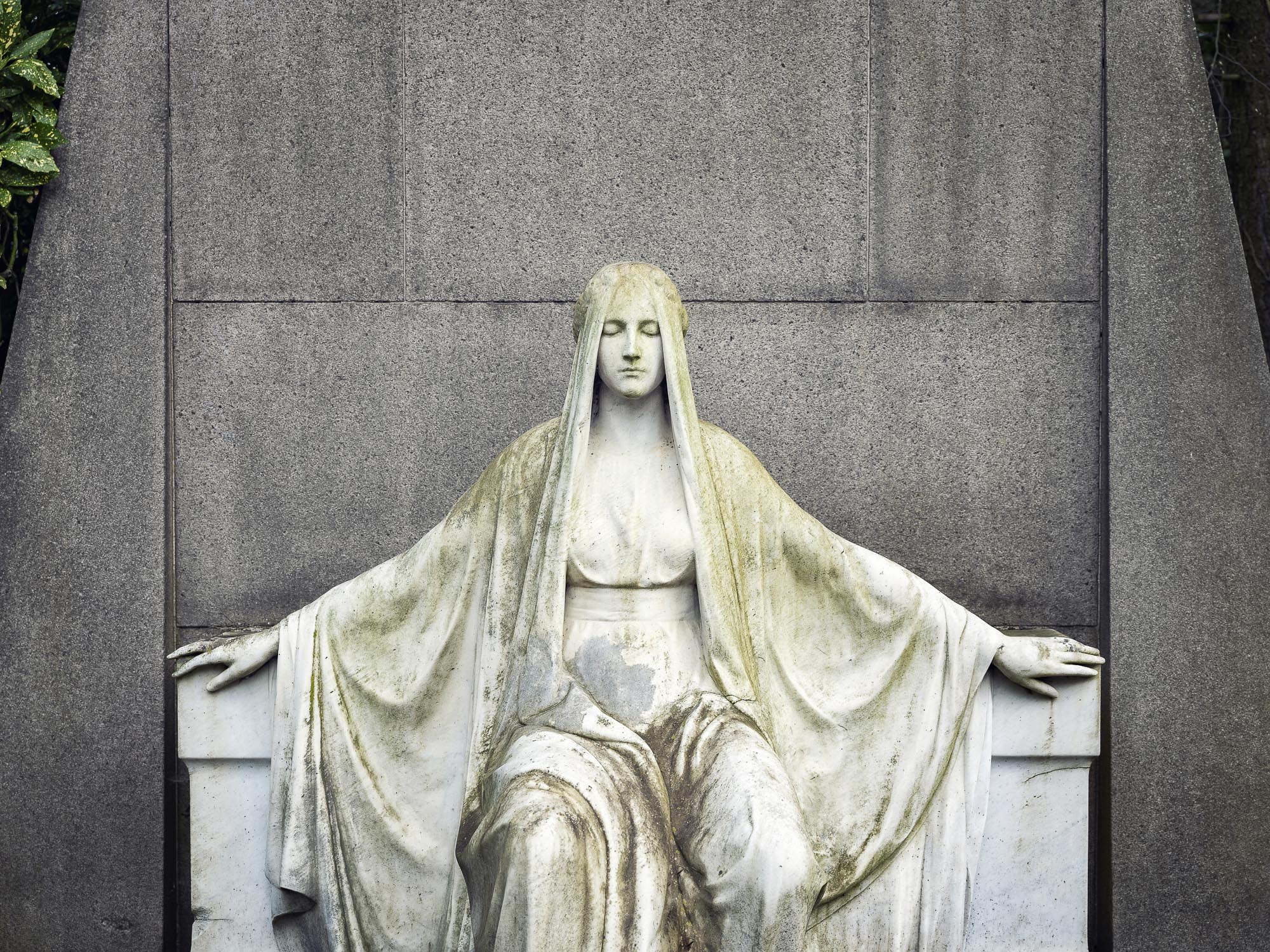
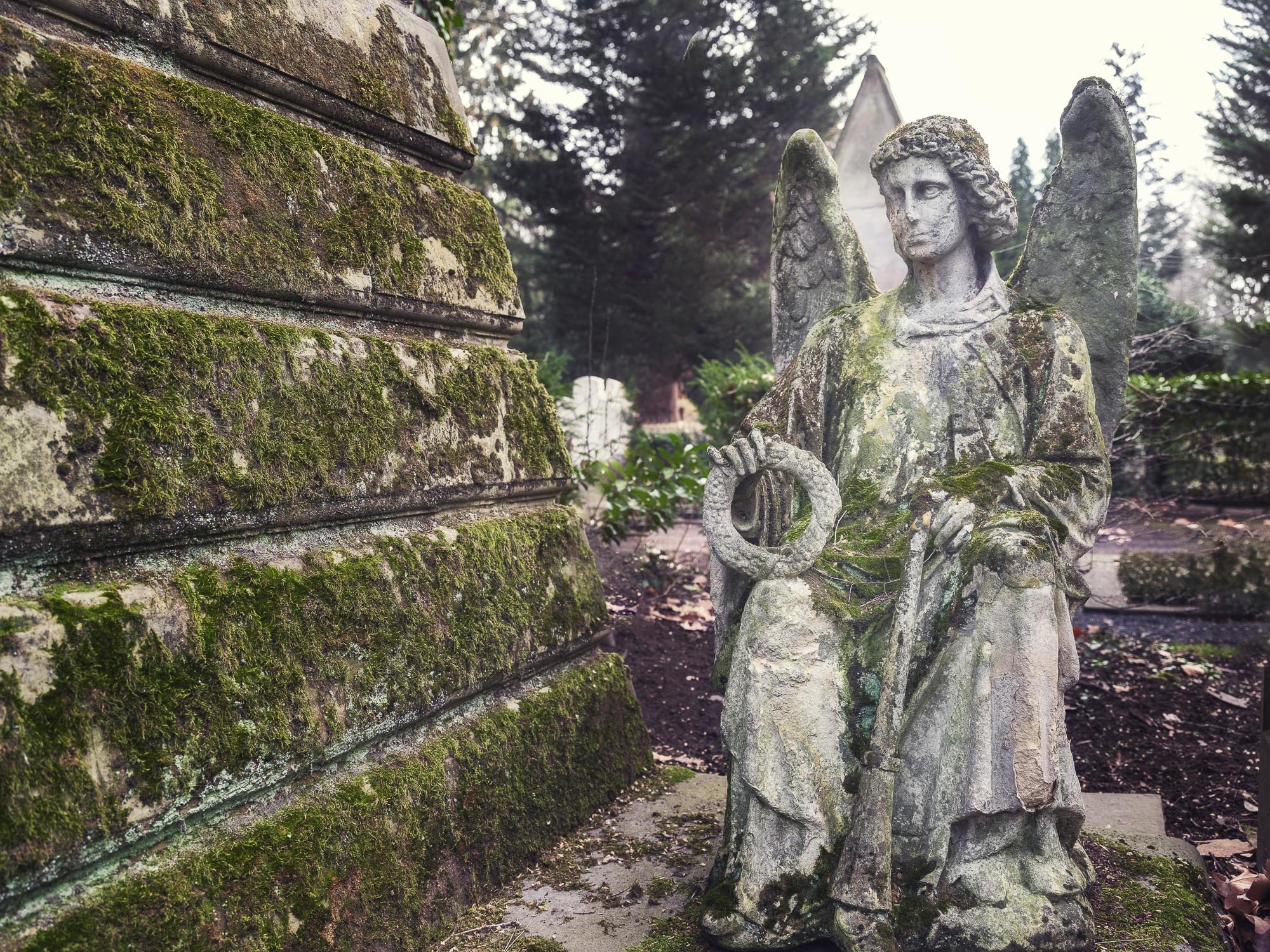
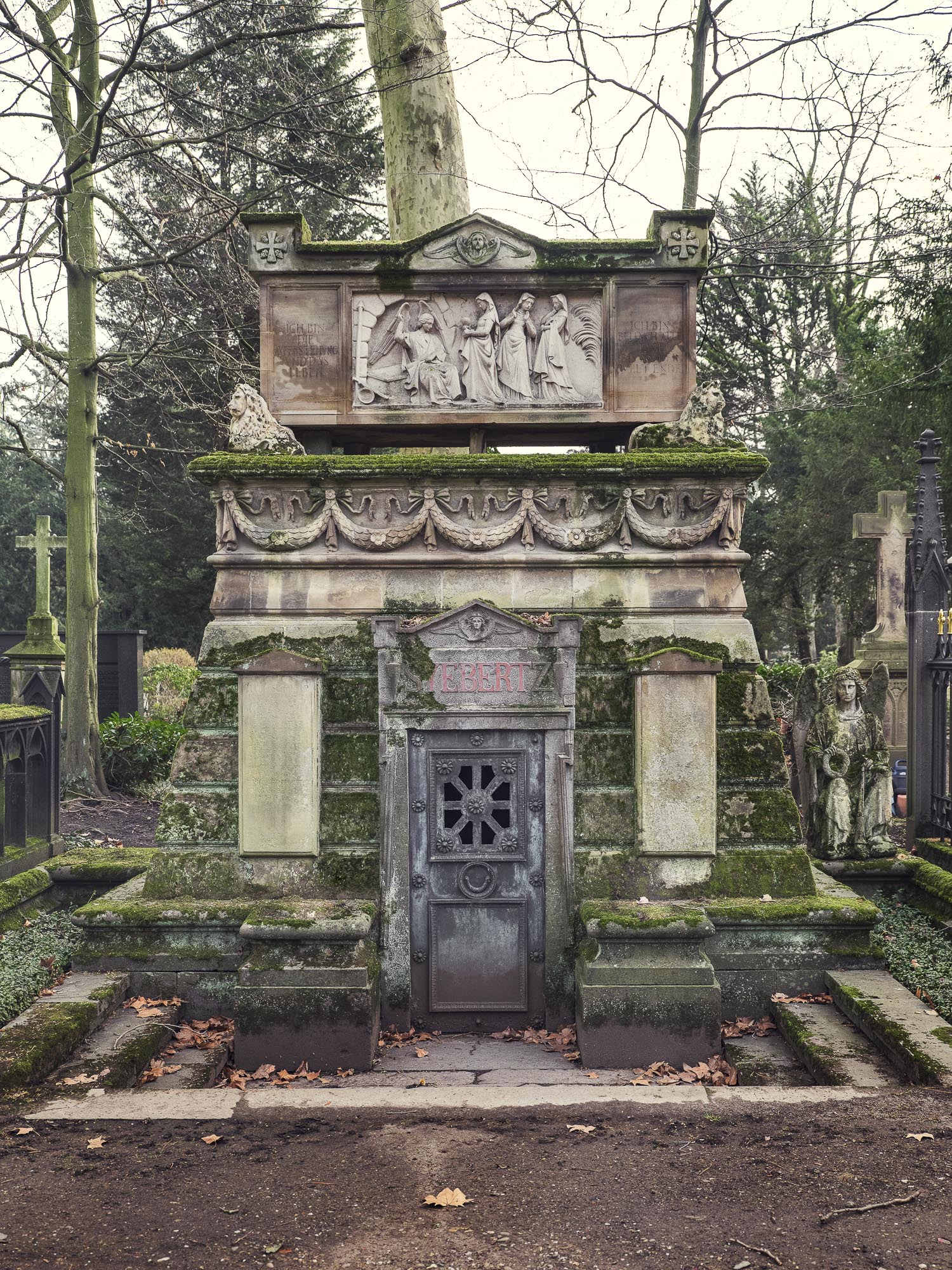
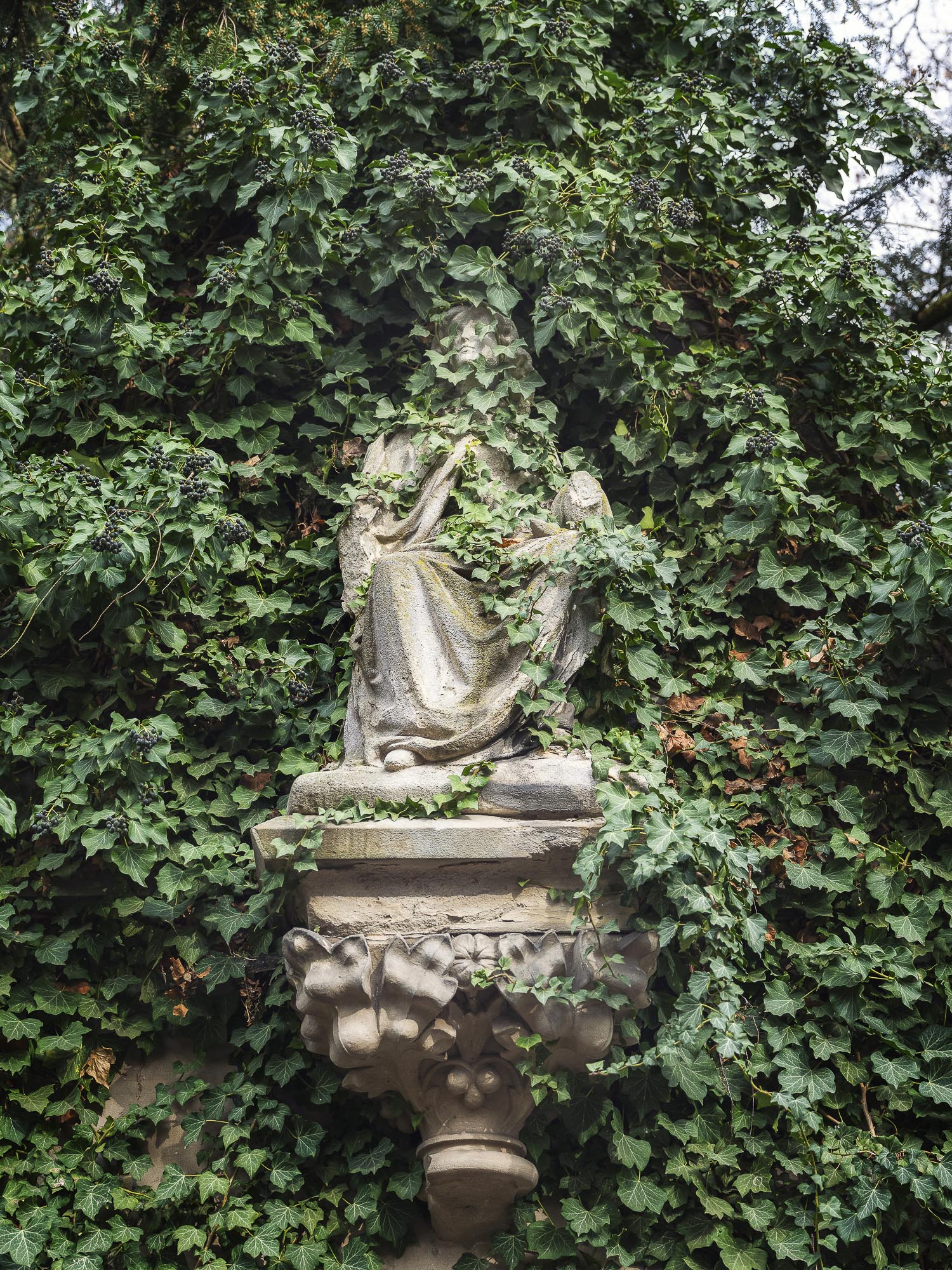
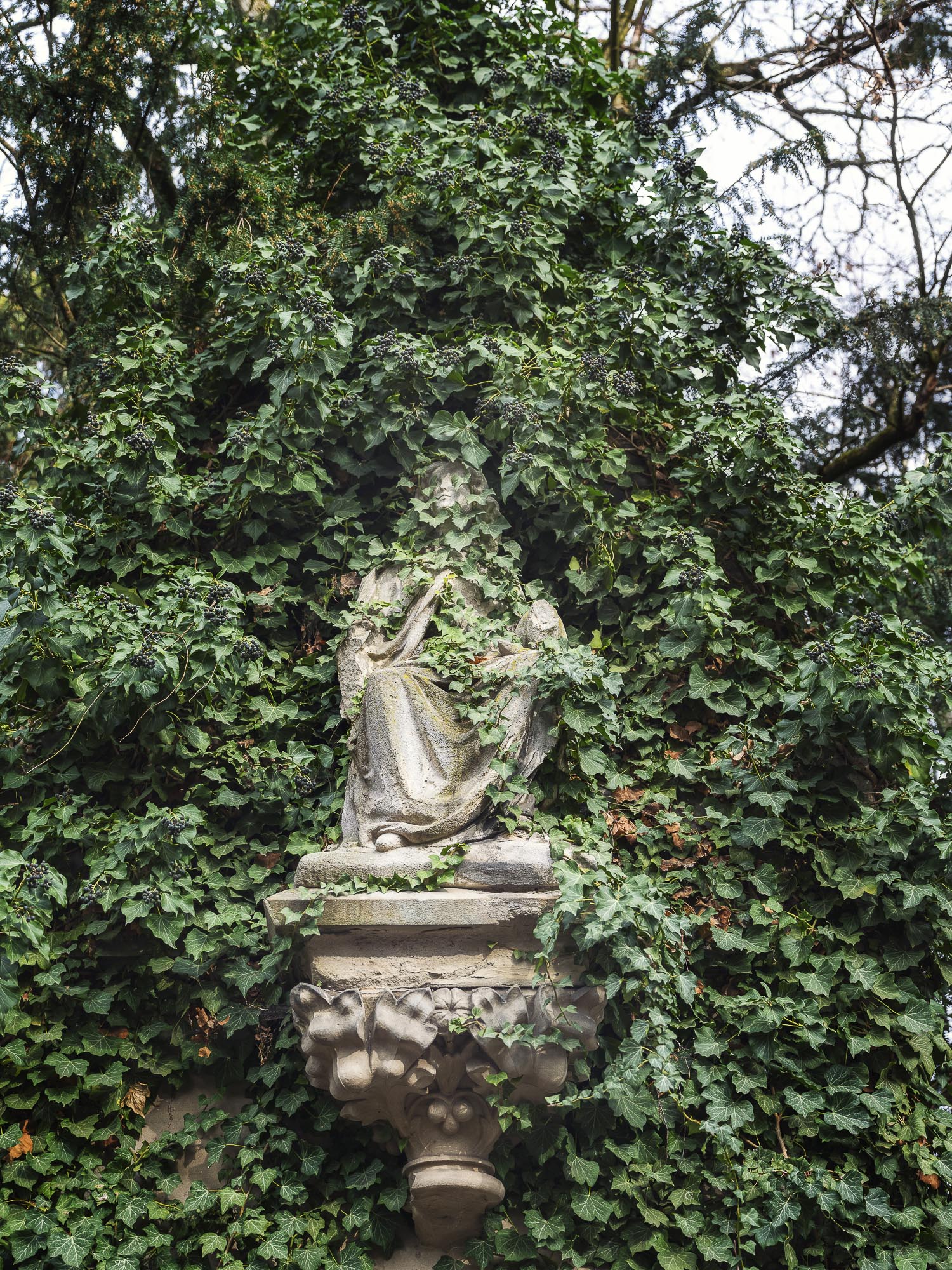
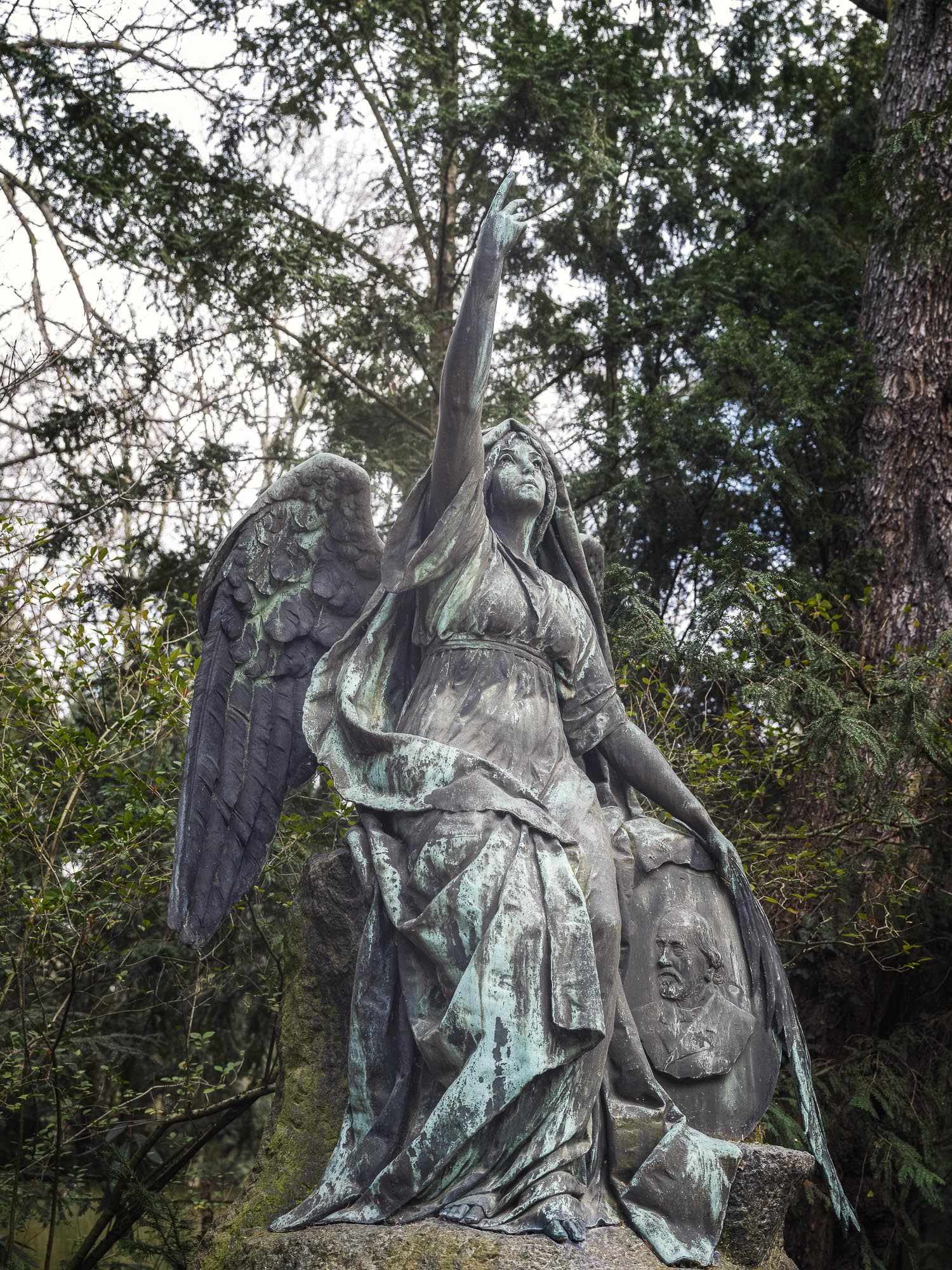
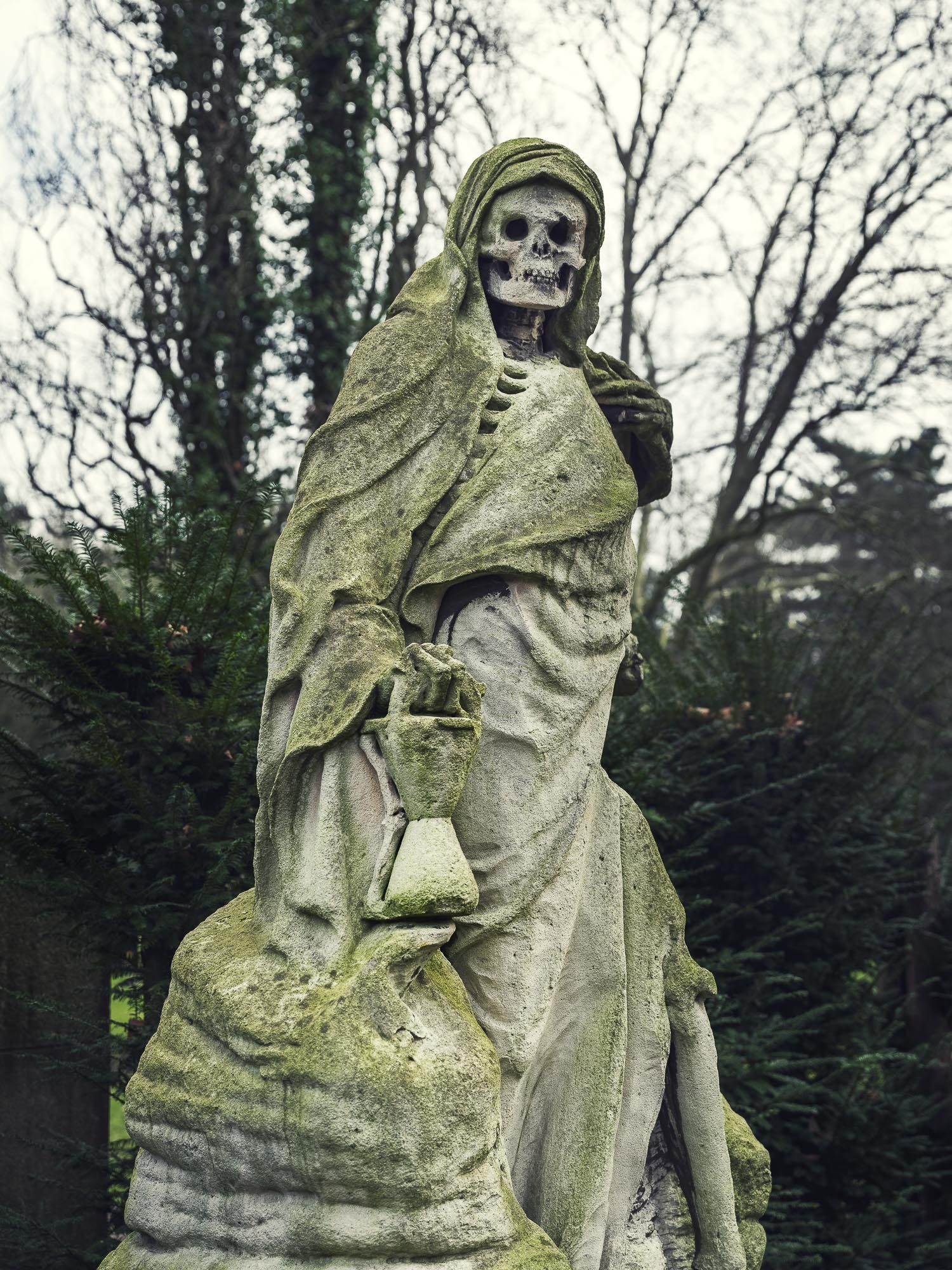
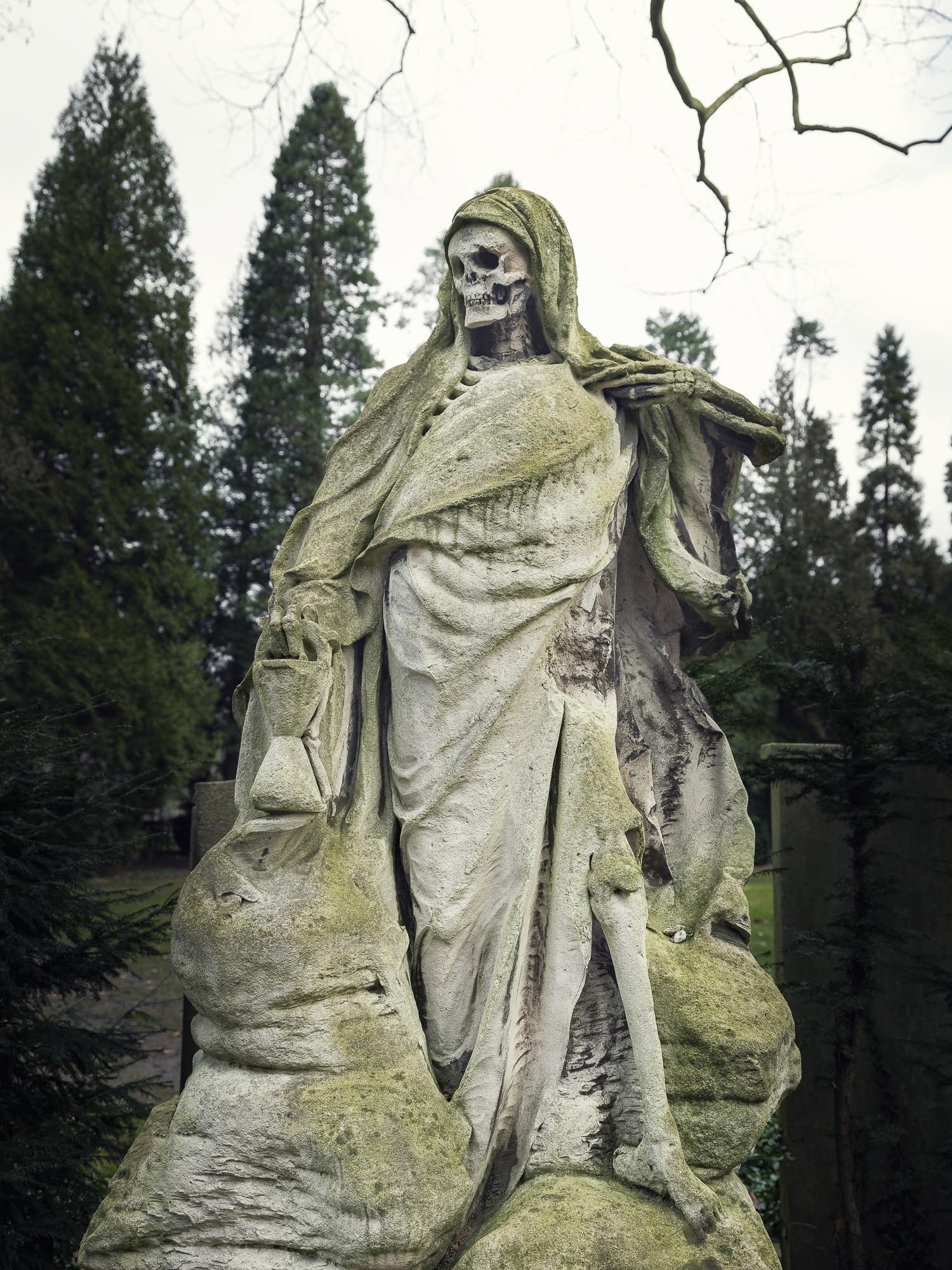
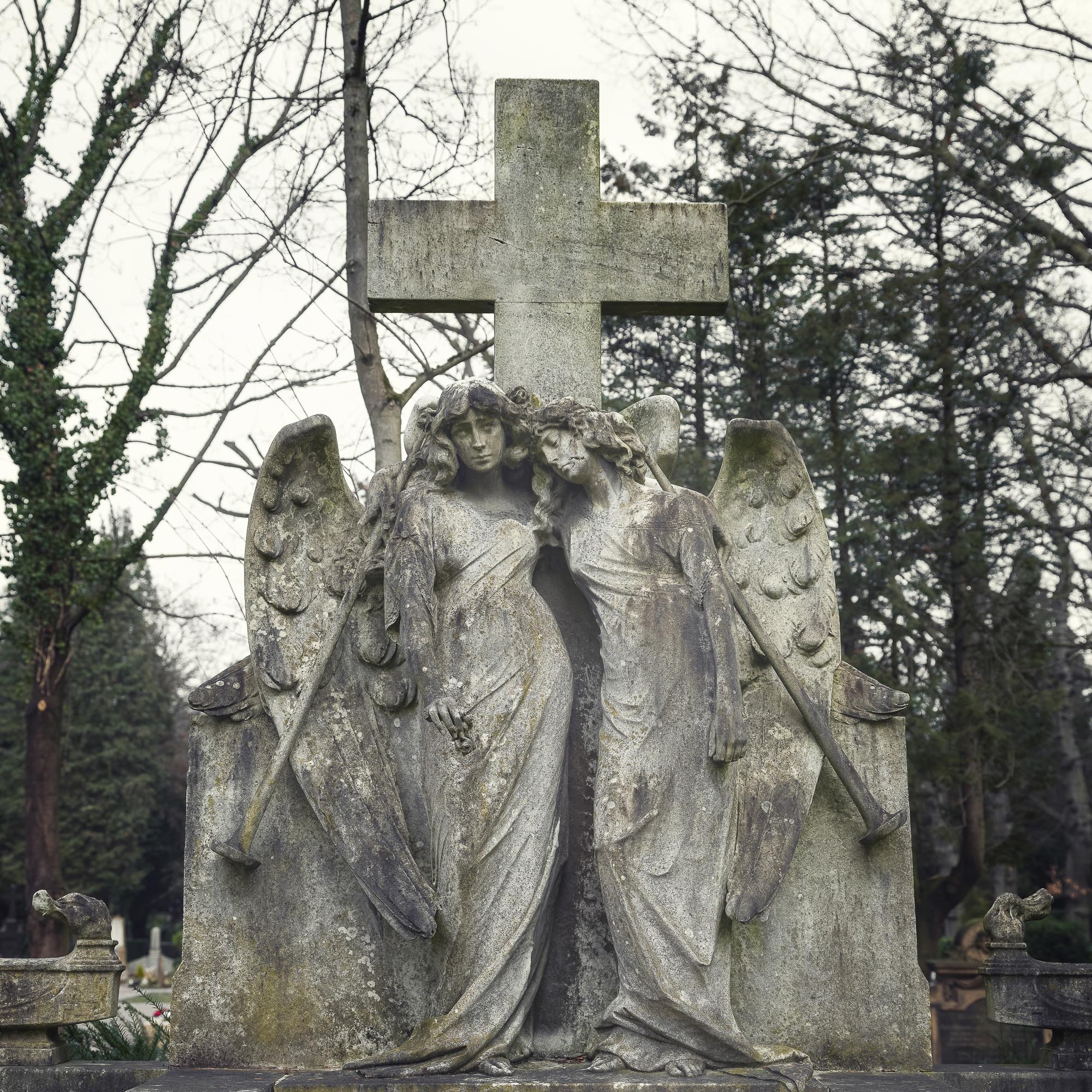
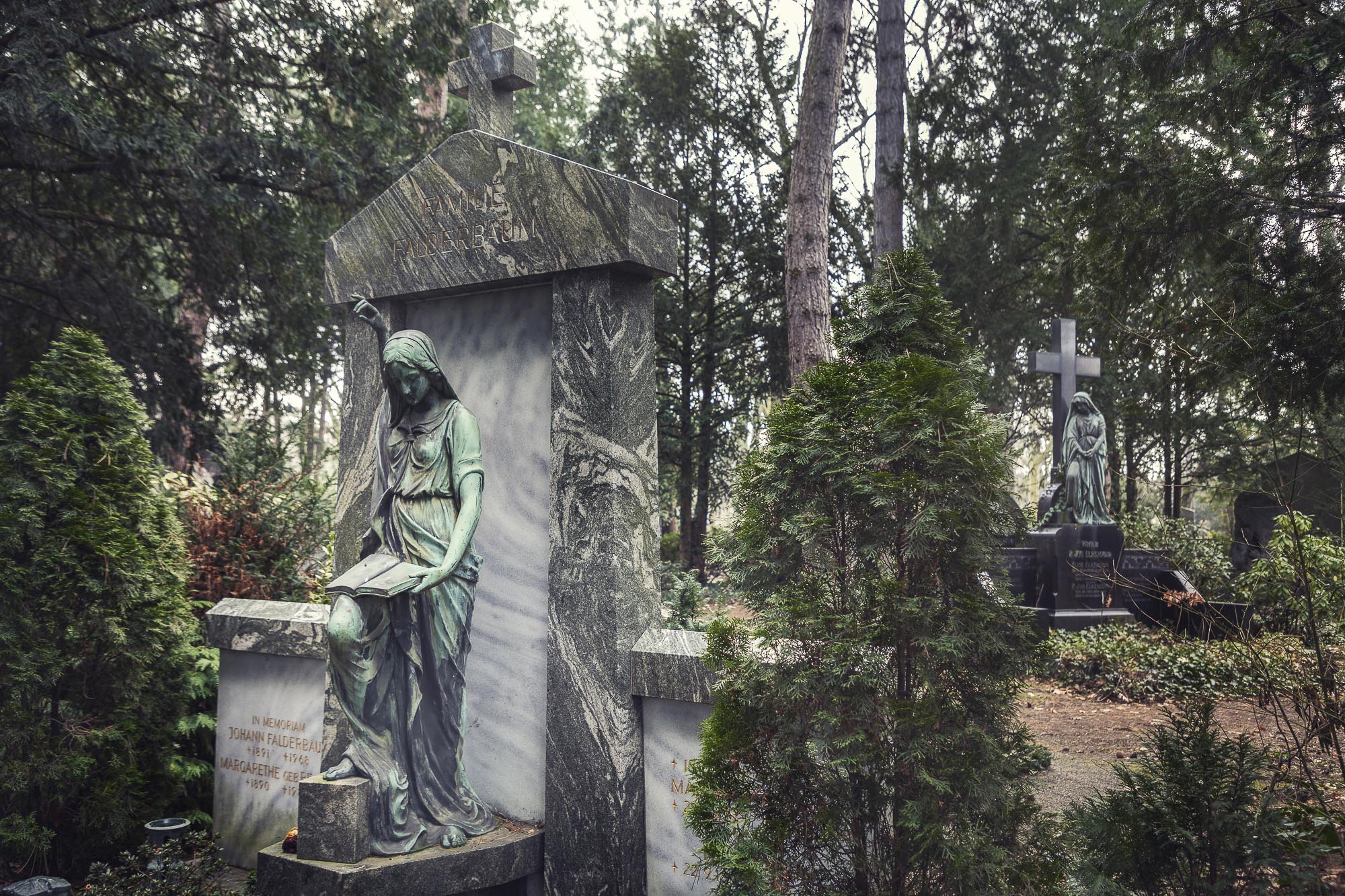
Around 55,000 graves now belong to the cemetery. The main east-west axis is known as the Millionenallee, and along it and its side paths stand elaborate tombs of the nineteenth and twentieth centuries, among them August Schmiemann's figure of Death with his scythe. The city arranges sponsorships for listed graves.
The actor Willy Millowitsch, the writer Irmgard Keun, the photographer August Sander and the engine pioneer Nicolaus August Otto are buried here. A visit rewards you with city history, sculpture and mature trees in one place, and the City of Cologne describes a suggested walk on its cemetery page.
Frequently asked questions
Where is Melaten Cemetery?
Melaten Cemetery lies in the Lindenthal district of Cologne on Aachener Straße (Aachener Straße 204, 50931 Köln). It has several public entrances.
Who is buried at Melaten Cemetery?
Burials include the actor Willy Millowitsch, the writer Irmgard Keun, the photographer August Sander and the inventor Nicolaus August Otto.
Where does the name Melaten come from?
The name derives from Hof Melaten, a medieval care home for people with leprosy. The old word "Maladen" referred to the sick.