Czechia · Prague · 45 pictures
Olšany Cemeteries
Olšanské hřbitovy
-
-

-
-
-
-
-
-
-
-
-
-
-
-
-
-
-
-
-
-
-
-
-
-
-
-
-
-
-
-
-
-
-
-
-
-
-
-
-
-
-
-

-
-
-
About this place
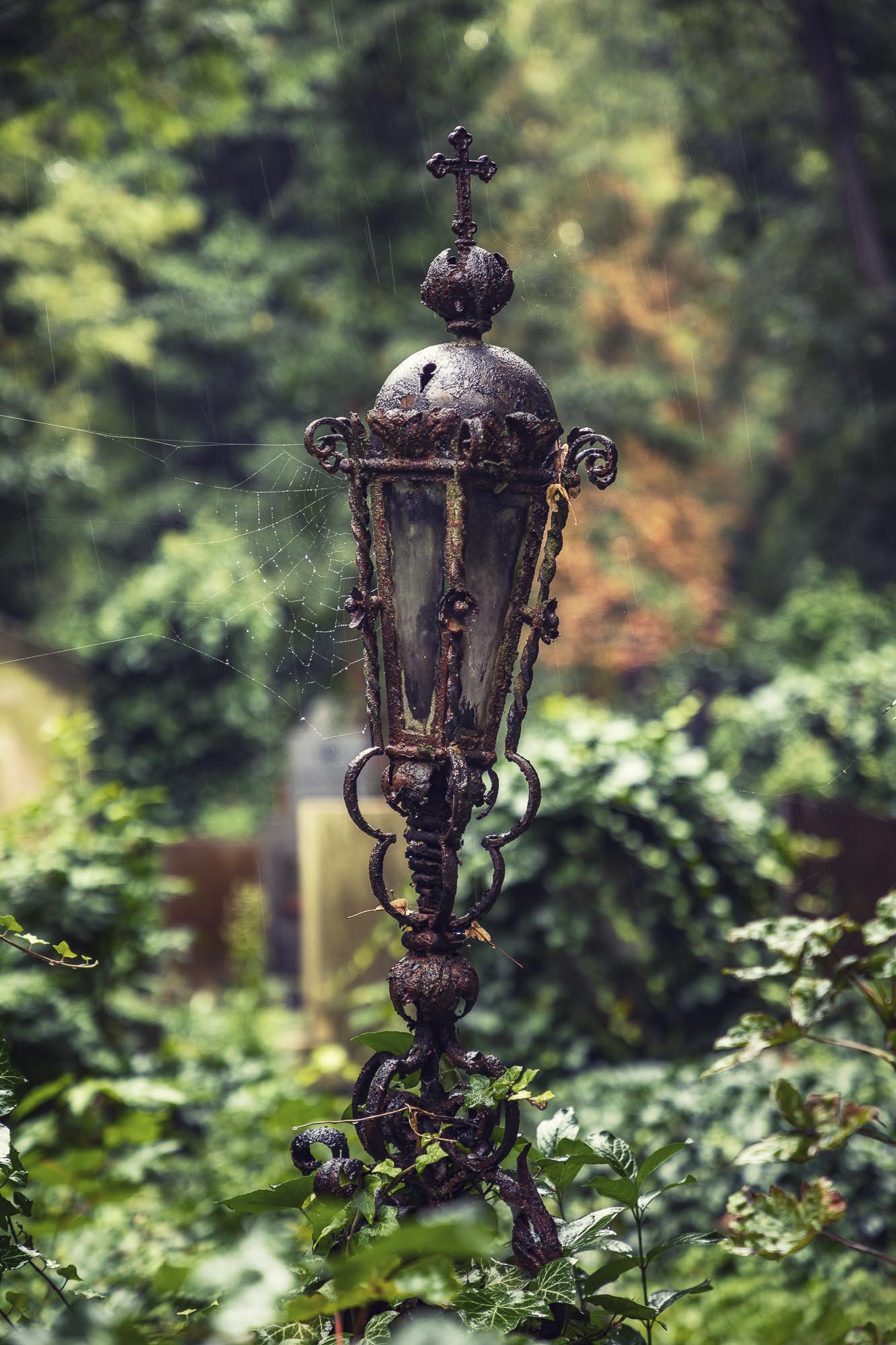
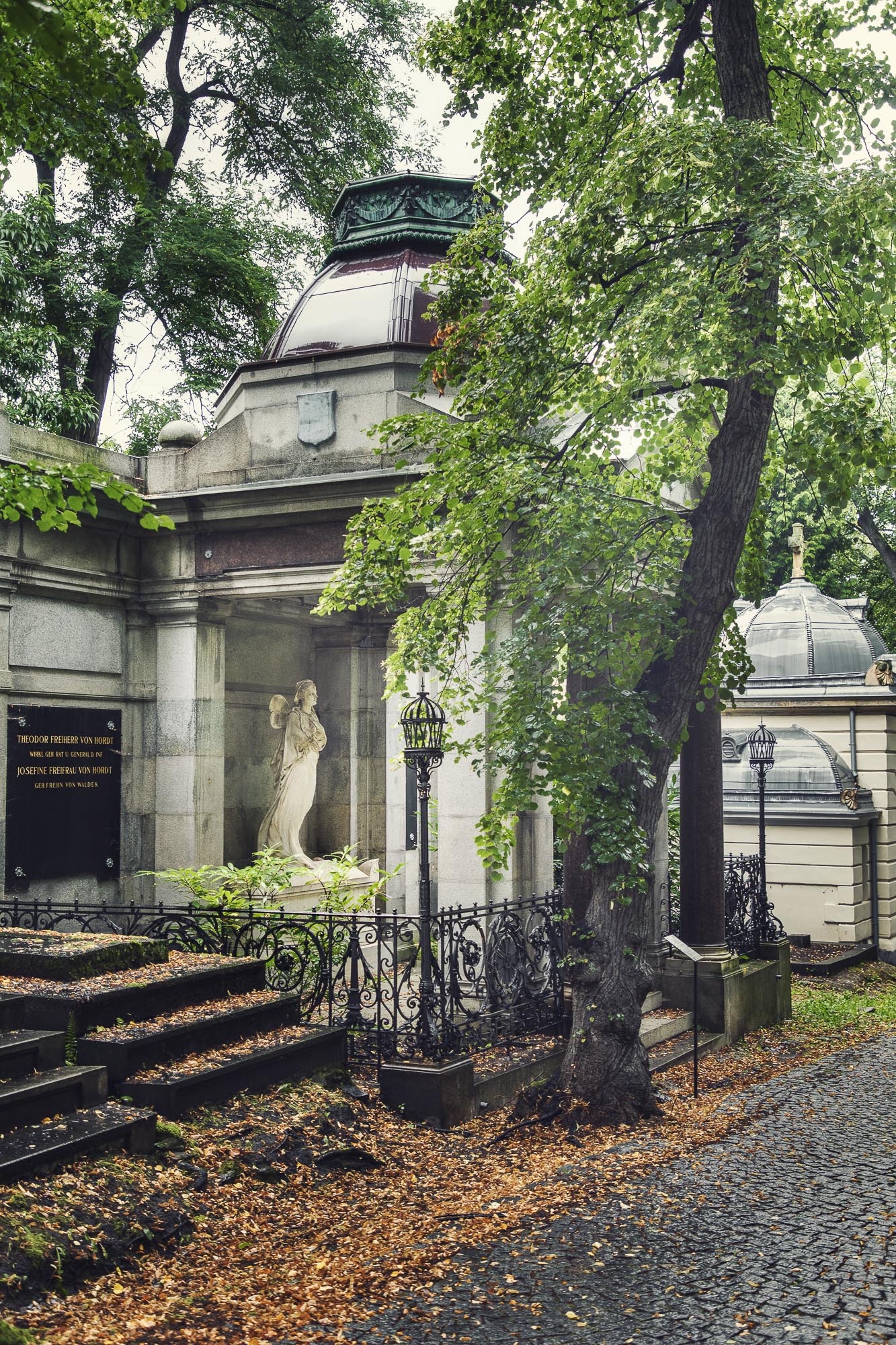
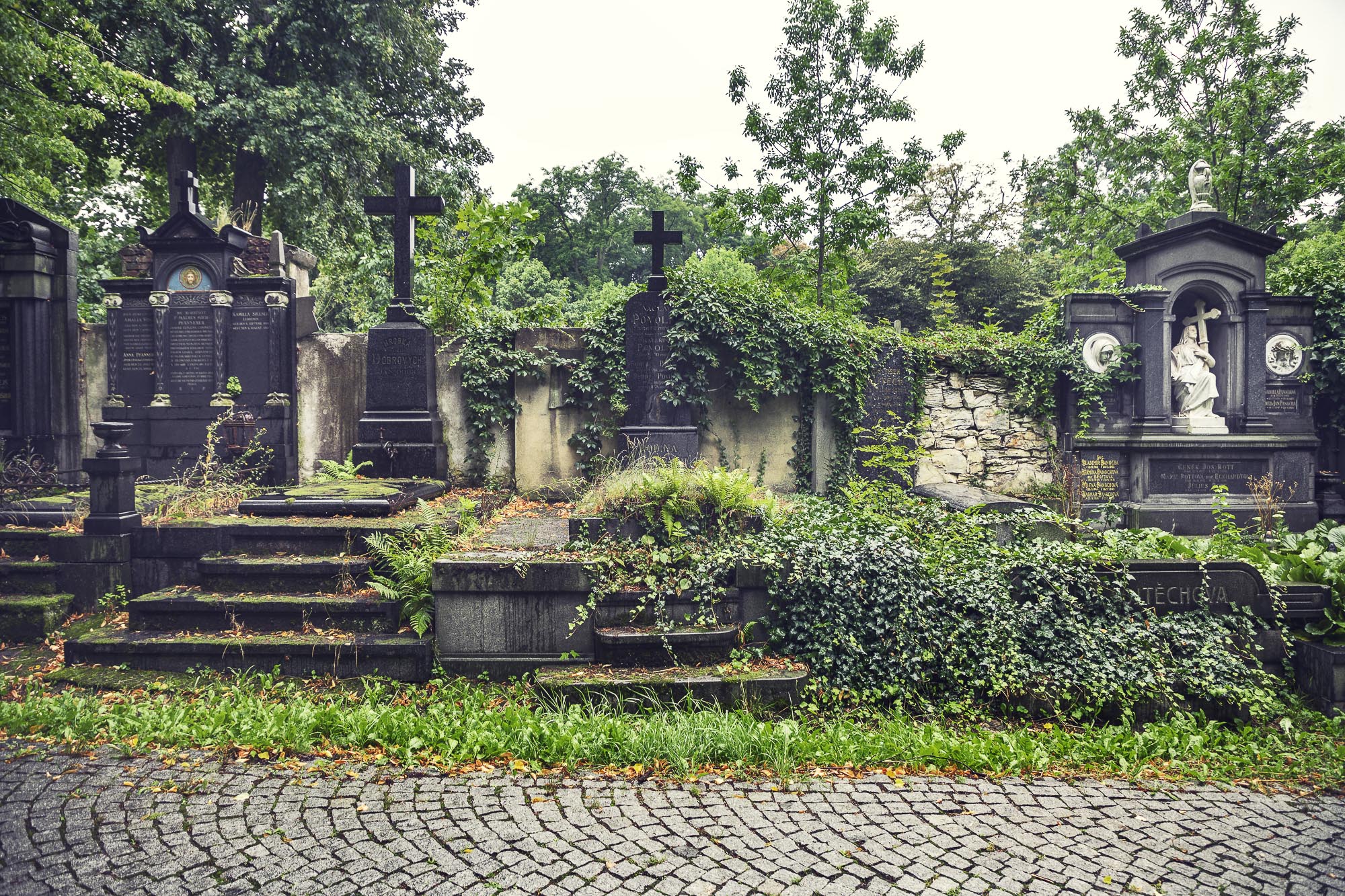
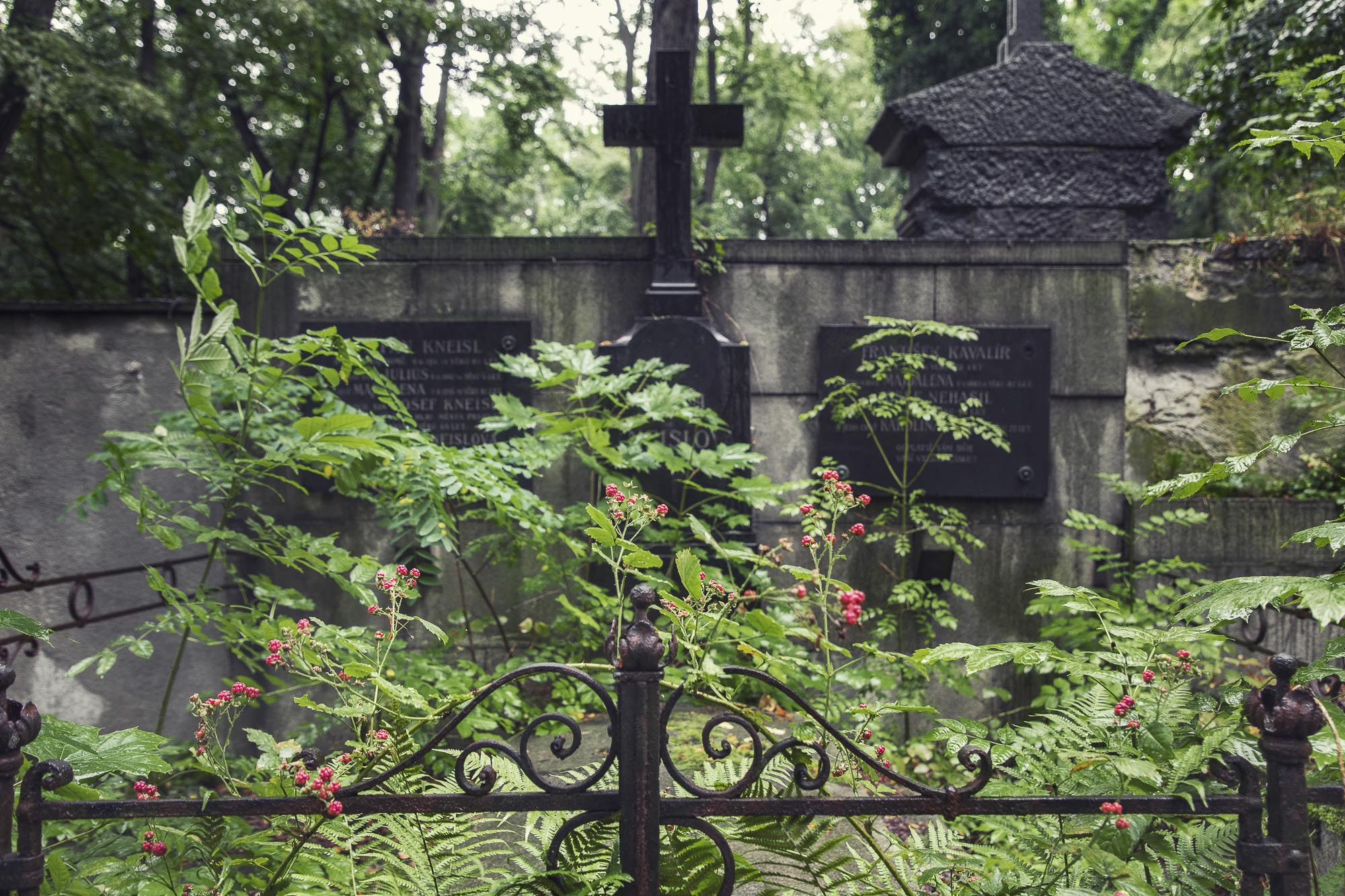
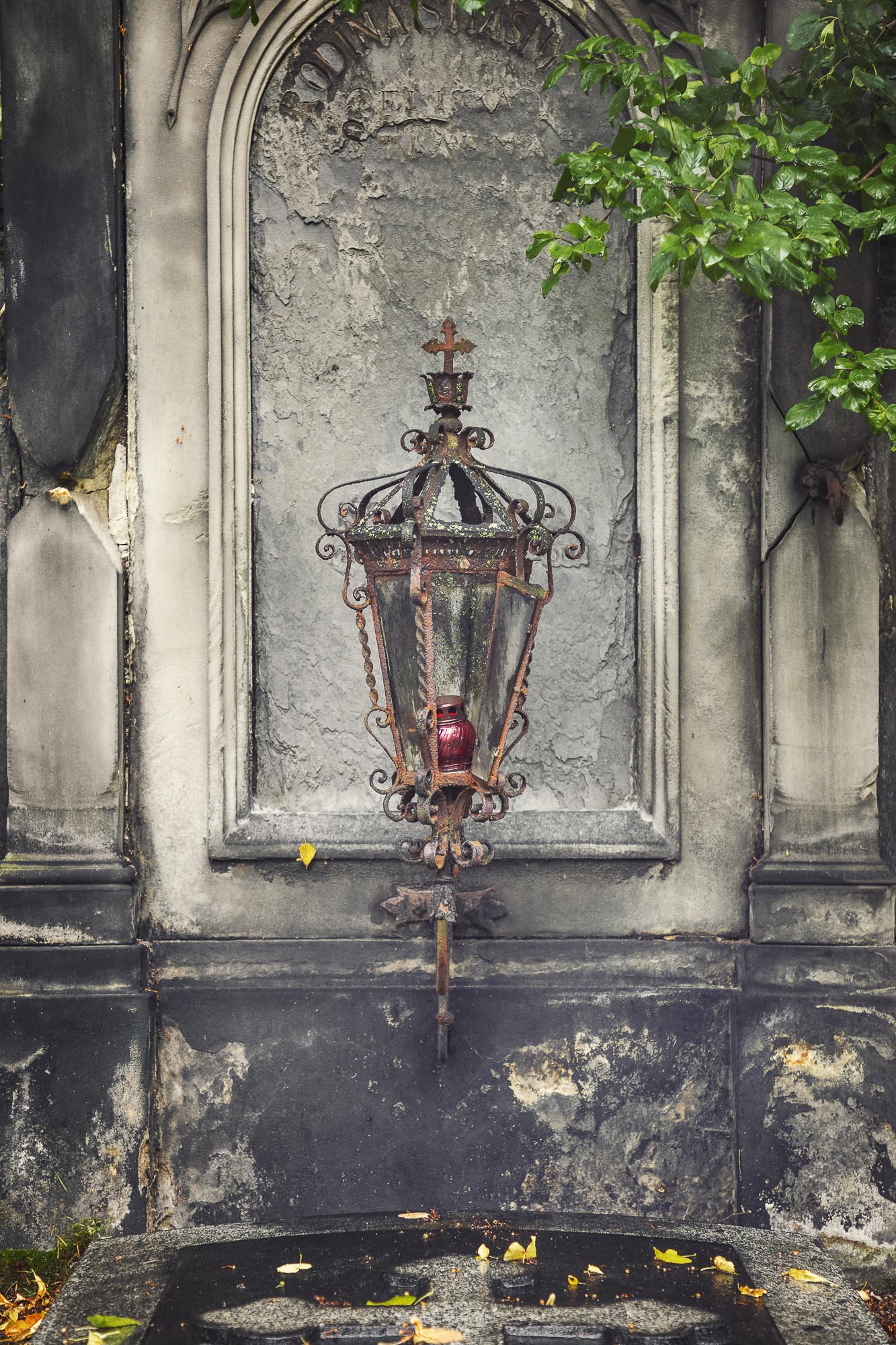
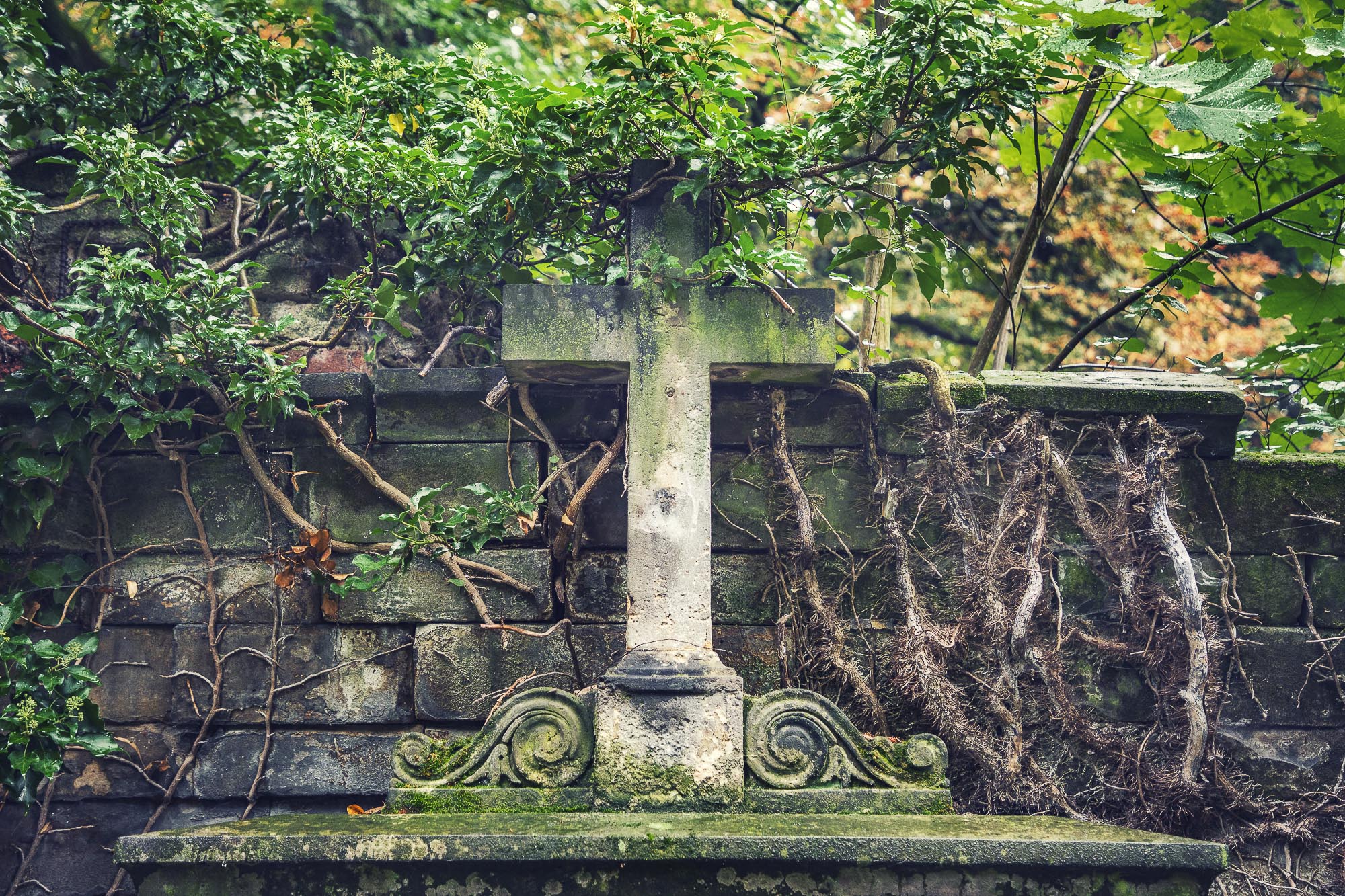
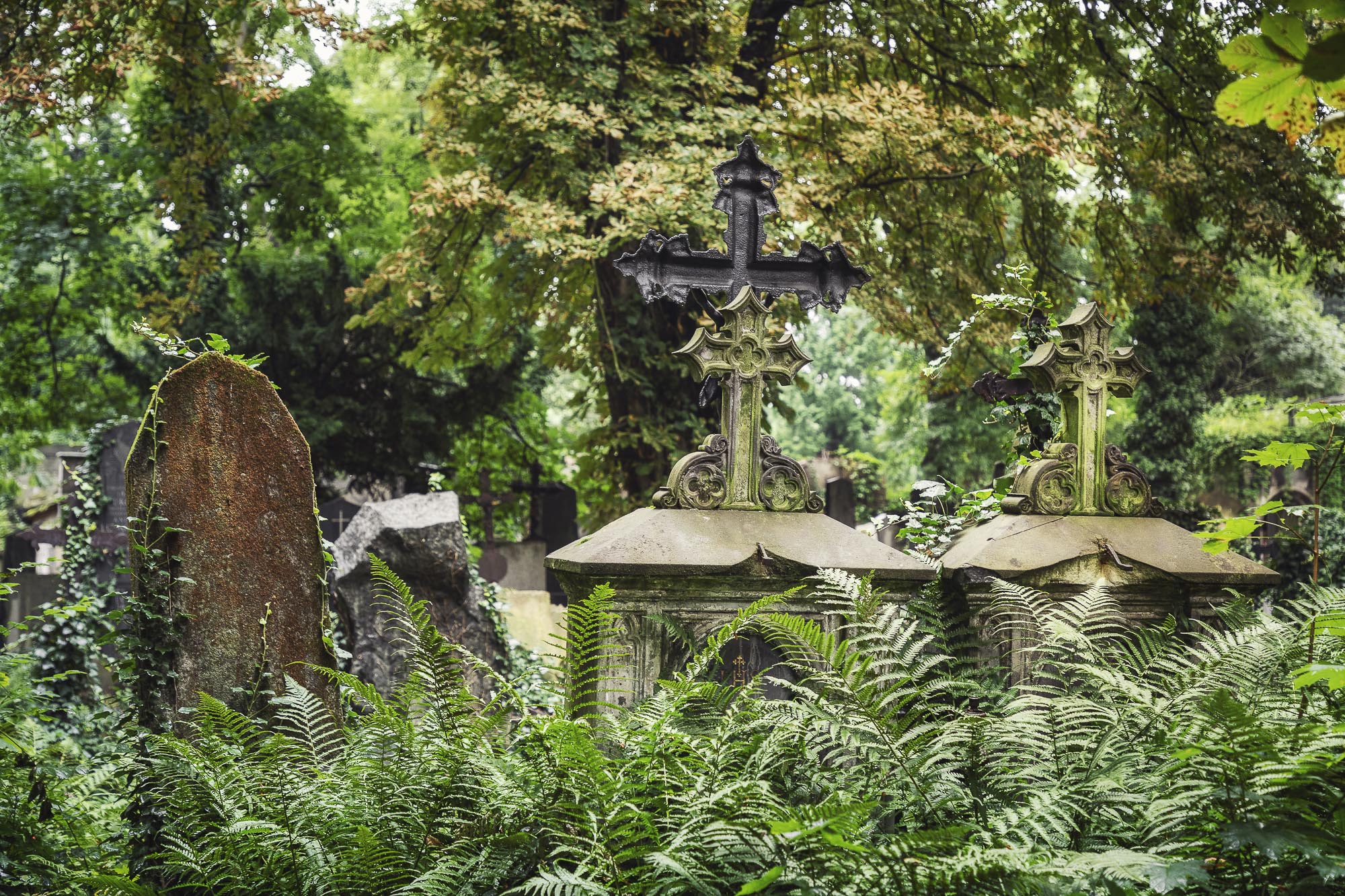
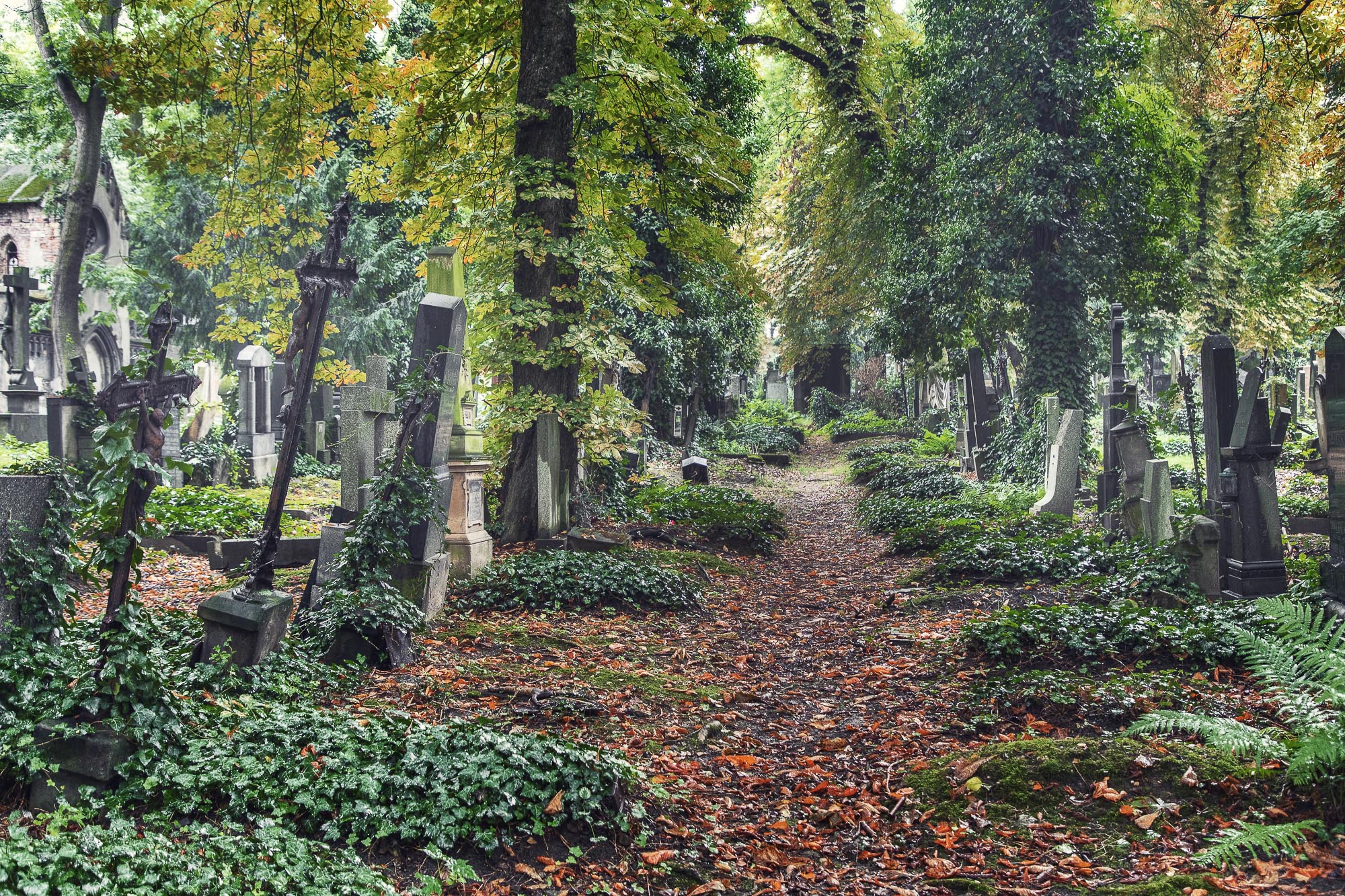
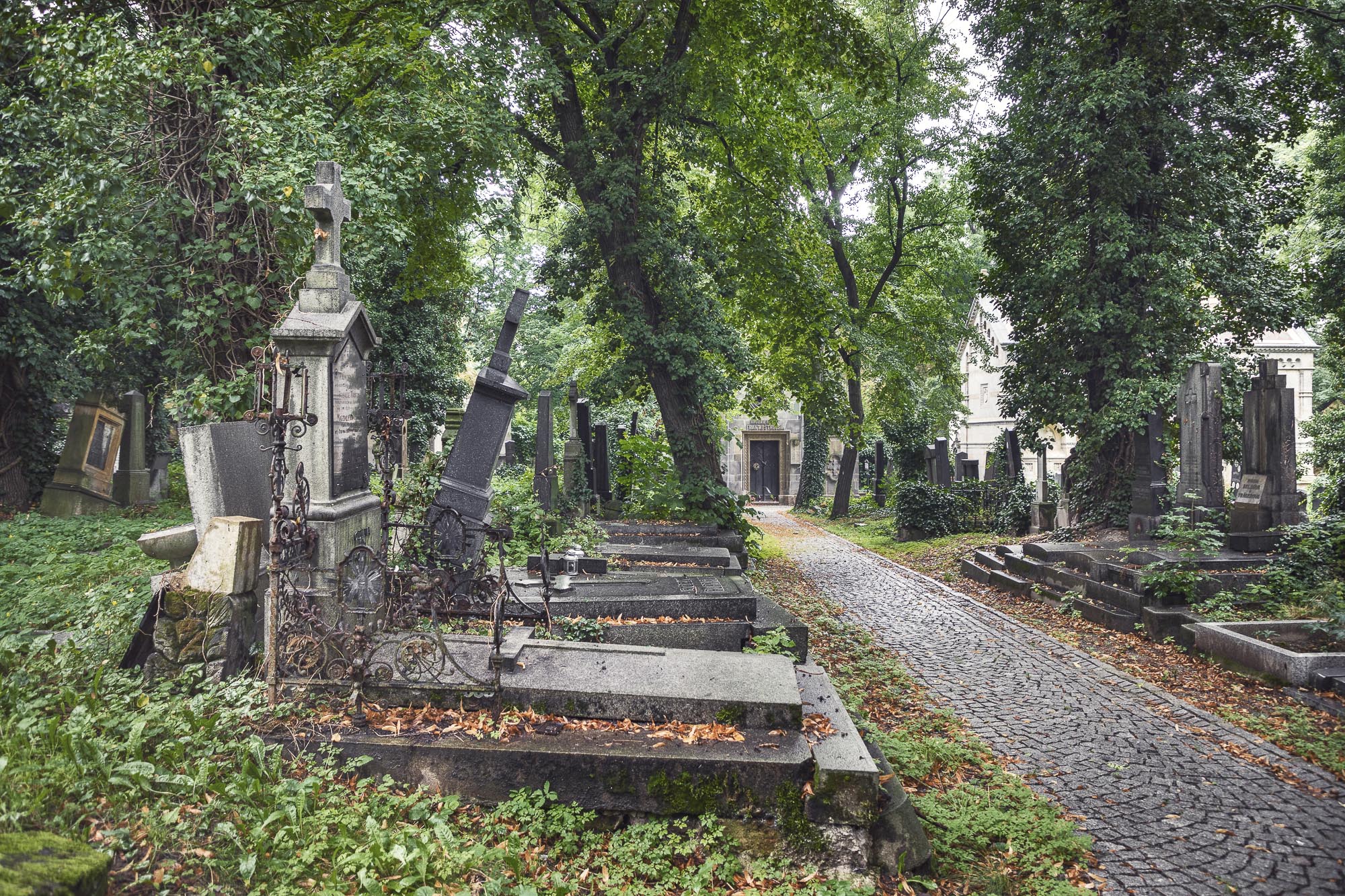
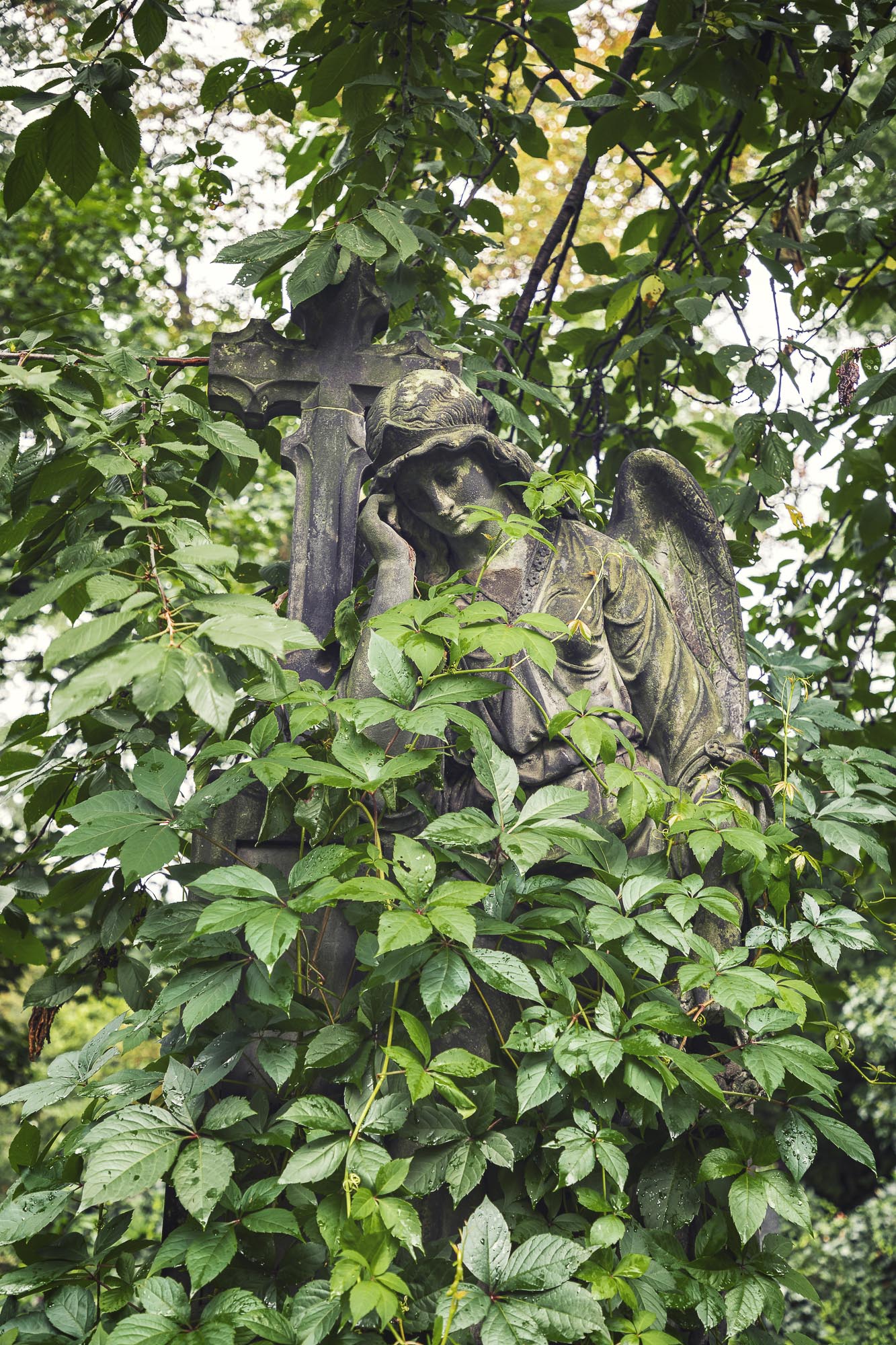
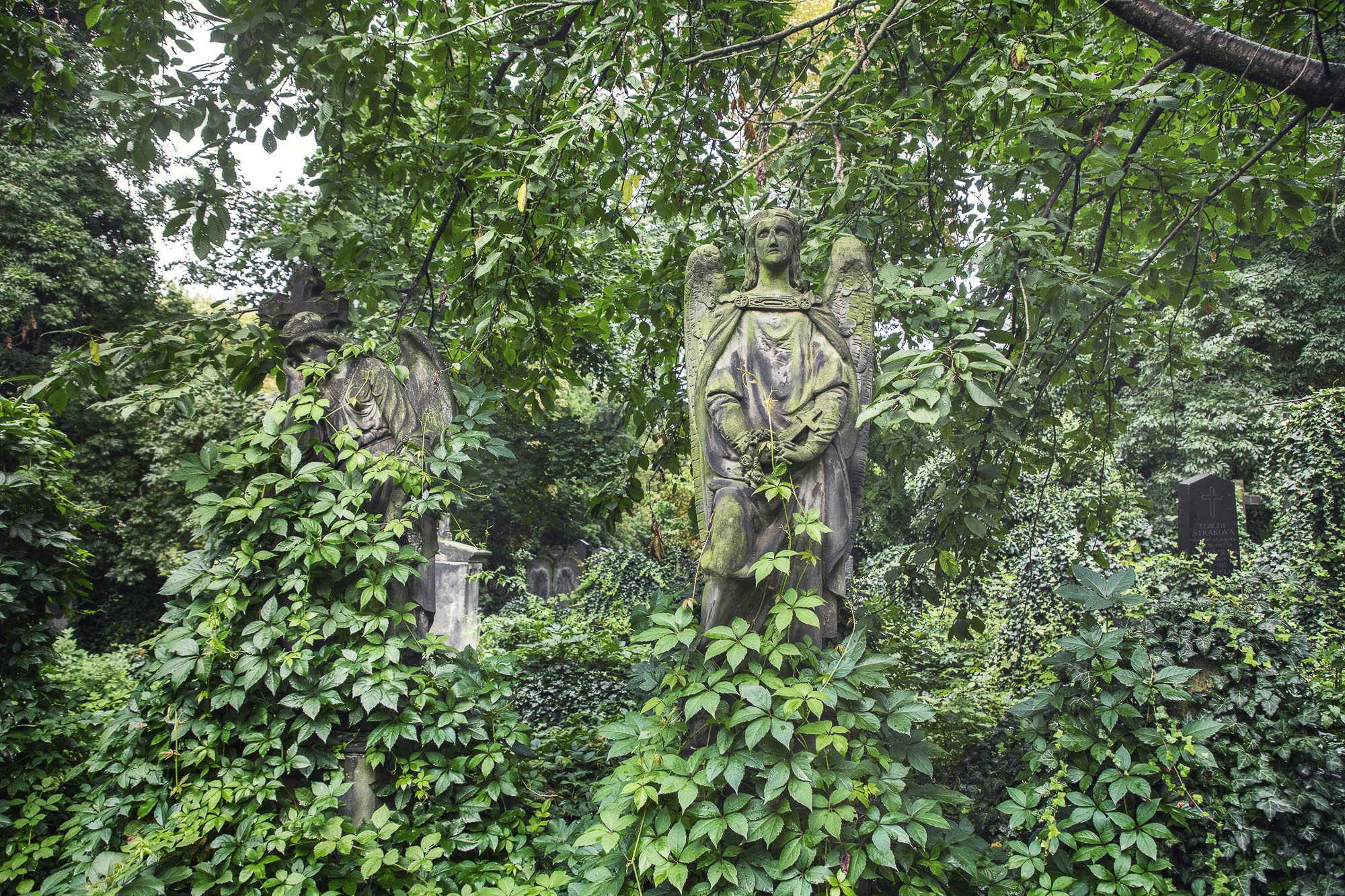
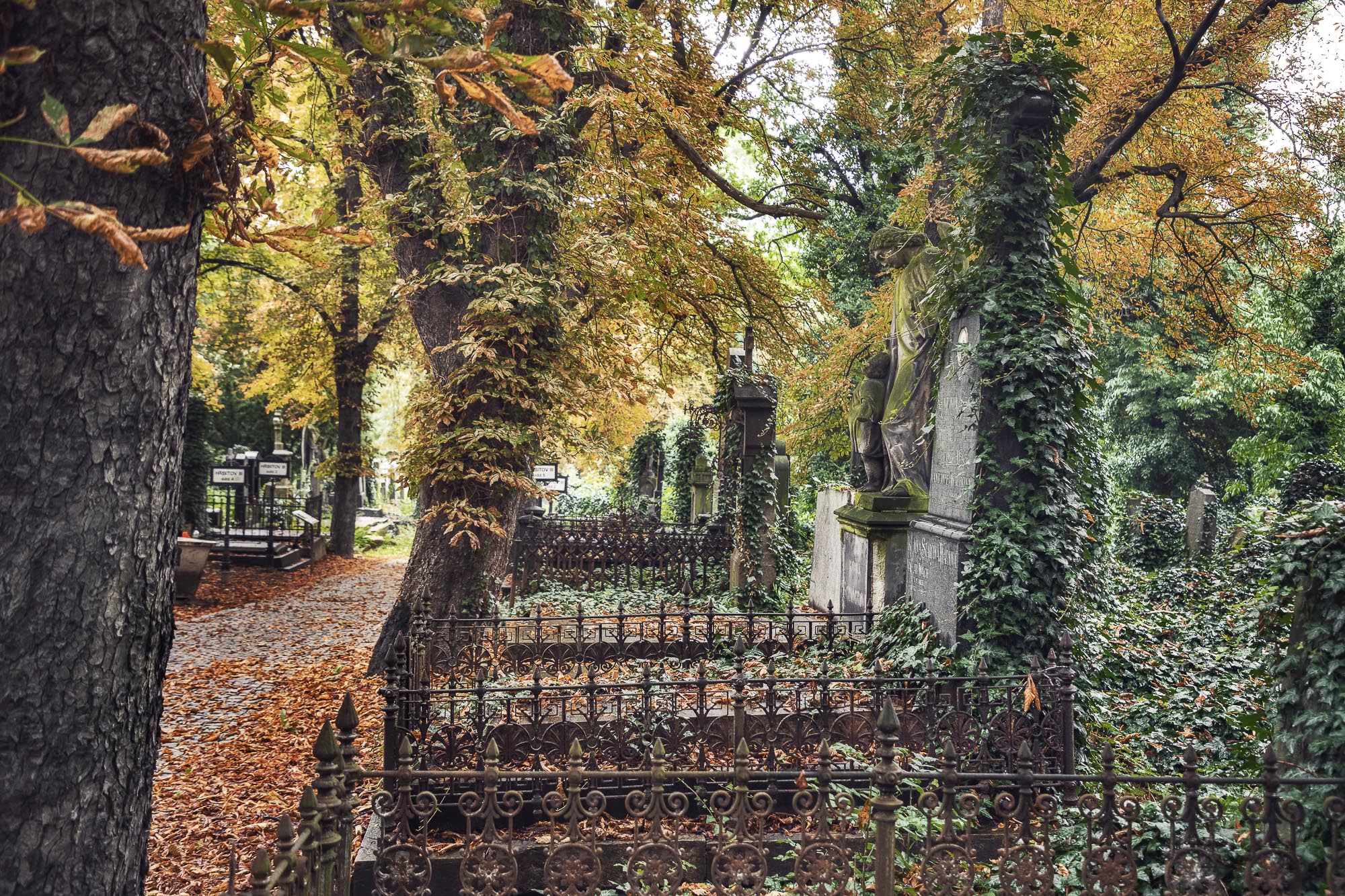
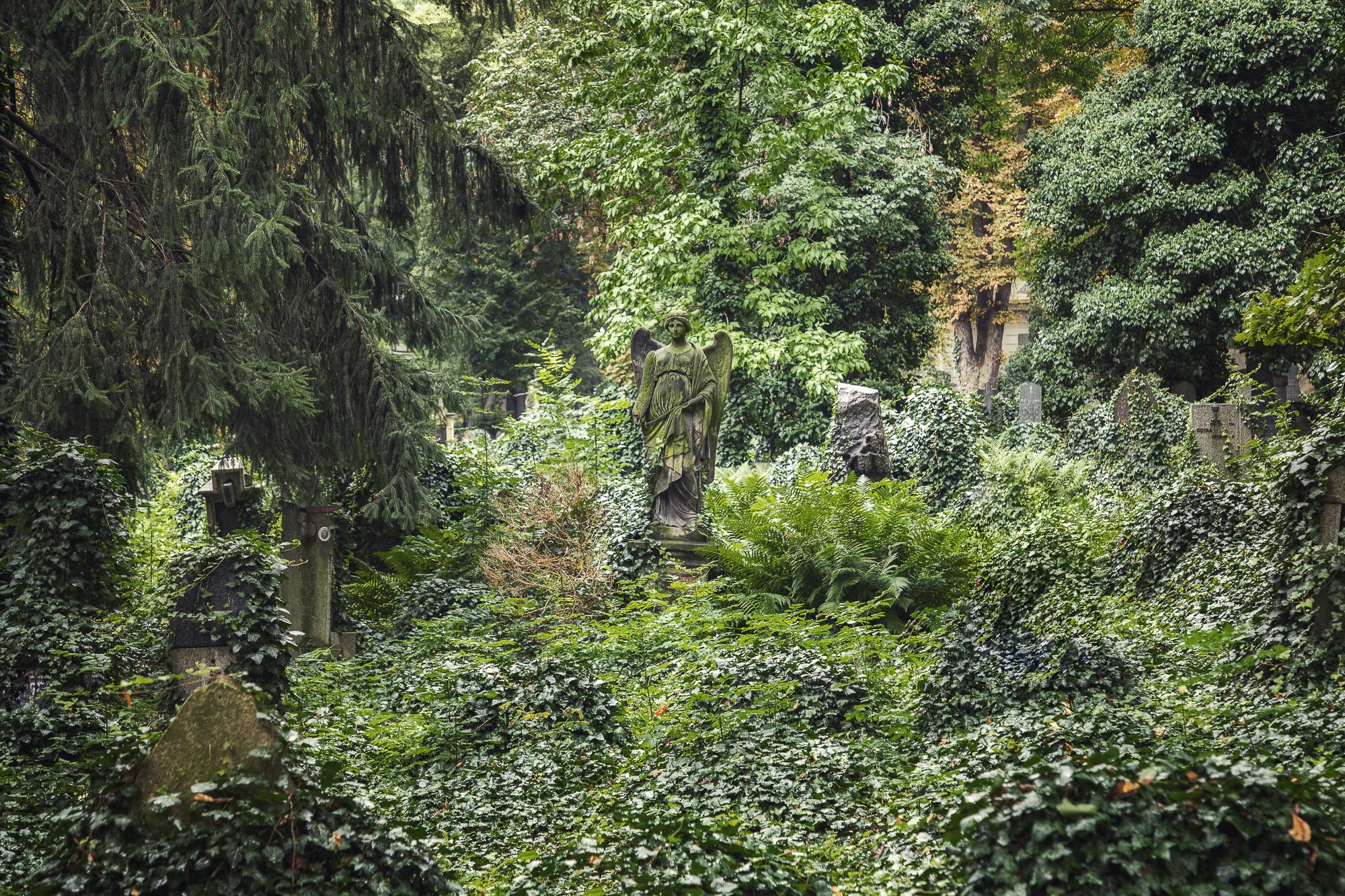
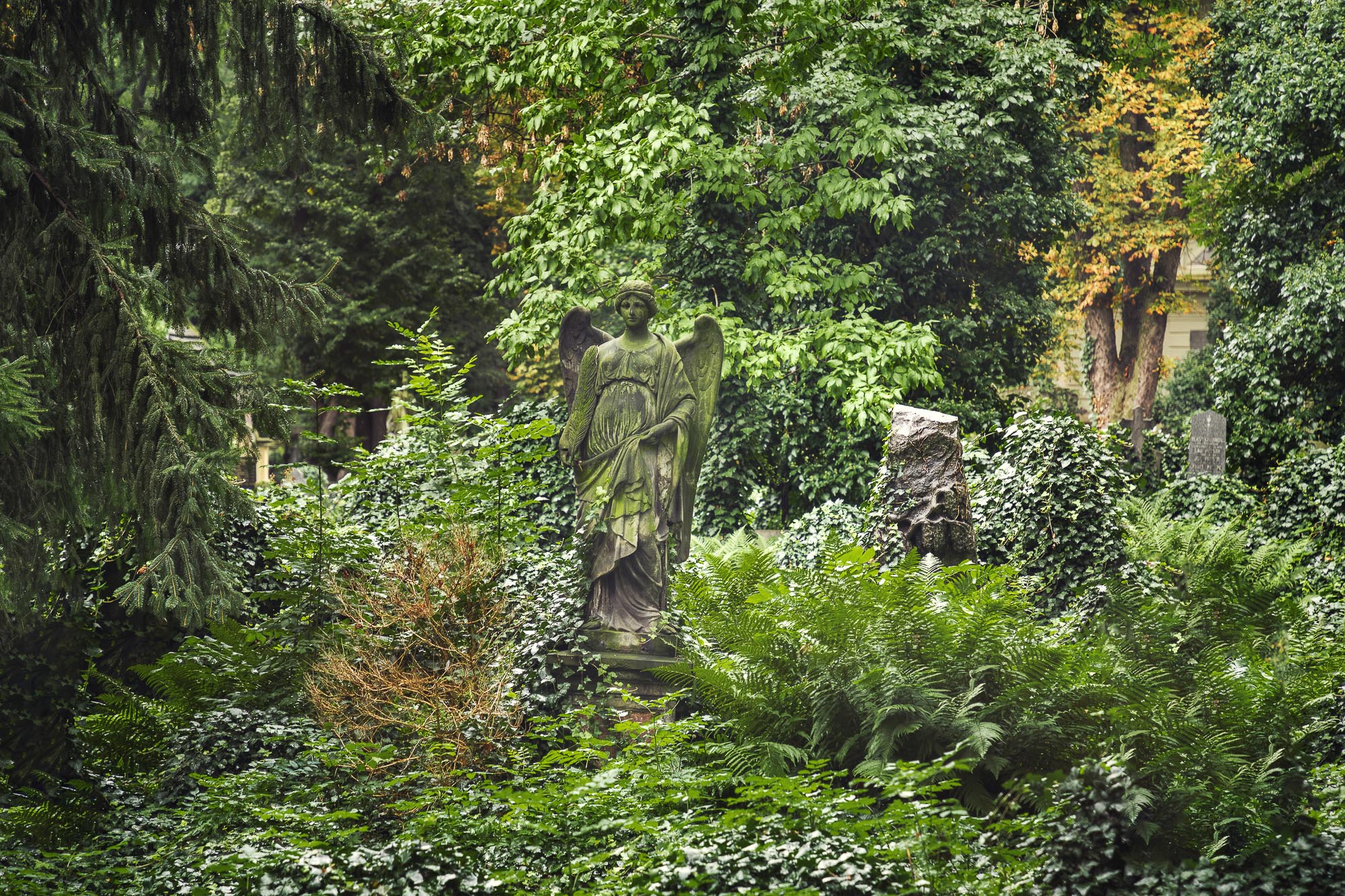
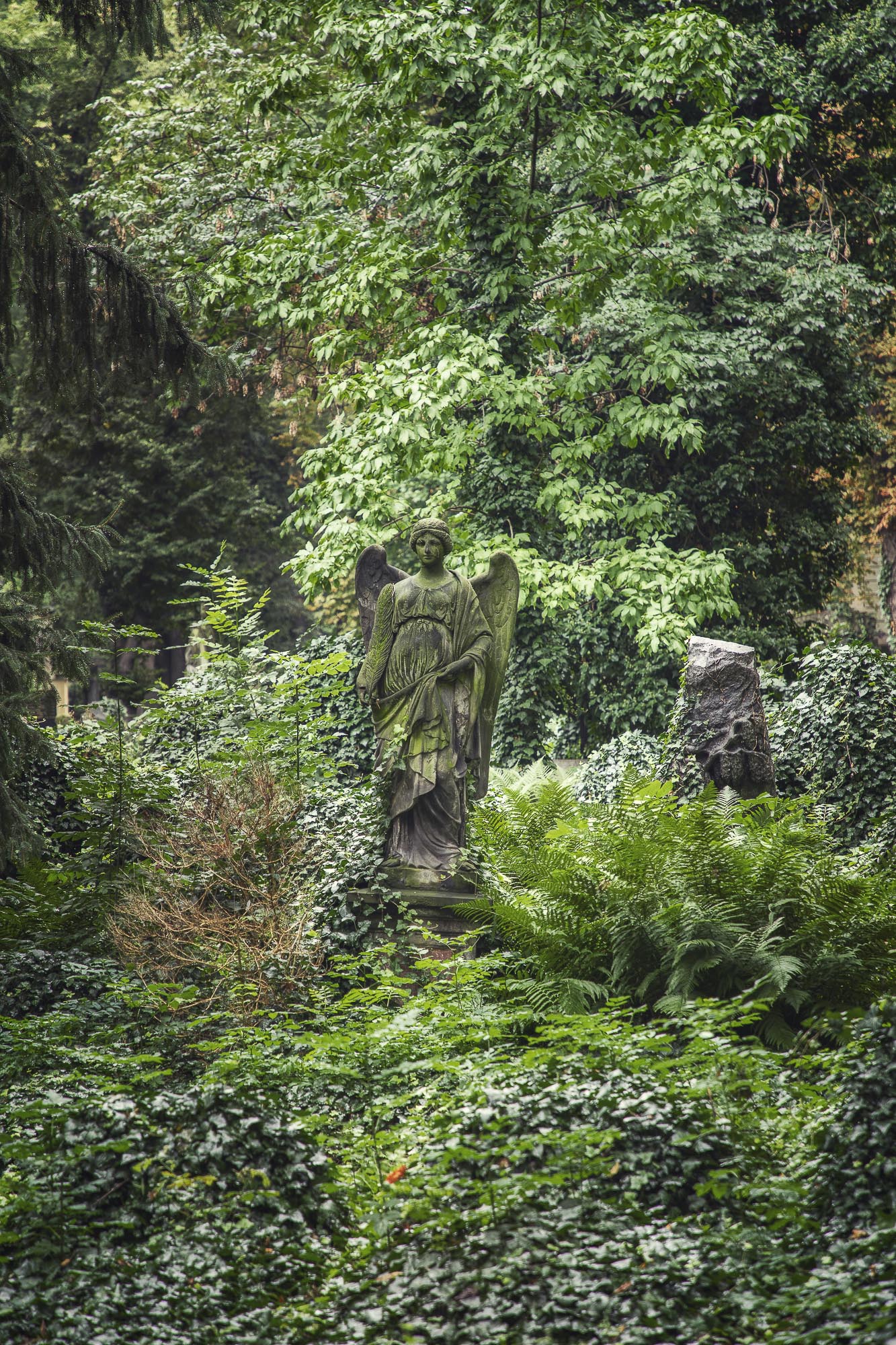
The first plague victims were buried in 1680 near a chapel of St. Roch and St. Rosalia that the city built that year. In 1787 Joseph II banned burials within Prague's walls, and Olšany became the central Catholic cemetery for the districts on the right bank of the Vltava. Cemeteries III to X, along with two municipal cemeteries, followed between 1839 and 1917. Today Jana Želivského Street divides the grounds in two.
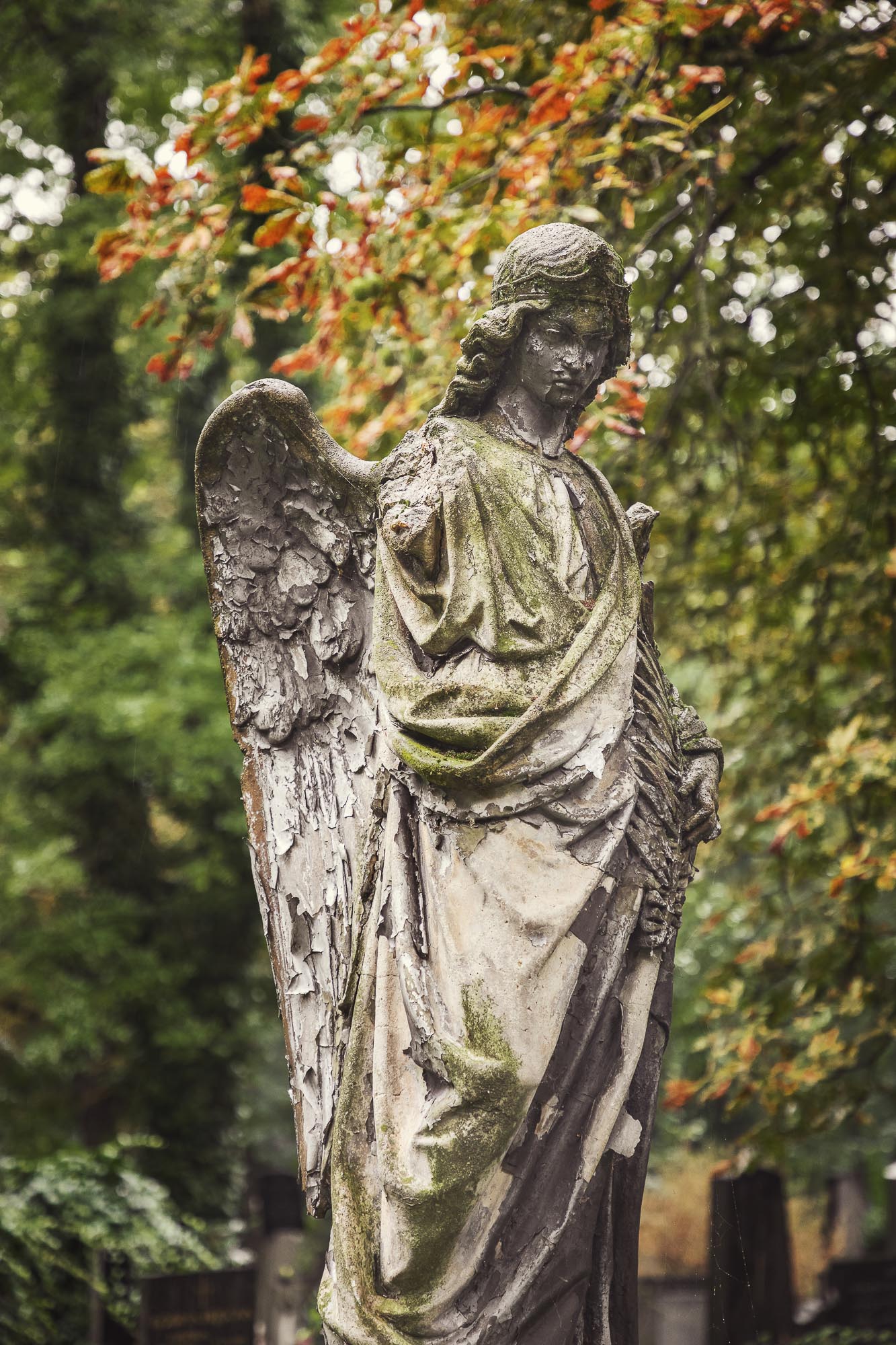
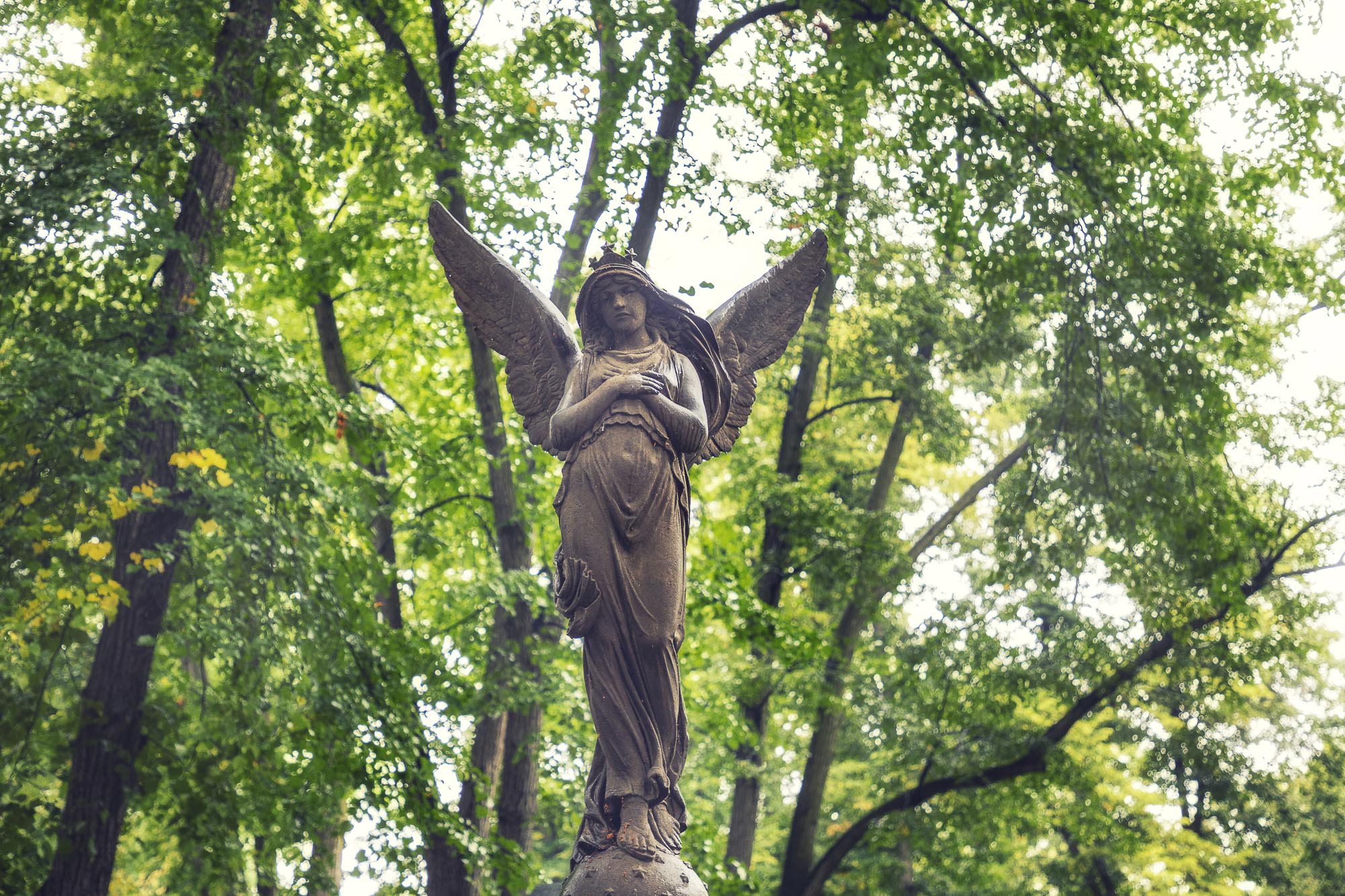
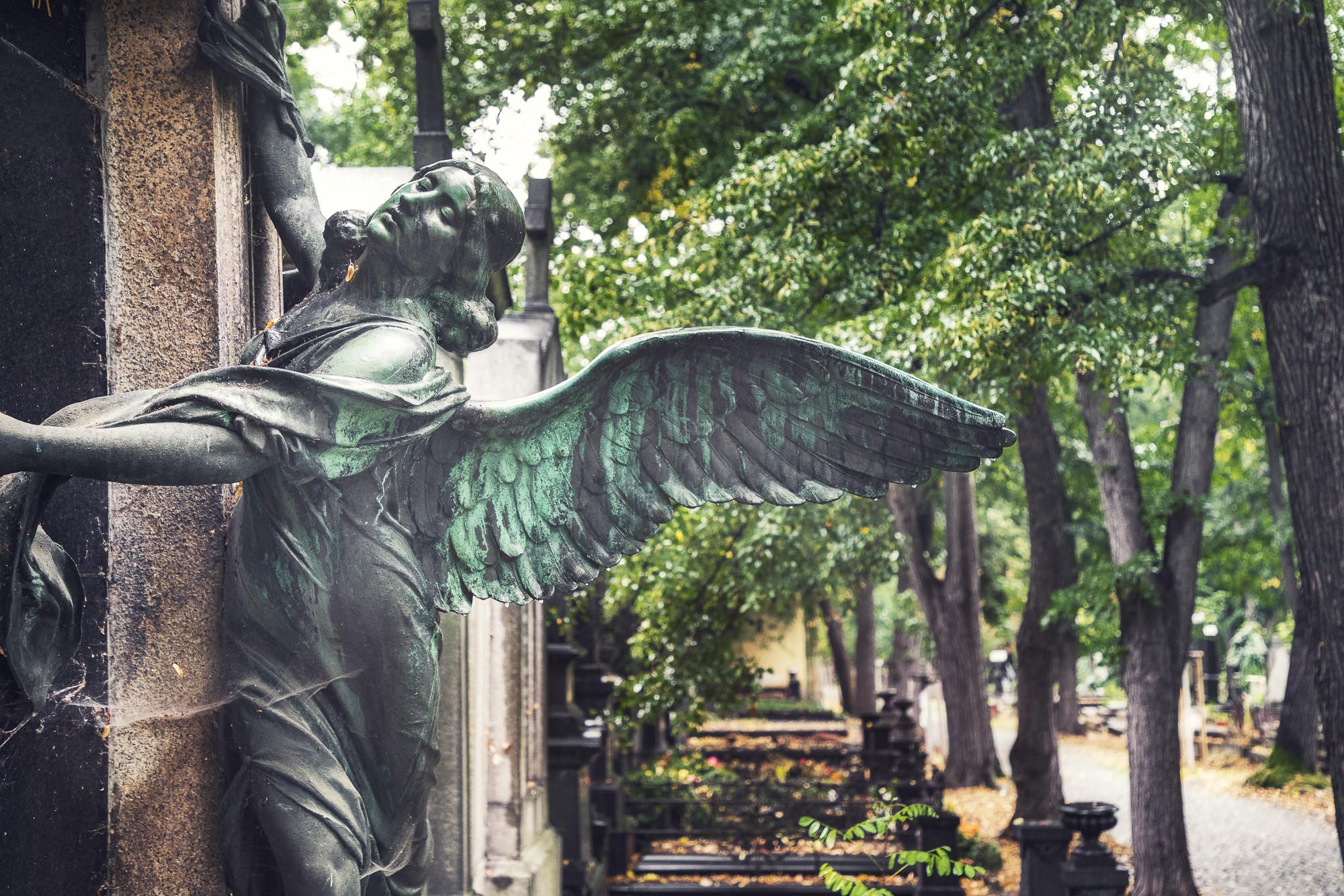
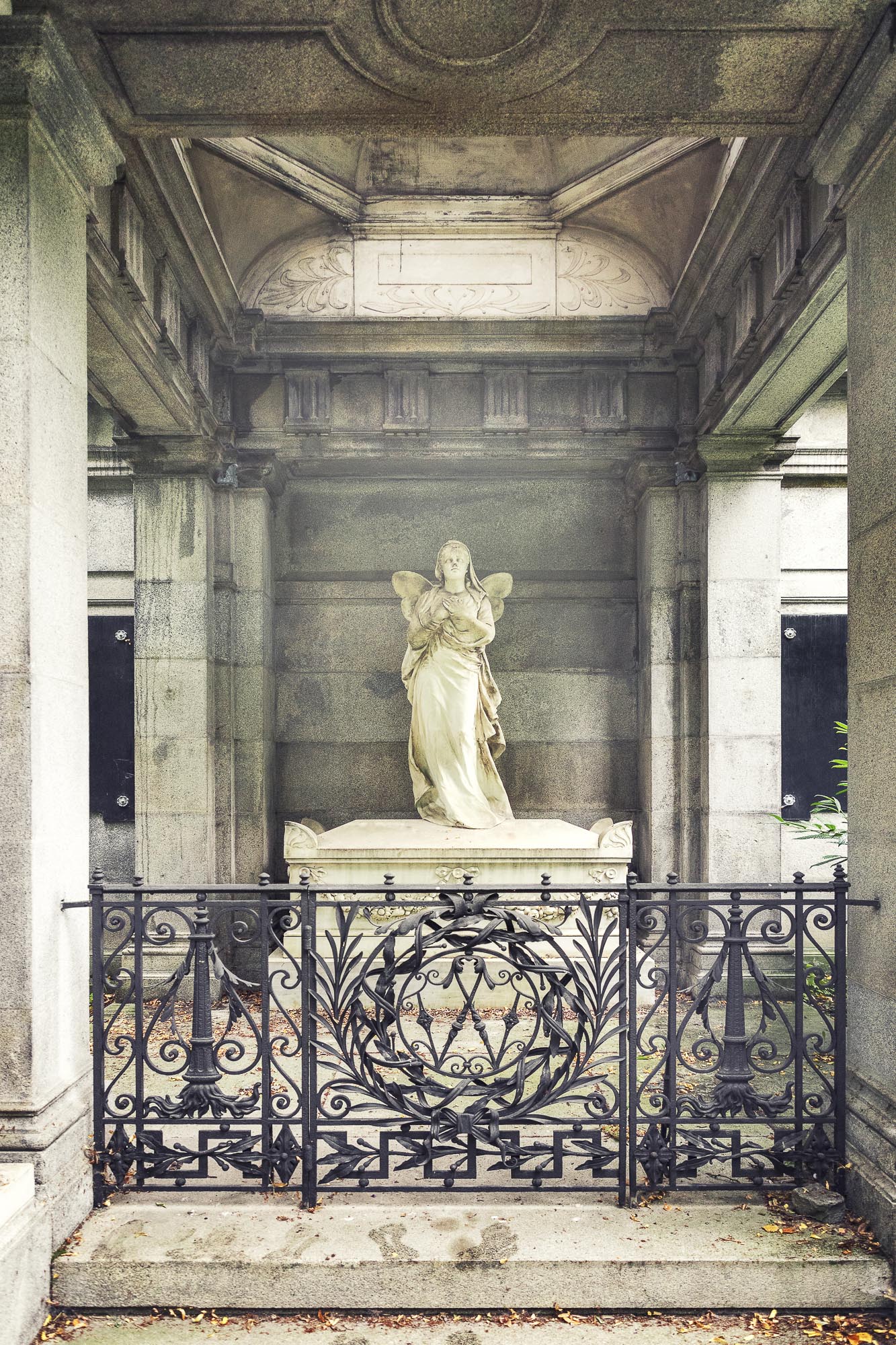
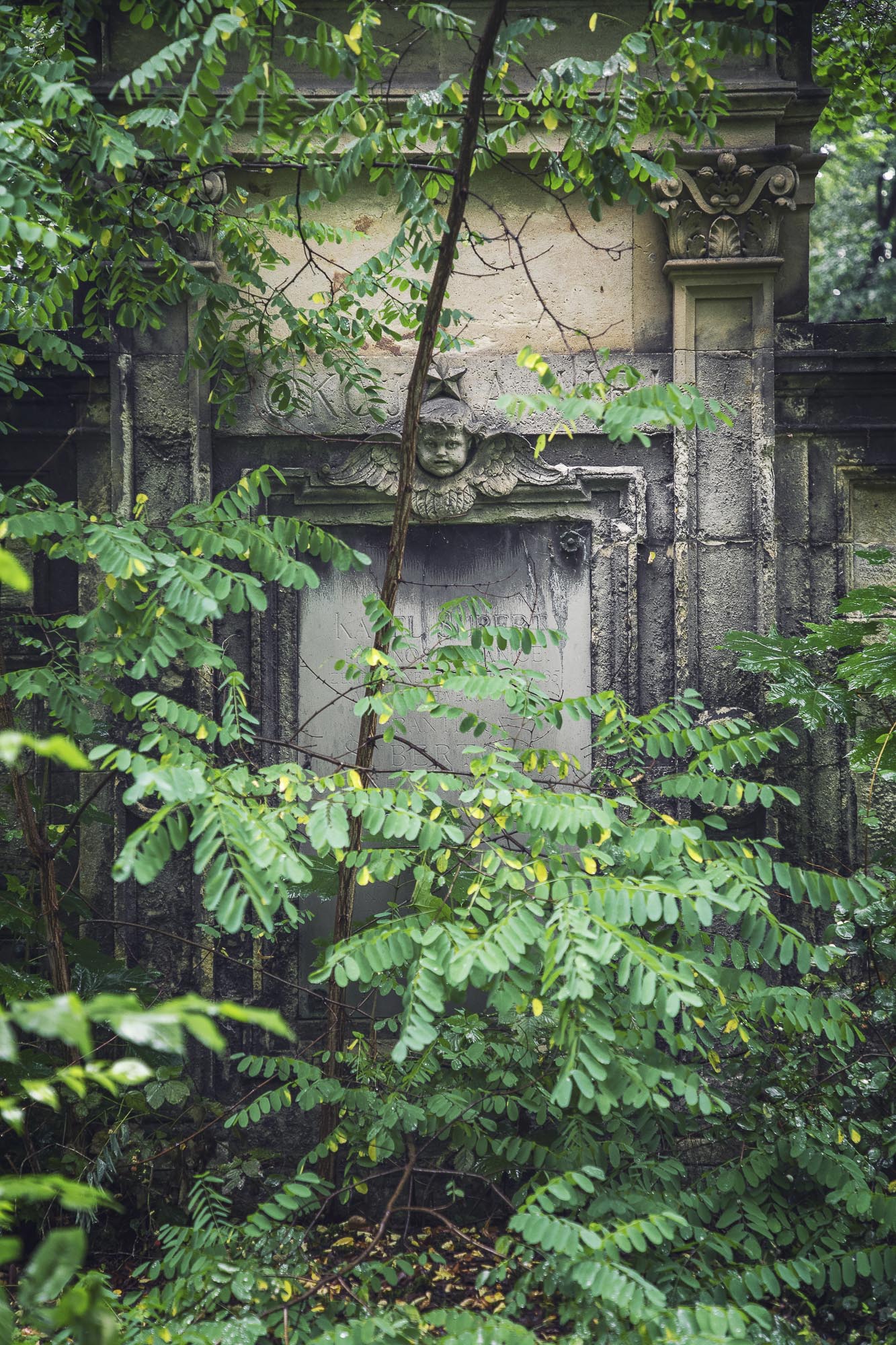
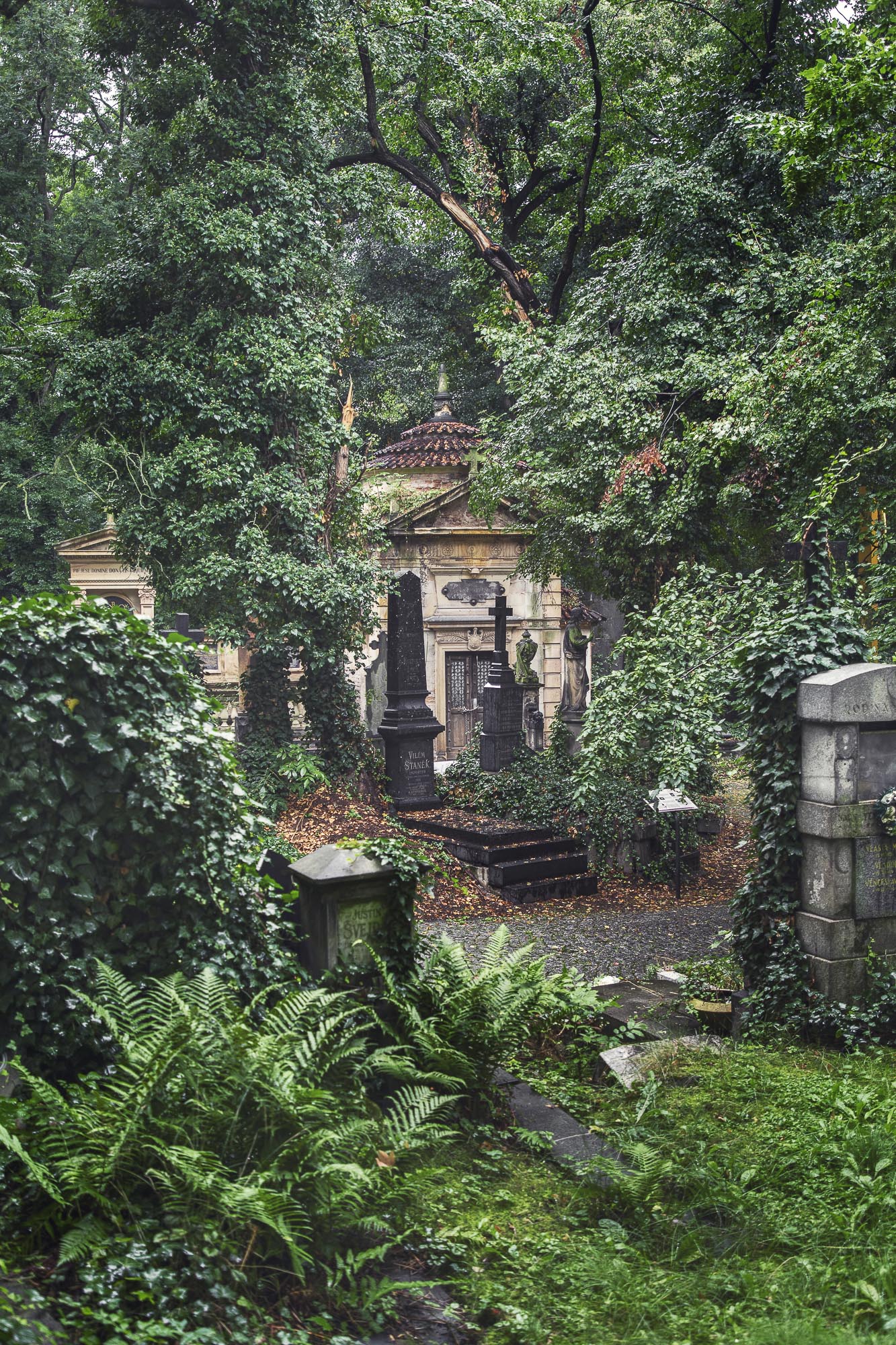
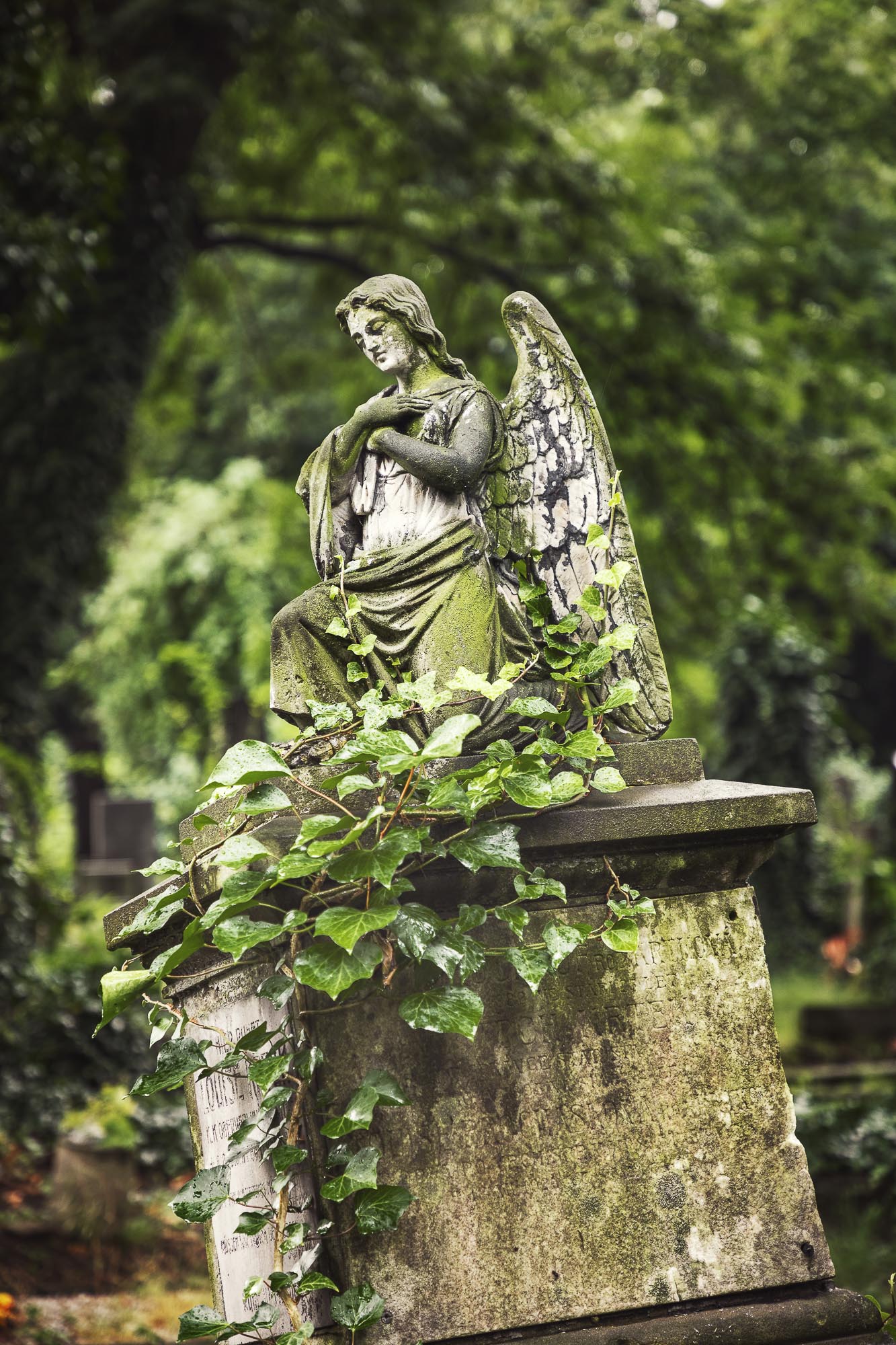
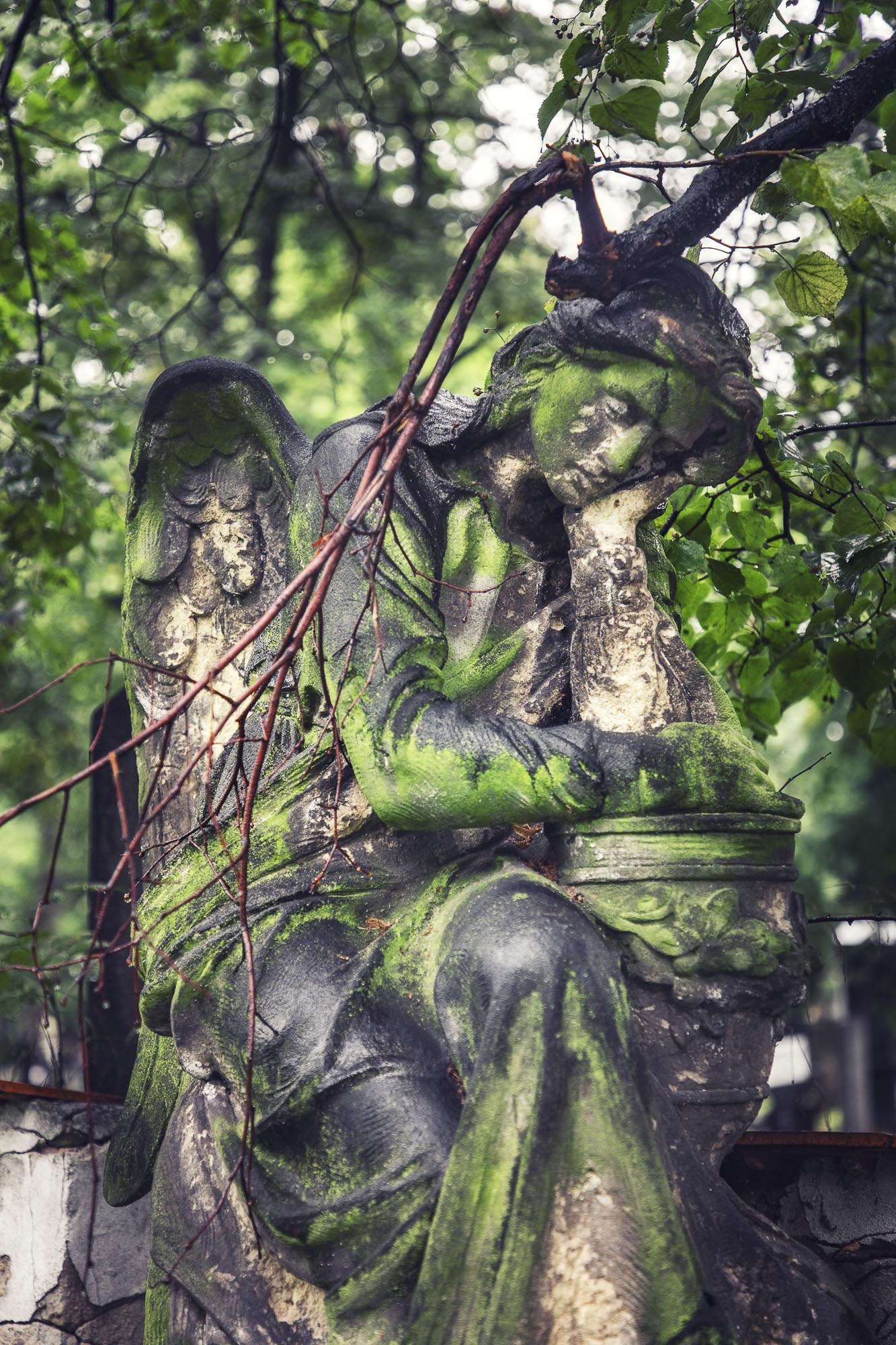
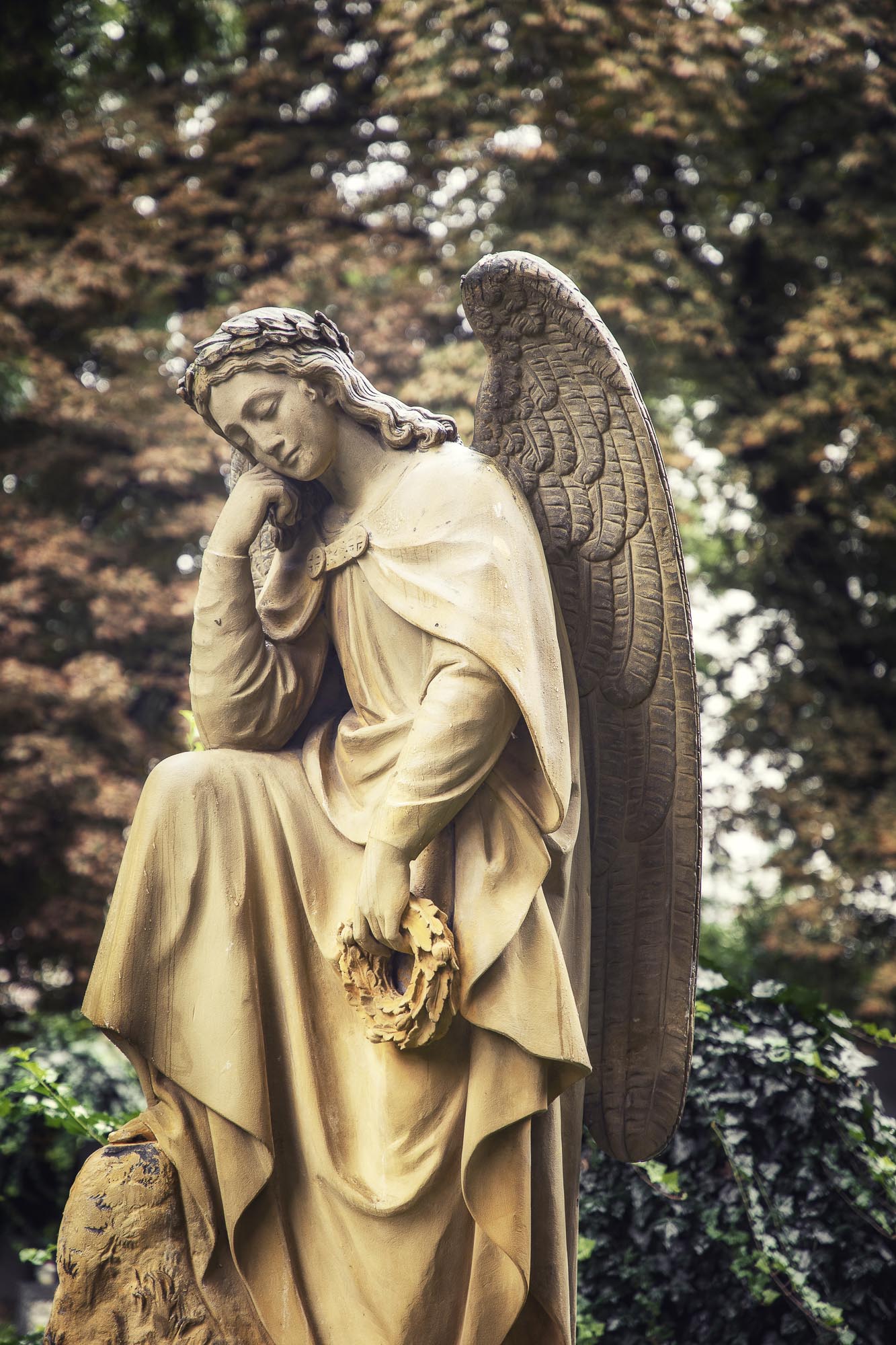
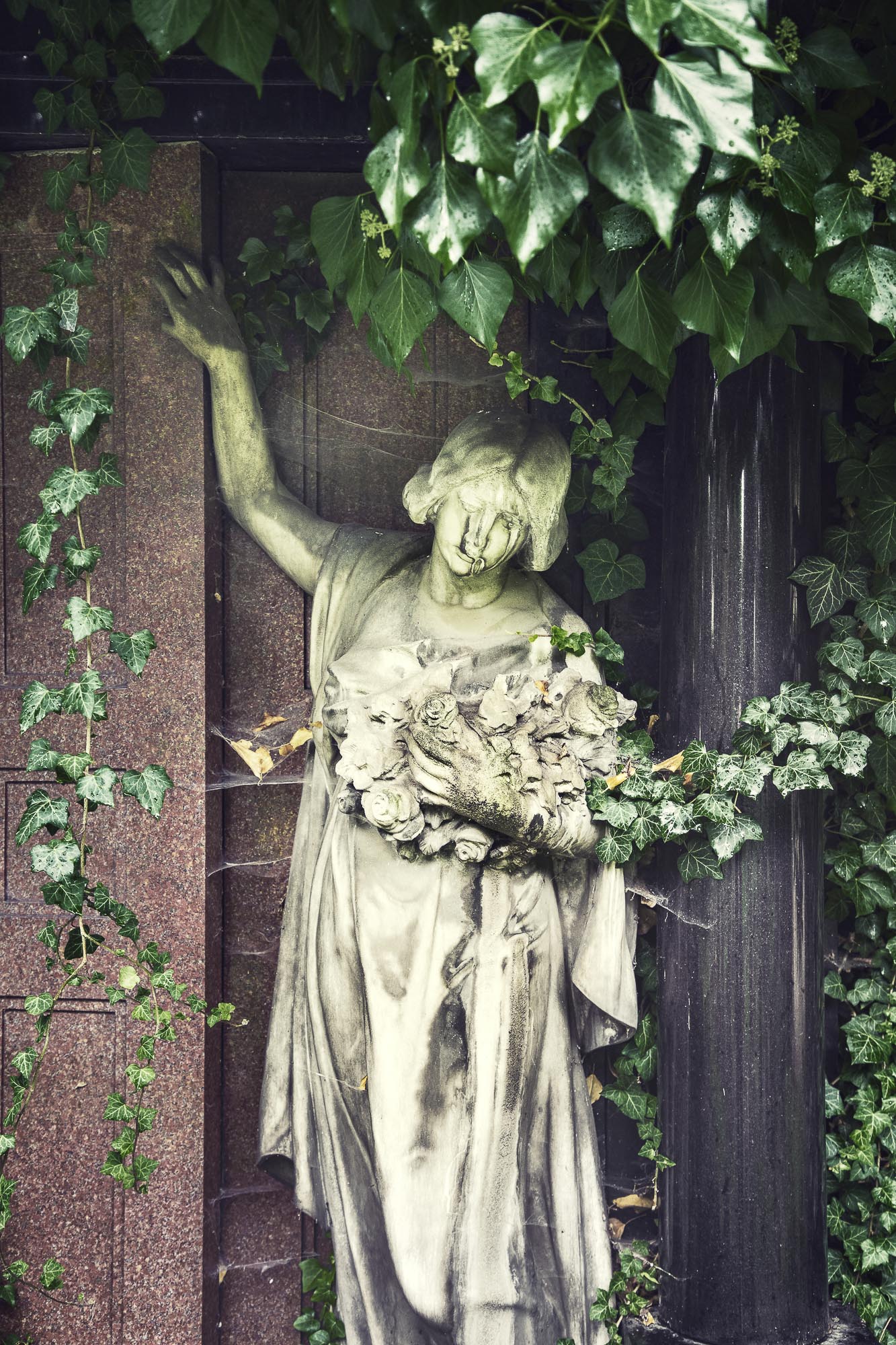
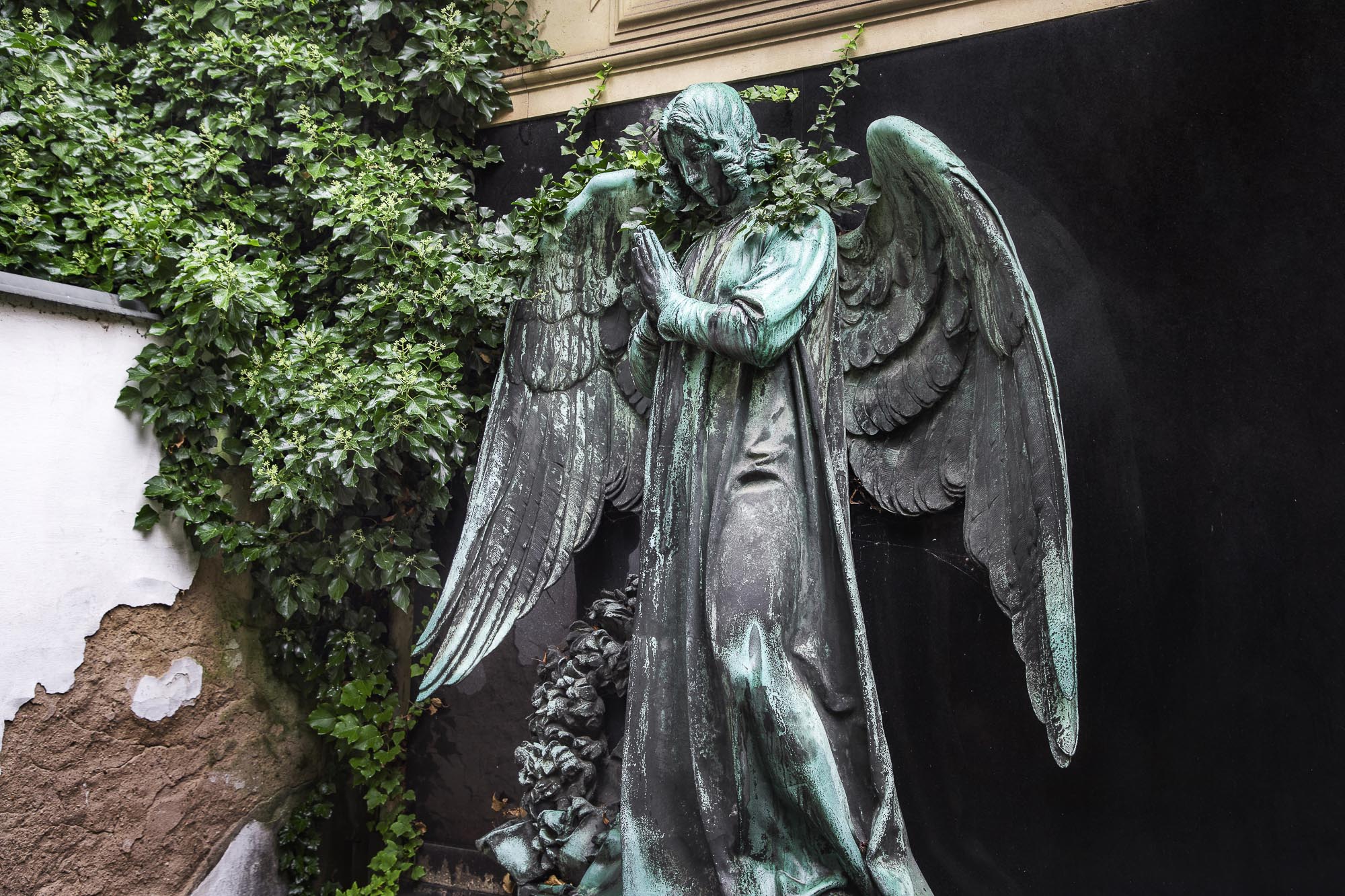
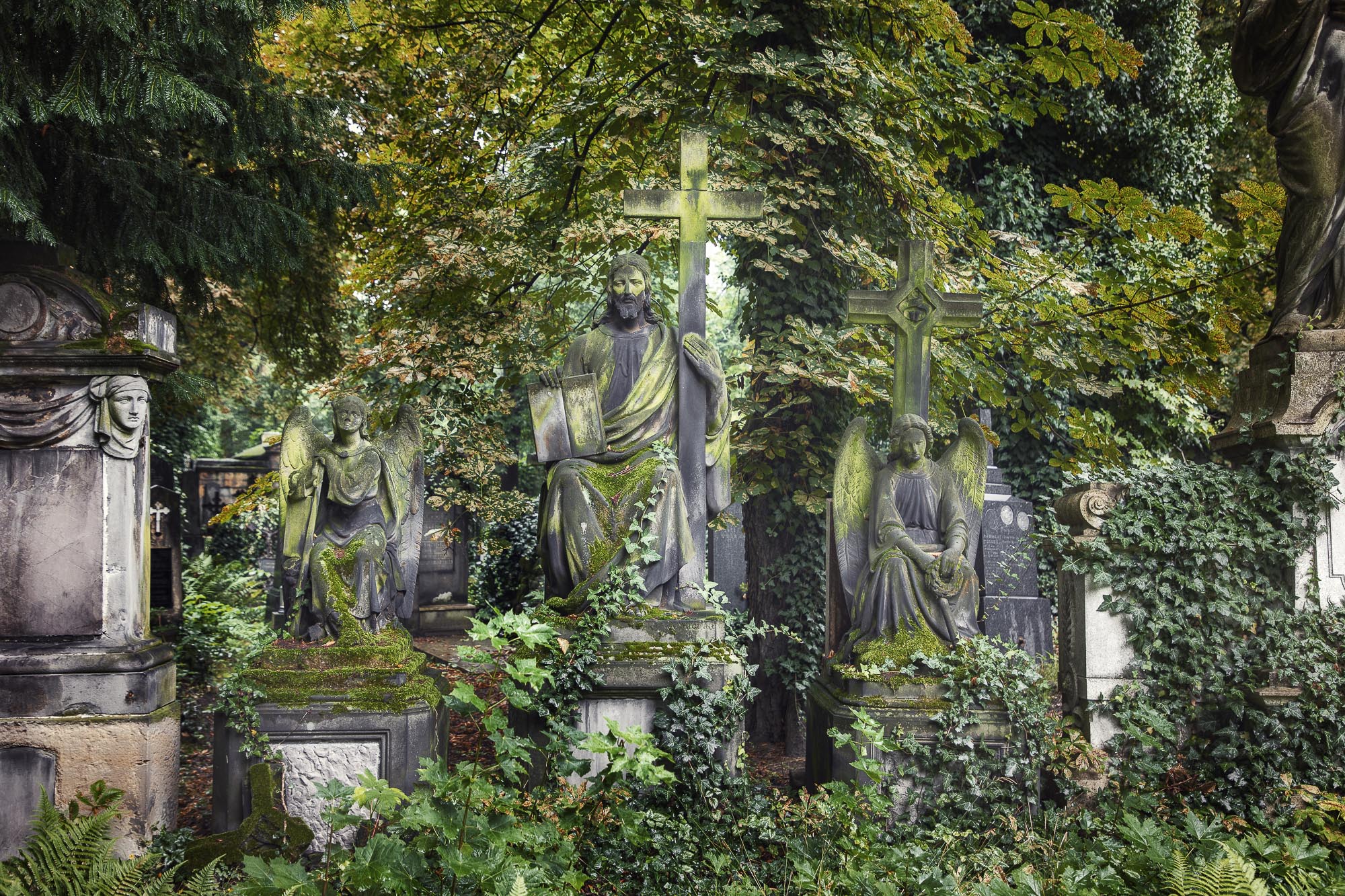
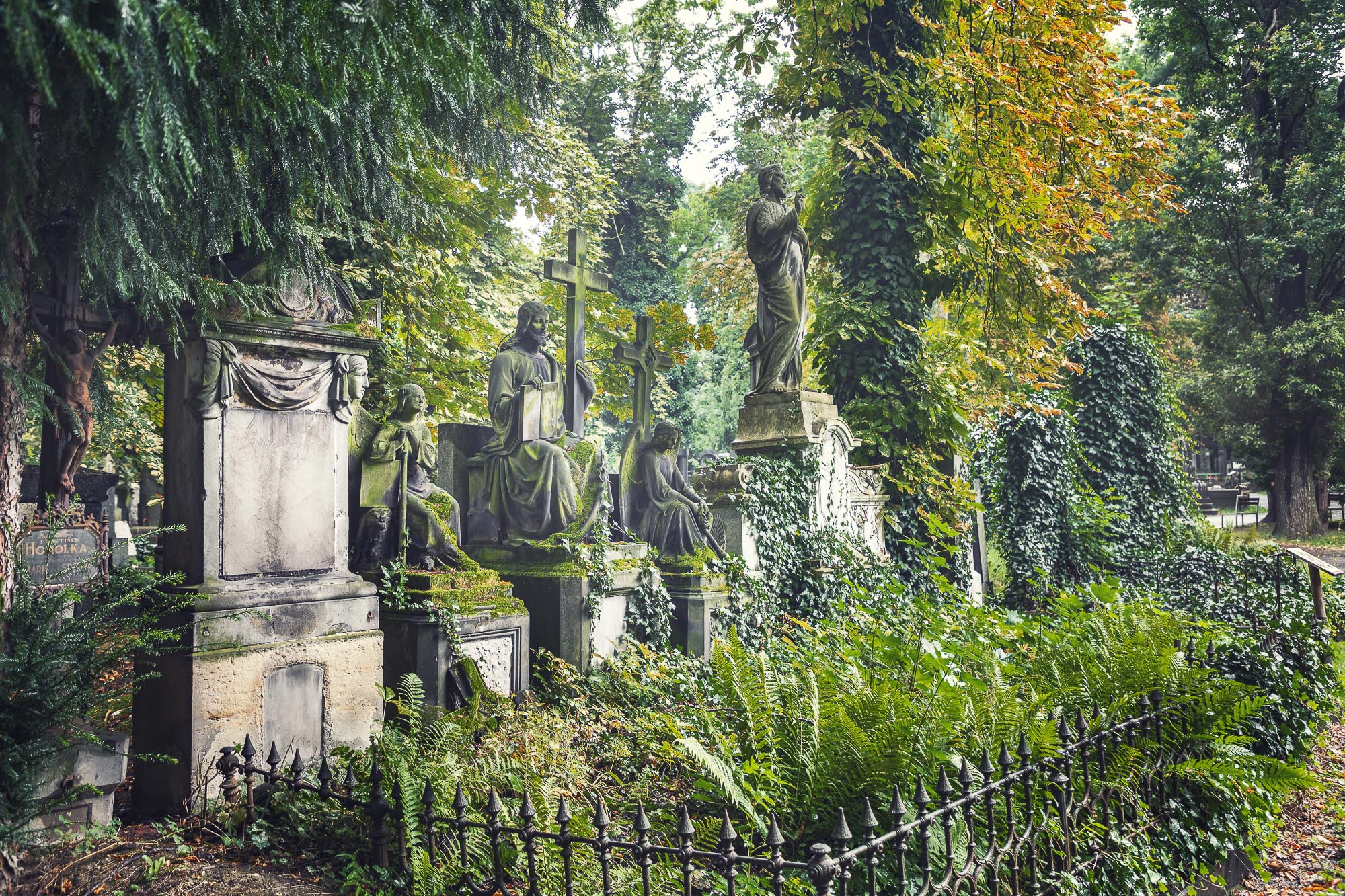
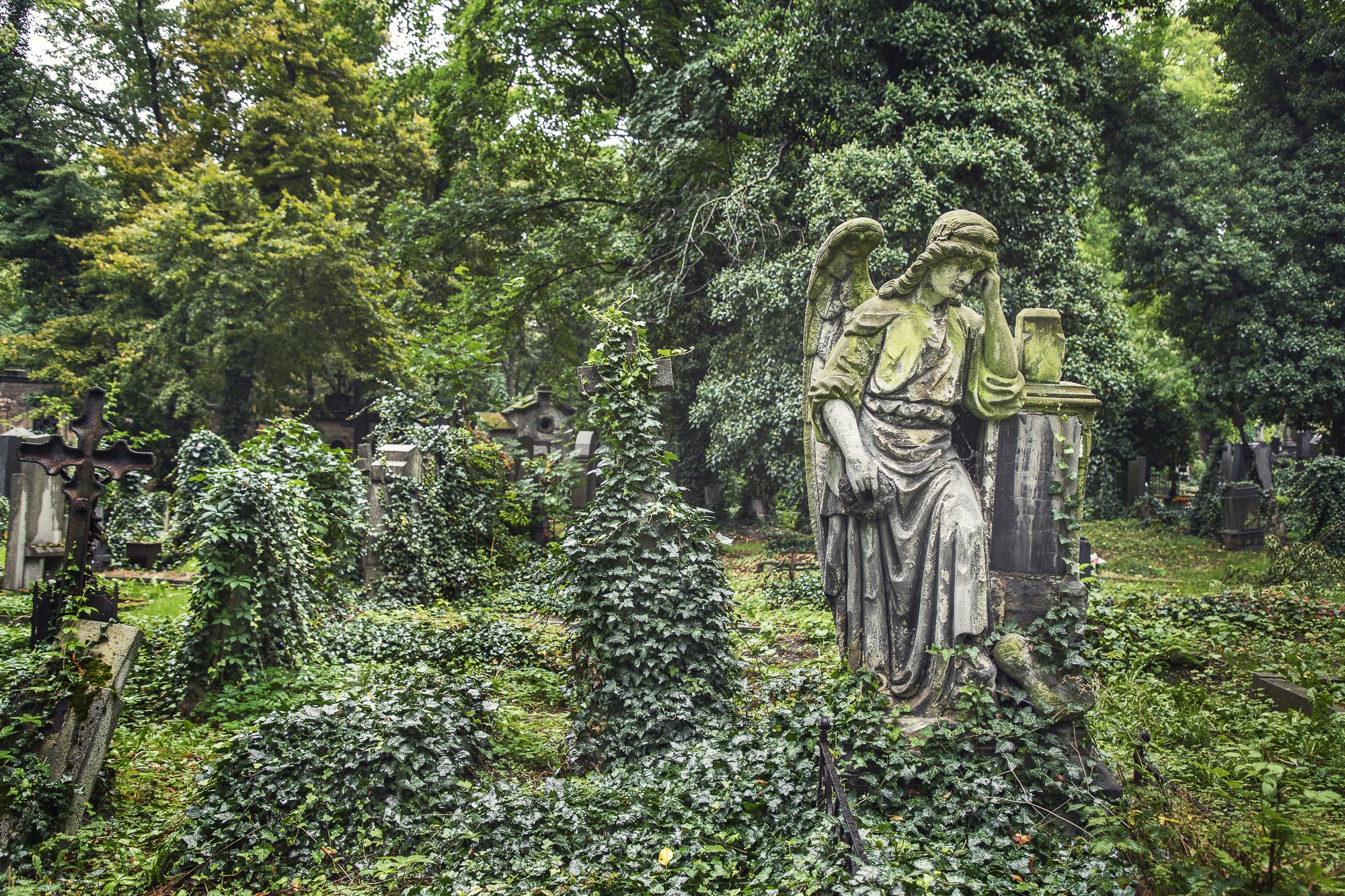
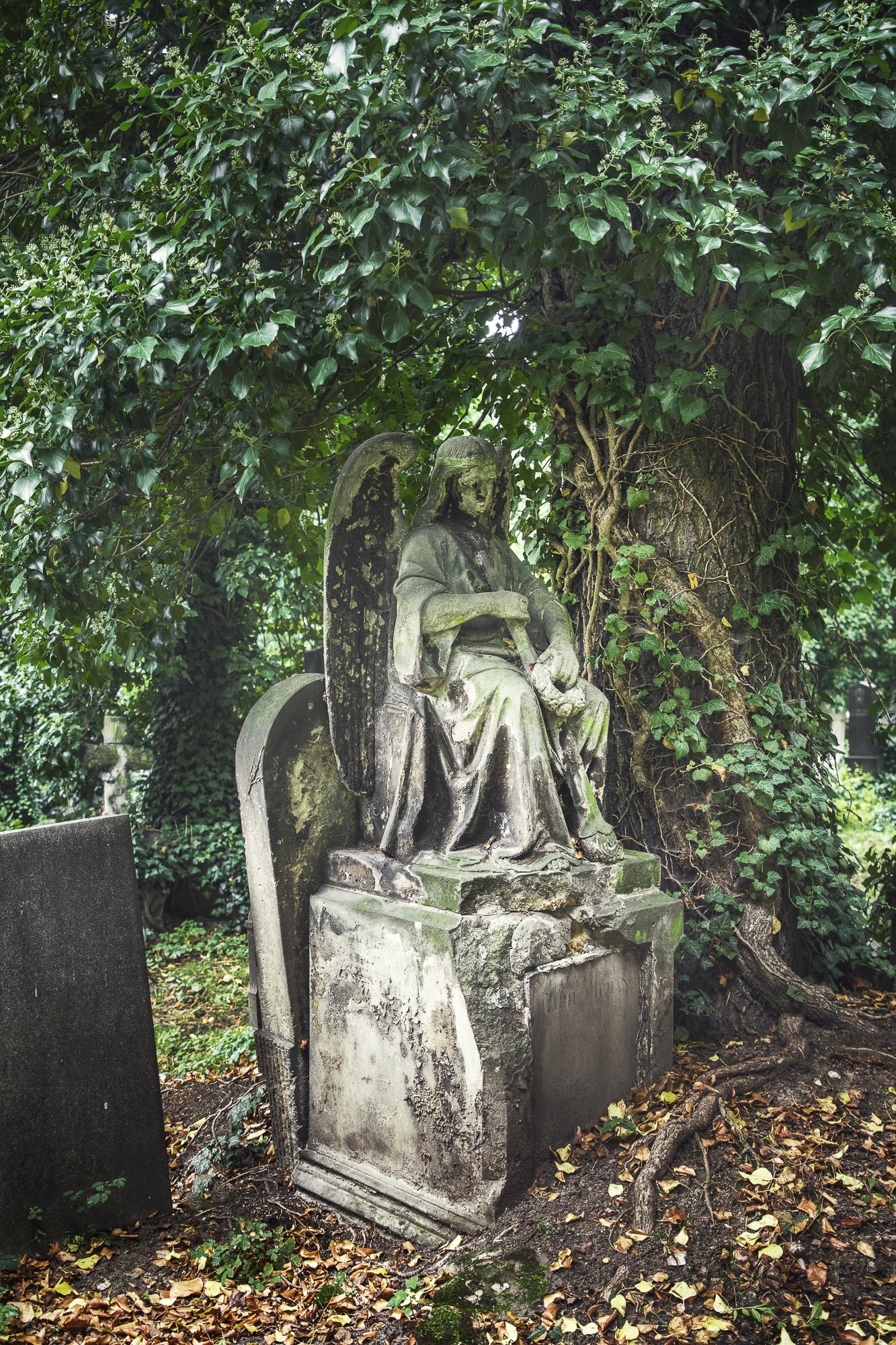
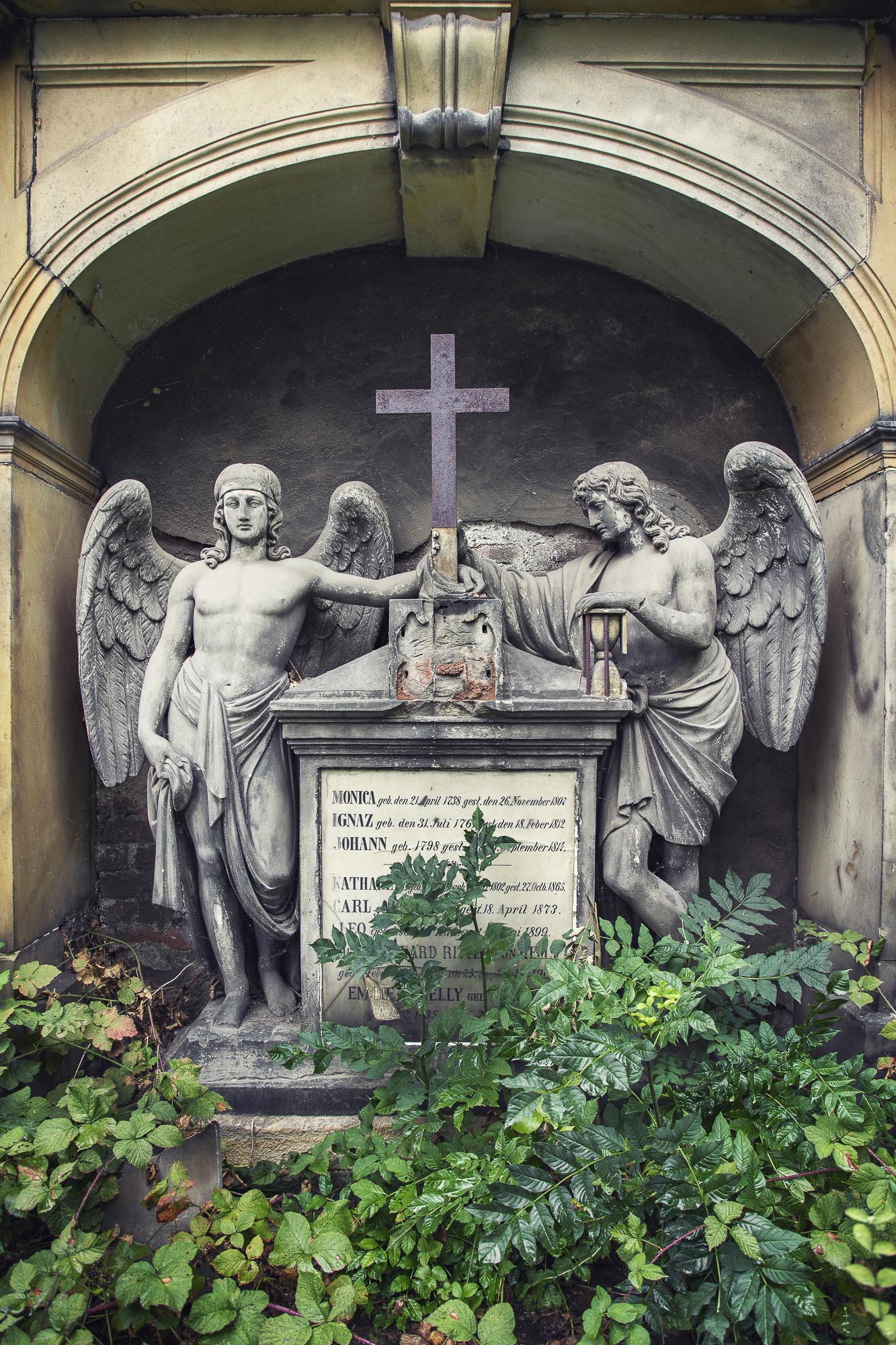
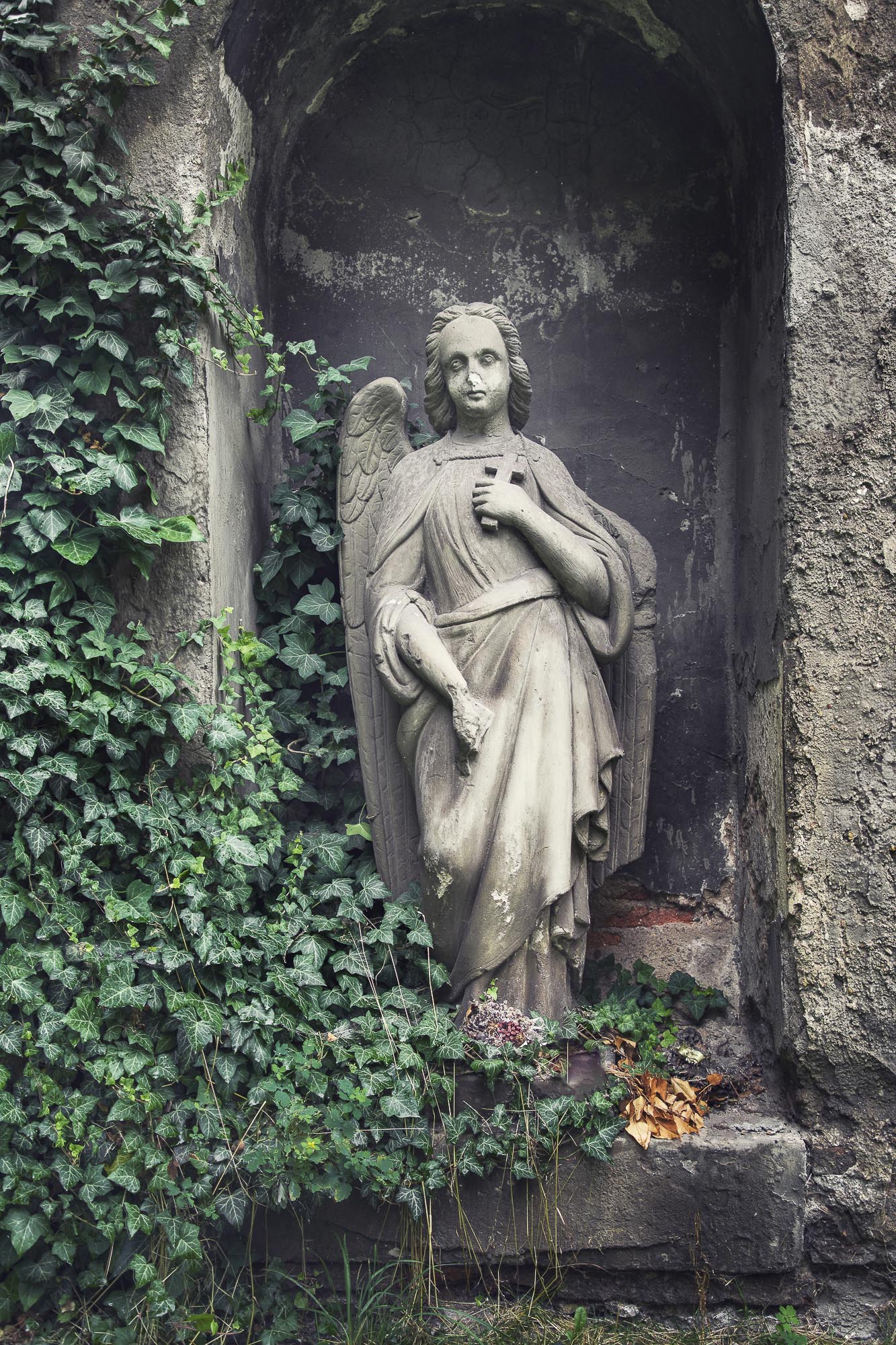
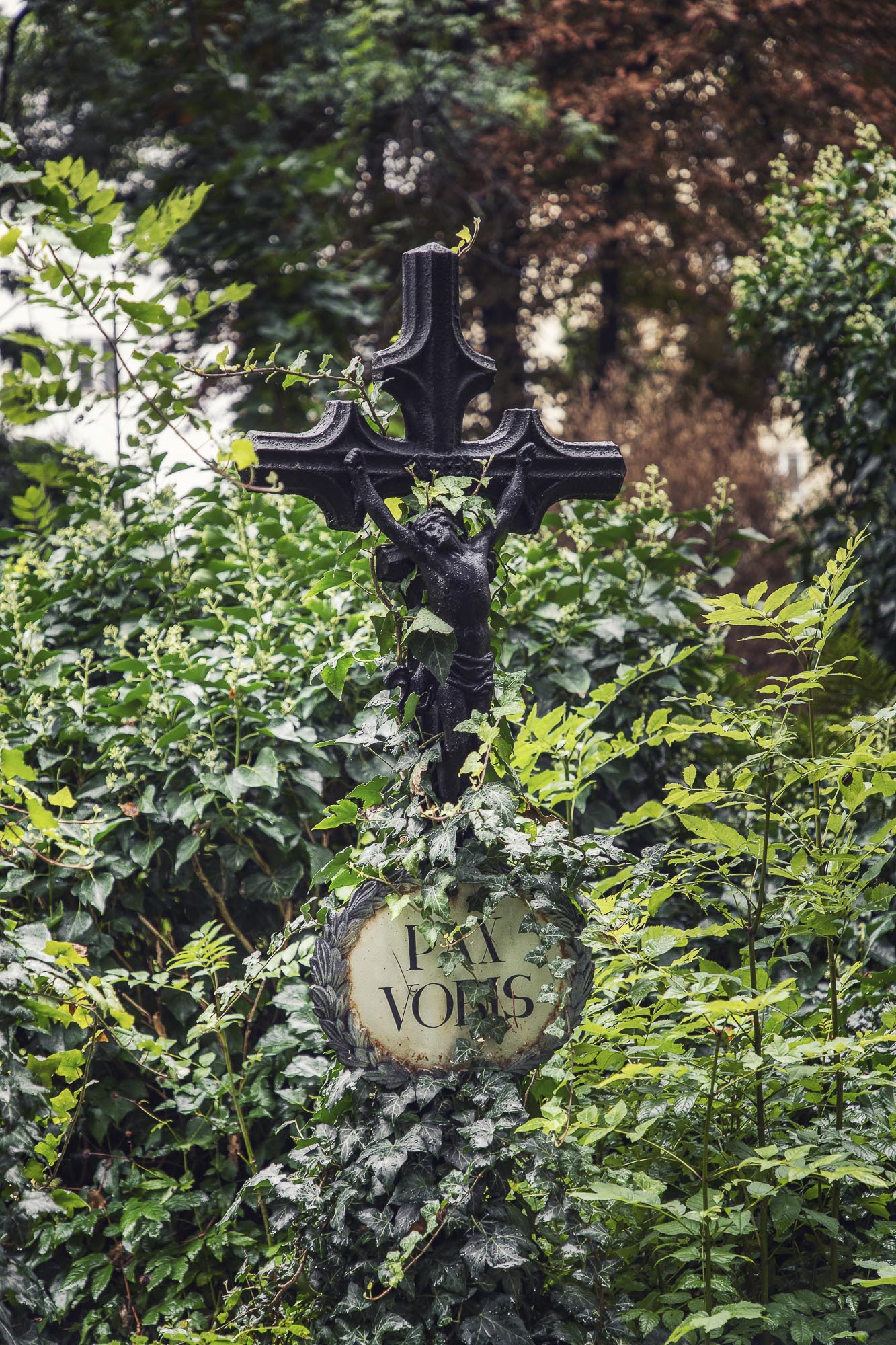
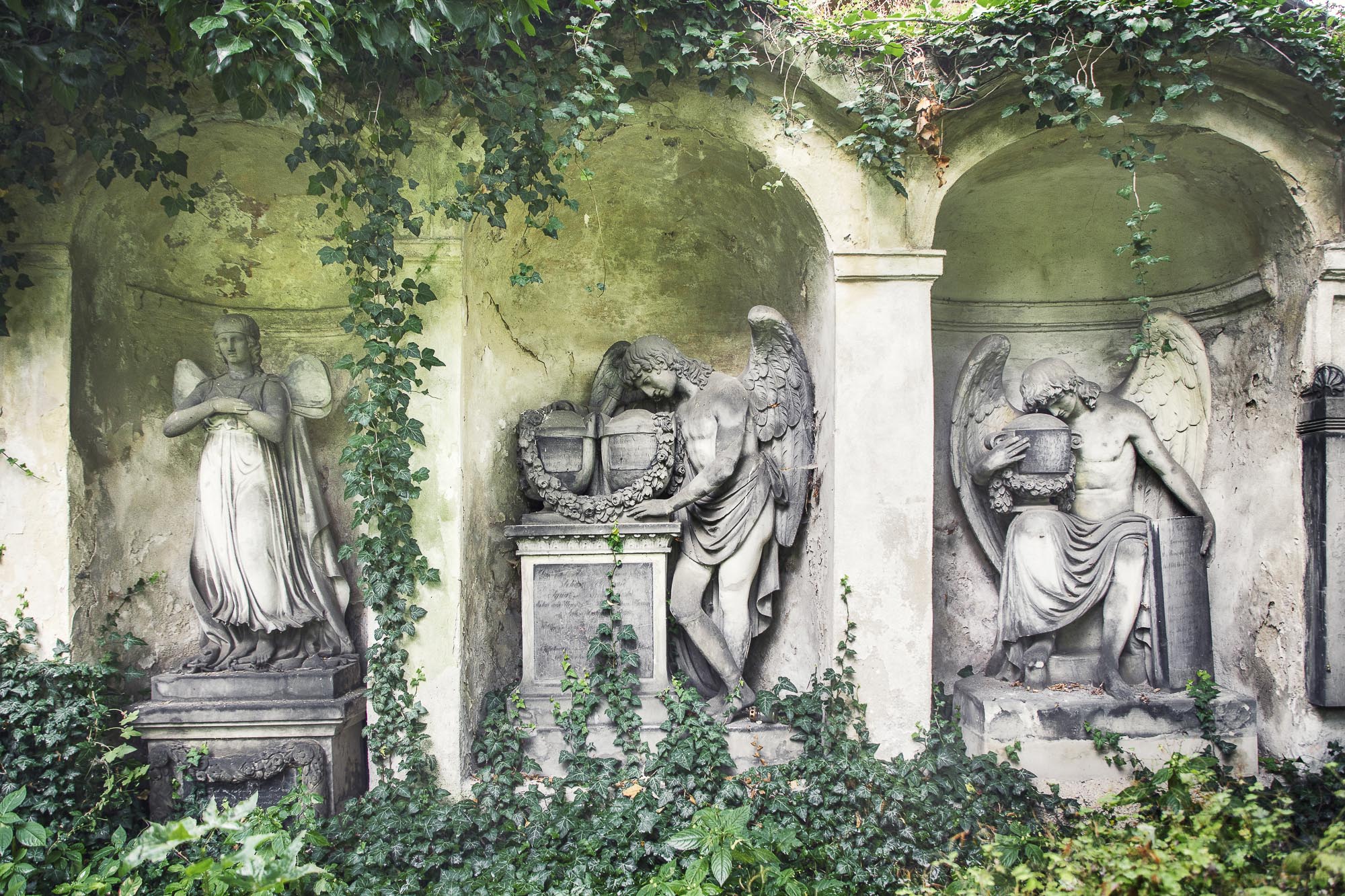
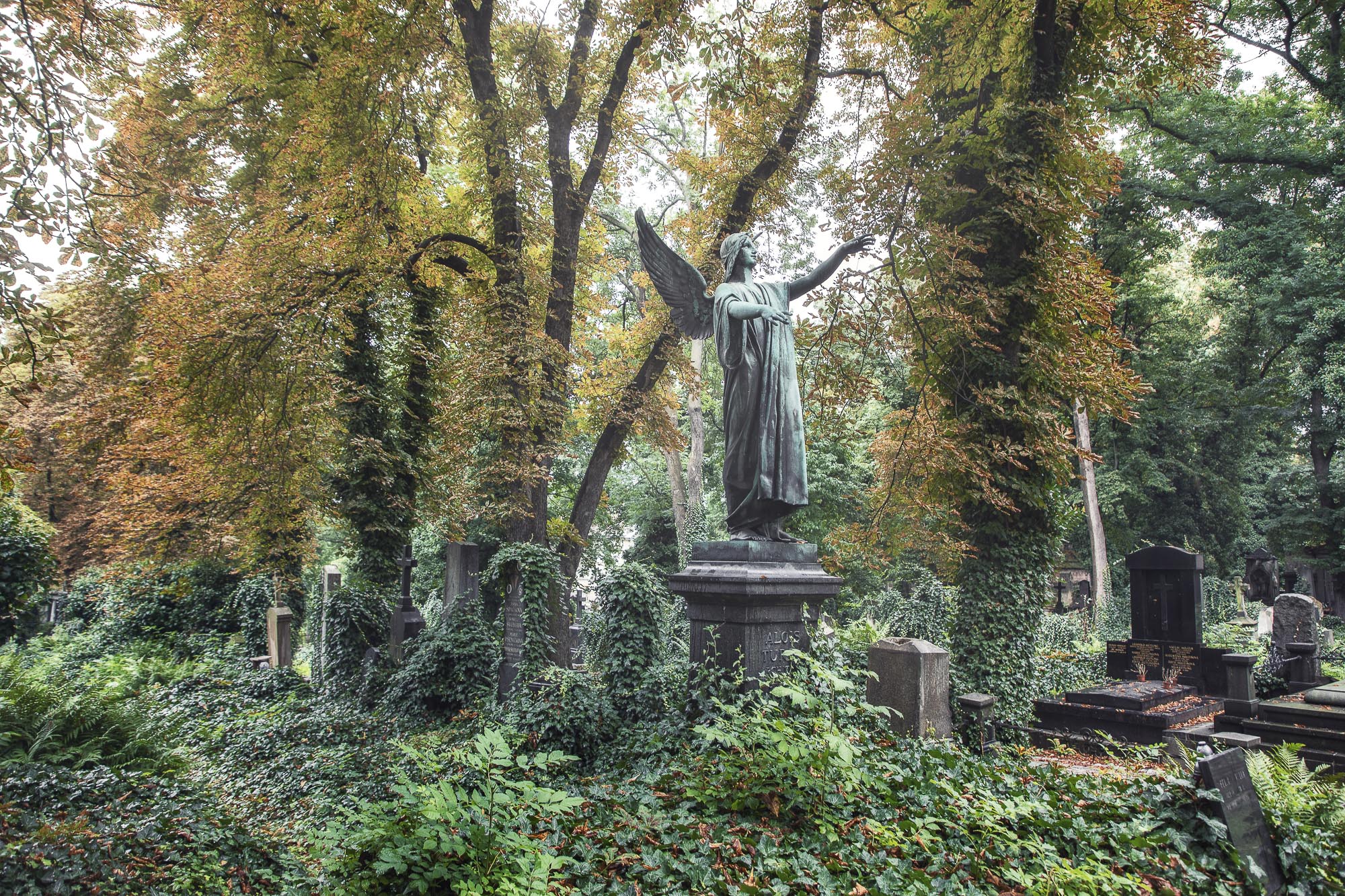
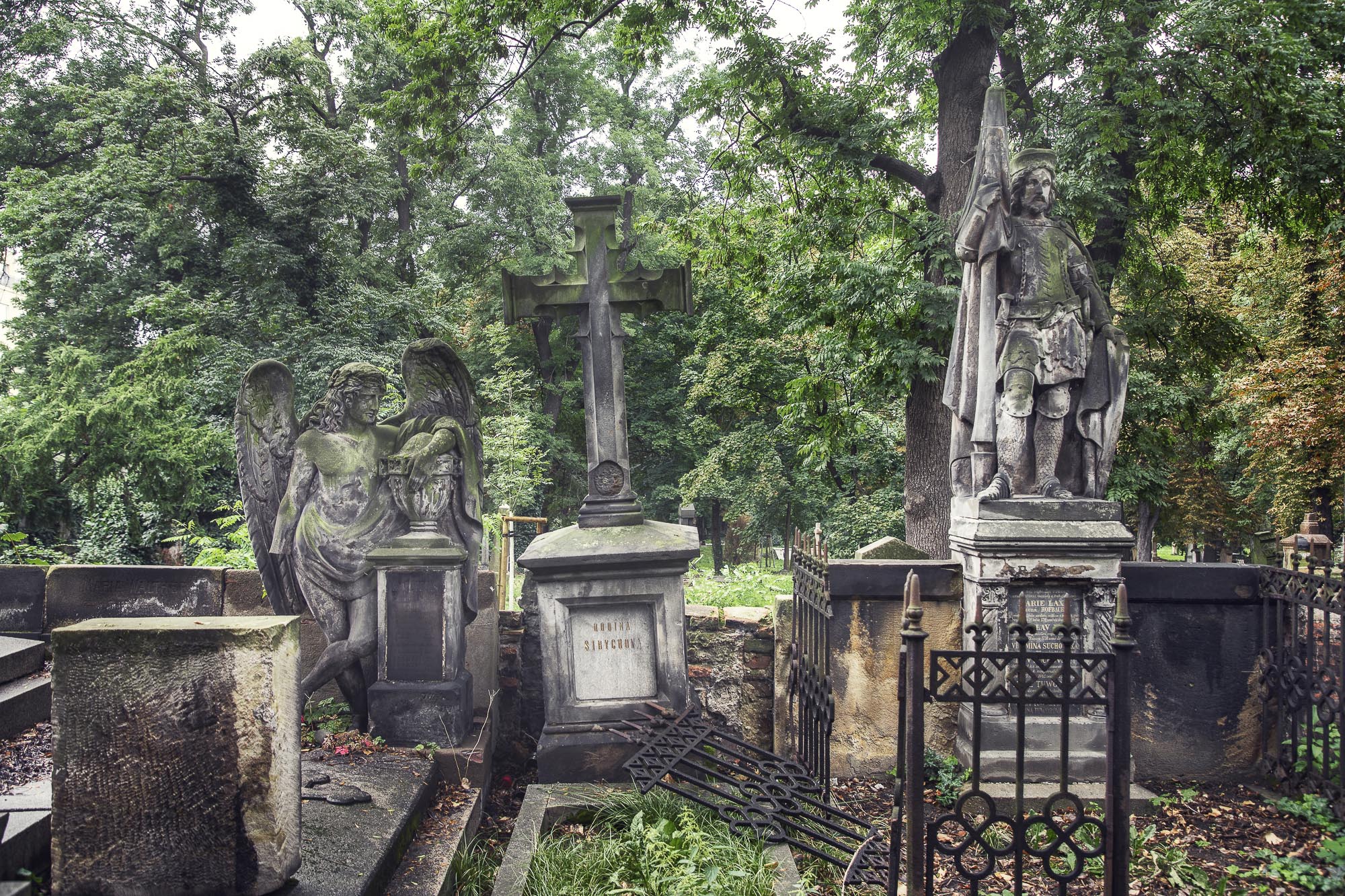
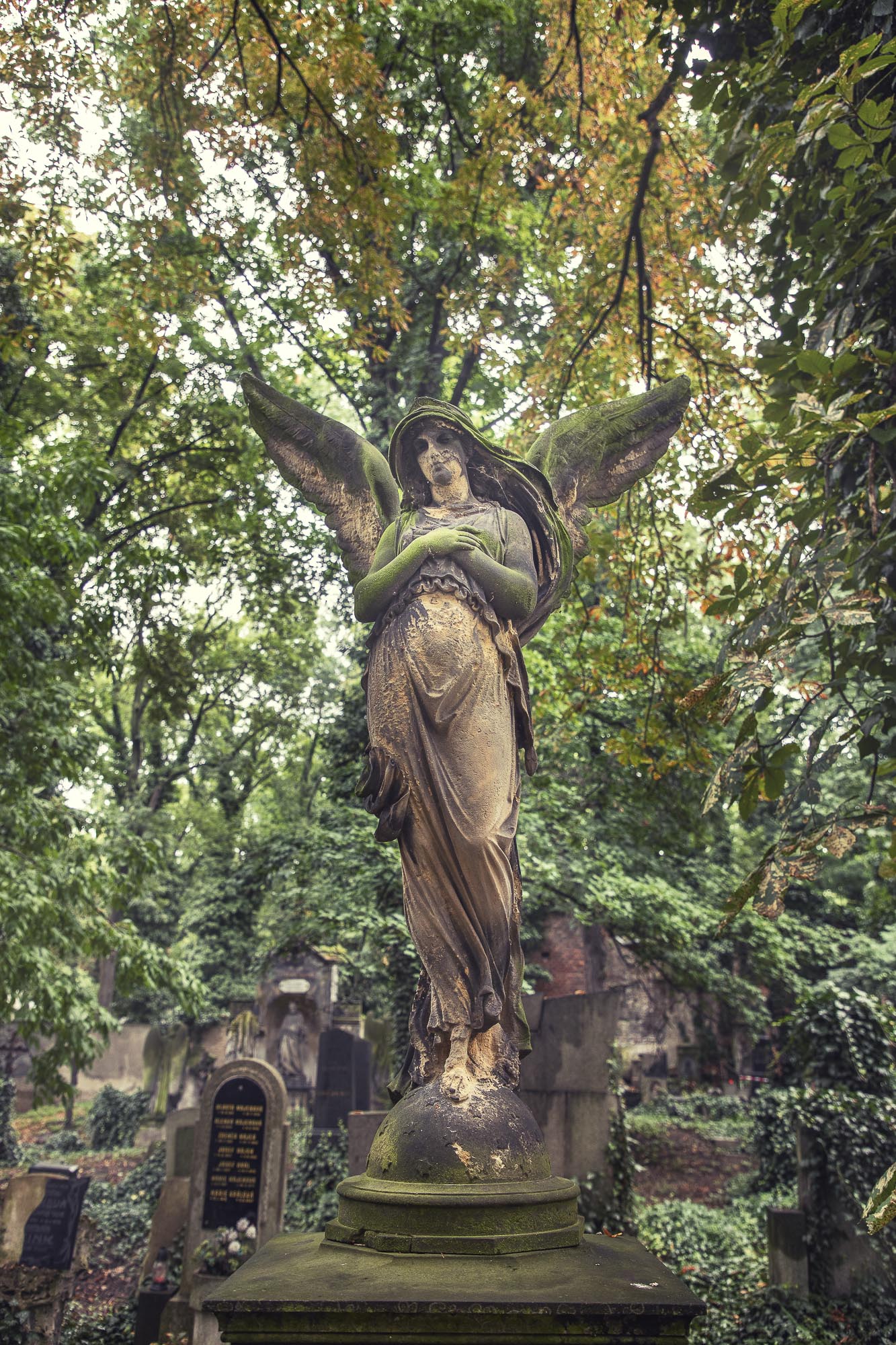
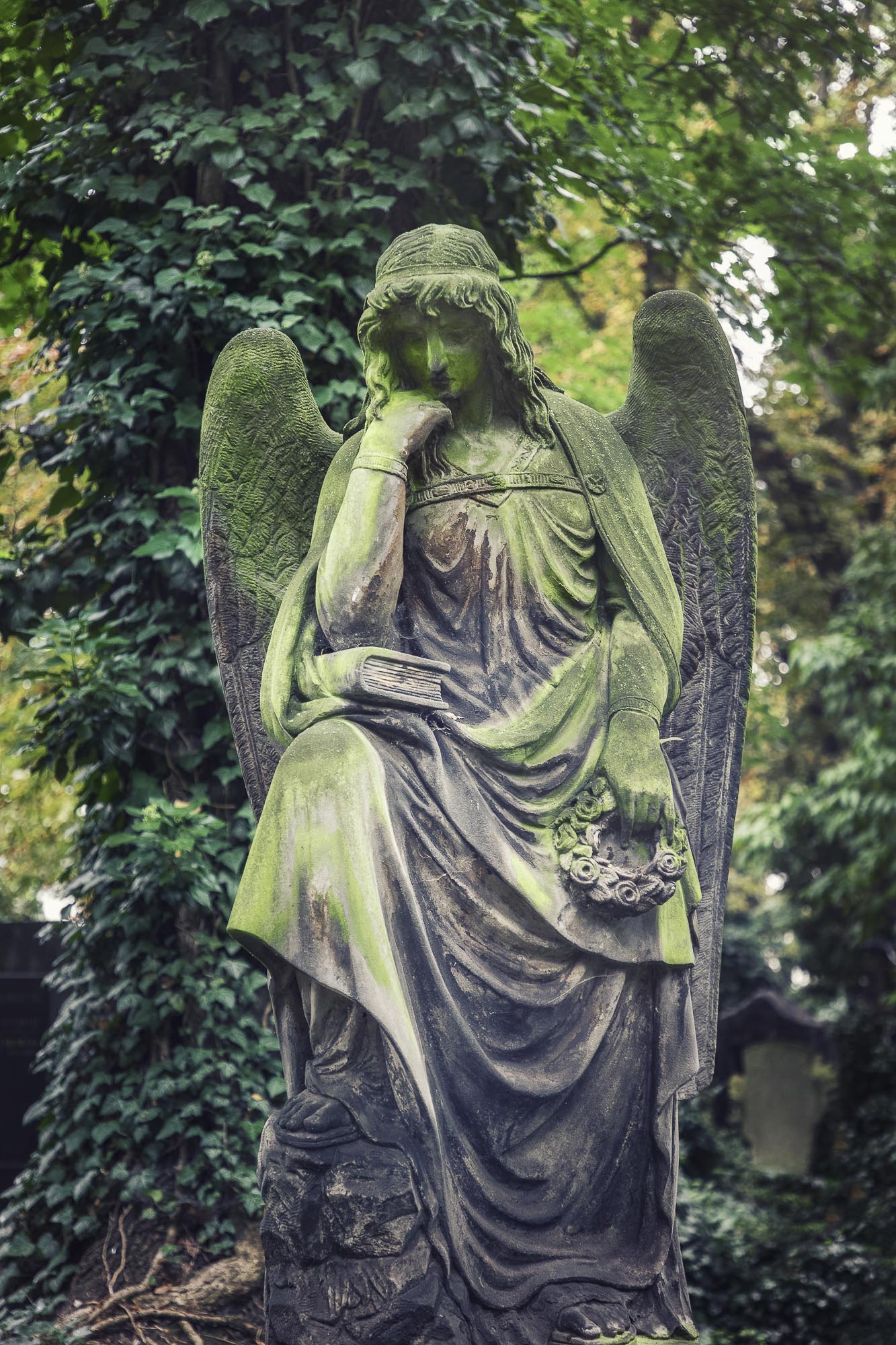
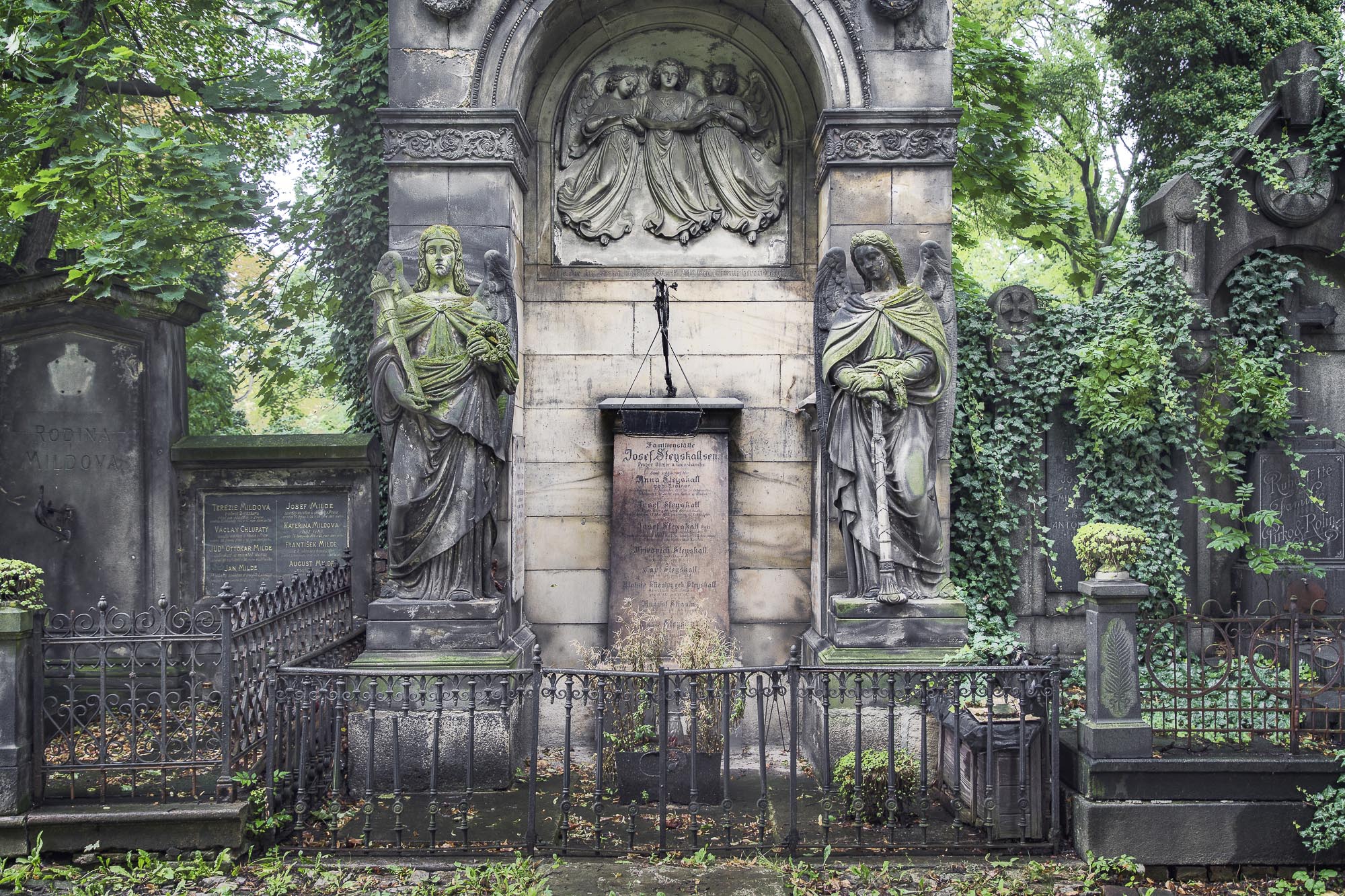
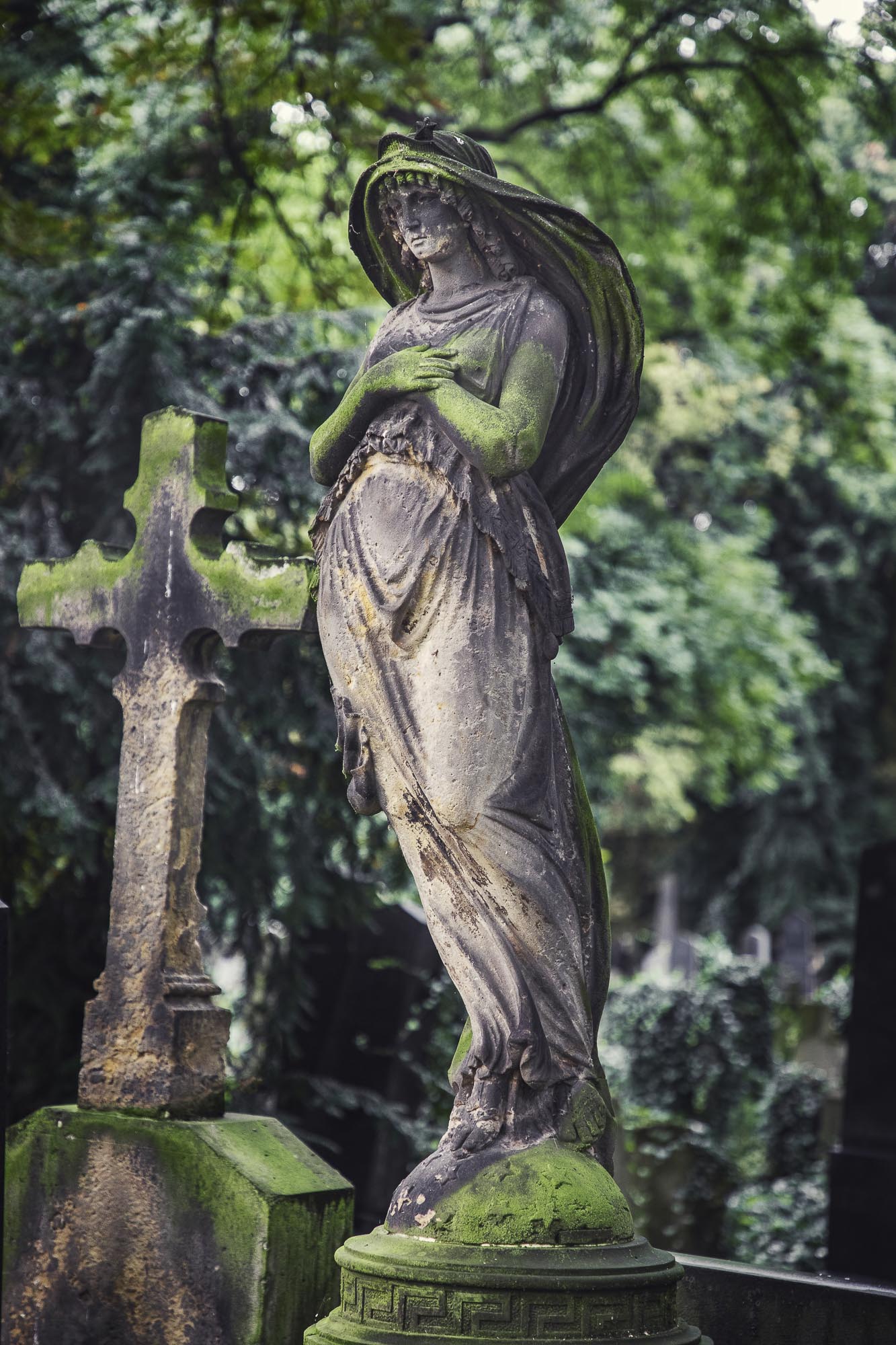
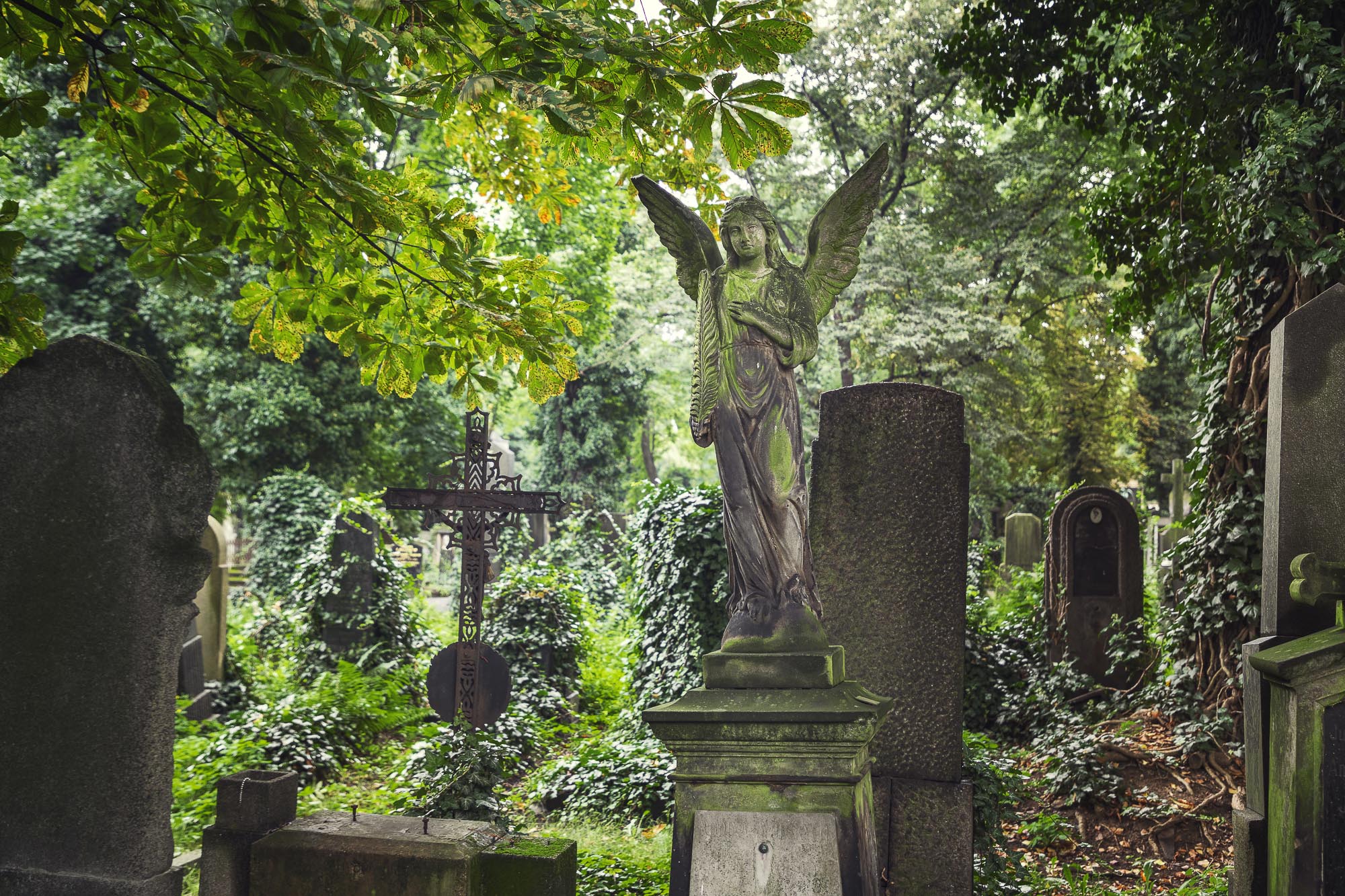
The figures are striking: some 25,000 tomb vaults, nearly 200 chapel vaults, 65,000 graves, 20,000 urn graves and six columbarium walls. Monuments were created by sculptors such as Ignác František Platzer, Josef Václav Myslbek and Jan Štursa, and the central ceremonial hall dates from 1894. The Orthodox Church of the Dormition was consecrated in 1925.
Jan Palach, the philologist Josef Jungmann, the poet Karel Havlíček Borovský, the actors Jan Werich and Jiří Voskovec and the composer Jaroslav Ježek are buried here. Czechoslovakia's first prime minister Karel Kramář rests in the crypt of the Orthodox church. The Prague War Cemetery holds graves of Commonwealth and Polish soldiers. Next to the Olšany Cemeteries lies the New Jewish Cemetery, where Franz Kafka is buried.
Frequently asked questions
Where are the Olšany Cemeteries?
The Olšany Cemeteries are in the Prague district of Žižkov (Prague 3), with the main entrances on Vinohradská. The Prague cemetery administration provides current visitor information.
Who is buried in the Olšany Cemeteries?
Those buried here include Jan Palach, Josef Jungmann, Karel Havlíček Borovský, Jan Werich, Jiří Voskovec and Karel Kramář. Franz Kafka lies in the adjoining New Jewish Cemetery.
Why are the Olšany Cemeteries well known?
With more than 50 hectares and an estimated two million burials they are the largest burial ground in the Czech Republic. They began as a plague cemetery and contain funerary art by leading Czech sculptors.