Germany · Stahnsdorf · 51 pictures
Southwest Cemetery Stahnsdorf
Südwestkirchhof Stahnsdorf
-
-
-
-
-
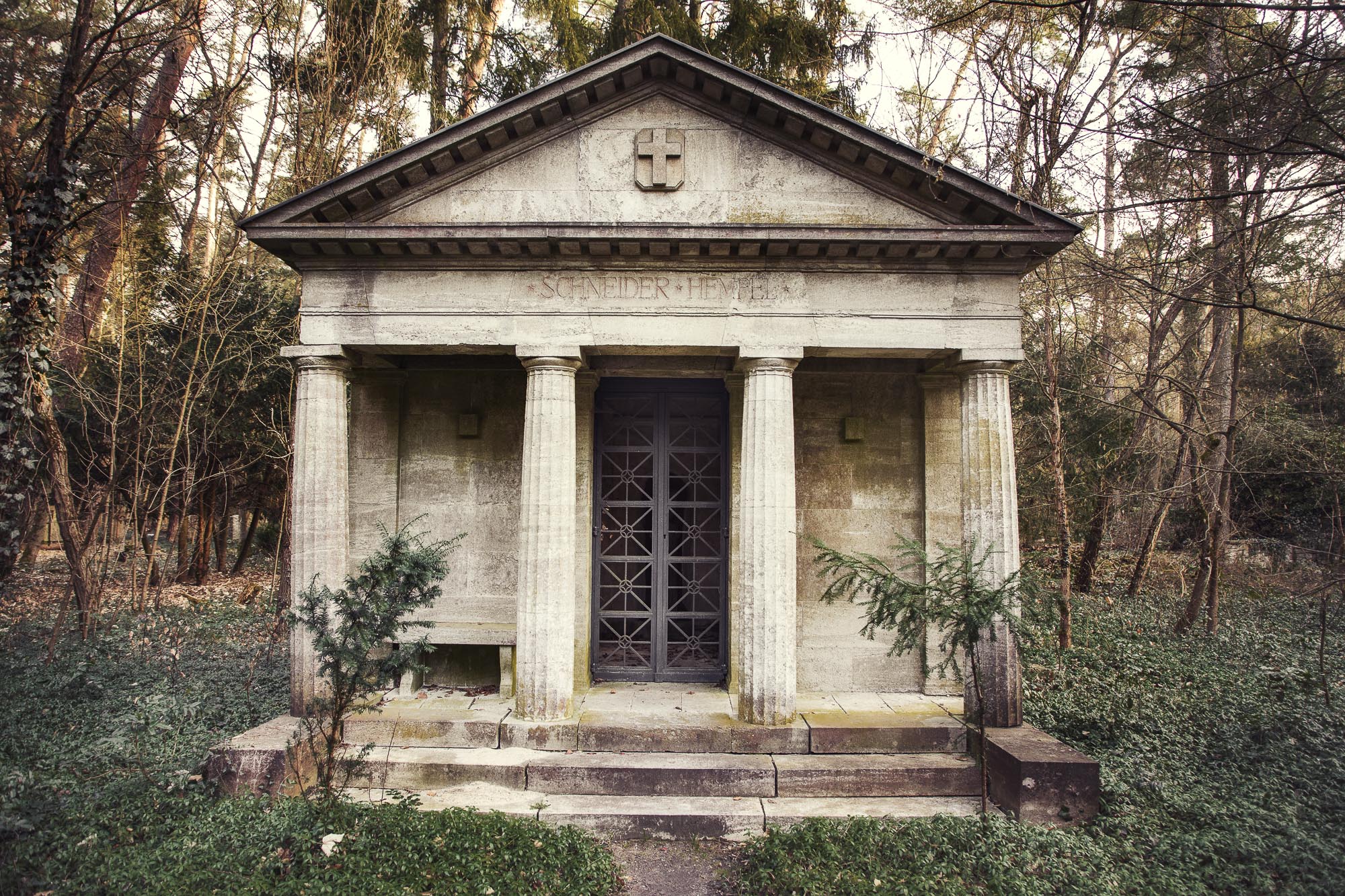
-
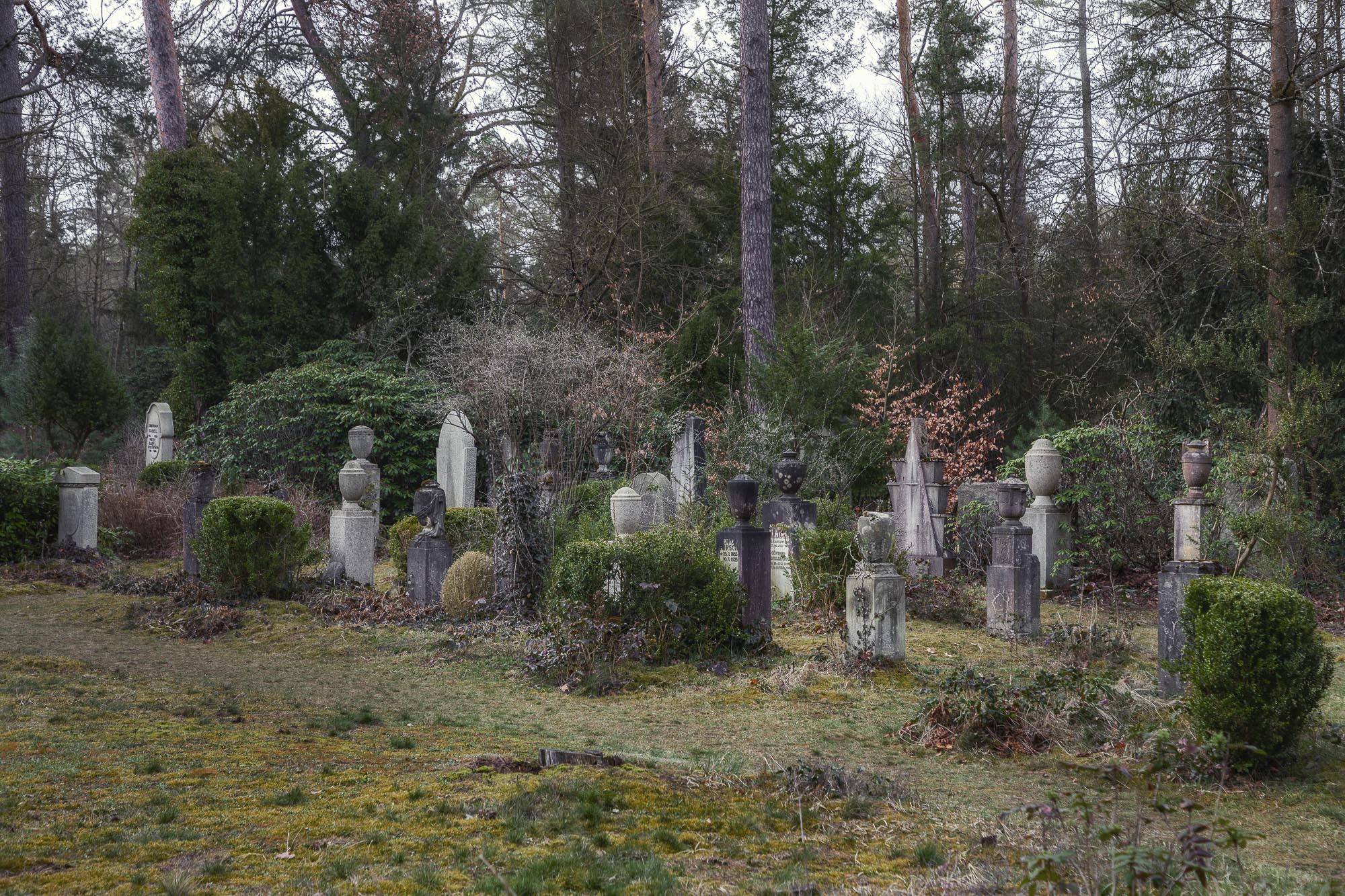
-
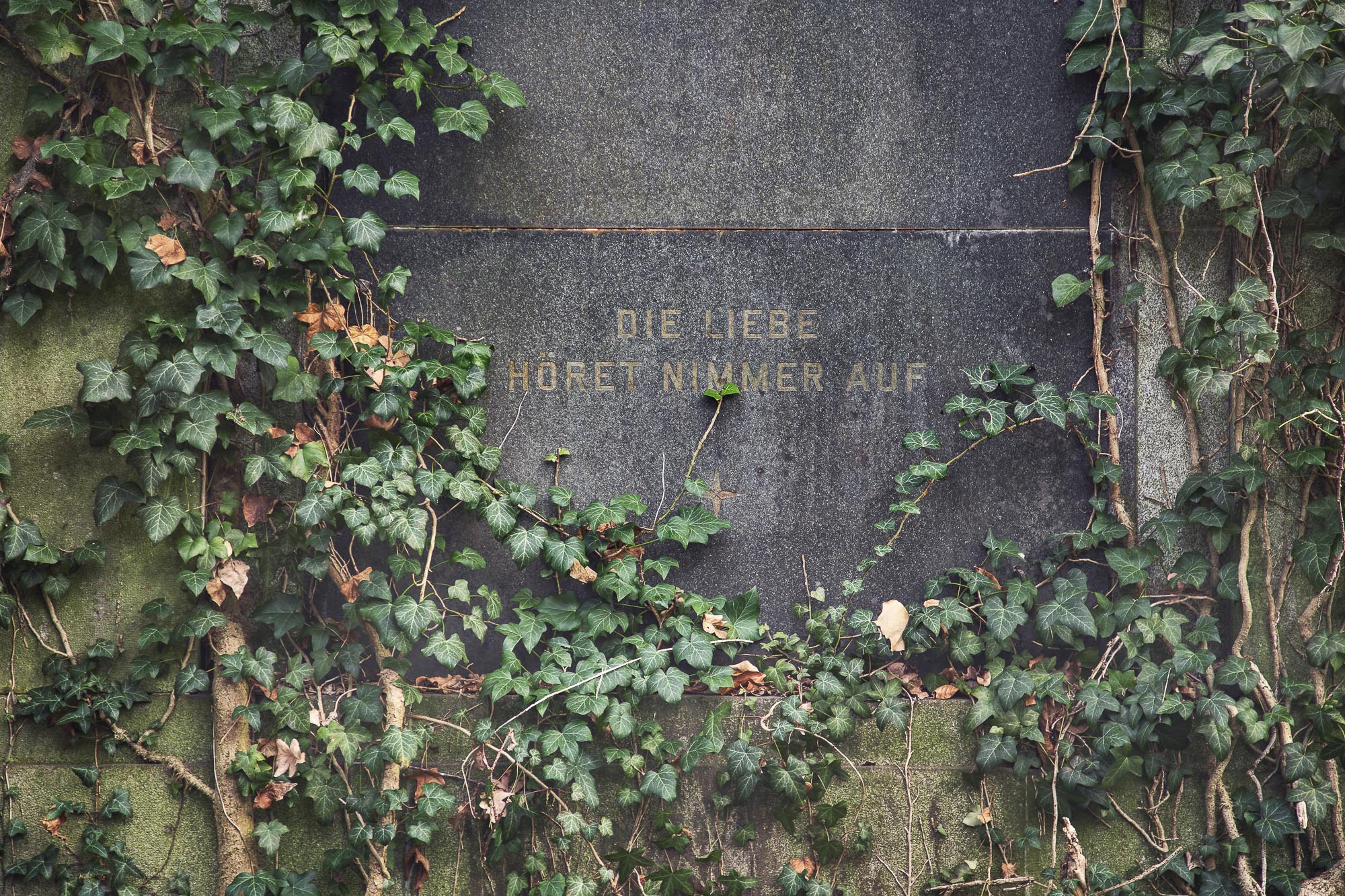
-
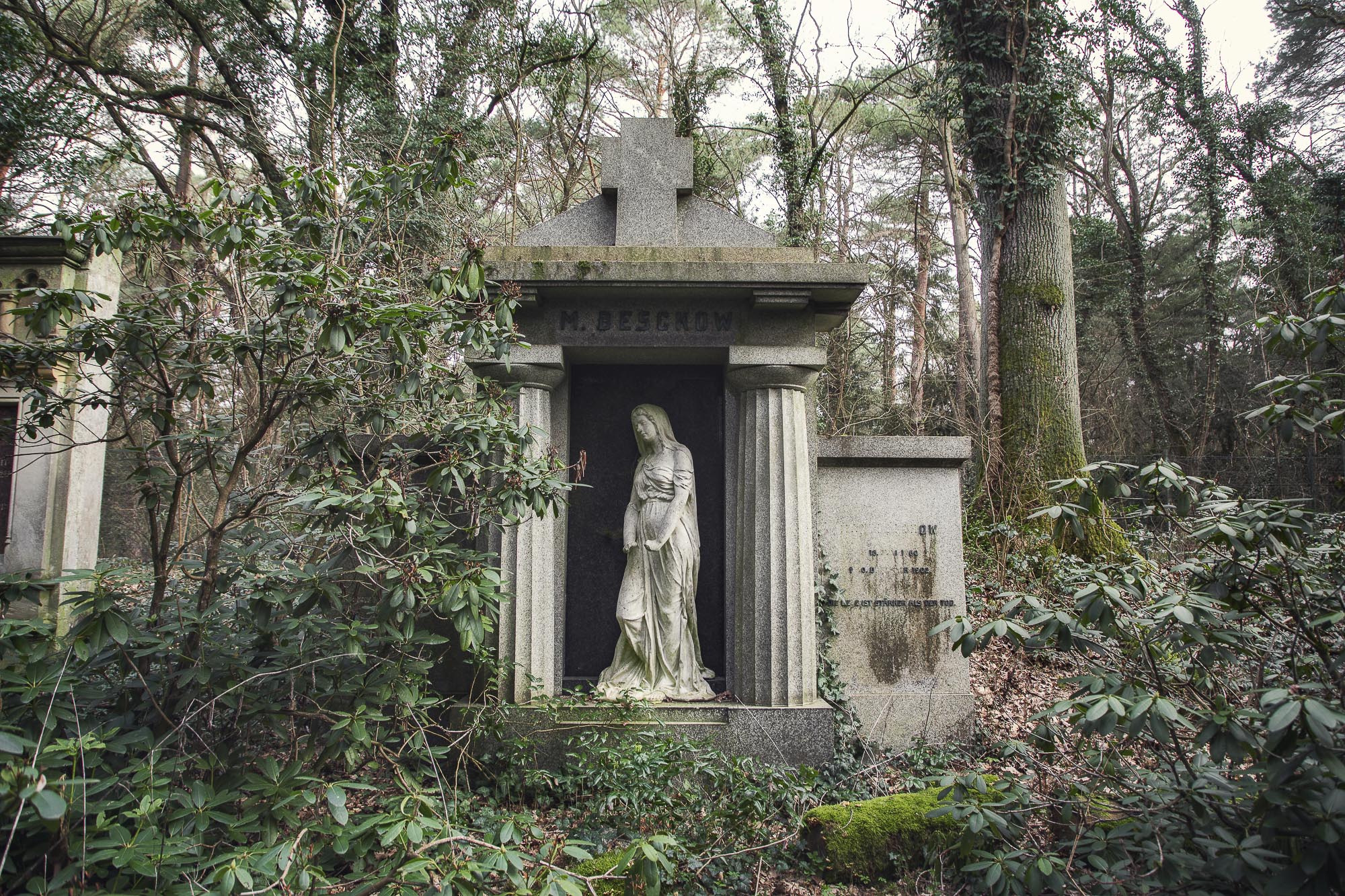
-
-
-
-
-
-
-
-
-
-
-
-
-
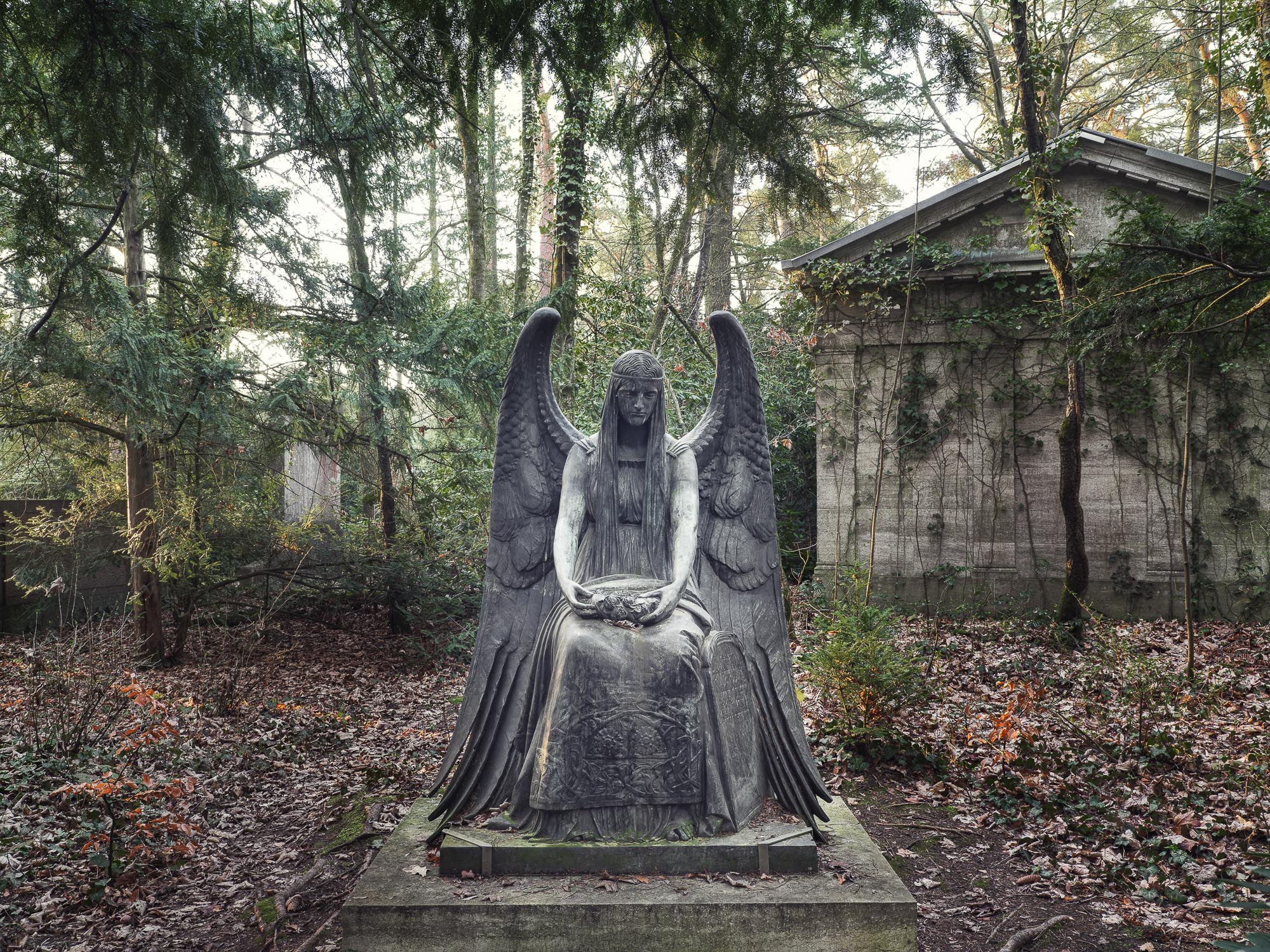
-

-
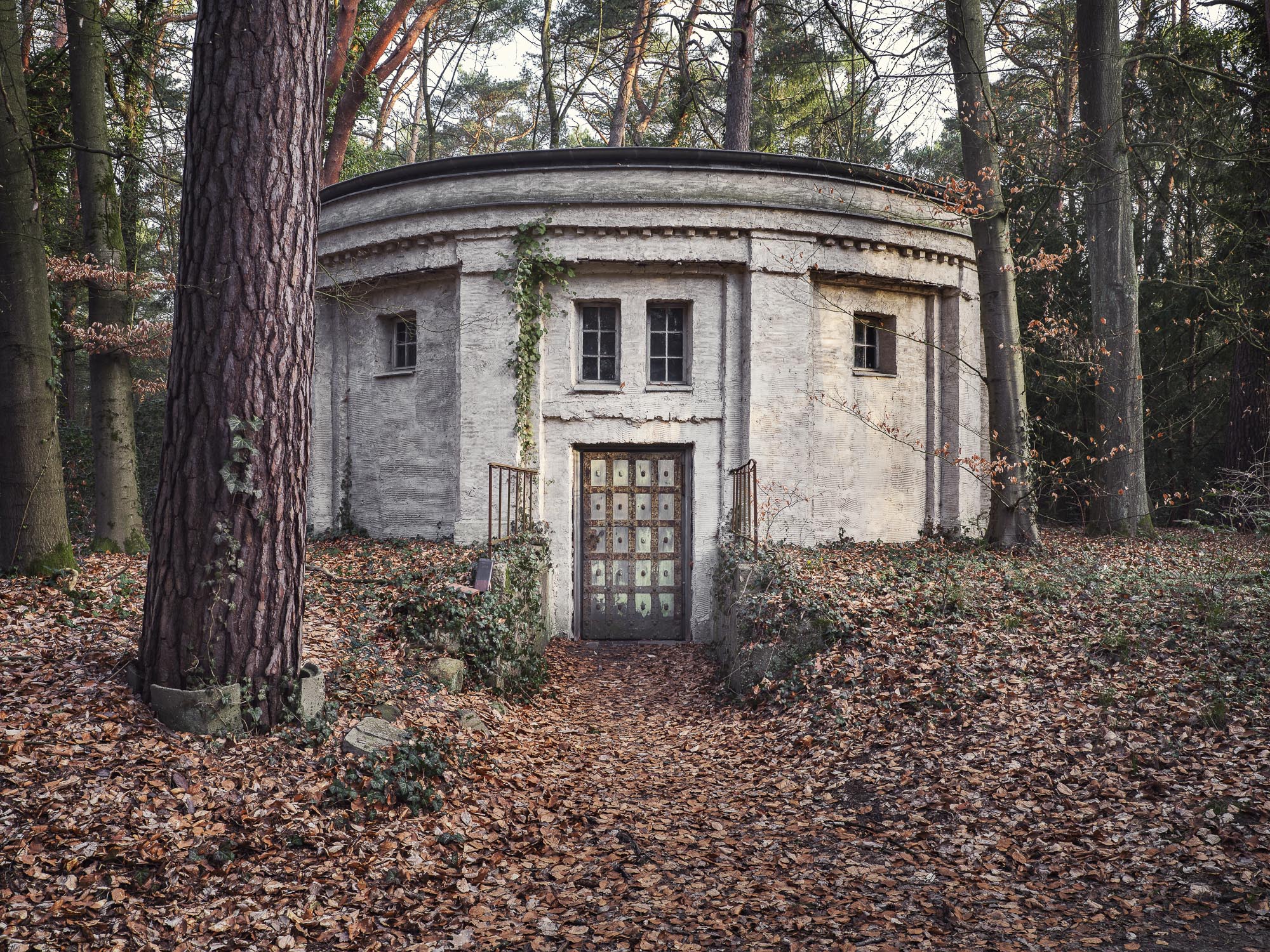
-
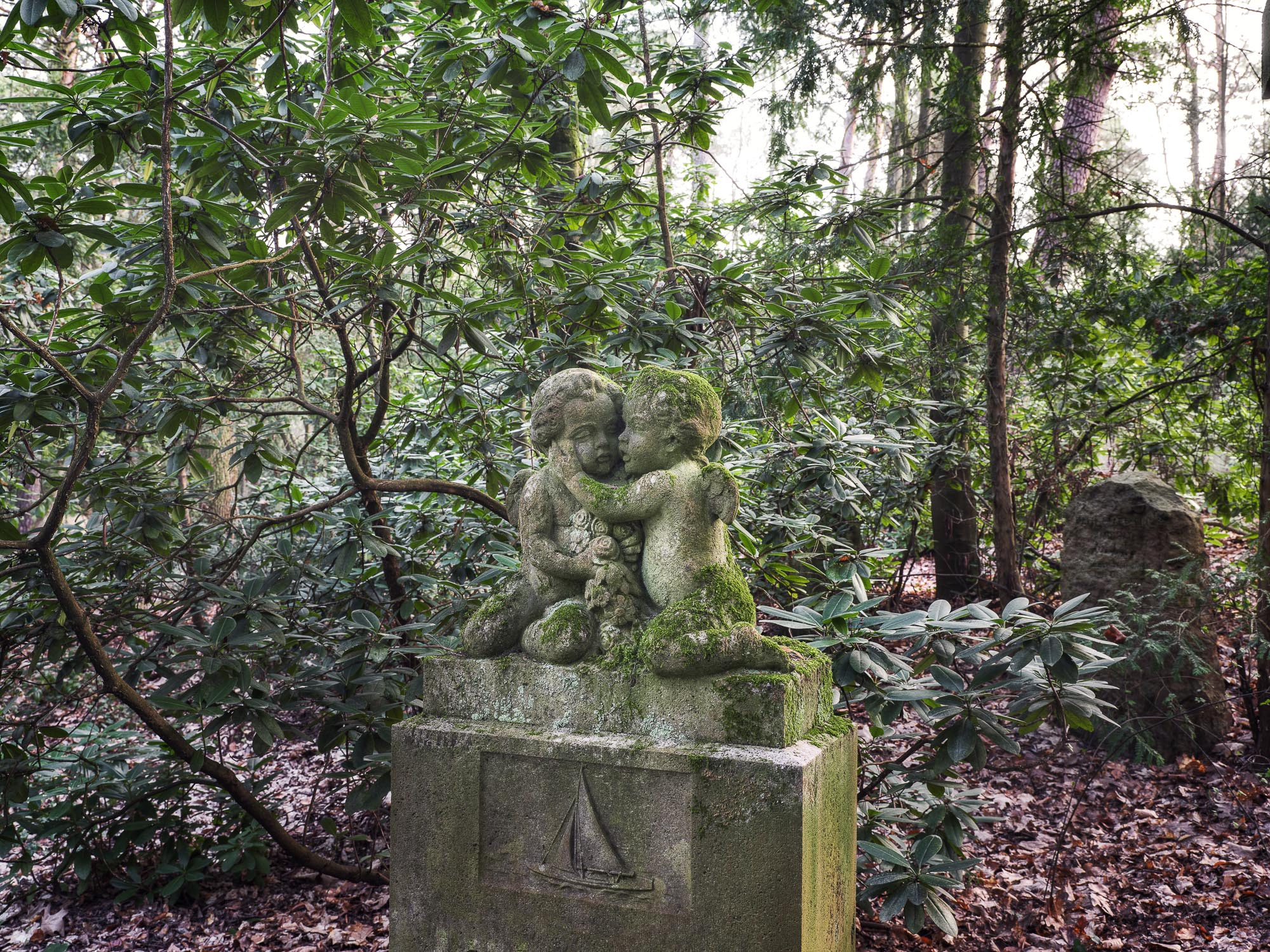
-
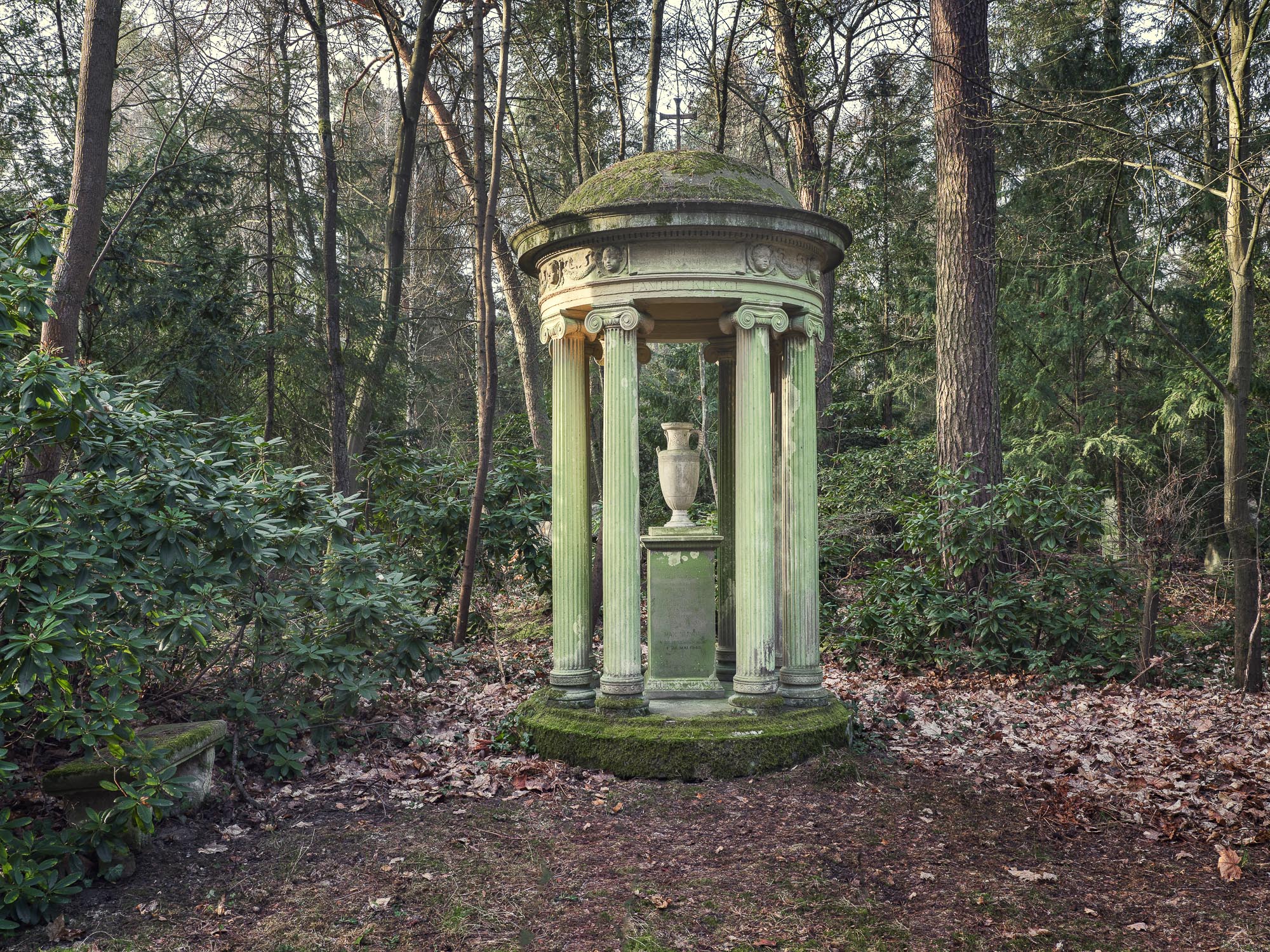
-
-

-
-
-
-
-

-
-
-
-
-
-
-
-
-
-
-
-
-
-
-
-
-
-
-
About this place
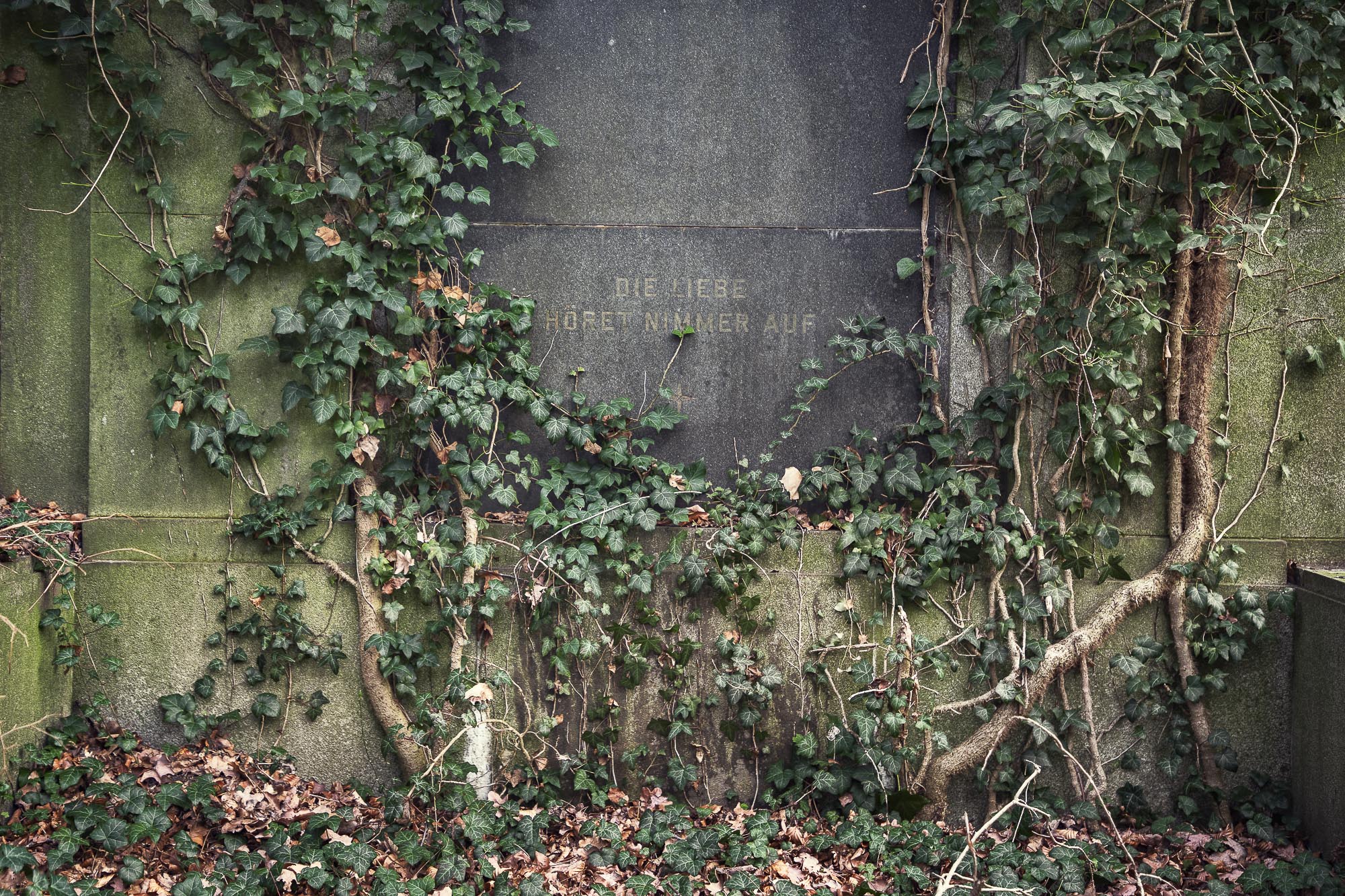
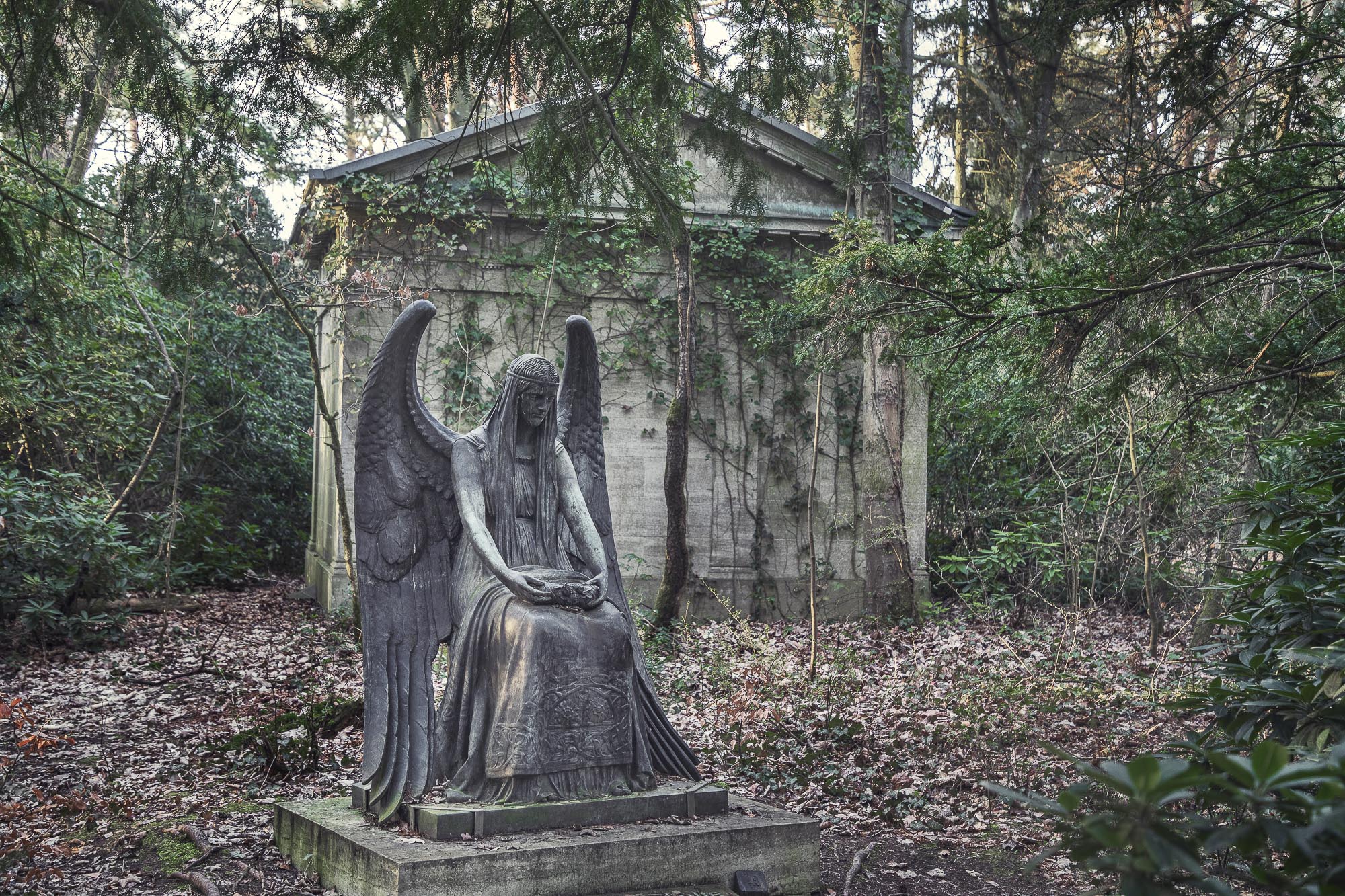
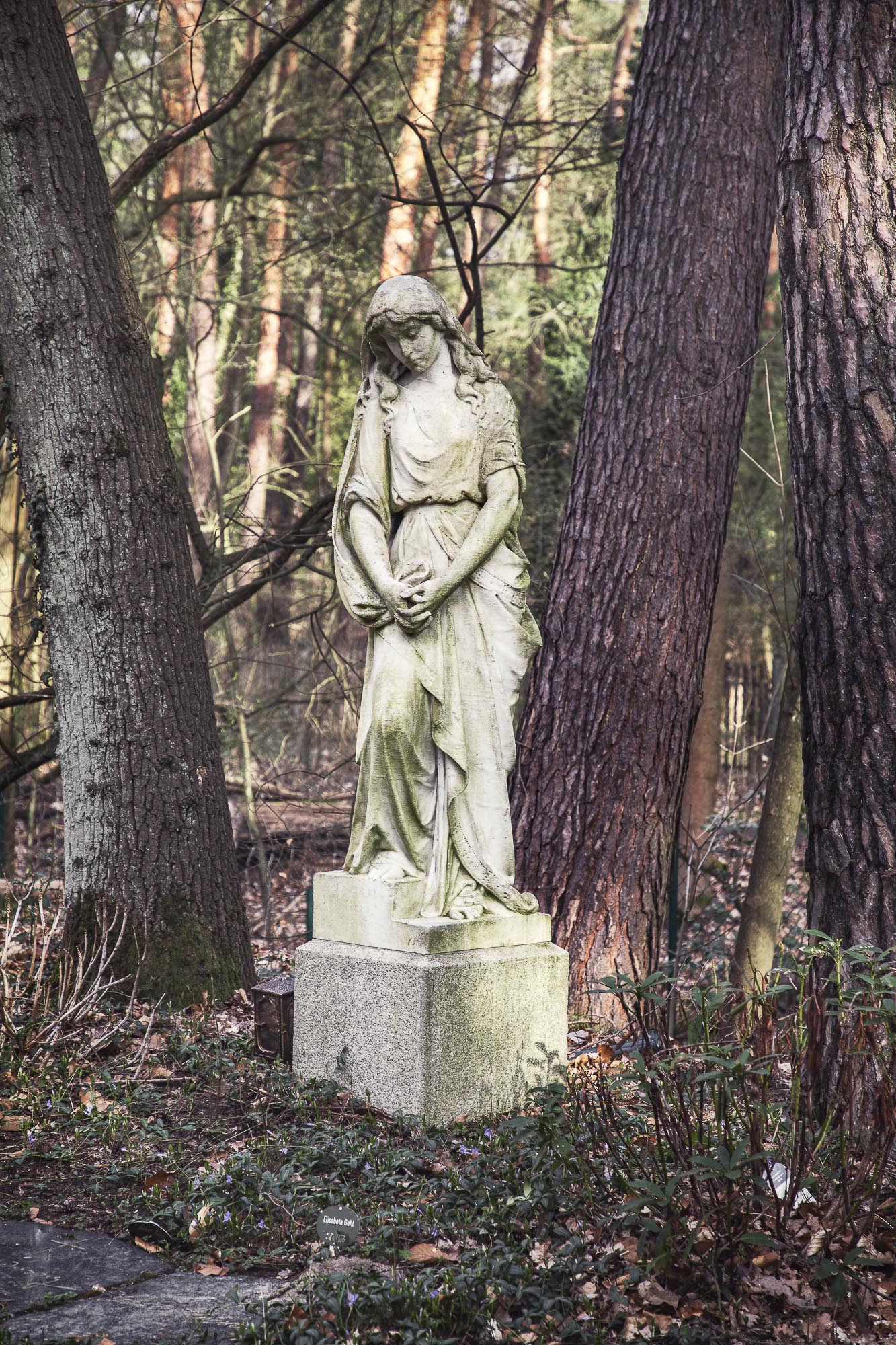
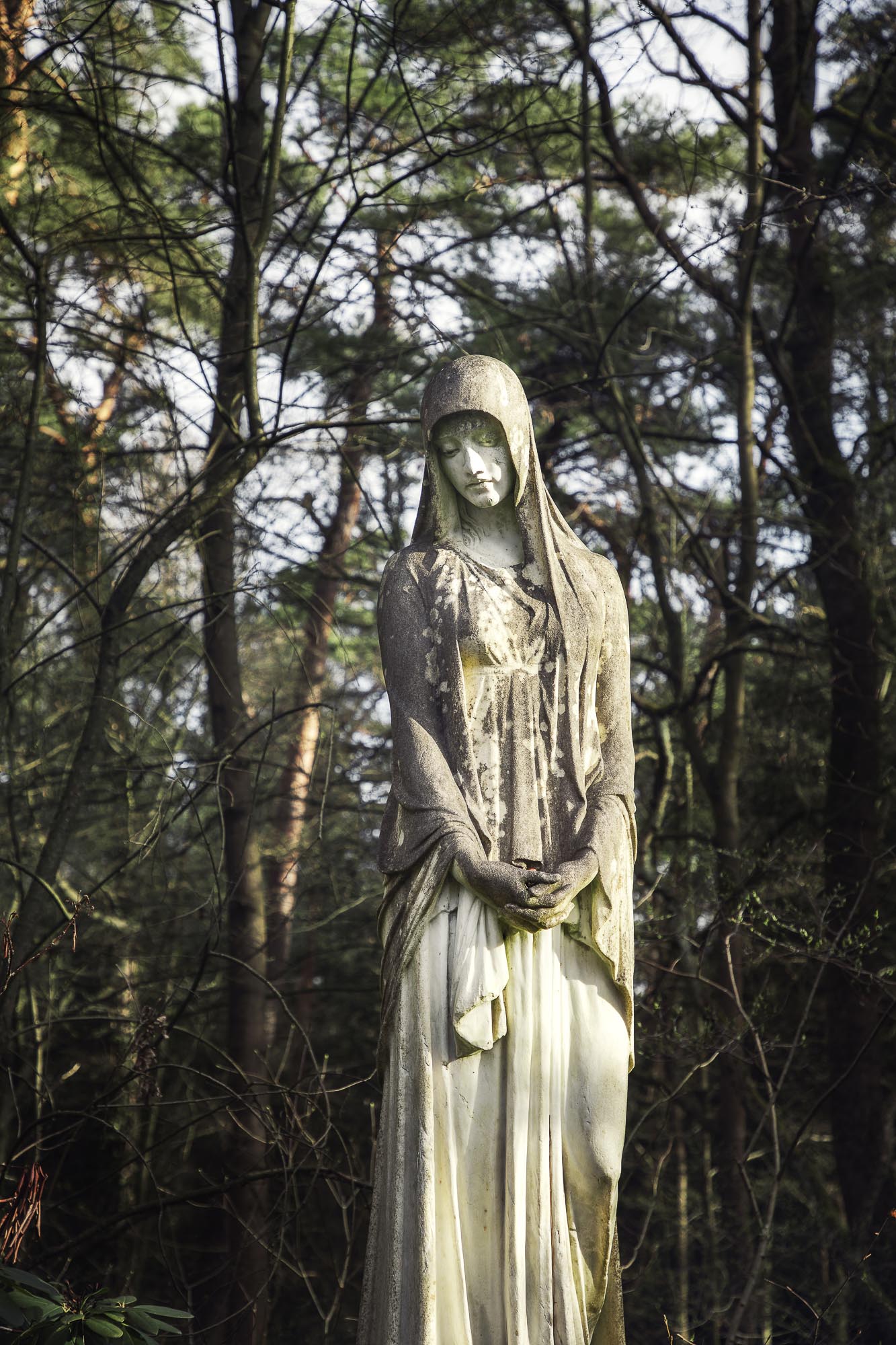
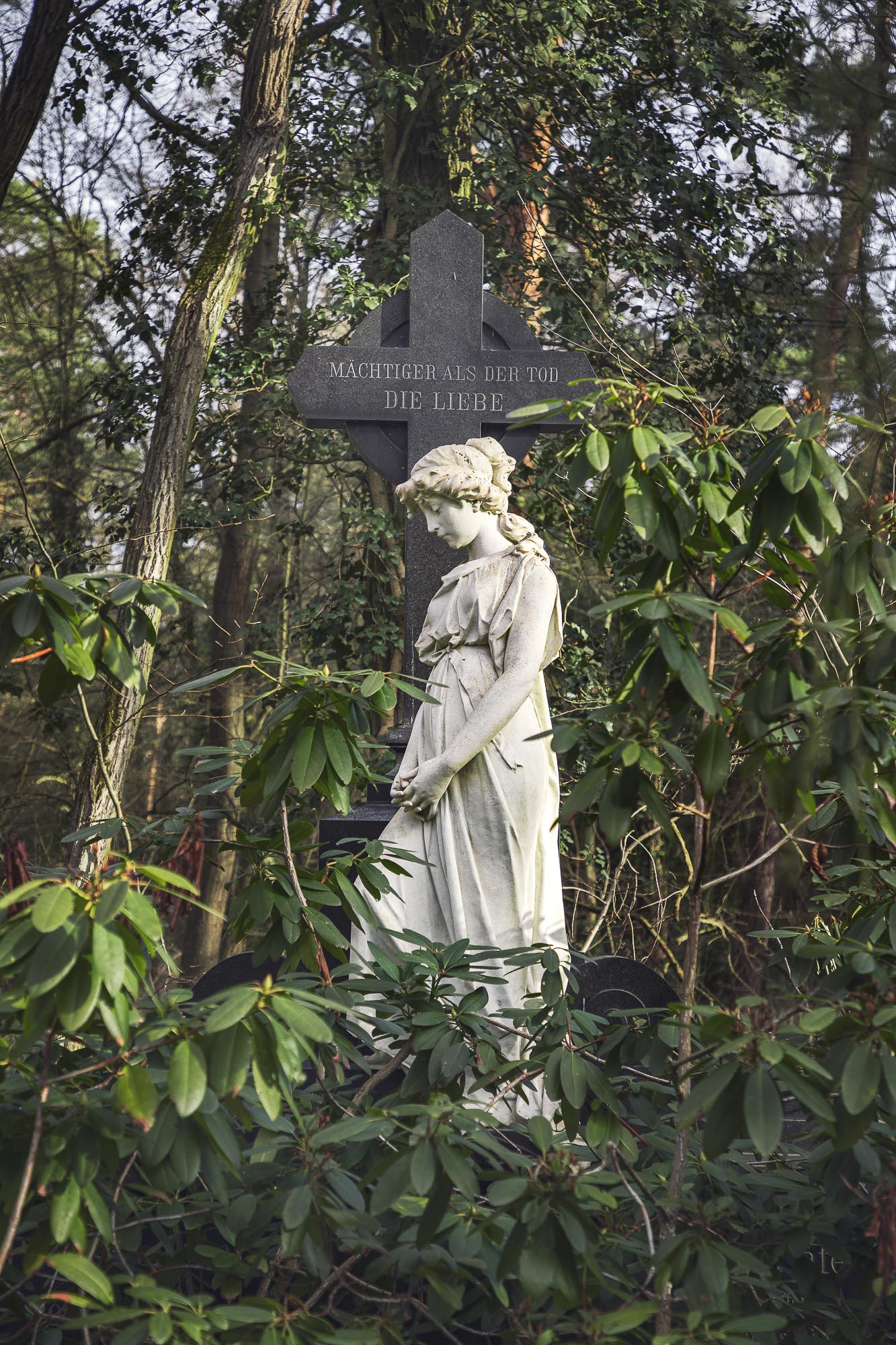
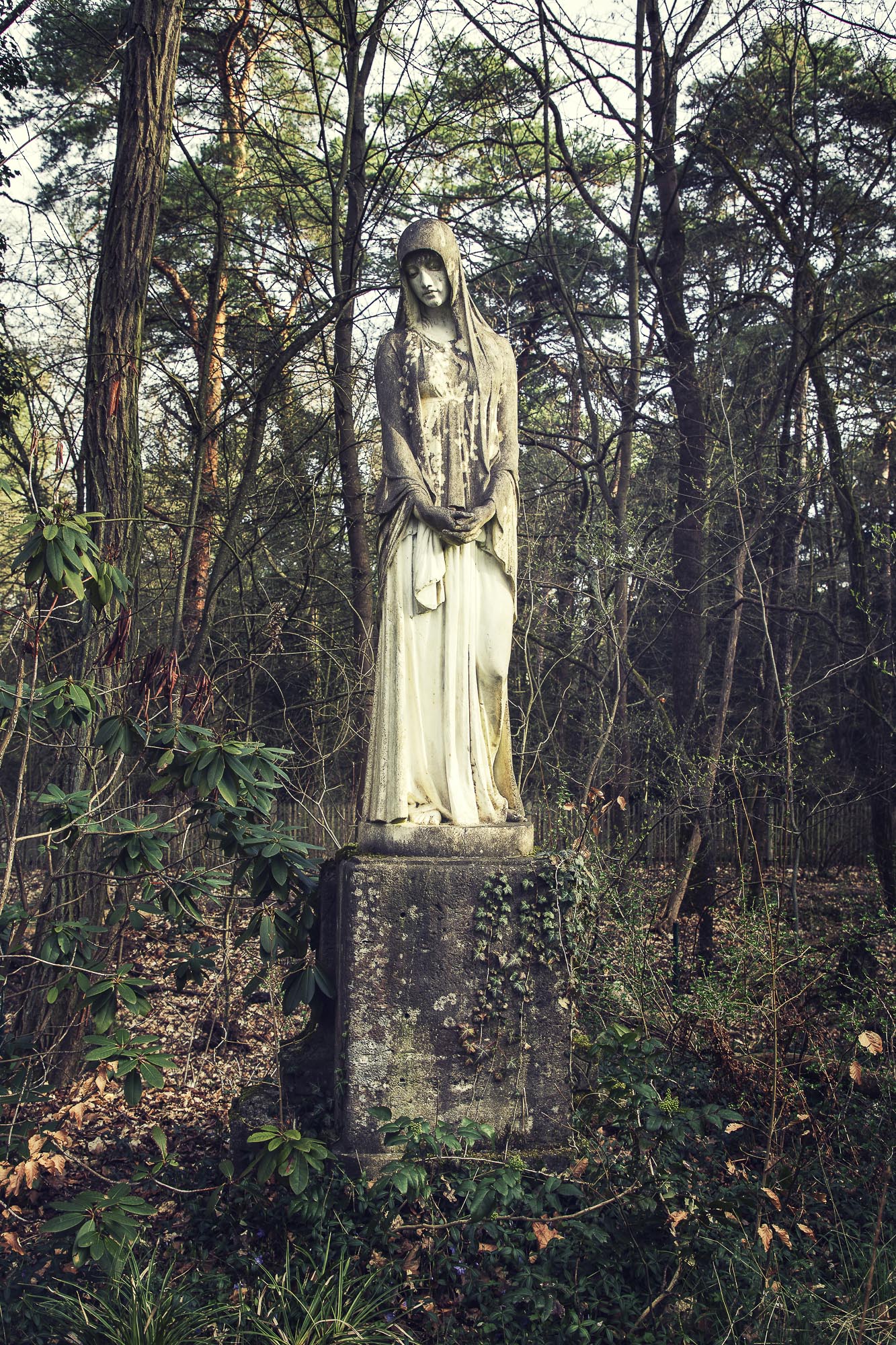
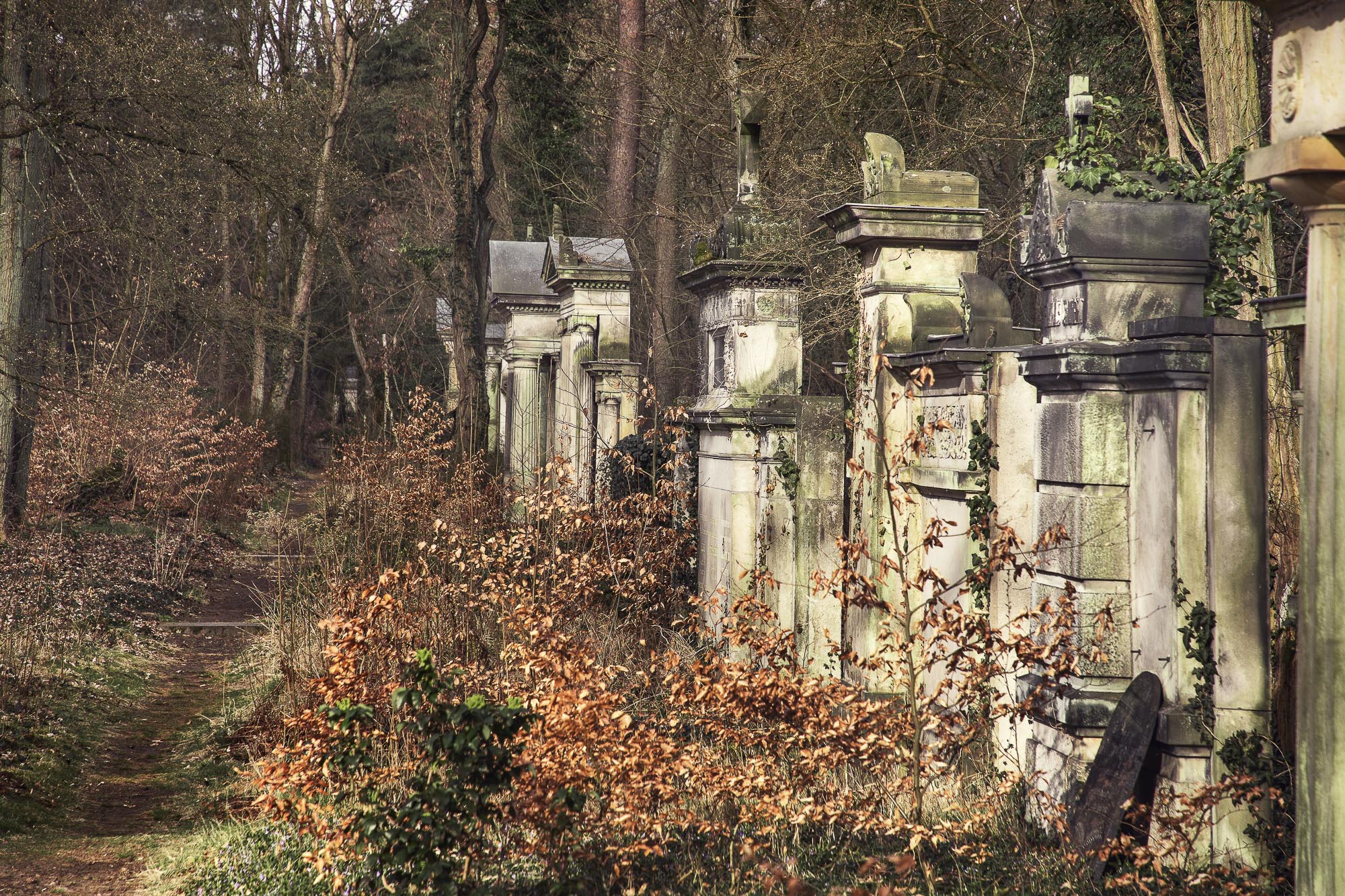
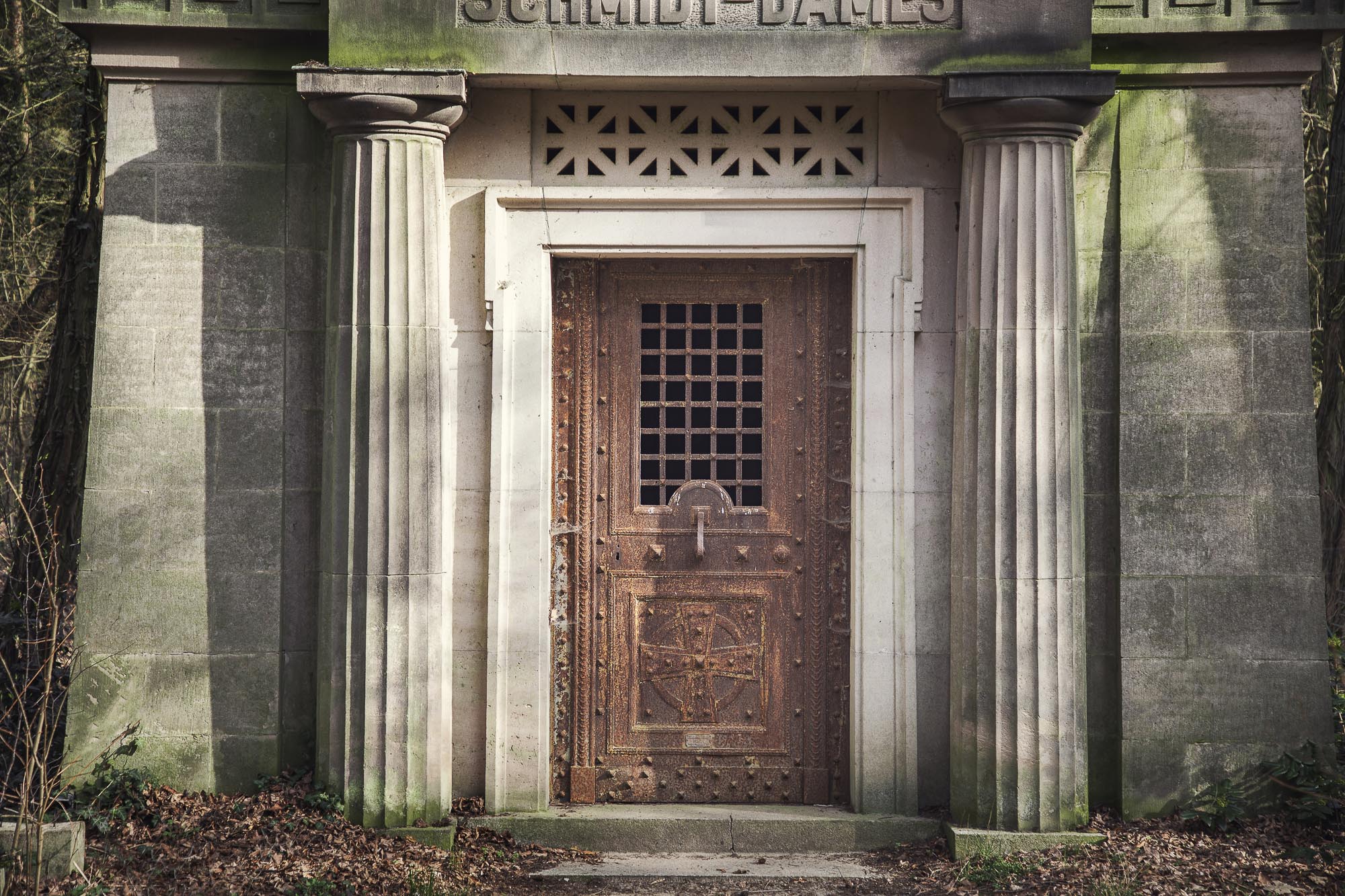
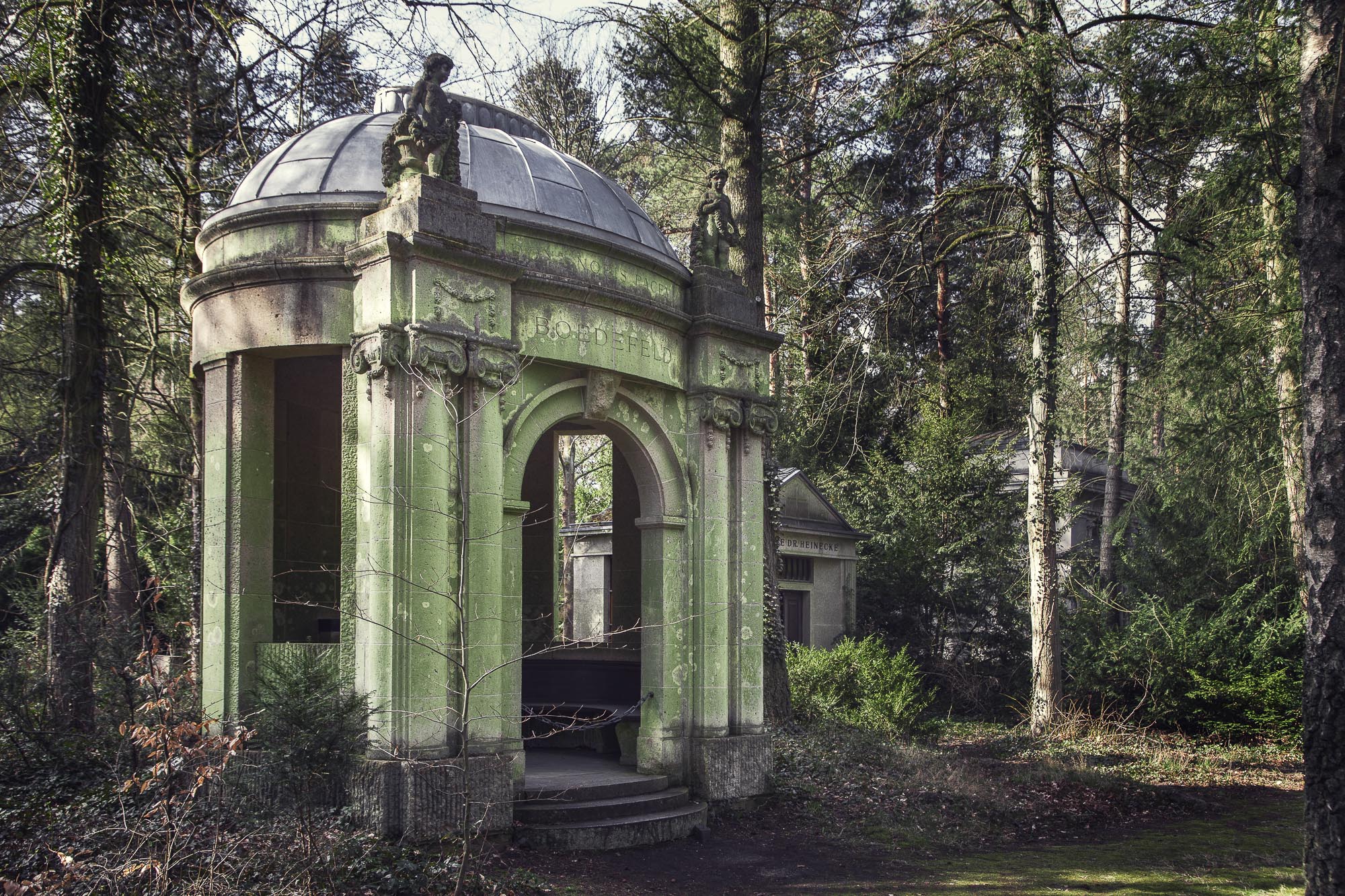
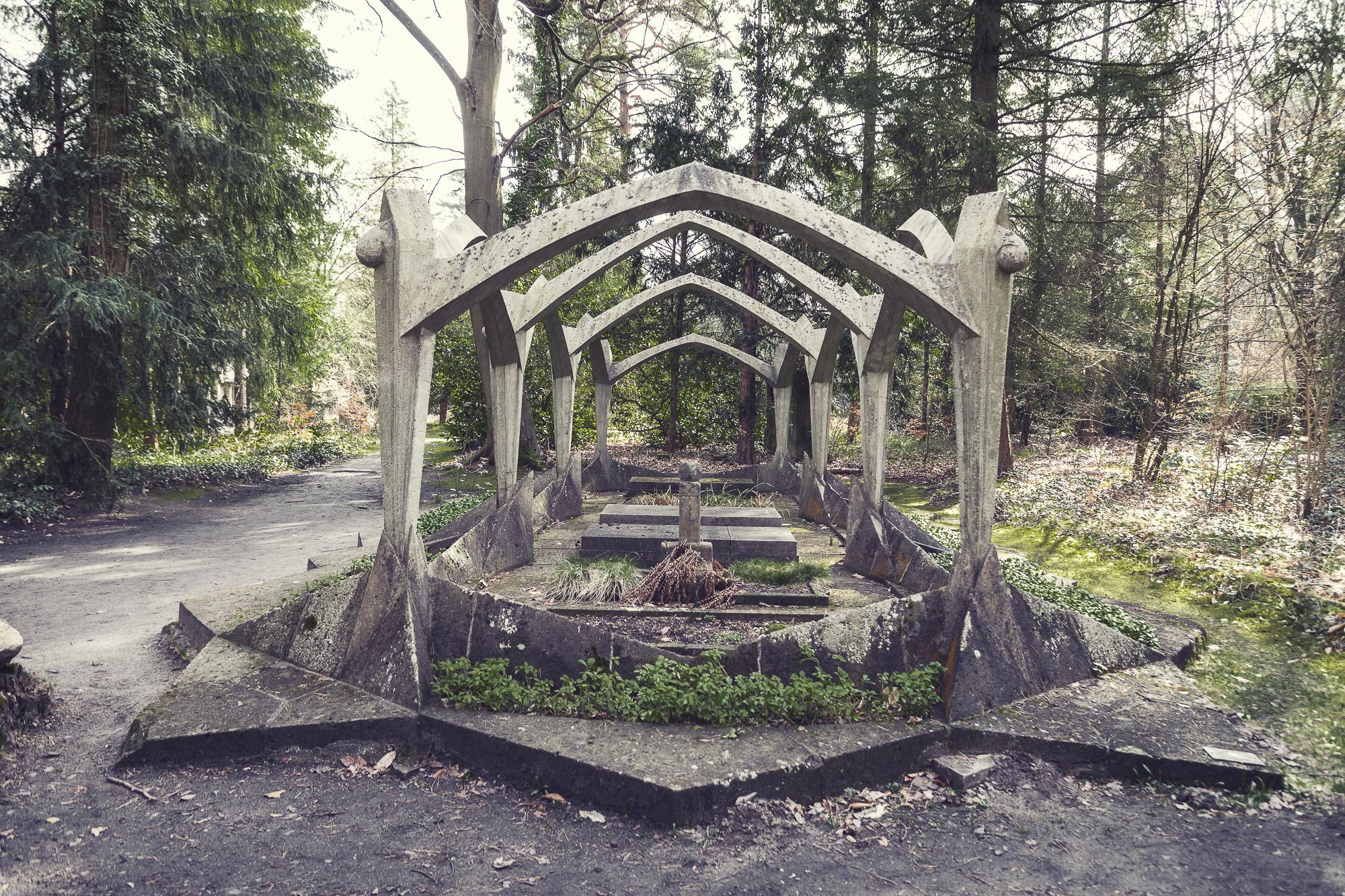
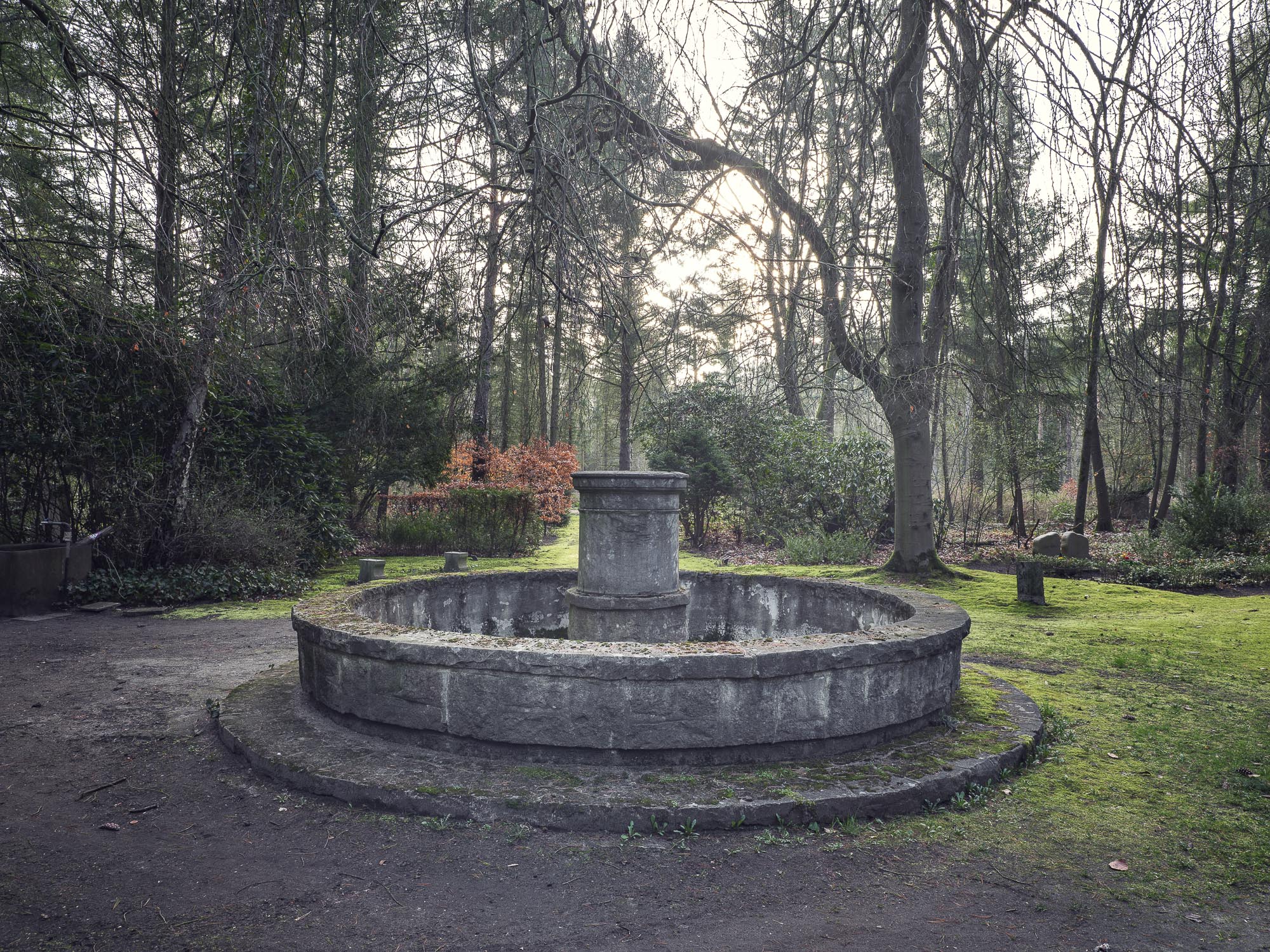
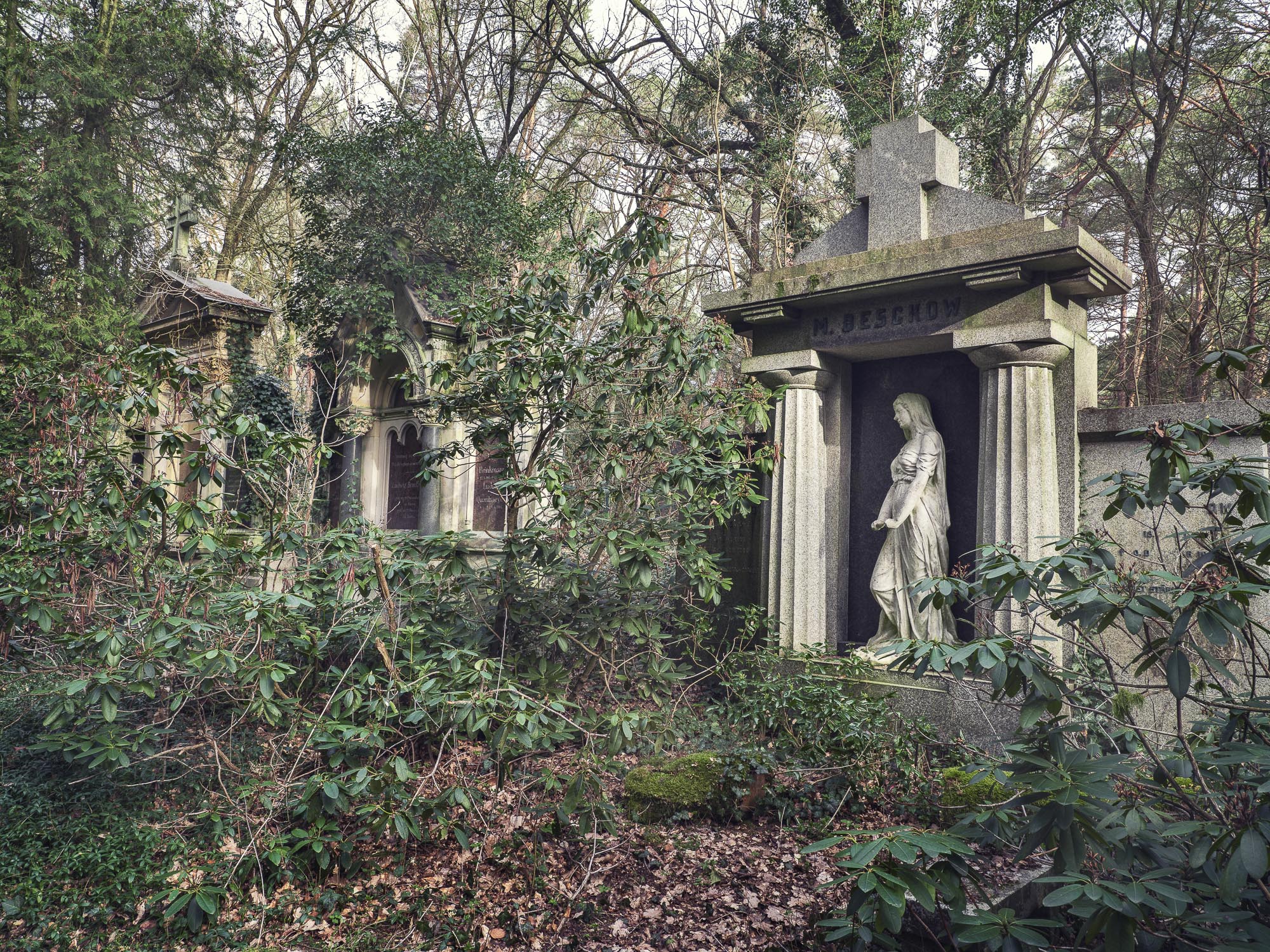
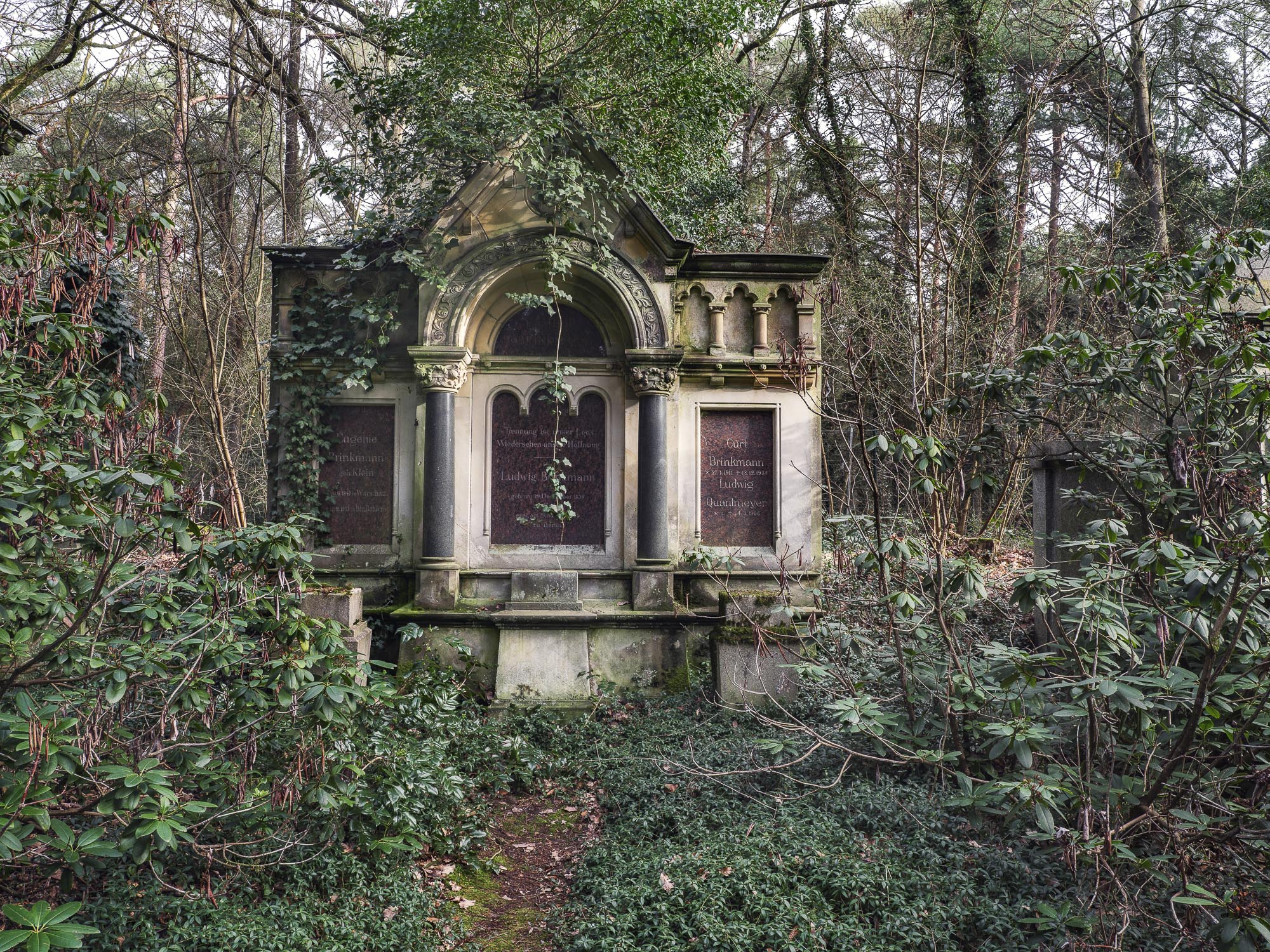
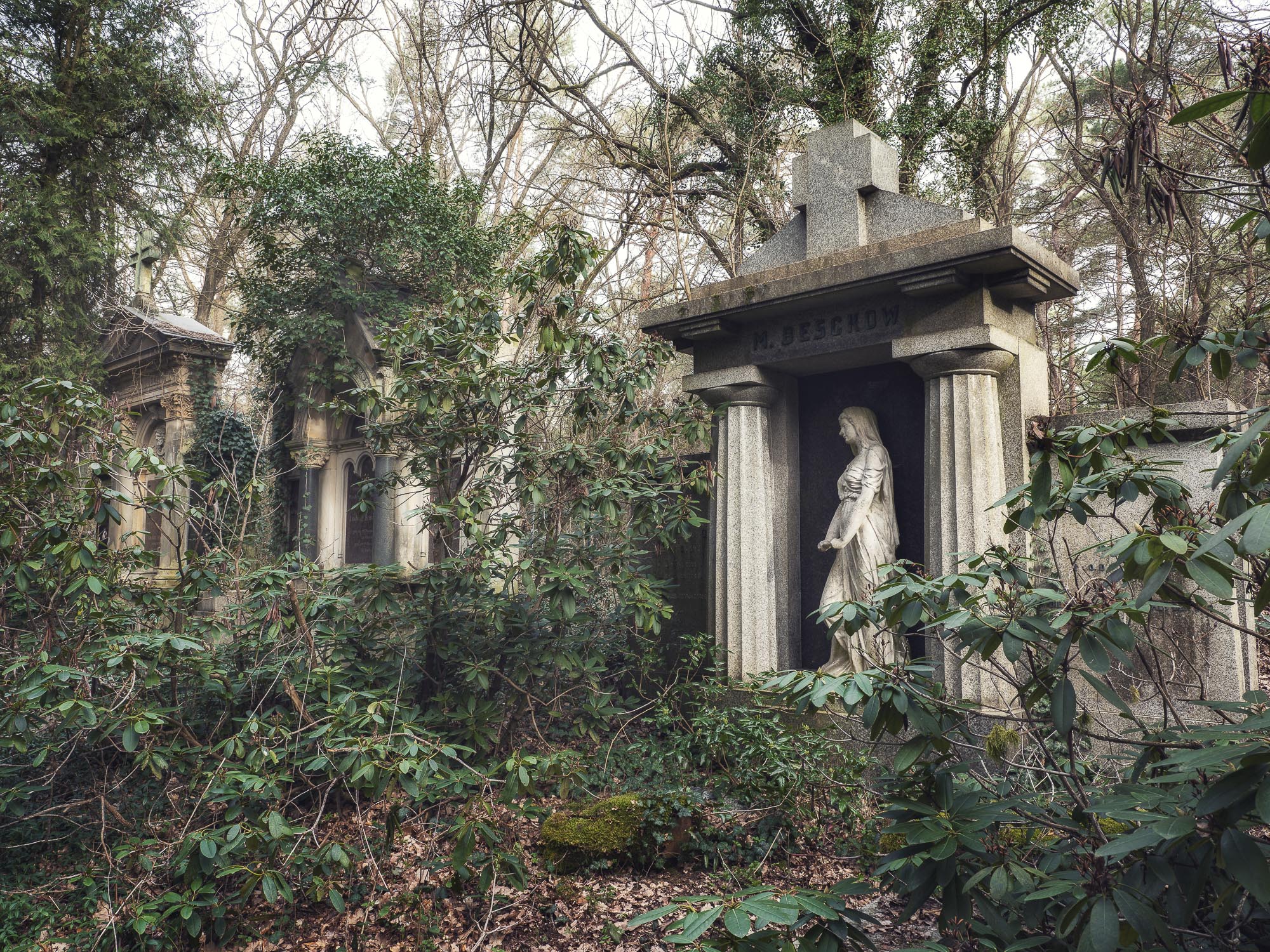
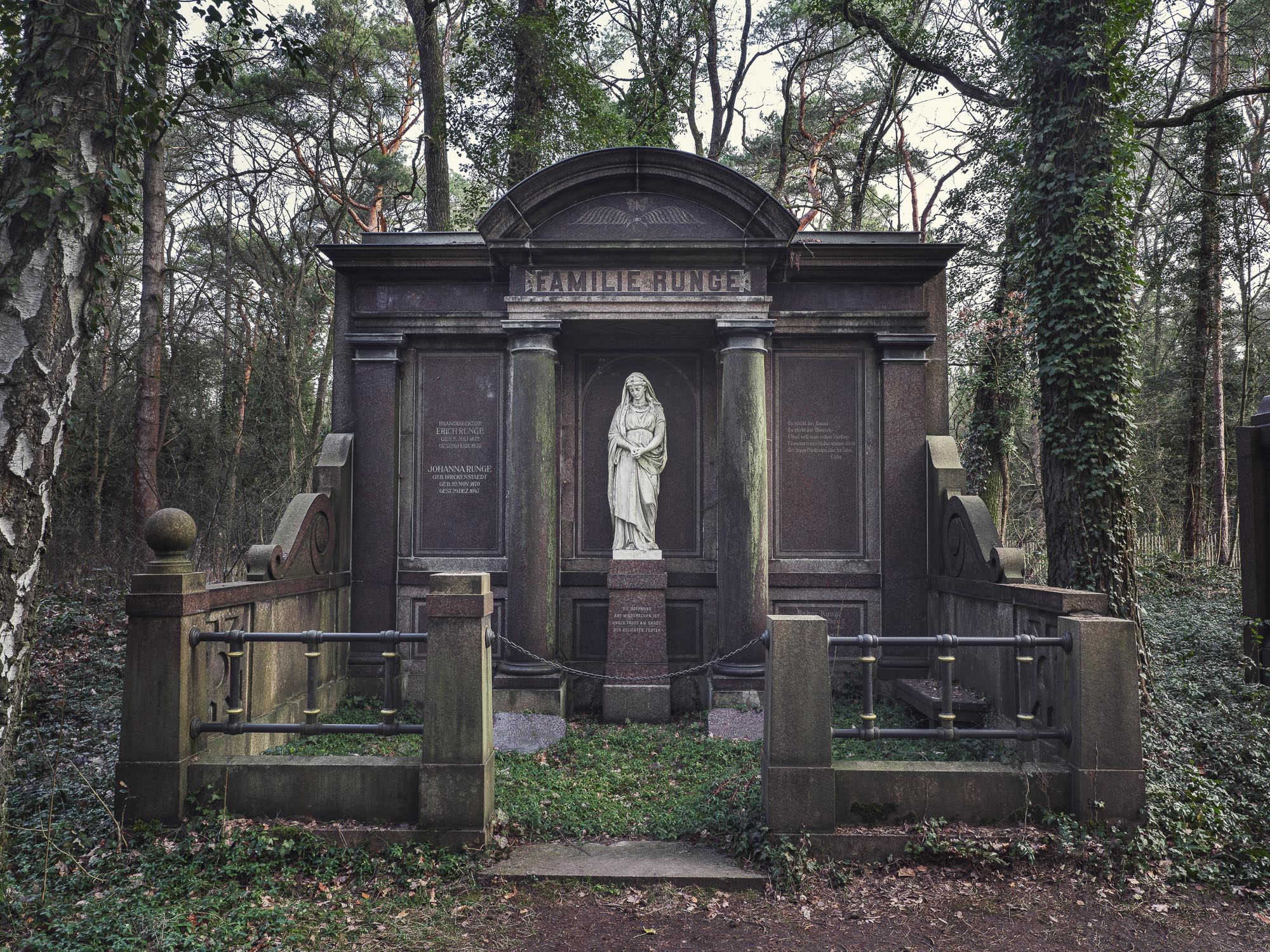
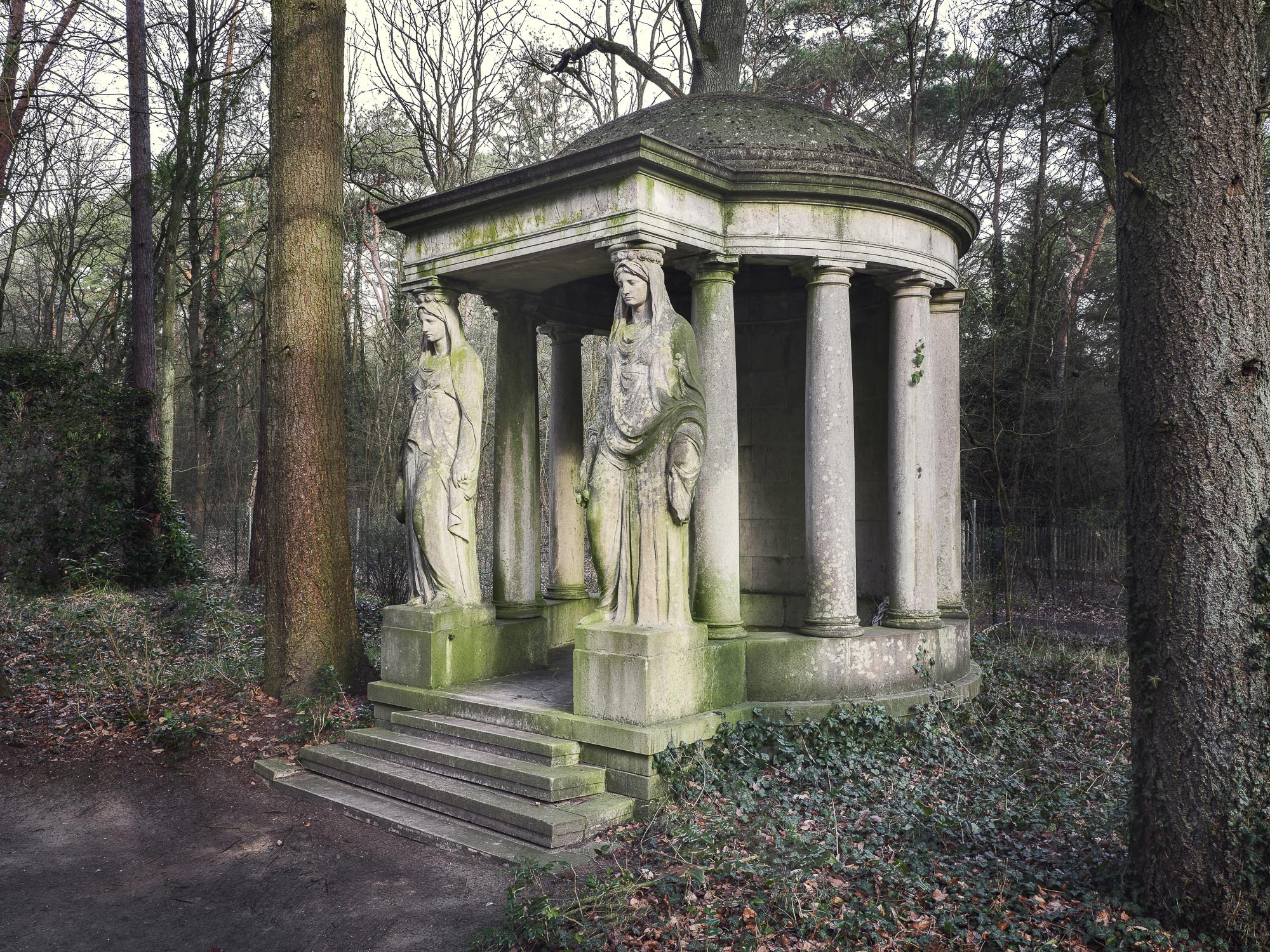
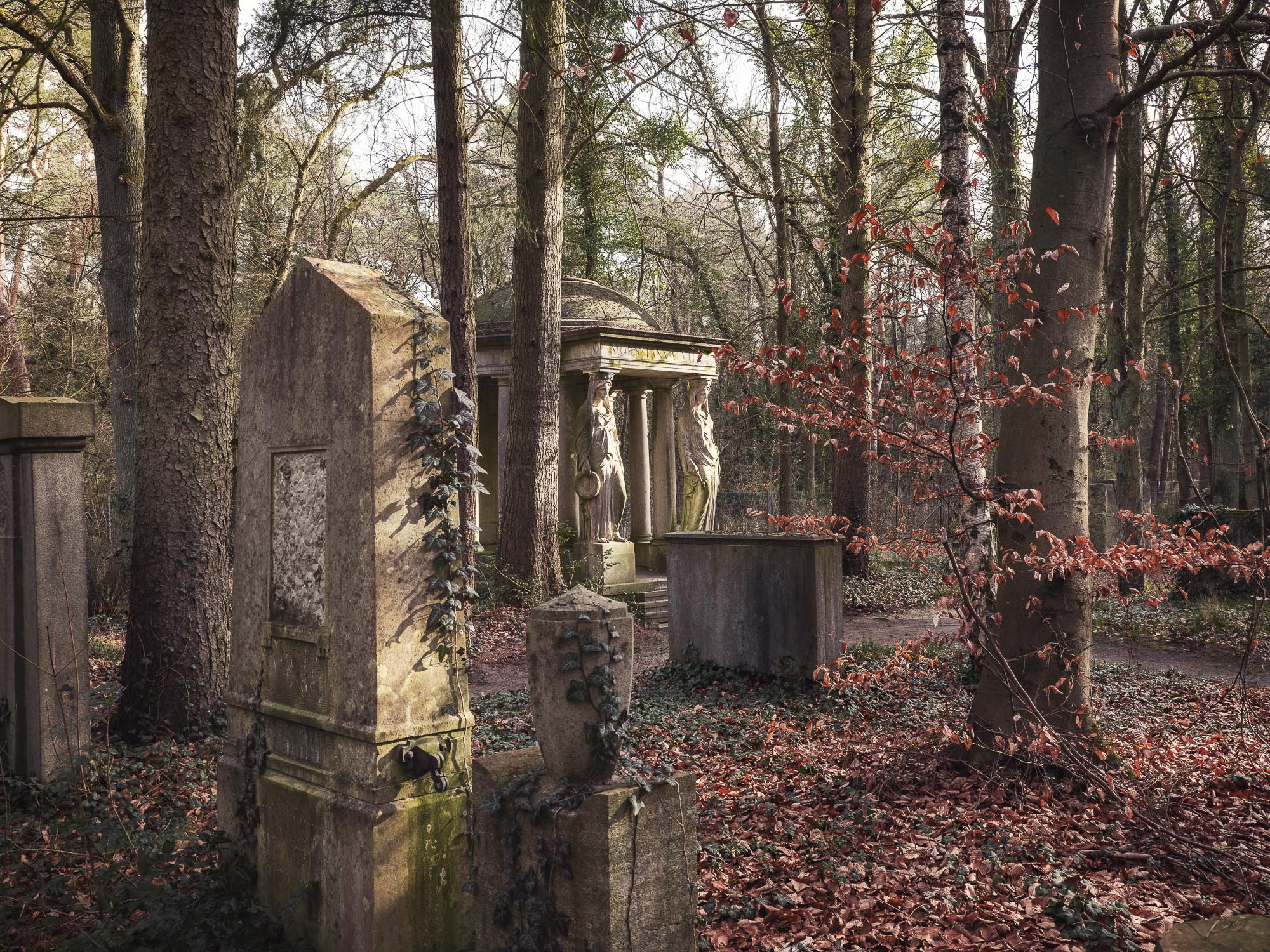
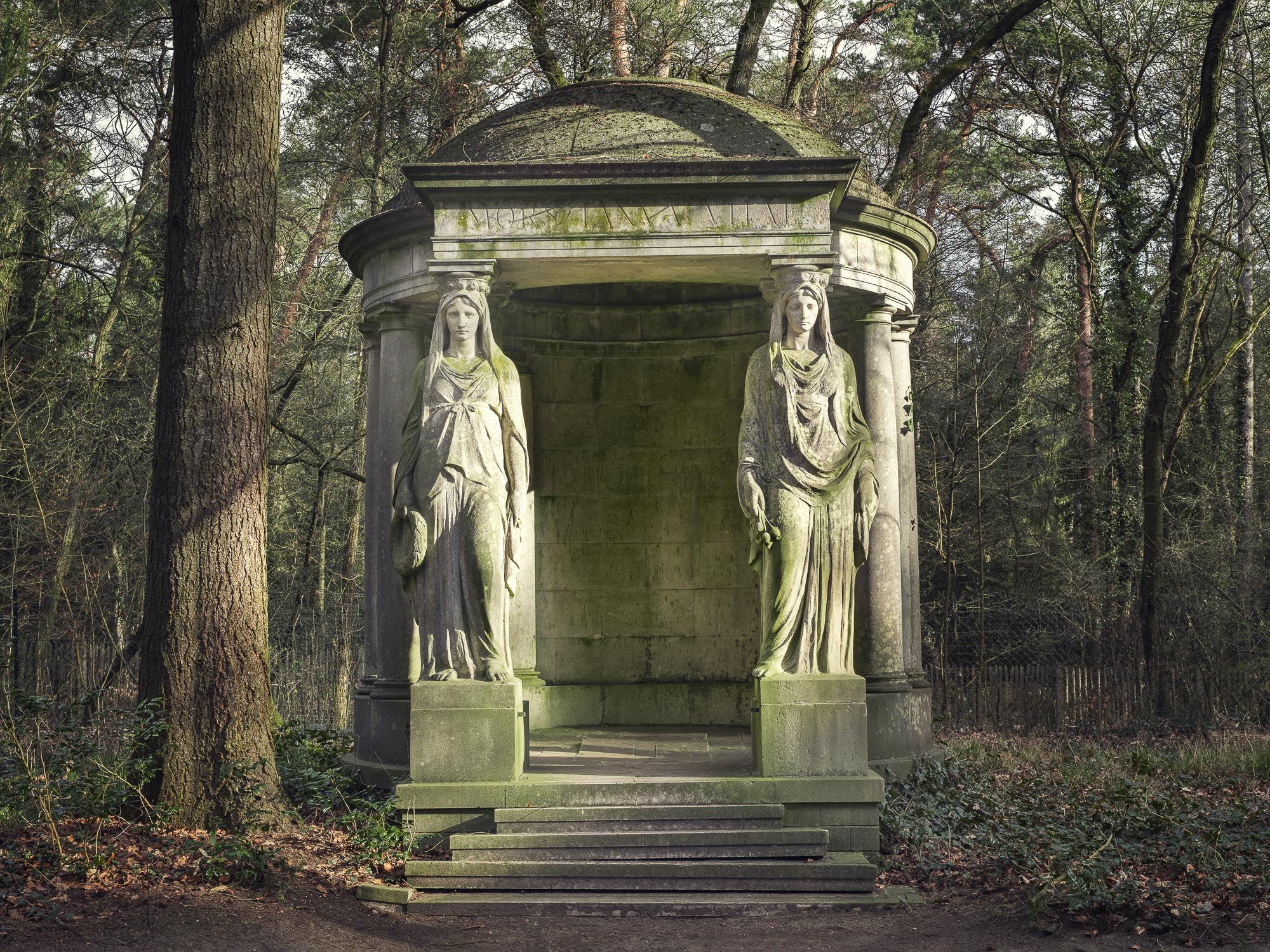
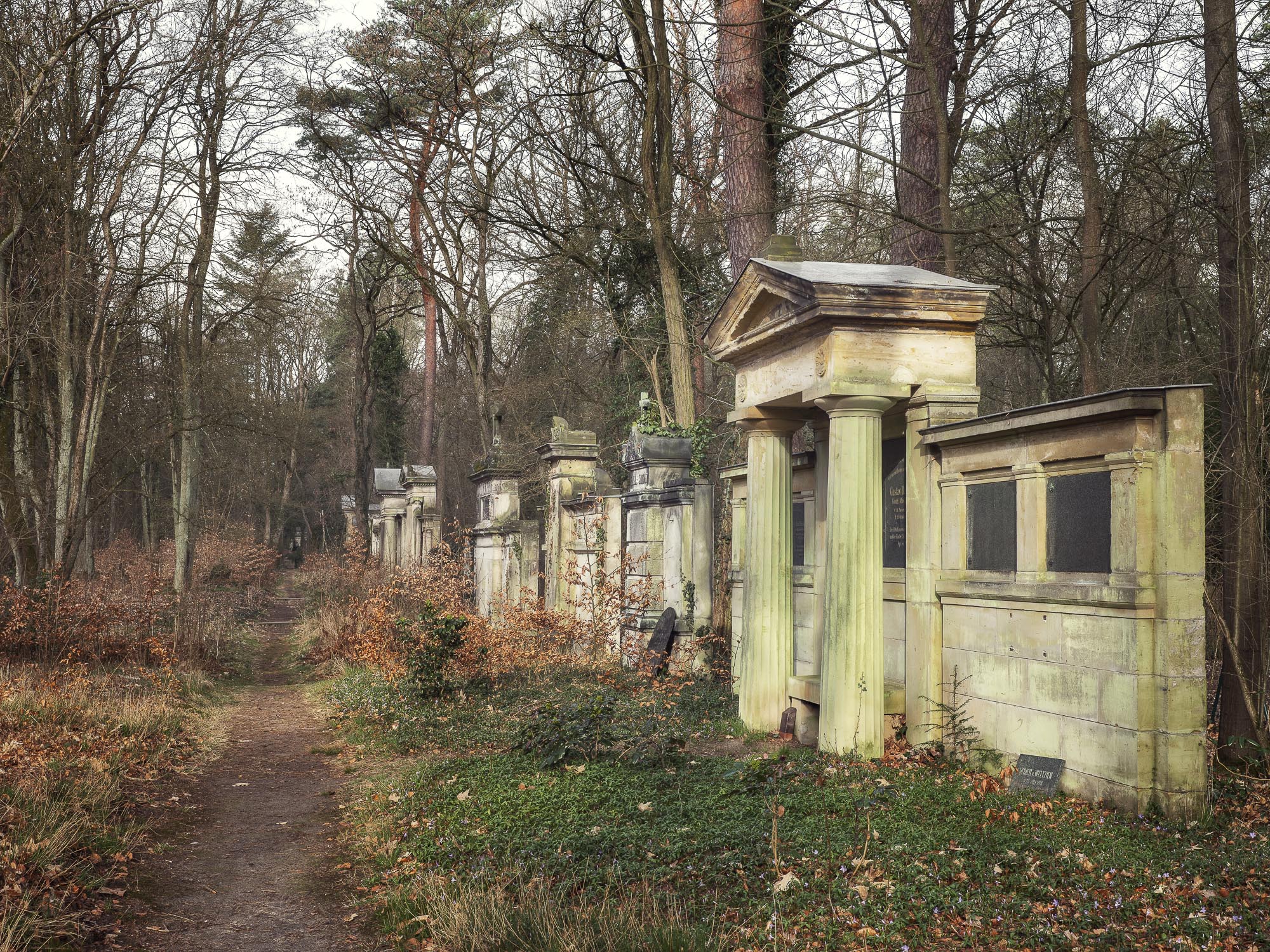
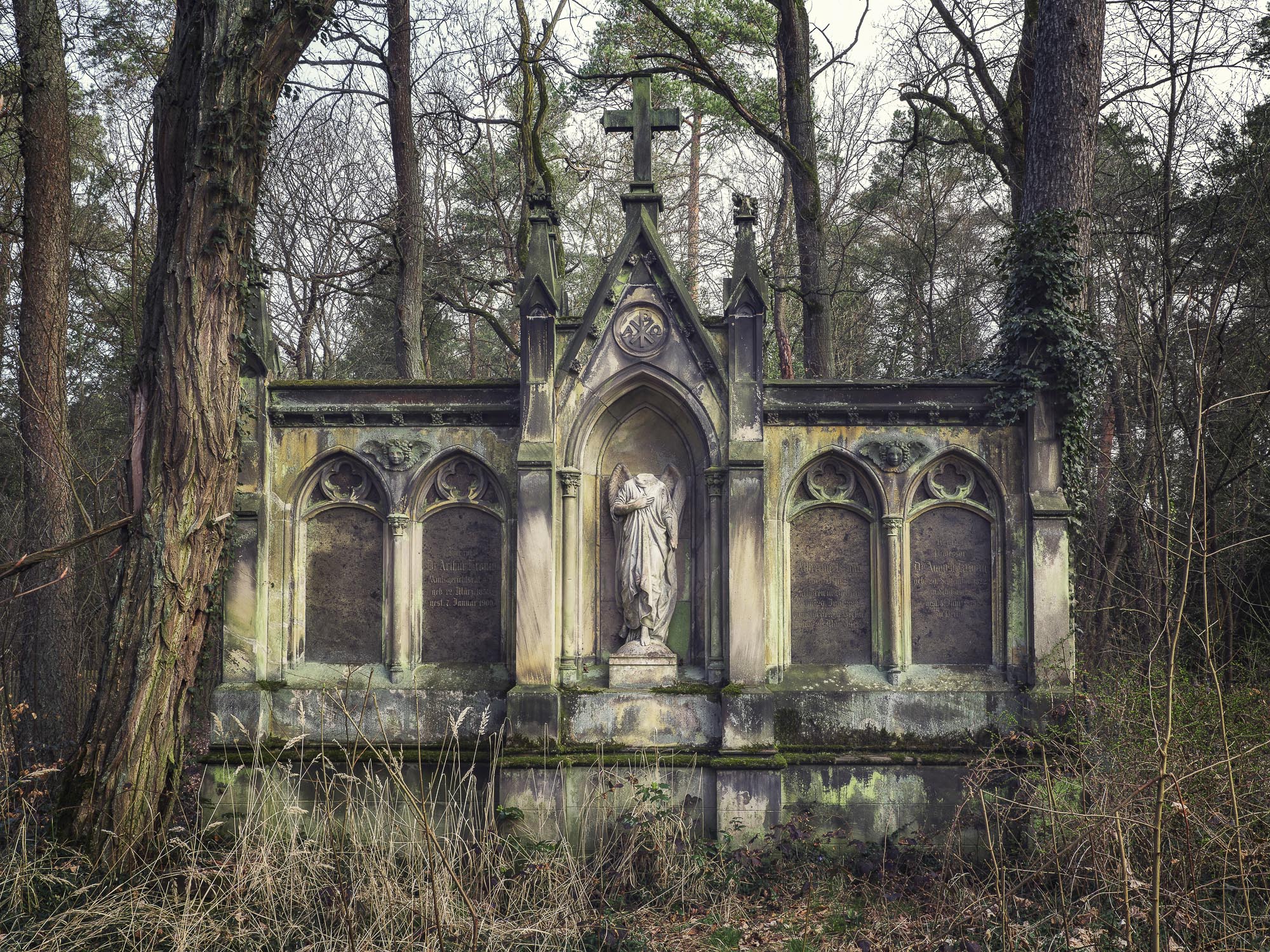
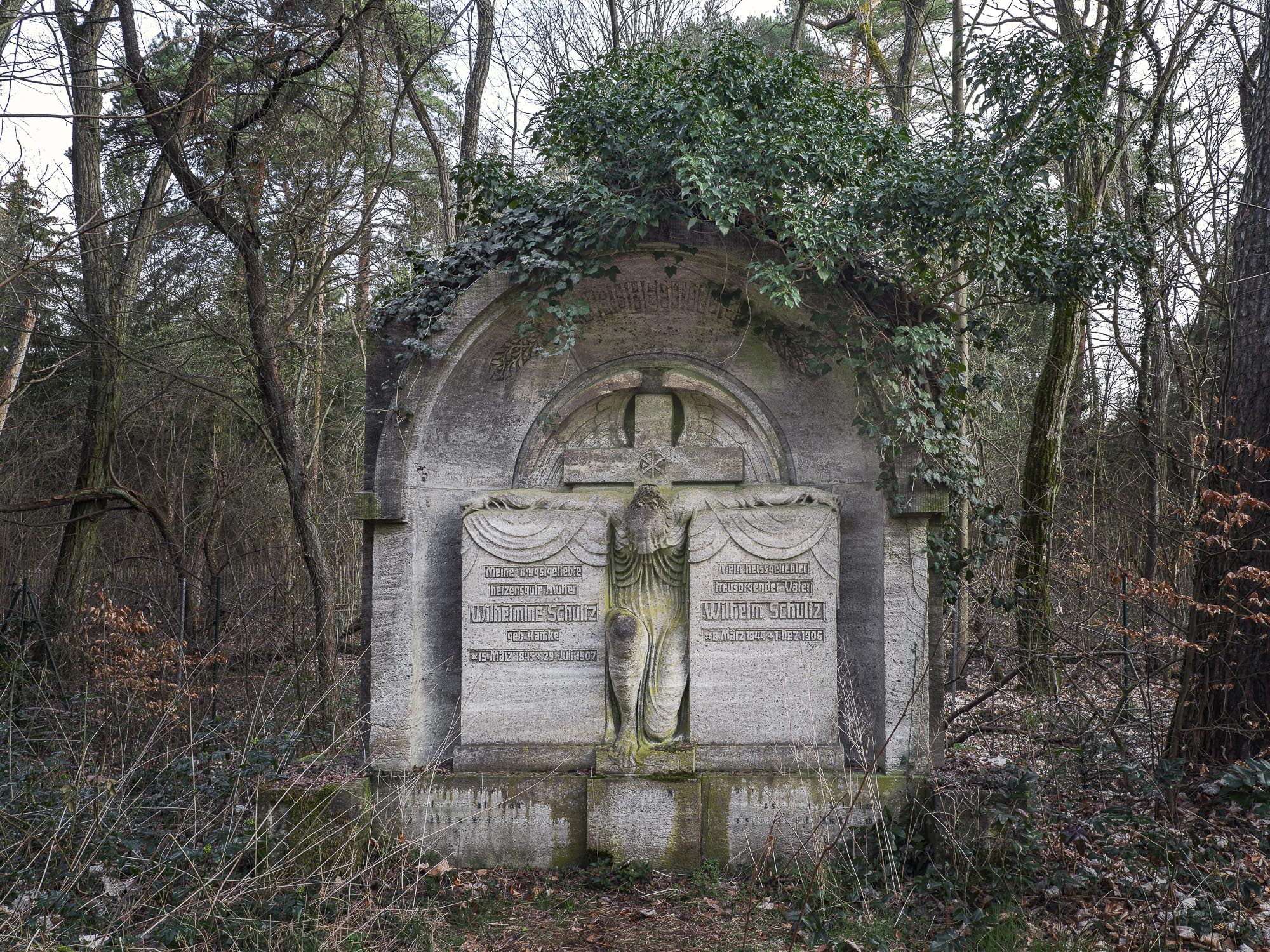
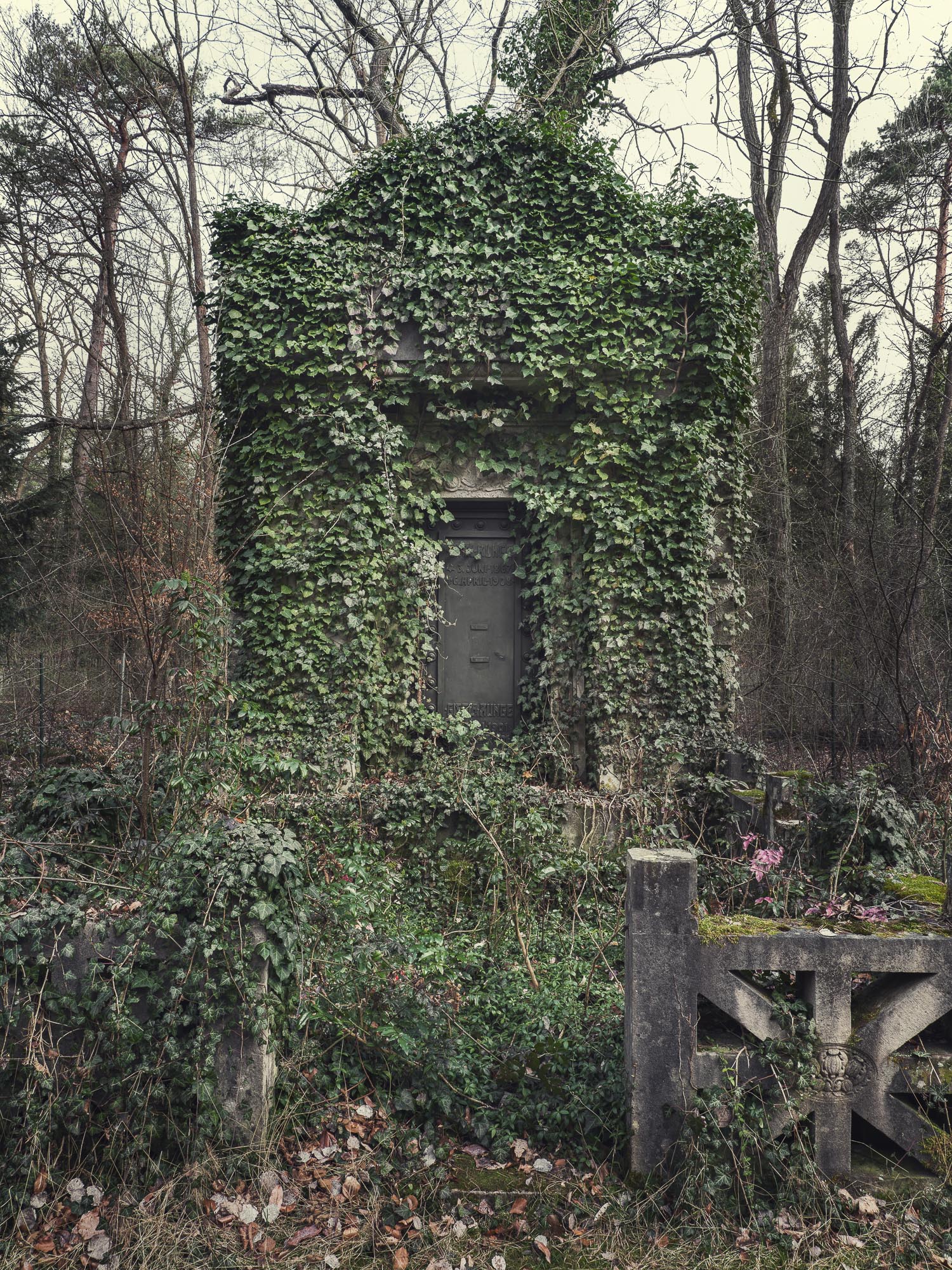
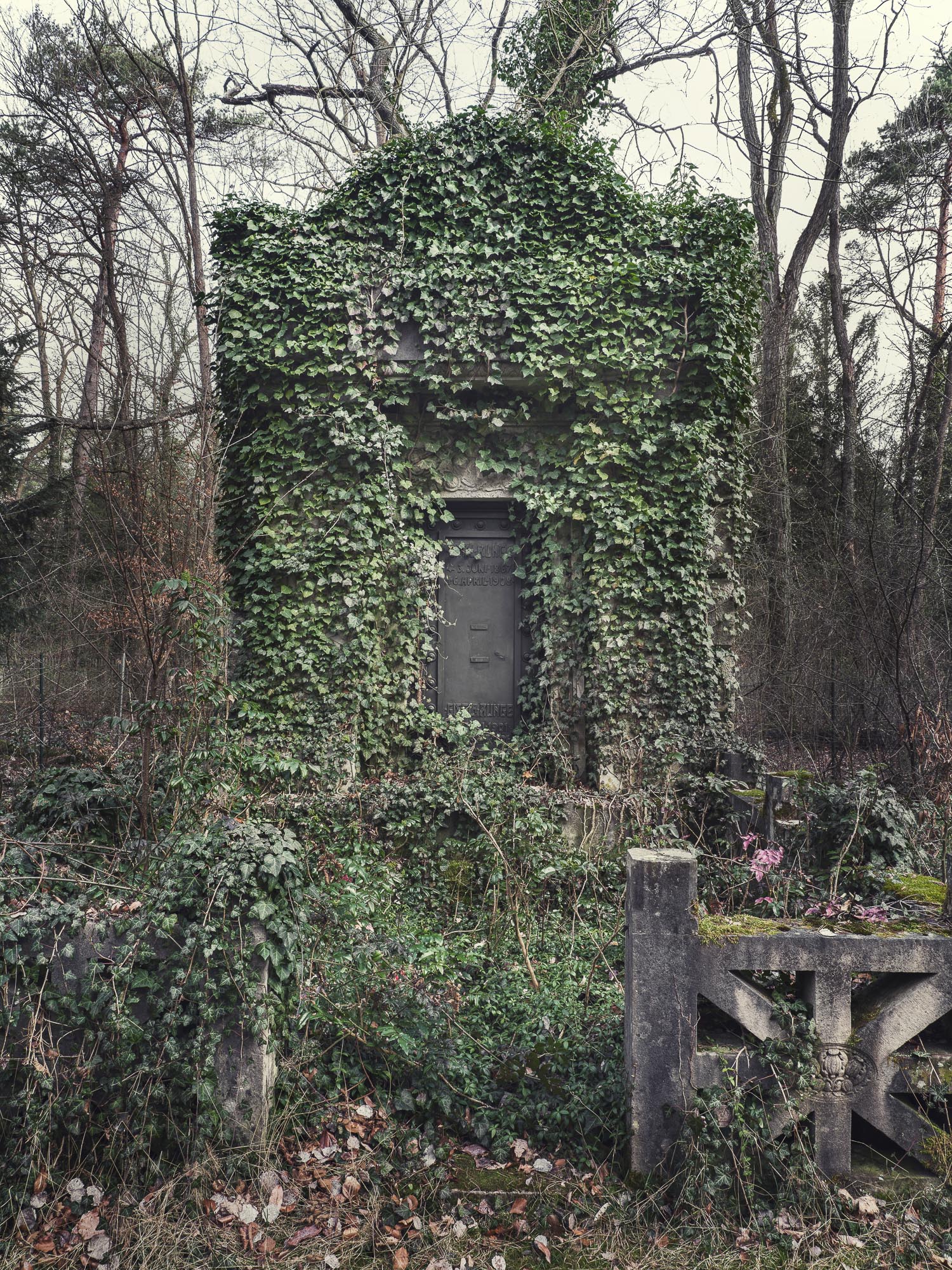
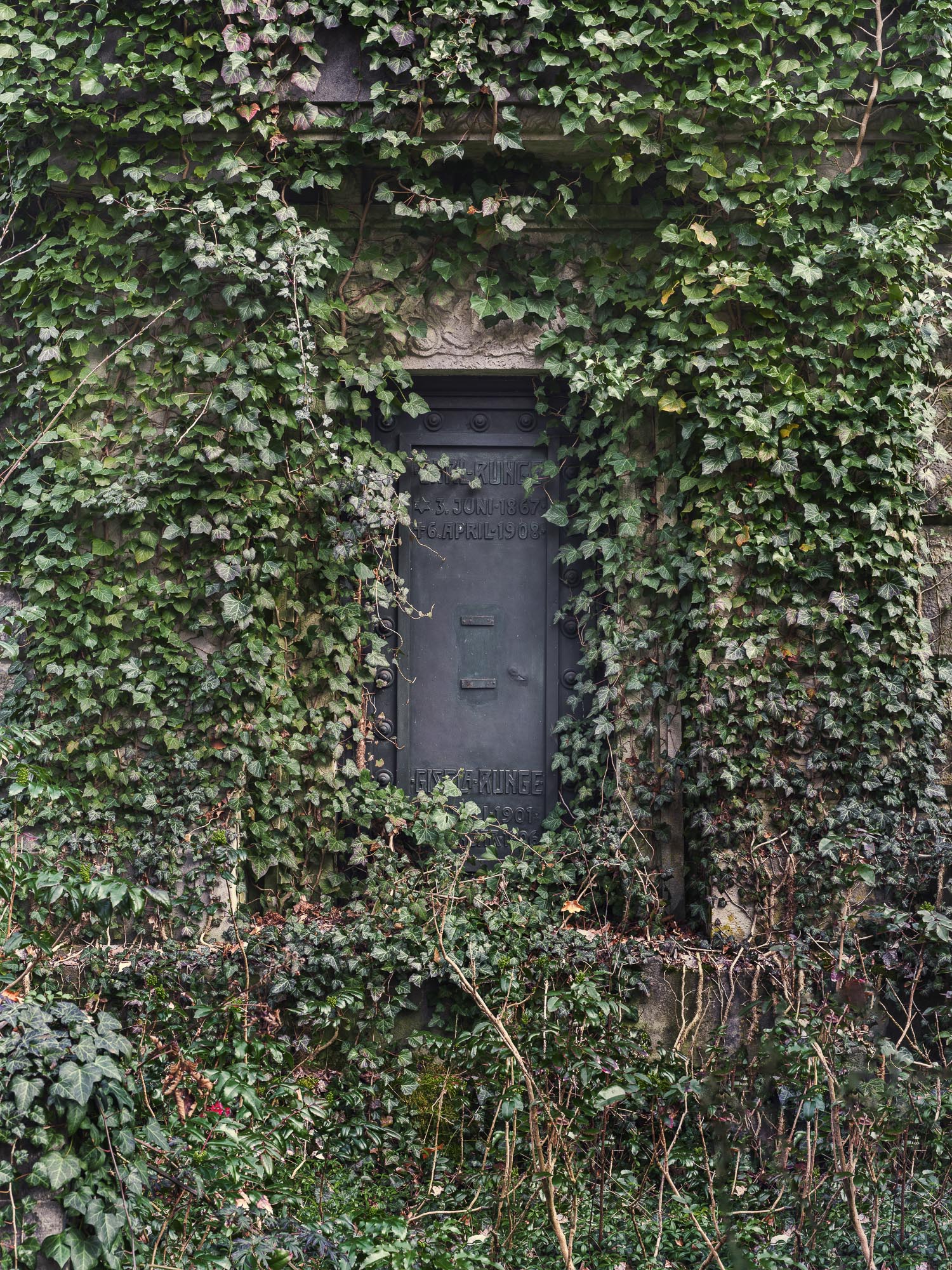
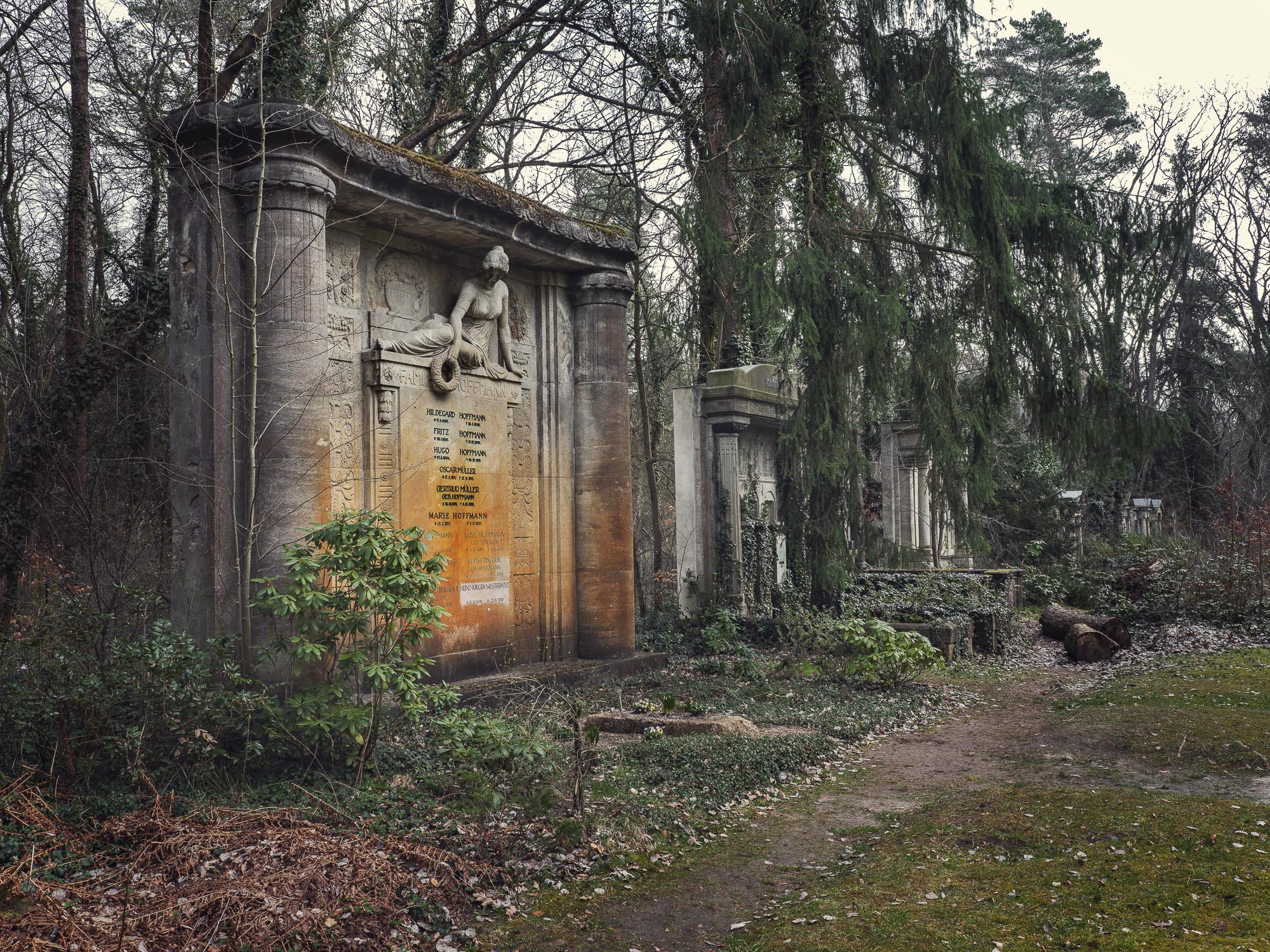
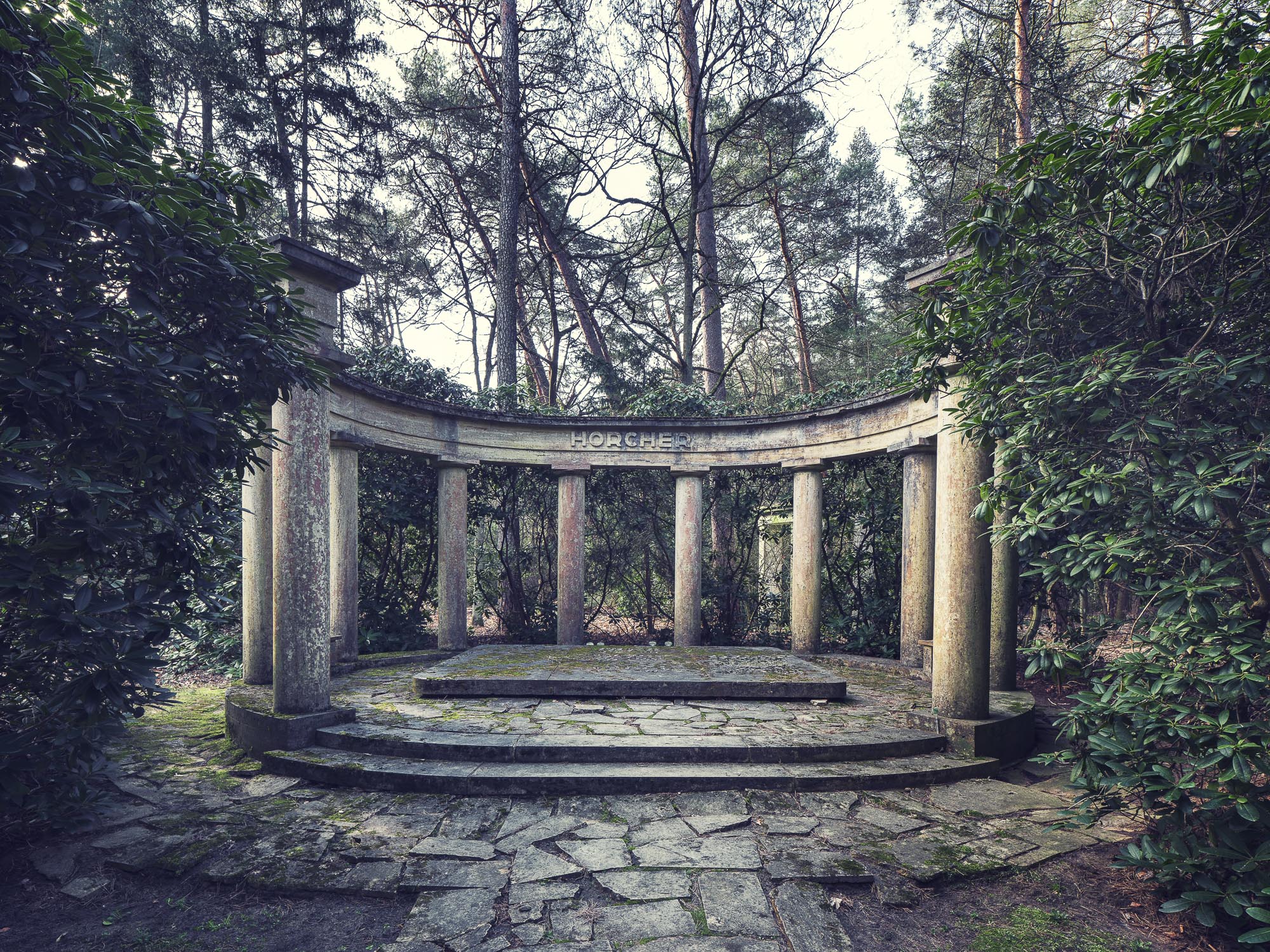
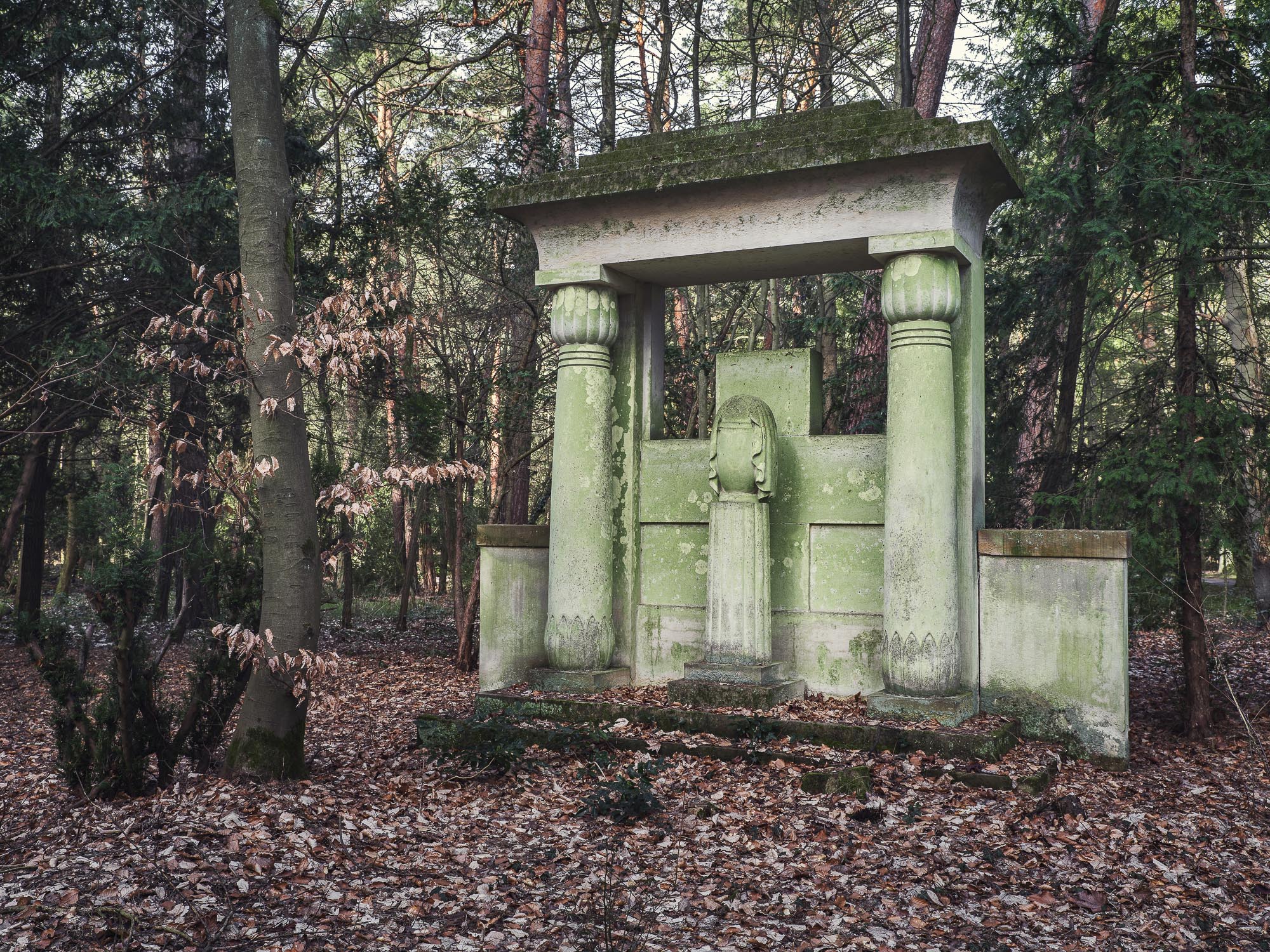
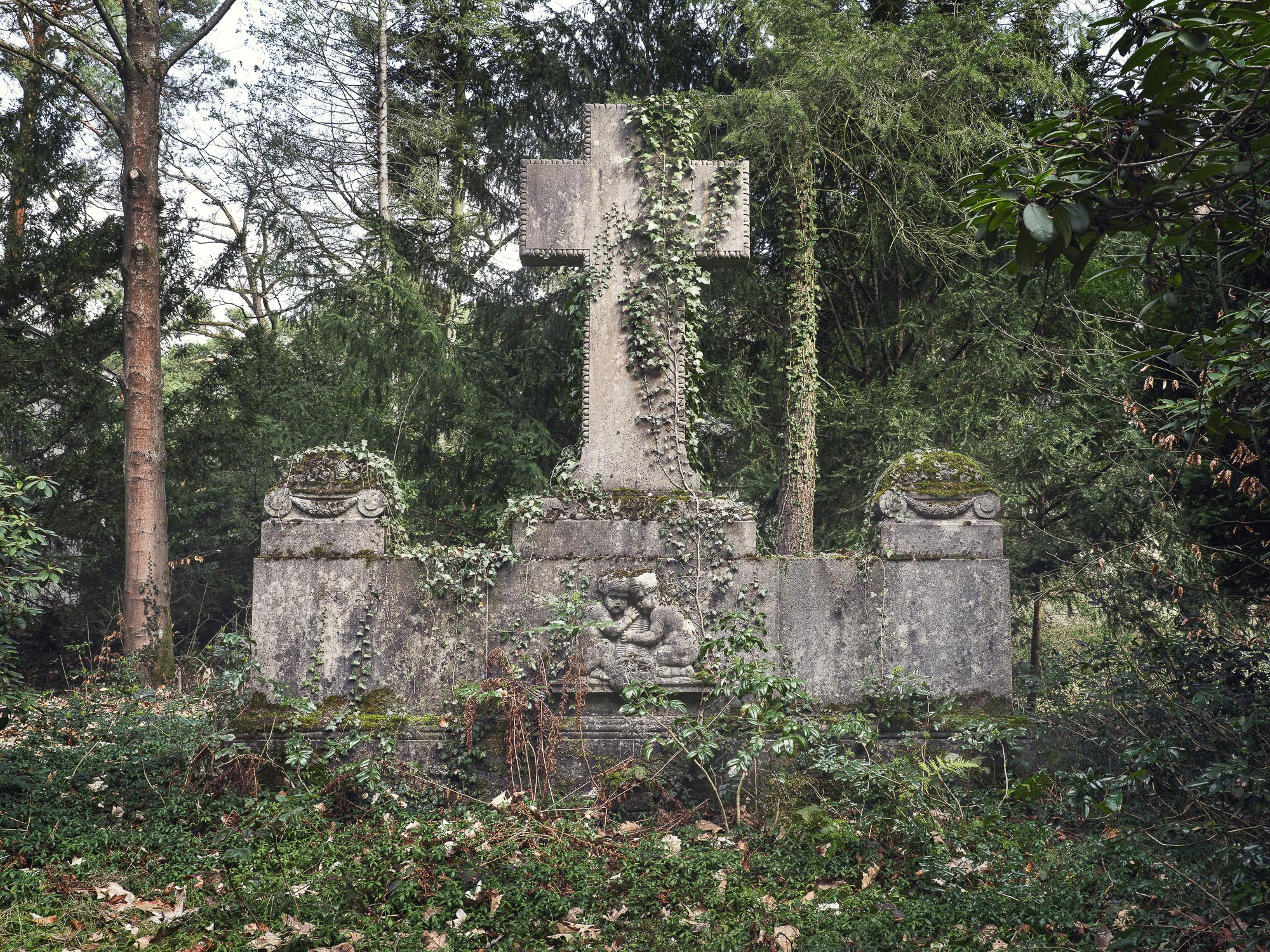
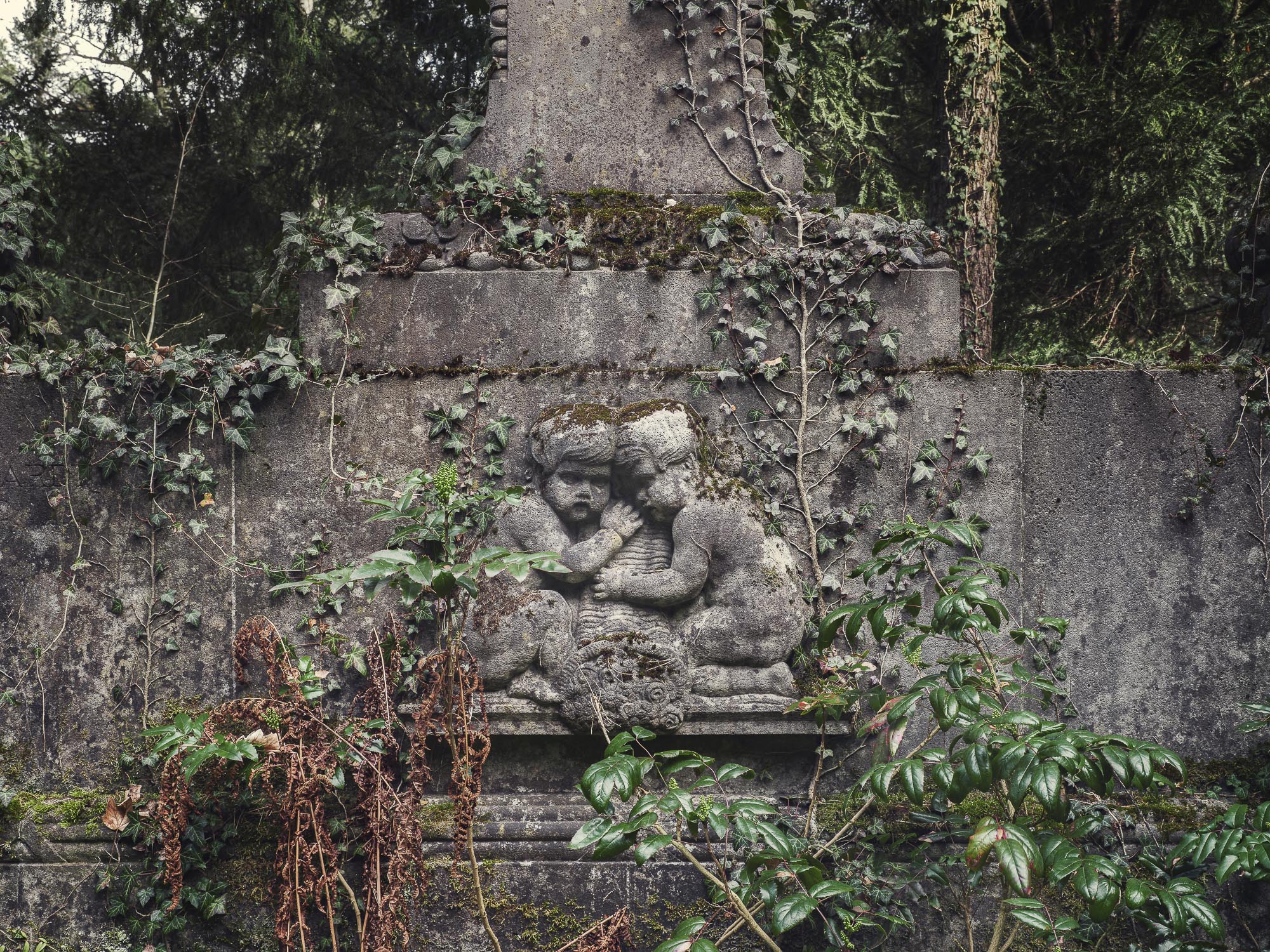
The Berlin City Synod Association laid the cemetery out beyond the city boundary because Berlin's churchyards were reaching their limits. It opened on 28 March 1909. The design was shaped by the garden engineer Louis Meyer, whose nature-romantic plans turned it into a woodland cemetery. At its centre stands the wooden cemetery chapel modelled on Norwegian stave churches, designed by Gustav Werner and built between 1908 and 1911.
A dedicated cemetery railway ran from Wannsee until the building of the Berlin Wall in 1961. In the late 1930s thousands of graves were moved here when Berlin burial grounds had to make way for building projects. After the Wall went up much fell into decline; since 1991 the Protestant Church has invested in repairs, and since 2000 a support association has helped to preserve the site.
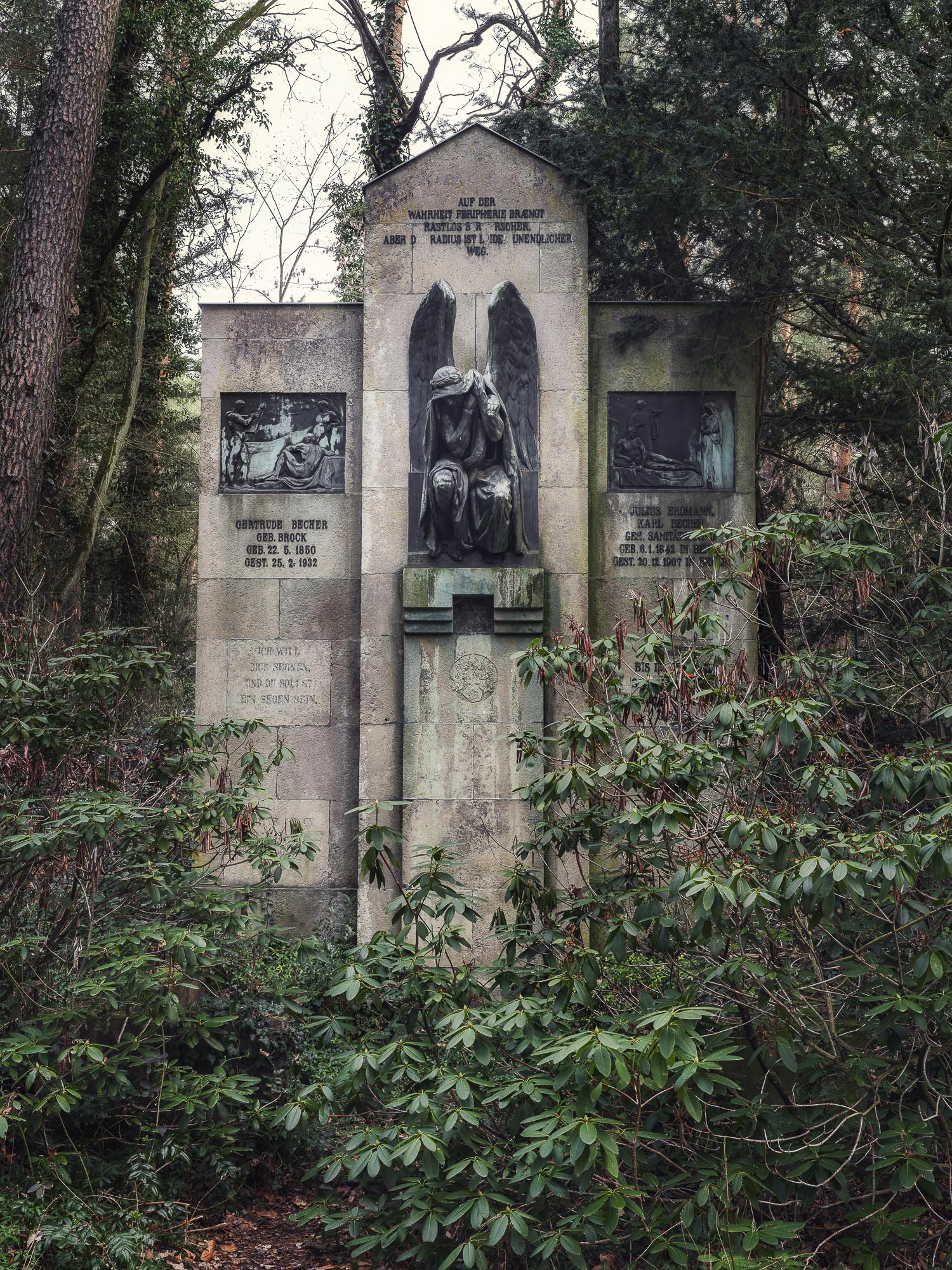
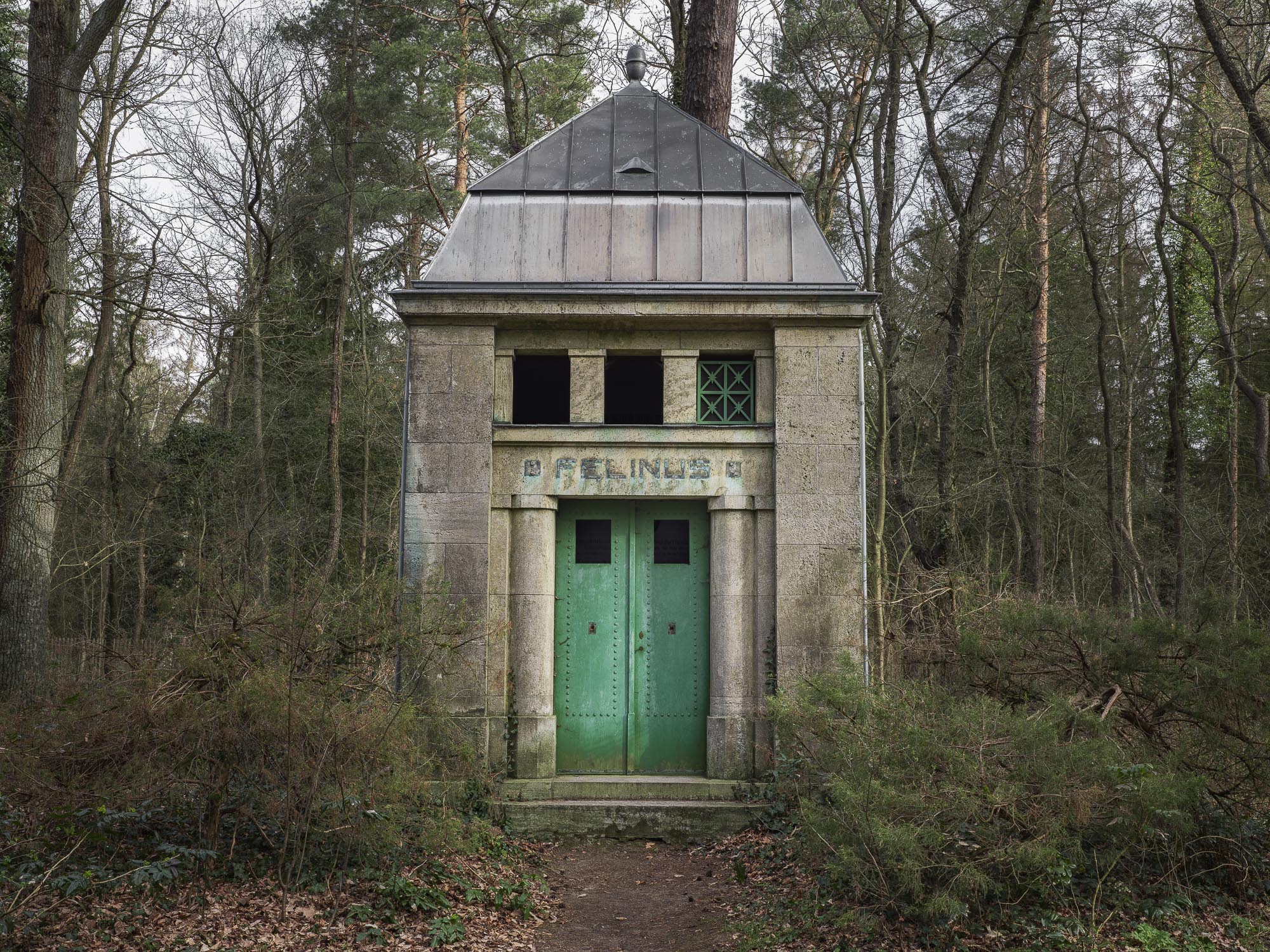
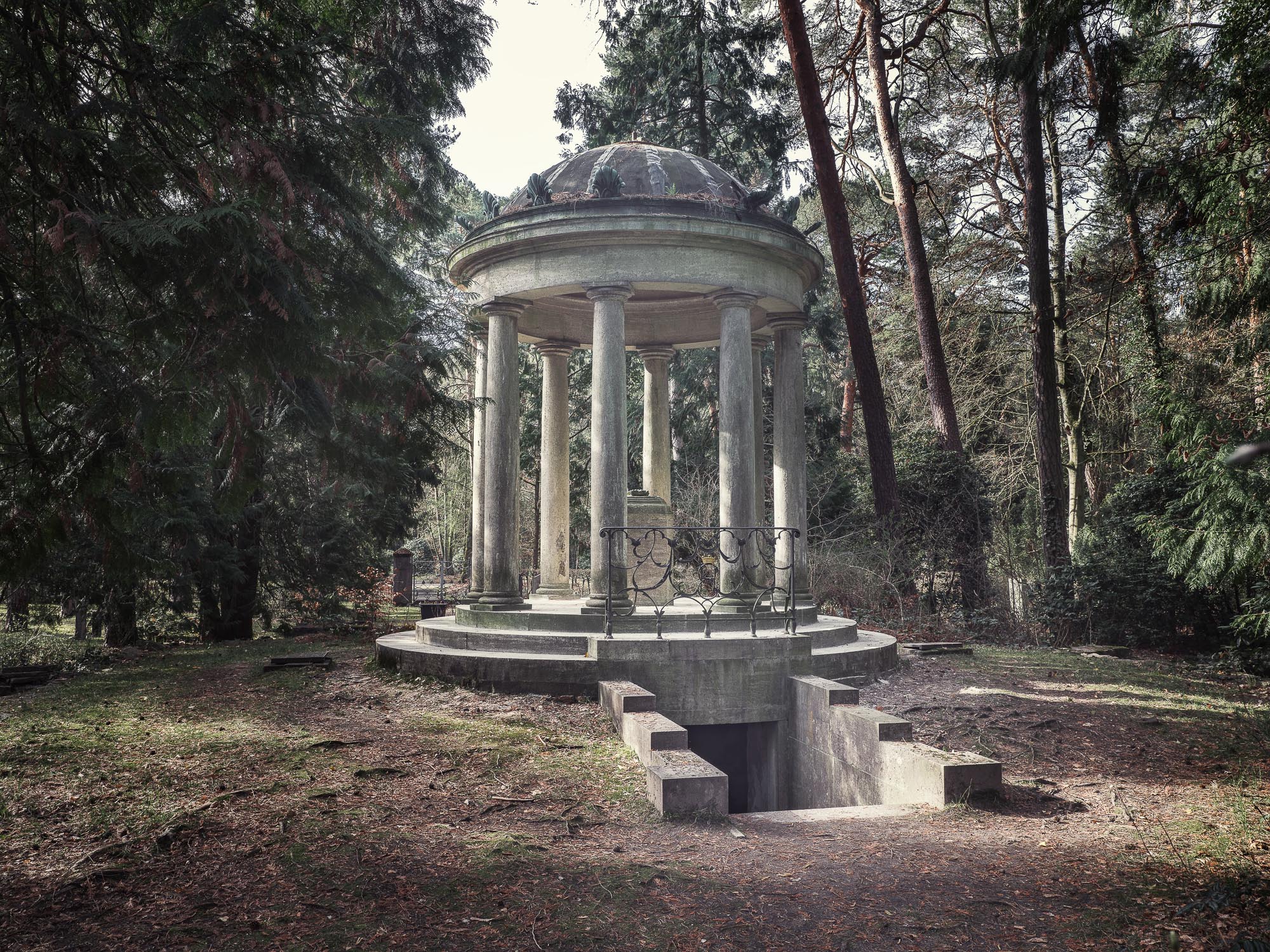
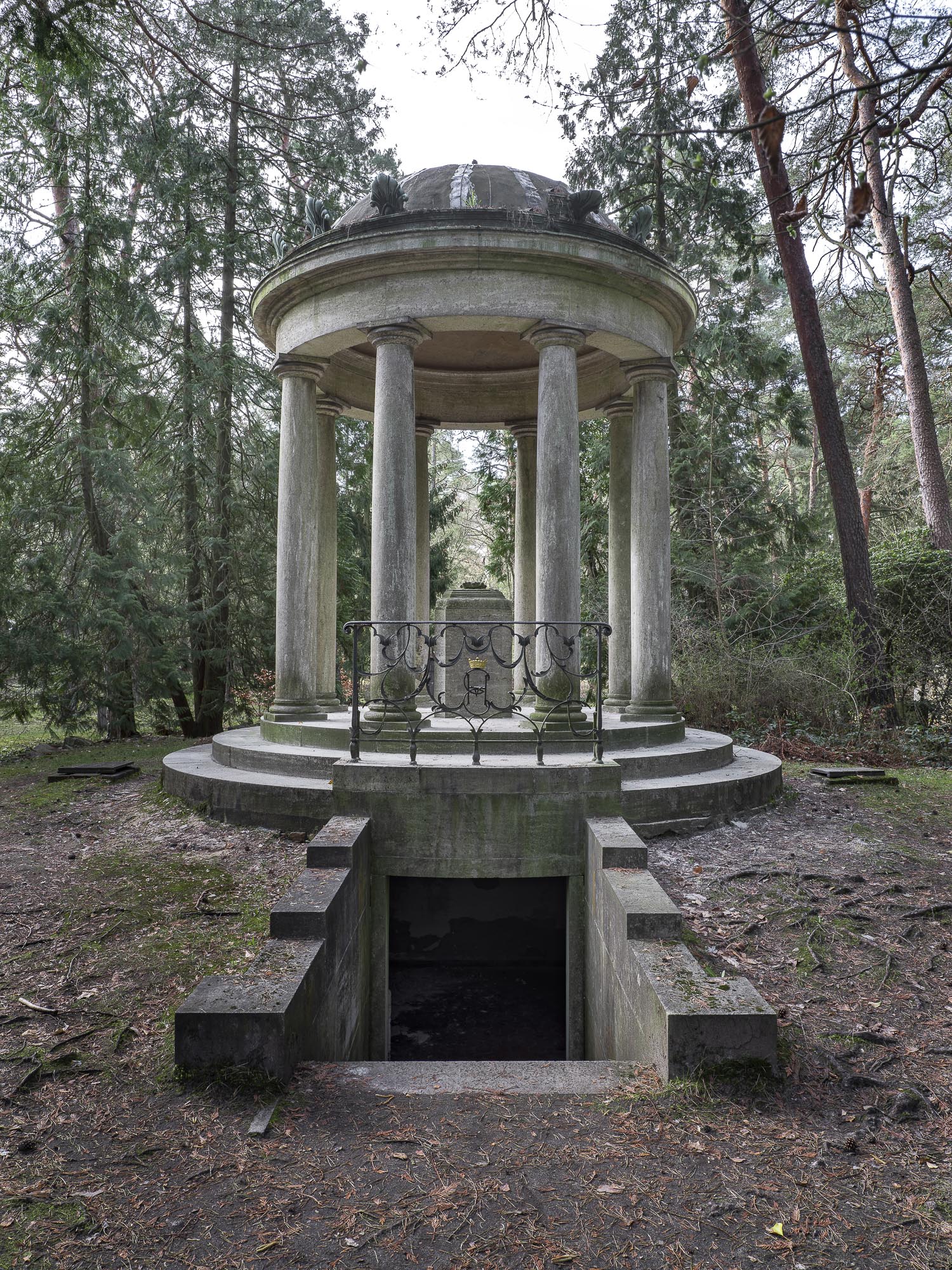
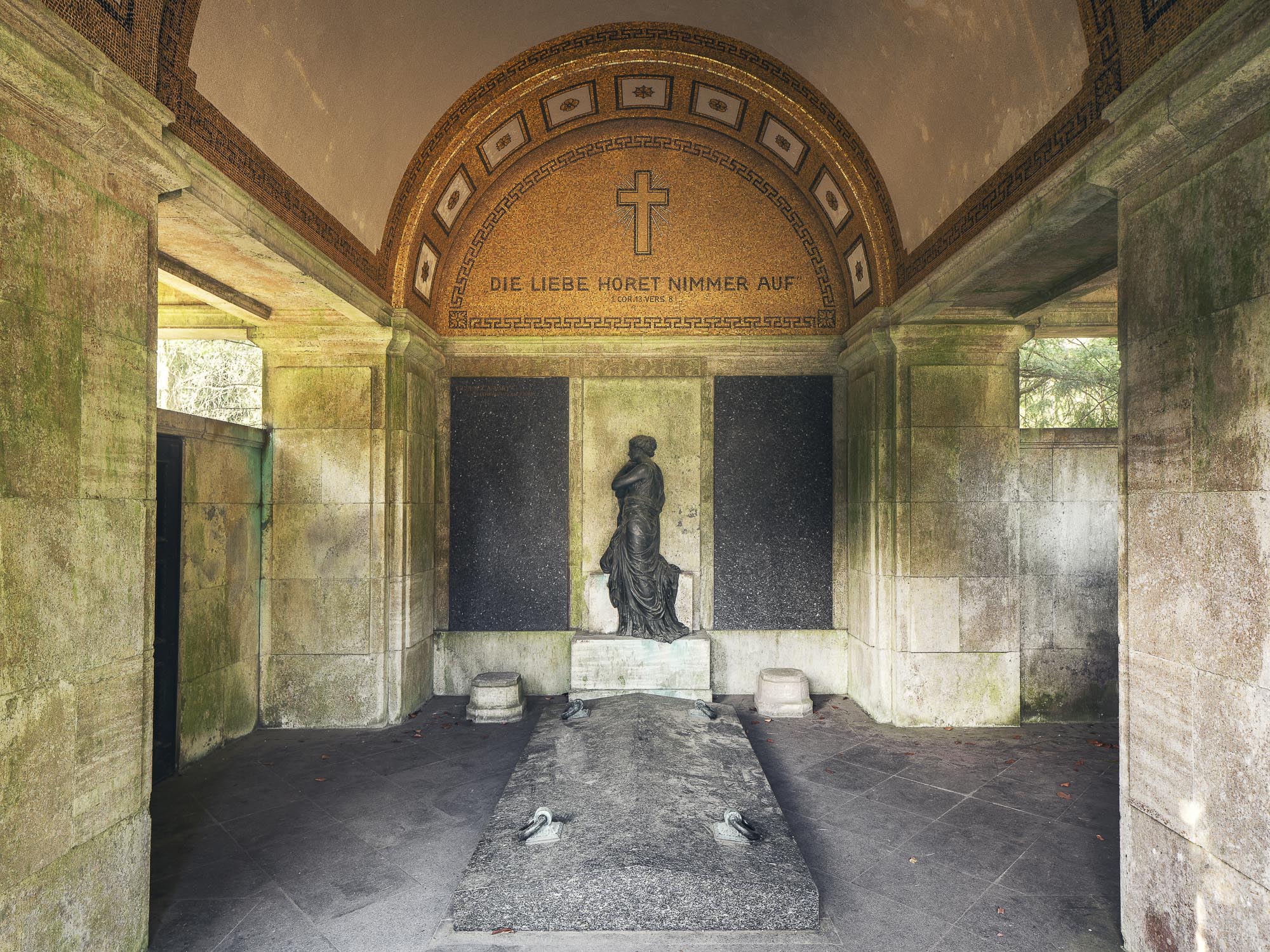
The grounds are listed. Alongside Zille and Corinth, the politician Rudolf Breitscheid, the film director F. W. Murnau, the actor Manfred Krug and the Siemens family are buried here. There are also British and Italian military cemeteries from the First World War.
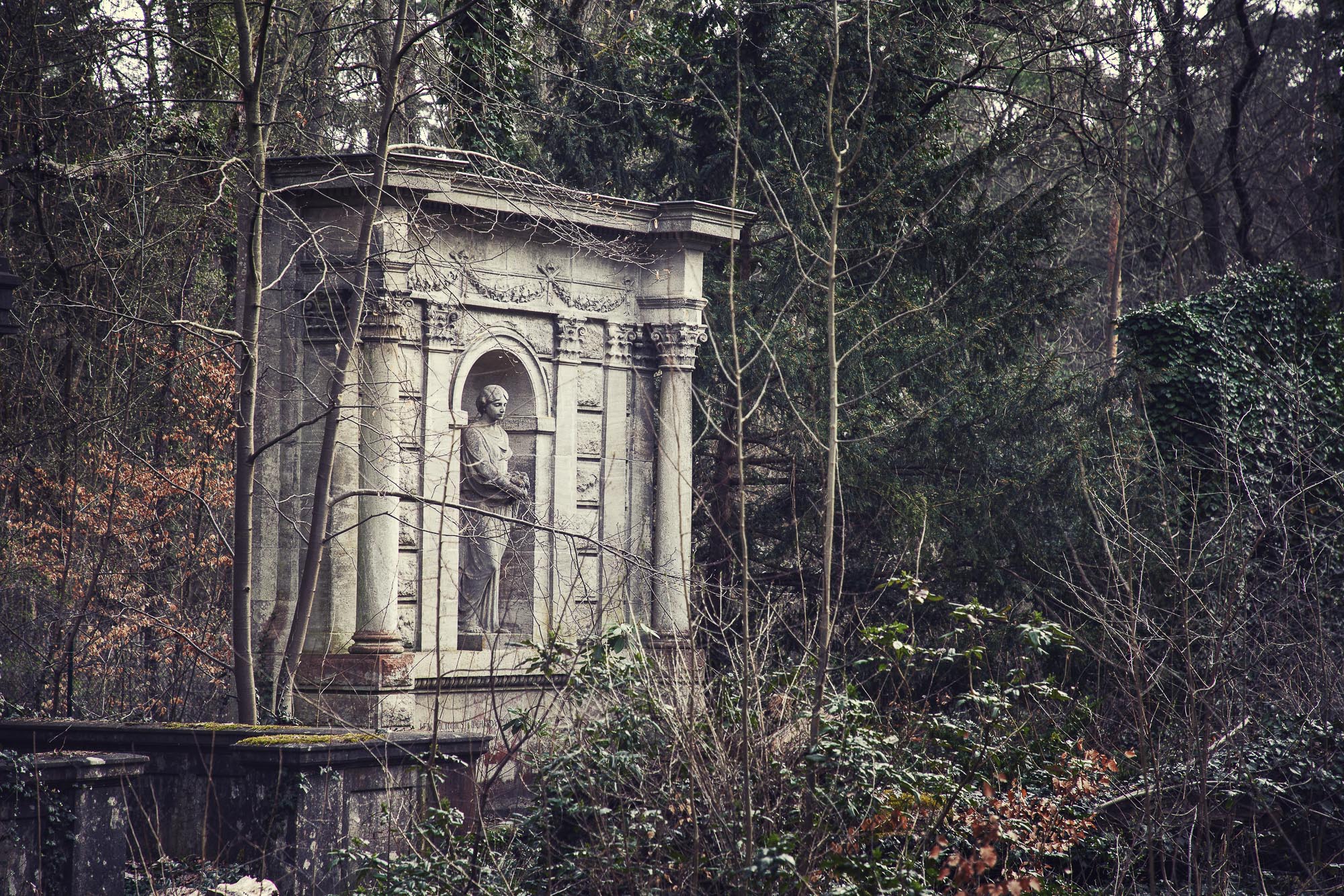
Guided tours and a digital audio guide help with orientation. If you walk alone, you will find plenty of space for quiet among mausoleums and tall trees.
Frequently asked questions
Where is the Südwestkirchhof in Stahnsdorf?
The Südwestkirchhof lies in the municipality of Stahnsdorf in Brandenburg, south-west of Berlin (Bahnhofstraße 2, 14532 Stahnsdorf). Directions are given on the cemetery's own website.
Who is buried at the Südwestkirchhof Stahnsdorf?
Burials include the illustrator Heinrich Zille, the painter Lovis Corinth, the politician Rudolf Breitscheid, the director F. W. Murnau, the actor Manfred Krug and the Siemens family.
Why is the Südwestkirchhof Stahnsdorf well known?
It is one of the largest cemeteries in Germany and the largest Protestant one, laid out as a woodland cemetery with a wooden chapel modelled on Norwegian stave churches. It is a listed monument.