Belgium · Ghent · 10 pictures
Campo Santo Ghent
Begraafplaats Sint-Amandsberg (Campo Santo)
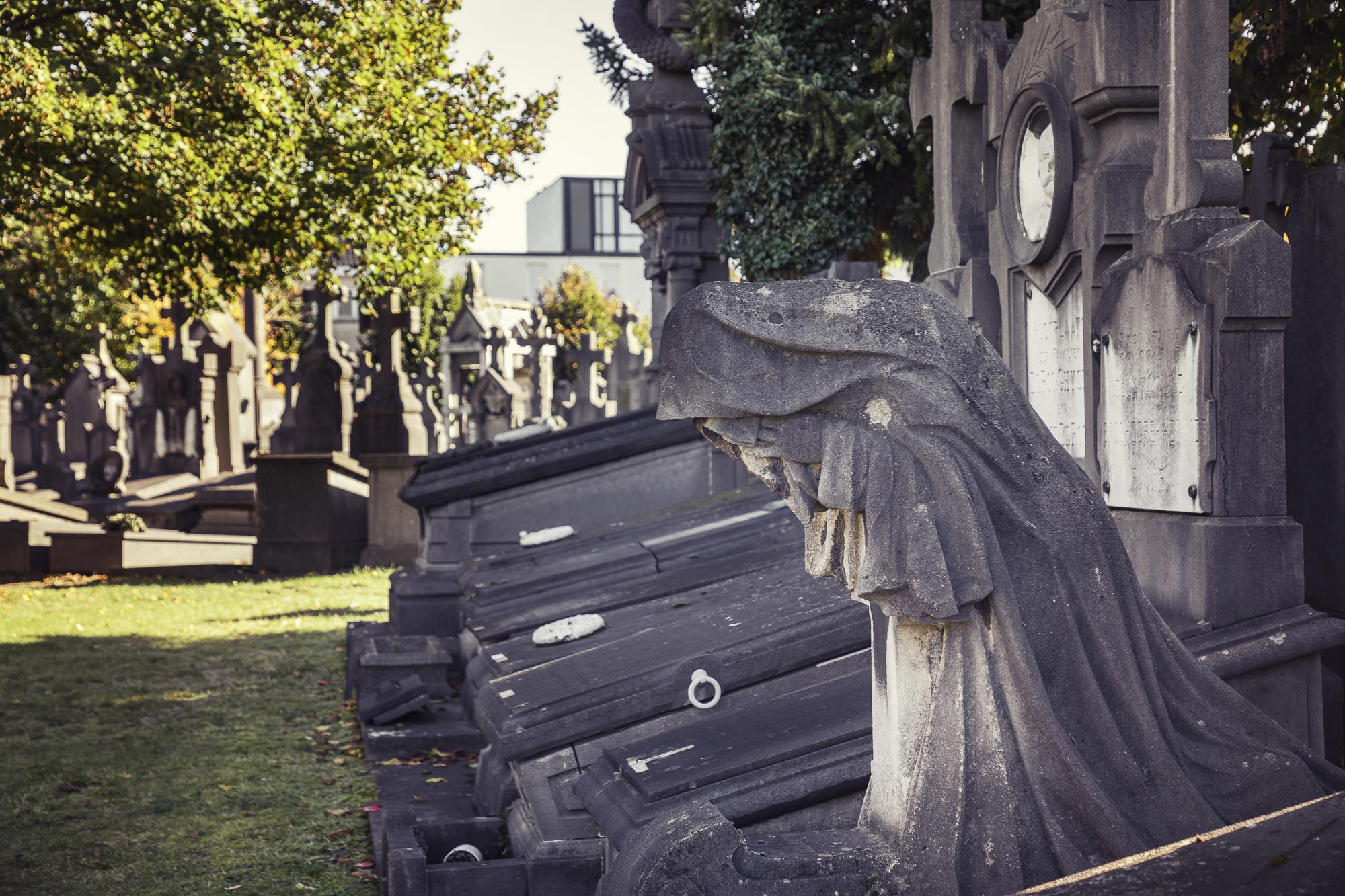
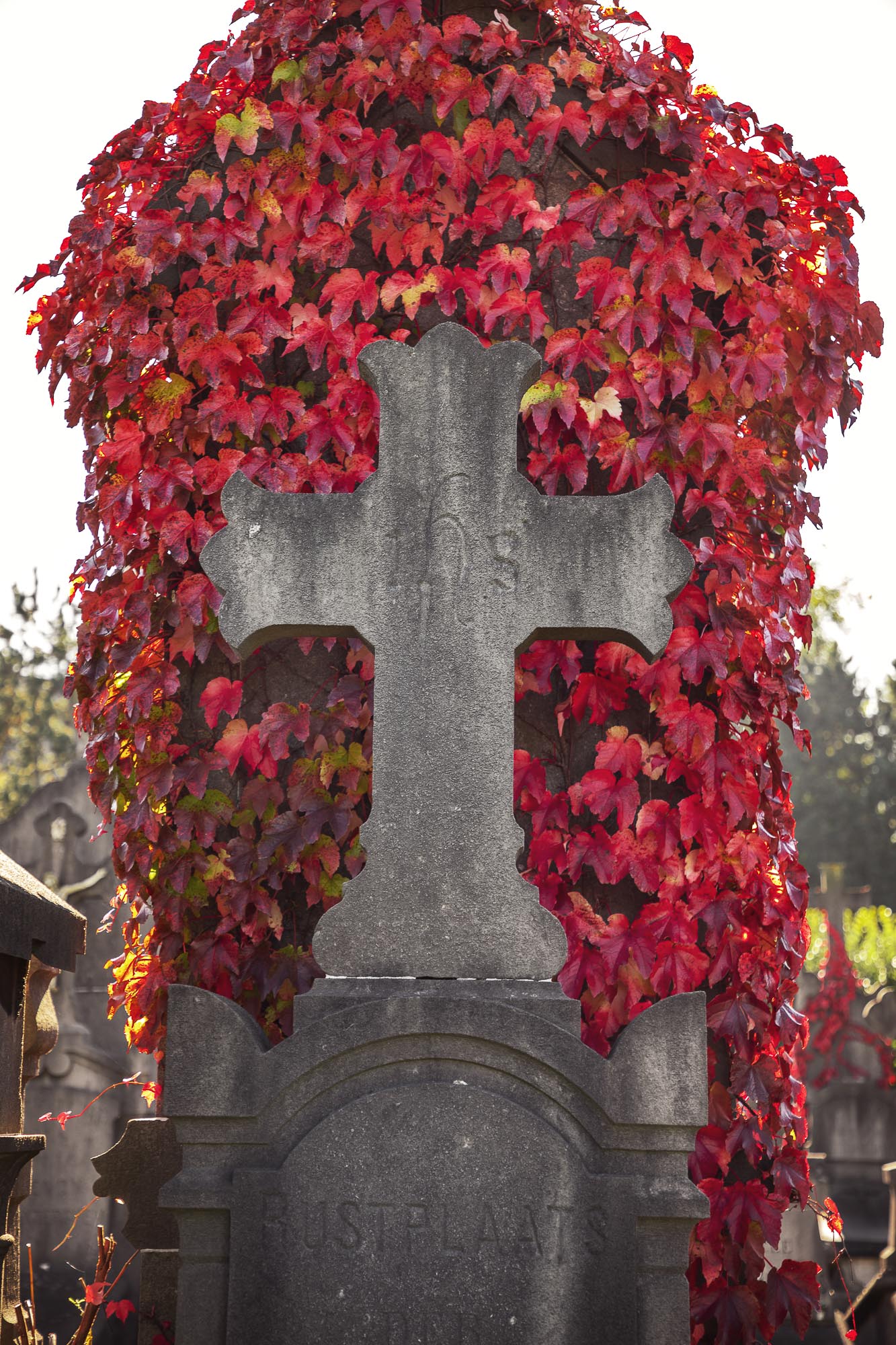
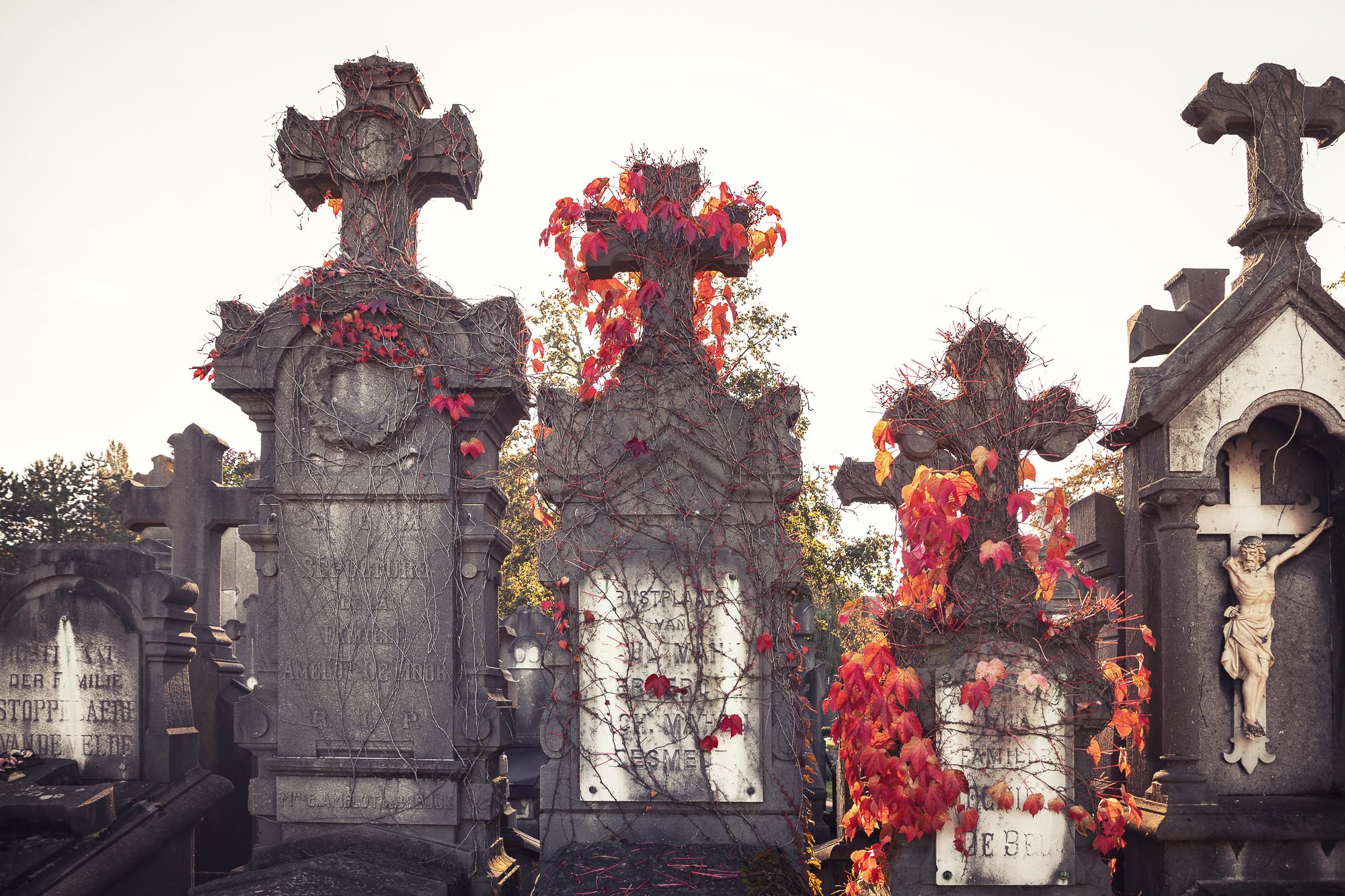
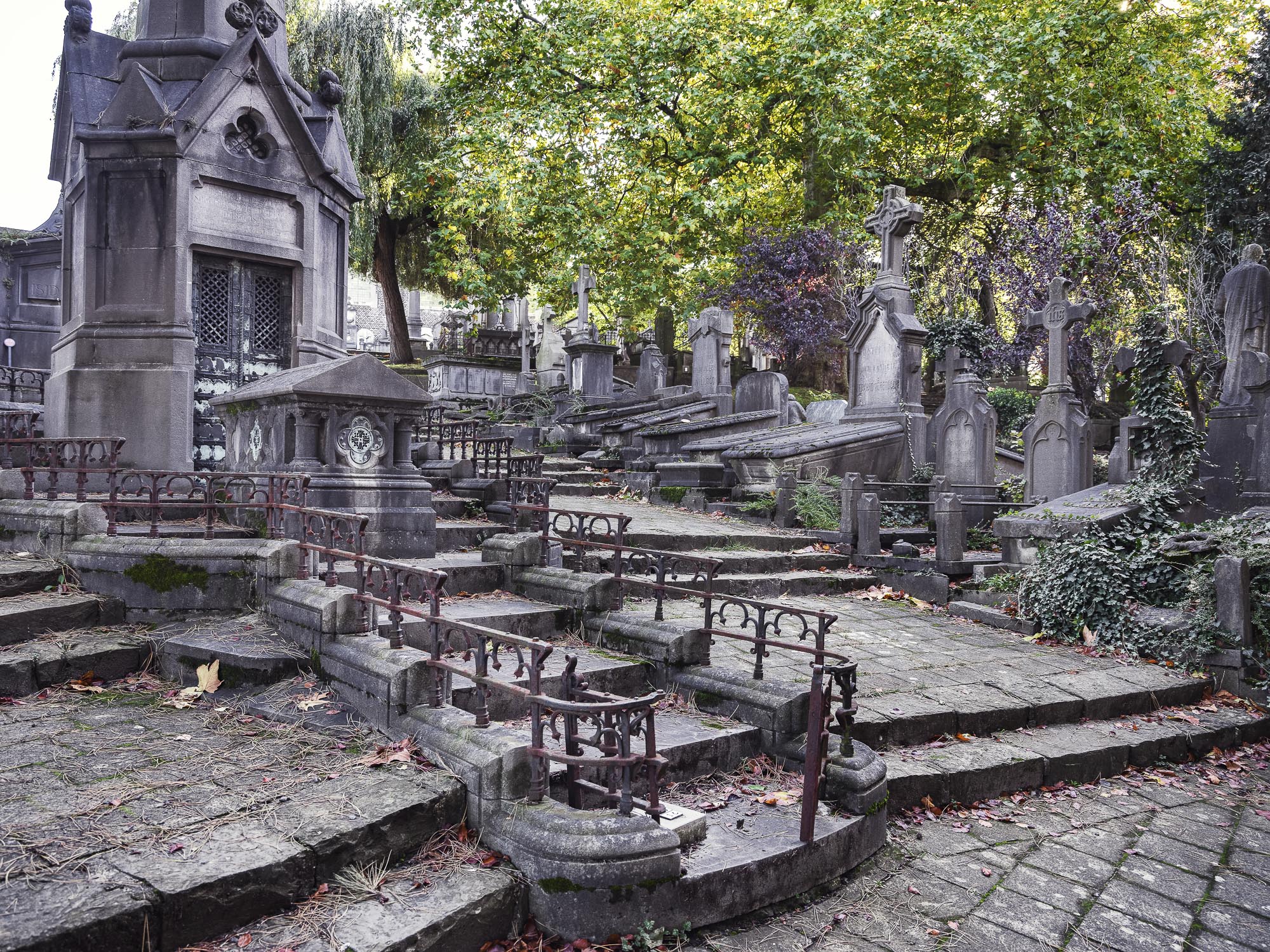

About this place
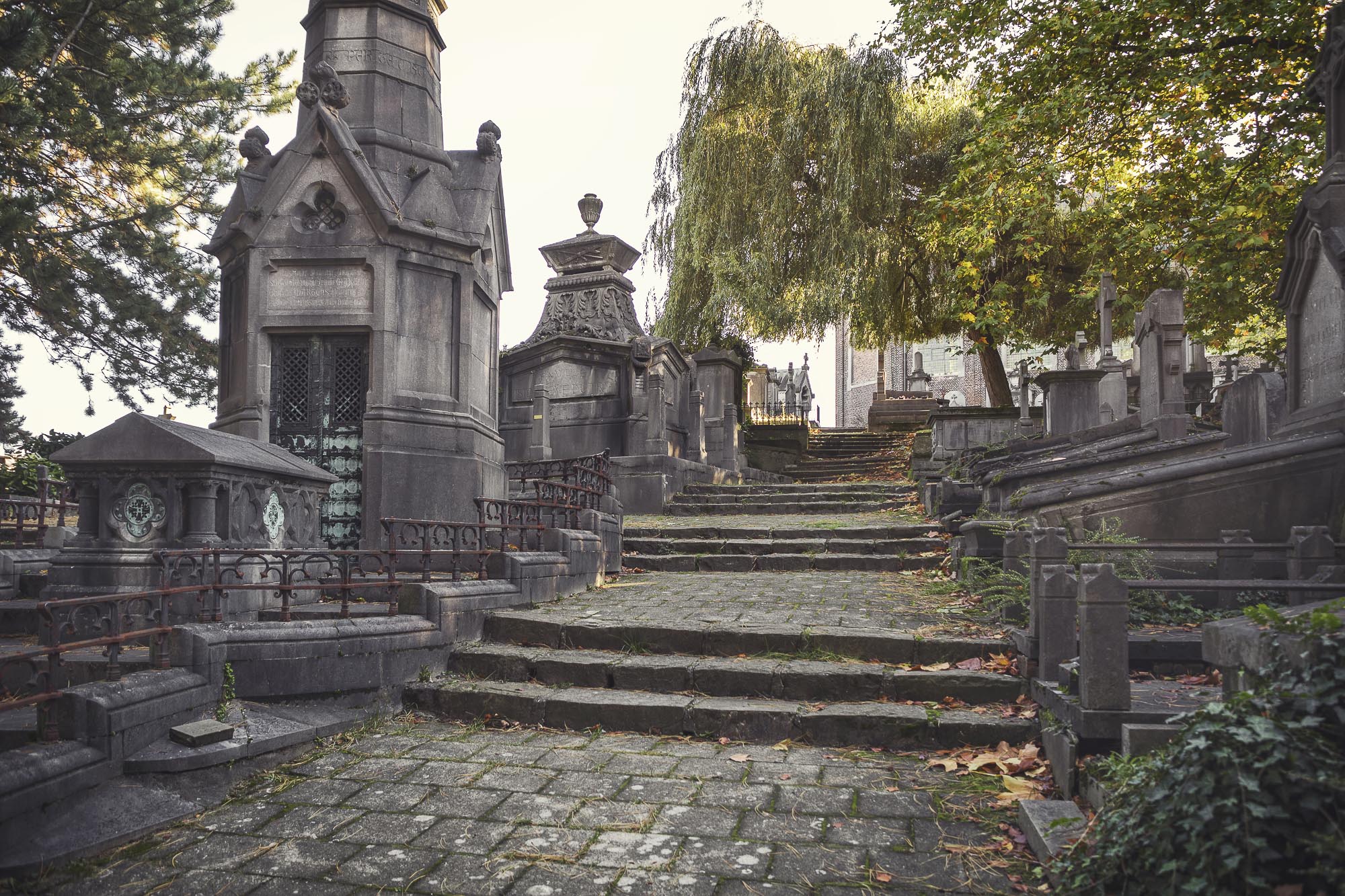
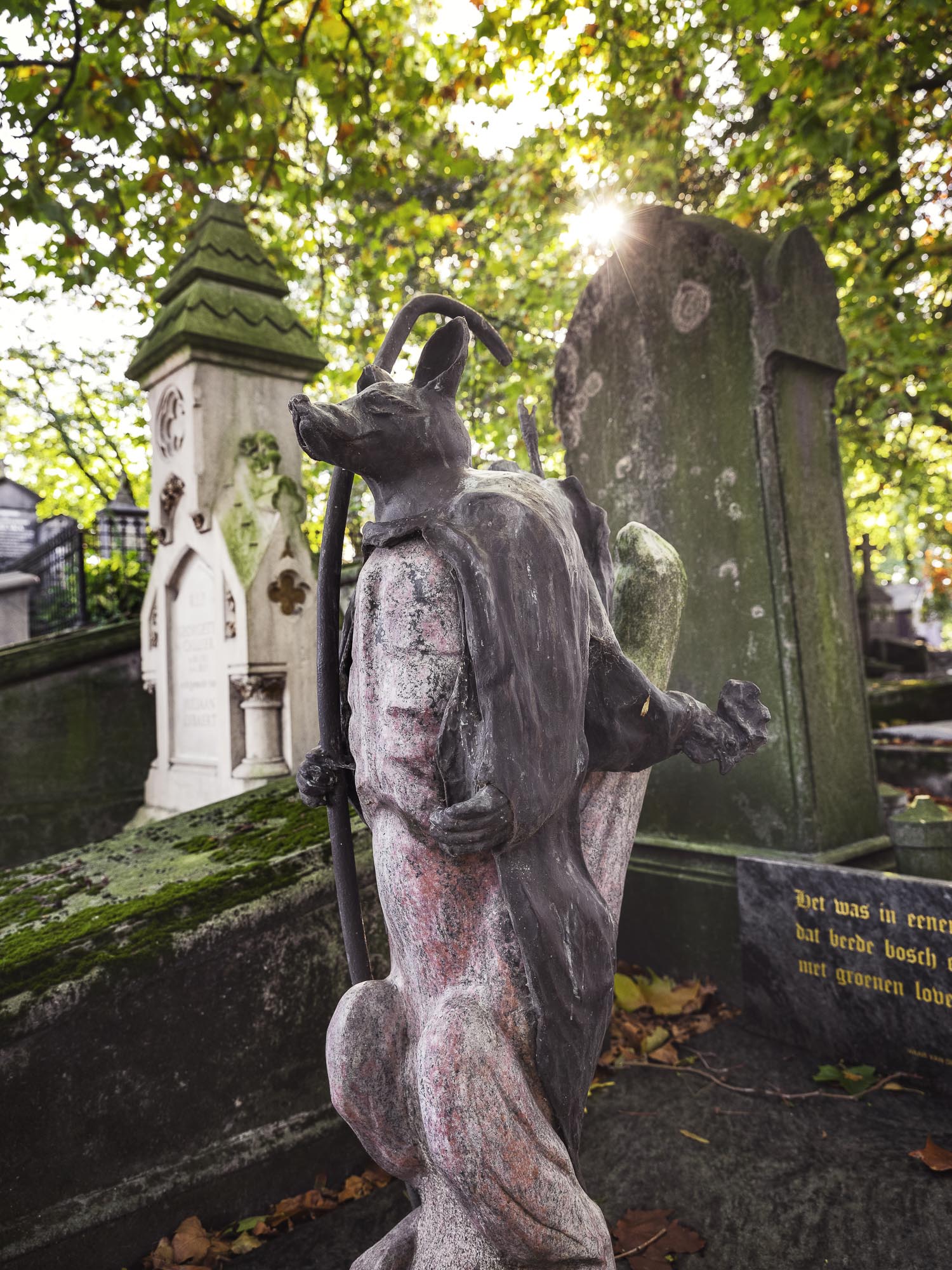
The cemetery lies on the Kapelleberg, a witness hill in the centre of Sint-Amandsberg. According to tradition Saint Amandus preached here in the 7th century, and a late Baroque chapel of 1720 stands at the top. The cemetery opened on 8 December 1847. Its name refers to the Campo Santo dei Teutonici e dei Fiamminghi in Rome, and Paris's Père Lachaise is cited as a model.
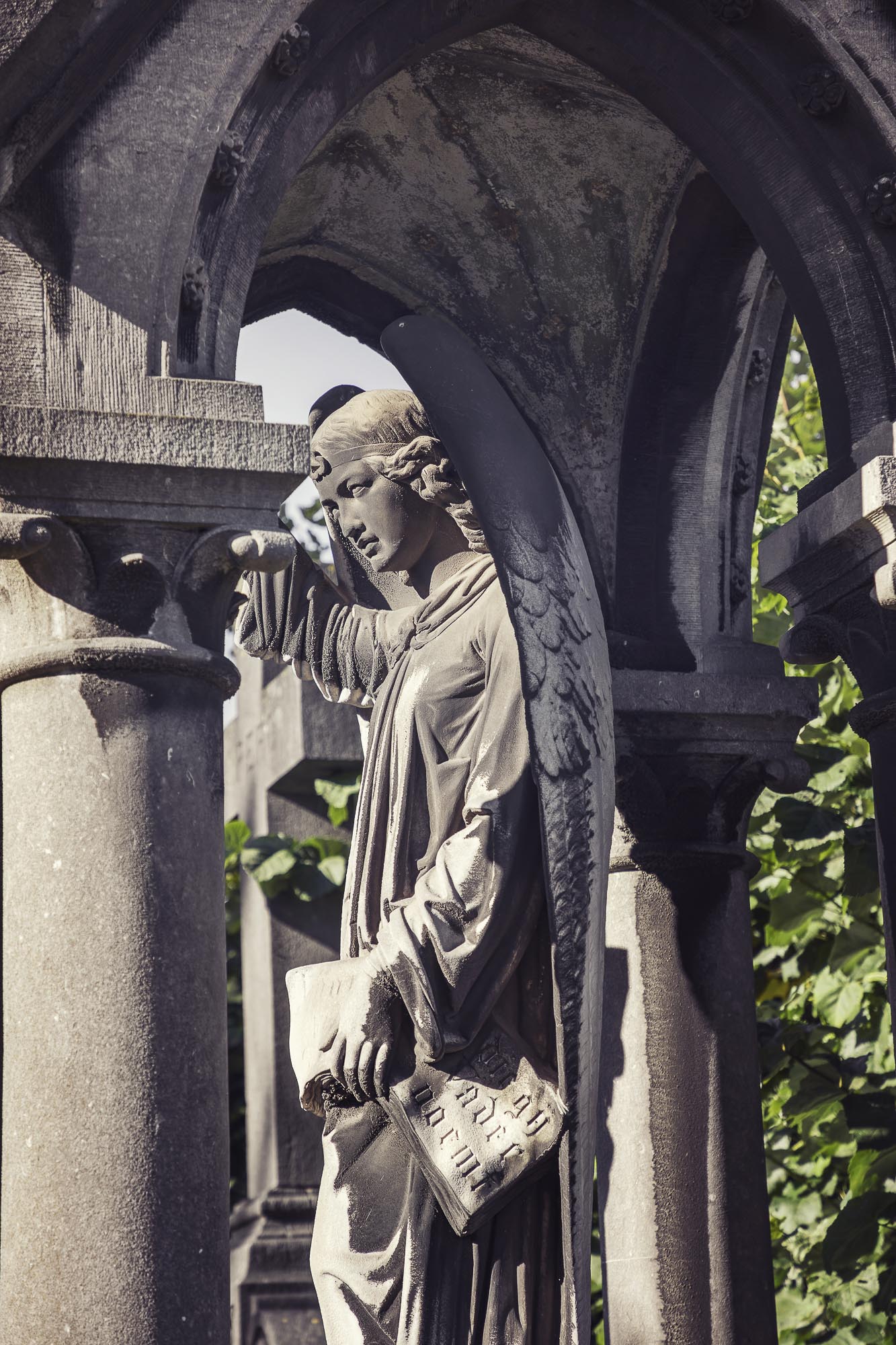
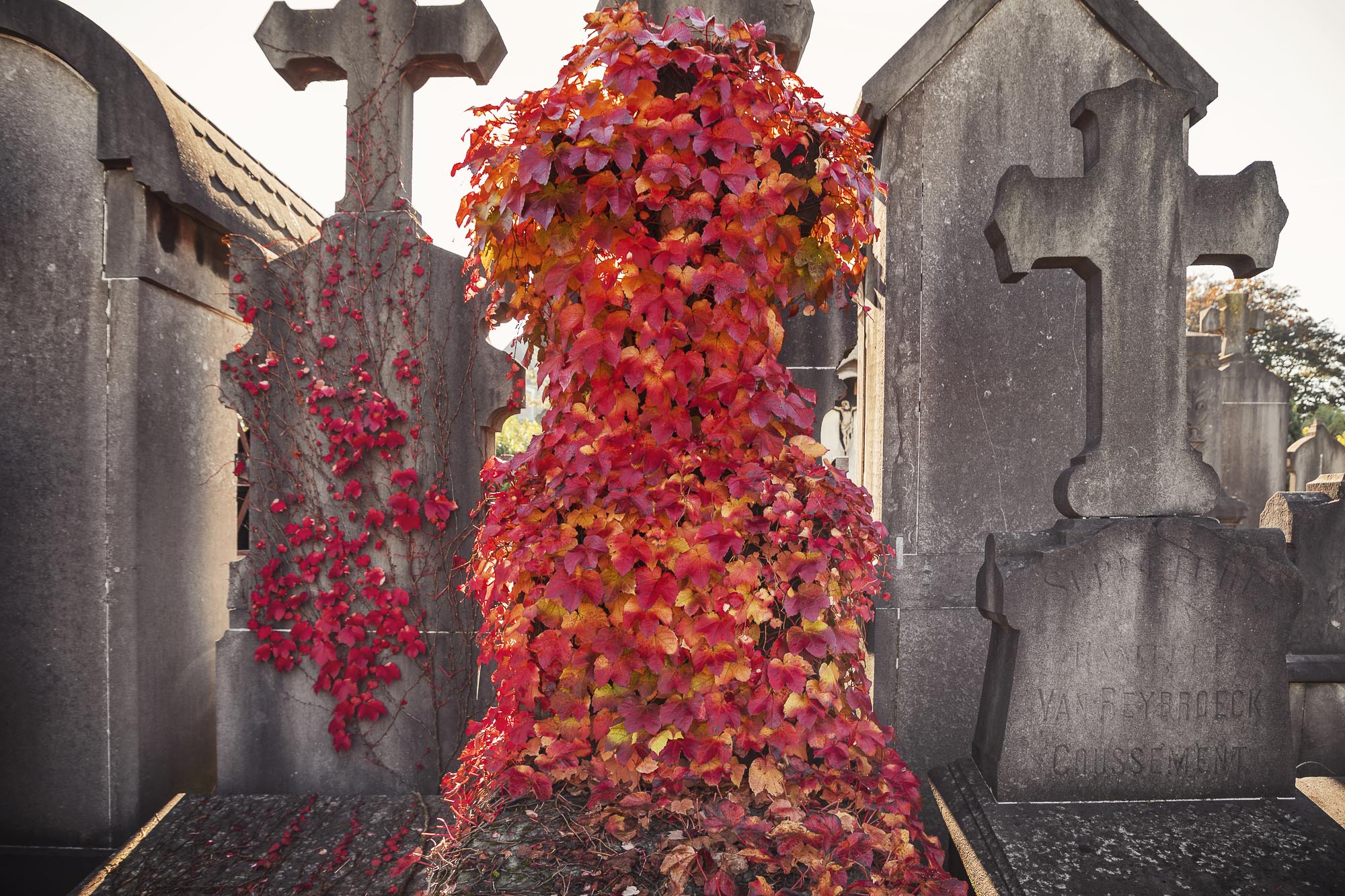
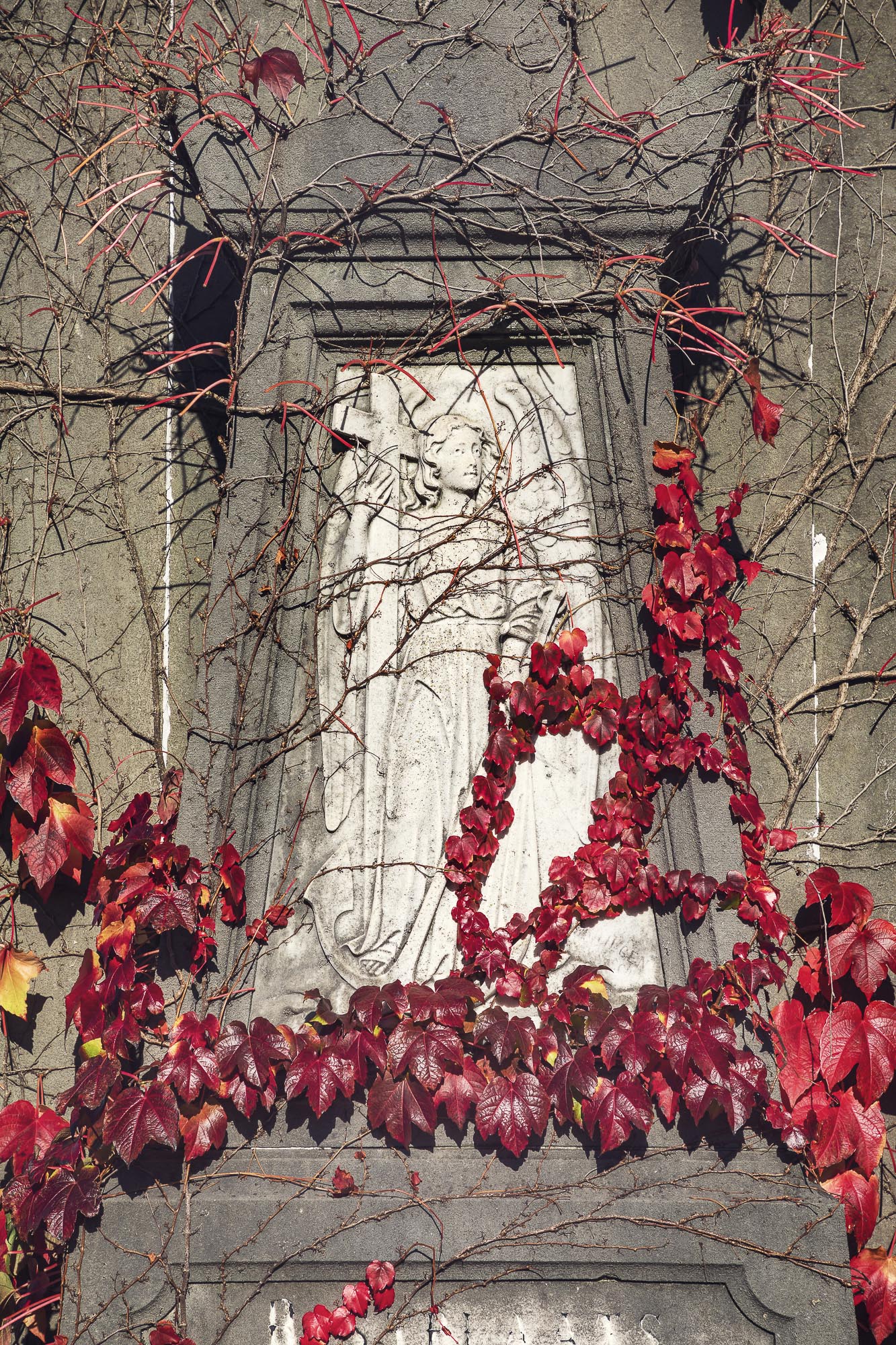
In the 19th century it was mainly wealthy, mostly French-speaking Ghent families who chose Campo Santo for elaborate tombs. Until the First World War five out of six graves carried a French inscription. Sculptors such as Jozef Geefs, Aloïs de Beule and Geo Verbanck created monuments whose styles run from Neo-Gothic through eclecticism and Art Nouveau to Art Deco.
The psychiatrist Joseph Guislain, the Nobel laureate Corneille Heymans, the poet Karel Lodewijk Ledeganck, the cartoonist Marc Sleen and the former prime minister Wilfried Martens are buried here. The Kapelleberg has been a protected monument since 1996. A management plan approved in 2021 sets out a 24-year vision for the care of both the tombs and the greenery.
Frequently asked questions
Where is Campo Santo in Ghent?
Campo Santo is on the Kapelleberg in the Ghent district of Sint-Amandsberg. The City of Ghent website has a map and visitor information.
Who is buried in Campo Santo in Sint-Amandsberg?
Those buried here include the psychiatrist Joseph Guislain, the Nobel laureate Corneille Heymans, the poet Karel Lodewijk Ledeganck, the cartoonist Marc Sleen and the former prime minister Wilfried Martens.
Why is the cemetery called Campo Santo?
The name refers to the Campo Santo in Rome. The Ghent cemetery opened in 1847 and became the favoured burial place of the Catholic upper classes in the 19th century.