Germany · Mainz · 22 pictures
Mainz Main Cemetery
Hauptfriedhof Mainz
-
-
-
-
-
-
-
-

-
-
-
-
-
-
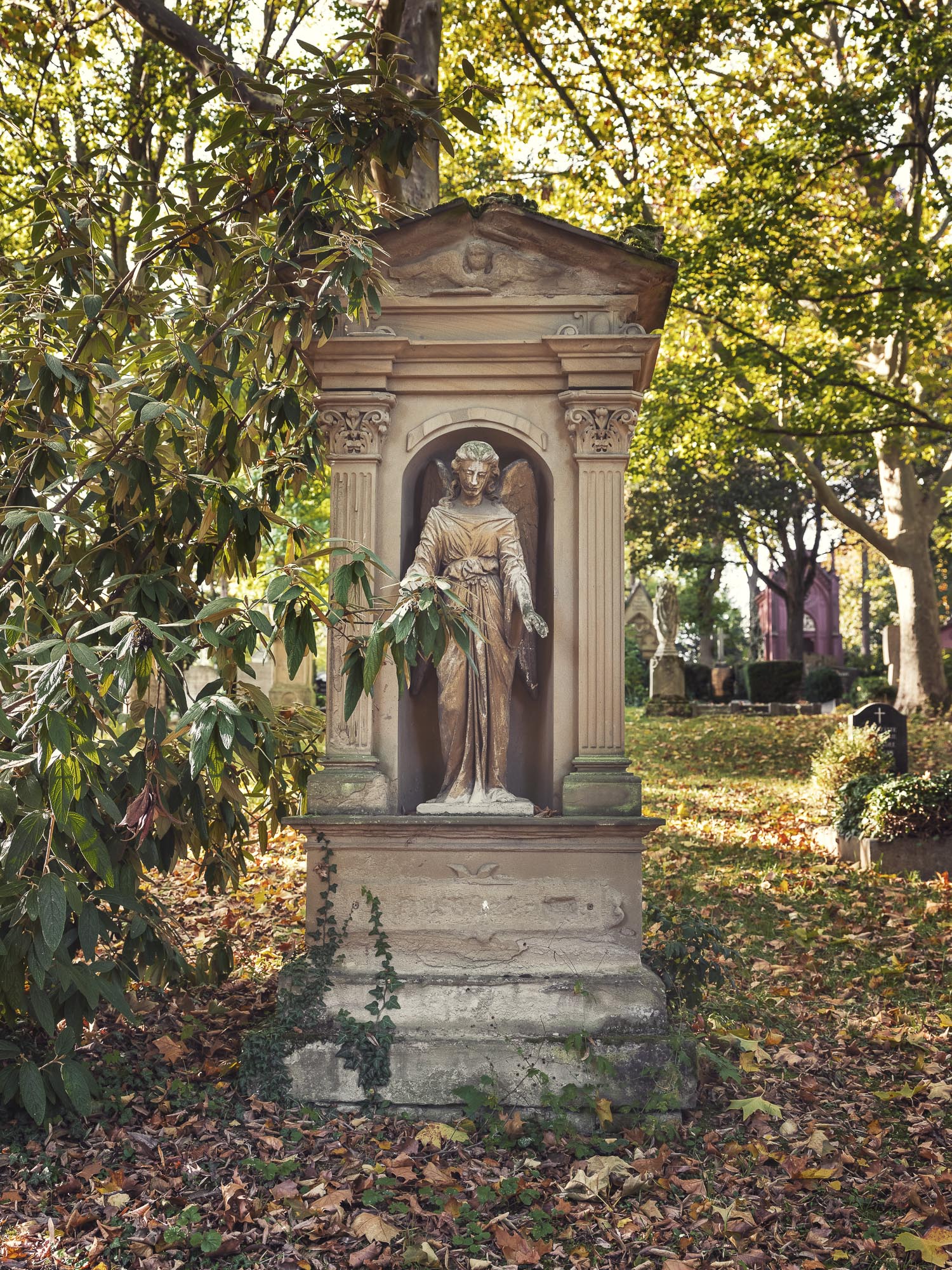
-
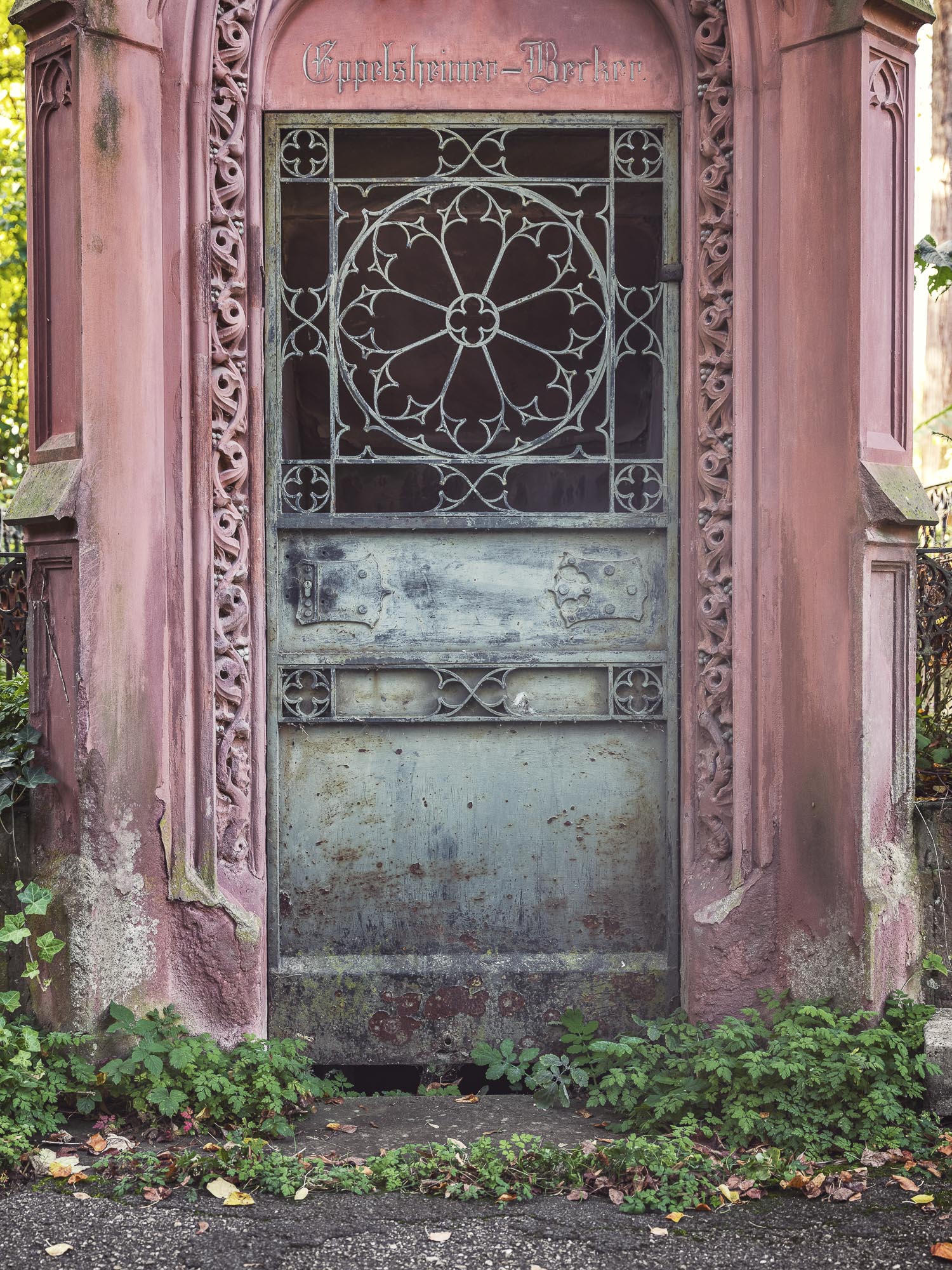
-
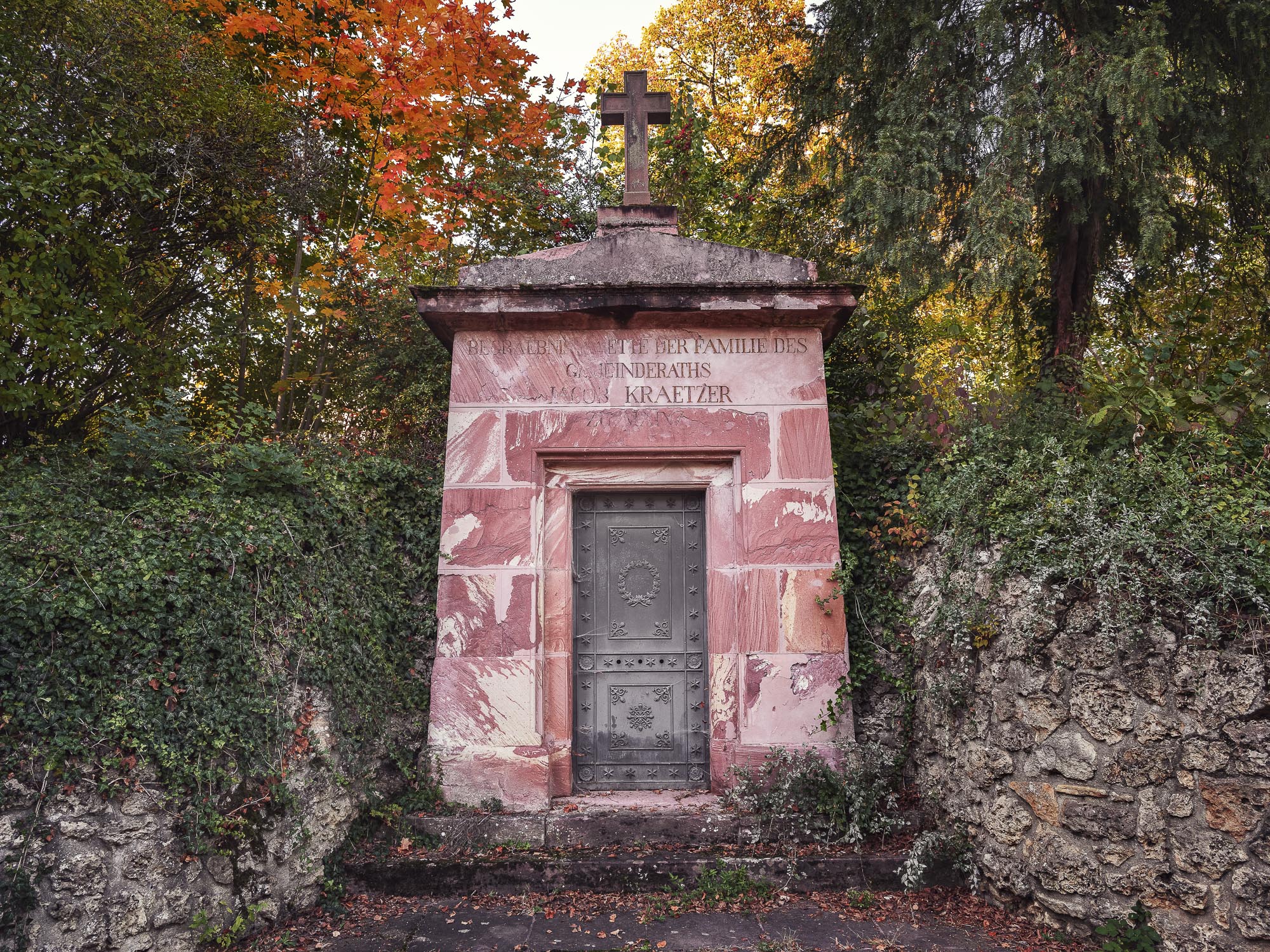
-
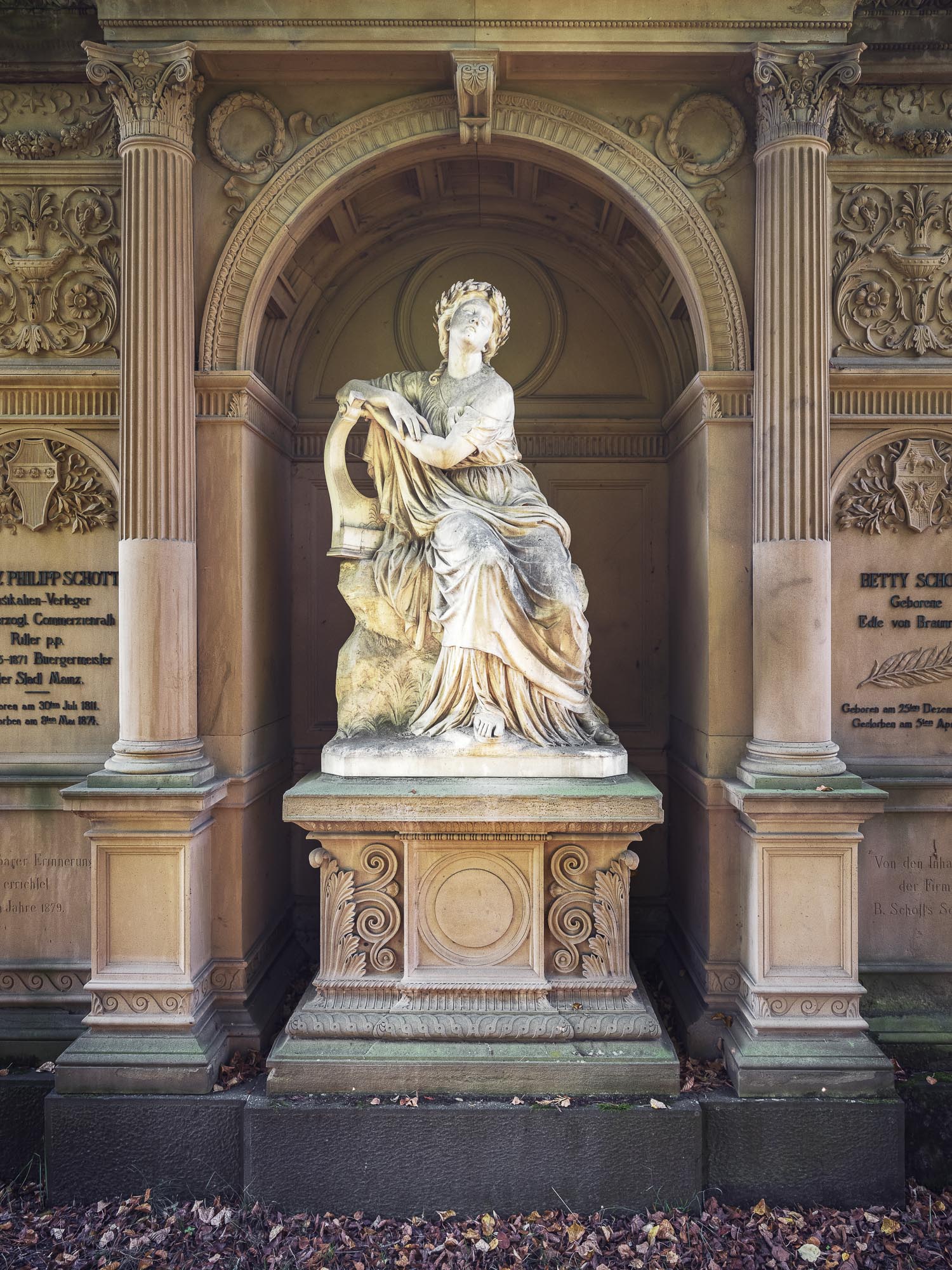
-
-
-
-
-
About this place
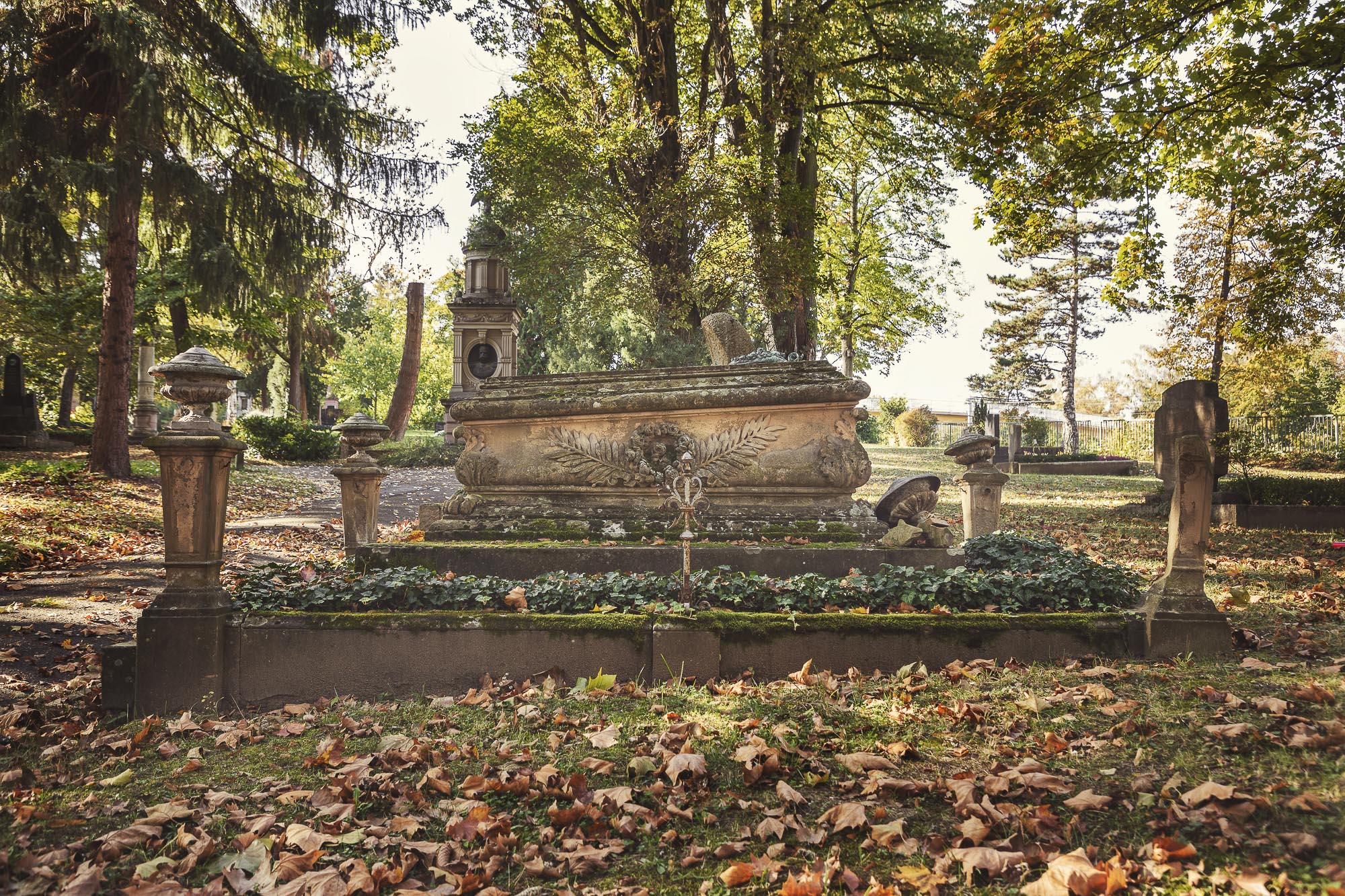
The French prefect Jeanbon St. André had the cemetery laid out, at a time when it lay outside the city. It is regarded as a model for Père Lachaise in Paris. The ground had already been used for burials in Roman times, and a chapel stood here for a period in the Middle Ages.
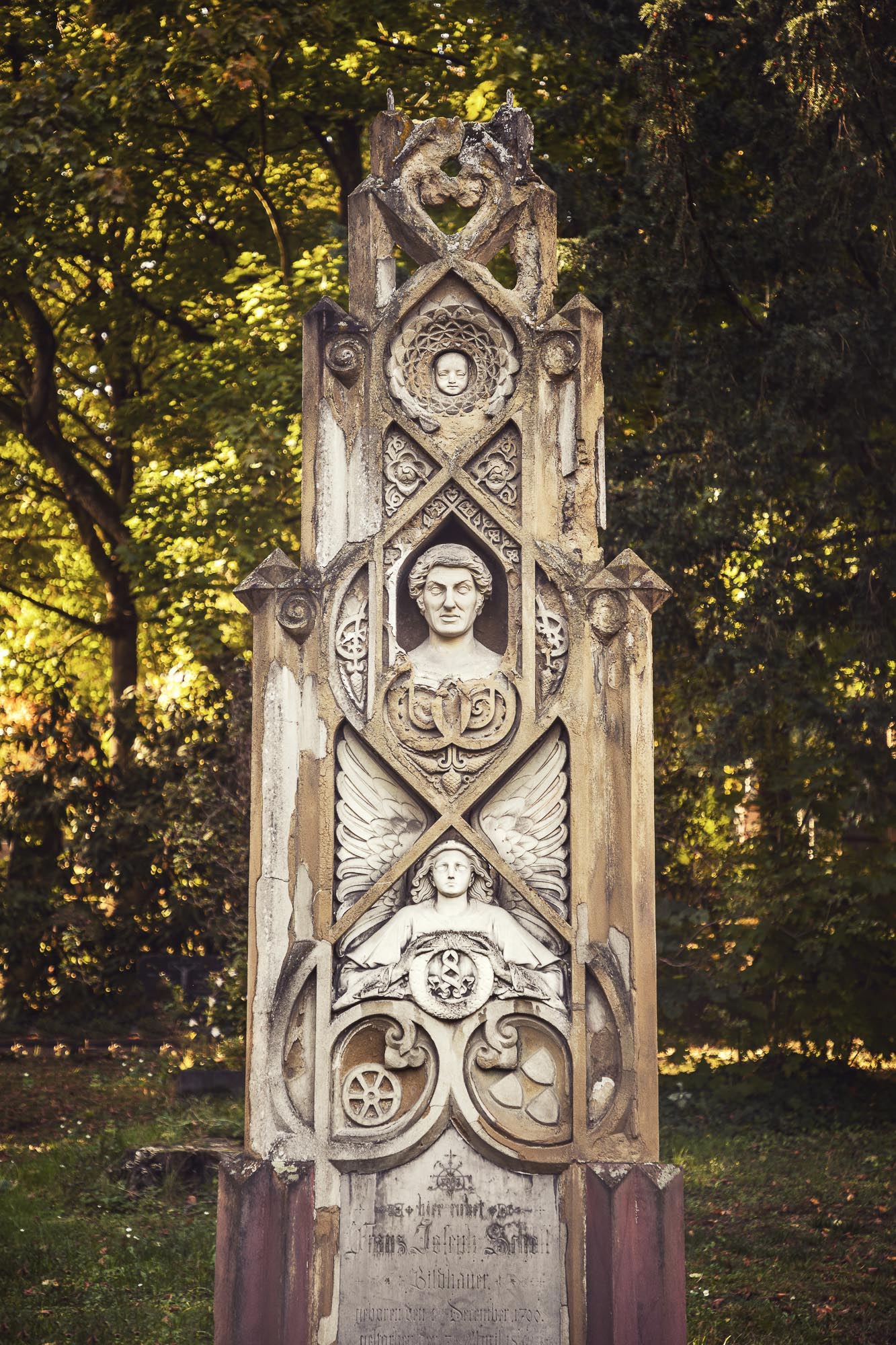
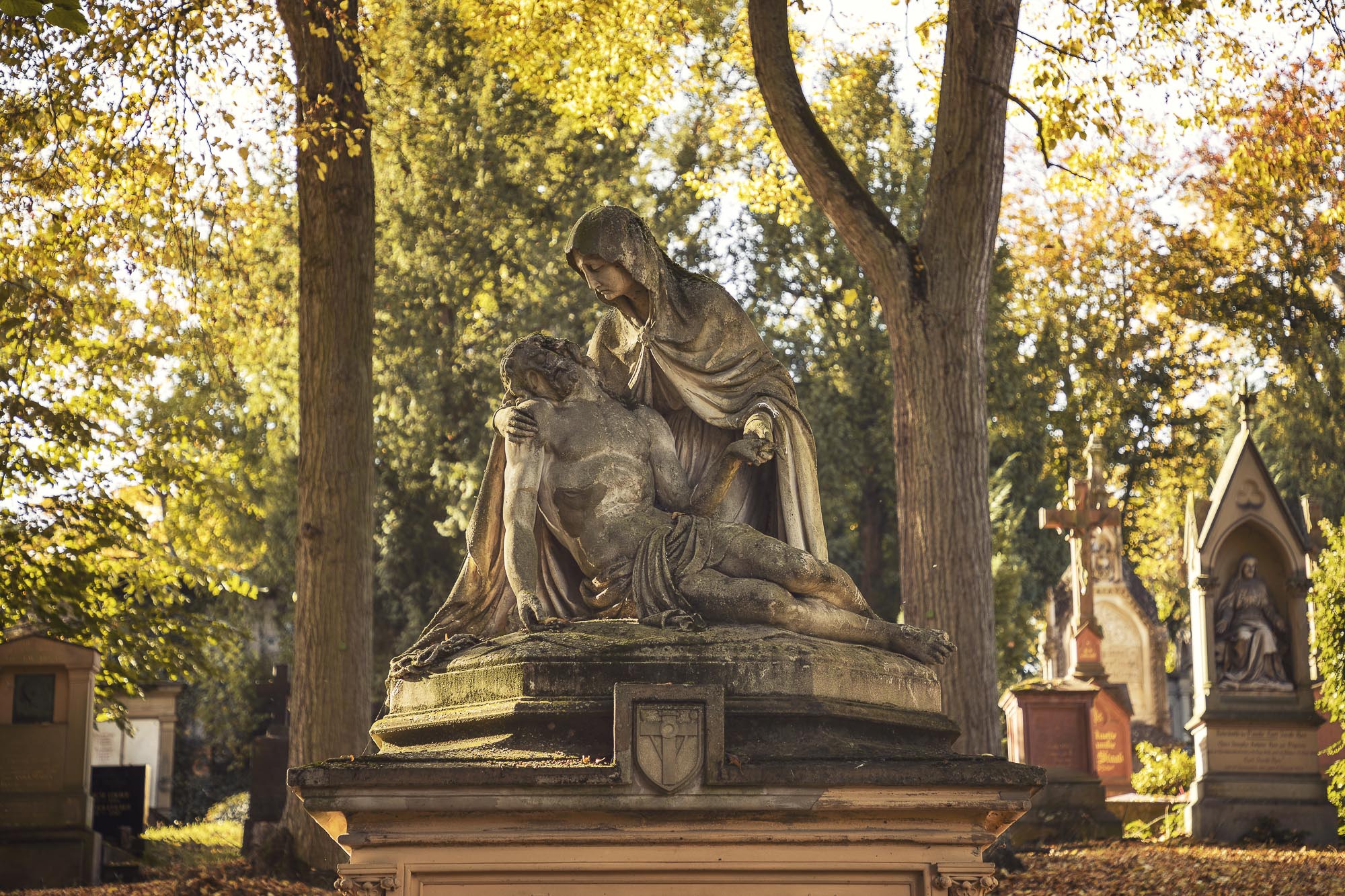
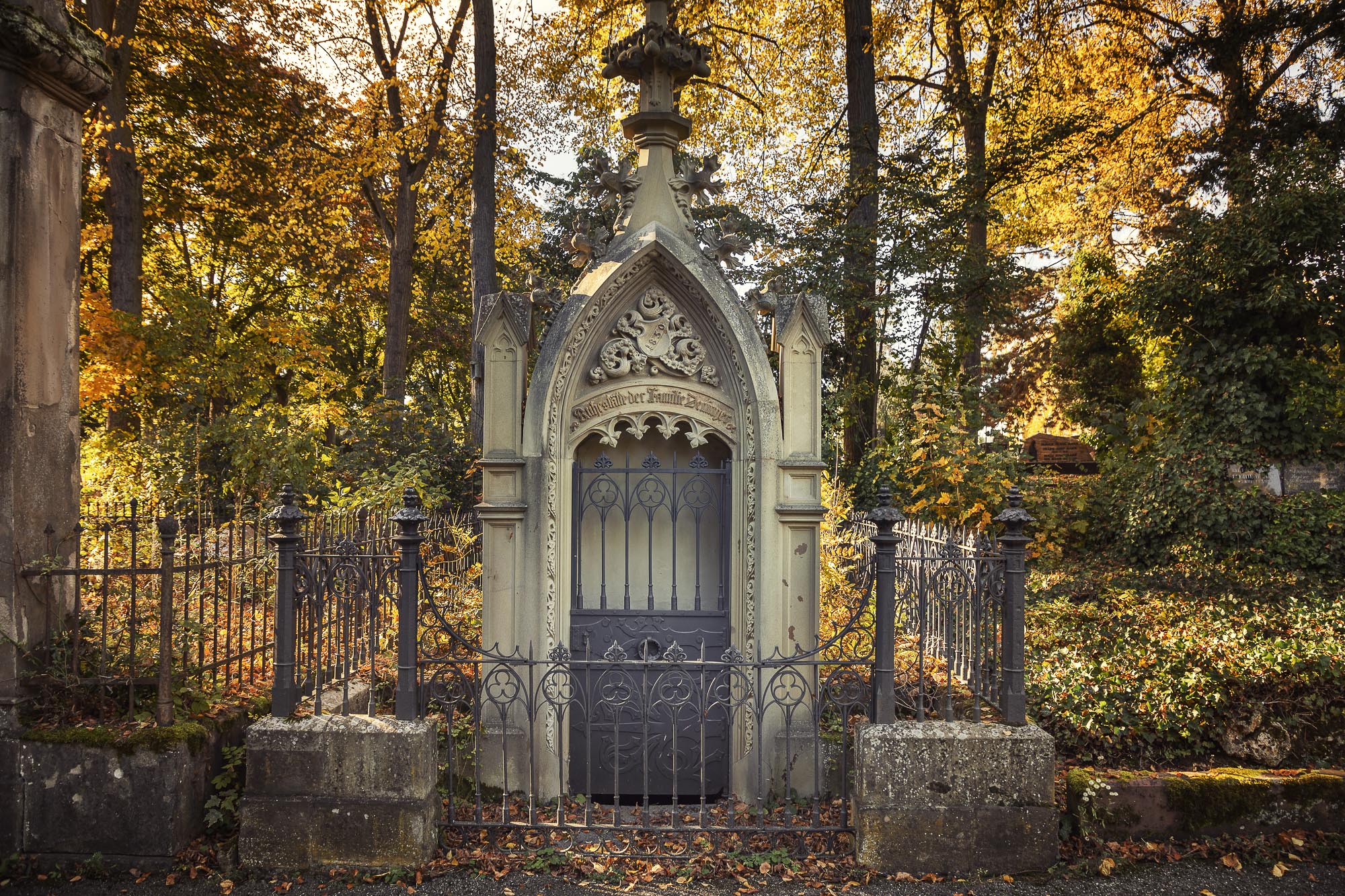
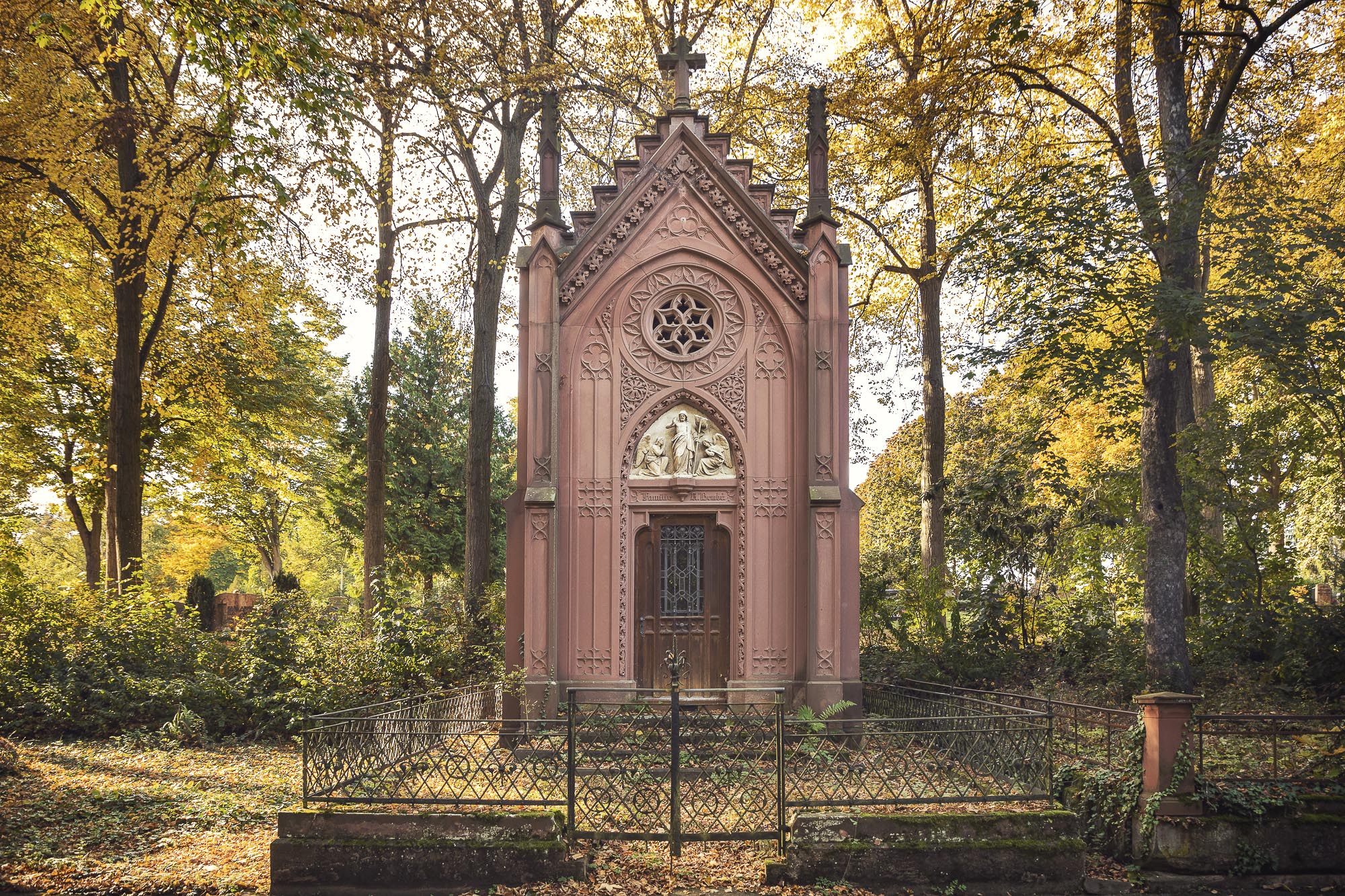
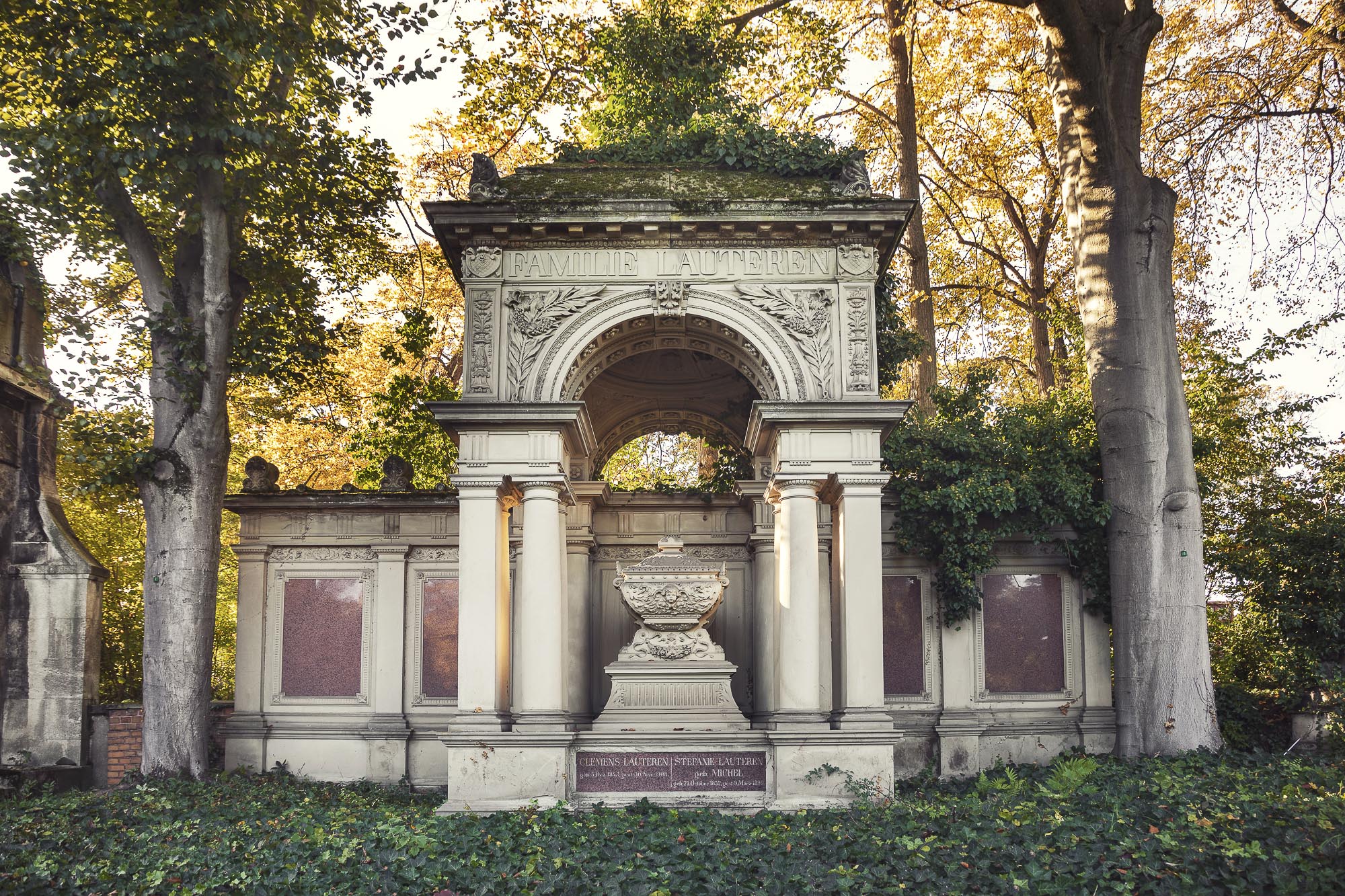
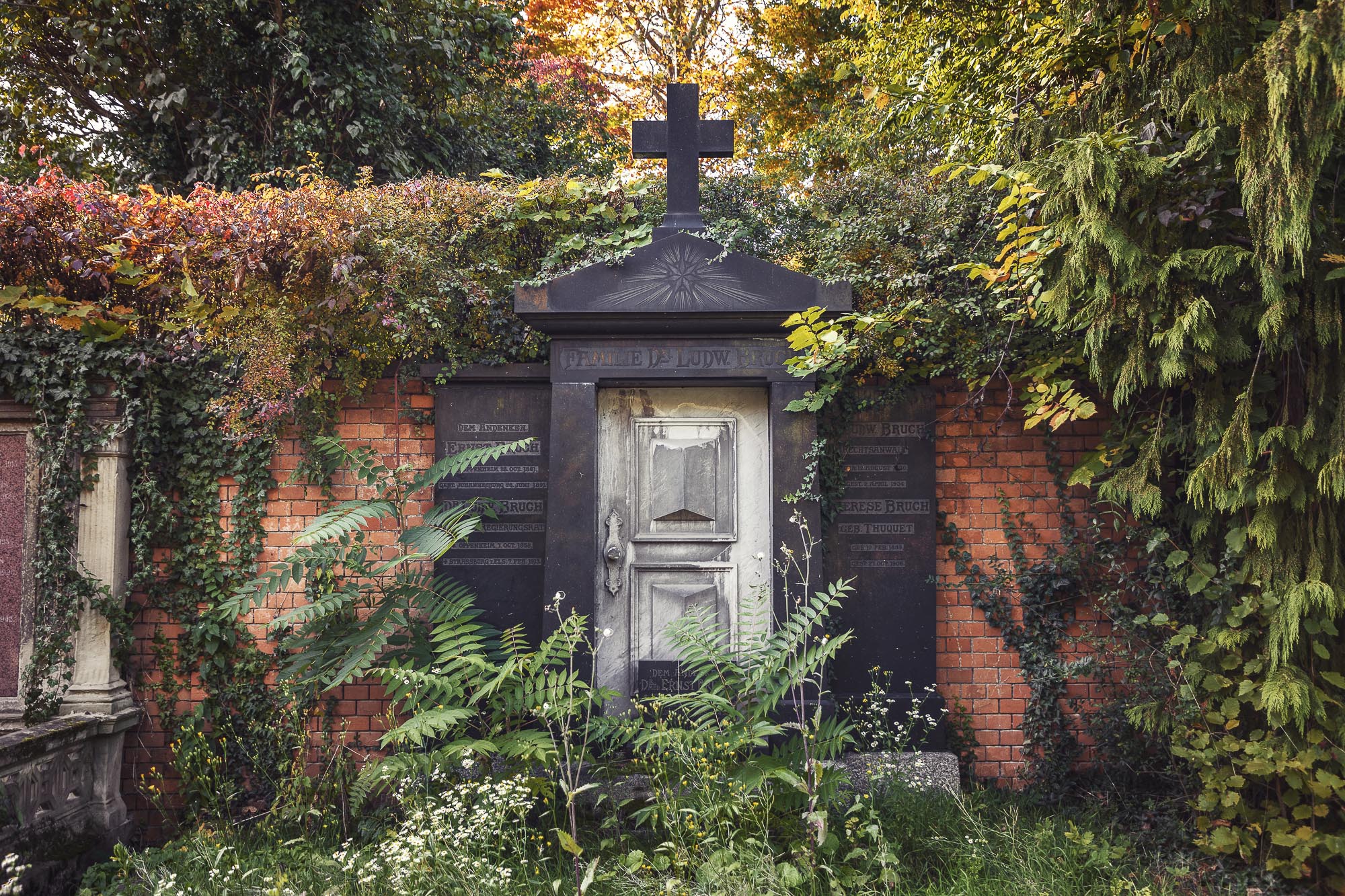
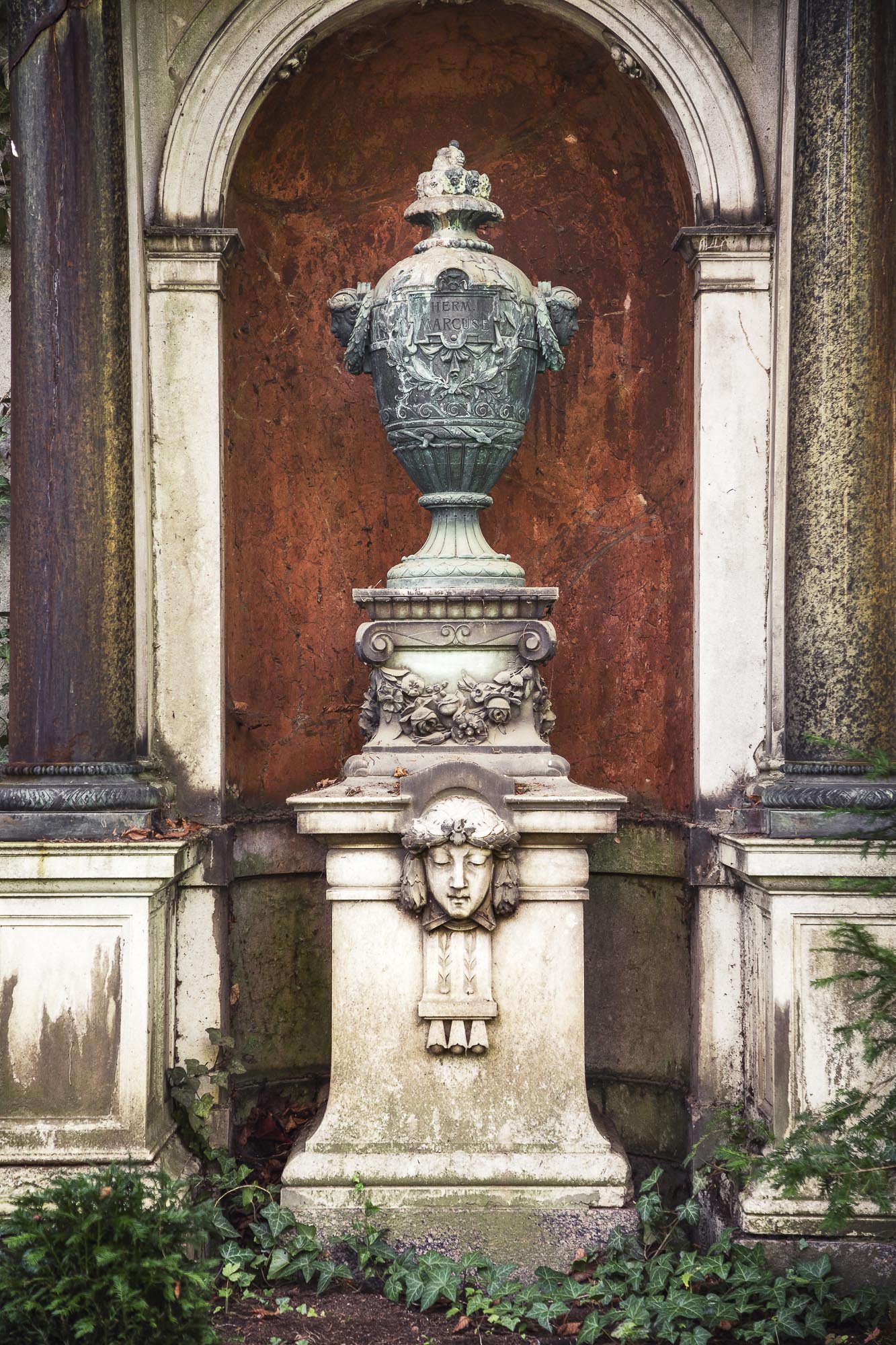
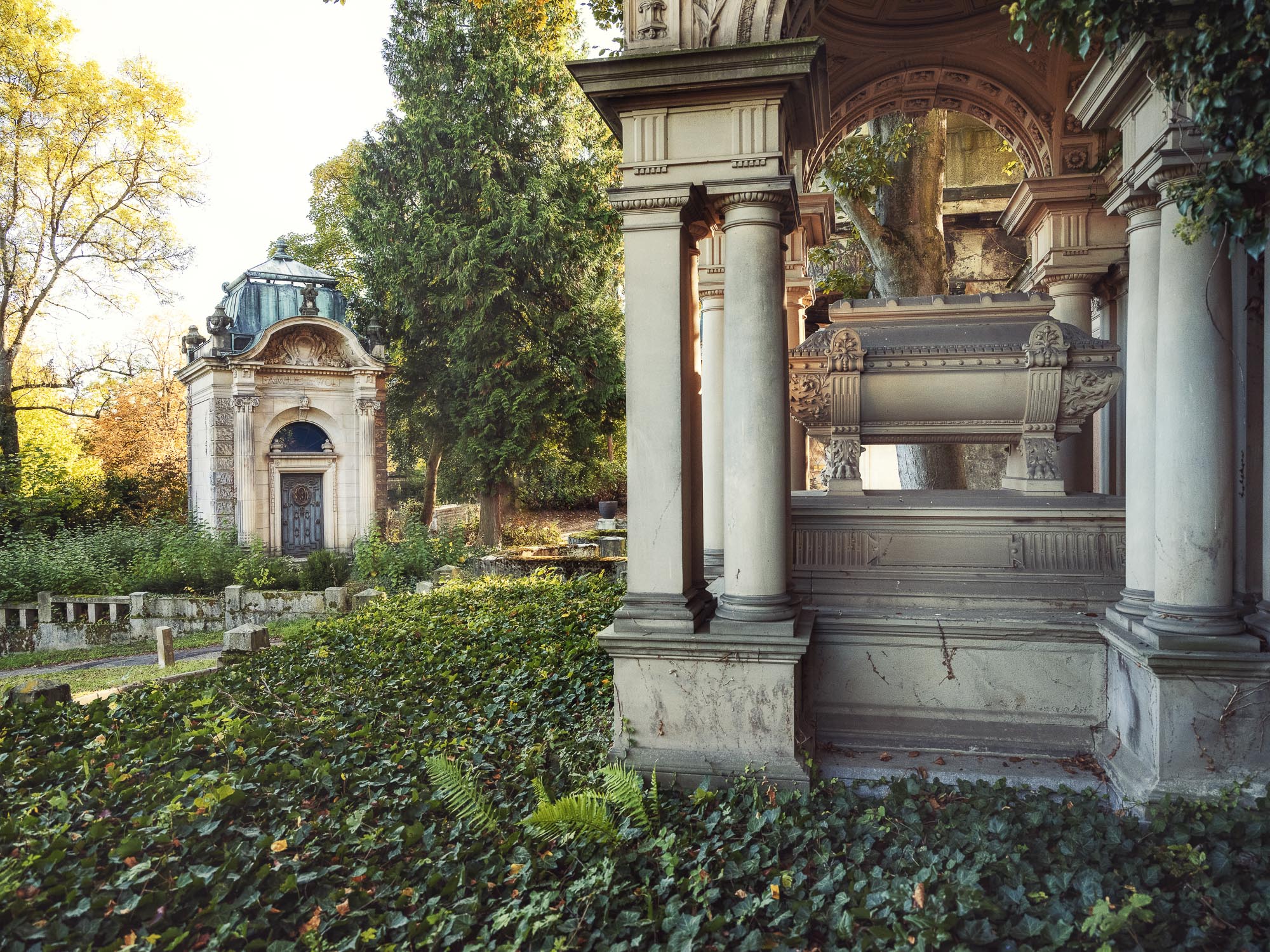
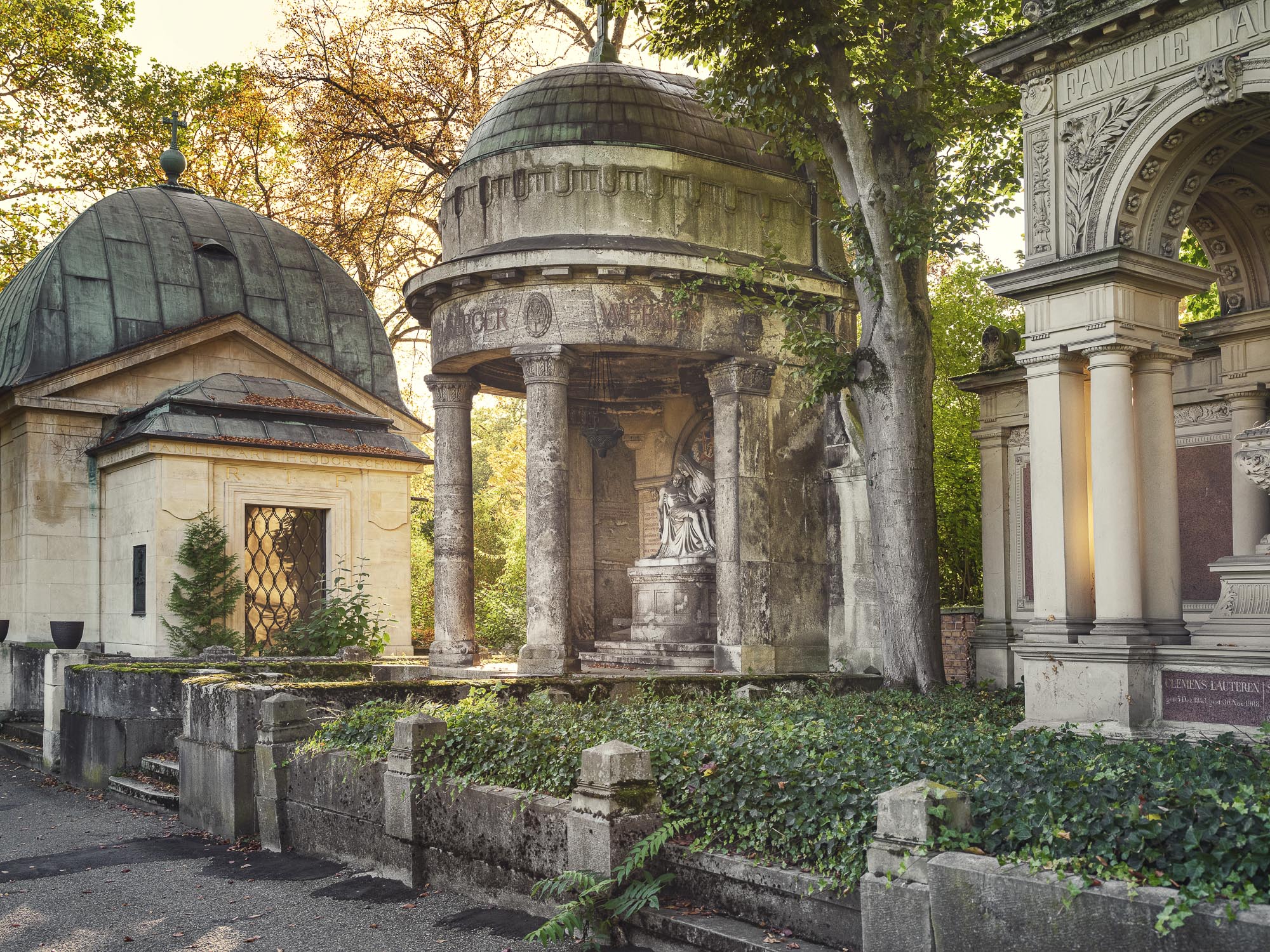
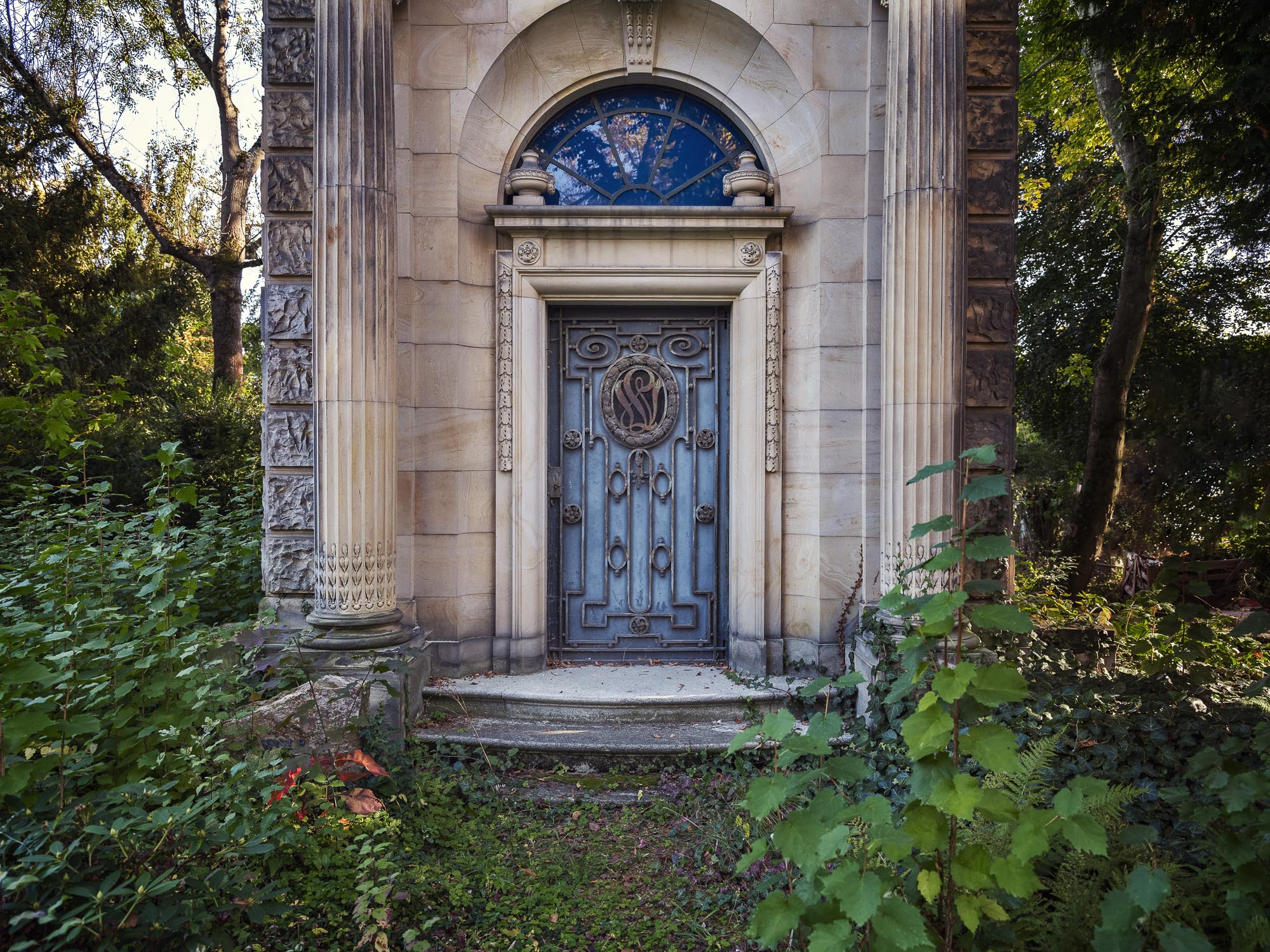
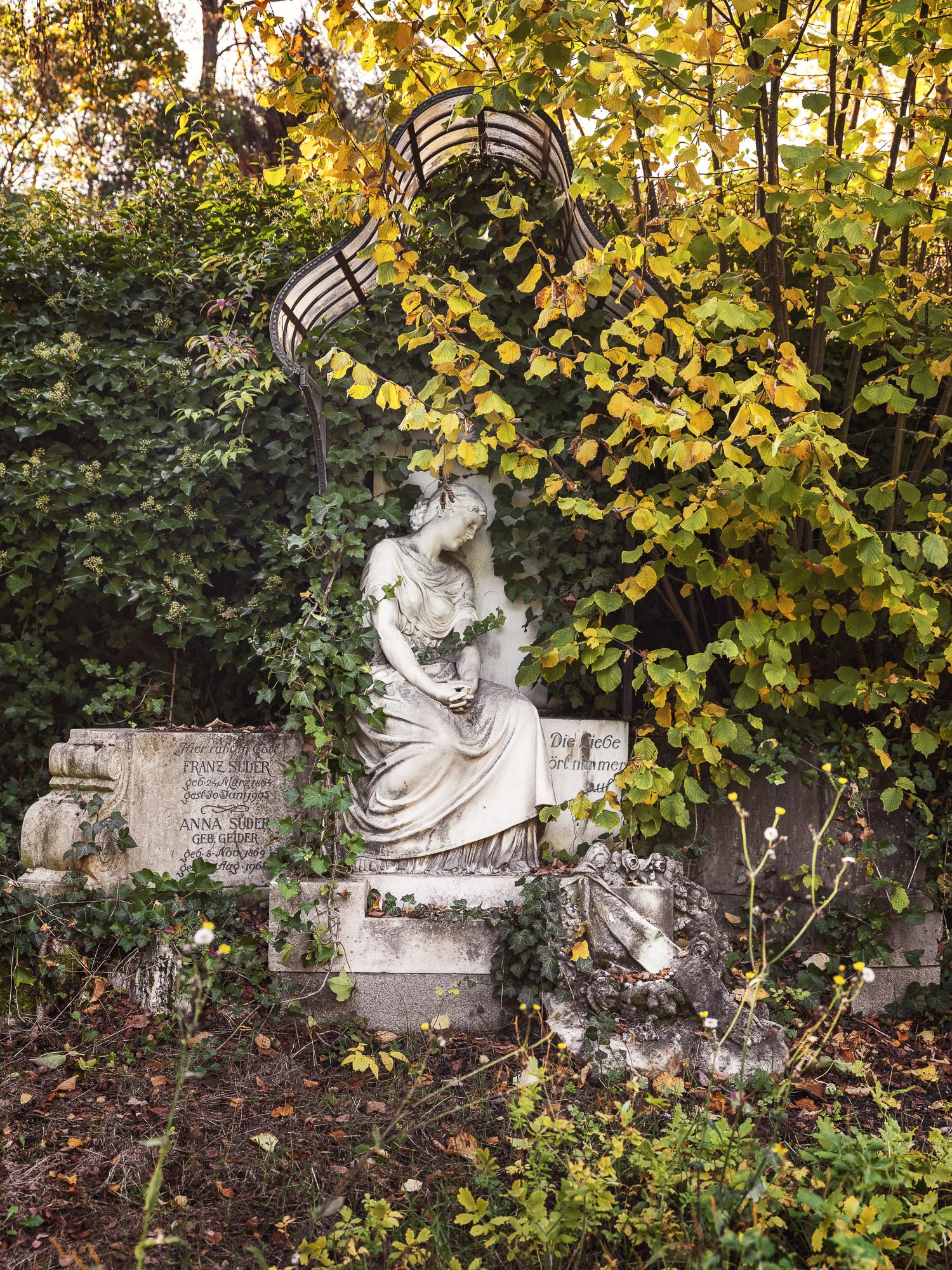
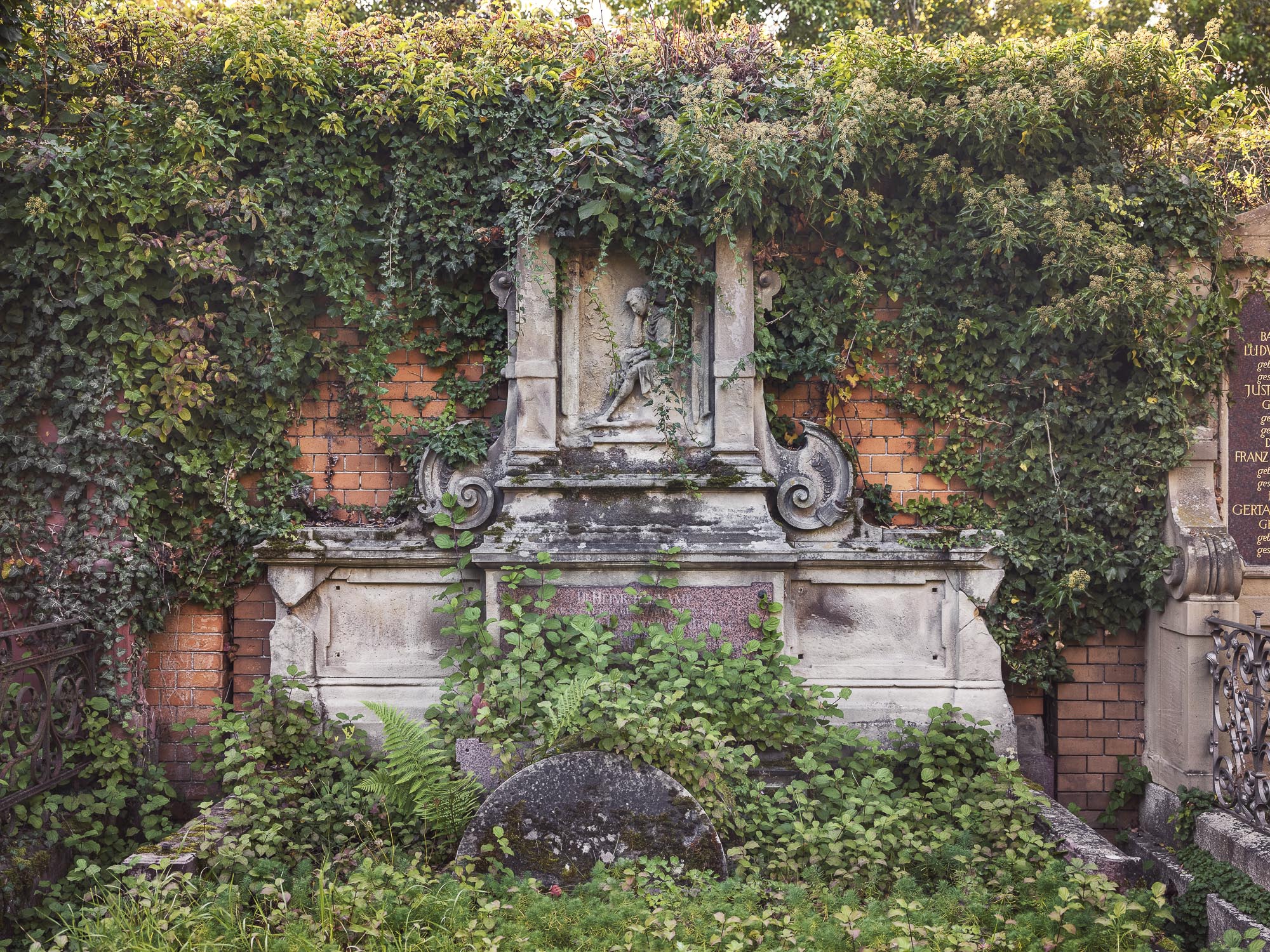
The cemetery covers around 20 hectares and is divided into numbered fields. Its streets of family tombs, lined with vaults of leading Mainz families, give it its character. Between 1850 and 1879 the portal vaults were built, also called oven vaults for their shape: underground burial chambers that show only a barred portal above ground. More than 230 gravestones and monuments are listed, and the oldest surviving stone dates from 1805.
The composer Peter Cornelius, the prehistorian Ludwig Lindenschmit the Elder, the carnival performer Ernst Neger and the chemist Fritz Strassmann, co-discoverer of nuclear fission, are buried here. Several monuments commemorate French and Prussian soldiers and the victims of the 1857 powder tower explosion.
In 2005 the cemetery was added to a European list of significant cemeteries. A visit rewards you with funerary architecture, a park setting and a good deal of Mainz history.
Frequently asked questions
Where is Mainz Main Cemetery?
The Main Cemetery lies in the Zahlbach valley in Mainz, with access from Untere Zahlbacher Straße (55131 Mainz). The City of Mainz provides current information.
What are portal vaults?
Portal vaults are underground burial chambers that show only a barred portal above ground. At Mainz Main Cemetery they were built between 1850 and 1879.
Who is buried at Mainz Main Cemetery?
Burials include the composer Peter Cornelius, the carnival performer Ernst Neger and Fritz Strassmann, who took part in the discovery of nuclear fission.