Italy · Bologna · 72 pictures
Certosa of Bologna
Certosa di Bologna (Cimitero Monumentale della Certosa)
-
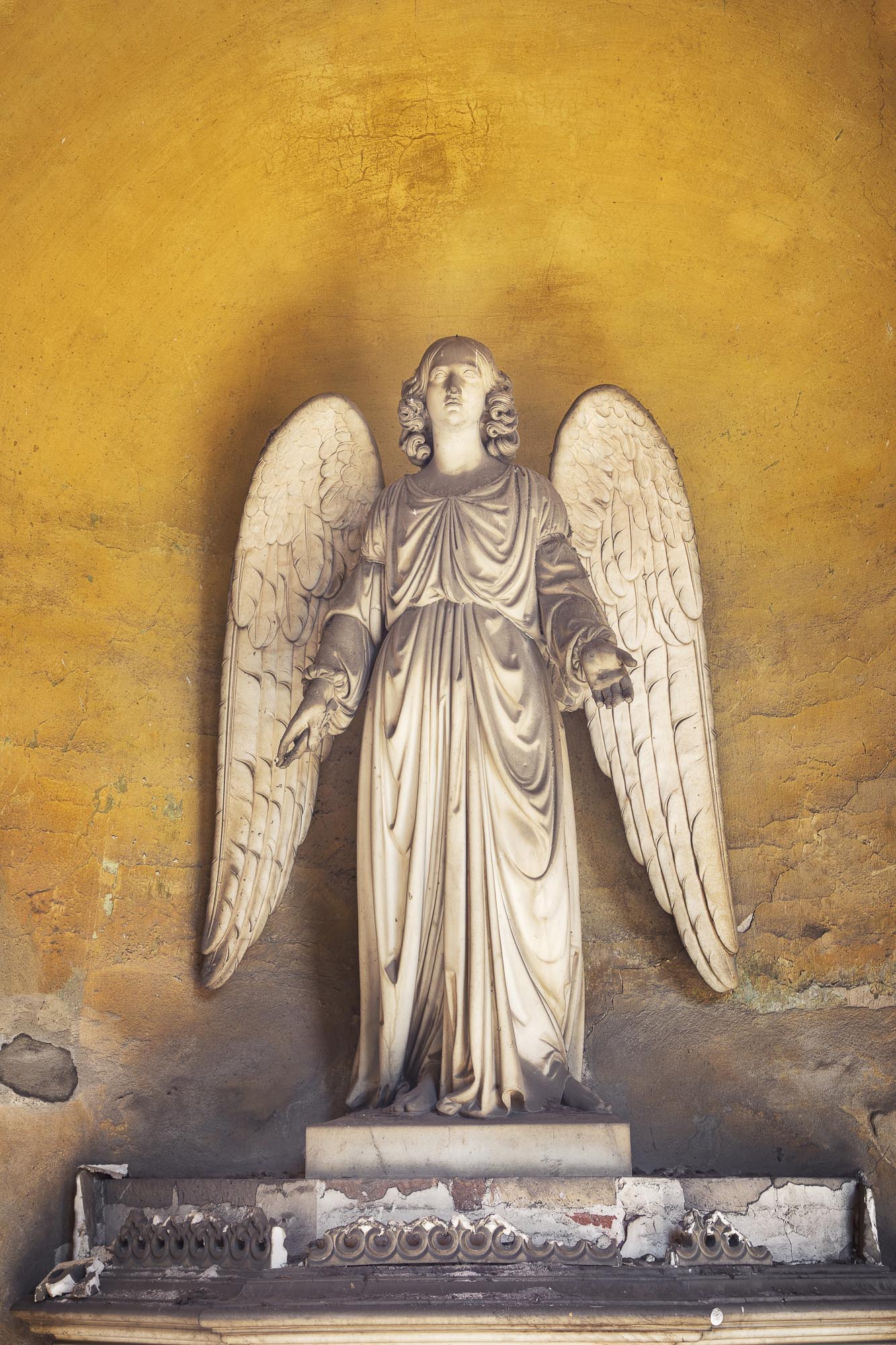
Angel in a yellow wall niche
-
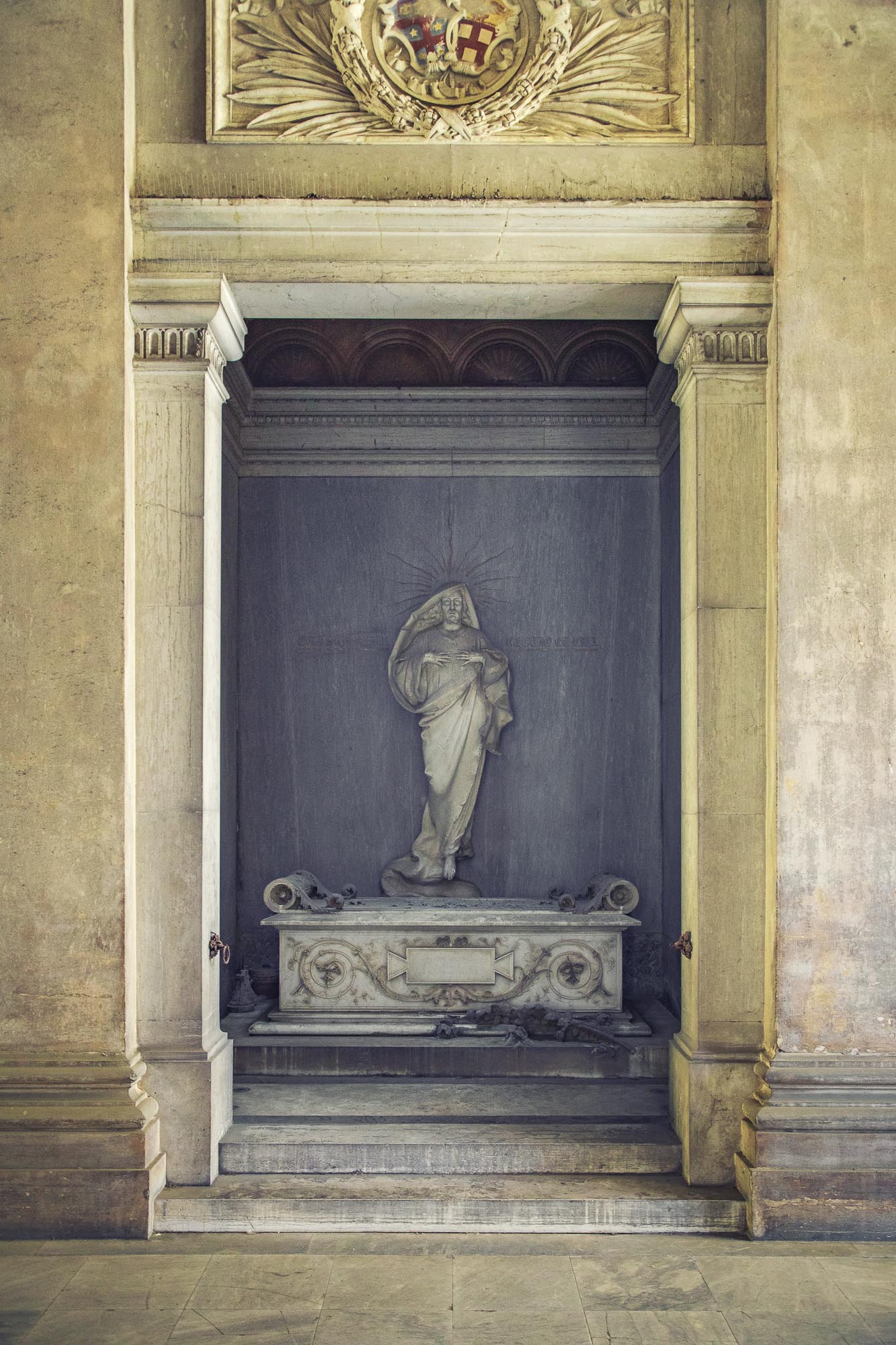
Figure on sarcophagus in blue niche
-
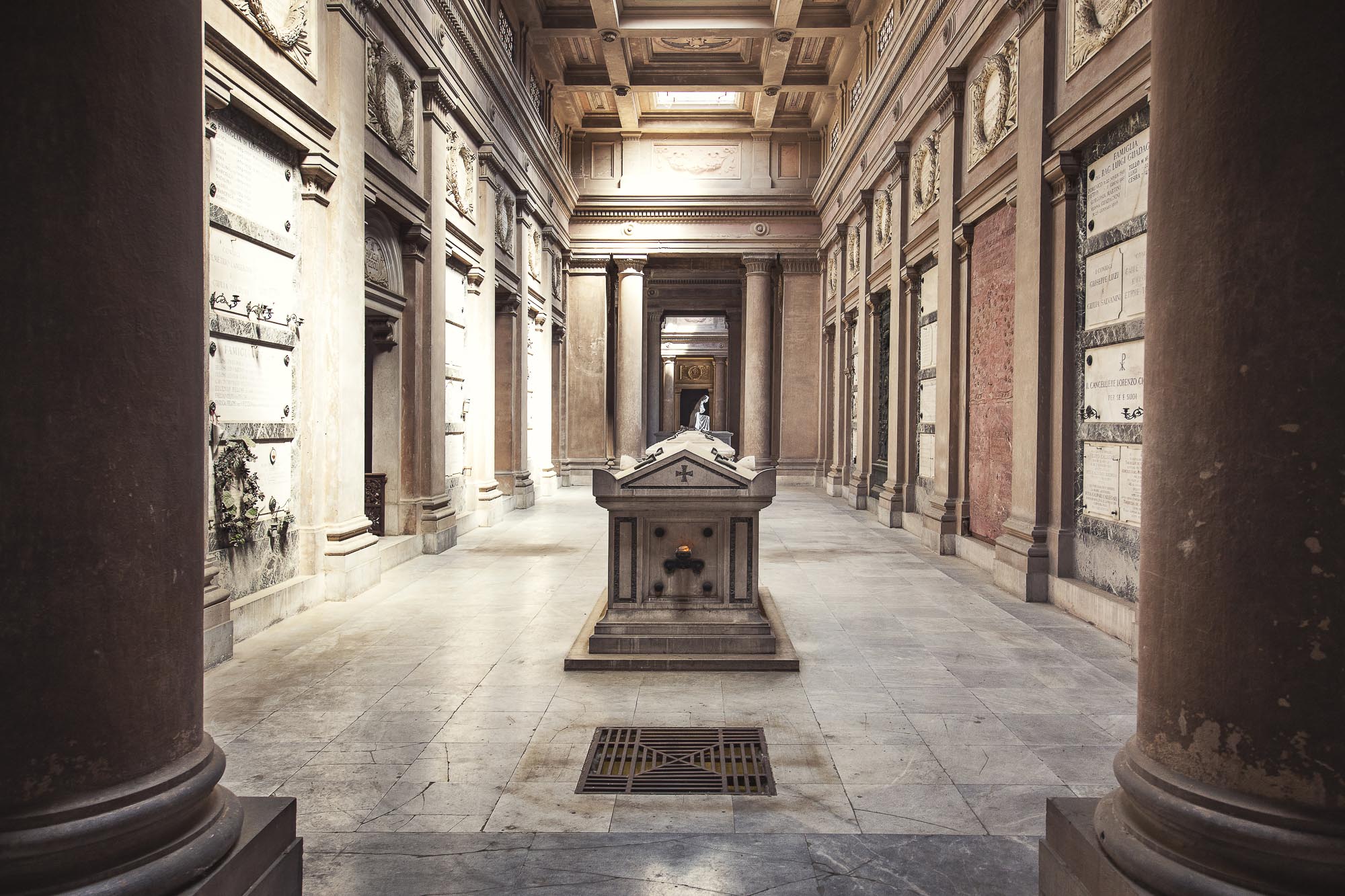
Coffered ceiling with skylight
-
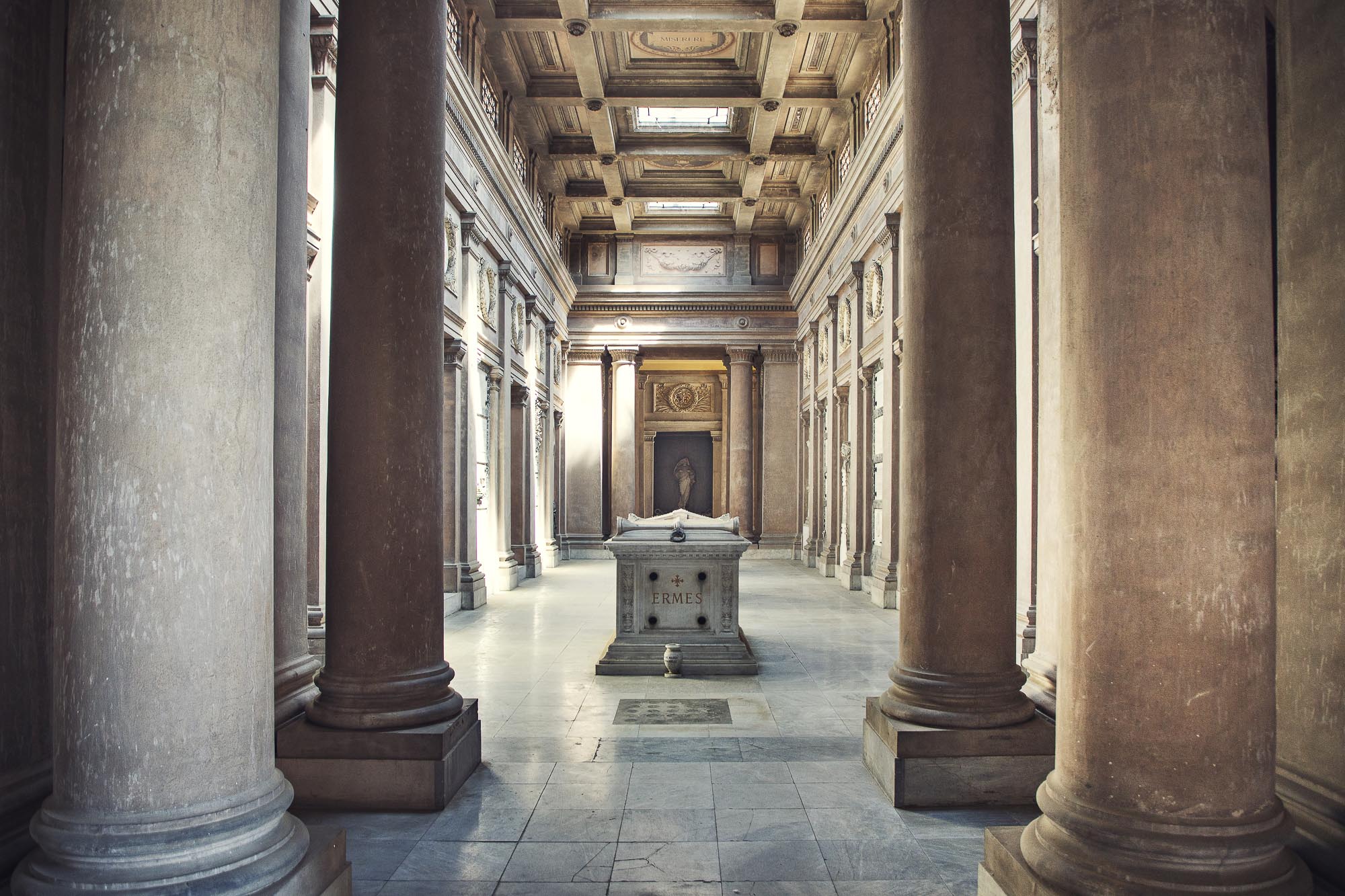
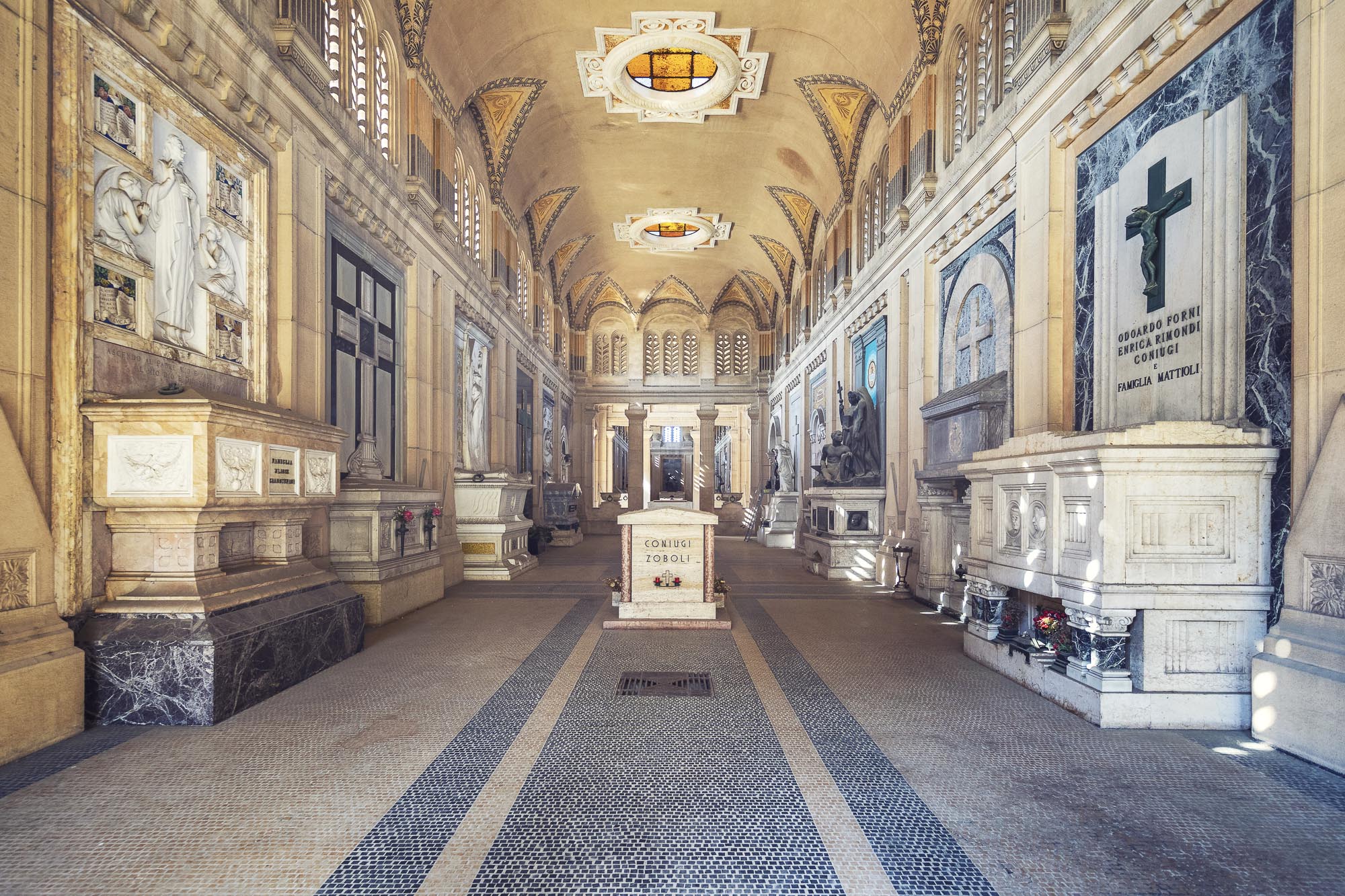
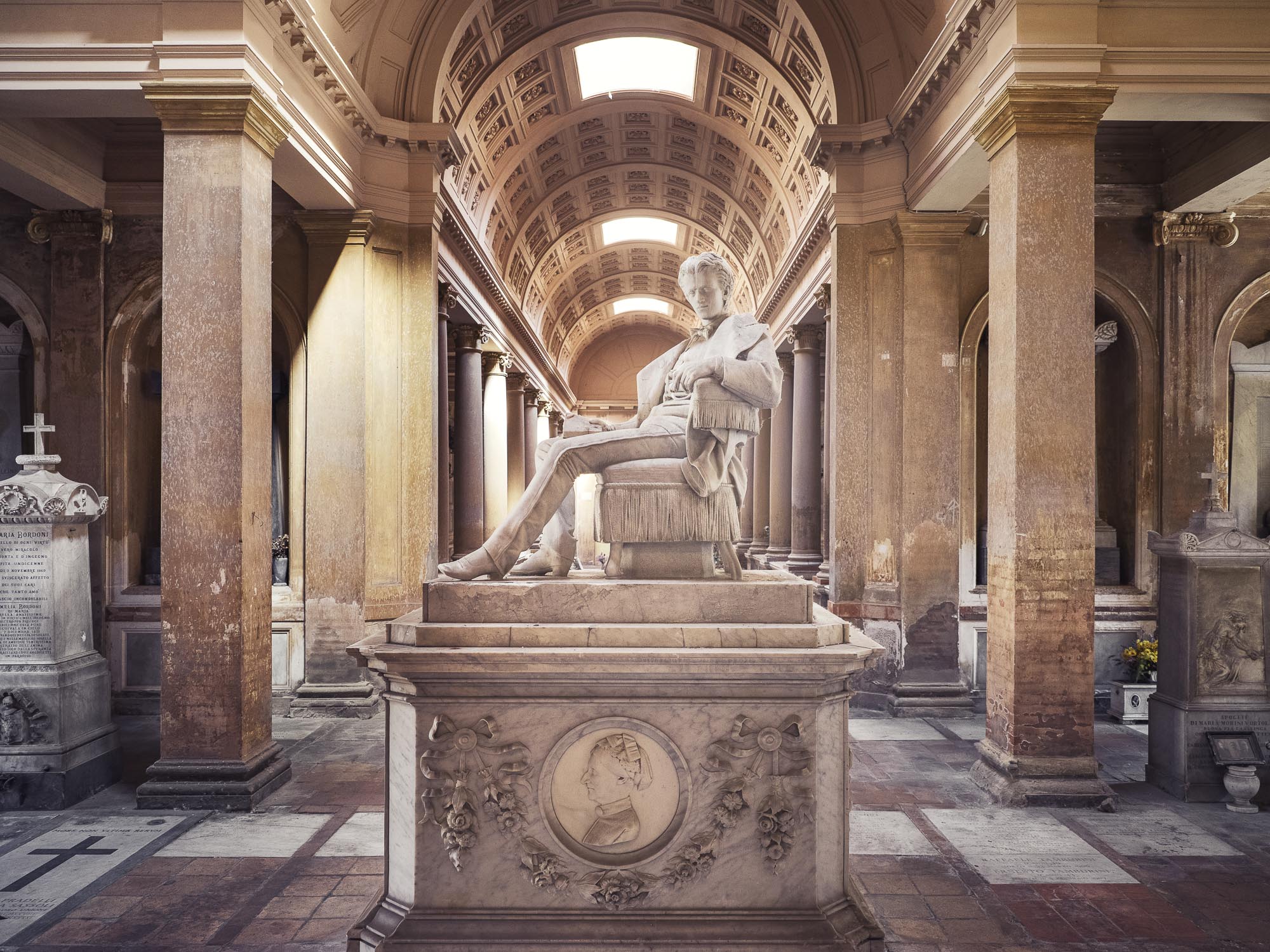
Colonnade with sarcophagus at the end
-
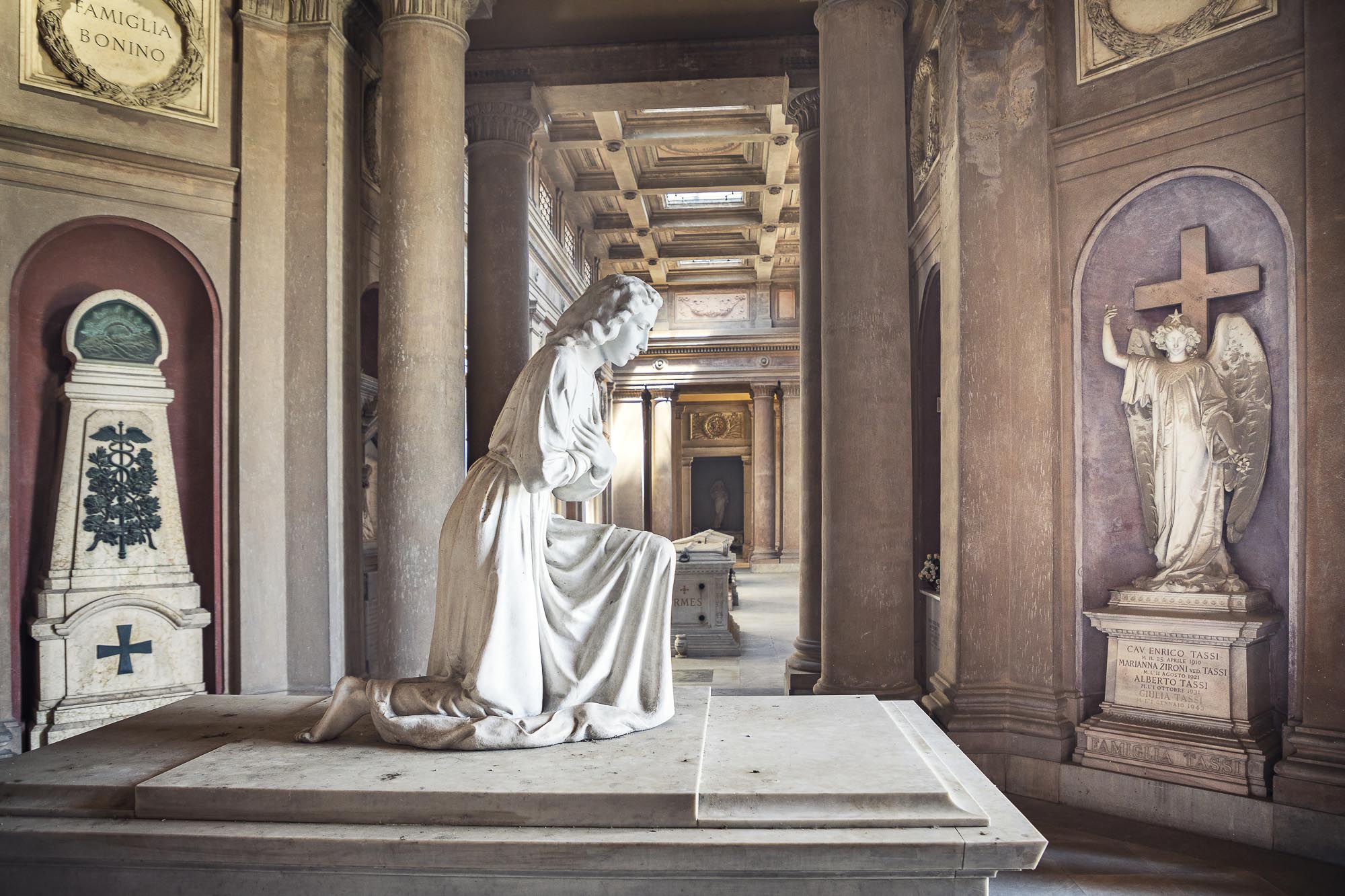
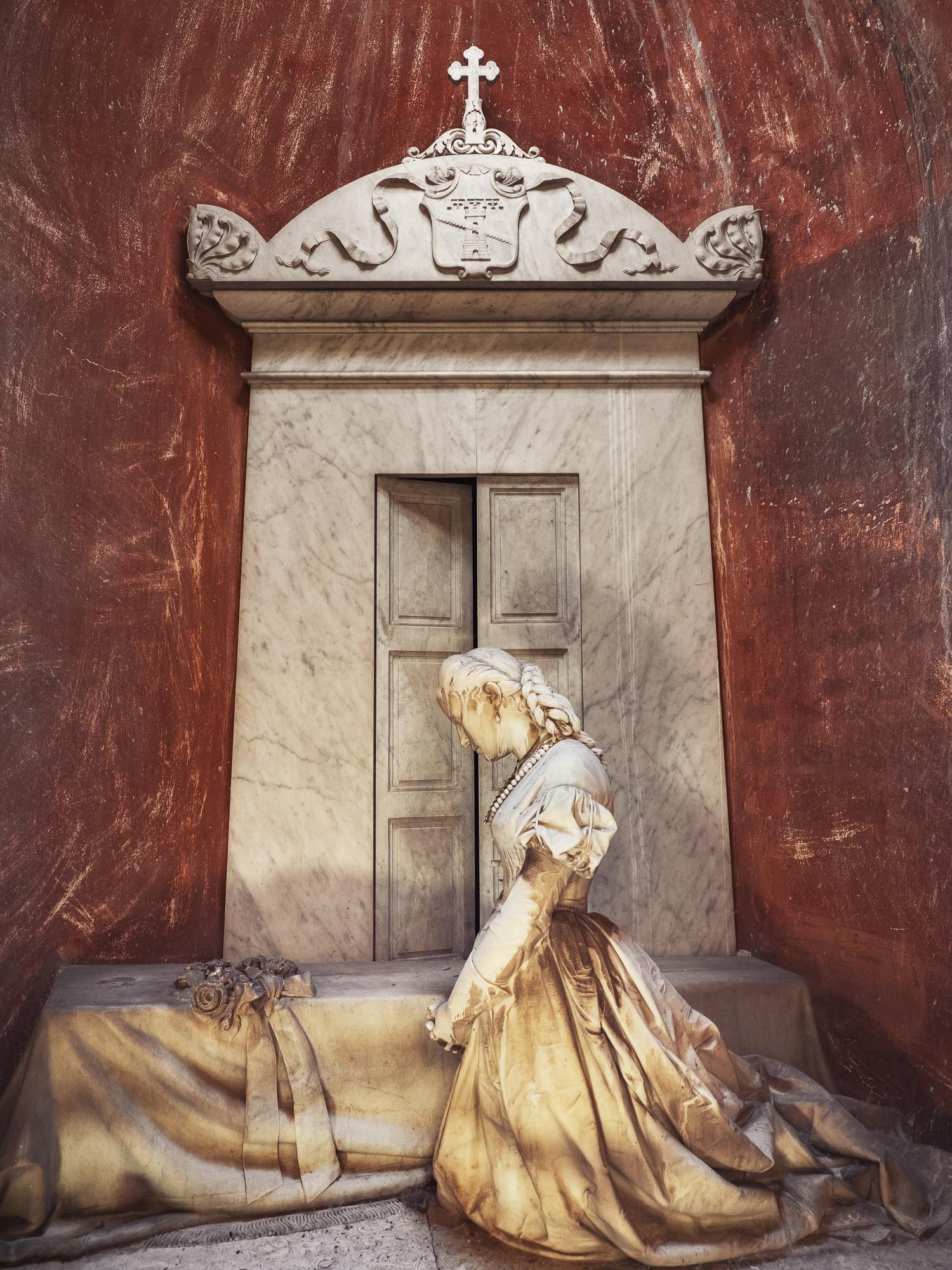
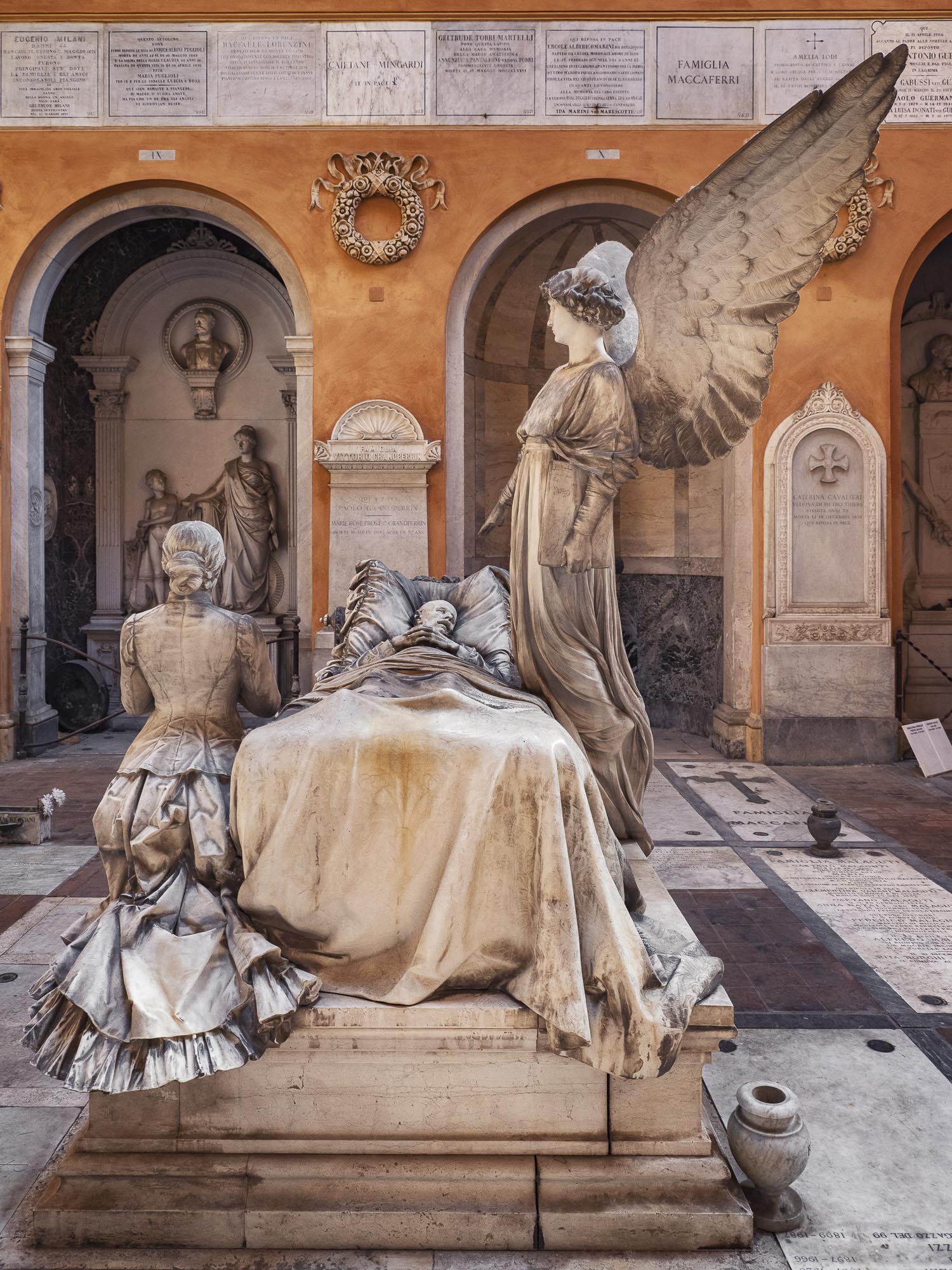
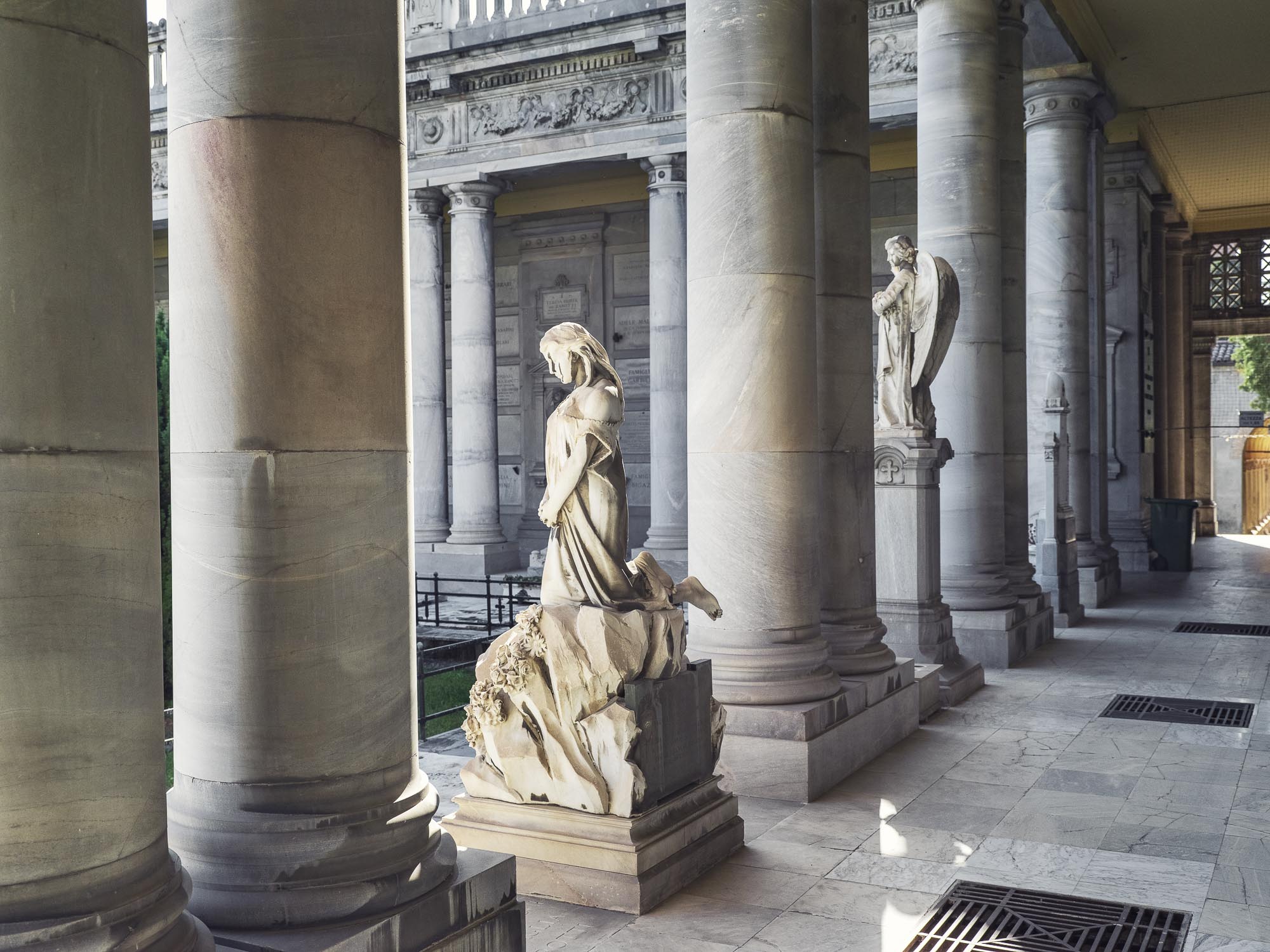
Kneeling woman on a sarcophagus
-
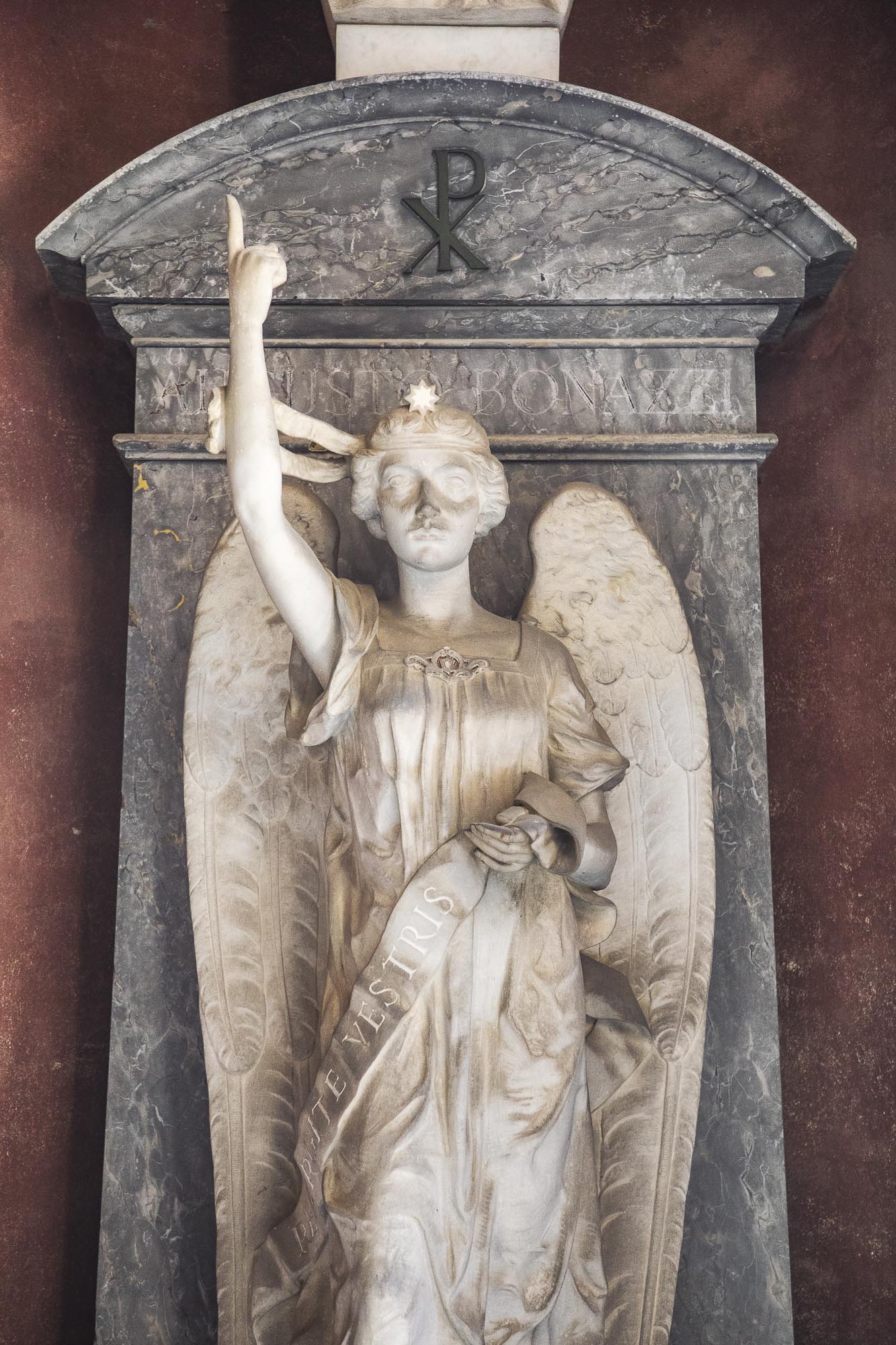
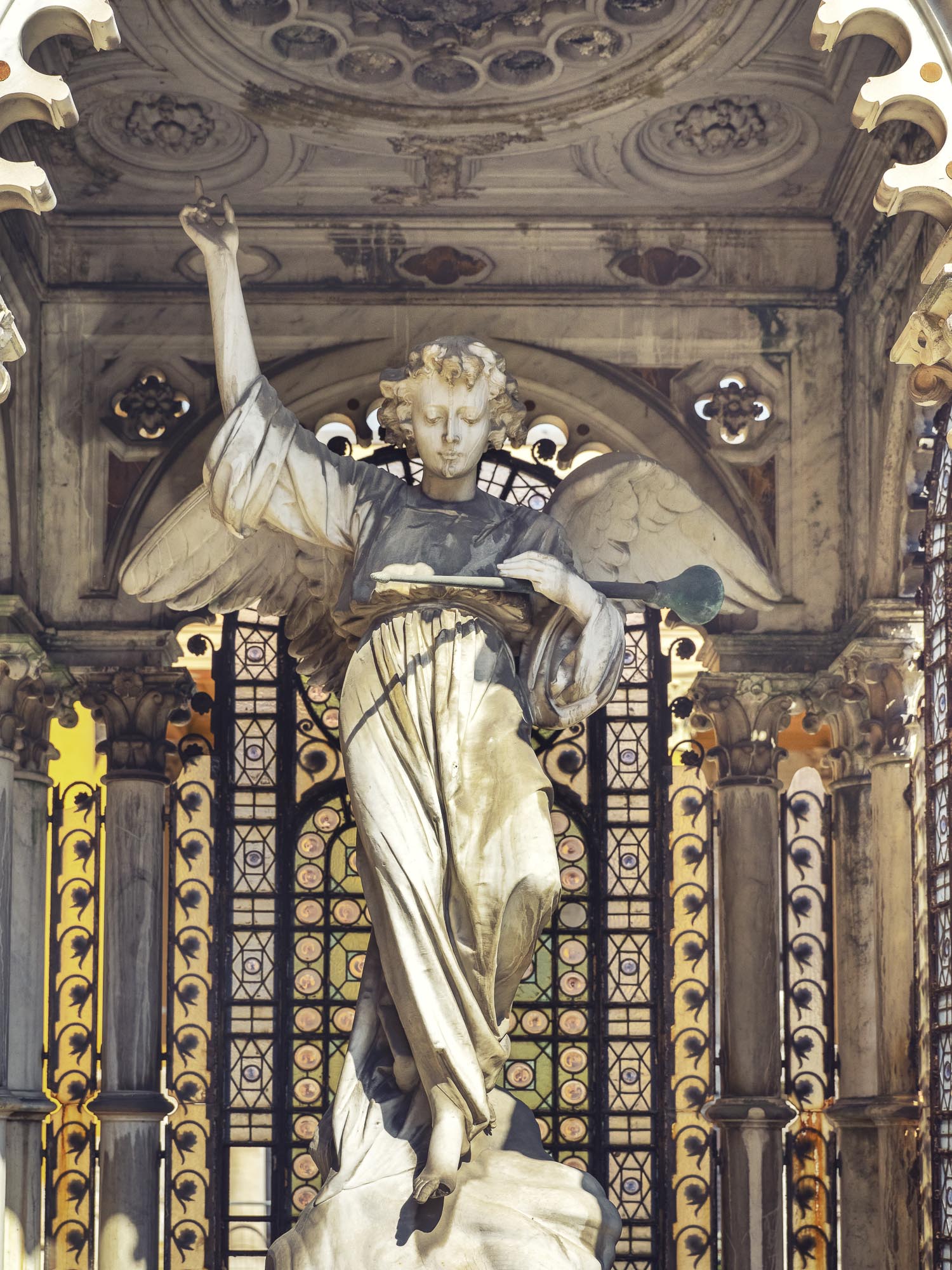
Angel pointing upwards
-
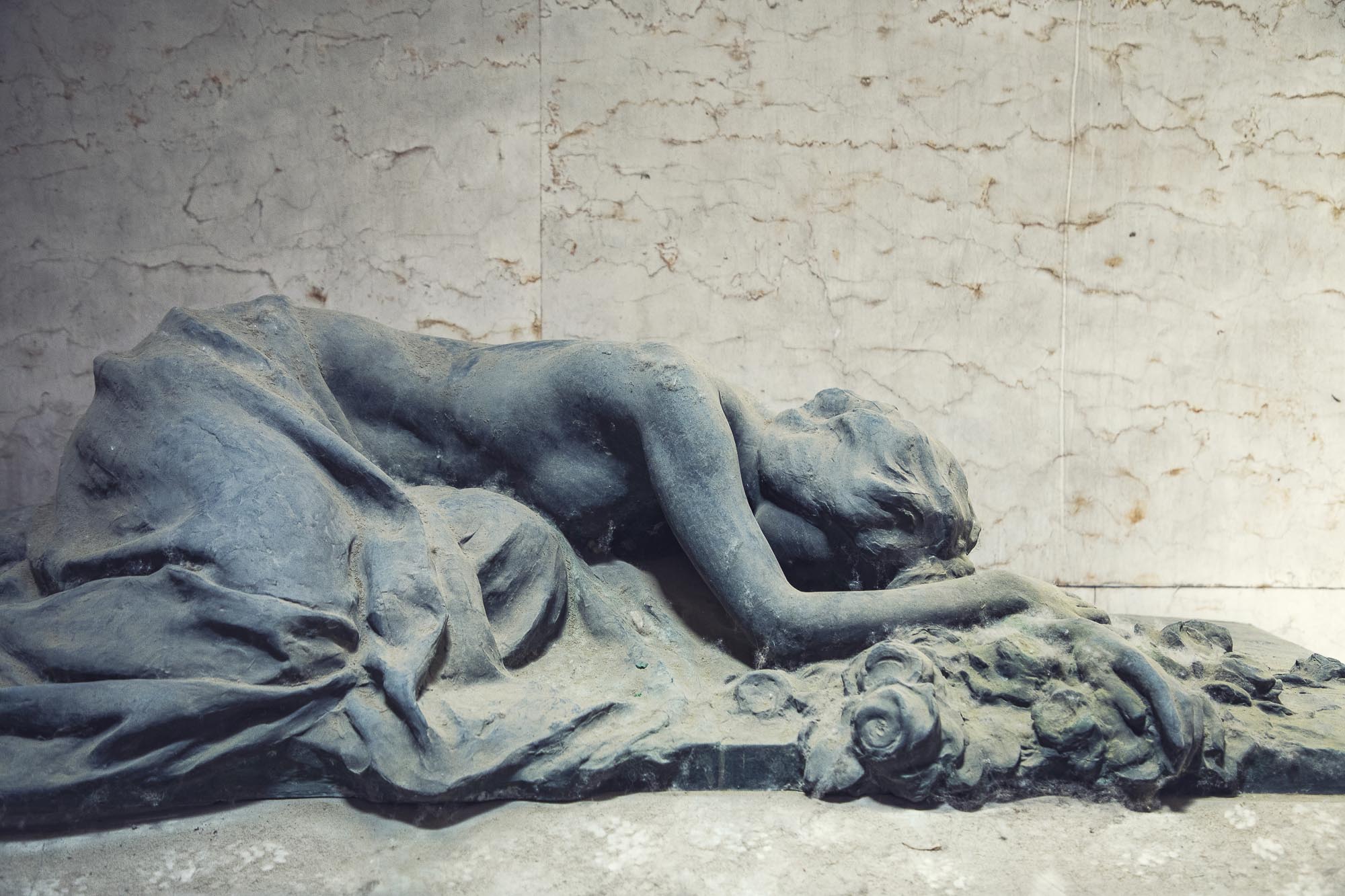
Reclining female figure in dark stone
-
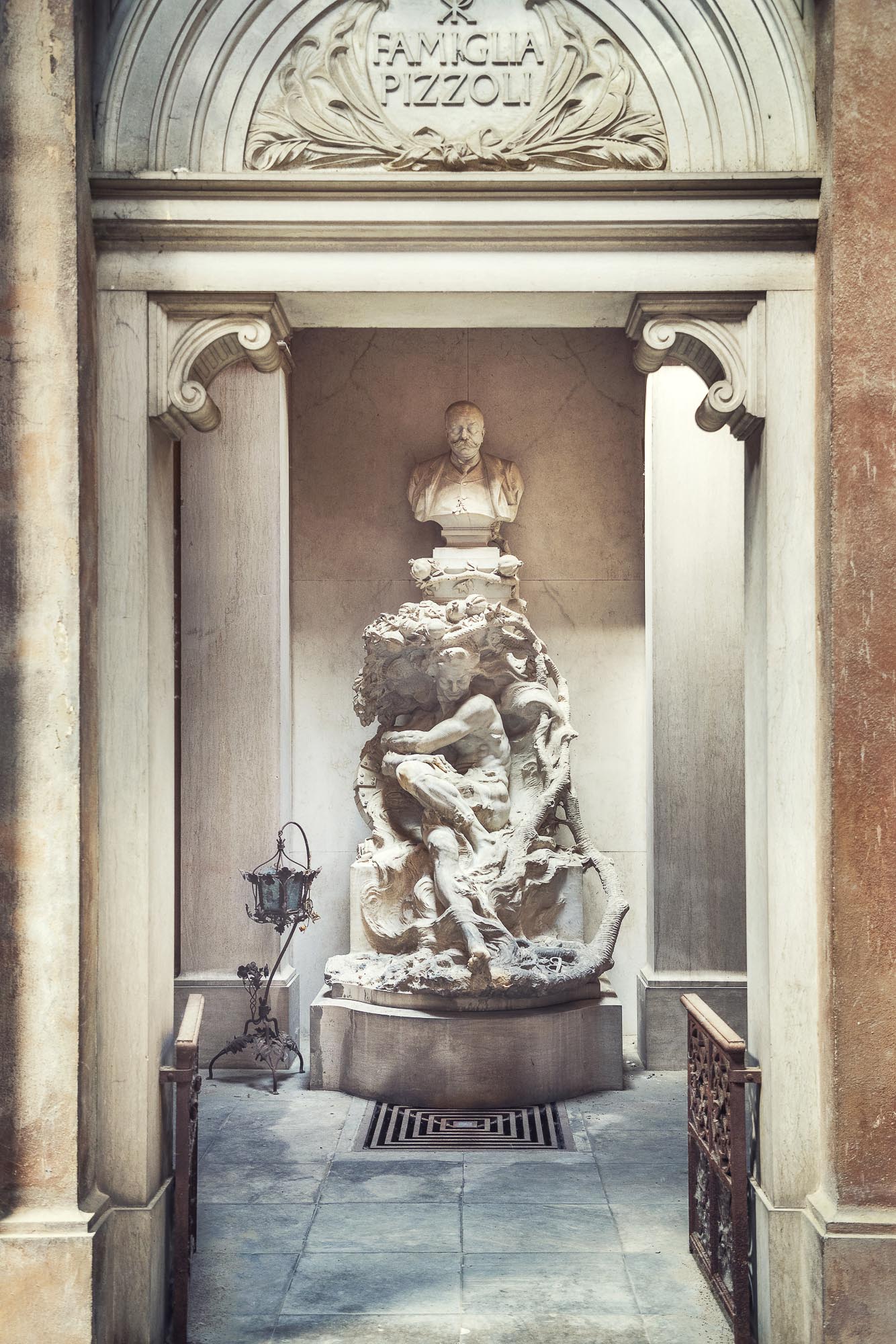
Figure group beneath the arched pediment
-
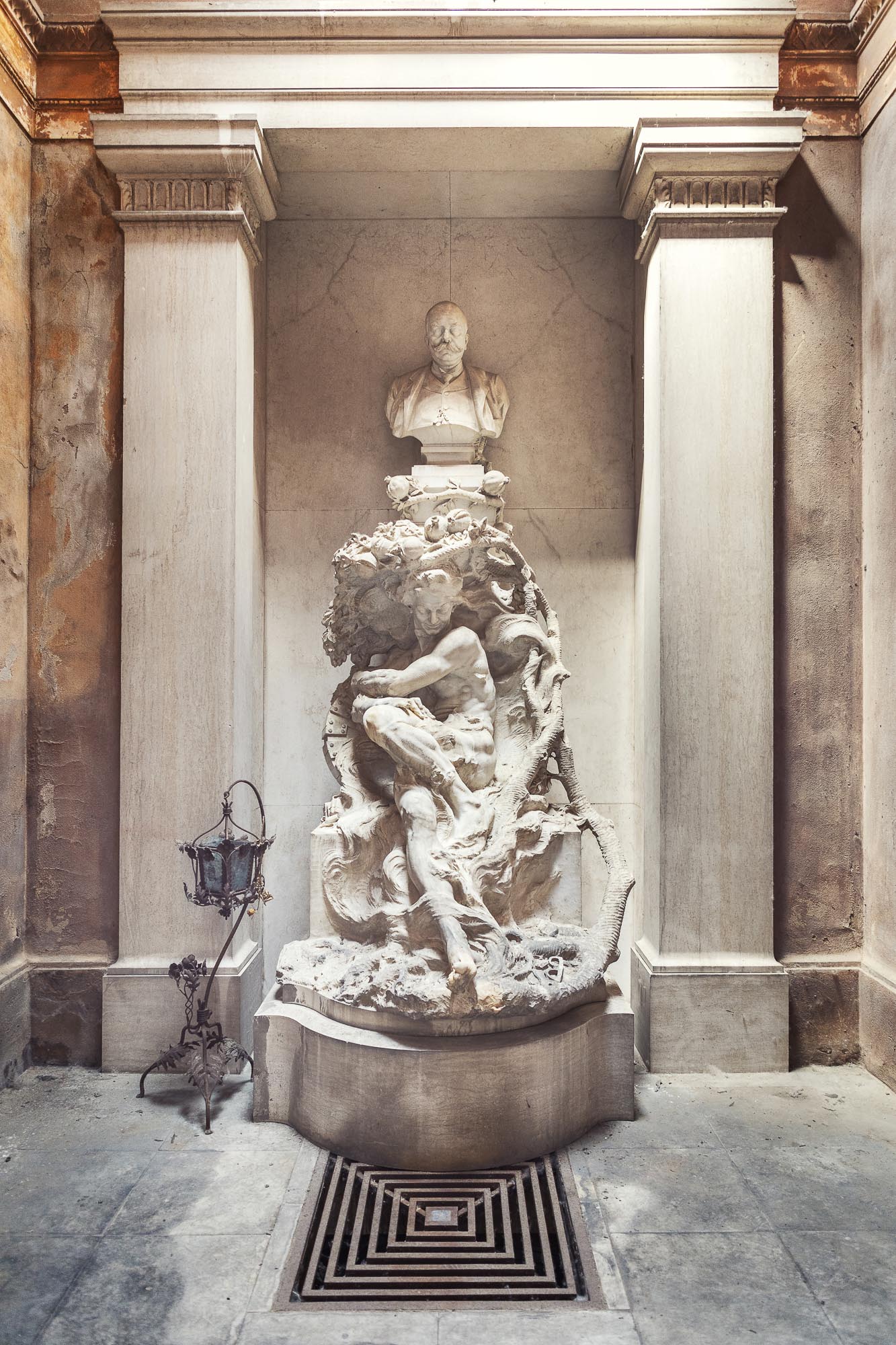
Figure group above the floor pattern
-
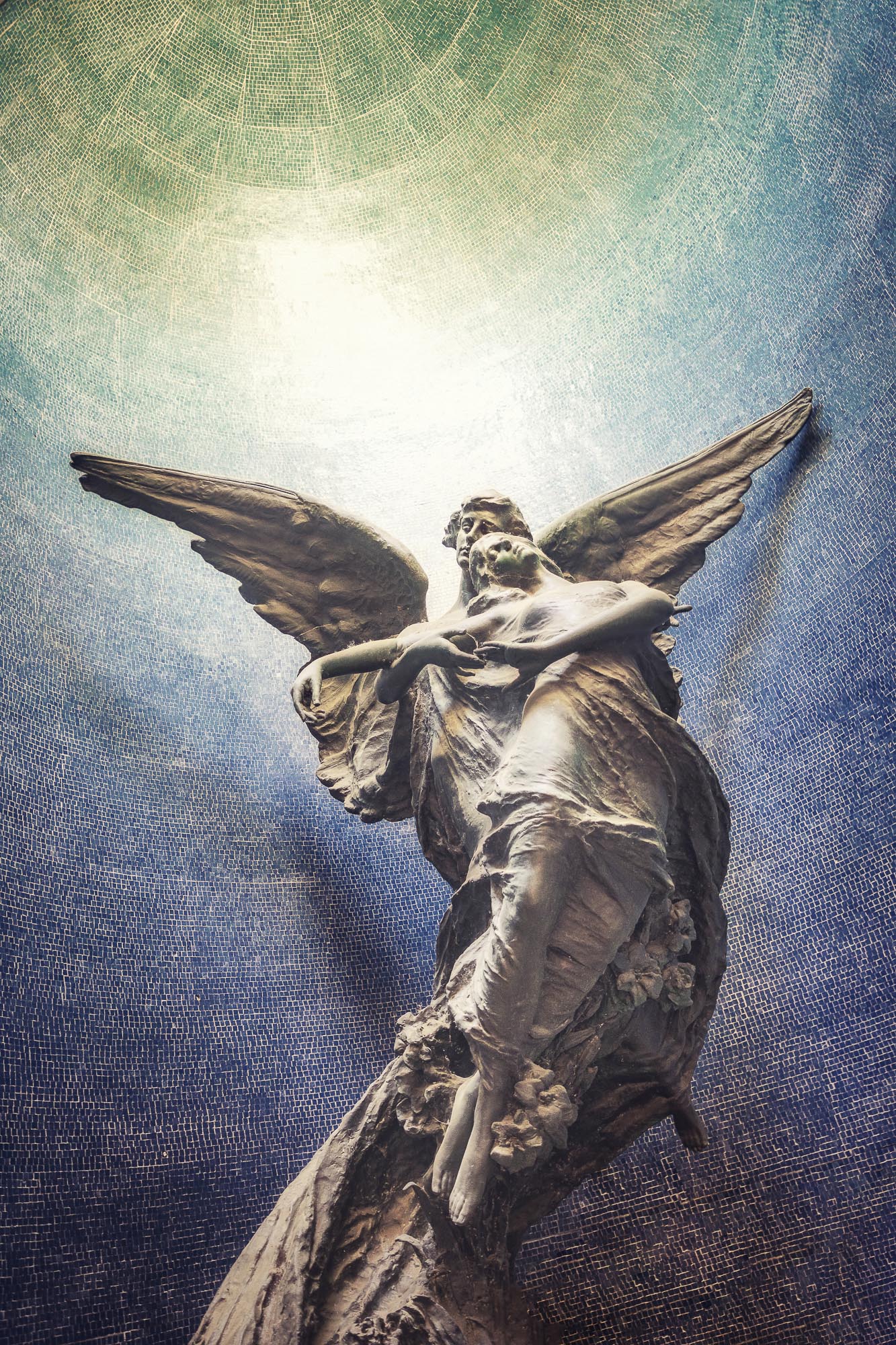
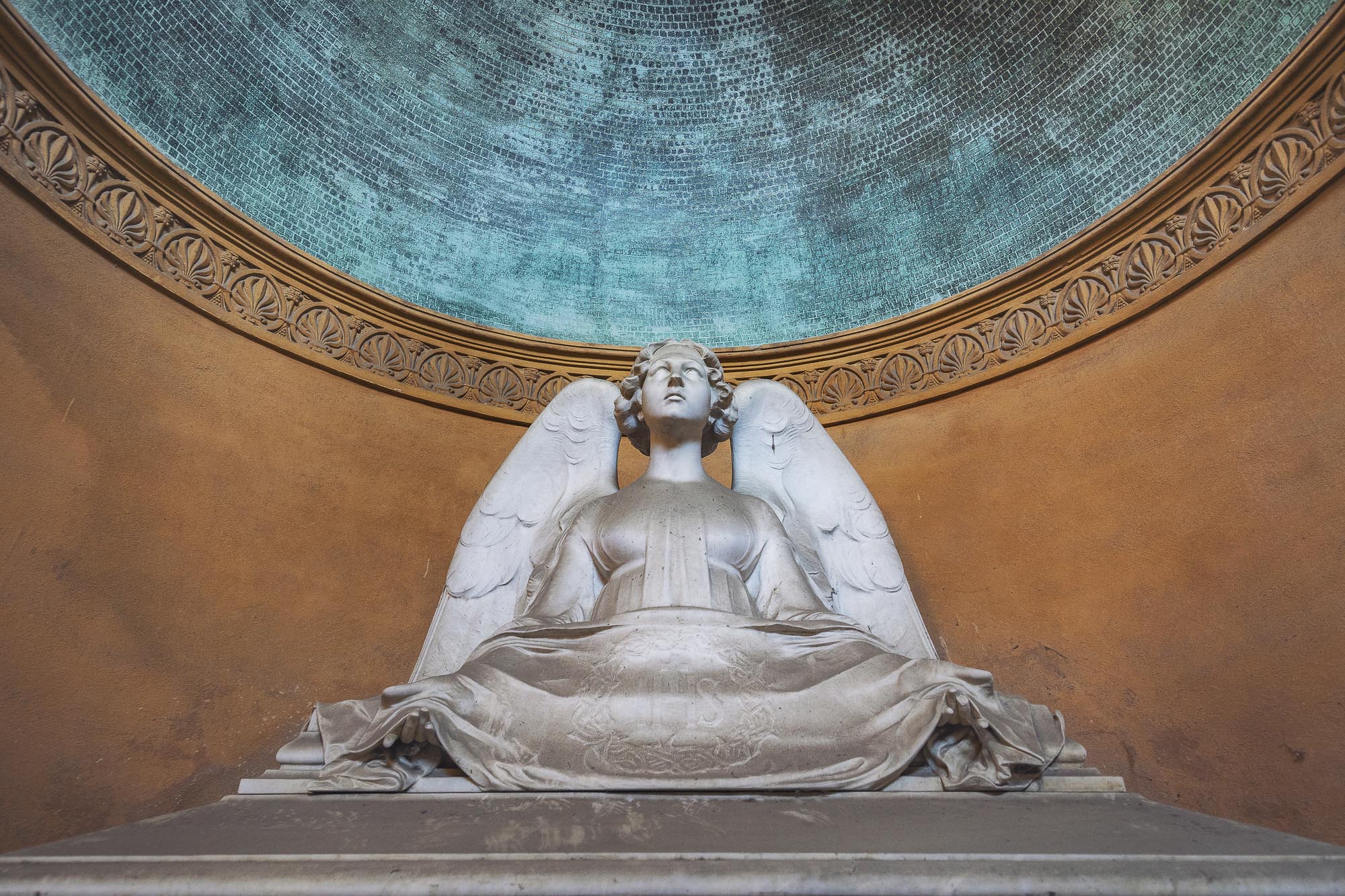
Angel against blue-green mosaic
-
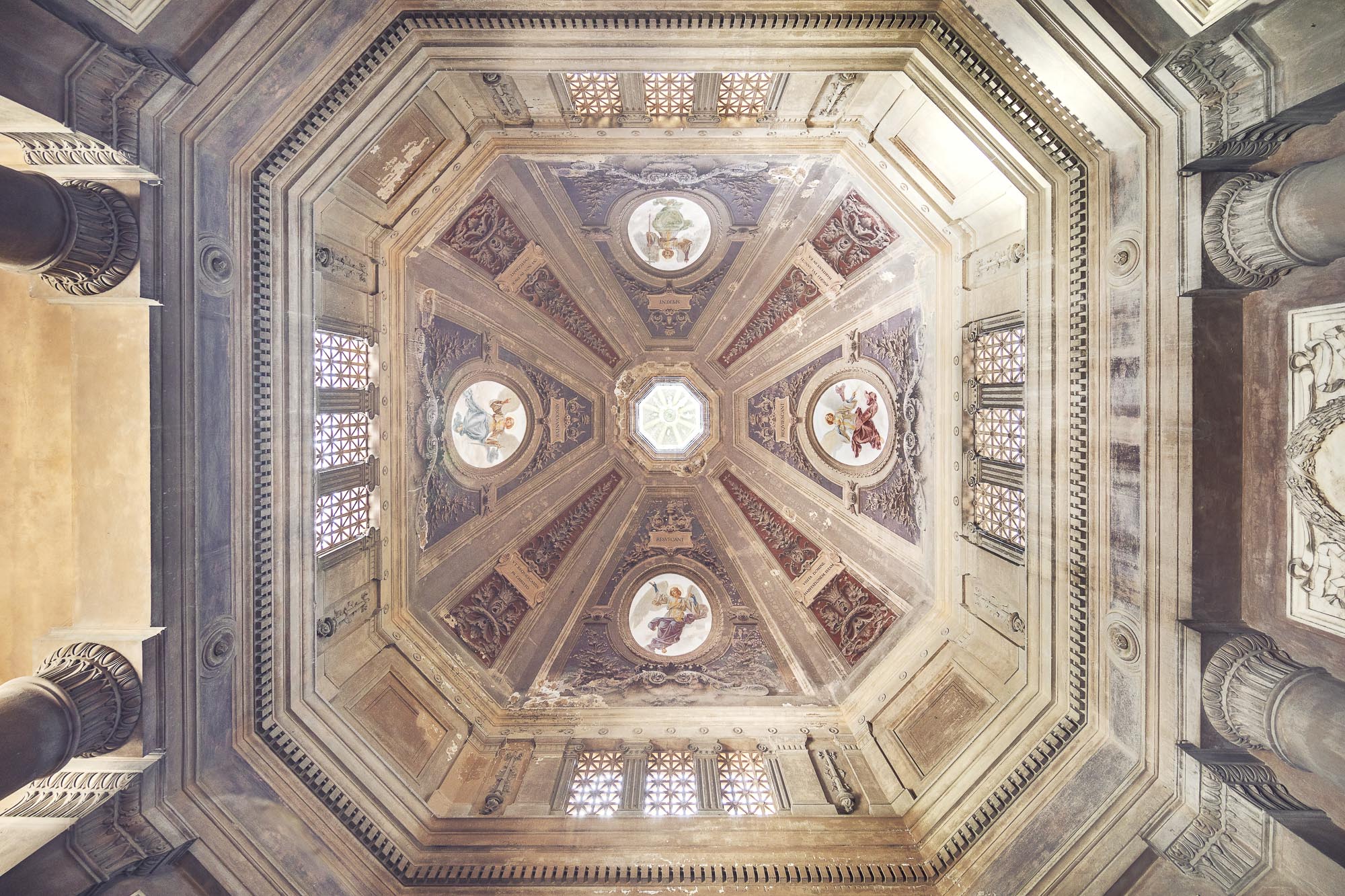
Octagonal dome with rosettes
-
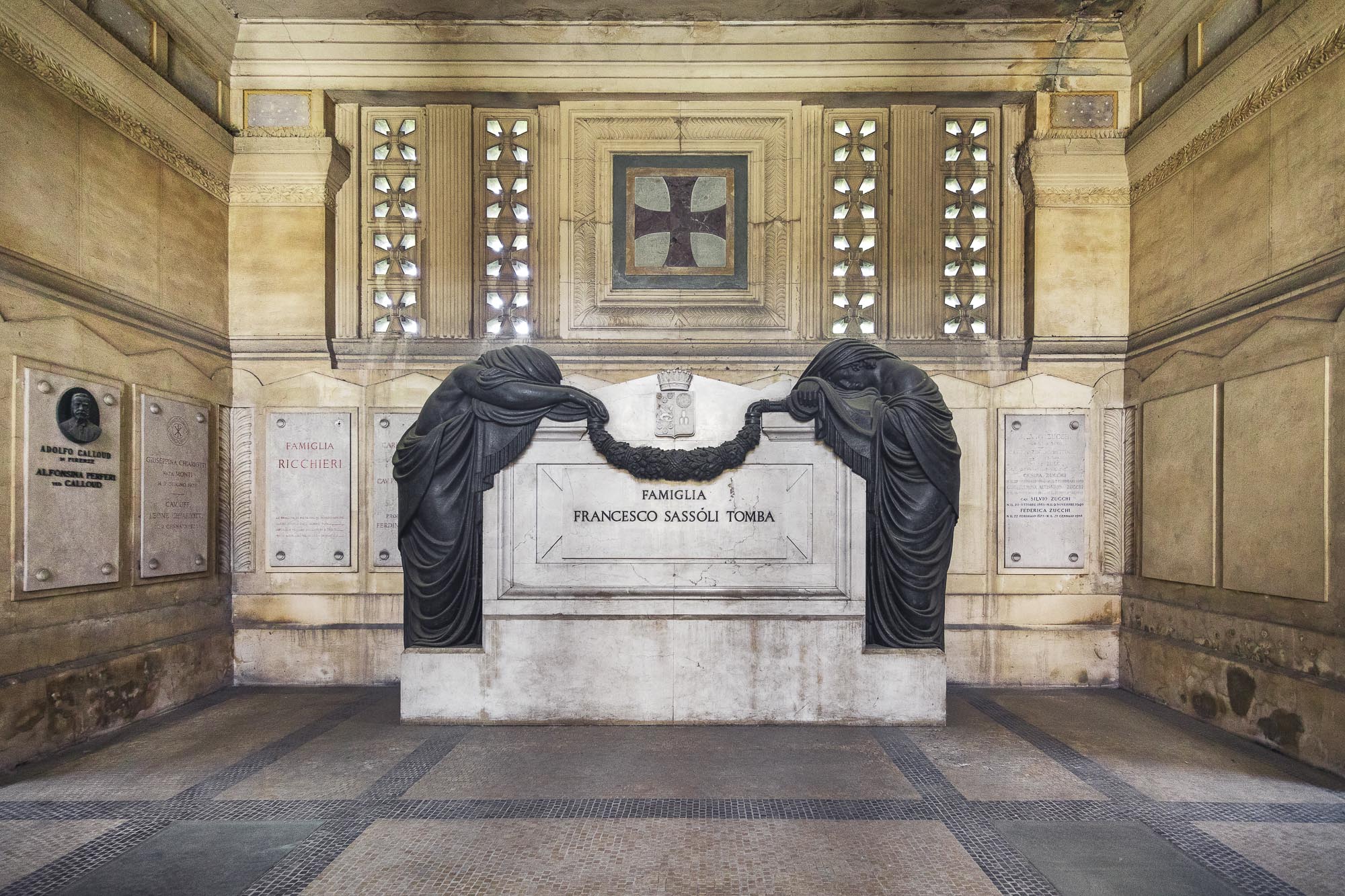
Sarcophagus with mourning woman
-
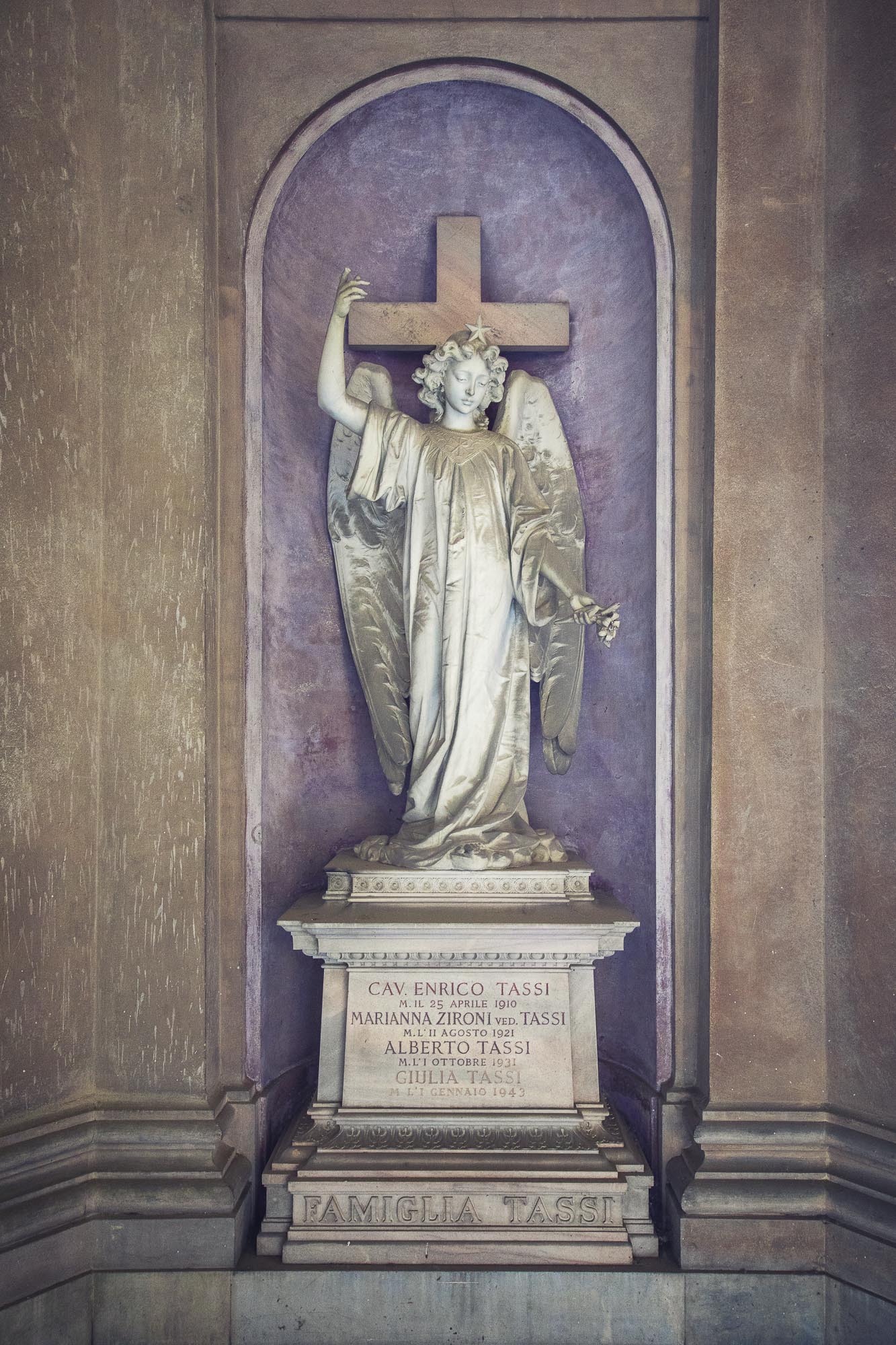
Angel with cross in violet niche
-
Entrance hall with angel niches
-
Corridor with wall tombs and sarcophagus
-
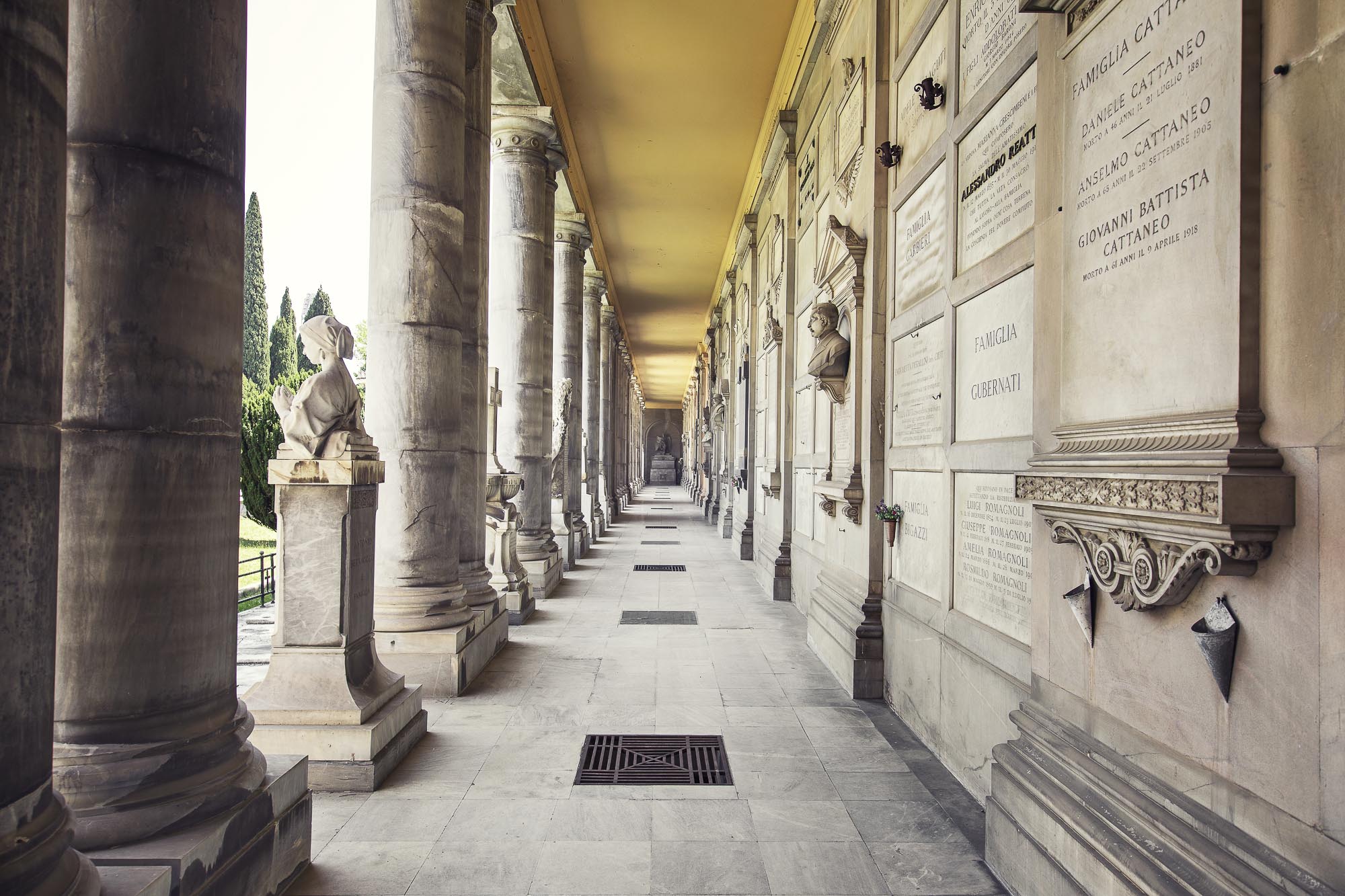
Arcade walk with bust towards light
-
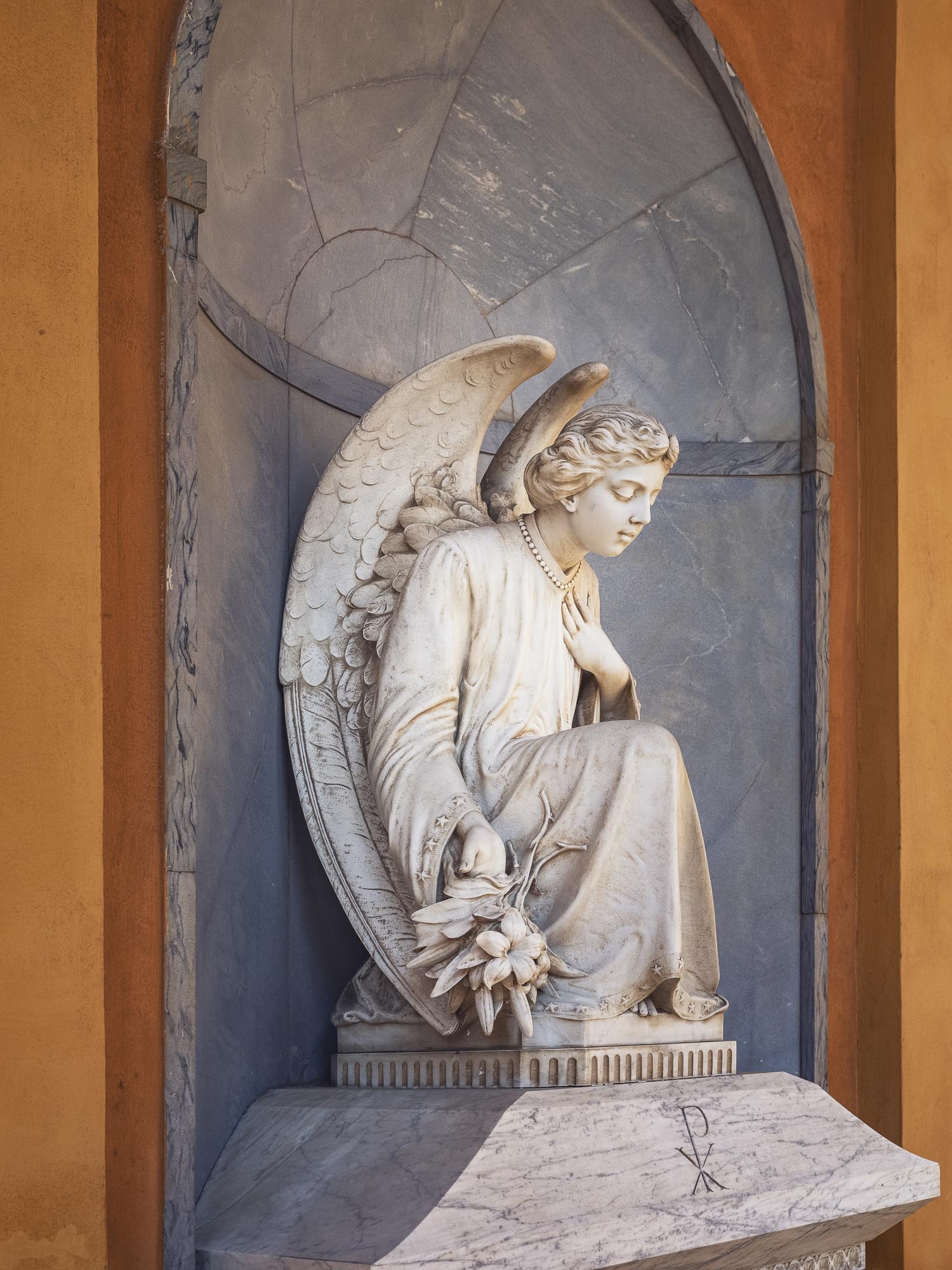
Seated angel under a domed niche
-
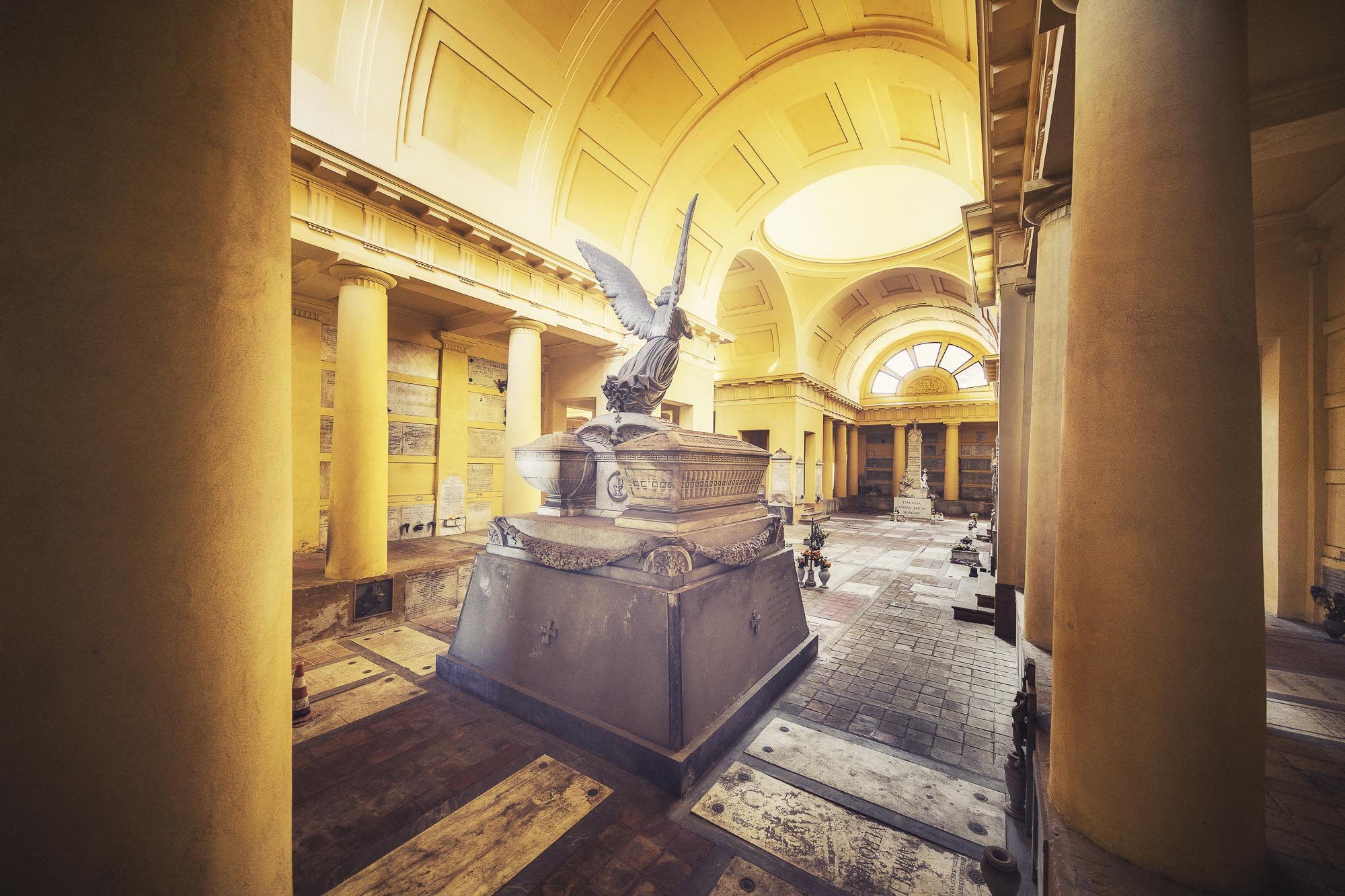
Angel on plinth in yellow hall
-
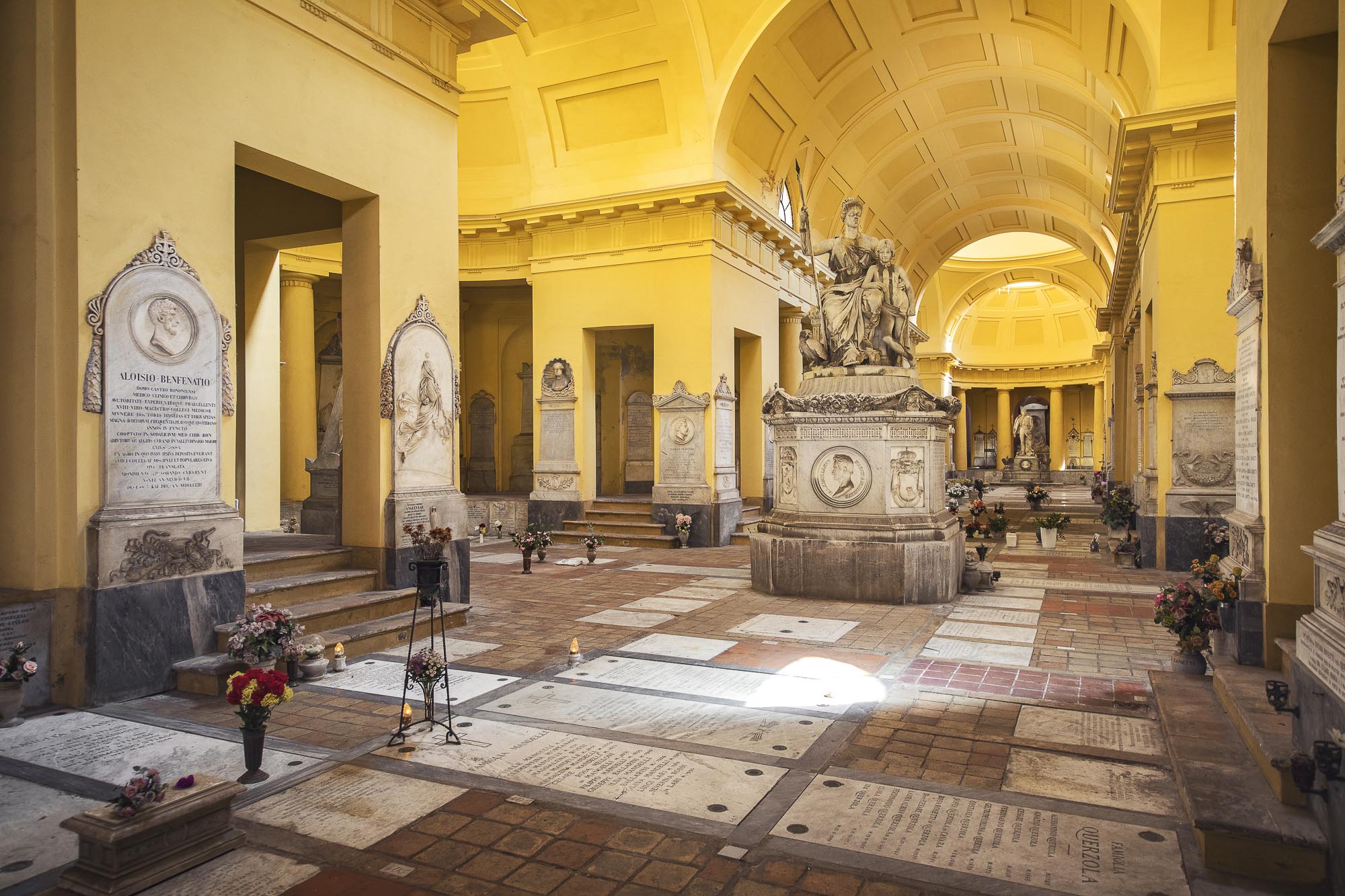
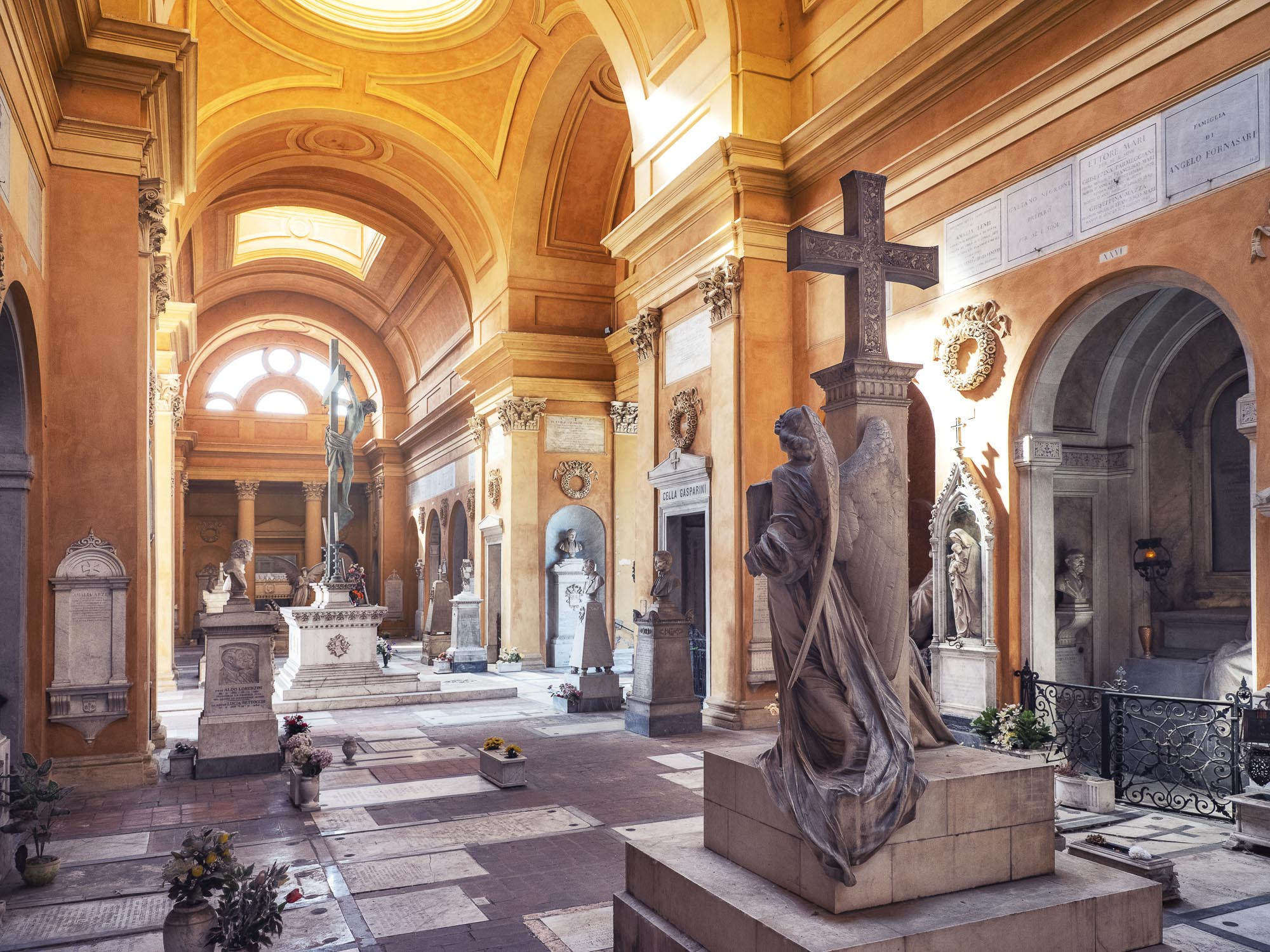
Yellow hall with funerary monuments
-
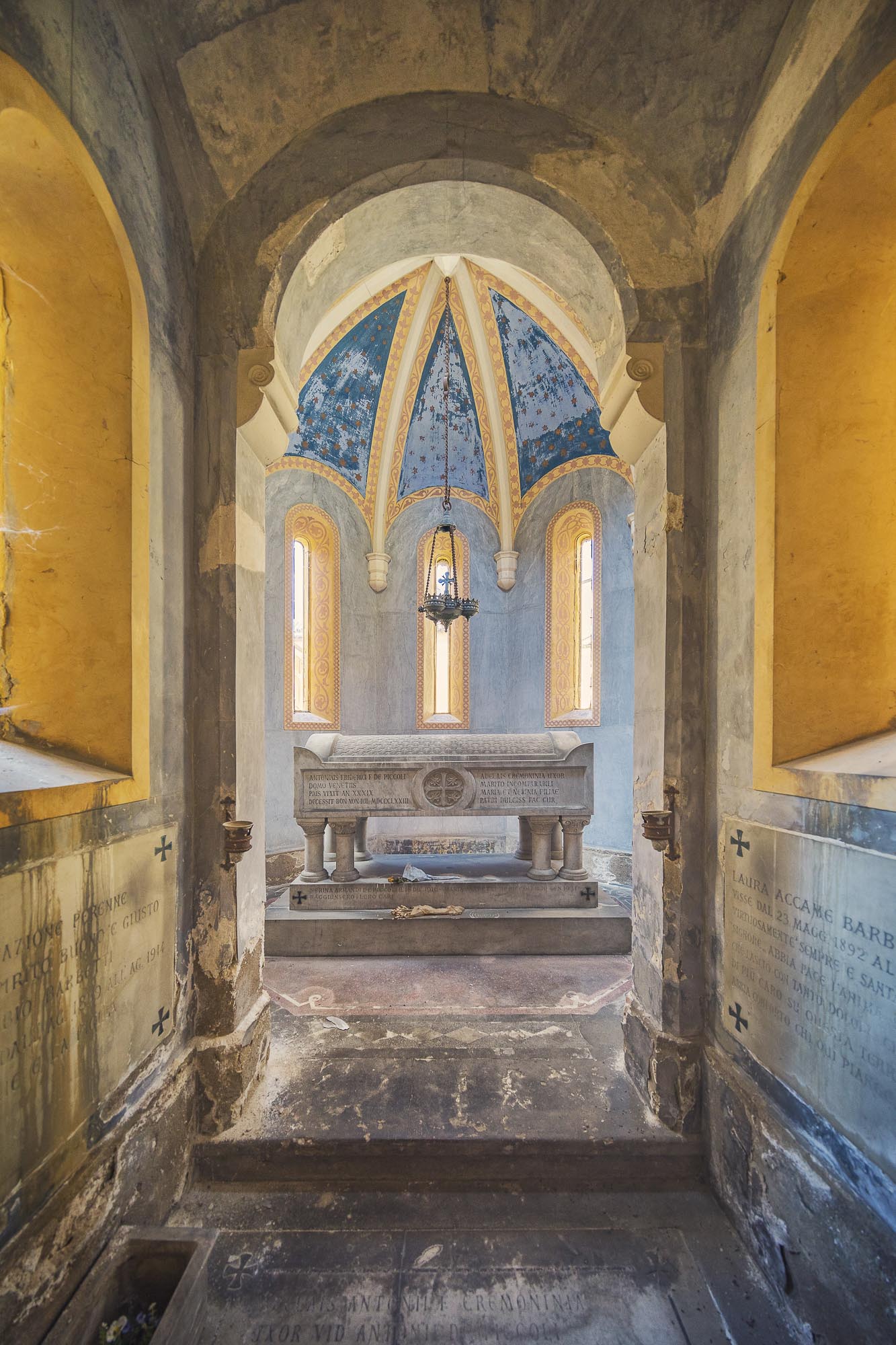
Chapel with blue apse
-
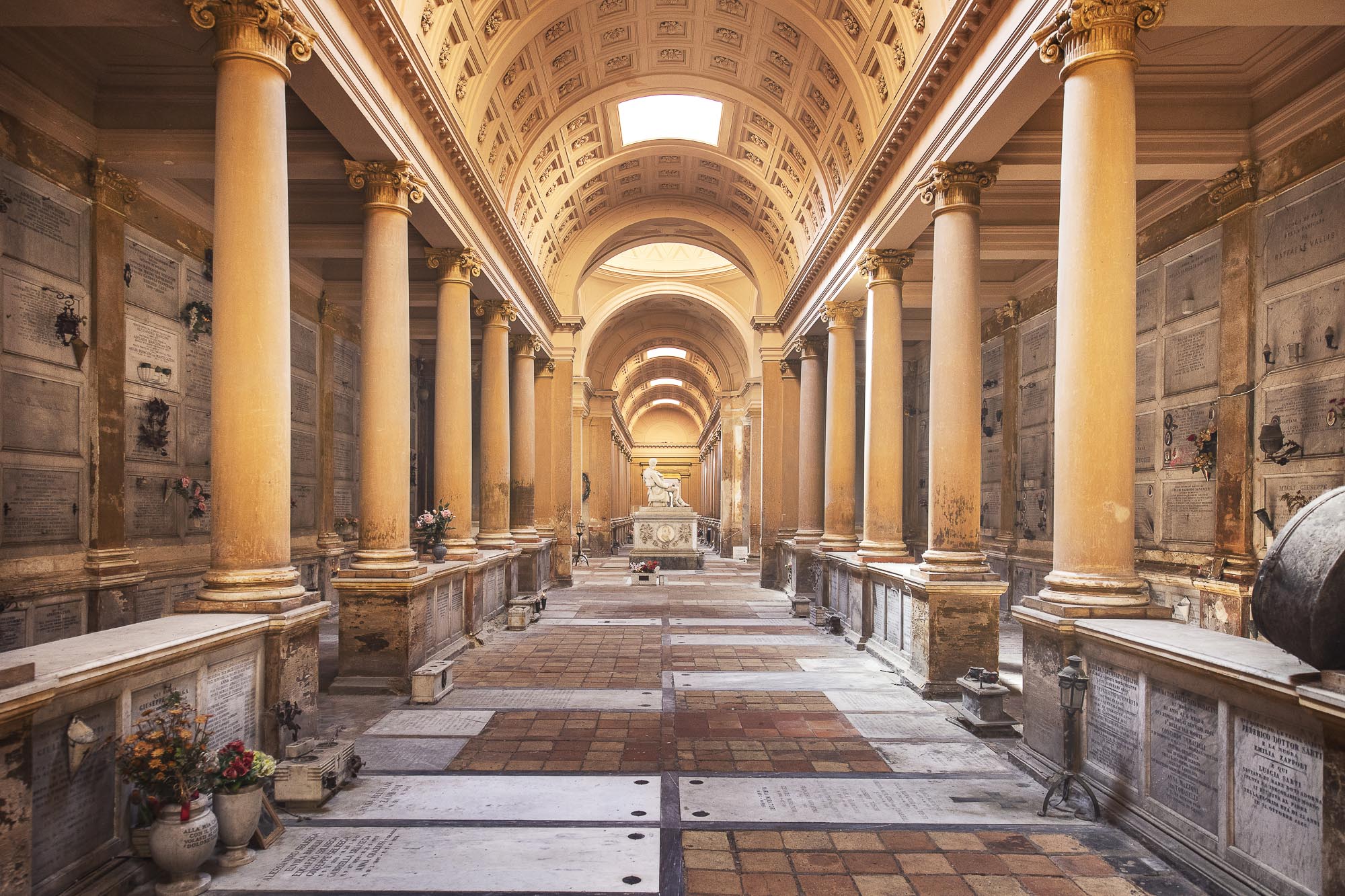
Long colonnade with barrel vault
-
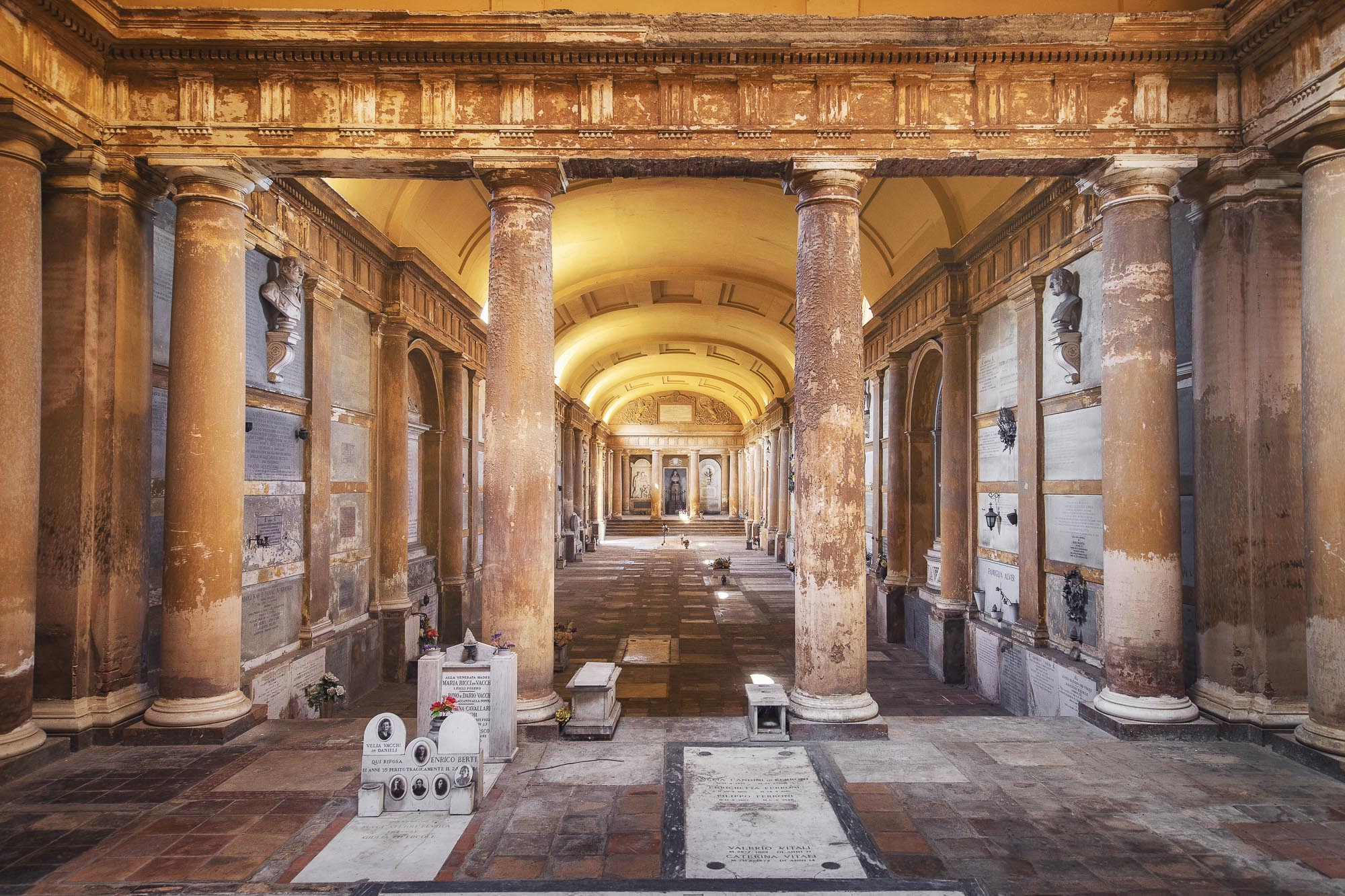
Colonnade hall with floor graves
-
Hall with angel and mourning group
-
Angel at the sarcophagus, orange walls
-
Seated woman in the apse
-
Bust and relief in tomb chamber
-
Ornate tomb gallery with cross
-
Sarcophagus with black drape
-
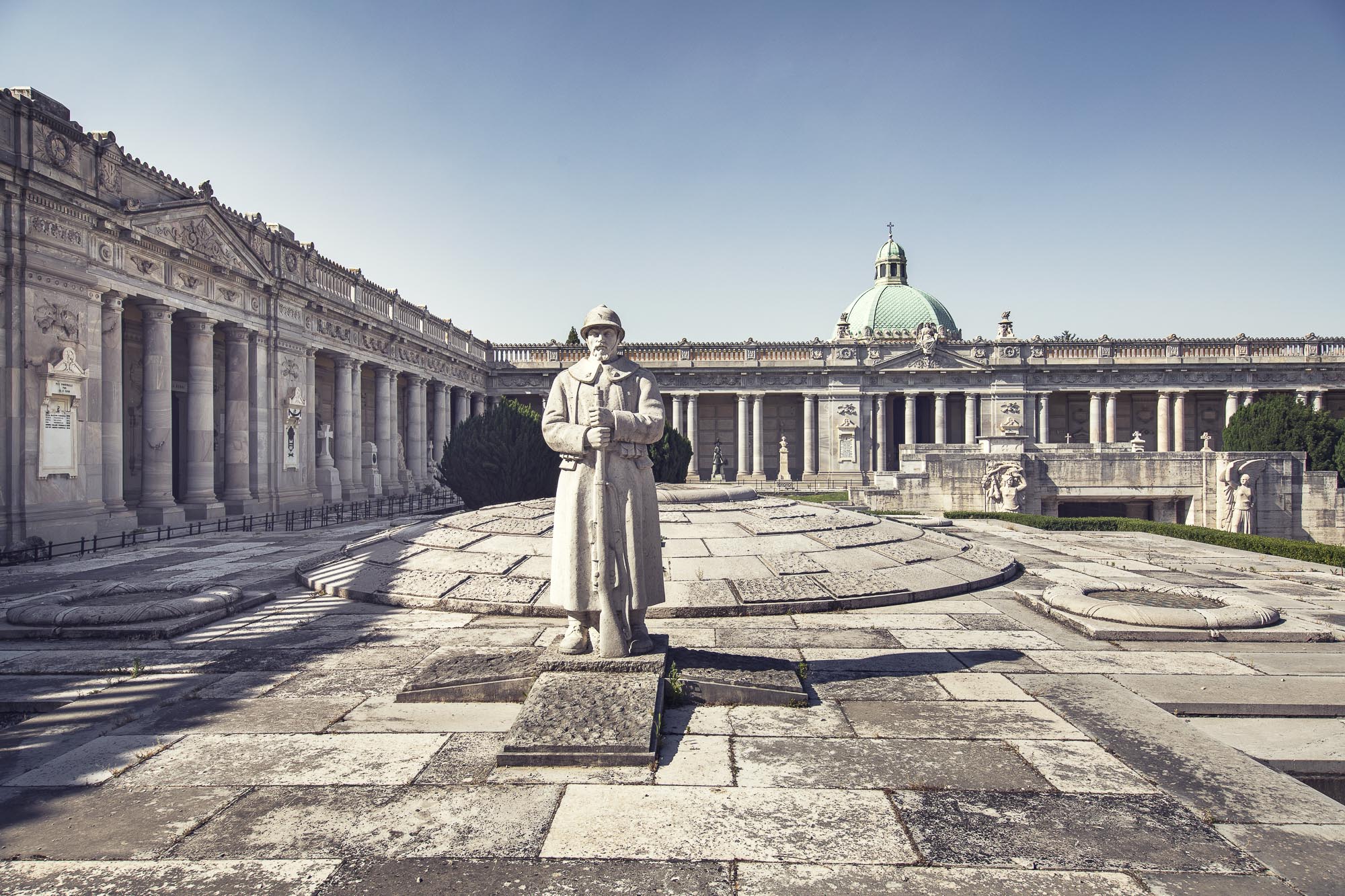
Statue in the arcaded courtyard
-
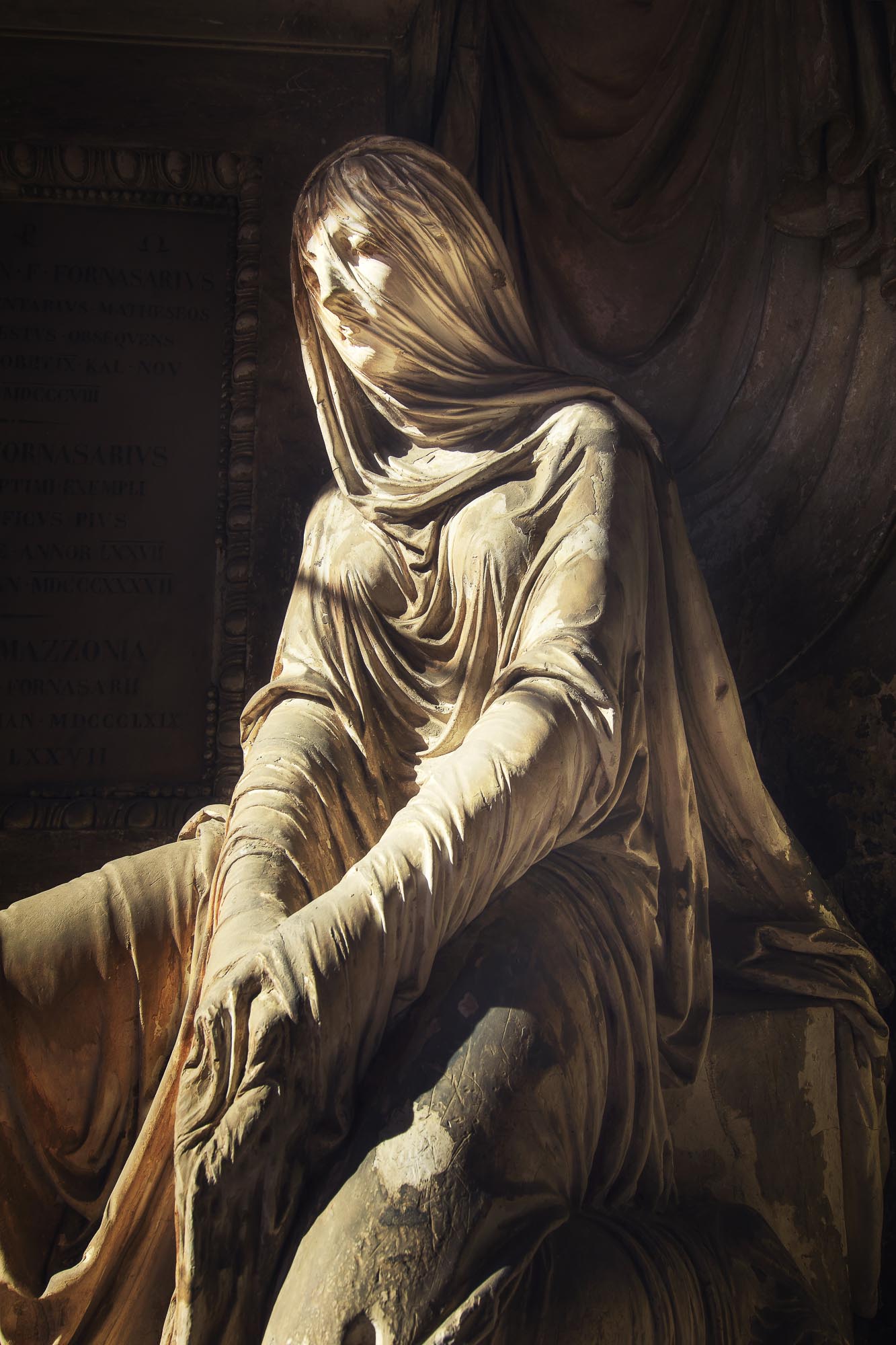
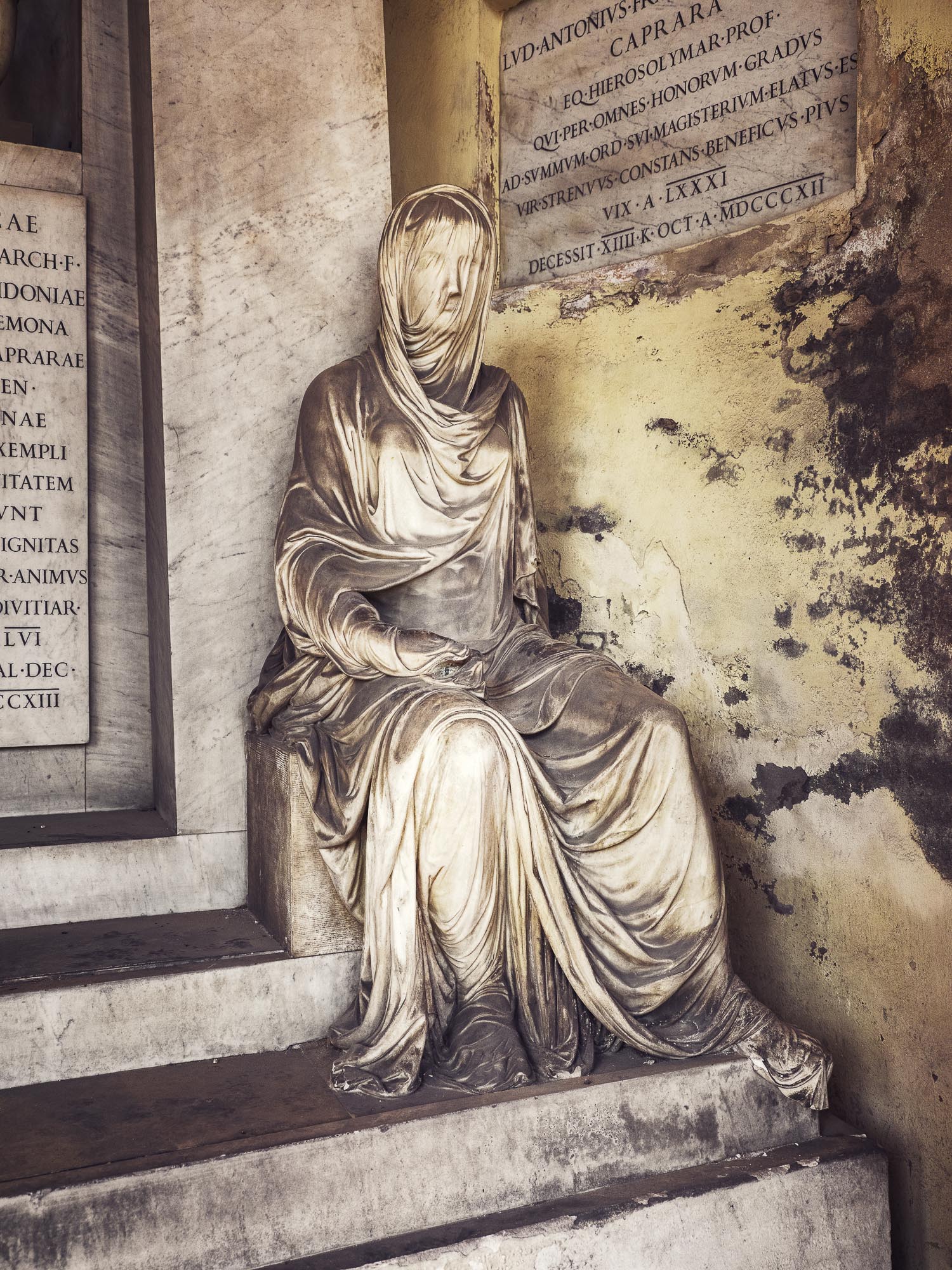
Veiled woman in raking light
-
Statue in a columned niche
-
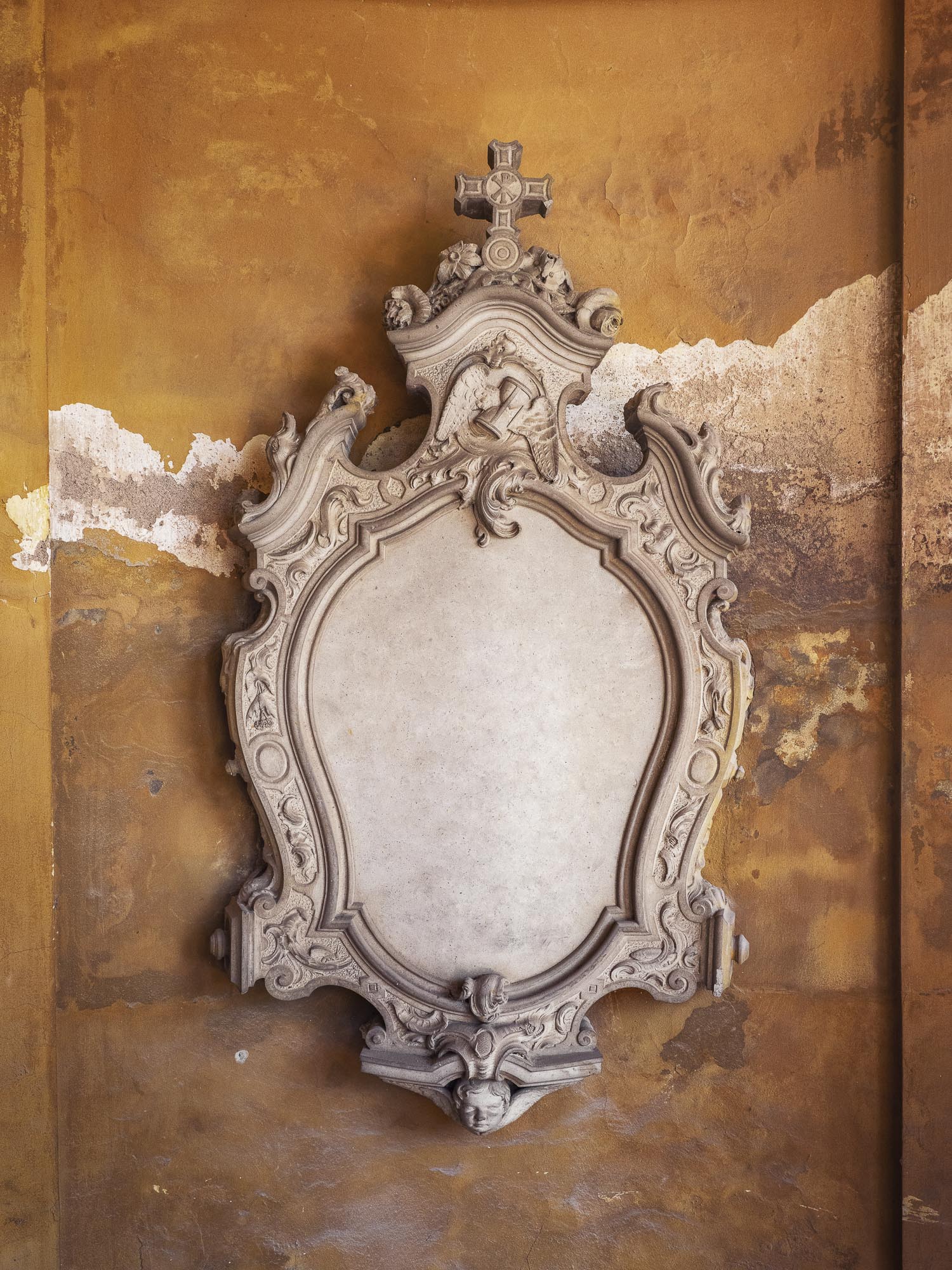
Empty cartouche on the wall
-
Tomb with figures beneath round arch
-
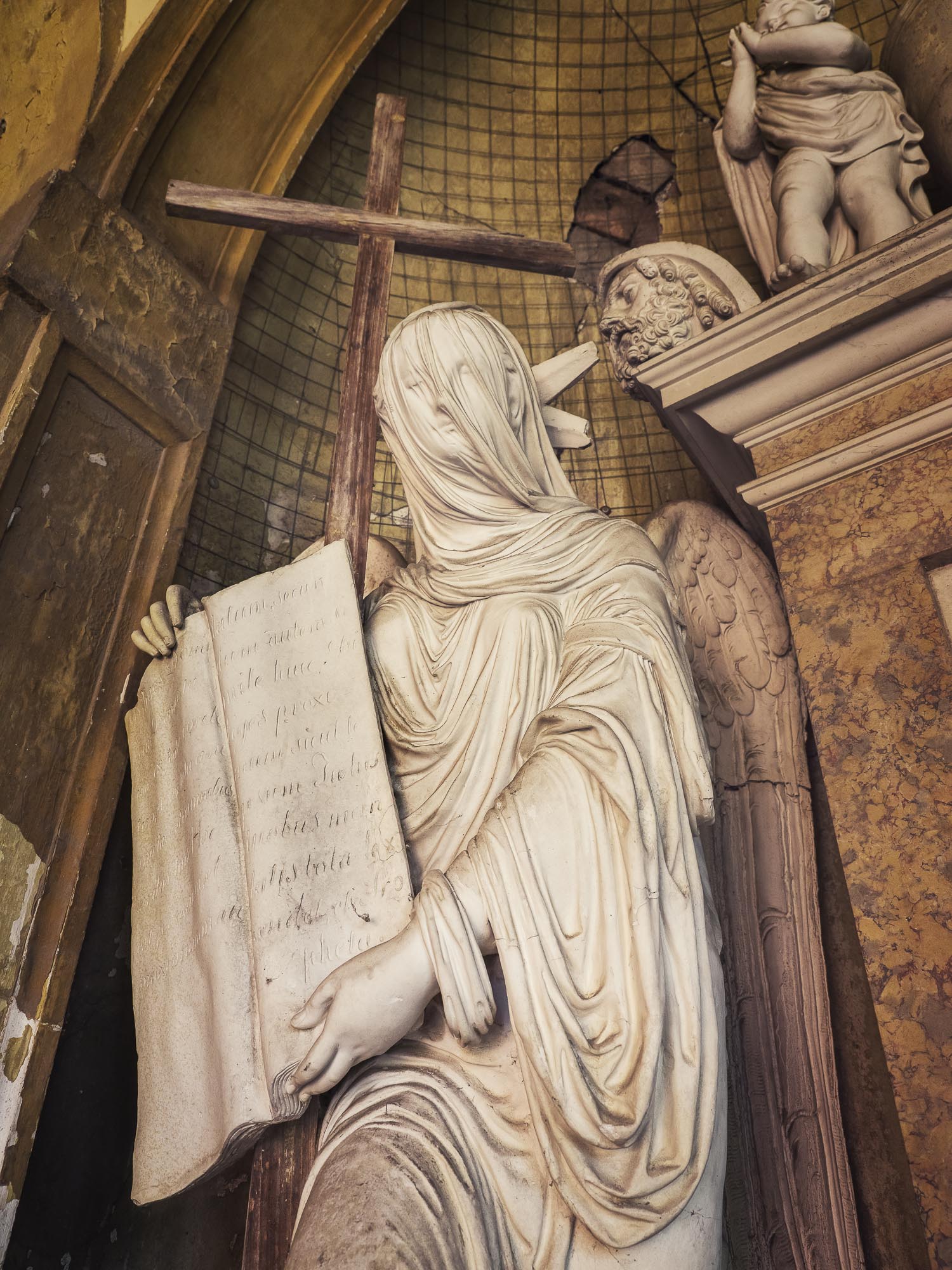
Veiled figure with a book
-
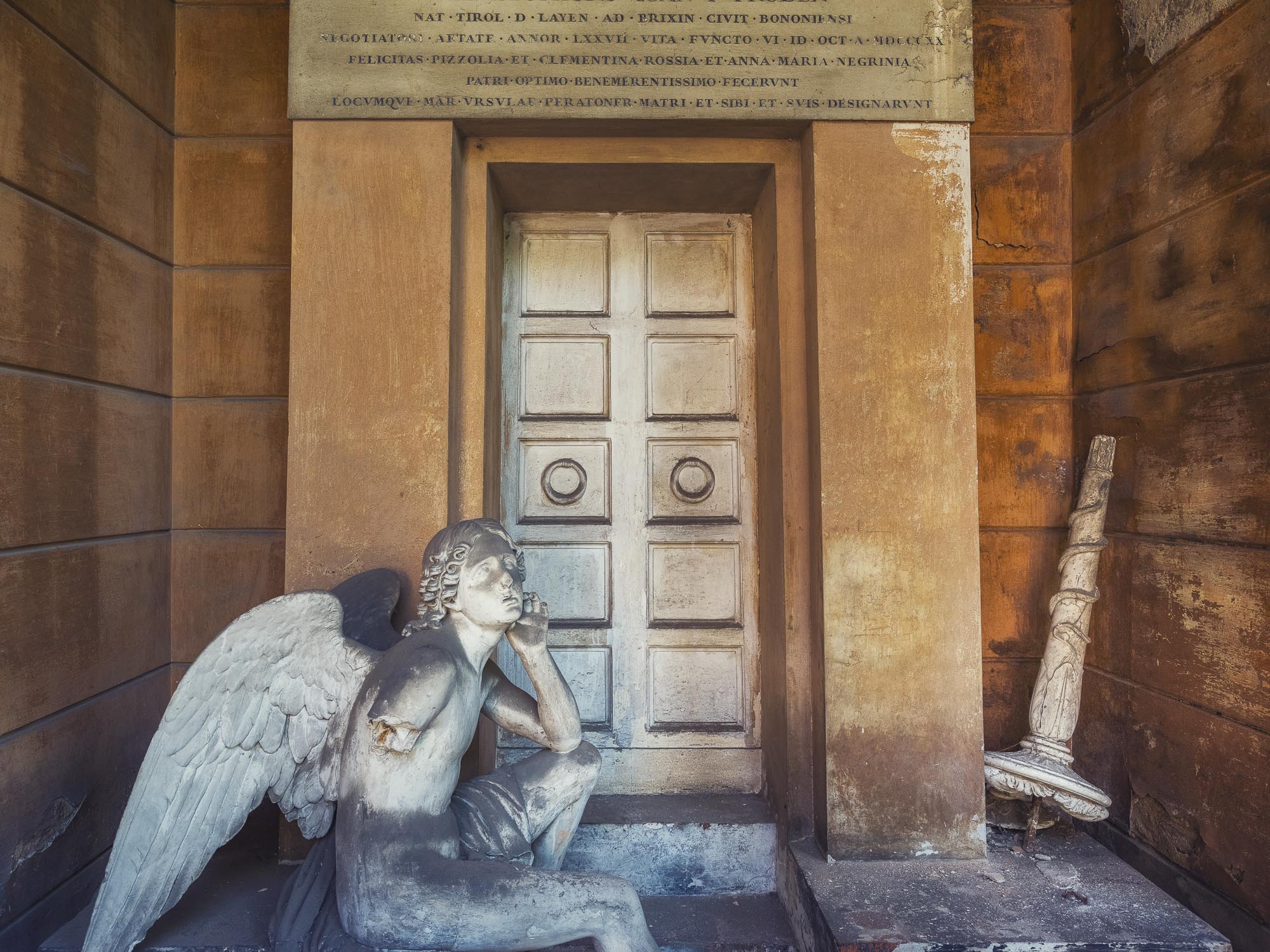
Mourning angel before the tomb door
-
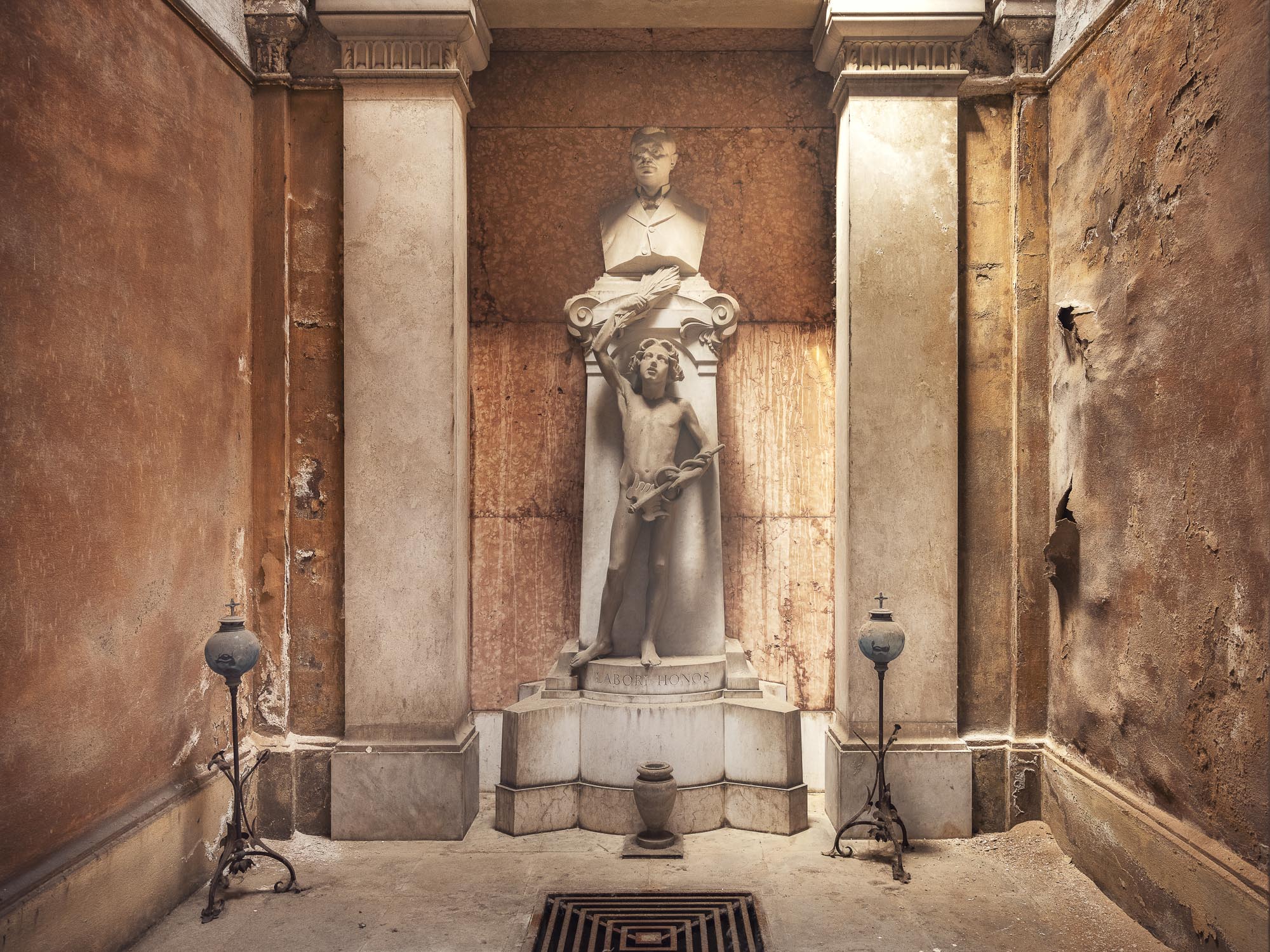
Tomb niche with bust and lamps
-
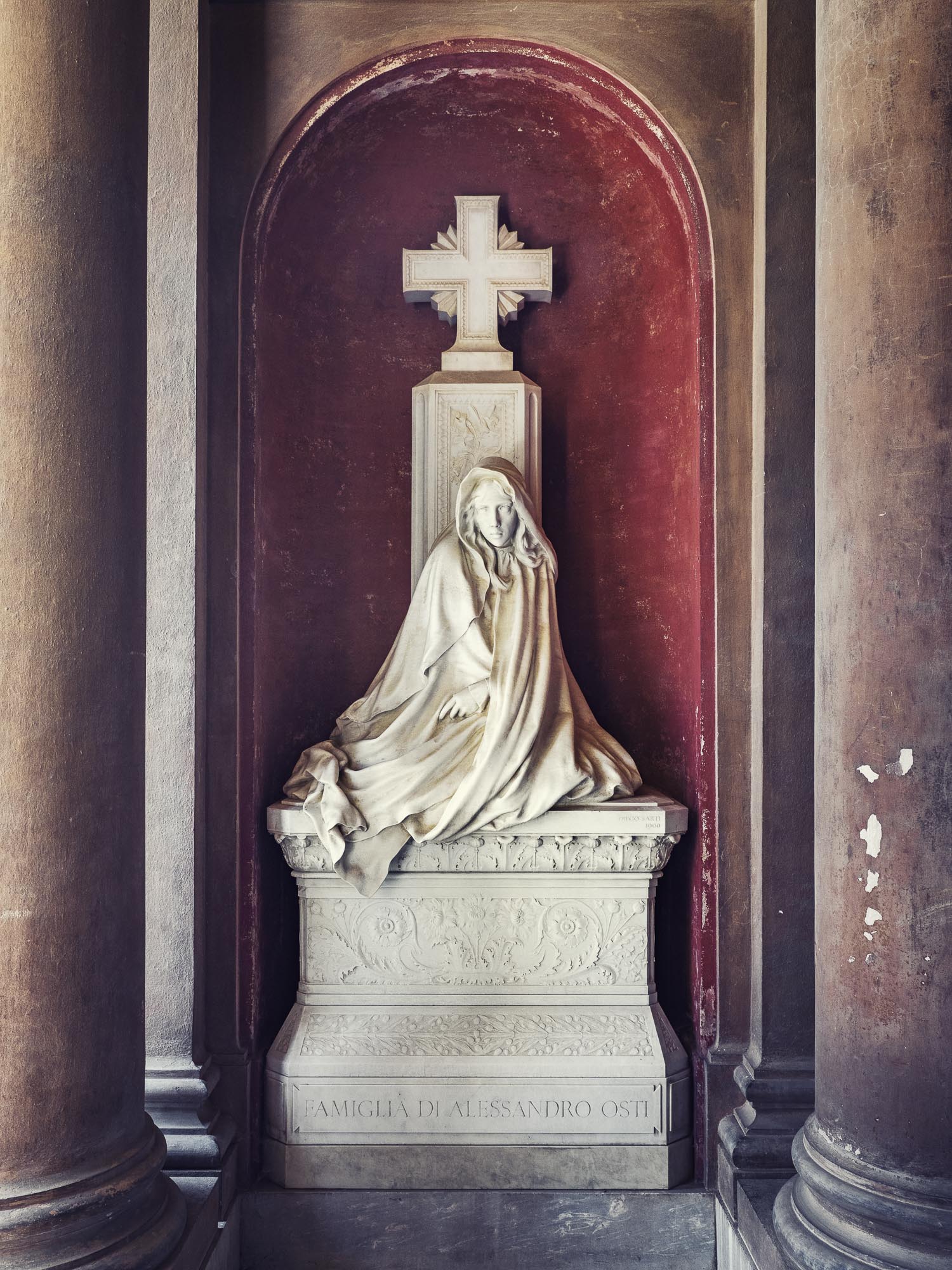
Mourner with cross in red niche
-
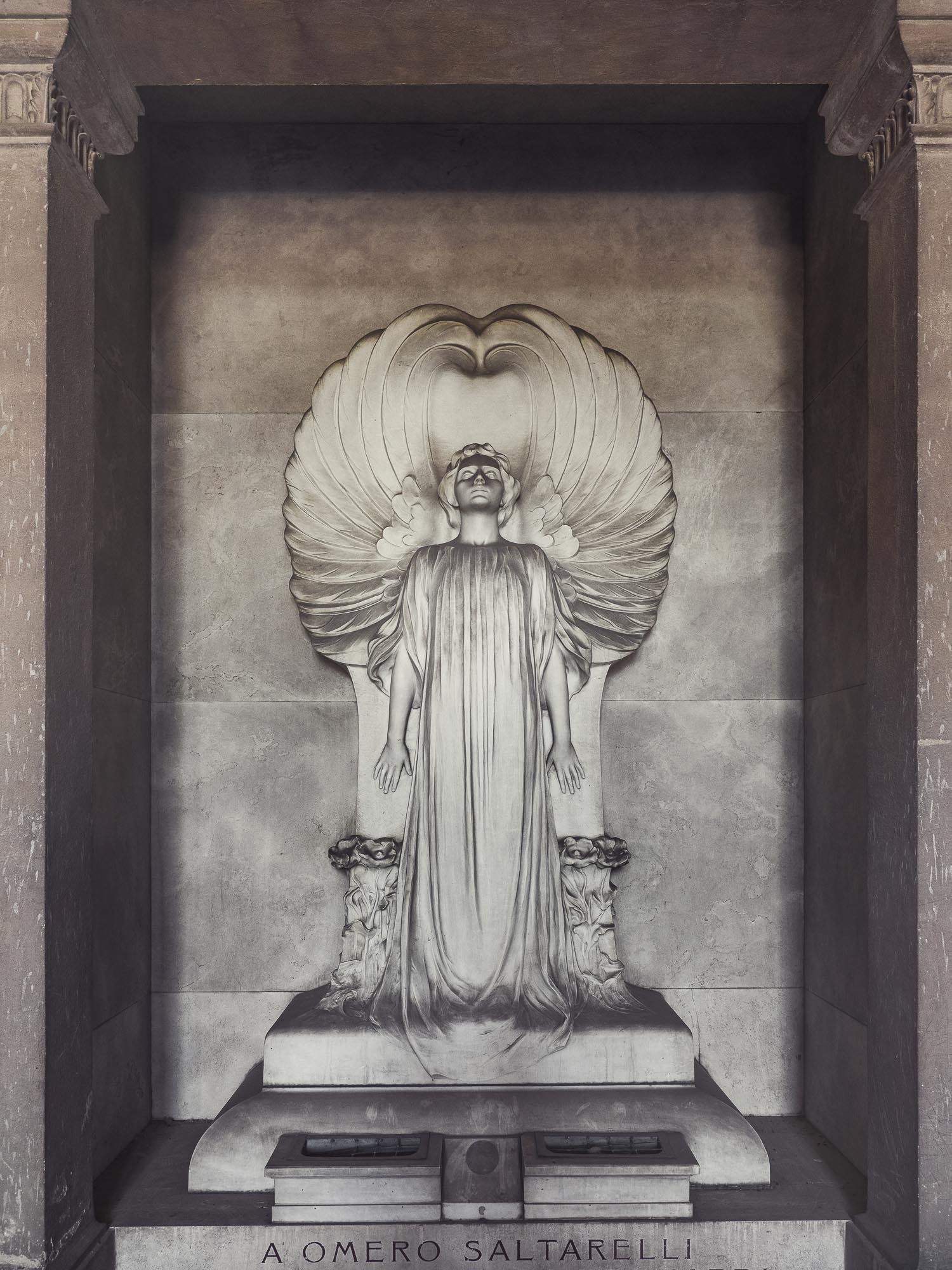
Angel with shell-shaped wings
-
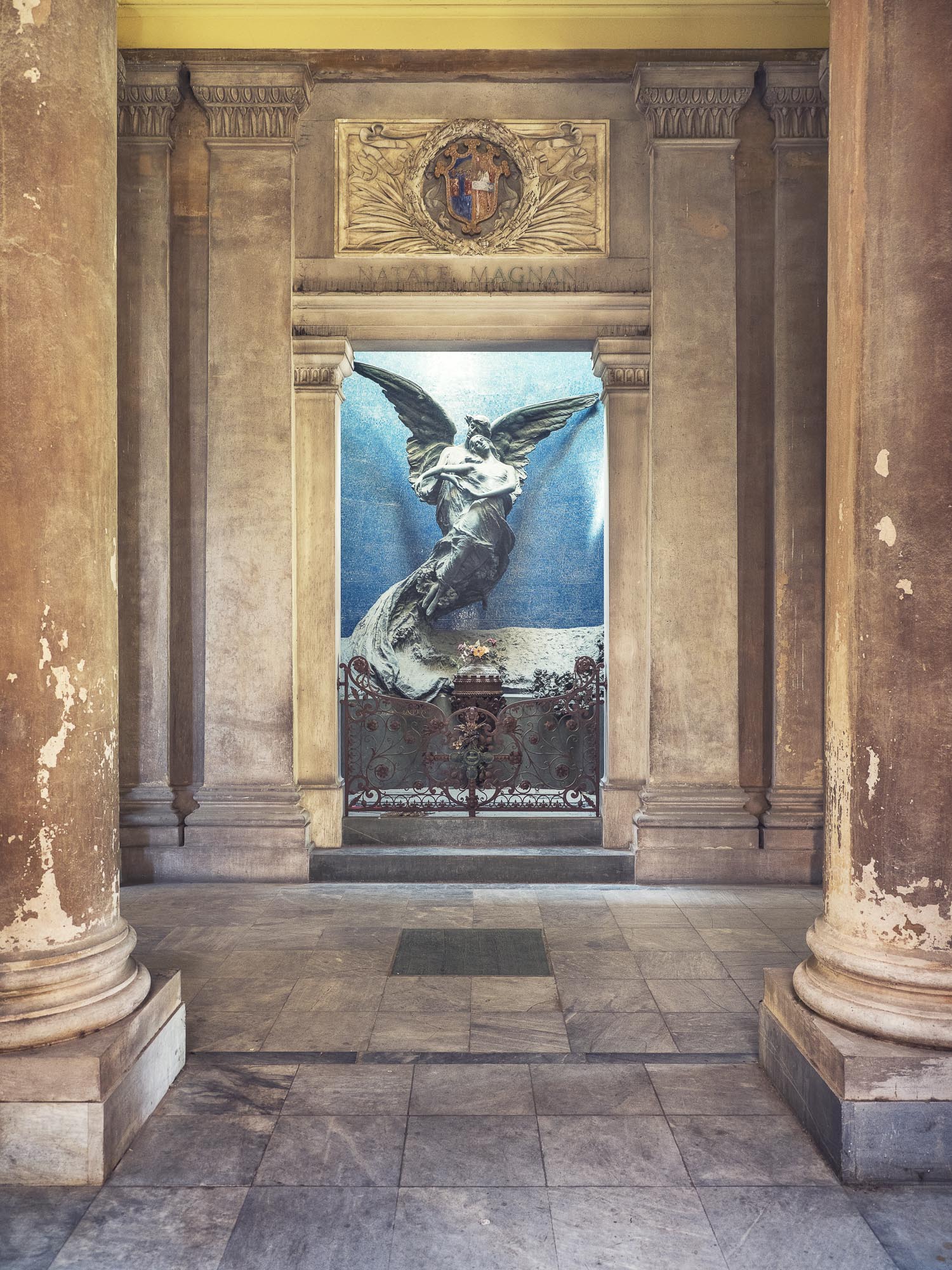
Portal view to angel relief
-
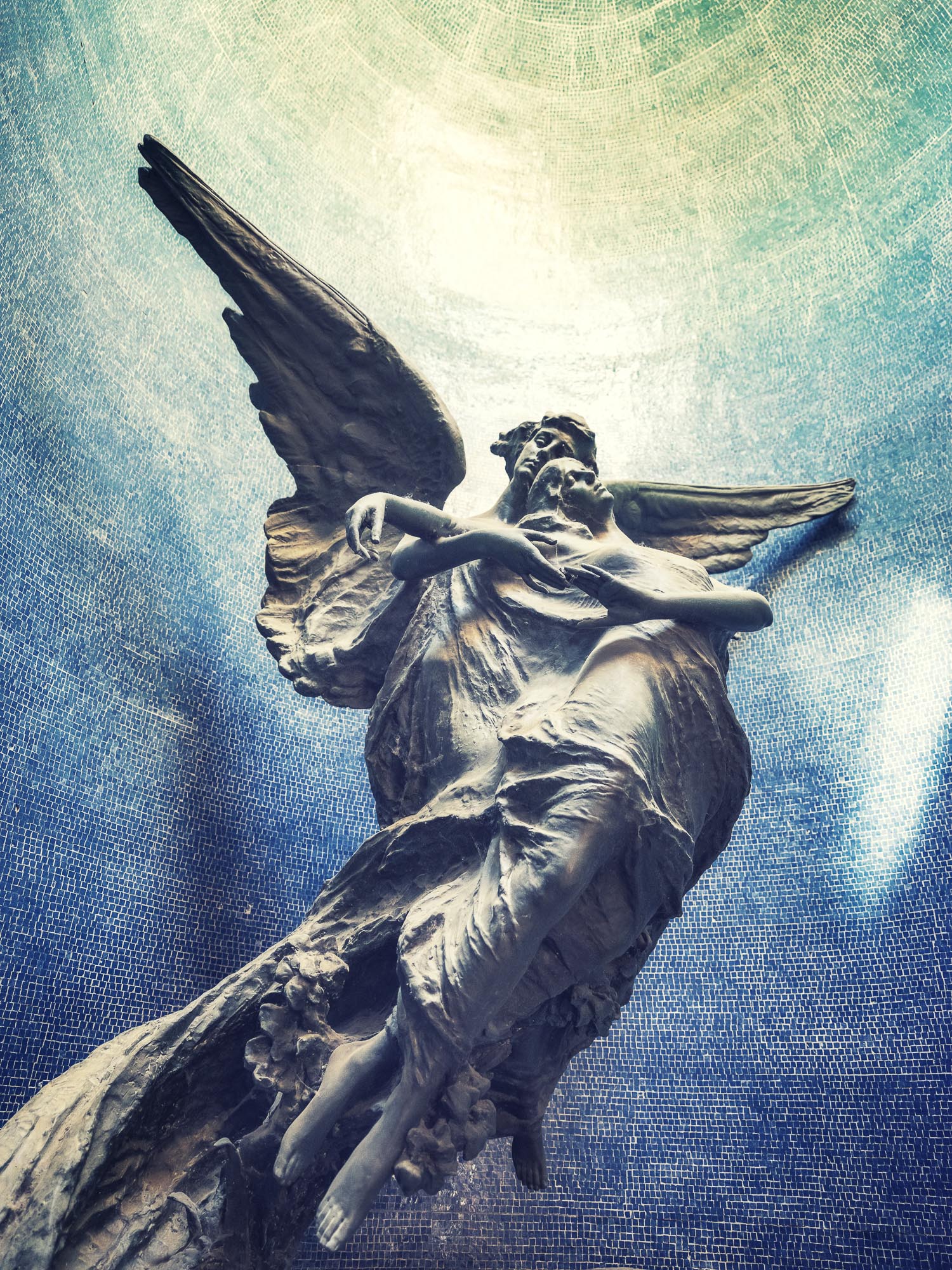
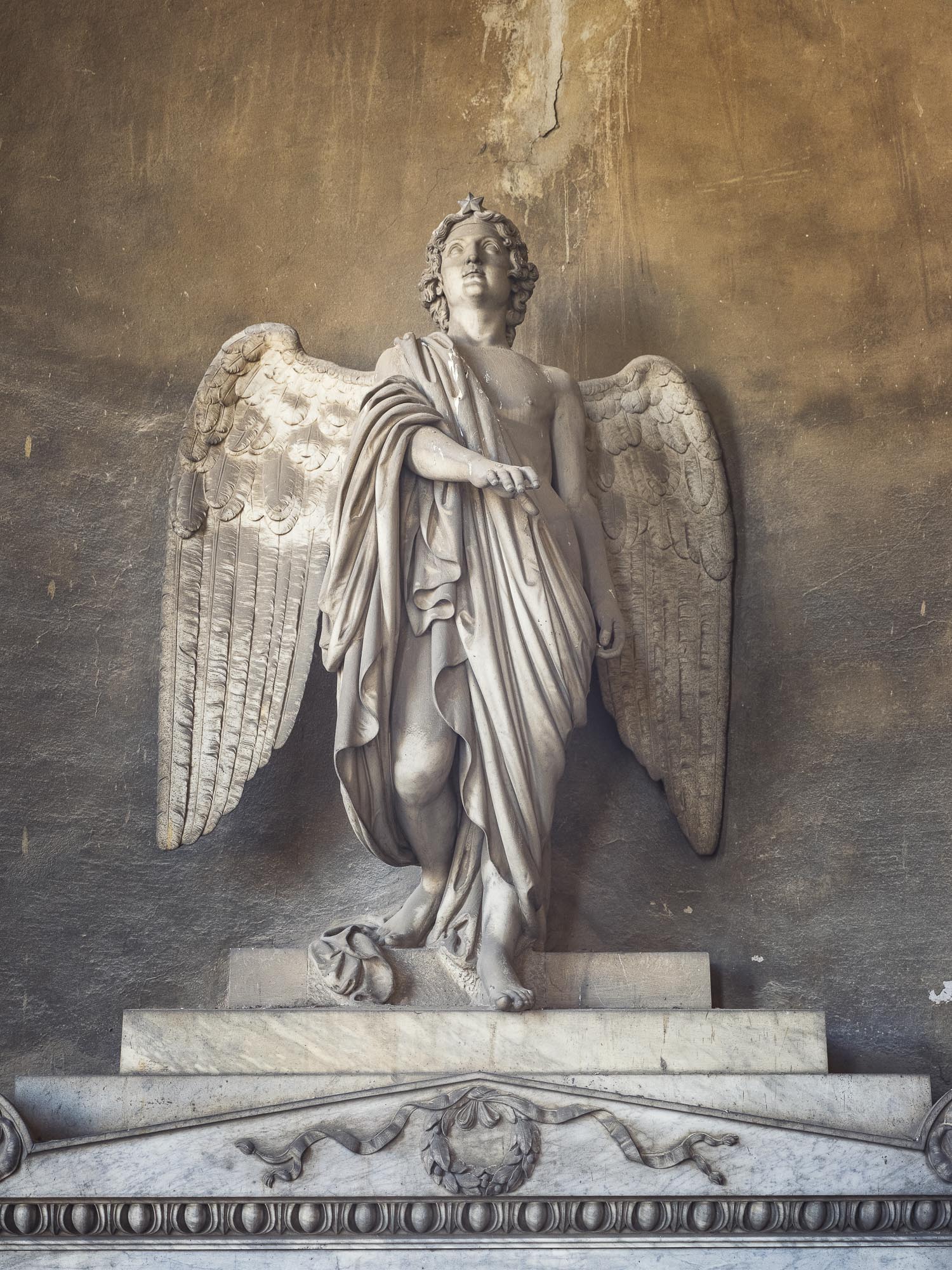
Angel in upward view
-
Dark angel between columns
-
Angel on steps with garland relief
-
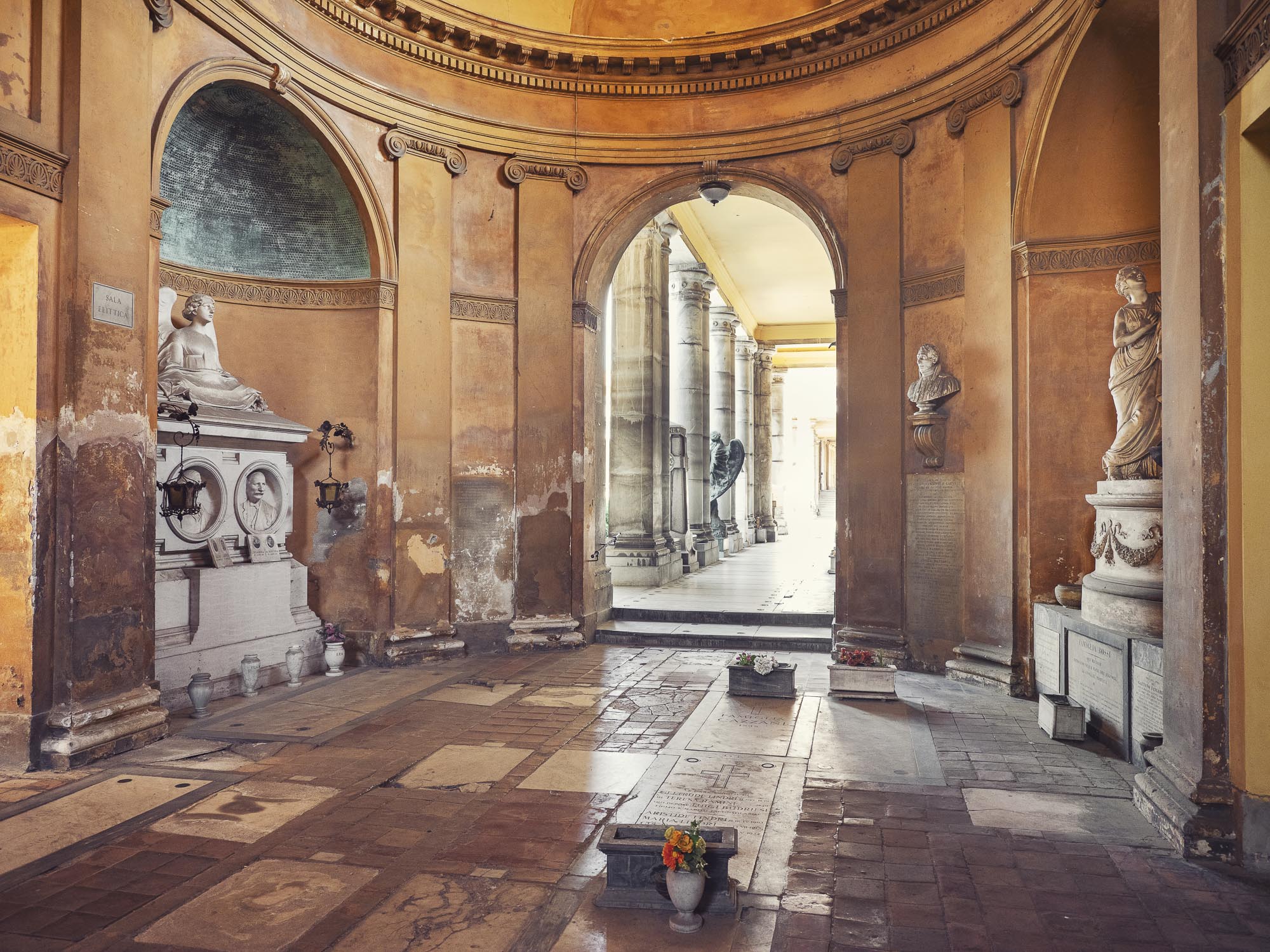
Rotunda with view to the corridor
-
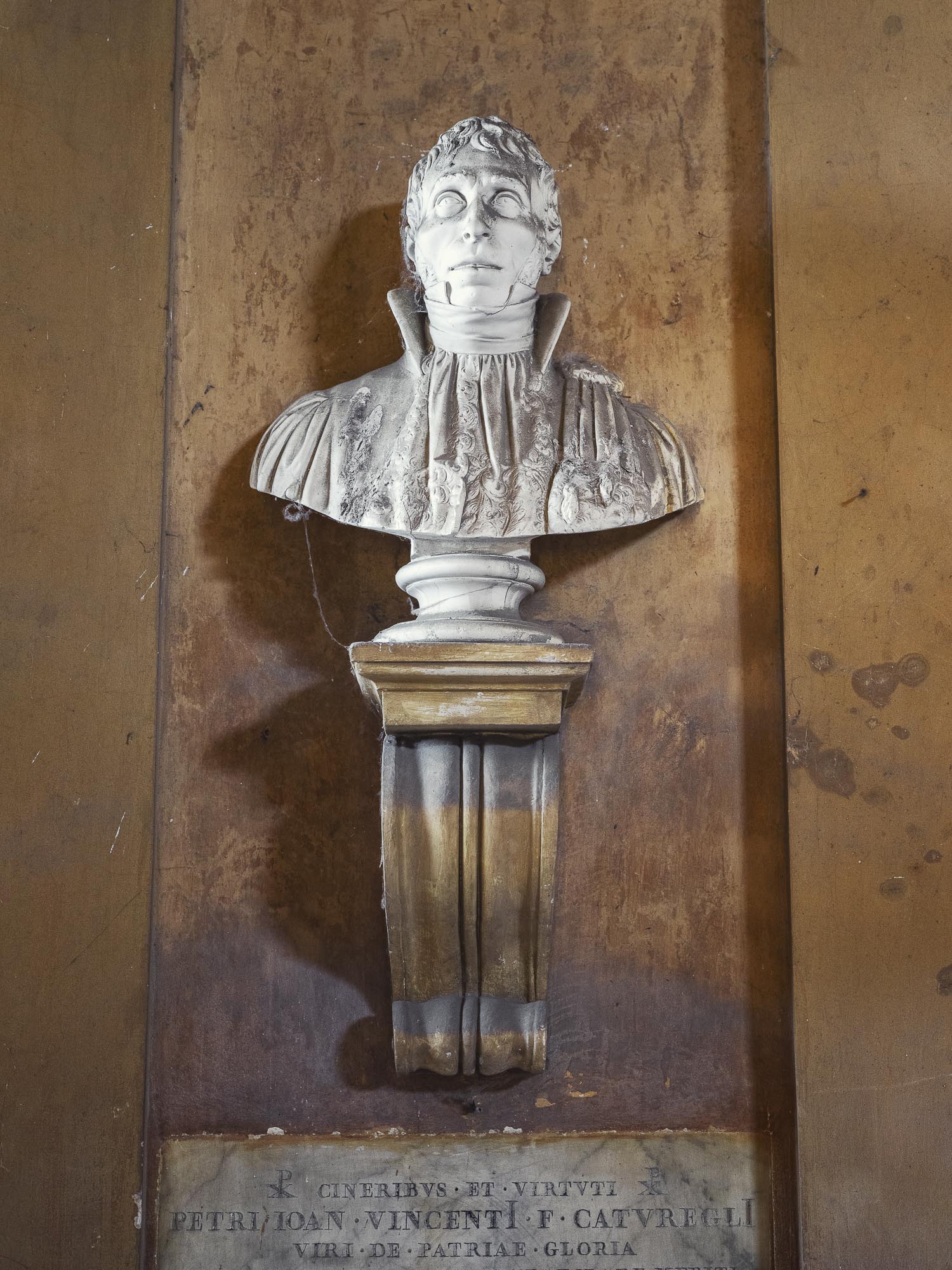
Bust on a wall bracket
-
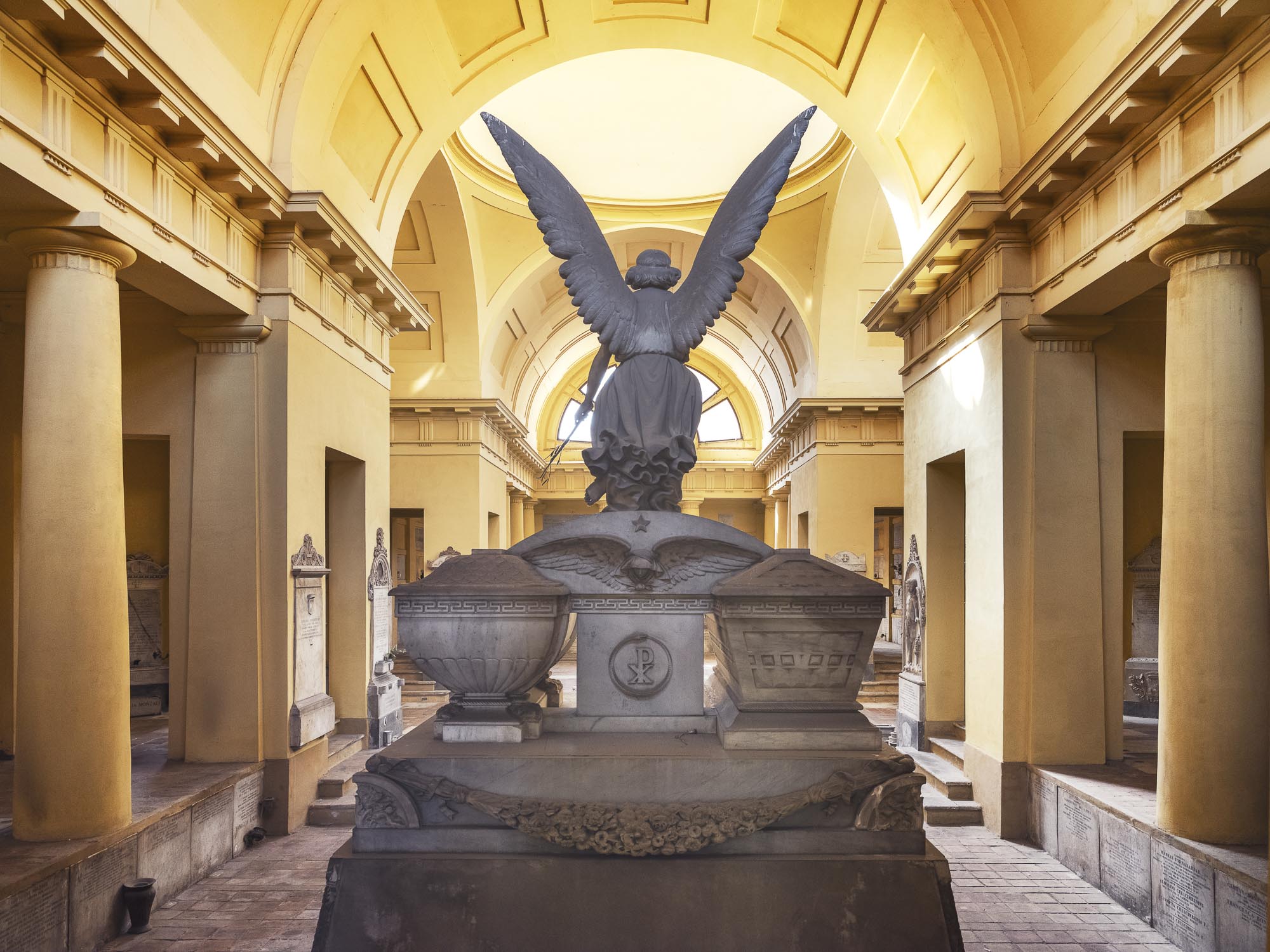
Angel from behind on sarcophagus
-
Kneeling girl at the tomb door
-
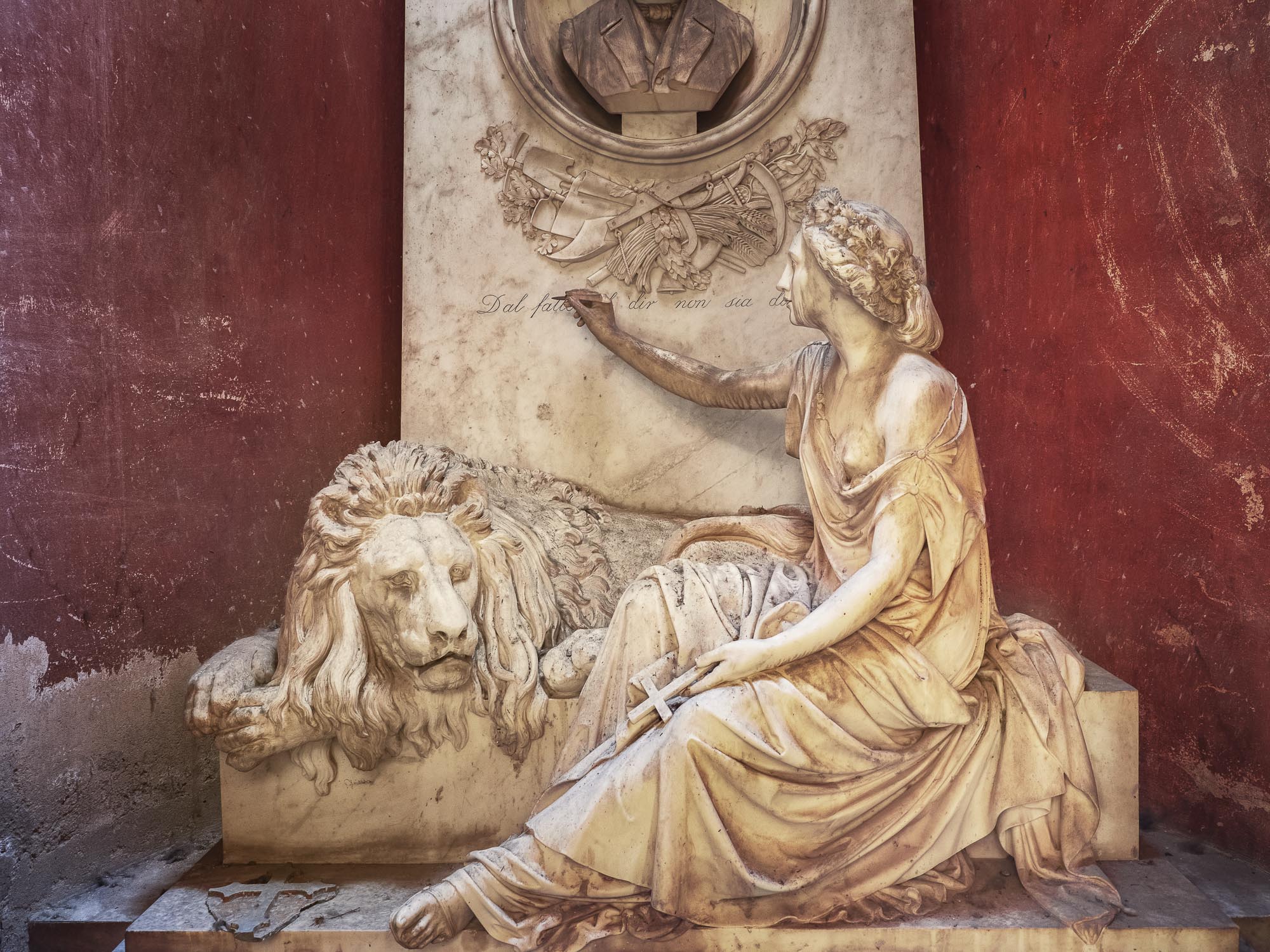
Woman and lion at wall tomb
-
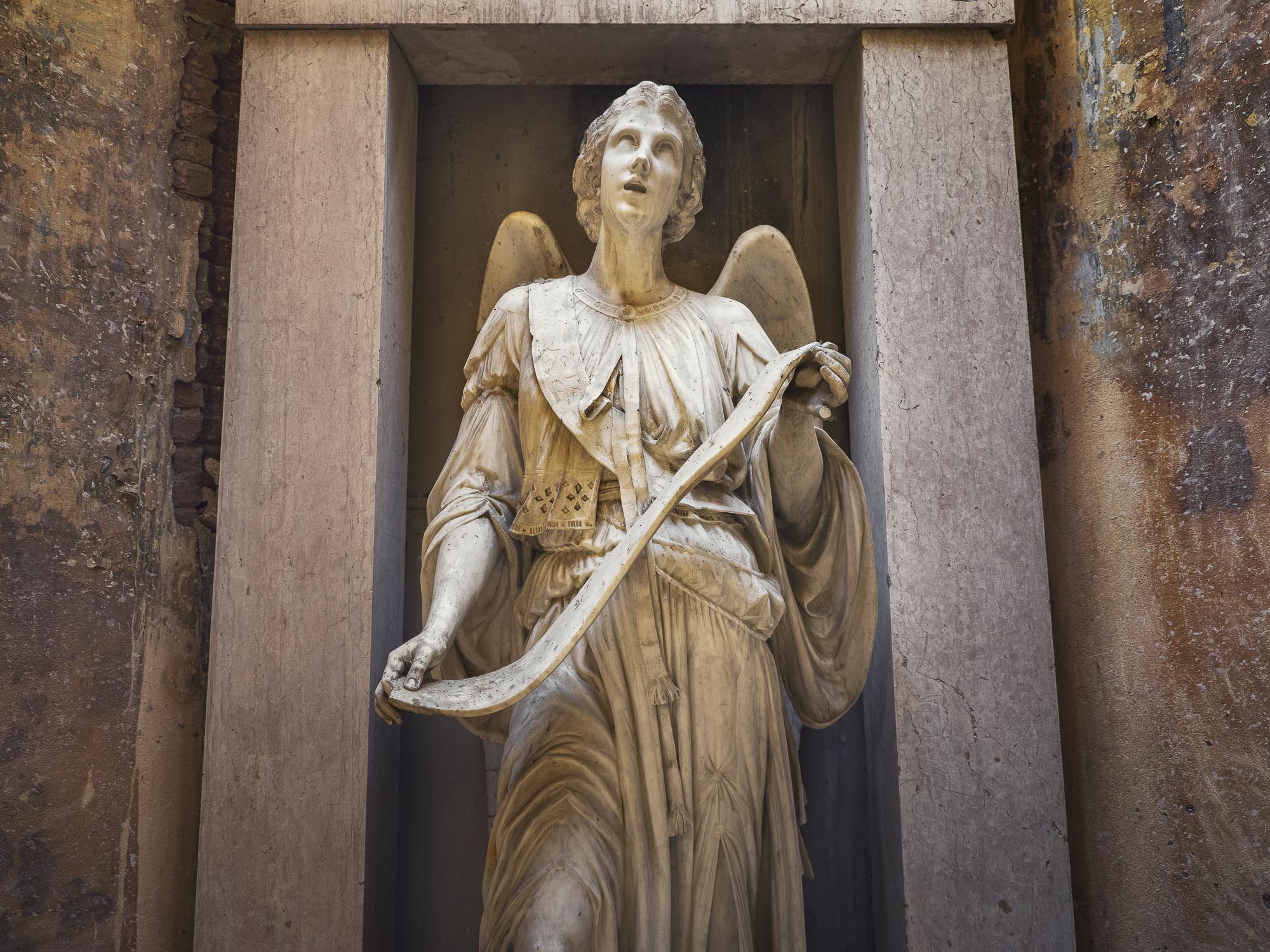
Angel with scroll in the niche
-
Seated figure on sarcophagus in corridor
-
Angel leaning on the pillar
-
Orange gallery with vaulted ceiling
-
Tomb with angel, seen from behind
-
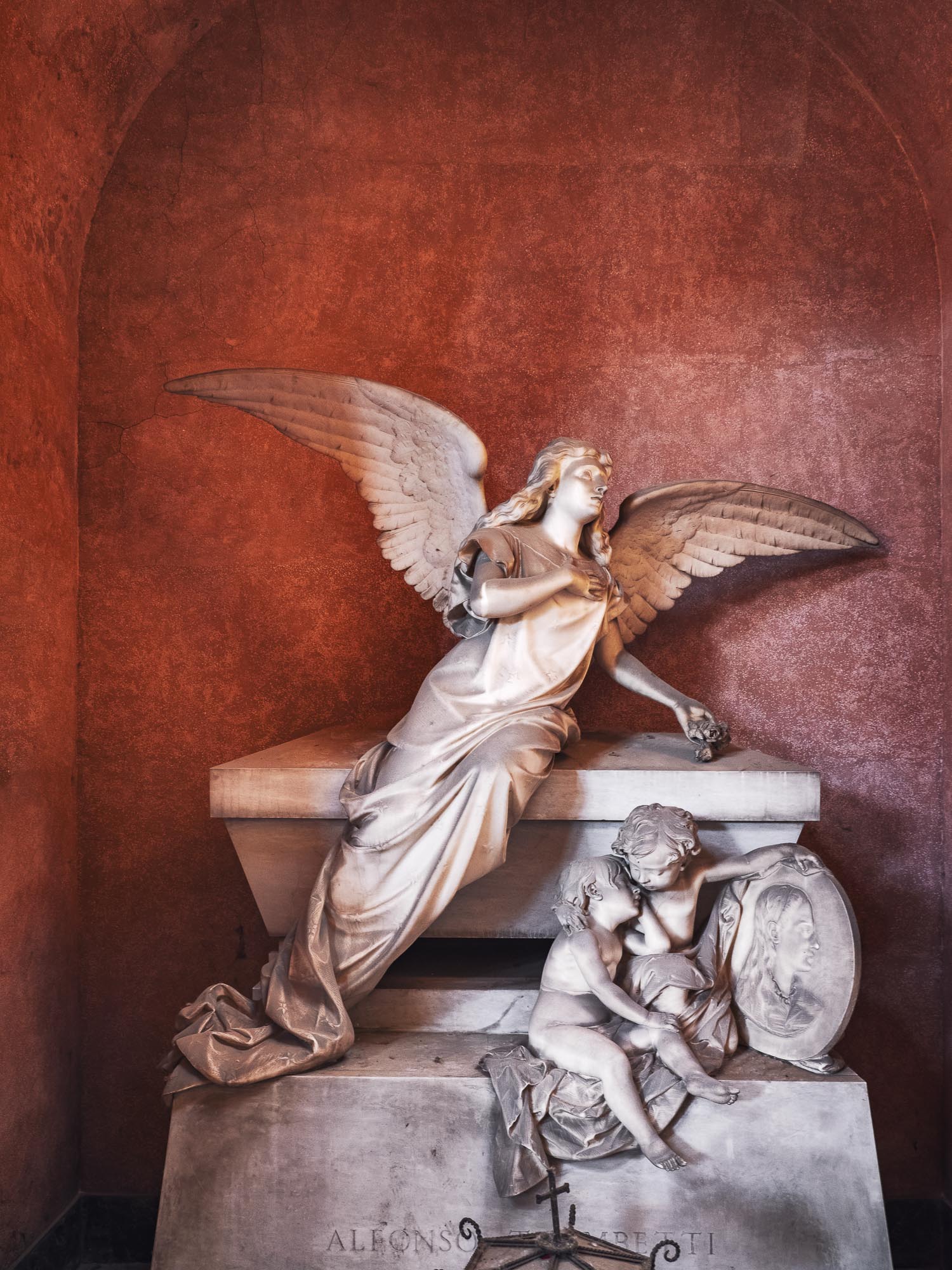
Angel and putto on the sarcophagus
-
Gallery with cross and mourning figure
-
Angel with flowers in grey niche
-
Figure leaning on the tomb wall
-
Tomb with two figures in courtyard
-
Ironwork and arches at a tomb
-
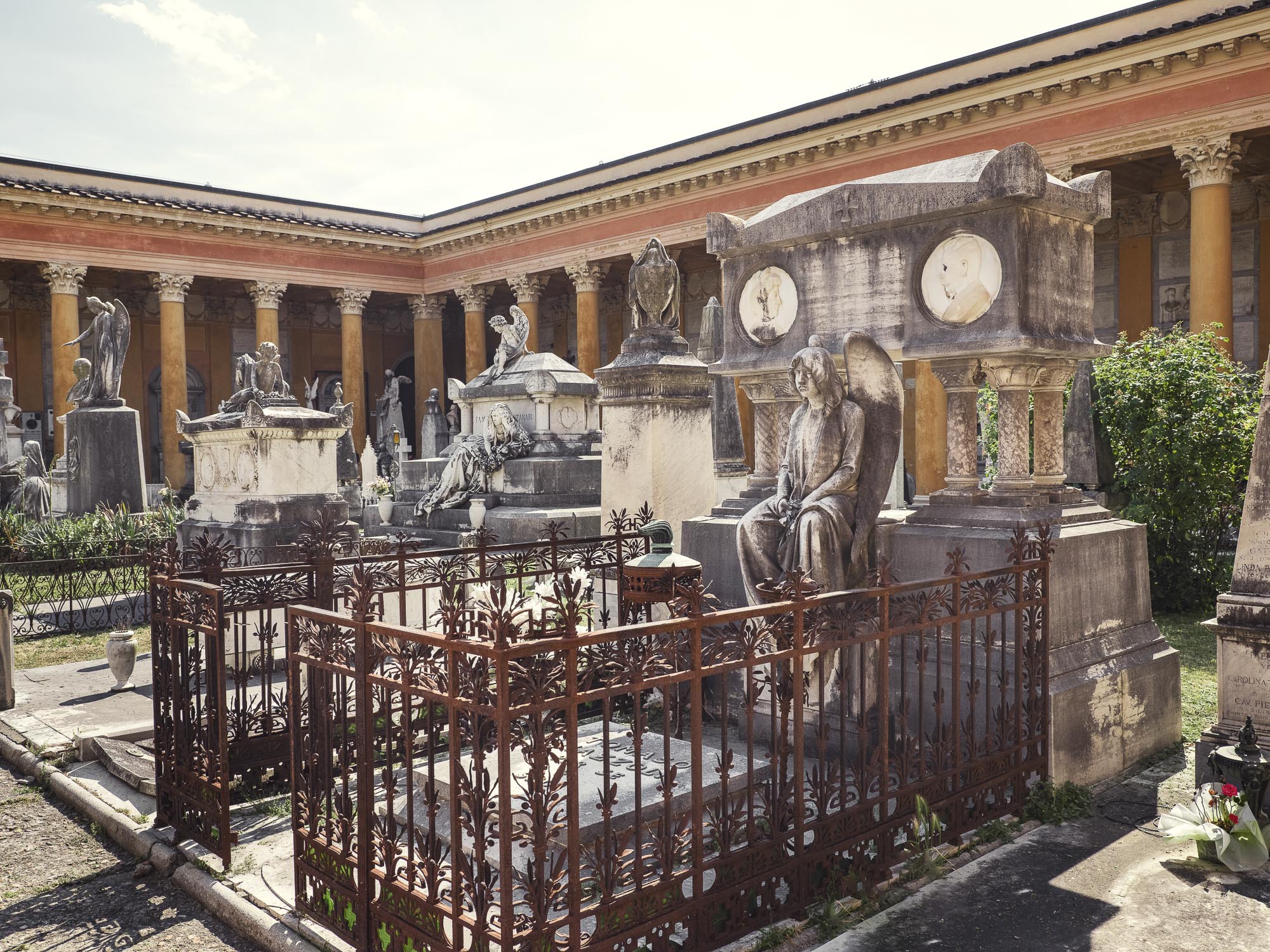
Arcaded courtyard with iron railings
-
Angel before wrought-iron lattice
-
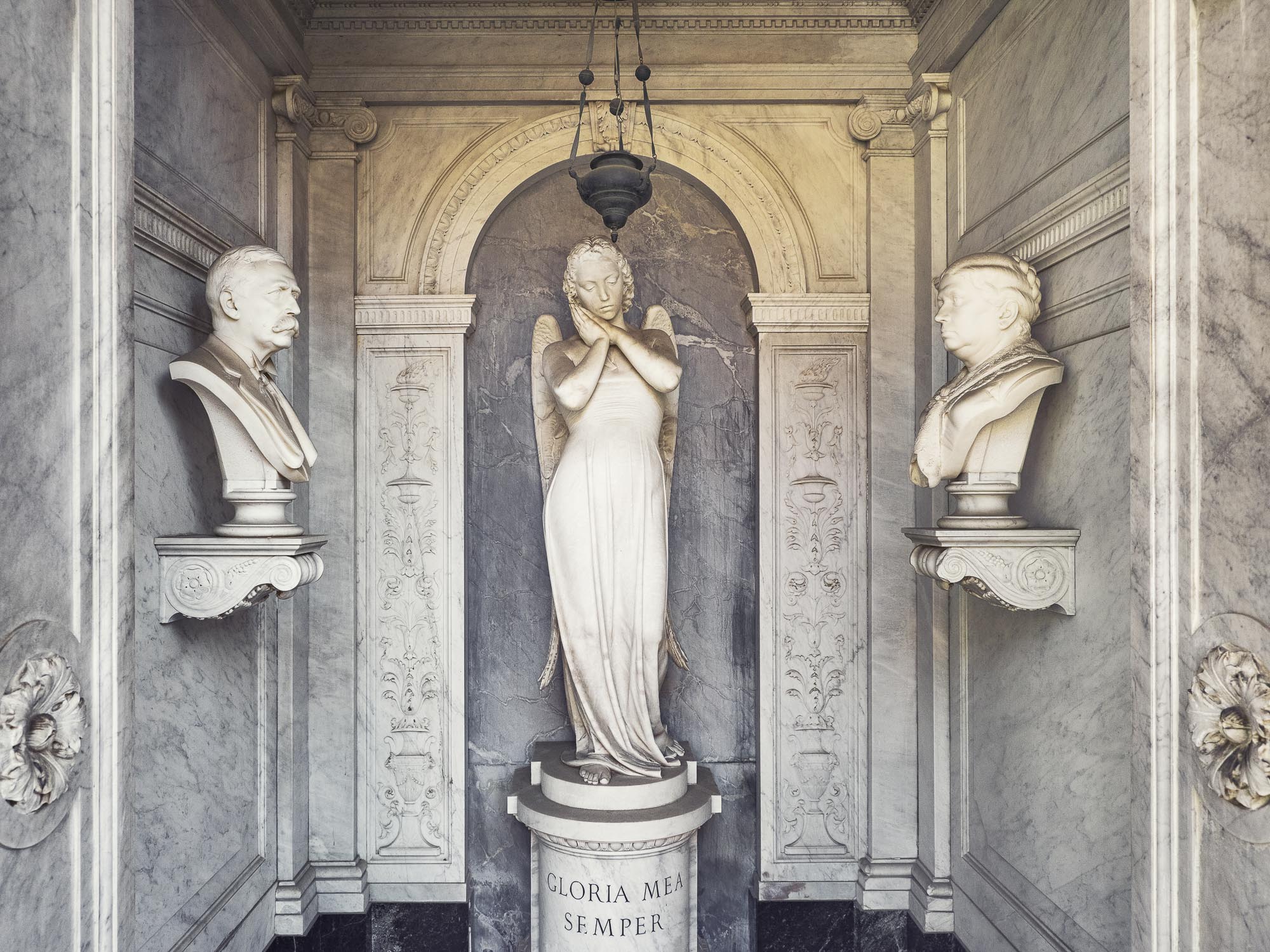
Angel between two busts
-
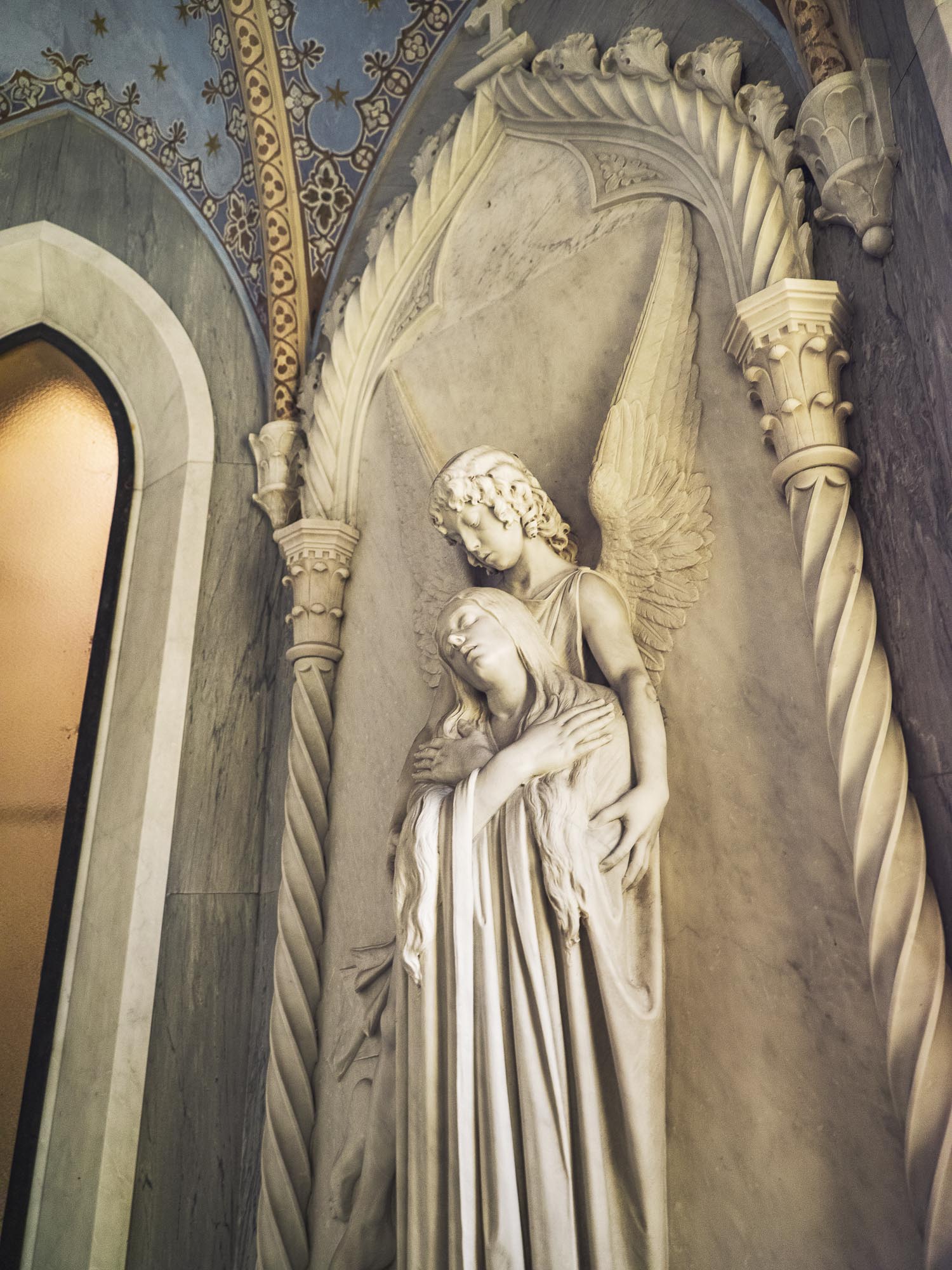
Figure group in a Gothic niche
-
Mourner between the columns
-
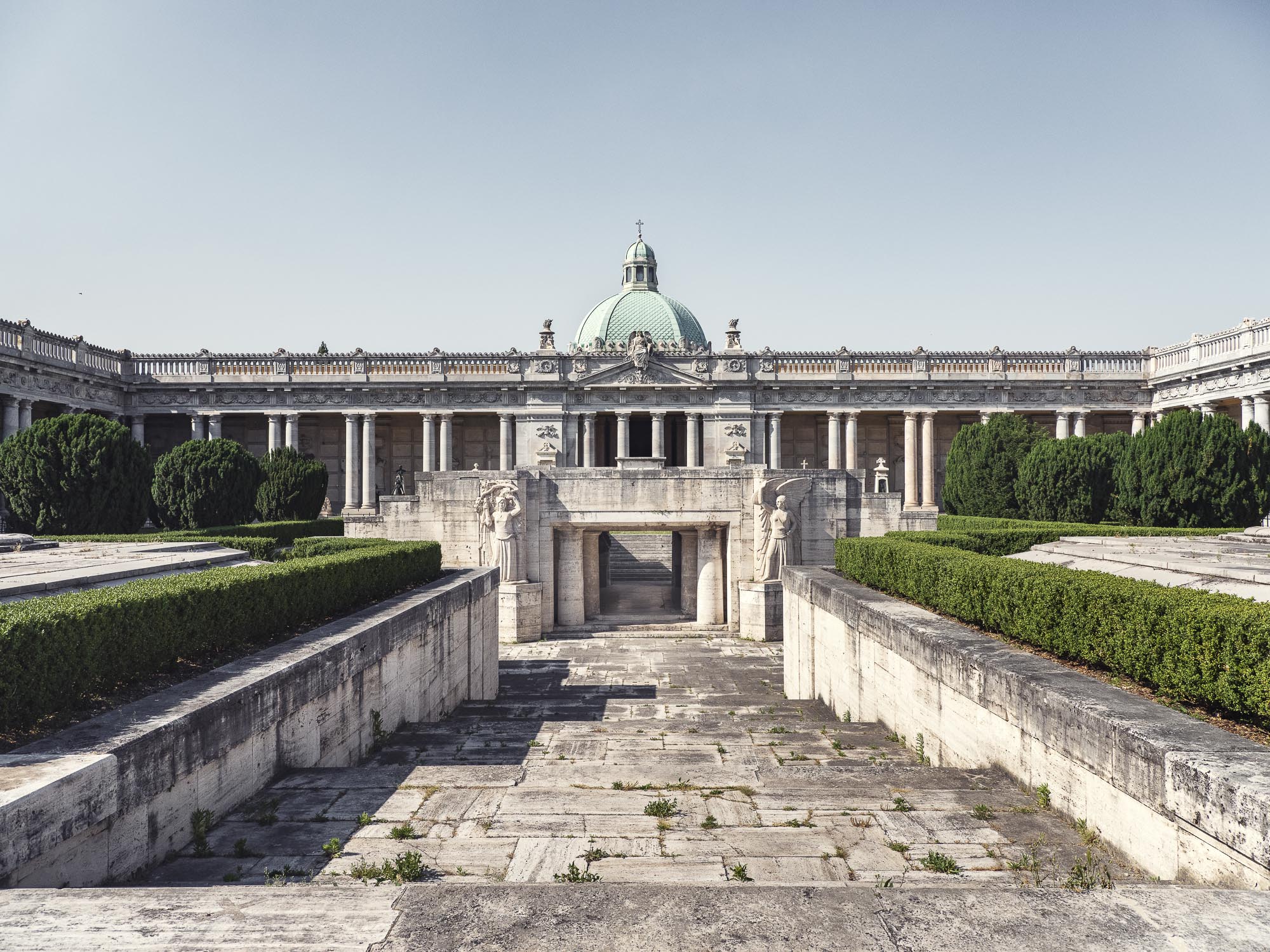
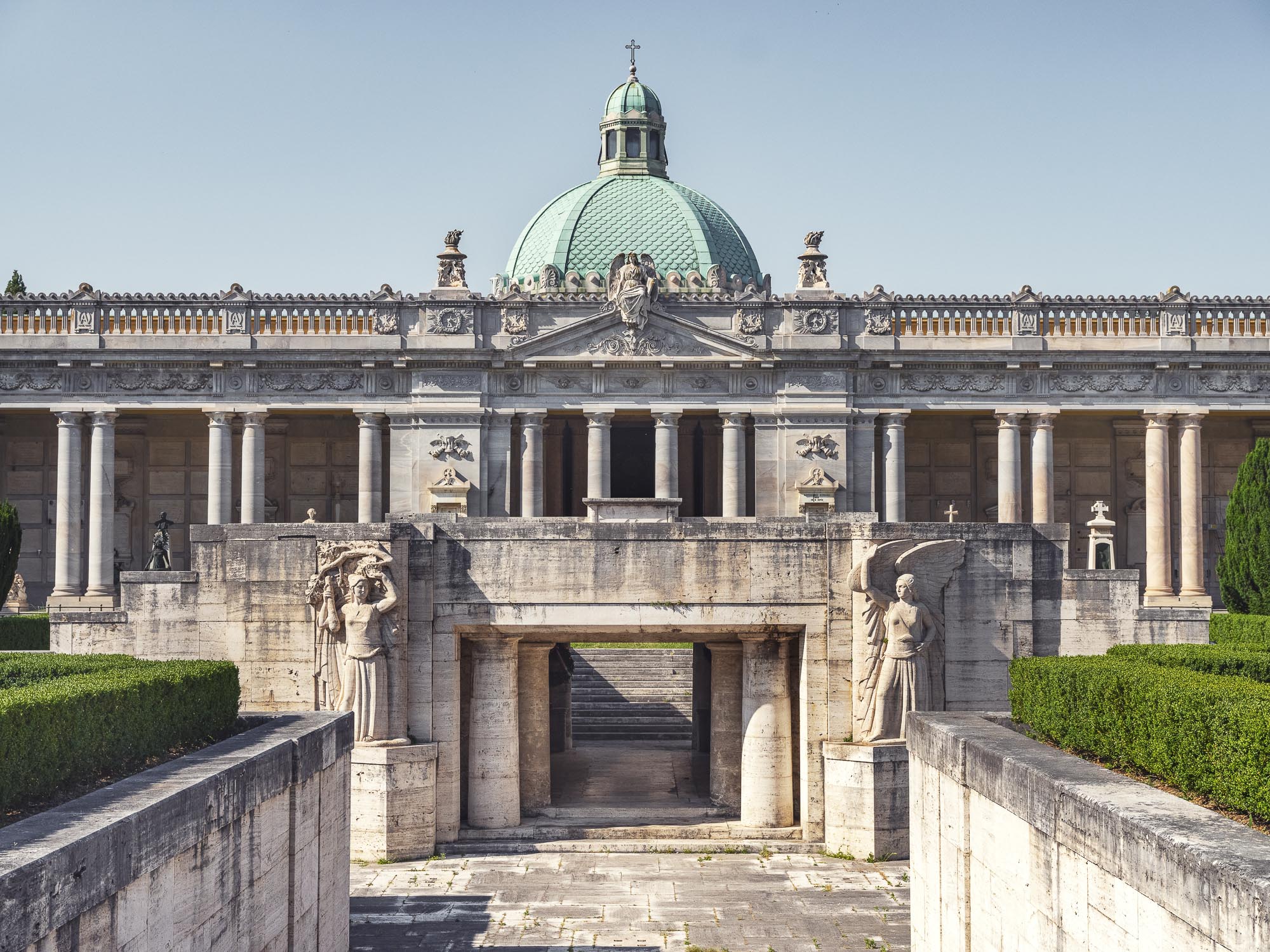
Stairway court with domed building
-
Domed building above the stairway
-
Seated woman beside an inscription
-
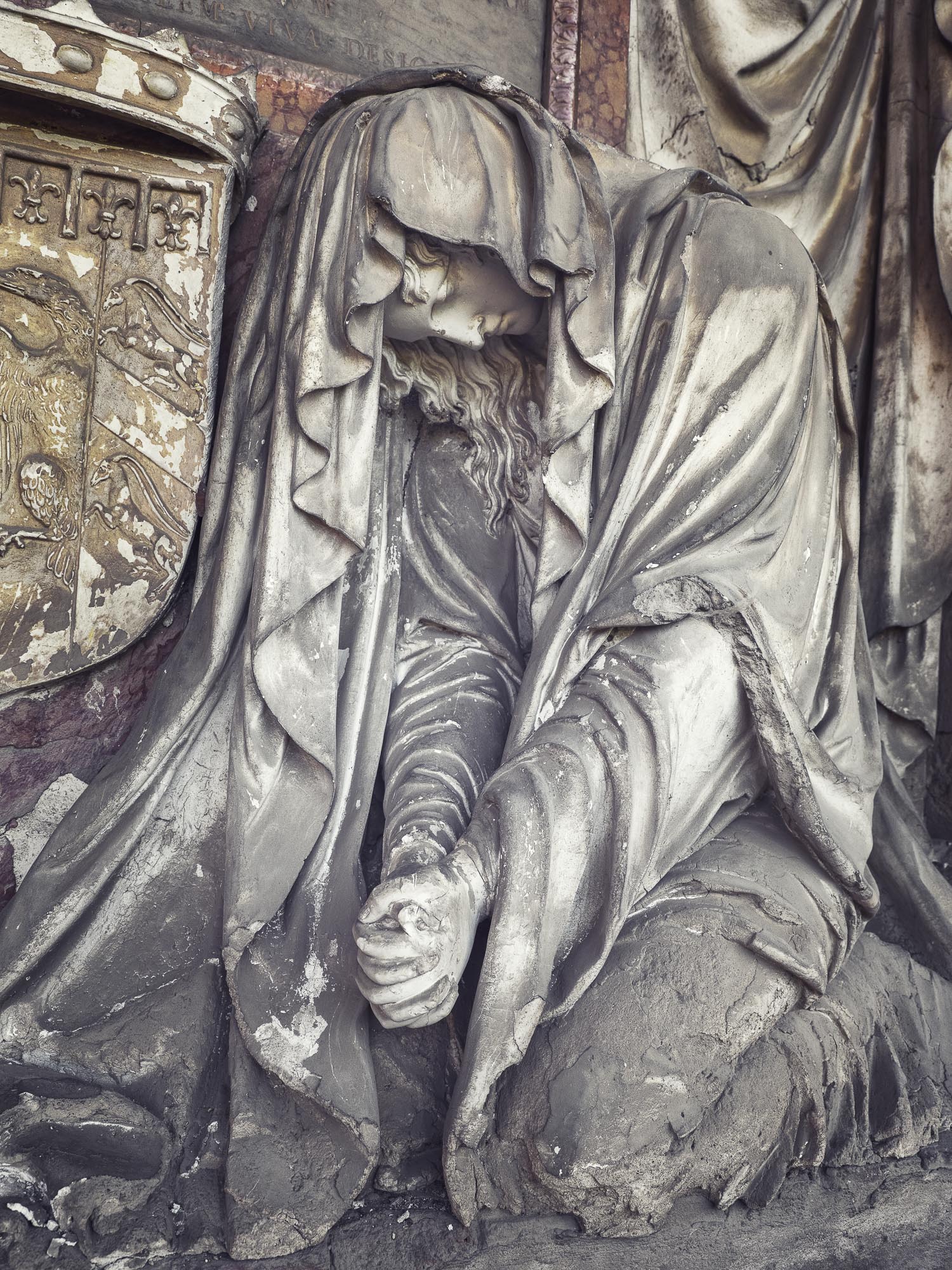
Shrouded figure with coat of arms
-
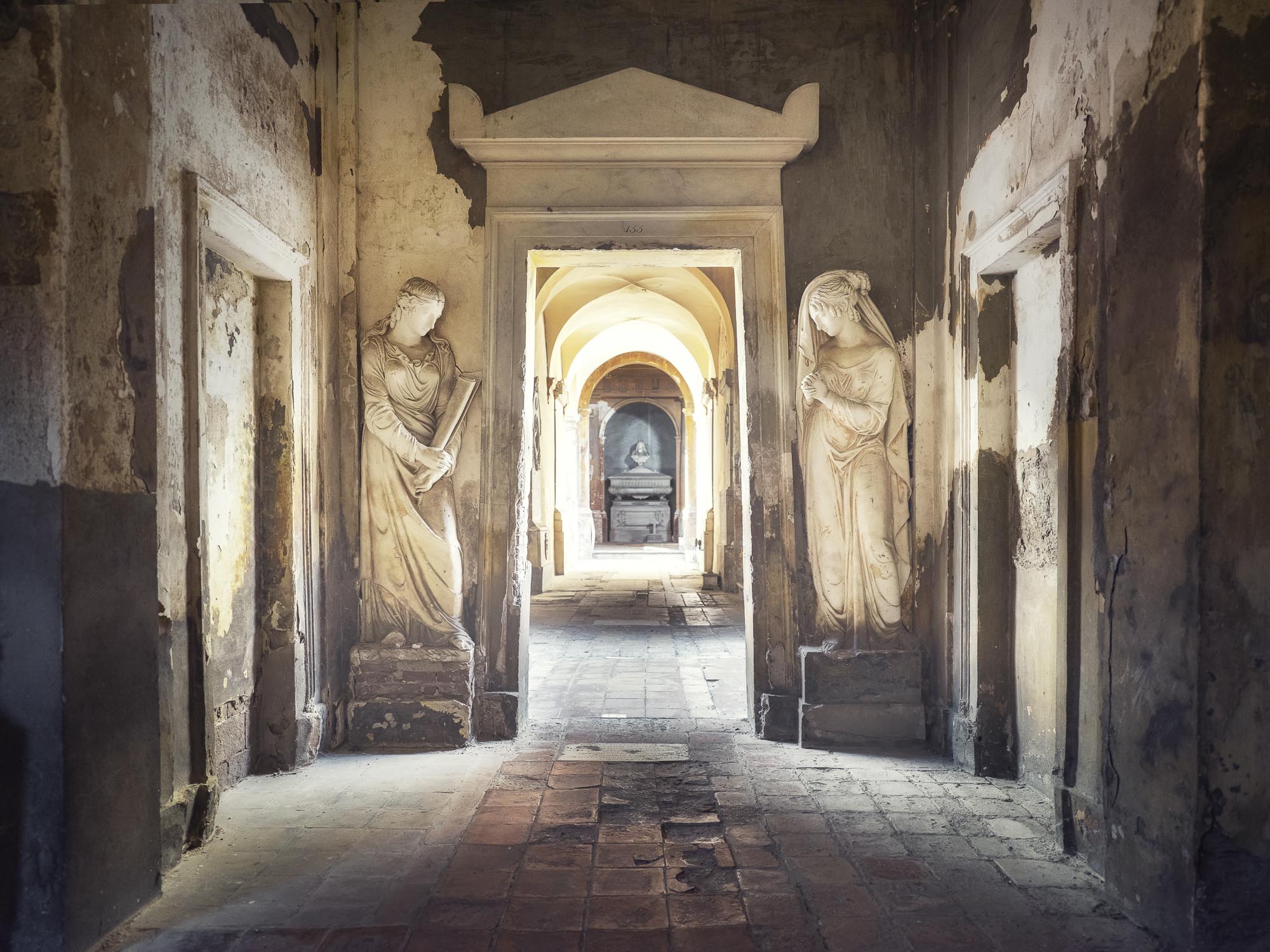
Passage with two figures
-
Sunlit tomb chapel
-
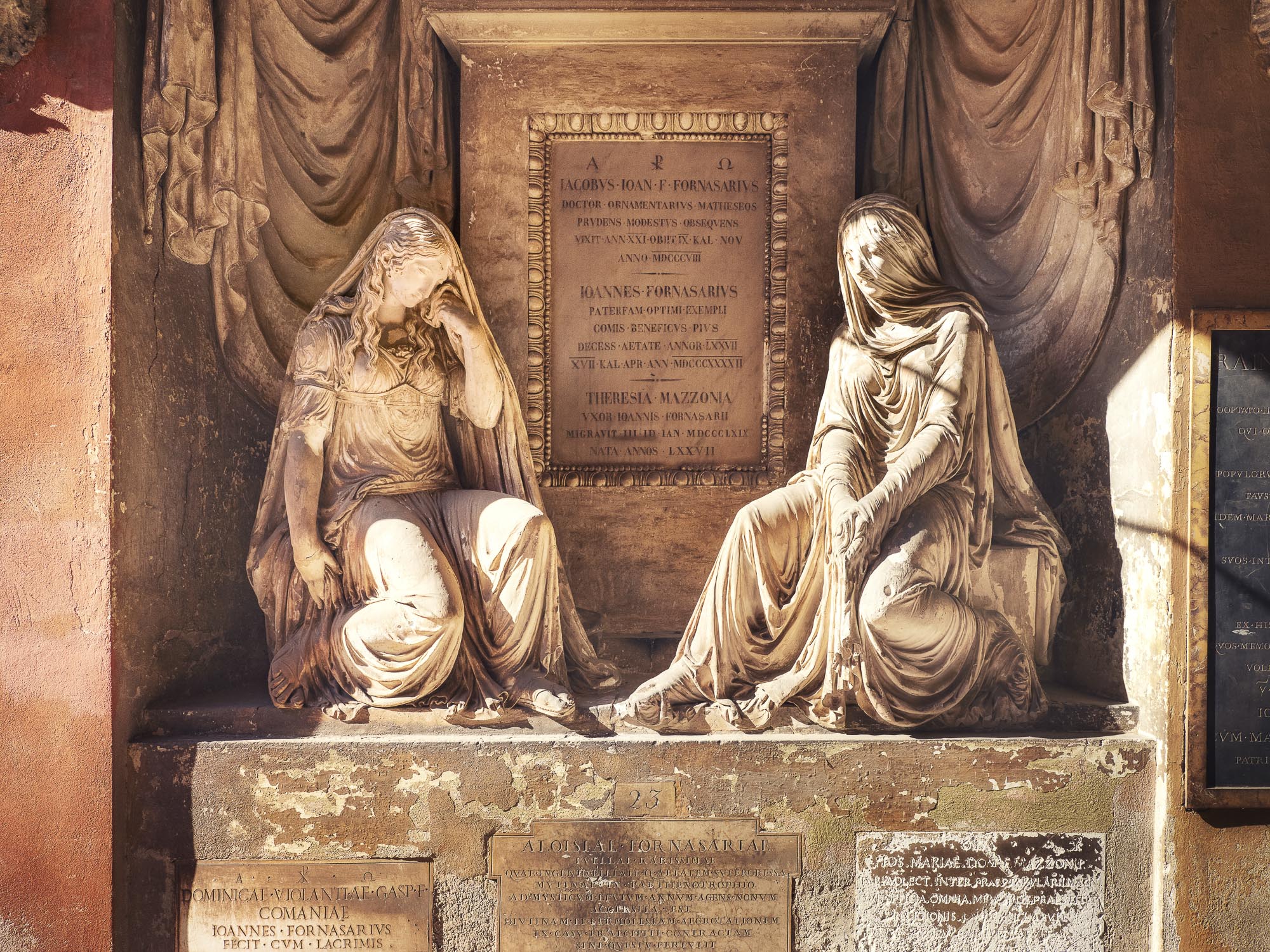
Two mourners at the inscription tablet
-
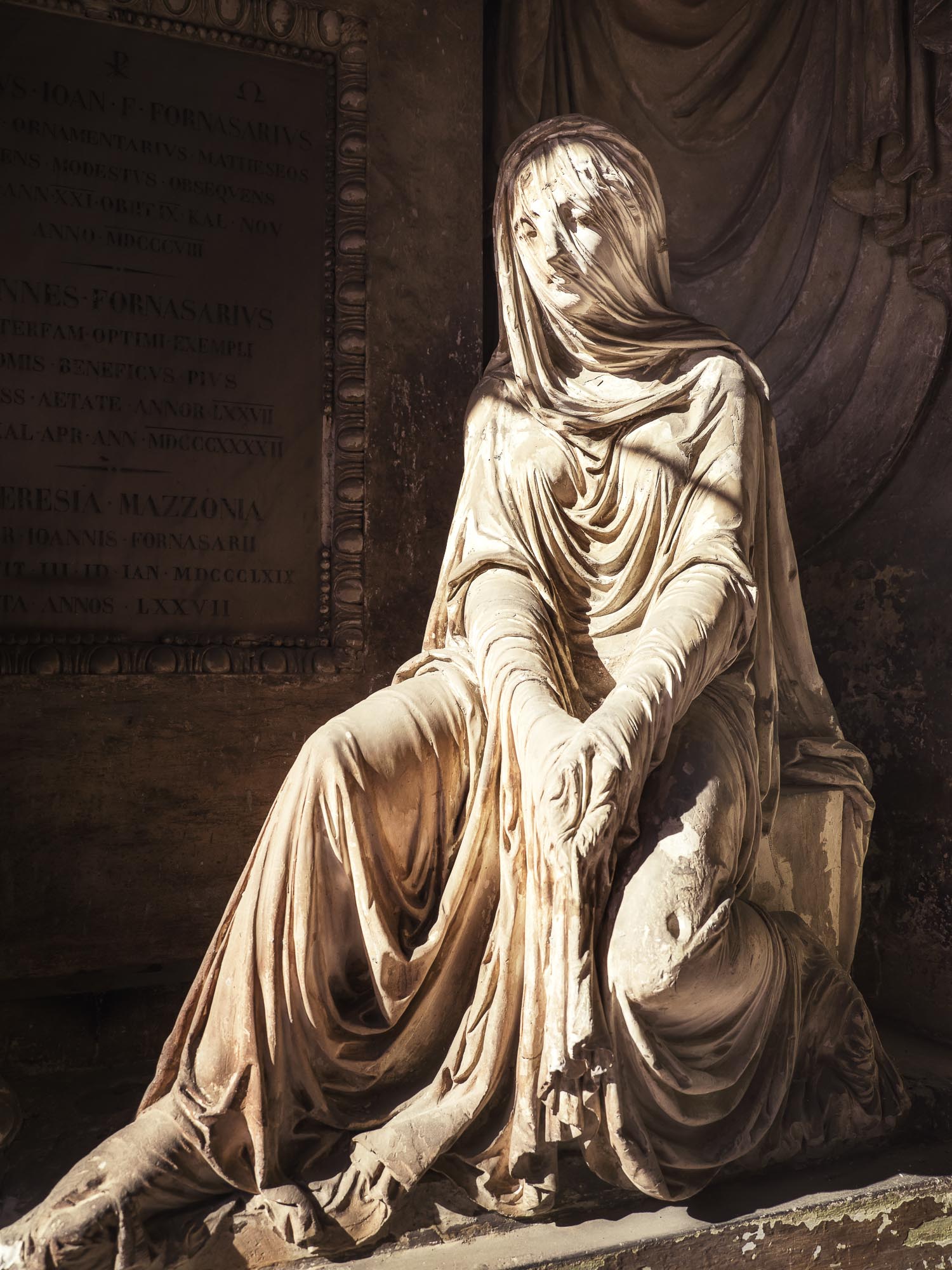
Veiled seated figure in raking light
-
Passage with shell niches
About this place
Work on the Carthusian monastery began in 1334, and it was suppressed towards the end of the 18th century. In 1801 the city decided to reuse the monastic buildings as a cemetery. An Etruscan necropolis had occupied the ground long before; it was discovered from 1869 onwards, and the finds are displayed in the Civic Archaeological Museum of Bologna.
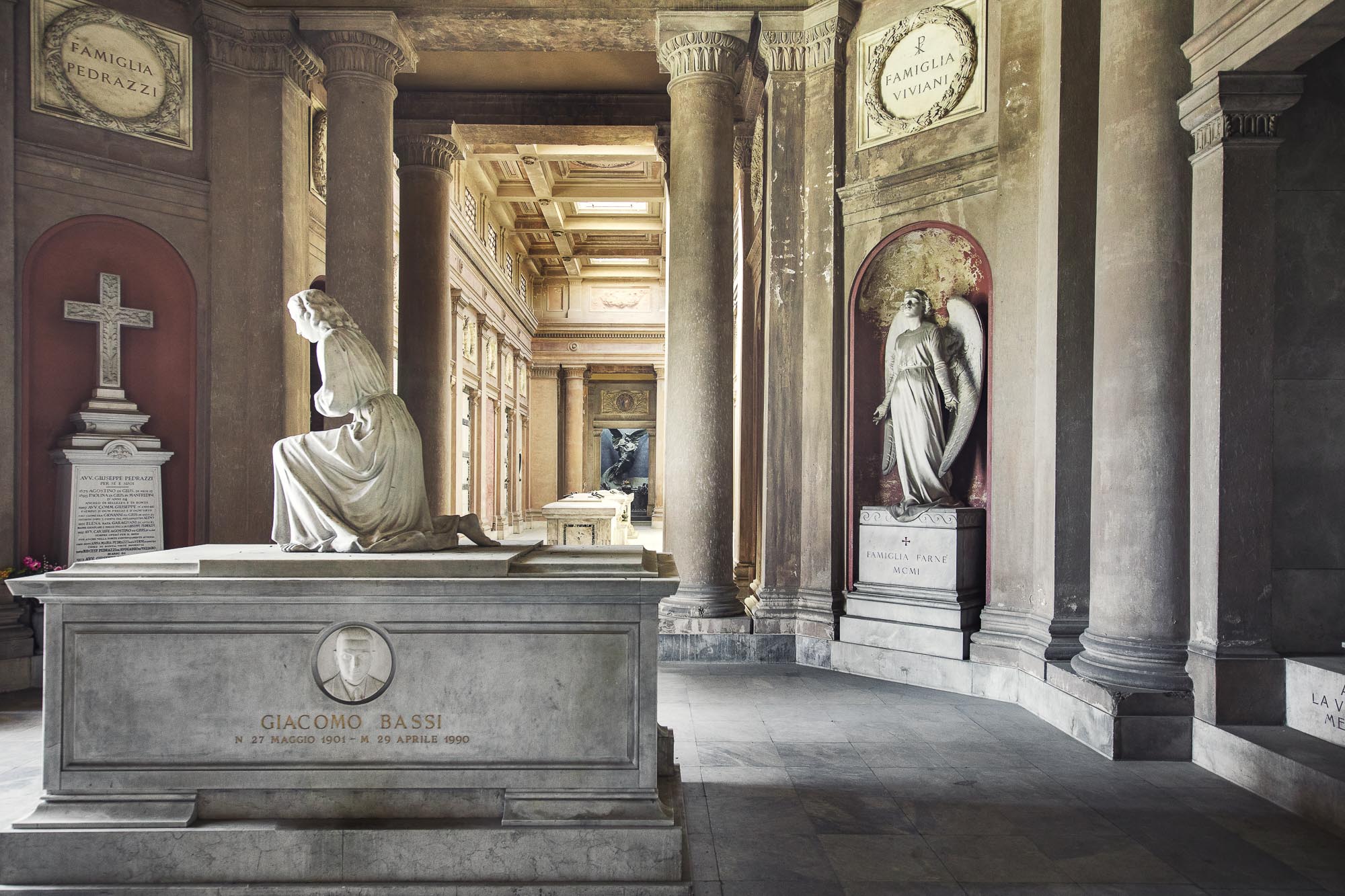
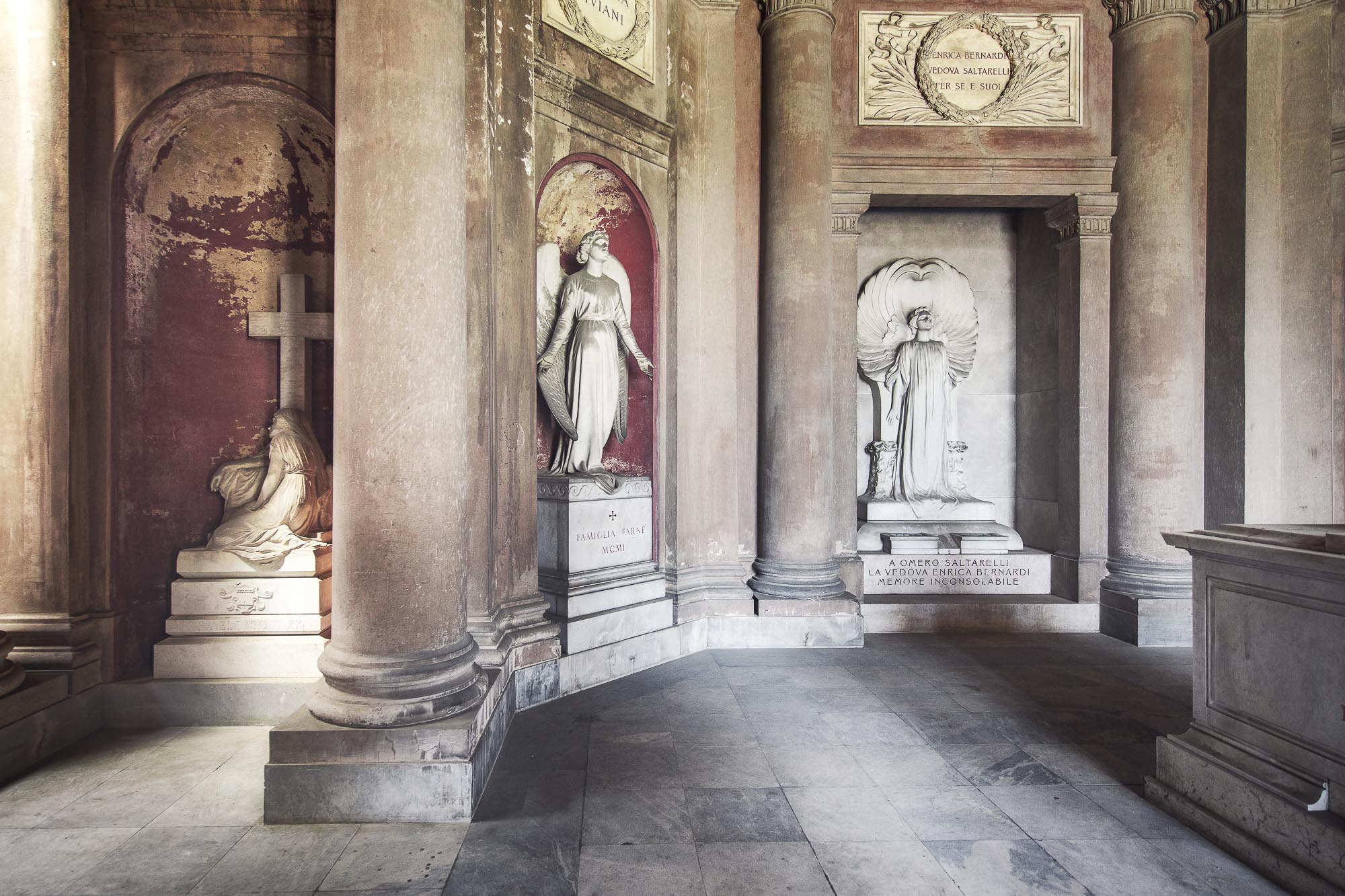
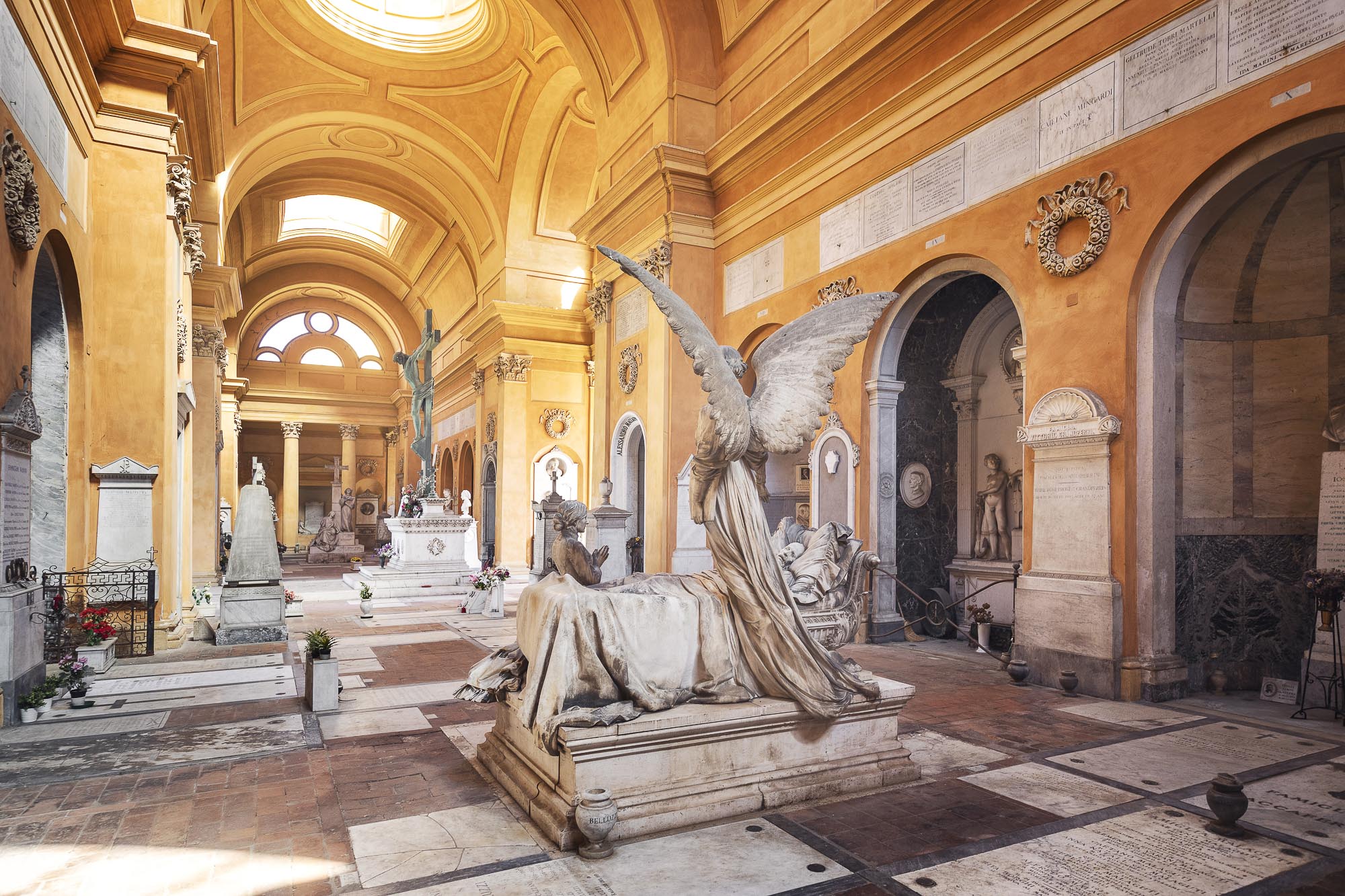
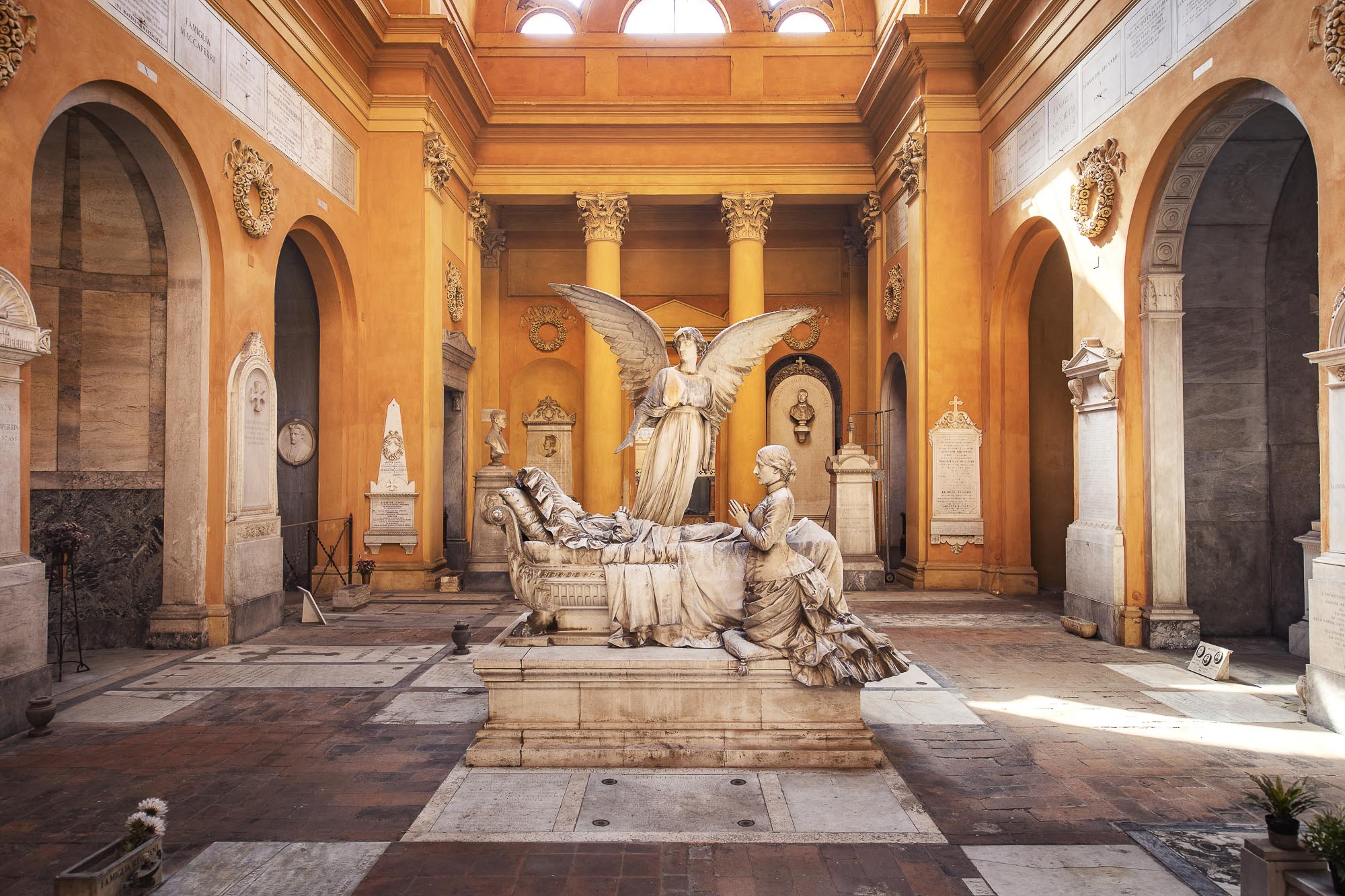
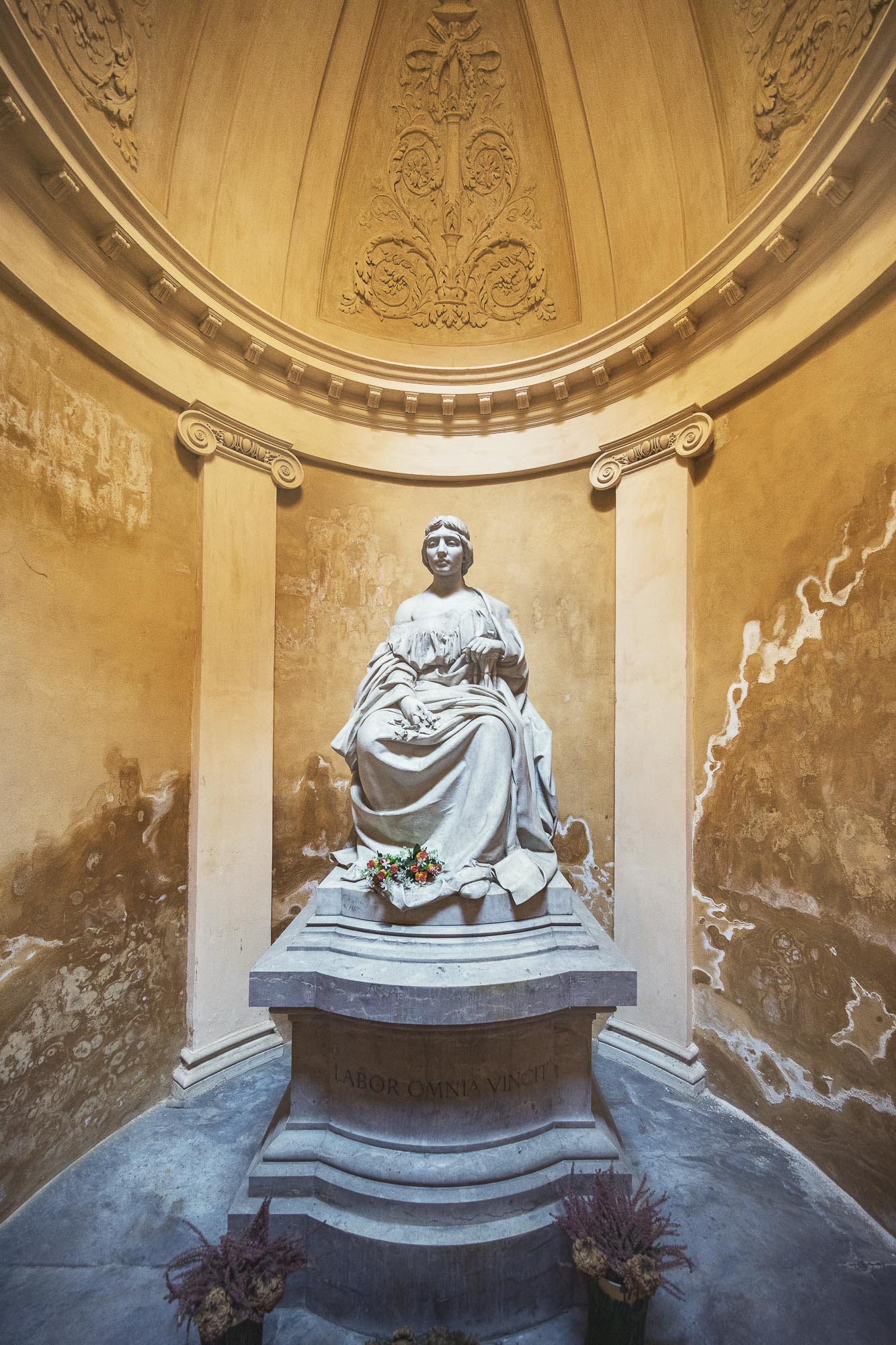
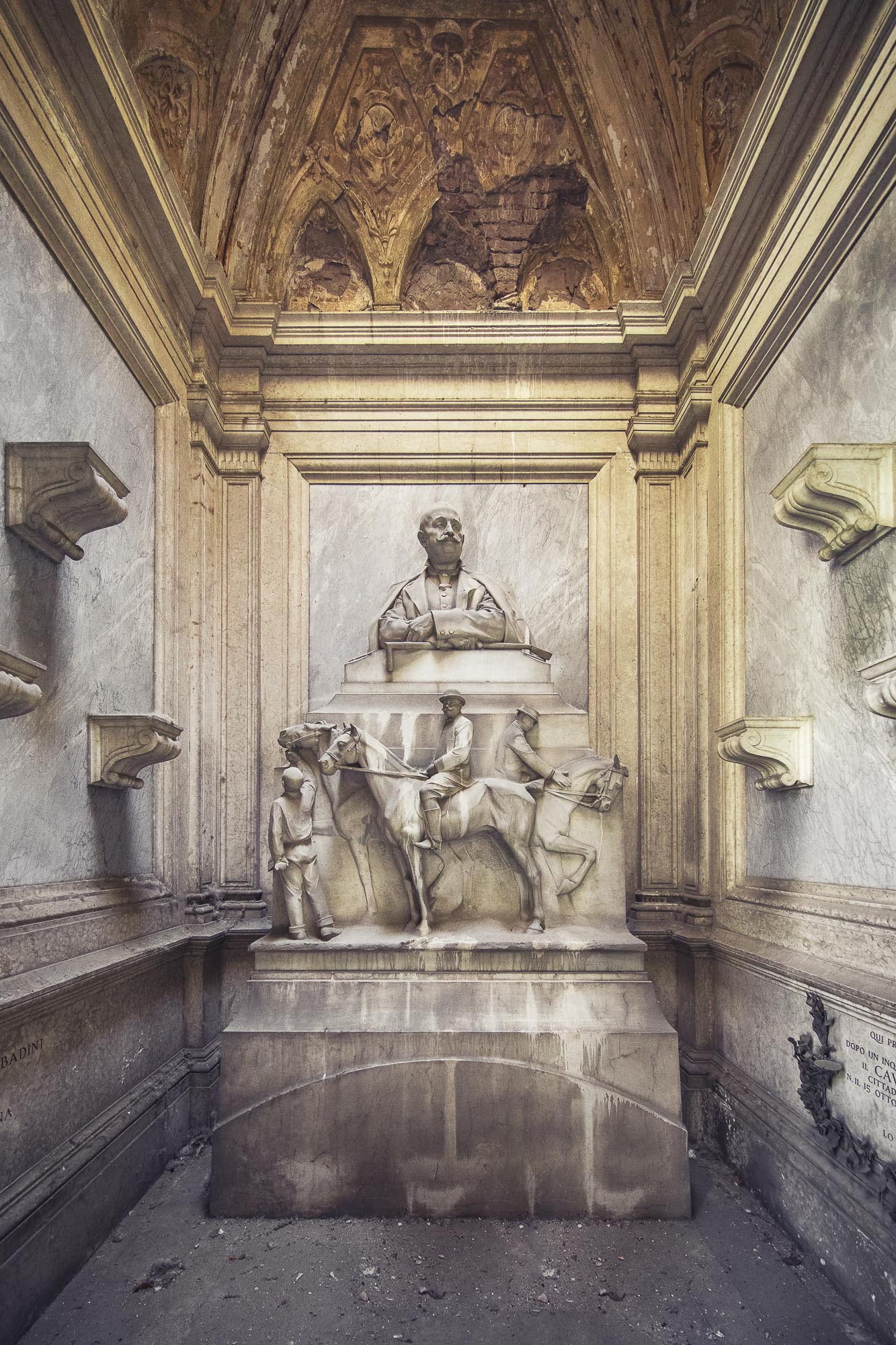
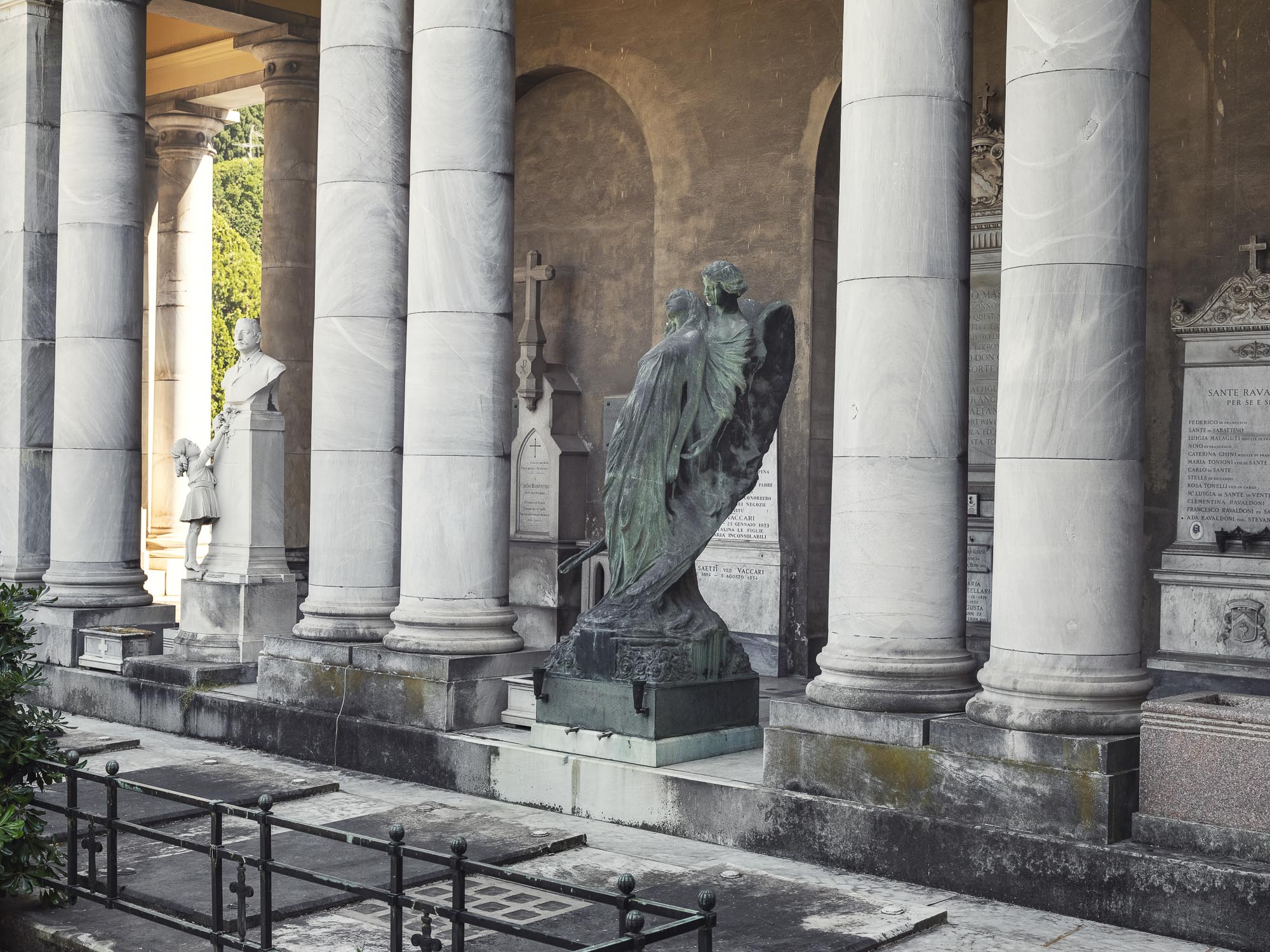
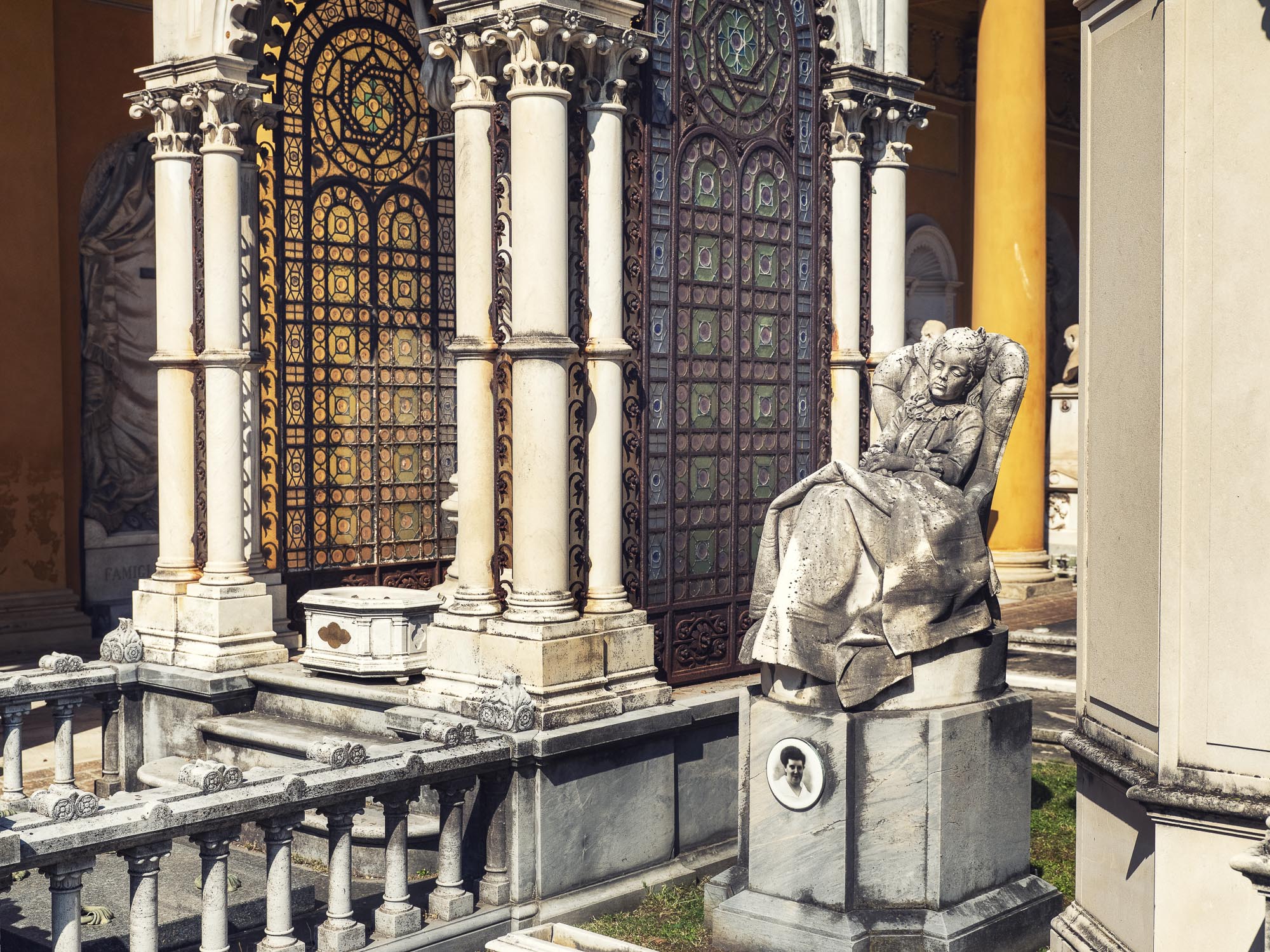
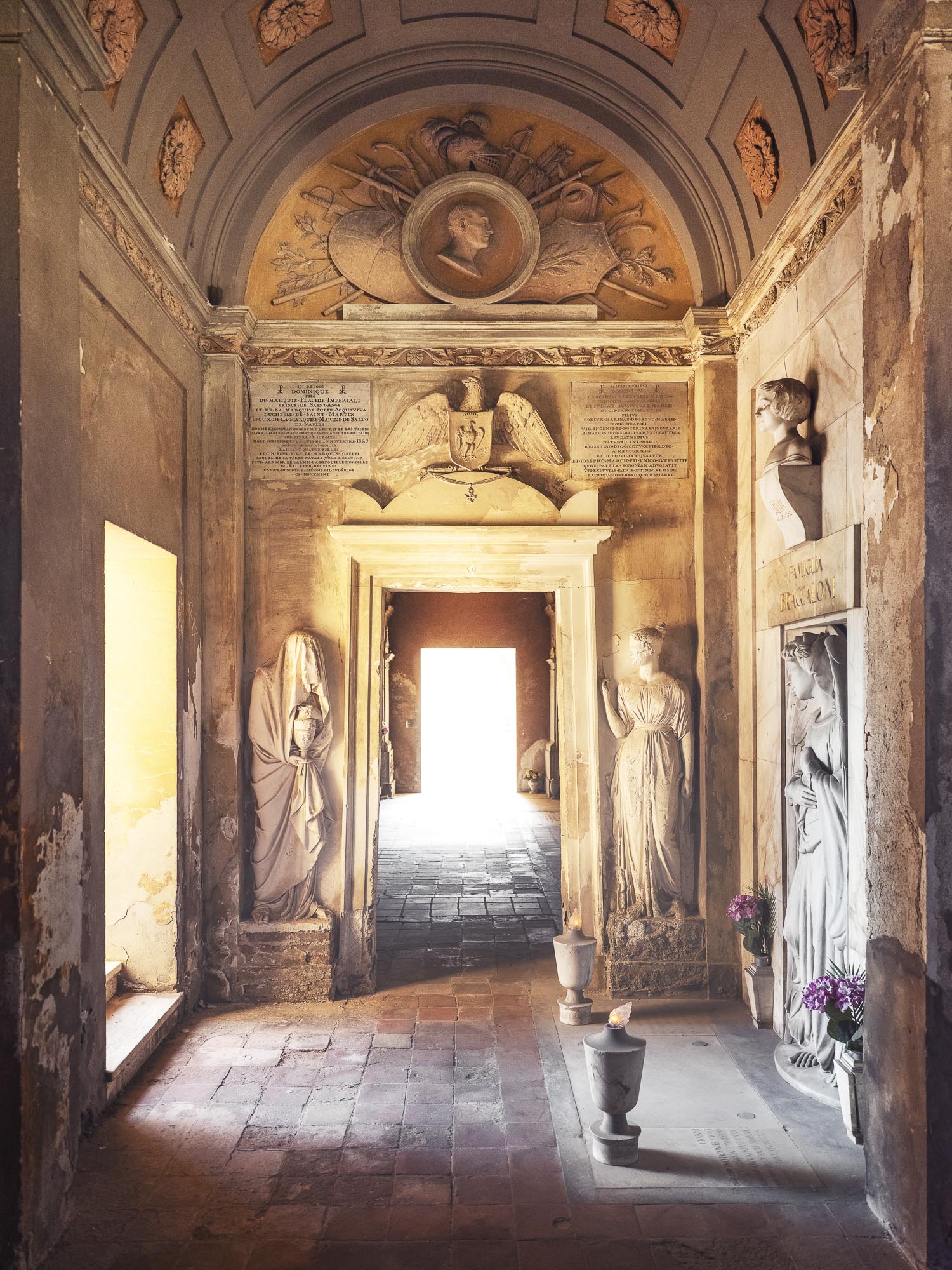
The cloisters, galleries and burial fields grew over several centuries. In the Third Cloister the tombs of painted stucco are considered unique in Europe, while the Seventh Cloister holds sculpture of the late 19th century. The funerary art runs from Neoclassicism and Verismo to Liberty and Art Deco, and includes Vincenzo Vela's Desolazione.
Those buried here include the painter Giorgio Morandi, the poet Giosuè Carducci, the composer Ottorino Respighi, the singer Lucio Dalla and the castrato Farinelli. A portico links the Certosa with the Sanctuary of the Madonna di San Luca and has been part of the UNESCO-listed Porticoes of Bologna since 2021. The city of Bologna provides information on visits and guided tours.
Frequently asked questions
Where is the Certosa di Bologna?
It lies on Via della Certosa at the edge of Bologna's old town, at the foot of Monte della Guardia and close to the Renato Dall'Ara stadium.
Who is buried in the Certosa?
Among others Giorgio Morandi, Giosuè Carducci, Ottorino Respighi, Lucio Dalla, Marco Minghetti and the singer Farinelli.
Why is the Certosa di Bologna famous?
It grew out of a Carthusian monastery and stands on an Etruscan necropolis. Its cloisters and galleries show two centuries of funerary art.