Germany · Dresden · 44 pictures
Johannis Cemetery Tolkewitz
Johannisfriedhof
-

-
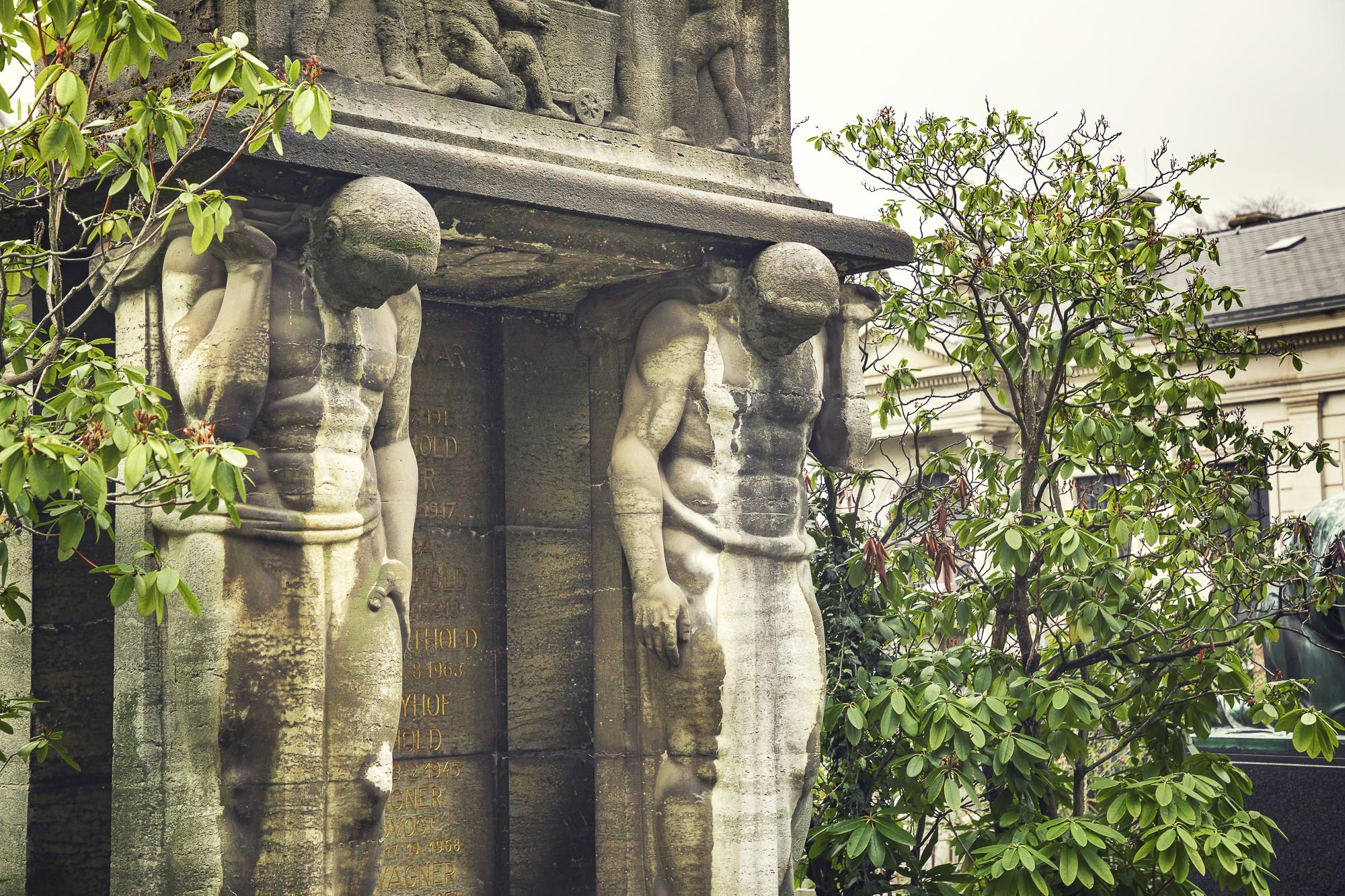
-
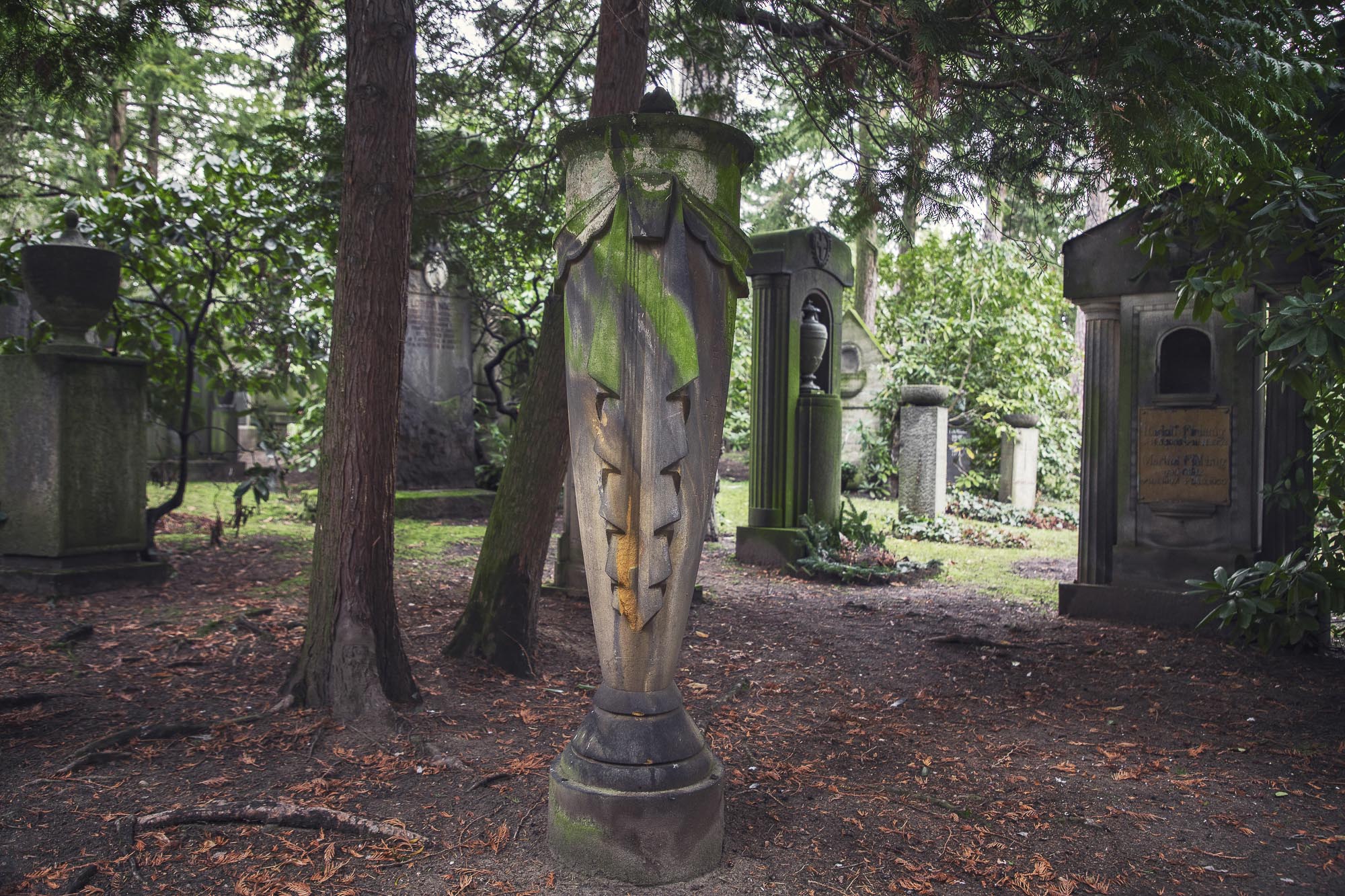
-
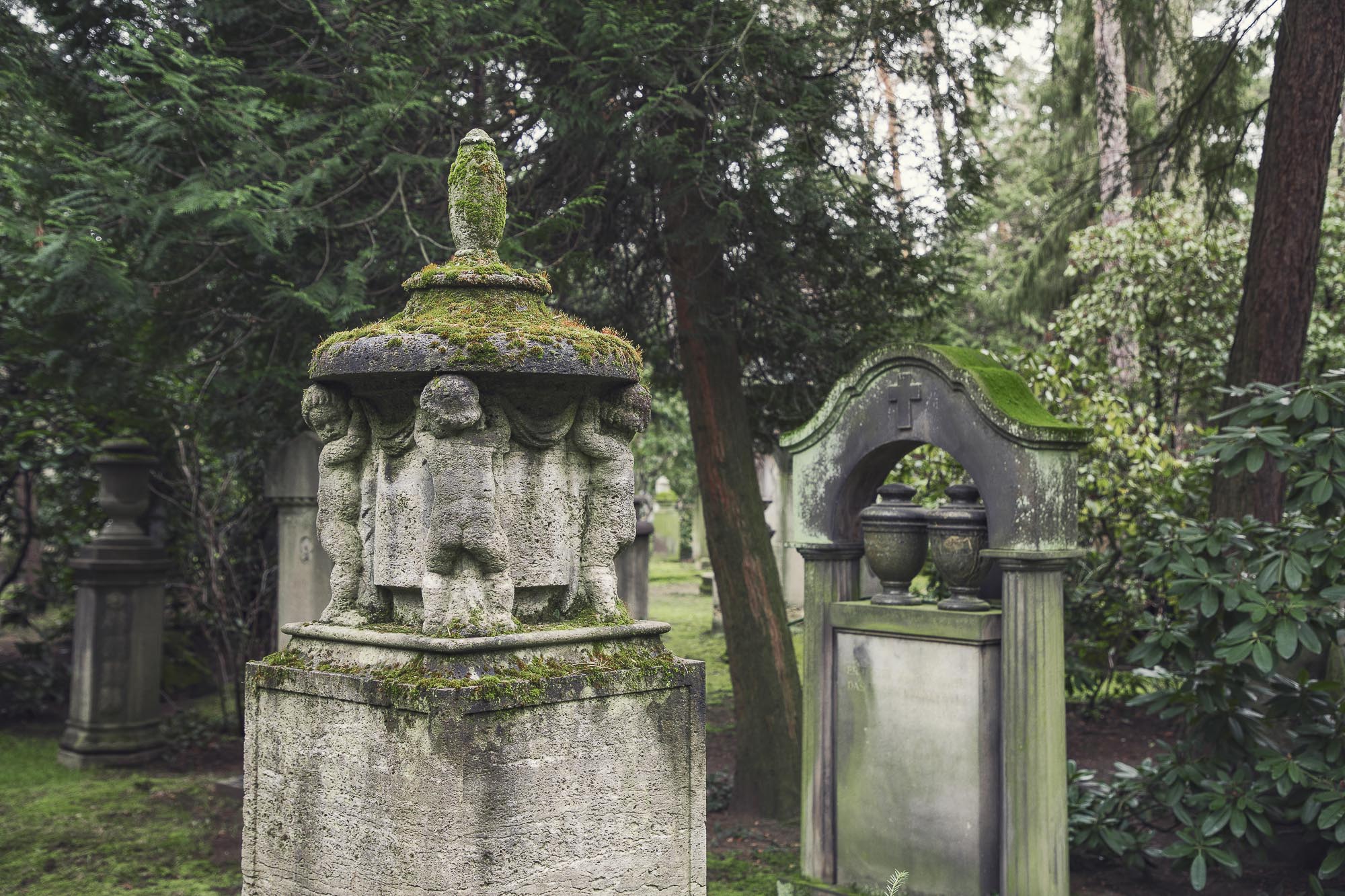
-
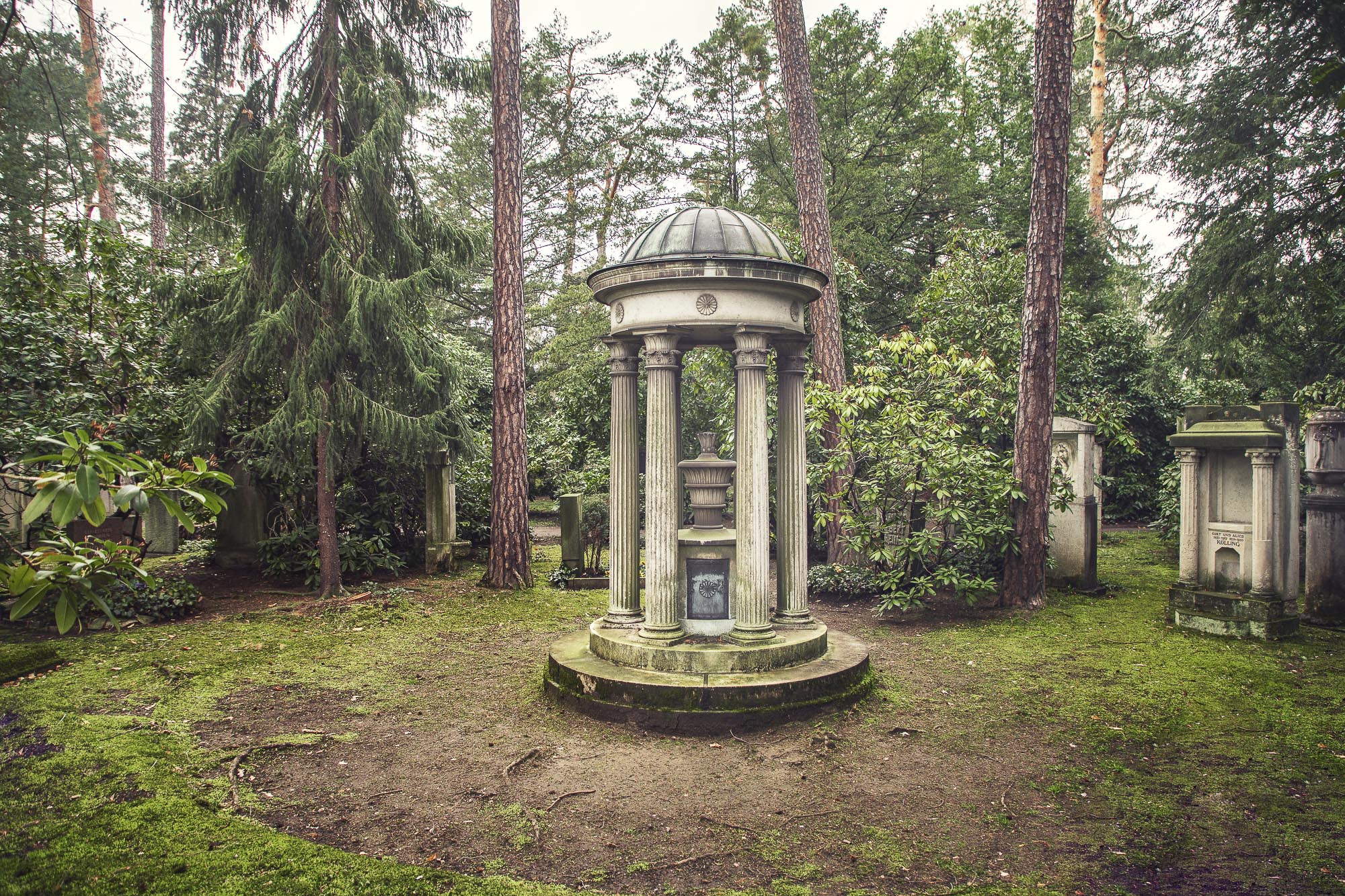
-

-
-
-

-

-
-
-
-
-
-
-
-
-
-
-

-
-
-
-
-

-
-
-
-
-
-
-
-
-
-
-
-

-
-
-
-
-

-
About this place
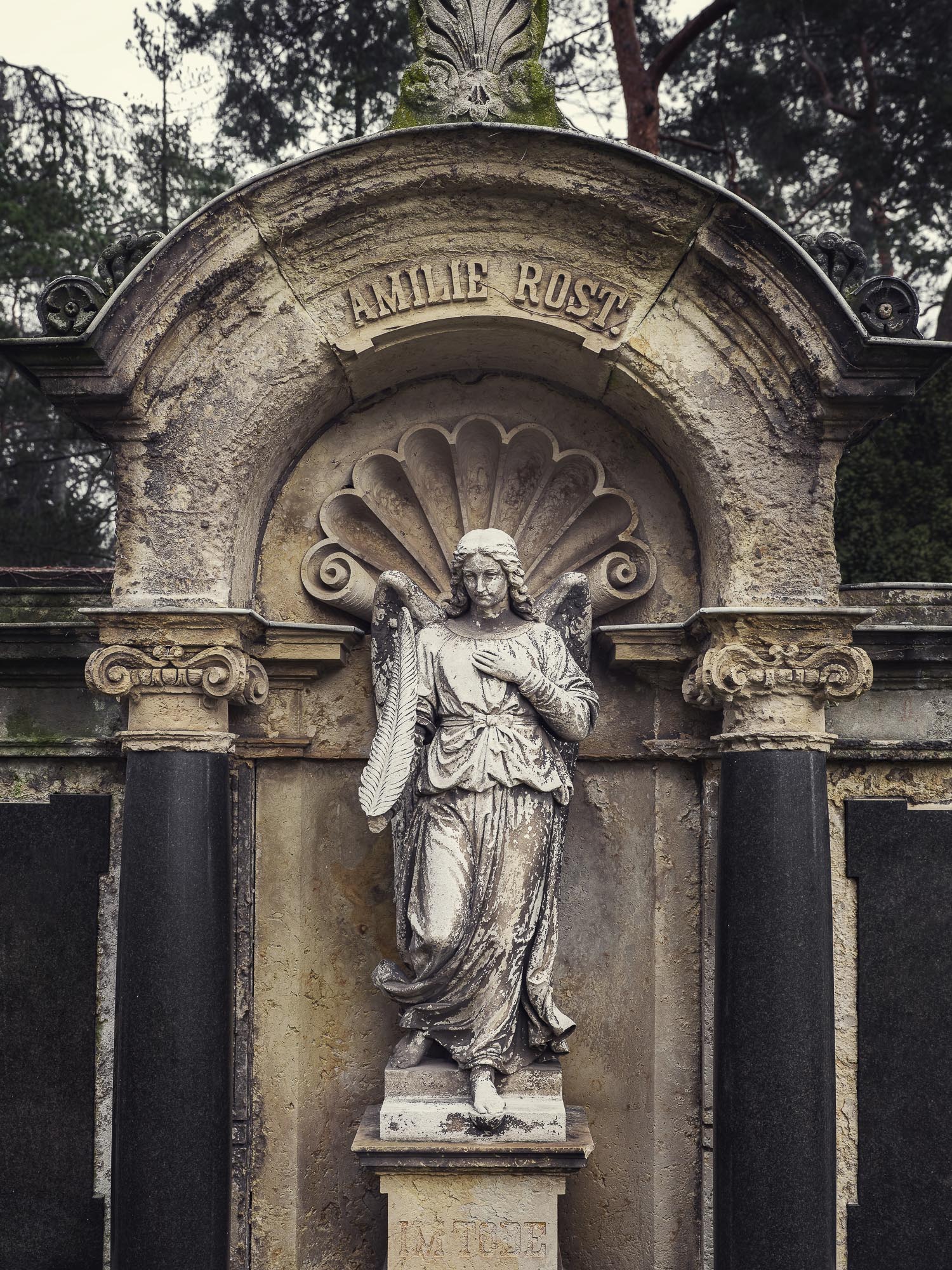
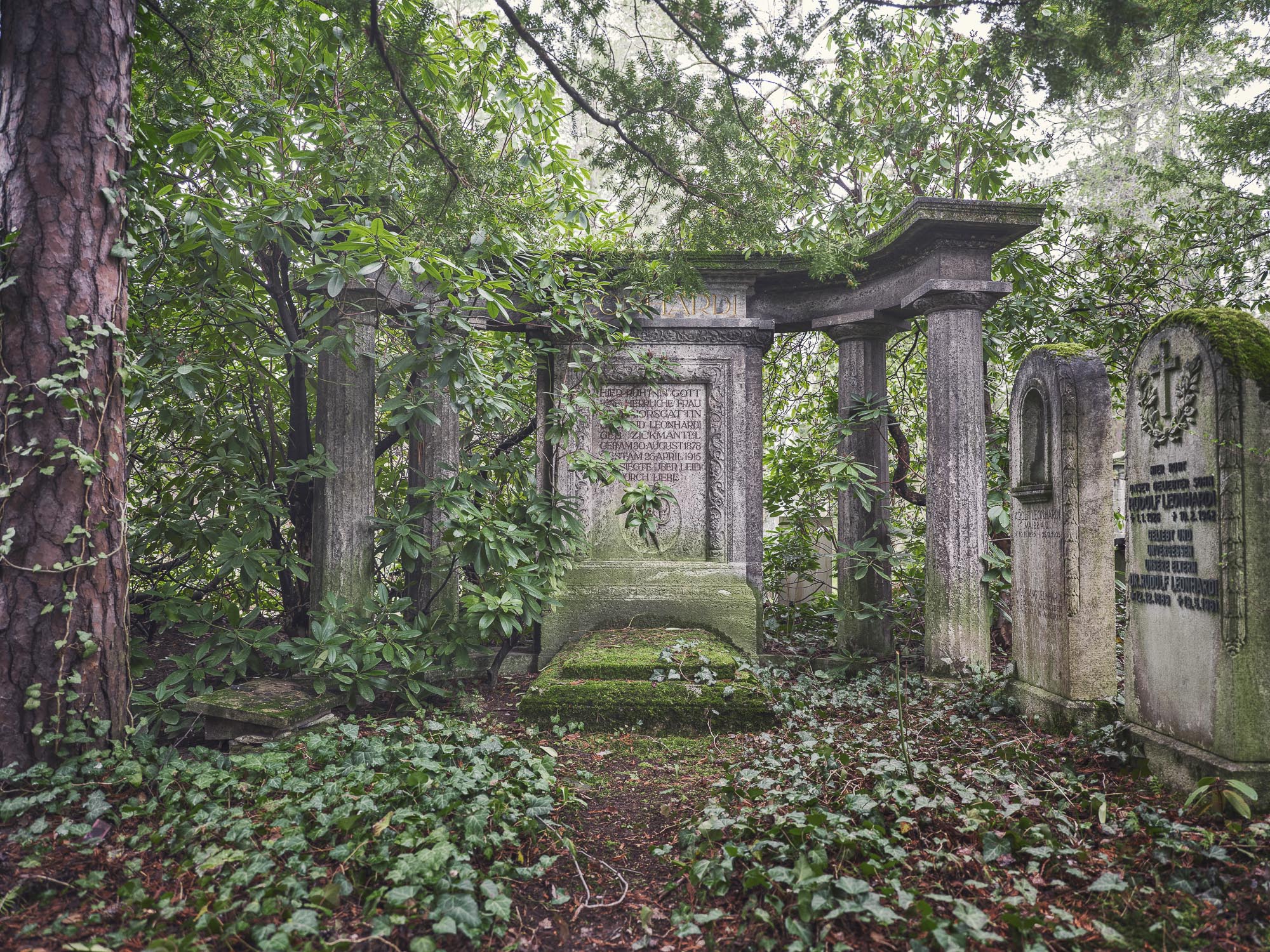
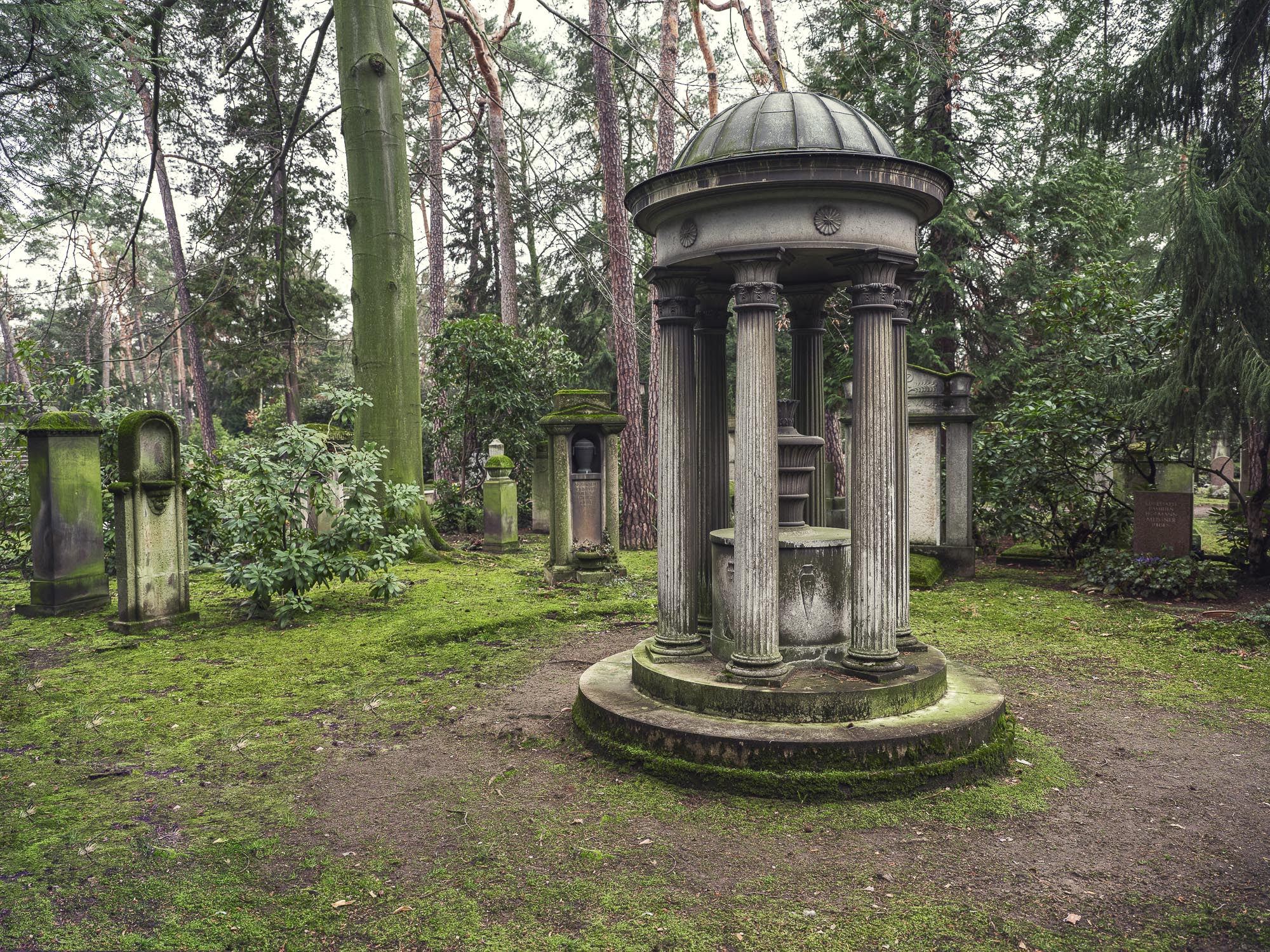
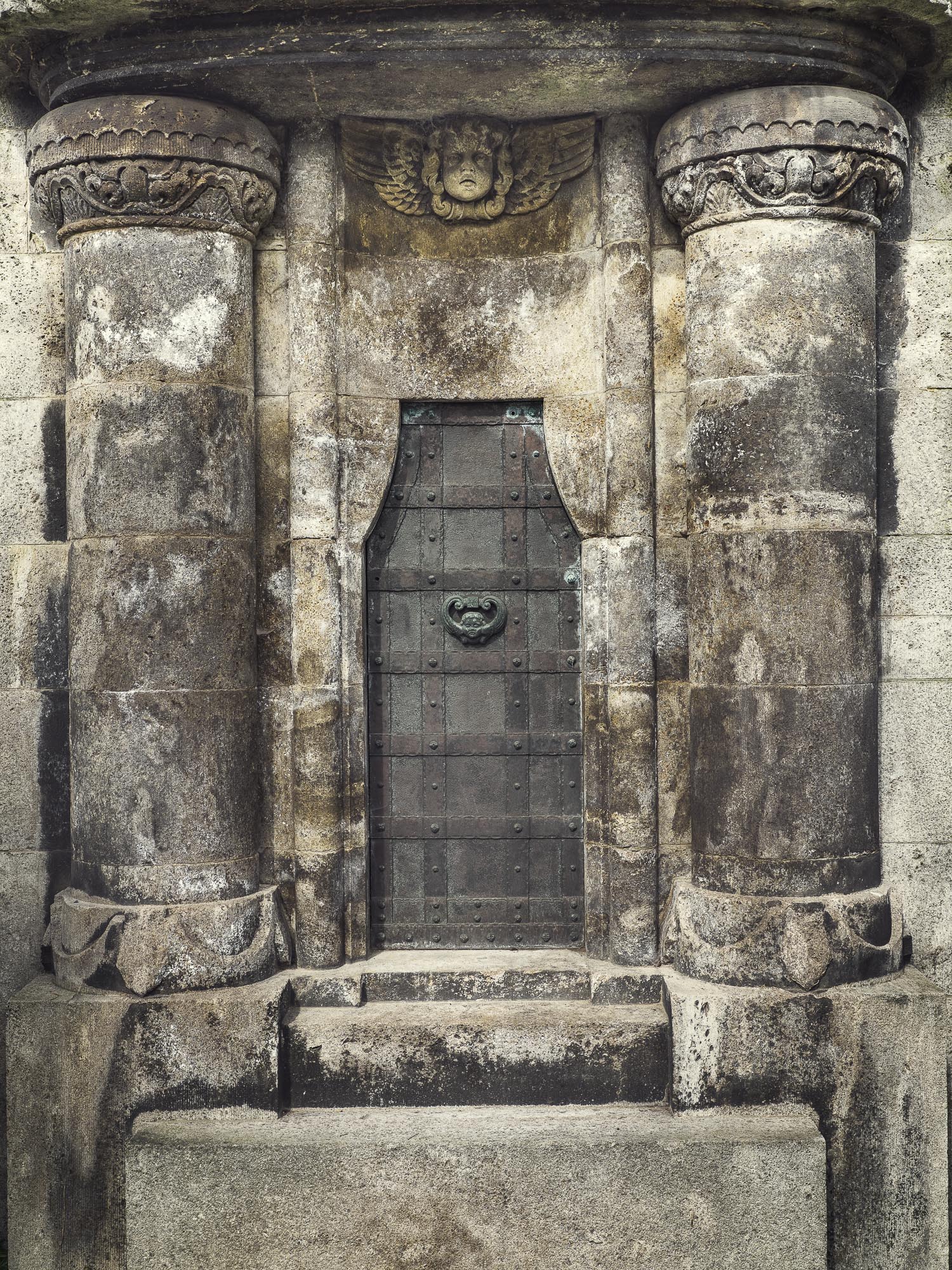
The name recalls an older Johannisfriedhof outside the Pirna Gate, which was given up in the nineteenth century. The Protestant church bought wooded land in Tolkewitz in 1875, and after the inauguration in 1881 the first burial took place on 17 July 1881. The most important building is the chapel completed in 1894 by Paul Wallot, the architect of the Reichstag building in Berlin. It consists of a domed hall for funeral services and two mortuary halls, built of granodiorite and Elbe sandstone.
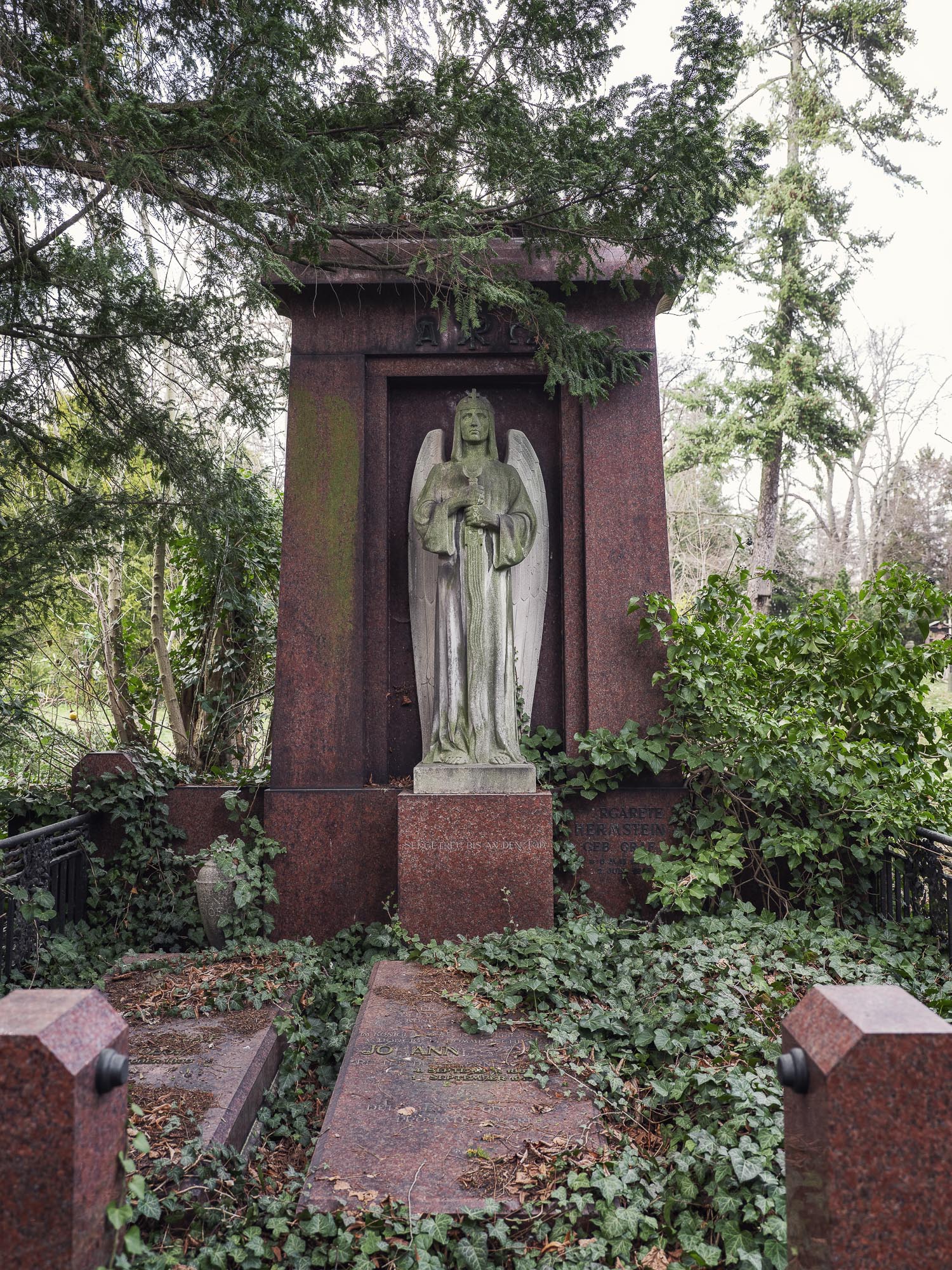
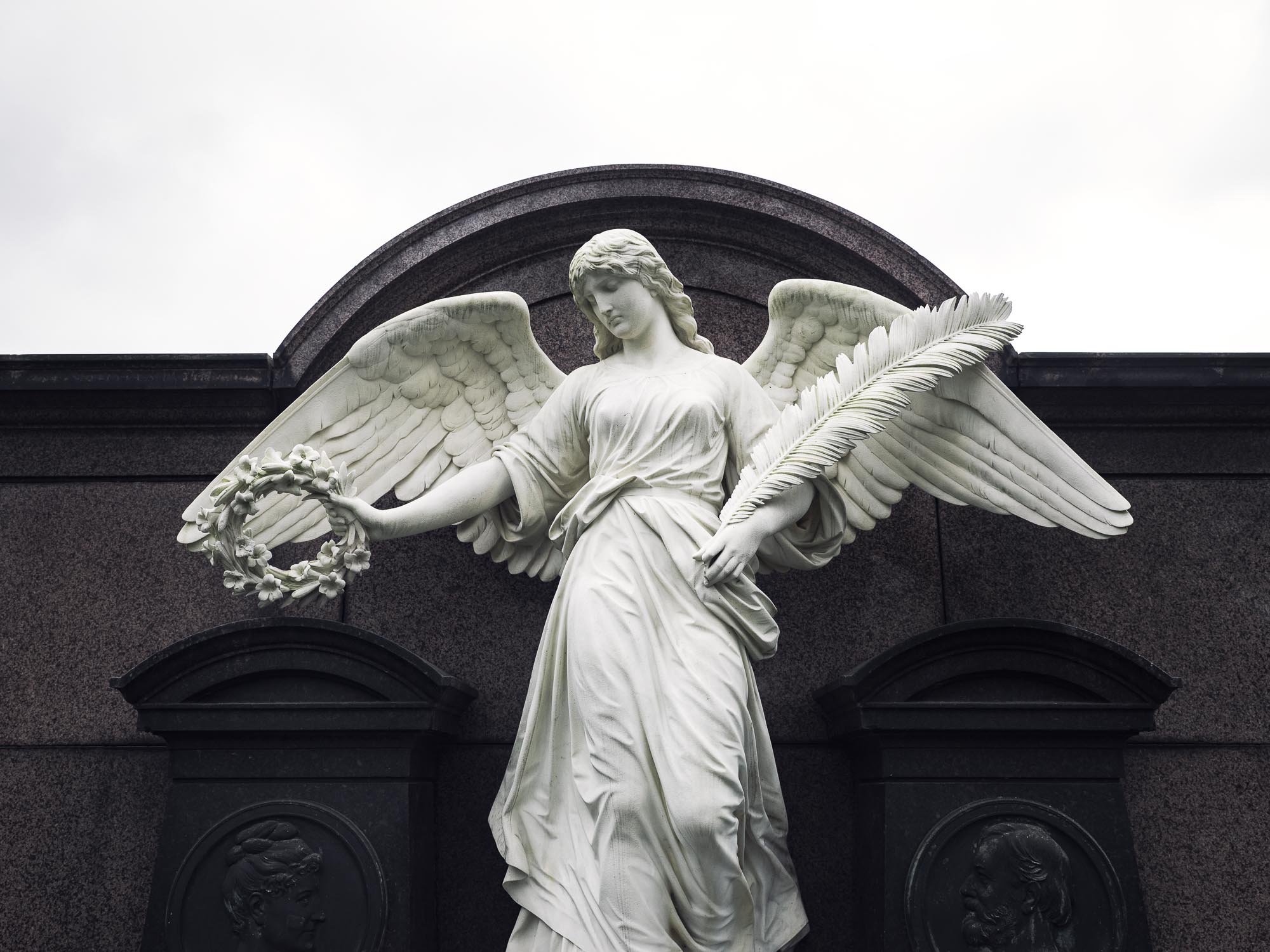
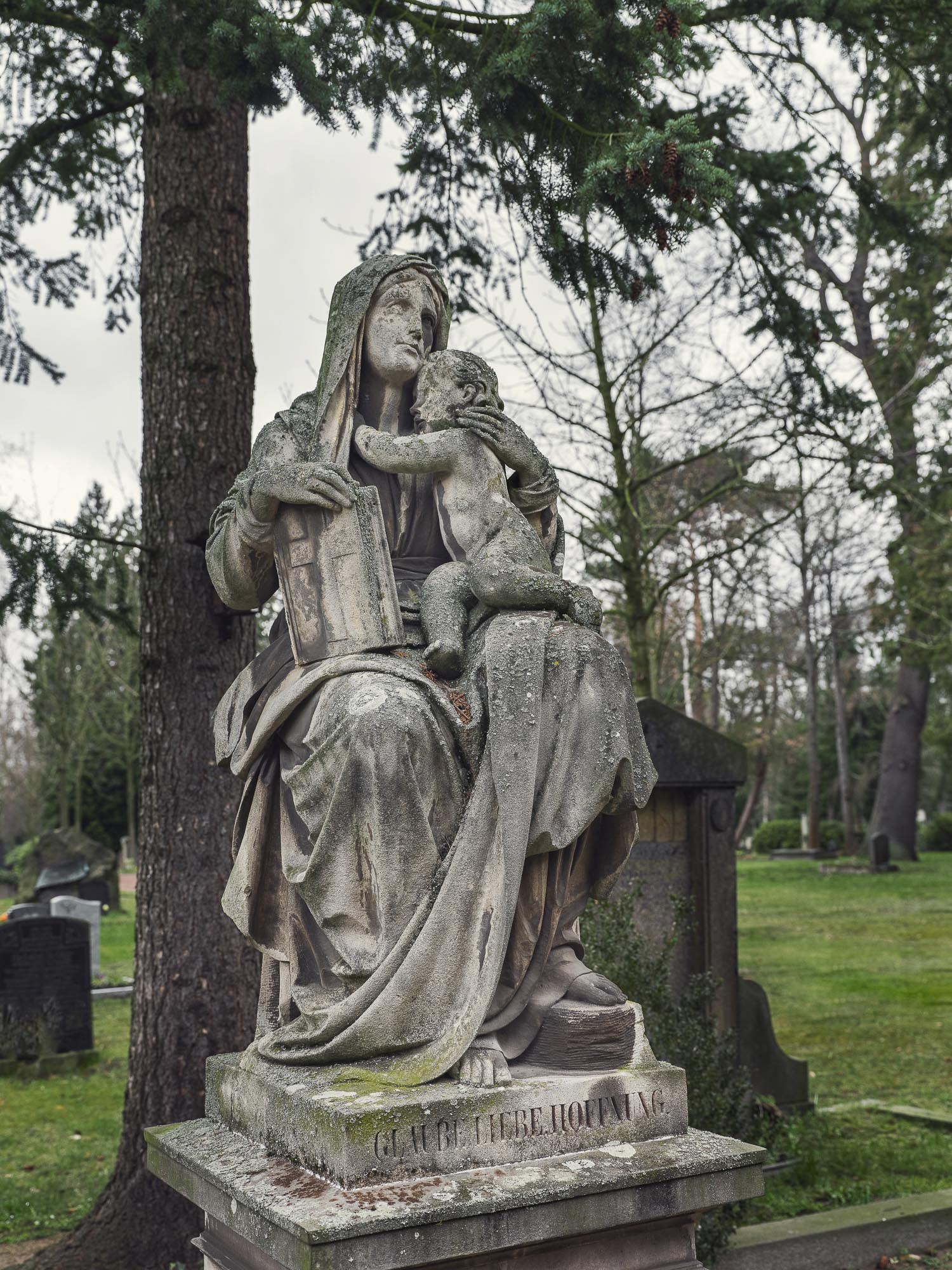
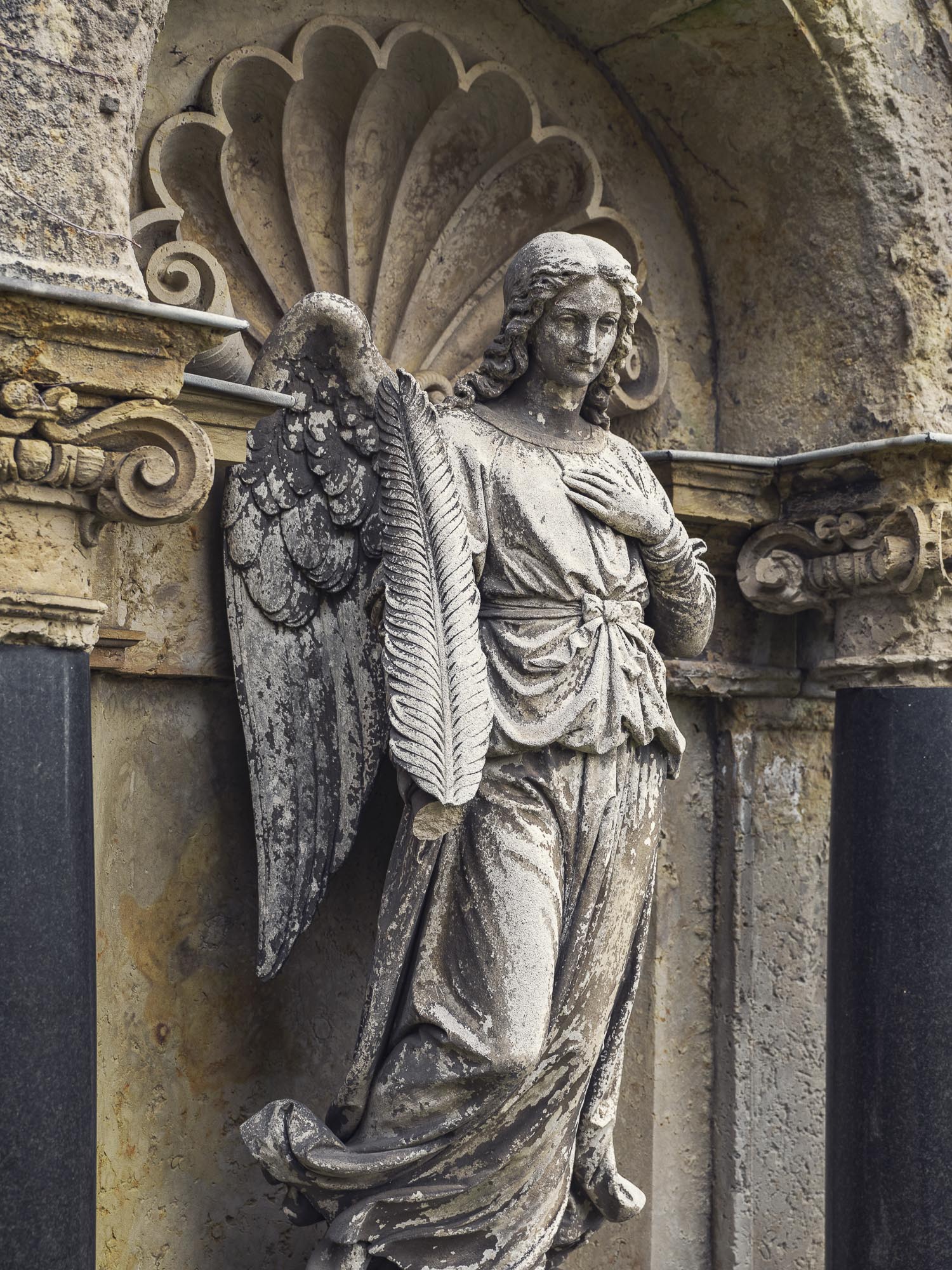
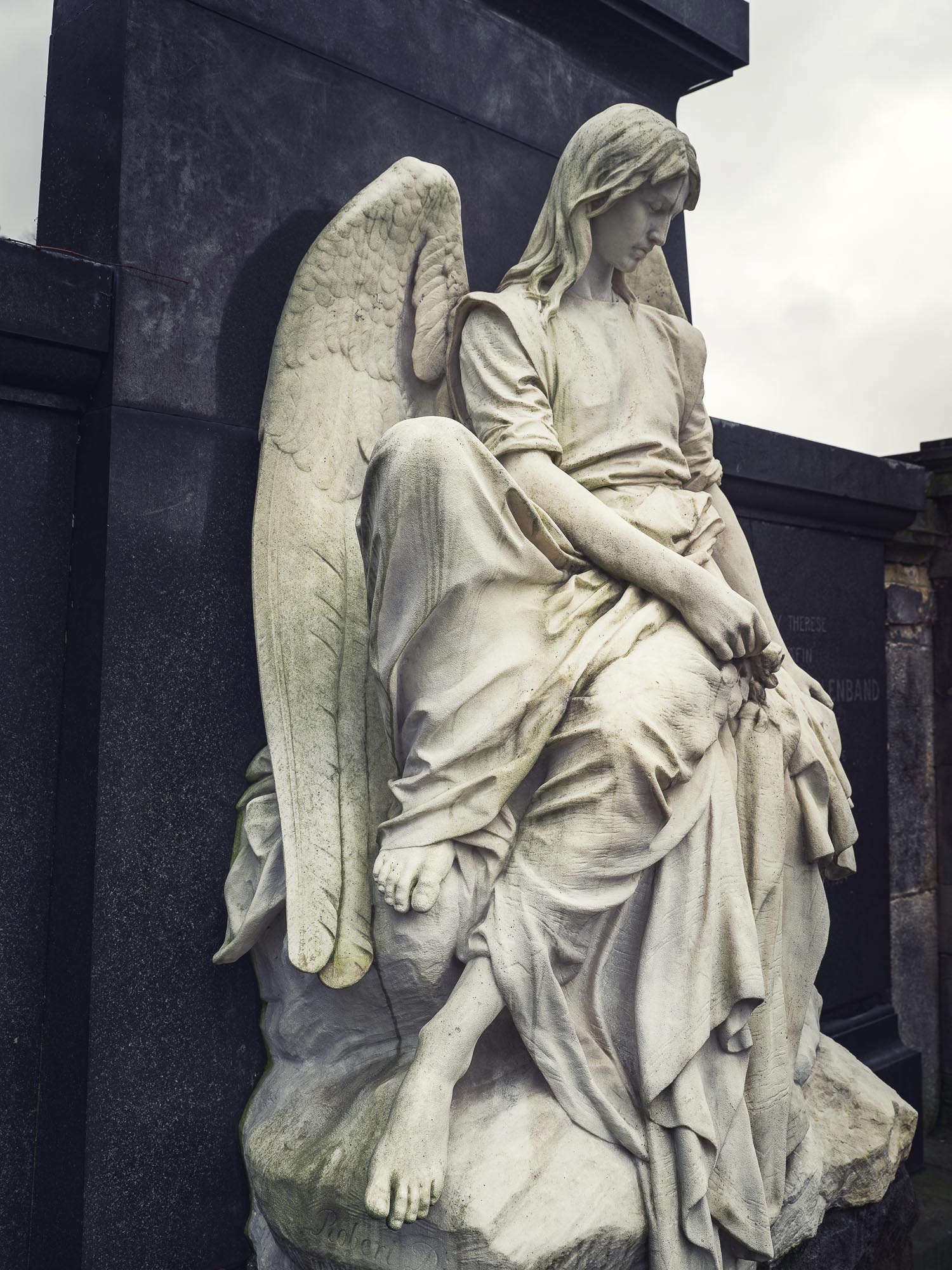
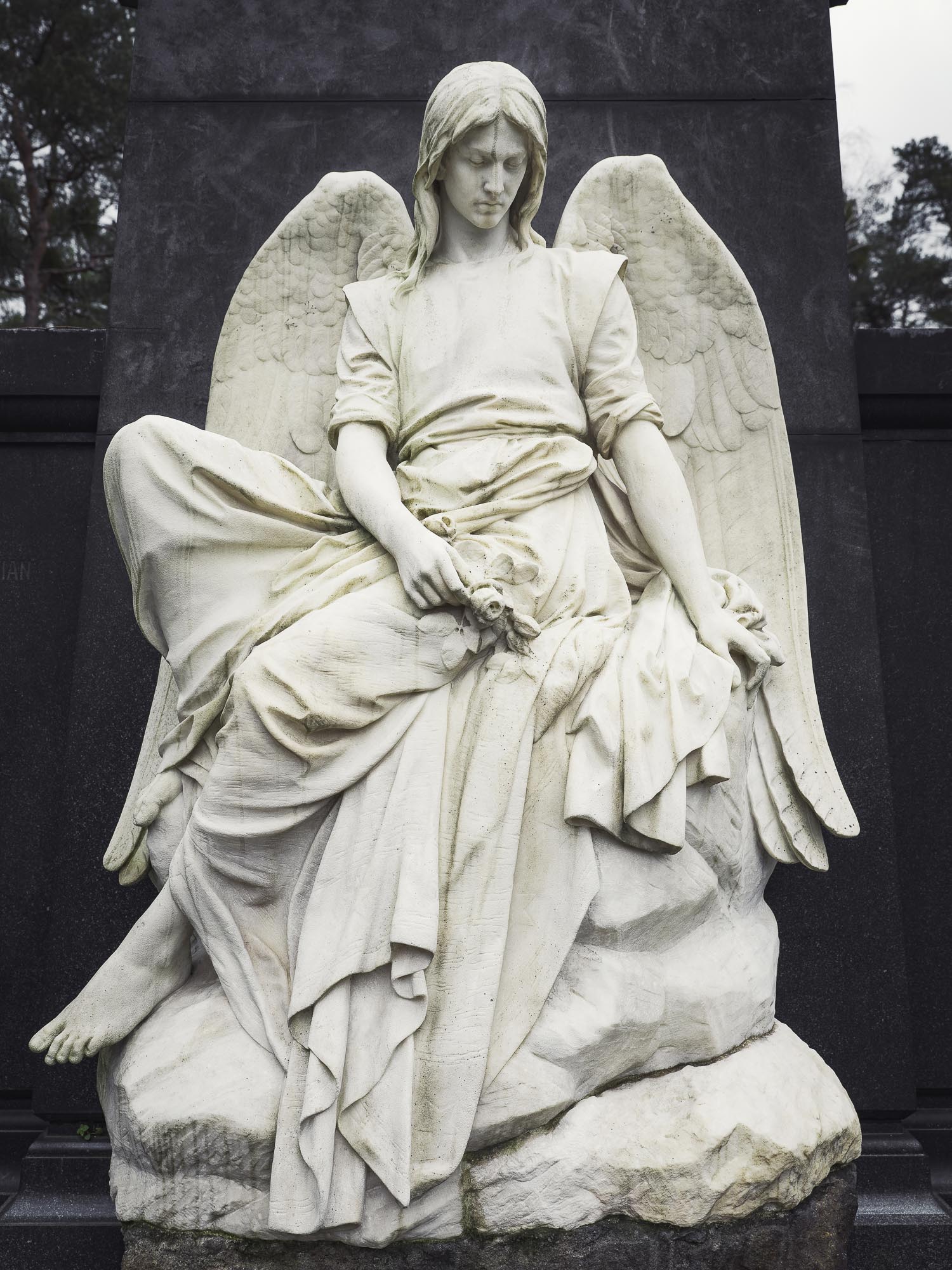
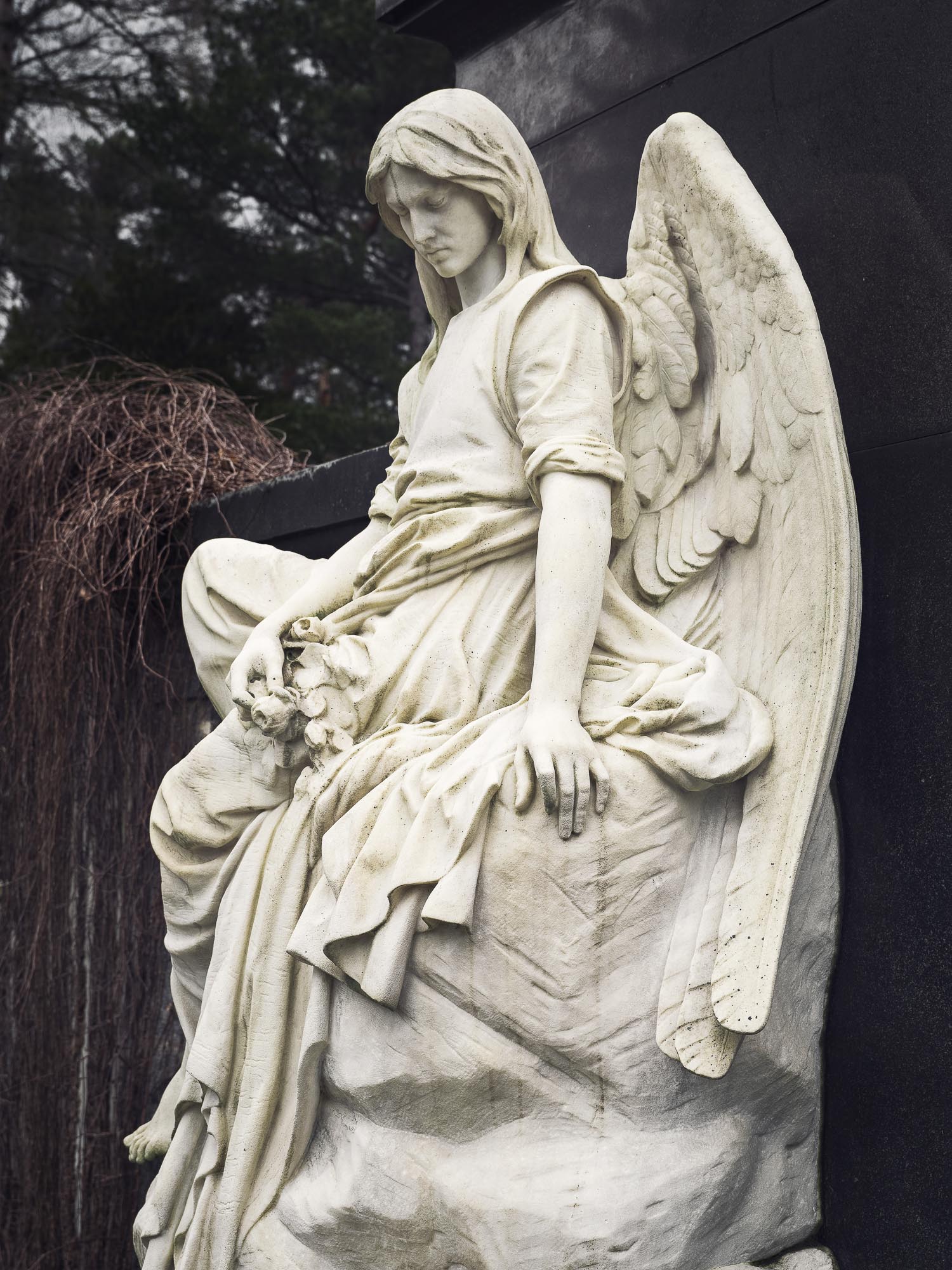
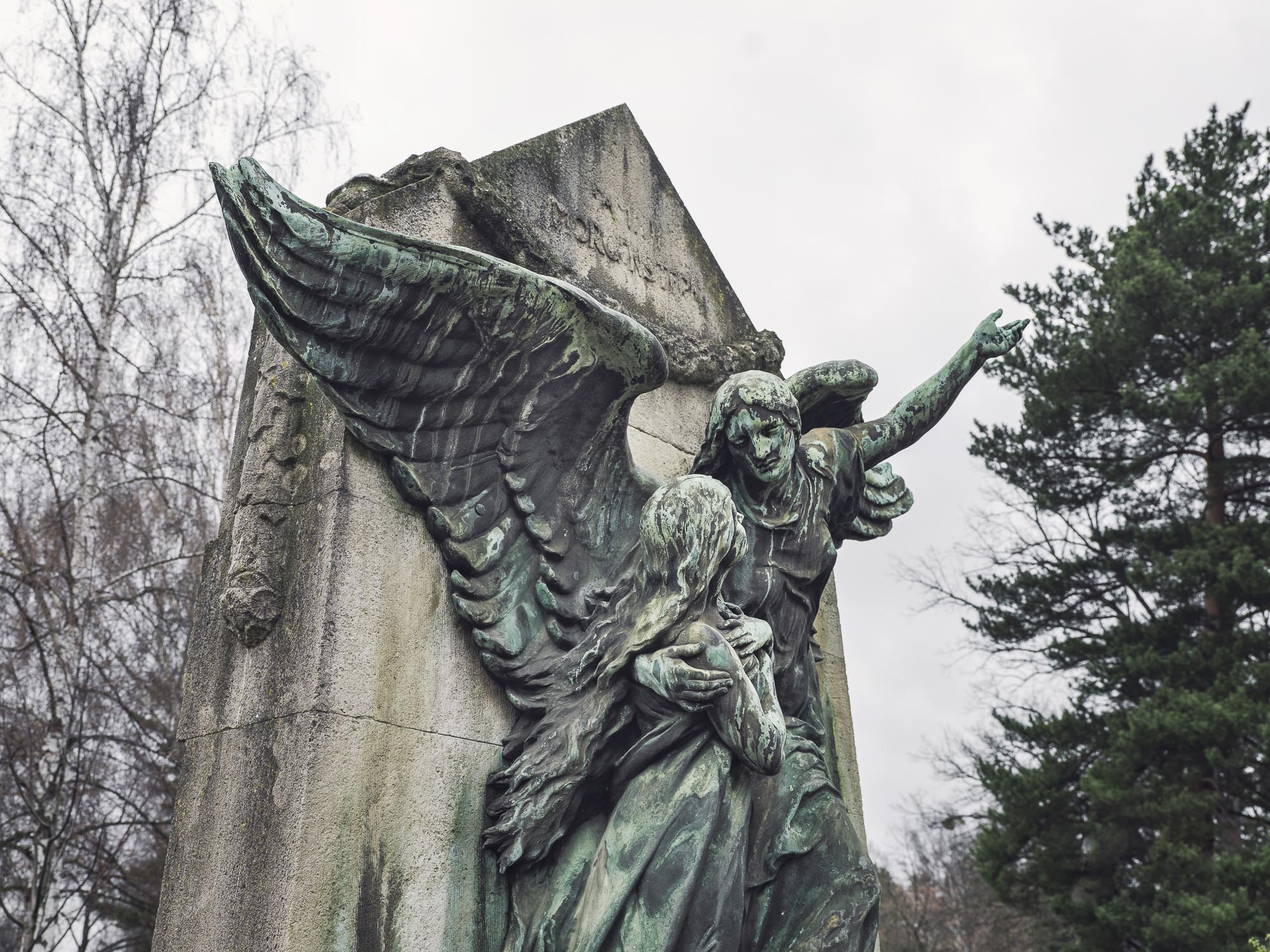
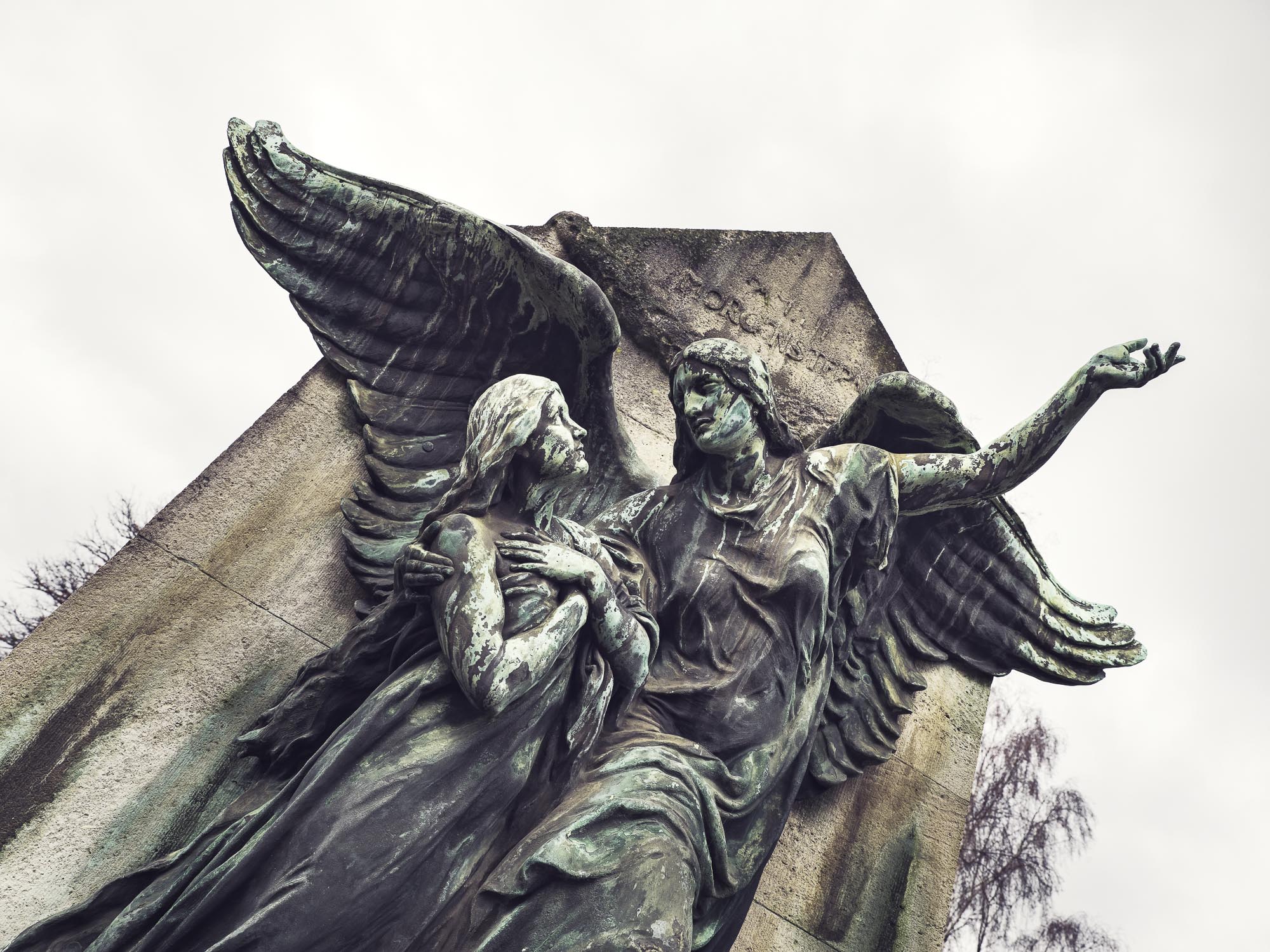
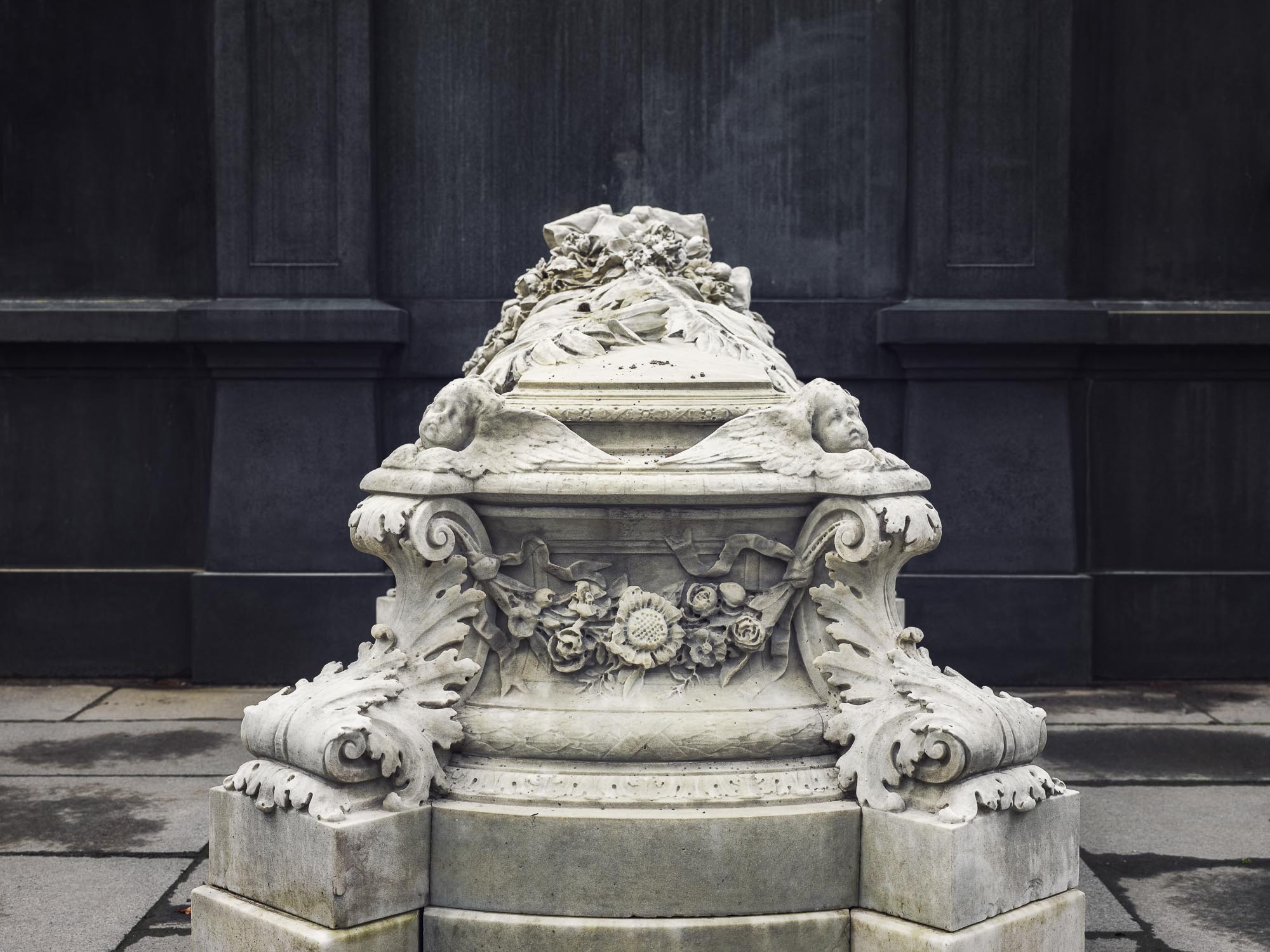
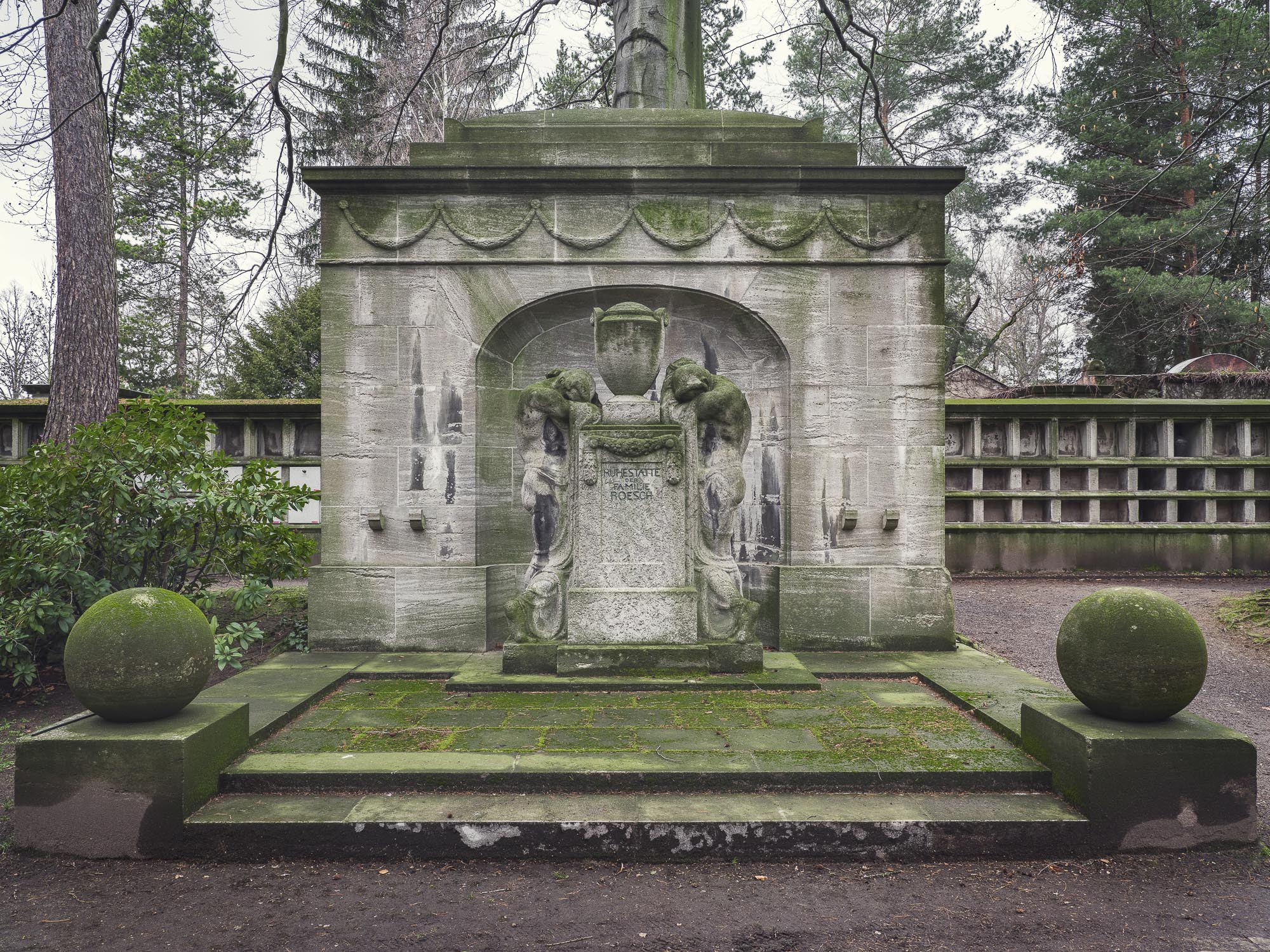
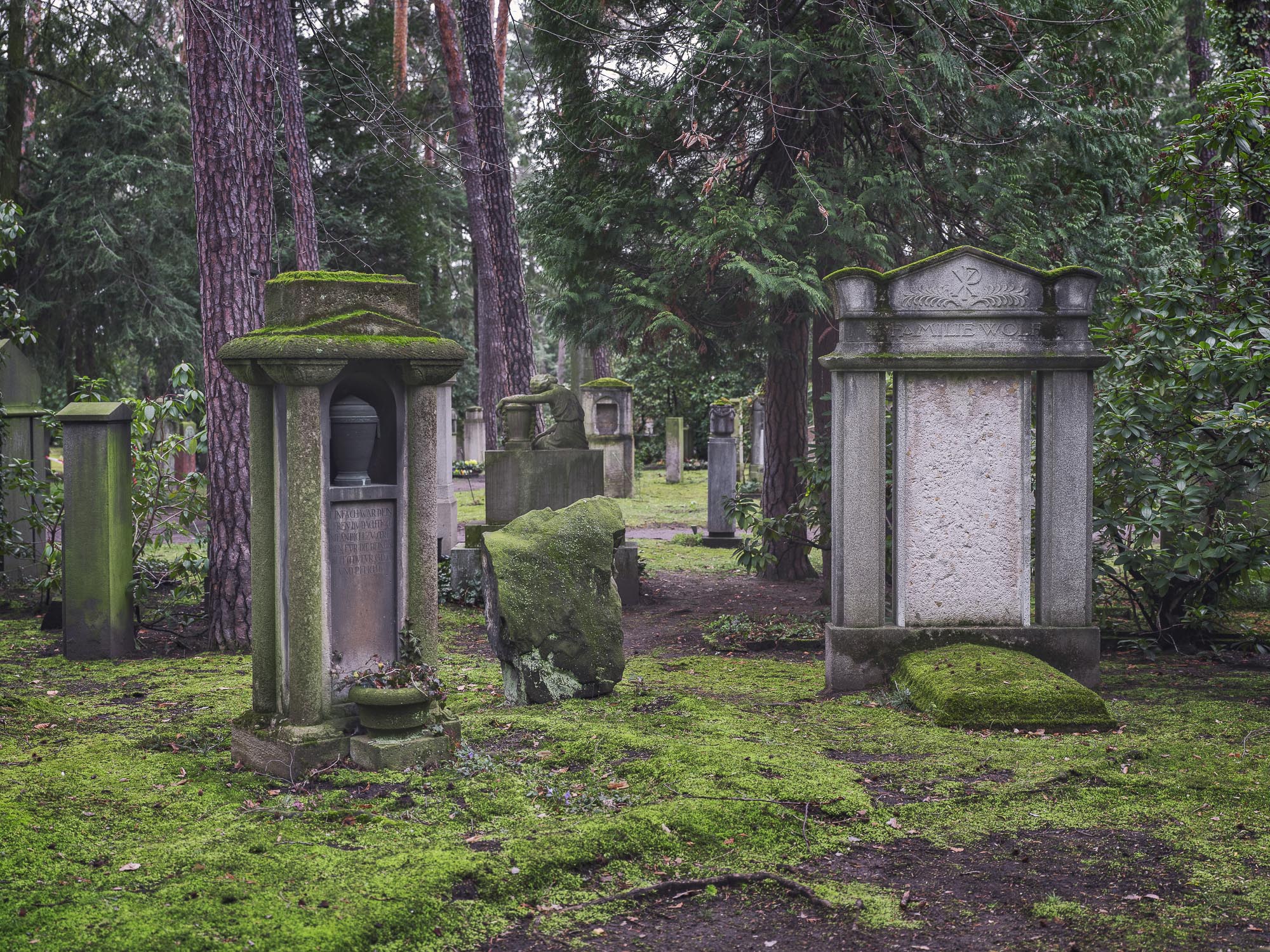
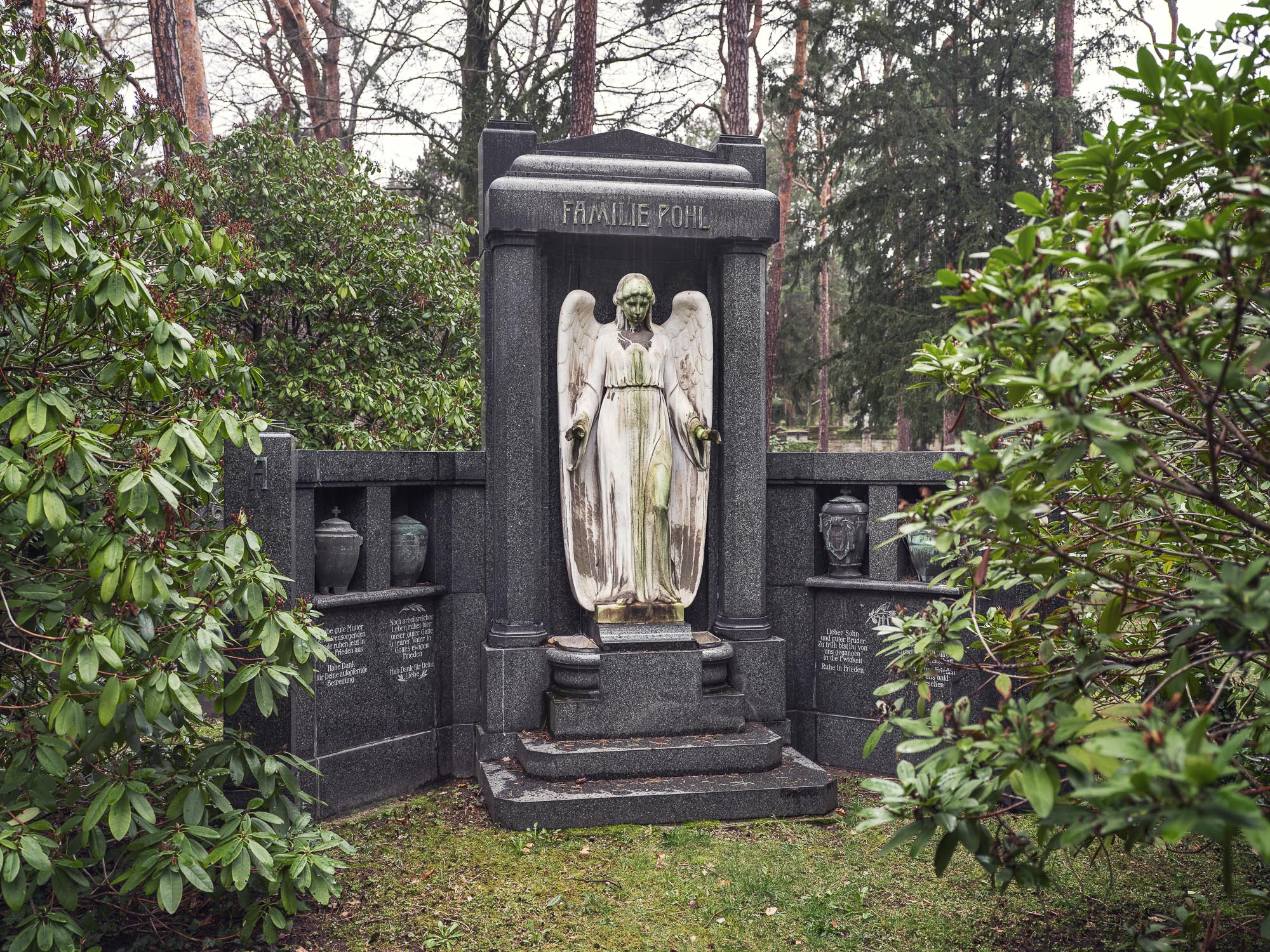
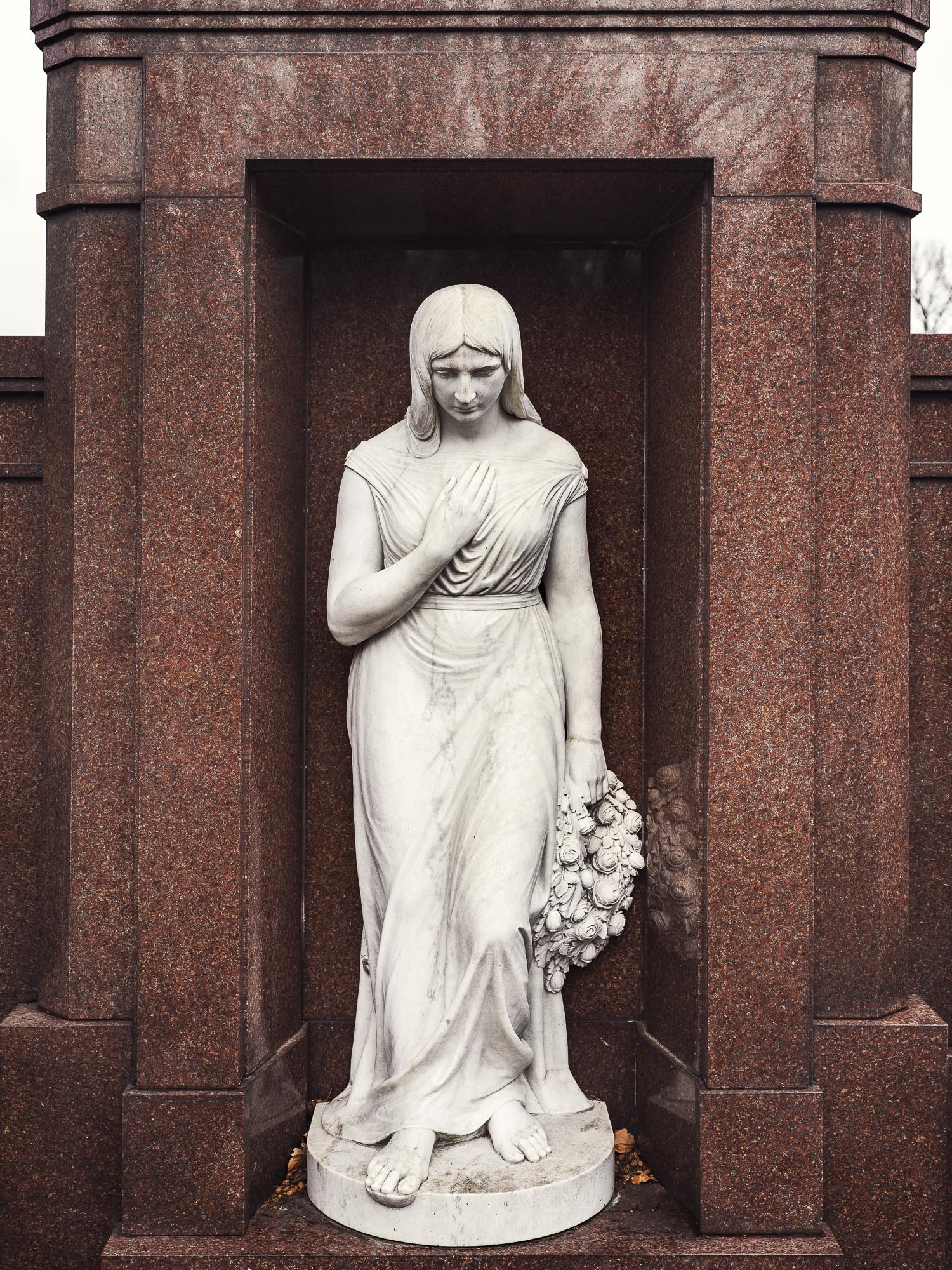
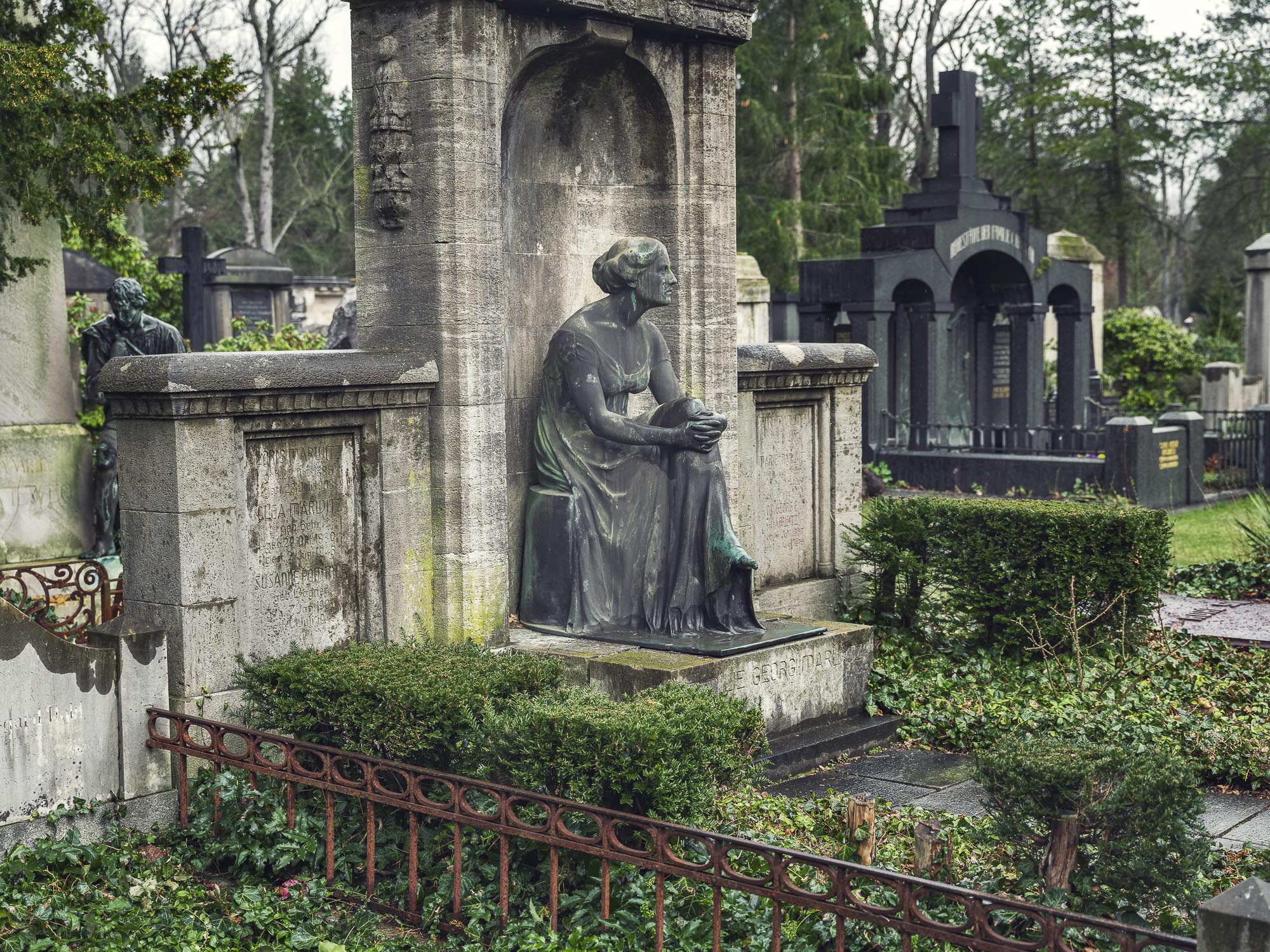
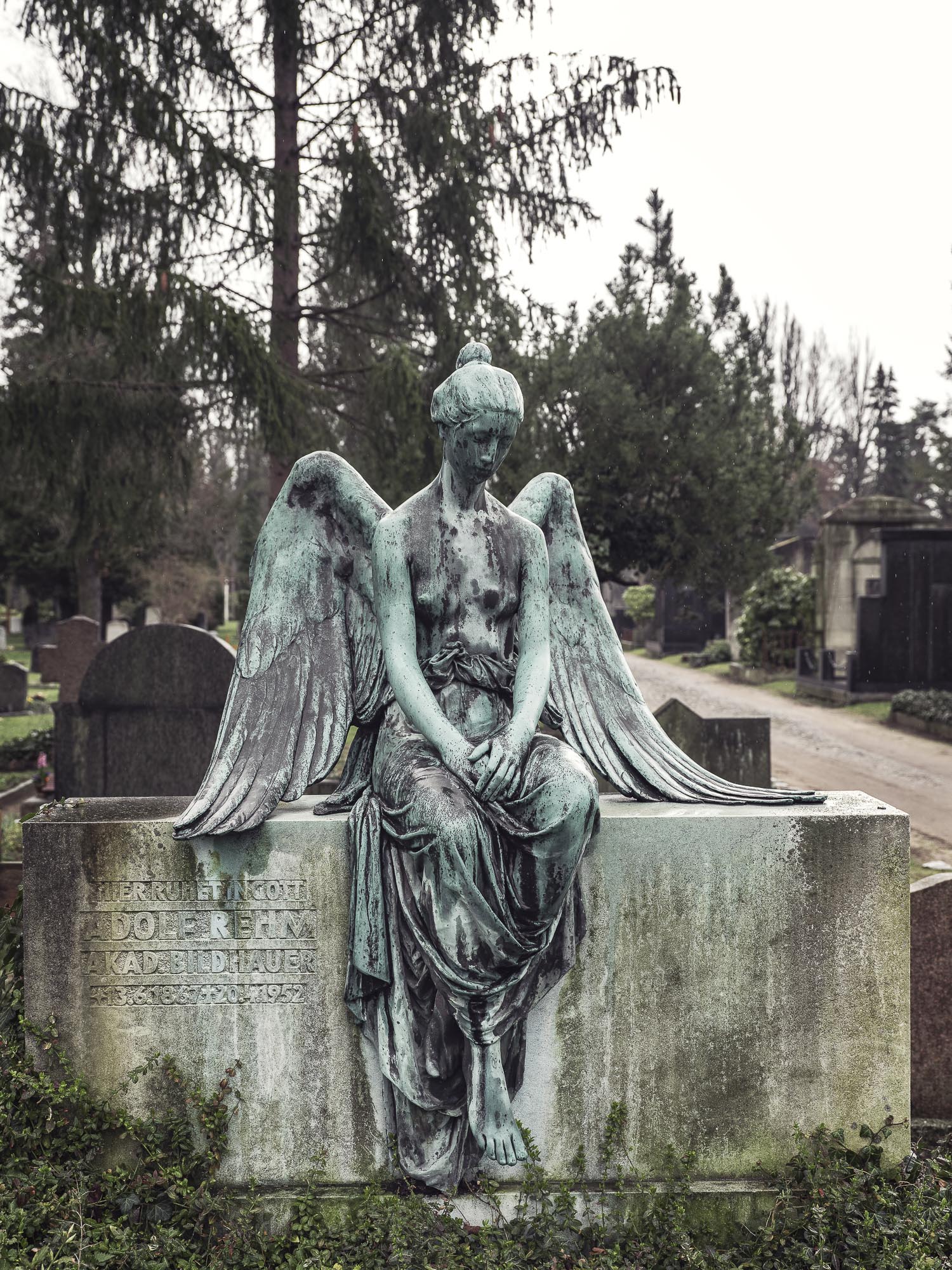
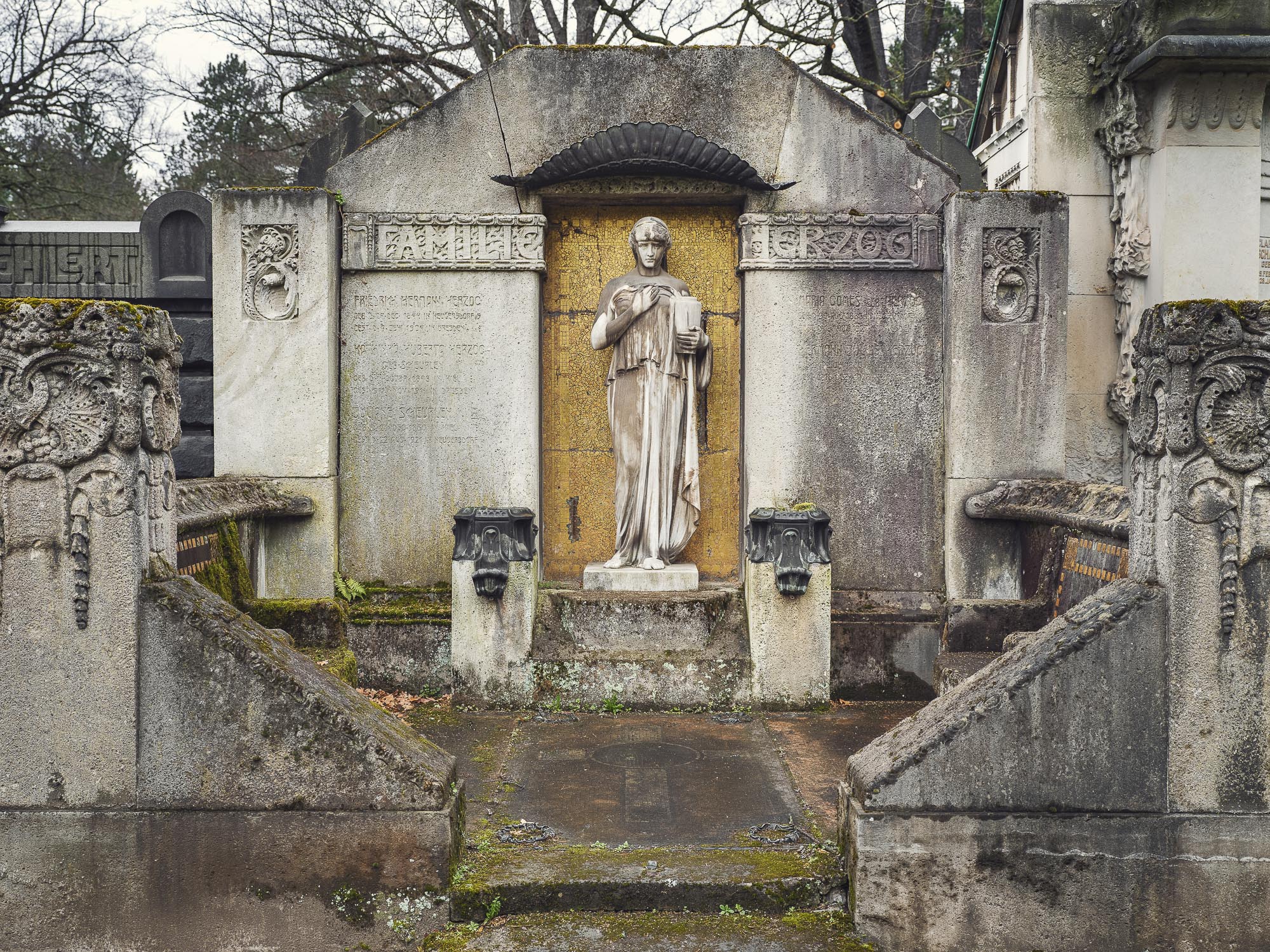
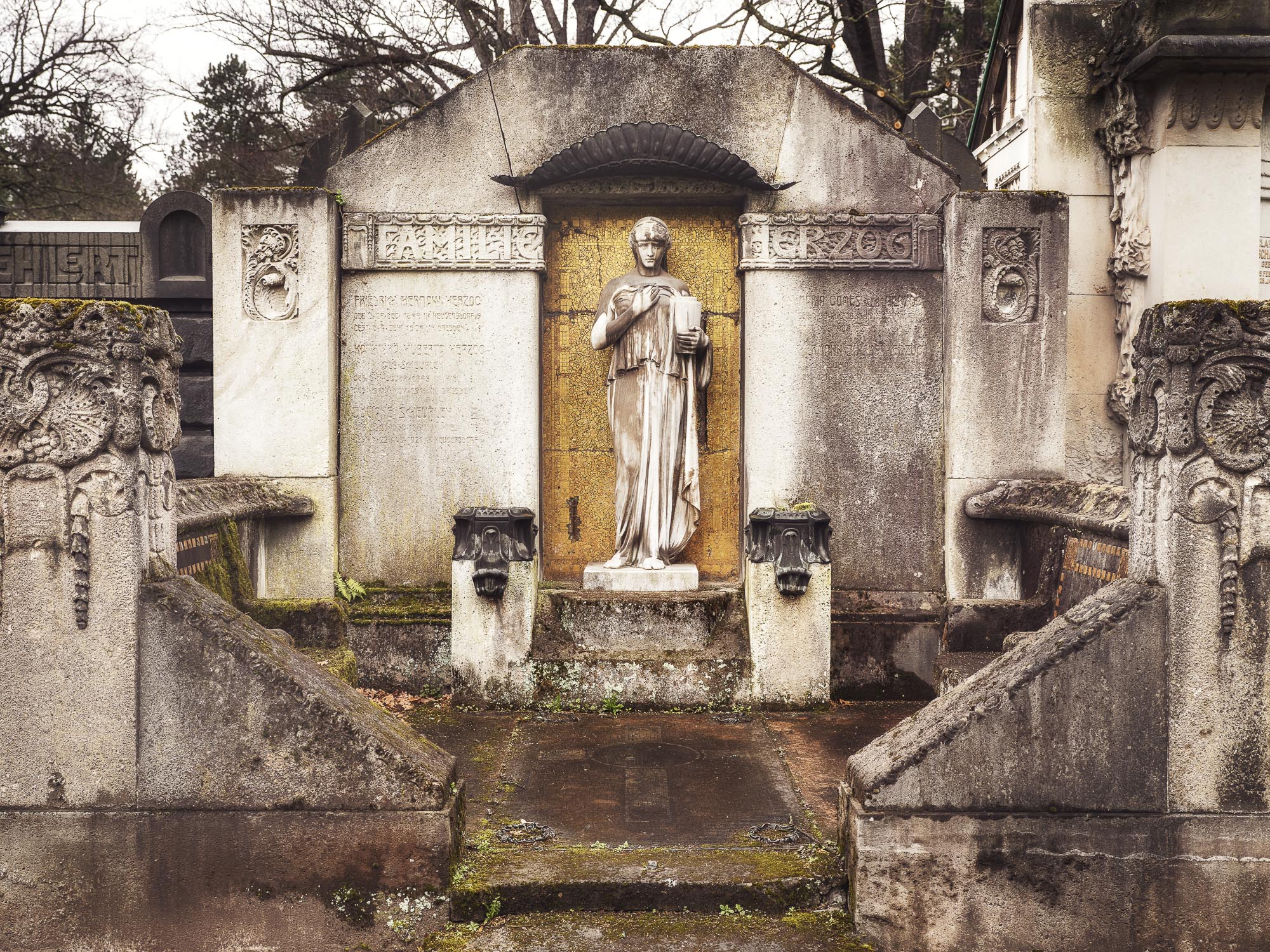
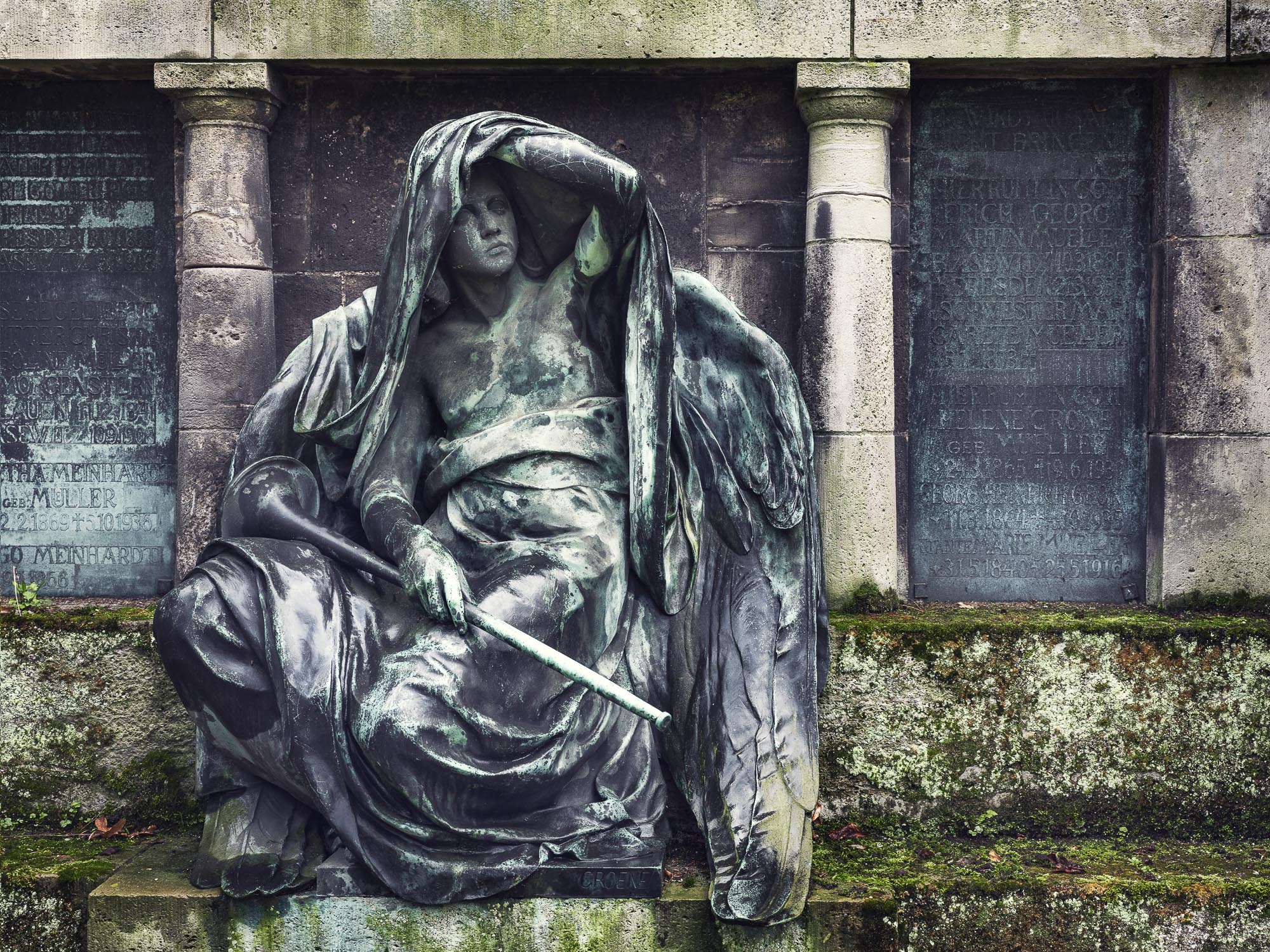
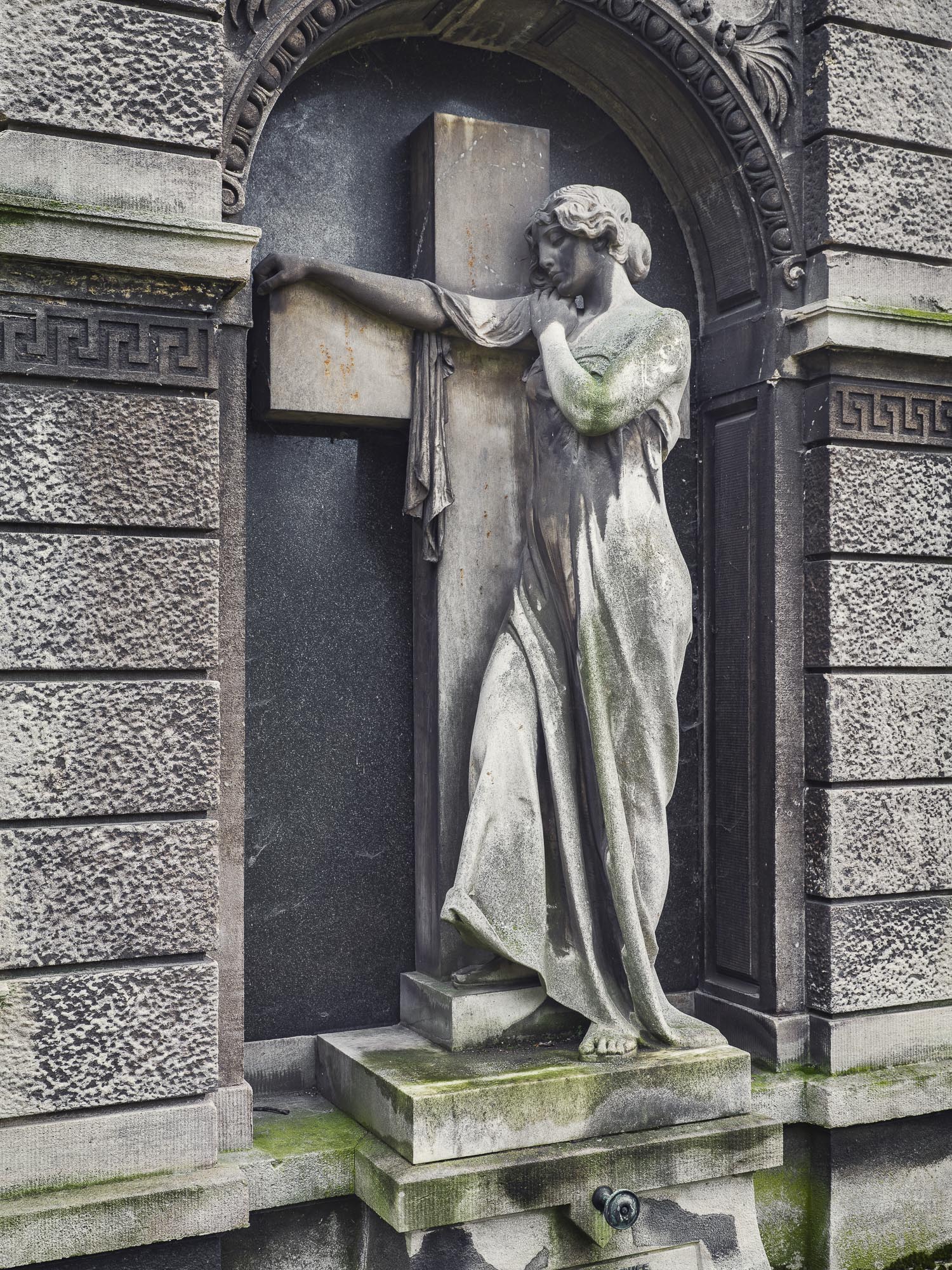
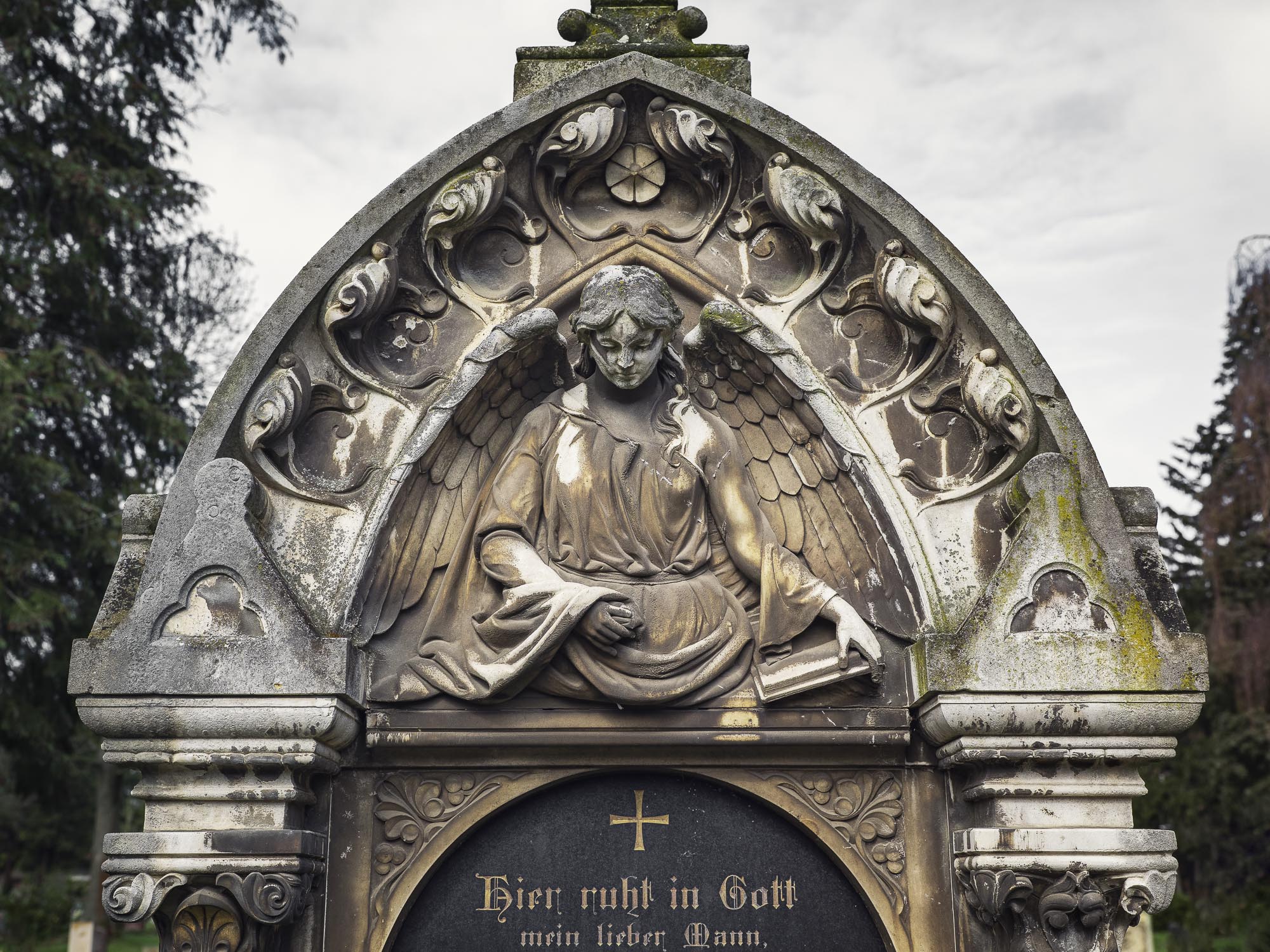
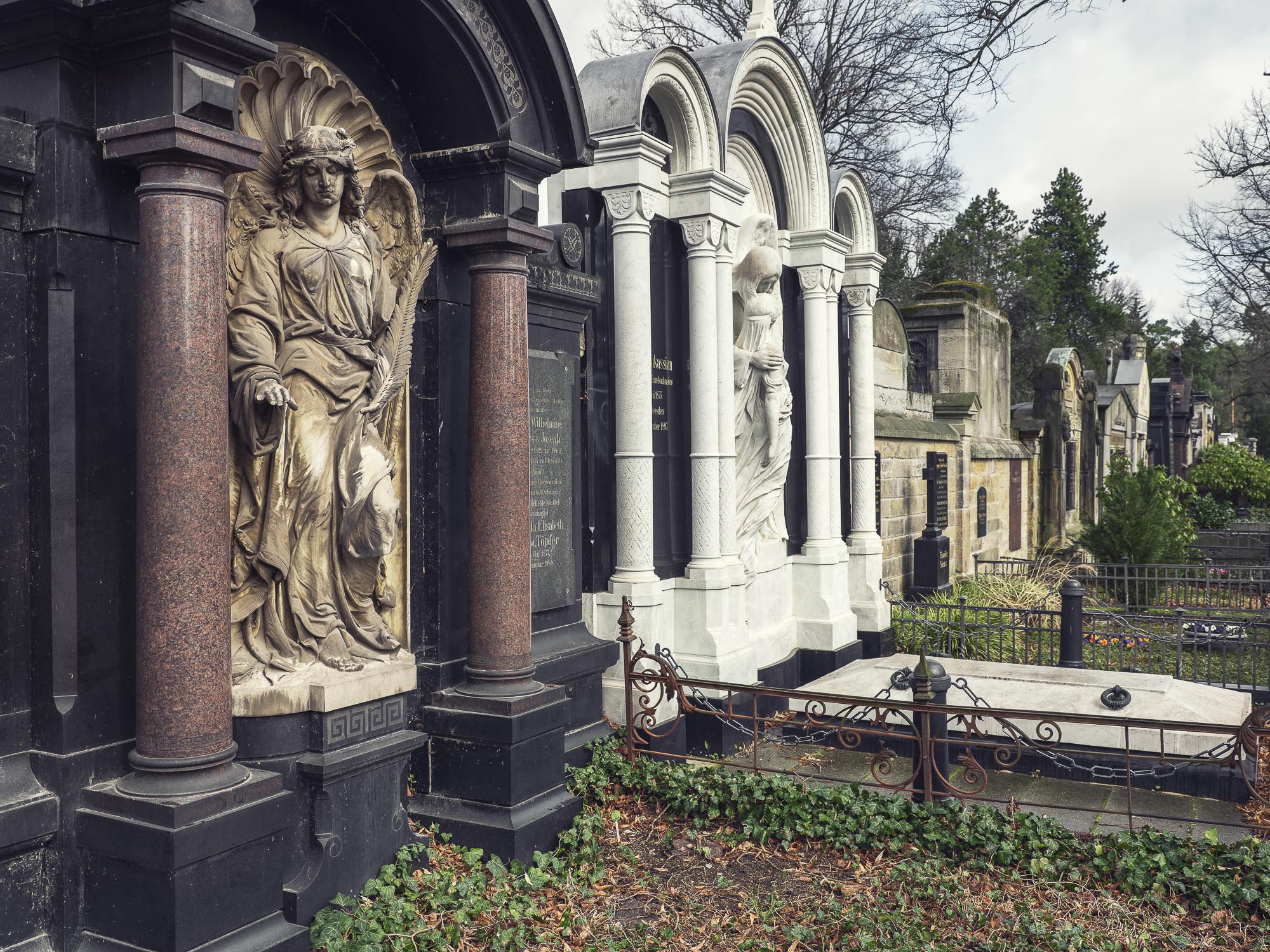
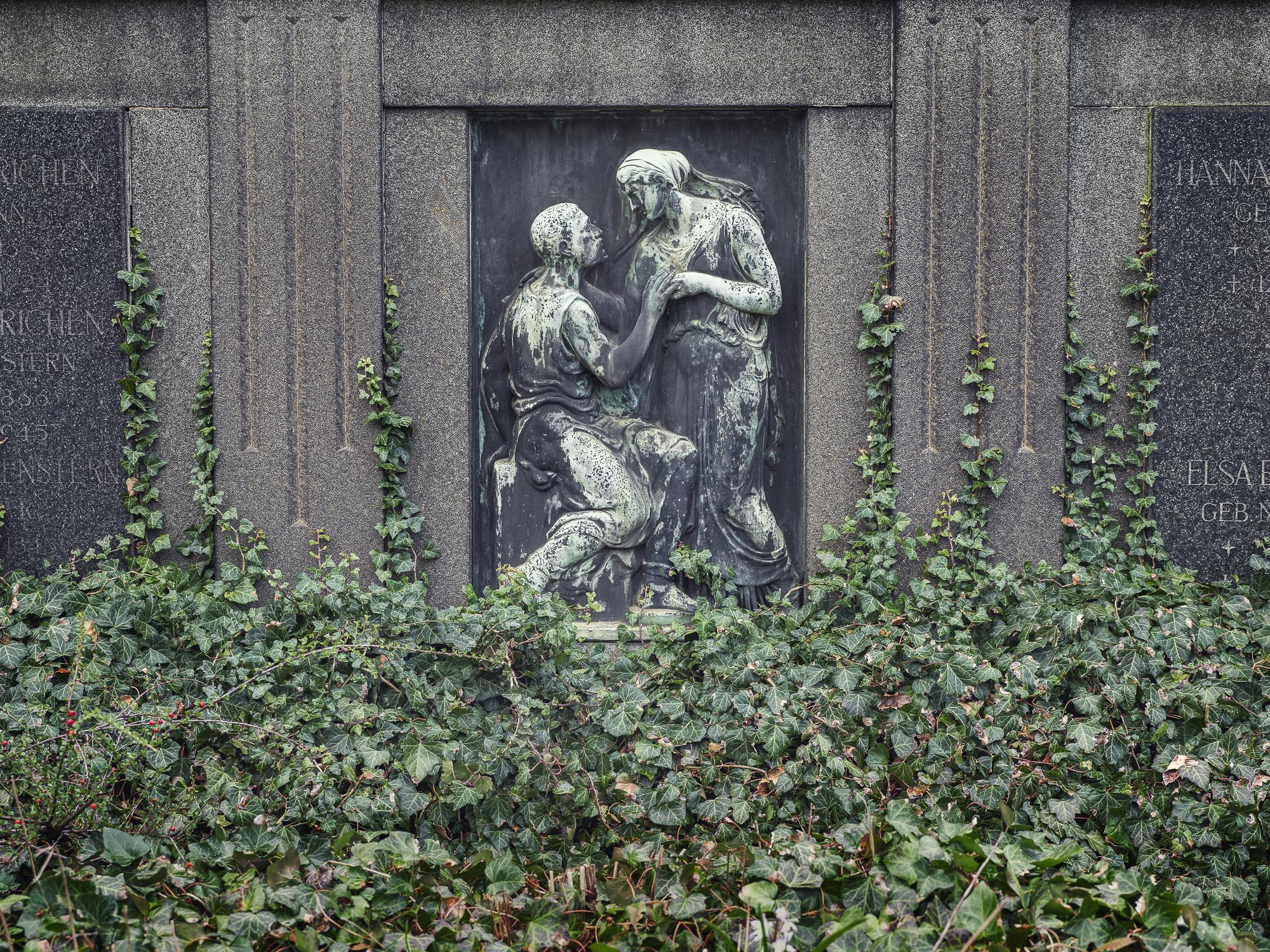
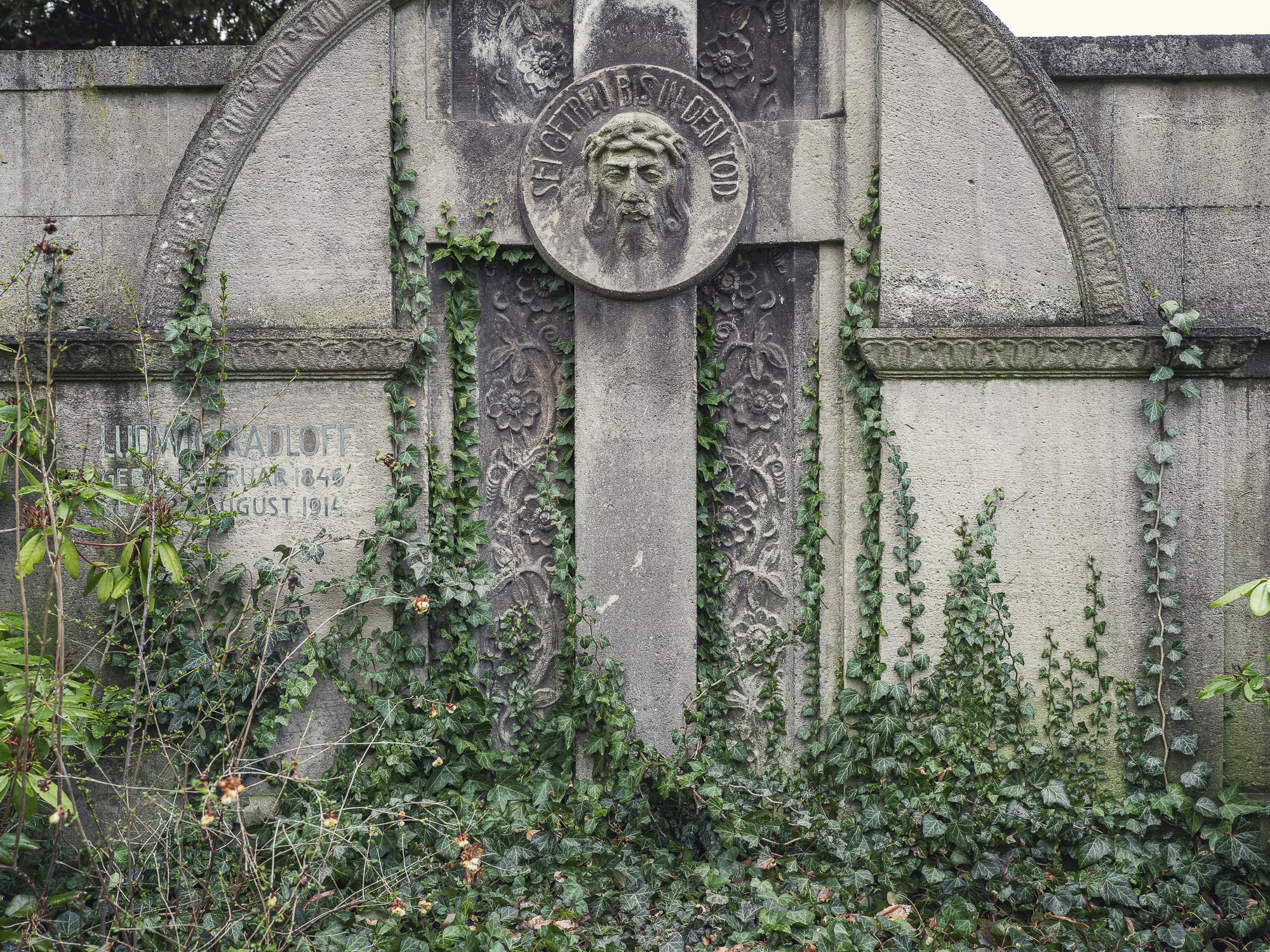
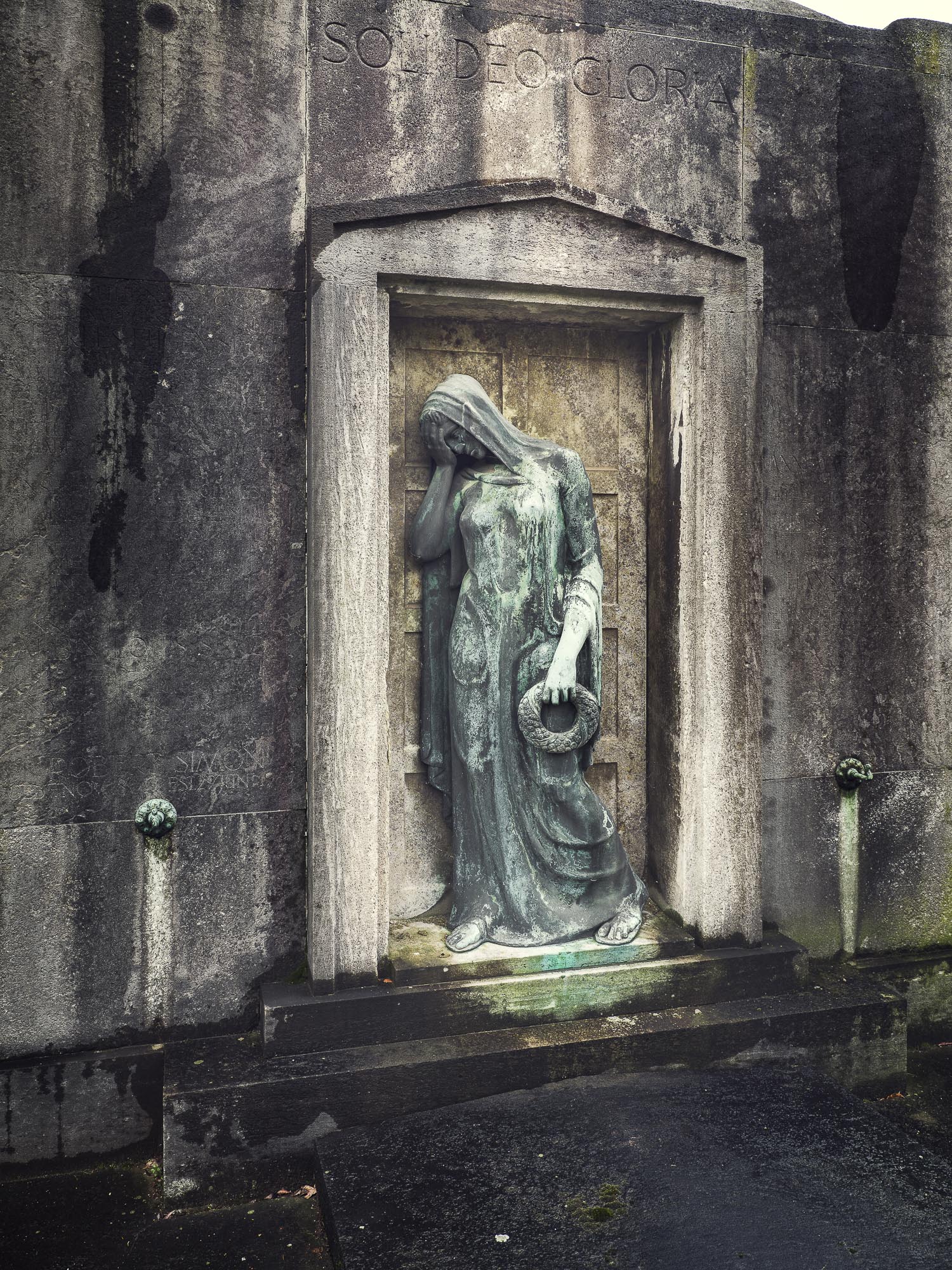
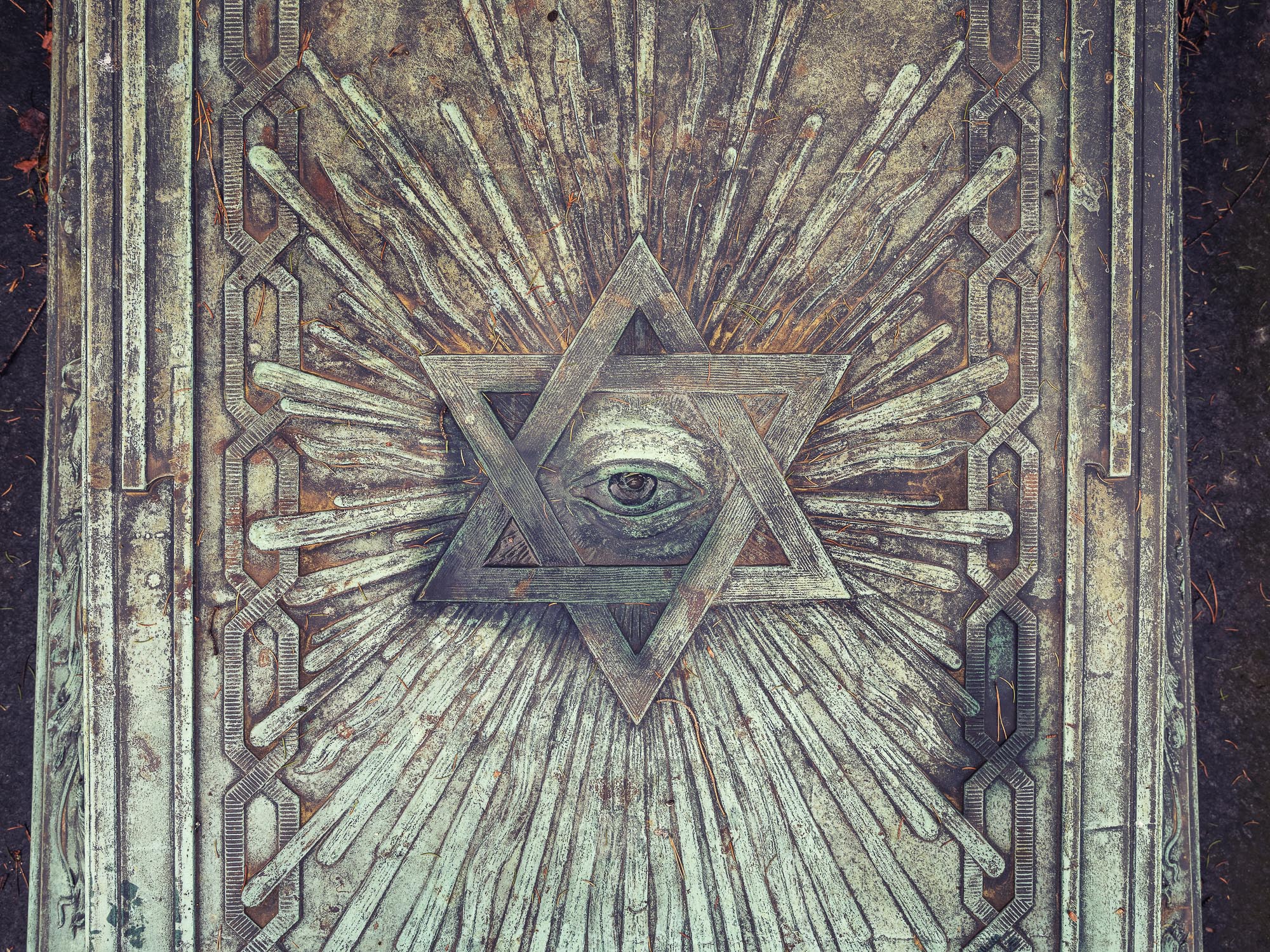
The grounds are rich in gravestones and family plots. Buried here are, among others, the shipbuilder Ewald Bellingrath, the engineer Christian Otto Mohr, the camera manufacturer Heinrich Ernemann, the soprano Eva von der Osten and Kurt Biedenkopf, the first Minister-President of the Free State of Saxony. A memorial grove commemorates the victims of the air raid of February 1945, and there are also graves of war dead and forced labourers as well as a memorial to resistance fighters.
The Urnenhain Tolkewitz, opened in 1911, adjoins the cemetery. A walk here is rewarding for its mix of park character, sculptural work and Dresden history.
Frequently asked questions
Where is the Johannisfriedhof in Dresden?
The Johannisfriedhof is in the Tolkewitz district of Dresden on Wehlener Straße. The administration of the Elias, Trinitatis and Johannis cemeteries is at Wehlener Straße 13.
Who is buried at the Johannisfriedhof in Dresden?
Those buried there include Saxony's first Minister-President Kurt Biedenkopf, the engineer Christian Otto Mohr, the camera manufacturer Heinrich Ernemann and the soprano Eva von der Osten.
Why is the Johannisfriedhof in Dresden well known?
It was Dresden's largest cemetery until 1934 and has a chapel designed by Paul Wallot, completed in 1894. A memorial grove also commemorates the victims of the air raids of February 1945.