Austria · Vienna · 41 pictures
Vienna Central Cemetery
Wiener Zentralfriedhof
-
-
-
-
-
-
-
-

-
-
-
-
-
-

-
-
-
-
-
-
-
-
-
-
-
-
-
-
-
-
-
-
-
-
-
-
-
-
-
-
-
About this place
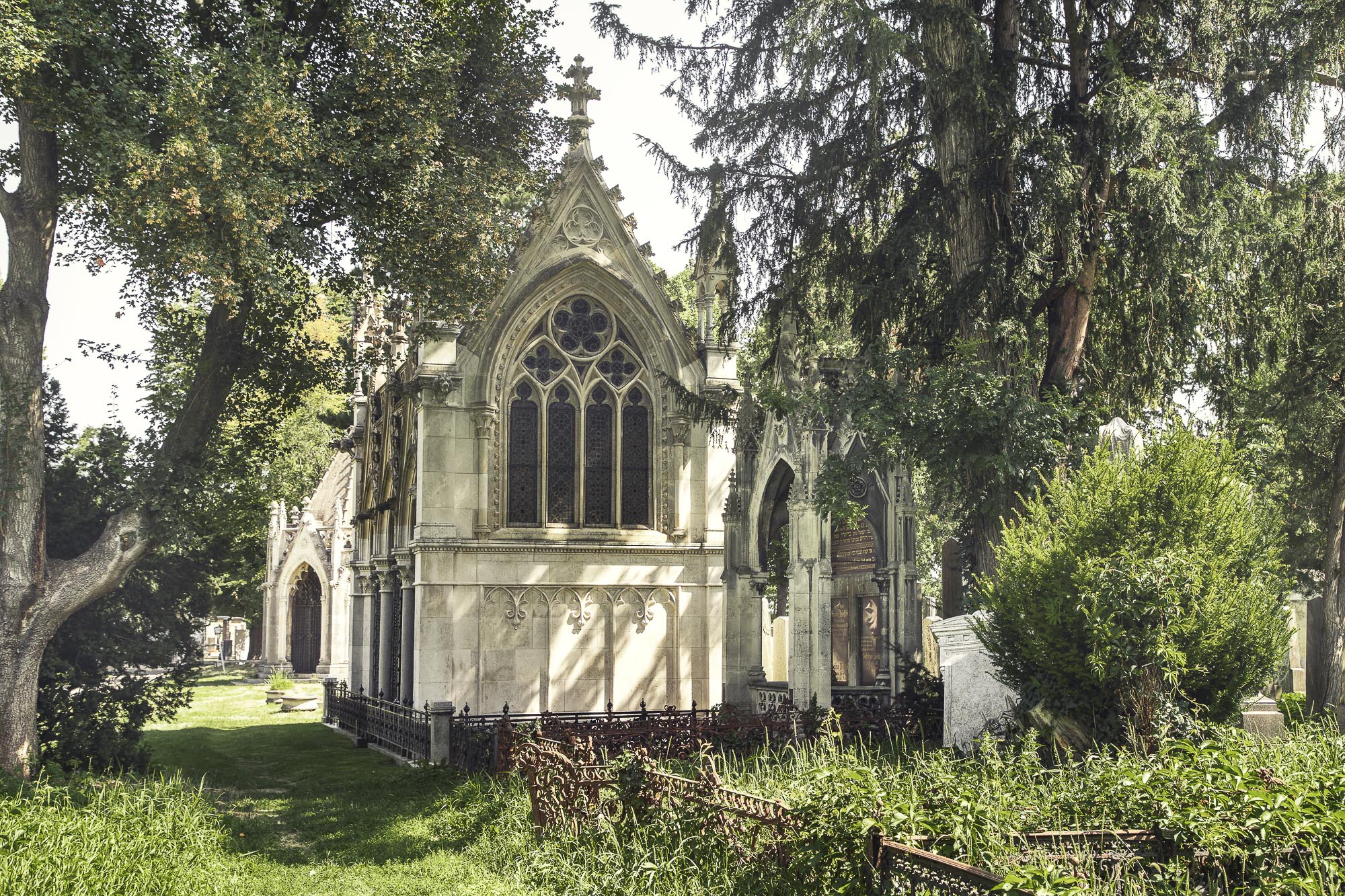
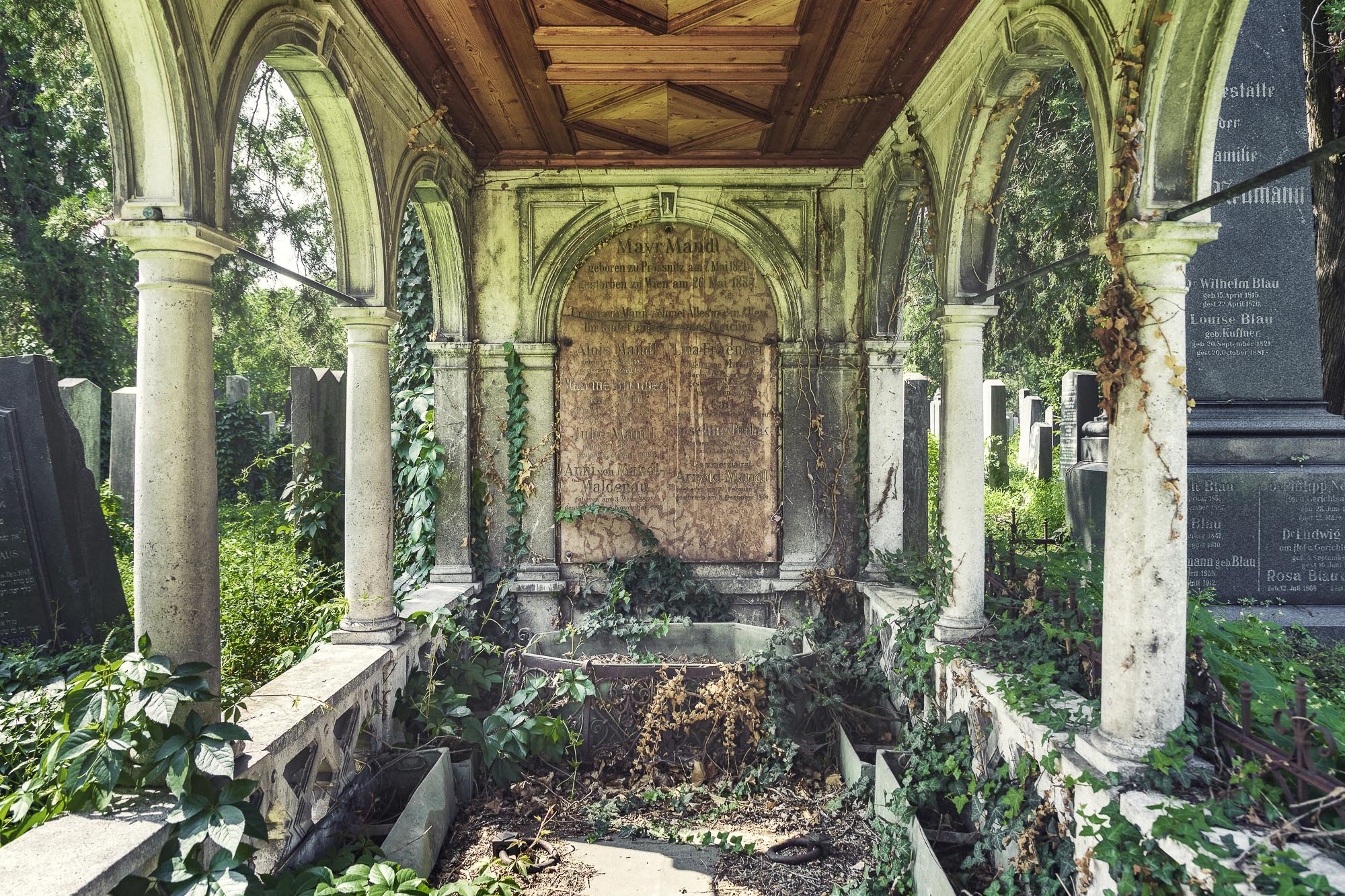
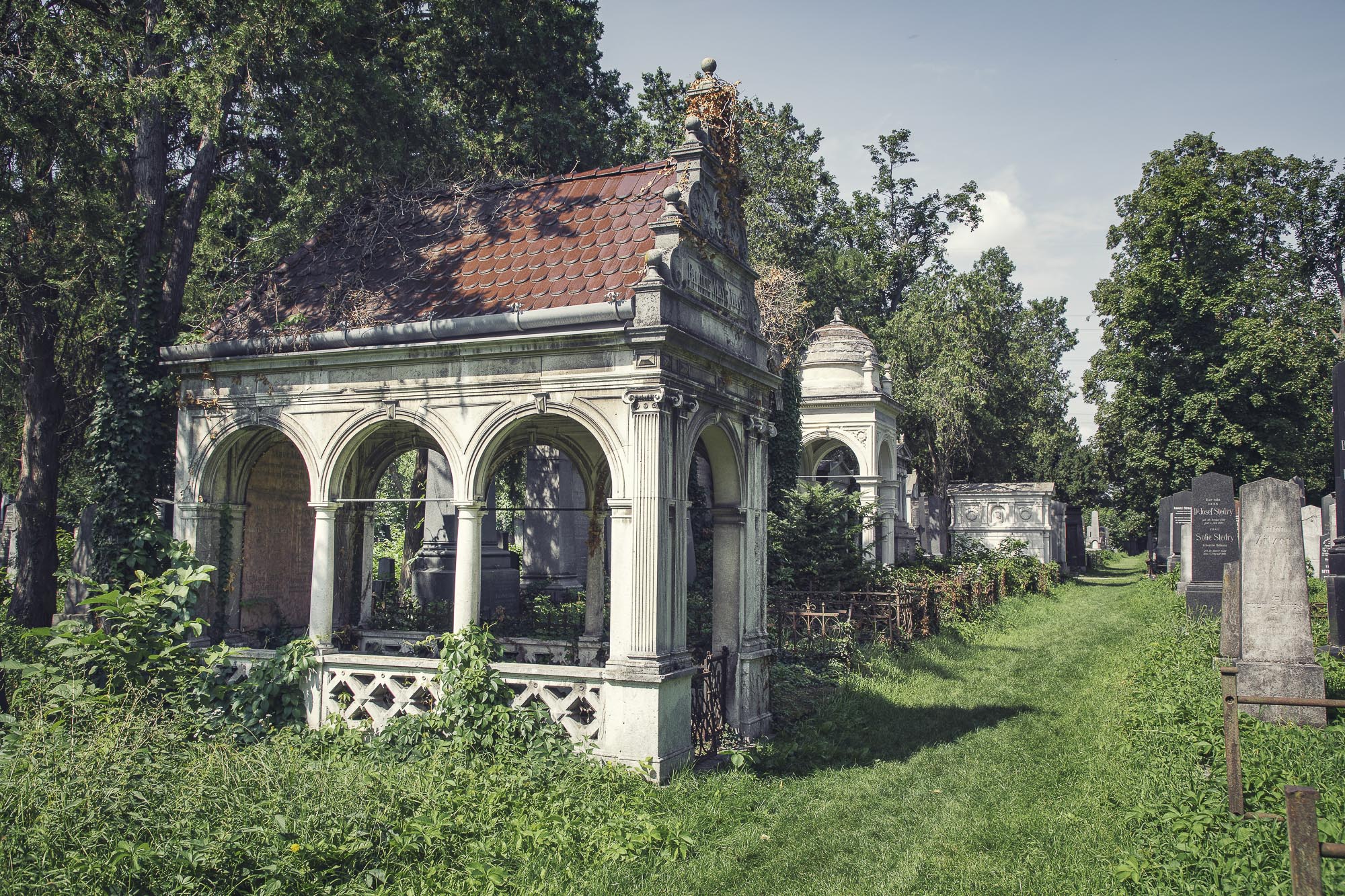
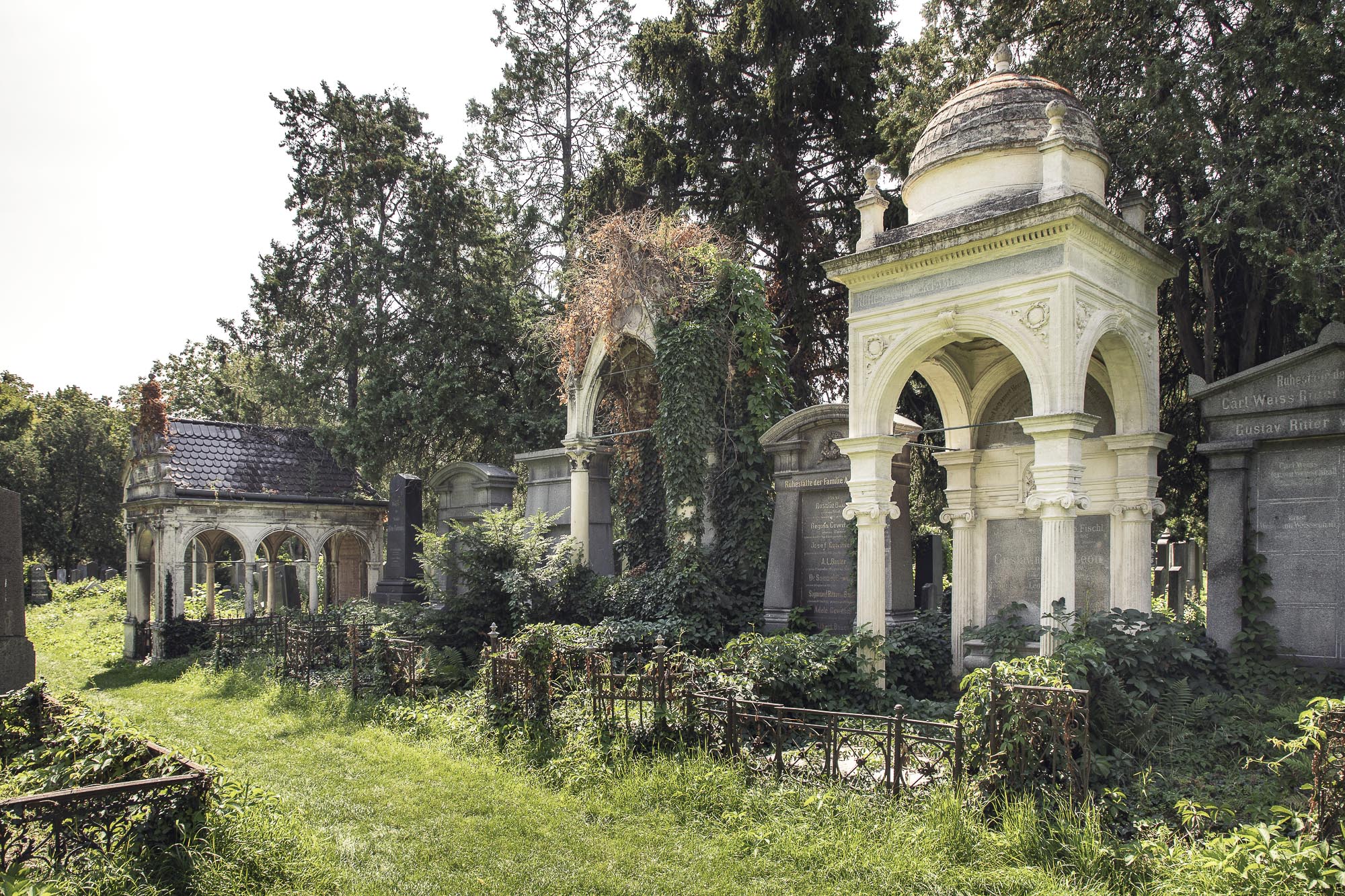
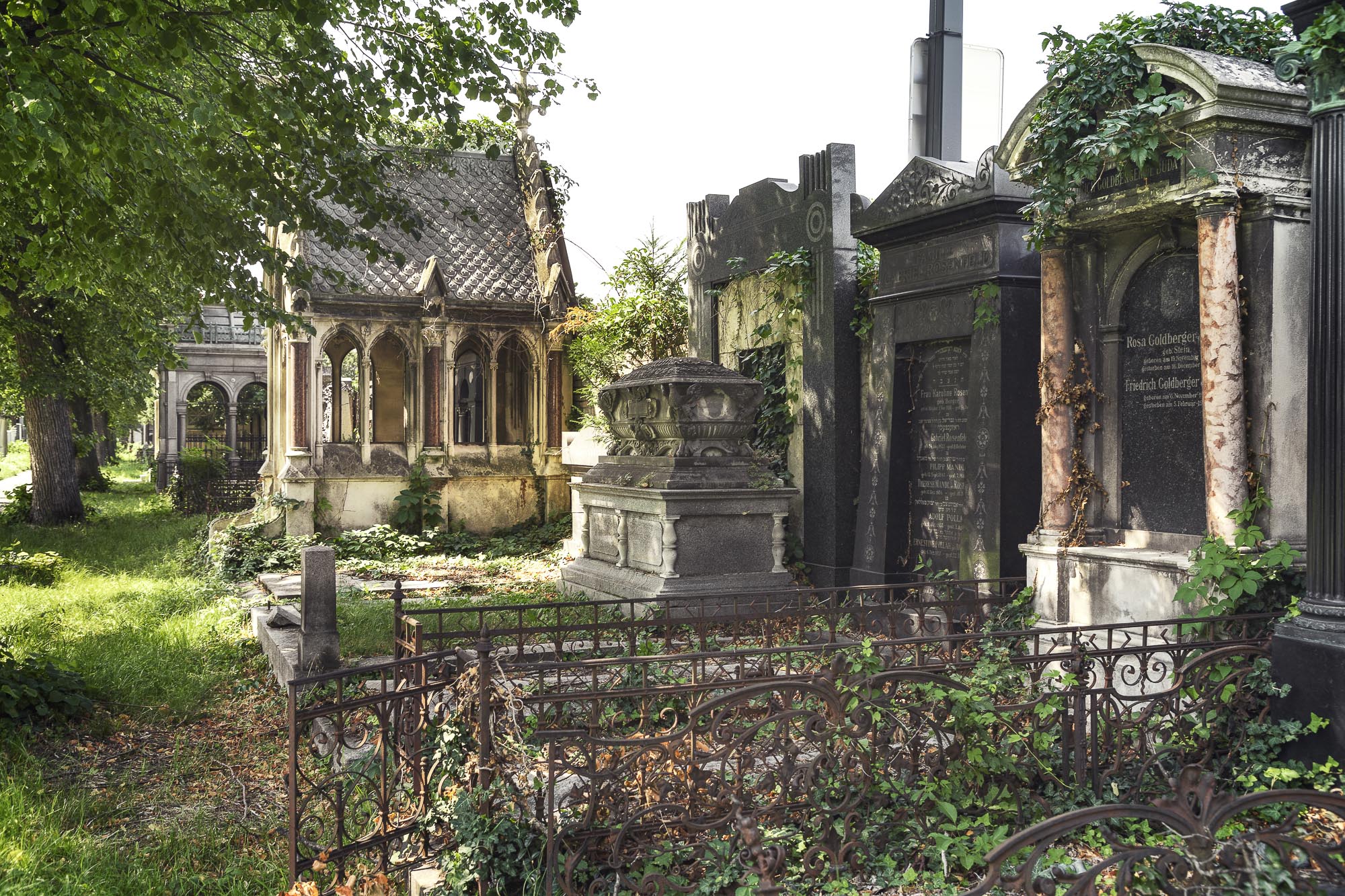
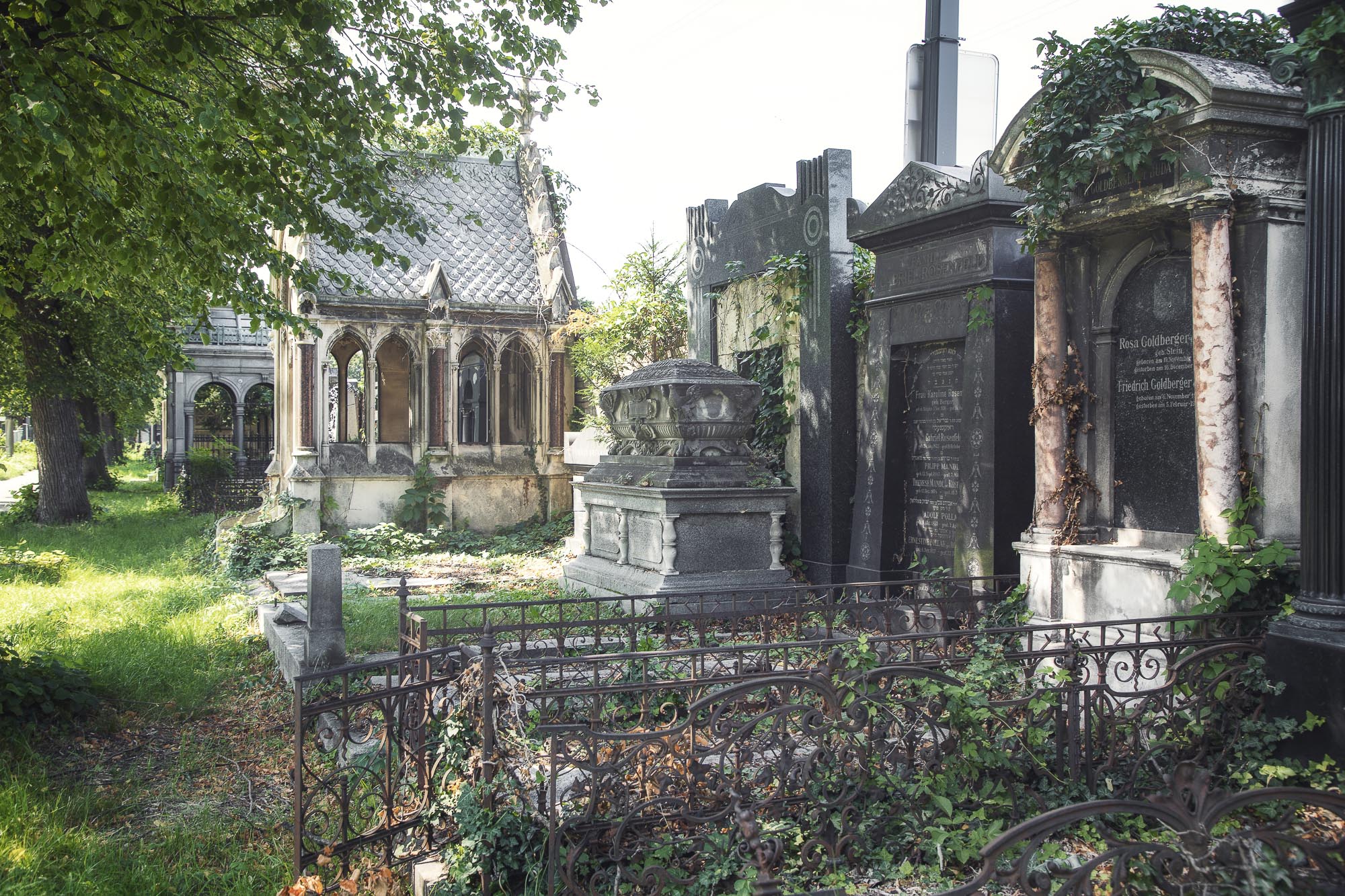
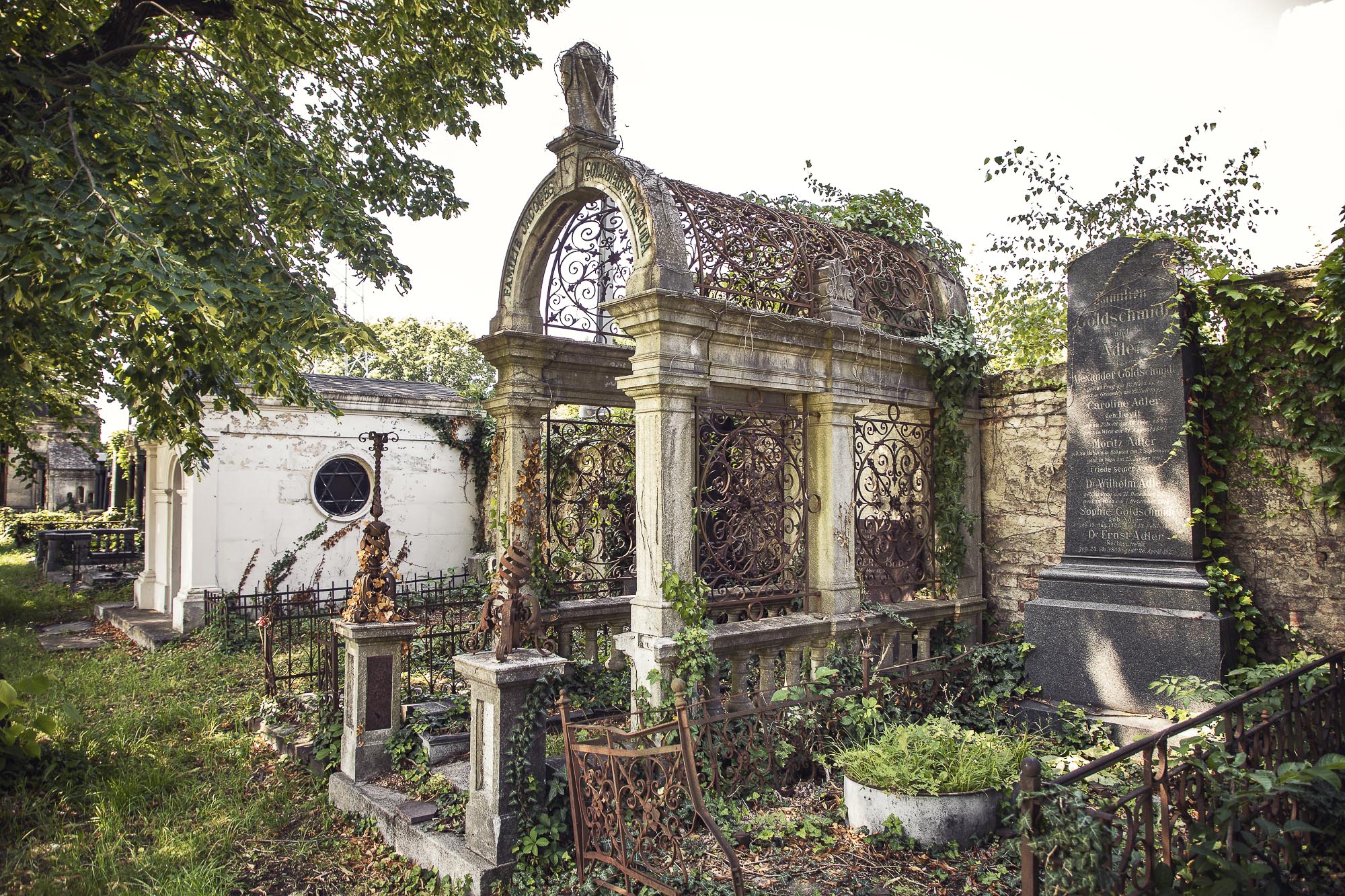
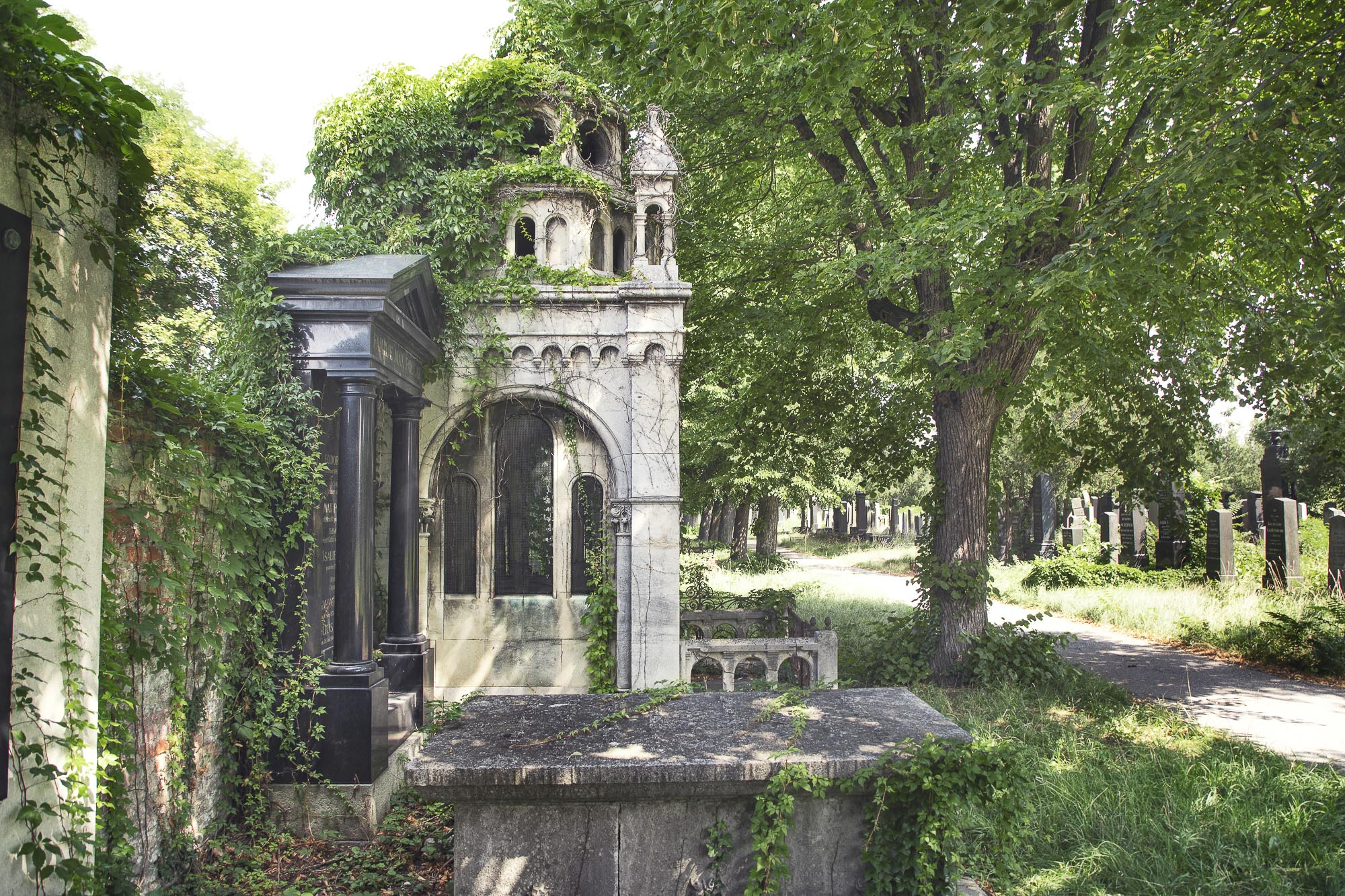
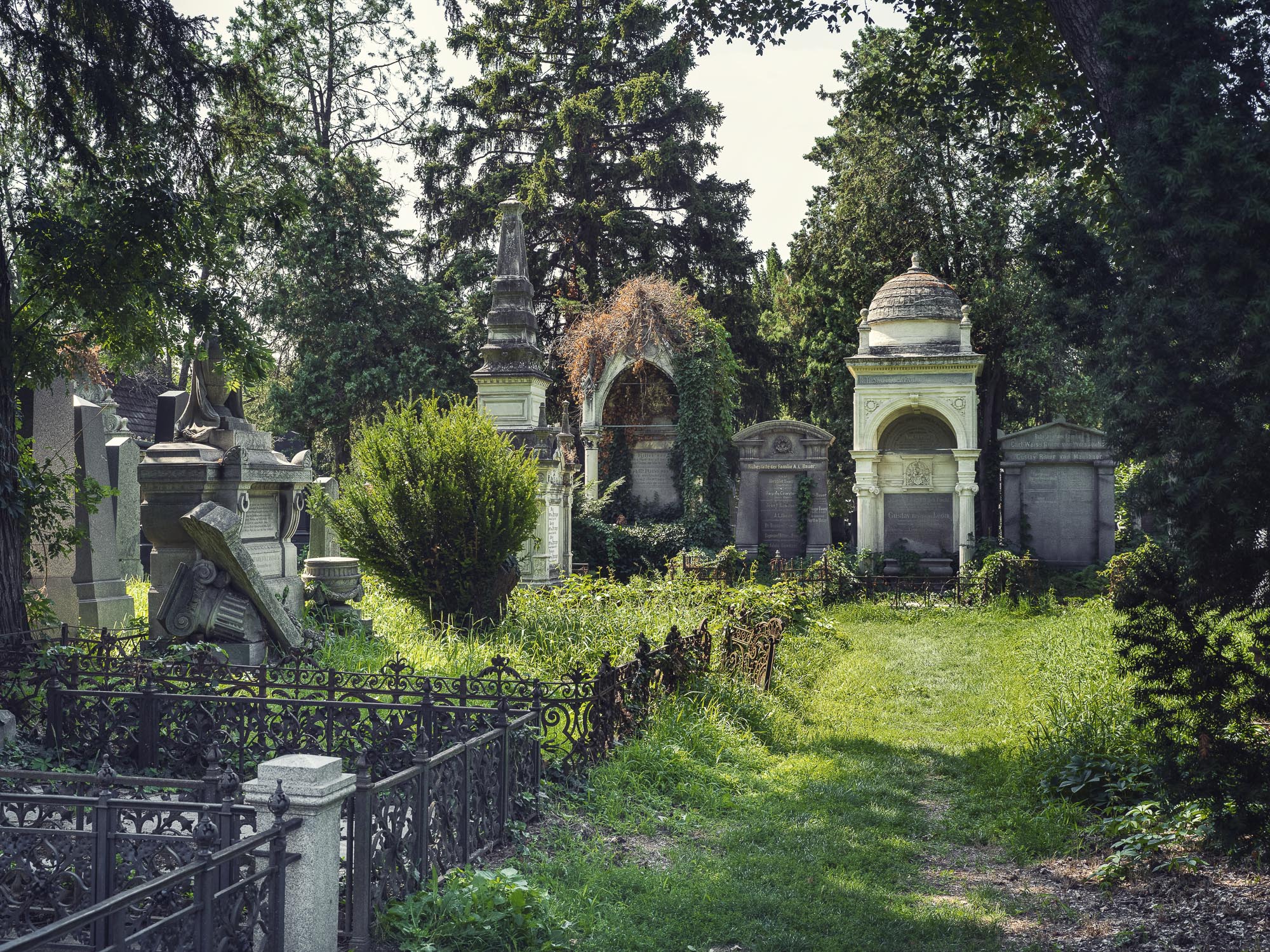
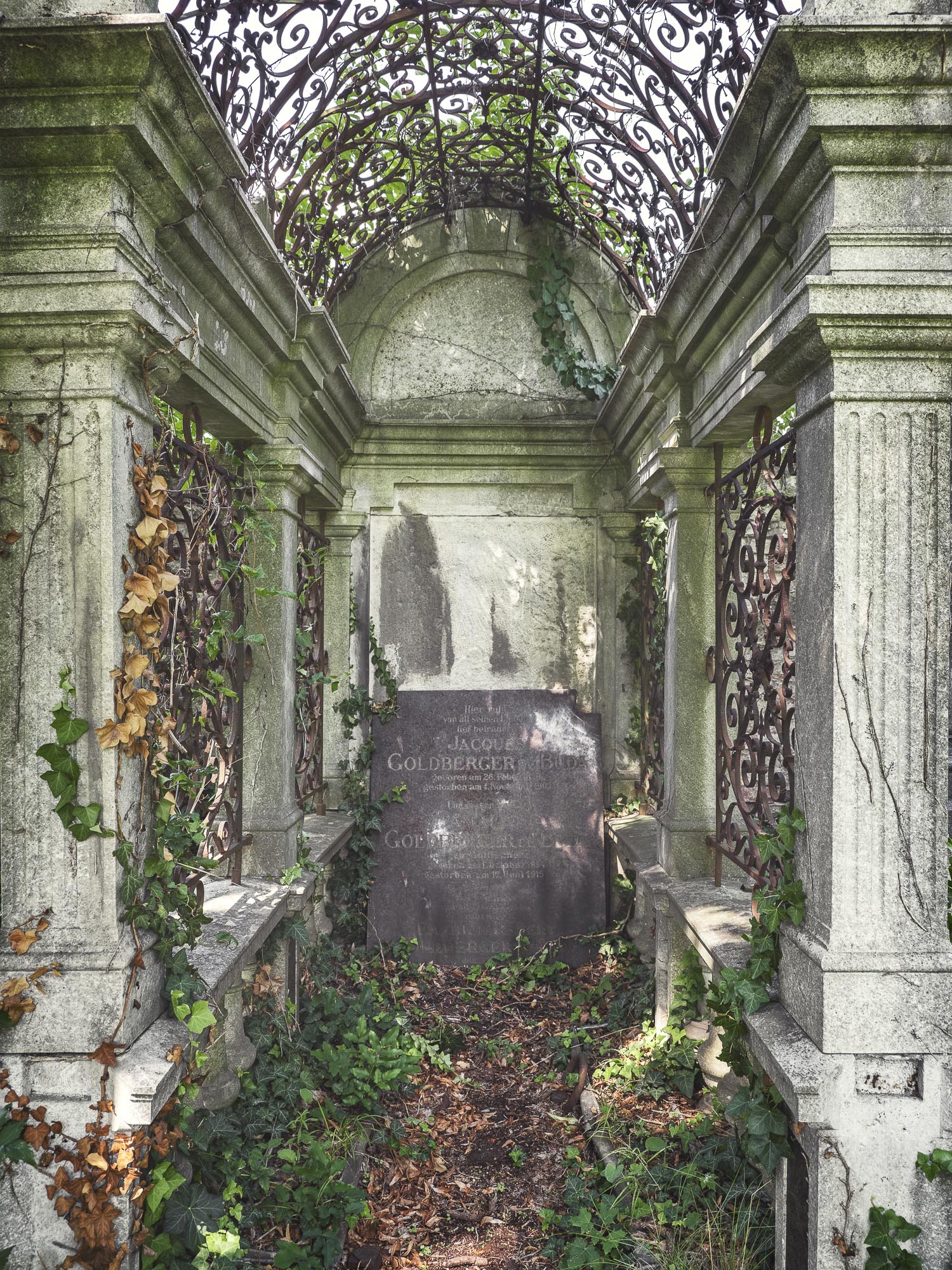
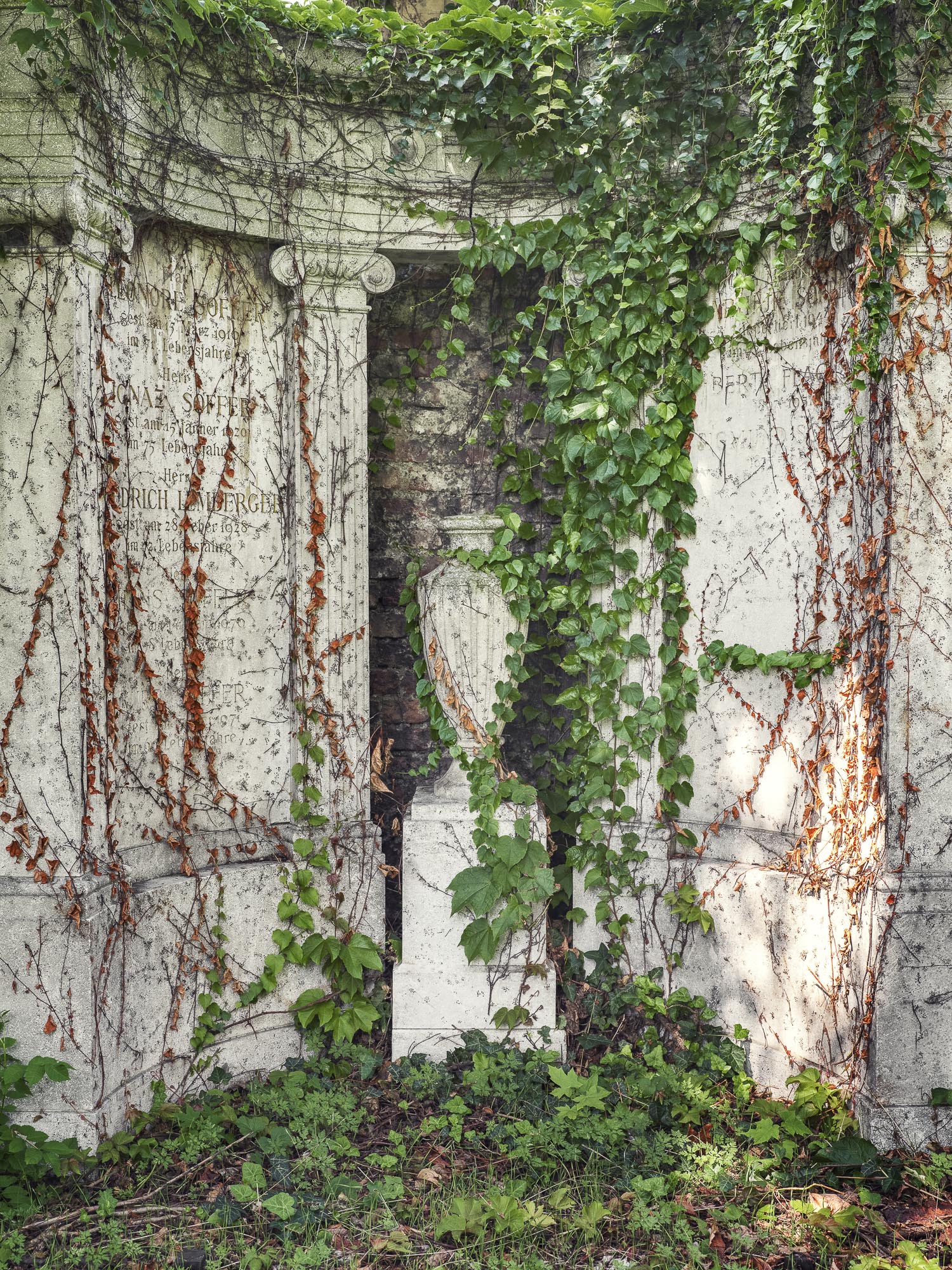
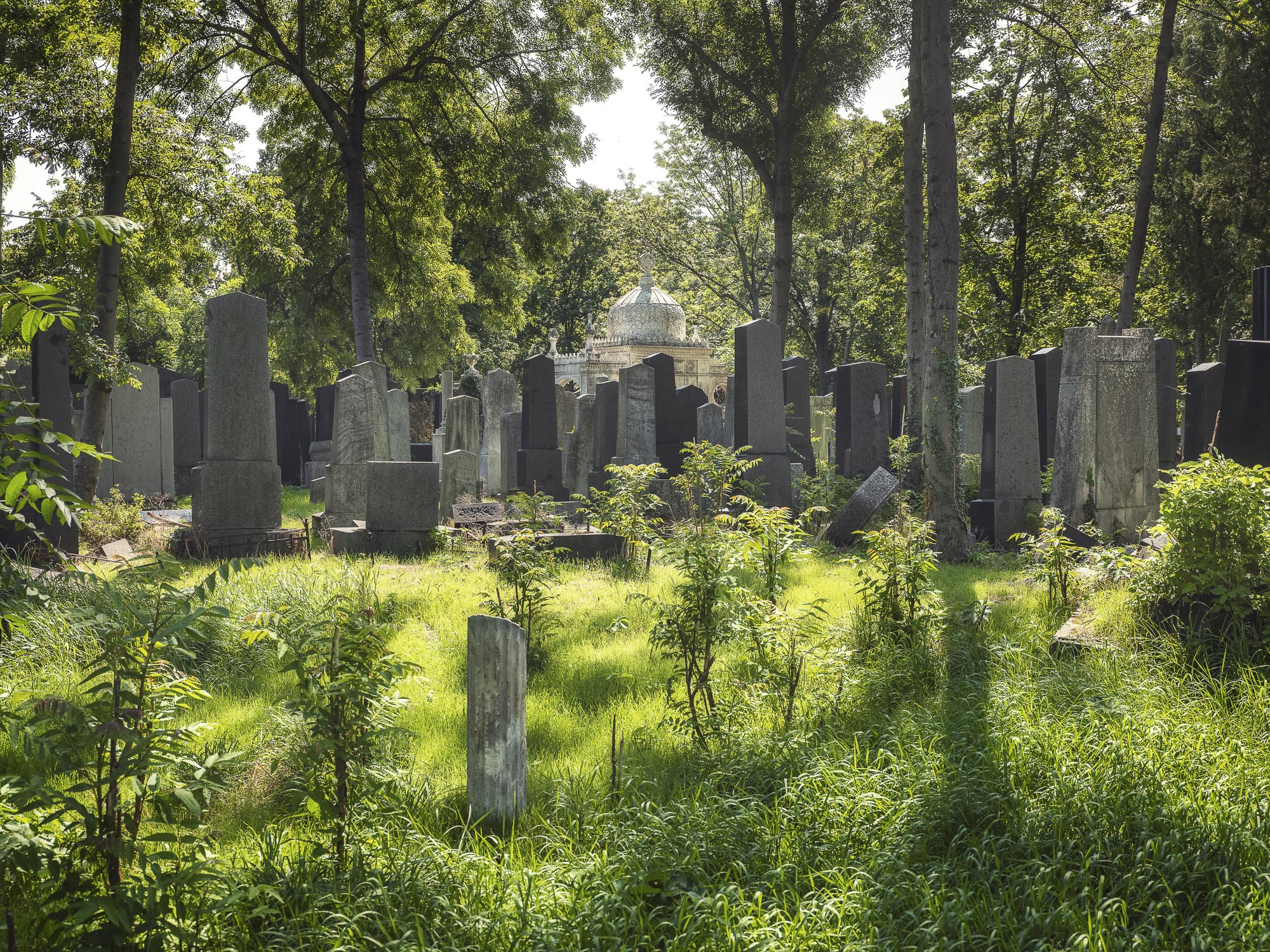
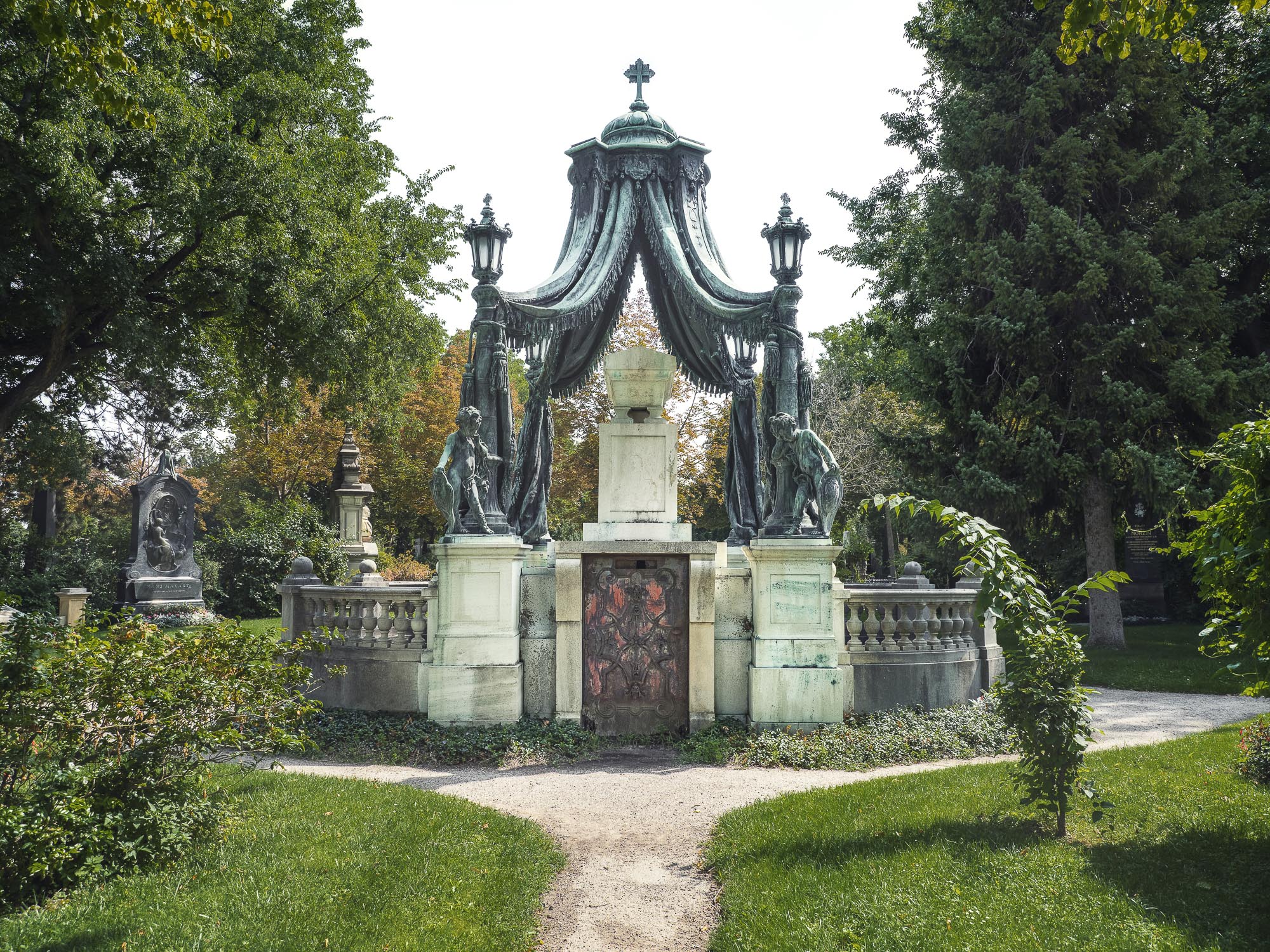
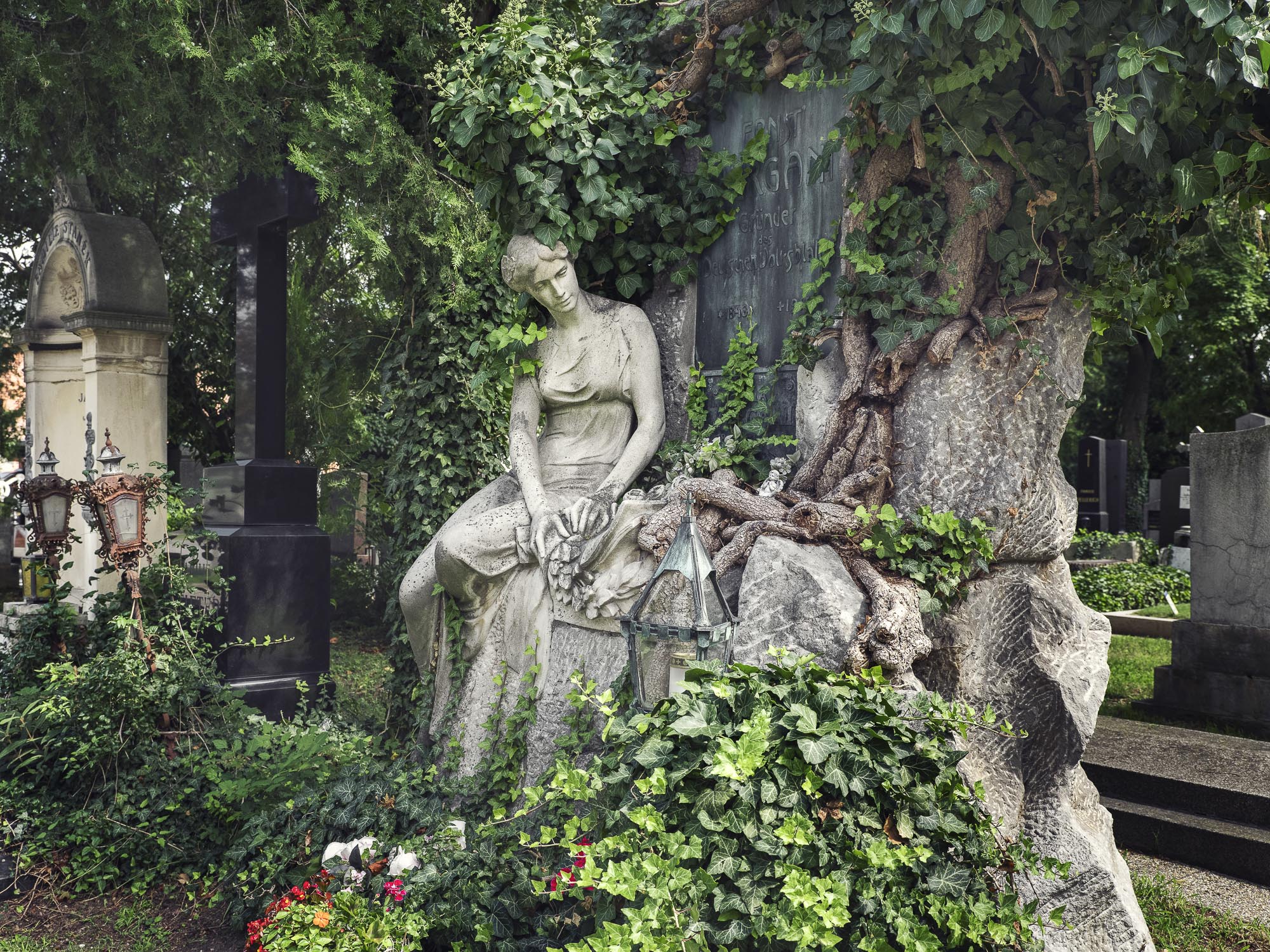
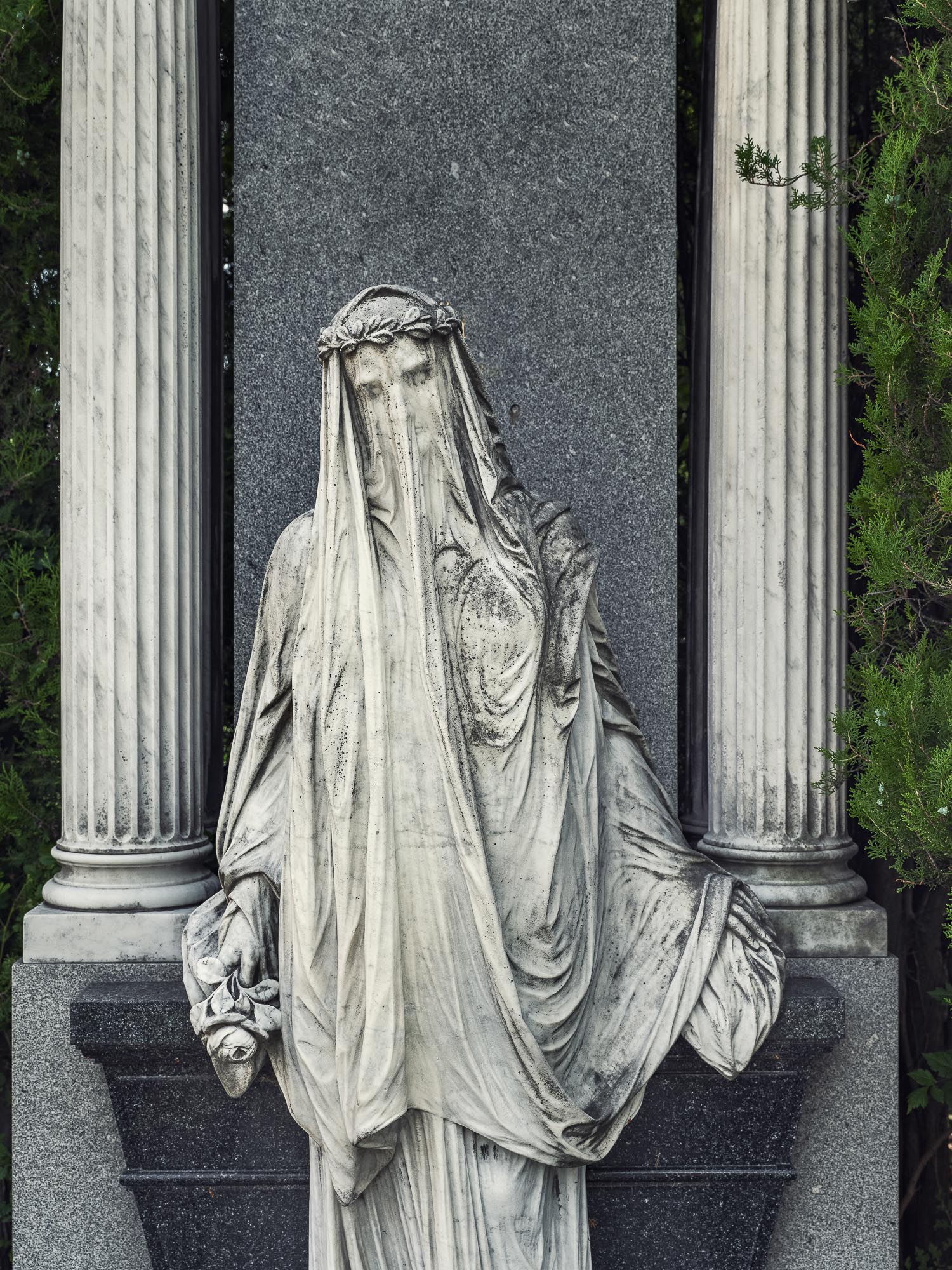
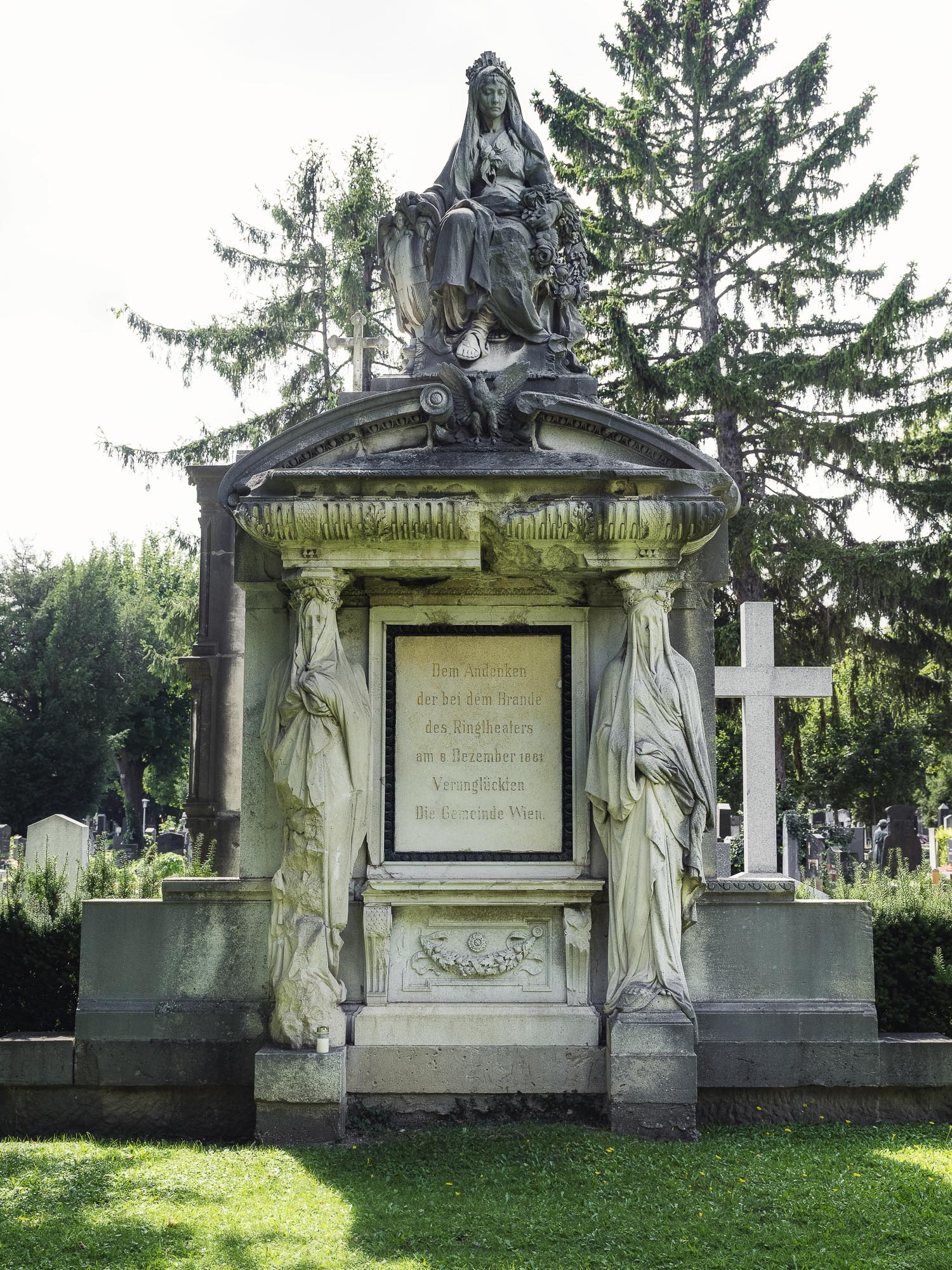
The cemetery opened on 1 November 1874. Today it covers roughly 240 hectares, with about 330,000 grave plots and more than 80 kilometres of paths. Seven extensions, the last in 1921, added sections for Protestant, Jewish, Muslim and Orthodox communities. The grounds include two Jewish cemeteries, the older one at Gate 1 and the New Israelite Section.
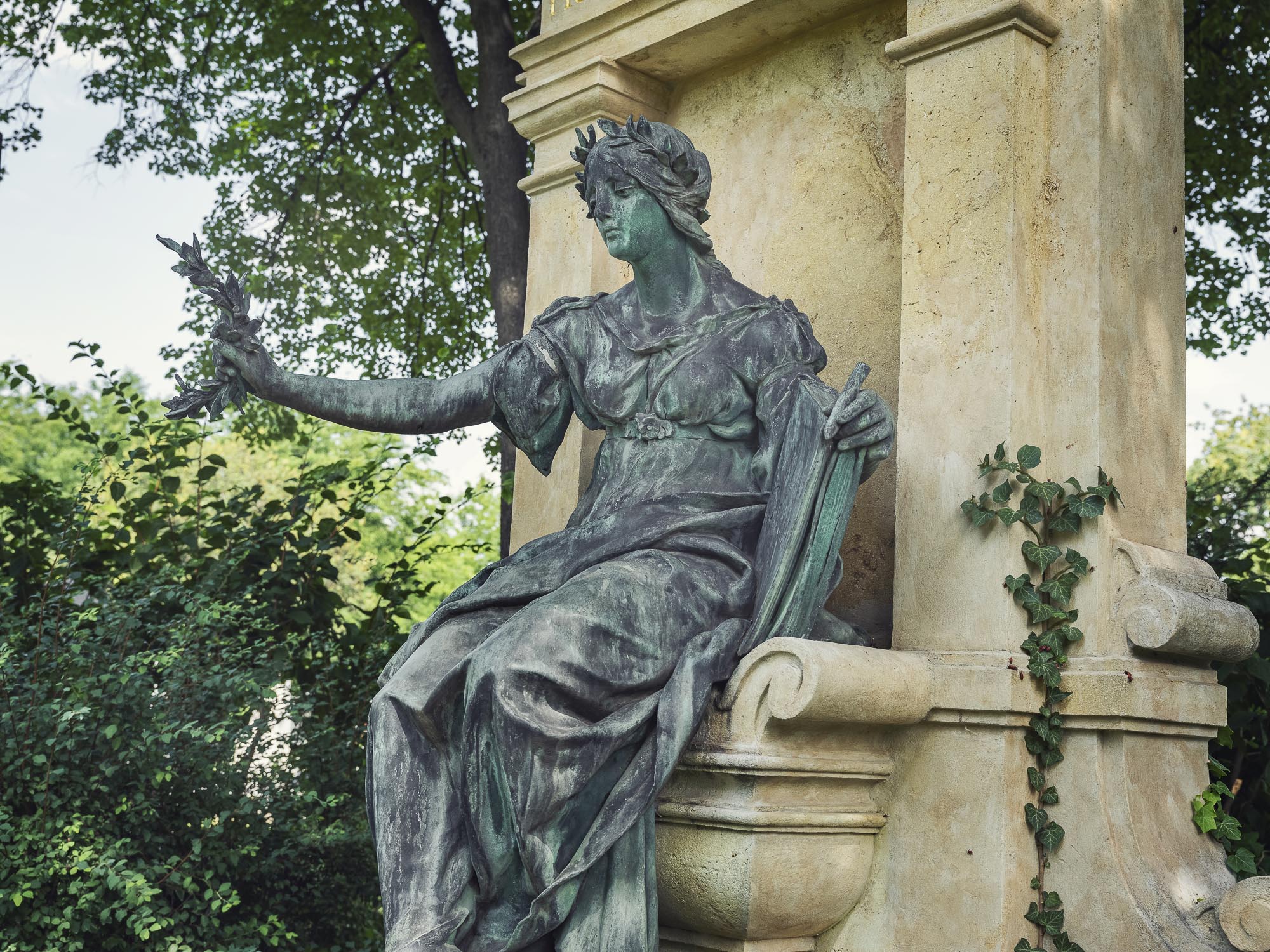
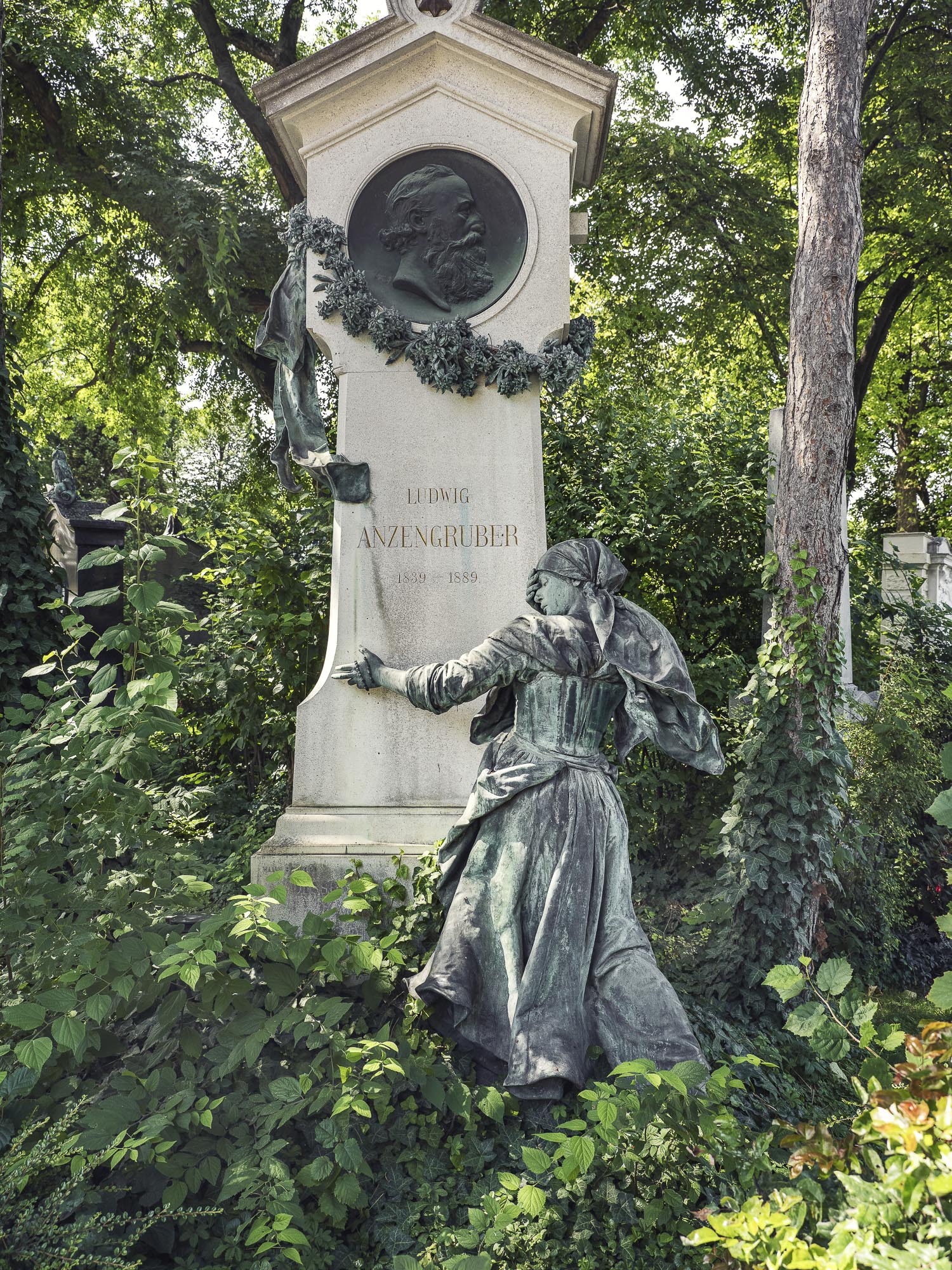
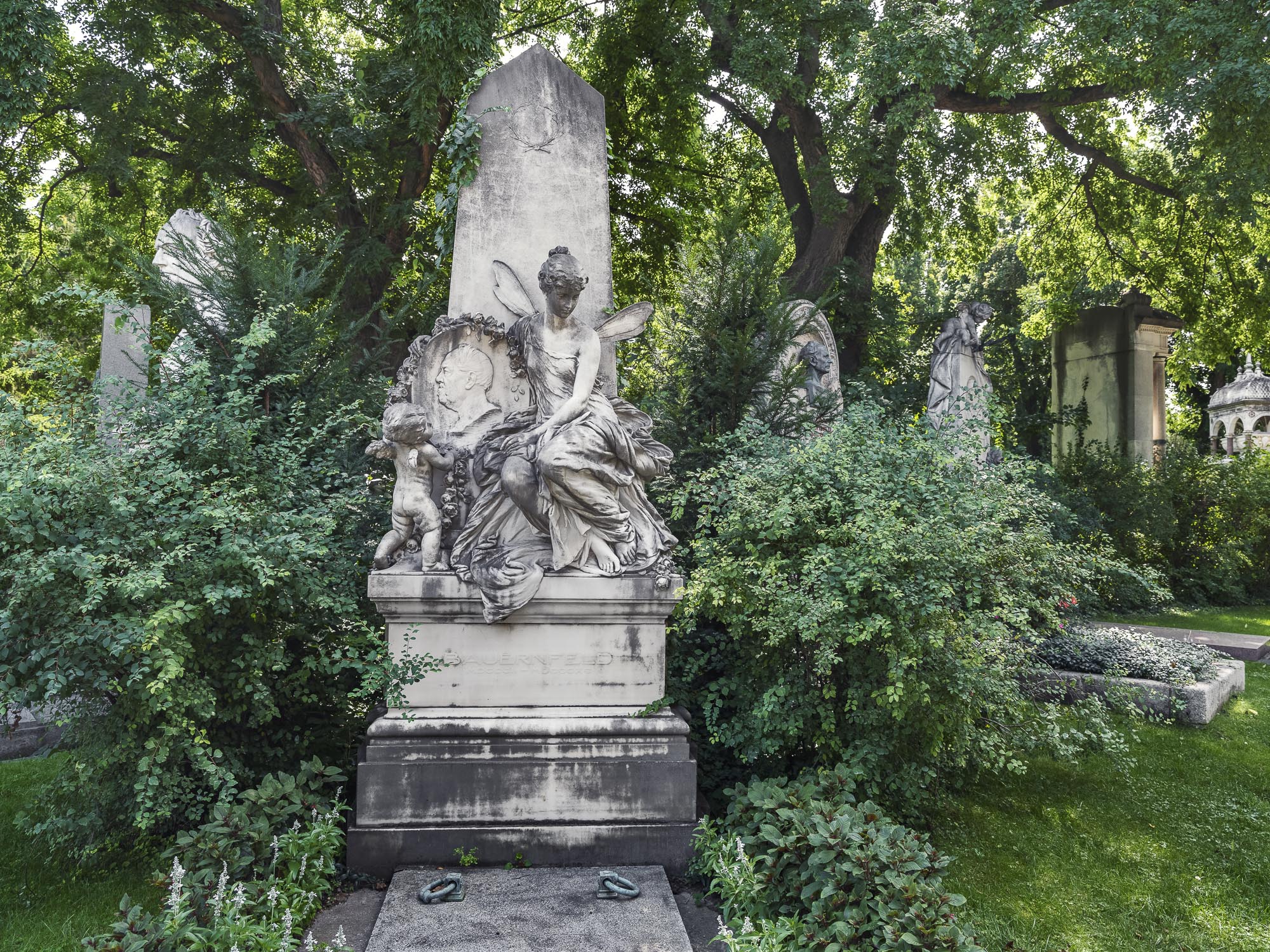
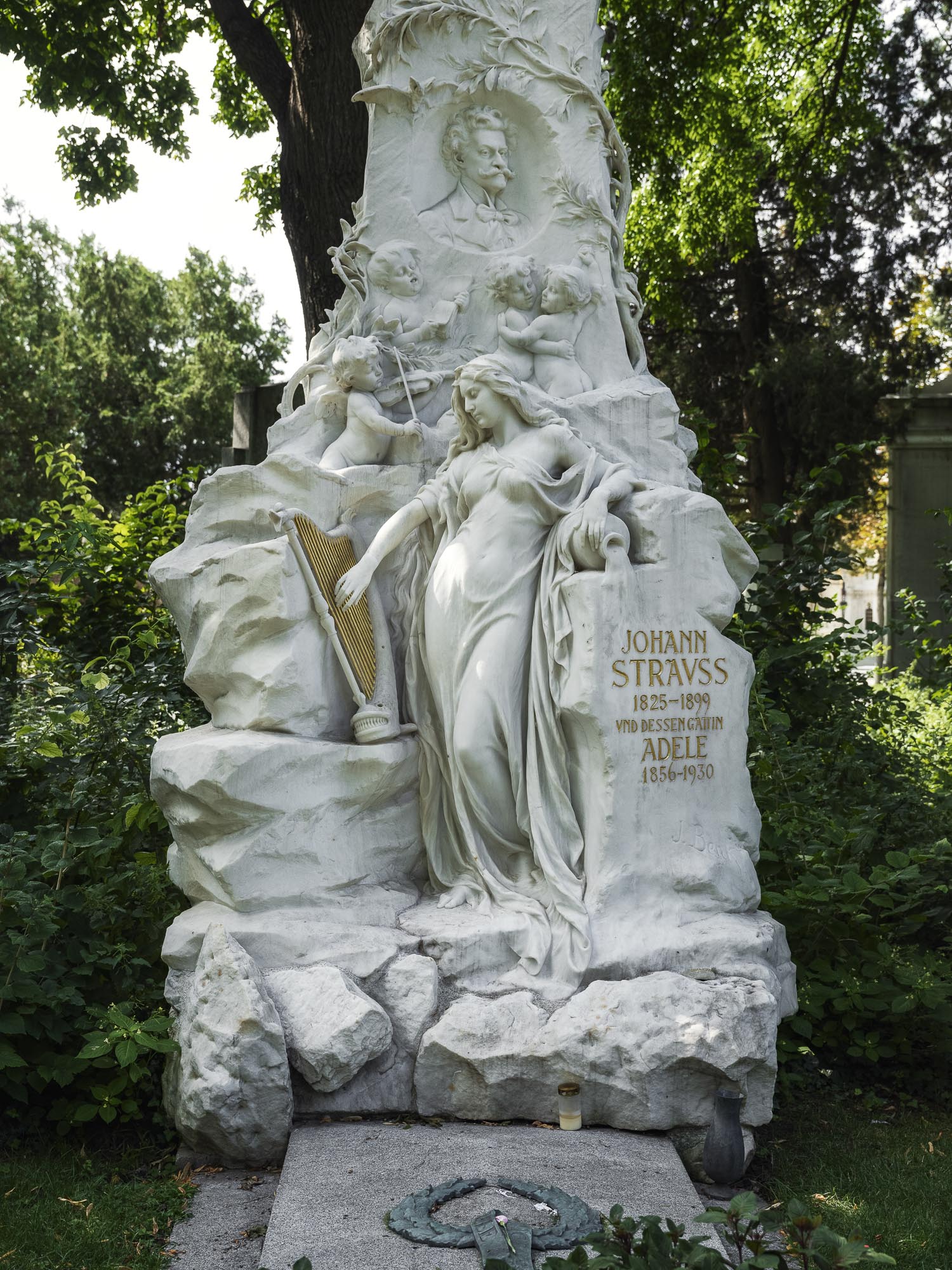
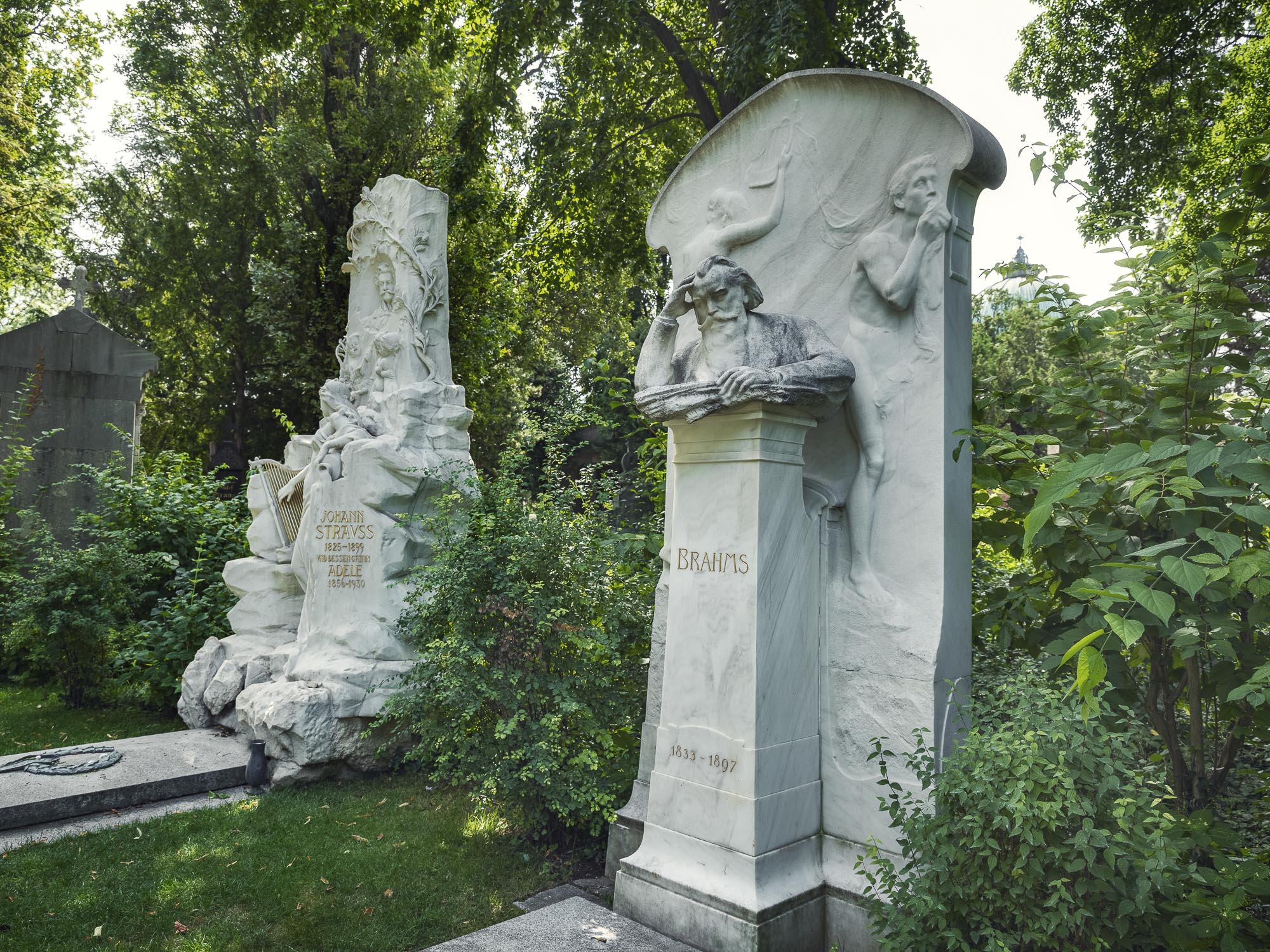
Around a thousand honorary graves make the Central Cemetery a landmark of musical history. Ludwig van Beethoven and Franz Schubert were moved here from Währing in the 1880s. Johannes Brahms, Johann Strauss the Younger, Antonio Salieri and Arnold Schoenberg are buried here as well. Mozart is remembered by a memorial grave; he himself was buried at St. Marx.
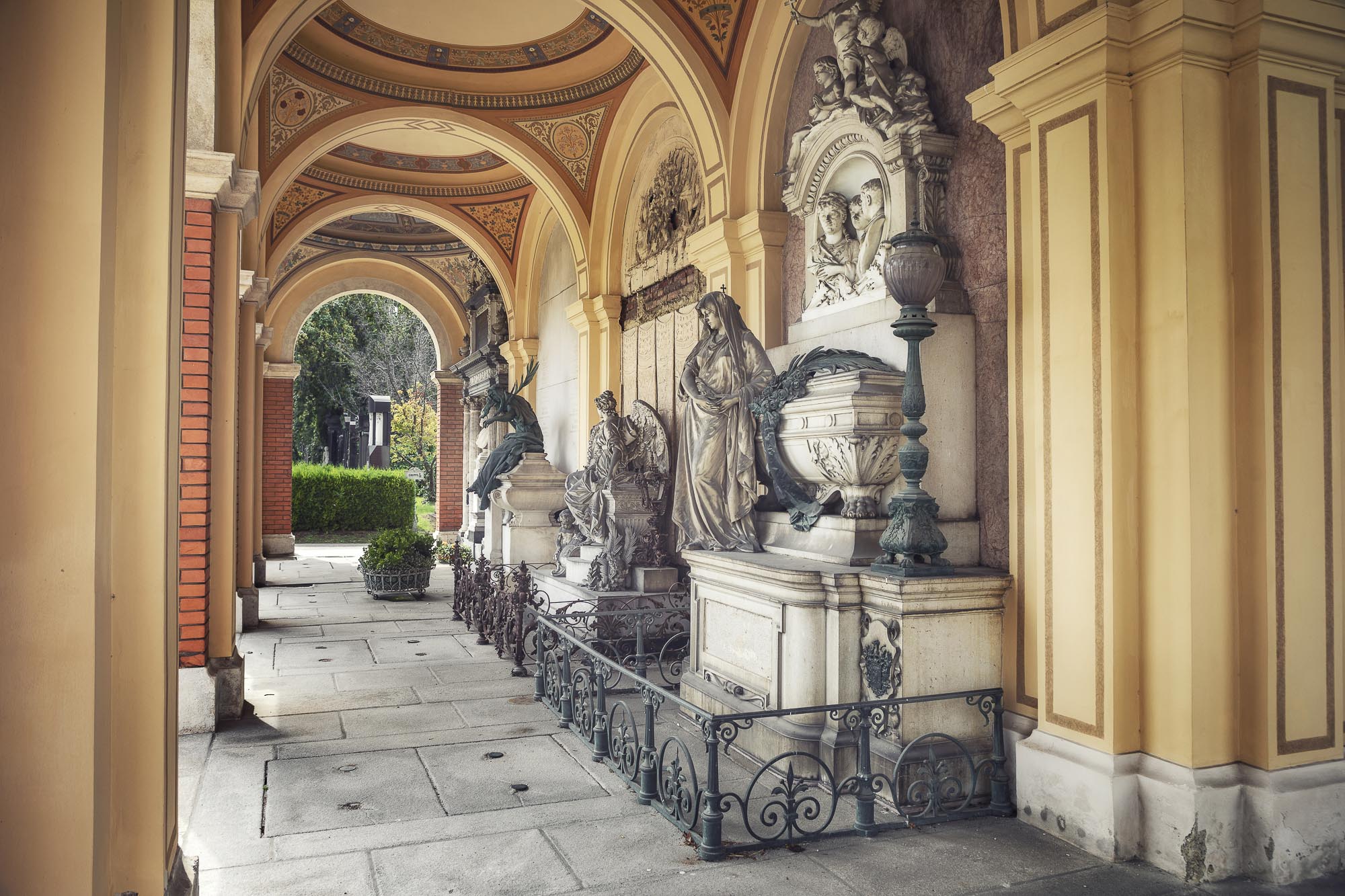
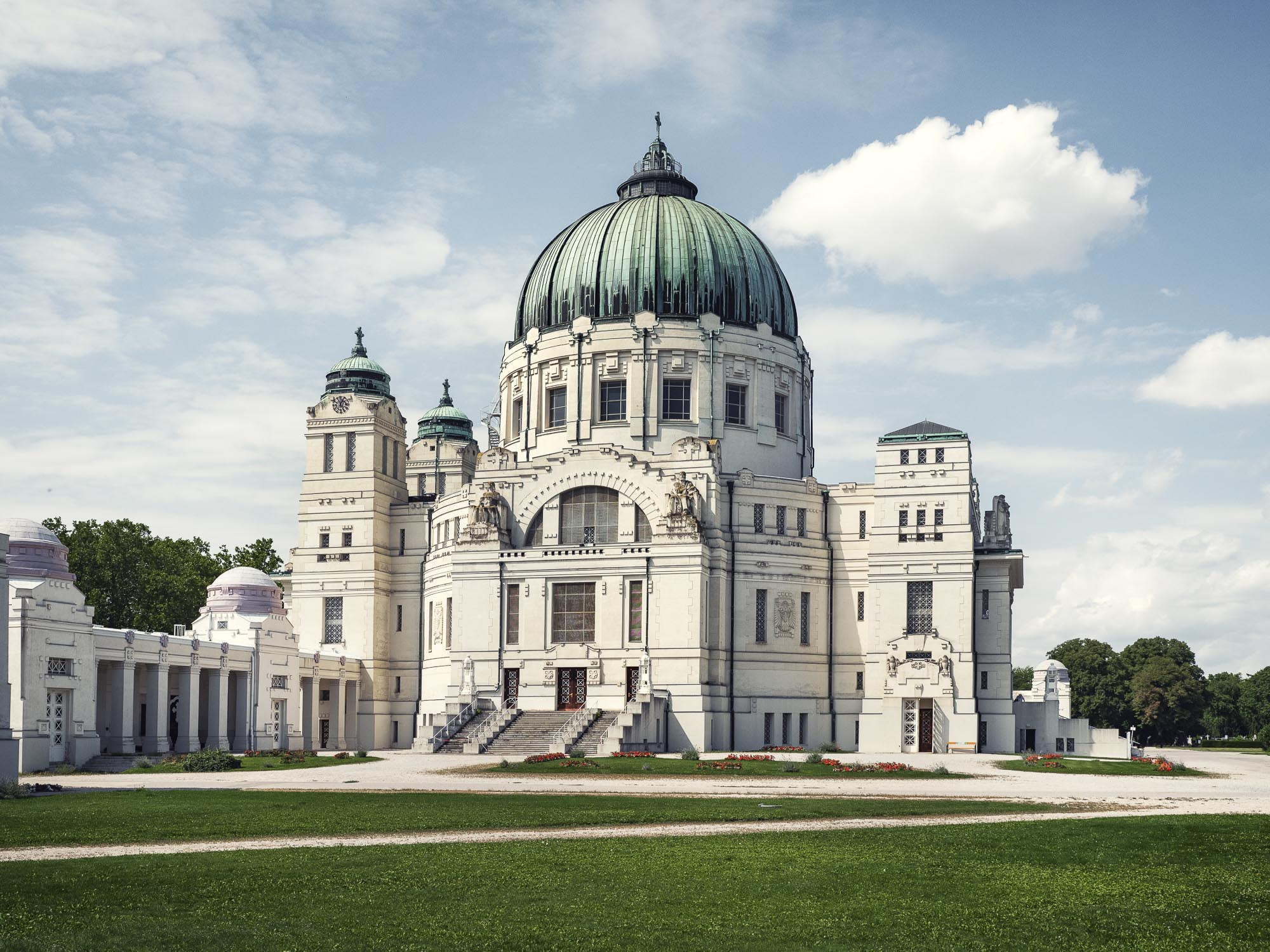
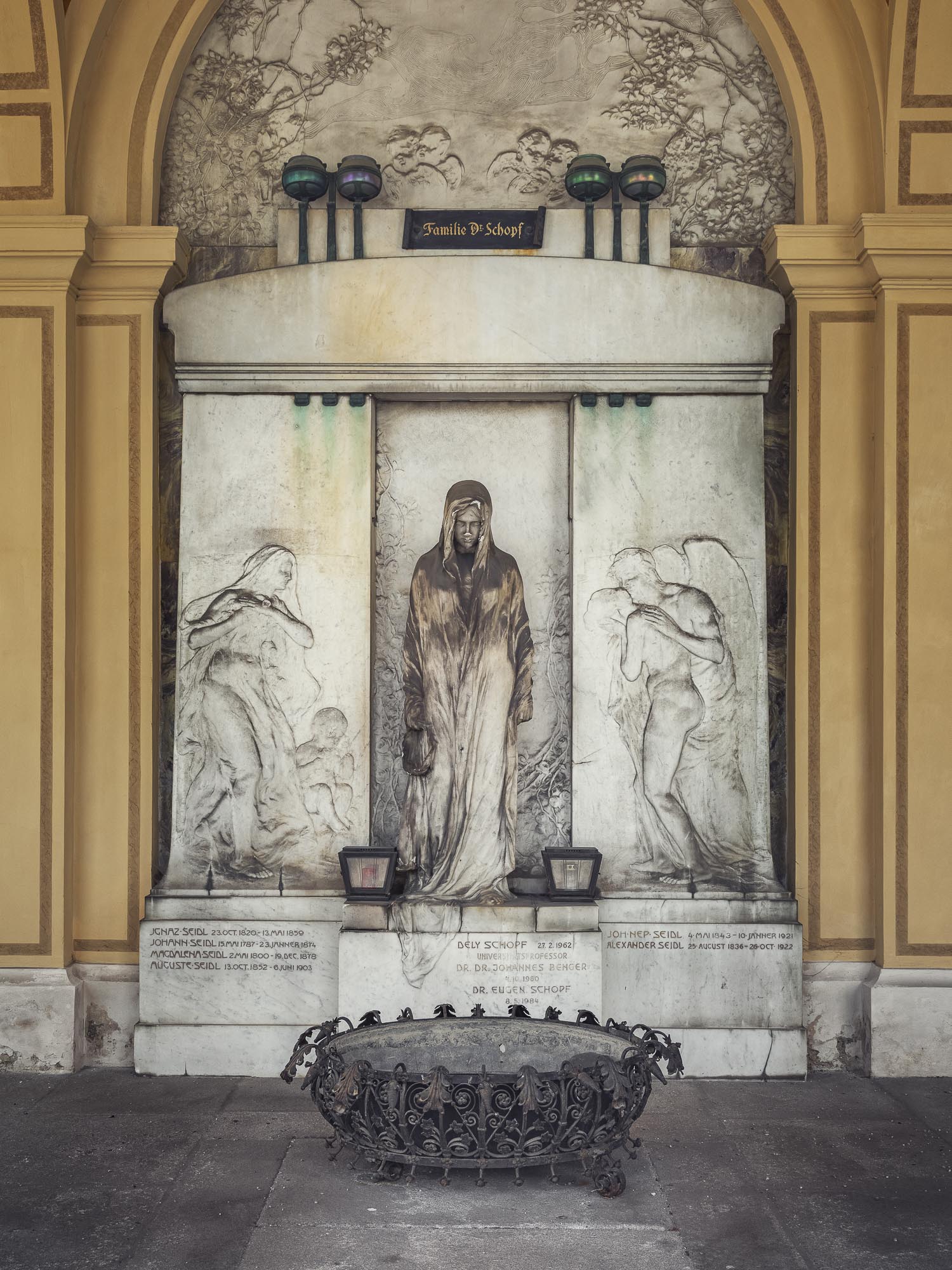
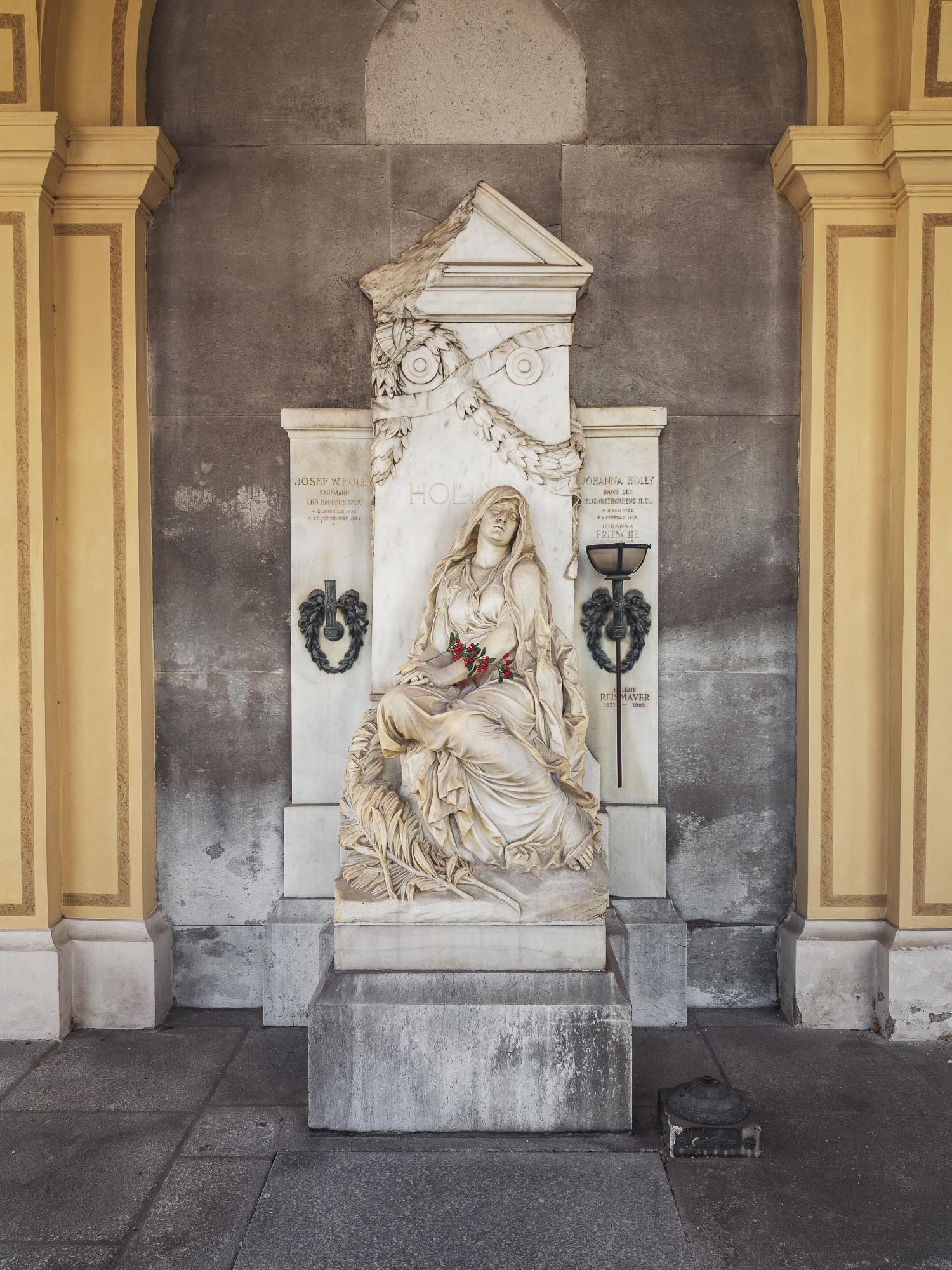
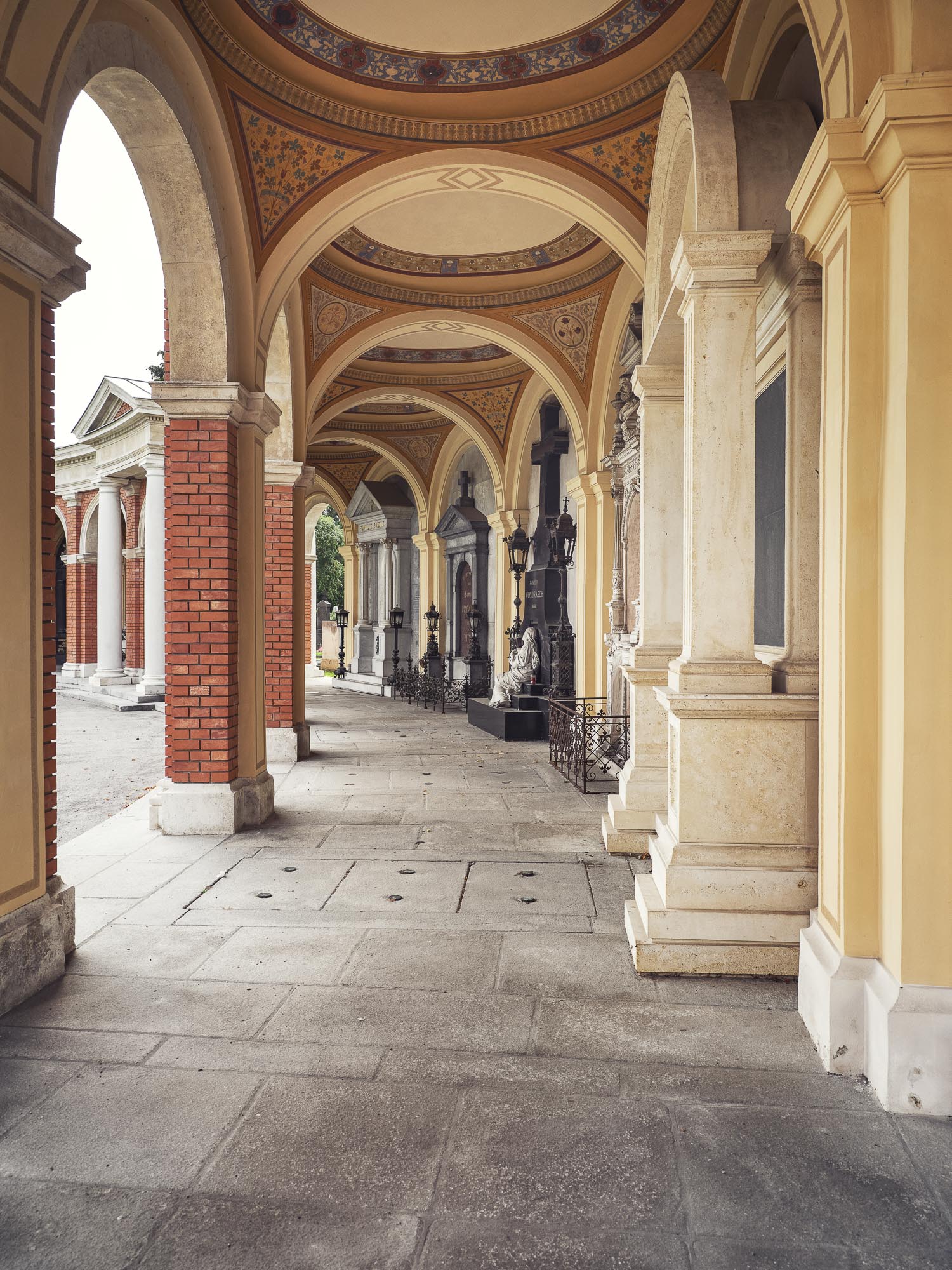
At the centre stands the church of St. Charles Borromeo, an Art Nouveau building by Max Hegele, built between 1908 and 1910. The Presidential Vault lies in front of it, flanked by arcades with tombs dating from 1880/81. About 17,000 trees and some 40 kilometres of hedges also make the cemetery a park. Visitor information and guided tours are listed on the website of the operator, Friedhöfe Wien.
Frequently asked questions
Where is Vienna Central Cemetery?
The cemetery lies in Simmering, Vienna's 11th district. The main entrance, Gate 2, is on Simmeringer Hauptstraße.
Who is buried in Vienna Central Cemetery?
The honorary graves include Ludwig van Beethoven, Franz Schubert, Johannes Brahms, Johann Strauss the Younger, Antonio Salieri and Arnold Schoenberg. There are around a thousand honorary graves in all.
Why is Vienna Central Cemetery famous?
With about three million interments it ranks among the largest cemeteries in Europe and holds graves of many faiths. It is also known for its honorary graves of great composers and for the Art Nouveau church at its centre.