Belgium · Bruges · 24 pictures
Bruges Central Cemetery
Centrale Begraafplaats Brugge-Assebroek
-
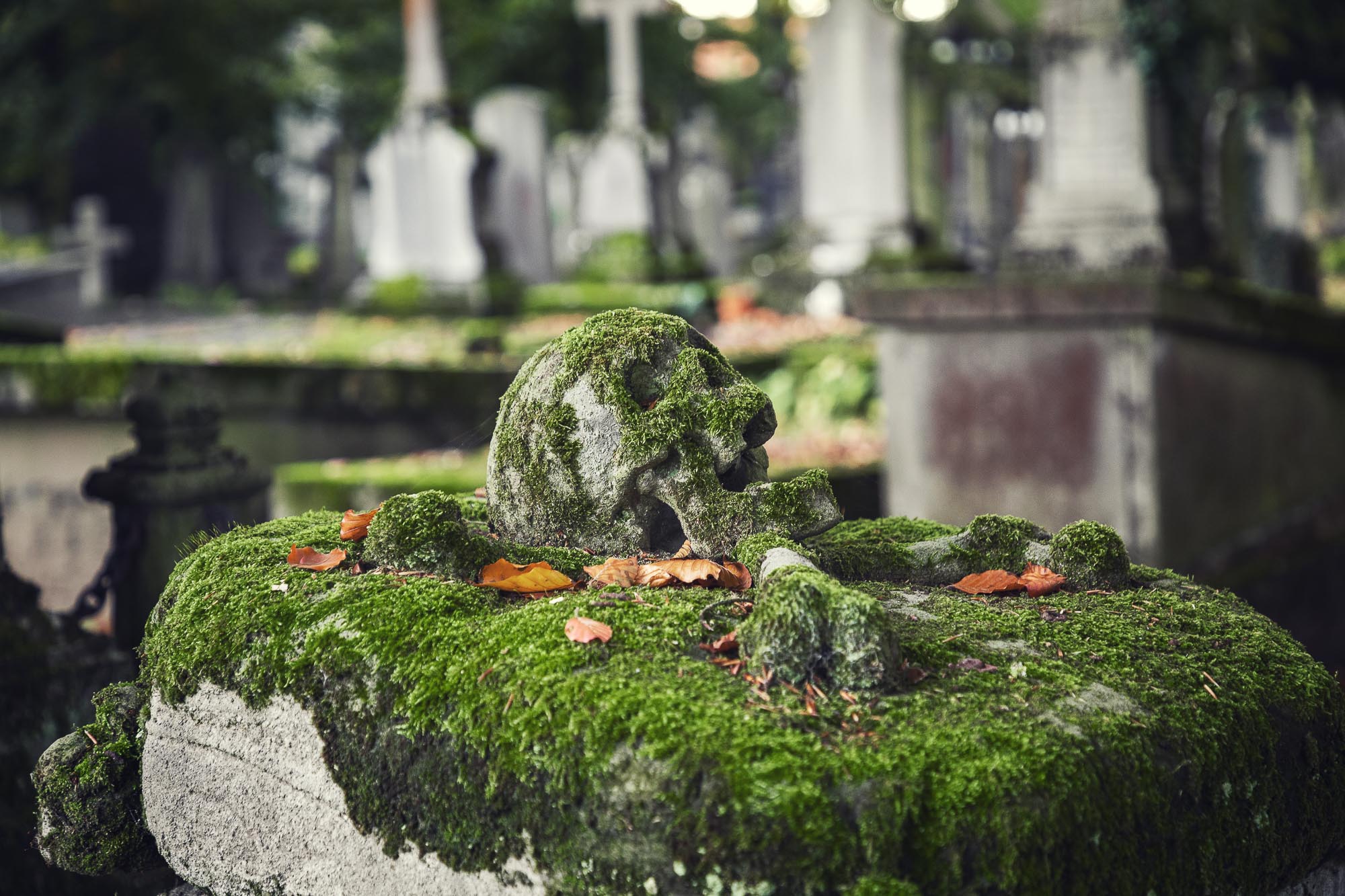
-
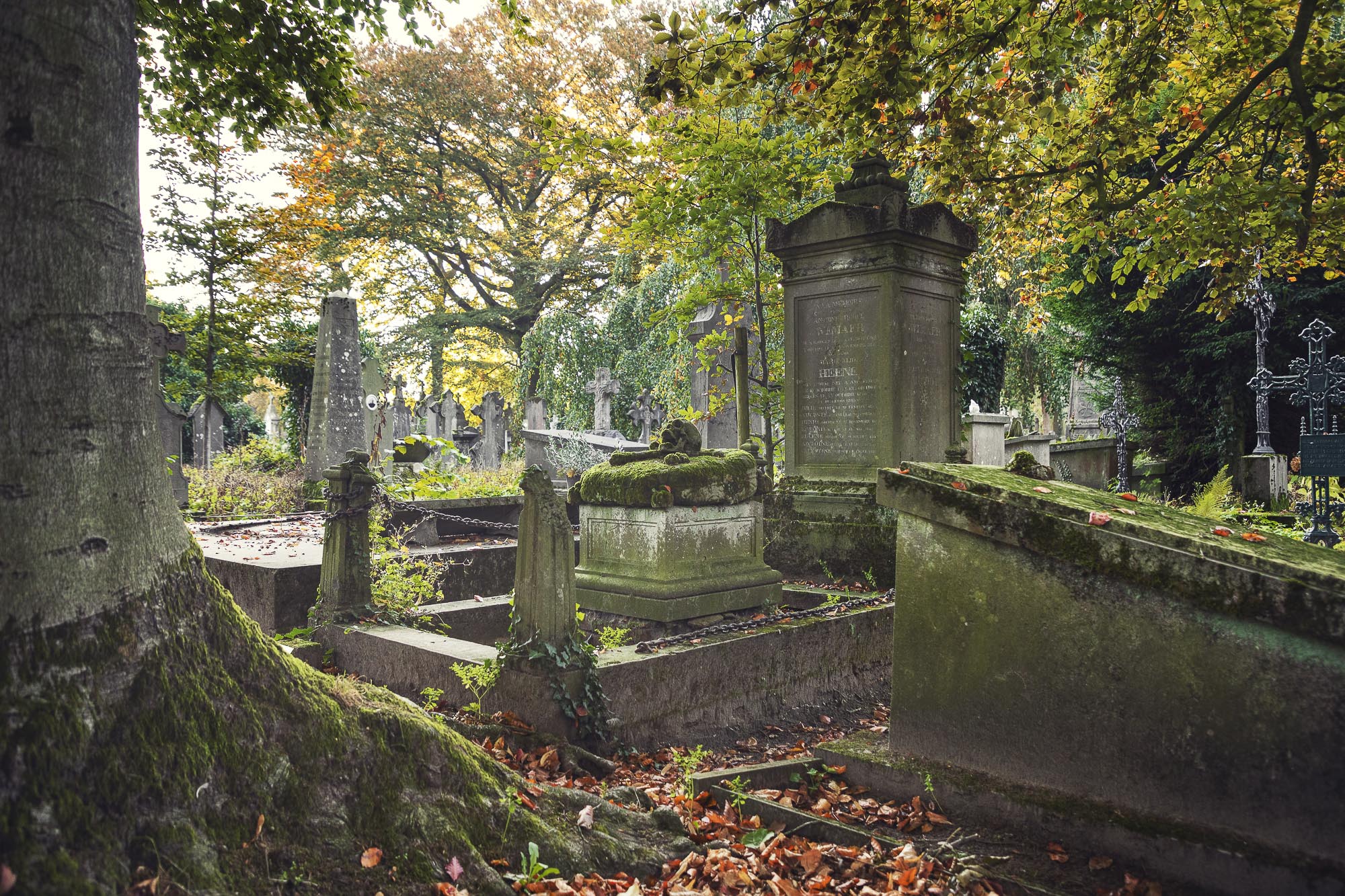
-
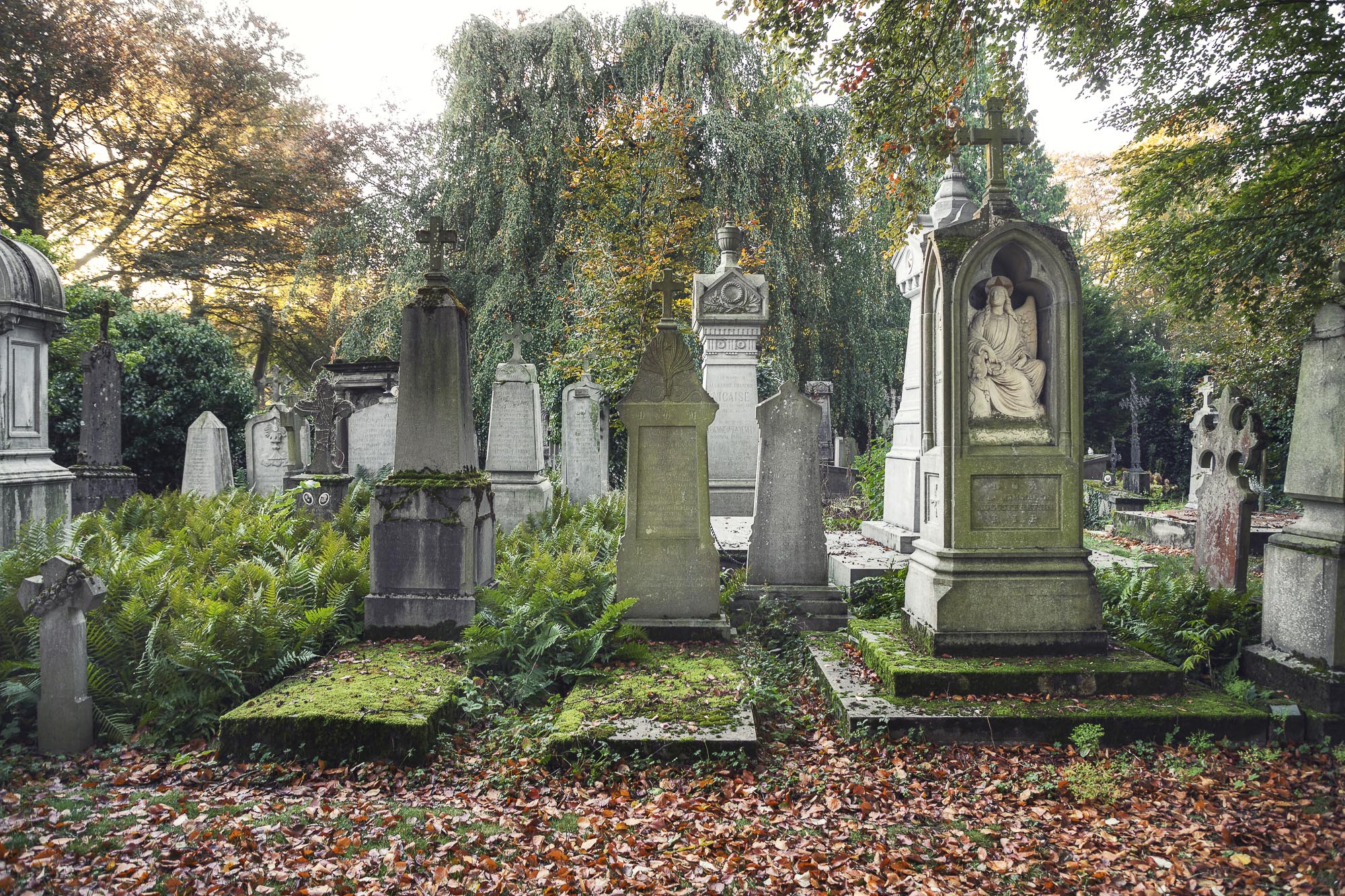
-
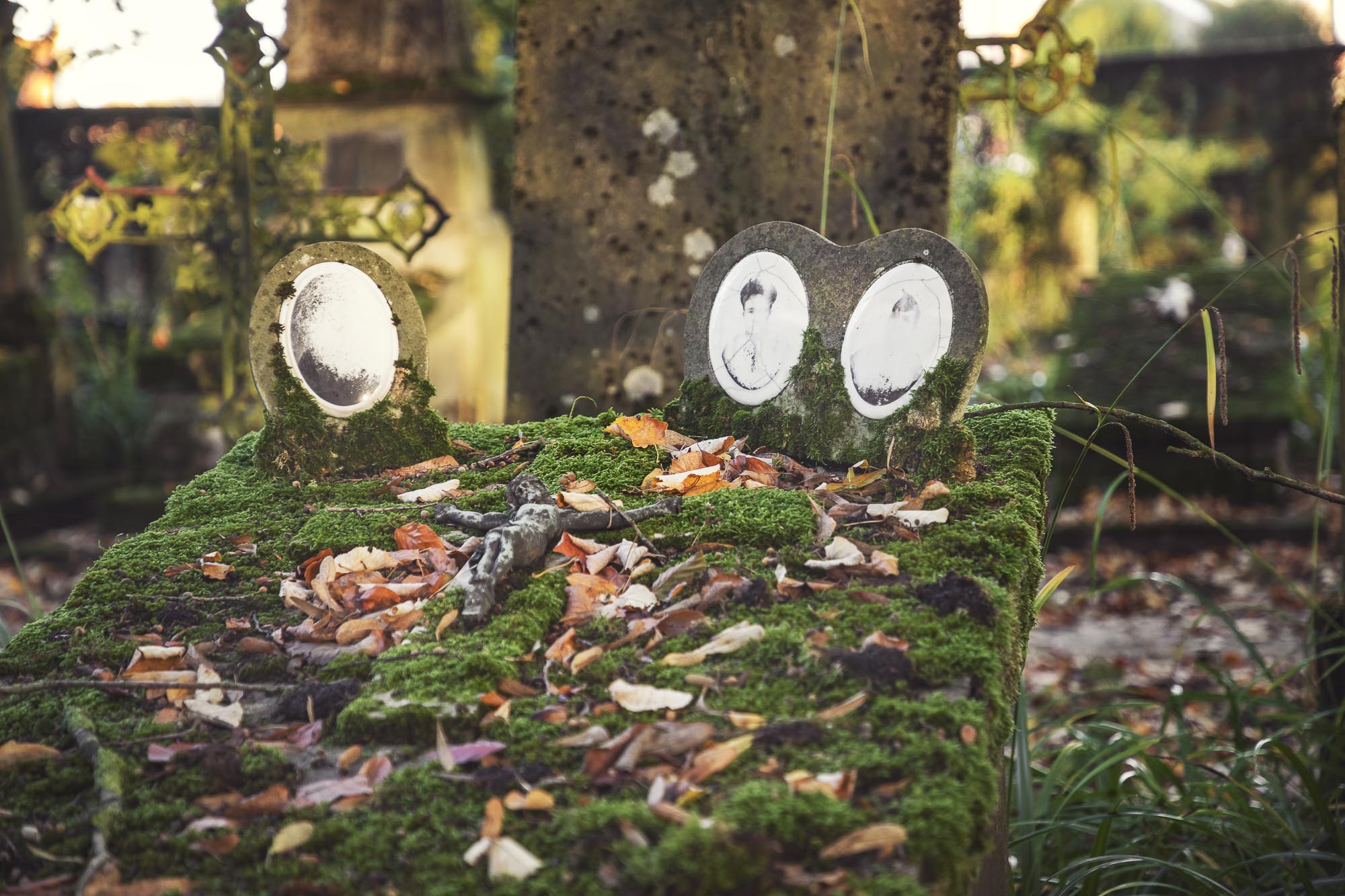
-
-
-
-
-

-
-

-
-
-

-
-

-
-
-
-

-
-
-
-
About this place
The cemetery goes back to the reforms of Emperor Joseph II, who banned burials in churches and inside towns. The city of Bruges used a piece of abbey land in rural Assebroek for the purpose. The first grave was opened on 13 February 1787, and by 1810 burials of Bruges residents had moved here completely.
The whitewashed gatehouse was built soon after the opening and resembles a farmhouse, a reminder of the site's once rural setting. The cemetery was extended in 1841 and 1864, adding areas for non-Catholics such as Anglicans and later for Freemasons.
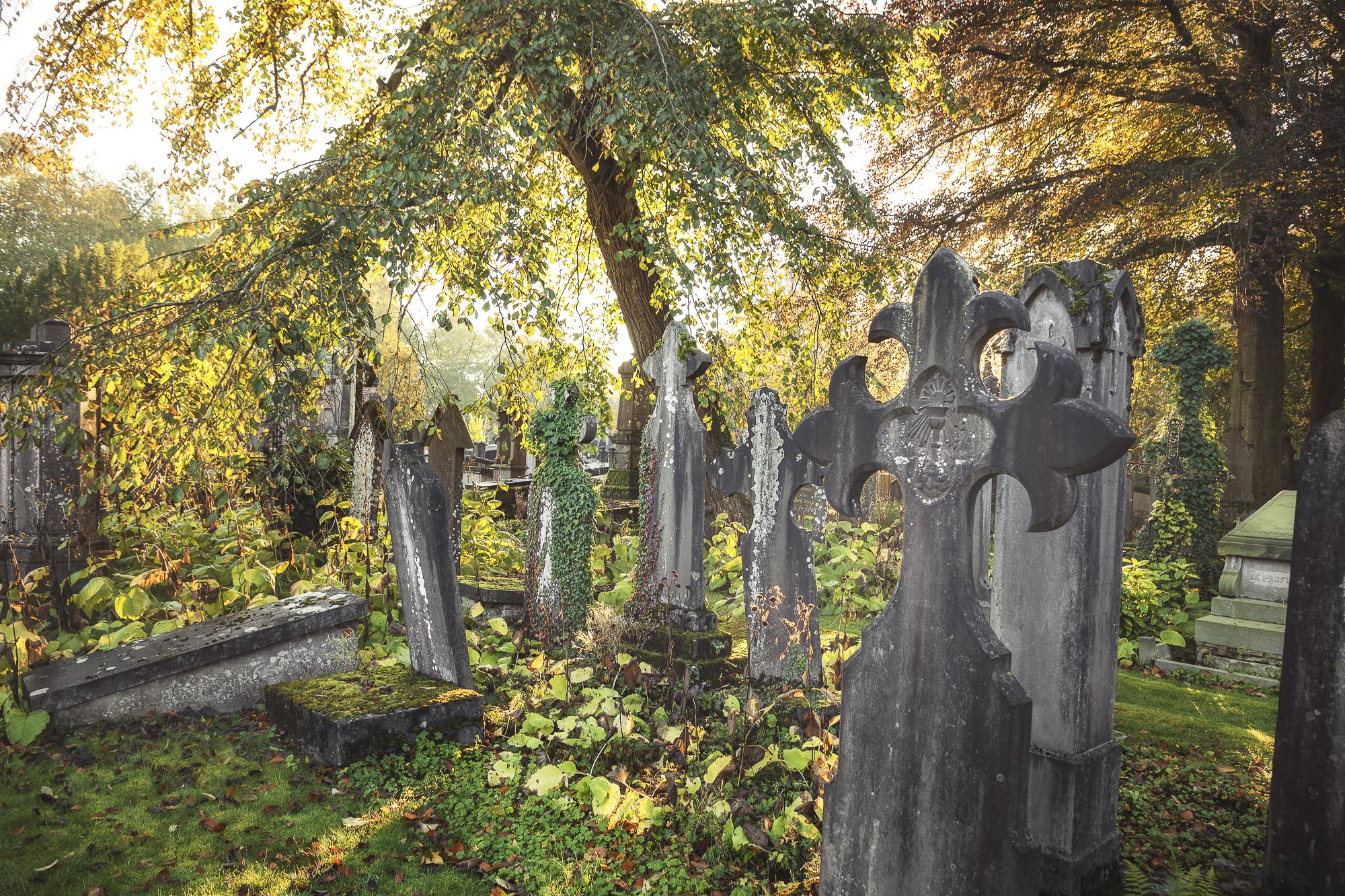
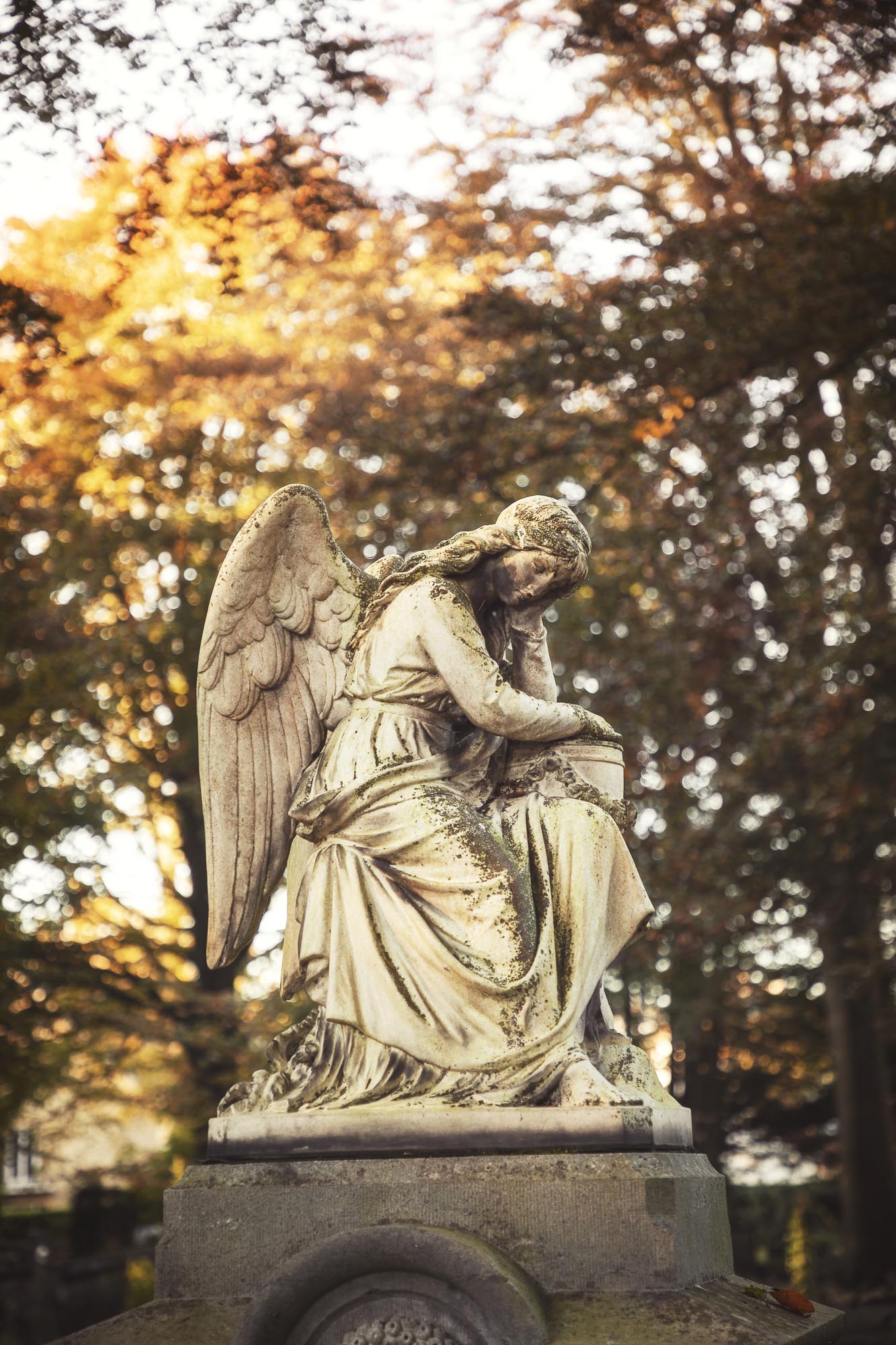
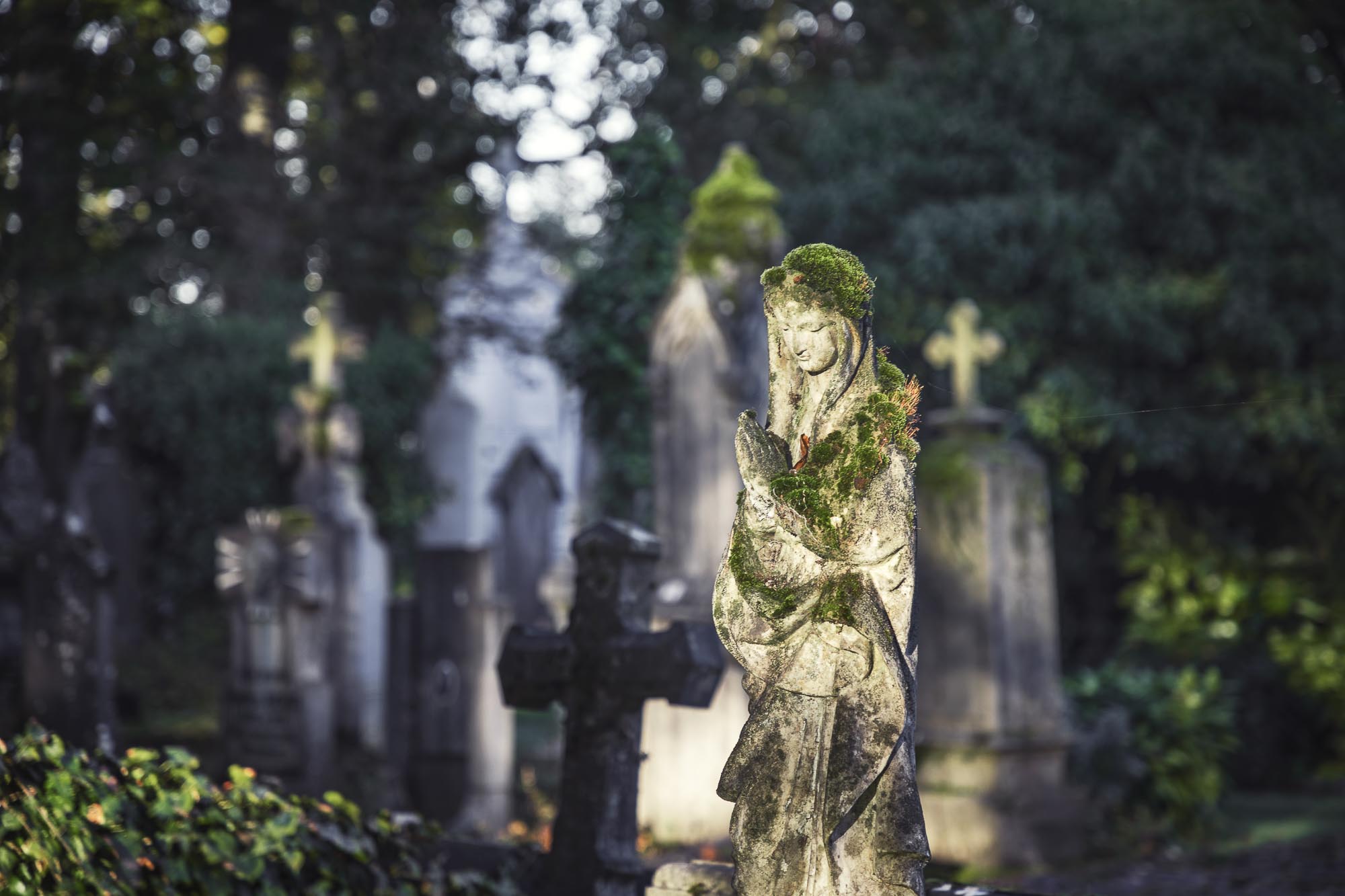
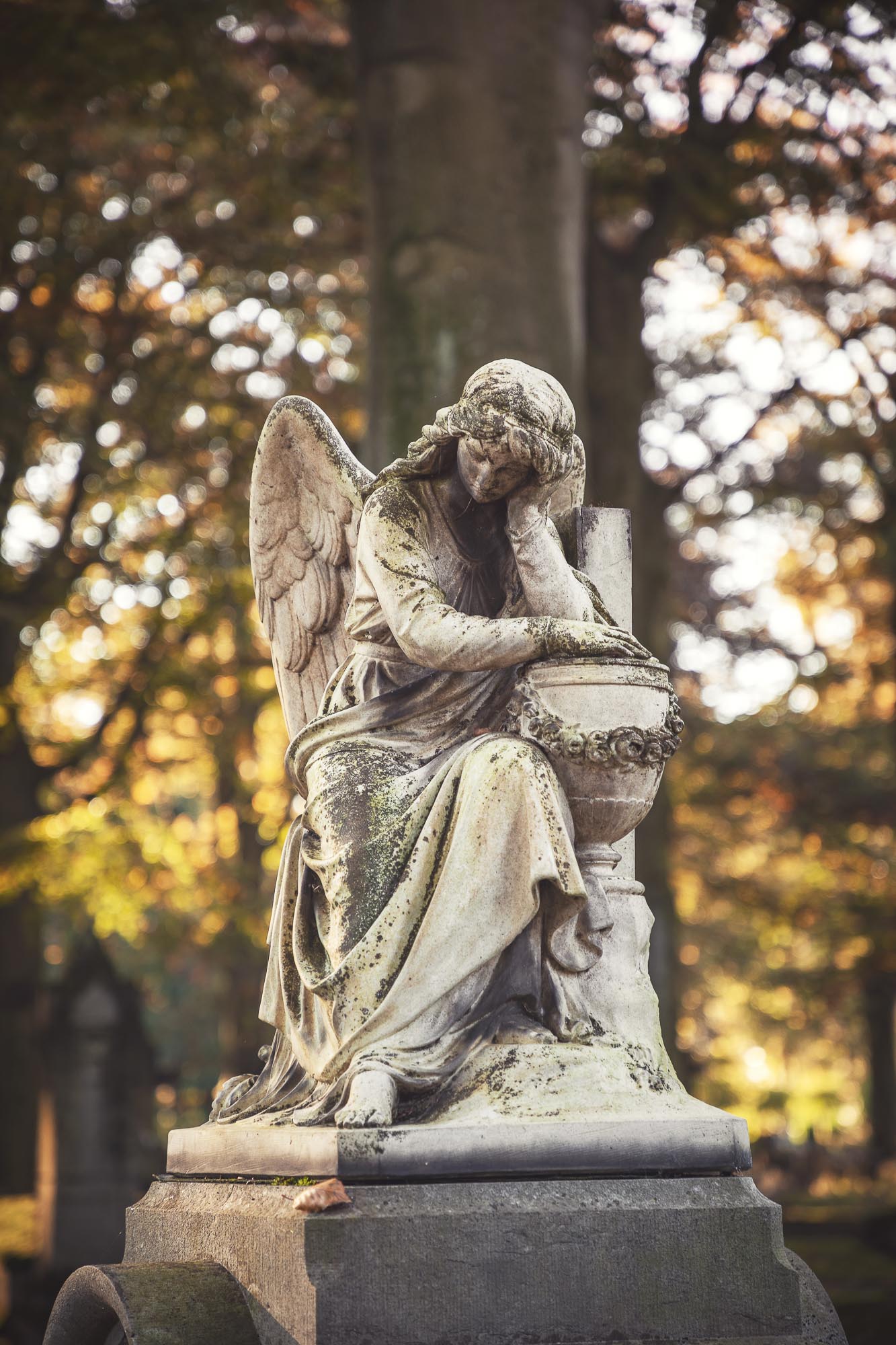
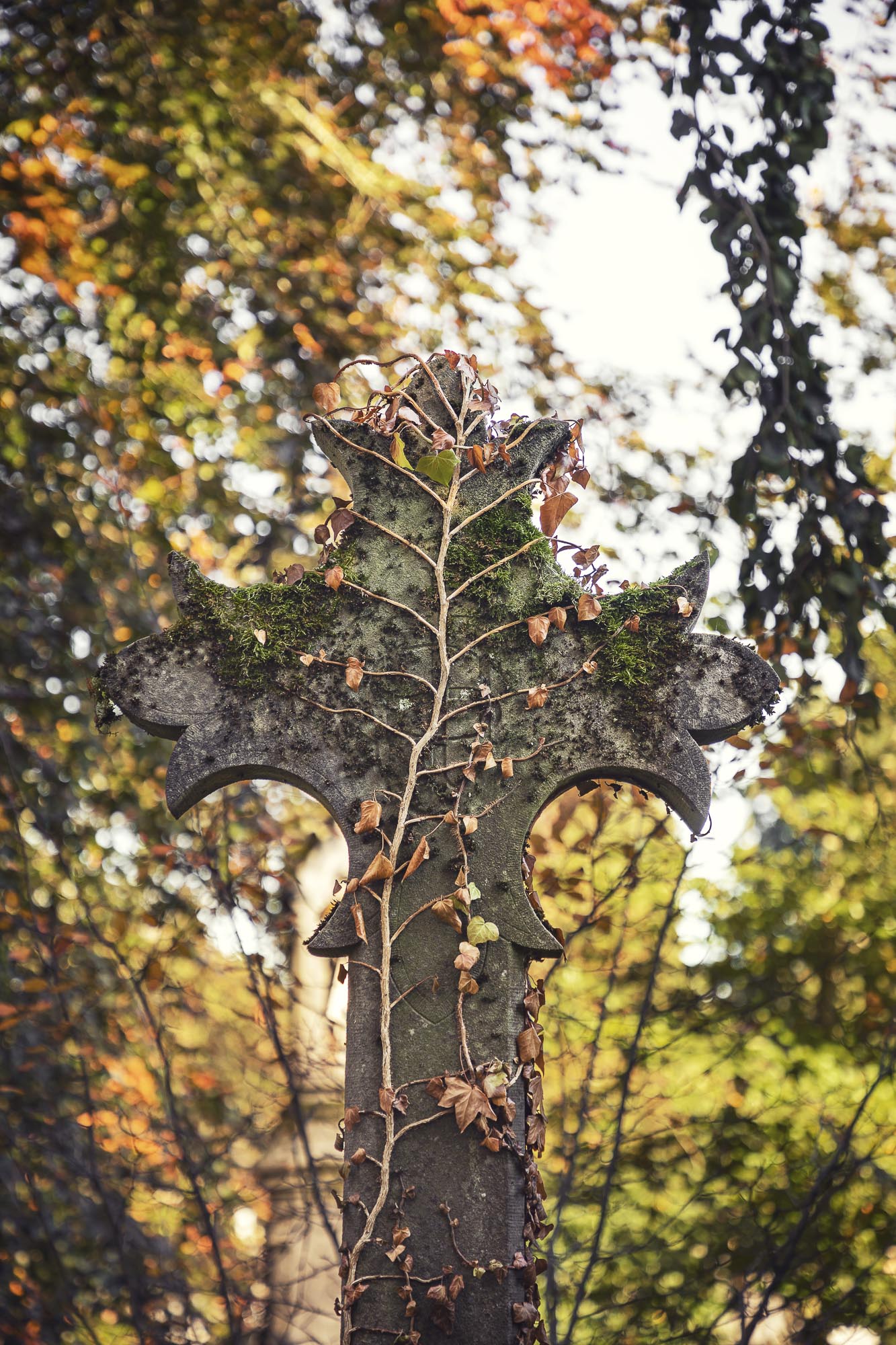
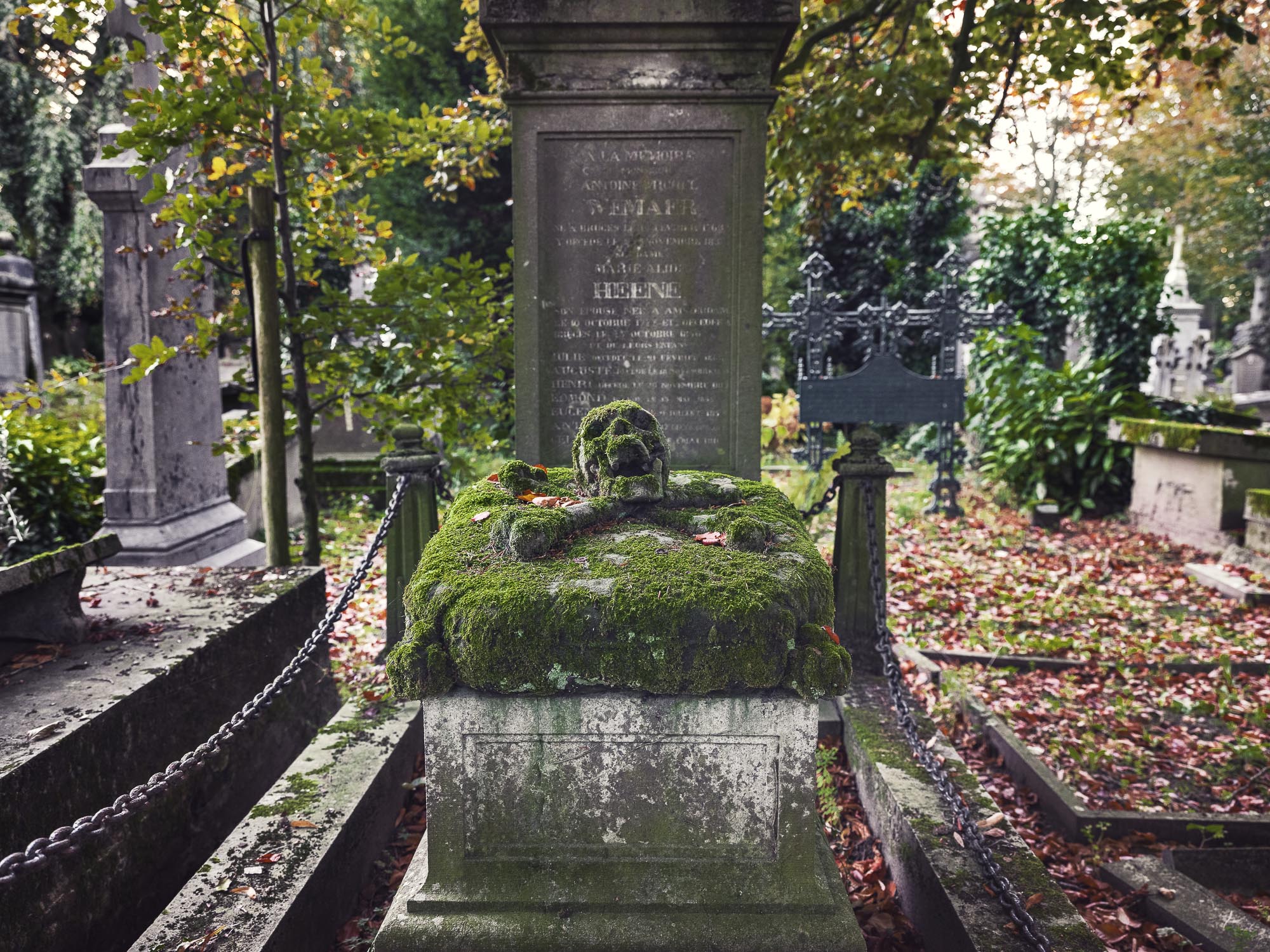
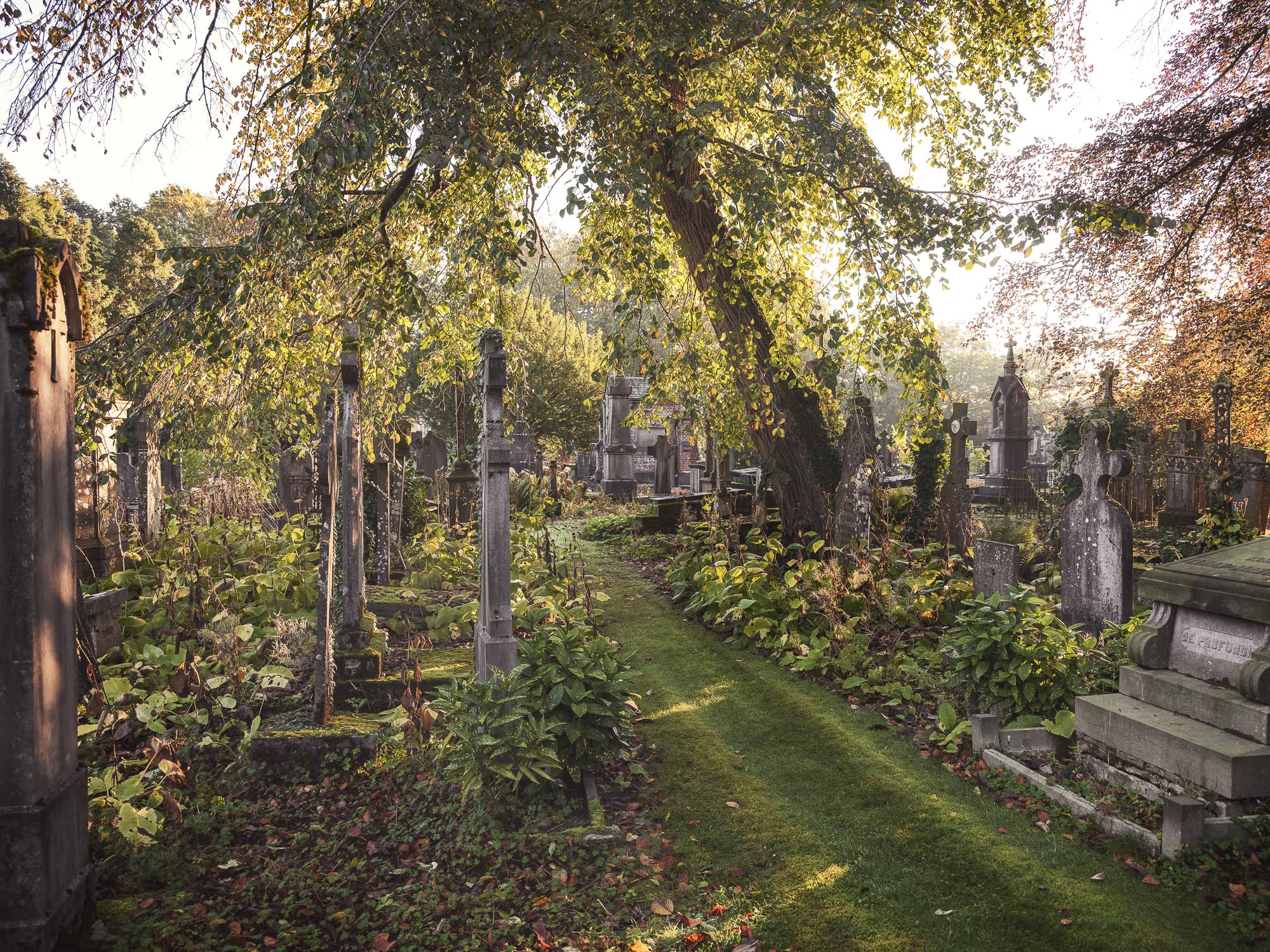
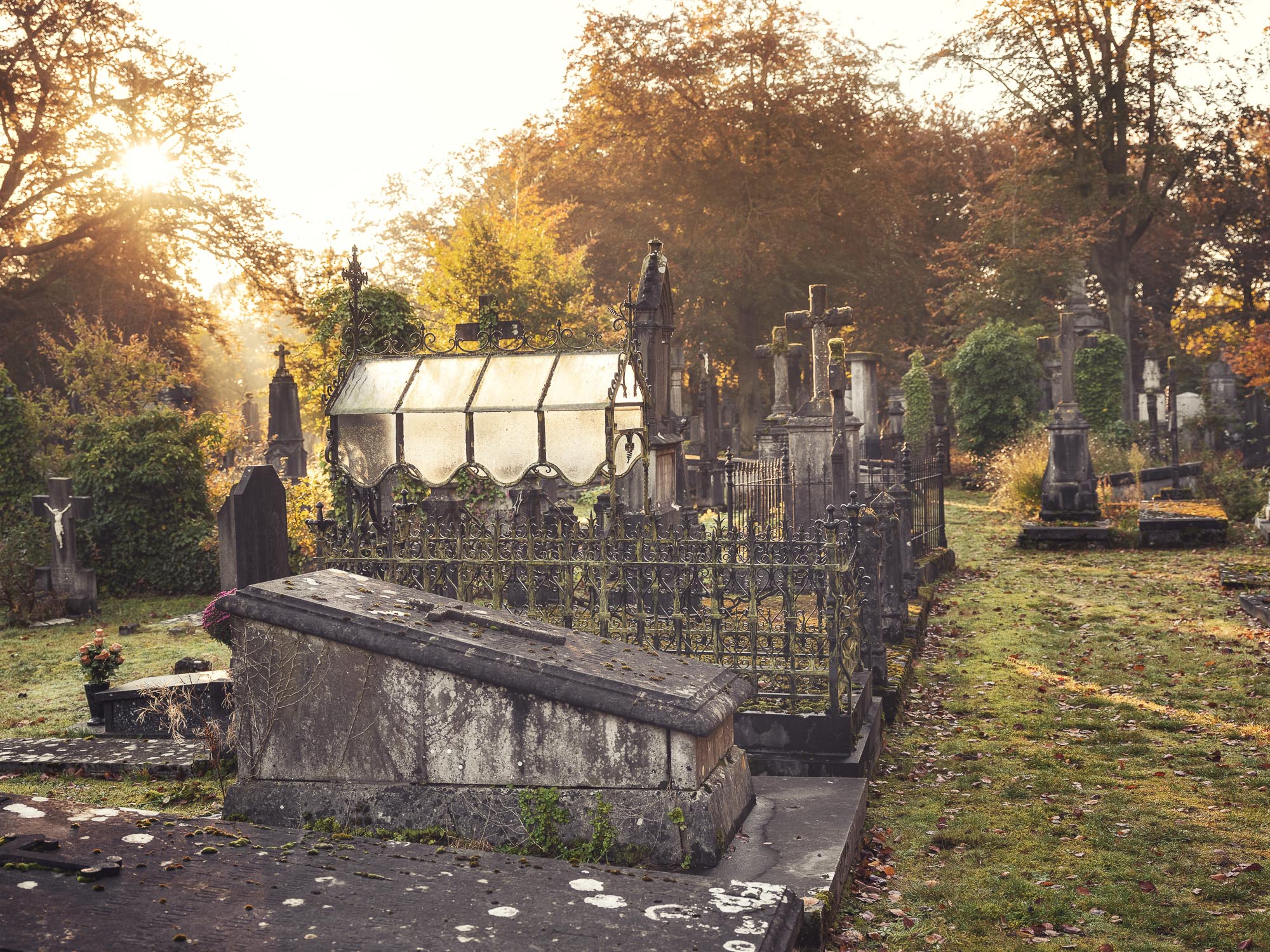
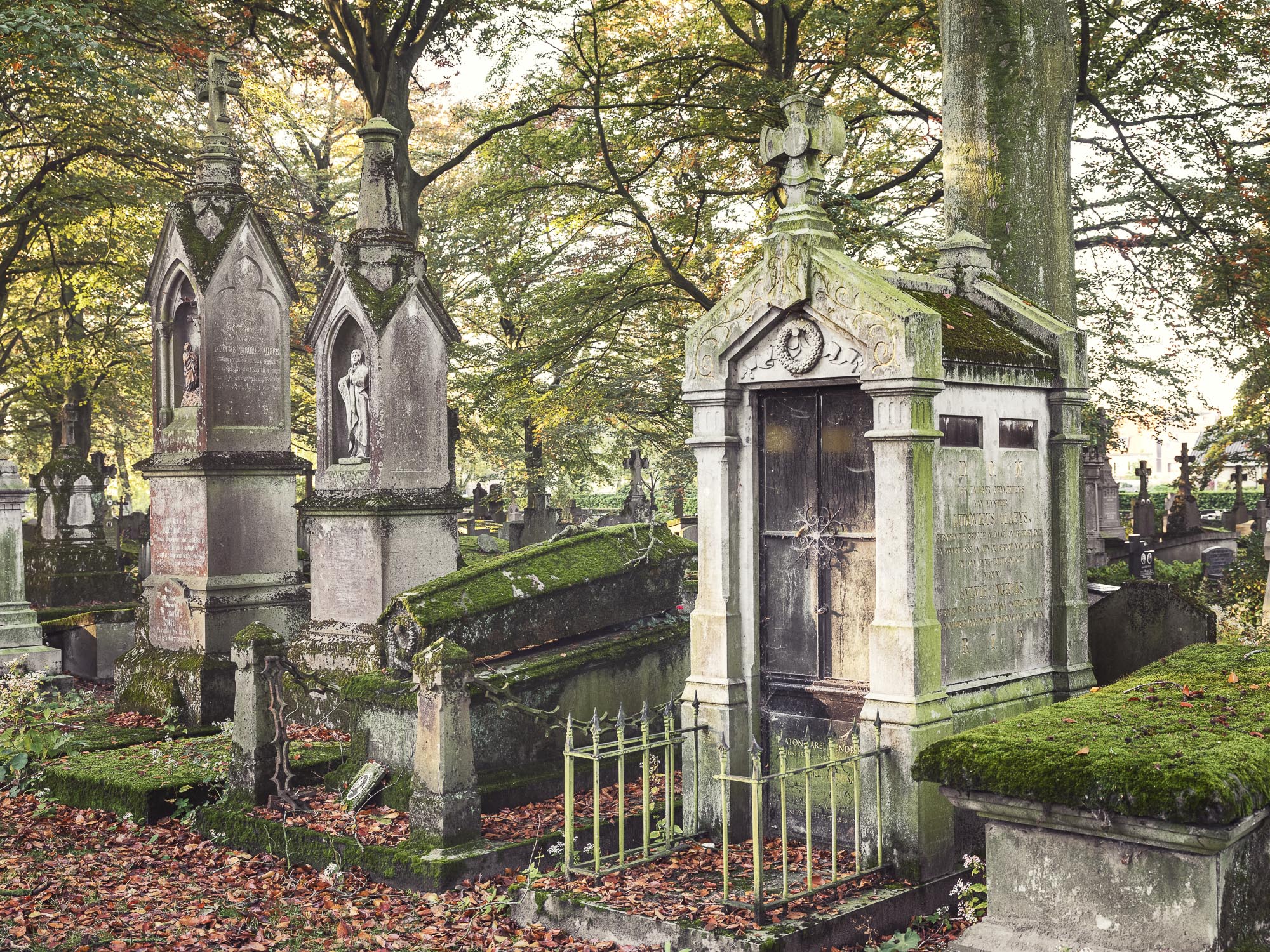
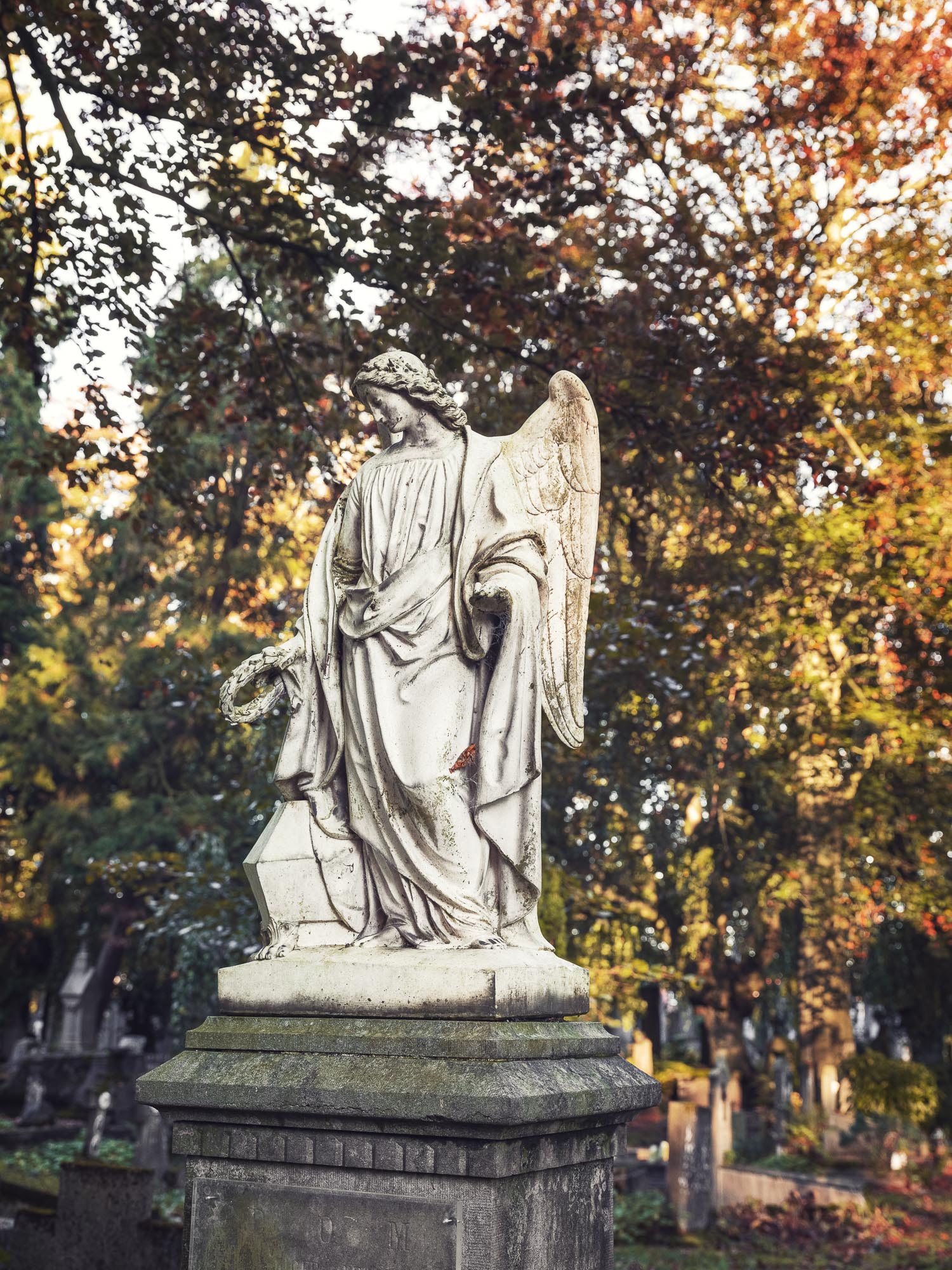
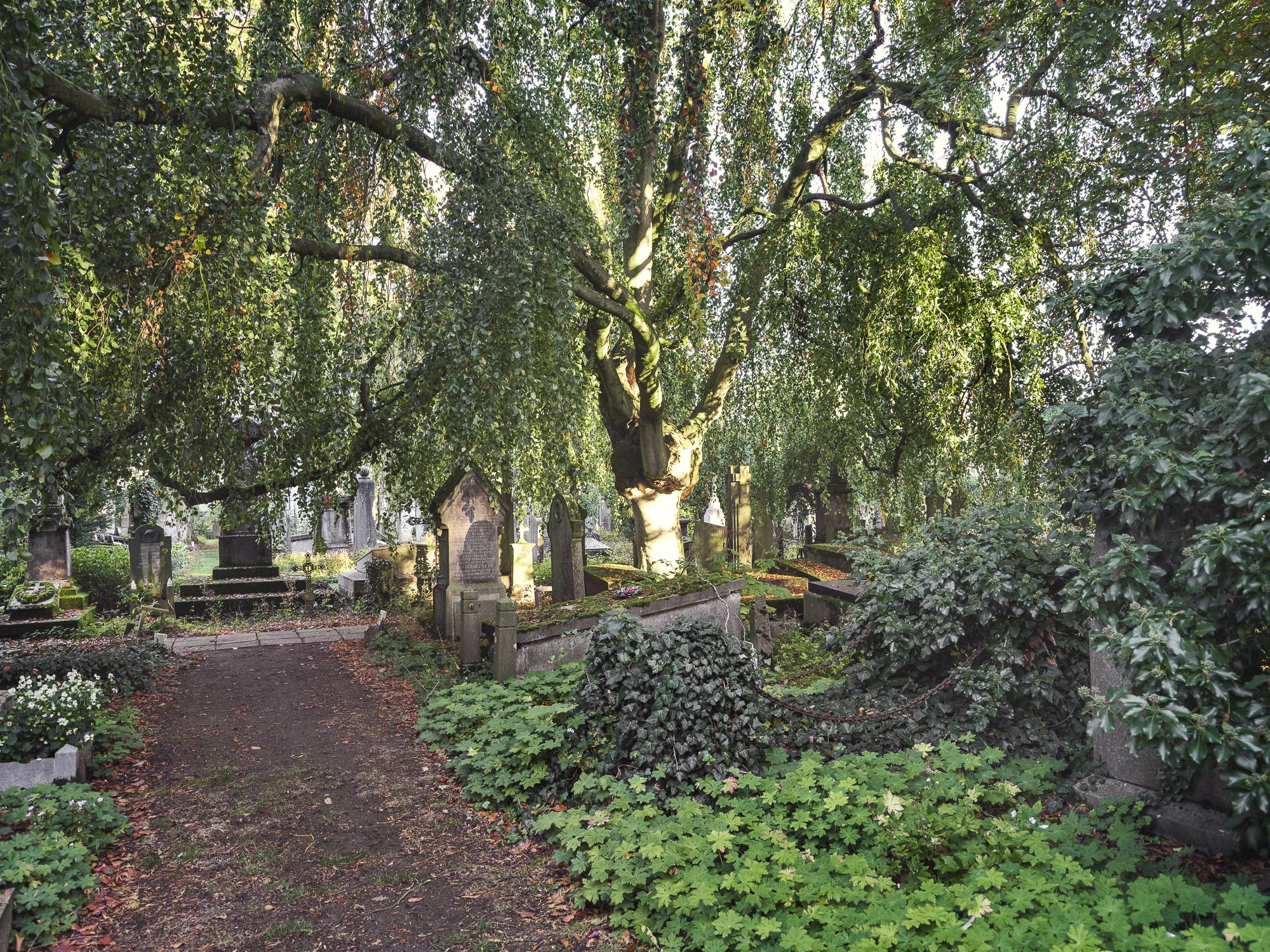
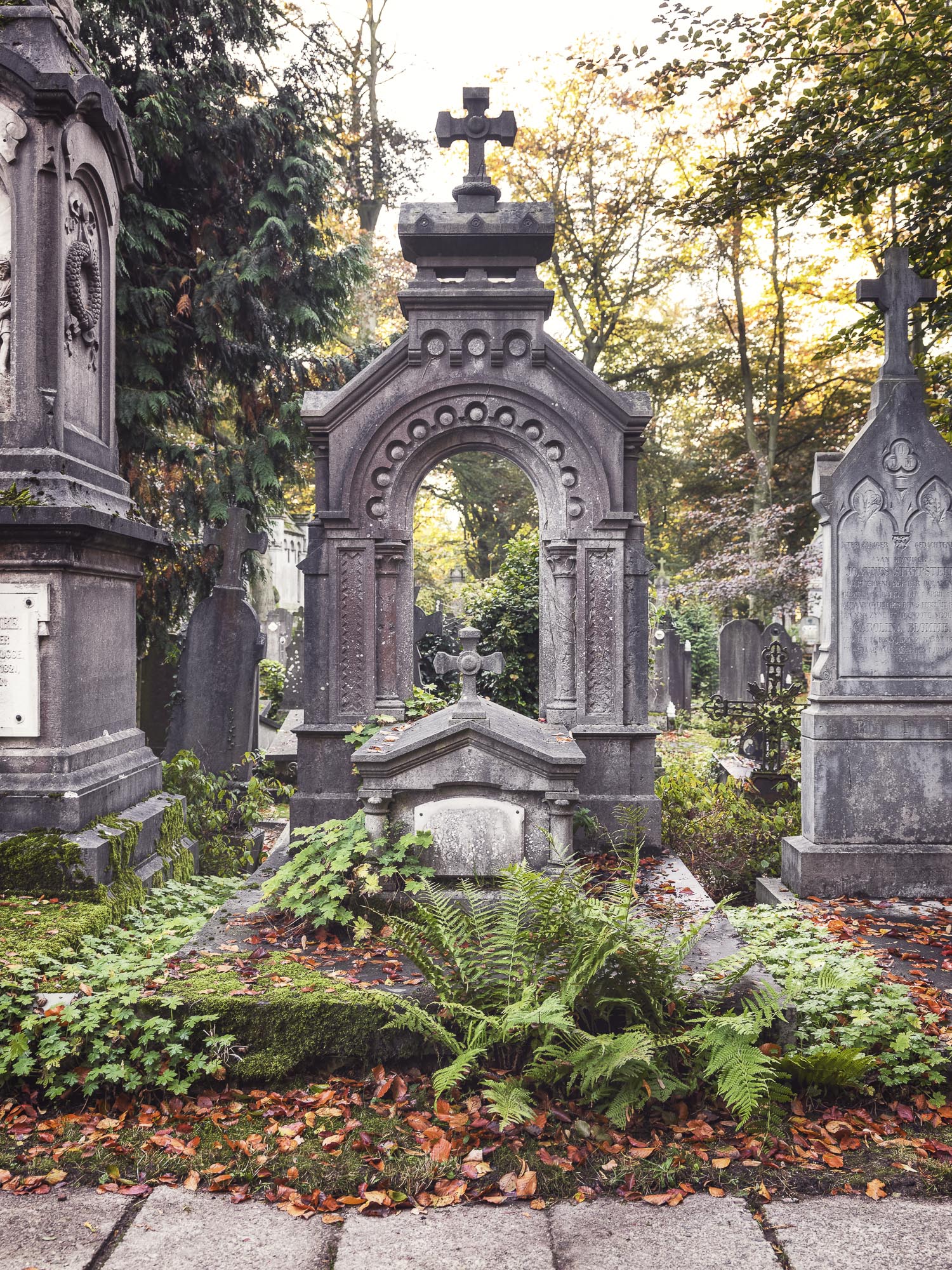
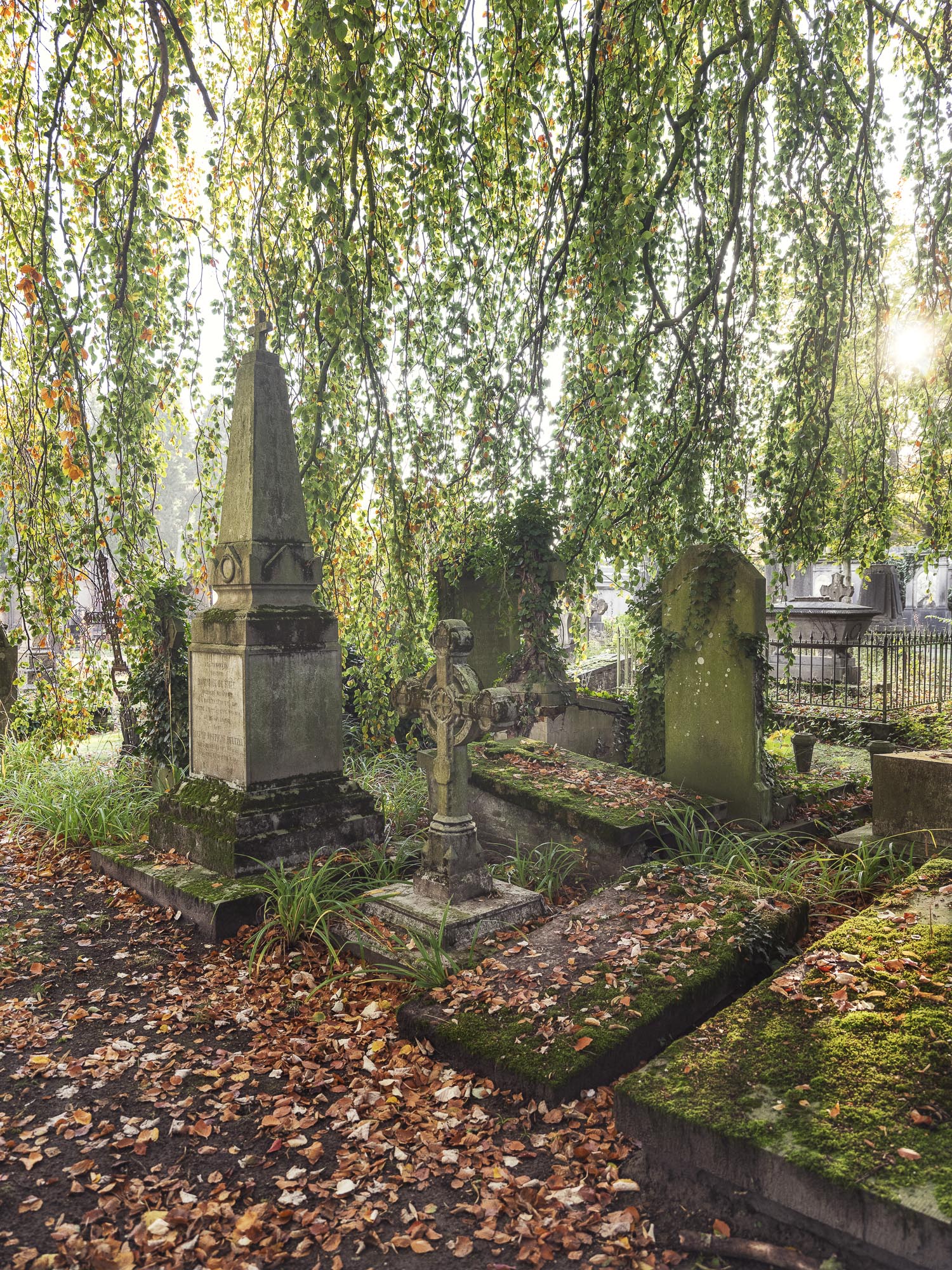
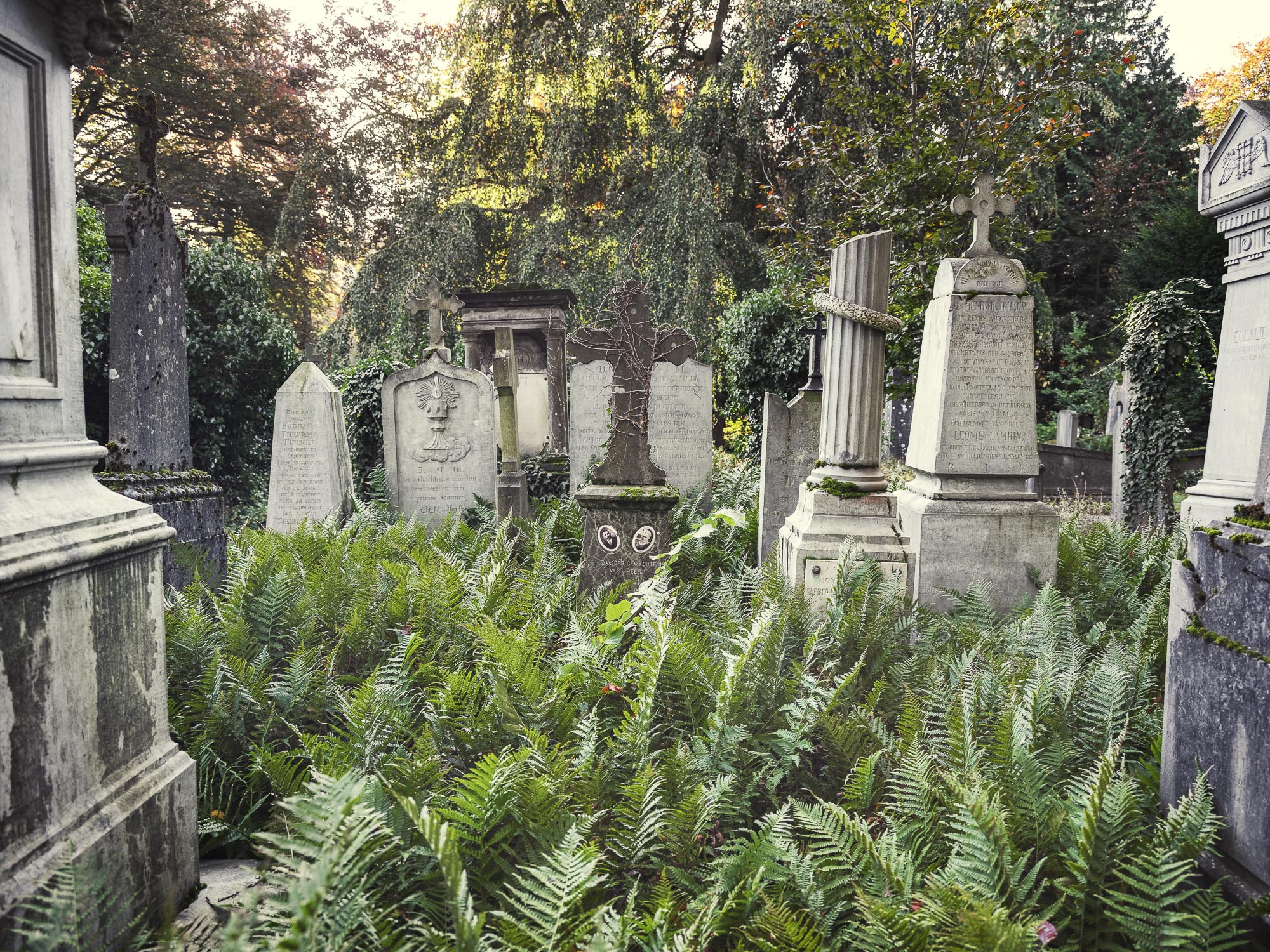
Wealthy families had grave chapels built near the Calvary, and the monuments run from Neo-Gothic and Neo-Renaissance to Art Nouveau and Art Deco. Weathered graves of well-known Bruges families stand beside more recent ones, since the cemetery is still in use. Visitors are therefore guests in a place where people mourn, and should show consideration.
Frequently asked questions
Where is the Central Cemetery in Bruges?
The cemetery is in the Assebroek district on the edge of Bruges, at Kleine Kerkhofstraat 60. It can be reached by bicycle or car from the historic centre.
When was the Central Cemetery of Bruges founded?
The first grave was opened on 13 February 1787. The cemetery was laid out on abbey land after Joseph II banned burials in churches and towns.
What can be seen at the cemetery in Assebroek?
There is a whitewashed gatehouse, grave chapels built by wealthy families and monuments in Neo-Gothic, Neo-Renaissance, Art Nouveau and Art Deco styles. The walled cemetery is still in use.