Austria · Vienna · 15 pictures
St. Marx Cemetery
Friedhof St. Marx
-
-
-
-
-
-
-
-
-
-
-
-
-
-
-
About this place
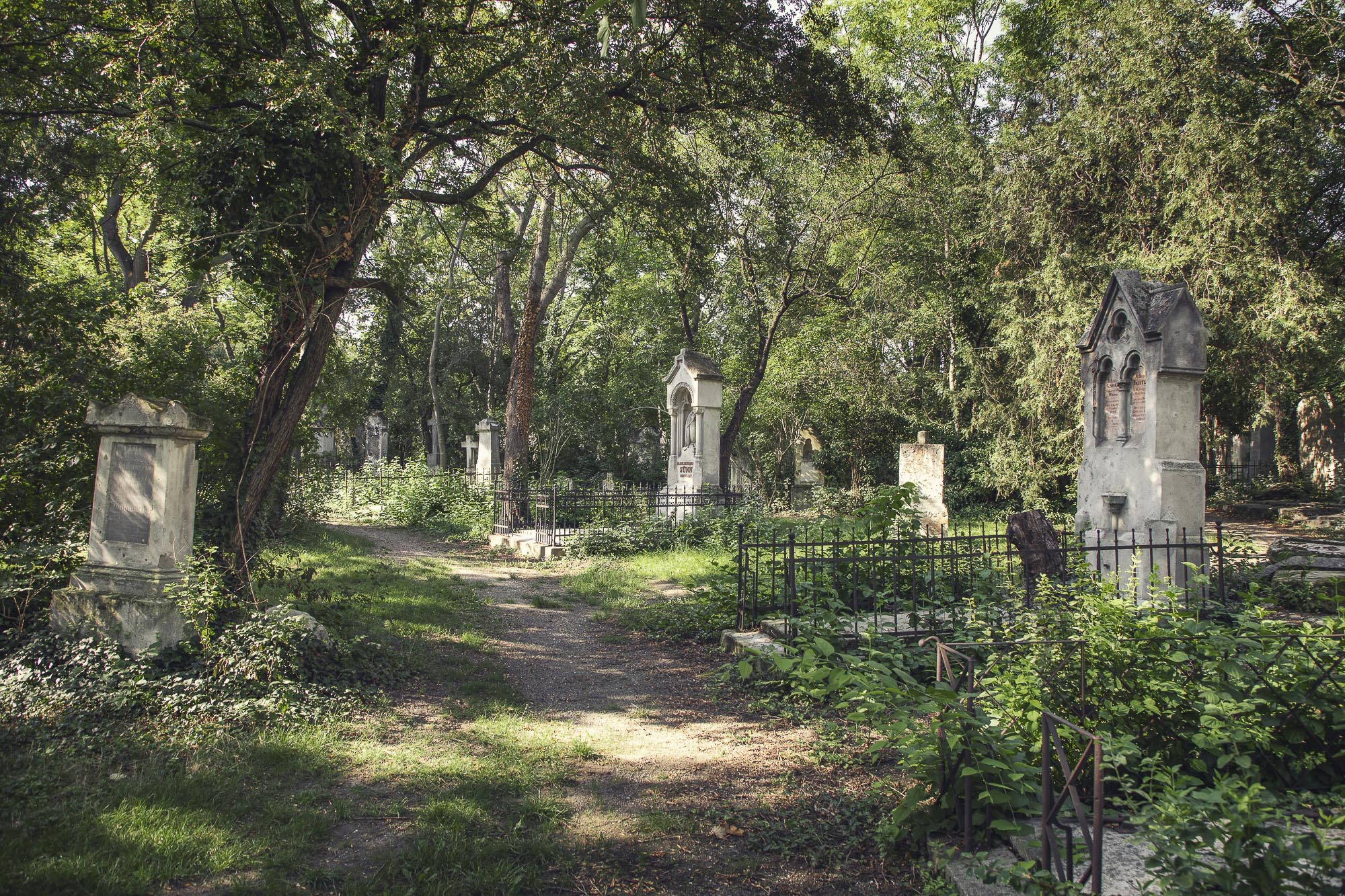
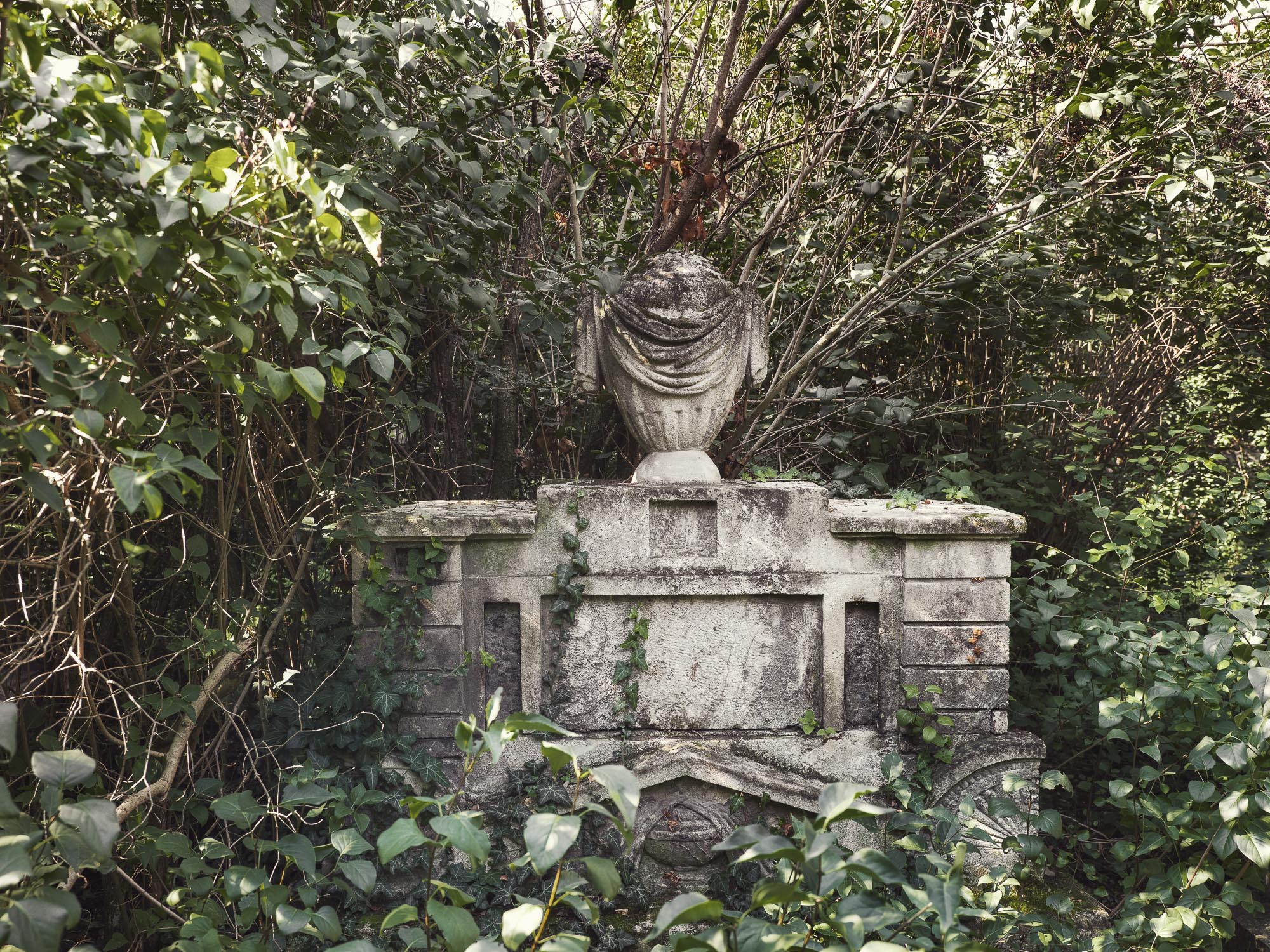
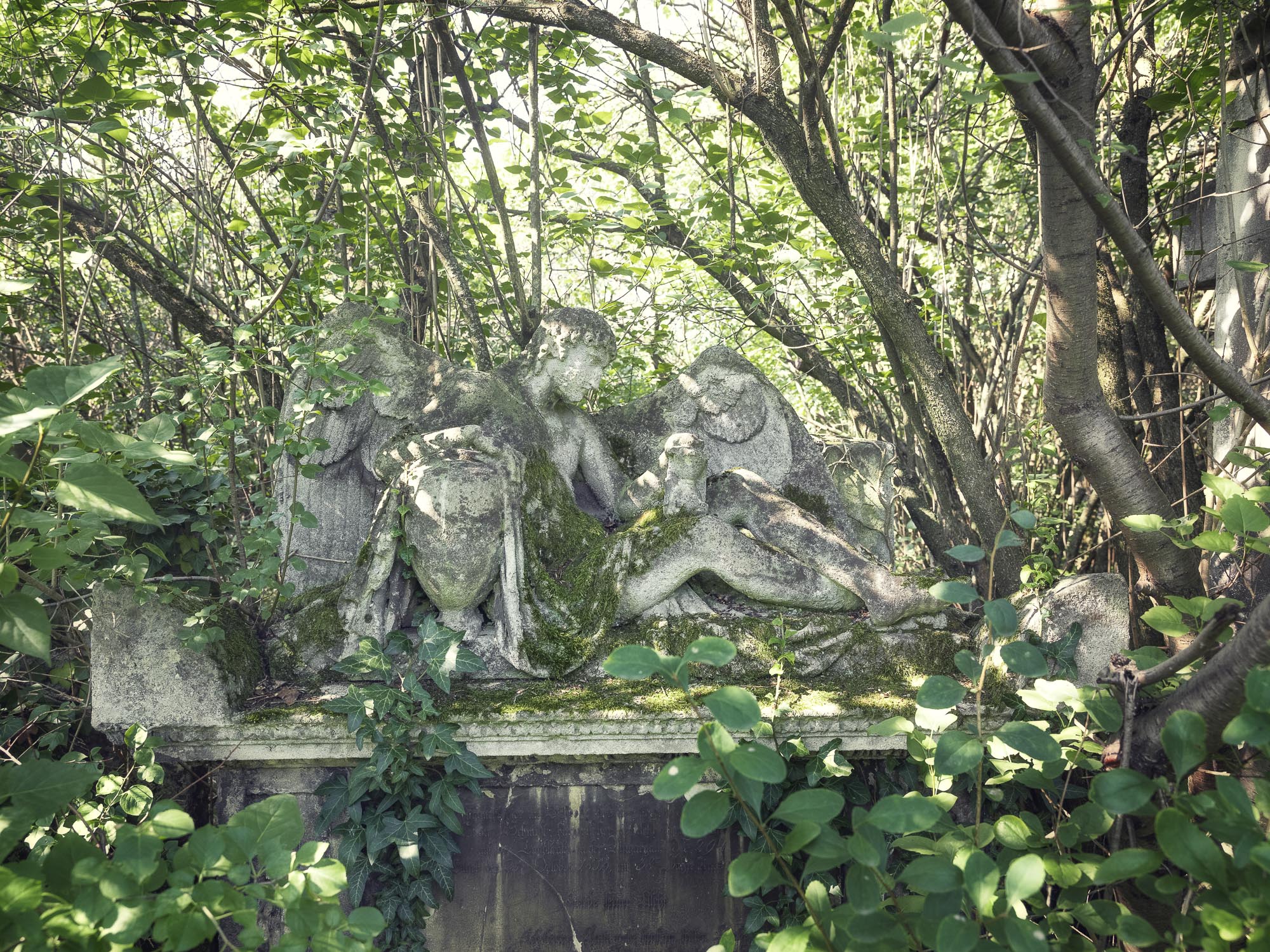
The cemetery is first recorded in the death register of the parish of Maria Geburt on 17 May 1784. It came about through the reforms of Joseph II, which ended burials inside the city. Regular interments stopped when the Central Cemetery opened on 1 November 1874. The grounds were then left to themselves for decades and became overgrown. After restoration under the architect Anton Waldhauser, they reopened as cemetery and park on 22 October 1937.
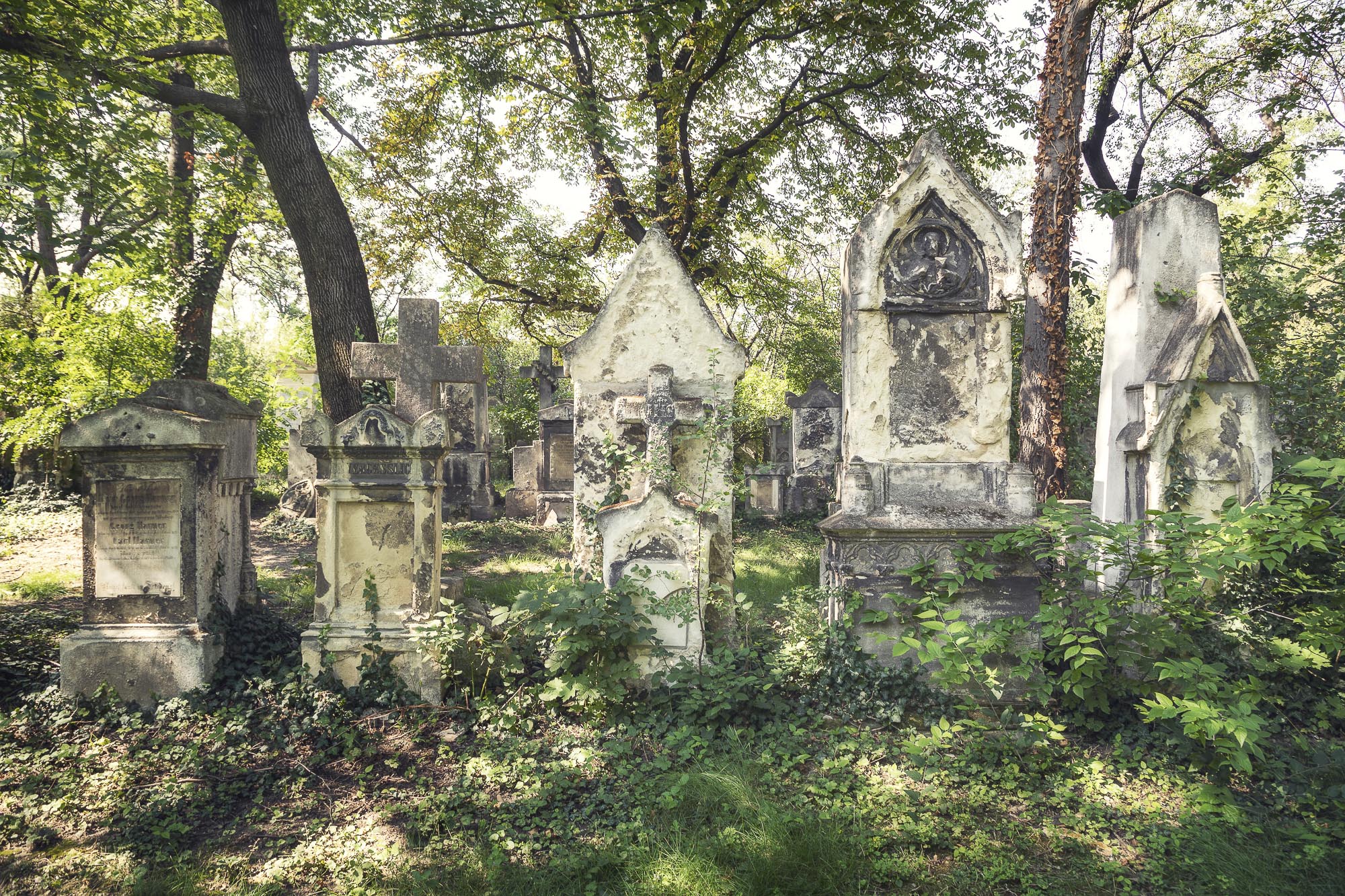
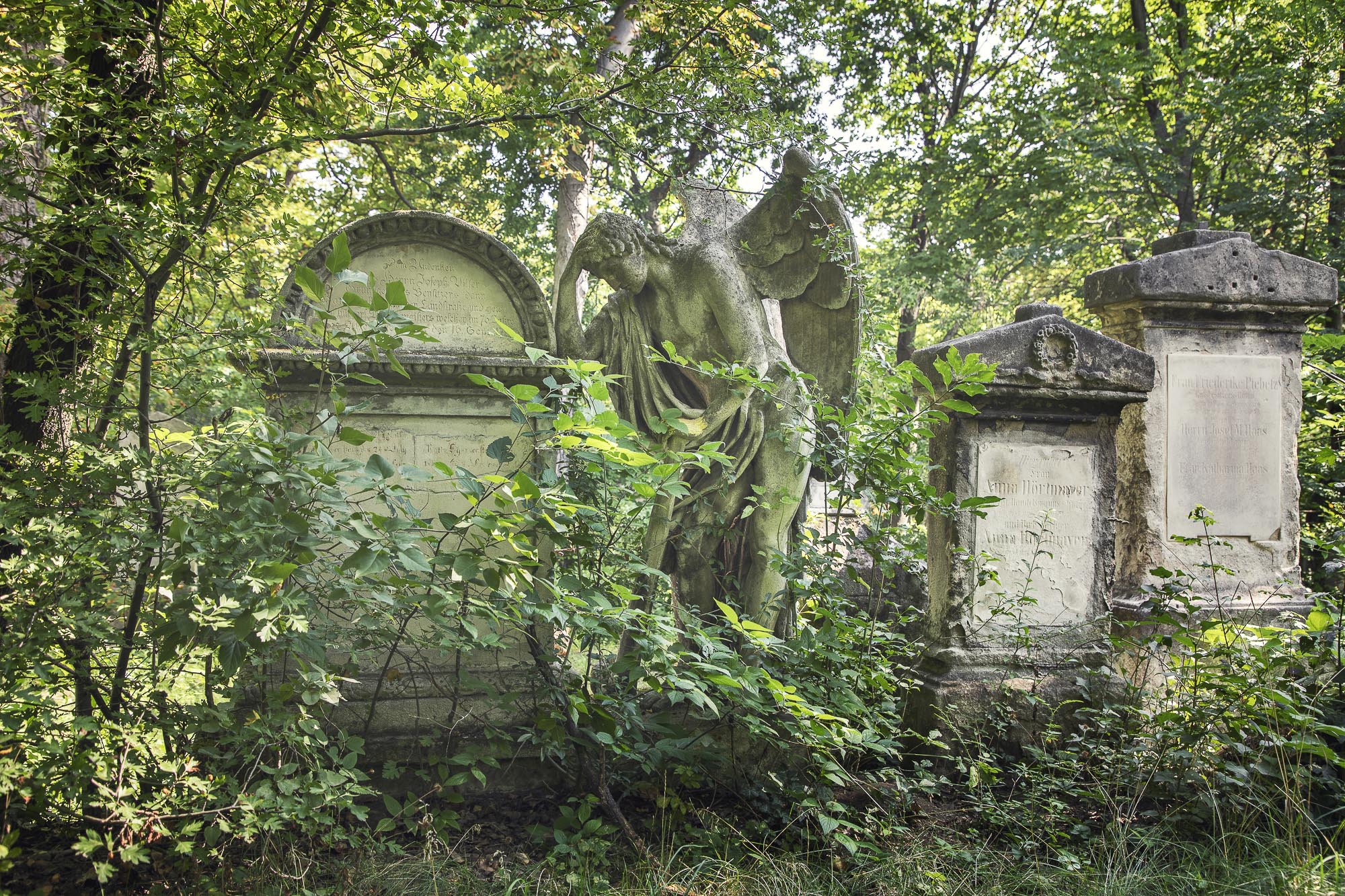
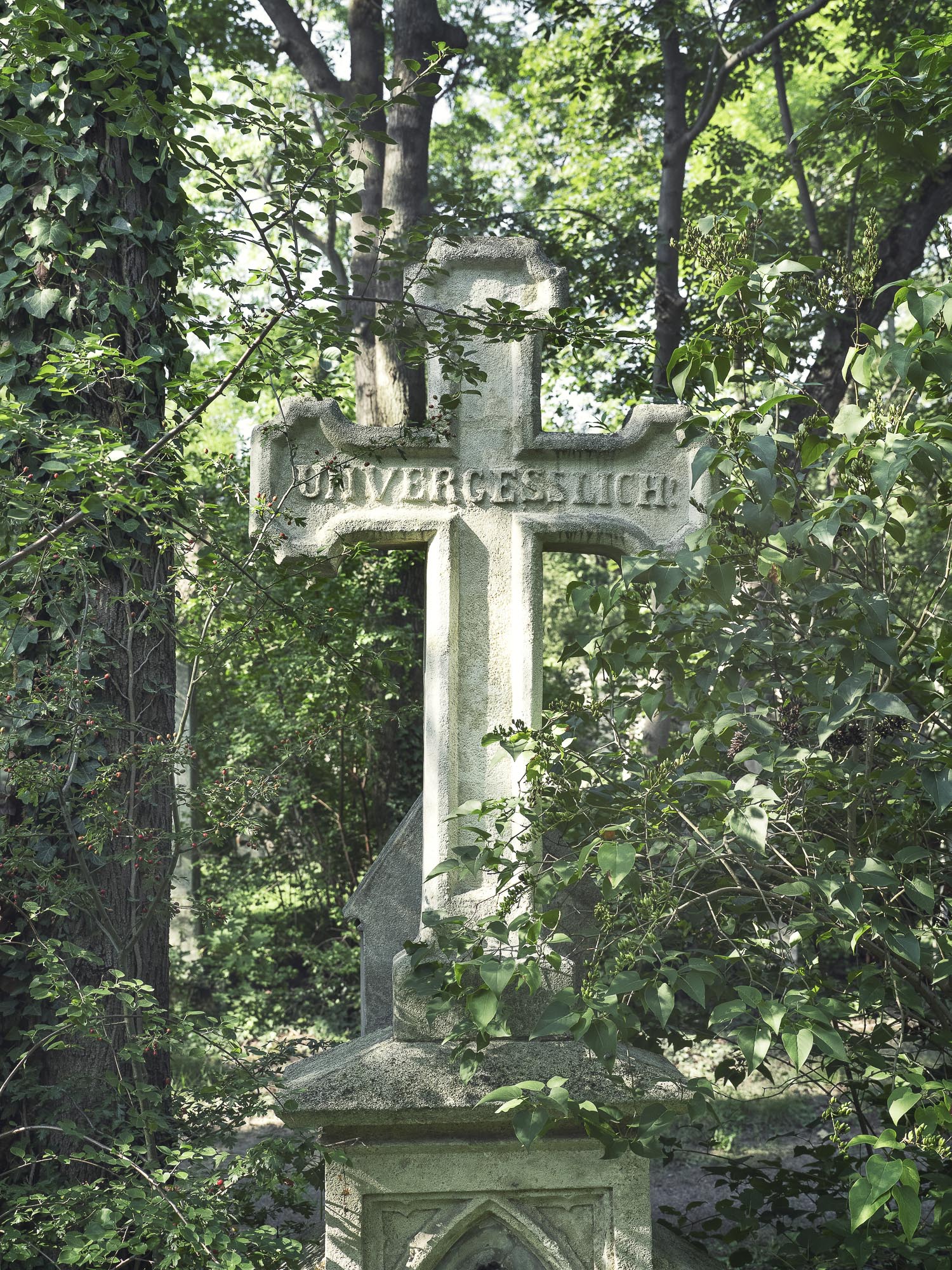
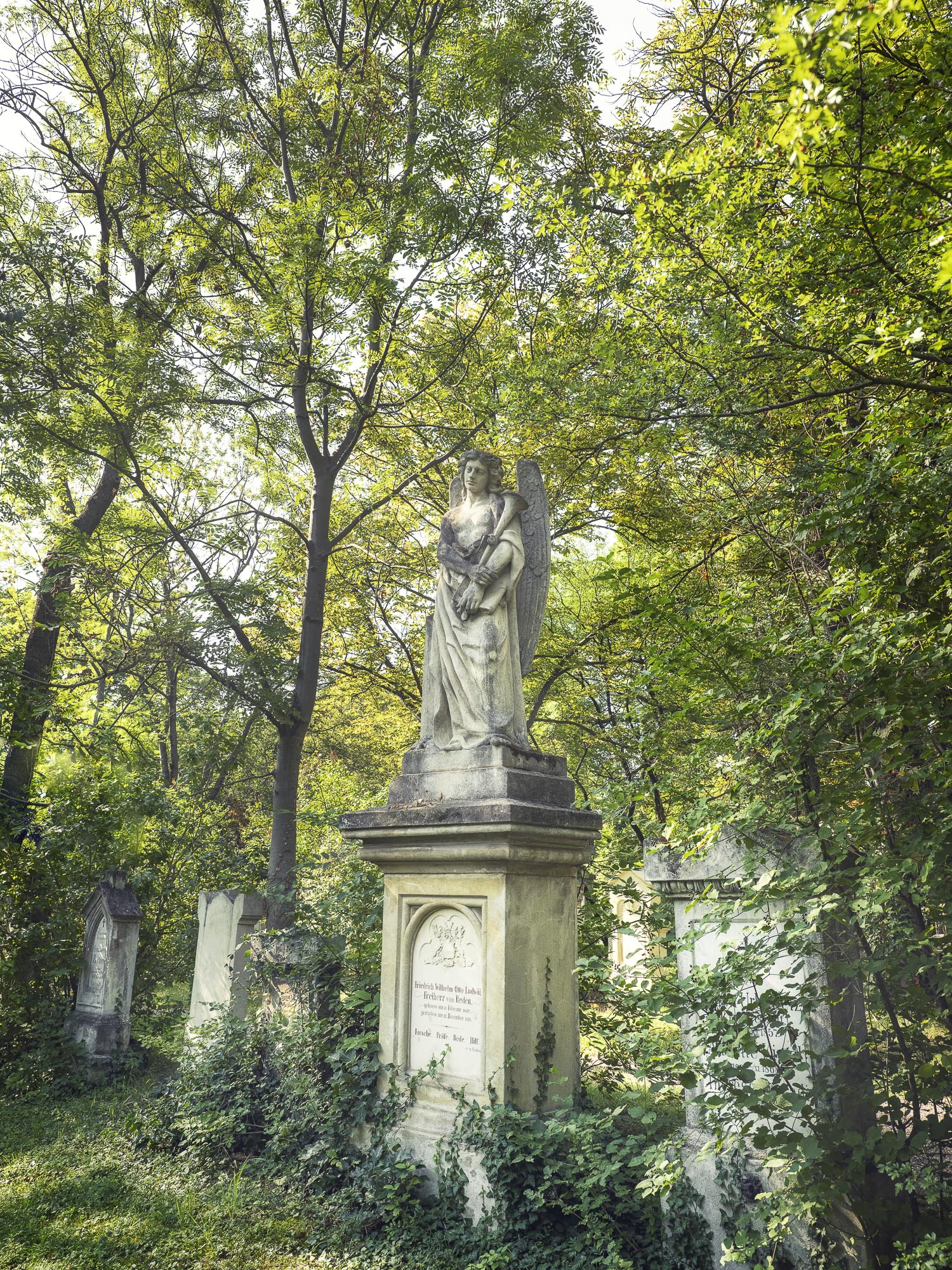
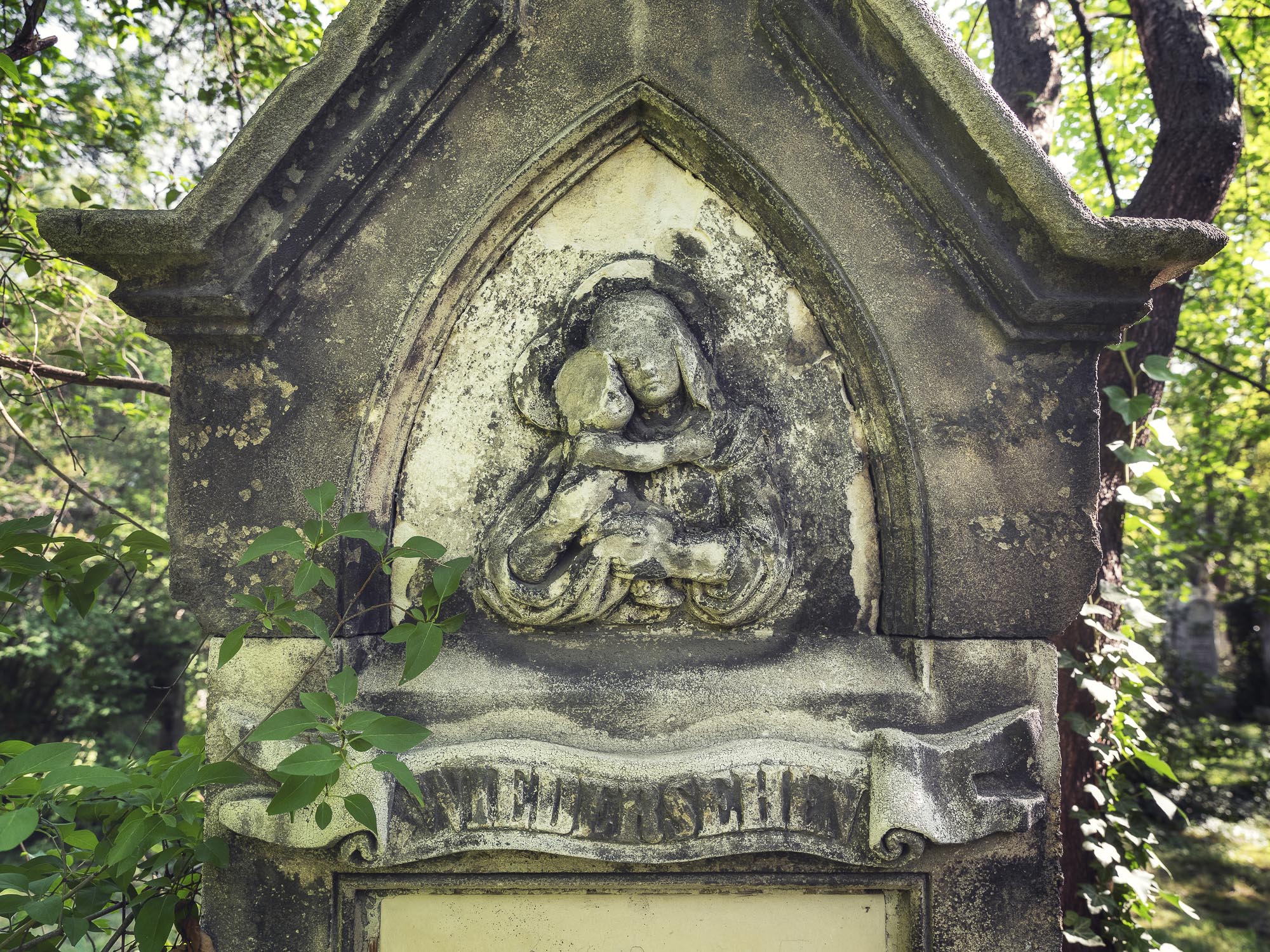
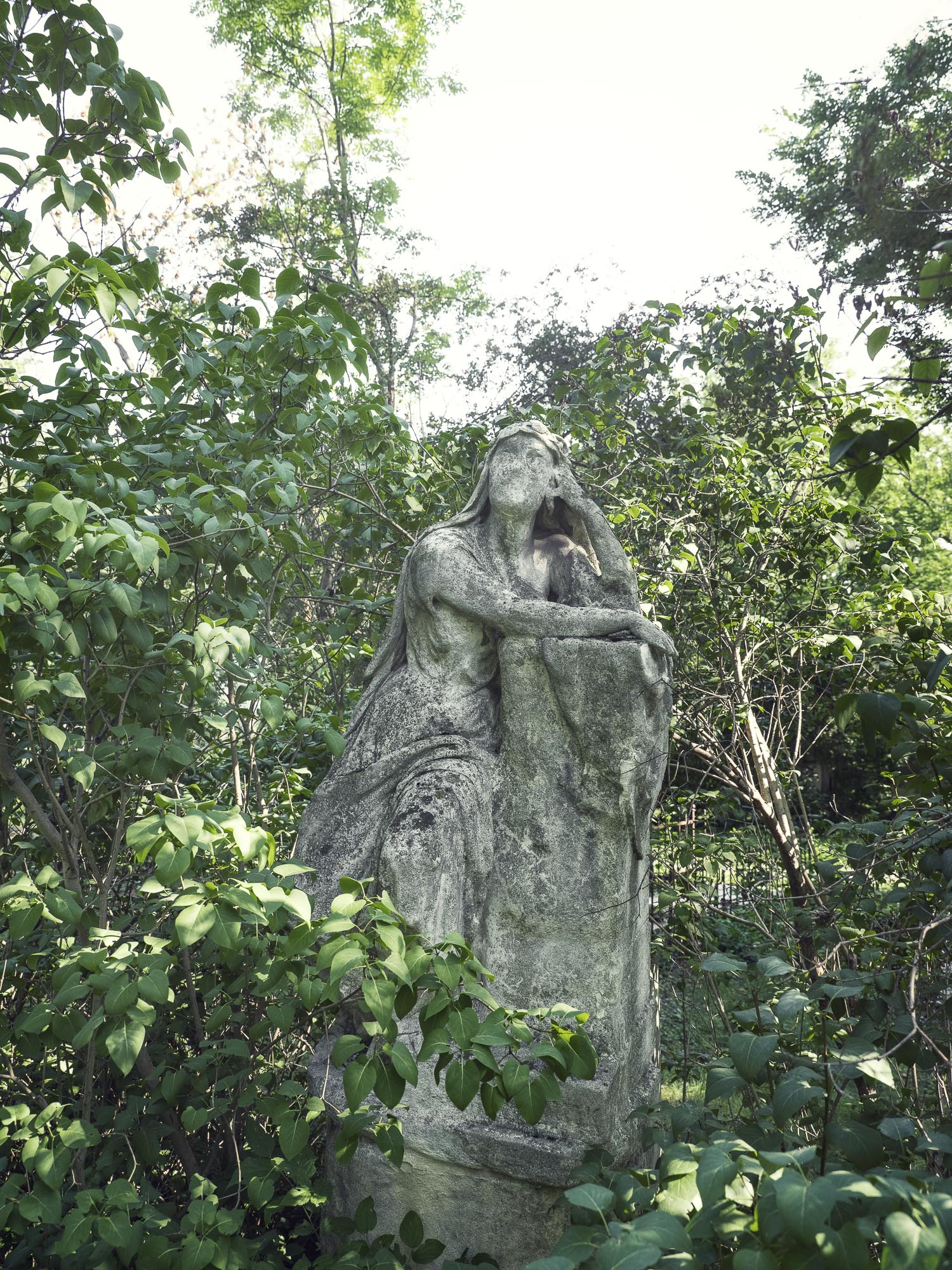
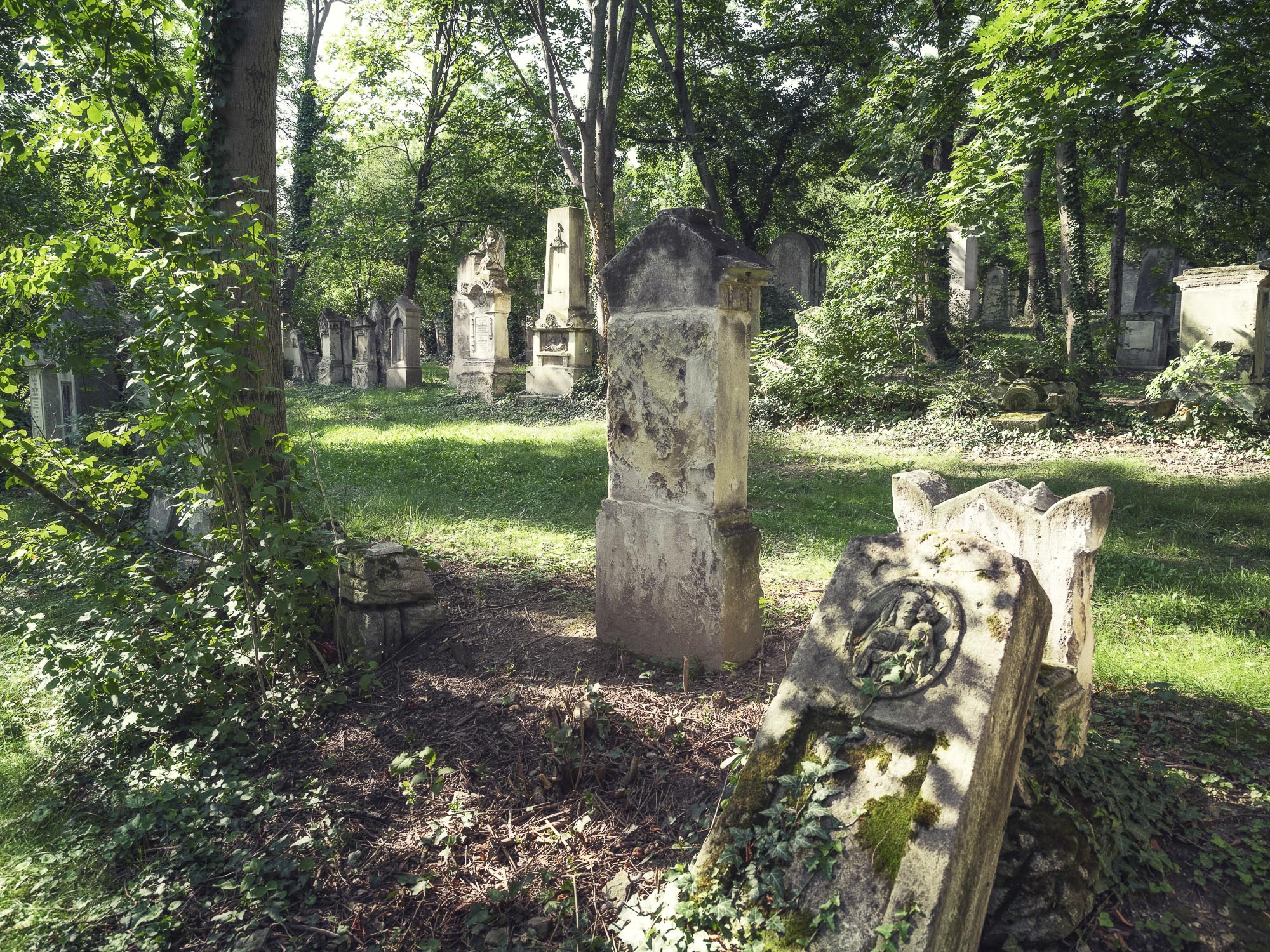
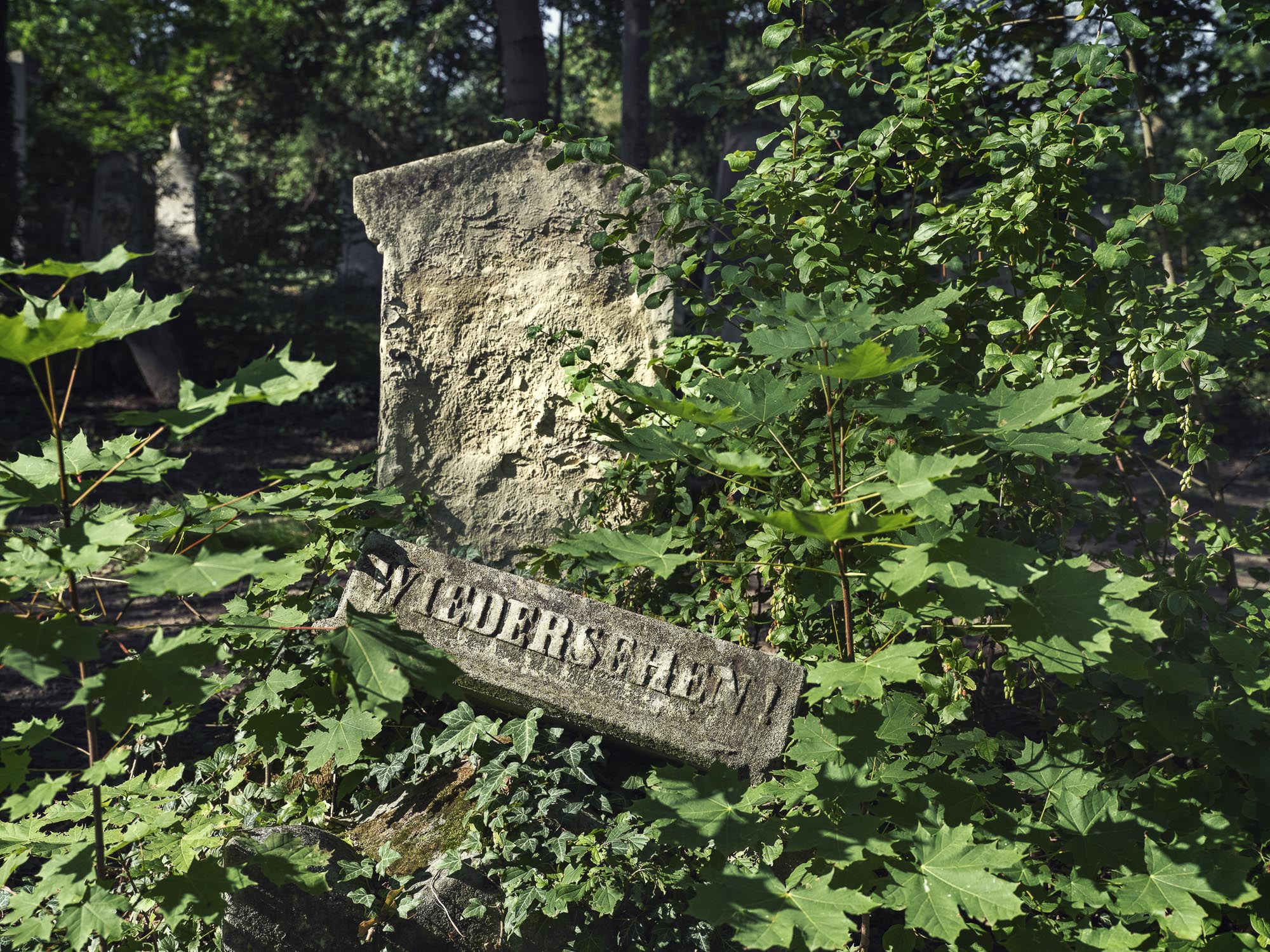
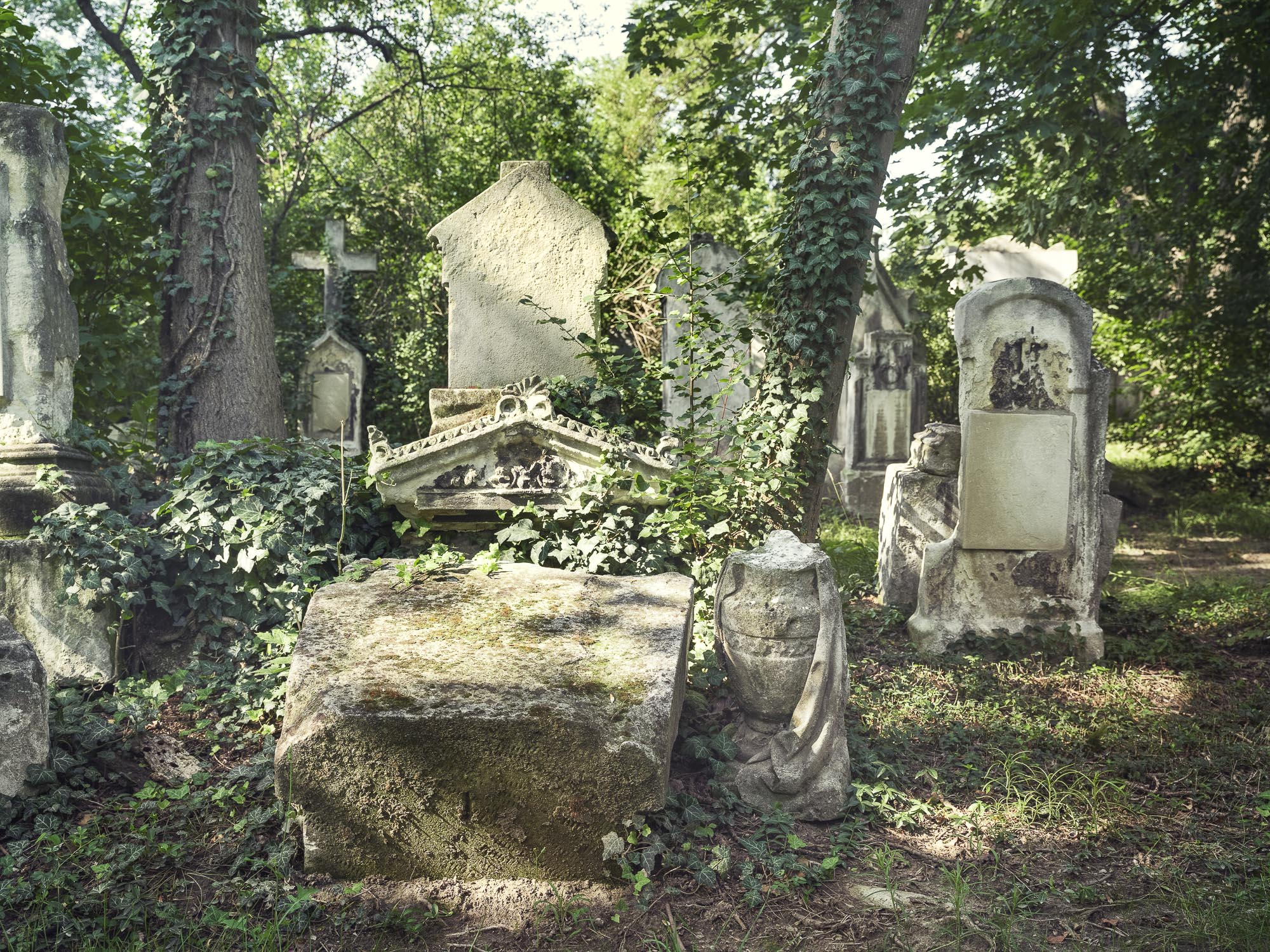
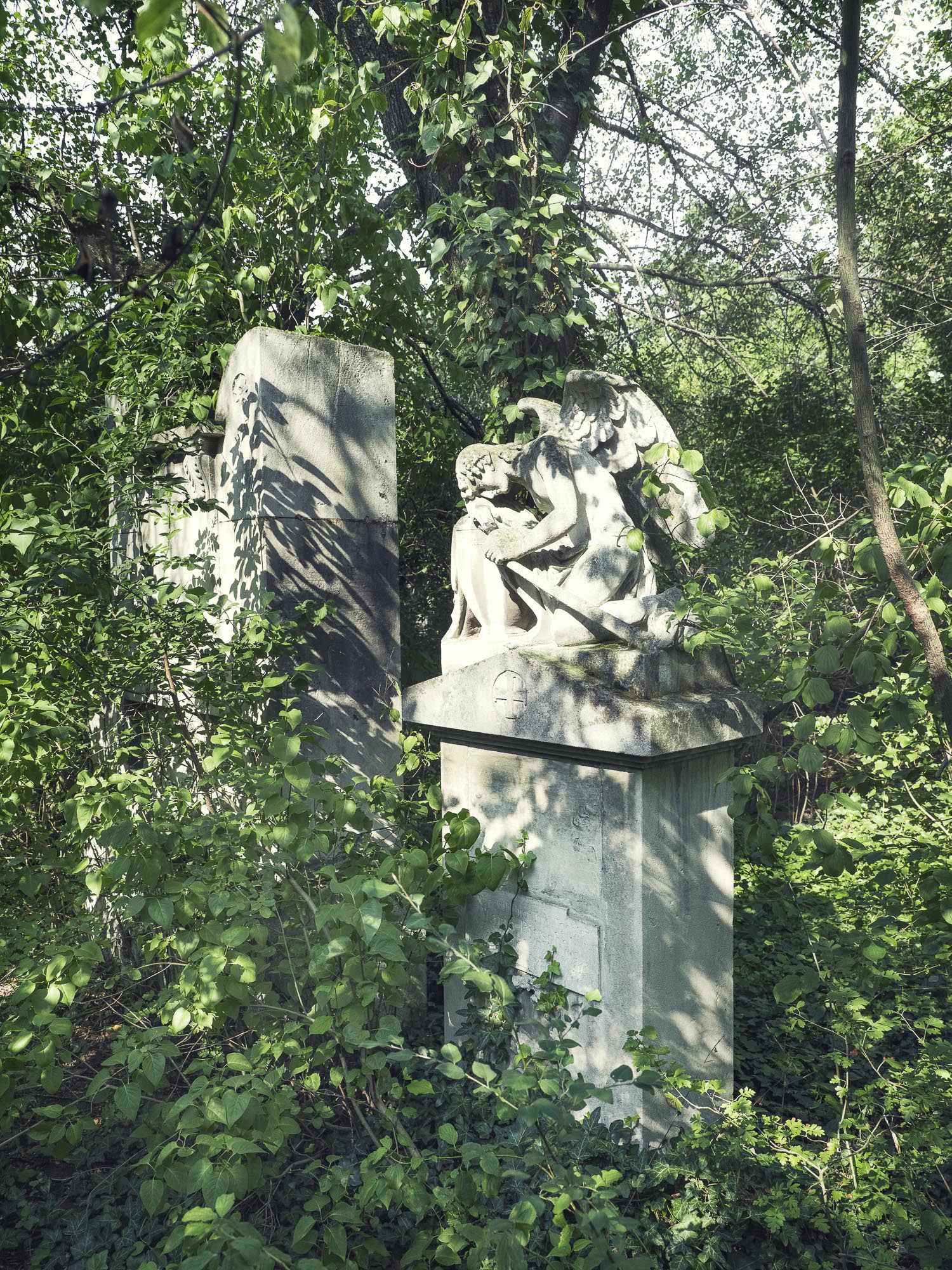
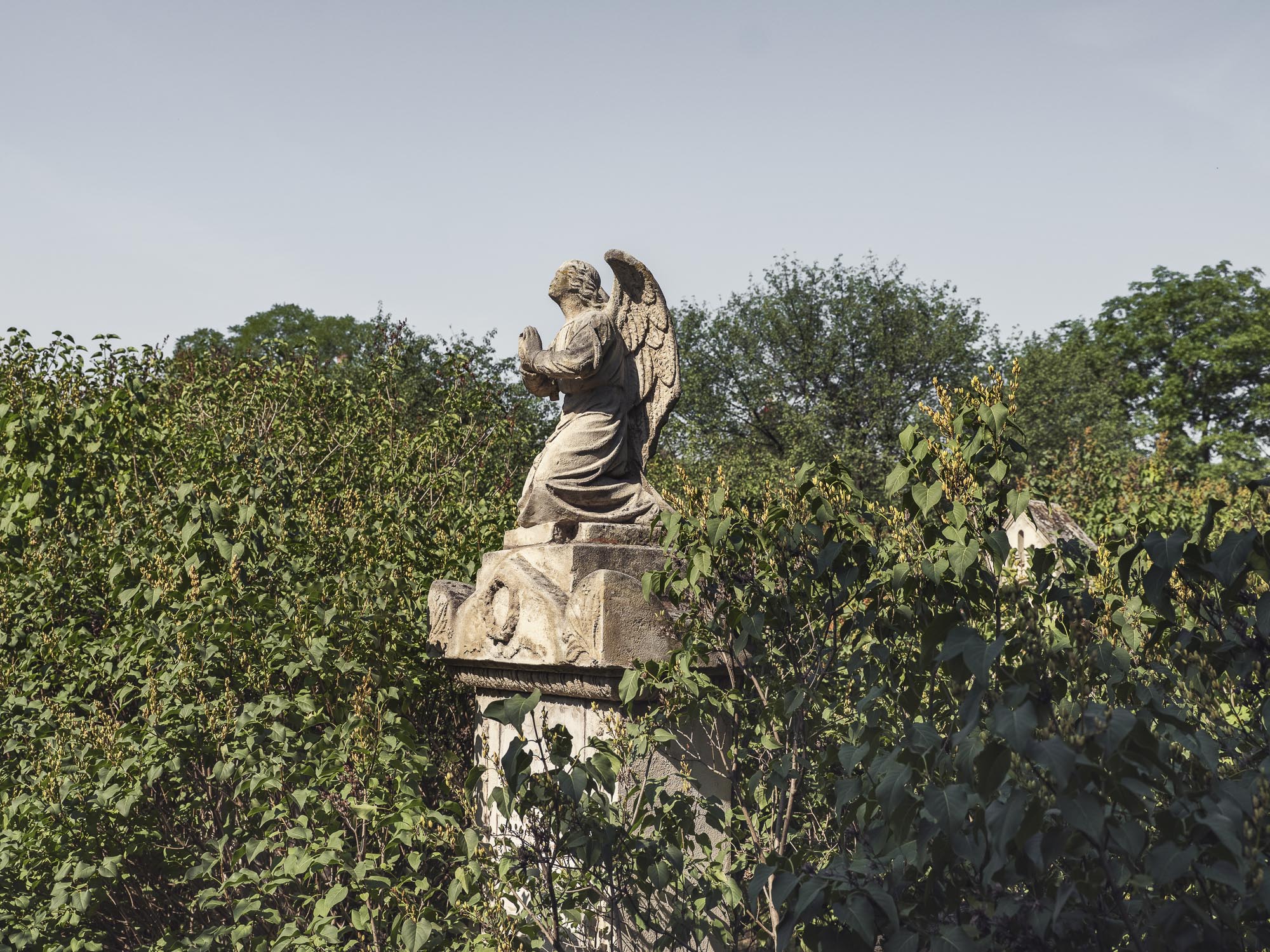
Today some 5,600 gravestones on about 5.5 hectares are protected as monuments. They show the Empire, Neoclassical and Historicist styles, and many inscriptions list occupational titles of the Biedermeier era. The main paths follow an axial plan, and lilac hedges alternate with monuments, flowering in April and May.
Mozart died on 5 December 1791 and was laid in a simple grave. The exact spot is unknown; the present marker was restored in 1950 by Florian Josephu-Drouot. The composer Johann Georg Albrechtsberger, the publisher Anton Diabelli and the sewing machine inventor Josef Madersperger are also buried here. The cemetery now belongs to Vienna's public parks, and the City of Vienna website gives current visiting information.
Frequently asked questions
Where is St. Marx Cemetery?
St. Marx Cemetery is at Leberstraße 6–8 in Vienna's 3rd district, Landstraße. It is open to the public as a city park.
Is Mozart buried in St. Marx Cemetery?
Mozart was buried in a simple grave at St. Marx in 1791. The exact spot is unknown, and the present monument marks the traditional site.
Why is St. Marx called a Biedermeier cemetery?
The cemetery closed to burials in 1874, so almost all surviving gravestones date from the Biedermeier period. It has therefore kept the character of a Biedermeier cemetery.