Belgium · Antwerp · 8 pictures
Schoonselhof
Begraafplaats Antwerpen Schoonselhof
About this place
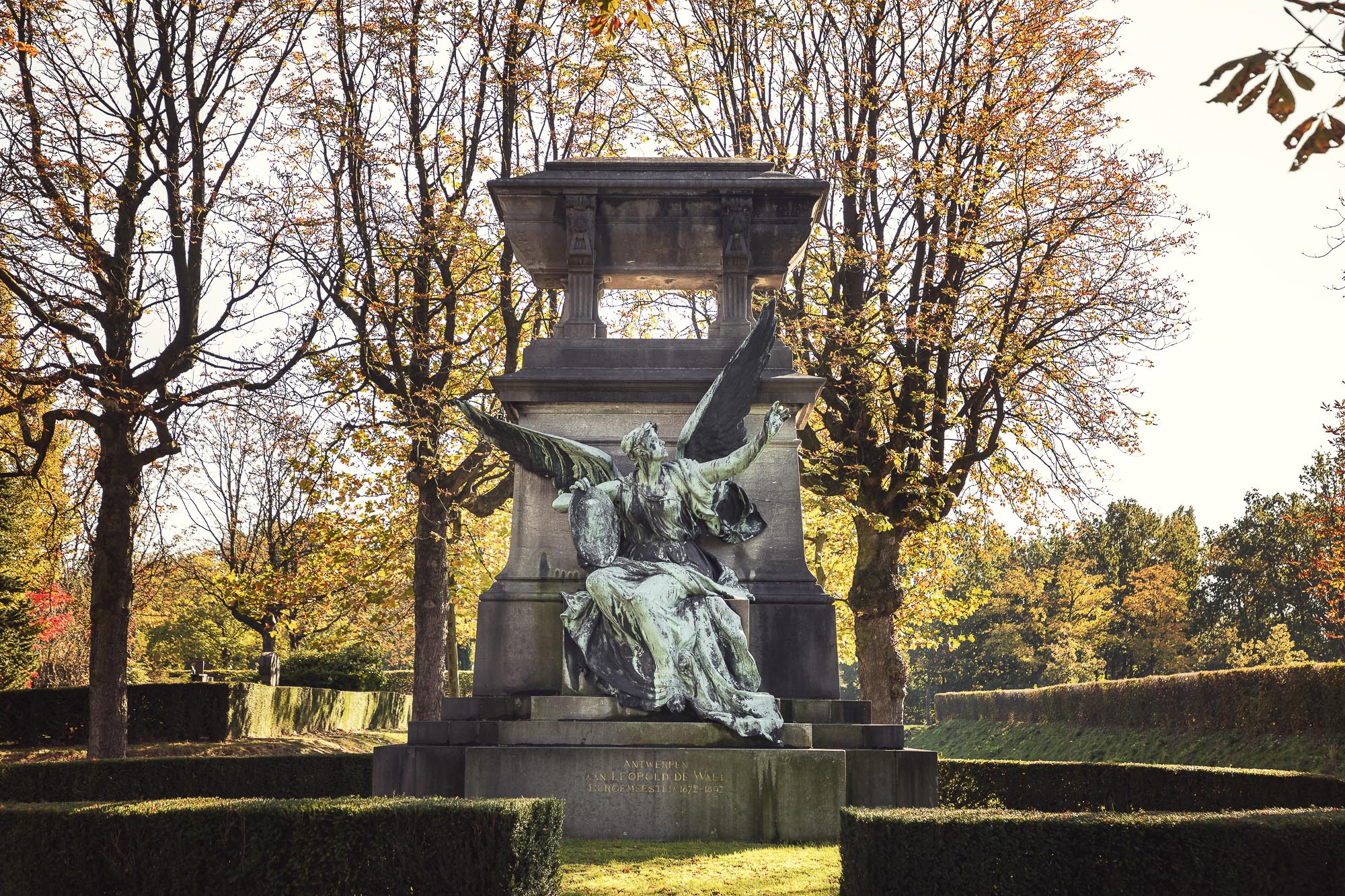
The city of Antwerp bought the Schoonselhof estate, with its château, in 1911 on the initiative of the alderman Frans Van Kuyck, in order to create a park cemetery. Plots of honour for fallen soldiers were laid out as early as August 1914, and the cemetery was officially opened on 1 September 1921. Large square plots, wide avenues and canals structure the grounds, which have been a protected monument since 2007.
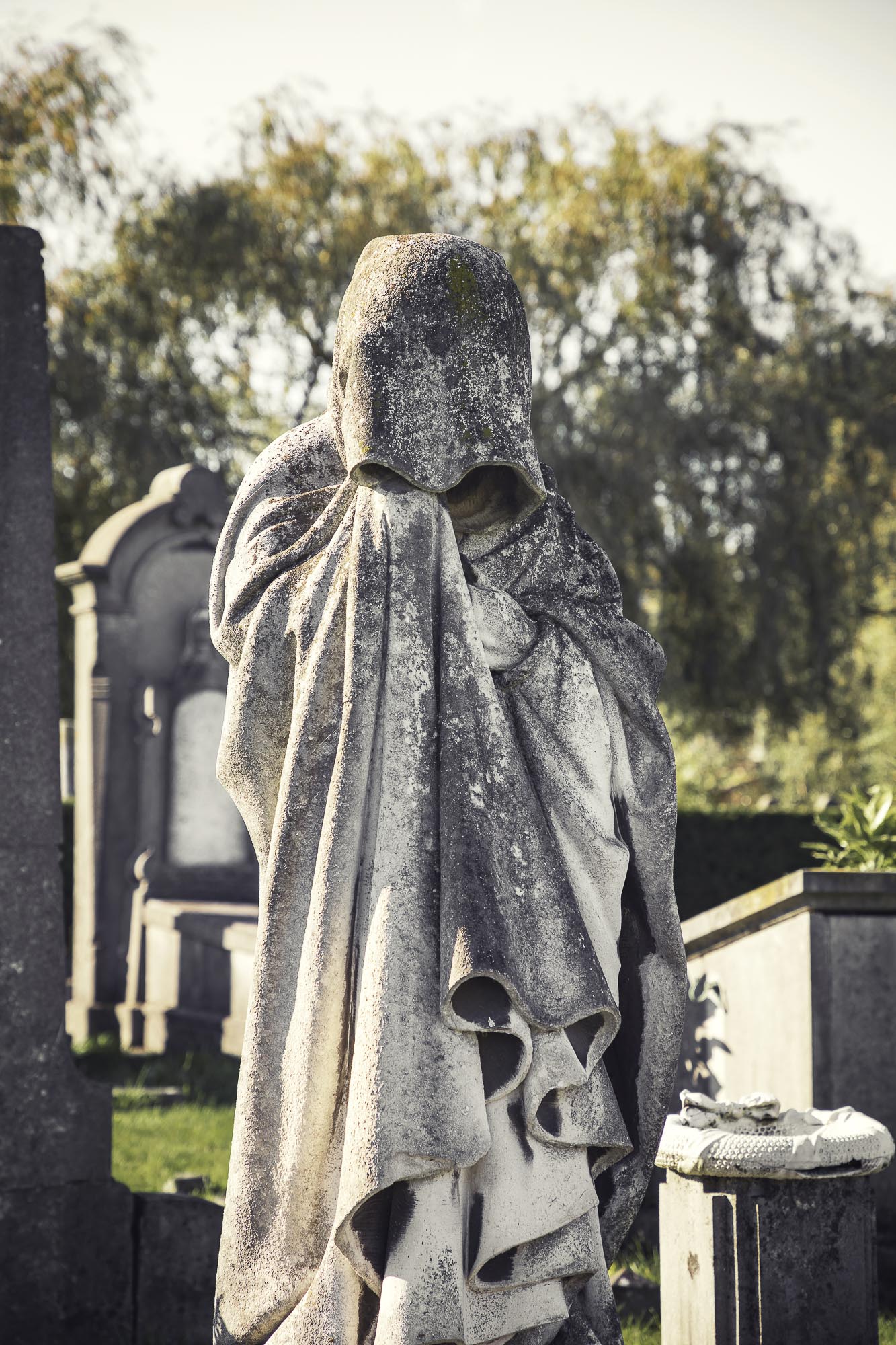
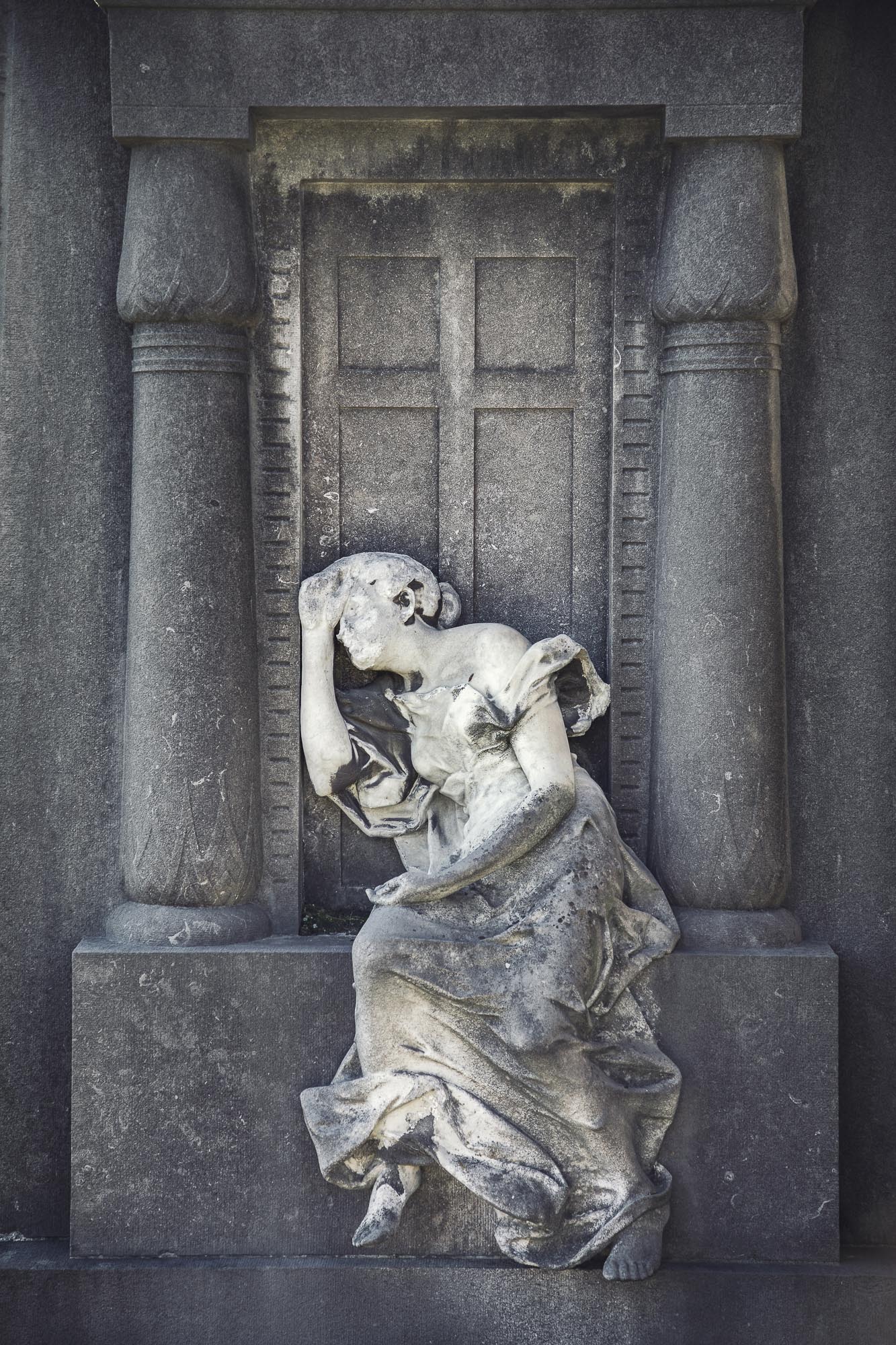
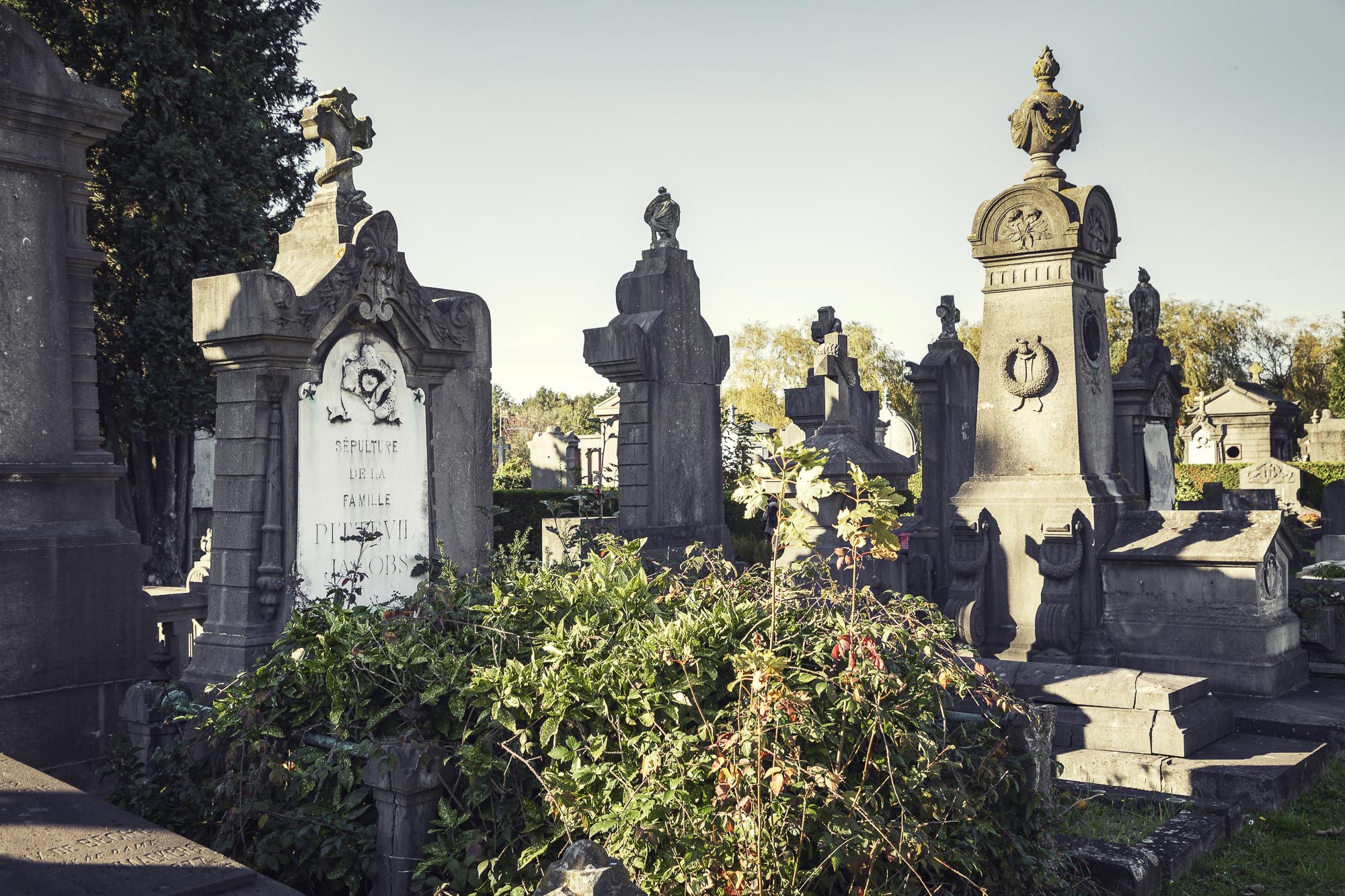
The old Kiel cemetery closed in 1936, and in 1938 many tombs and concessions were moved from there to Schoonselhof. Monuments from several centuries of the city's history therefore stand here, among them the neo-Moorish Tolkowsky mausoleum of 1913 in the Jewish plot.
Those buried here include the writers Hendrik Conscience, Willem Elsschot, Paul van Ostaijen and Alice Nahon, and the composer Peter Benoit. A lion keeps watch over Conscience's grave, and an angel by the sculptor Arthur Pierre adorns Benoit's. The Commonwealth plot holds more than 1,500 graves, mostly from the Second World War. The grounds are best explored on foot, and the City of Antwerp offers guided tours and walking routes.
Frequently asked questions
Where is Schoonselhof?
Schoonselhof is in the south of Antwerp, on the border of the districts of Hoboken and Wilrijk. The City of Antwerp provides current directions and visiting information.
Who is buried at Schoonselhof?
Those buried here include the writers Hendrik Conscience, Willem Elsschot and Paul van Ostaijen, the composer Peter Benoit and the politicians Camille Huysmans and Lode Craeybeckx. There are also Commonwealth war graves.
Why is Schoonselhof well known?
It was laid out as a park cemetery on the model of Hamburg's Ohlsdorf and holds monuments from several centuries of Antwerp's history. Its many famous graves have earned it the nickname ‘the Père Lachaise of Antwerp’.