Motifs · 48 pictures
Angels
-
-
-
-
-
-
-
-
-
-

-
-
-
-
-
-

-
-

-
-
-
-

-
-
-

-
-
-
-
-
-
-

-
-

-
-
-
-
-
-
-
-
-
-
-
-
-
-

About this motif
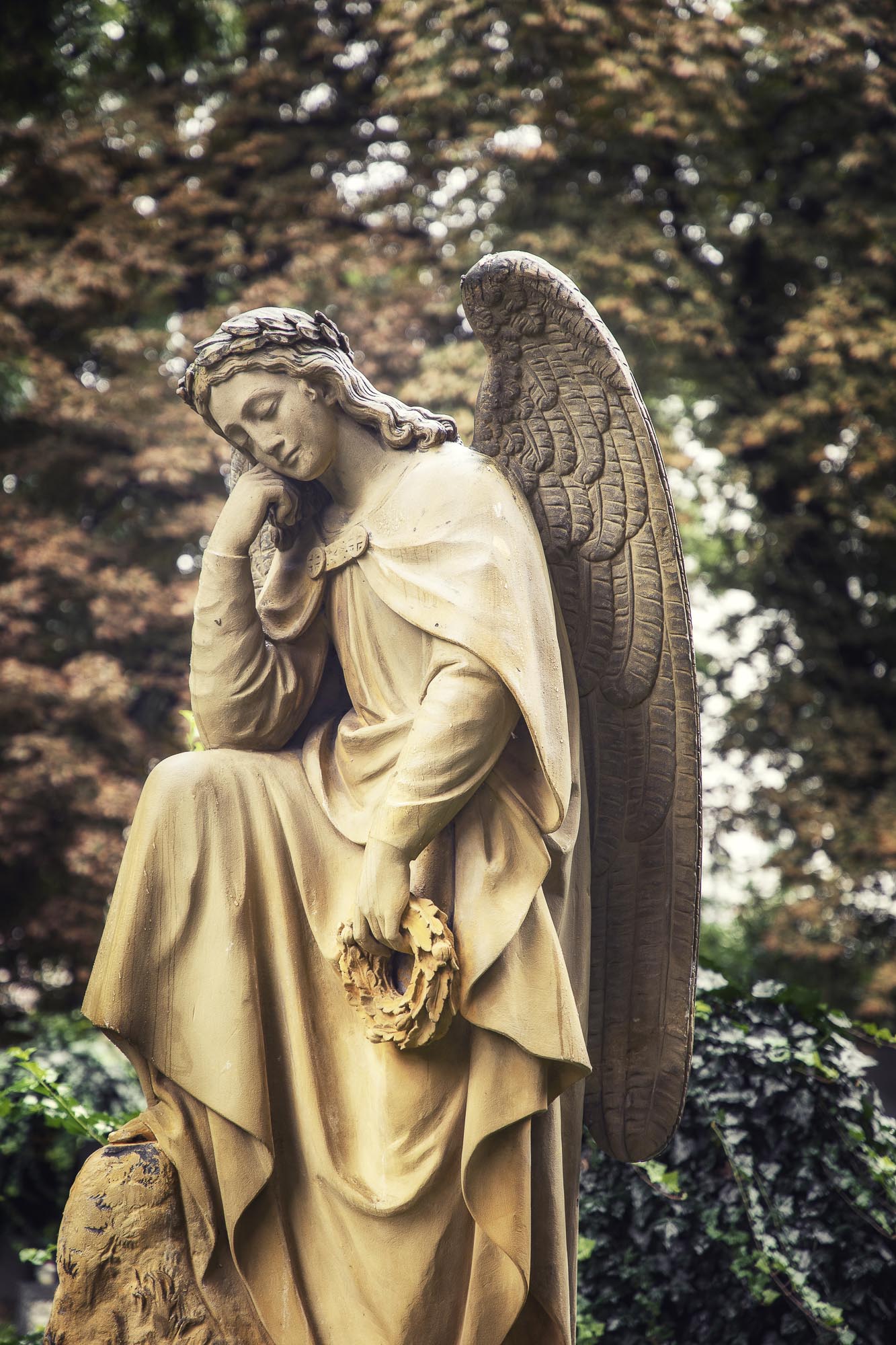
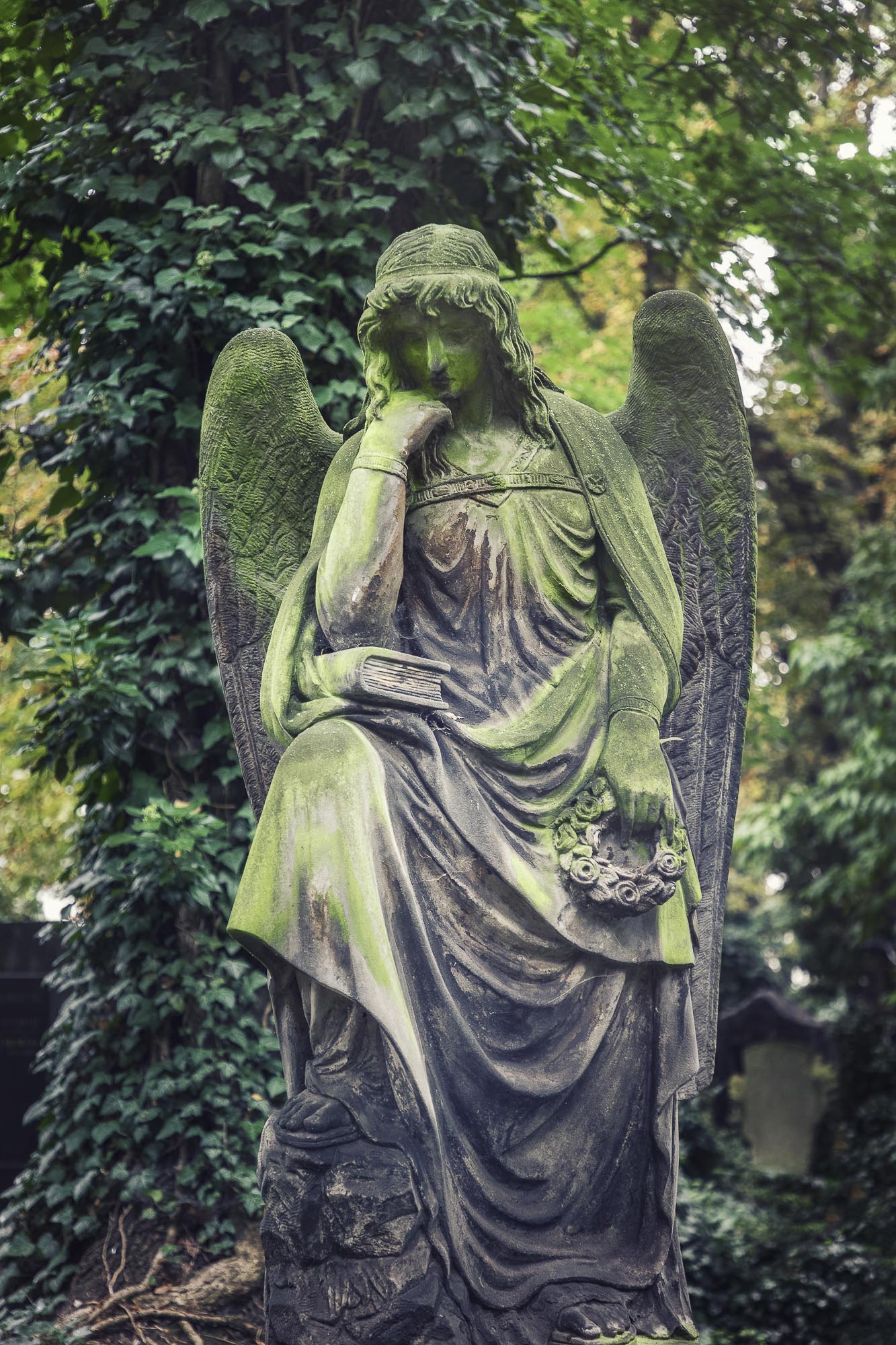
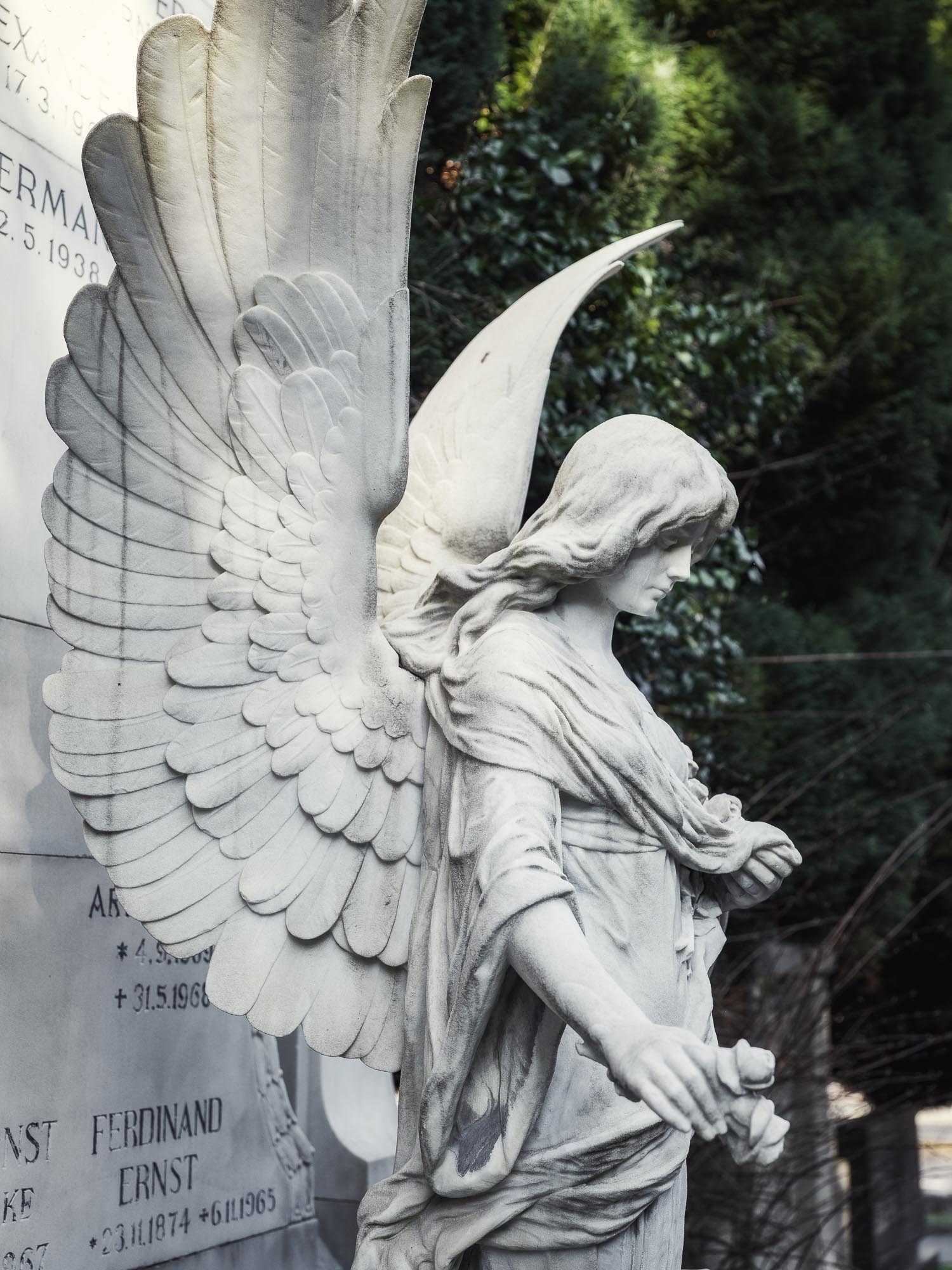
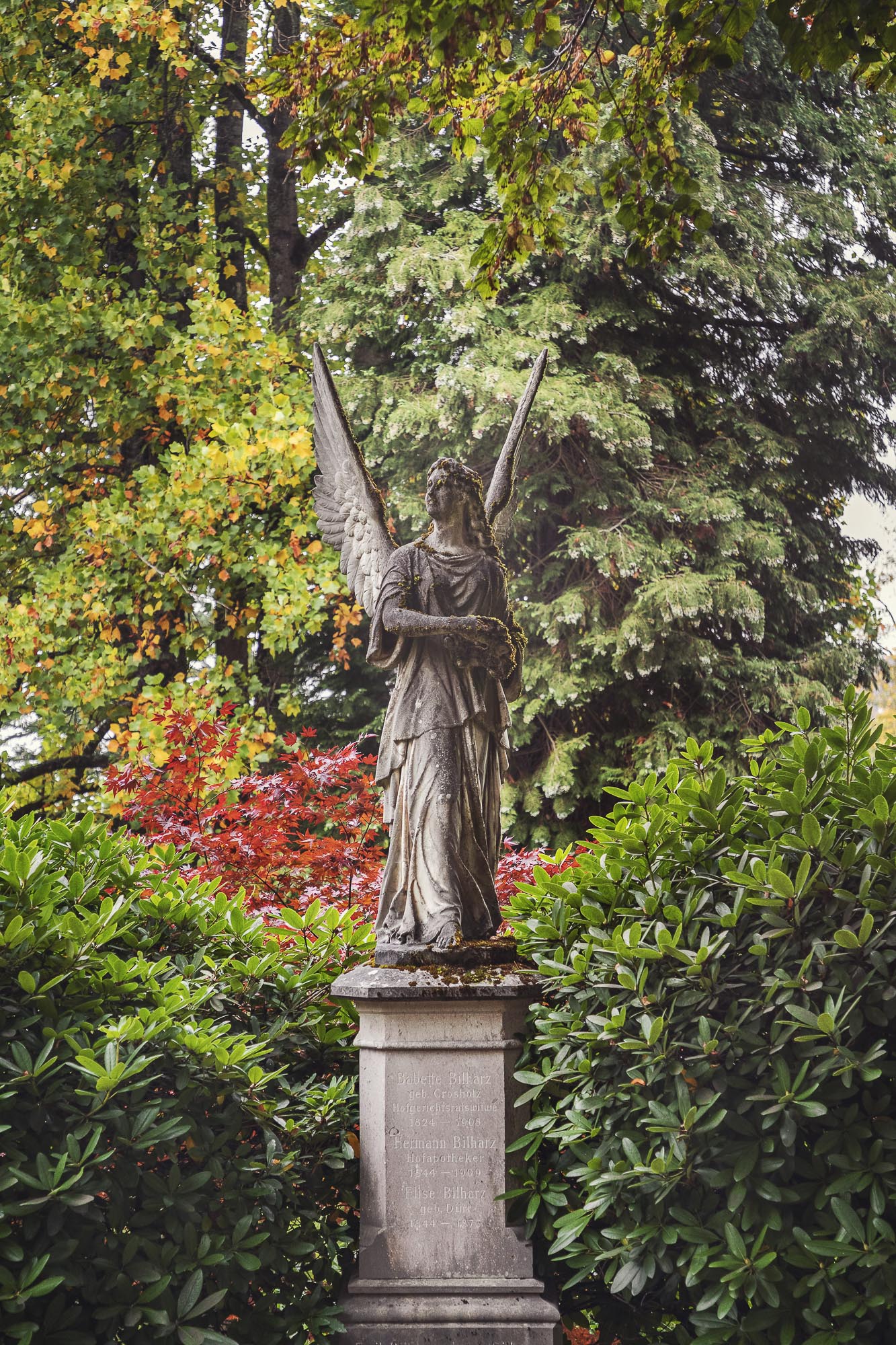
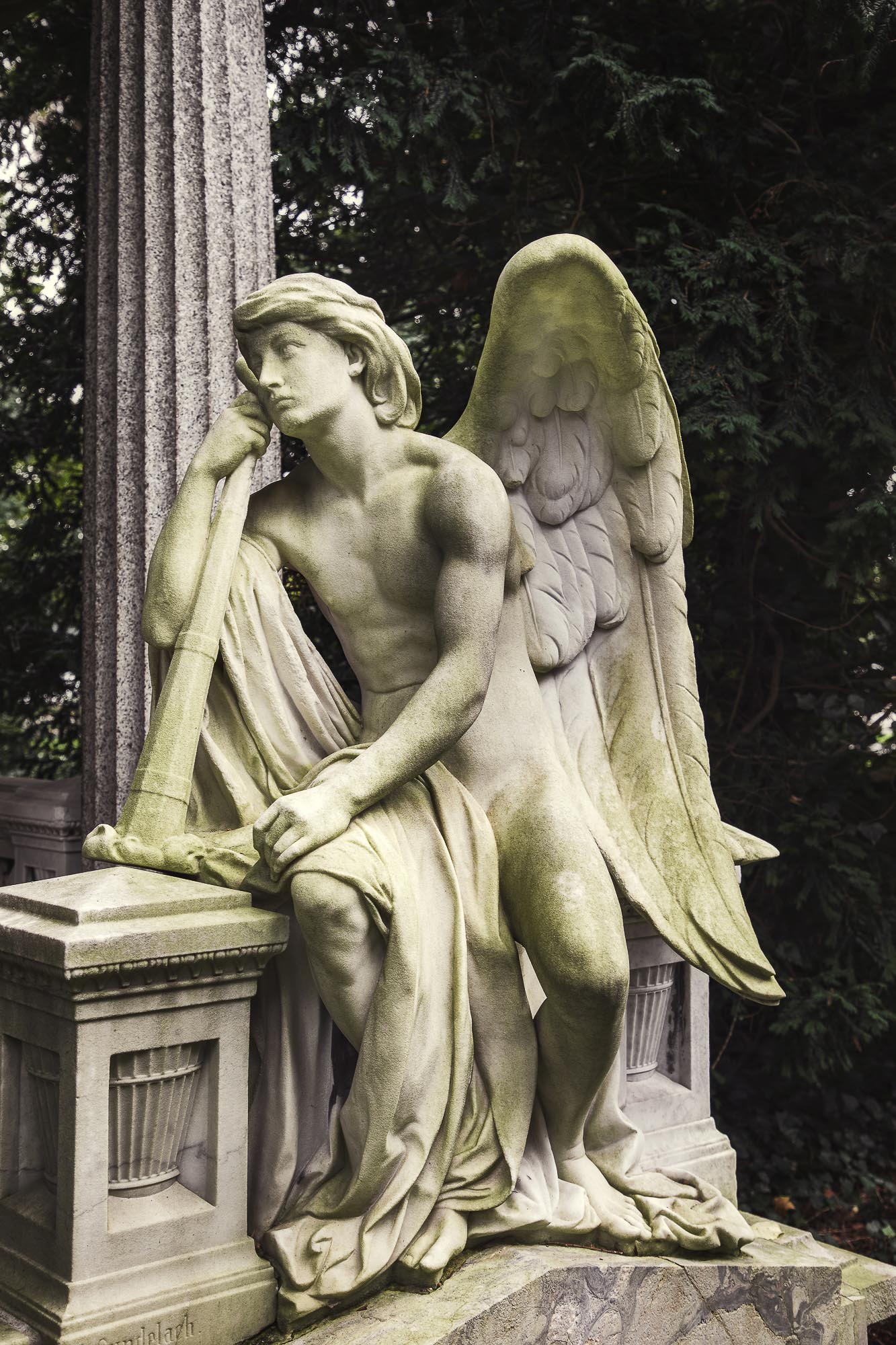
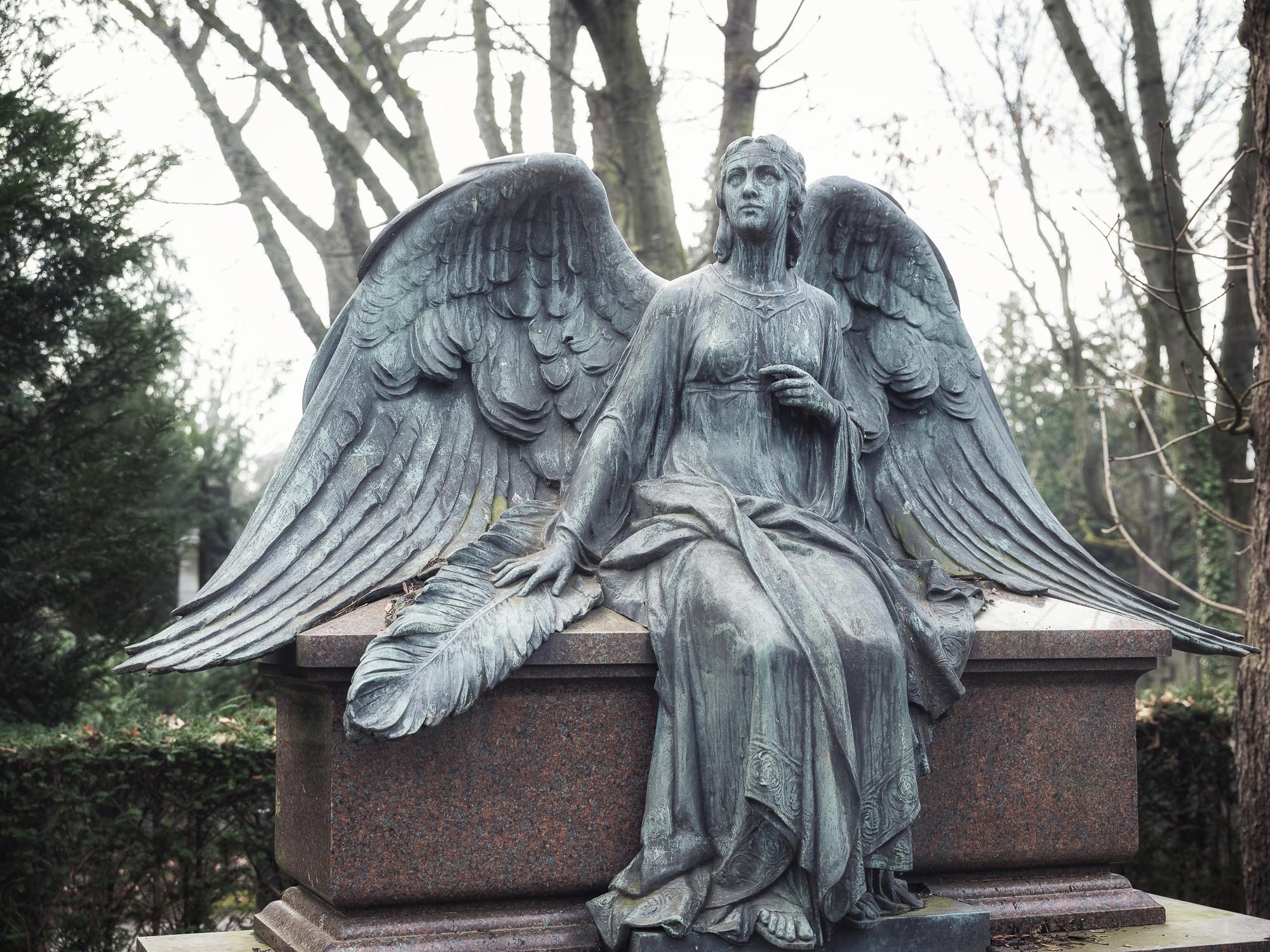
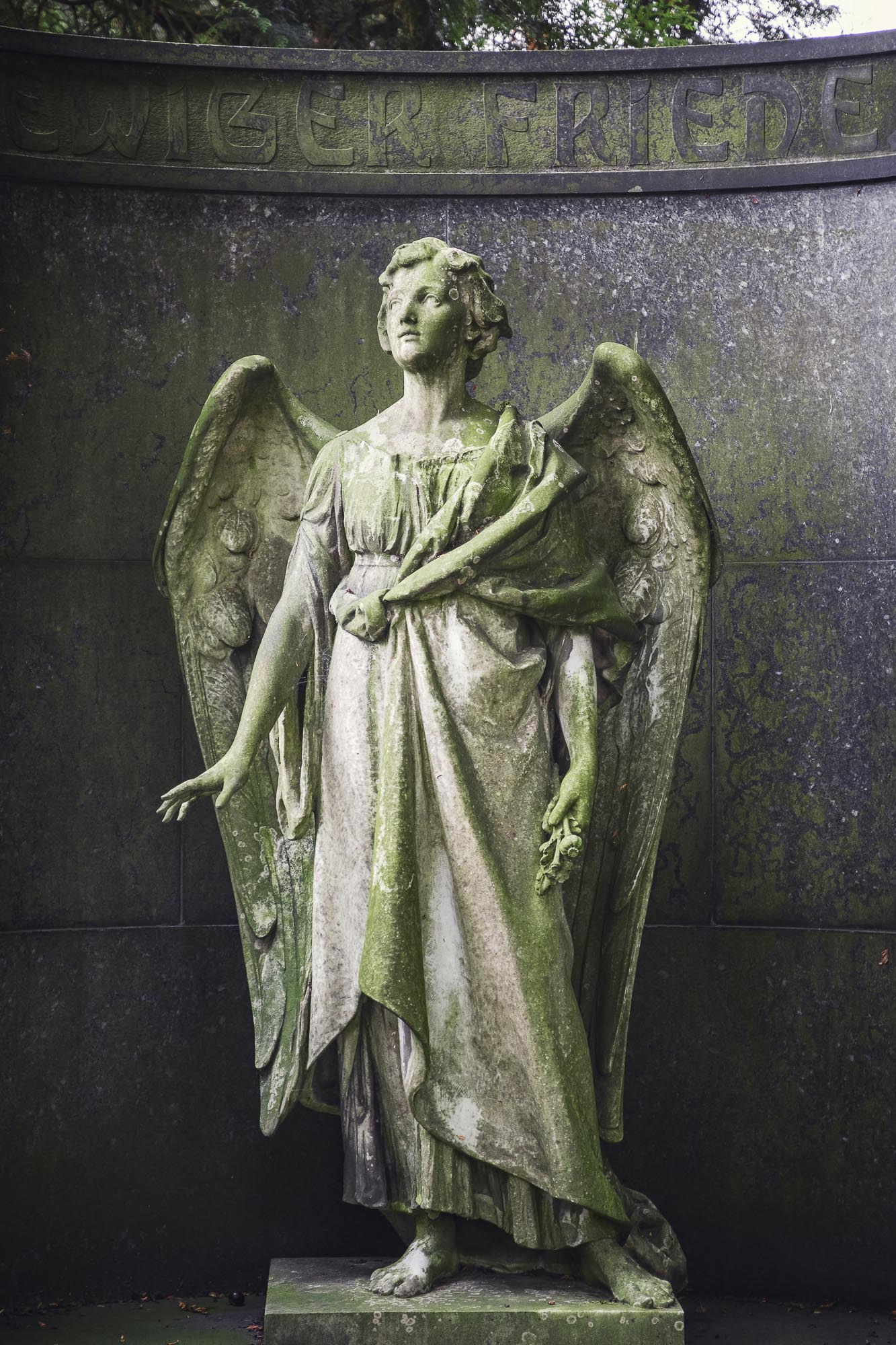
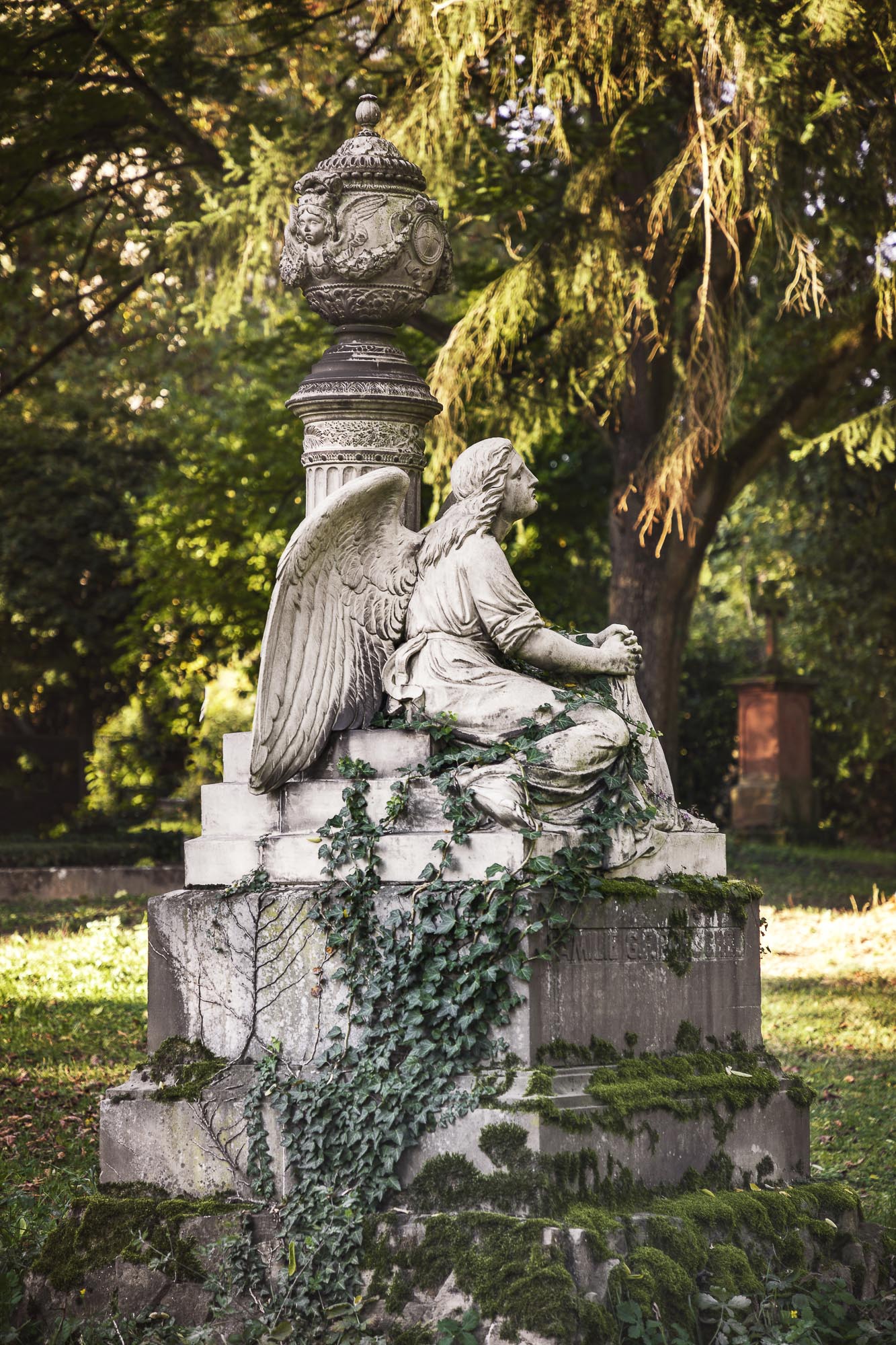
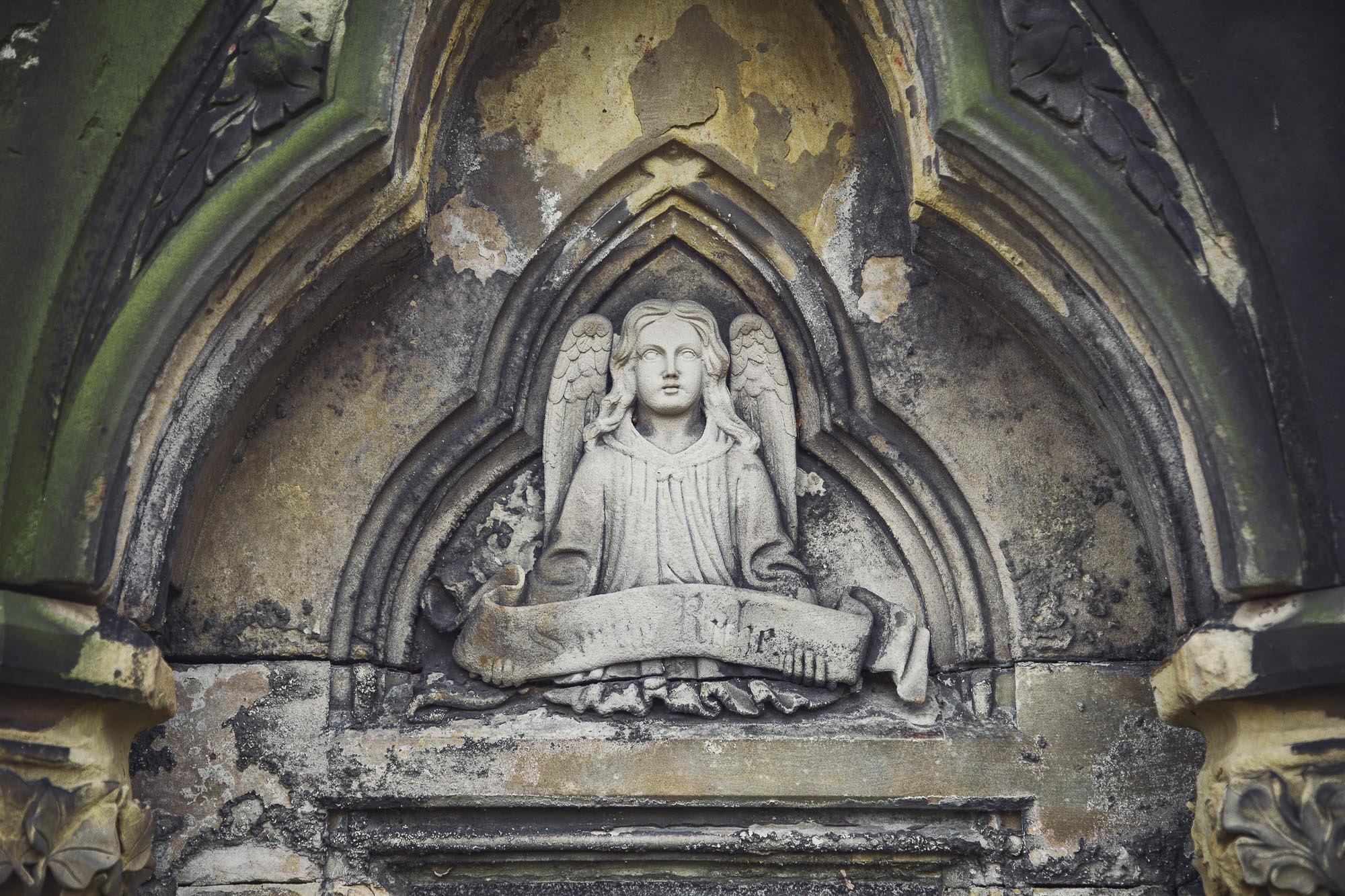
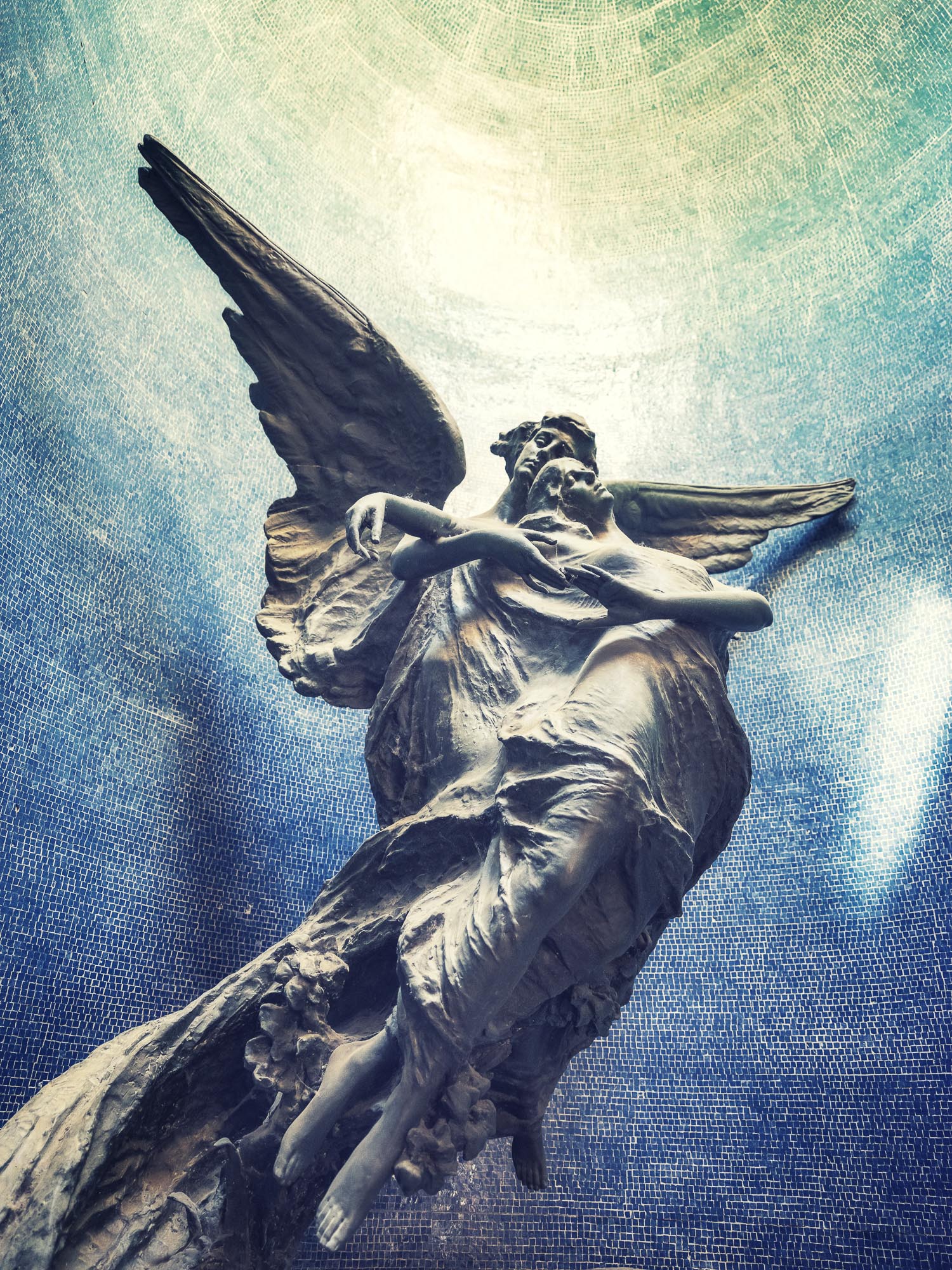
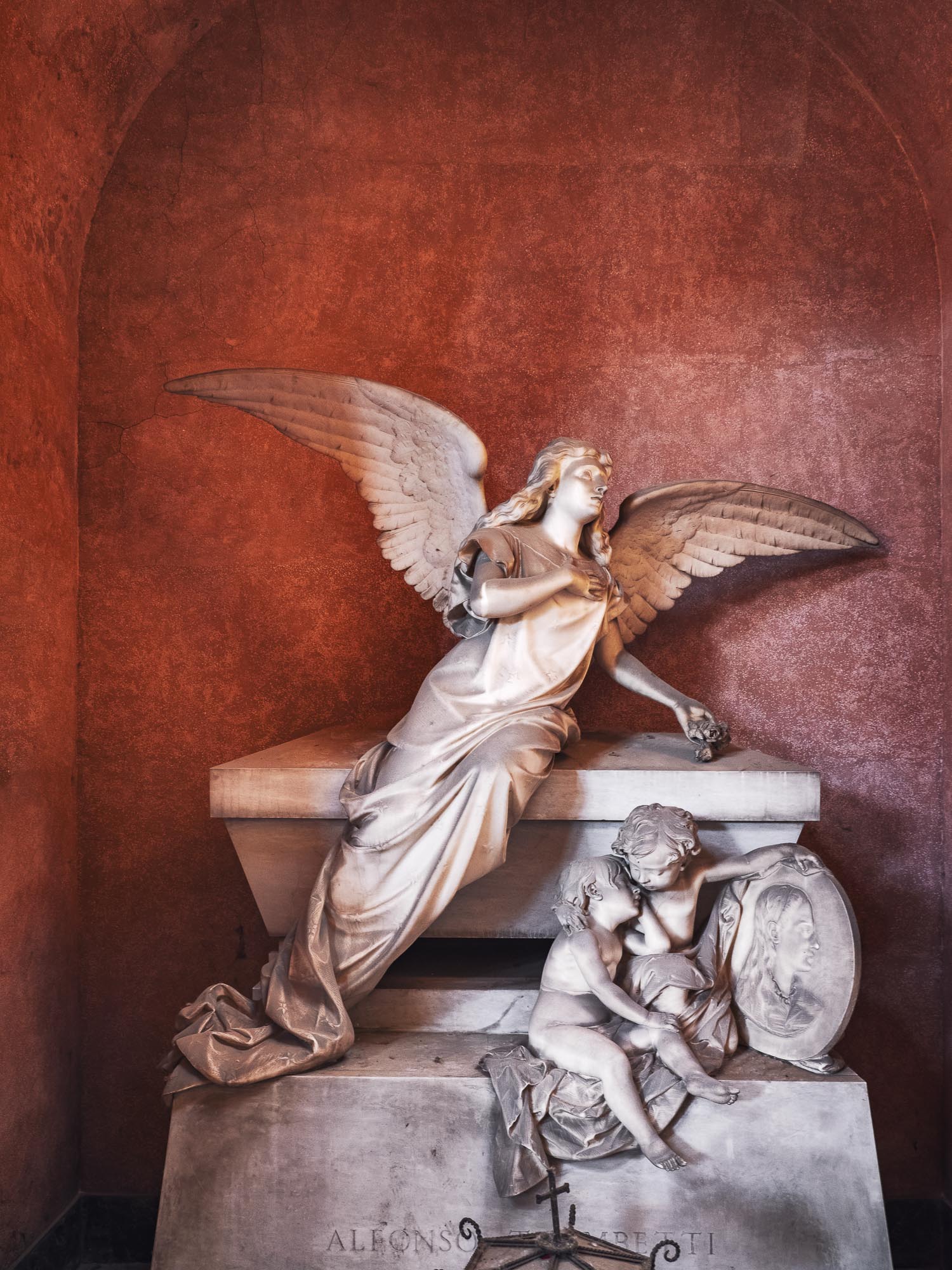
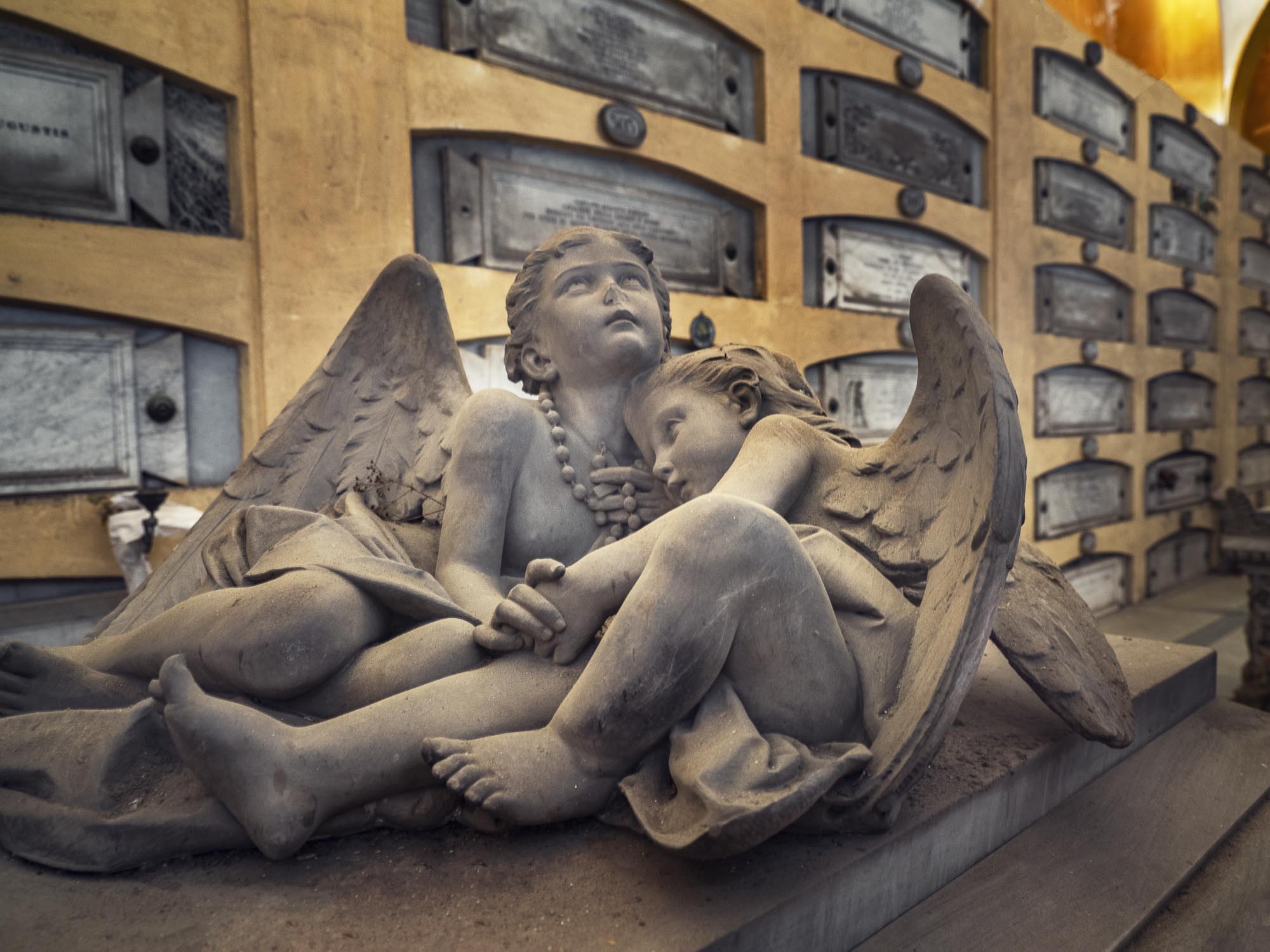
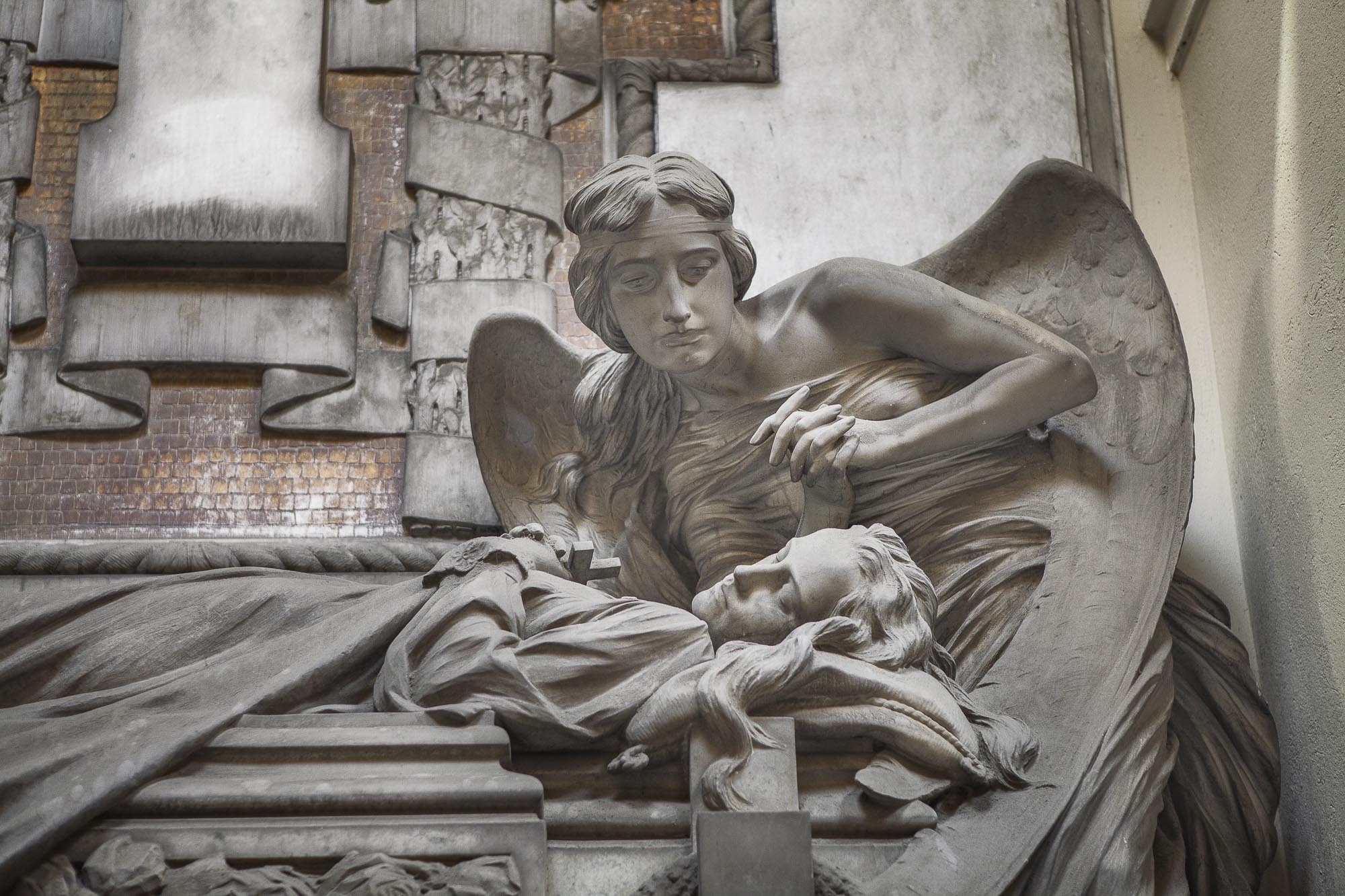
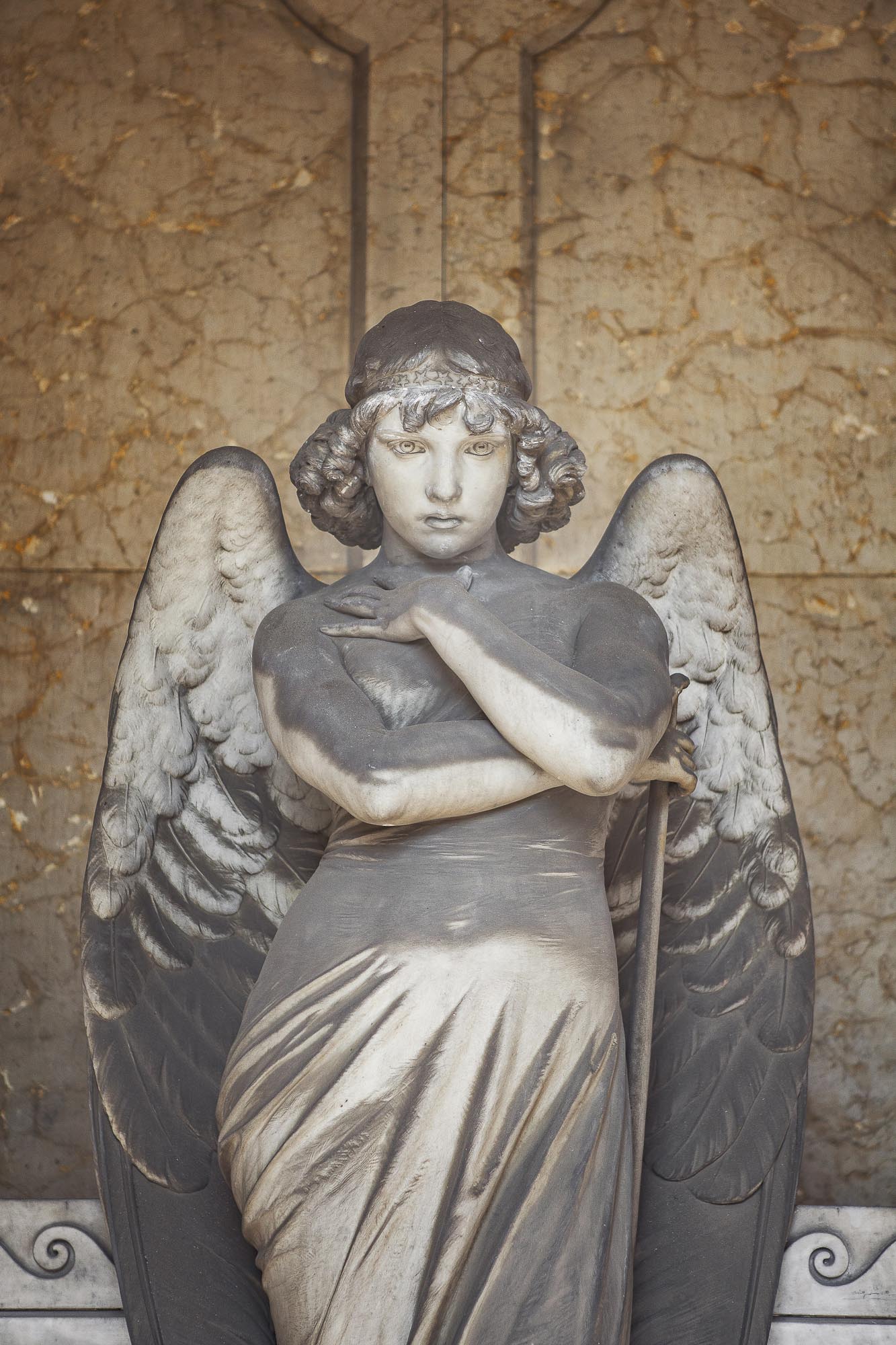
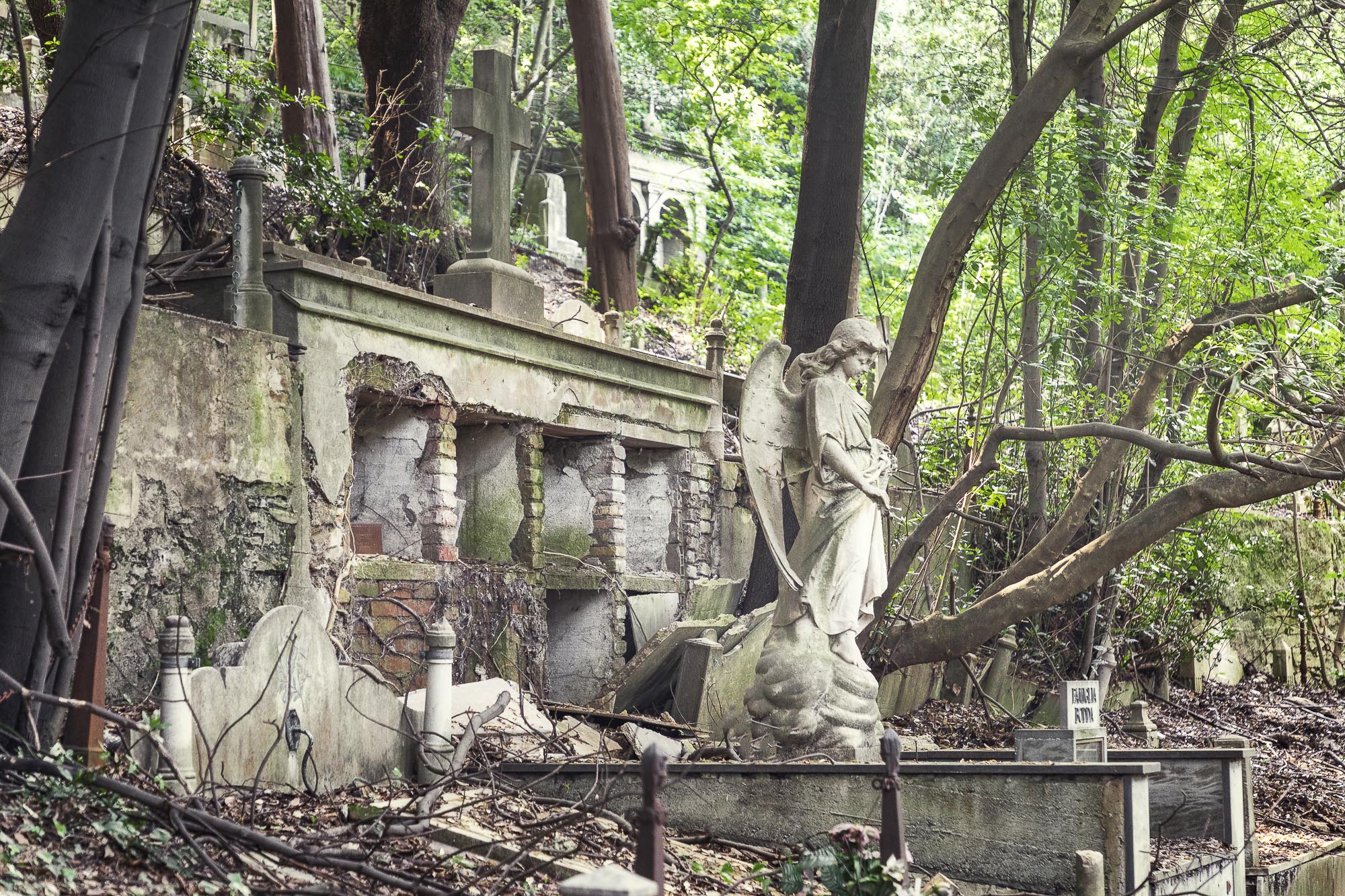
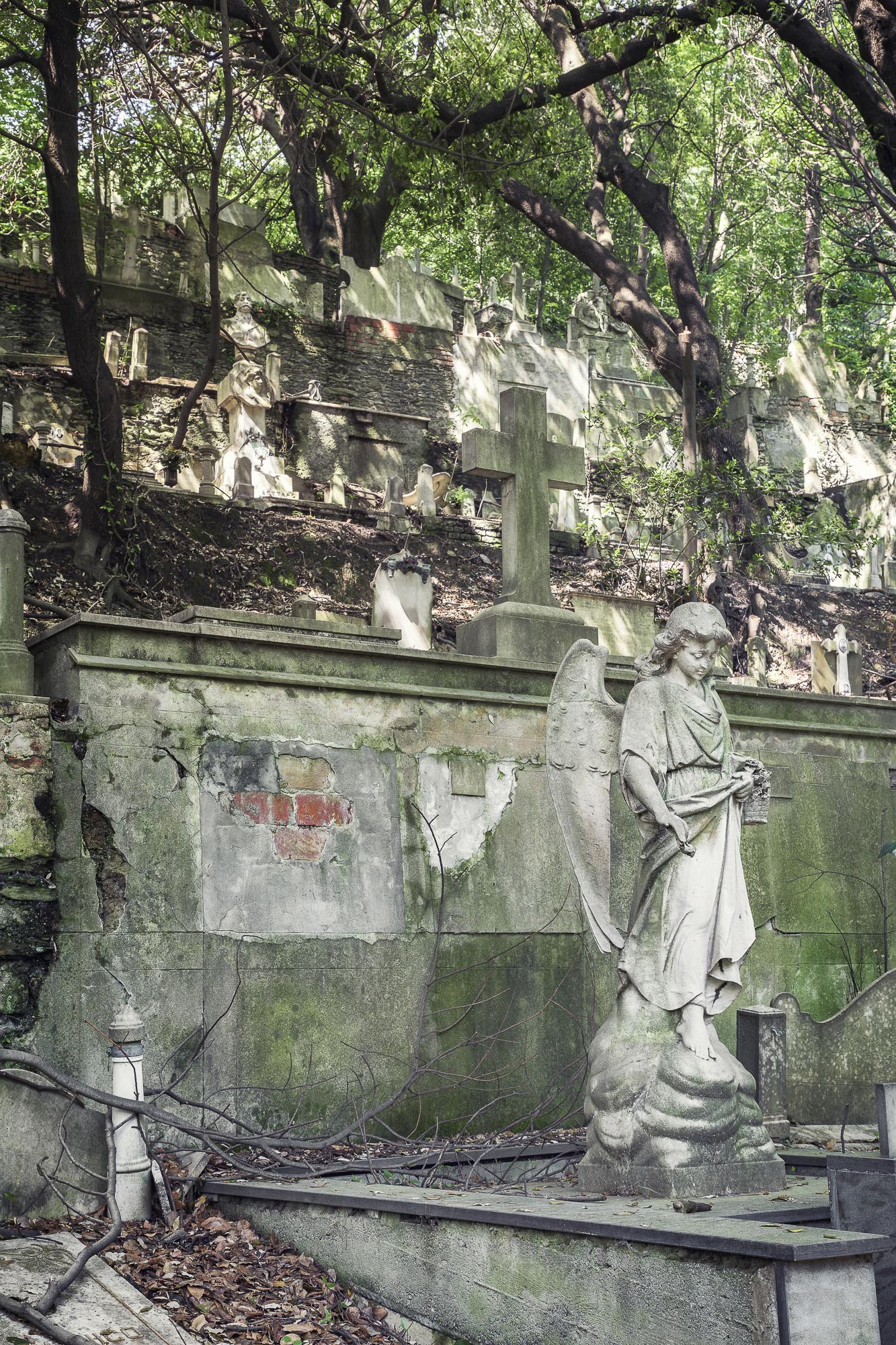
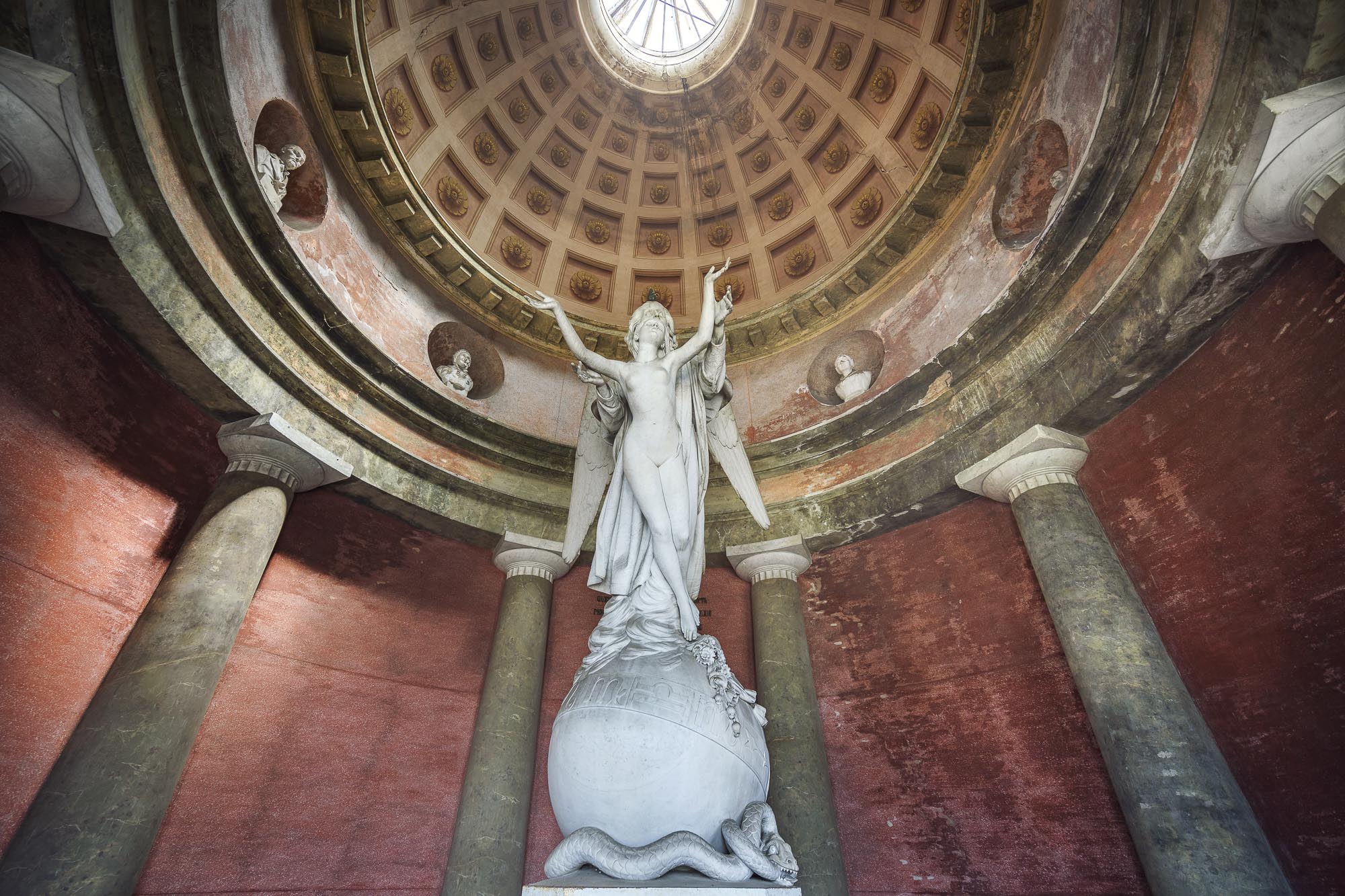
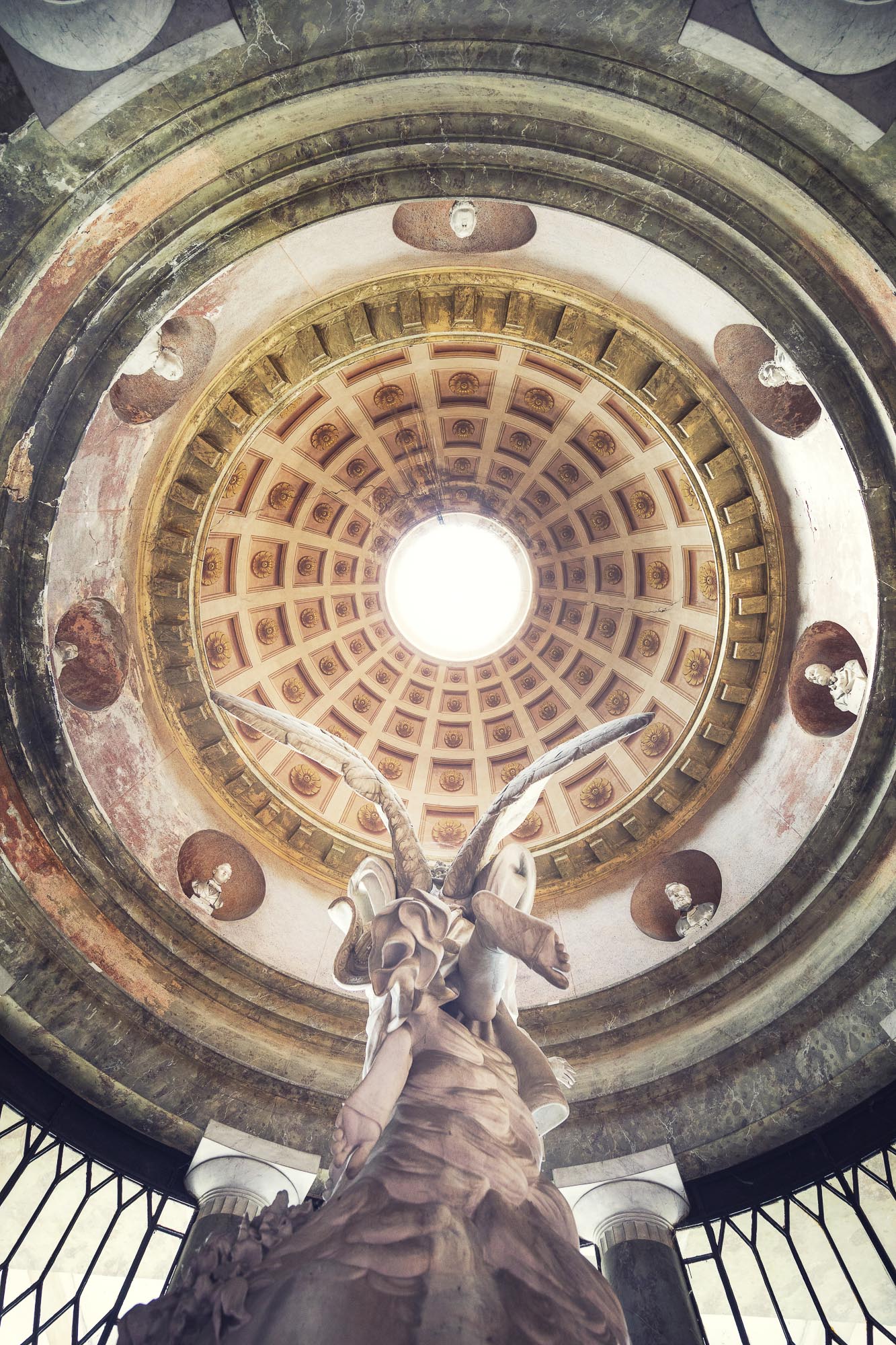
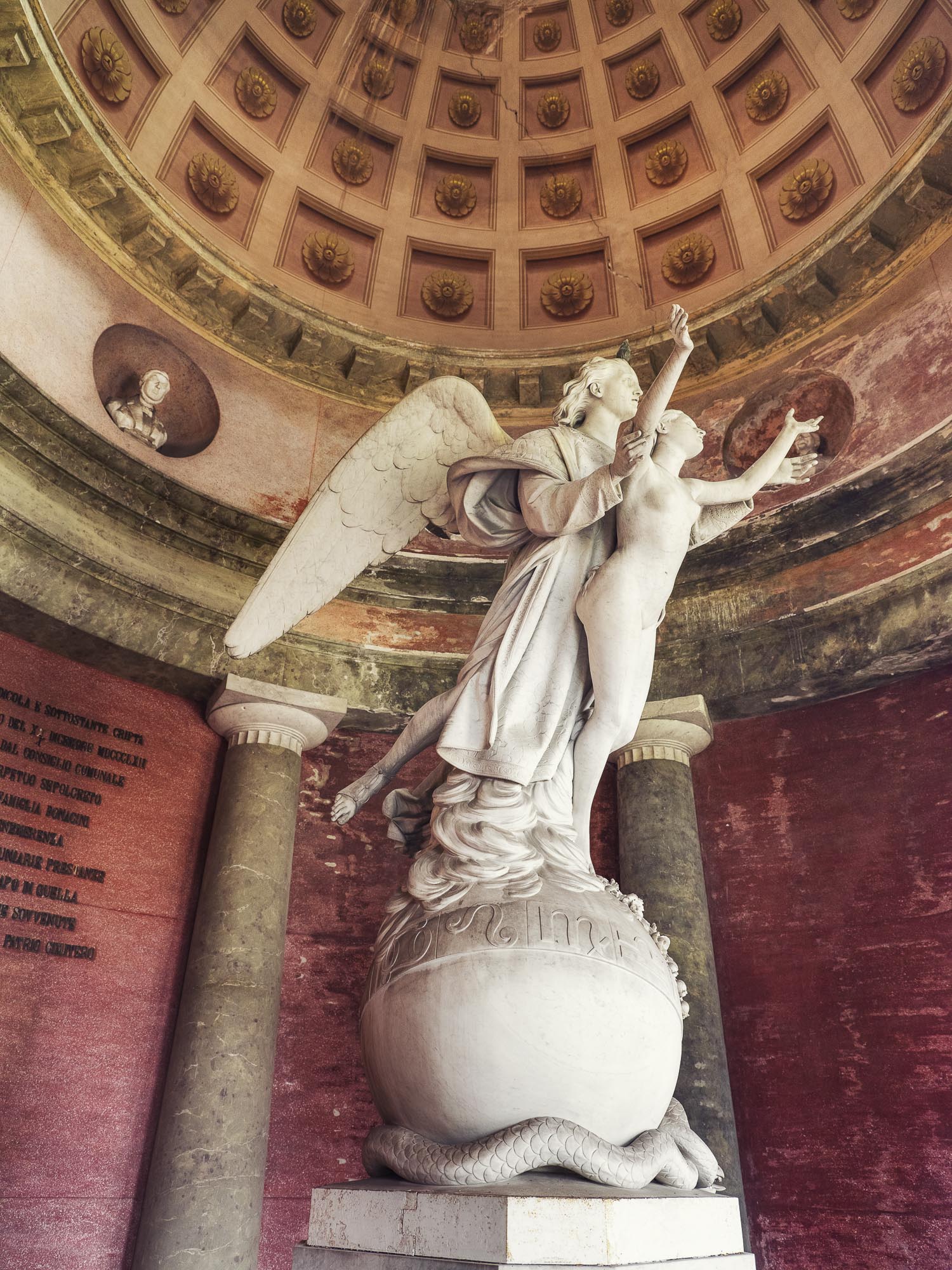
The angel on a grave is a product of changing attitudes to mourning. From the late eighteenth century, grief was directed less at the fear of death than at the feelings of those left behind, expressed in allegorical scenes and inscriptions. A gentle angel caring for the soul of the deceased took the place of the skeleton.
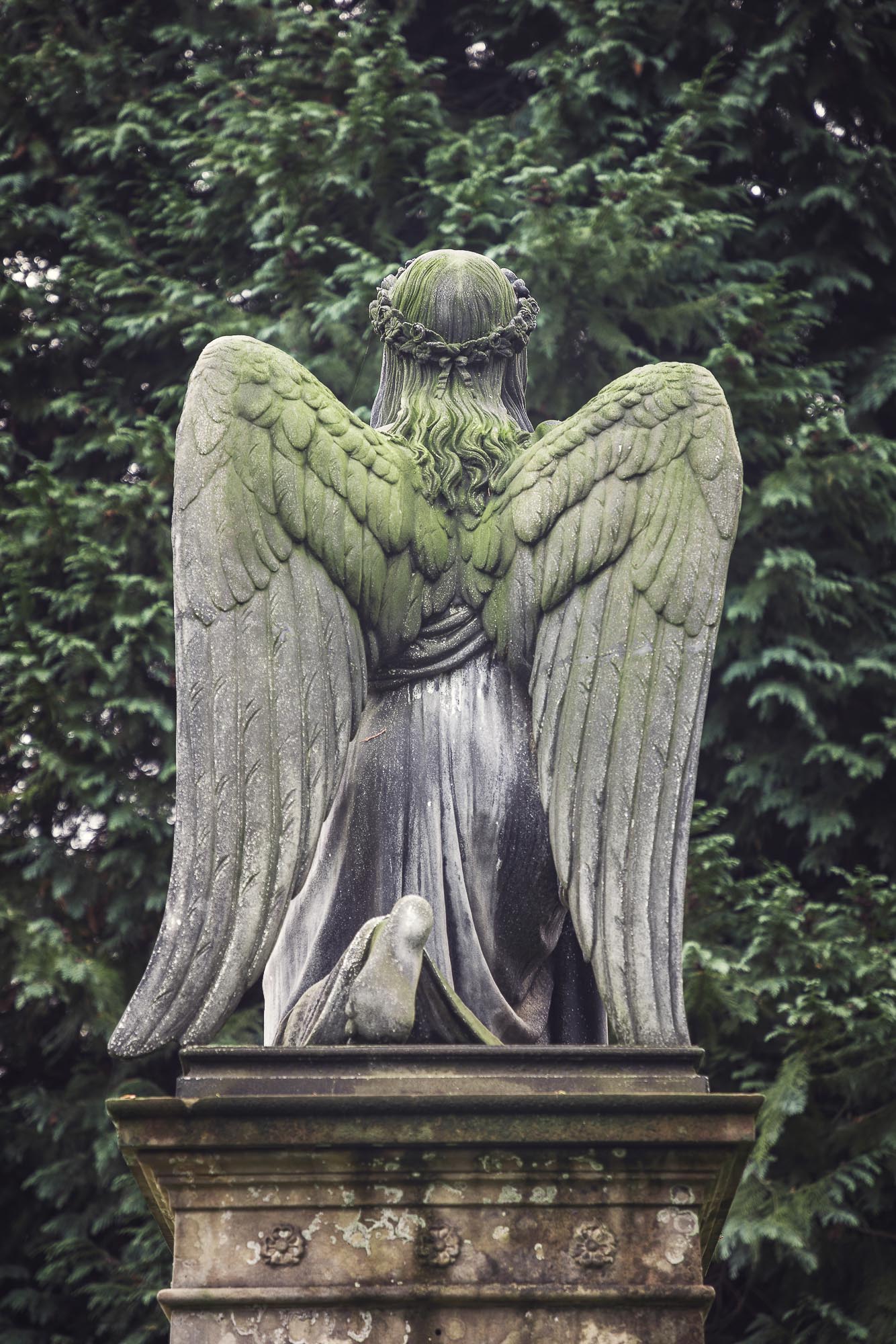
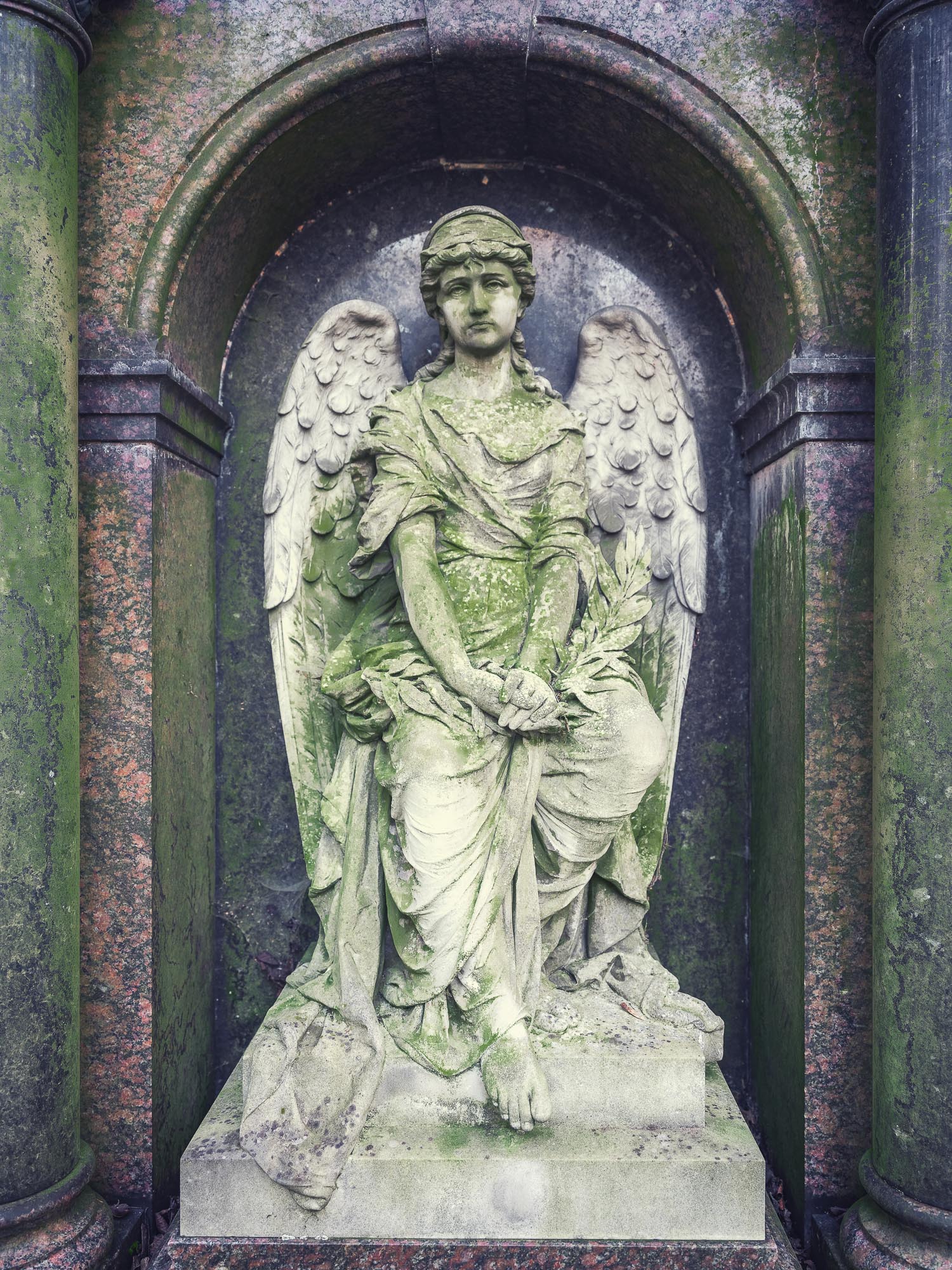
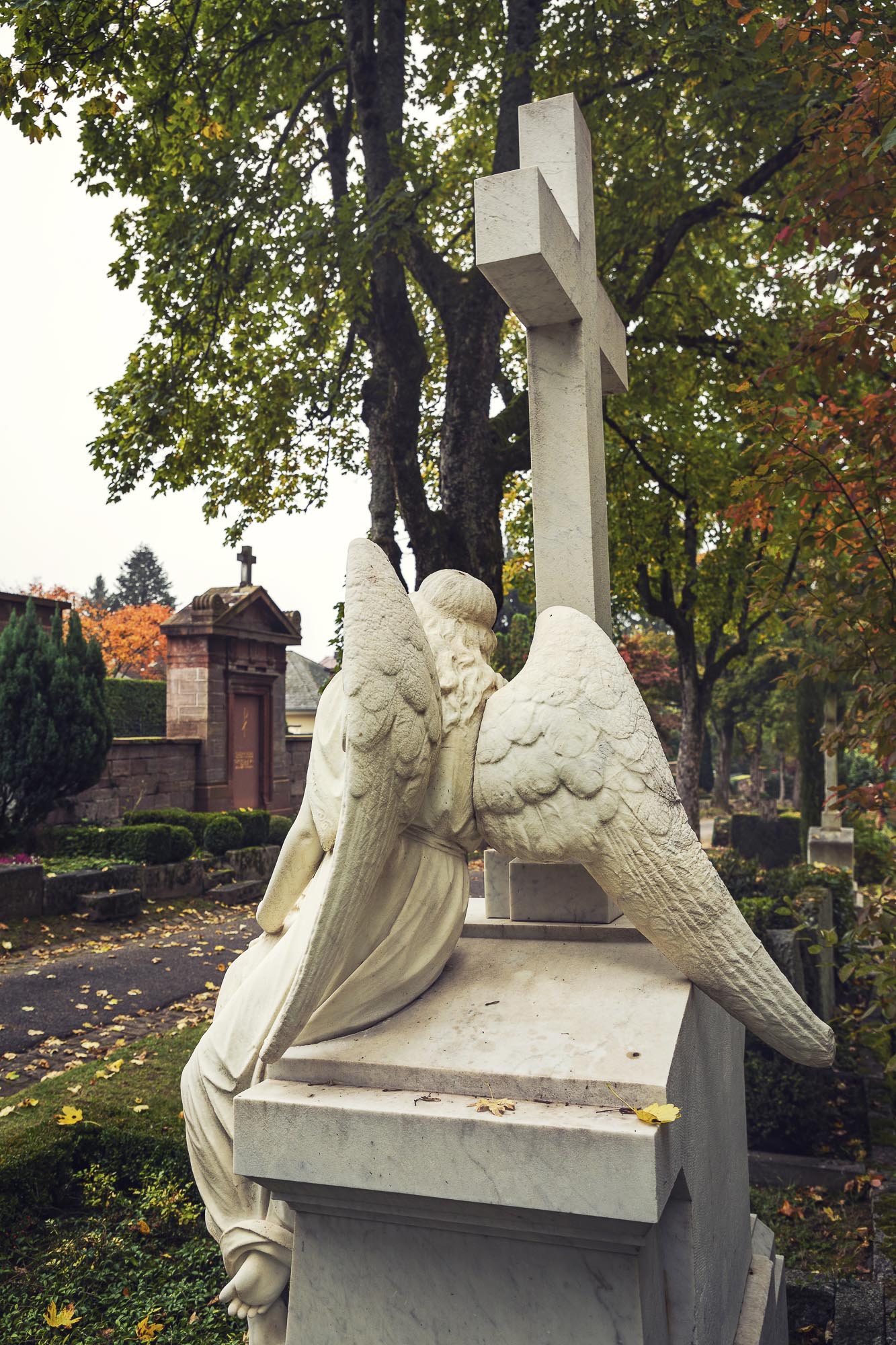
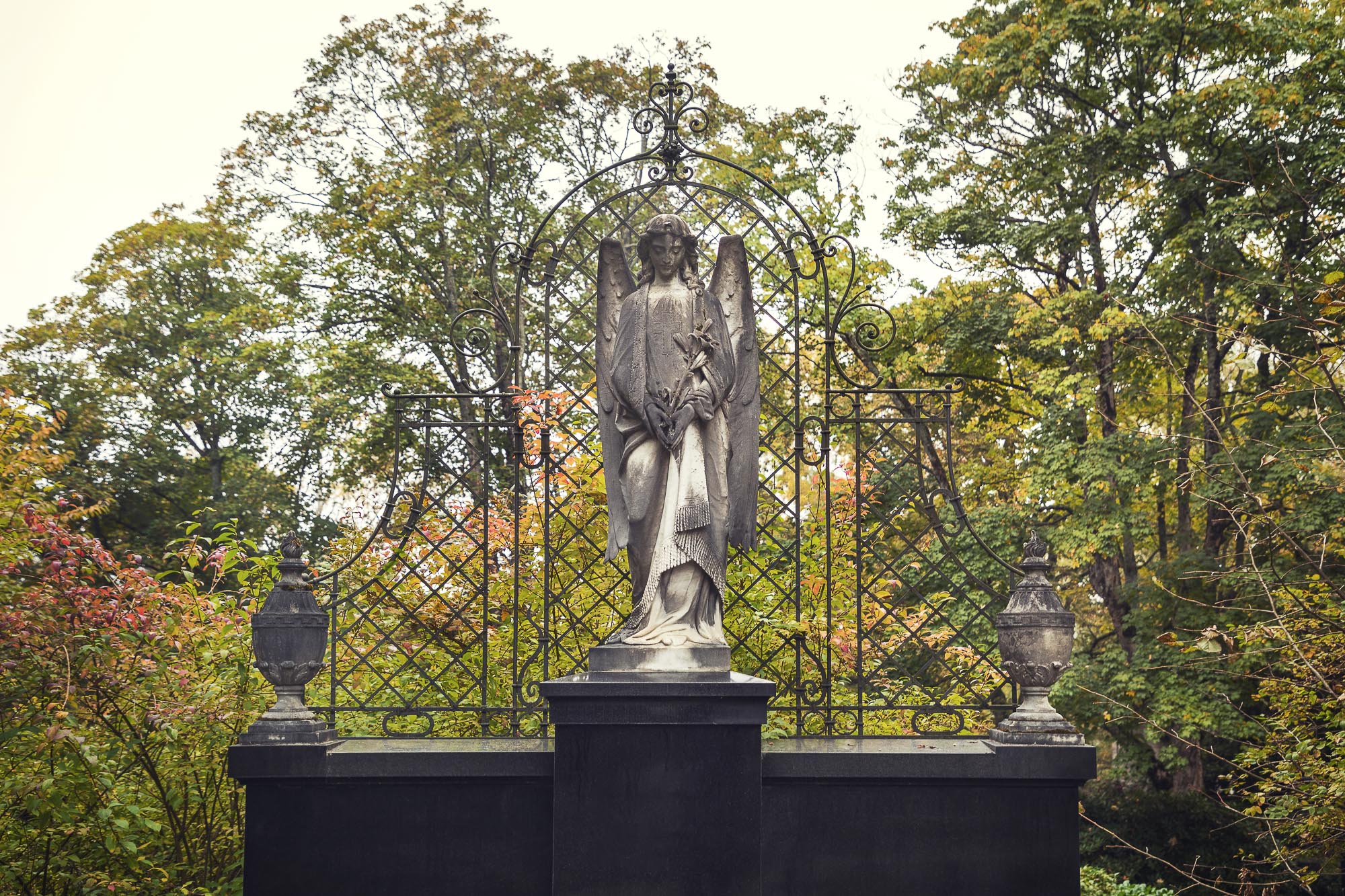
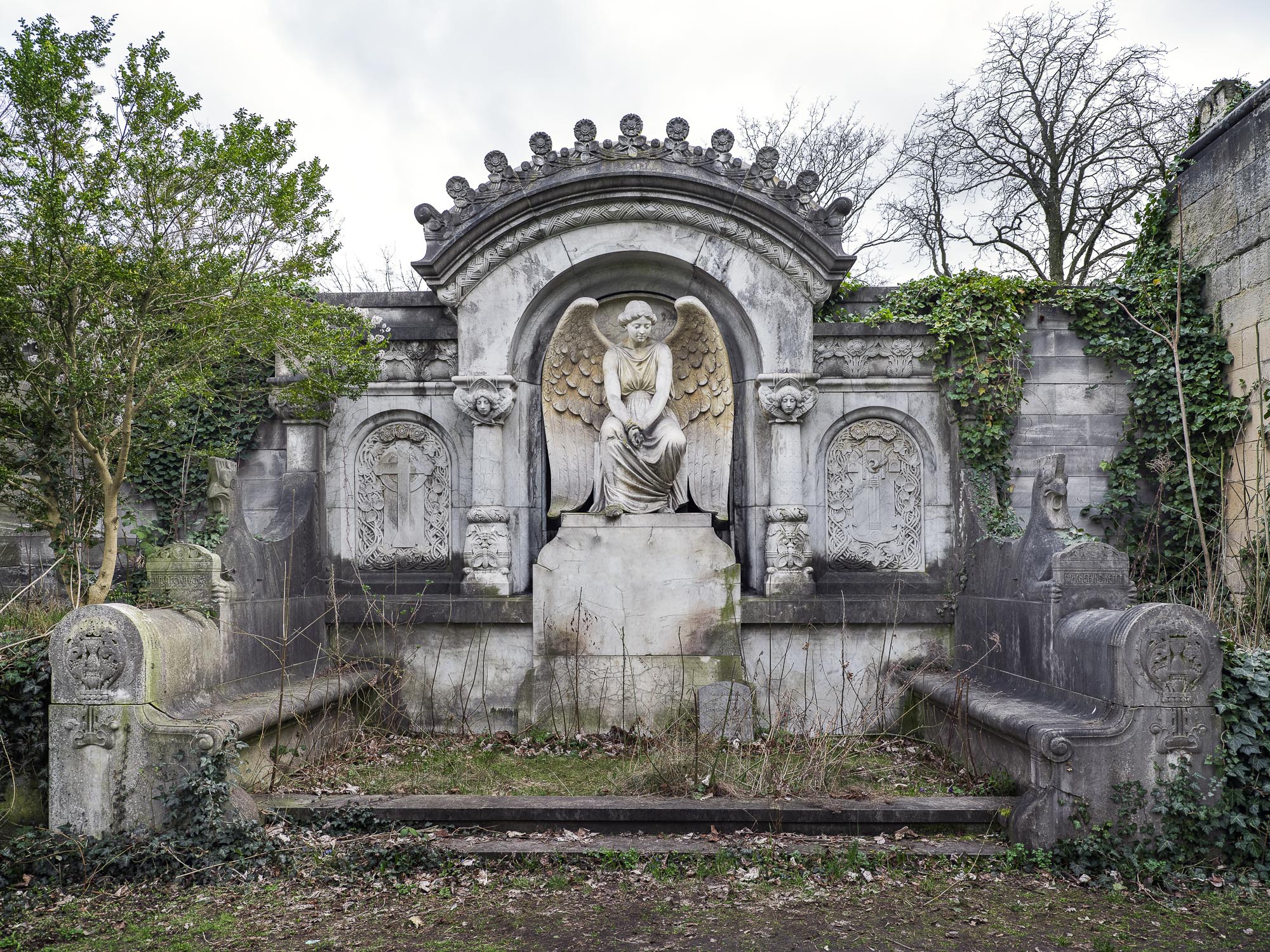
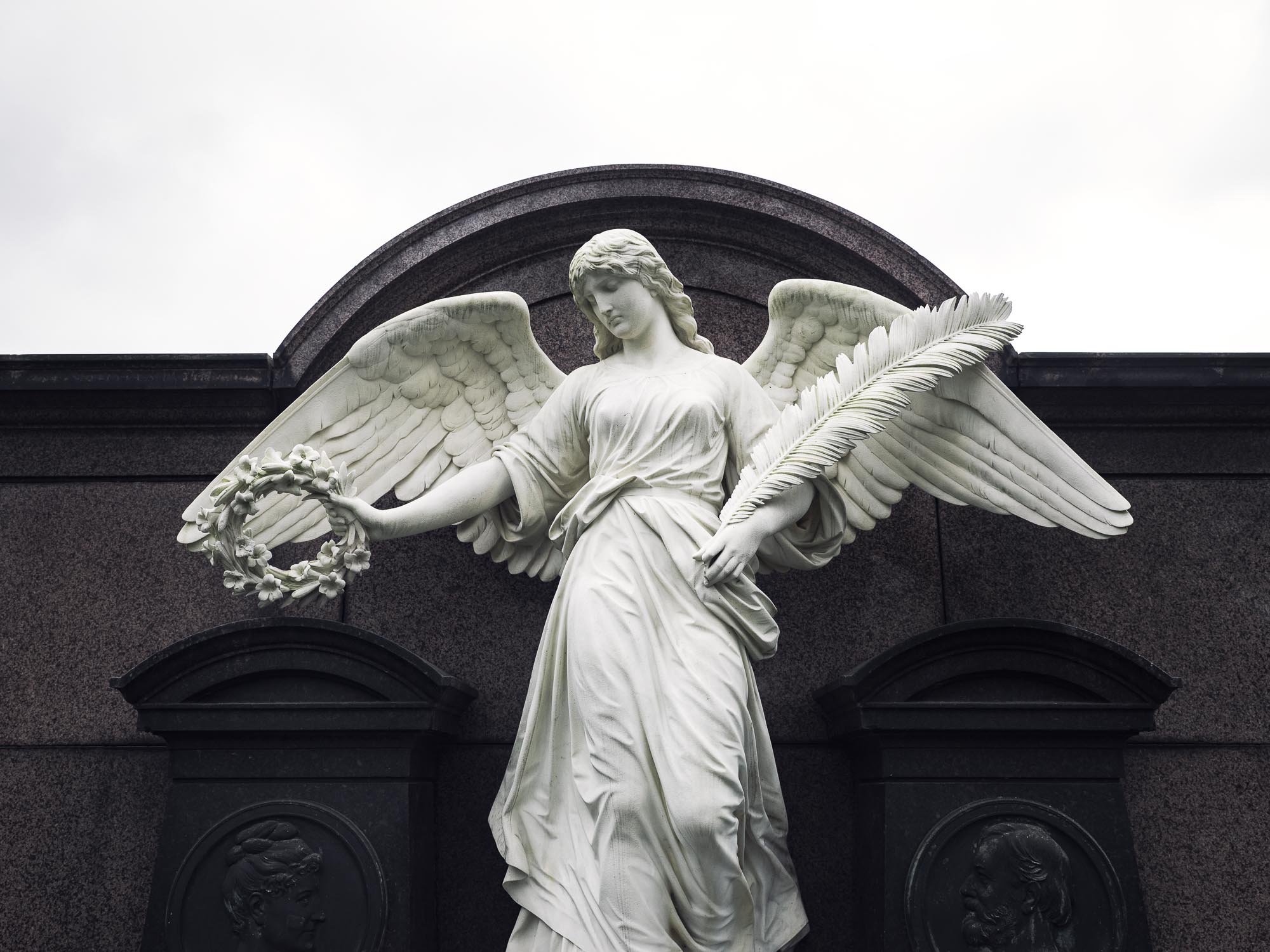
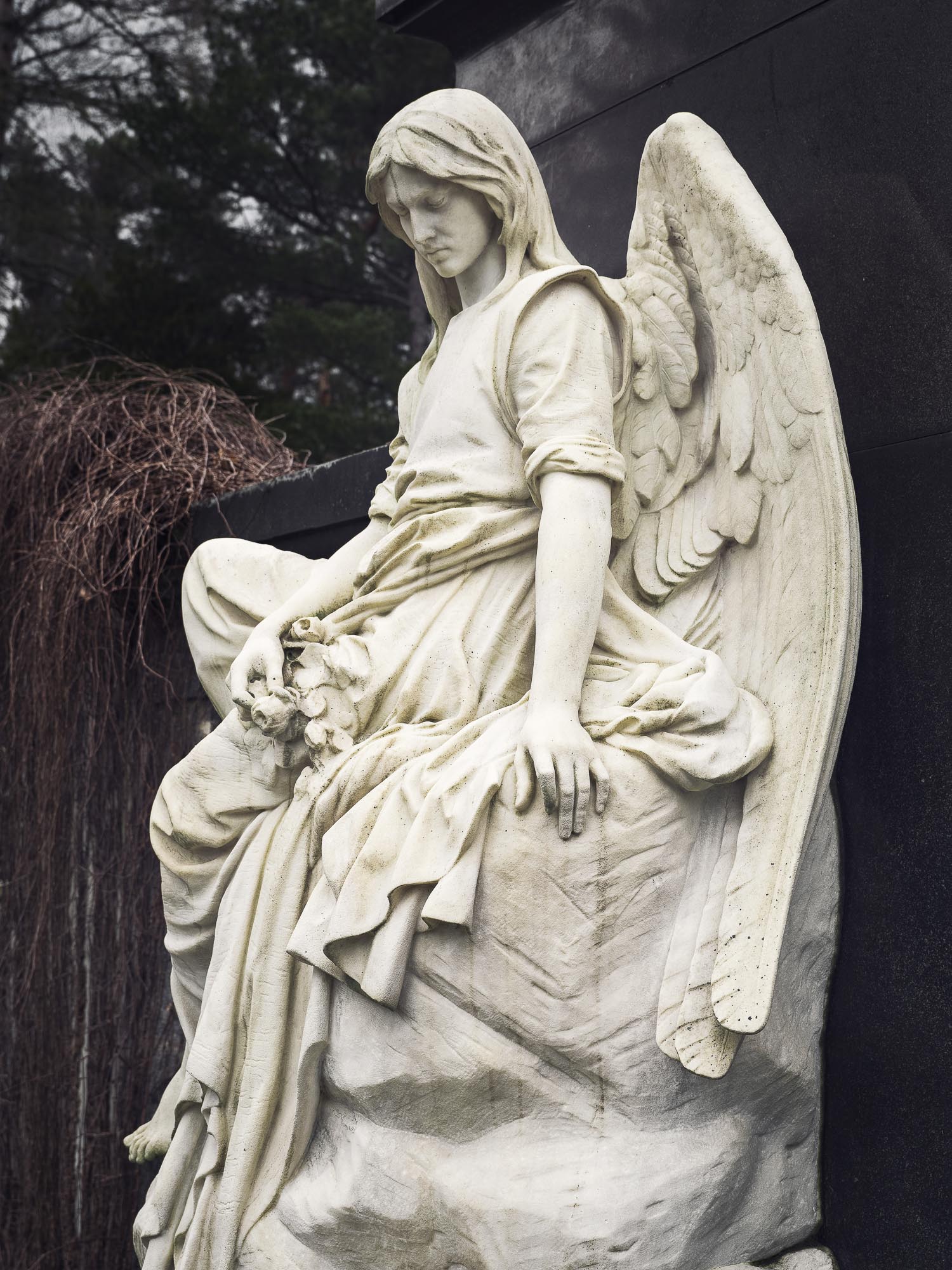
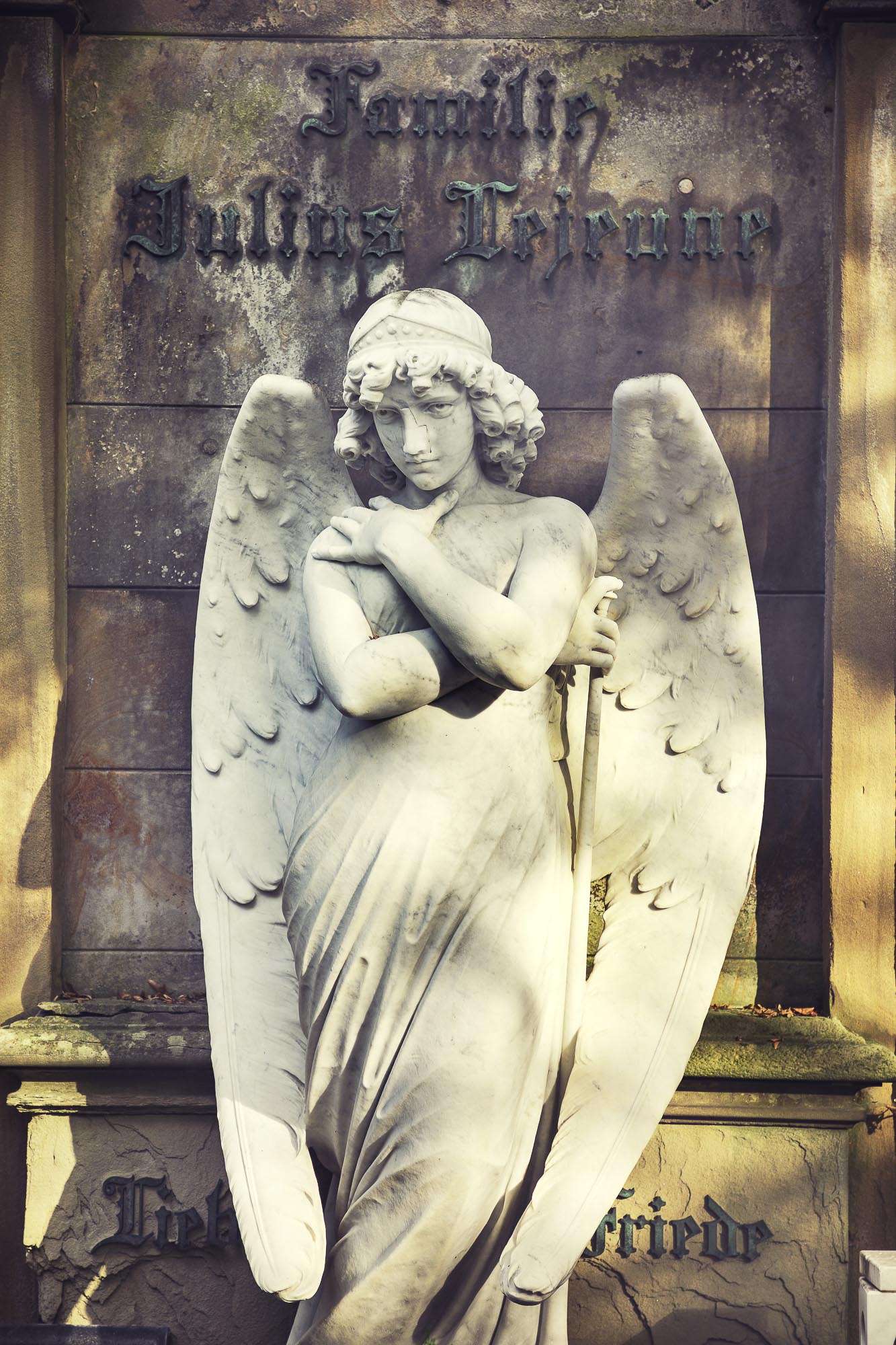
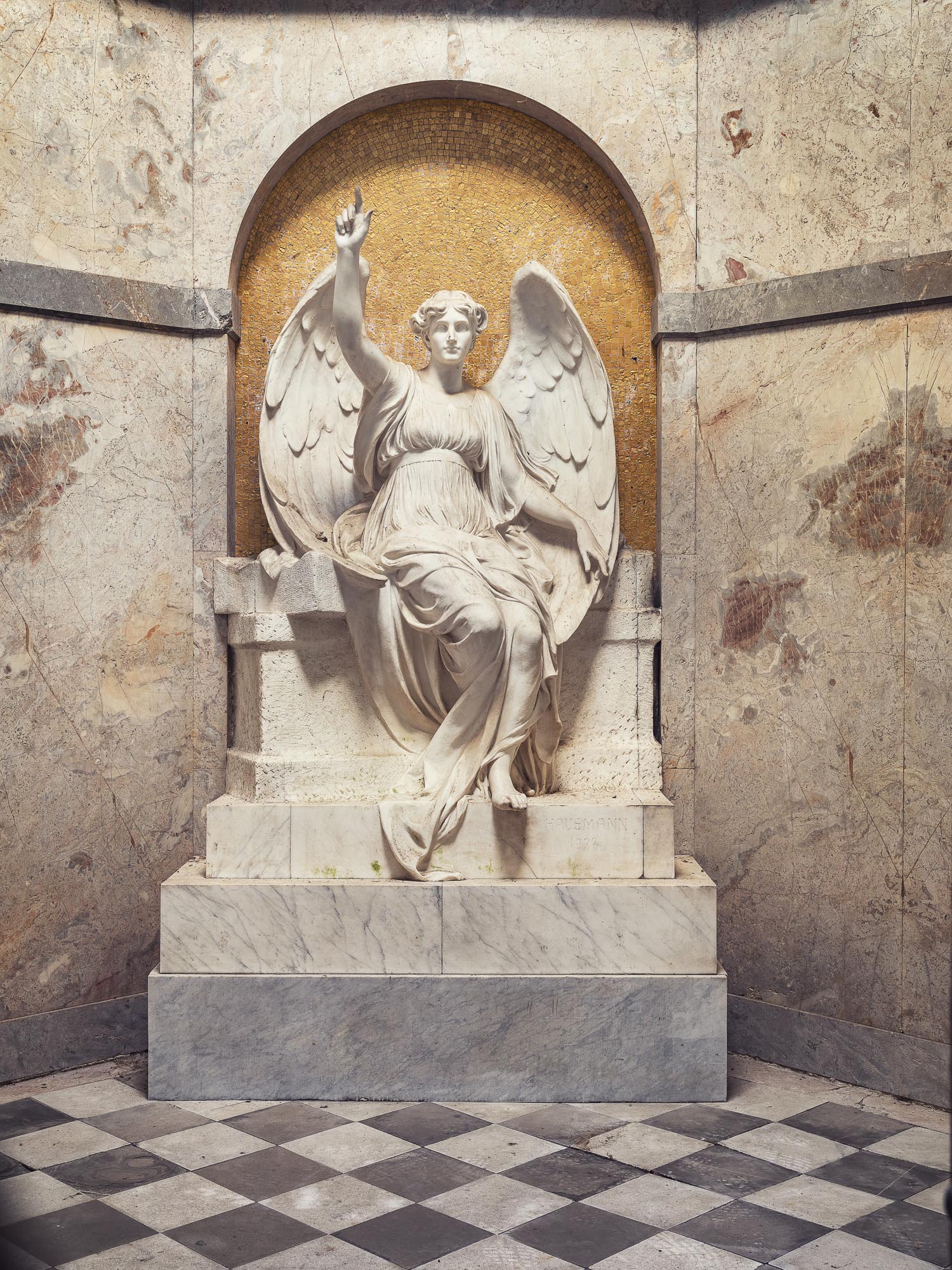
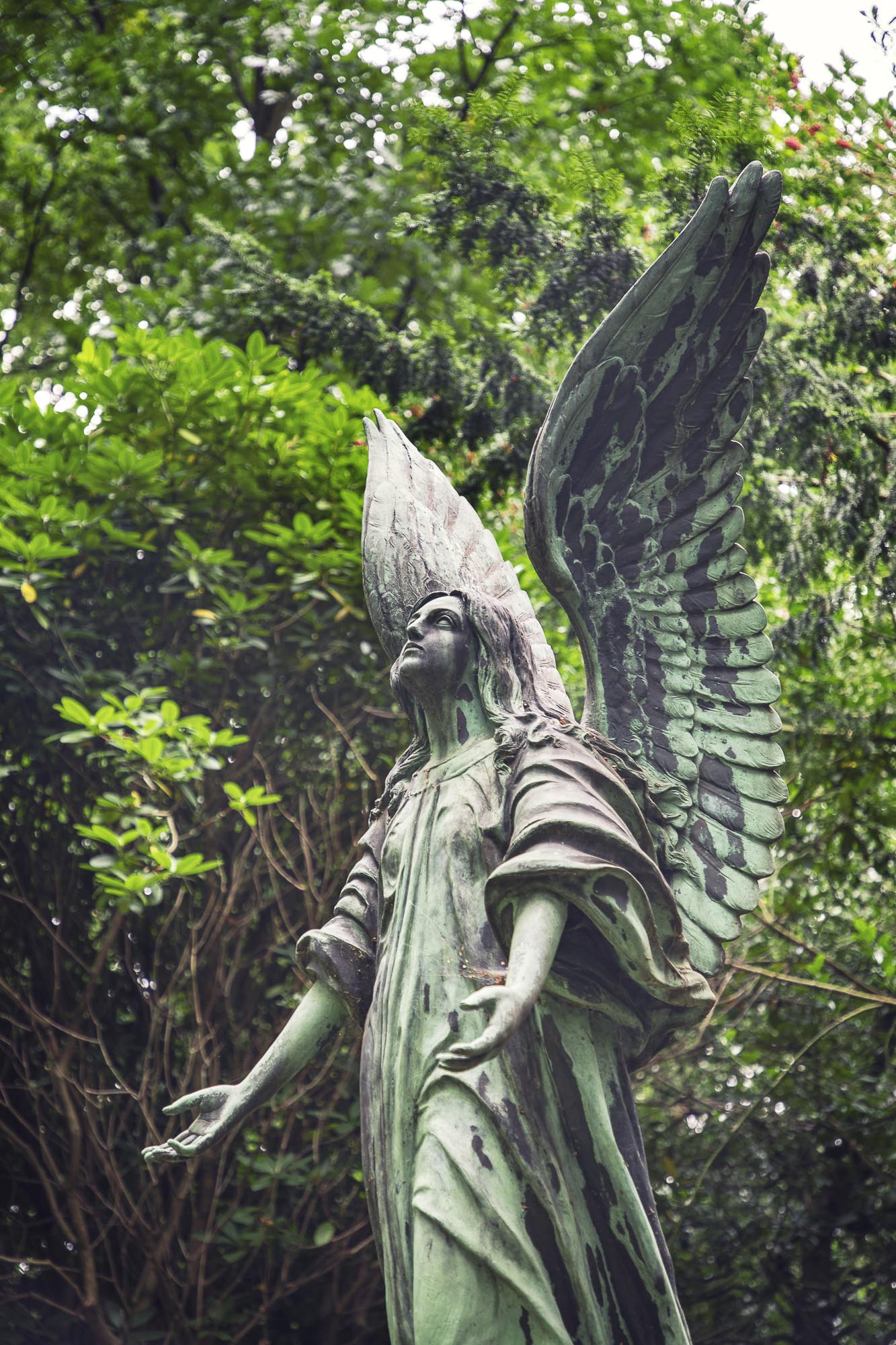
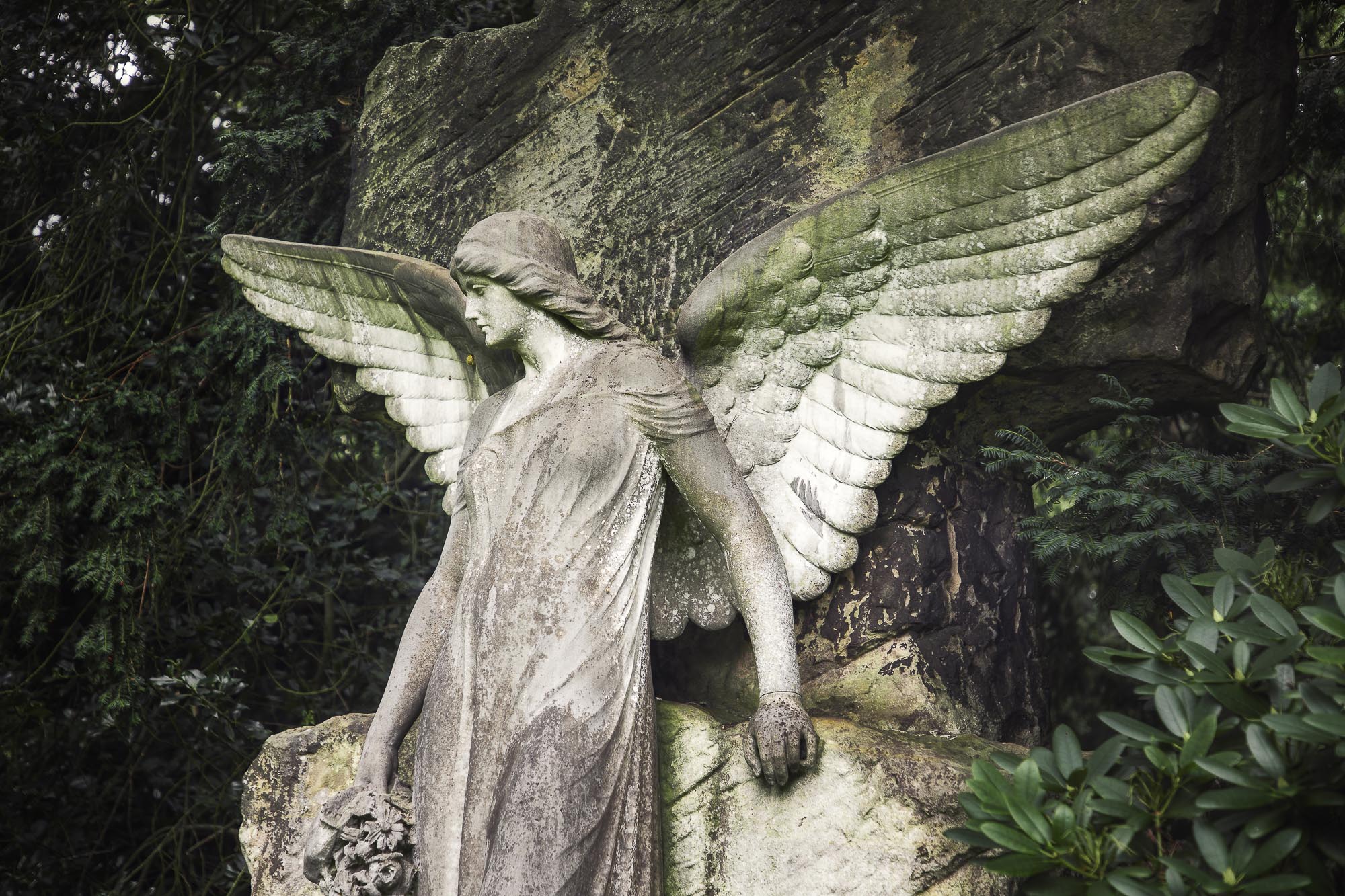
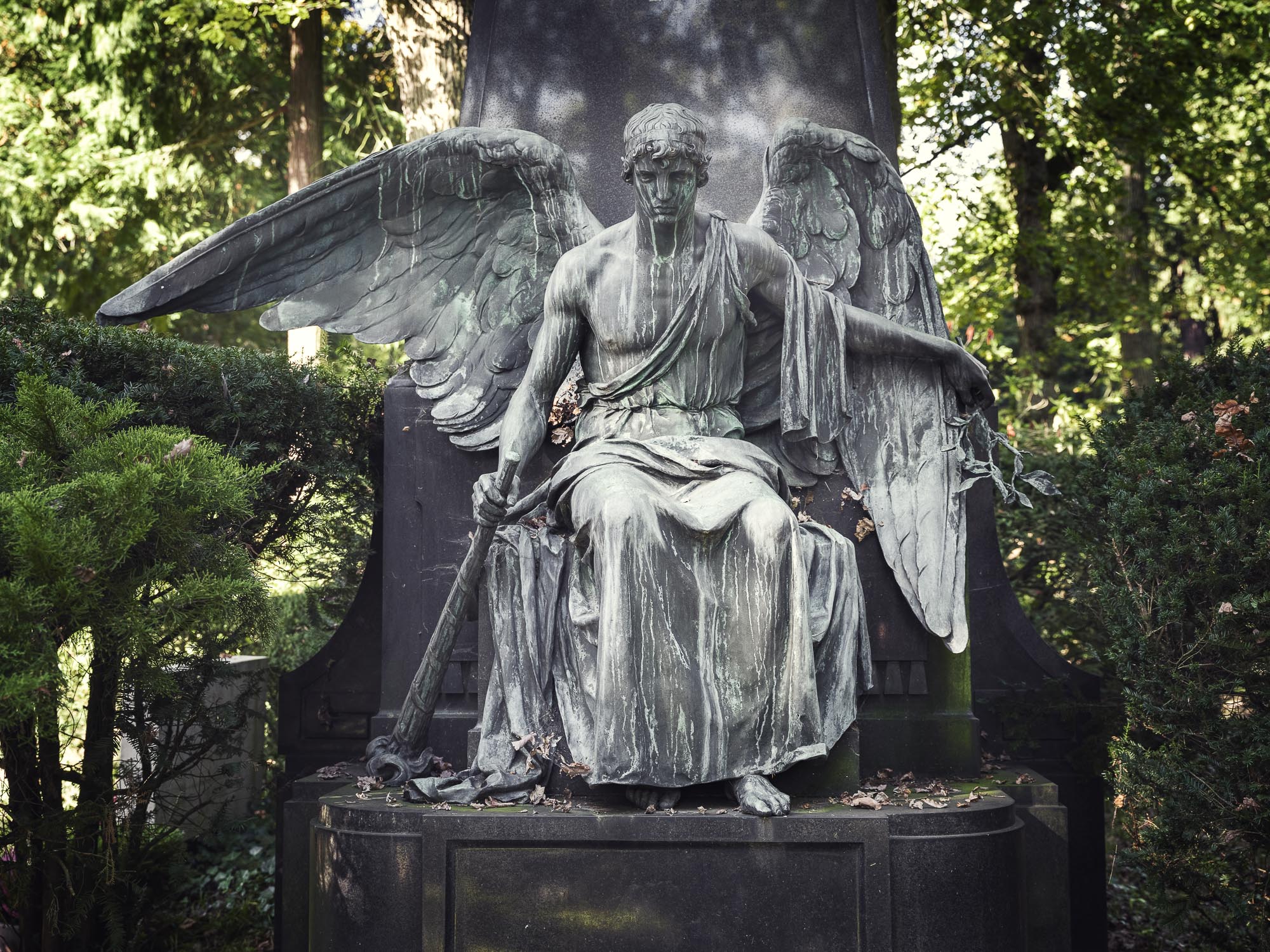
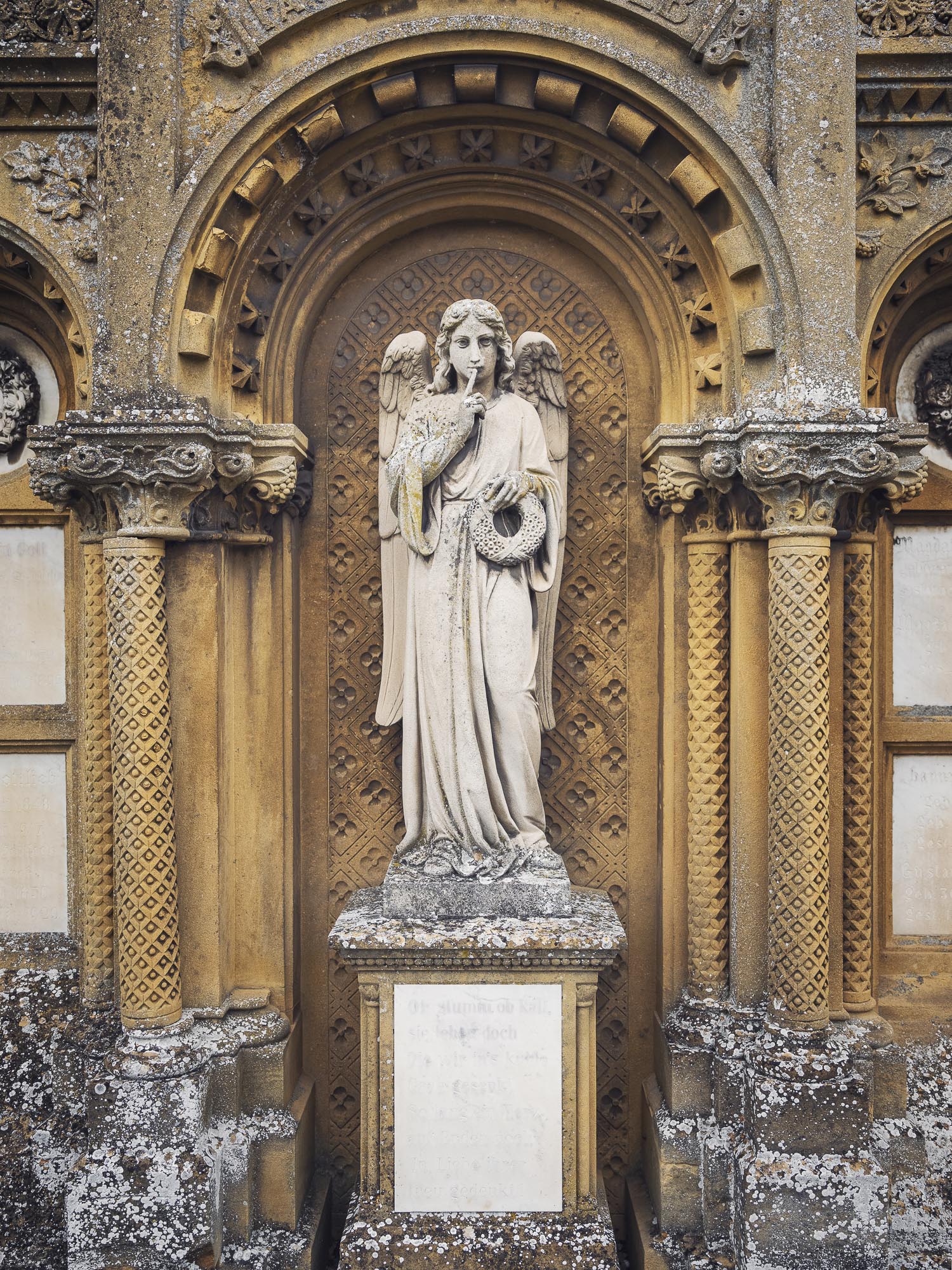
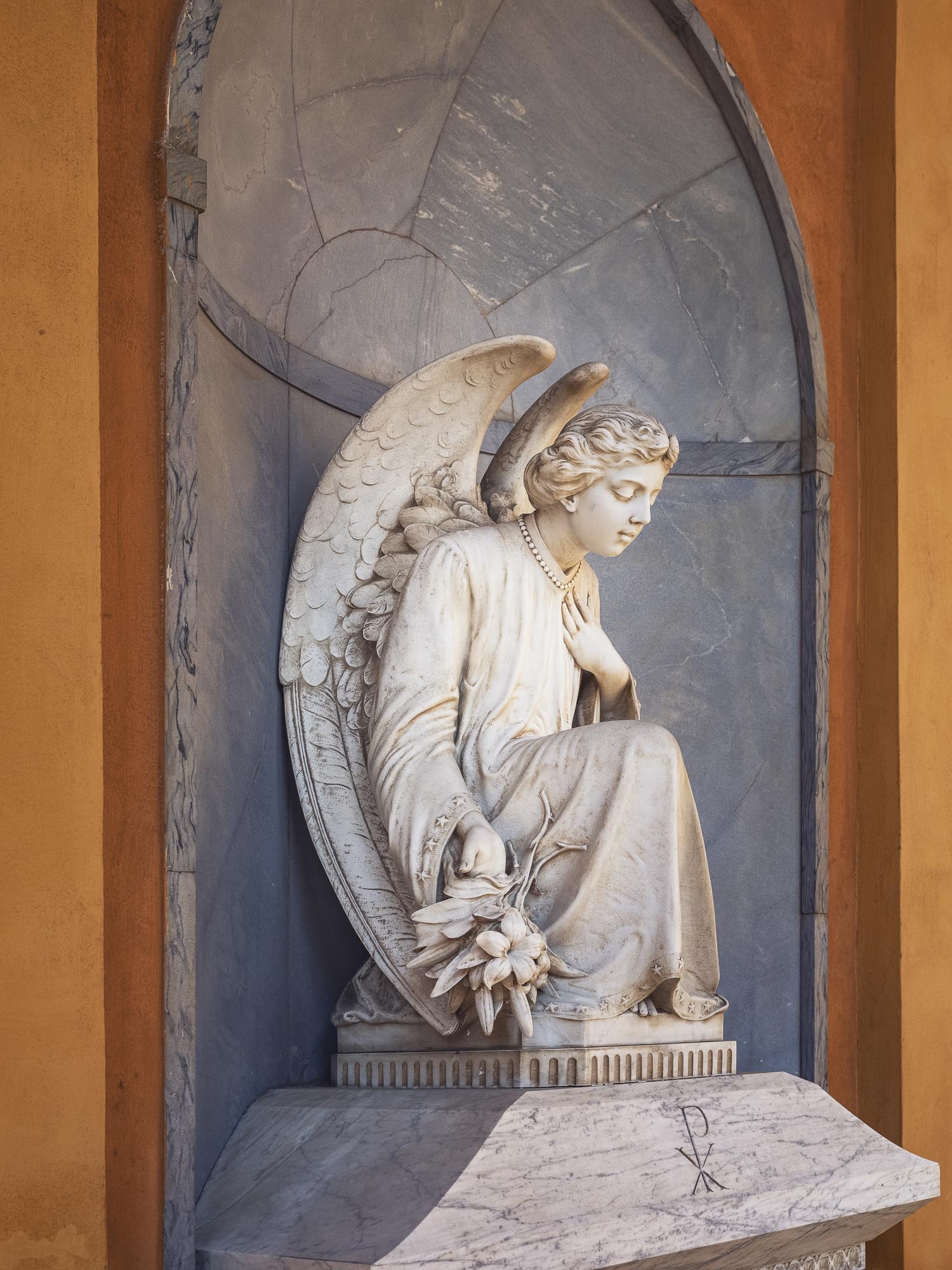
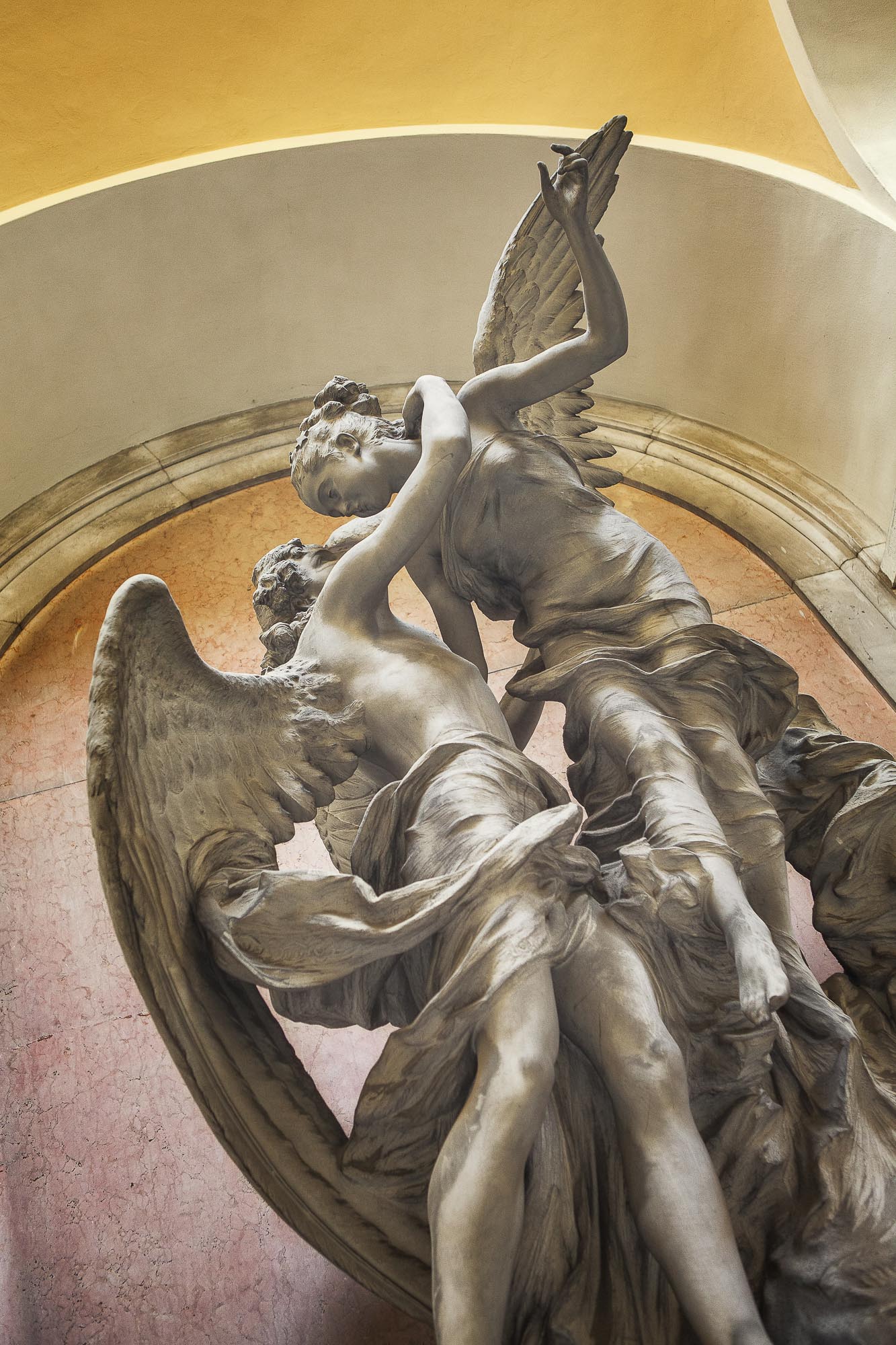
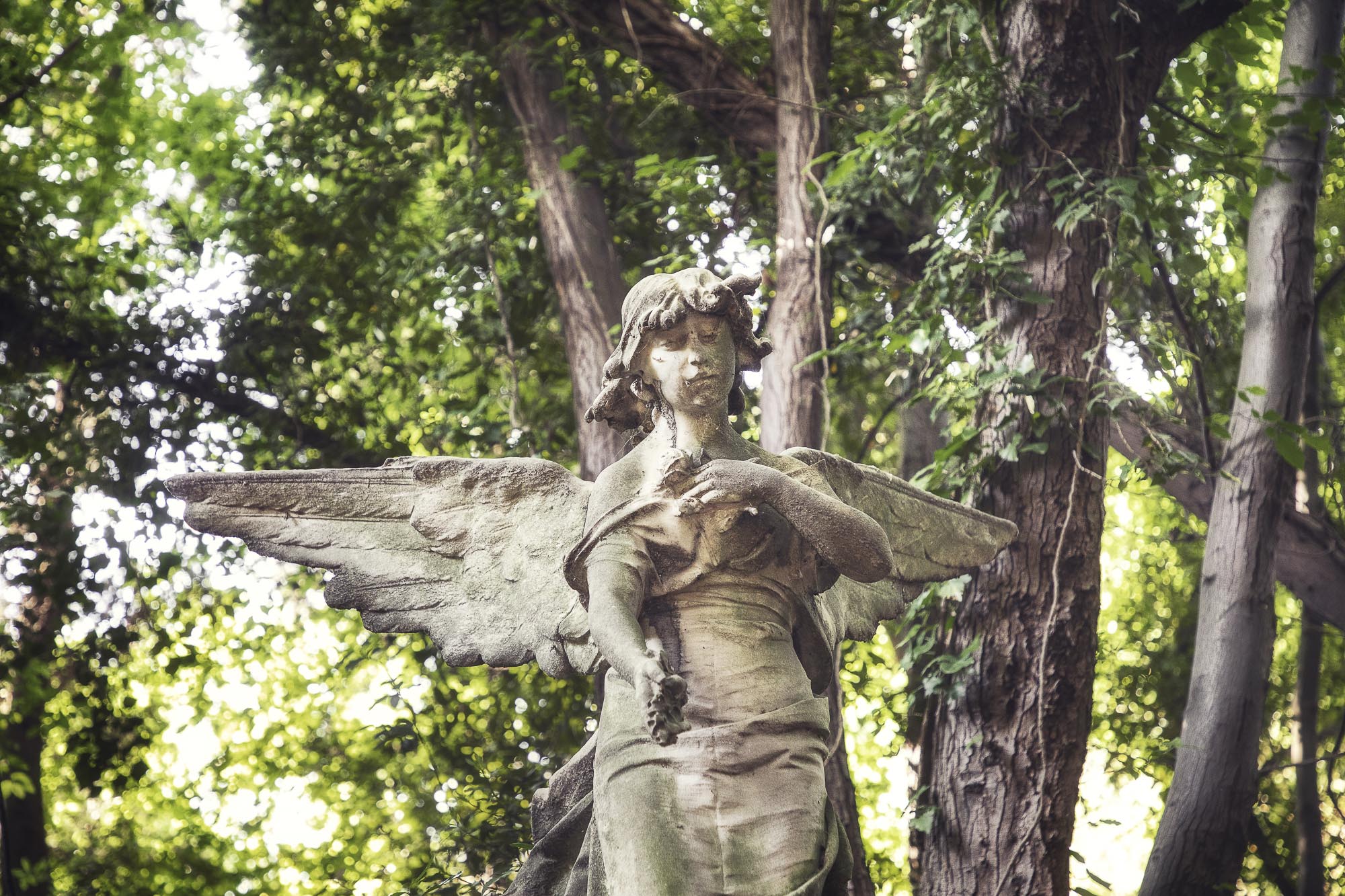
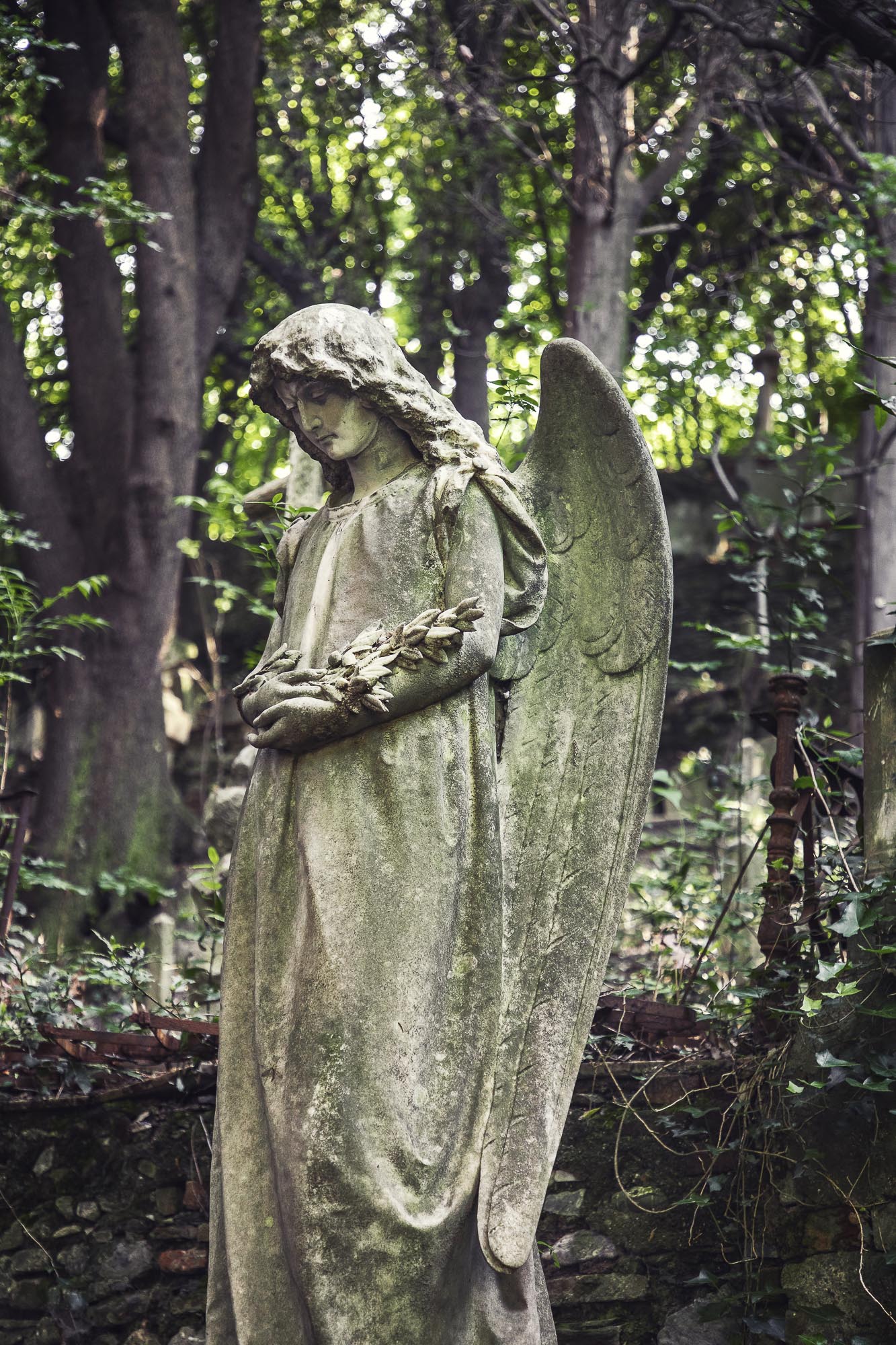
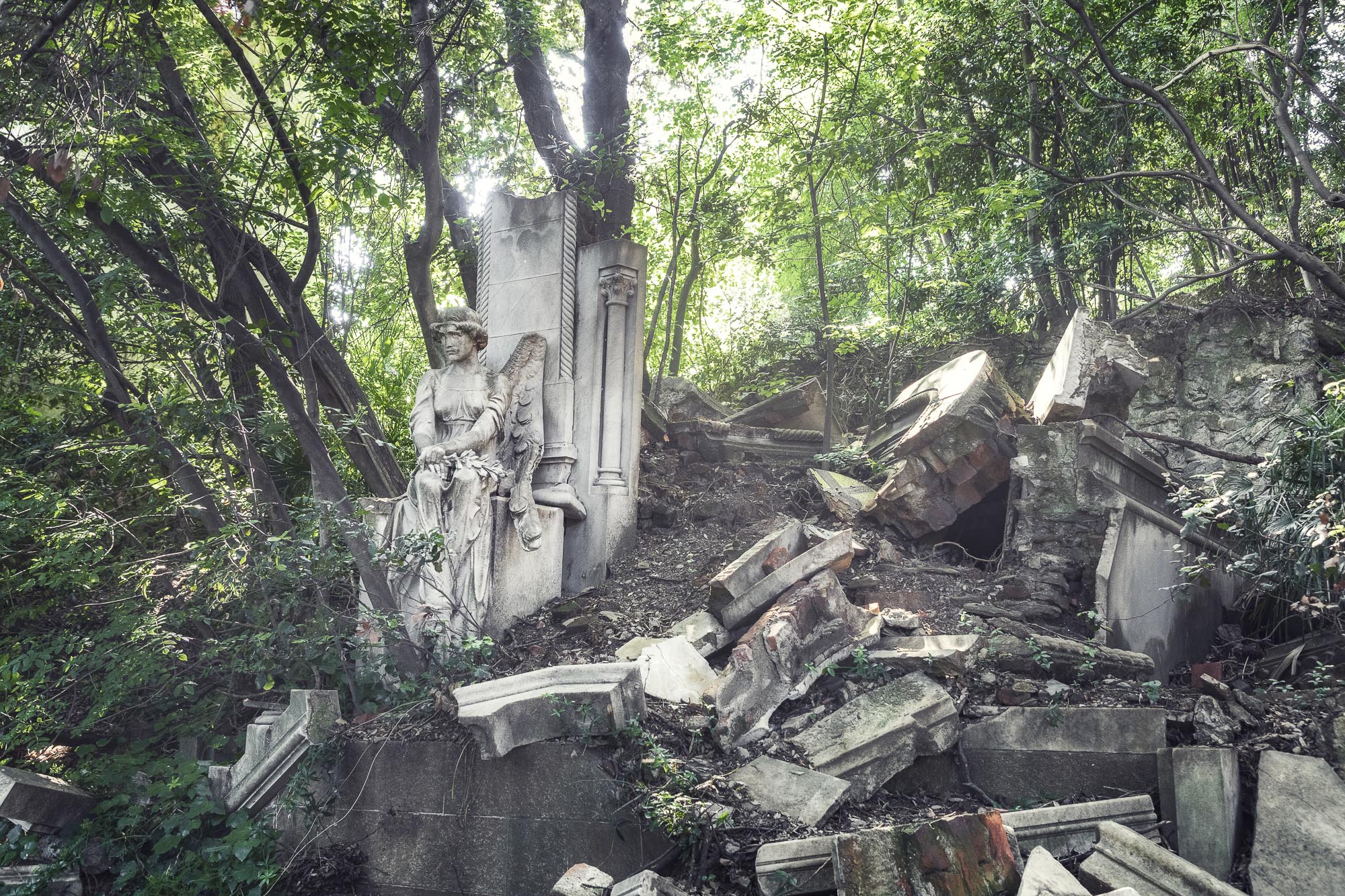
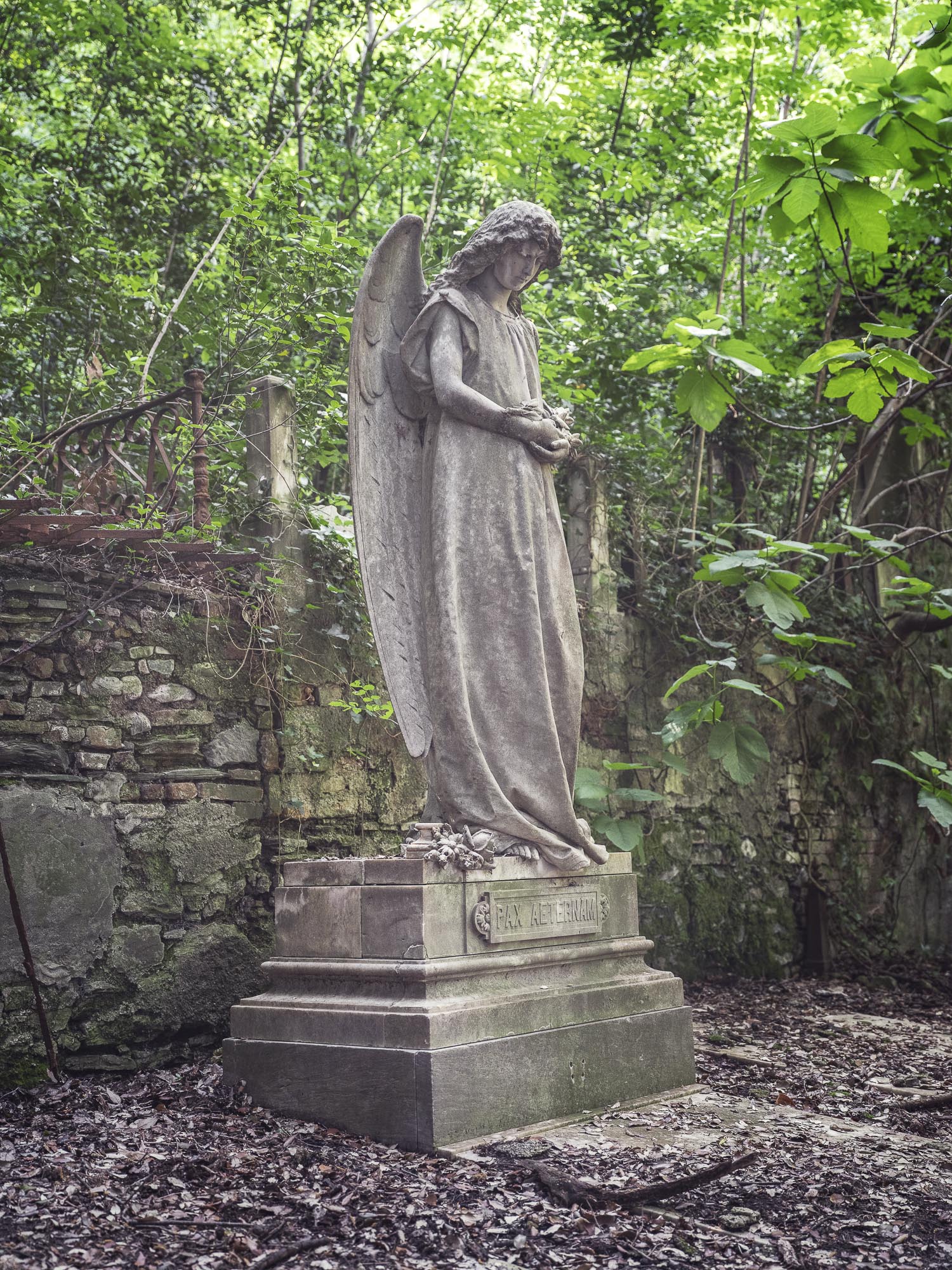
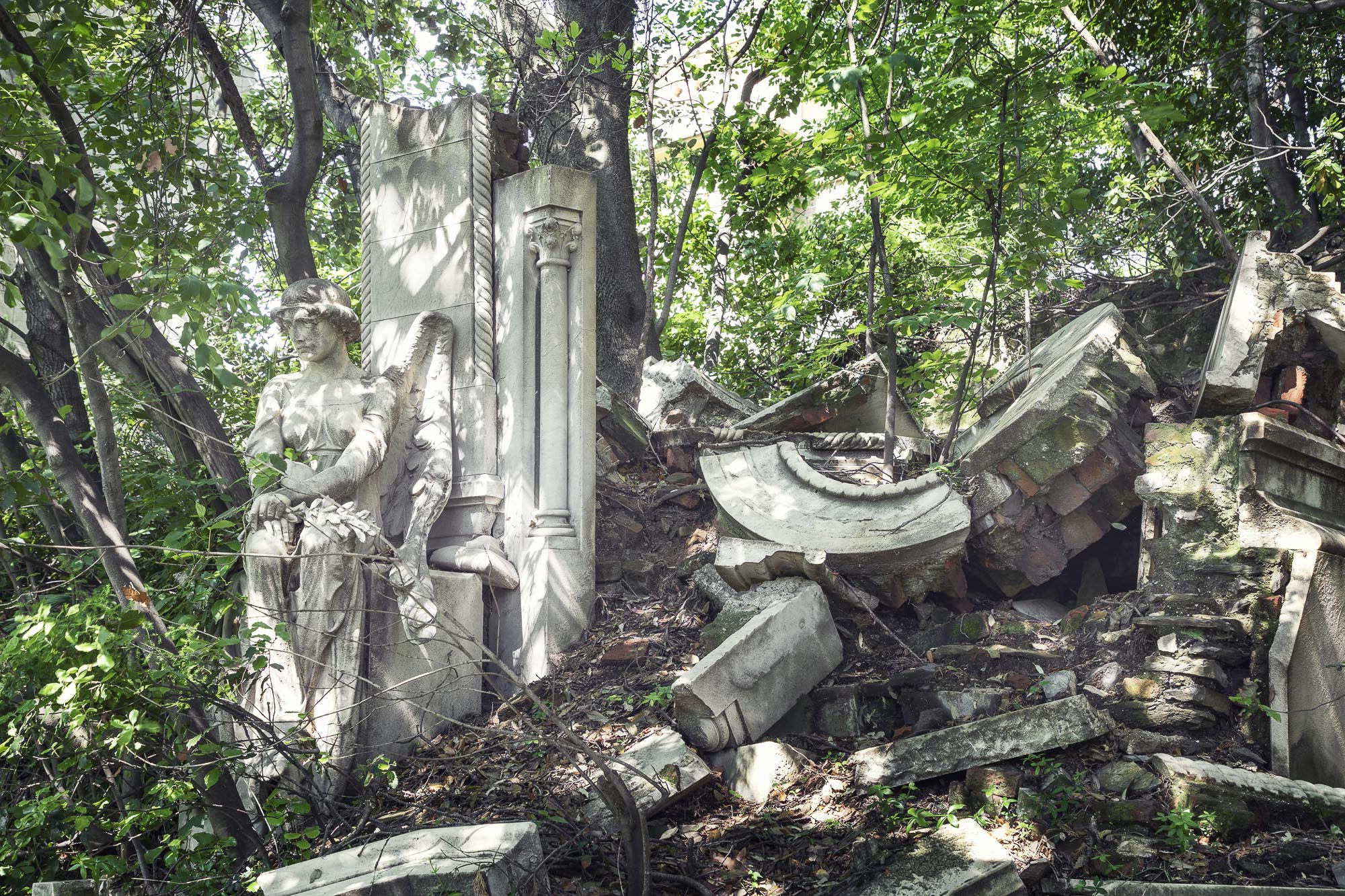
In the nineteenth century, as cemeteries moved out of the towns and the middle classes built elaborate family tombs, the angel became a standard figure of funerary art. You see it with bowed head, with palm branch, wreath or cross, carved in marble or sandstone or cast in bronze. Alongside individually designed works there were increasingly standardised models from catalogues.
A famous example is the Angel of Grief by the sculptor William Wetmore Story, made in 1894 for the Protestant Cemetery in Rome: an angel in deep sorrow, with drooping wings and a hidden face. The design is regarded as one of the most copied images in funerary art.
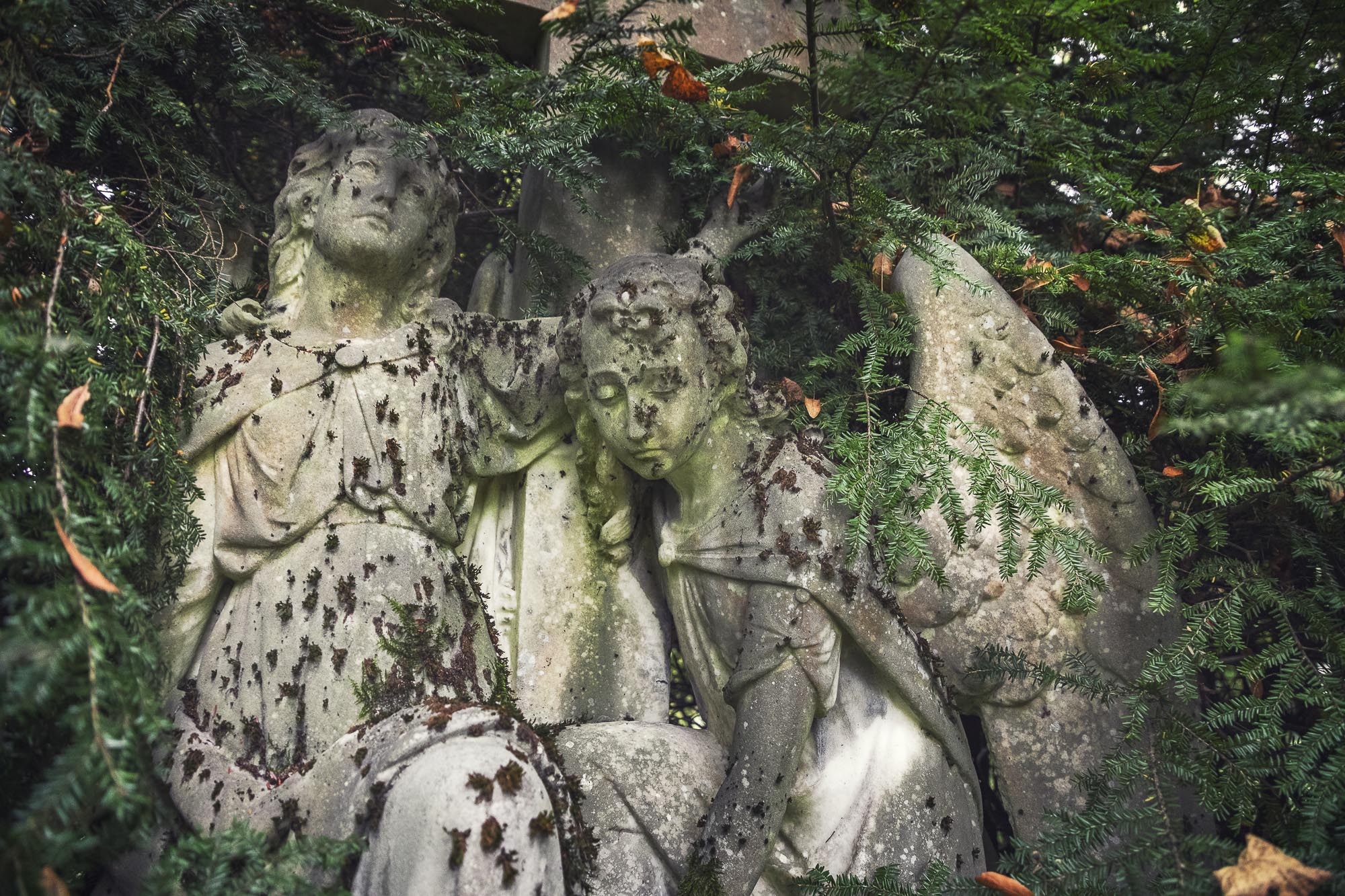
When looking, pay attention to posture, drapery and wings, and to the marks of time: moss, weathering and cracks belong to the history of these figures. They are fragile, and many cities arrange sponsorships so that historic monuments survive.
Frequently asked questions
Why are there angels in cemeteries?
Angels are seen as guardians, comforters and guides of the soul. From the late eighteenth century they replaced the skeleton as the image of death with a gentler figure.
What does a grieving angel on a grave mean?
The grieving angel with bowed head or hidden face embodies the pain of those left behind. The best known example is William Wetmore Story's Angel of Grief of 1894, which was copied many times.
Which period do most grave angels come from?
Most date from the nineteenth and early twentieth centuries, when the middle classes built elaborate family tombs and cemeteries were moved outside the towns.