Motifs · 25 pictures
Jewish cemeteries
-
-
-

-
-
-
-
-
-
-
-
-
-
-
-
-
-
-
-
-

-
-
-
-
-
About this motif
In Hebrew the cemetery is called Bet Olam, “house of eternity”, or Bet ha-Chayim, “house of life”. The names say what matters: the rest of the dead is regarded as permanent and binding. There is no fixed term after which a grave is levelled and given to someone else.
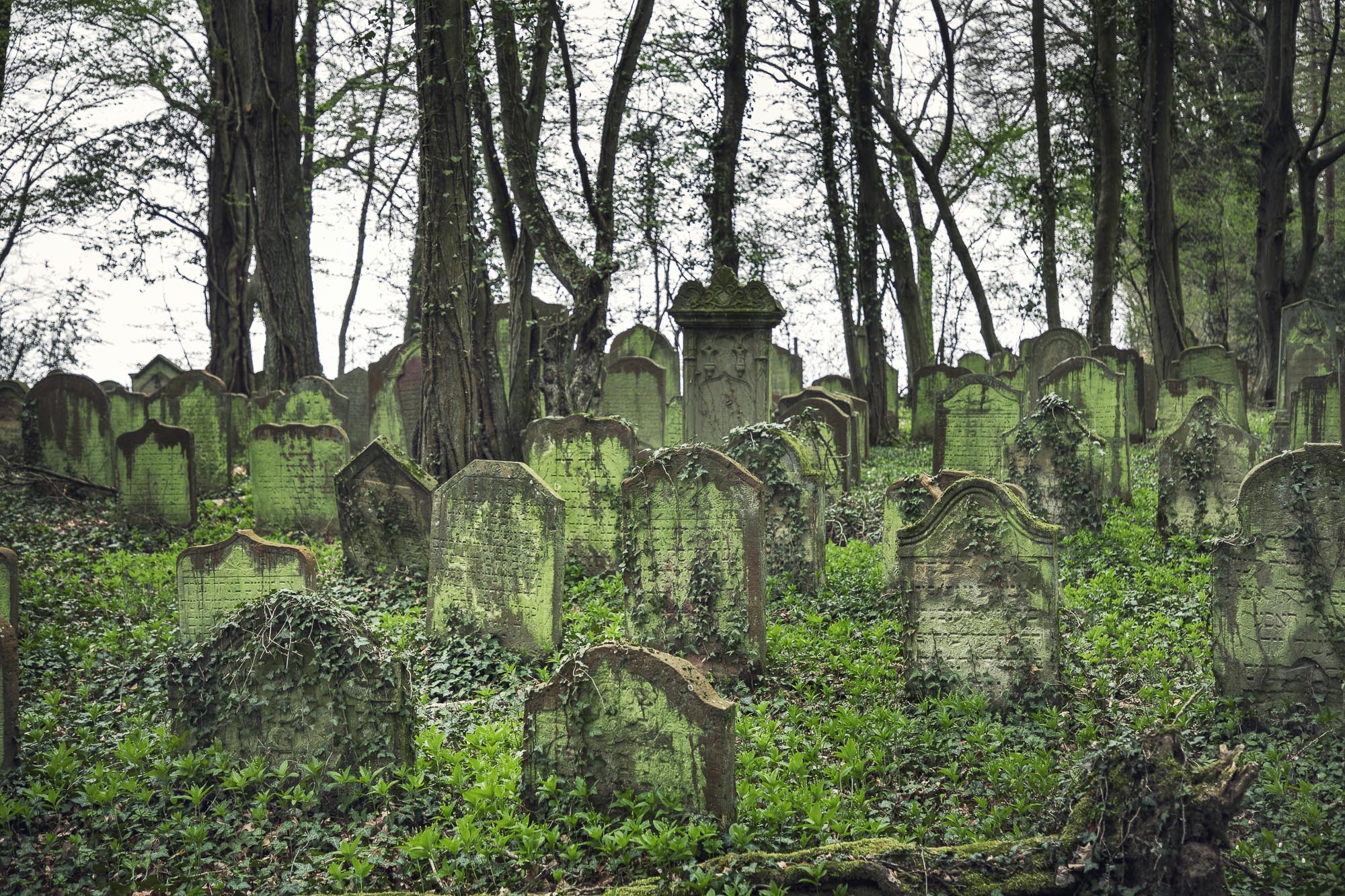
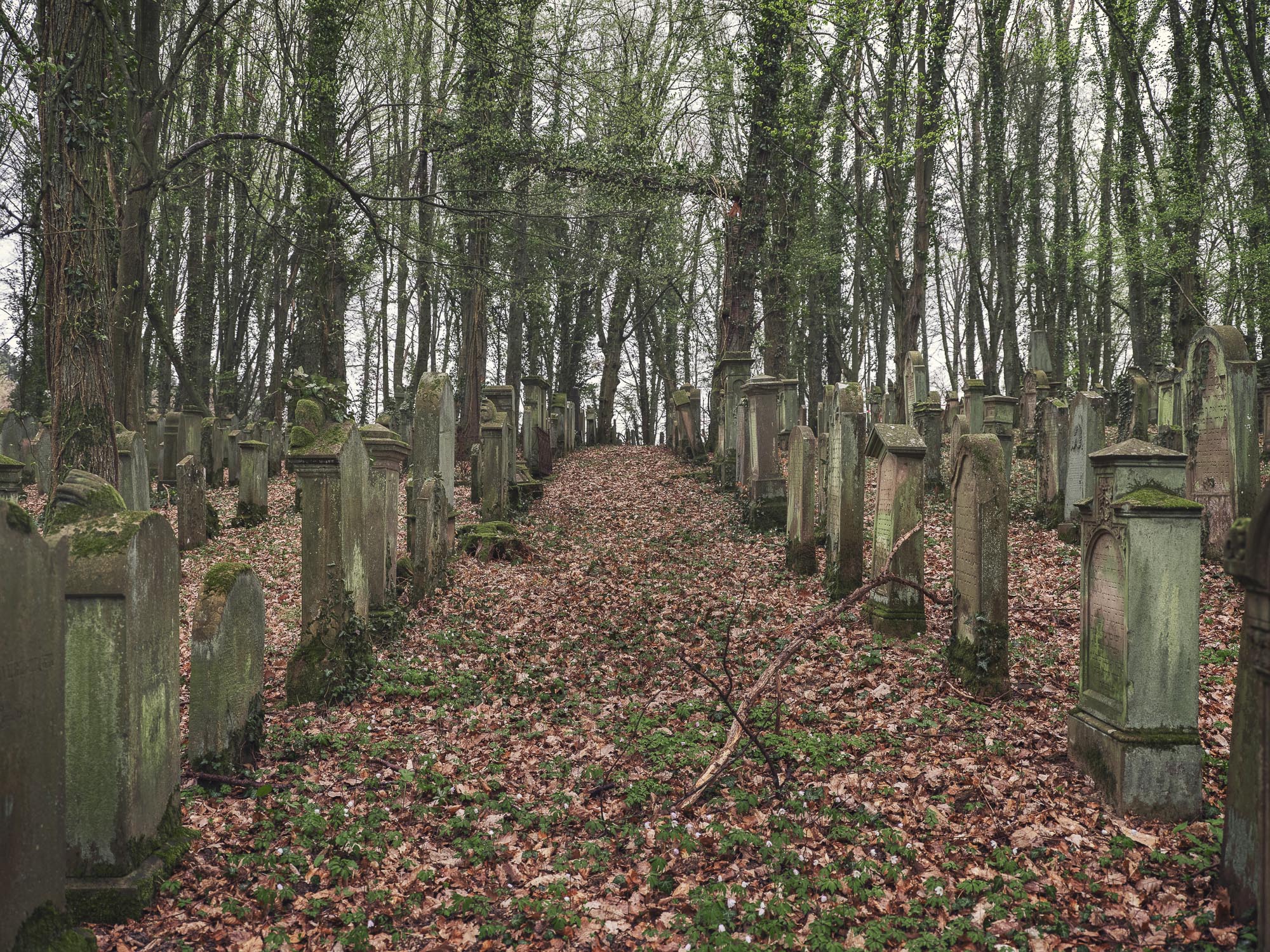
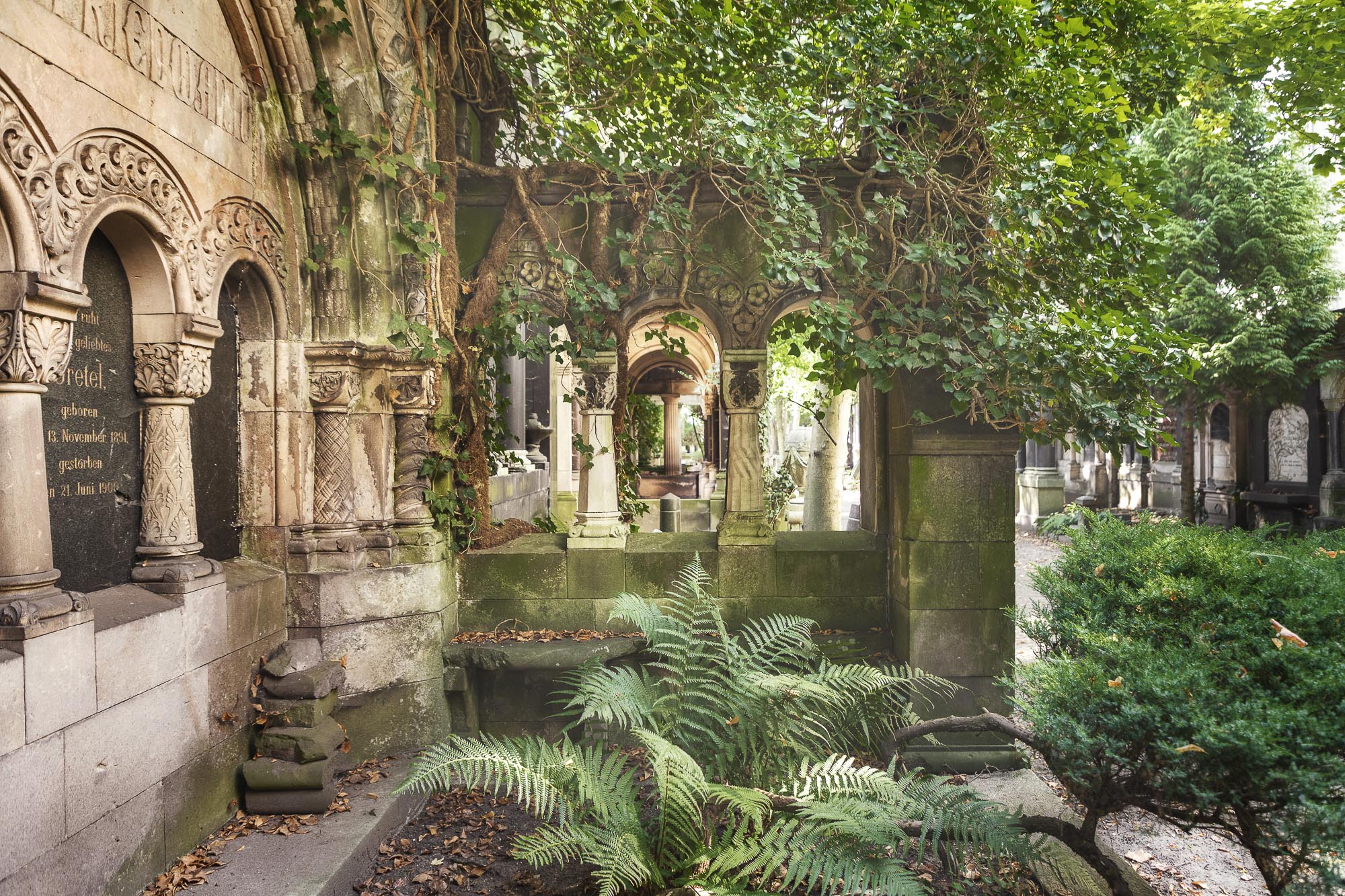
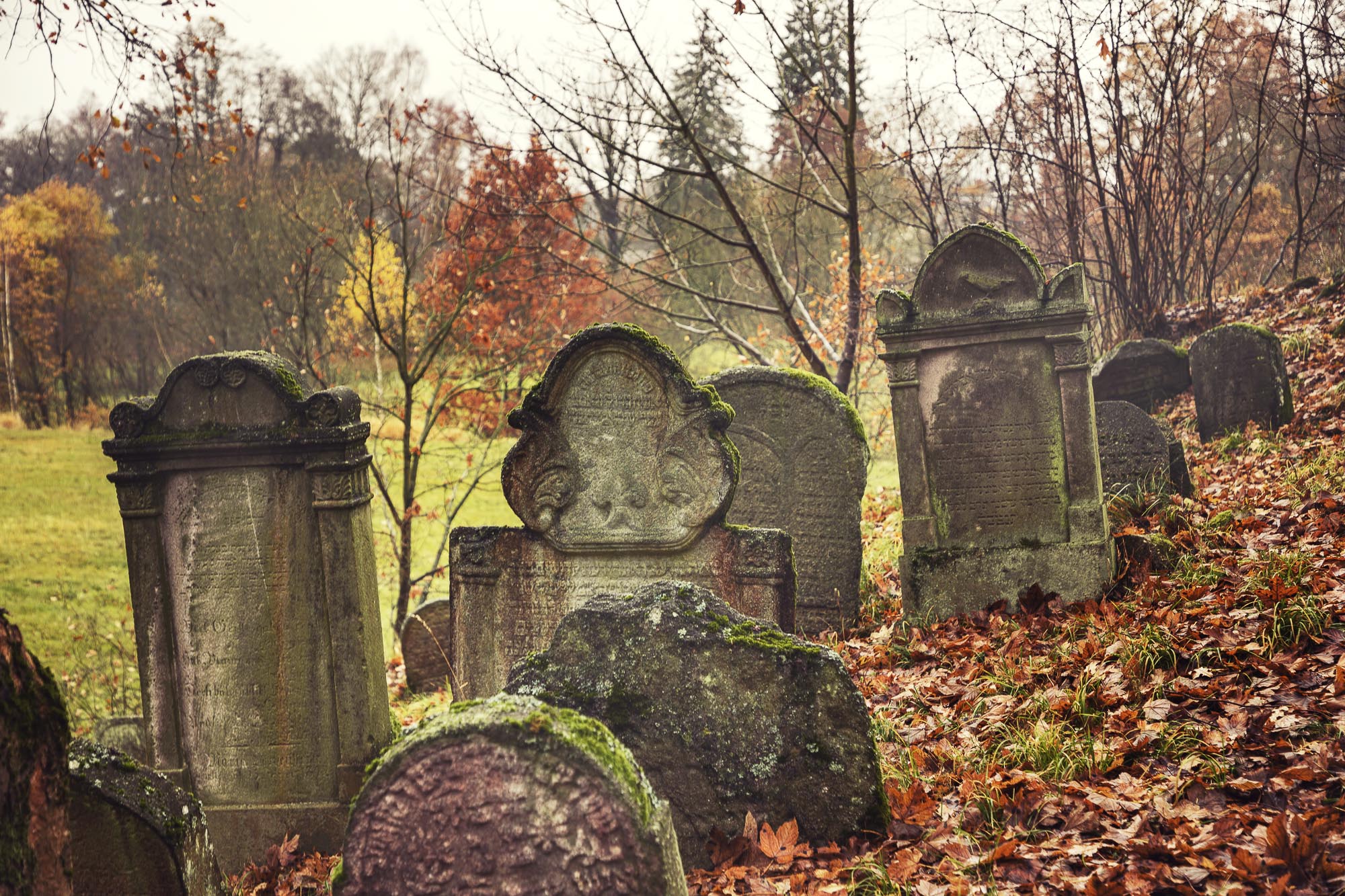
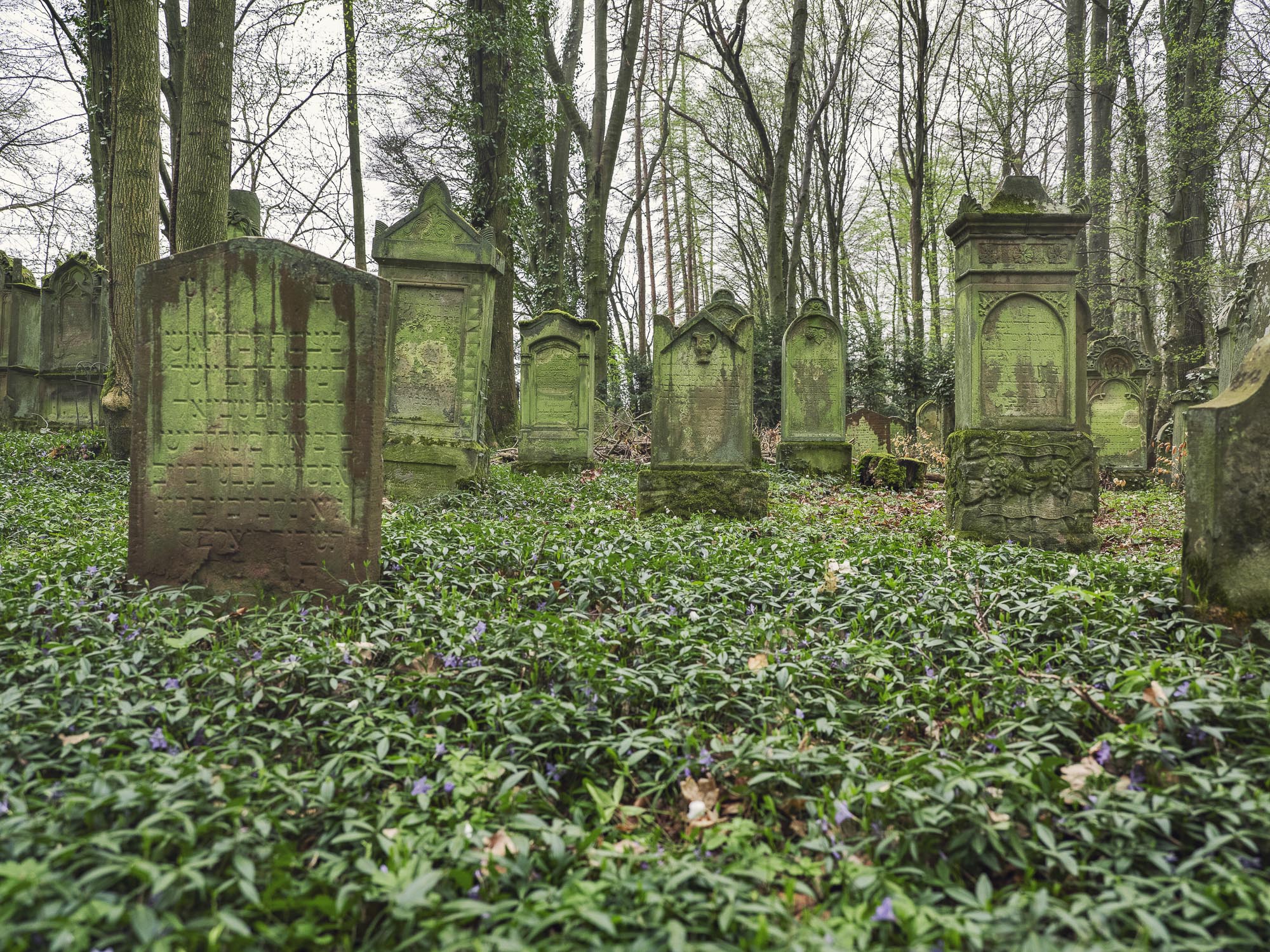
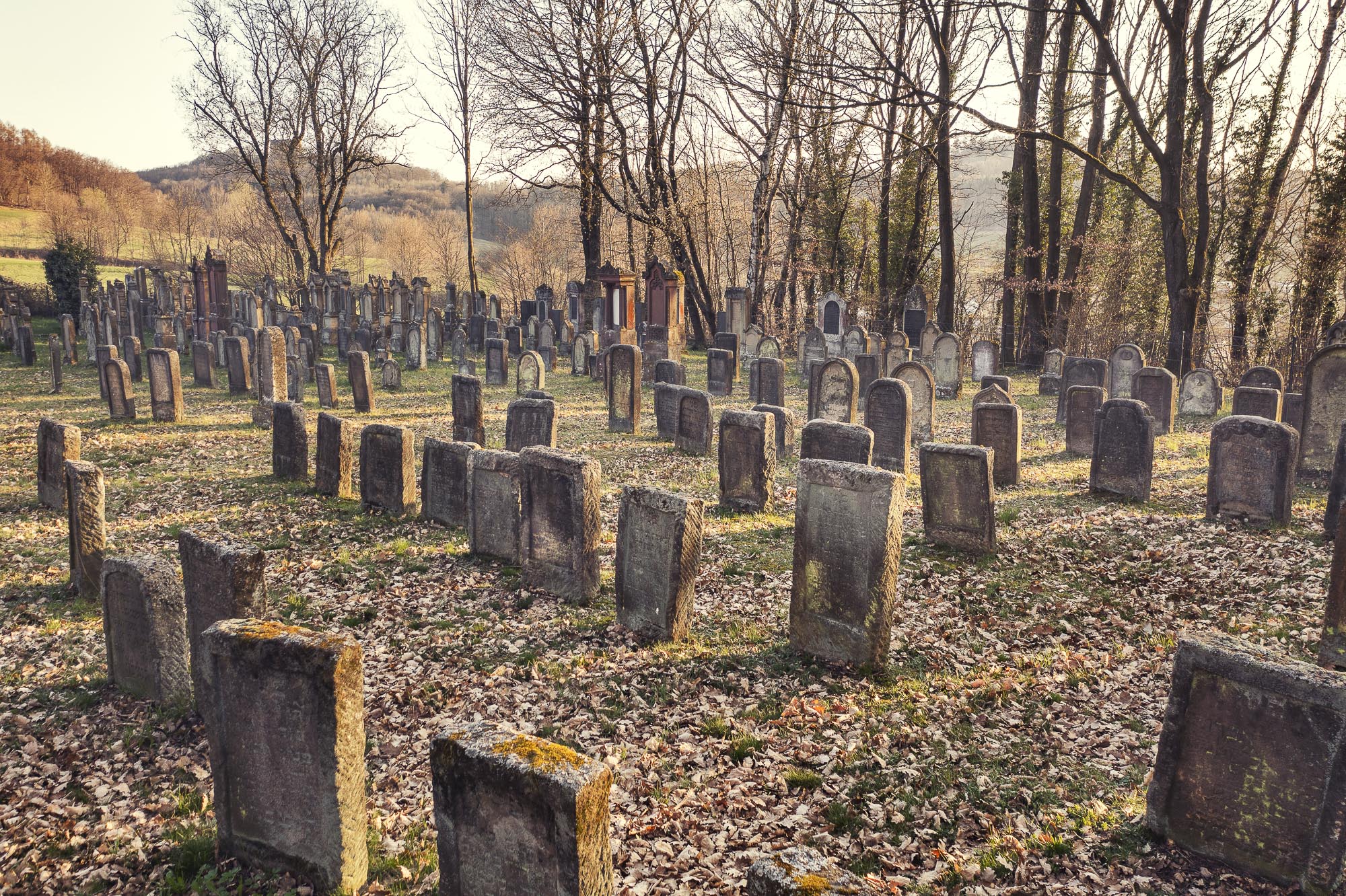
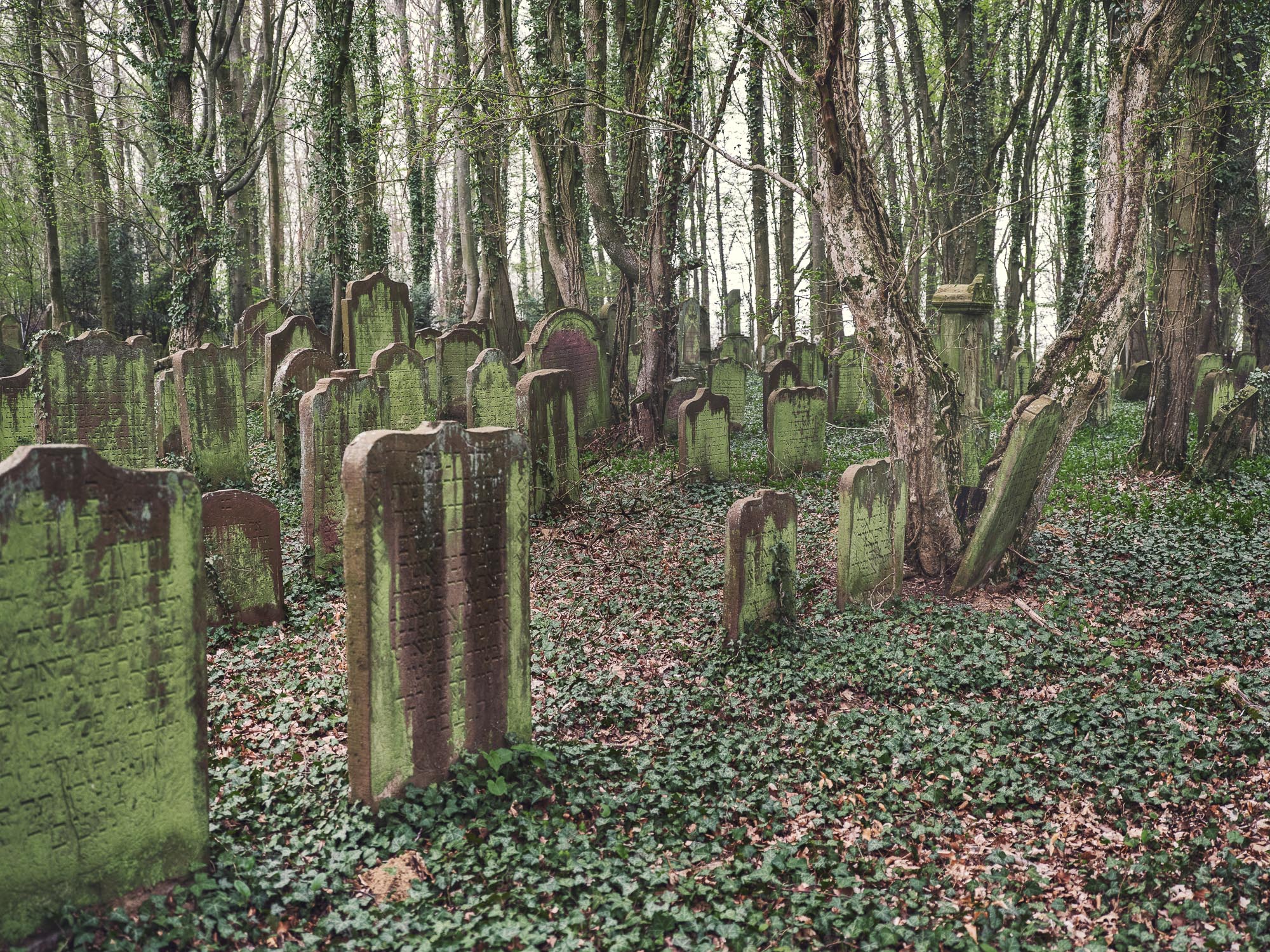
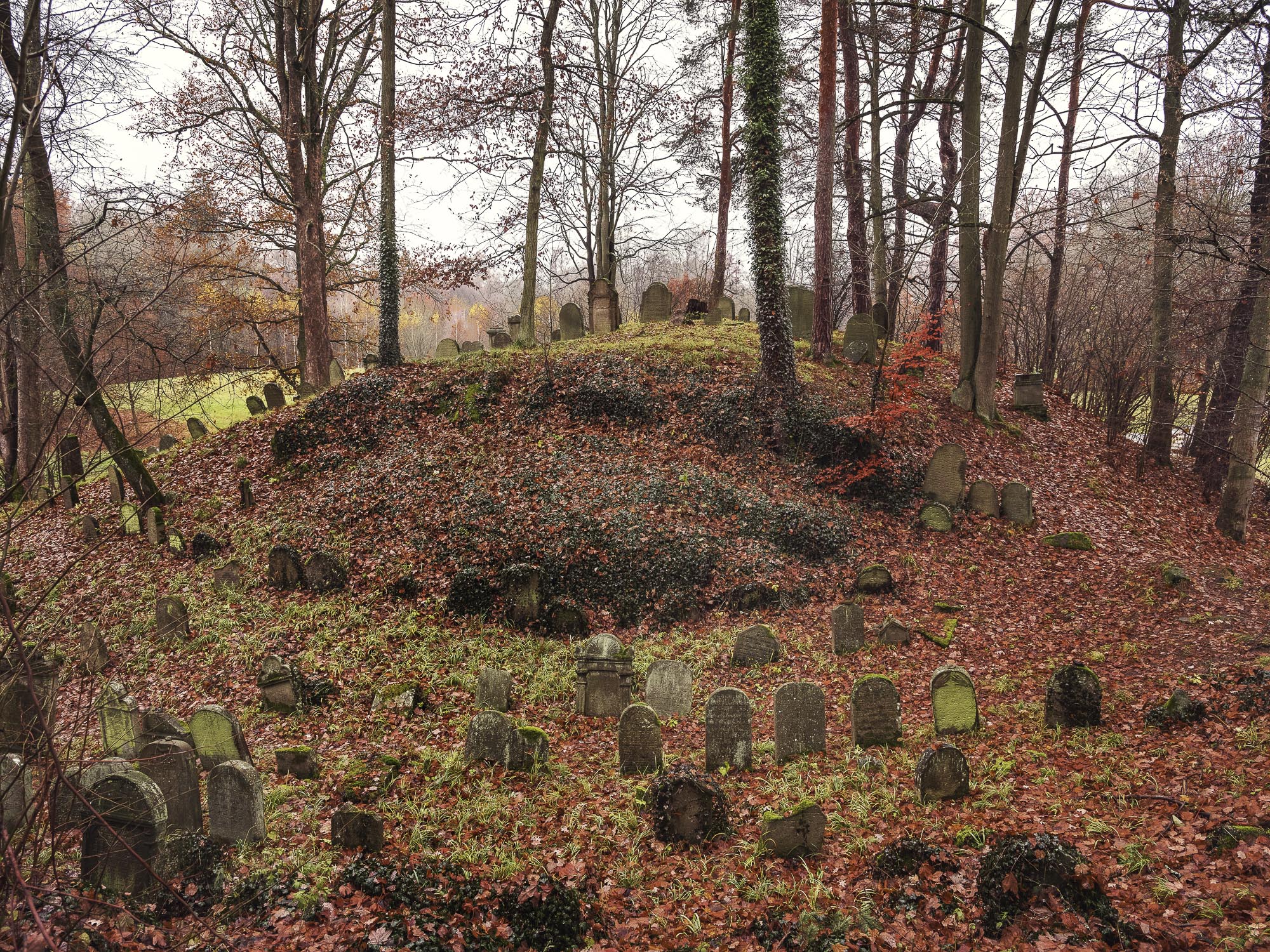
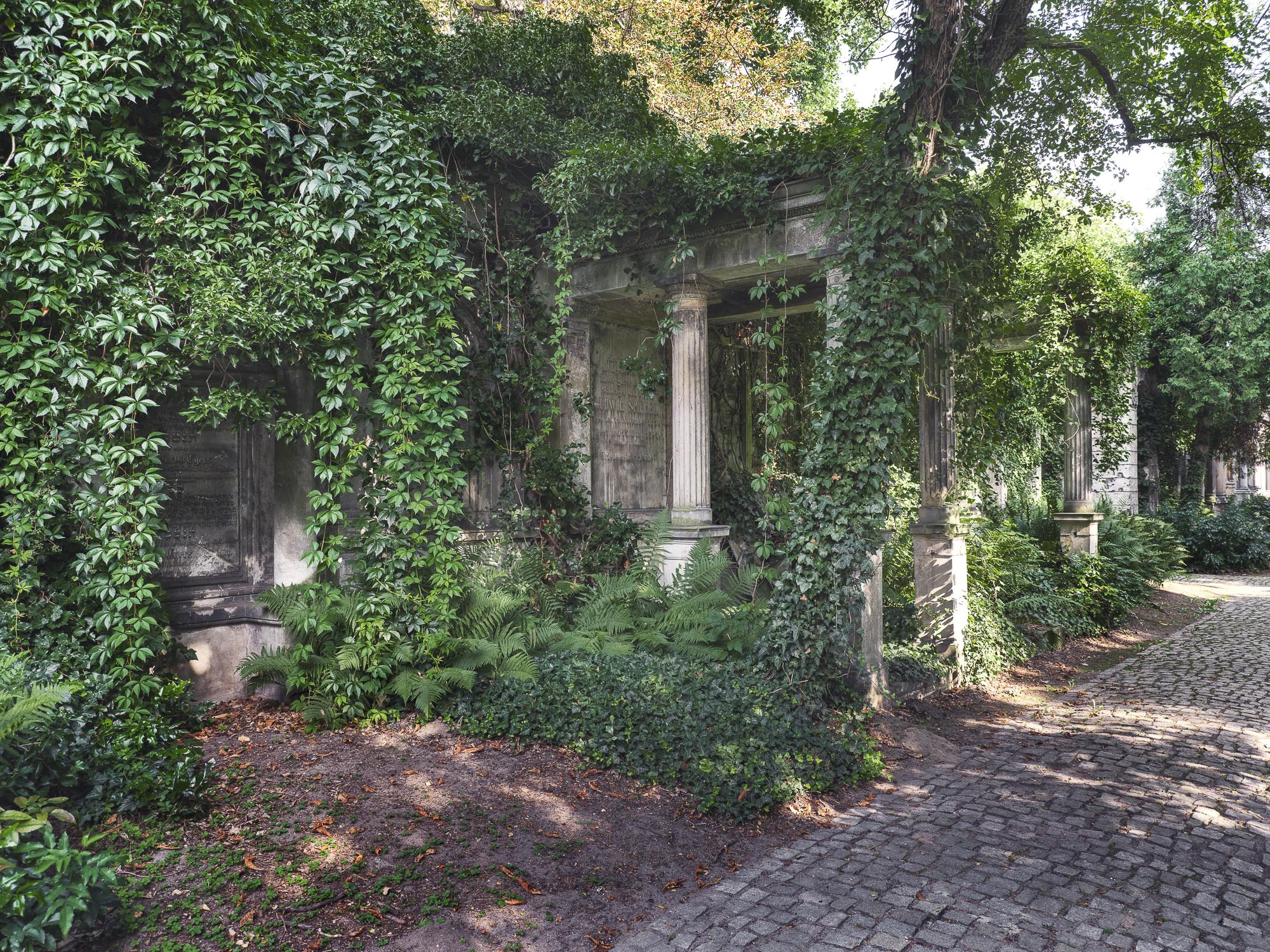
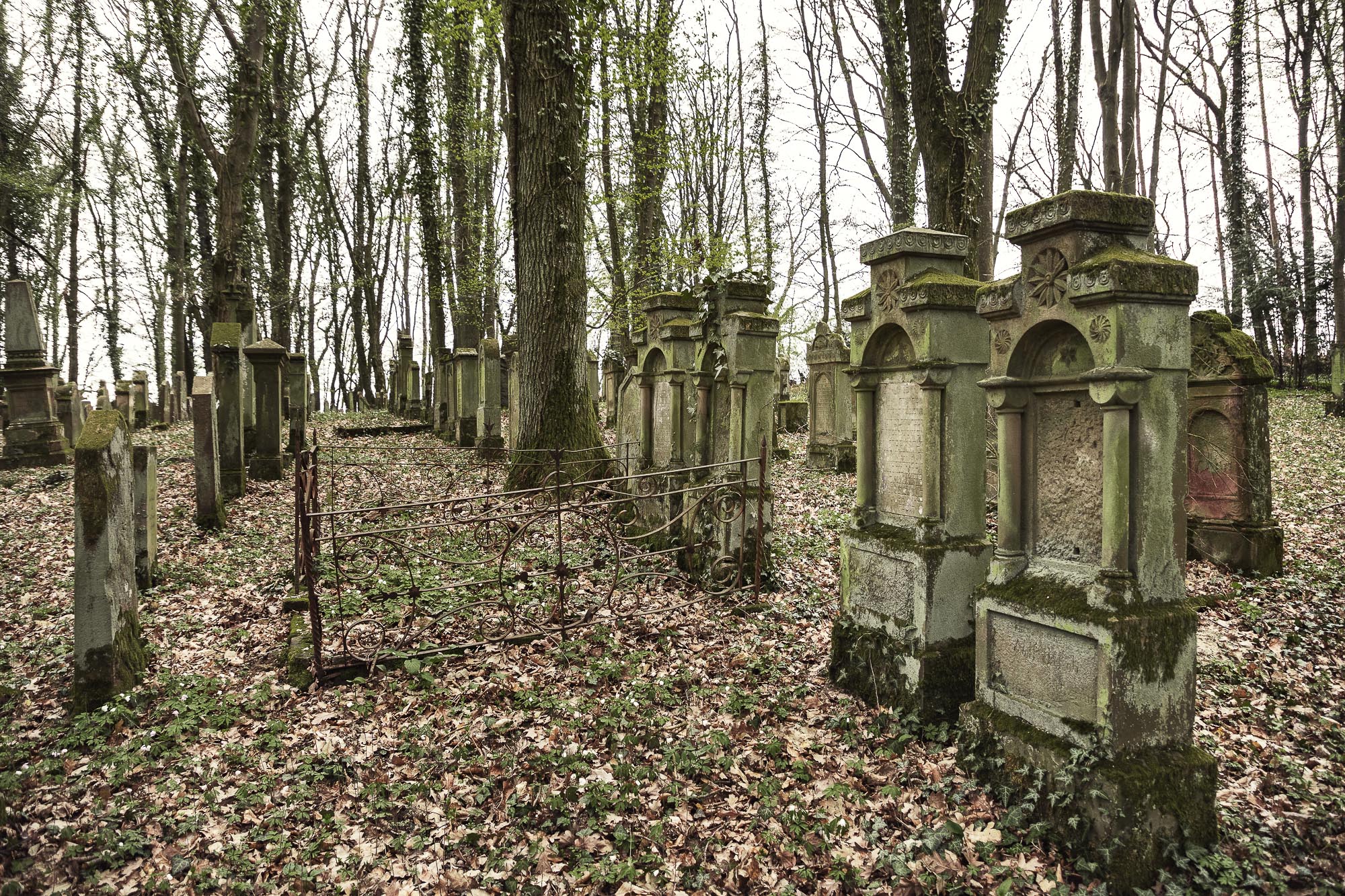
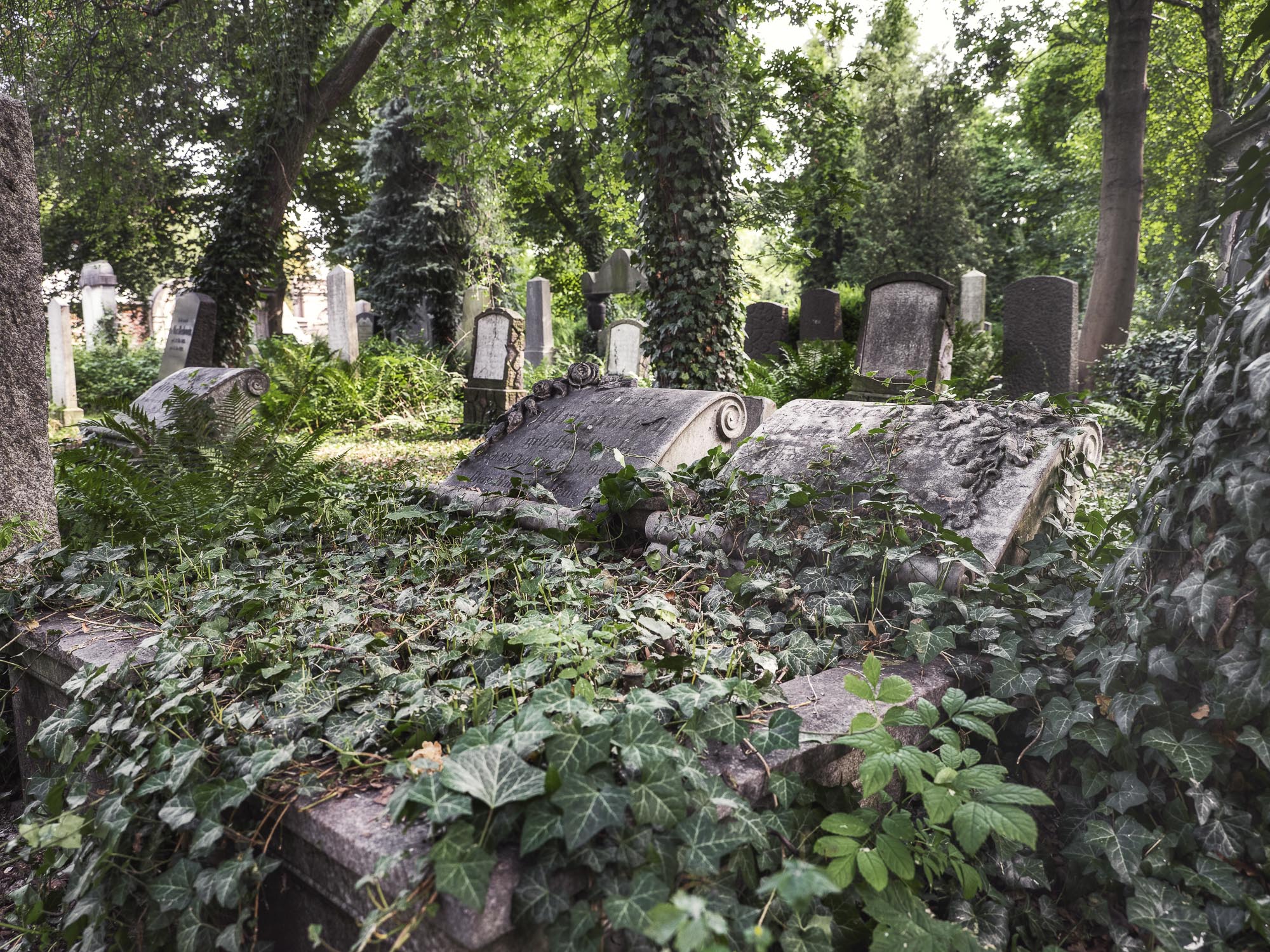
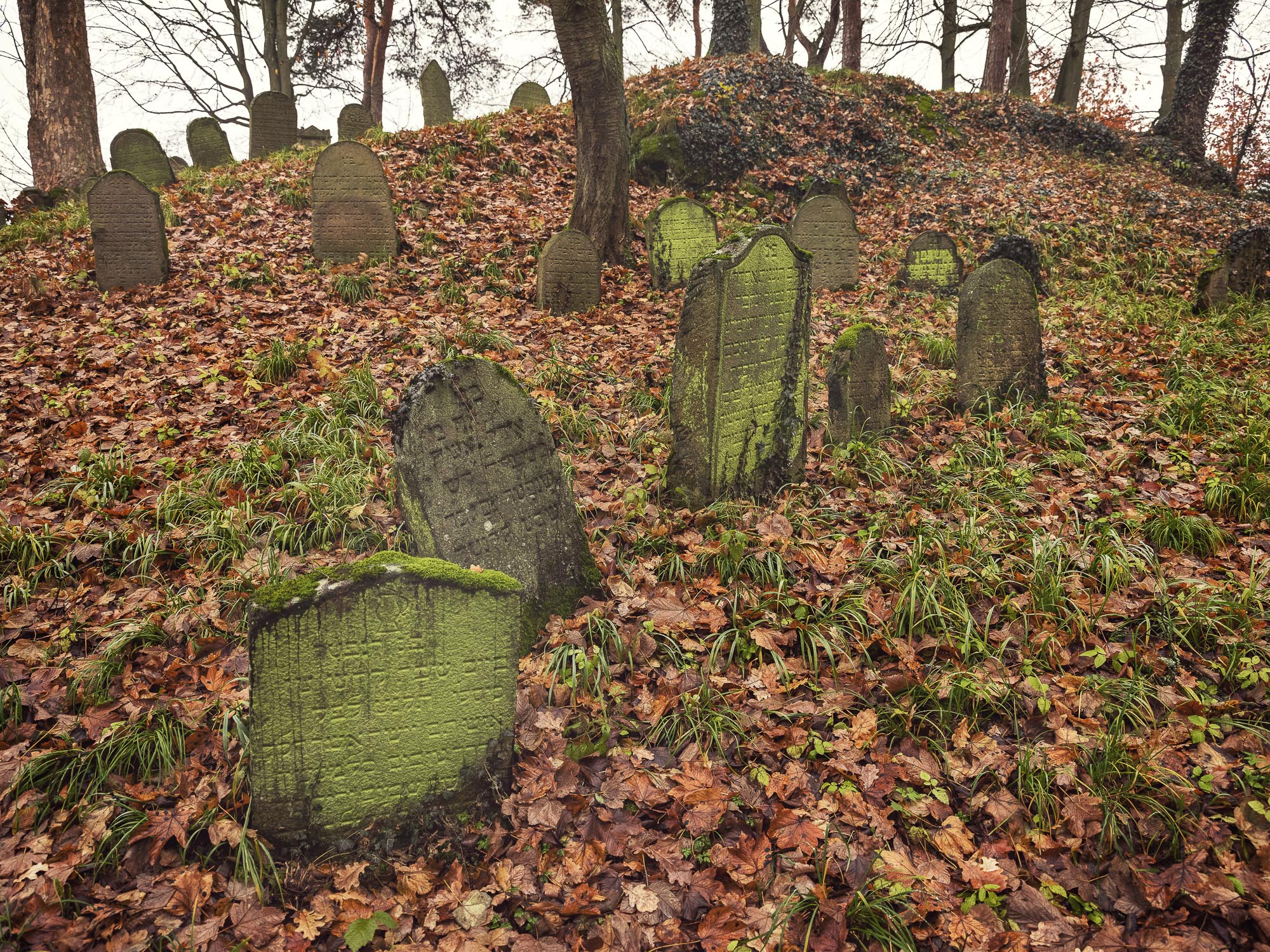
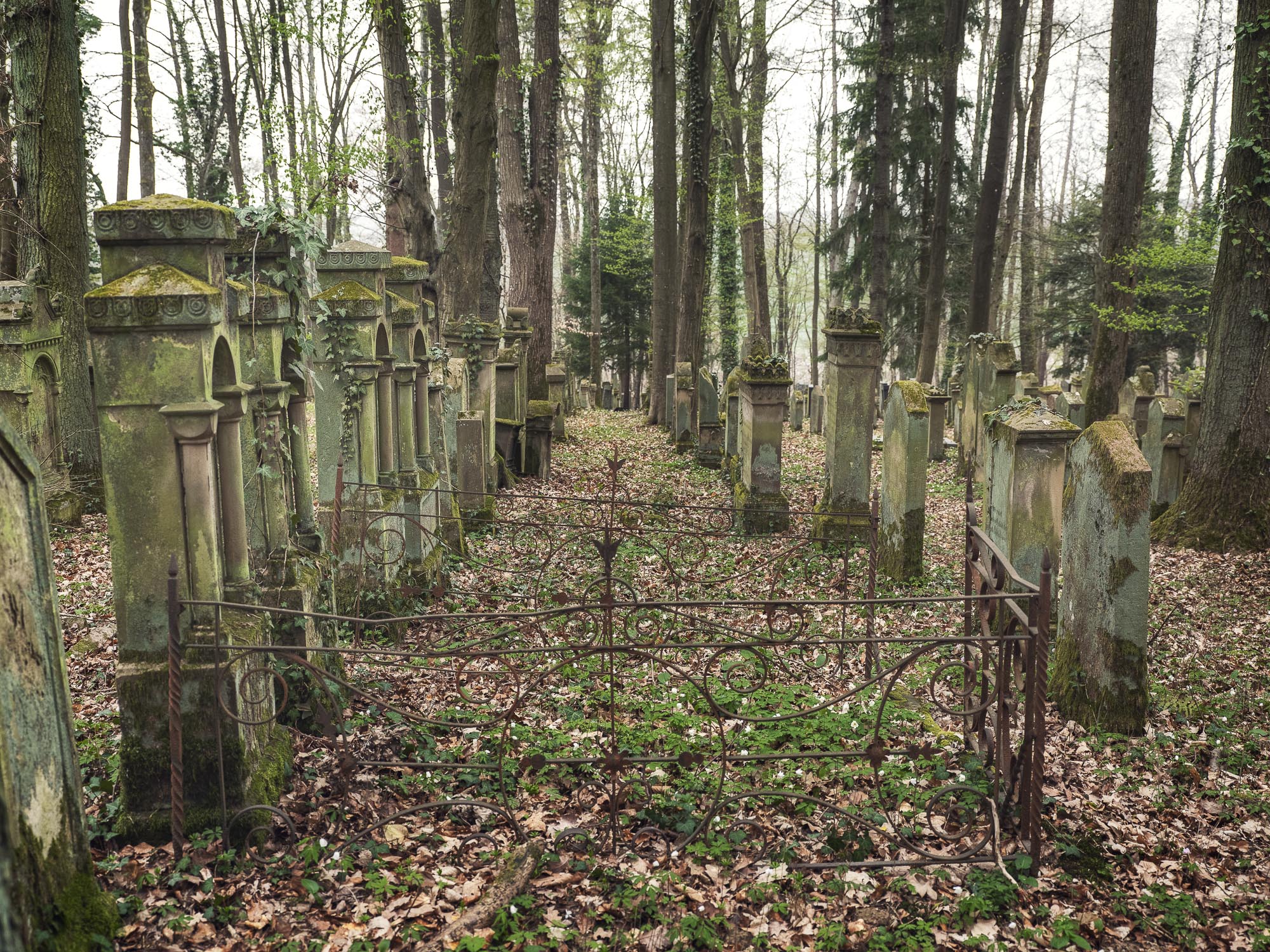
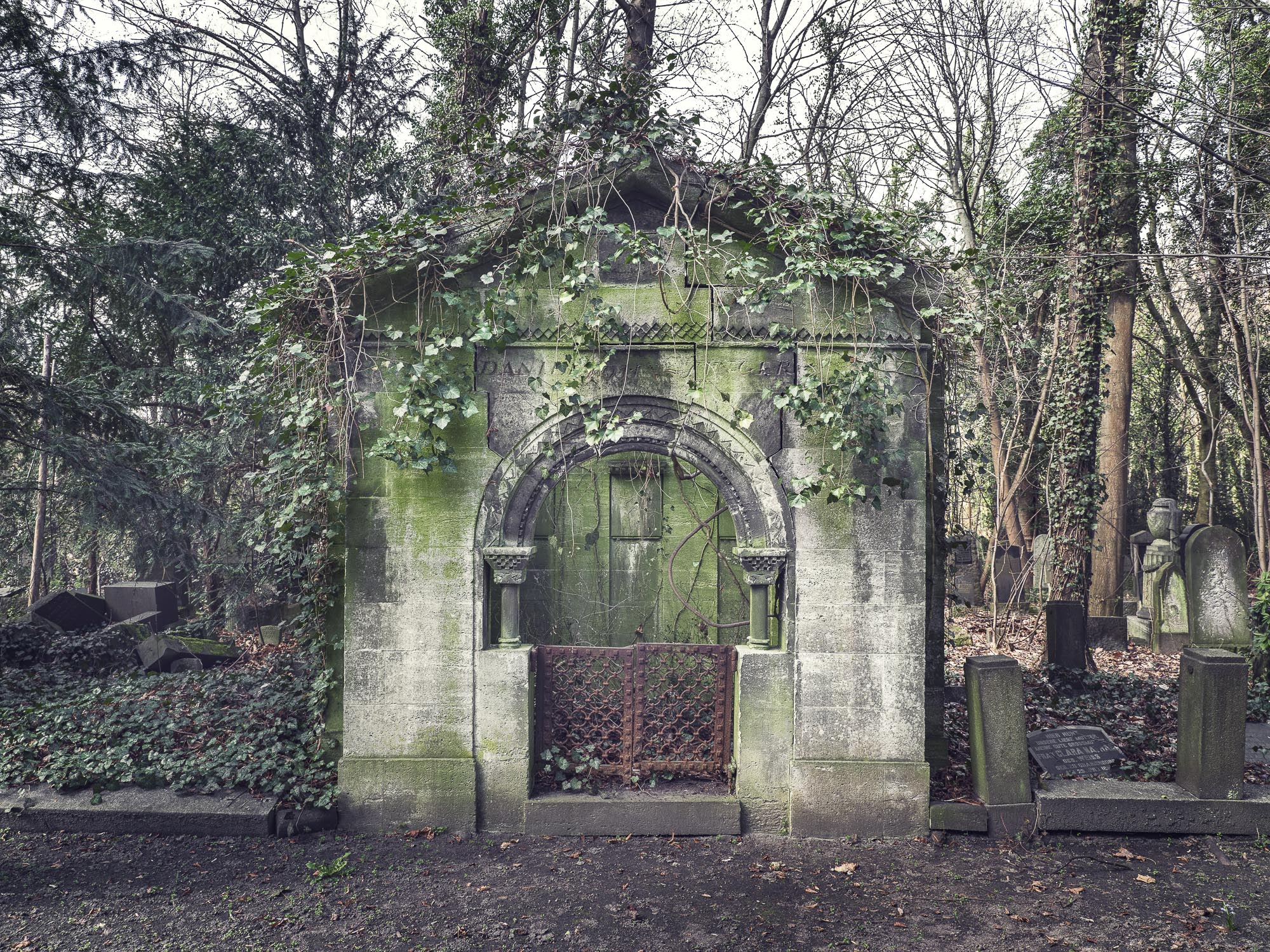
This produces the picture that marks these places. Where burials went on for generations, the fields fill up, and old graves are left to grow over with ivy and grass. Until the middle of the eighteenth century the stones were mostly of uniform design, a sign of equality in death. Ashkenazi communities set upright stones, Sephardi communities laid flat slabs.
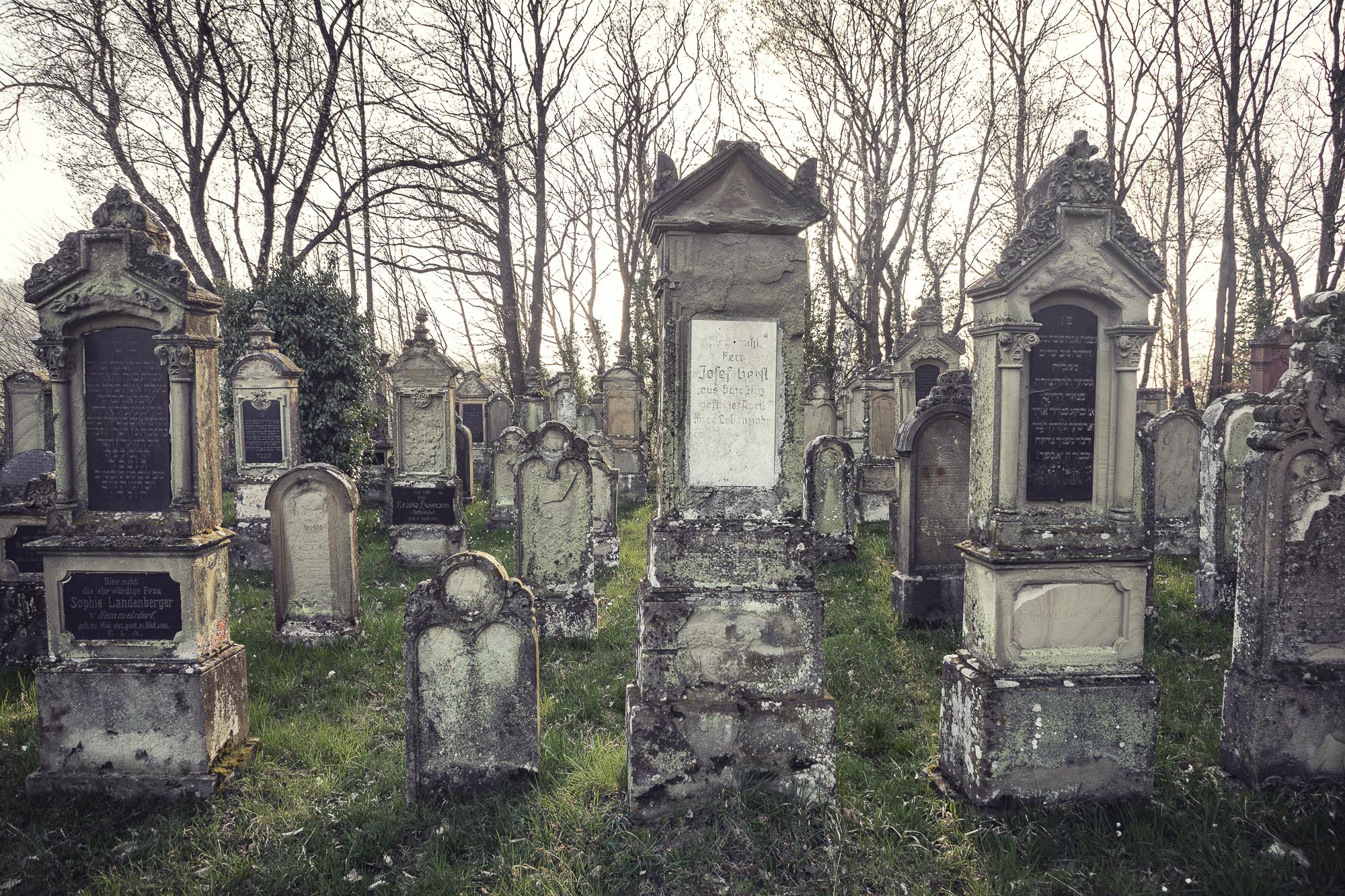
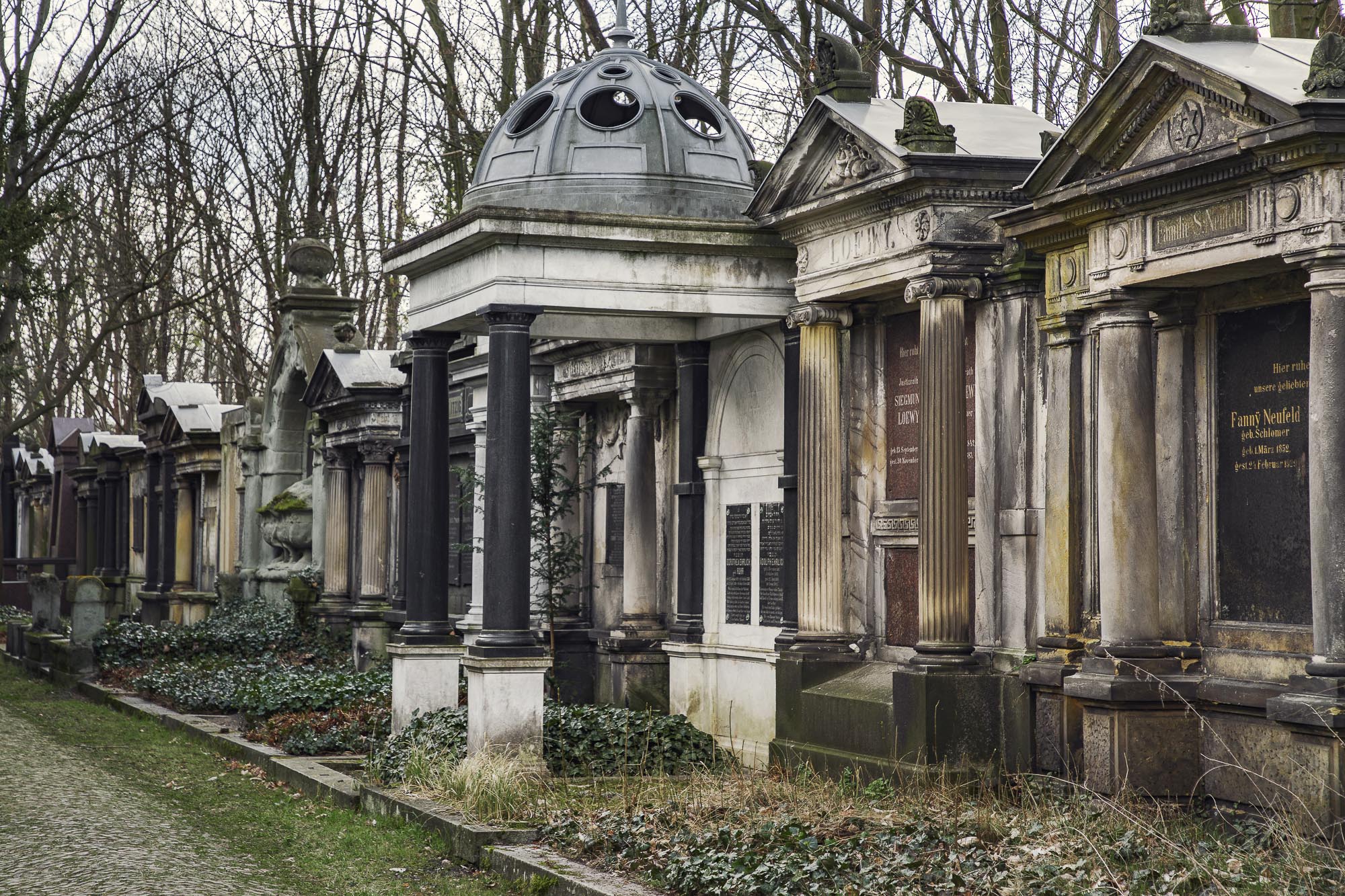
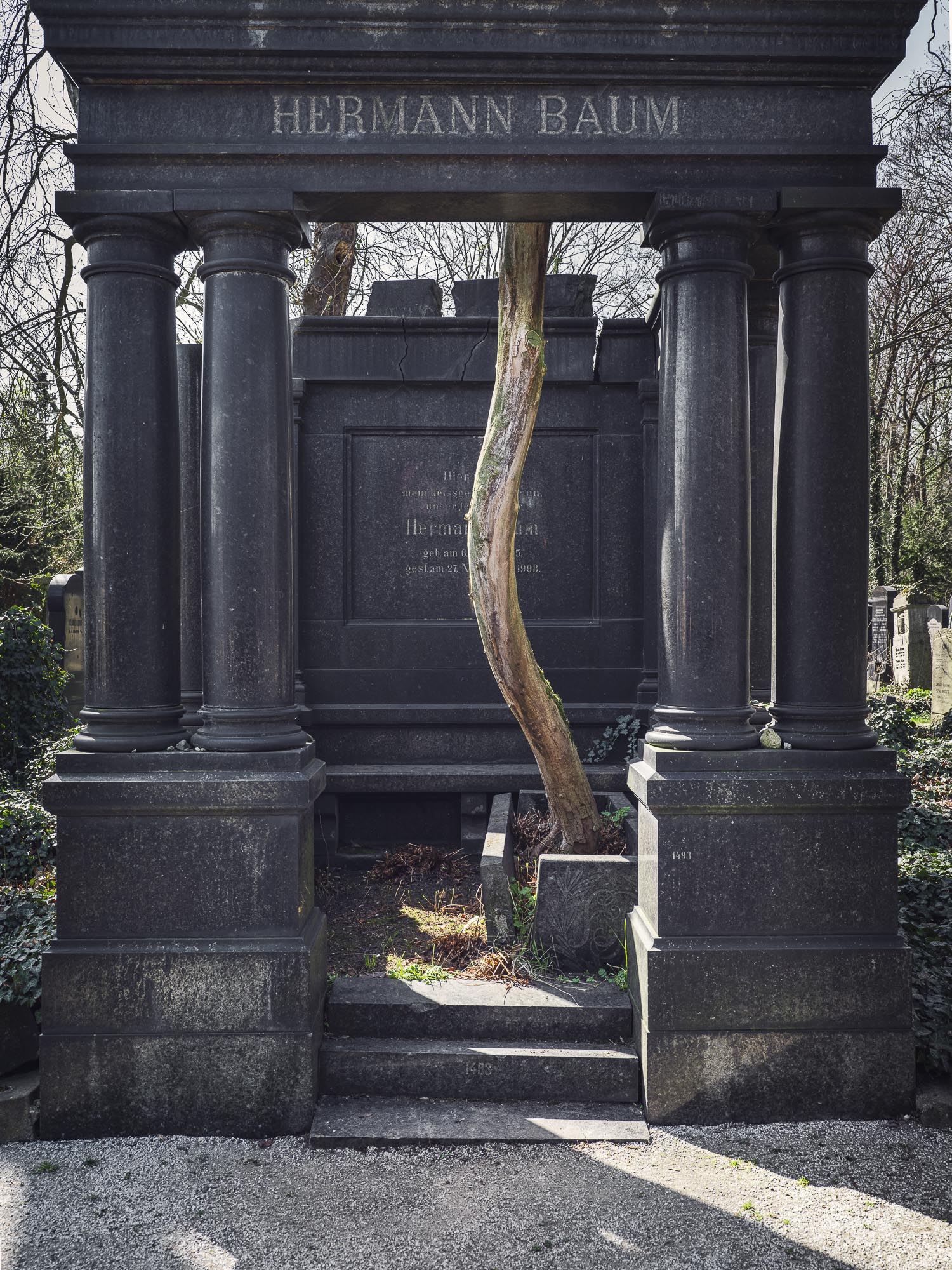
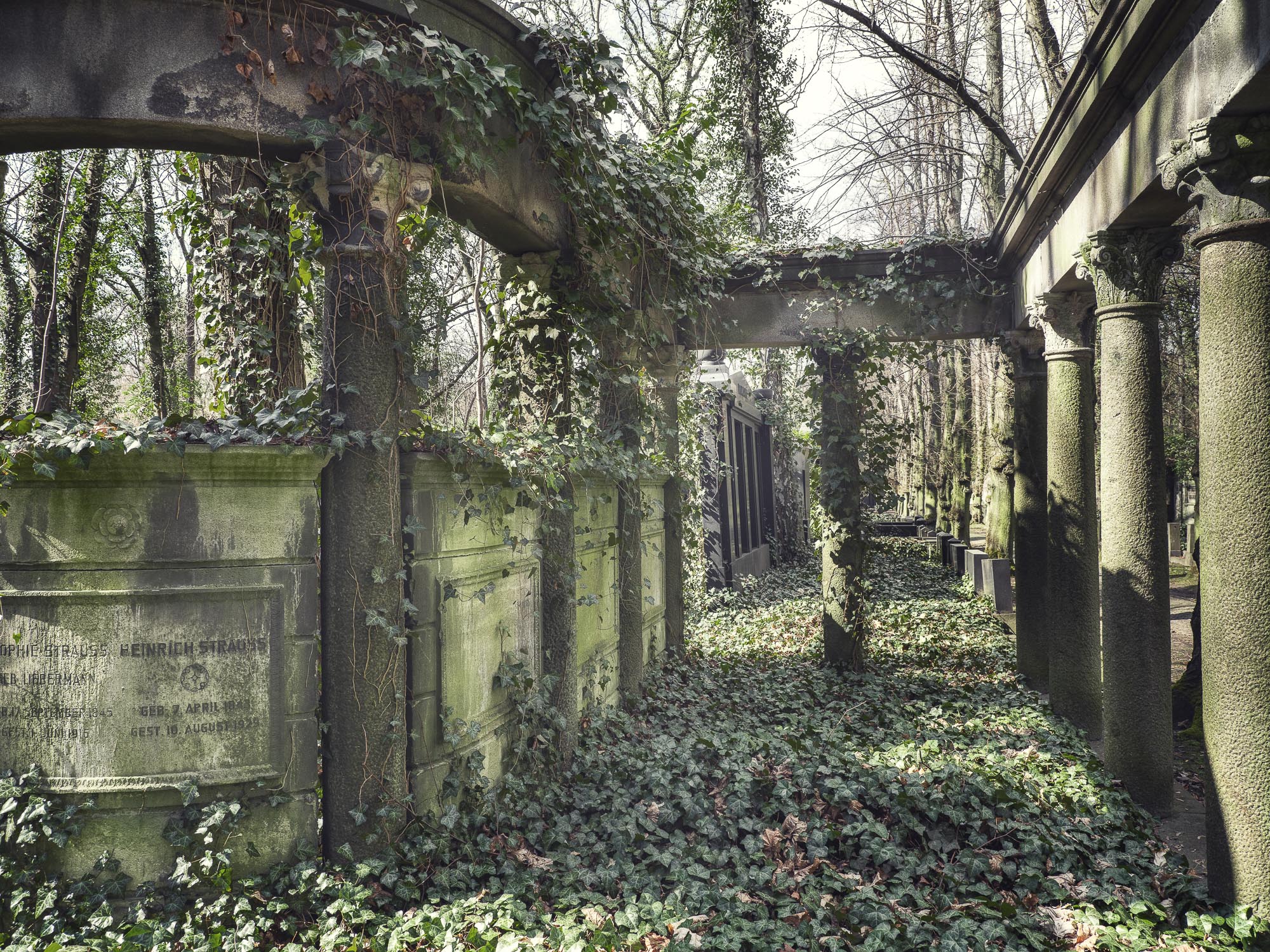
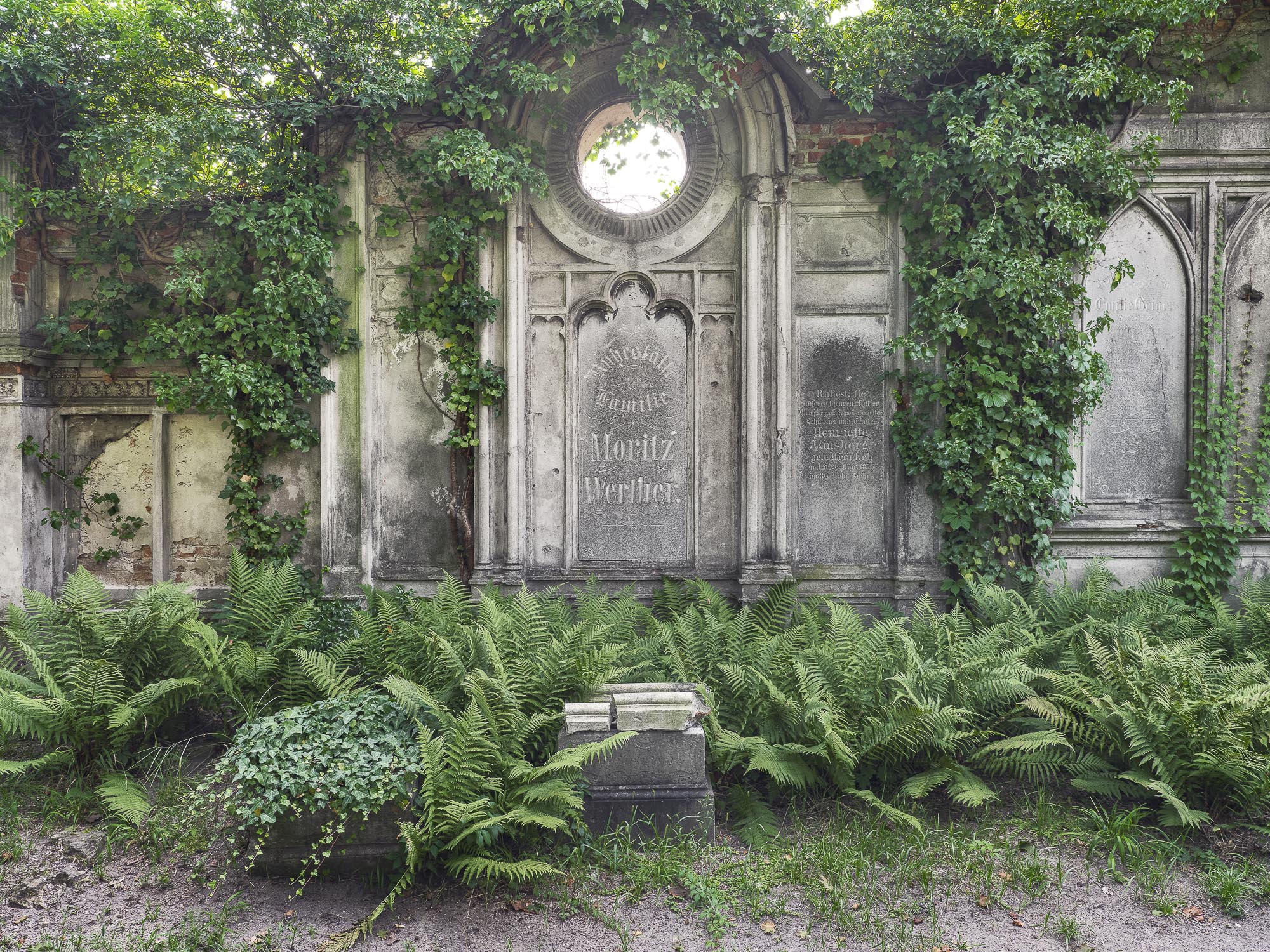
The inscriptions are in Hebrew, and on later stones such as those in Berlin-Weißensee also in German. Symbols tell of those buried: blessing hands for a descendant of the priests (Kohanim), a pitcher for the Levites, as well as the lion, the Star of David, or a broken tree trunk for someone who died young. The gravestones traditionally face east, and the dead lie with their feet towards Jerusalem; from the eighteenth century this was no longer strictly observed.
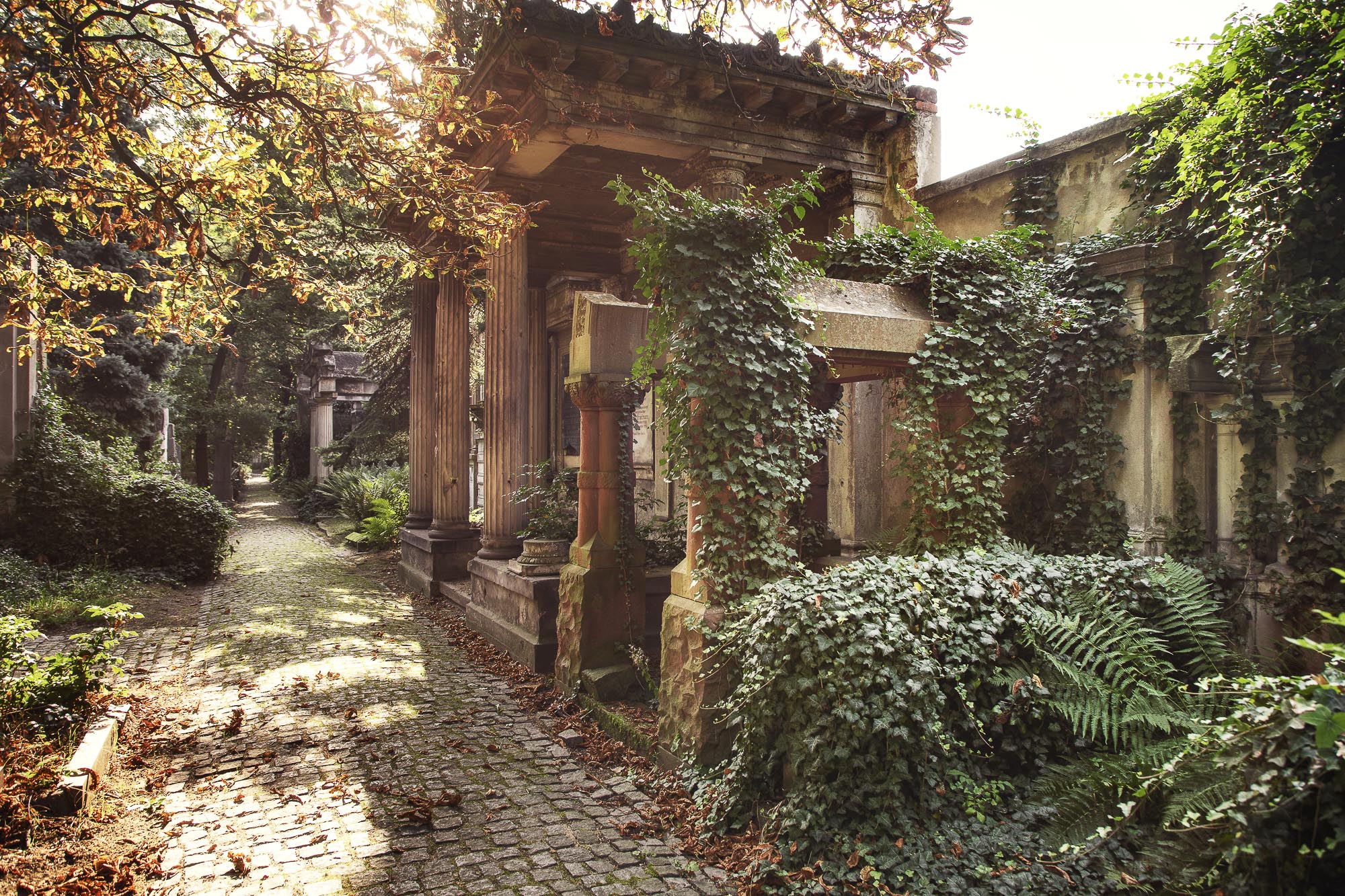
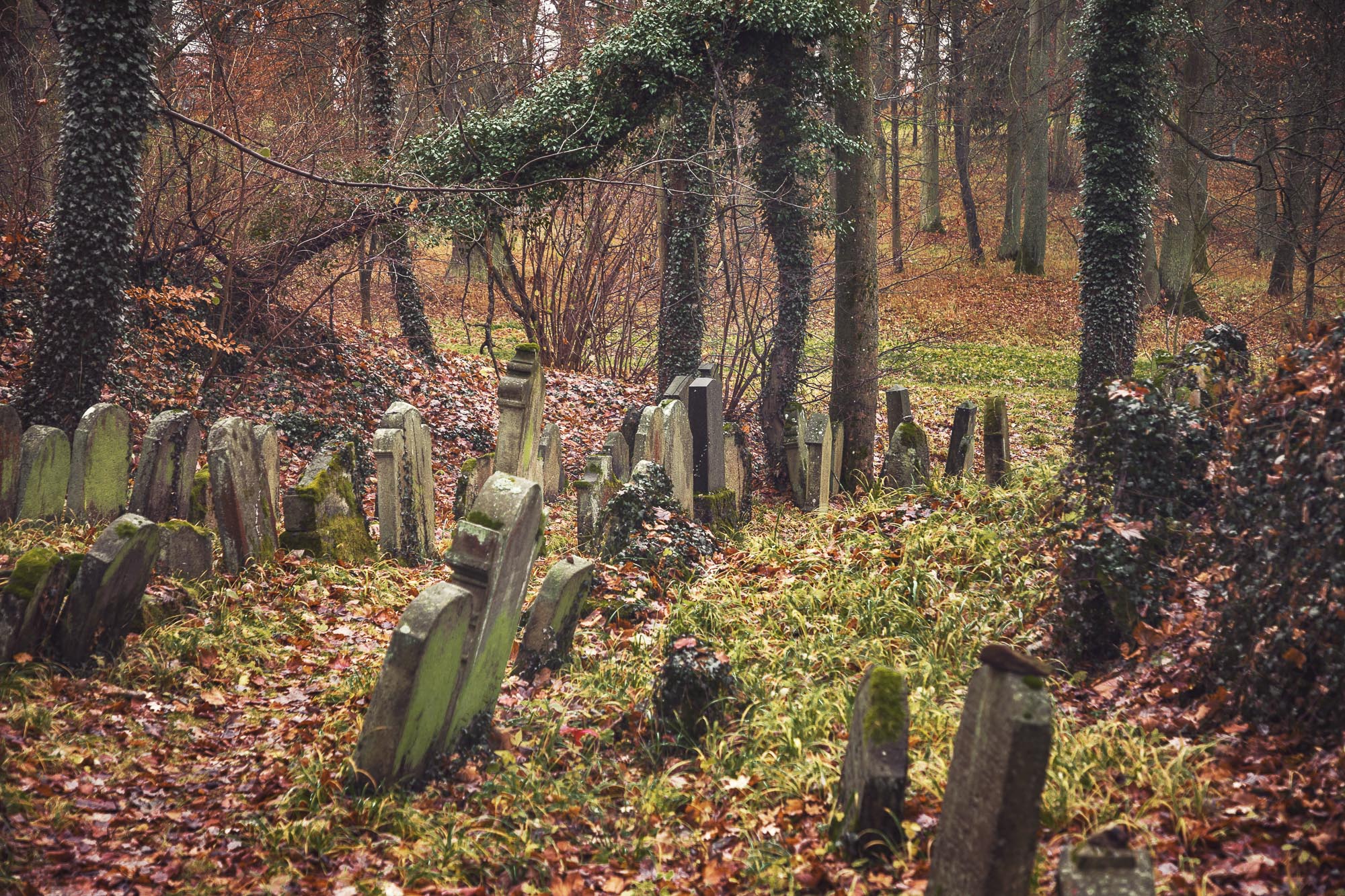
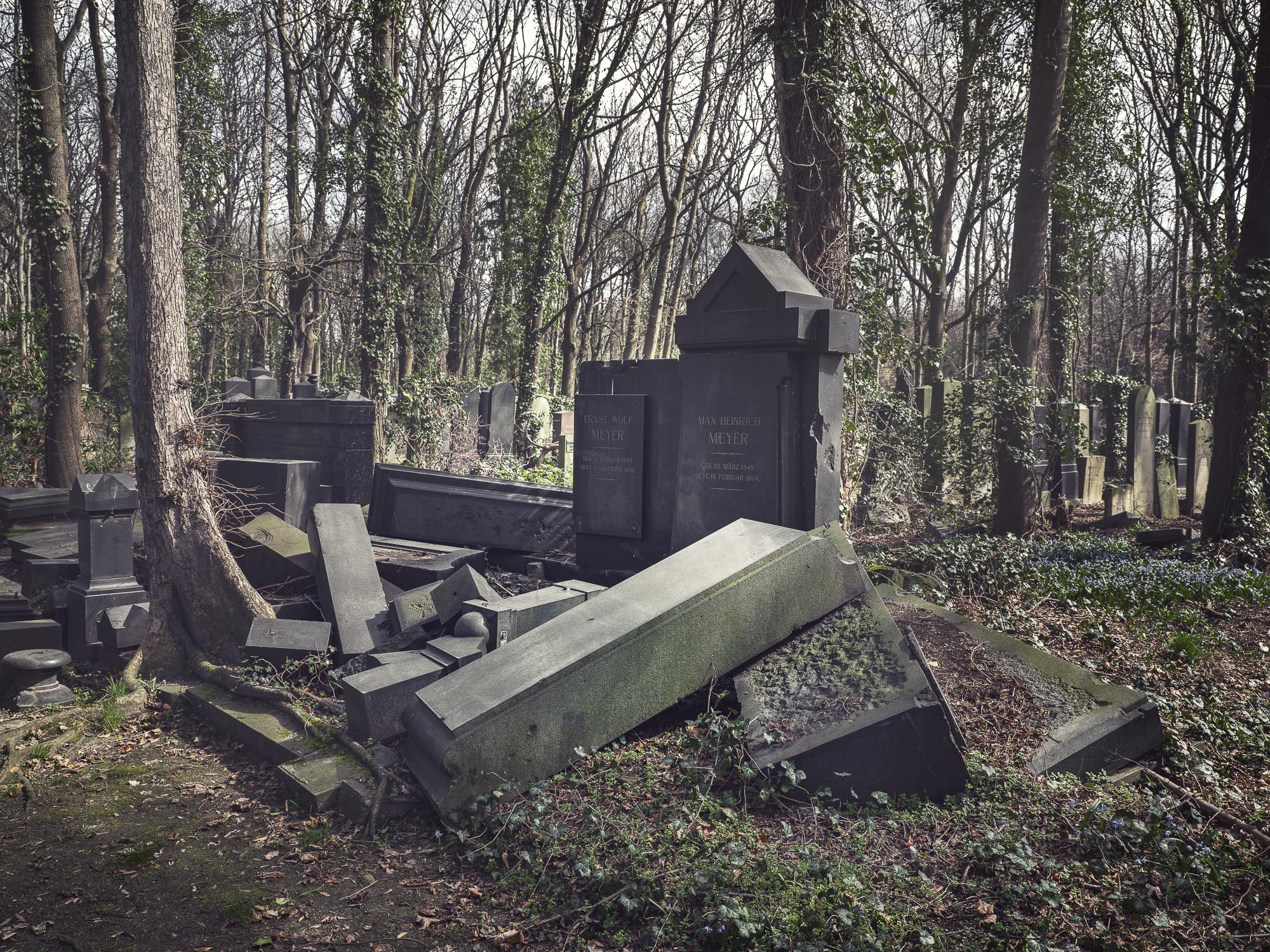
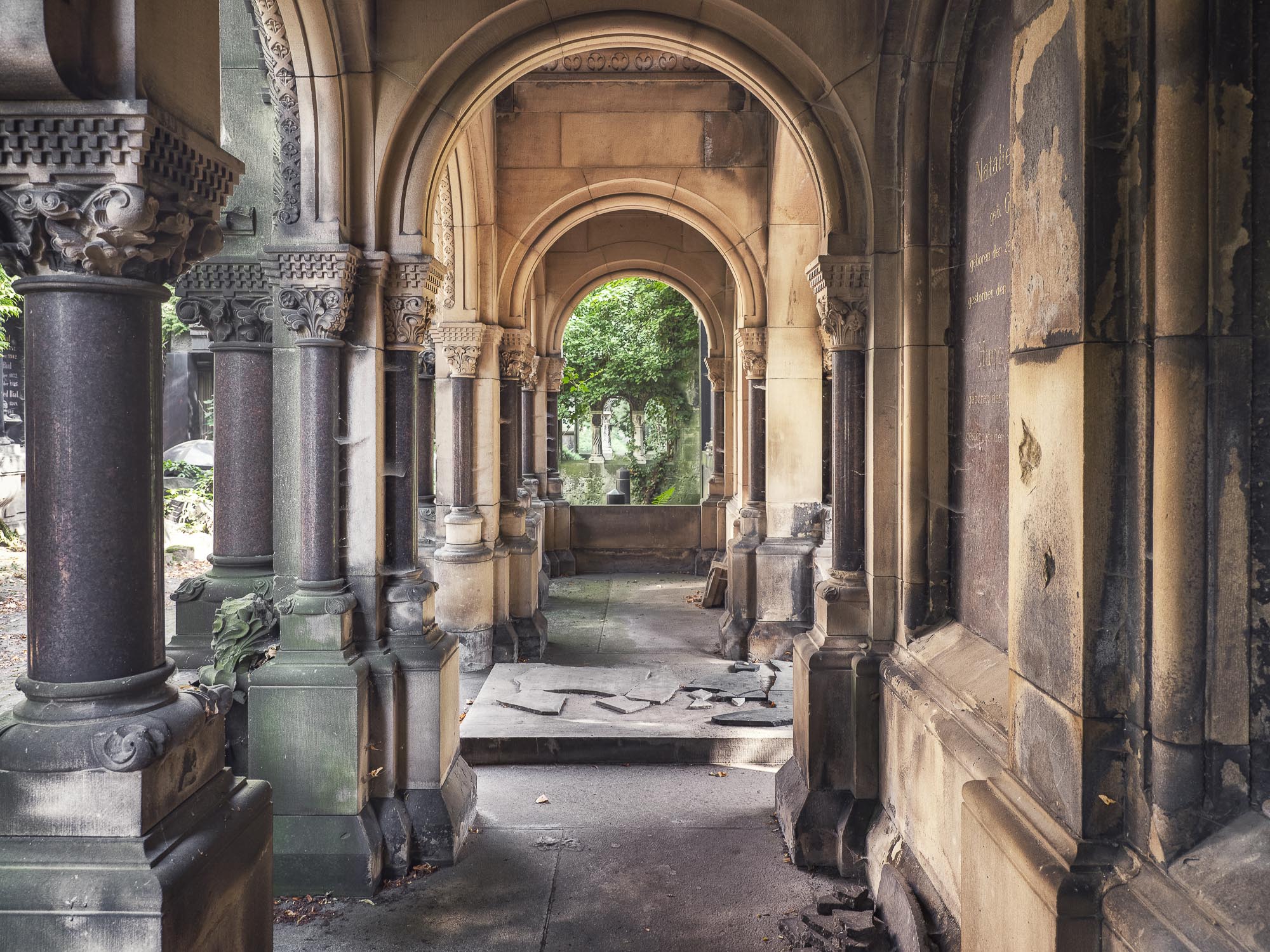
The five cemeteries in this gallery show how different that can look. In Waibstadt, Zeckendorf and Chodová Planá the stones stand in woodland and on slopes, mossy and leaning. In Berlin-Weißensee and in the Old Jewish Cemetery in Wrocław, tombs with columns, arcades and domes were built from the second half of the nineteenth century.
Under National Socialism, Jewish cemeteries were devastated in large numbers. At Weißensee many graves from before 1945 no longer have any relatives, because entire families were murdered.
In his book MEMENTO, Sven Fennema writes of the “untouched and enchanted Jewish burial grounds”. That nothing is interfered with there moved him deeply; they seemed to him like a Garden of Eden, he told the magazine kredo in 2022. In the same year he said of his cemetery pictures in a feature by the broadcaster WDR that nature really paints paintings.
Visitors to a Jewish cemetery place a small stone on the grave instead of flowers. Men are asked to cover their heads as a sign of respect. The cemeteries are generally closed on the Sabbath, and it is customary to wash one’s hands on leaving.
Frequently asked questions
How does a Jewish cemetery work?
A Jewish cemetery is laid out for eternity: every grave remains for good, and is neither levelled nor used again. Burial is in single graves, and the gravestones traditionally face east.
Why are stones placed on Jewish graves instead of flowers?
Visitors place small stones on the gravestone instead of flowers. The Central Council of Jews in Germany traces the custom to the time when graves, in the desert for instance, were covered with stones to protect the dead from animals; the stones also stand for eternity.
What head covering is worn in a Jewish cemetery?
Men are asked to cover their heads as a sign of respect. This applies to non-Jewish visitors too.
What is a Jewish cemetery called in Hebrew?
The usual names are Bet Olam, “house of eternity”, and Bet ha-Chayim, “house of life”.
What do the symbols on Jewish gravestones mean?
Blessing hands stand for a descendant of the priests (Kohanim), a pitcher for the Levites. The lion, the Star of David and a broken tree trunk for someone who died young are also common.
Which Jewish cemeteries does the gallery show?
The Jewish Cemetery in Berlin-Weißensee, the Jewish cemeteries of Waibstadt and Zeckendorf, the Old Jewish Cemetery in Wrocław and the Jewish cemetery of Chodová Planá in western Bohemia. Each has its own gallery on this site.